Echeveria White Rose
- Description
- Echeveria 'White Rose' Care Guide
- FAQ/Common Issues
-
![]() Echeveria White Rose is a rare succulent in the Crassulaceae family, native to the semi-arid highlands of Mexico where dry conditions and bright sun shaped its drought-tolerant nature. Like all Echeveria, it evolved to store water in its leaves and thrive on neglect, making it one of the most rewarding low maintenance succulents you can grow indoors or out.
Echeveria White Rose is a rare succulent in the Crassulaceae family, native to the semi-arid highlands of Mexico where dry conditions and bright sun shaped its drought-tolerant nature. Like all Echeveria, it evolved to store water in its leaves and thrive on neglect, making it one of the most rewarding low maintenance succulents you can grow indoors or out.
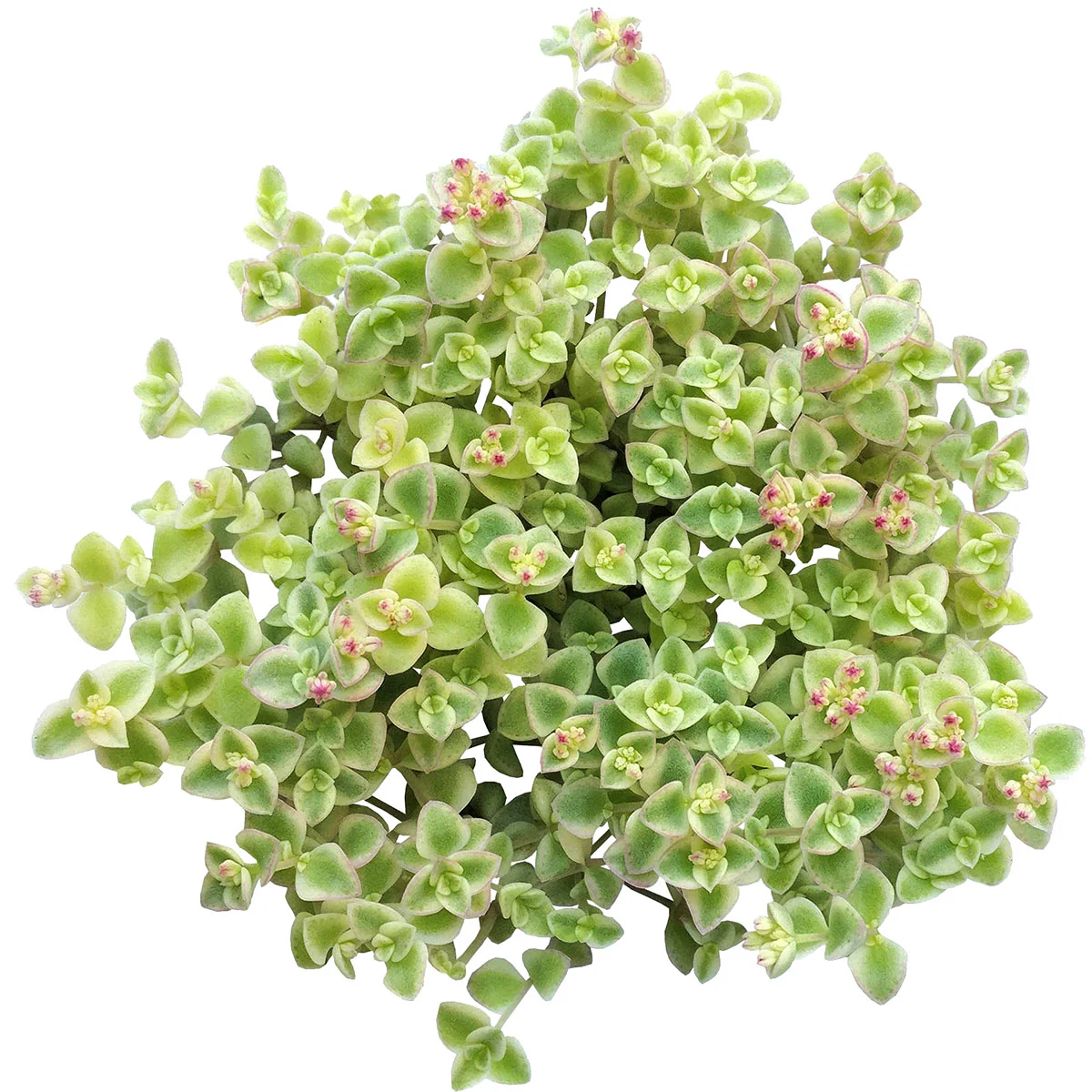
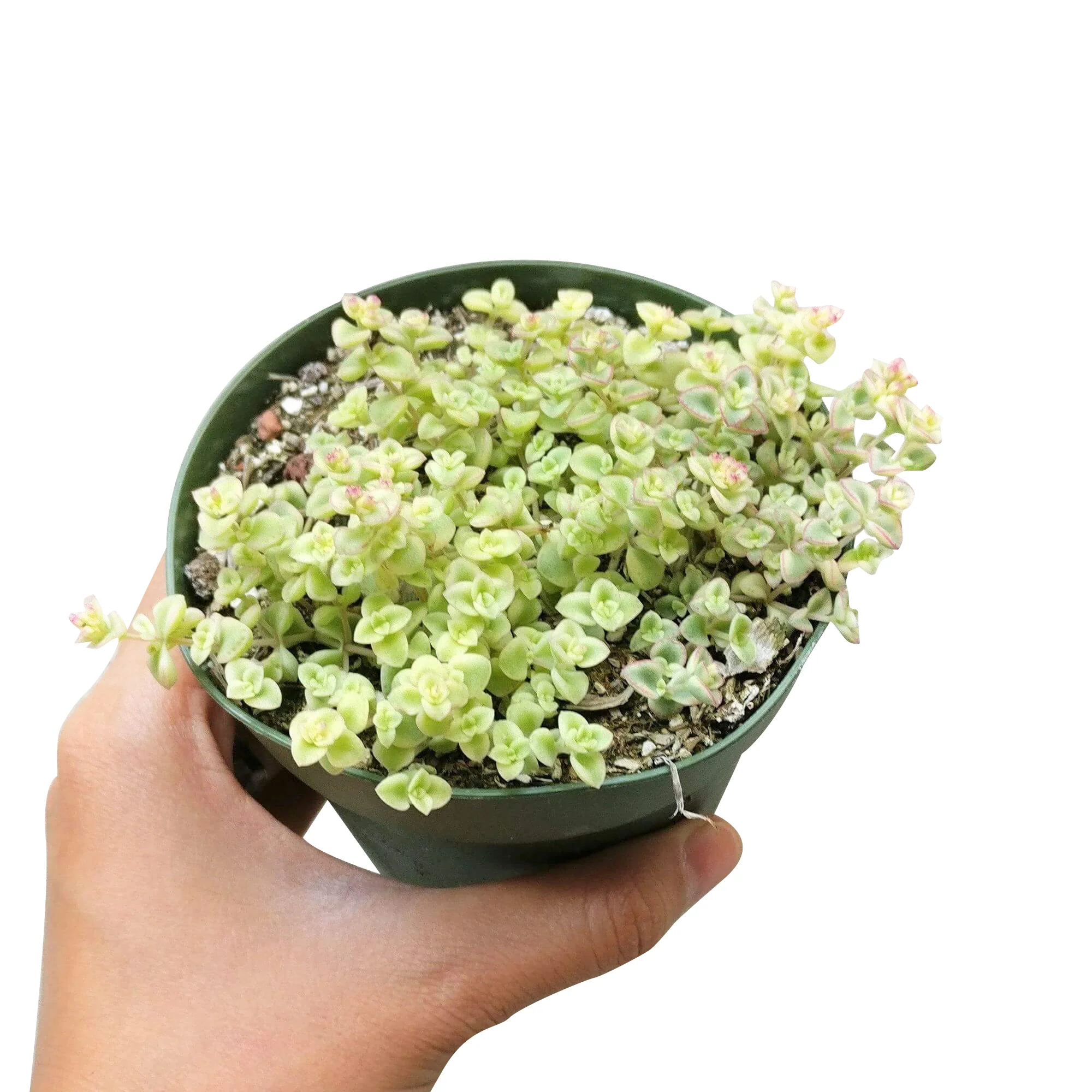
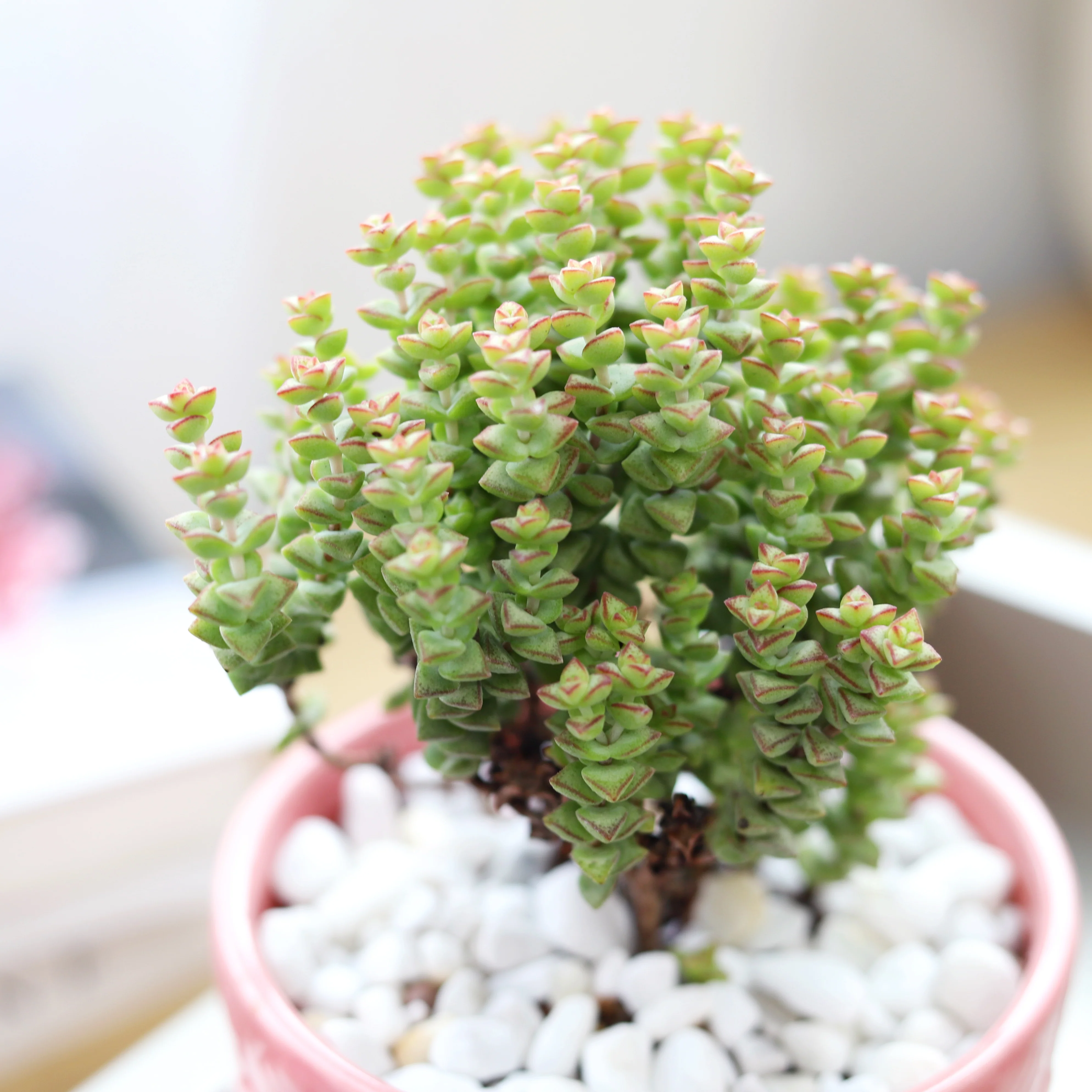
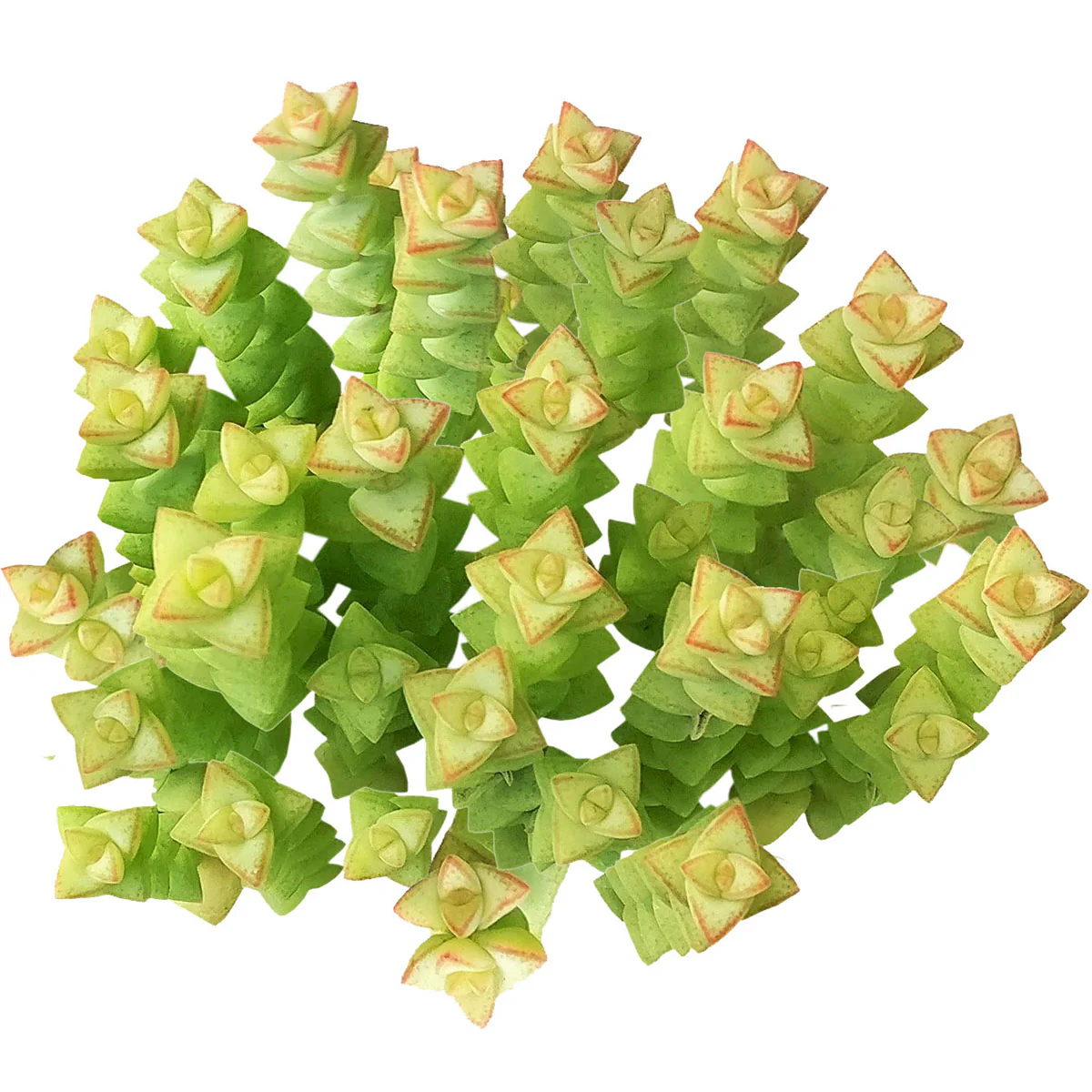
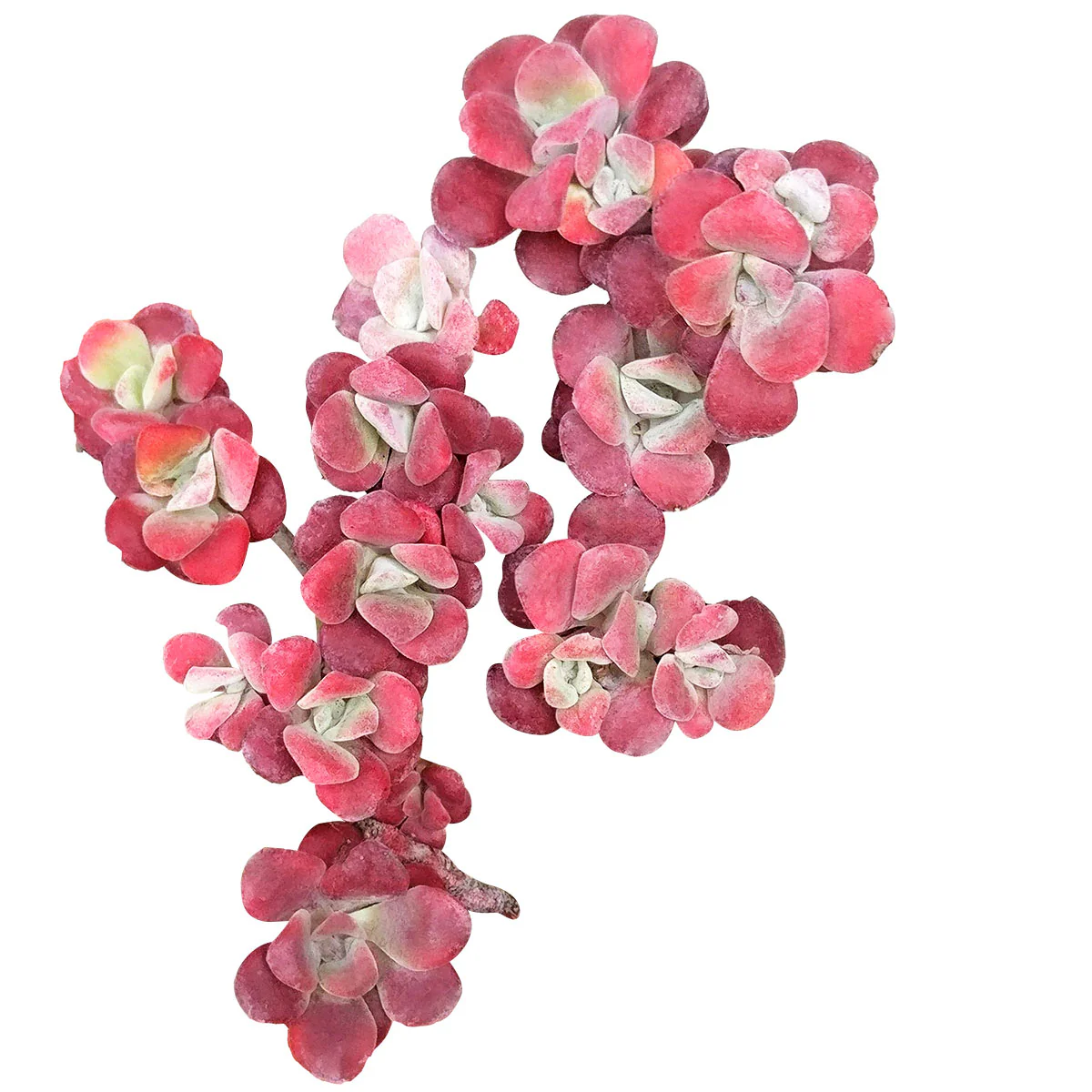
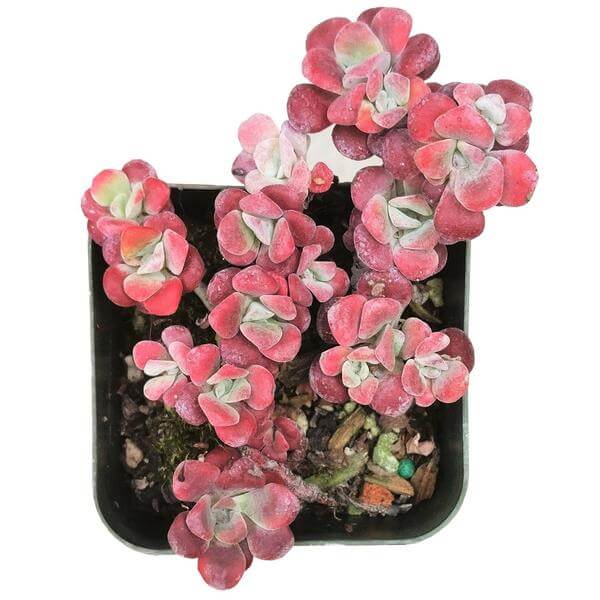
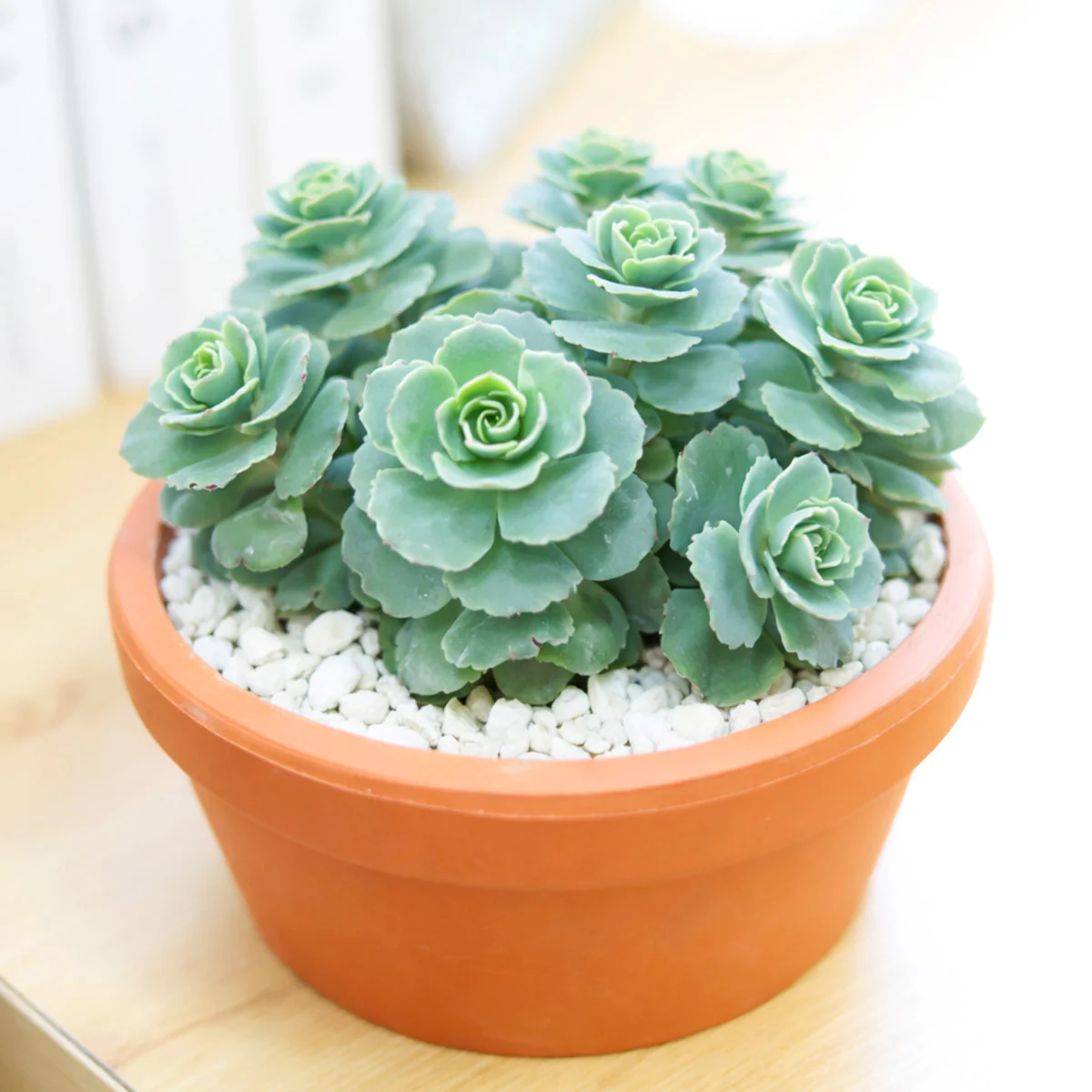
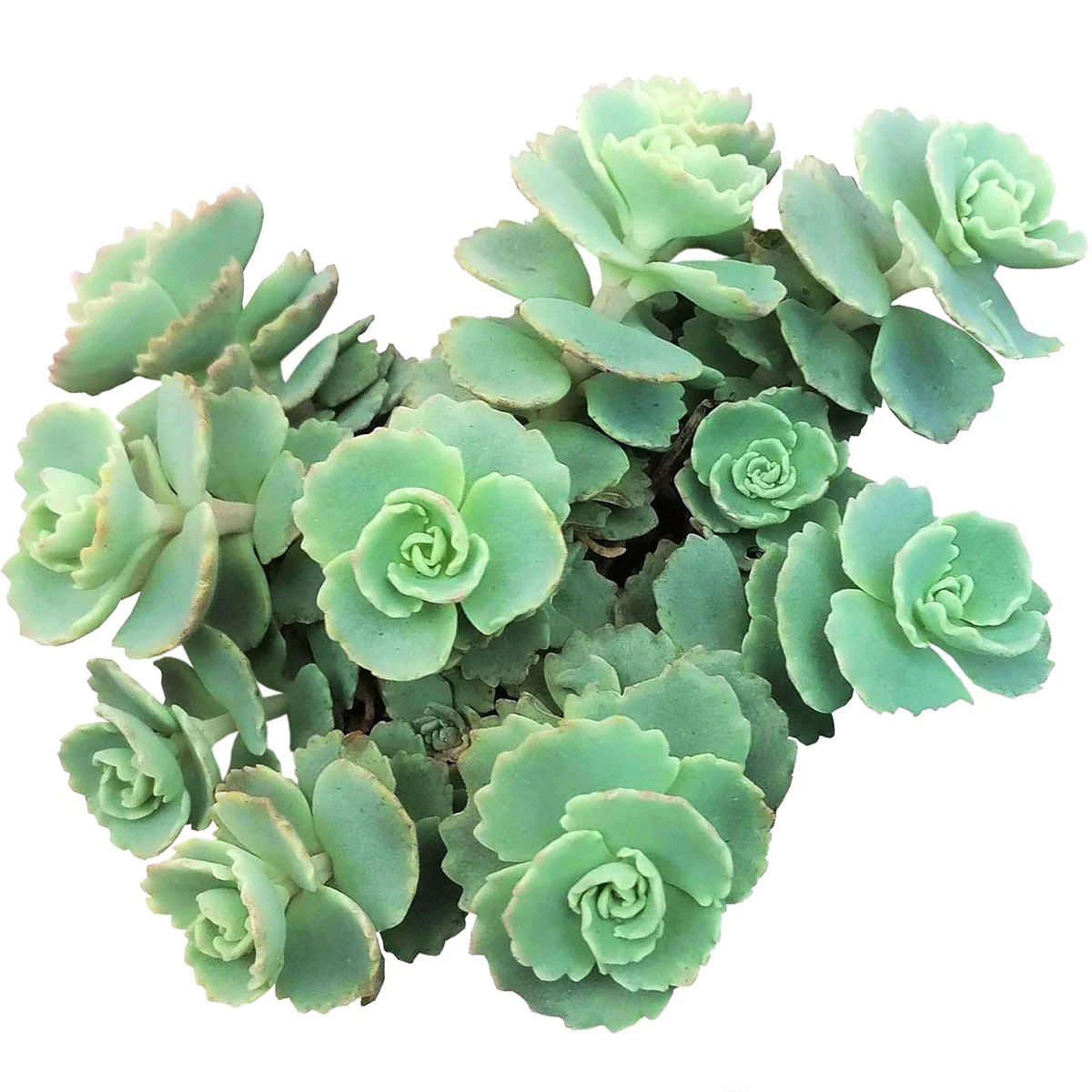
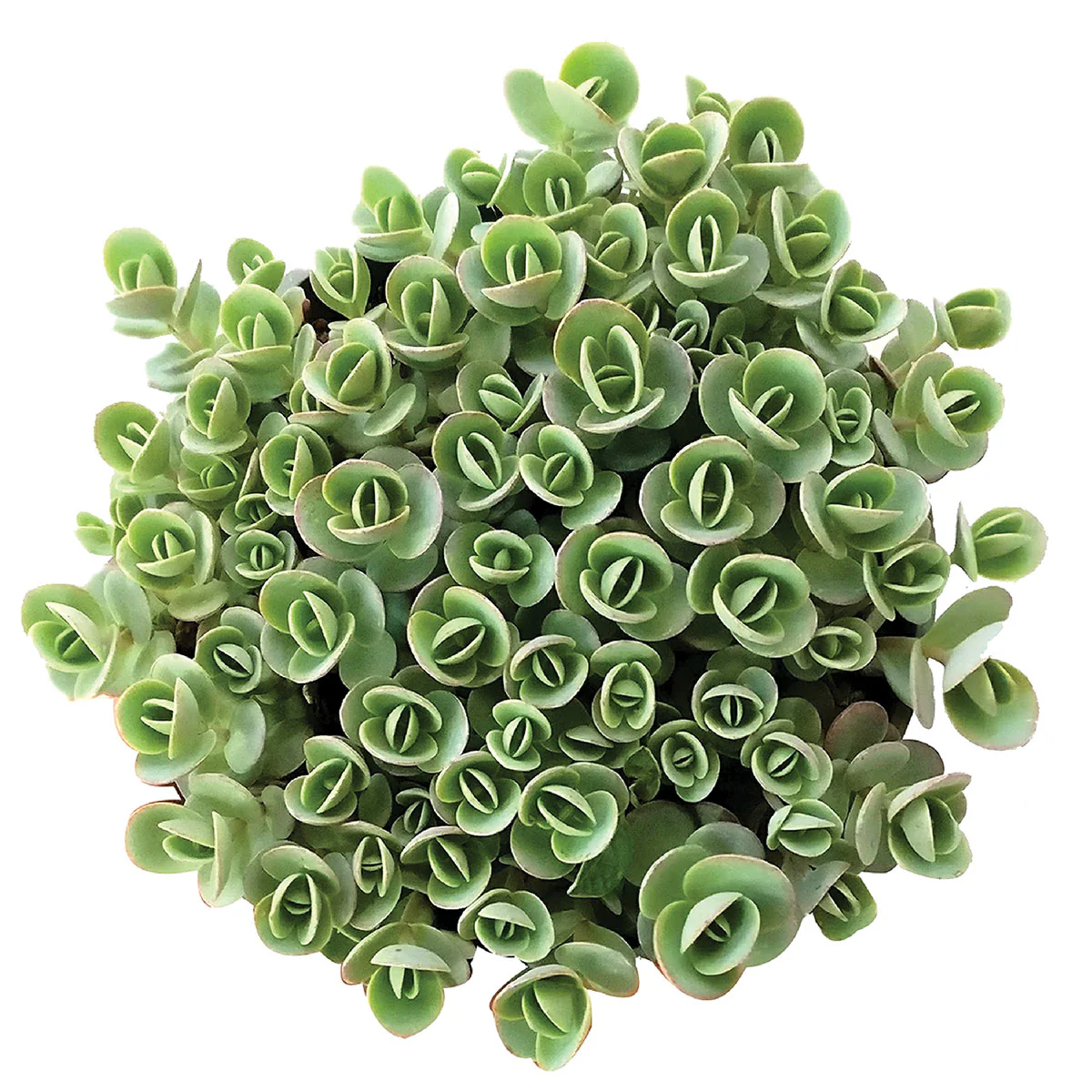
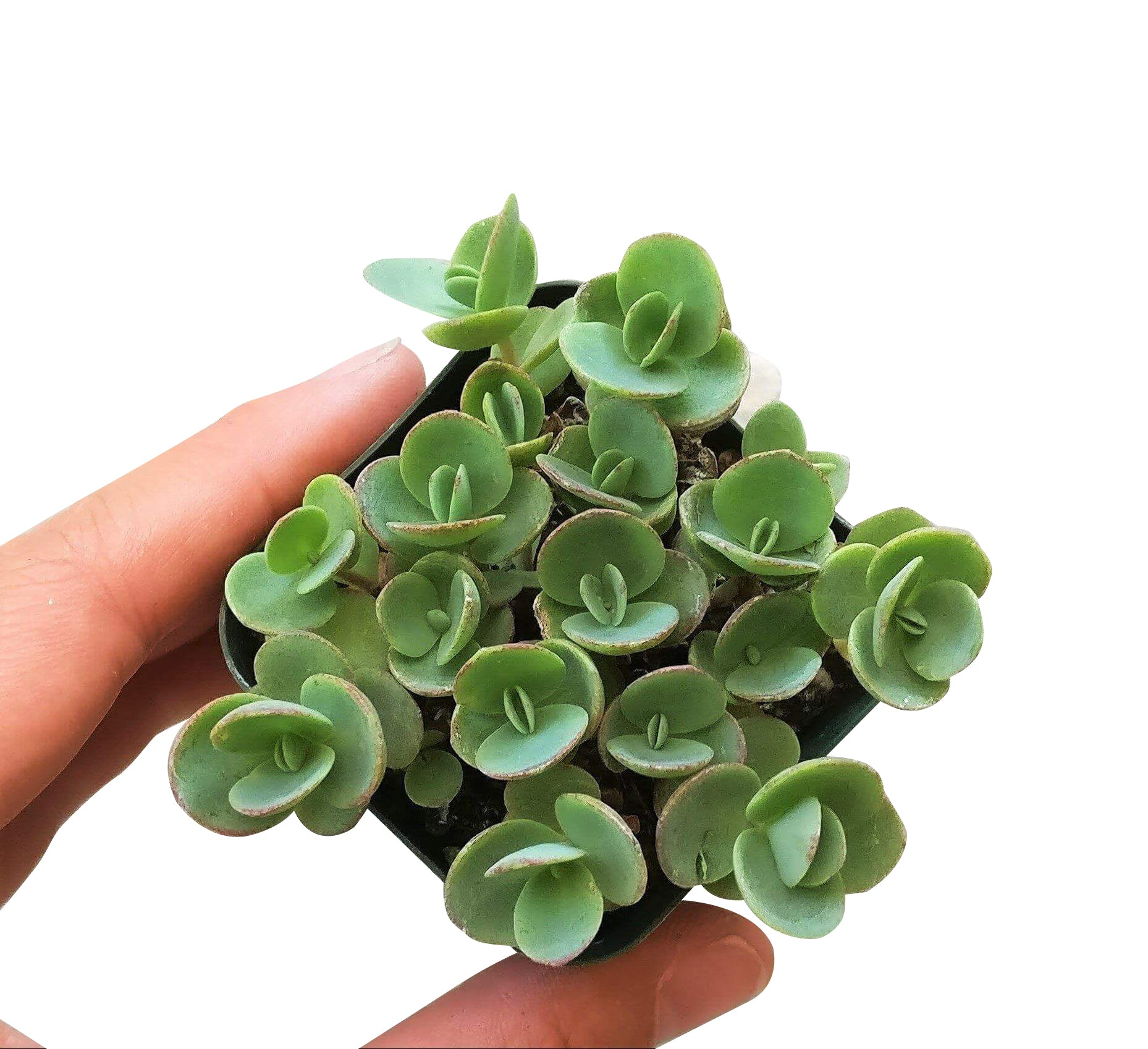
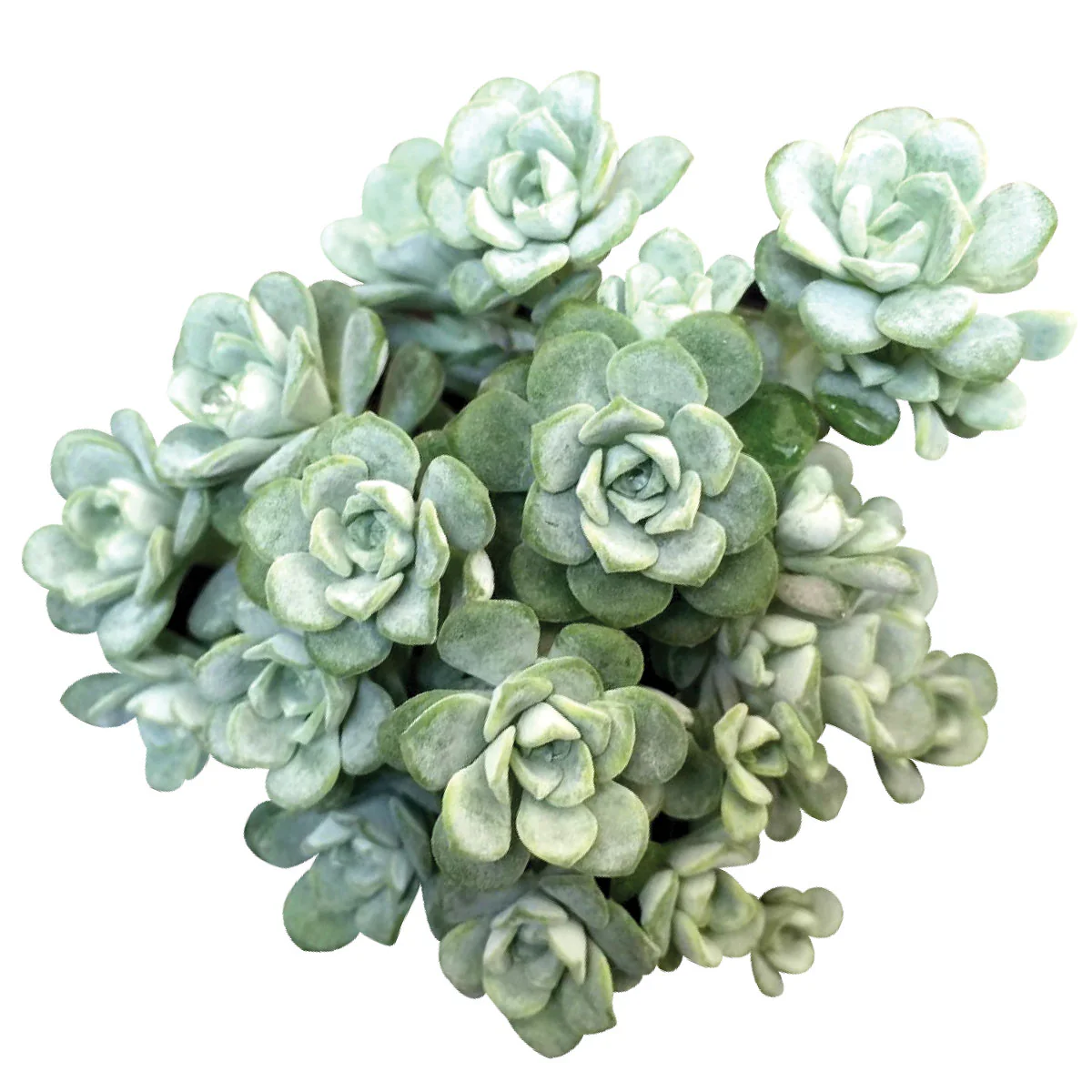
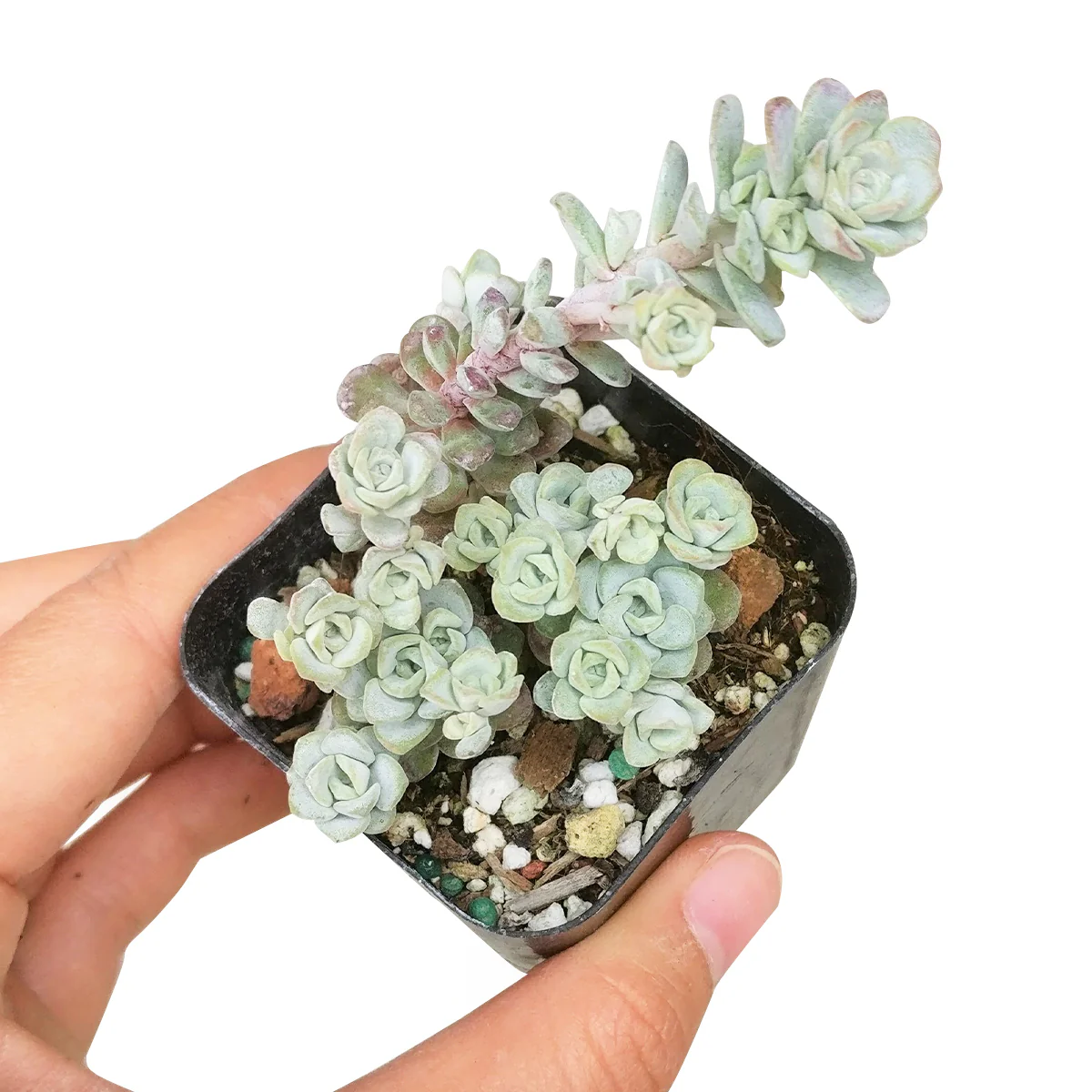
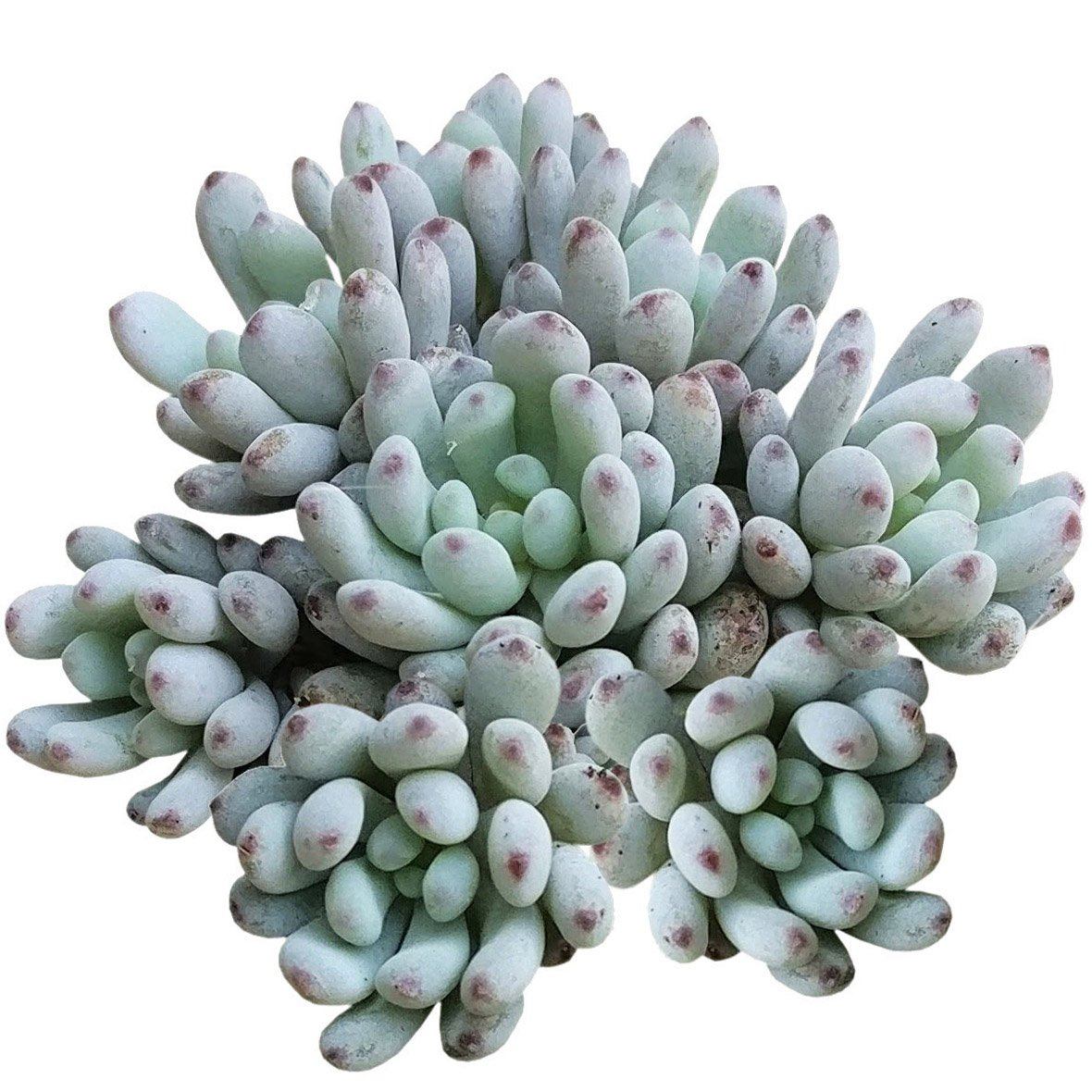
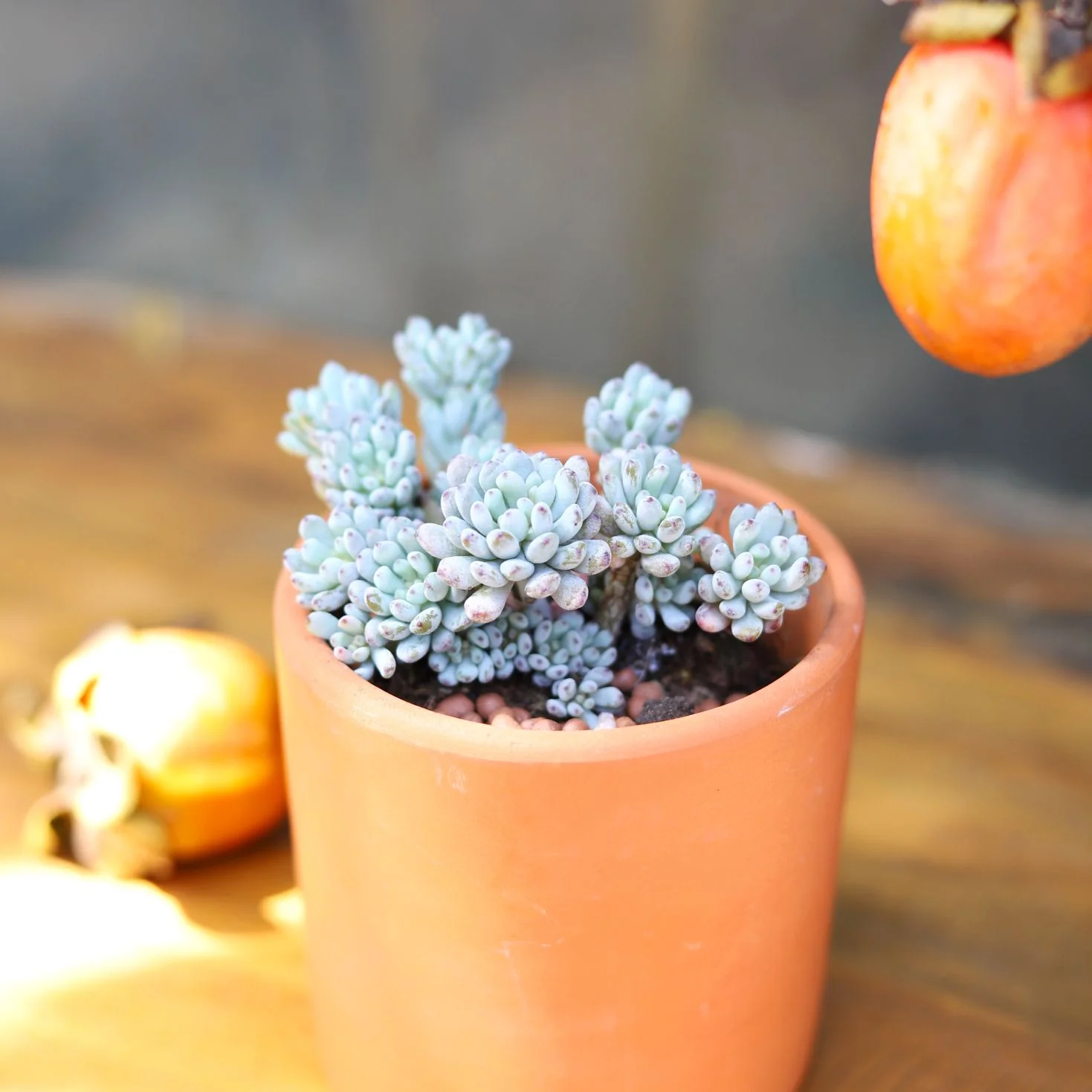
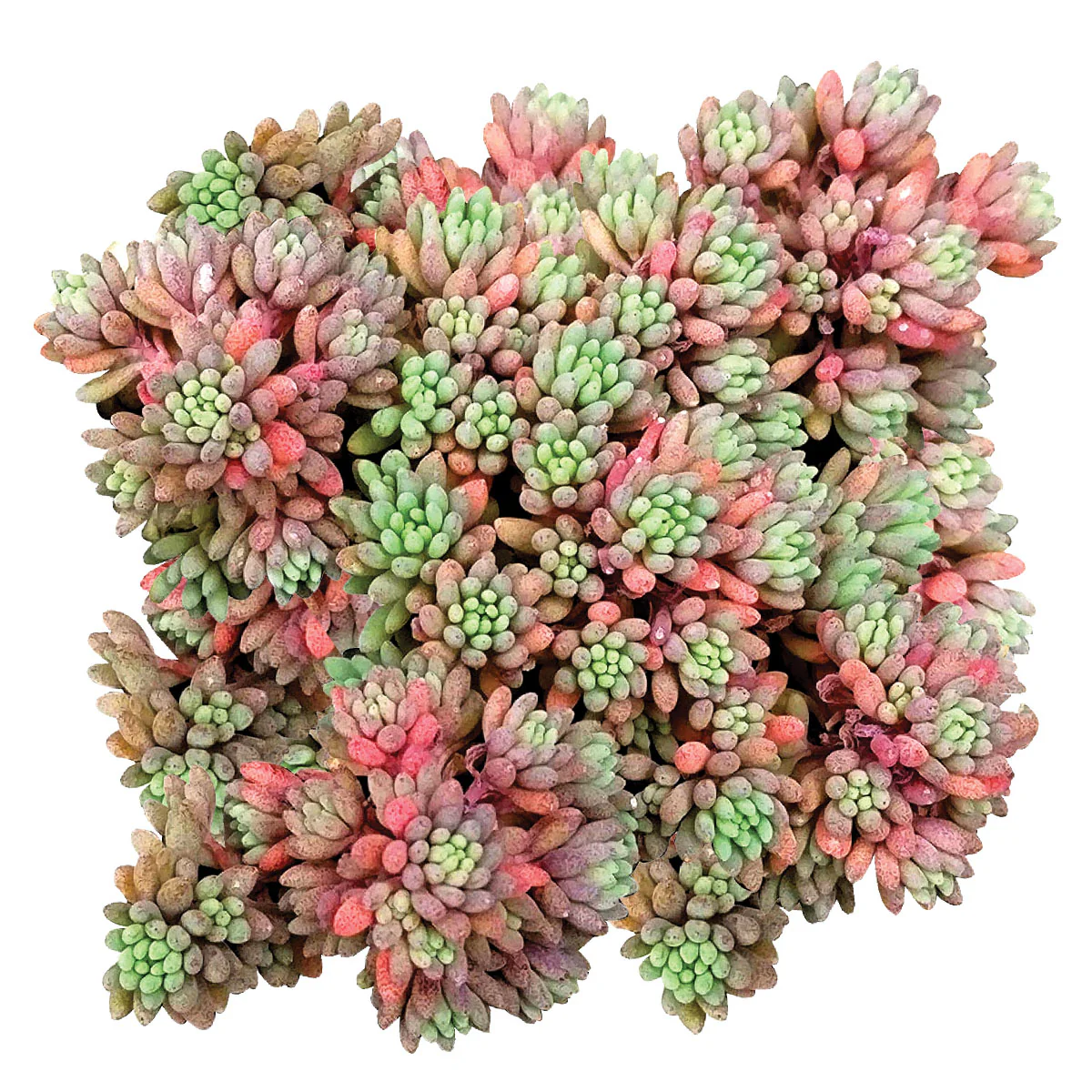
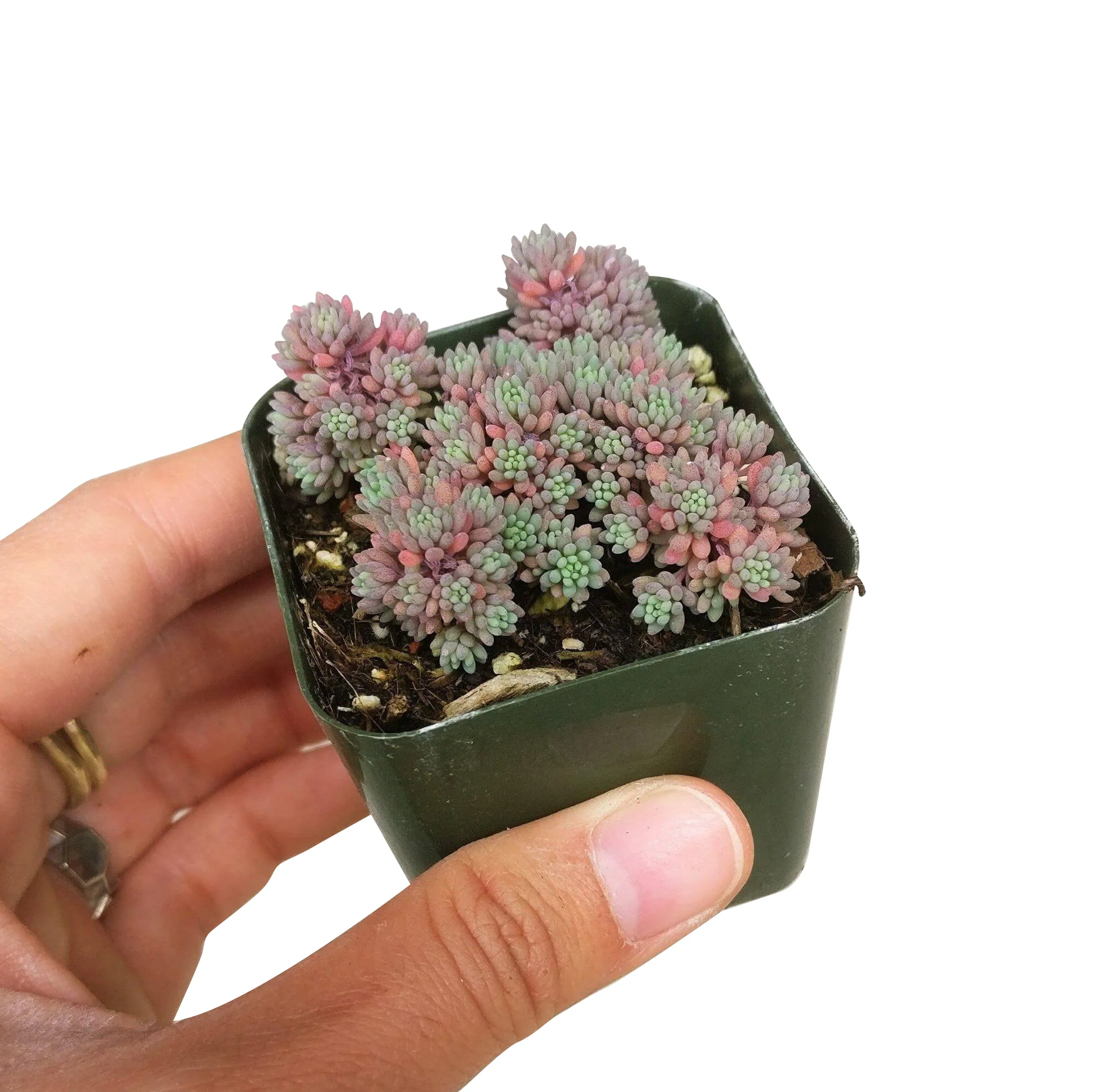
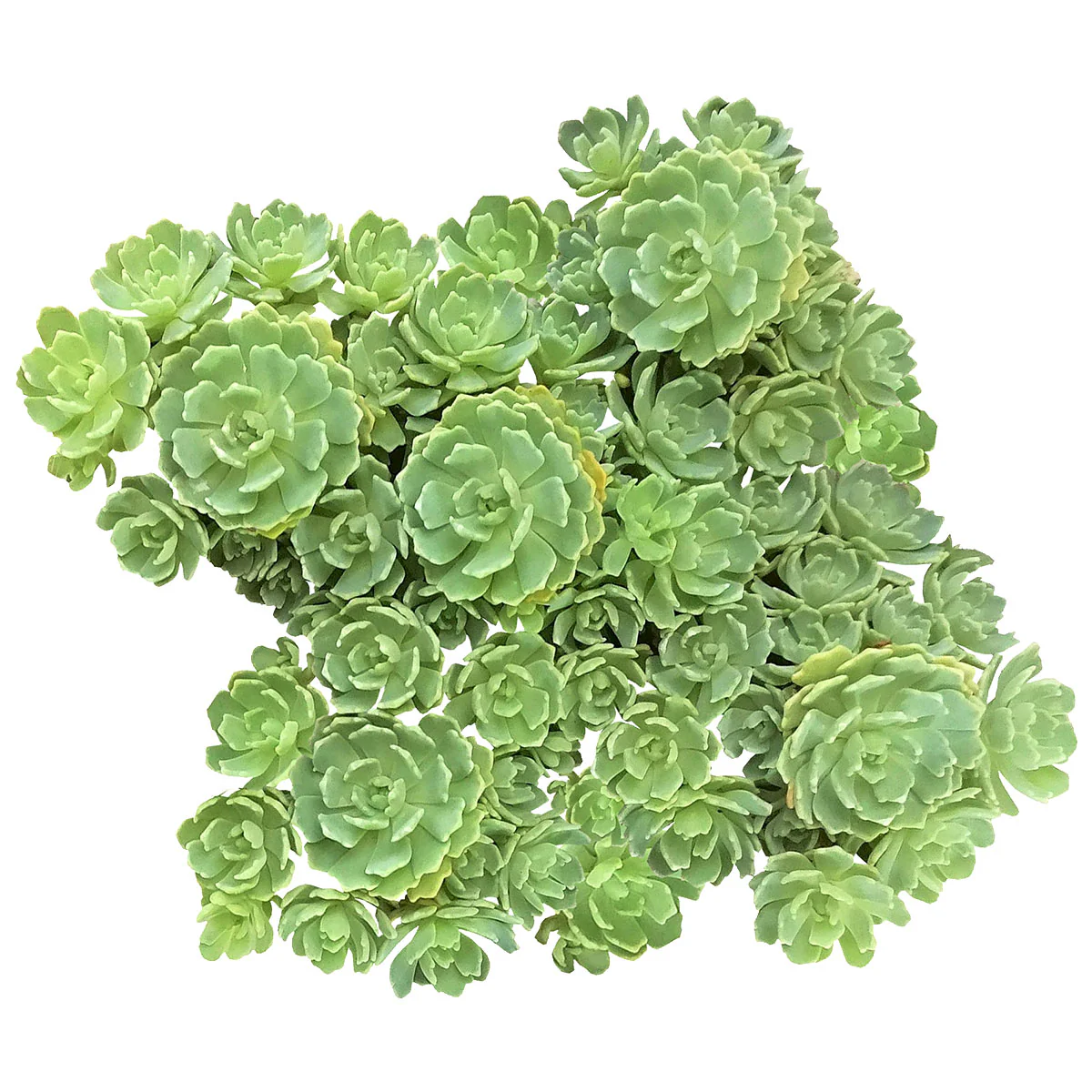
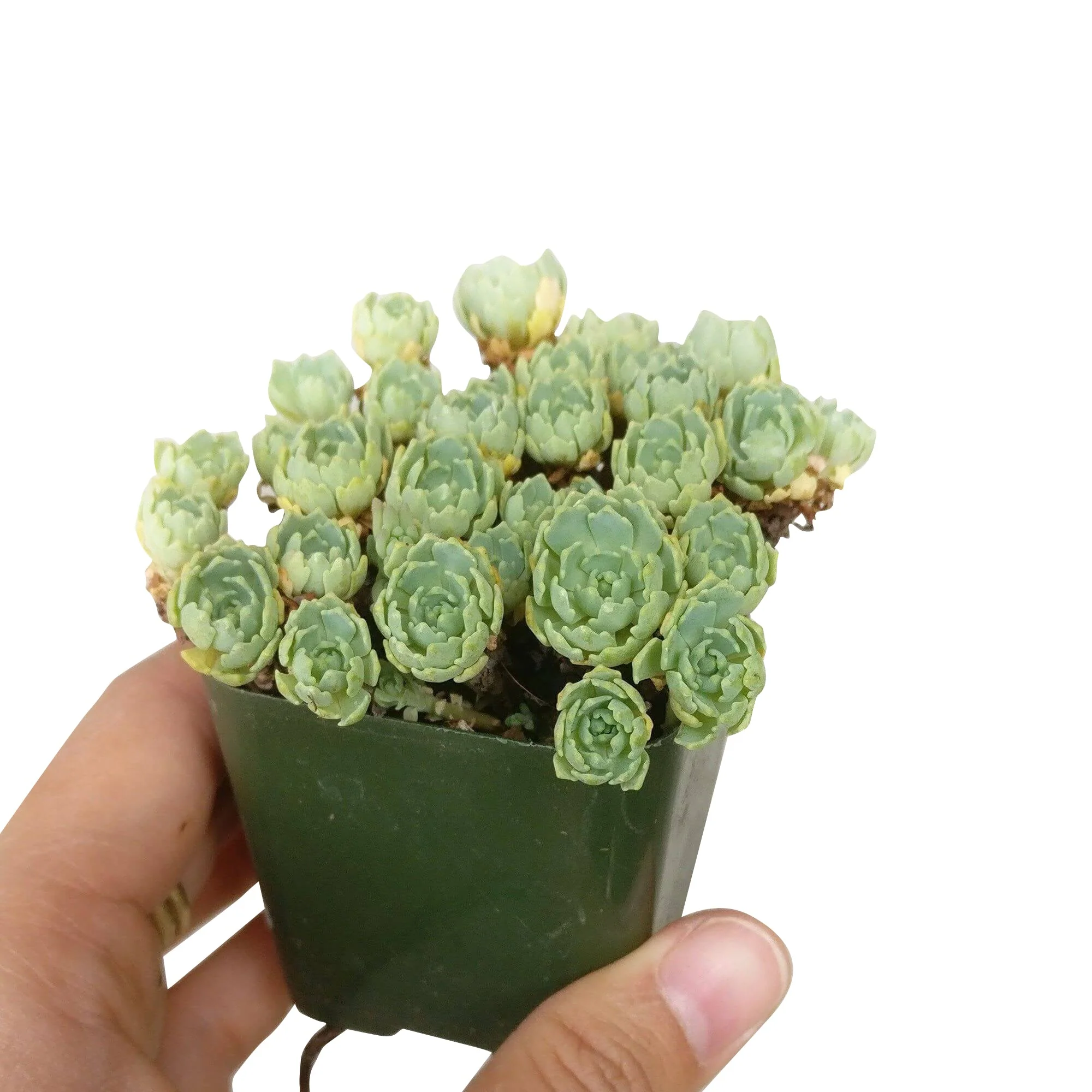
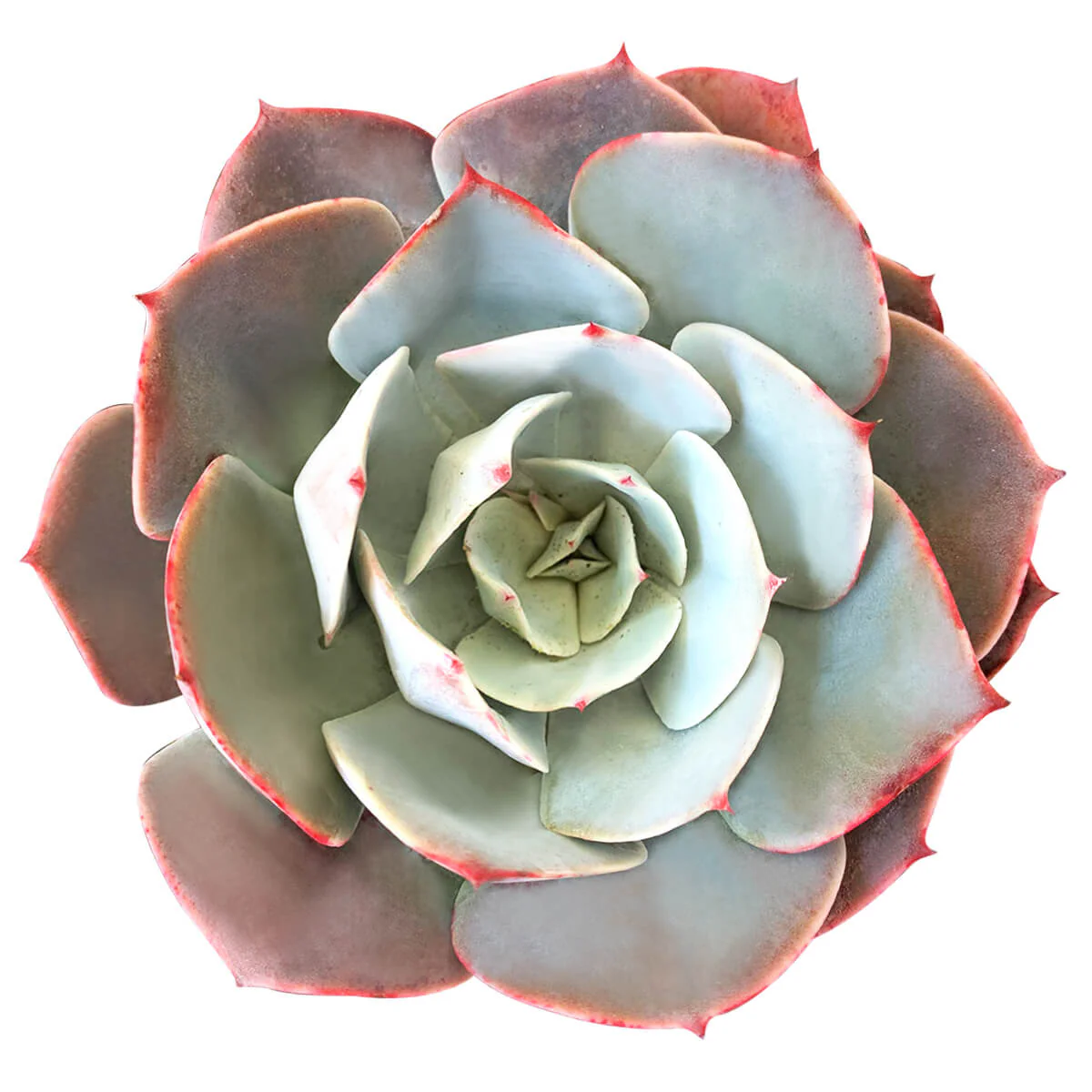
 Echeveria White Rose forms a tight, symmetrical rosette of fleshy, spoon-shaped leaves in soft silvery-white to pale blush tones, sometimes edged with delicate pink when stress-colored by bright light. It clusters over time, gradually producing offsets around the base that give a full, lush look. The powdery farina coating the leaves adds a soft, frosted finish that makes this white rose succulent instantly eye-catching in any collection.
 Echeveria White Rose benefits from a nighttime temperature drop, which is the key trigger that encourages it to push up a bloom stalk. With that cool-night cue, you can look forward to seasonal flowers arching above the rosette on slender stems, adding another layer of charm to an already stunning plant. Keep it near a window where temperatures dip naturally in the evening and you give it the best chance to put on a show.
 Echeveria White Rose is a genuinely rare find and a standout piece for any succulent collector or beginner looking for an easy-care plant that delivers big visual impact. It moves happily outdoors for summer, loves fresh air and natural sun, and can even stay outside into autumn in mild climates. Just be sure to cover it from rain or move it under shelter, since sitting water on the rosette is its one real weakness. Best of all, this is a pet-friendly plant, so you can display it anywhere in your home without worry.
-
 Echeveria White Rose thrives in bright indirect light to partial or direct sun, ideally near an east or west-facing window. Rotate it every week or two so every side of the rosette develops evenly. South-facing windows can scorch the leaves in peak summer, so filter intense midday rays with a sheer curtain.
 Water Echeveria White Rose deeply every 10 to 14 days in spring and summer, allowing the soil to dry out completely between waterings, and cut back to once every 3 to 4 weeks in winter. The leaves will show a slight softness or mild wilt when truly thirsty, which is your best watering cue.
 Plant Echeveria White Rose in a gritty, fast-draining succulent and cactus mix blended with extra perlite or coarse sand at roughly a 1:1 ratio to prevent root rot.
 Echeveria White Rose prefers temperatures between 60 and 80 degrees Fahrenheit (15 to 27 degrees Celsius) and should be brought indoors before temperatures drop below 40 degrees Fahrenheit (4 degrees Celsius). Keep it away from cold drafts near AC vents and hot dry air blowing from heaters, though it does tolerate the dry heated indoor air typical of most homes.
![]() Echeveria White Rose is a slow to moderate grower that needs a balanced liquid fertilizer diluted to half strength only once a month during the active spring and summer growing season.
Echeveria White Rose is a slow to moderate grower that needs a balanced liquid fertilizer diluted to half strength only once a month during the active spring and summer growing season.
 Echeveria White Rose is rated for USDA Hardiness Zones 9 through 11, where winter temperatures stay above roughly 20 to 25 degrees Fahrenheit (around -6 to -4 degrees Celsius), and it performs best as a year-round outdoor plant in warm, frost-light regions. In the continental US, that means gardeners in California, Texas, Arizona, Nevada, Florida, Louisiana, Georgia, South Carolina, Alabama, Mississippi, and along the mild Oregon coast can grow Echeveria White Rose outside with ease. Hawaii offers near-ideal conditions, and in cooler states like North Carolina, Arkansas, or parts of the Pacific Northwest, it thrives beautifully outdoors from spring through autumn when brought inside for winter.
-
Q: How often should I water Echeveria White Rose?
A: Water Echeveria White Rose every 10 to 14 days in warm months and every 3 to 4 weeks in winter, always letting the soil dry out fully between waterings. Soft or slightly wilting leaves are a reliable sign it is ready for a drink.
Q: Is Echeveria White Rose pet-friendly?
A: Yes, Echeveria White Rose is pet-friendly and considered non-toxic to cats and dogs. You can display it freely on low shelves, coffee tables, or windowsills without concern.
Q: How much light does Echeveria White Rose need?
A: Echeveria White Rose does best in bright indirect light to partial or direct sun, such as a sunny east or west-facing windowsill. Rotate the pot regularly so the rosette grows evenly on all sides.
Q: How big does Echeveria White Rose get?
A: Echeveria White Rose typically forms rosettes of about 3 to 5 inches (8 to 13 cm) across and clusters slowly over time as it produces offsets. It stays compact and tidy, making it perfect for shelves, desks, and small containers.
Q: How do I propagate Echeveria White Rose?
A: The easiest way to propagate Echeveria White Rose is by gently removing the offsets that form around the base, letting the cut end callous for a day or two, and then planting in dry succulent mix. Leaf cuttings also work, though offsets root more reliably and quickly.
Q: Can Echeveria White Rose be left alone while I travel?
A: Echeveria White Rose is one of the best drought-tolerant succulents for travelers and can easily survive a 10-day trip without any watering. Just make sure it has adequate light before you leave and the soil is not sitting wet.


Original: $11.90
-70%$11.90
$3.57Product Information
Product Information
Shipping & Returns
Shipping & Returns
Description
- Description
- Echeveria 'White Rose' Care Guide
- FAQ/Common Issues
-
![]() Echeveria White Rose is a rare succulent in the Crassulaceae family, native to the semi-arid highlands of Mexico where dry conditions and bright sun shaped its drought-tolerant nature. Like all Echeveria, it evolved to store water in its leaves and thrive on neglect, making it one of the most rewarding low maintenance succulents you can grow indoors or out.
Echeveria White Rose is a rare succulent in the Crassulaceae family, native to the semi-arid highlands of Mexico where dry conditions and bright sun shaped its drought-tolerant nature. Like all Echeveria, it evolved to store water in its leaves and thrive on neglect, making it one of the most rewarding low maintenance succulents you can grow indoors or out.
Echeveria White Rose forms a tight, symmetrical rosette of fleshy, spoon-shaped leaves in soft silvery-white to pale blush tones, sometimes edged with delicate pink when stress-colored by bright light. It clusters over time, gradually producing offsets around the base that give a full, lush look. The powdery farina coating the leaves adds a soft, frosted finish that makes this white rose succulent instantly eye-catching in any collection.
Echeveria White Rose benefits from a nighttime temperature drop, which is the key trigger that encourages it to push up a bloom stalk. With that cool-night cue, you can look forward to seasonal flowers arching above the rosette on slender stems, adding another layer of charm to an already stunning plant. Keep it near a window where temperatures dip naturally in the evening and you give it the best chance to put on a show.
Echeveria White Rose is a genuinely rare find and a standout piece for any succulent collector or beginner looking for an easy-care plant that delivers big visual impact. It moves happily outdoors for summer, loves fresh air and natural sun, and can even stay outside into autumn in mild climates. Just be sure to cover it from rain or move it under shelter, since sitting water on the rosette is its one real weakness. Best of all, this is a pet-friendly plant, so you can display it anywhere in your home without worry.
-
Echeveria White Rose thrives in bright indirect light to partial or direct sun, ideally near an east or west-facing window. Rotate it every week or two so every side of the rosette develops evenly. South-facing windows can scorch the leaves in peak summer, so filter intense midday rays with a sheer curtain.
Water Echeveria White Rose deeply every 10 to 14 days in spring and summer, allowing the soil to dry out completely between waterings, and cut back to once every 3 to 4 weeks in winter. The leaves will show a slight softness or mild wilt when truly thirsty, which is your best watering cue.
Plant Echeveria White Rose in a gritty, fast-draining succulent and cactus mix blended with extra perlite or coarse sand at roughly a 1:1 ratio to prevent root rot.
Echeveria White Rose prefers temperatures between 60 and 80 degrees Fahrenheit (15 to 27 degrees Celsius) and should be brought indoors before temperatures drop below 40 degrees Fahrenheit (4 degrees Celsius). Keep it away from cold drafts near AC vents and hot dry air blowing from heaters, though it does tolerate the dry heated indoor air typical of most homes.
![]() Echeveria White Rose is a slow to moderate grower that needs a balanced liquid fertilizer diluted to half strength only once a month during the active spring and summer growing season.
Echeveria White Rose is a slow to moderate grower that needs a balanced liquid fertilizer diluted to half strength only once a month during the active spring and summer growing season.
Echeveria White Rose is rated for USDA Hardiness Zones 9 through 11, where winter temperatures stay above roughly 20 to 25 degrees Fahrenheit (around -6 to -4 degrees Celsius), and it performs best as a year-round outdoor plant in warm, frost-light regions. In the continental US, that means gardeners in California, Texas, Arizona, Nevada, Florida, Louisiana, Georgia, South Carolina, Alabama, Mississippi, and along the mild Oregon coast can grow Echeveria White Rose outside with ease. Hawaii offers near-ideal conditions, and in cooler states like North Carolina, Arkansas, or parts of the Pacific Northwest, it thrives beautifully outdoors from spring through autumn when brought inside for winter.
-
Q: How often should I water Echeveria White Rose?
A: Water Echeveria White Rose every 10 to 14 days in warm months and every 3 to 4 weeks in winter, always letting the soil dry out fully between waterings. Soft or slightly wilting leaves are a reliable sign it is ready for a drink.
Q: Is Echeveria White Rose pet-friendly?
A: Yes, Echeveria White Rose is pet-friendly and considered non-toxic to cats and dogs. You can display it freely on low shelves, coffee tables, or windowsills without concern.
Q: How much light does Echeveria White Rose need?
A: Echeveria White Rose does best in bright indirect light to partial or direct sun, such as a sunny east or west-facing windowsill. Rotate the pot regularly so the rosette grows evenly on all sides.
Q: How big does Echeveria White Rose get?
A: Echeveria White Rose typically forms rosettes of about 3 to 5 inches (8 to 13 cm) across and clusters slowly over time as it produces offsets. It stays compact and tidy, making it perfect for shelves, desks, and small containers.
Q: How do I propagate Echeveria White Rose?
A: The easiest way to propagate Echeveria White Rose is by gently removing the offsets that form around the base, letting the cut end callous for a day or two, and then planting in dry succulent mix. Leaf cuttings also work, though offsets root more reliably and quickly.
Q: Can Echeveria White Rose be left alone while I travel?
A: Echeveria White Rose is one of the best drought-tolerant succulents for travelers and can easily survive a 10-day trip without any watering. Just make sure it has adequate light before you leave and the soil is not sitting wet.