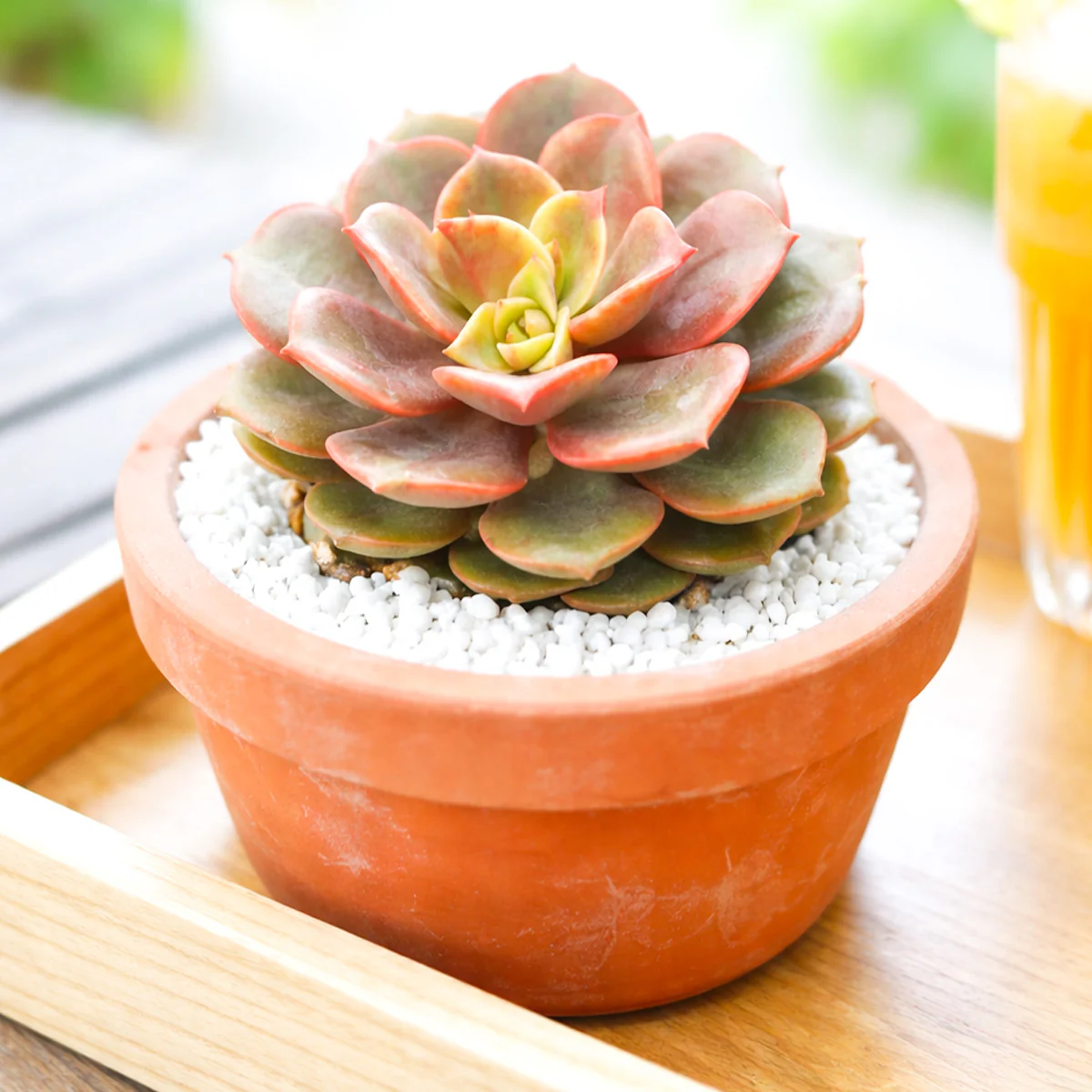
Echeveria Vampire Red Ball
- Description
- Echeveria Vampire Red Ball Care Guide
- FAQ/Common Issues
-
![]() Echeveria Vampire Red Ball is a rare succulent hybrid in the Crassulaceae family, prized by collectors worldwide for its dramatic coloring and compact rosette form. Like most echeverias, it traces its roots to the semi-arid highlands of Mexico and Central America, where bright sun and lean, fast-draining soils shaped its resilient, drought-tolerant nature. This rare Korean echeveria hybrid has become a sought-after gem in the succulent community, and it is easy to see why.
Echeveria Vampire Red Ball is a rare succulent hybrid in the Crassulaceae family, prized by collectors worldwide for its dramatic coloring and compact rosette form. Like most echeverias, it traces its roots to the semi-arid highlands of Mexico and Central America, where bright sun and lean, fast-draining soils shaped its resilient, drought-tolerant nature. This rare Korean echeveria hybrid has become a sought-after gem in the succulent community, and it is easy to see why.
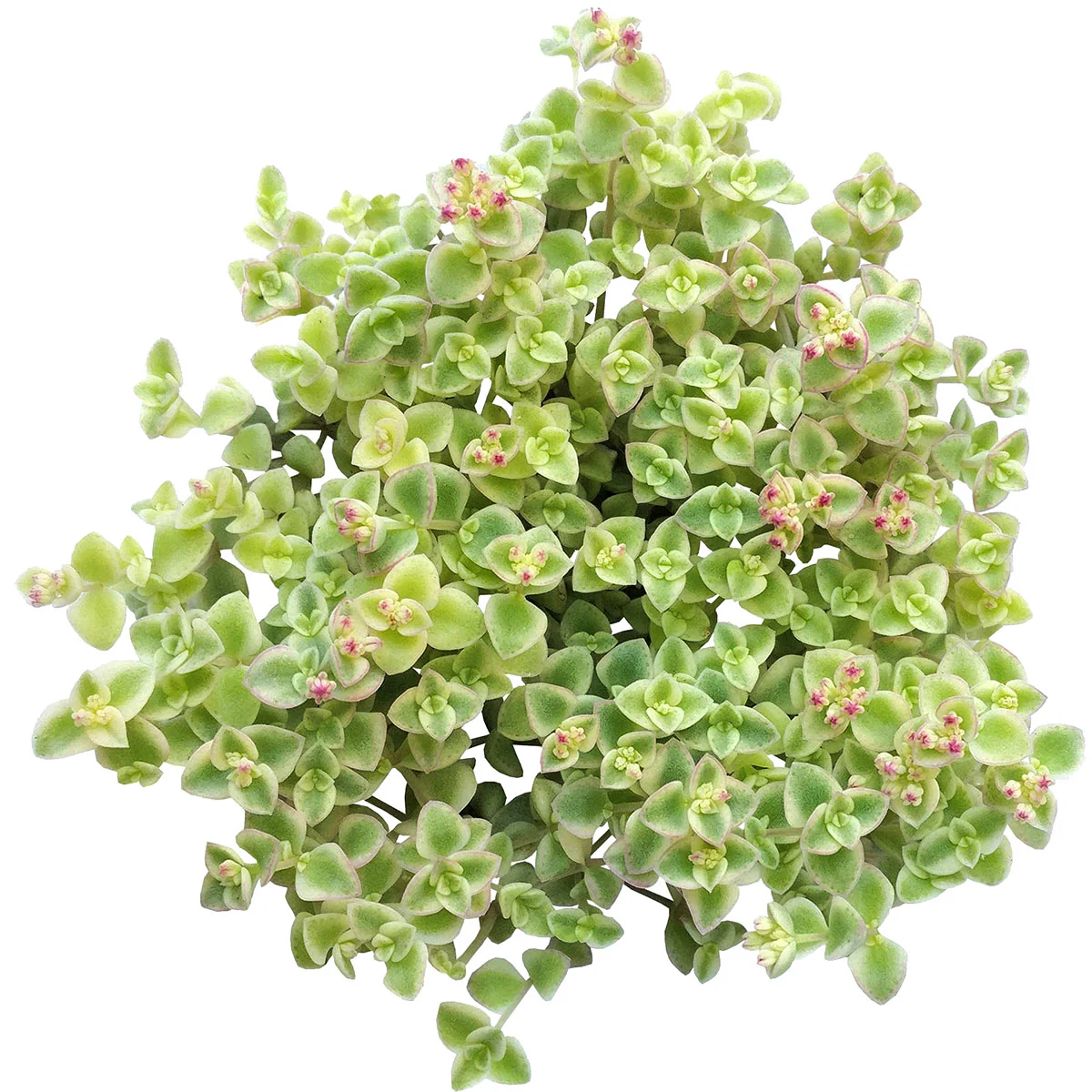
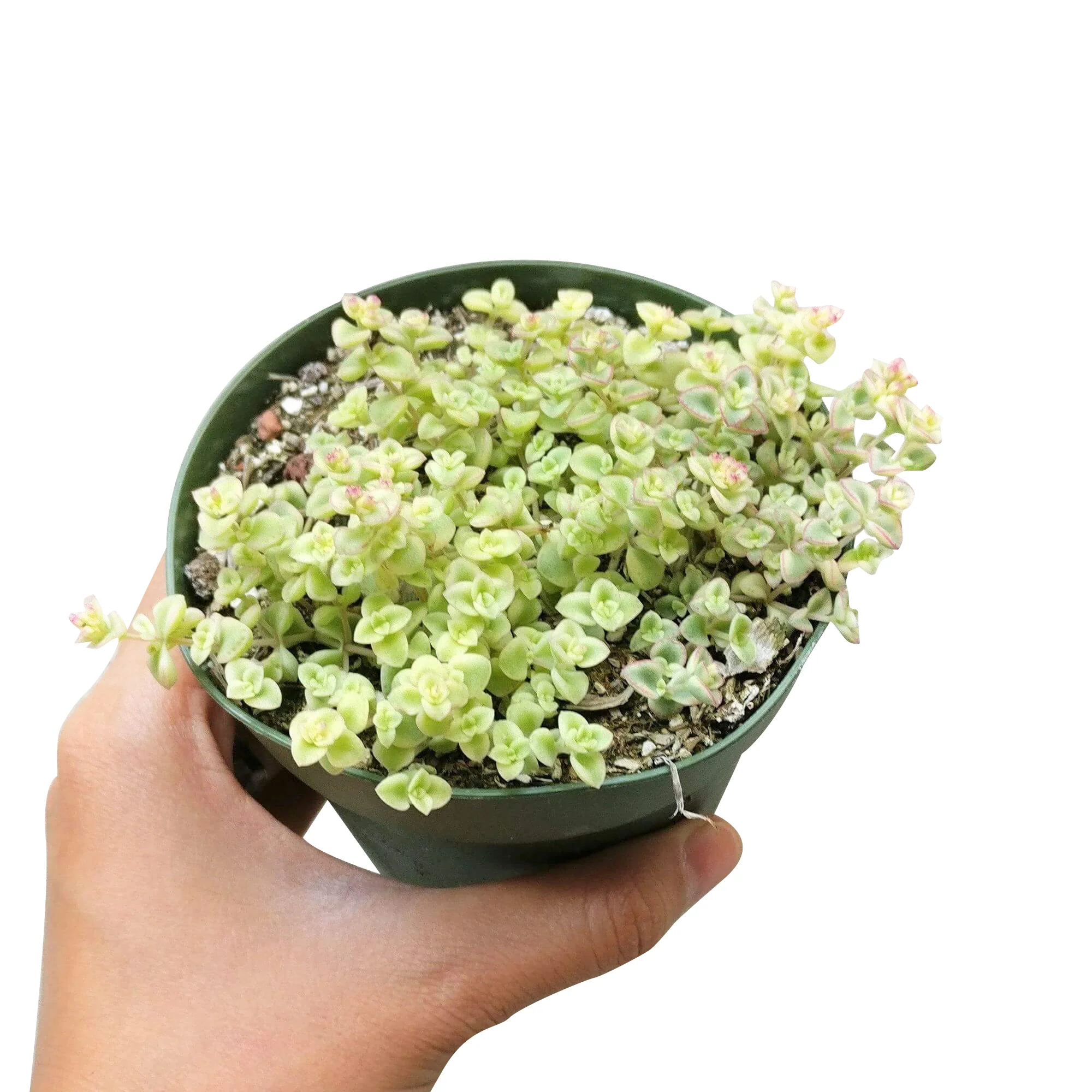
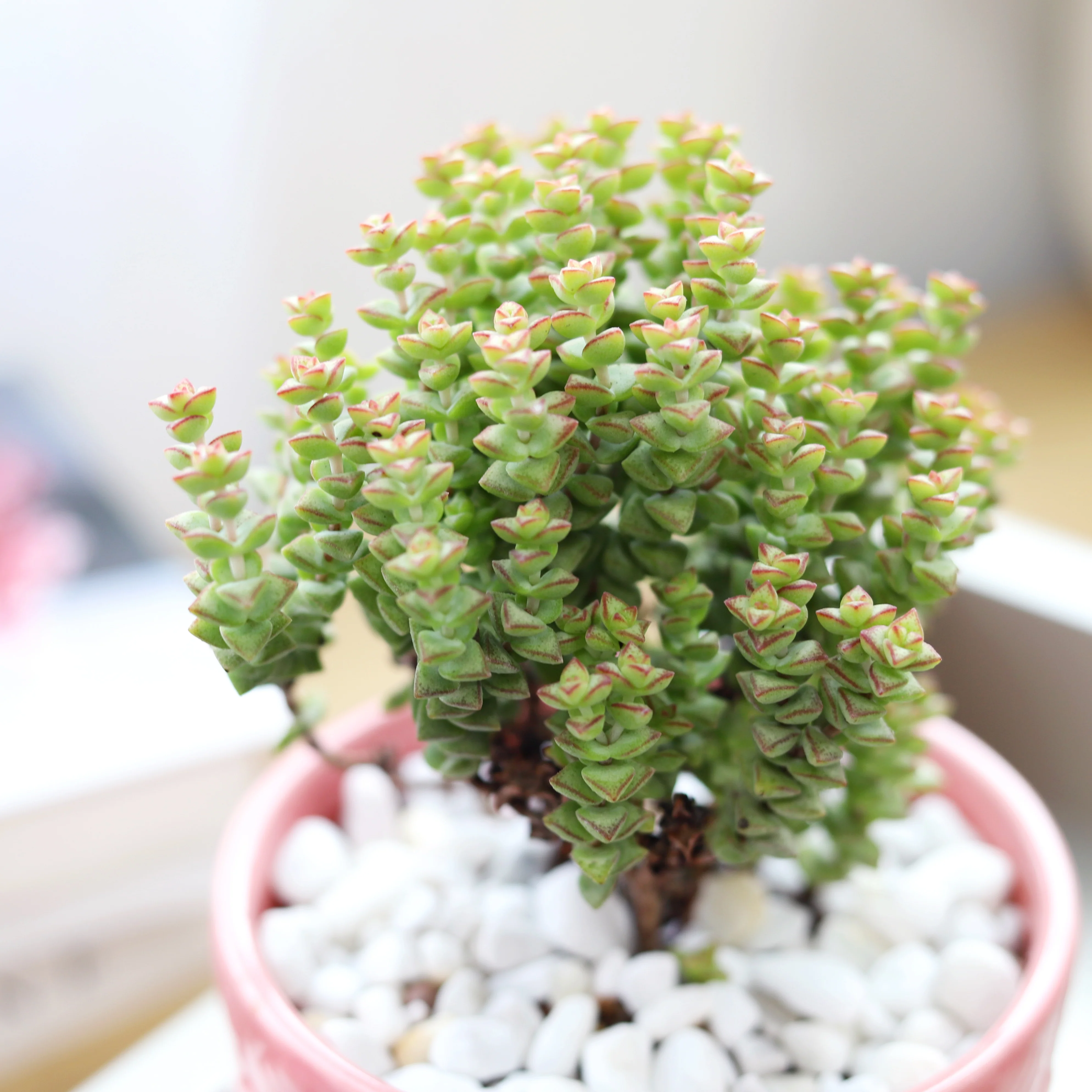
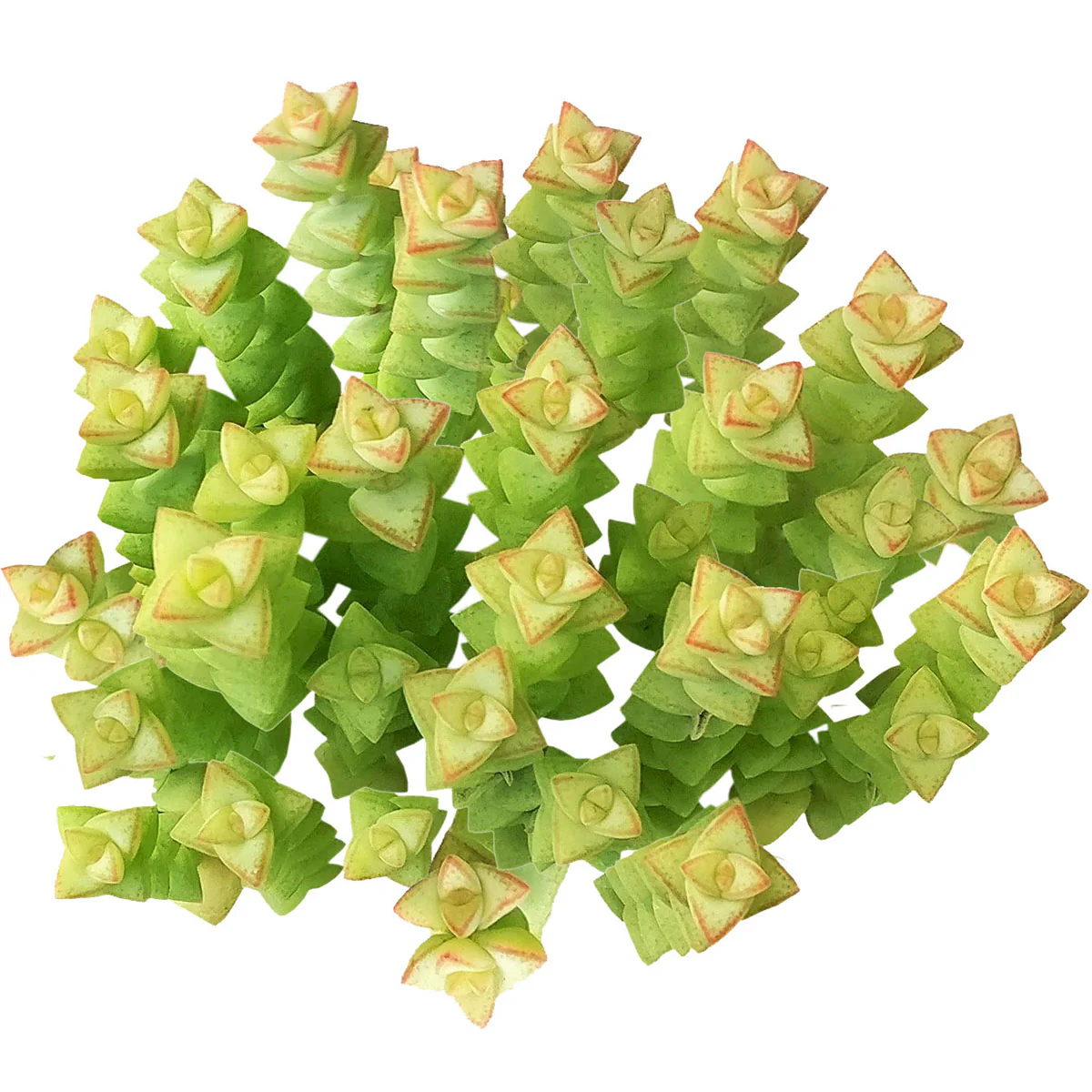
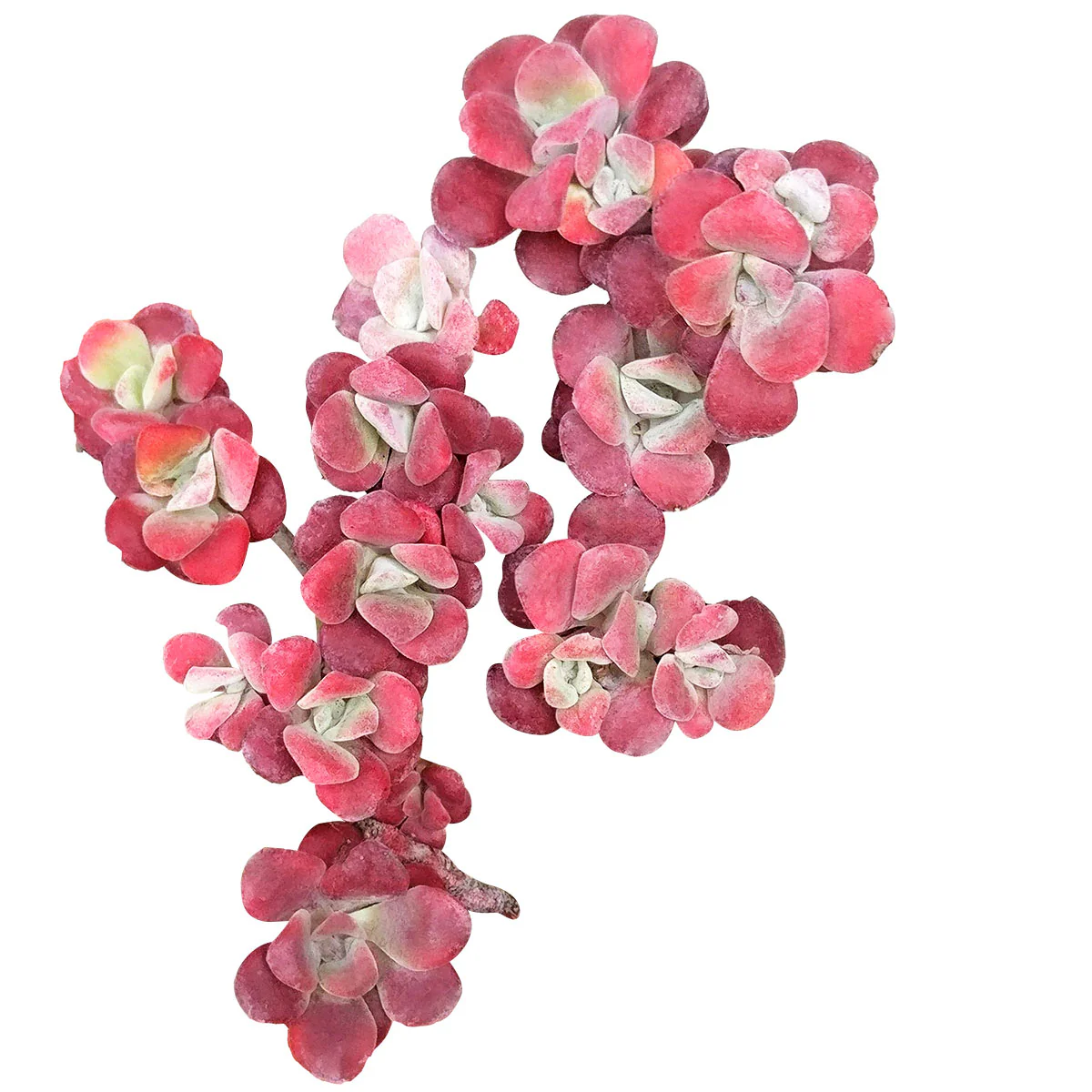
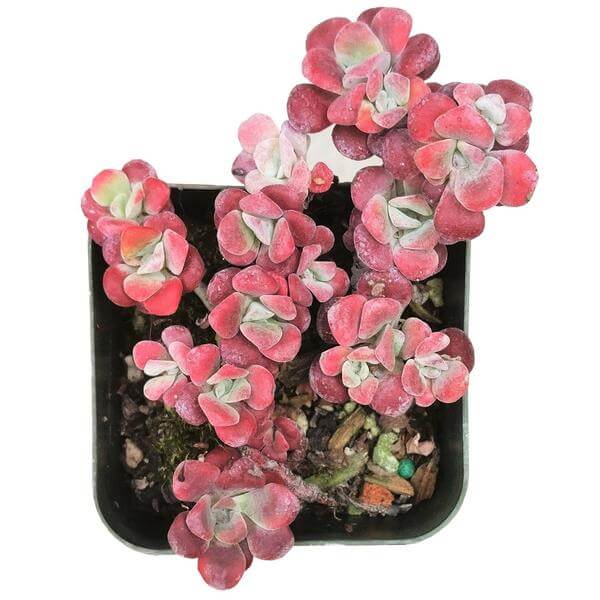
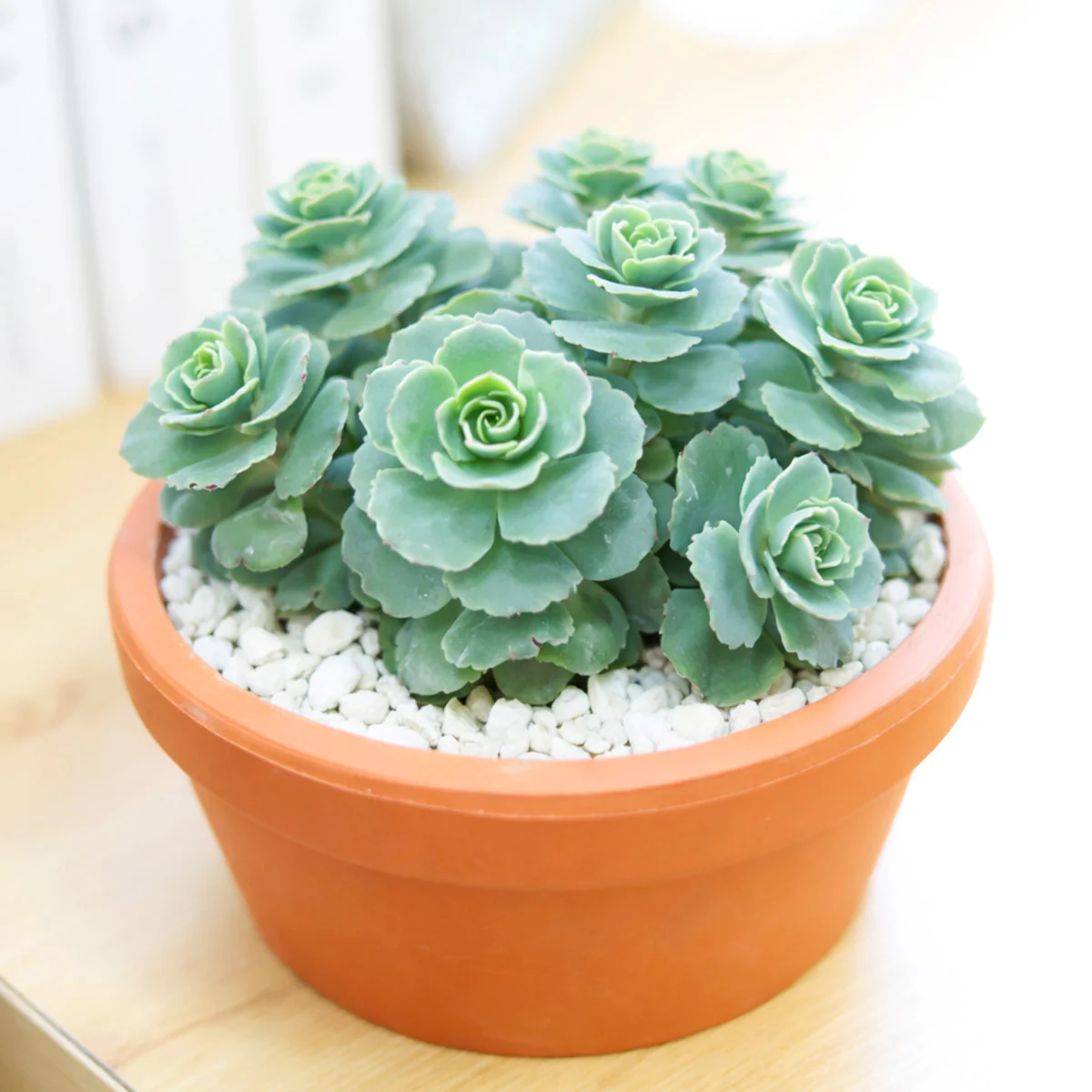
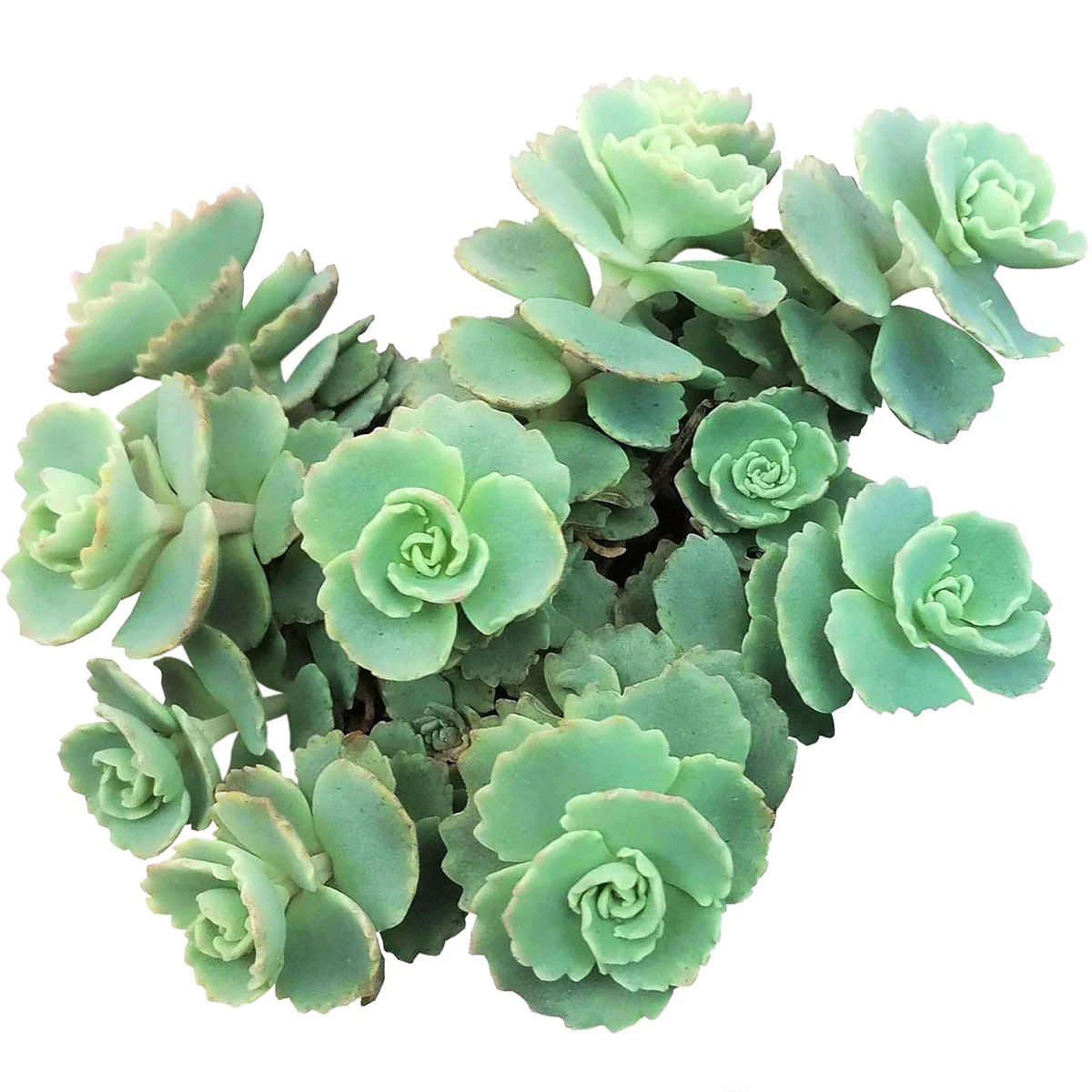
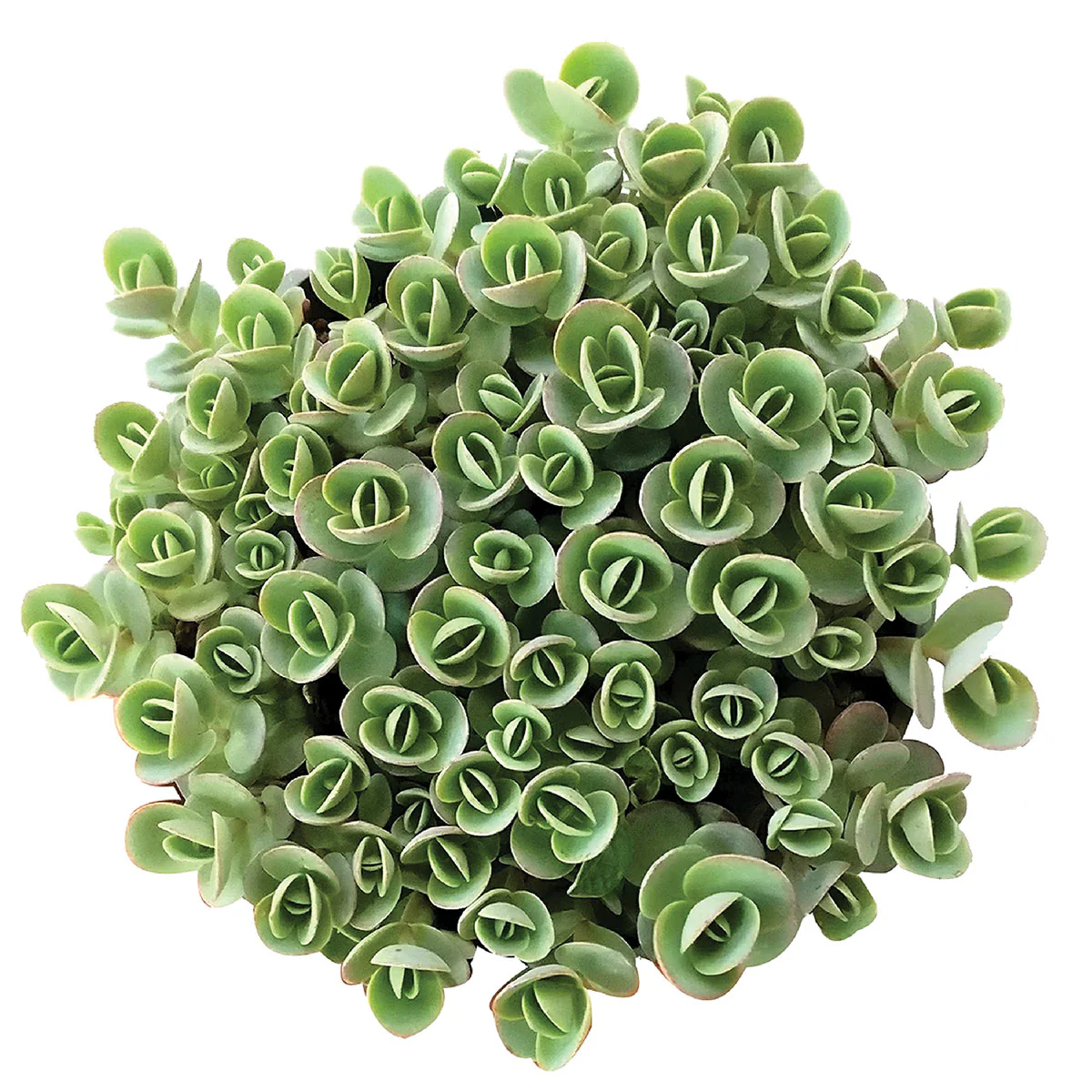
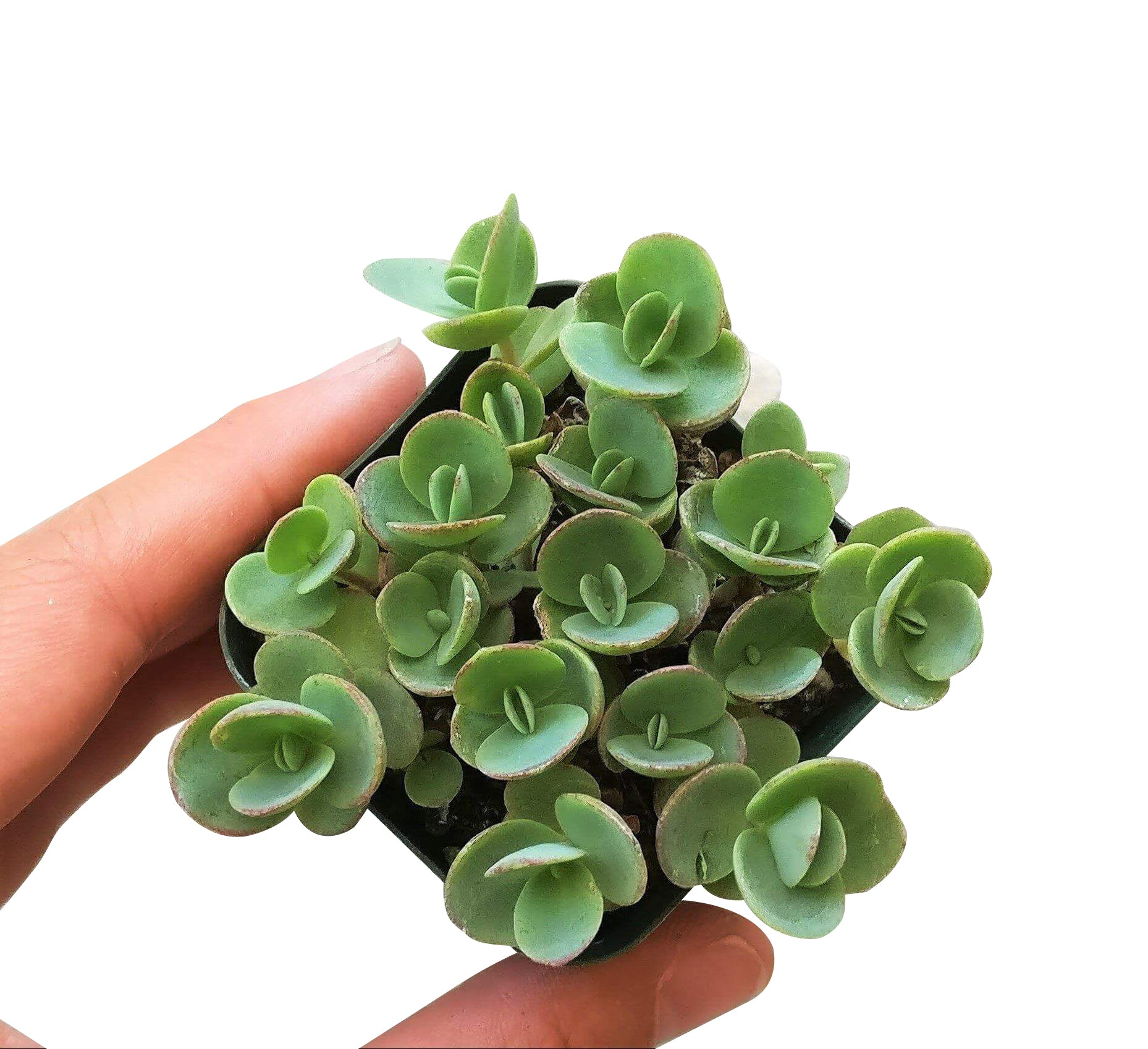
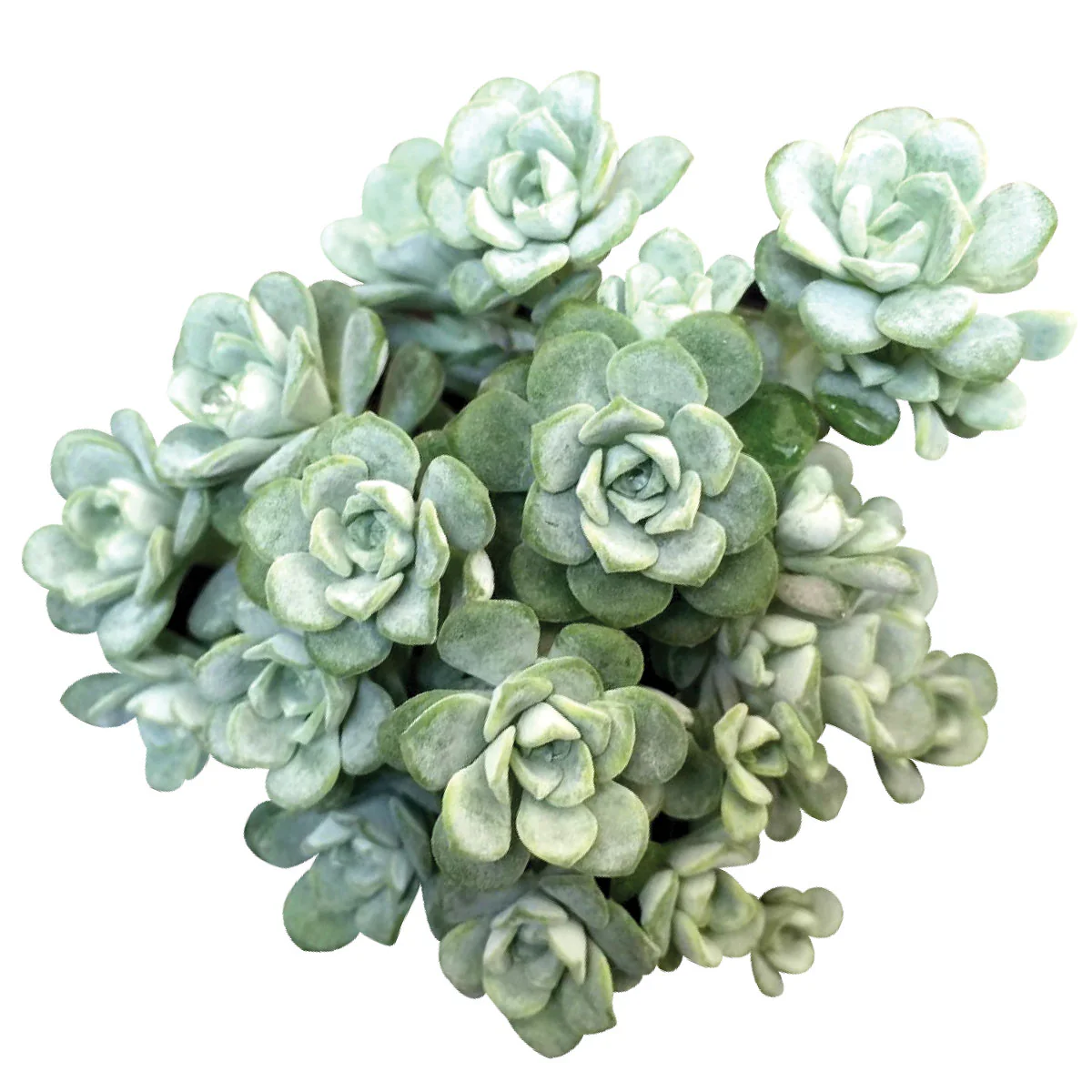
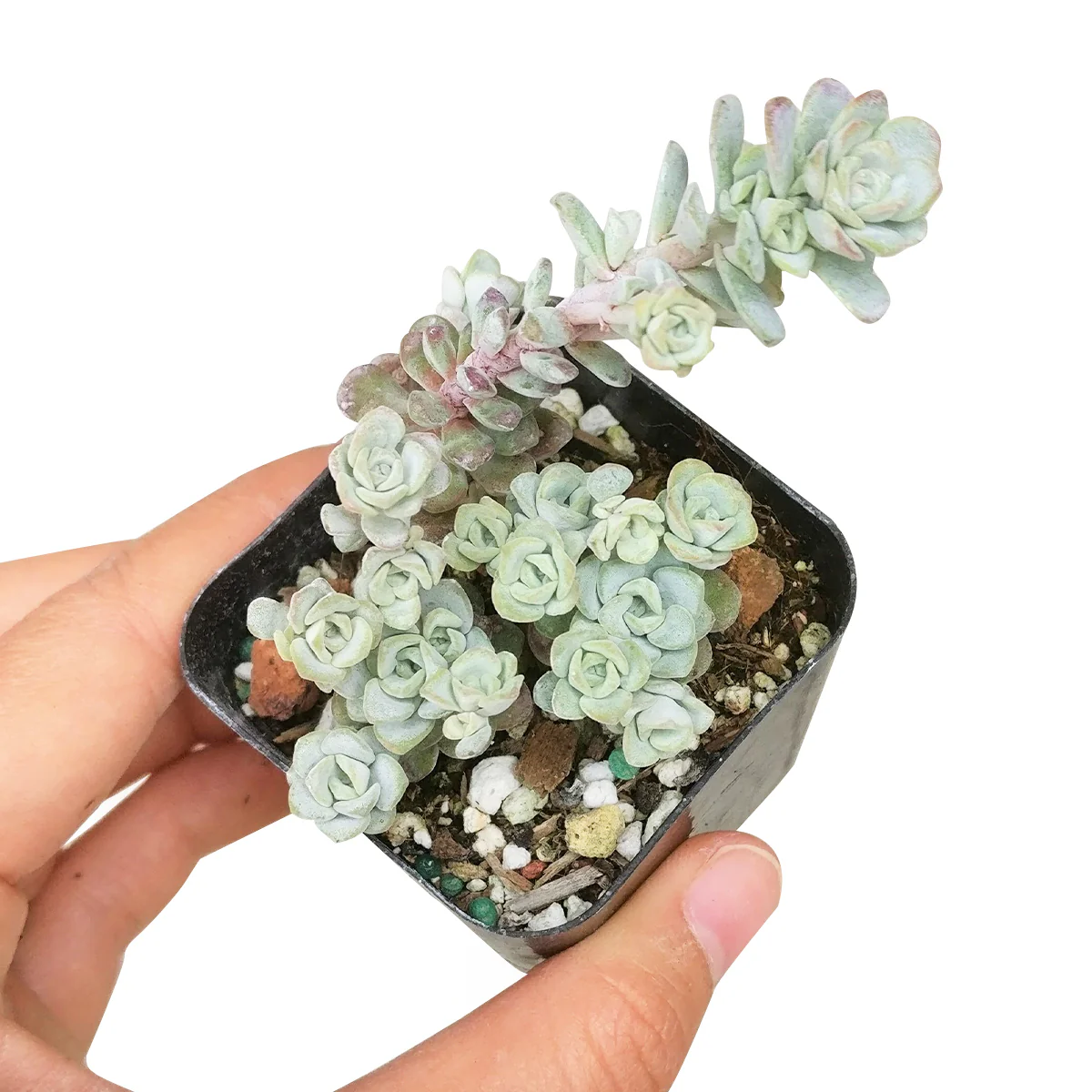
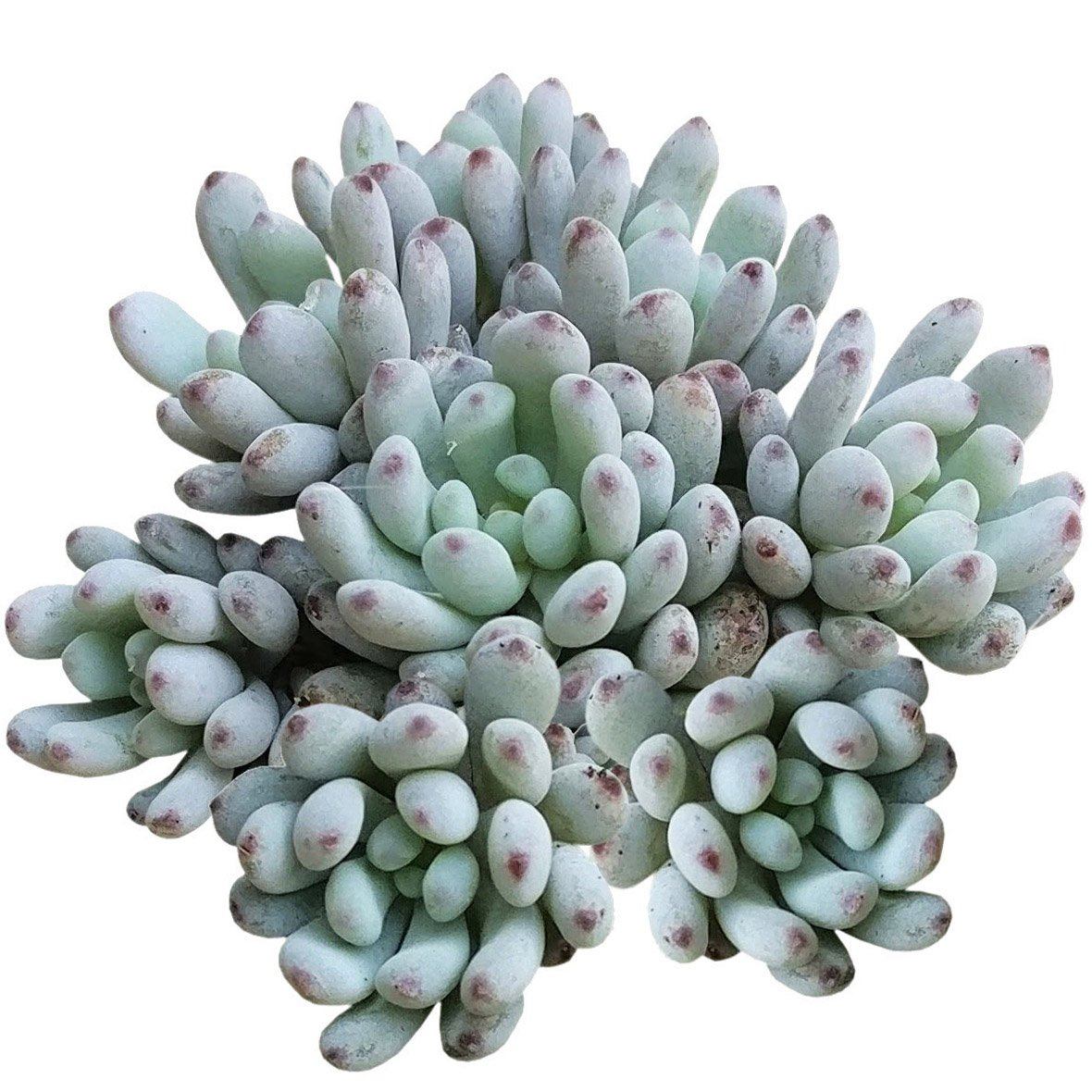
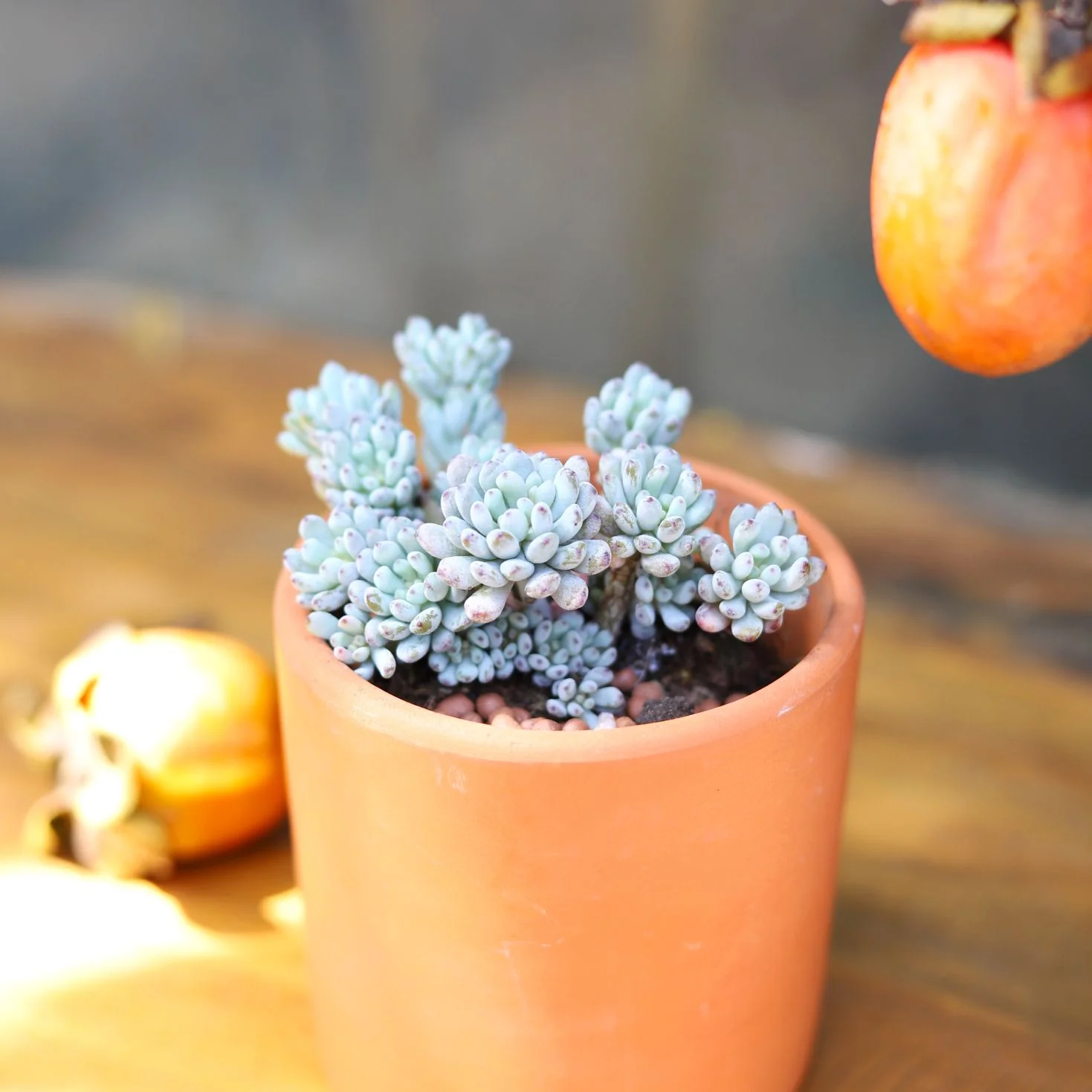
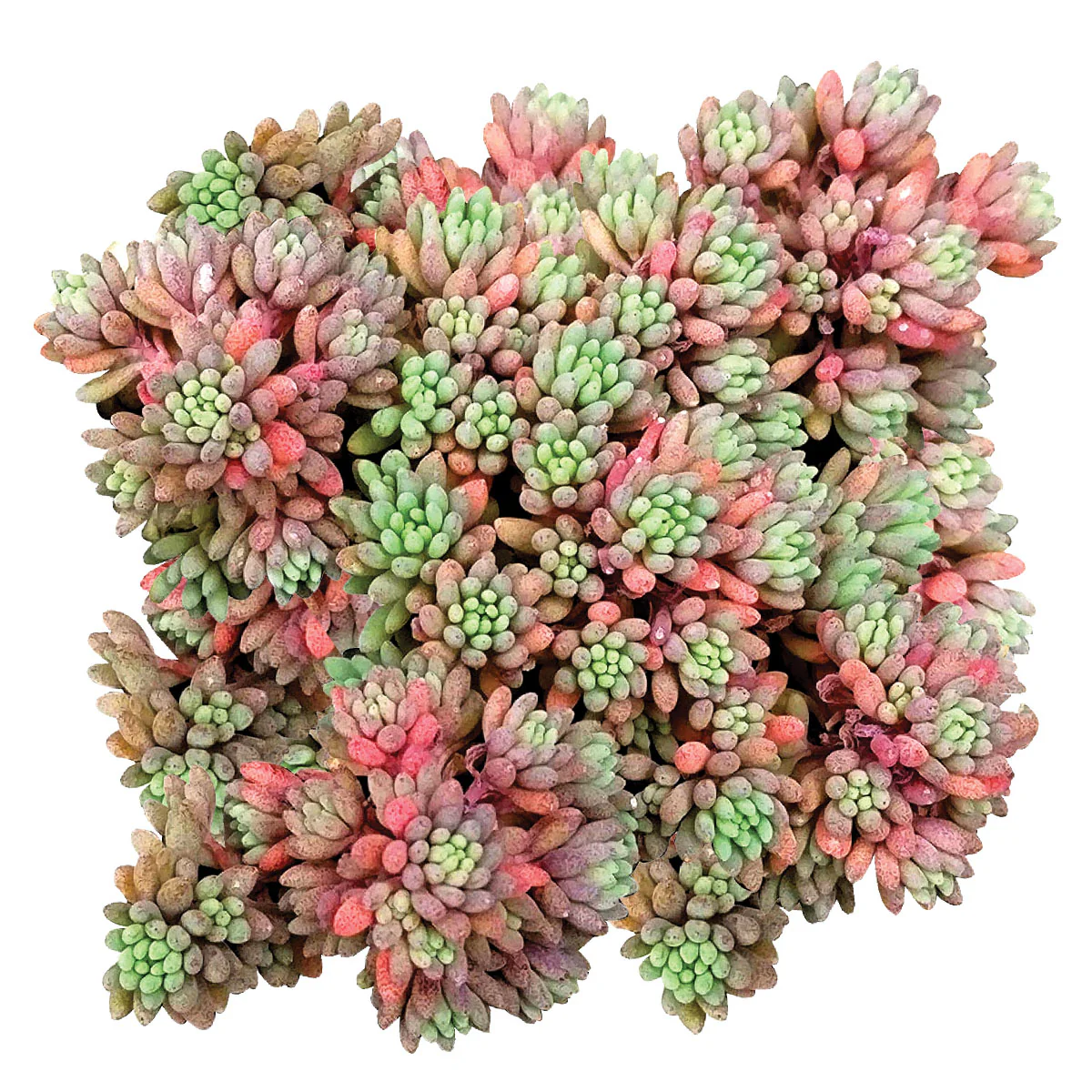
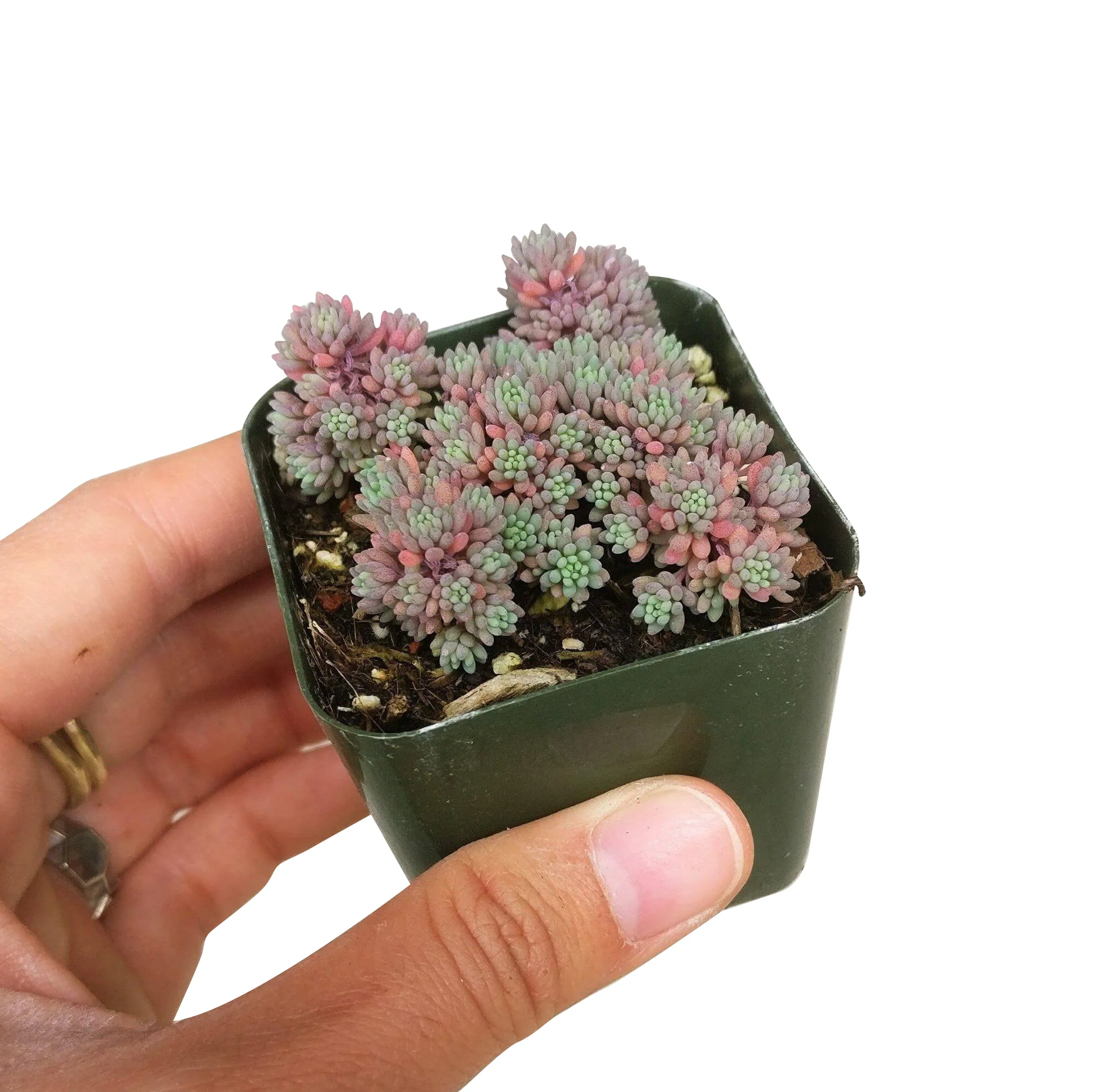
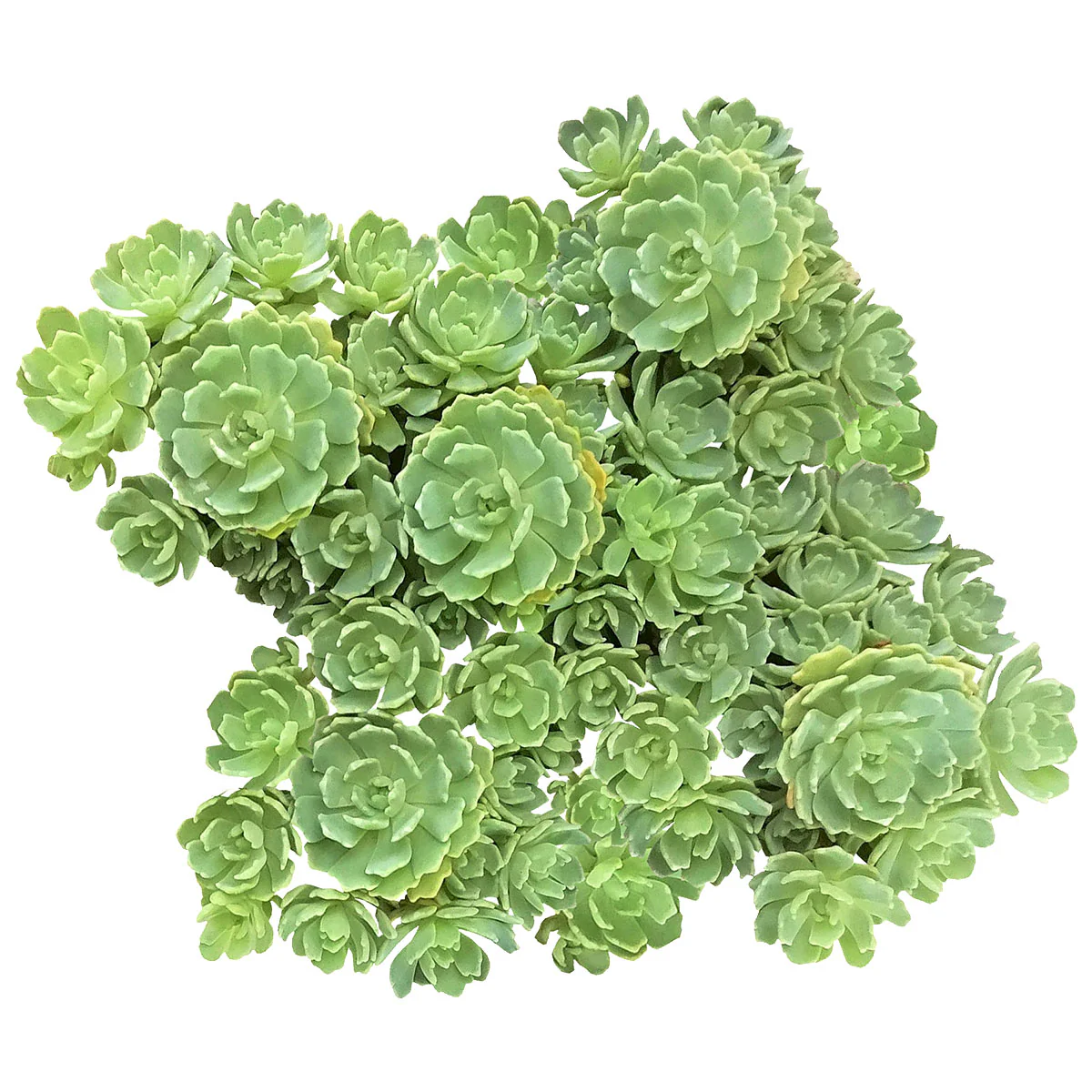
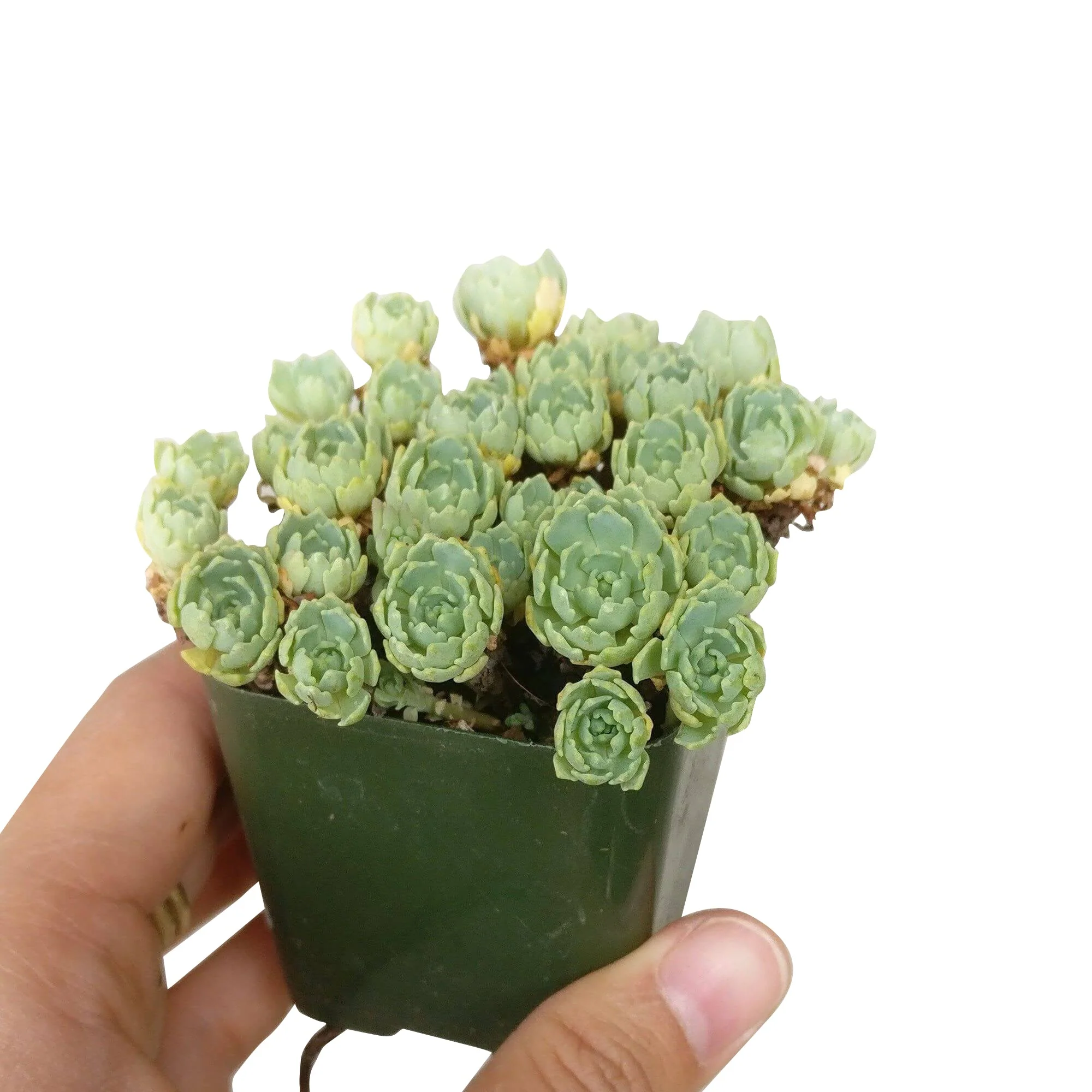
 Echeveria Vampire Red Ball forms a tight, globe-like rosette of thick, fleshy leaves that deepen into a rich blood red under strong light, giving this vampire red ball succulent its perfectly fitting name. The leaves are plump and slightly cupped, with smooth edges that catch the light beautifully, and the overall rosette stays compact and symmetrical. As a clustering grower, Echeveria Vampire Red Ball gradually produces offsets around the base, slowly building into a striking multi-rosette display.
 Like most echeverias, Echeveria Vampire Red Ball benefits from a cool nighttime temperature drop in late winter or early spring, which can trigger blooming on slender arching stems. The red rosette coloring intensifies beautifully under bright direct light throughout the growing season, making this blood red echeveria a showstopper even between blooms. It is one of those rare succulents that earns its place on any shelf year-round.
 Echeveria Vampire Red Ball is a fantastic choice for windowsill collections, outdoor patio displays, and sunny tabletop arrangements, and its beginner-friendly easy care makes it just as rewarding for new growers as it is for seasoned collectors. Move it outside for summer to deepen that stunning red color, but always cover it from rain to protect the roots from overwatering. This plant is pet friendly, which makes it a worry-free choice for homes with cats or dogs. Rare and visually arresting, Echeveria Vampire Red Ball also survives comfortably on its own for up to ten days, making it a low-stress travel companion.
-
 Echeveria Vampire Red Ball thrives in bright indirect light to full direct sun, with at least four to six hours of sunlight daily for the deepest red color.
 Water Echeveria Vampire Red Ball deeply every ten to fourteen days in summer and reduce to once every three to four weeks in winter, always letting the soil dry completely between waterings.
 Echeveria Vampire Red Ball prefers a gritty, fast-draining mix of cactus soil blended with perlite or pumice at roughly fifty to seventy percent inorganic content.
 Echeveria Vampire Red Ball grows best between 65-80°F (18-27°C) and should be brought indoors before temperatures drop below 40°F (4°C).
![]() Echeveria Vampire Red Ball is a slow to moderate grower that benefits from a light, diluted succulent fertilizer once a month during the active spring and summer season.
Echeveria Vampire Red Ball is a slow to moderate grower that benefits from a light, diluted succulent fertilizer once a month during the active spring and summer season.
 Echeveria Vampire Red Ball is rated for USDA Hardiness Zones 9 through 11, where winter temperatures generally stay above 25-30°F (-4 to -1°C), making outdoor year-round growing possible across a wide stretch of the country. In the South and Southwest, that includes Florida, Texas, Arizona, New Mexico, Louisiana, Mississippi, Alabama, Georgia, and South Carolina, as well as the coastal regions of California and southern Nevada. Warmer pockets of the Pacific Northwest, Hawaii, and even sheltered spots along the Oregon coast also fall within the zones where Echeveria Vampire Red Ball can thrive outdoors through the cooler months.
-
Q: How much light does Echeveria Vampire Red Ball need?
A: Echeveria Vampire Red Ball does best with bright indirect light to direct sun for four to six hours daily. South-facing windows can sometimes scorch the leaves, so an east or west window or a shaded outdoor spot is ideal.
Q: How often should I water Echeveria Vampire Red Ball?
A: Water Echeveria Vampire Red Ball every ten to fourteen days in warm months and cut back to every three to four weeks in winter. Always let the soil dry out completely before watering again to prevent root rot.
Q: Is Echeveria Vampire Red Ball pet friendly?
A: Yes, Echeveria Vampire Red Ball is pet friendly and considered non-toxic to cats and dogs. It is a safe and stylish choice for plant lovers who share their home with furry friends.
Q: Is Echeveria Vampire Red Ball a rare plant?
A: Yes, Echeveria Vampire Red Ball is a rare hybrid that is not commonly found in mainstream garden centers. Its striking blood-red coloring and compact rosette form make it highly collectible among succulent enthusiasts.
Q: How big does Echeveria Vampire Red Ball get?
A: Echeveria Vampire Red Ball typically reaches about two to four inches across as a single rosette, staying wonderfully compact. Over time it clusters and produces offsets, gradually filling out a pot or arrangement.
Q: Can I propagate Echeveria Vampire Red Ball?
A: Yes, Echeveria Vampire Red Ball can be propagated from offsets, which can be gently separated from the mother plant and potted individually once they have a small root system. Leaf propagation is also possible, though offsets are the fastest and most reliable method.


Original: $8.00
-70%$8.00
$2.40Product Information
Product Information
Shipping & Returns
Shipping & Returns
Description
- Description
- Echeveria Vampire Red Ball Care Guide
- FAQ/Common Issues
-
![]() Echeveria Vampire Red Ball is a rare succulent hybrid in the Crassulaceae family, prized by collectors worldwide for its dramatic coloring and compact rosette form. Like most echeverias, it traces its roots to the semi-arid highlands of Mexico and Central America, where bright sun and lean, fast-draining soils shaped its resilient, drought-tolerant nature. This rare Korean echeveria hybrid has become a sought-after gem in the succulent community, and it is easy to see why.
Echeveria Vampire Red Ball is a rare succulent hybrid in the Crassulaceae family, prized by collectors worldwide for its dramatic coloring and compact rosette form. Like most echeverias, it traces its roots to the semi-arid highlands of Mexico and Central America, where bright sun and lean, fast-draining soils shaped its resilient, drought-tolerant nature. This rare Korean echeveria hybrid has become a sought-after gem in the succulent community, and it is easy to see why.
Echeveria Vampire Red Ball forms a tight, globe-like rosette of thick, fleshy leaves that deepen into a rich blood red under strong light, giving this vampire red ball succulent its perfectly fitting name. The leaves are plump and slightly cupped, with smooth edges that catch the light beautifully, and the overall rosette stays compact and symmetrical. As a clustering grower, Echeveria Vampire Red Ball gradually produces offsets around the base, slowly building into a striking multi-rosette display.
Like most echeverias, Echeveria Vampire Red Ball benefits from a cool nighttime temperature drop in late winter or early spring, which can trigger blooming on slender arching stems. The red rosette coloring intensifies beautifully under bright direct light throughout the growing season, making this blood red echeveria a showstopper even between blooms. It is one of those rare succulents that earns its place on any shelf year-round.
Echeveria Vampire Red Ball is a fantastic choice for windowsill collections, outdoor patio displays, and sunny tabletop arrangements, and its beginner-friendly easy care makes it just as rewarding for new growers as it is for seasoned collectors. Move it outside for summer to deepen that stunning red color, but always cover it from rain to protect the roots from overwatering. This plant is pet friendly, which makes it a worry-free choice for homes with cats or dogs. Rare and visually arresting, Echeveria Vampire Red Ball also survives comfortably on its own for up to ten days, making it a low-stress travel companion.
-
Echeveria Vampire Red Ball thrives in bright indirect light to full direct sun, with at least four to six hours of sunlight daily for the deepest red color.
Water Echeveria Vampire Red Ball deeply every ten to fourteen days in summer and reduce to once every three to four weeks in winter, always letting the soil dry completely between waterings.
Echeveria Vampire Red Ball prefers a gritty, fast-draining mix of cactus soil blended with perlite or pumice at roughly fifty to seventy percent inorganic content.
Echeveria Vampire Red Ball grows best between 65-80°F (18-27°C) and should be brought indoors before temperatures drop below 40°F (4°C).
![]() Echeveria Vampire Red Ball is a slow to moderate grower that benefits from a light, diluted succulent fertilizer once a month during the active spring and summer season.
Echeveria Vampire Red Ball is a slow to moderate grower that benefits from a light, diluted succulent fertilizer once a month during the active spring and summer season.
Echeveria Vampire Red Ball is rated for USDA Hardiness Zones 9 through 11, where winter temperatures generally stay above 25-30°F (-4 to -1°C), making outdoor year-round growing possible across a wide stretch of the country. In the South and Southwest, that includes Florida, Texas, Arizona, New Mexico, Louisiana, Mississippi, Alabama, Georgia, and South Carolina, as well as the coastal regions of California and southern Nevada. Warmer pockets of the Pacific Northwest, Hawaii, and even sheltered spots along the Oregon coast also fall within the zones where Echeveria Vampire Red Ball can thrive outdoors through the cooler months.
-
Q: How much light does Echeveria Vampire Red Ball need?
A: Echeveria Vampire Red Ball does best with bright indirect light to direct sun for four to six hours daily. South-facing windows can sometimes scorch the leaves, so an east or west window or a shaded outdoor spot is ideal.
Q: How often should I water Echeveria Vampire Red Ball?
A: Water Echeveria Vampire Red Ball every ten to fourteen days in warm months and cut back to every three to four weeks in winter. Always let the soil dry out completely before watering again to prevent root rot.
Q: Is Echeveria Vampire Red Ball pet friendly?
A: Yes, Echeveria Vampire Red Ball is pet friendly and considered non-toxic to cats and dogs. It is a safe and stylish choice for plant lovers who share their home with furry friends.
Q: Is Echeveria Vampire Red Ball a rare plant?
A: Yes, Echeveria Vampire Red Ball is a rare hybrid that is not commonly found in mainstream garden centers. Its striking blood-red coloring and compact rosette form make it highly collectible among succulent enthusiasts.
Q: How big does Echeveria Vampire Red Ball get?
A: Echeveria Vampire Red Ball typically reaches about two to four inches across as a single rosette, staying wonderfully compact. Over time it clusters and produces offsets, gradually filling out a pot or arrangement.
Q: Can I propagate Echeveria Vampire Red Ball?
A: Yes, Echeveria Vampire Red Ball can be propagated from offsets, which can be gently separated from the mother plant and potted individually once they have a small root system. Leaf propagation is also possible, though offsets are the fastest and most reliable method.