Echeveria Tolucensis
- Description
- Echeveria Tolucensis Care Guide
- FAQ/Common Issues
-
![]() Echeveria Tolucensis is a rare, easy care rosette succulent in the Crassulaceae family, native to the highlands around Toluca, Mexico. It belongs to the beloved Echeveria genus, a group prized worldwide for their sculptural beauty and low maintenance appeal.
Echeveria Tolucensis is a rare, easy care rosette succulent in the Crassulaceae family, native to the highlands around Toluca, Mexico. It belongs to the beloved Echeveria genus, a group prized worldwide for their sculptural beauty and low maintenance appeal.
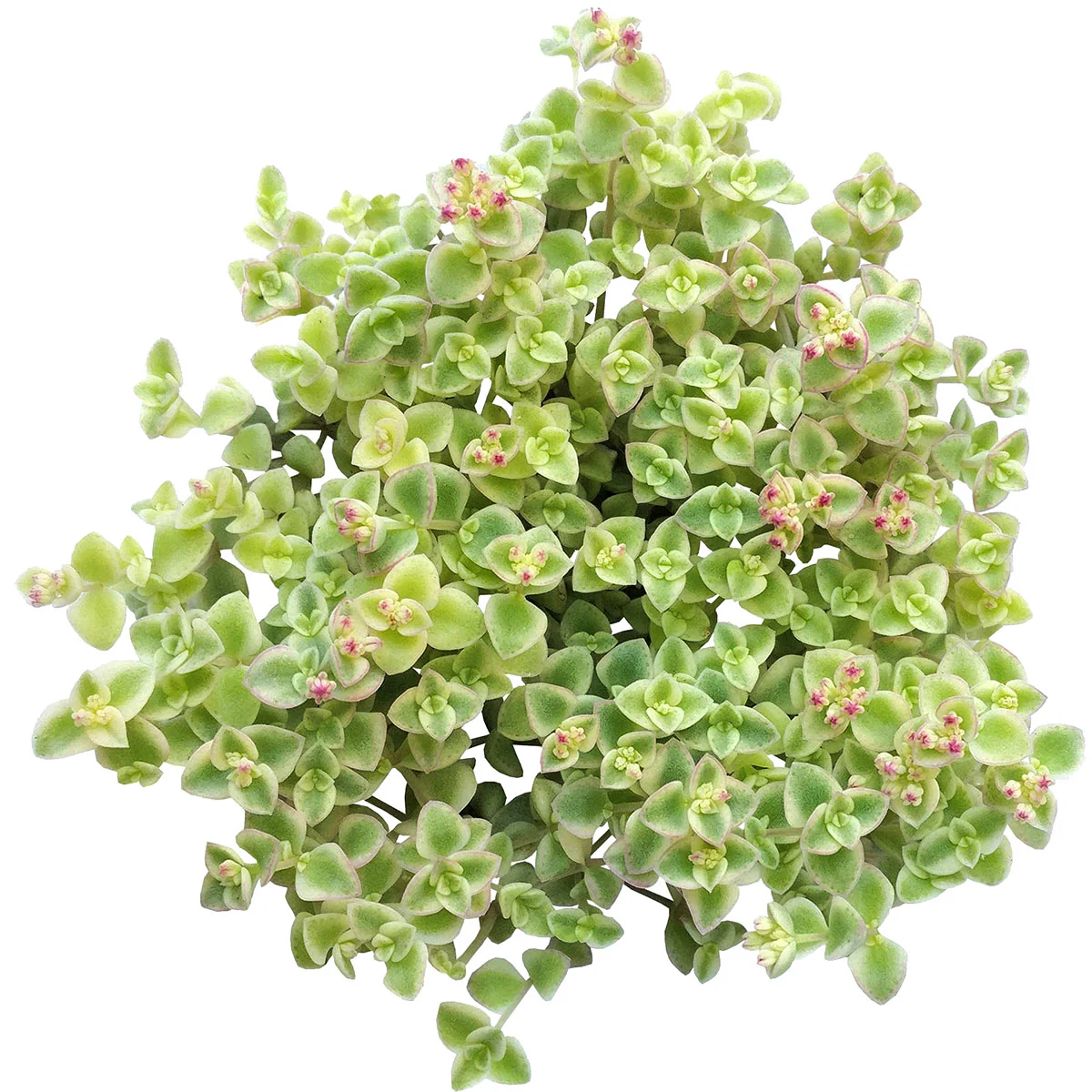
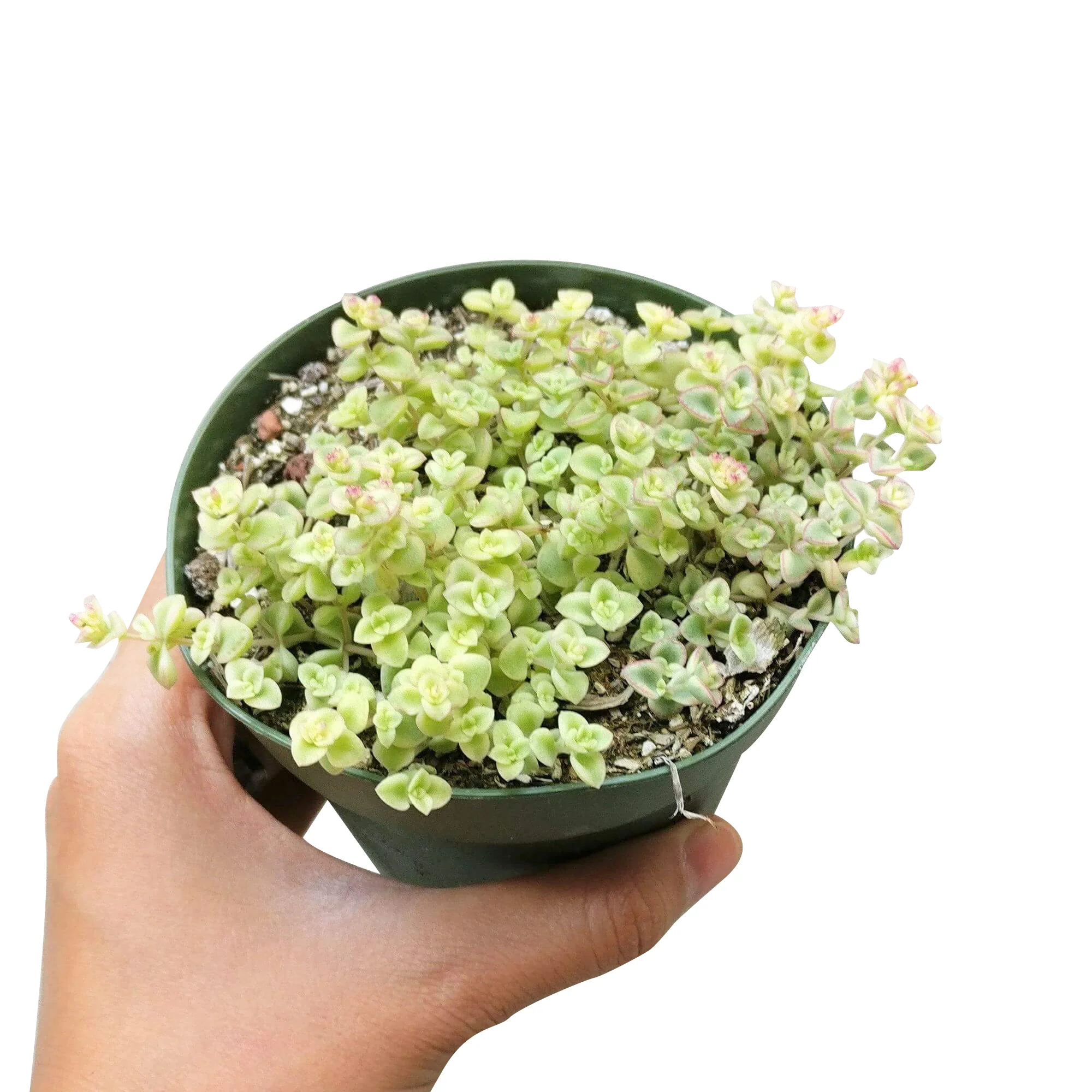
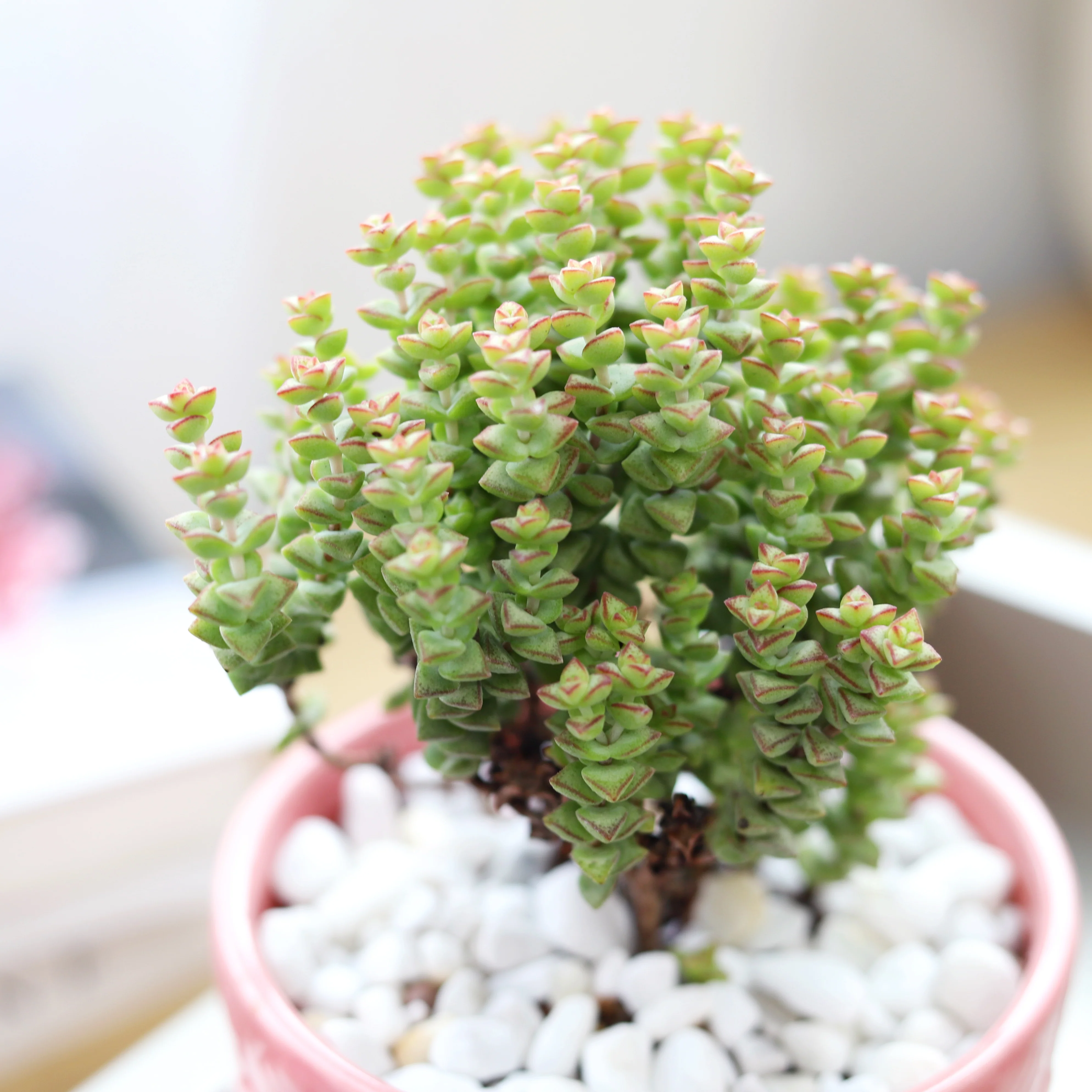
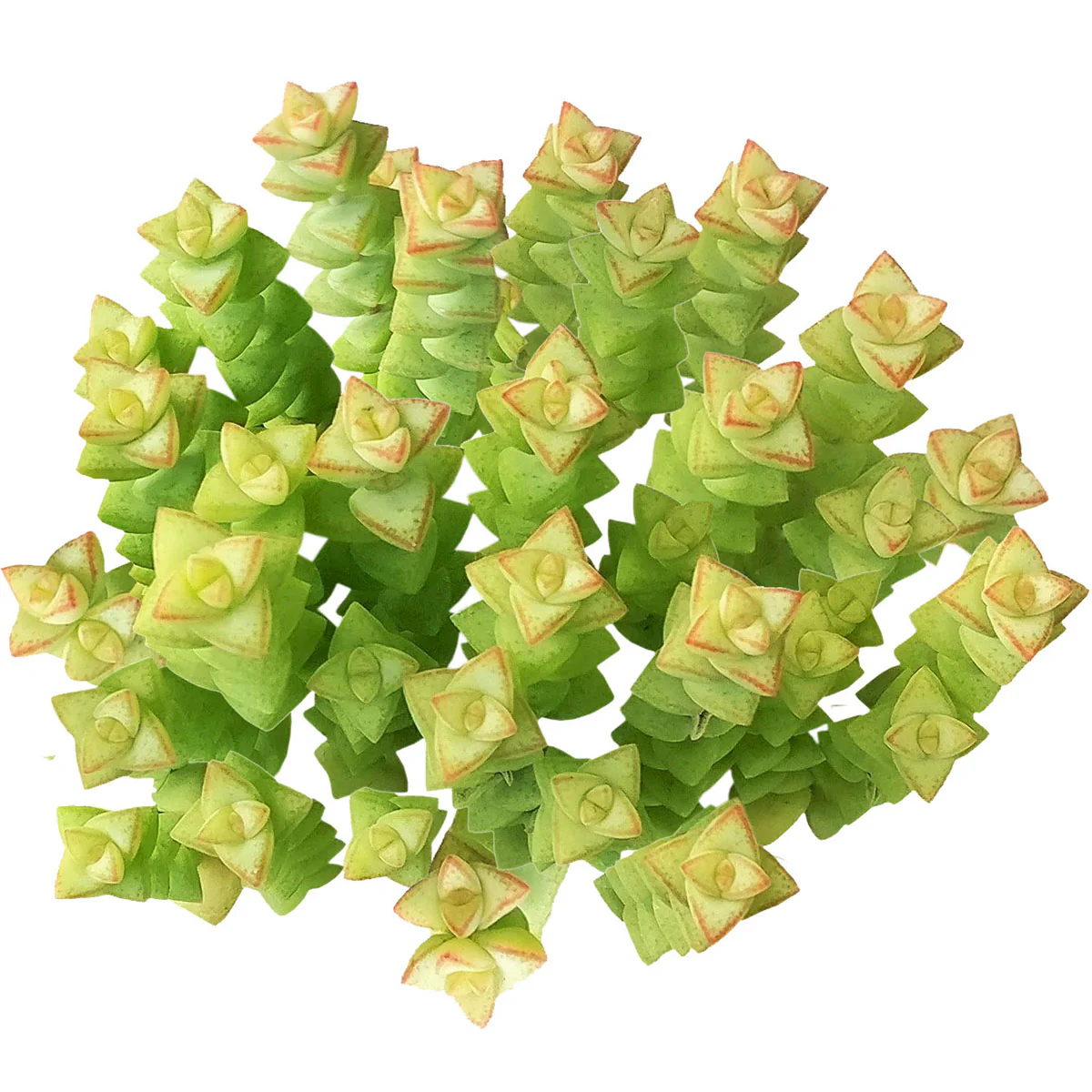
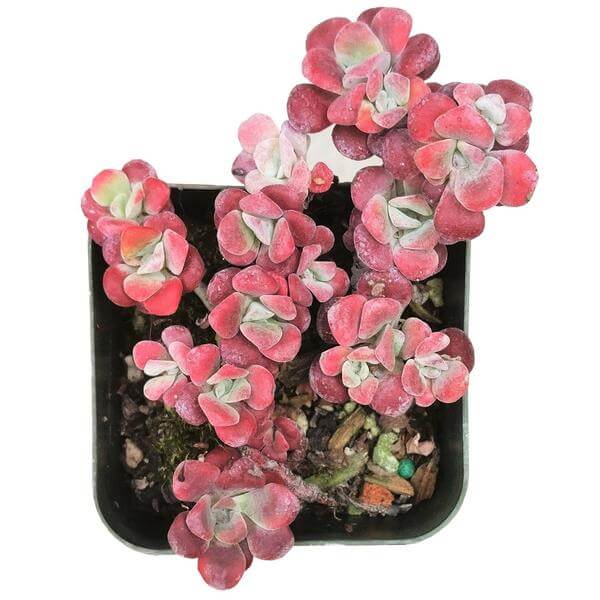
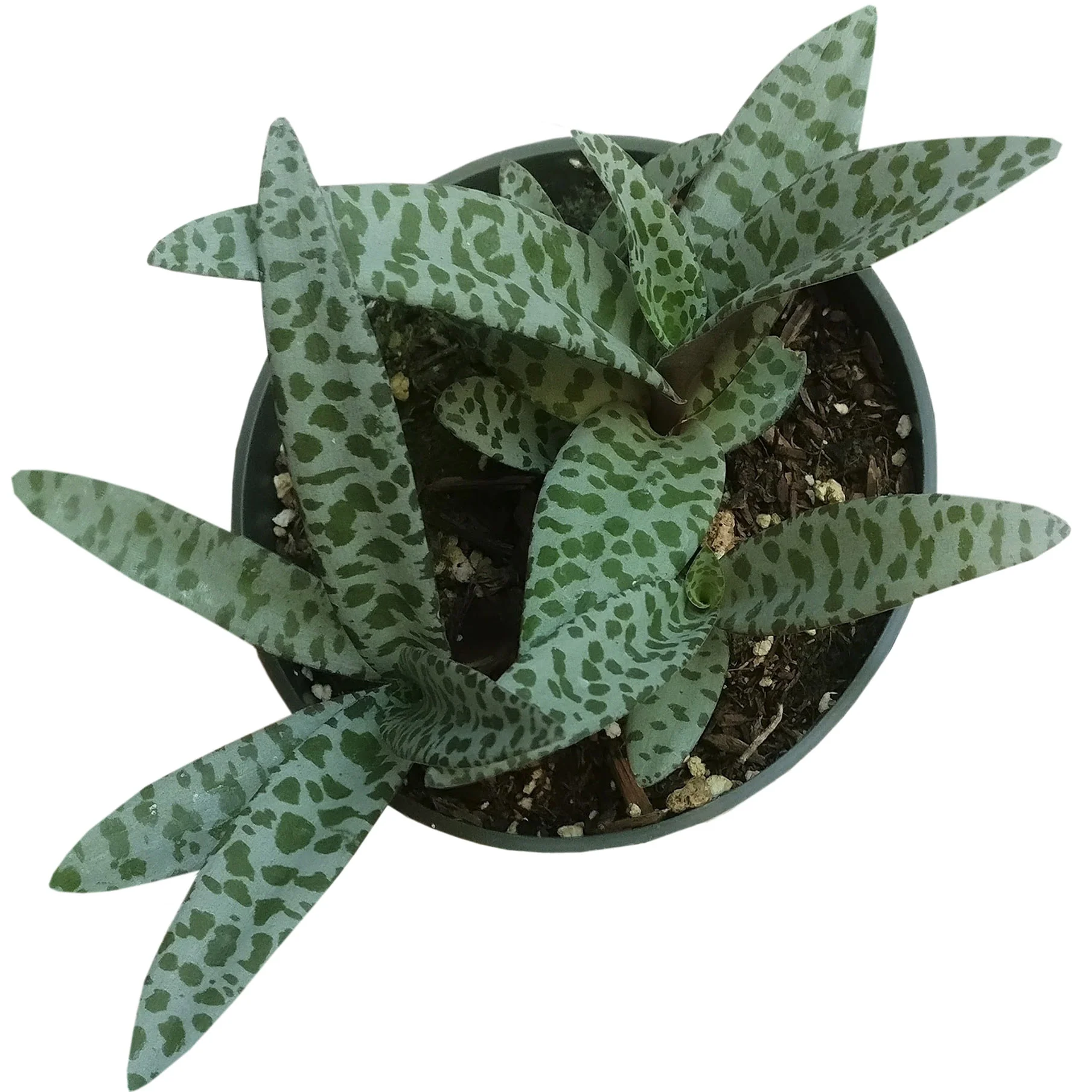
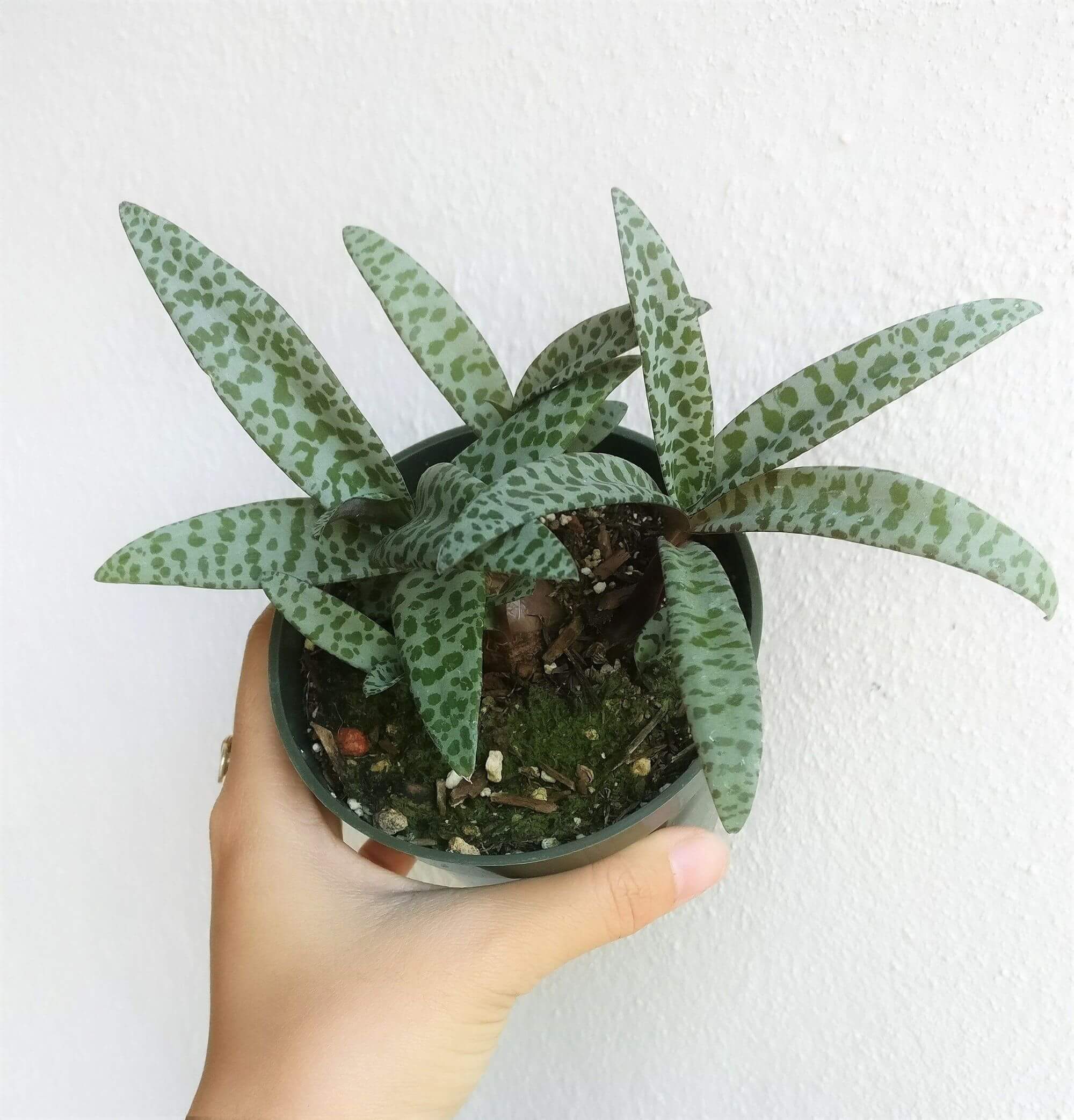
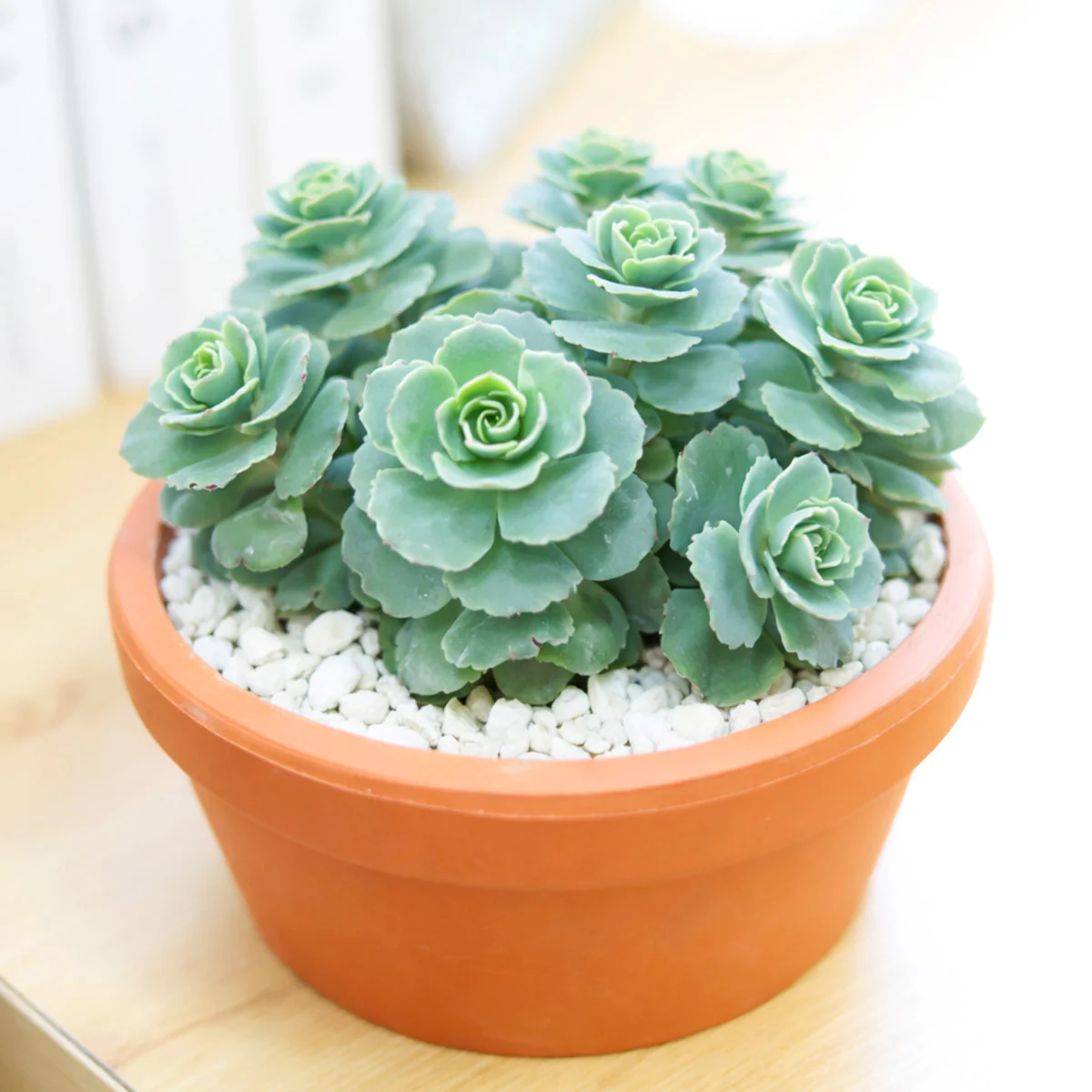
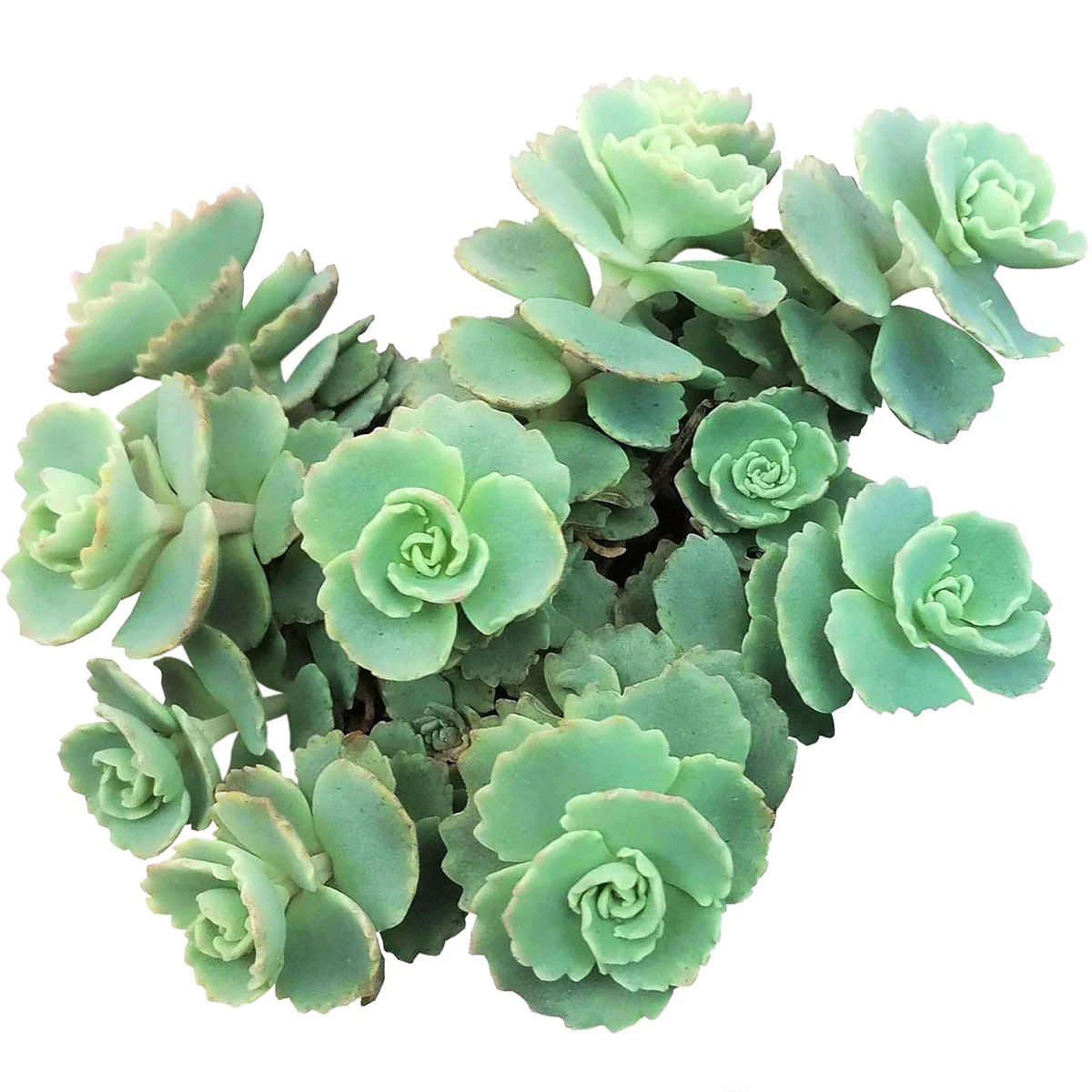
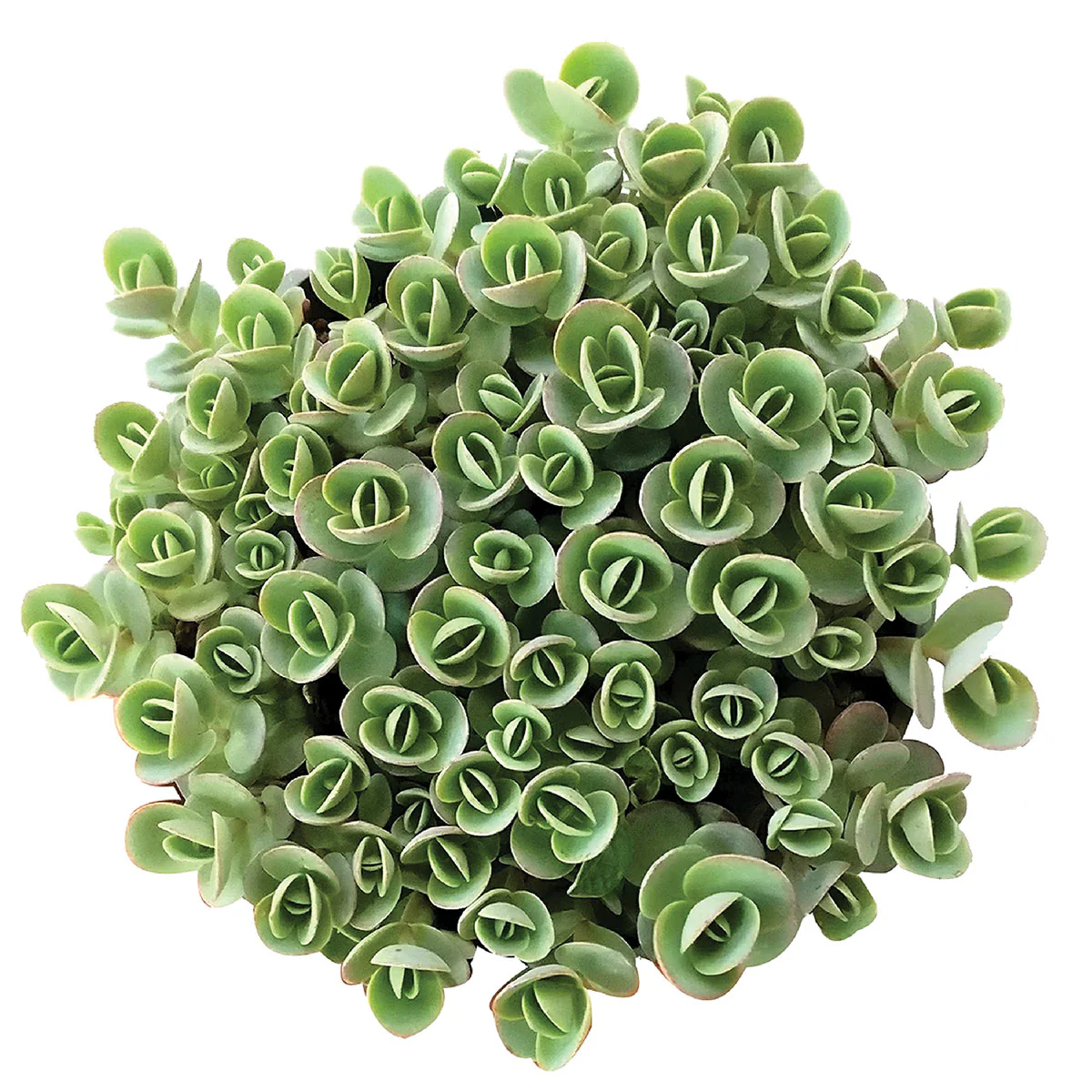
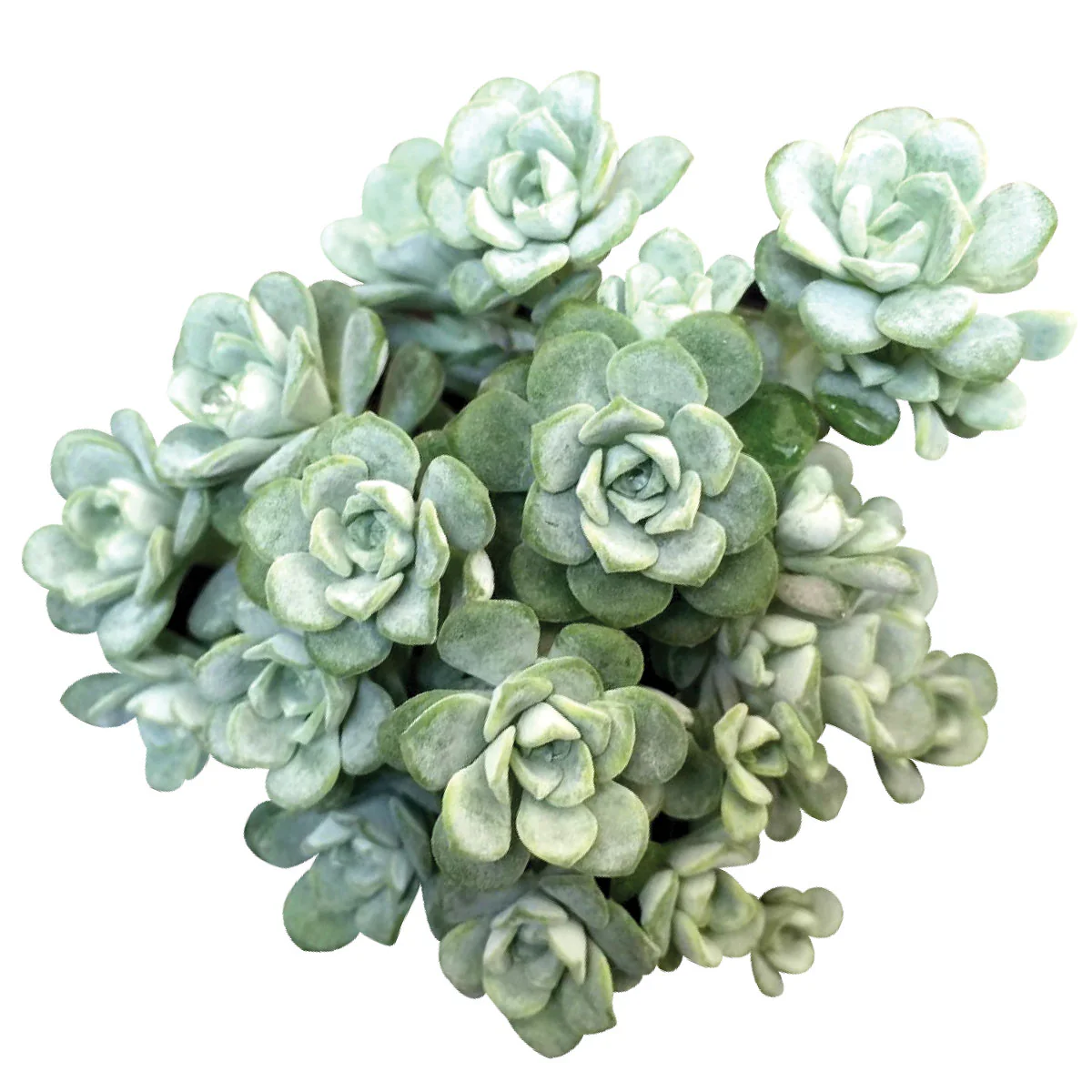
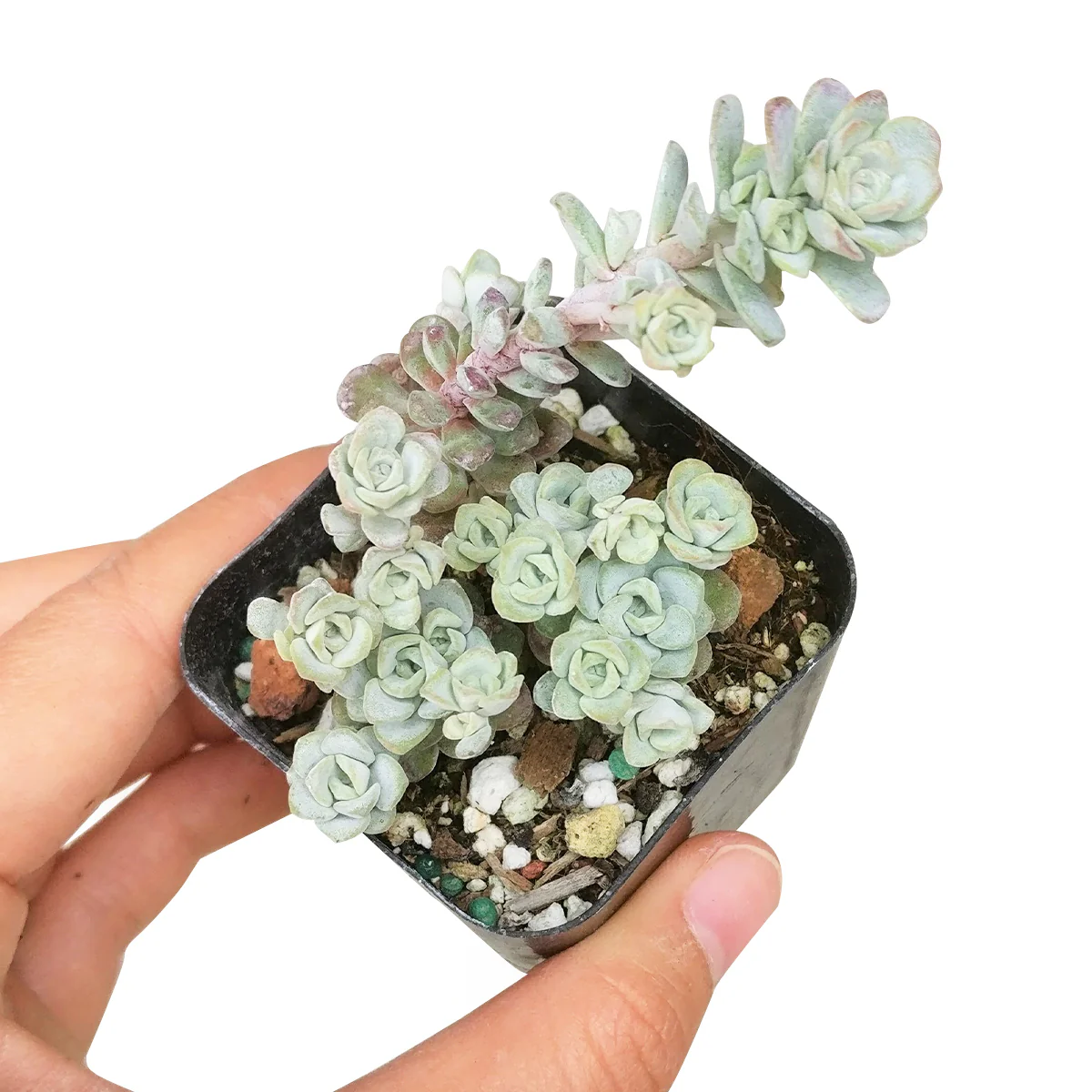
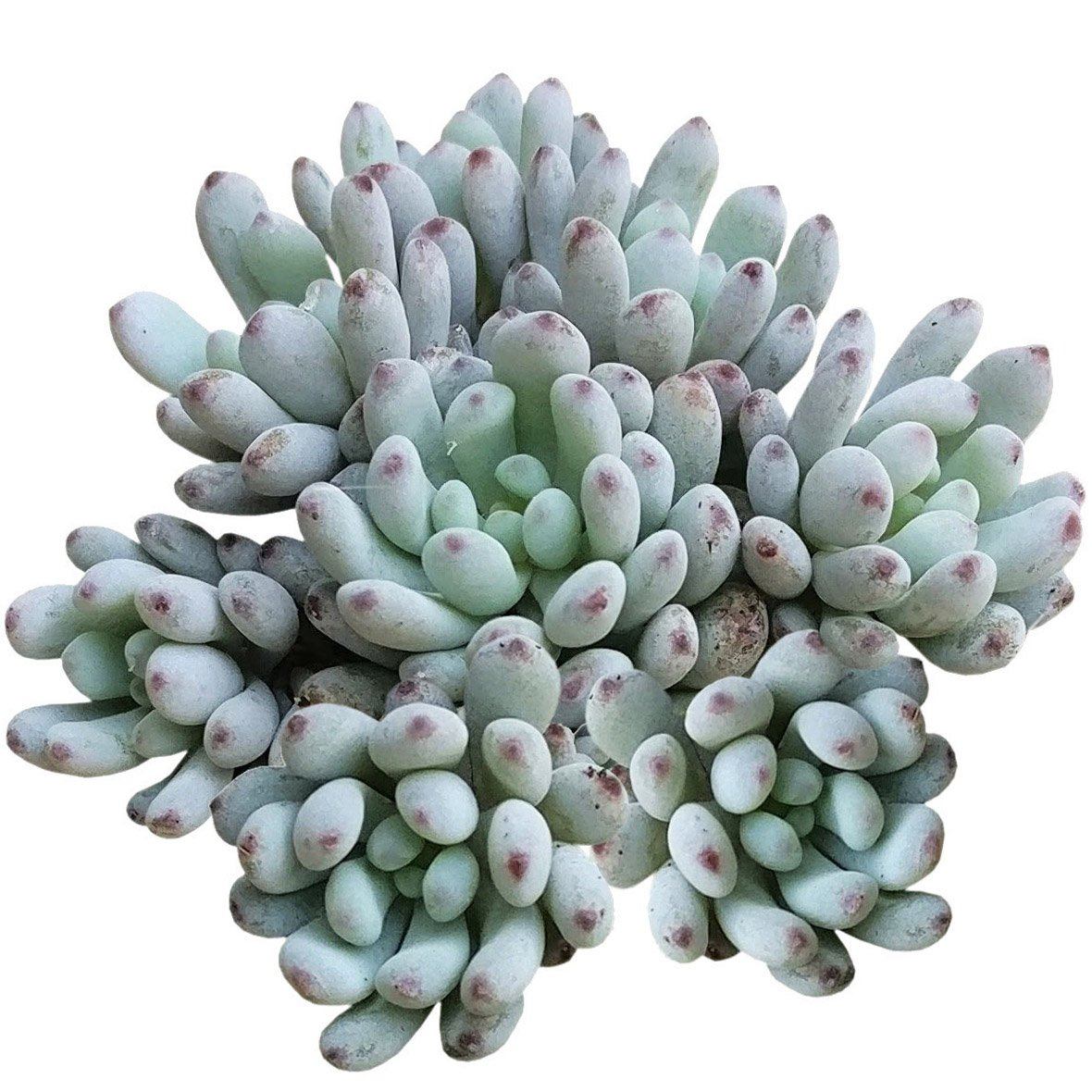
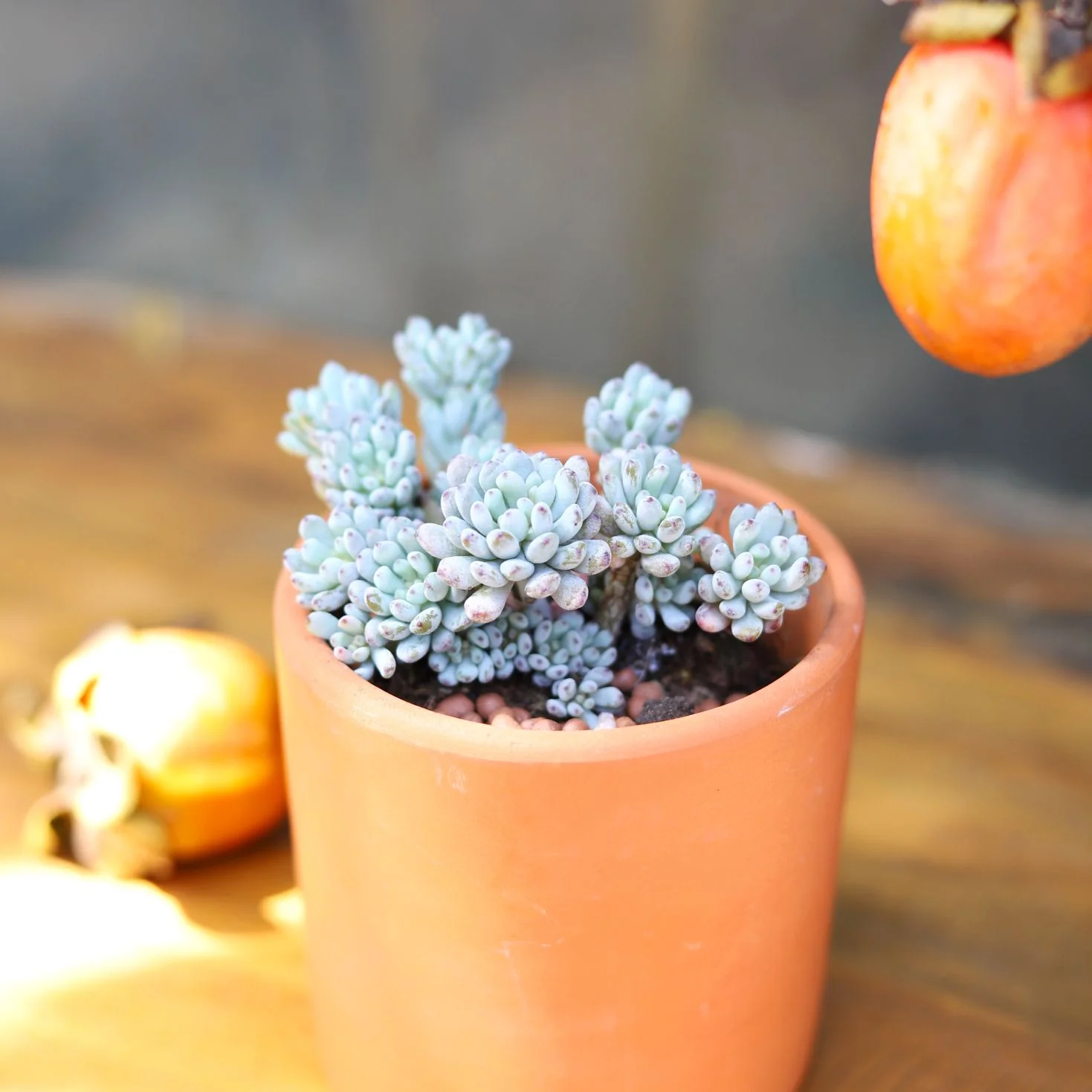
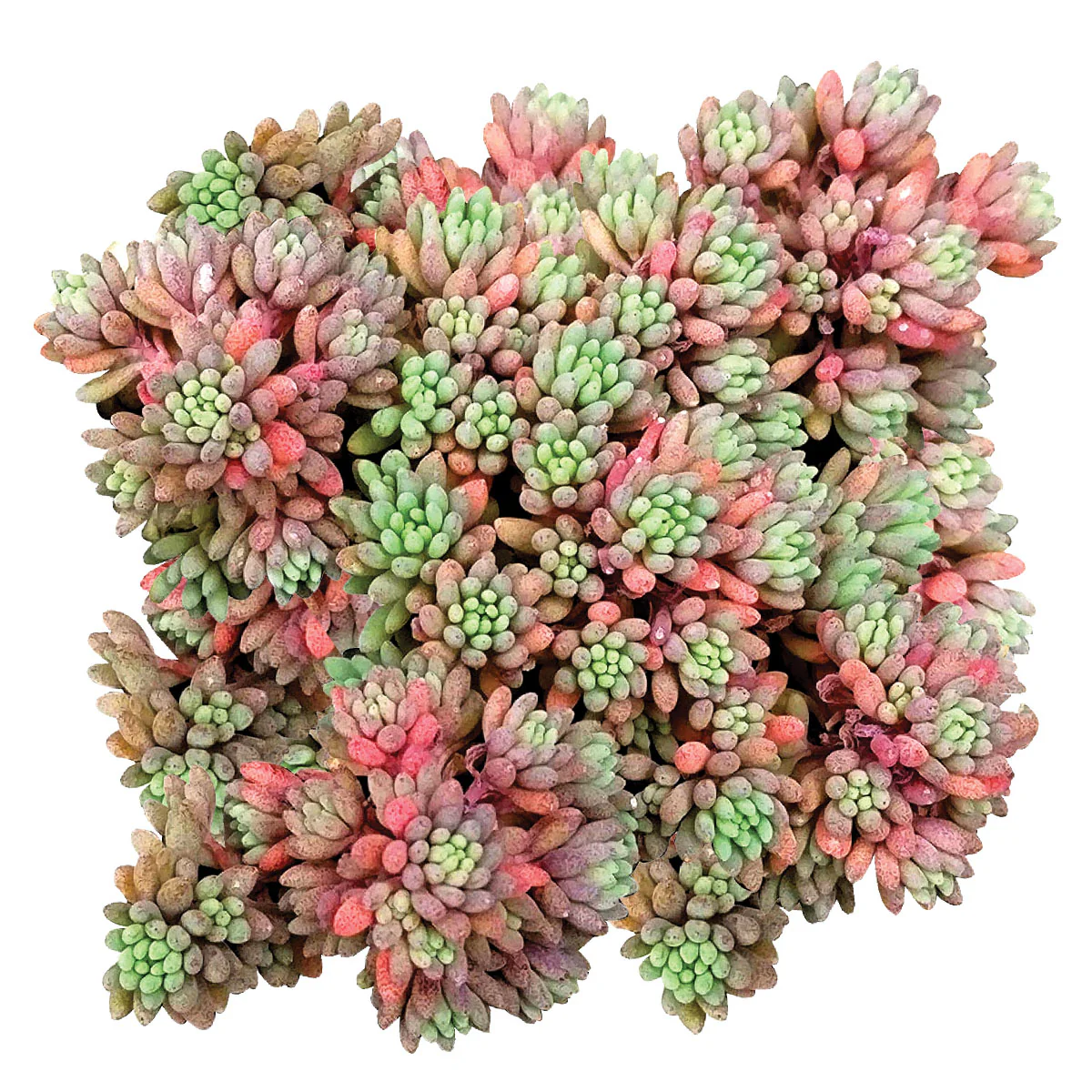
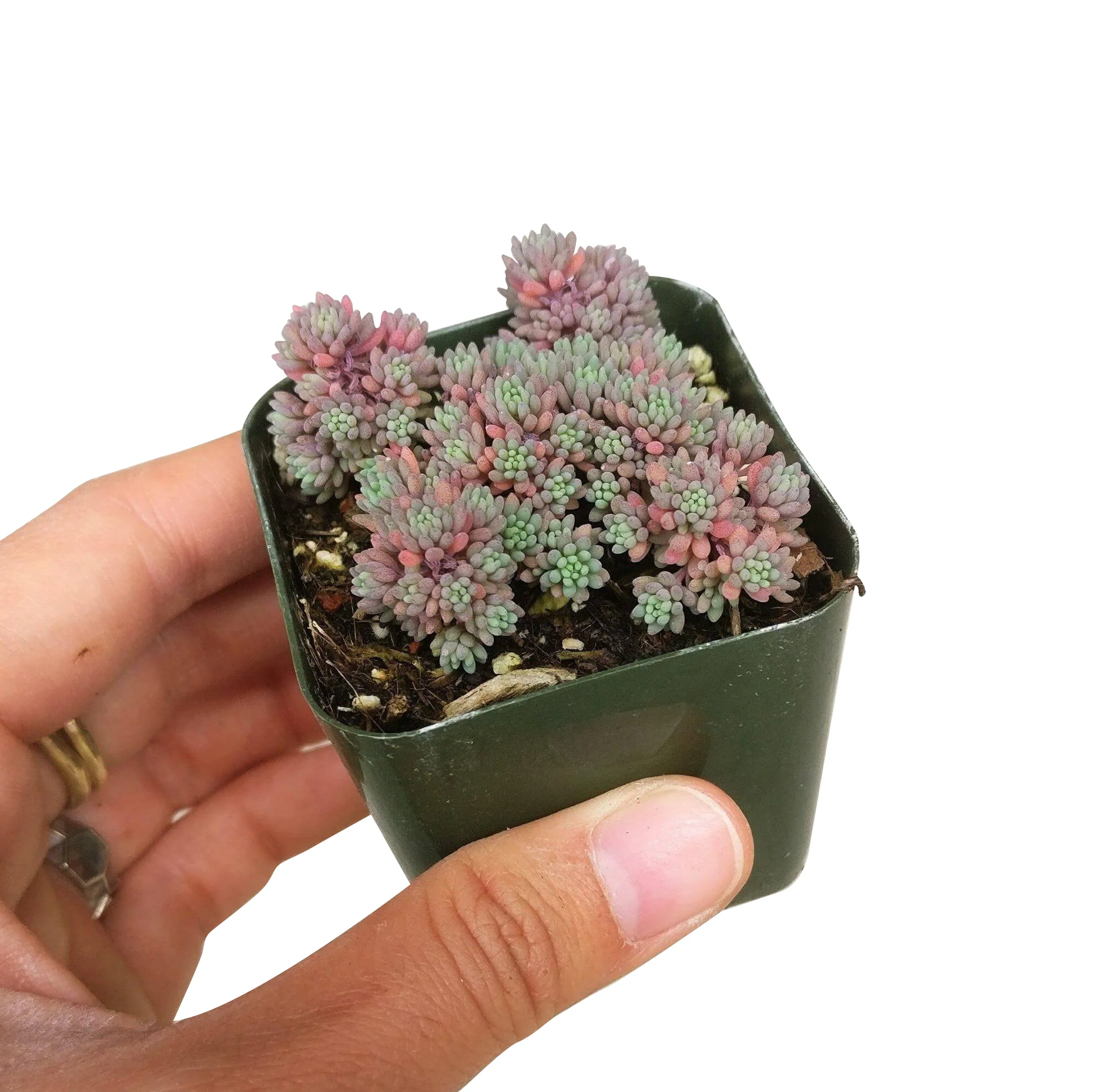
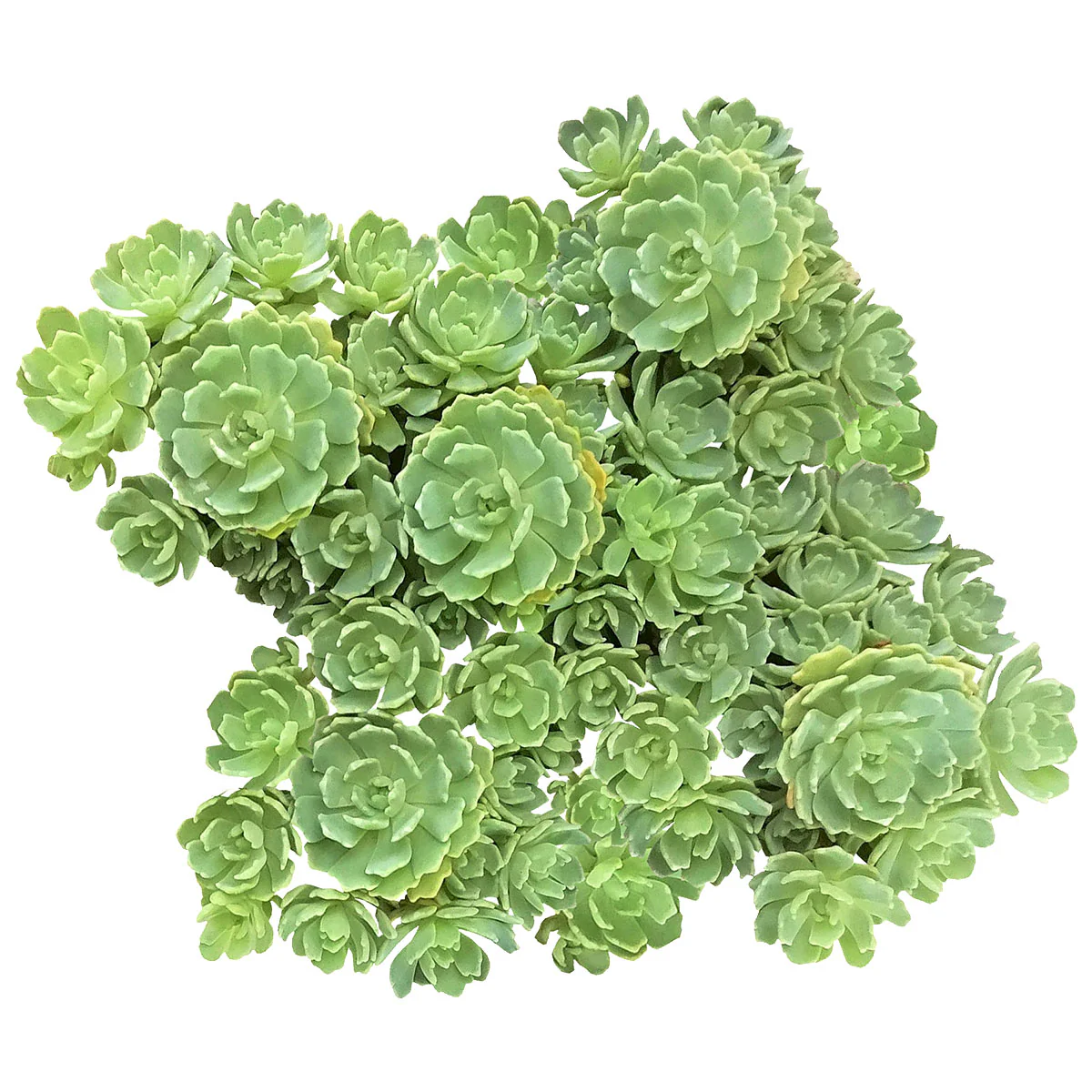
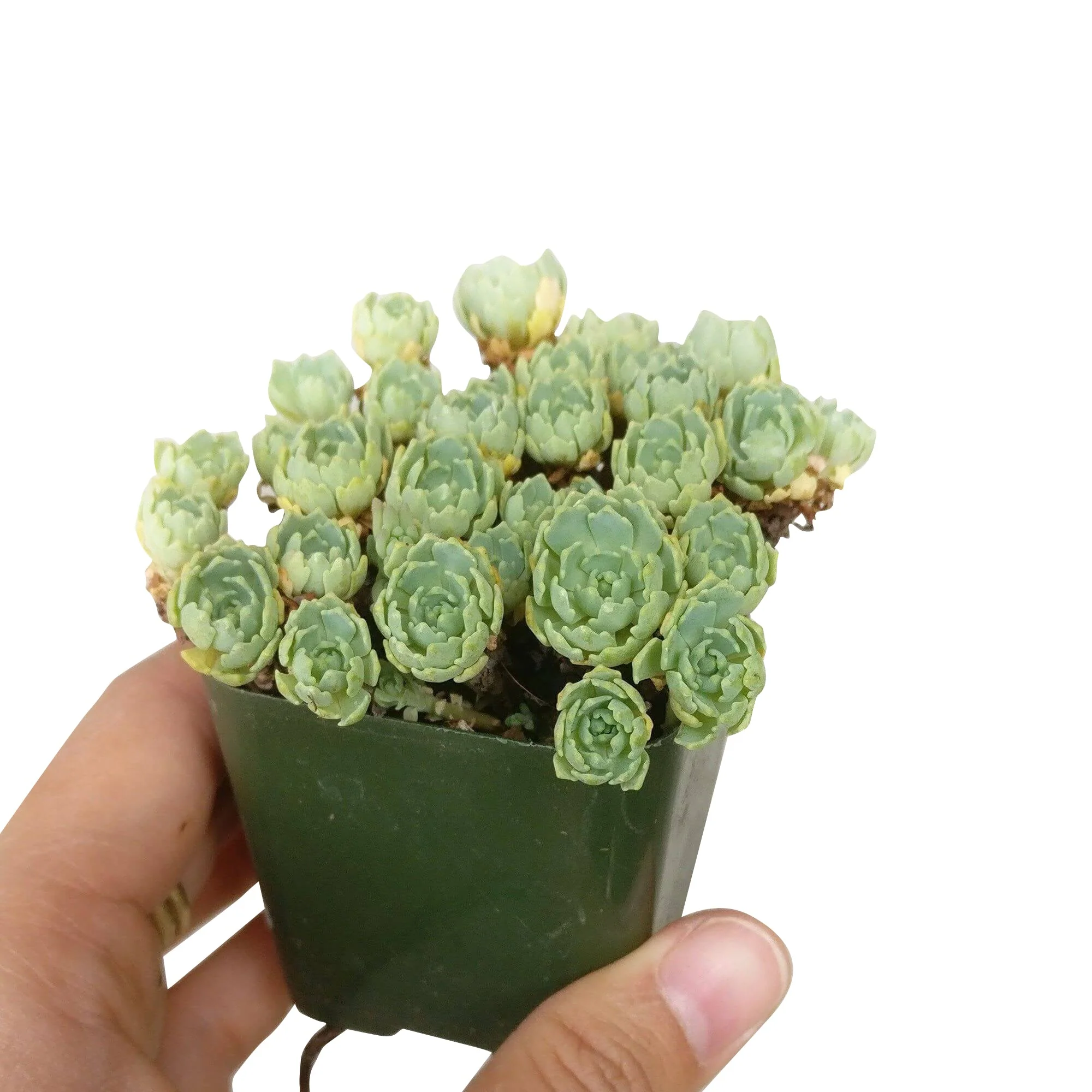
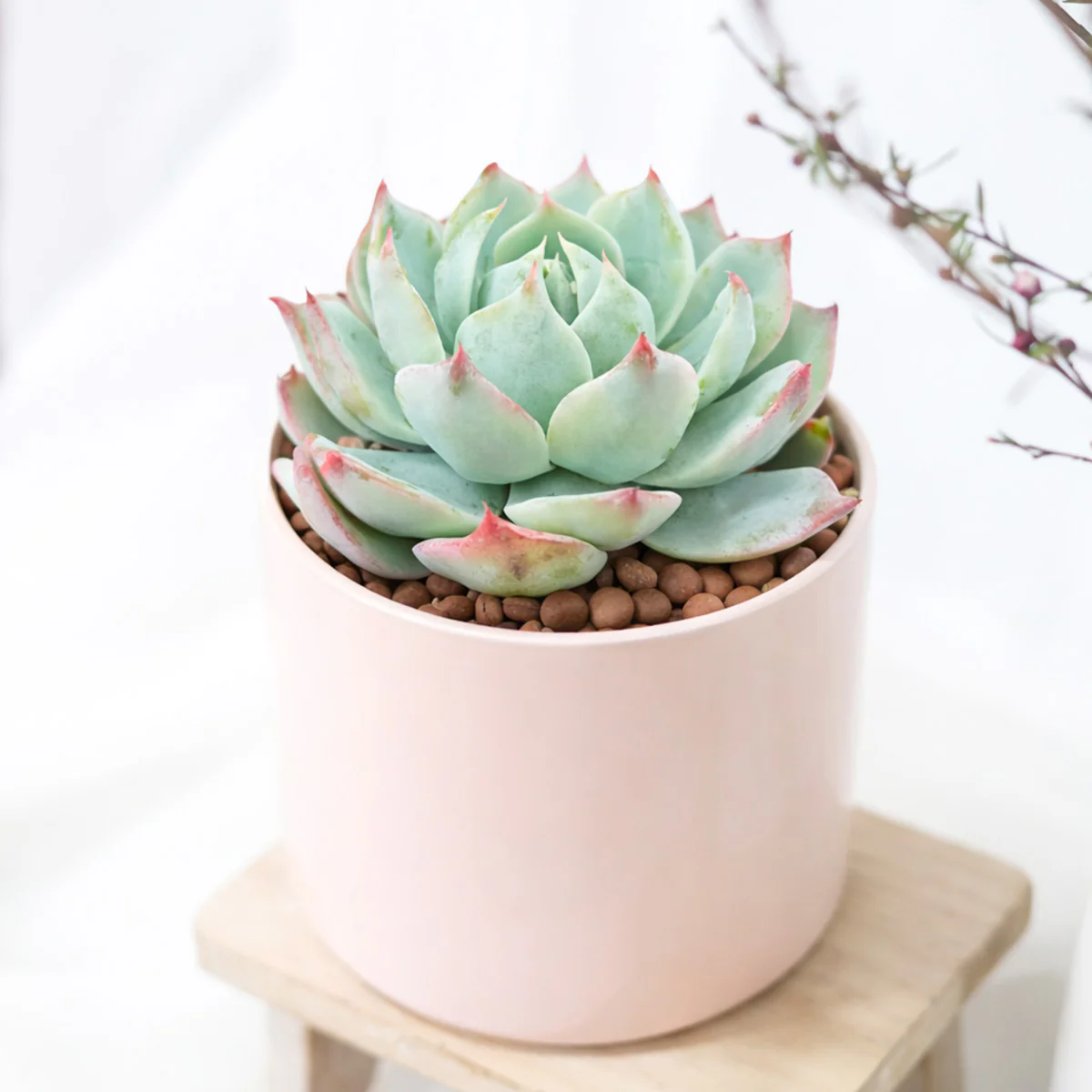
 Echeveria Tolucensis forms a tight, upright rosette of plump, spoon-shaped leaves coated in a powdery silvery blue farina that gives it an almost ethereal, frost-kissed appearance. The clustering growth habit means a single plant gradually becomes a stunning multi-rosette display. That farina coating is a true standout feature, making this silvery blue echeveria one of the most visually distinctive succulent varieties you can own.
 Echeveria Tolucensis needs a nighttime temperature drop to trigger blooming, so placing it near a cool window in autumn or moving it outdoors for the season is a great natural cue. This pet friendly succulent is safe around cats and dogs, adding peace of mind alongside its good looks.
 As a beginner succulent, Echeveria Tolucensis is genuinely hard to fail with as long as you keep it dry and bright. It thrives as a windowsill specimen, a patio container plant in summer, or a collector centerpiece. Rotate it regularly for even, symmetrical rosette growth, and keep it sheltered from rain since excess moisture on the farina-coated leaves can cause spotting. Rare enough to impress fellow collectors yet forgiving enough for first-time growers, Echeveria Tolucensis earns a spot in any succulent lineup.
-
 Echeveria Tolucensis thrives in bright indirect light but can scorch in intense south-facing windows without some filtering.
 Water Echeveria Tolucensis thoroughly every 10 to 14 days in summer, pulling back to once a month in winter.
 Echeveria Tolucensis prefers a fast-draining mix of cactus soil blended with perlite at roughly a 50/50 ratio.
 Echeveria Tolucensis performs best between 60 and 80°F (15 to 27°C) and should be brought indoors before temperatures drop near freezing.
![]() Echeveria Tolucensis is a slow to moderate grower and needs only a light balanced fertilizer once in spring and once in early summer.
Echeveria Tolucensis is a slow to moderate grower and needs only a light balanced fertilizer once in spring and once in early summer.
 Echeveria Tolucensis is rated for USDA Hardiness Zones 9 through 11, tolerating brief dips to around 25°F (-4°C) but preferring frost-free conditions. Outdoor year-round growing is well suited to warm states like California, Arizona, Texas, Florida, Hawaii, Nevada, Louisiana, Georgia, South Carolina, Alabama, and Mississippi. Gardeners along the Oregon coast and in sheltered parts of New Mexico and Arkansas may also grow Echeveria Tolucensis outside with minimal winter protection.
-
Q: How often should I water Echeveria Tolucensis?
A: Water Echeveria Tolucensis every 10 to 14 days in the growing season, allowing the soil to dry out completely between waterings. In winter, cut back to once a month or whenever the leaves show slight wrinkling.
Q: Is Echeveria Tolucensis pet friendly?
A: Yes, Echeveria Tolucensis is pet friendly and considered non-toxic to cats and dogs. It is a worry-free choice for households with curious pets.
Q: How big does Echeveria Tolucensis get?
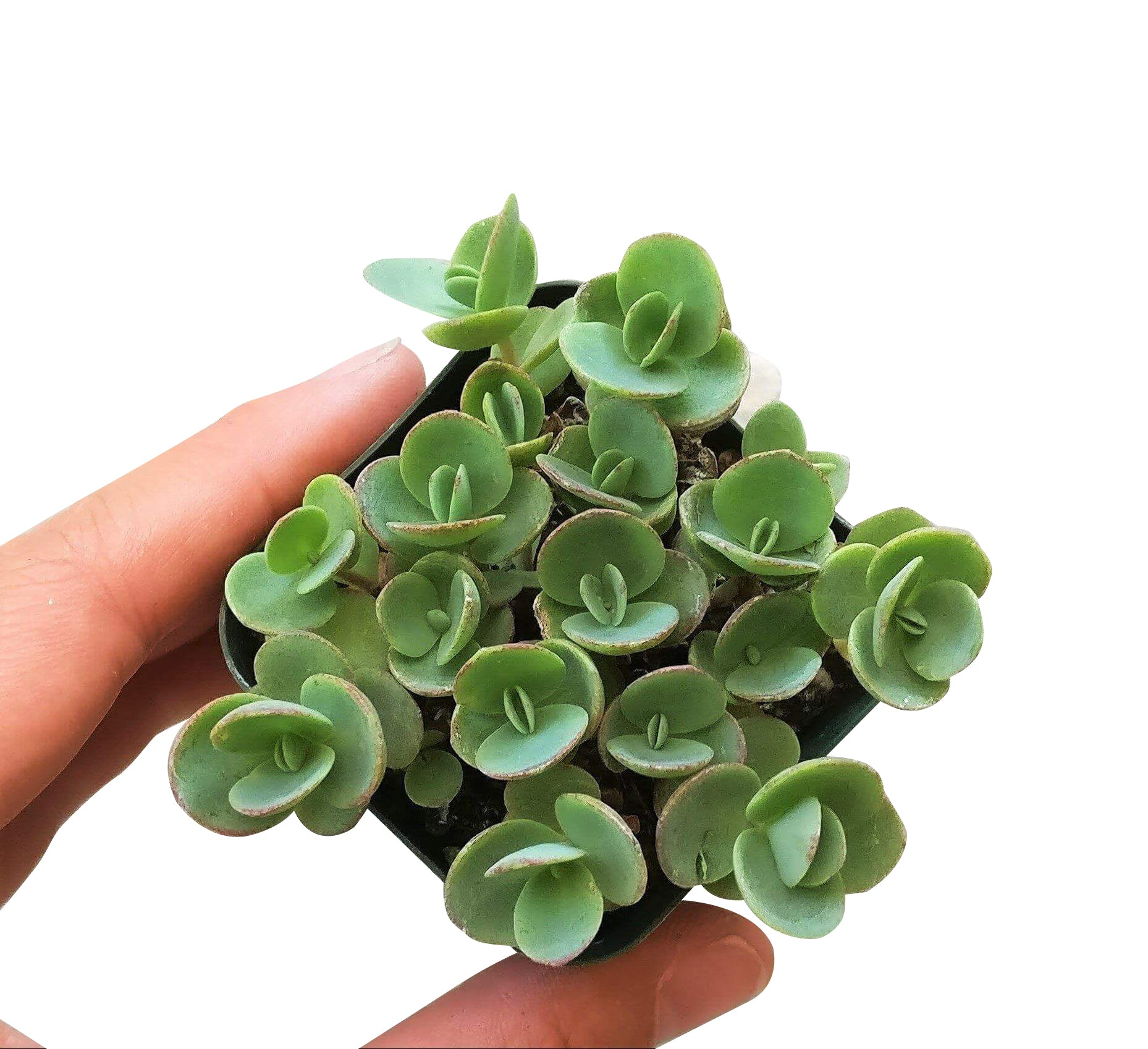
A: Echeveria Tolucensis typically reaches 3 to 5 inches (8 to 13 cm) across per rosette. Its clustering habit means the overall clump can spread wider over time.
Q: How do I propagate Echeveria Tolucensis?
A: Echeveria Tolucensis is easily propagated from offsets that form at the base of the mother rosette. Gently remove a cluster, let the cut callous for a day or two, then pot it in dry cactus mix.
Q: Why is my Echeveria Tolucensis not blooming?
A: Echeveria Tolucensis needs a drop in nighttime temperatures to initiate blooms. Try moving it outdoors in late summer or placing it near a cool window in autumn to trigger flowering.
Q: Is Echeveria Tolucensis rare?
A: Echeveria Tolucensis is considered a rare succulent, less commonly found than many other echeveria species. Its distinctive silvery blue farina coating makes it a sought-after addition for collectors and enthusiasts alike.


Original: $8.00
-70%$8.00
$2.40Product Information
Product Information
Shipping & Returns
Shipping & Returns
Description
- Description
- Echeveria Tolucensis Care Guide
- FAQ/Common Issues
-
![]() Echeveria Tolucensis is a rare, easy care rosette succulent in the Crassulaceae family, native to the highlands around Toluca, Mexico. It belongs to the beloved Echeveria genus, a group prized worldwide for their sculptural beauty and low maintenance appeal.
Echeveria Tolucensis is a rare, easy care rosette succulent in the Crassulaceae family, native to the highlands around Toluca, Mexico. It belongs to the beloved Echeveria genus, a group prized worldwide for their sculptural beauty and low maintenance appeal.
Echeveria Tolucensis forms a tight, upright rosette of plump, spoon-shaped leaves coated in a powdery silvery blue farina that gives it an almost ethereal, frost-kissed appearance. The clustering growth habit means a single plant gradually becomes a stunning multi-rosette display. That farina coating is a true standout feature, making this silvery blue echeveria one of the most visually distinctive succulent varieties you can own.
Echeveria Tolucensis needs a nighttime temperature drop to trigger blooming, so placing it near a cool window in autumn or moving it outdoors for the season is a great natural cue. This pet friendly succulent is safe around cats and dogs, adding peace of mind alongside its good looks.
As a beginner succulent, Echeveria Tolucensis is genuinely hard to fail with as long as you keep it dry and bright. It thrives as a windowsill specimen, a patio container plant in summer, or a collector centerpiece. Rotate it regularly for even, symmetrical rosette growth, and keep it sheltered from rain since excess moisture on the farina-coated leaves can cause spotting. Rare enough to impress fellow collectors yet forgiving enough for first-time growers, Echeveria Tolucensis earns a spot in any succulent lineup.
-
Echeveria Tolucensis thrives in bright indirect light but can scorch in intense south-facing windows without some filtering.
Water Echeveria Tolucensis thoroughly every 10 to 14 days in summer, pulling back to once a month in winter.
Echeveria Tolucensis prefers a fast-draining mix of cactus soil blended with perlite at roughly a 50/50 ratio.
Echeveria Tolucensis performs best between 60 and 80°F (15 to 27°C) and should be brought indoors before temperatures drop near freezing.
![]() Echeveria Tolucensis is a slow to moderate grower and needs only a light balanced fertilizer once in spring and once in early summer.
Echeveria Tolucensis is a slow to moderate grower and needs only a light balanced fertilizer once in spring and once in early summer.
Echeveria Tolucensis is rated for USDA Hardiness Zones 9 through 11, tolerating brief dips to around 25°F (-4°C) but preferring frost-free conditions. Outdoor year-round growing is well suited to warm states like California, Arizona, Texas, Florida, Hawaii, Nevada, Louisiana, Georgia, South Carolina, Alabama, and Mississippi. Gardeners along the Oregon coast and in sheltered parts of New Mexico and Arkansas may also grow Echeveria Tolucensis outside with minimal winter protection.
-
Q: How often should I water Echeveria Tolucensis?
A: Water Echeveria Tolucensis every 10 to 14 days in the growing season, allowing the soil to dry out completely between waterings. In winter, cut back to once a month or whenever the leaves show slight wrinkling.
Q: Is Echeveria Tolucensis pet friendly?
A: Yes, Echeveria Tolucensis is pet friendly and considered non-toxic to cats and dogs. It is a worry-free choice for households with curious pets.
Q: How big does Echeveria Tolucensis get?
A: Echeveria Tolucensis typically reaches 3 to 5 inches (8 to 13 cm) across per rosette. Its clustering habit means the overall clump can spread wider over time.
Q: How do I propagate Echeveria Tolucensis?
A: Echeveria Tolucensis is easily propagated from offsets that form at the base of the mother rosette. Gently remove a cluster, let the cut callous for a day or two, then pot it in dry cactus mix.
Q: Why is my Echeveria Tolucensis not blooming?
A: Echeveria Tolucensis needs a drop in nighttime temperatures to initiate blooms. Try moving it outdoors in late summer or placing it near a cool window in autumn to trigger flowering.
Q: Is Echeveria Tolucensis rare?
A: Echeveria Tolucensis is considered a rare succulent, less commonly found than many other echeveria species. Its distinctive silvery blue farina coating makes it a sought-after addition for collectors and enthusiasts alike.