Echeveria Setosa Var. Ciliata
- Description
- Echeveria Setosa Var. Ciliata Care Guide
- FAQ/Common Issues
-
![]() Echeveria Setosa Var. Ciliata is a rare fuzzy succulent in the Crassulaceae family, native to the mountainous regions of Mexico. This beginner-friendly echeveria has charmed collectors worldwide with its easy care and unmistakable texture. If you love drought tolerant succulents with serious personality, Echeveria Setosa Var. Ciliata belongs in your collection.
Echeveria Setosa Var. Ciliata is a rare fuzzy succulent in the Crassulaceae family, native to the mountainous regions of Mexico. This beginner-friendly echeveria has charmed collectors worldwide with its easy care and unmistakable texture. If you love drought tolerant succulents with serious personality, Echeveria Setosa Var. Ciliata belongs in your collection.
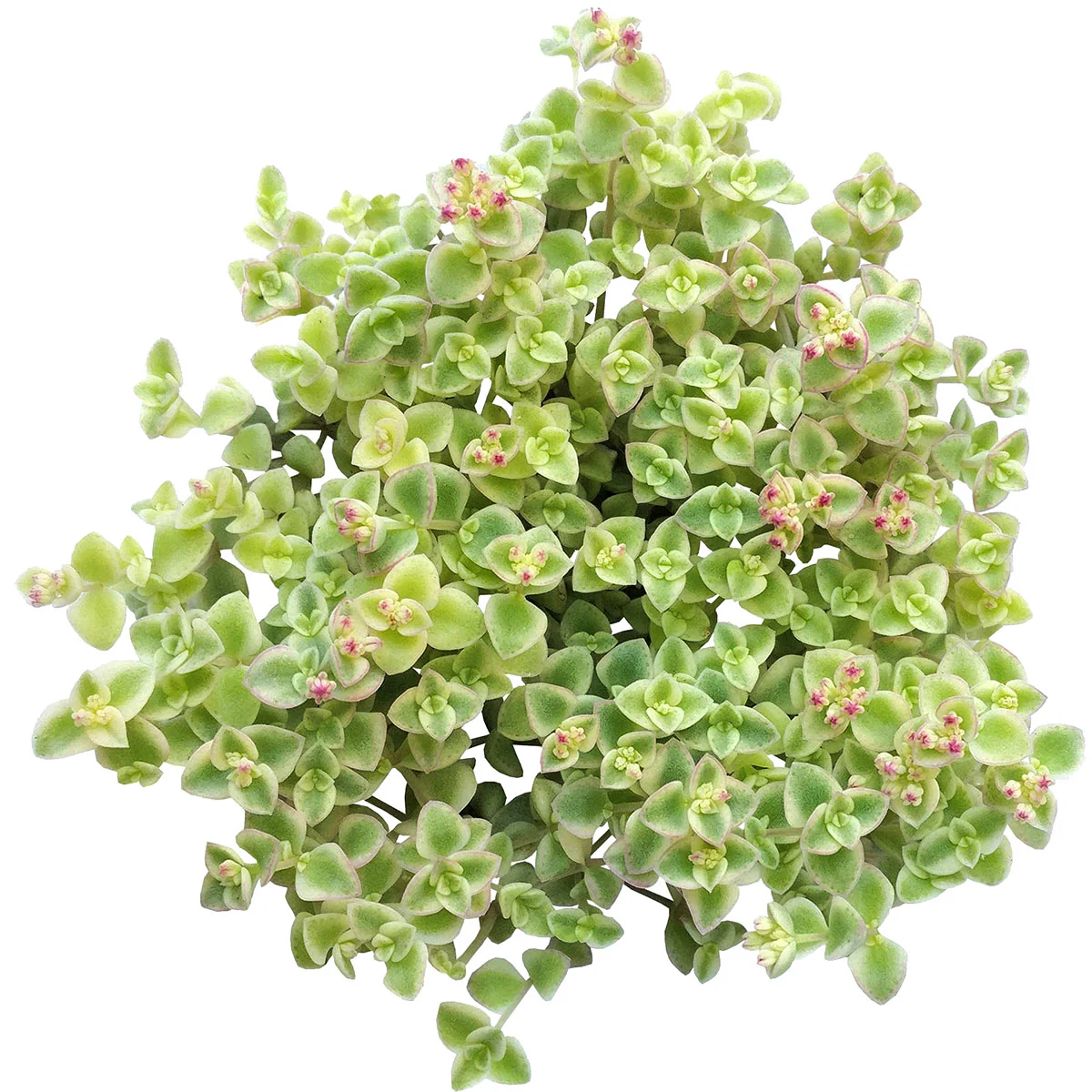
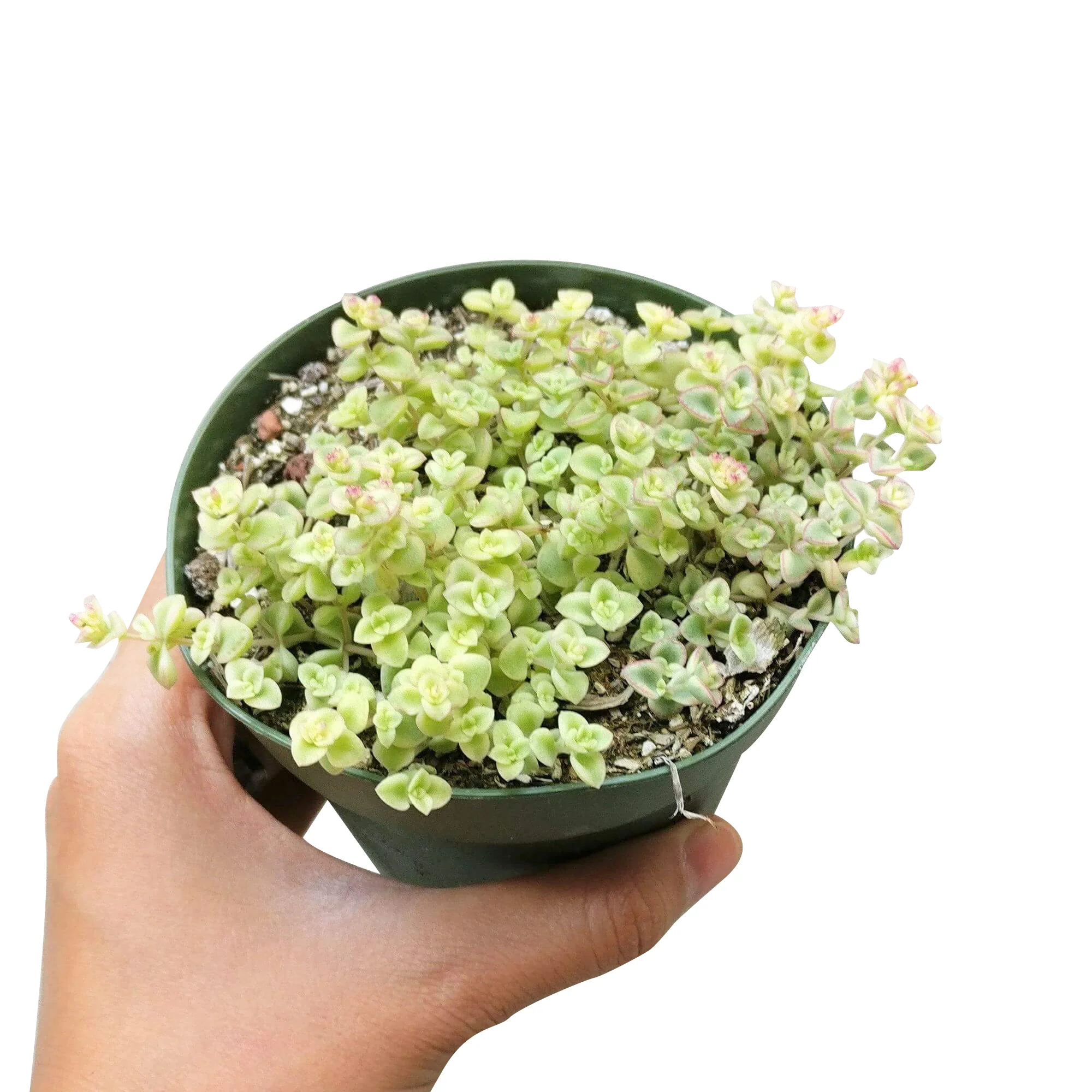
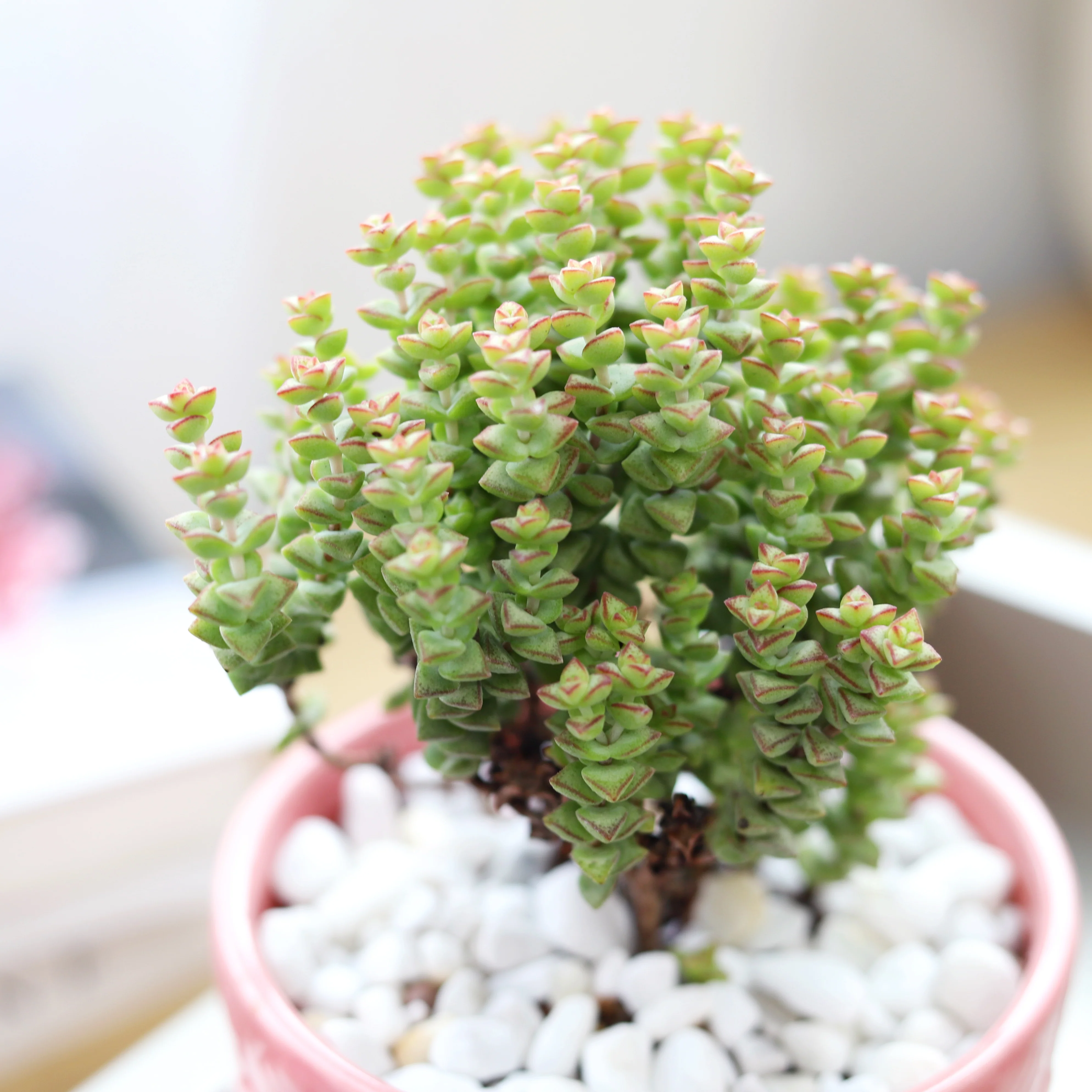
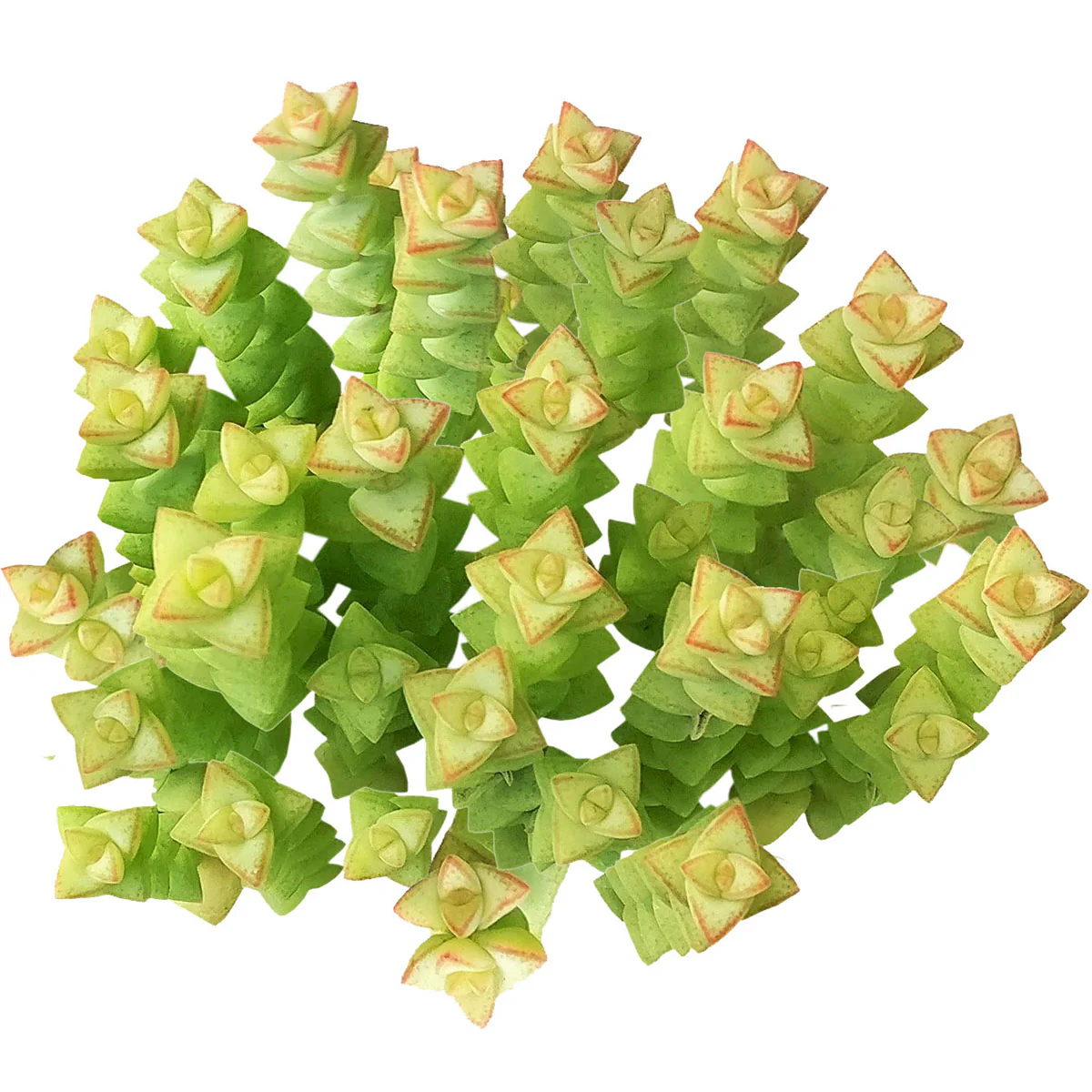
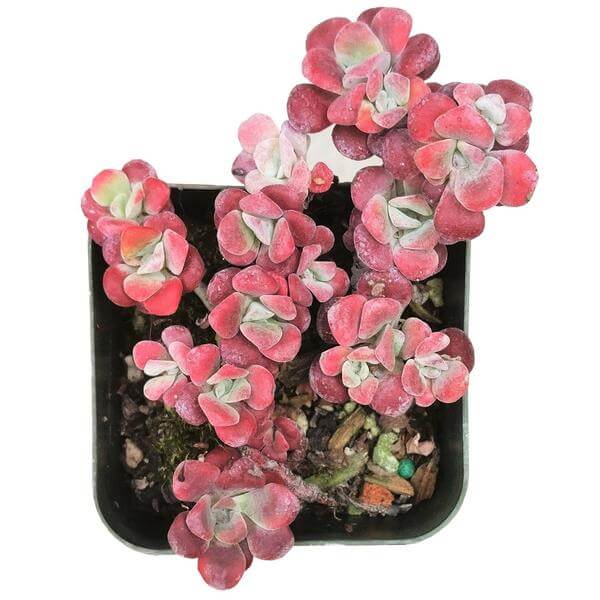
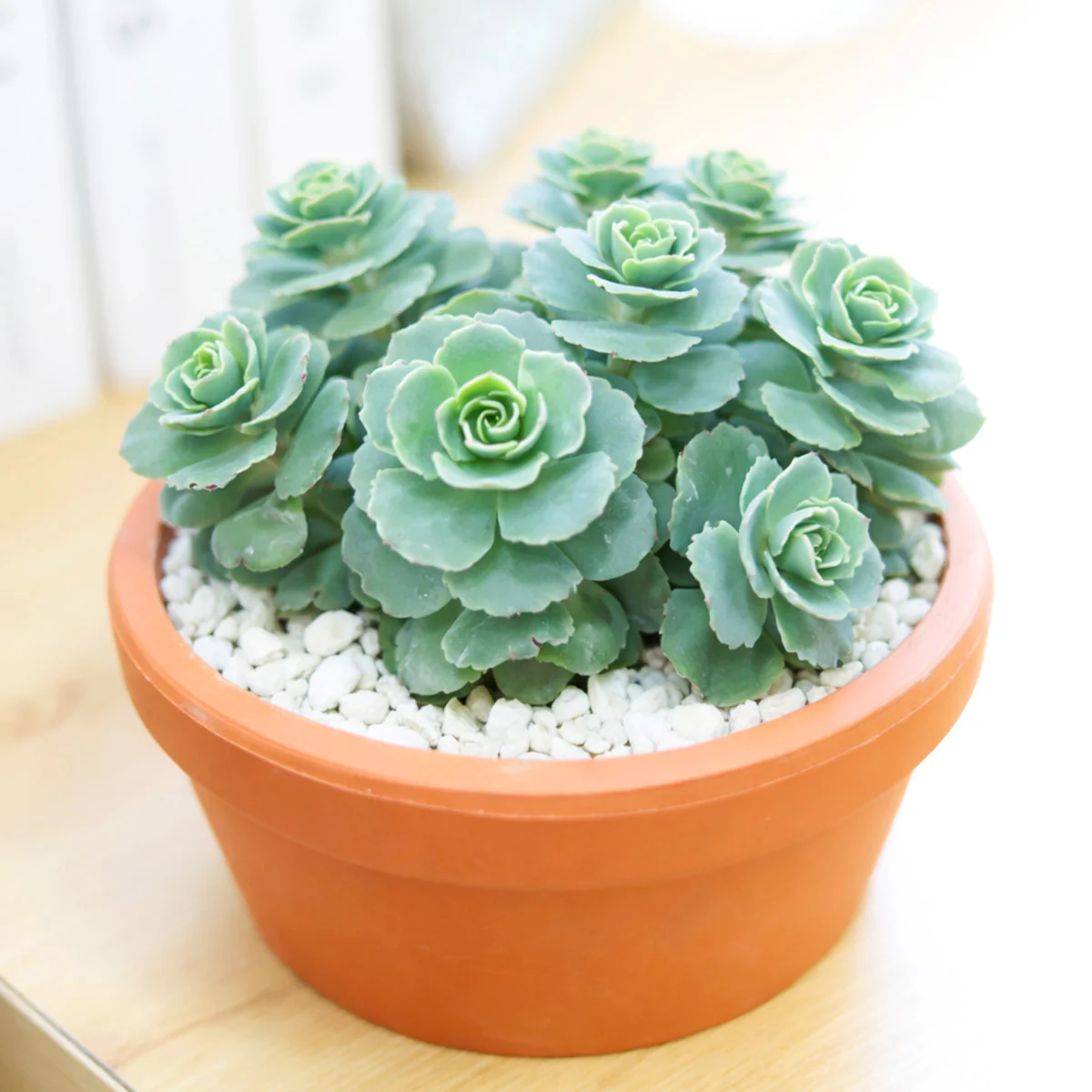
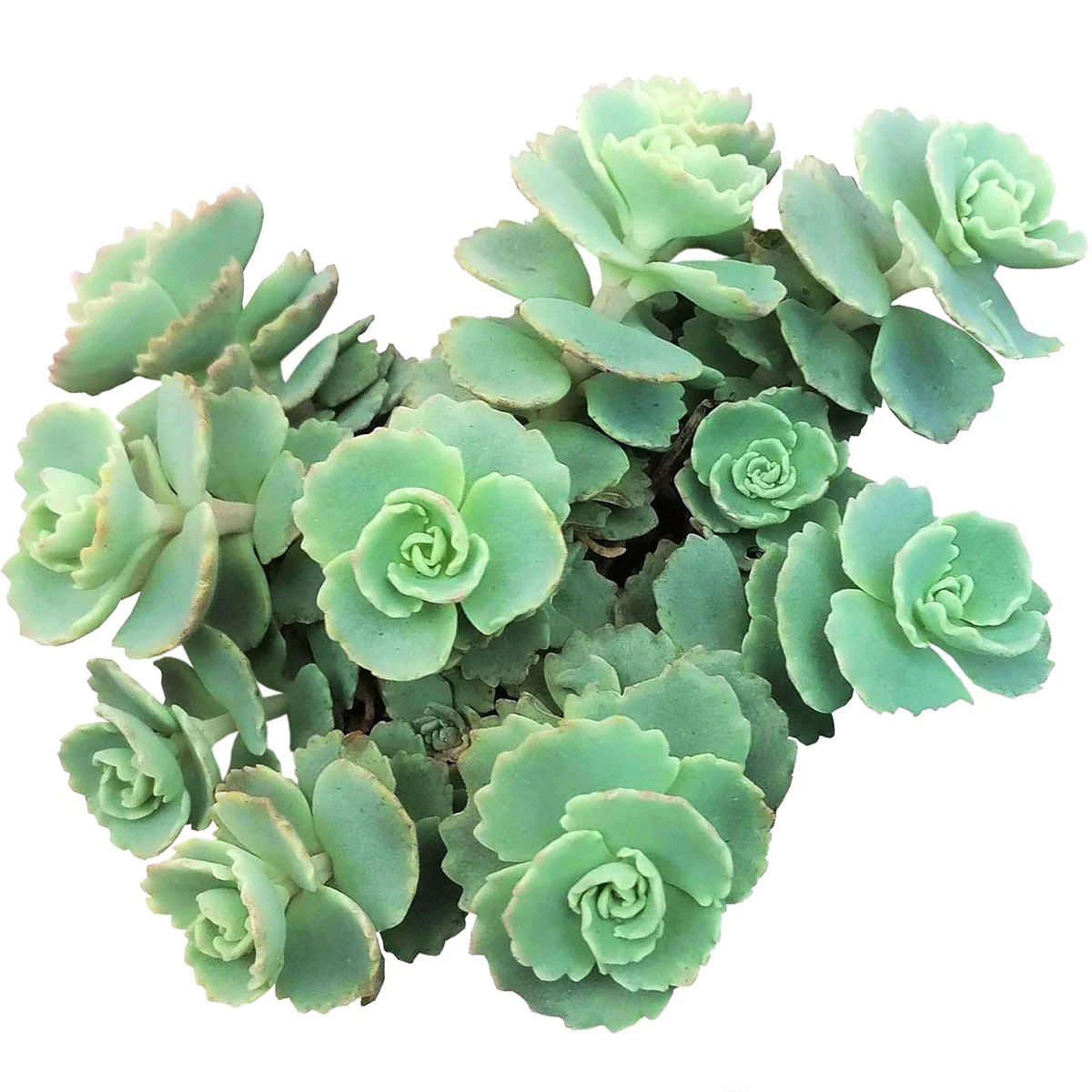
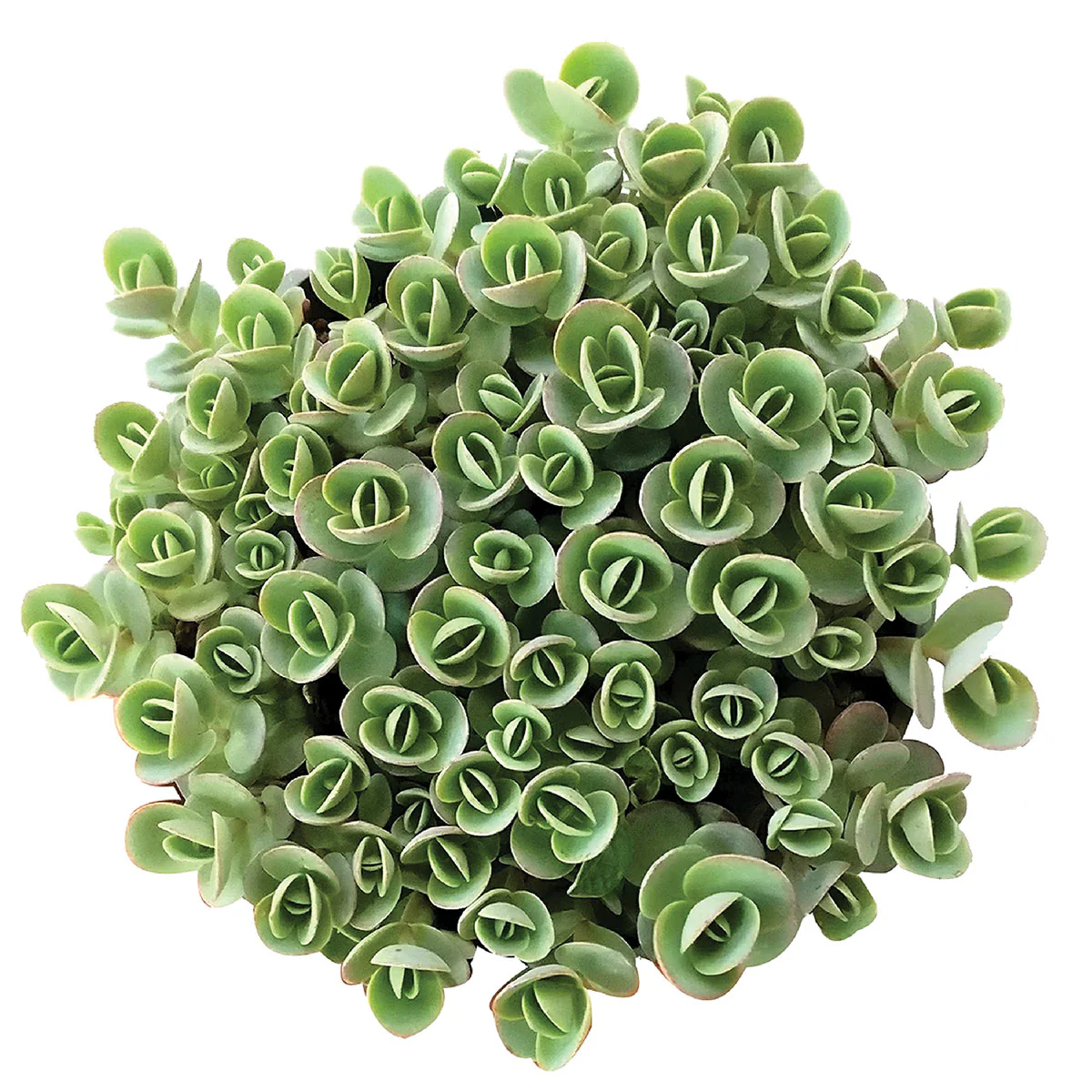
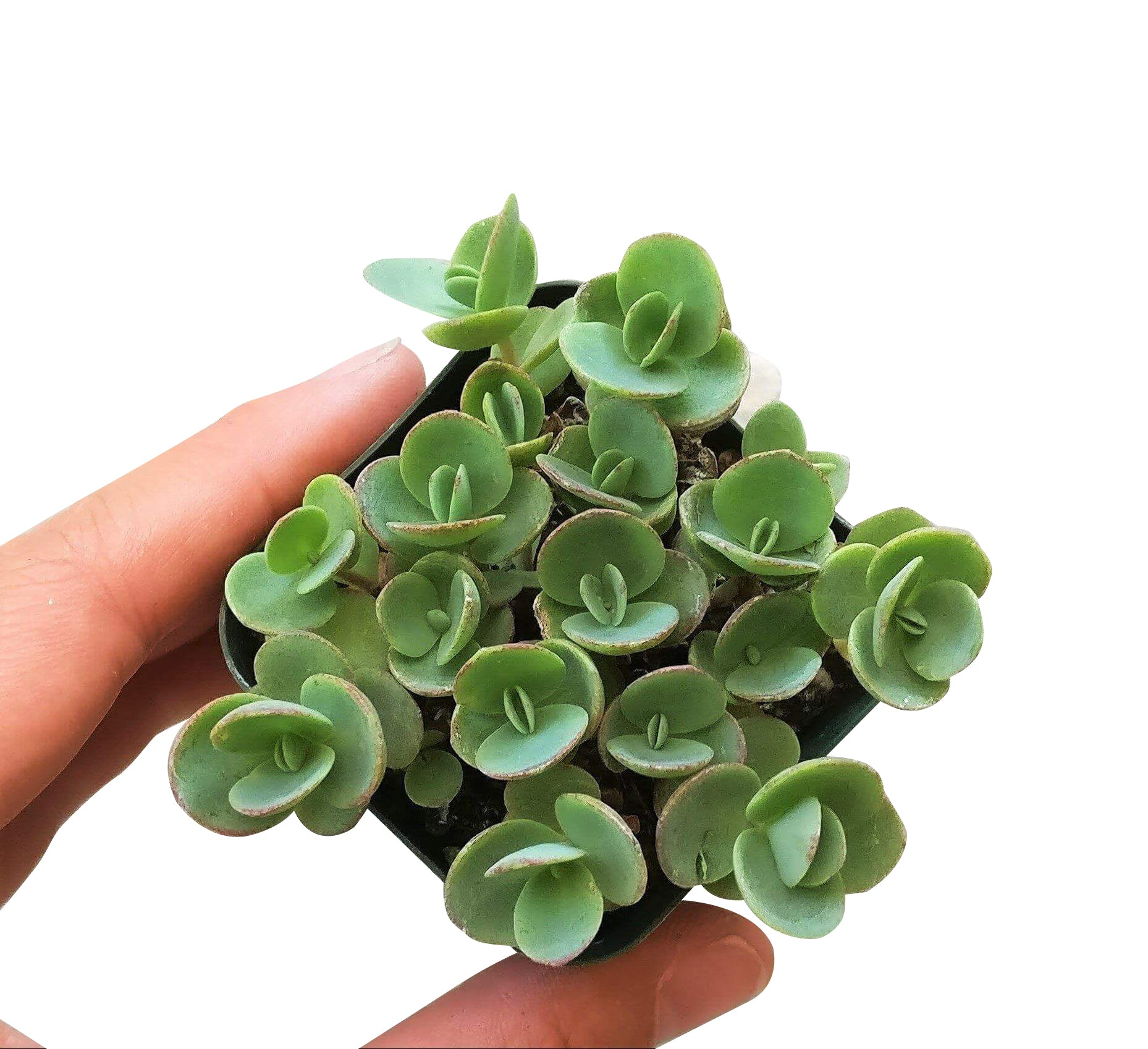
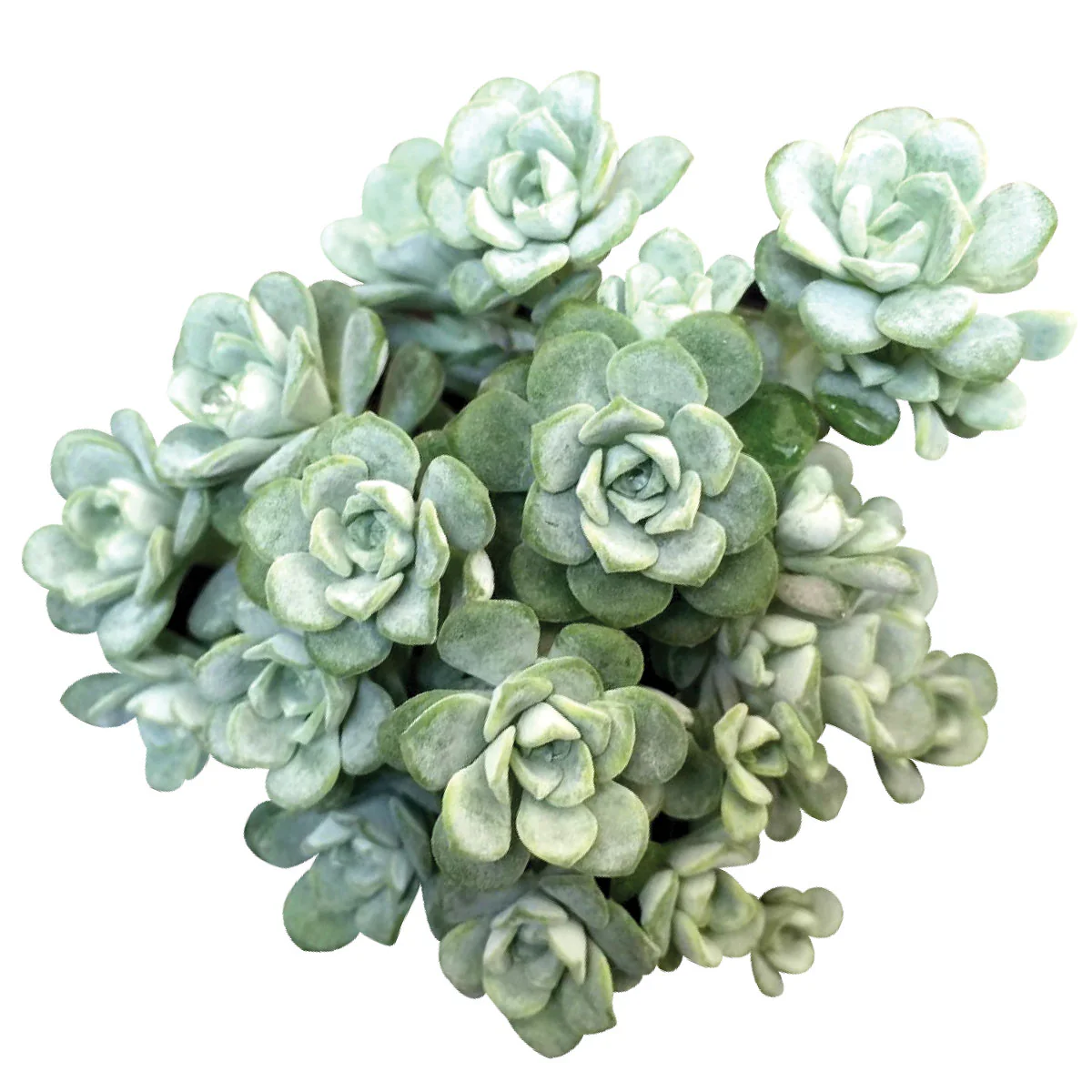
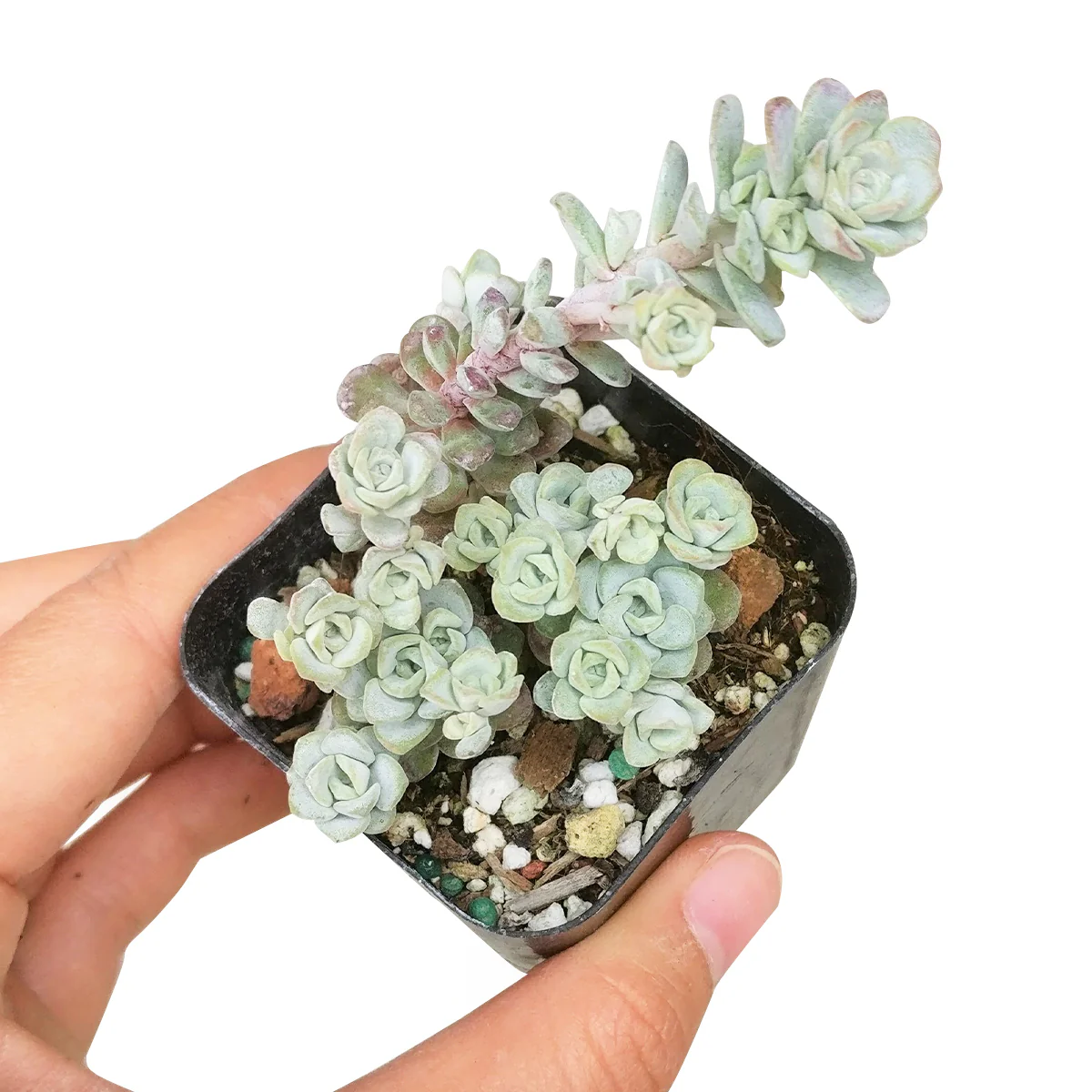
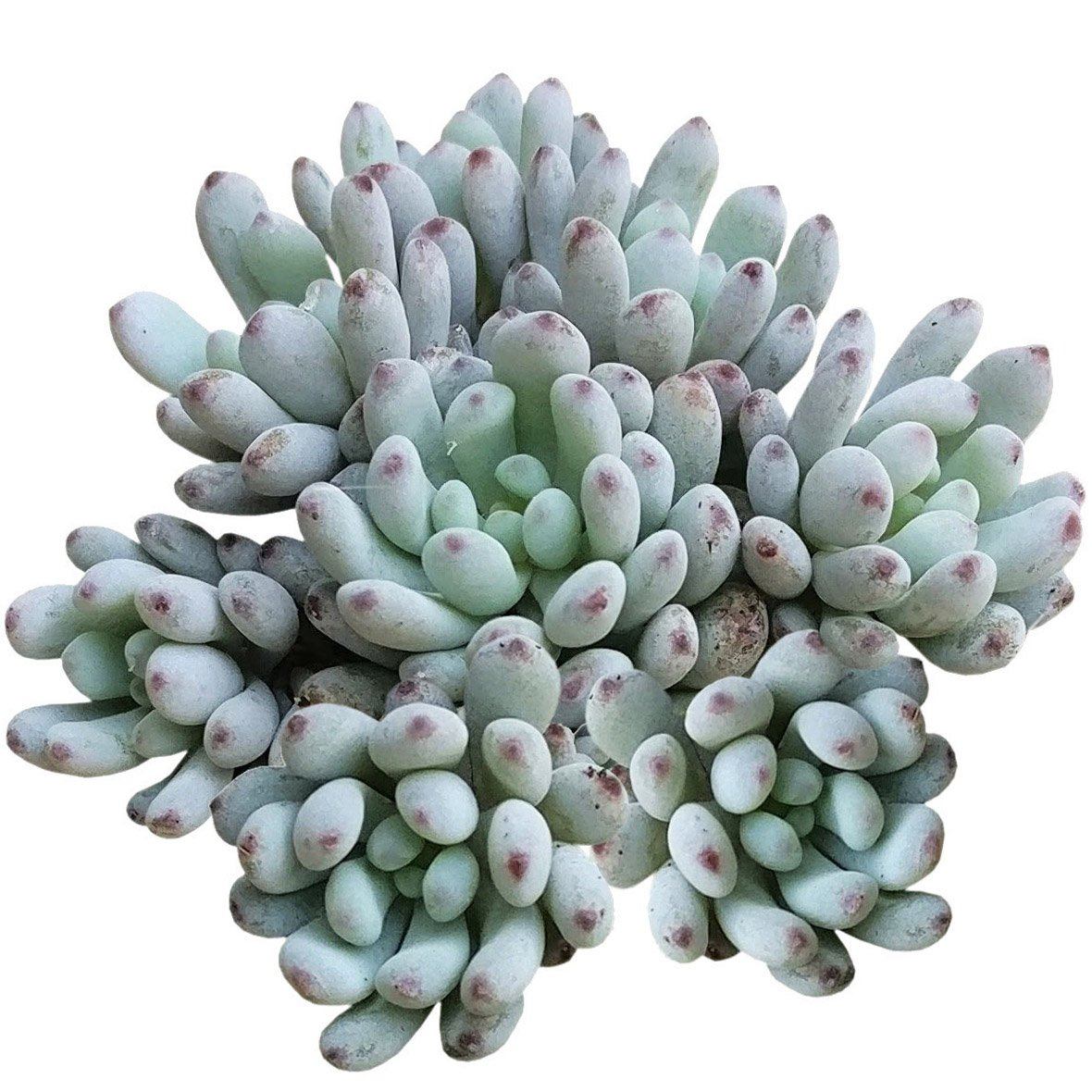
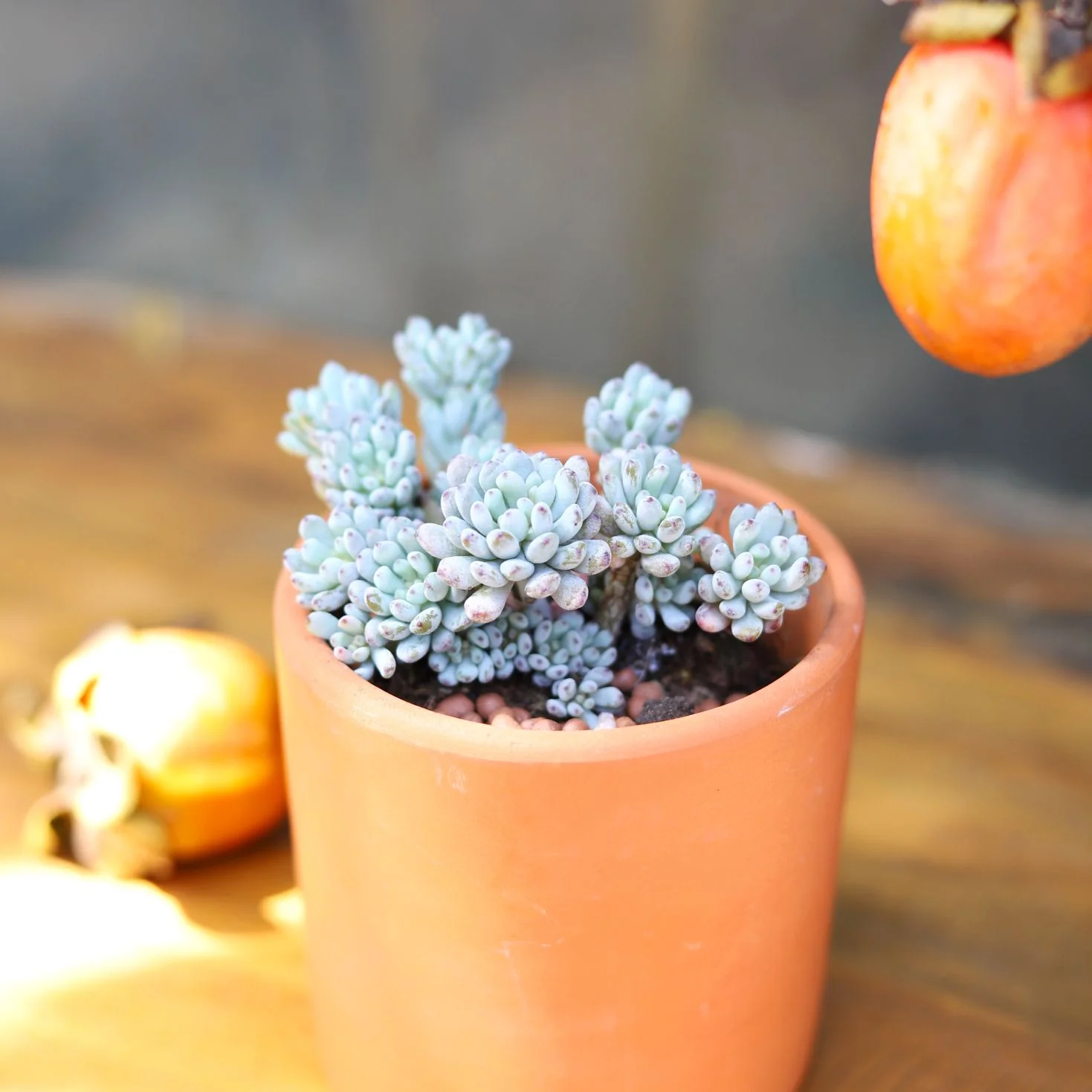
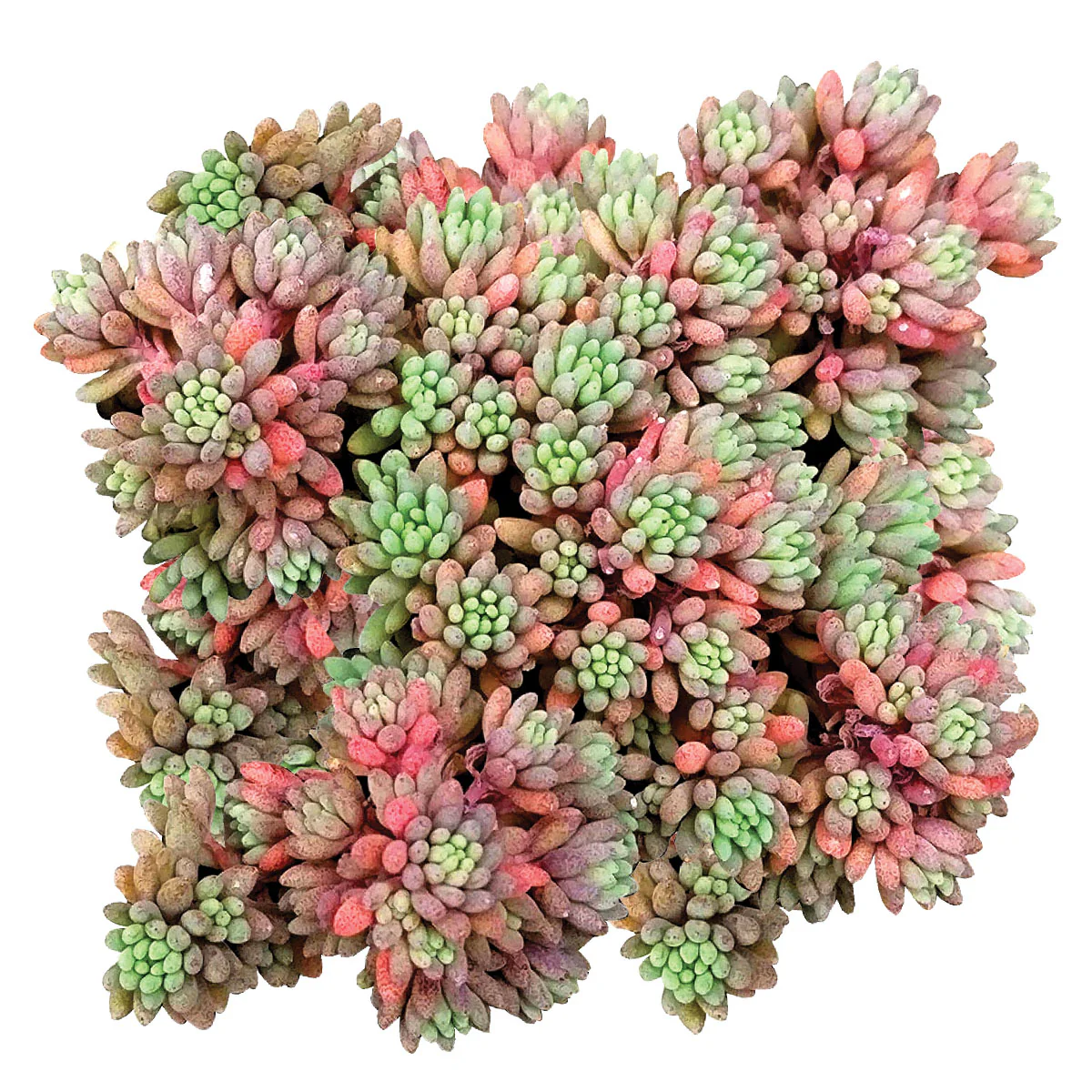
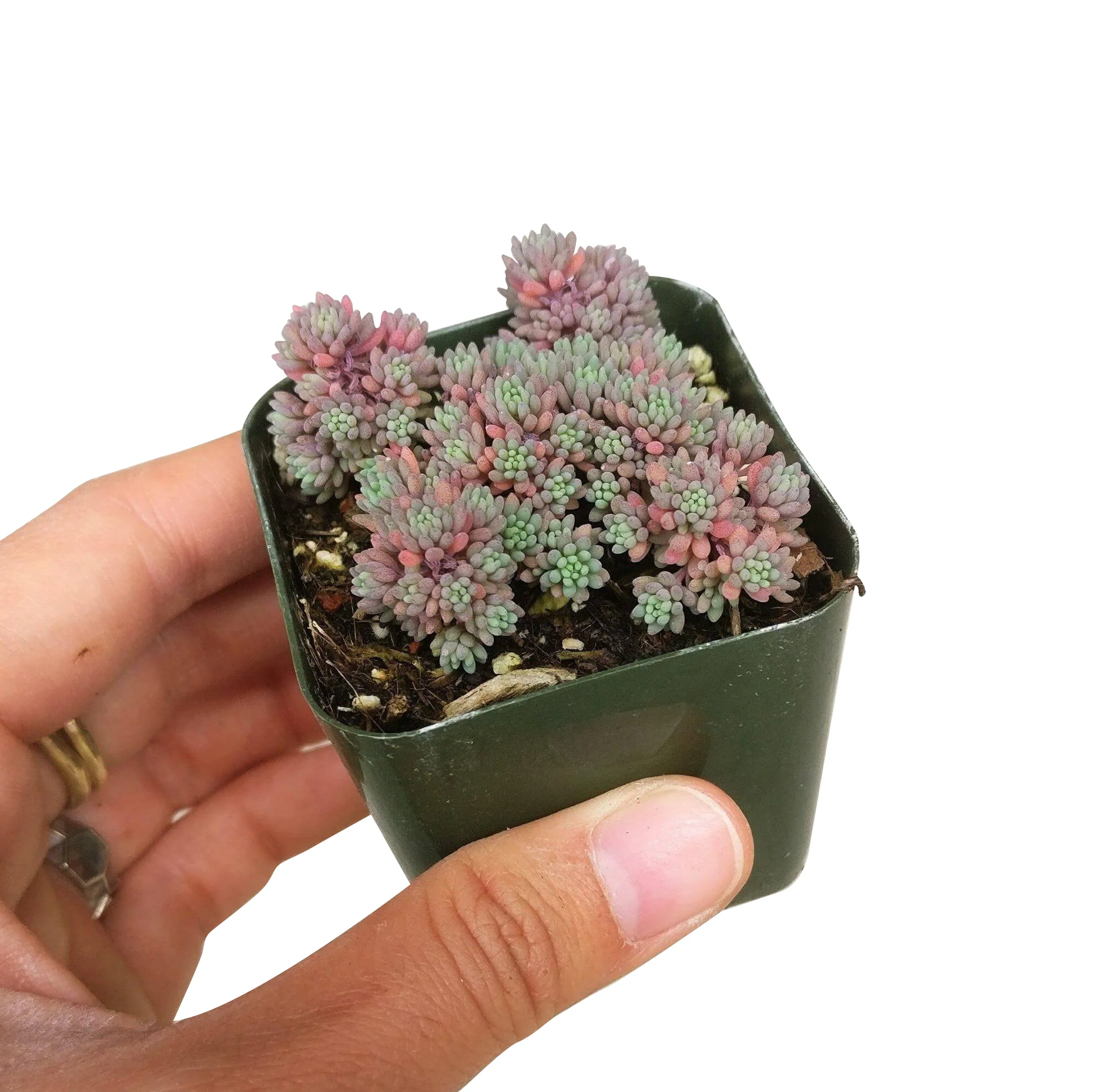
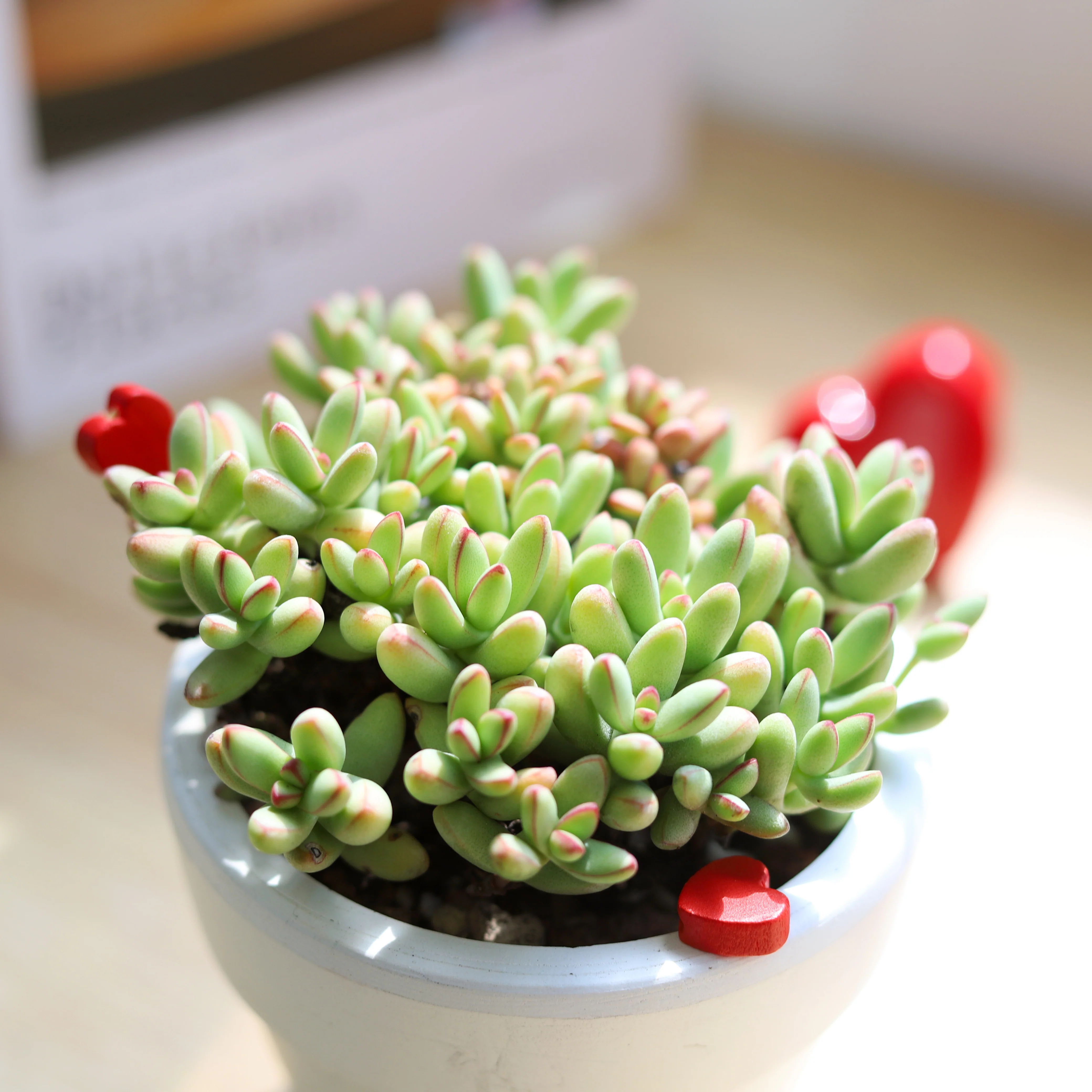
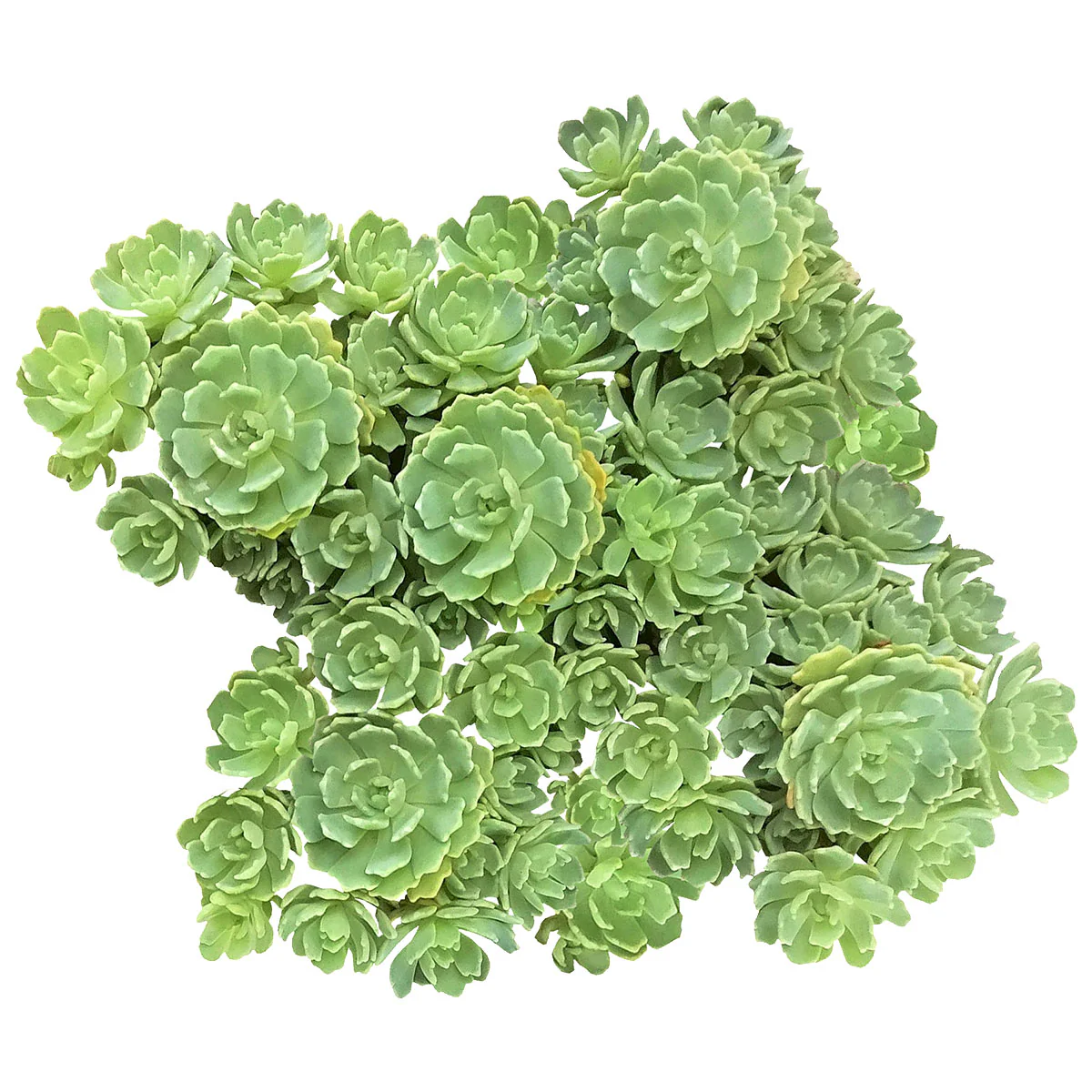
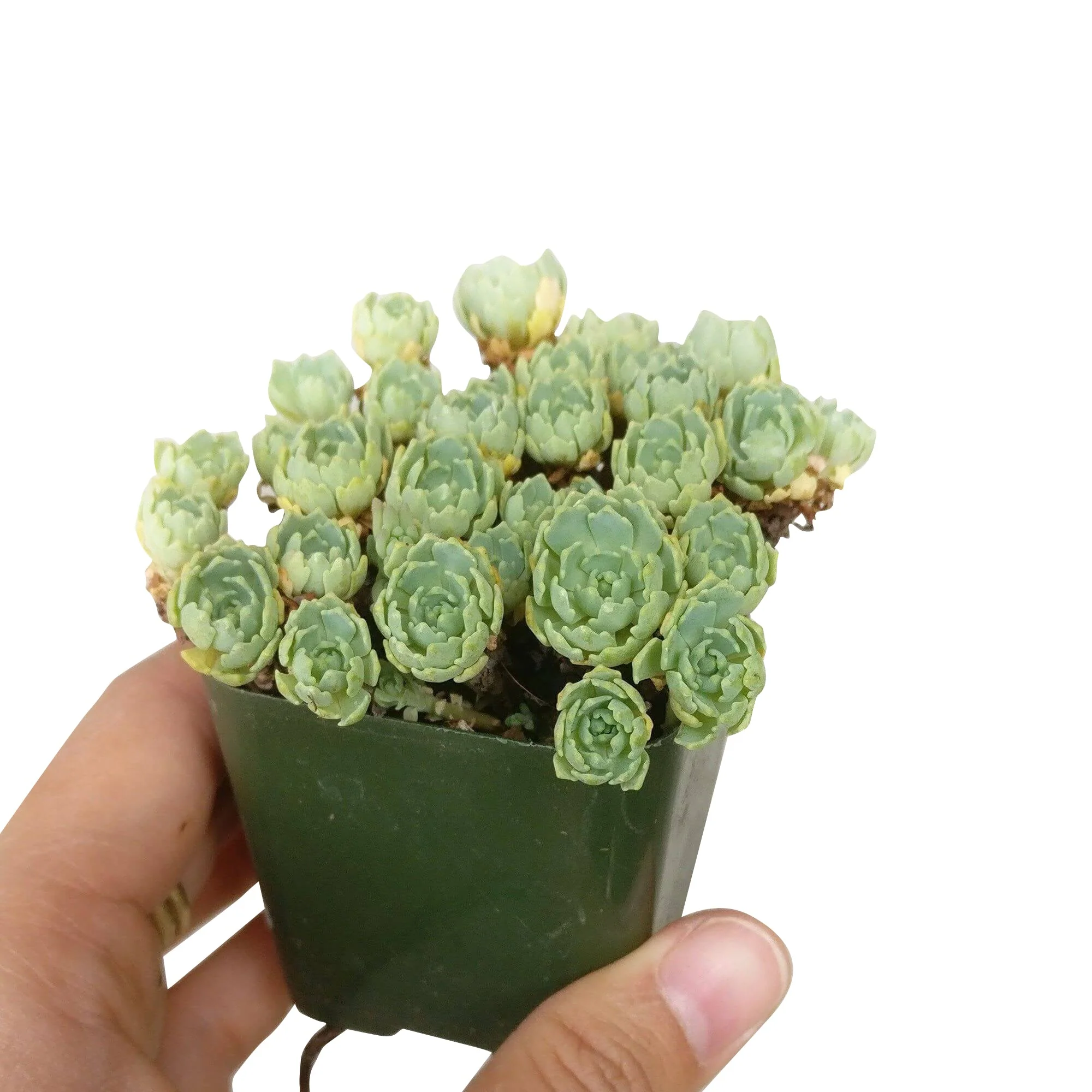
 Echeveria Setosa Var. Ciliata forms tight, symmetrical rosettes densely packed with plump green leaves covered in fine white hairs, giving it that signature fuzzy succulent look that makes it instantly recognizable. The hairy echeveria habit creates a soft, almost velvety appearance up close, while the clustering growth style means one plant gradually becomes a stunning multi-rosette display. Mature rosettes typically reach 3-5 inches across, and the fine cilia along each leaf edge are the defining detail that sets Echeveria Setosa Var. Ciliata apart from other echeveria varieties.
 Echeveria Setosa Var. Ciliata earns its nickname as a firecracker plant succulent when it blooms, producing tall slender stalks topped with vivid red and yellow tubular flowers, typically in spring. A night temperature drop during cooler months is the trigger that encourages Echeveria Setosa Var. Ciliata to set those eye-catching flower spikes. The blooms are not noticeably fragrant, but the contrast of fiery color against soft green foliage more than makes up for it.
 Echeveria Setosa Var. Ciliata is a fantastic choice for sunny windowsills, outdoor container gardens, or a summer patio display. Move it outside for summer to soak up natural light, but always provide cover from rain since excess moisture on those fuzzy leaves invites rot. This rare hairy echeveria is 100% pet friendly, quietly releases oxygen at night, and can survive a 10-day trip without a sitter, making it as practical as it is beautiful for both new and experienced plant lovers.
-
 Echeveria Setosa Var. Ciliata thrives in bright indirect light, partial sun, or full sun with a few hours of direct morning light daily.
 Water Echeveria Setosa Var. Ciliata deeply every 10-14 days in summer and reduce to once every 3-4 weeks in winter, always letting soil dry completely between waterings.
 Echeveria Setosa Var. Ciliata performs best in a well-draining cactus and succulent mix blended with coarse perlite or pumice to prevent root rot.
 Echeveria Setosa Var. Ciliata prefers temperatures between 65-80°F (18-27°C) and should be protected from frost below 25°F (-4°C).
![]() Echeveria Setosa Var. Ciliata is a slow to moderate grower and benefits from a diluted balanced fertilizer once in early spring and once in midsummer.
Echeveria Setosa Var. Ciliata is a slow to moderate grower and benefits from a diluted balanced fertilizer once in early spring and once in midsummer.
 Echeveria Setosa Var. Ciliata is rated for USDA Hardiness Zones 9-11, tolerating minimum temperatures around 25-30°F (-4 to -1°C) before needing frost protection. Outdoors year-round growing suits warm states including California, Texas, Arizona, Florida, Hawaii, Nevada, Louisiana, Georgia, South Carolina, Alabama, Mississippi, and the coastal areas of Oregon and Washington. Collectors in cooler states like New Mexico, Arkansas, North Carolina, and parts of Virginia can also enjoy Echeveria Setosa Var. Ciliata outdoors through the warmer months with easy seasonal bring-ins.
-
Q: Is Echeveria Setosa Var. Ciliata pet friendly?
A: Yes, Echeveria Setosa Var. Ciliata is pet friendly and considered non-toxic to cats and dogs. You can display it anywhere in your home without worry.
Q: How often should I water Echeveria Setosa Var. Ciliata?
A: Water Echeveria Setosa Var. Ciliata every 10-14 days in the growing season, always letting the soil dry out completely first. It will show you when it is thirsty by developing slightly soft or wilting leaves.
Q: What light does Echeveria Setosa Var. Ciliata need indoors?
A: Echeveria Setosa Var. Ciliata does best near a bright window with several hours of direct or bright indirect light each day. Rotate the pot regularly to keep the rosette growing evenly on all sides.
Q: How big does Echeveria Setosa Var. Ciliata get?
A: Echeveria Setosa Var. Ciliata typically forms rosettes 3-5 inches across and clusters over time into a wider multi-rosette mound. Growth is slow to moderate, so it stays manageable and compact for years.
Q: Can Echeveria Setosa Var. Ciliata go outside in summer?
A: Absolutely, moving Echeveria Setosa Var. Ciliata outdoors for summer boosts growth and color beautifully. Just place it where it receives shelter from heavy rain to protect those fuzzy leaves from staying wet.
Q: How do I propagate Echeveria Setosa Var. Ciliata?
A: Echeveria Setosa Var. Ciliata is easiest to propagate by gently separating offsets from the mother rosette and planting them in fresh, well-draining succulent mix. Leaf propagation is also possible, though offsets root faster and more reliably.


Original: $11.90
-70%$11.90
$3.57Product Information
Product Information
Shipping & Returns
Shipping & Returns
Description
- Description
- Echeveria Setosa Var. Ciliata Care Guide
- FAQ/Common Issues
-
![]() Echeveria Setosa Var. Ciliata is a rare fuzzy succulent in the Crassulaceae family, native to the mountainous regions of Mexico. This beginner-friendly echeveria has charmed collectors worldwide with its easy care and unmistakable texture. If you love drought tolerant succulents with serious personality, Echeveria Setosa Var. Ciliata belongs in your collection.
Echeveria Setosa Var. Ciliata is a rare fuzzy succulent in the Crassulaceae family, native to the mountainous regions of Mexico. This beginner-friendly echeveria has charmed collectors worldwide with its easy care and unmistakable texture. If you love drought tolerant succulents with serious personality, Echeveria Setosa Var. Ciliata belongs in your collection.
Echeveria Setosa Var. Ciliata forms tight, symmetrical rosettes densely packed with plump green leaves covered in fine white hairs, giving it that signature fuzzy succulent look that makes it instantly recognizable. The hairy echeveria habit creates a soft, almost velvety appearance up close, while the clustering growth style means one plant gradually becomes a stunning multi-rosette display. Mature rosettes typically reach 3-5 inches across, and the fine cilia along each leaf edge are the defining detail that sets Echeveria Setosa Var. Ciliata apart from other echeveria varieties.
Echeveria Setosa Var. Ciliata earns its nickname as a firecracker plant succulent when it blooms, producing tall slender stalks topped with vivid red and yellow tubular flowers, typically in spring. A night temperature drop during cooler months is the trigger that encourages Echeveria Setosa Var. Ciliata to set those eye-catching flower spikes. The blooms are not noticeably fragrant, but the contrast of fiery color against soft green foliage more than makes up for it.
Echeveria Setosa Var. Ciliata is a fantastic choice for sunny windowsills, outdoor container gardens, or a summer patio display. Move it outside for summer to soak up natural light, but always provide cover from rain since excess moisture on those fuzzy leaves invites rot. This rare hairy echeveria is 100% pet friendly, quietly releases oxygen at night, and can survive a 10-day trip without a sitter, making it as practical as it is beautiful for both new and experienced plant lovers.
-
Echeveria Setosa Var. Ciliata thrives in bright indirect light, partial sun, or full sun with a few hours of direct morning light daily.
Water Echeveria Setosa Var. Ciliata deeply every 10-14 days in summer and reduce to once every 3-4 weeks in winter, always letting soil dry completely between waterings.
Echeveria Setosa Var. Ciliata performs best in a well-draining cactus and succulent mix blended with coarse perlite or pumice to prevent root rot.
Echeveria Setosa Var. Ciliata prefers temperatures between 65-80°F (18-27°C) and should be protected from frost below 25°F (-4°C).
![]() Echeveria Setosa Var. Ciliata is a slow to moderate grower and benefits from a diluted balanced fertilizer once in early spring and once in midsummer.
Echeveria Setosa Var. Ciliata is a slow to moderate grower and benefits from a diluted balanced fertilizer once in early spring and once in midsummer.
Echeveria Setosa Var. Ciliata is rated for USDA Hardiness Zones 9-11, tolerating minimum temperatures around 25-30°F (-4 to -1°C) before needing frost protection. Outdoors year-round growing suits warm states including California, Texas, Arizona, Florida, Hawaii, Nevada, Louisiana, Georgia, South Carolina, Alabama, Mississippi, and the coastal areas of Oregon and Washington. Collectors in cooler states like New Mexico, Arkansas, North Carolina, and parts of Virginia can also enjoy Echeveria Setosa Var. Ciliata outdoors through the warmer months with easy seasonal bring-ins.
-
Q: Is Echeveria Setosa Var. Ciliata pet friendly?
A: Yes, Echeveria Setosa Var. Ciliata is pet friendly and considered non-toxic to cats and dogs. You can display it anywhere in your home without worry.
Q: How often should I water Echeveria Setosa Var. Ciliata?
A: Water Echeveria Setosa Var. Ciliata every 10-14 days in the growing season, always letting the soil dry out completely first. It will show you when it is thirsty by developing slightly soft or wilting leaves.
Q: What light does Echeveria Setosa Var. Ciliata need indoors?
A: Echeveria Setosa Var. Ciliata does best near a bright window with several hours of direct or bright indirect light each day. Rotate the pot regularly to keep the rosette growing evenly on all sides.
Q: How big does Echeveria Setosa Var. Ciliata get?
A: Echeveria Setosa Var. Ciliata typically forms rosettes 3-5 inches across and clusters over time into a wider multi-rosette mound. Growth is slow to moderate, so it stays manageable and compact for years.
Q: Can Echeveria Setosa Var. Ciliata go outside in summer?
A: Absolutely, moving Echeveria Setosa Var. Ciliata outdoors for summer boosts growth and color beautifully. Just place it where it receives shelter from heavy rain to protect those fuzzy leaves from staying wet.
Q: How do I propagate Echeveria Setosa Var. Ciliata?
A: Echeveria Setosa Var. Ciliata is easiest to propagate by gently separating offsets from the mother rosette and planting them in fresh, well-draining succulent mix. Leaf propagation is also possible, though offsets root faster and more reliably.