Echeveria Madiba
- Description
- Echeveria Madiba Care Guide
- FAQ/Common Issues
-
![]() Echeveria Madiba is a striking rosette succulent in the Echeveriaceae family, native to the semi-arid highlands of Mexico where it evolved to thrive in bright sun and well-drained soils. Like all true echeverias, it belongs to a genus celebrated worldwide for sculptural beauty and easy care, making Echeveria Madiba a favorite among collectors and beginners alike.
Echeveria Madiba is a striking rosette succulent in the Echeveriaceae family, native to the semi-arid highlands of Mexico where it evolved to thrive in bright sun and well-drained soils. Like all true echeverias, it belongs to a genus celebrated worldwide for sculptural beauty and easy care, making Echeveria Madiba a favorite among collectors and beginners alike.
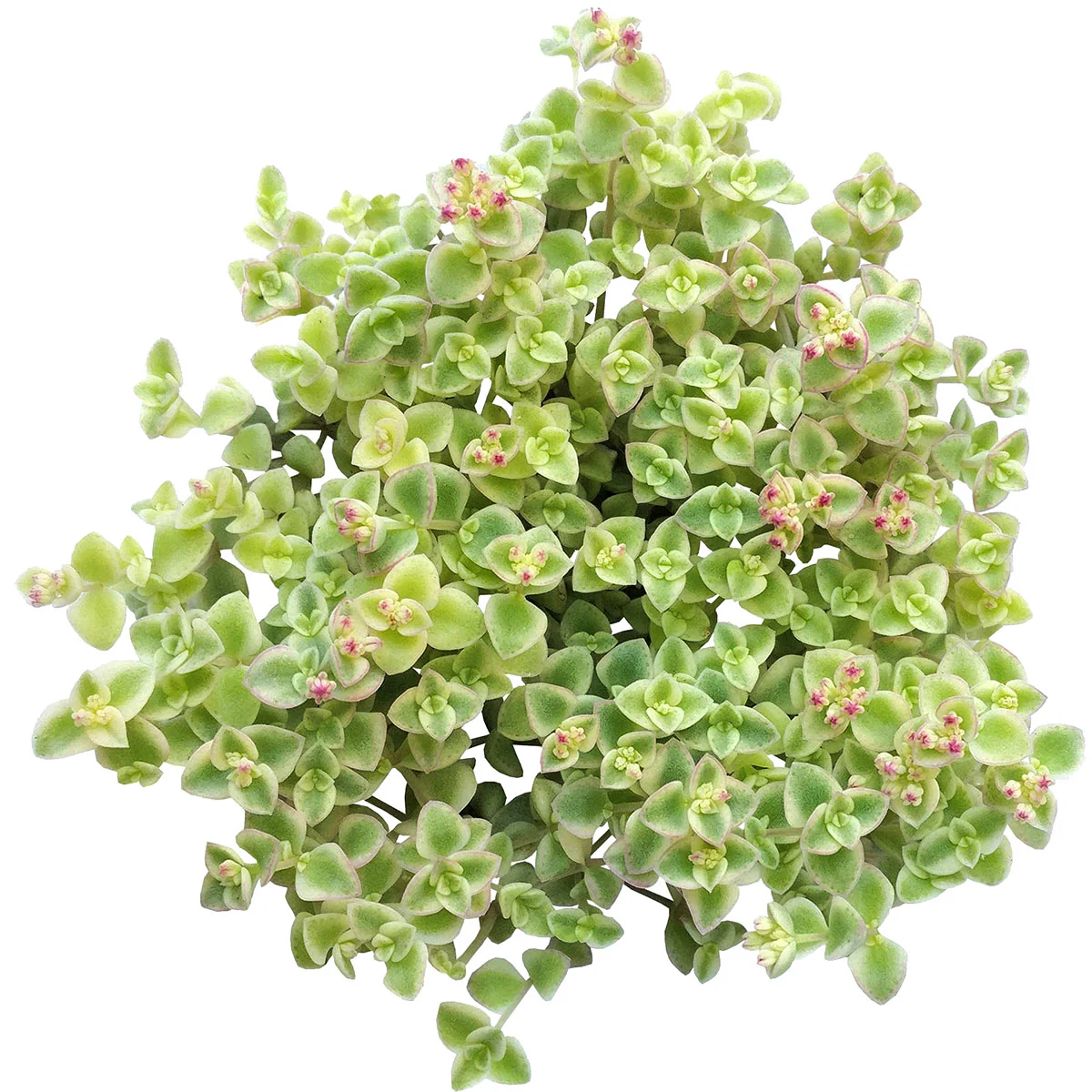
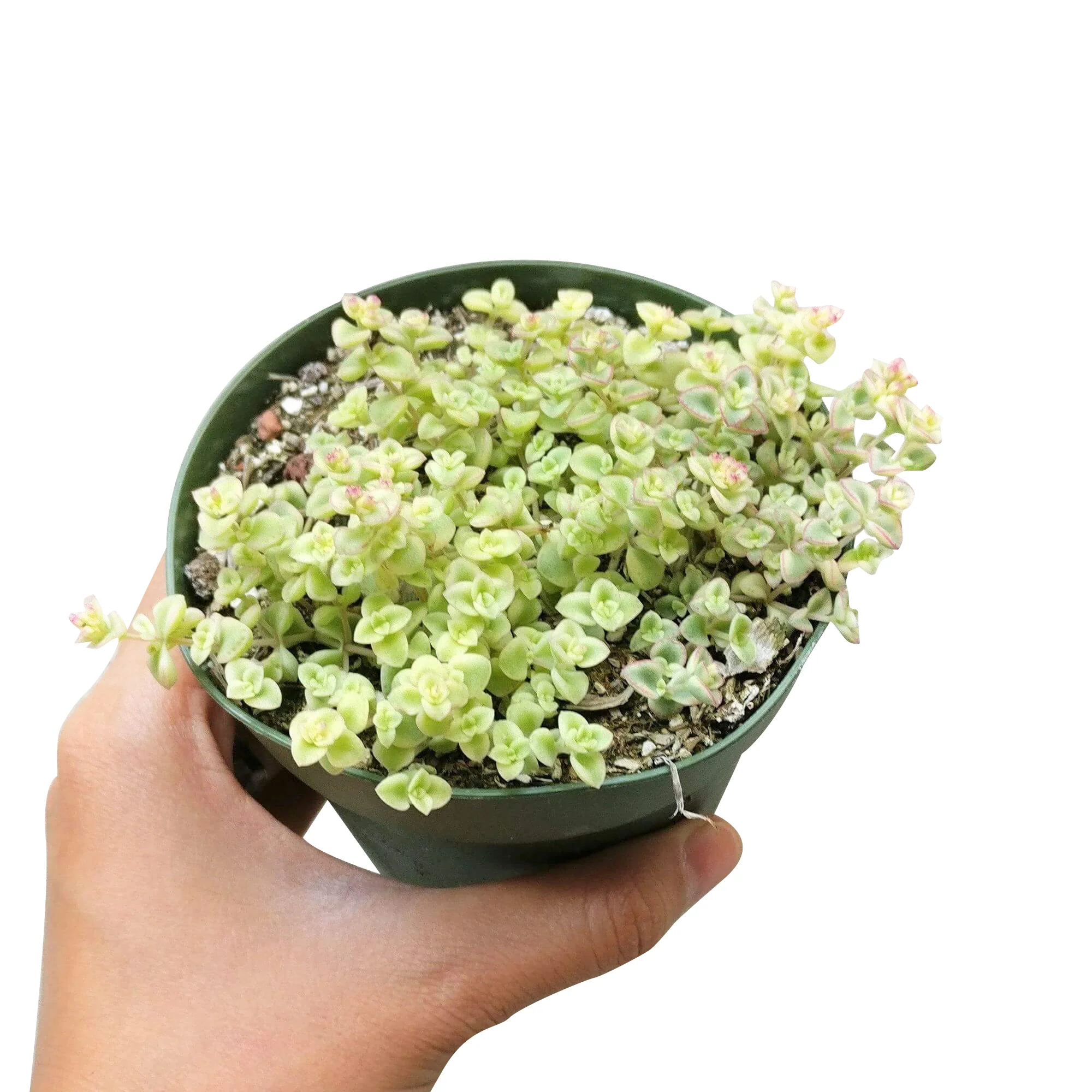
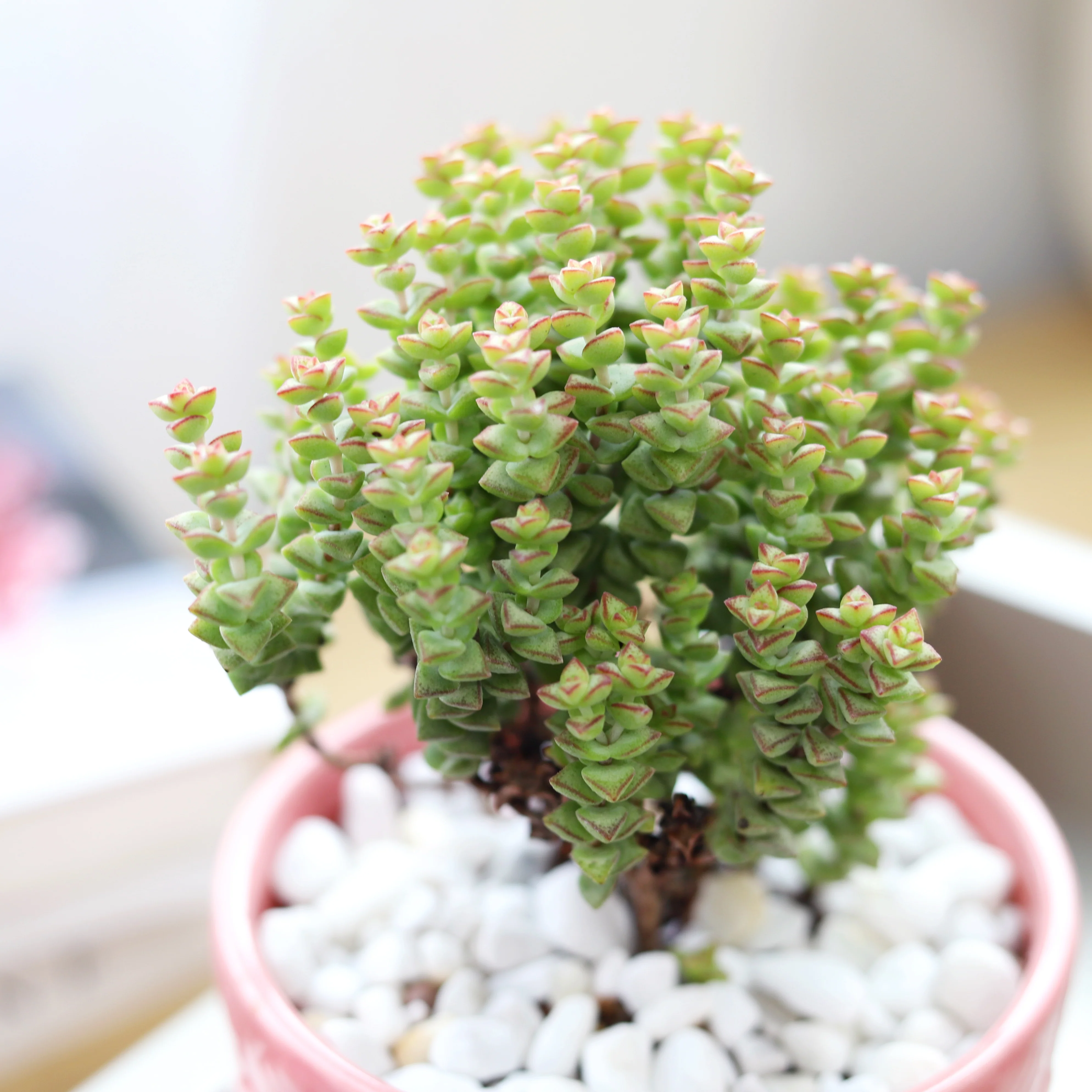
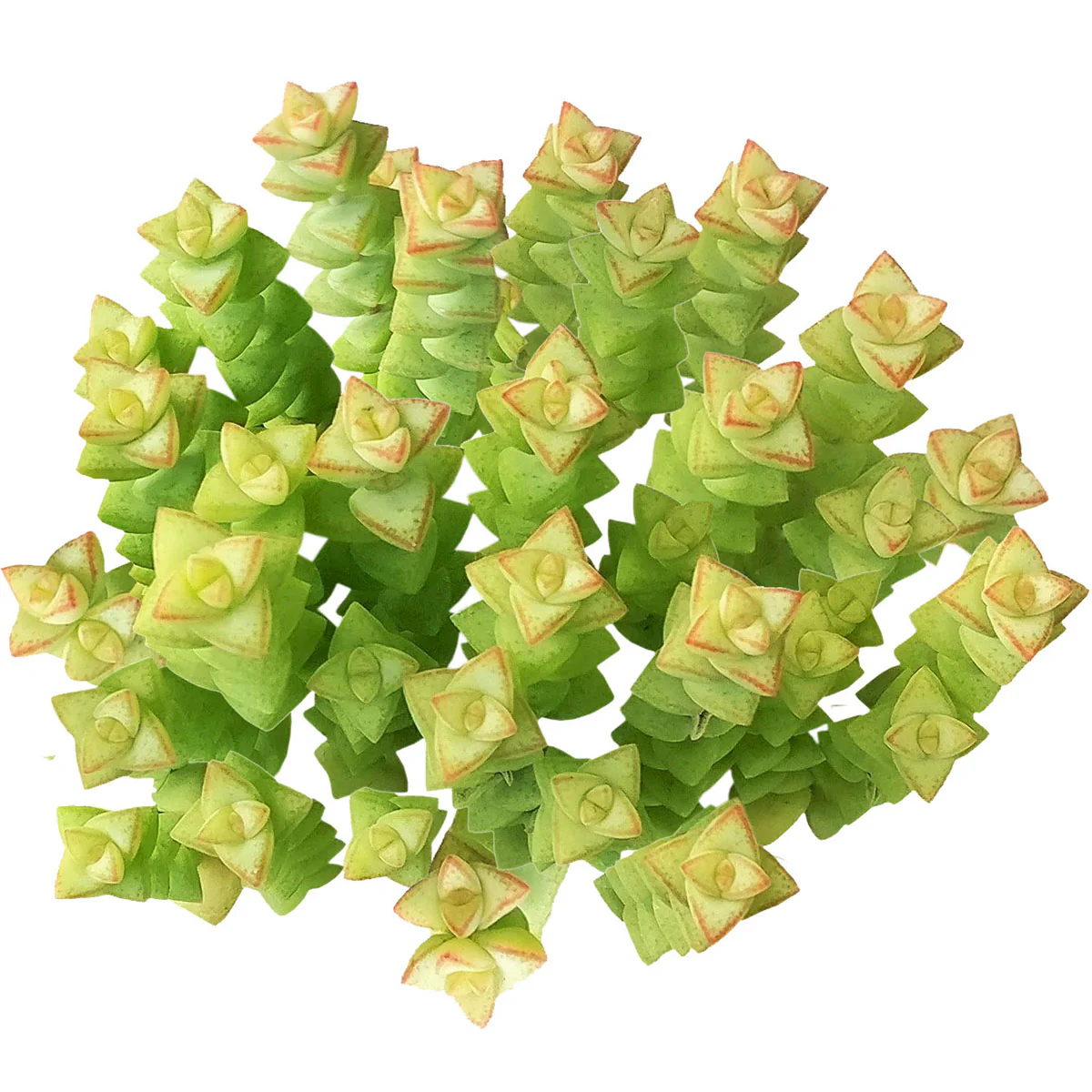
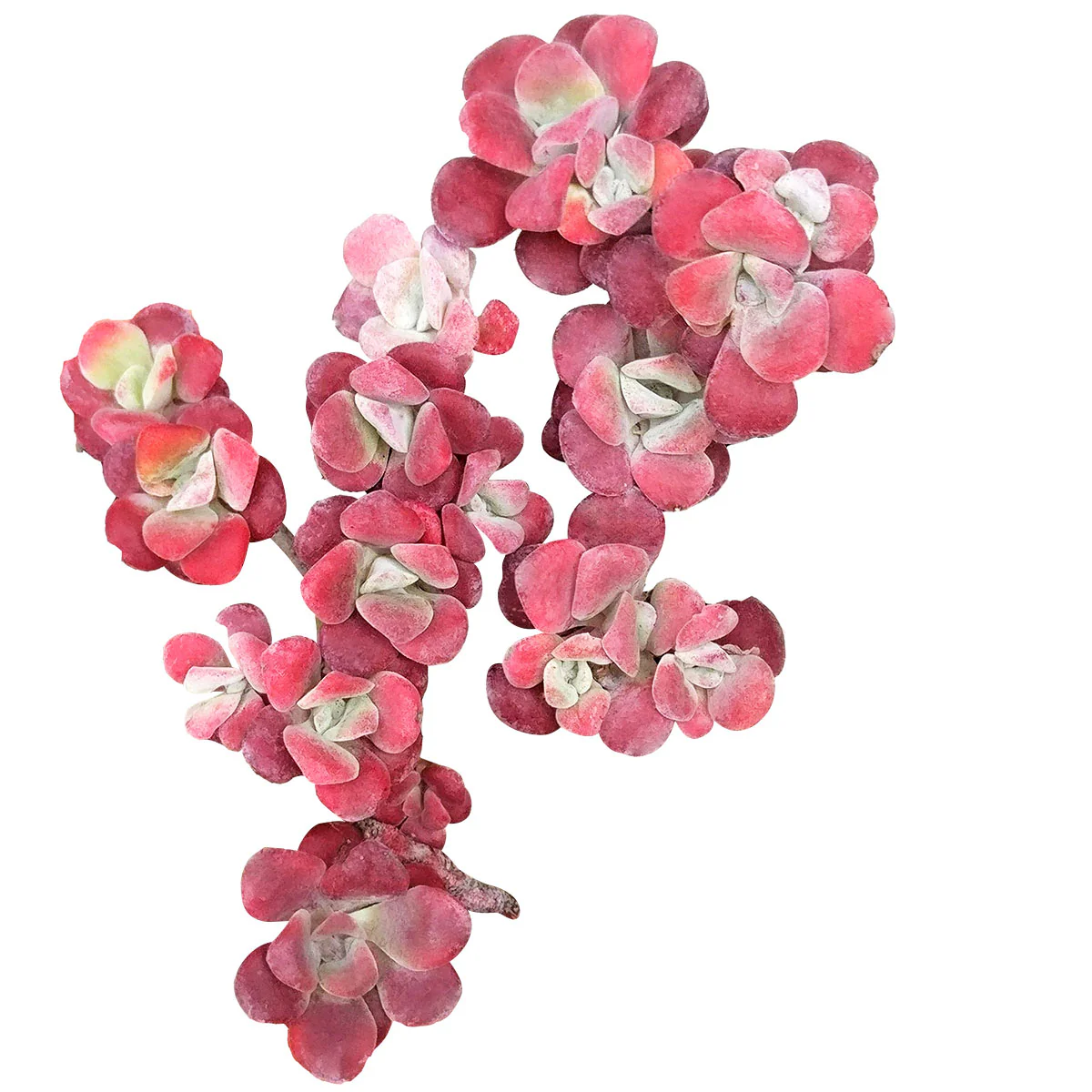
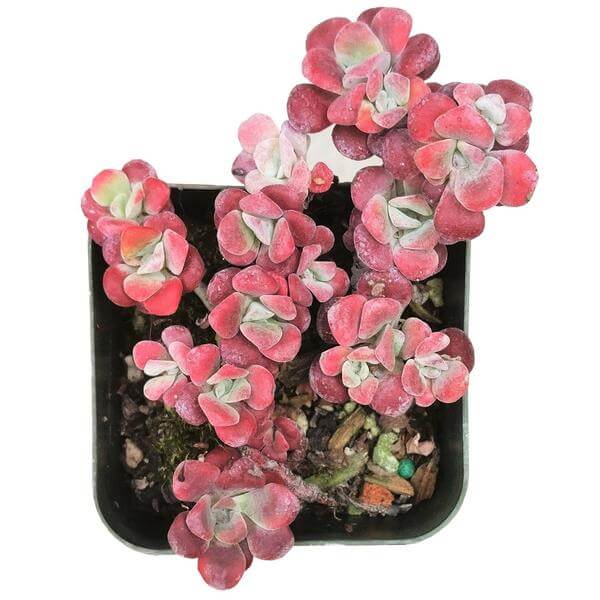
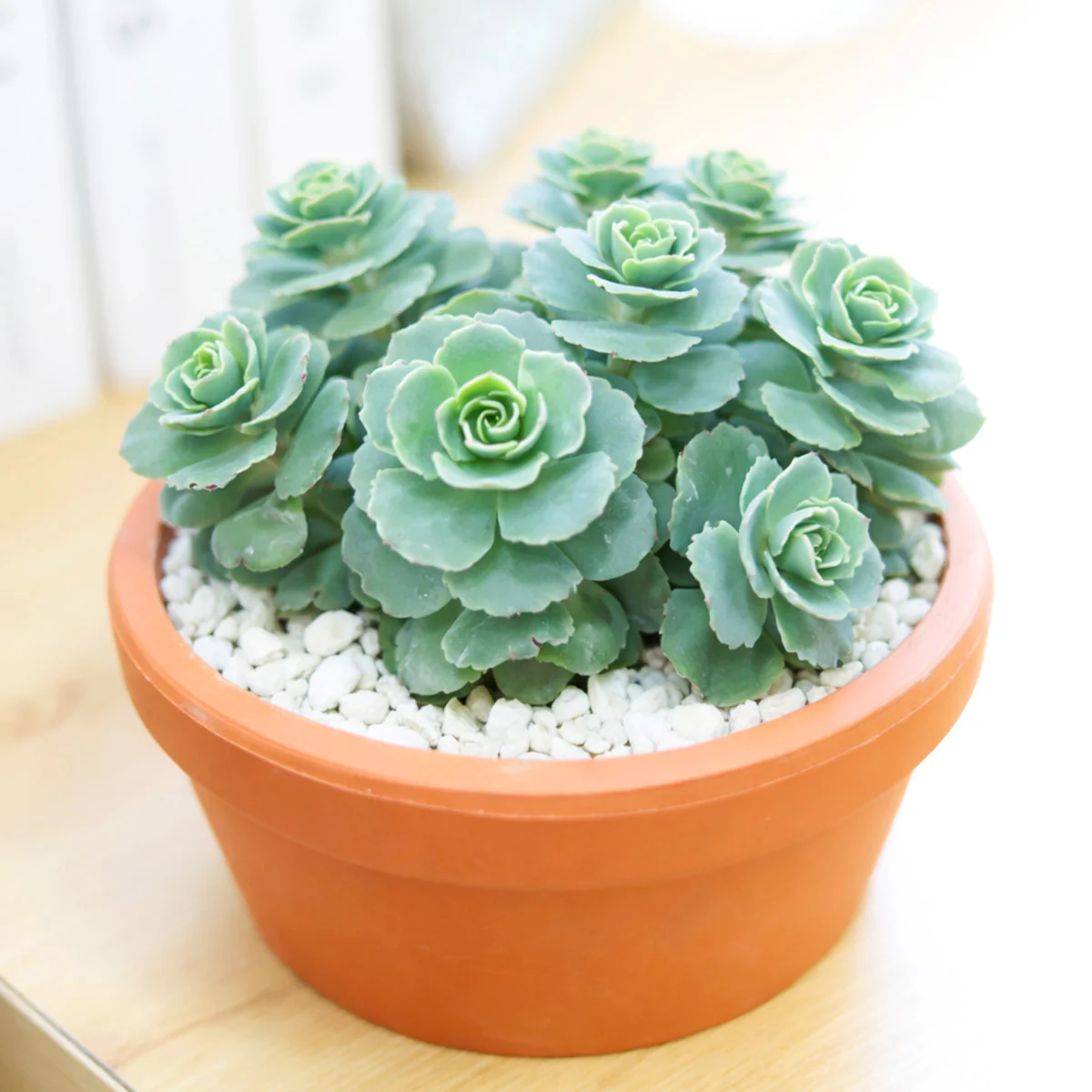
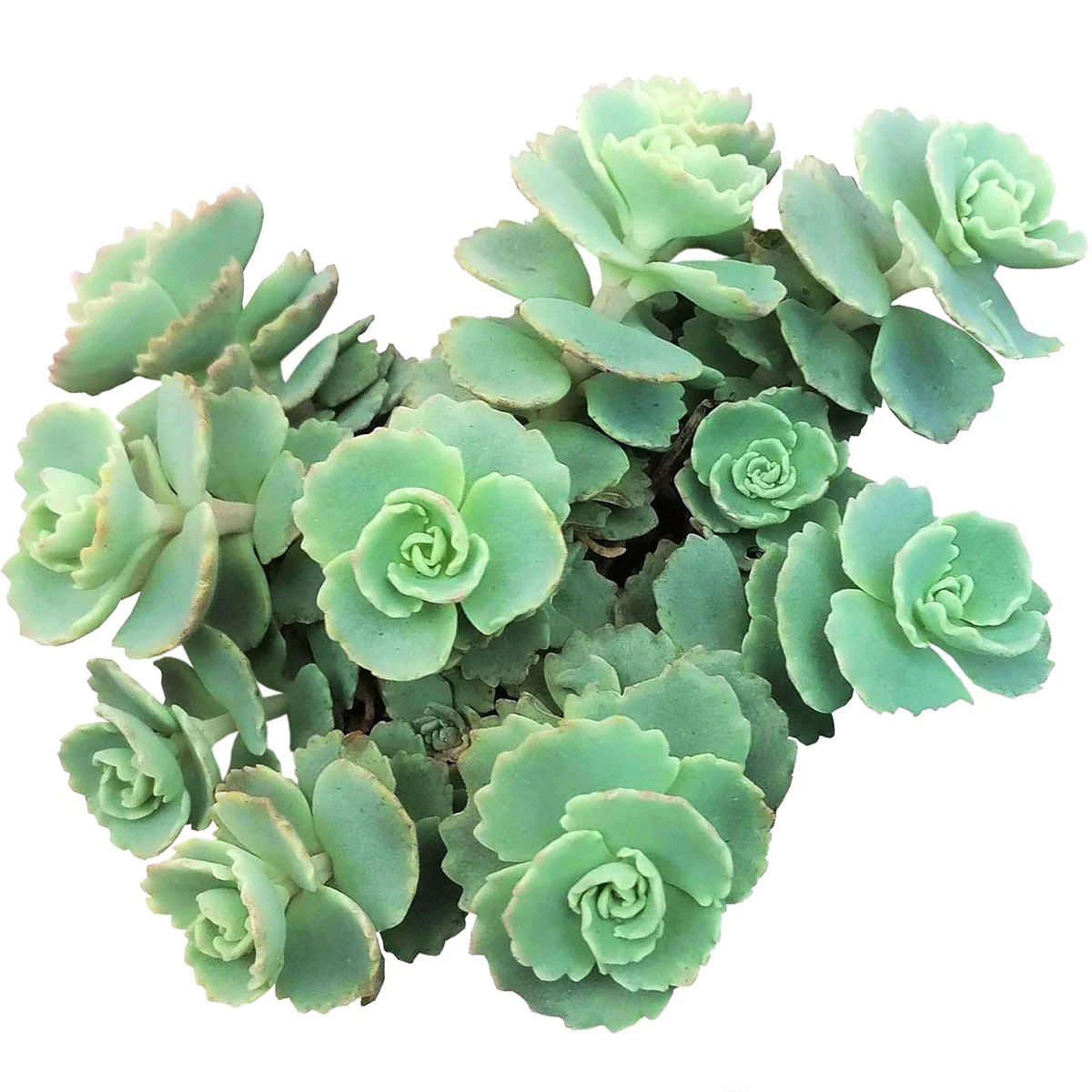
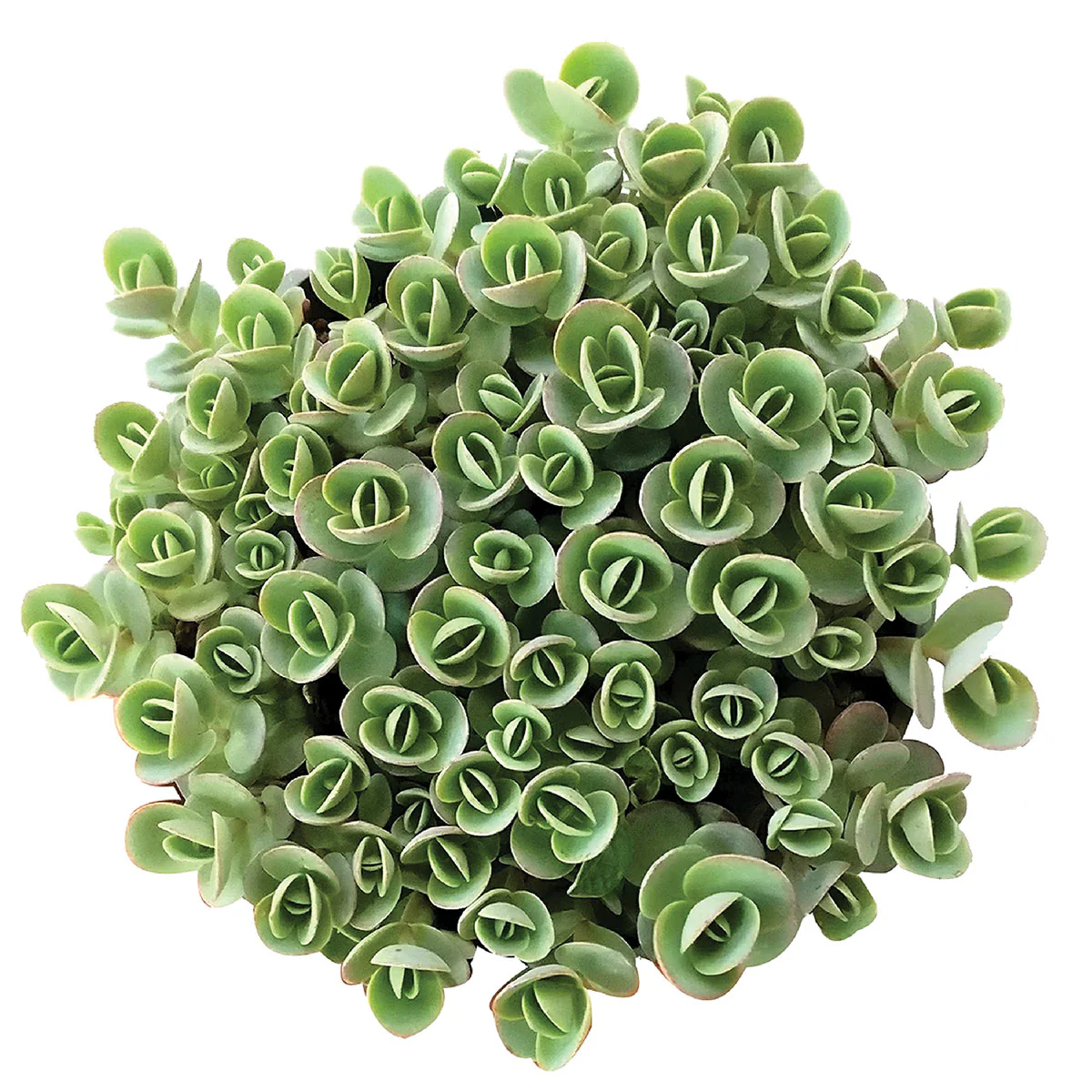
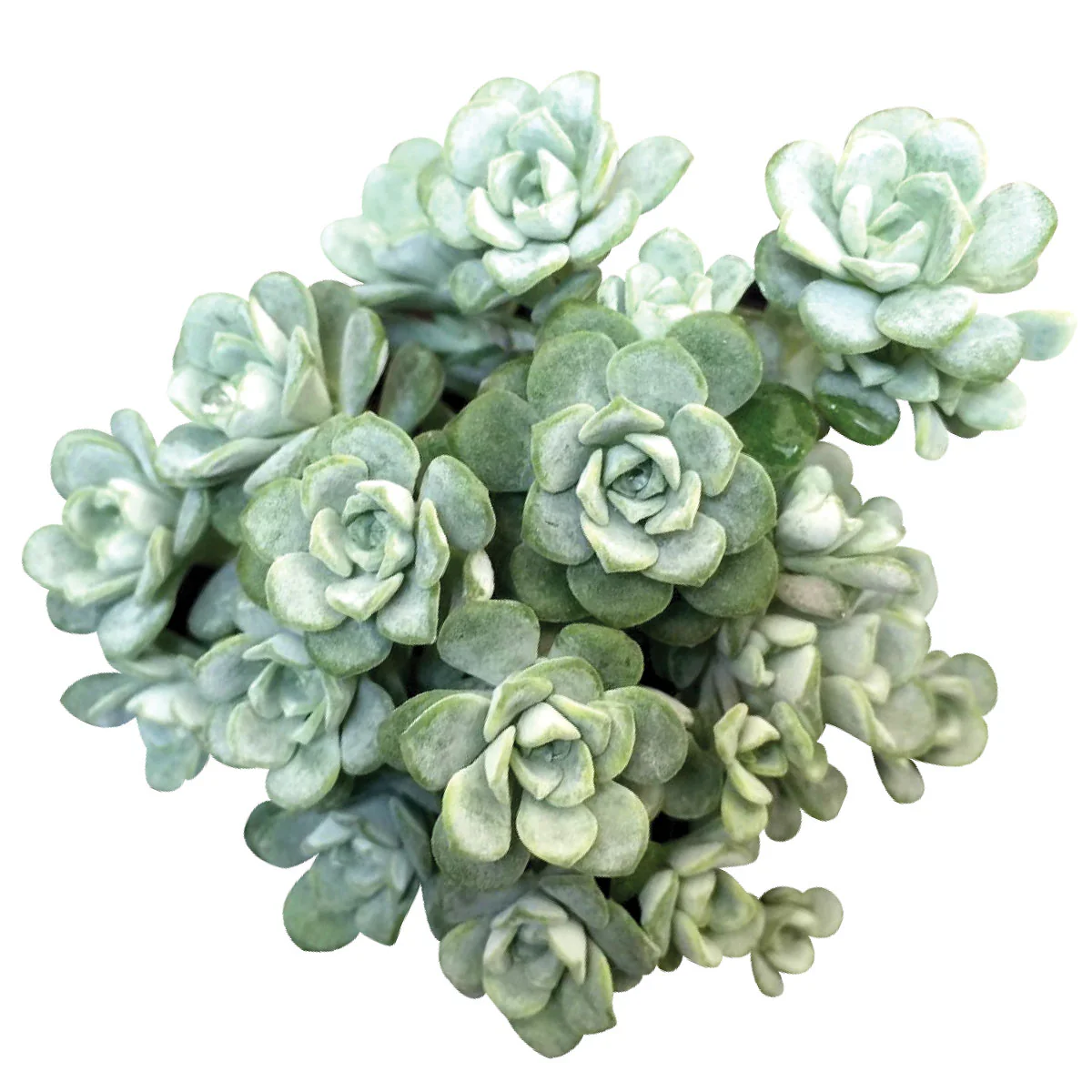
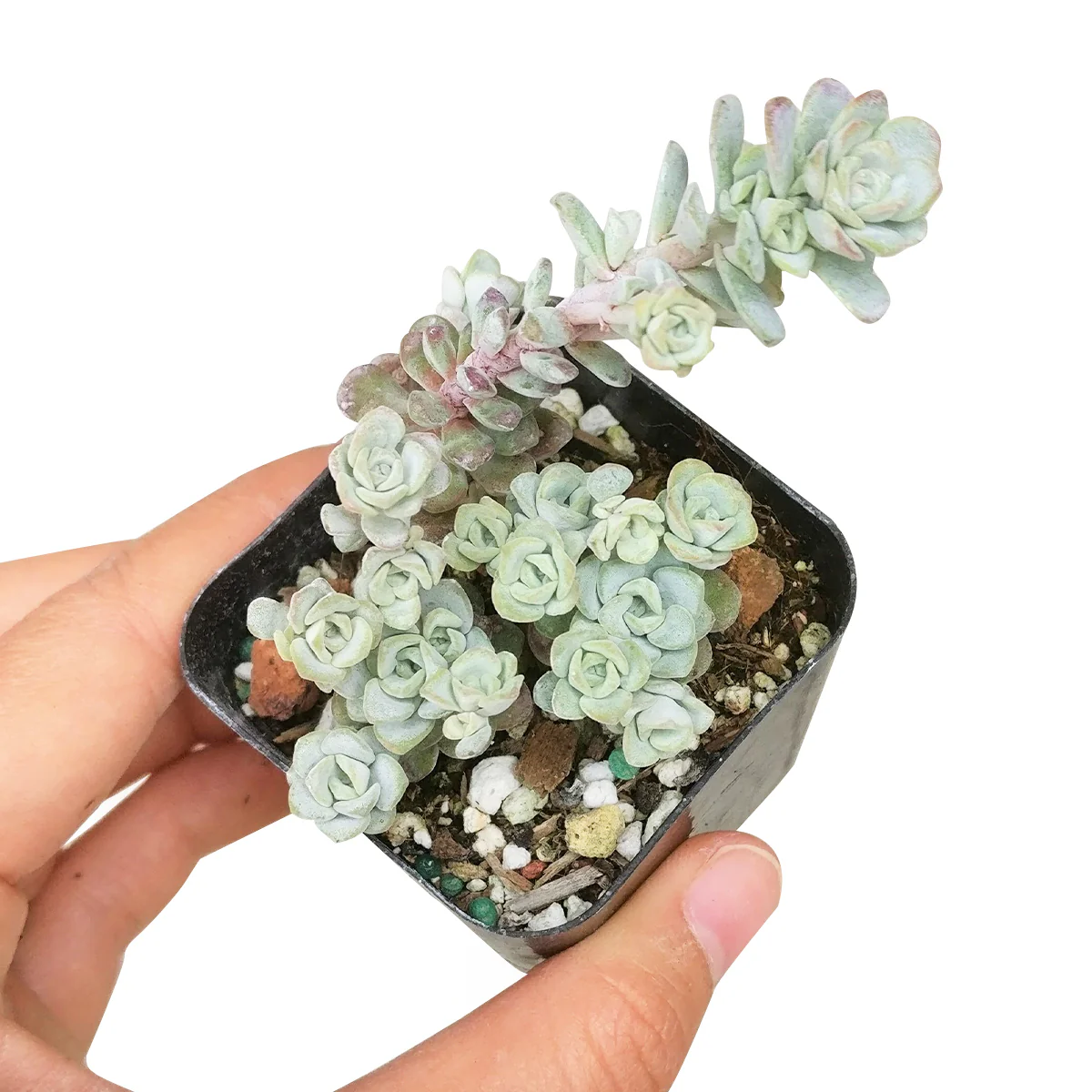
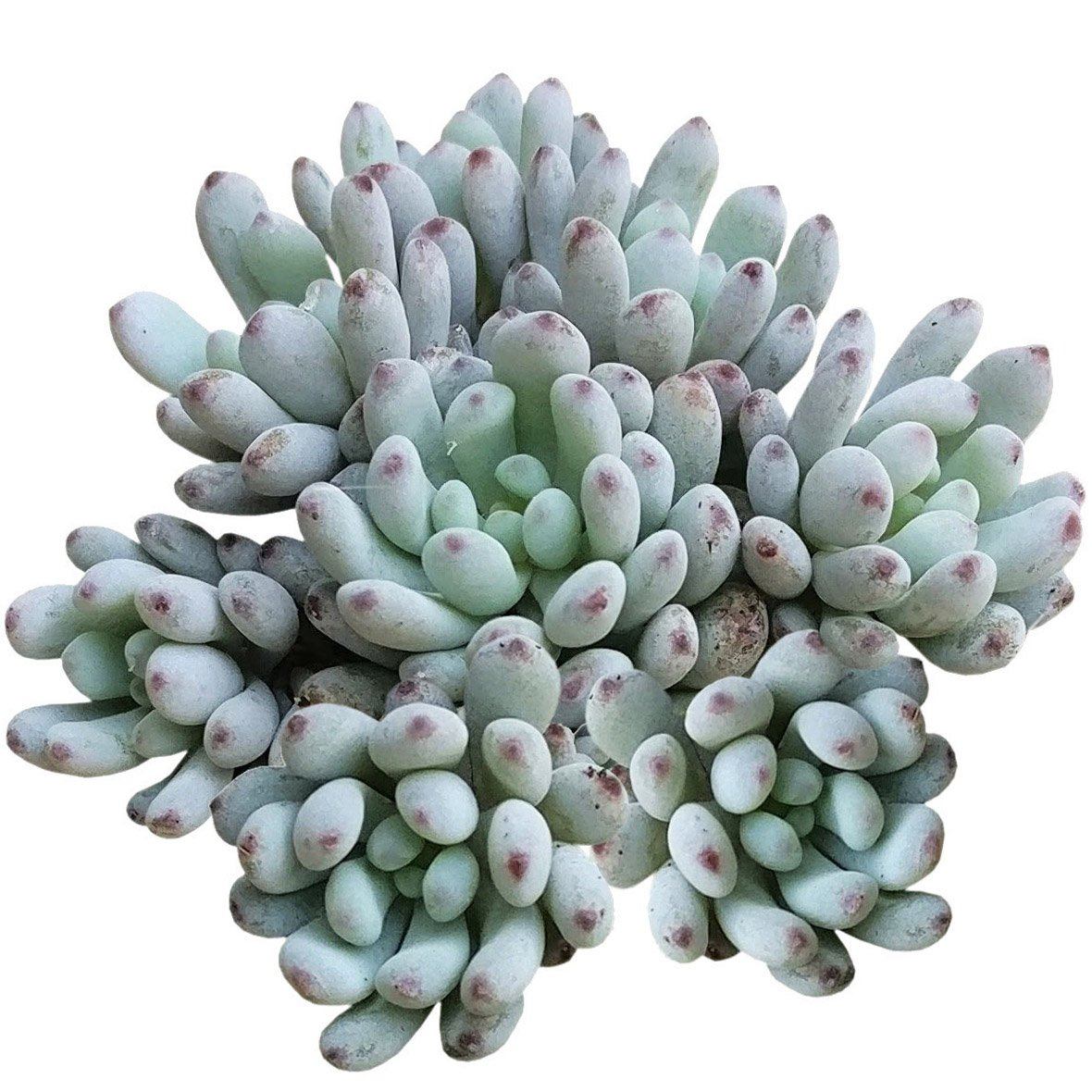
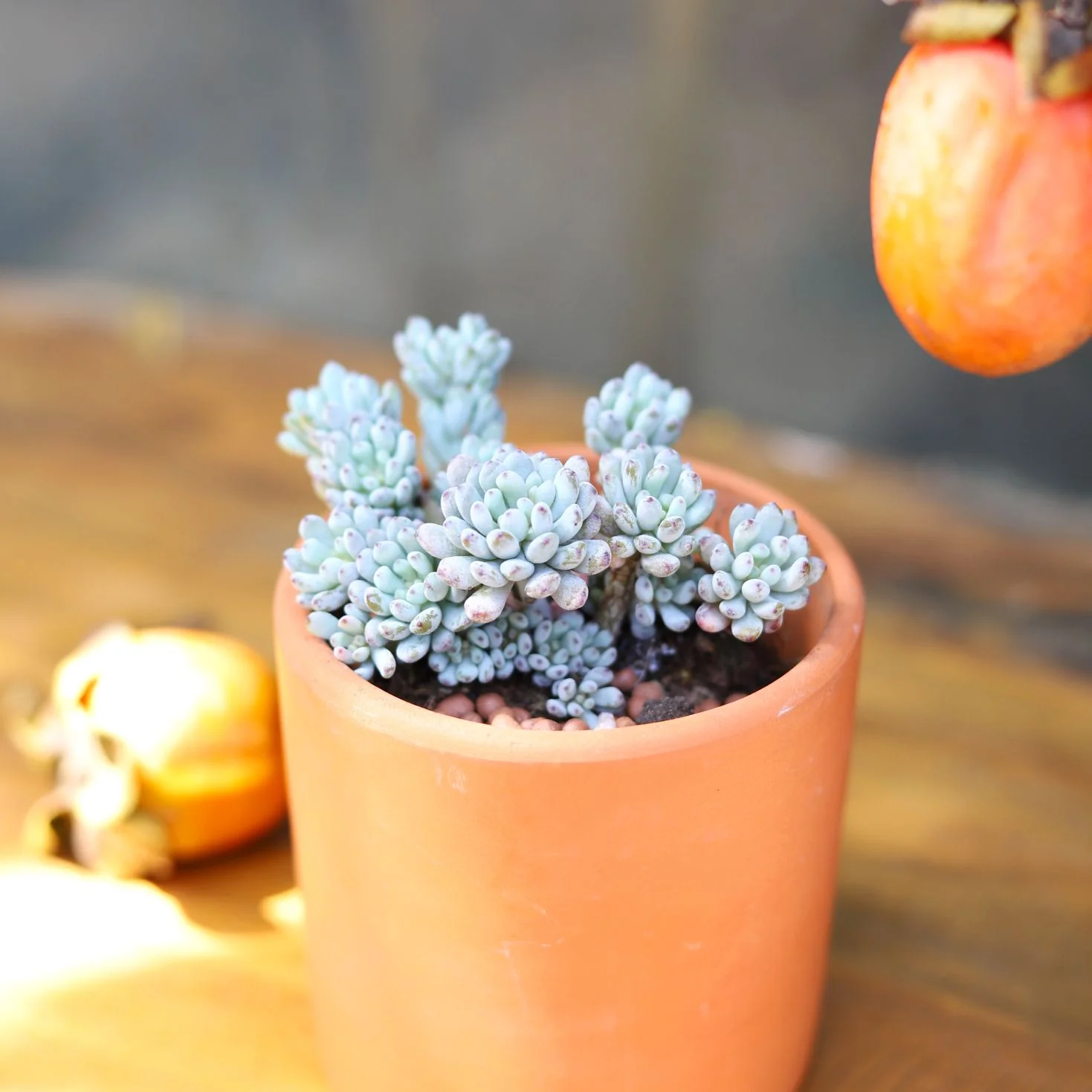
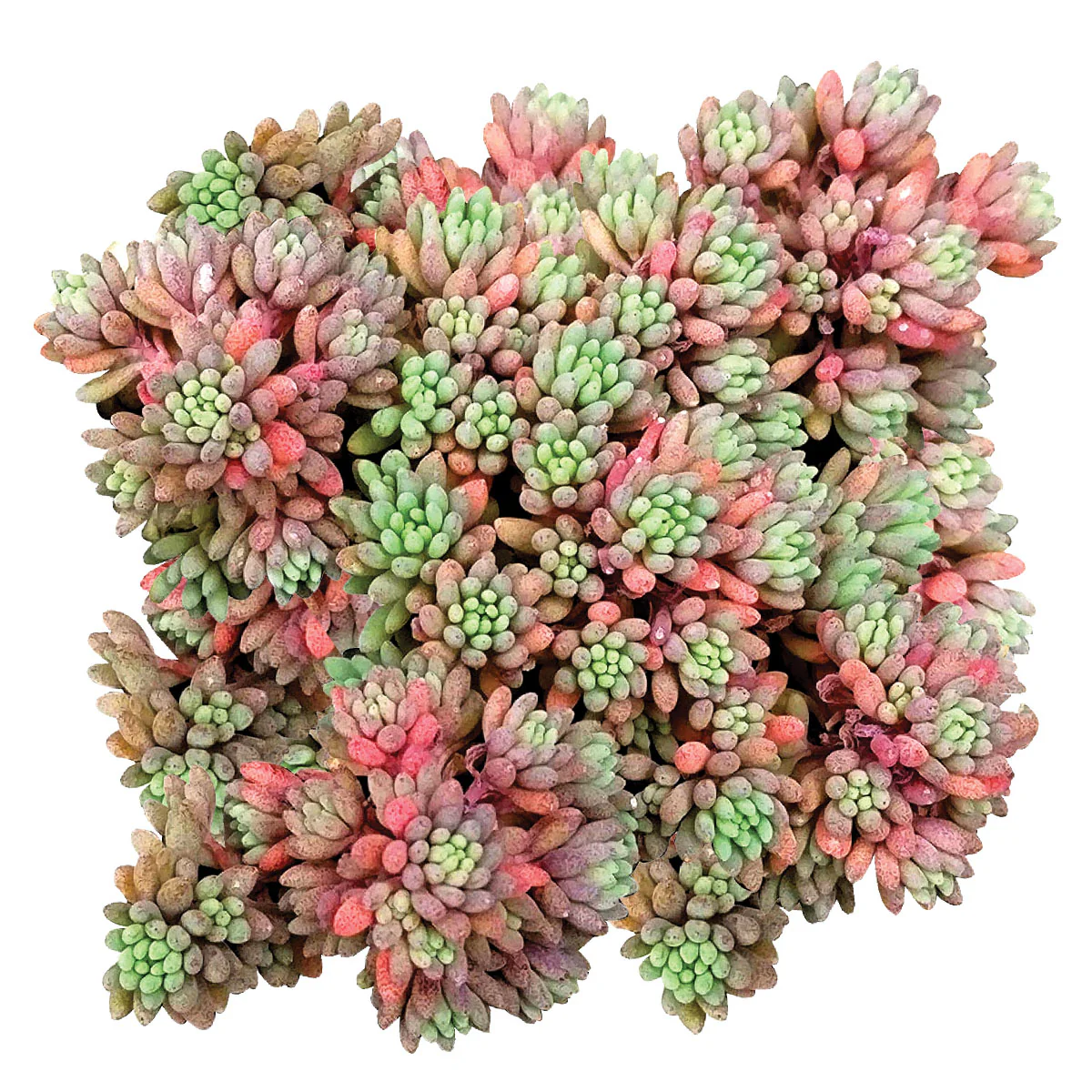
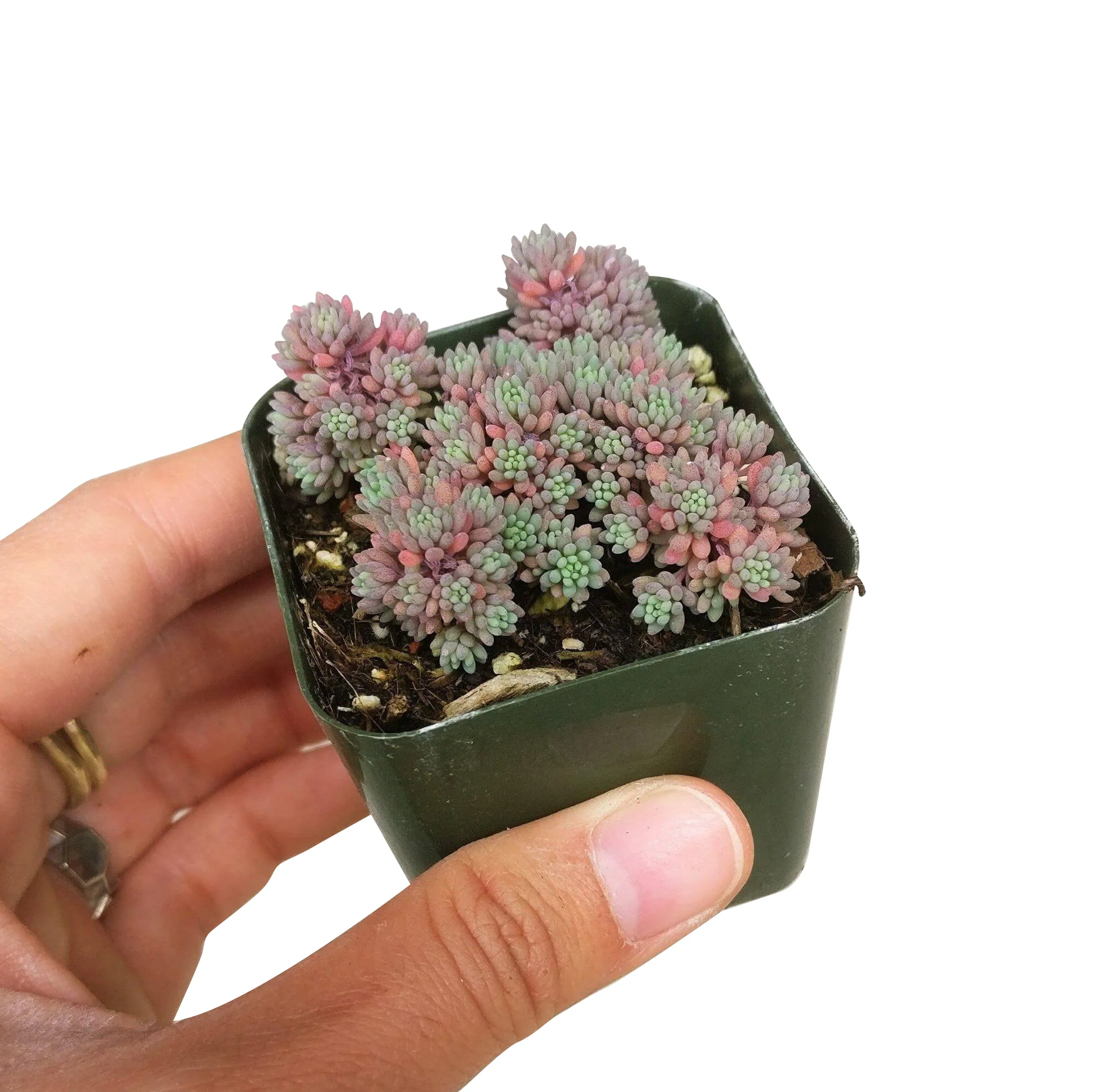
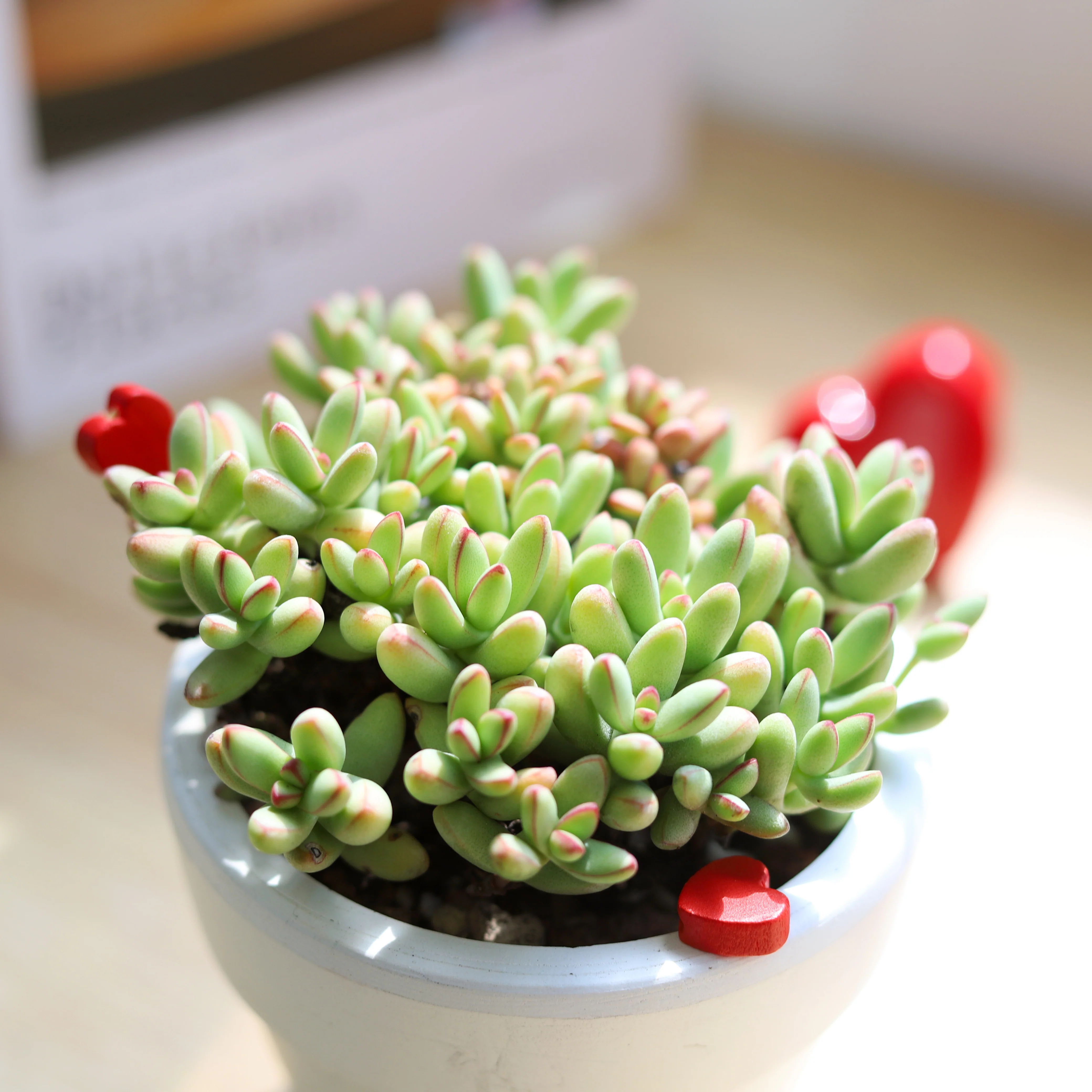
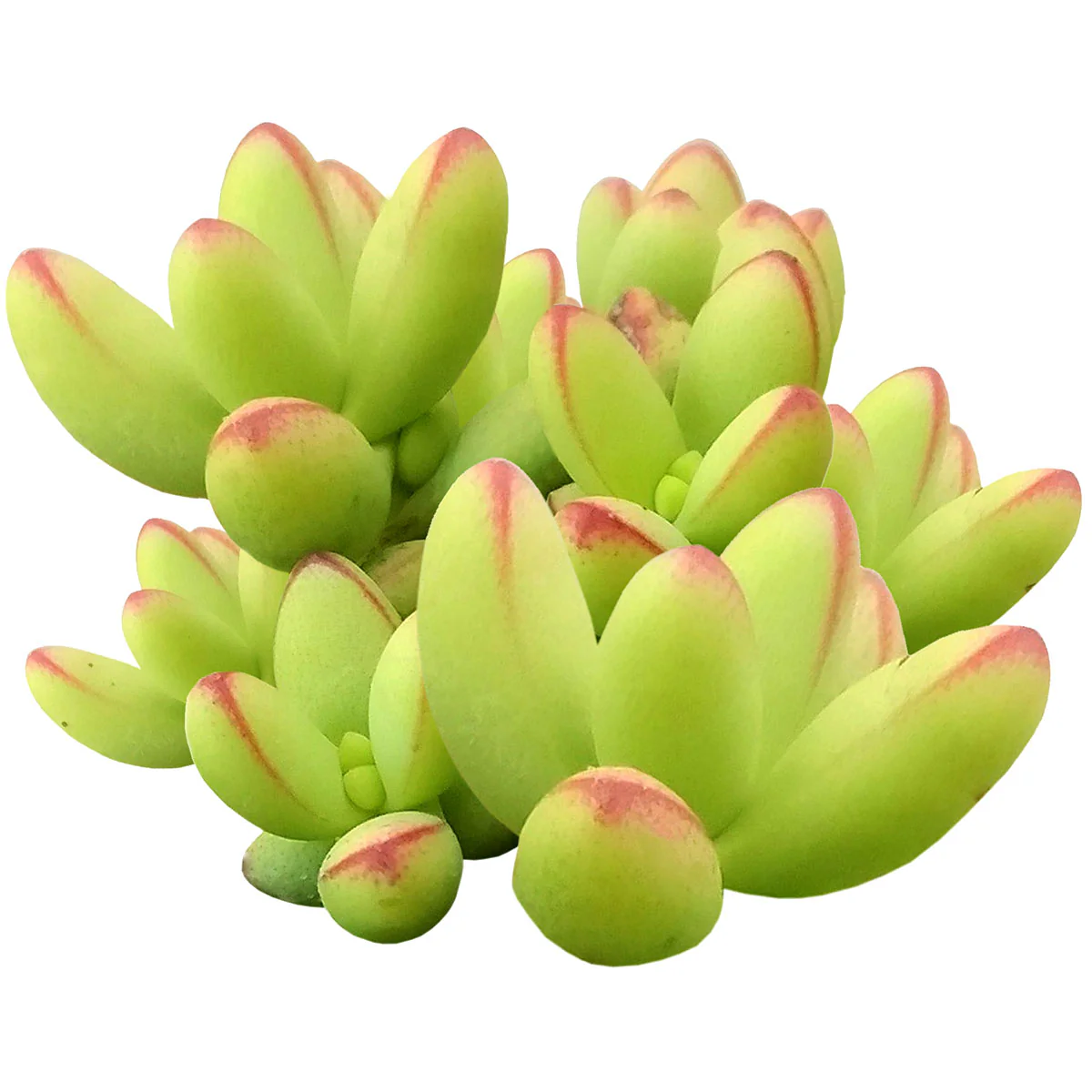
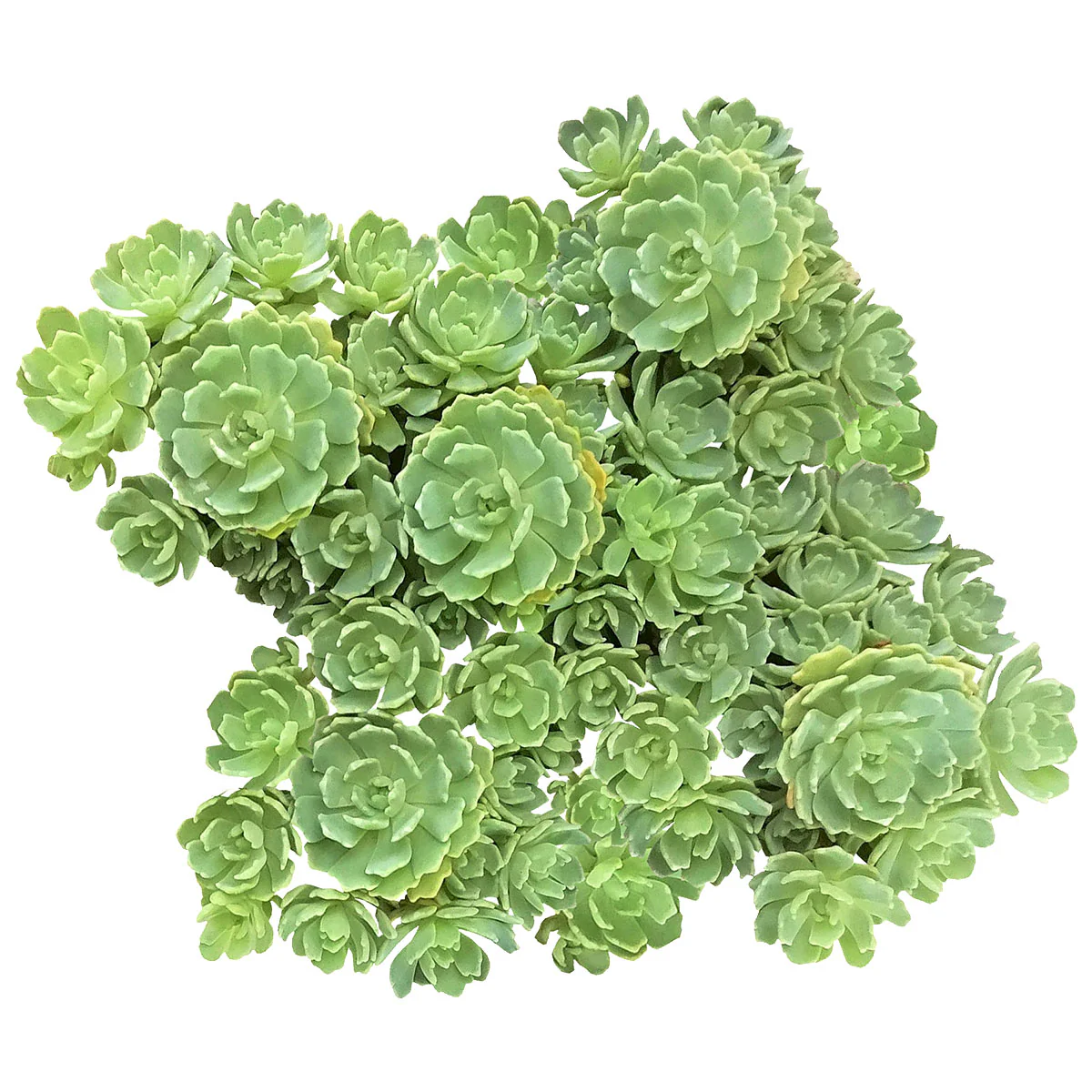
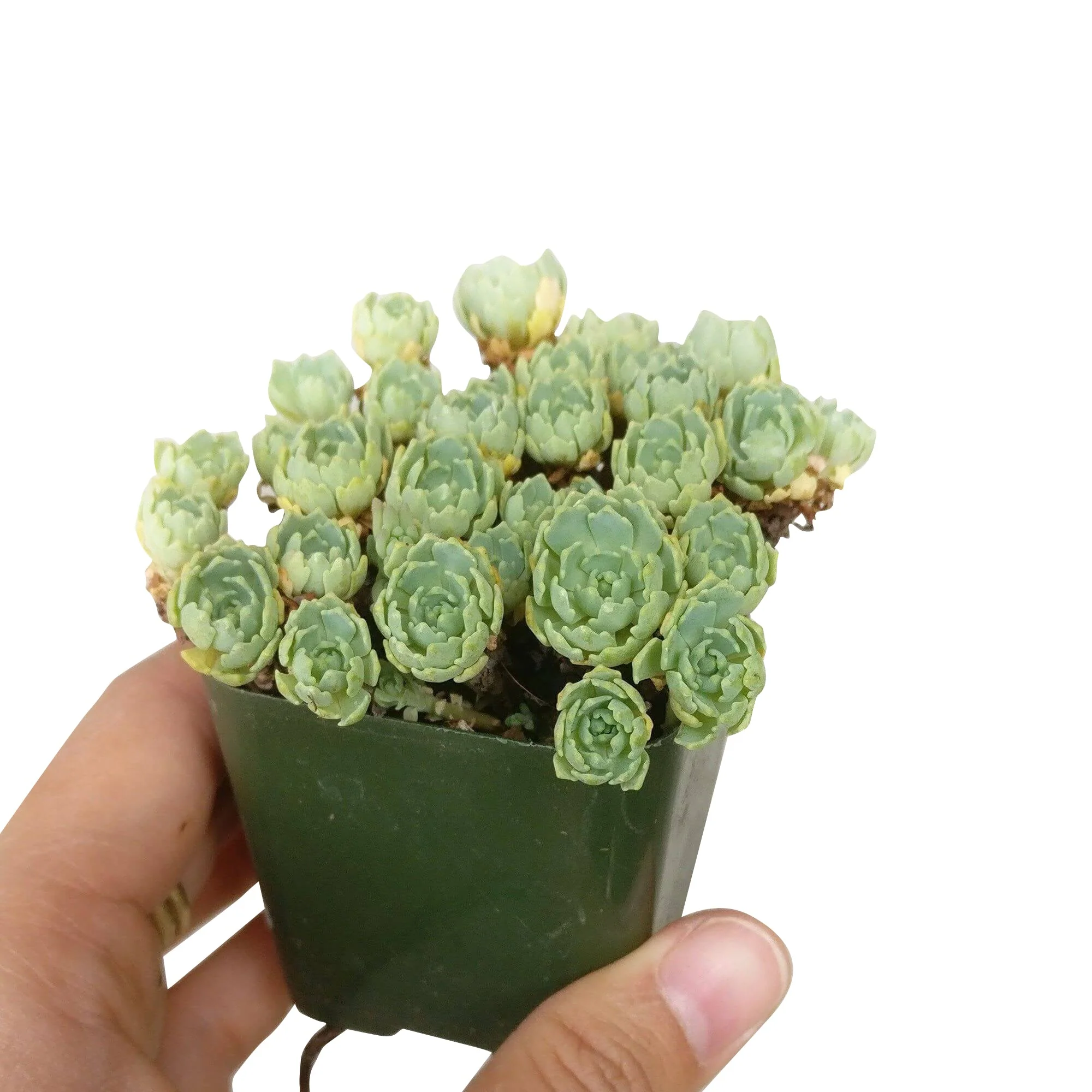
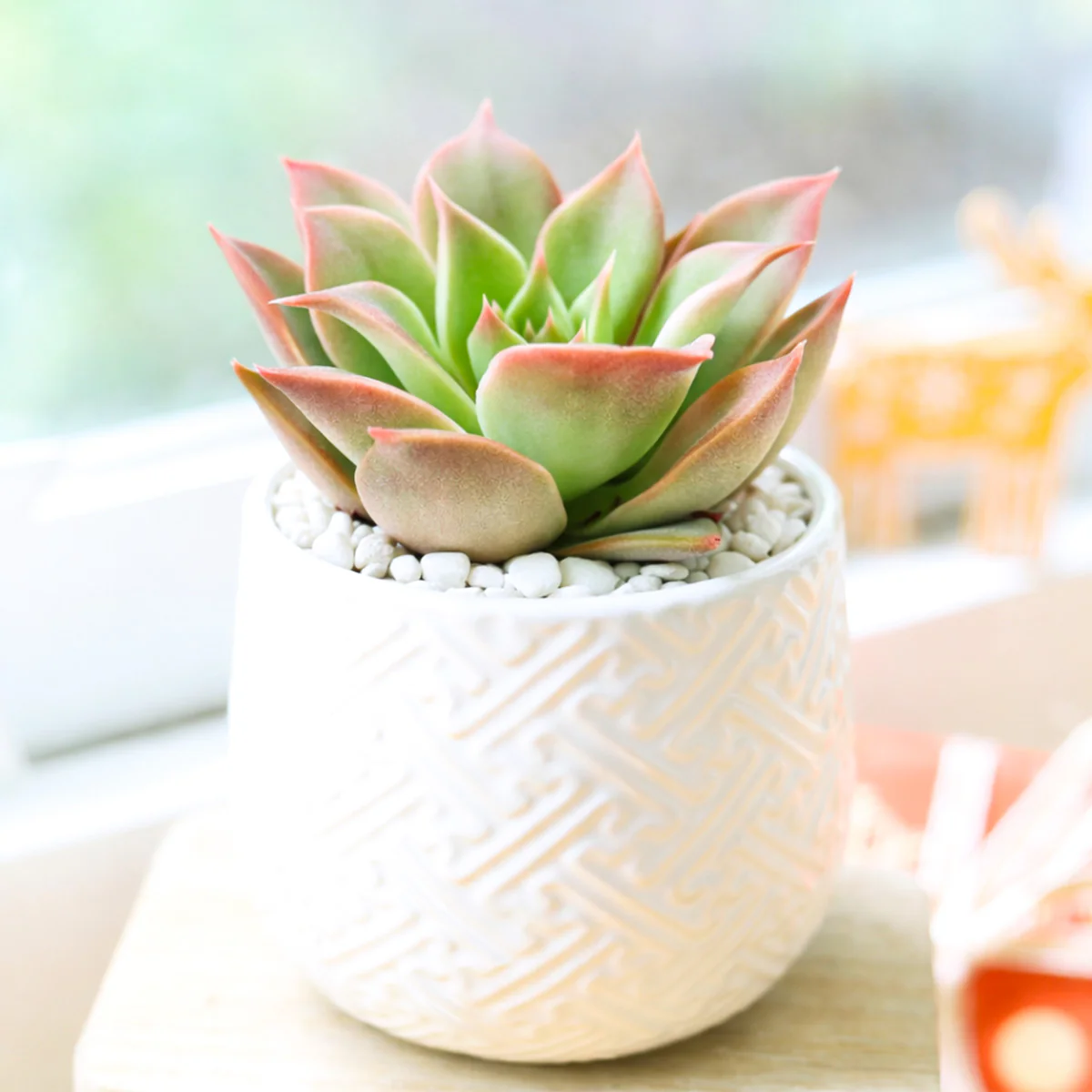
 Echeveria Madiba forms tight, symmetrical rosettes with fleshy, spoon-shaped leaves that radiate outward in a layered, architectural pattern. The foliage shimmers with soft silver-pink tones and subtle blush edges that deepen with sun exposure, giving this rare echeveria an almost jewel-like quality. As it matures, Echeveria Madiba clusters at the base, multiplying into a full, lush grouping that looks stunning in any pot or arrangement.
 Echeveria Madiba produces slender arching stems tipped with bell-shaped blooms, typically in warm coral and pink shades, appearing in late spring to summer when given the night temperature drop that triggers flowering. Each bloom cycle is a reward worth waiting for, and rotating the plant regularly ensures the rosette stays perfectly even so it is always photo-ready come bloom season.
 Echeveria Madiba is wonderfully beginner-friendly and genuinely drought tolerant, surviving up to ten days without water, which makes it ideal for travelers and busy plant parents. It thrives in dry heated indoor air, tolerates partial sun to full sun outdoors, and can move outside for summer to soak up natural light. Keep it covered from rain to prevent rot, and bring it back inside before frost. As a rare echeveria for sale in limited quantities, Echeveria Madiba is a collector piece that also happens to be completely pet-friendly.
-
 Echeveria Madiba thrives in bright indirect light to full sun, ideally four to six hours daily, though it may scorch in intense south-facing windows.
 Water Echeveria Madiba deeply every ten to fourteen days in summer, and cut back to once monthly in winter, letting soil dry completely between waterings.
 Echeveria Madiba needs a fast-draining cactus and succulent mix blended with perlite or coarse grit at a 50/50 ratio.
 Echeveria Madiba grows best between 65-80°F (18-27°C) and should be brought indoors when temperatures drop below 40°F (4°C).
![]() Echeveria Madiba is a slow-growing succulent that needs only a balanced diluted fertilizer once in spring and once in early summer.
Echeveria Madiba is a slow-growing succulent that needs only a balanced diluted fertilizer once in spring and once in early summer.
 Echeveria Madiba is hardy in USDA Zones 9 through 11, tolerating brief dips to around 25-28°F (-4 to -2°C) but thriving best with frost-free winters. Gardeners growing Echeveria Madiba outdoors year-round will find it perfectly at home across California, Arizona, Texas, Florida, Hawaii, Nevada, Louisiana, Georgia, South Carolina, Alabama, and Mississippi. Coastal areas of Oregon, parts of New Mexico, and the warmer pockets of North Carolina also fall within reach, making this rare rosette succulent accessible to a wide range of climates across the southern and western United States.
-
Q: How often should I water Echeveria Madiba?
A: Water Echeveria Madiba every ten to fourteen days in the growing season, allowing the soil to dry out completely before watering again. In winter, reduce to once a month.
Q: Is Echeveria Madiba pet-friendly?
A: Yes, this plant is pet friendly. Echeveria Madiba is non-toxic to cats and dogs, so you can display it freely without worry.
Q: How much light does Echeveria Madiba need?
A: Echeveria Madiba performs best in bright indirect light to full sun, with at least four hours of light daily. Rotate it regularly so every side of the rosette grows evenly.
Q: How big does Echeveria Madiba get?
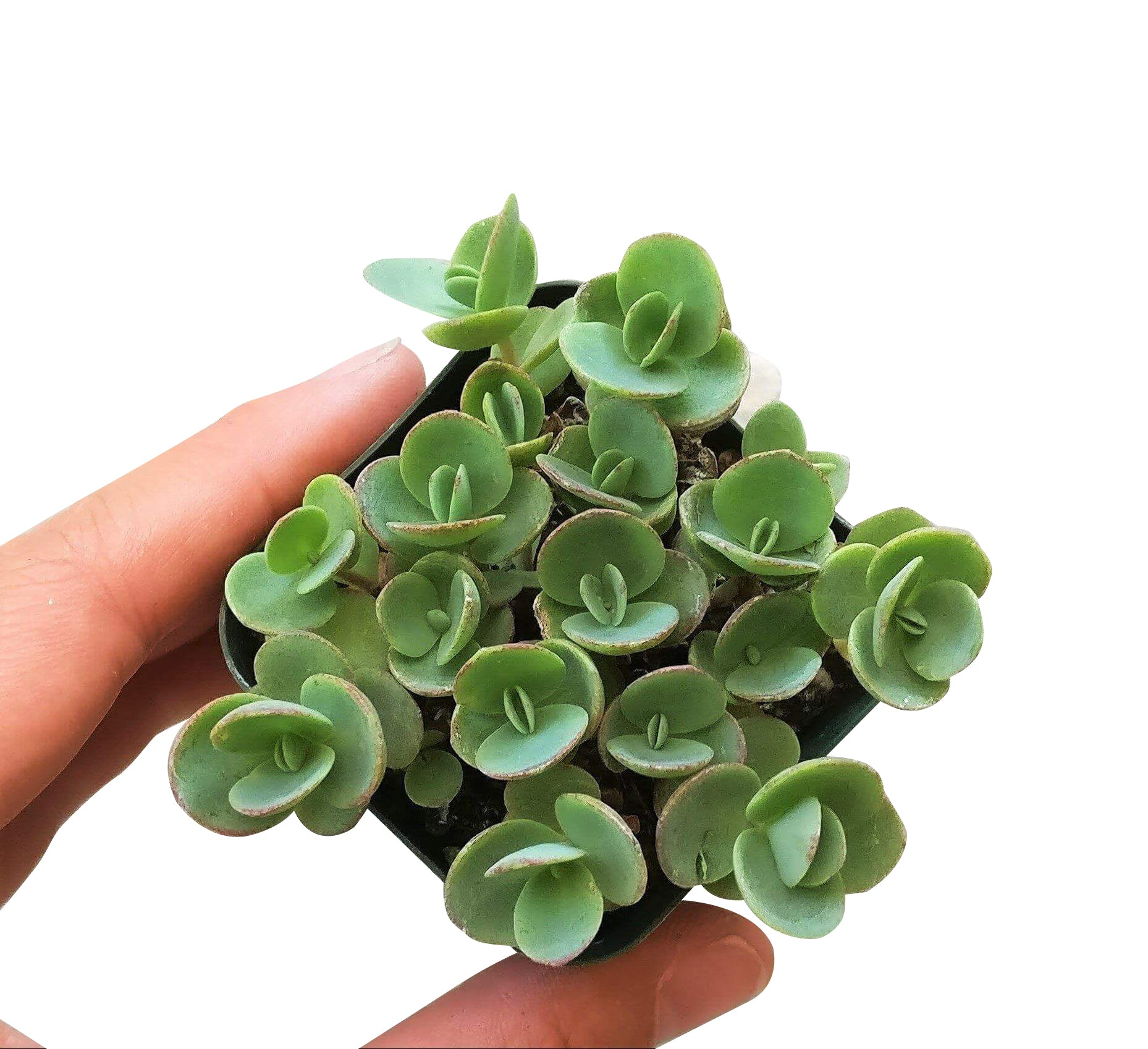
A: Echeveria Madiba is a slow-growing rosette succulent that typically reaches three to five inches across as a single head, then spreads wider as it clusters over time.
Q: How do I propagate Echeveria Madiba?
A: Echeveria Madiba is easy to propagate from offsets that form at the base of the mother plant. Simply detach a healthy offset, let it callous for a day or two, and pot it in dry succulent mix.
Q: Can I grow Echeveria Madiba outdoors?
A: Echeveria Madiba can move outside for summer in a bright spot with some shelter from heavy rain. Bring it indoors before temperatures approach 40°F (4°C) to keep it safe through winter.


Original: $8.00
-70%$8.00
$2.40Product Information
Product Information
Shipping & Returns
Shipping & Returns
Description
- Description
- Echeveria Madiba Care Guide
- FAQ/Common Issues
-
![]() Echeveria Madiba is a striking rosette succulent in the Echeveriaceae family, native to the semi-arid highlands of Mexico where it evolved to thrive in bright sun and well-drained soils. Like all true echeverias, it belongs to a genus celebrated worldwide for sculptural beauty and easy care, making Echeveria Madiba a favorite among collectors and beginners alike.
Echeveria Madiba is a striking rosette succulent in the Echeveriaceae family, native to the semi-arid highlands of Mexico where it evolved to thrive in bright sun and well-drained soils. Like all true echeverias, it belongs to a genus celebrated worldwide for sculptural beauty and easy care, making Echeveria Madiba a favorite among collectors and beginners alike.
Echeveria Madiba forms tight, symmetrical rosettes with fleshy, spoon-shaped leaves that radiate outward in a layered, architectural pattern. The foliage shimmers with soft silver-pink tones and subtle blush edges that deepen with sun exposure, giving this rare echeveria an almost jewel-like quality. As it matures, Echeveria Madiba clusters at the base, multiplying into a full, lush grouping that looks stunning in any pot or arrangement.
Echeveria Madiba produces slender arching stems tipped with bell-shaped blooms, typically in warm coral and pink shades, appearing in late spring to summer when given the night temperature drop that triggers flowering. Each bloom cycle is a reward worth waiting for, and rotating the plant regularly ensures the rosette stays perfectly even so it is always photo-ready come bloom season.
Echeveria Madiba is wonderfully beginner-friendly and genuinely drought tolerant, surviving up to ten days without water, which makes it ideal for travelers and busy plant parents. It thrives in dry heated indoor air, tolerates partial sun to full sun outdoors, and can move outside for summer to soak up natural light. Keep it covered from rain to prevent rot, and bring it back inside before frost. As a rare echeveria for sale in limited quantities, Echeveria Madiba is a collector piece that also happens to be completely pet-friendly.
-
Echeveria Madiba thrives in bright indirect light to full sun, ideally four to six hours daily, though it may scorch in intense south-facing windows.
Water Echeveria Madiba deeply every ten to fourteen days in summer, and cut back to once monthly in winter, letting soil dry completely between waterings.
Echeveria Madiba needs a fast-draining cactus and succulent mix blended with perlite or coarse grit at a 50/50 ratio.
Echeveria Madiba grows best between 65-80°F (18-27°C) and should be brought indoors when temperatures drop below 40°F (4°C).
![]() Echeveria Madiba is a slow-growing succulent that needs only a balanced diluted fertilizer once in spring and once in early summer.
Echeveria Madiba is a slow-growing succulent that needs only a balanced diluted fertilizer once in spring and once in early summer.
Echeveria Madiba is hardy in USDA Zones 9 through 11, tolerating brief dips to around 25-28°F (-4 to -2°C) but thriving best with frost-free winters. Gardeners growing Echeveria Madiba outdoors year-round will find it perfectly at home across California, Arizona, Texas, Florida, Hawaii, Nevada, Louisiana, Georgia, South Carolina, Alabama, and Mississippi. Coastal areas of Oregon, parts of New Mexico, and the warmer pockets of North Carolina also fall within reach, making this rare rosette succulent accessible to a wide range of climates across the southern and western United States.
-
Q: How often should I water Echeveria Madiba?
A: Water Echeveria Madiba every ten to fourteen days in the growing season, allowing the soil to dry out completely before watering again. In winter, reduce to once a month.
Q: Is Echeveria Madiba pet-friendly?
A: Yes, this plant is pet friendly. Echeveria Madiba is non-toxic to cats and dogs, so you can display it freely without worry.
Q: How much light does Echeveria Madiba need?
A: Echeveria Madiba performs best in bright indirect light to full sun, with at least four hours of light daily. Rotate it regularly so every side of the rosette grows evenly.
Q: How big does Echeveria Madiba get?
A: Echeveria Madiba is a slow-growing rosette succulent that typically reaches three to five inches across as a single head, then spreads wider as it clusters over time.
Q: How do I propagate Echeveria Madiba?
A: Echeveria Madiba is easy to propagate from offsets that form at the base of the mother plant. Simply detach a healthy offset, let it callous for a day or two, and pot it in dry succulent mix.
Q: Can I grow Echeveria Madiba outdoors?
A: Echeveria Madiba can move outside for summer in a bright spot with some shelter from heavy rain. Bring it indoors before temperatures approach 40°F (4°C) to keep it safe through winter.