Echeveria Lolita
- Description
- Echeveria Lolita Care Guide
- FAQ/Common Issues
-
![]() Echeveria Lolita is a rare opalescent succulent in the Crassulaceae family, beloved by collectors for its luminous, jewel-toned rosettes. Like most Echeveria, it traces its roots to the semi-arid highlands of Mexico, where it evolved to thrive in bright light and fast-draining soil. Beginner-friendly and forgiving, Echeveria Lolita is a standout choice for anyone stepping into the world of succulents.
Echeveria Lolita is a rare opalescent succulent in the Crassulaceae family, beloved by collectors for its luminous, jewel-toned rosettes. Like most Echeveria, it traces its roots to the semi-arid highlands of Mexico, where it evolved to thrive in bright light and fast-draining soil. Beginner-friendly and forgiving, Echeveria Lolita is a standout choice for anyone stepping into the world of succulents.
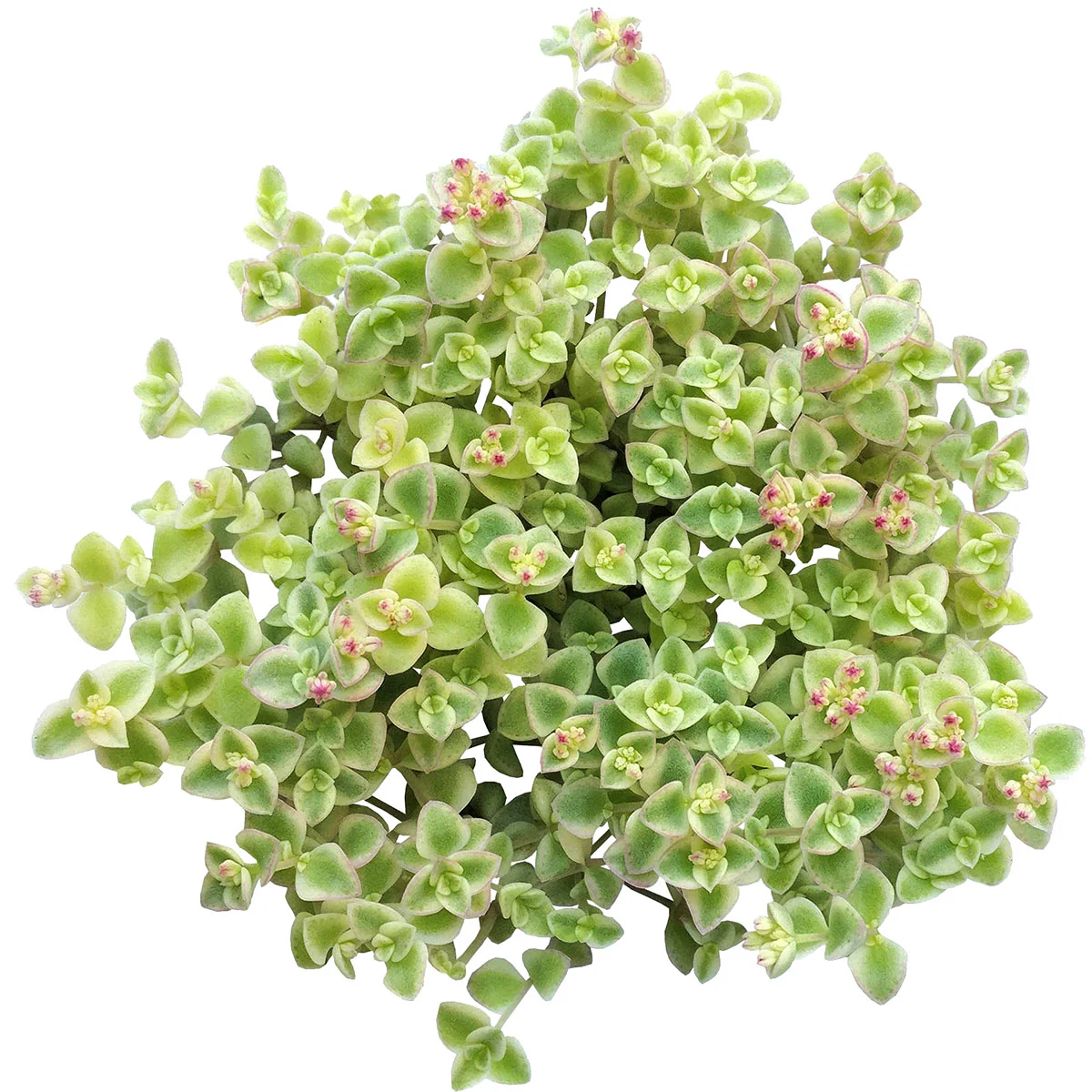
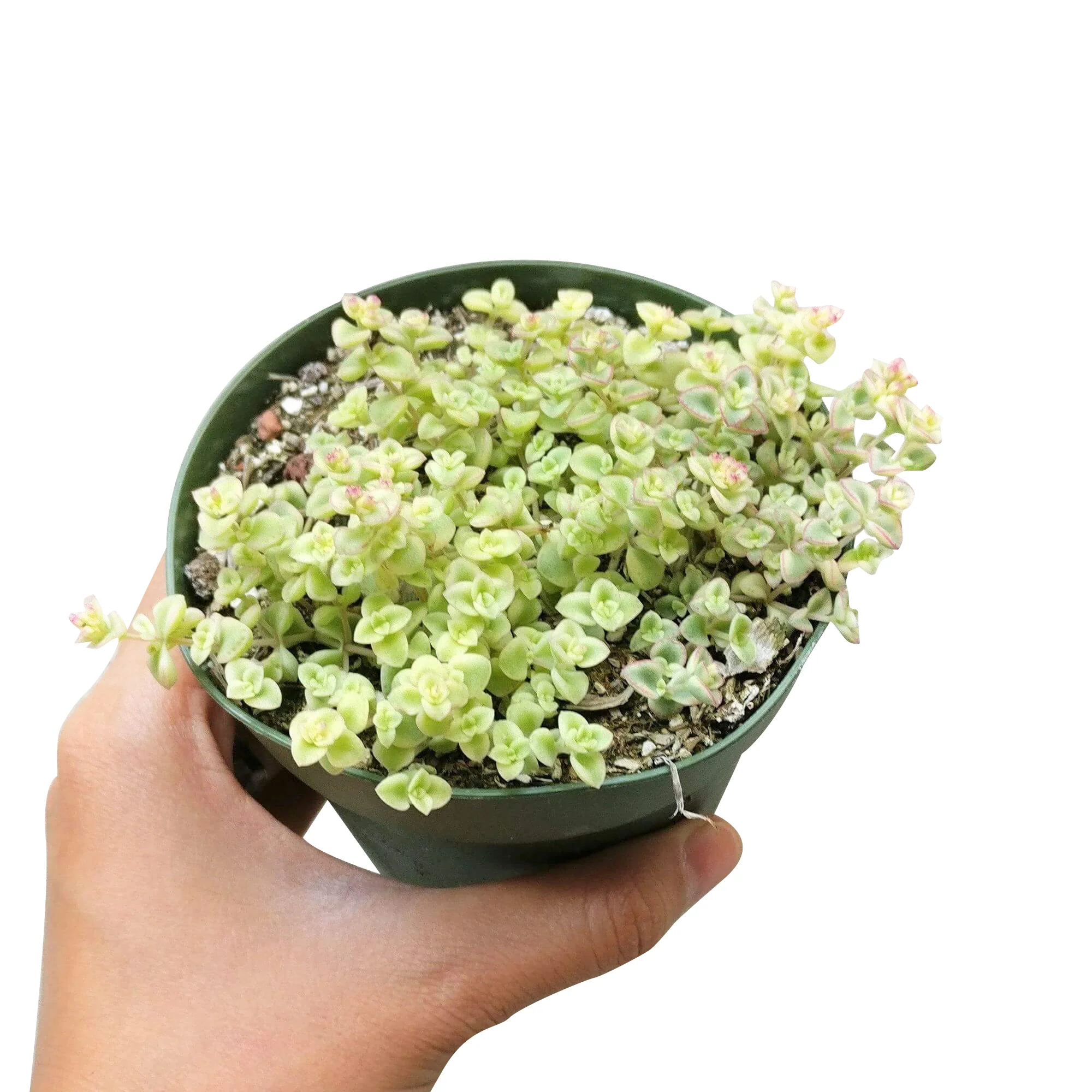
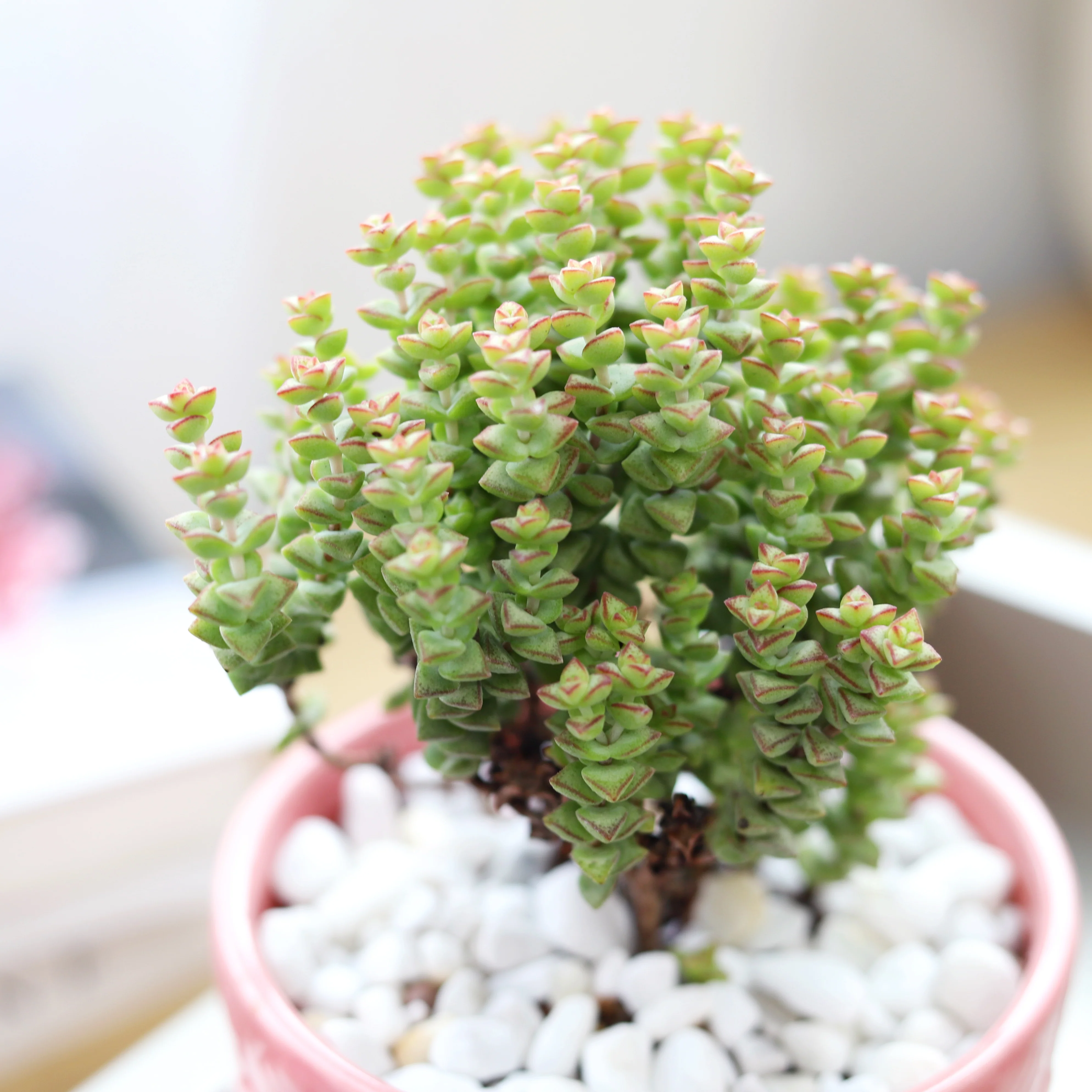
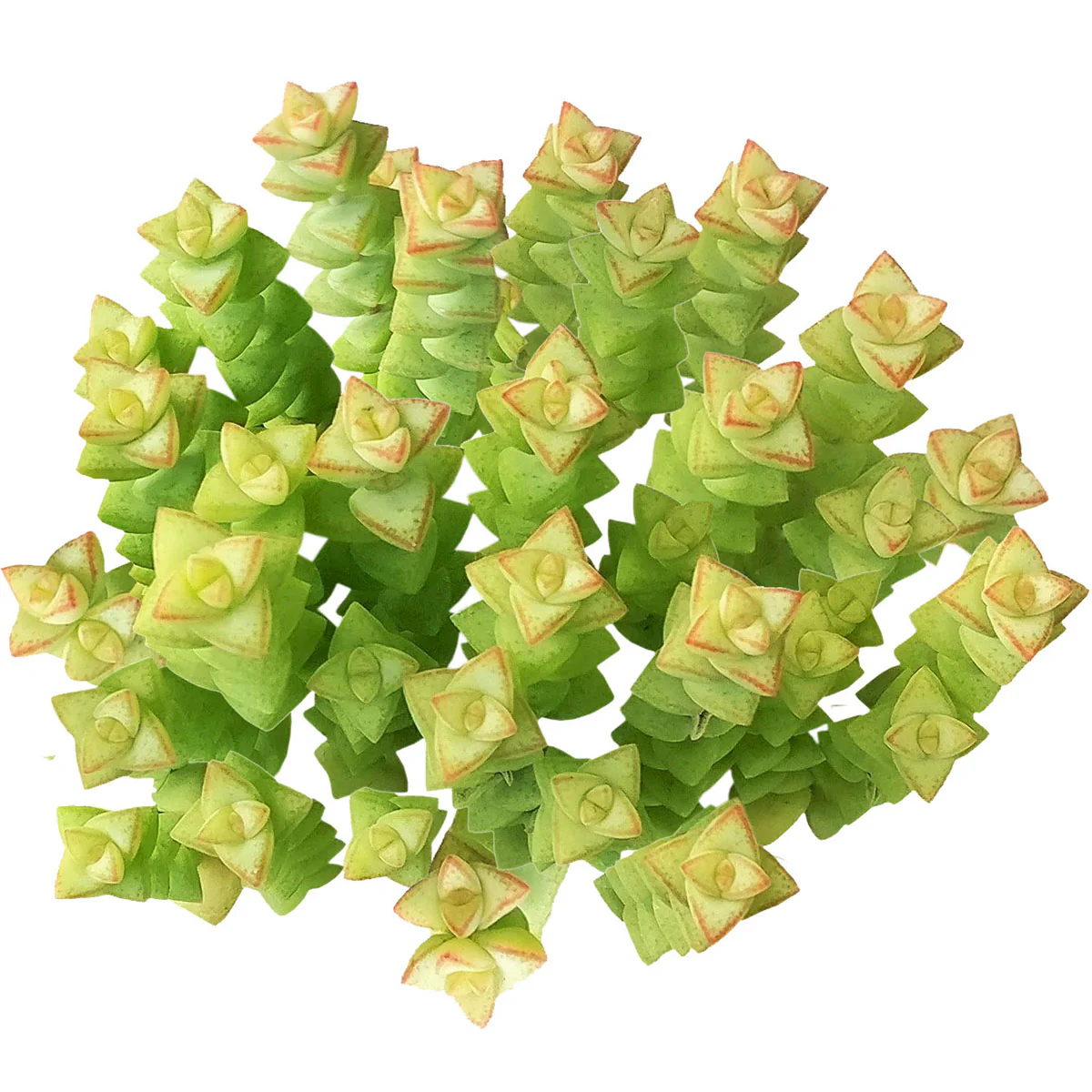
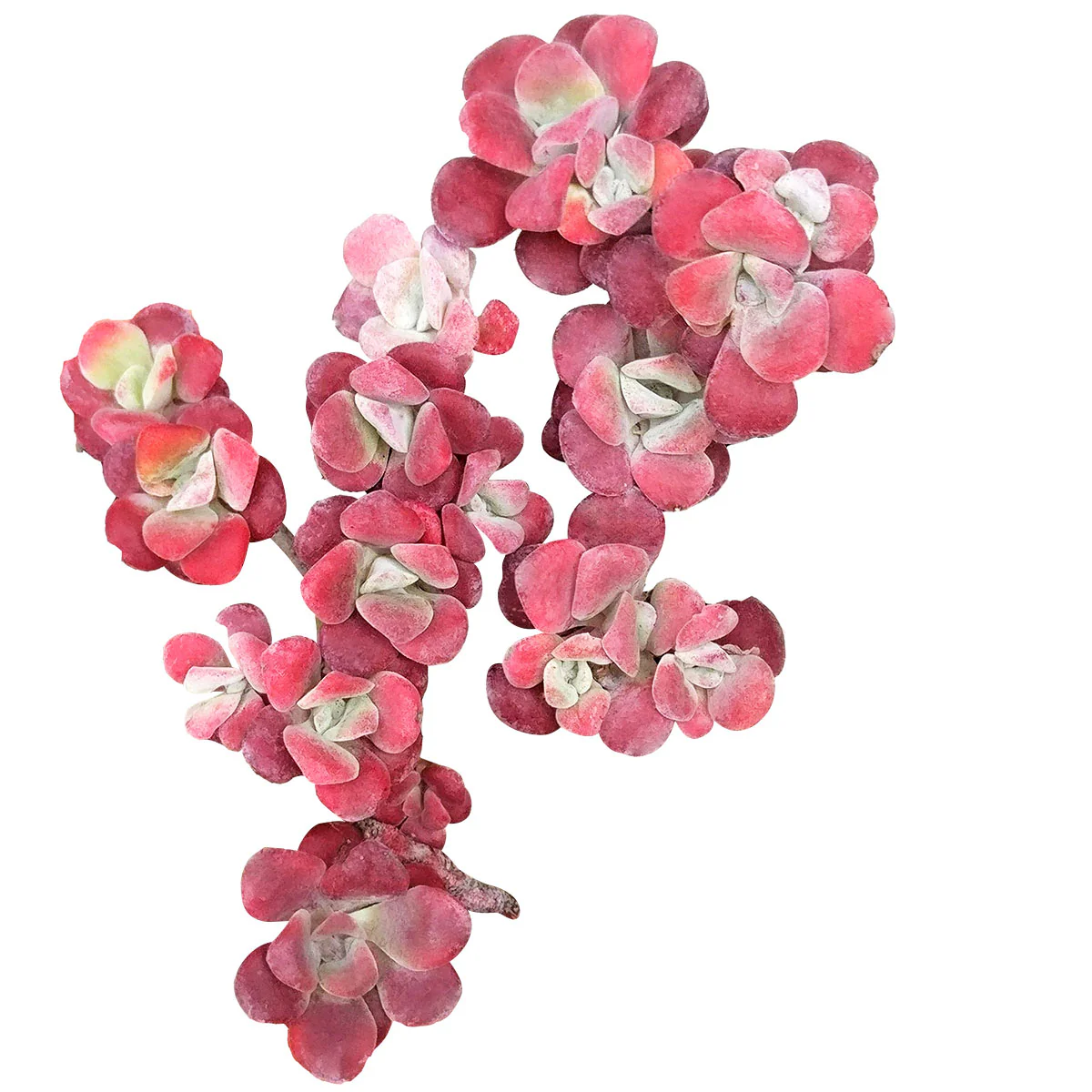
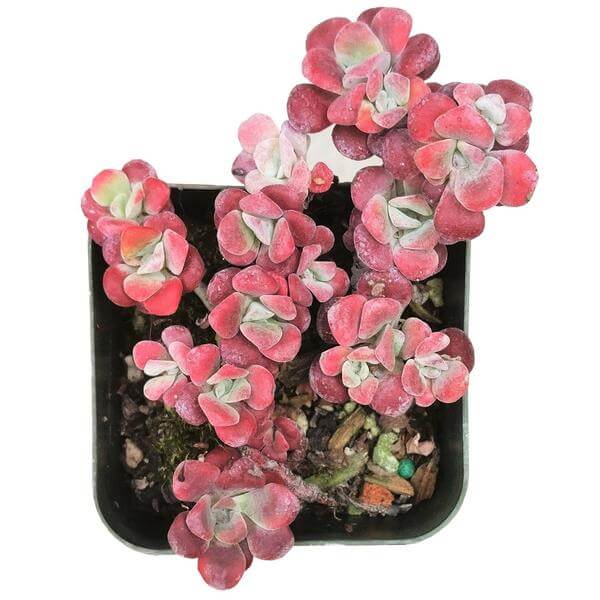
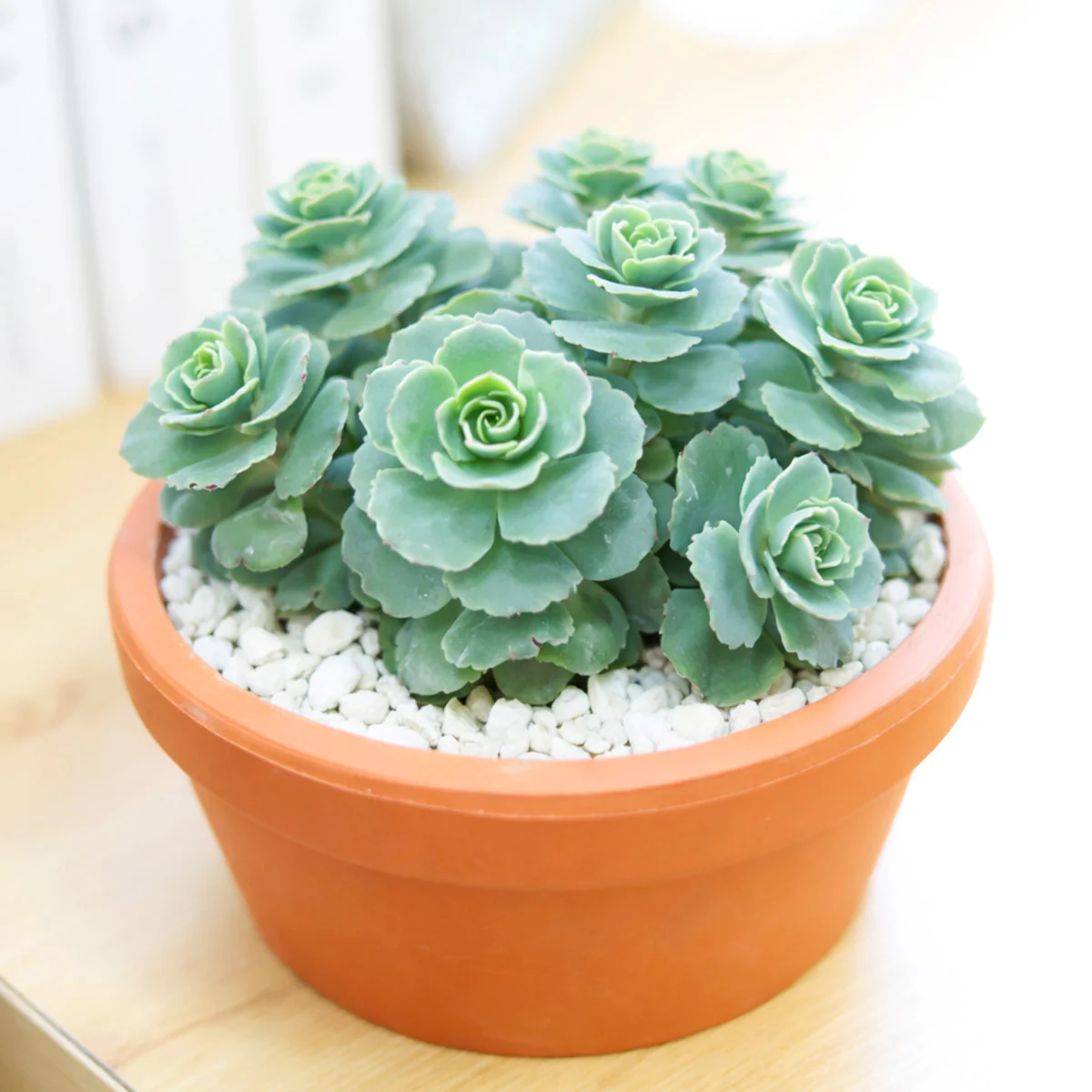
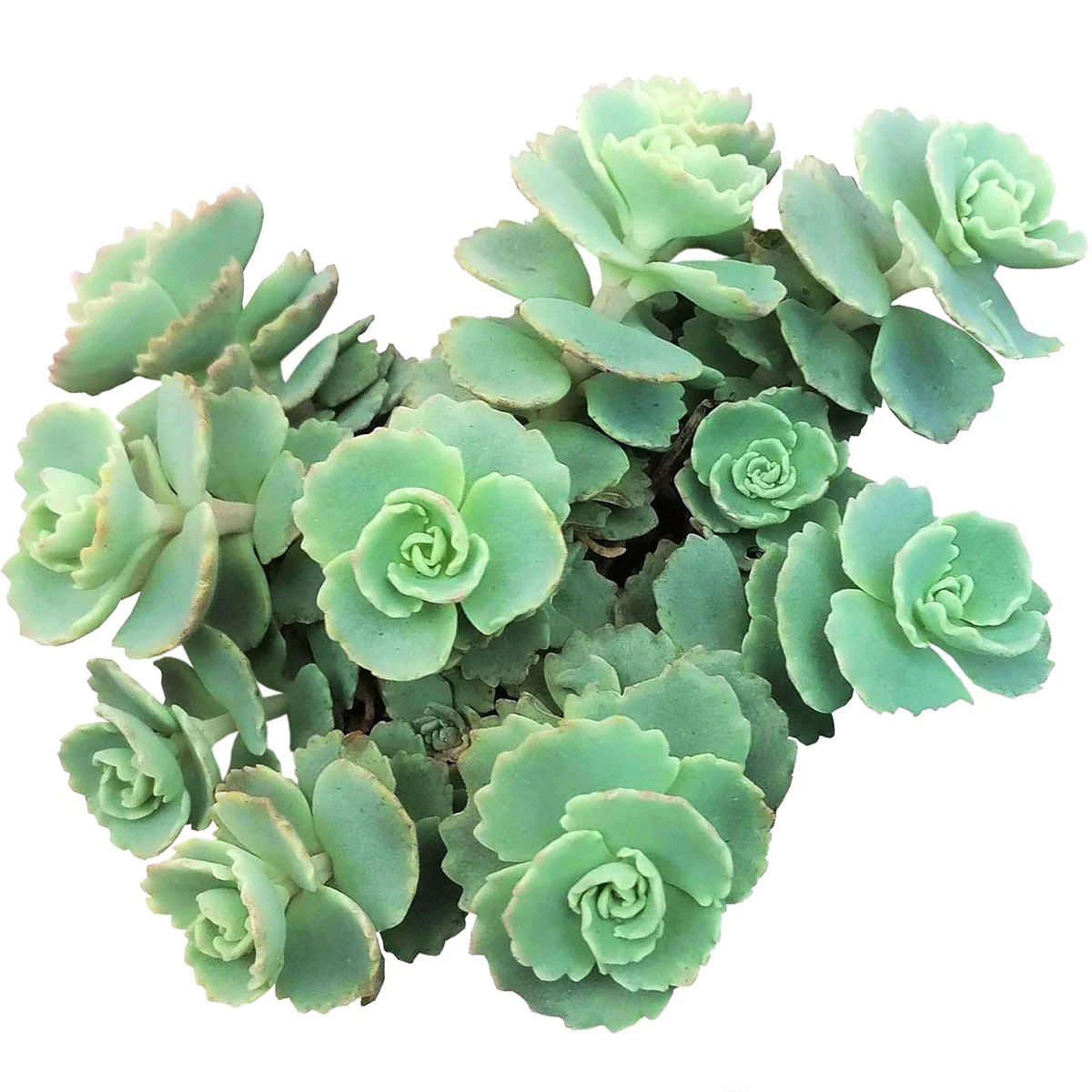
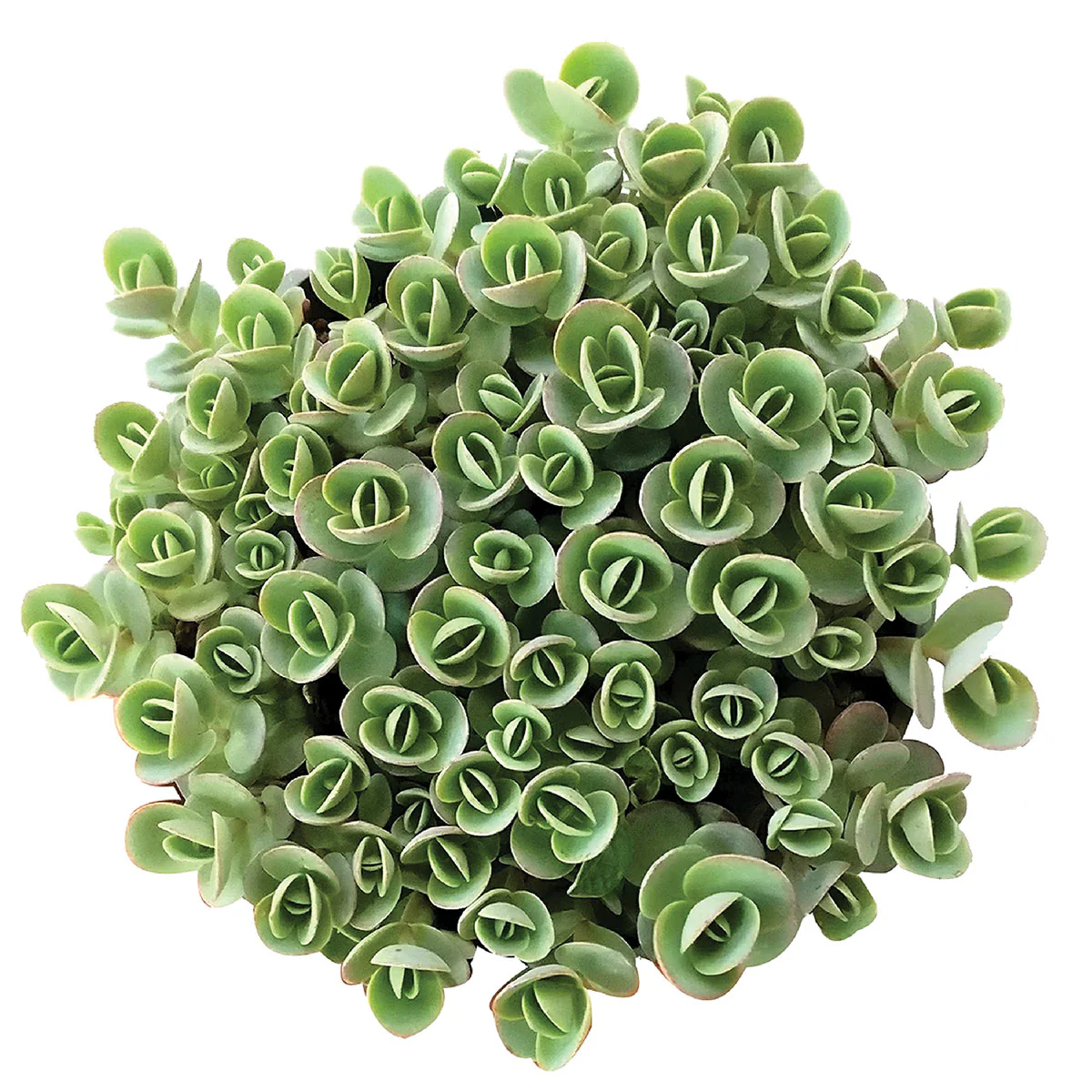
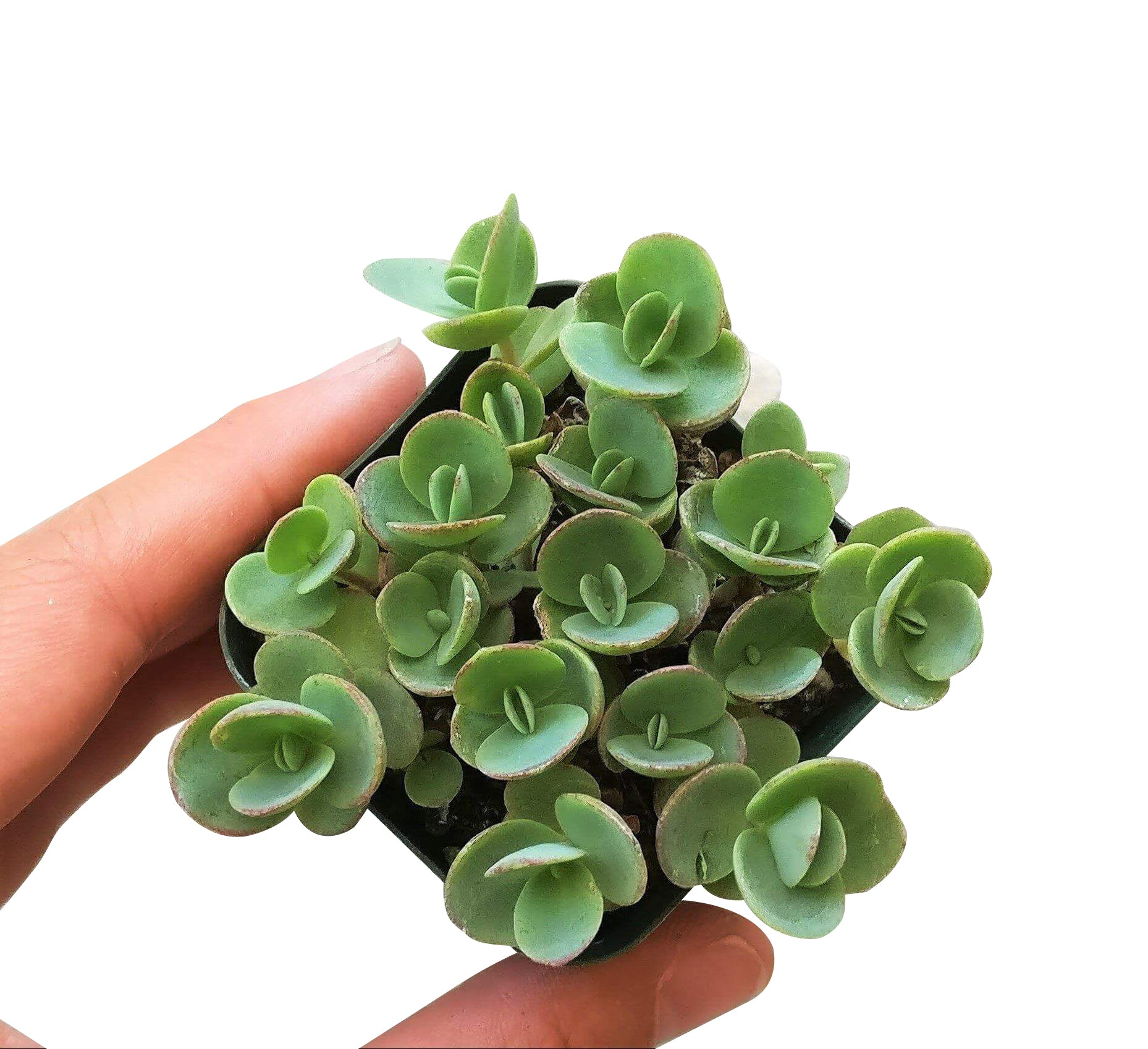
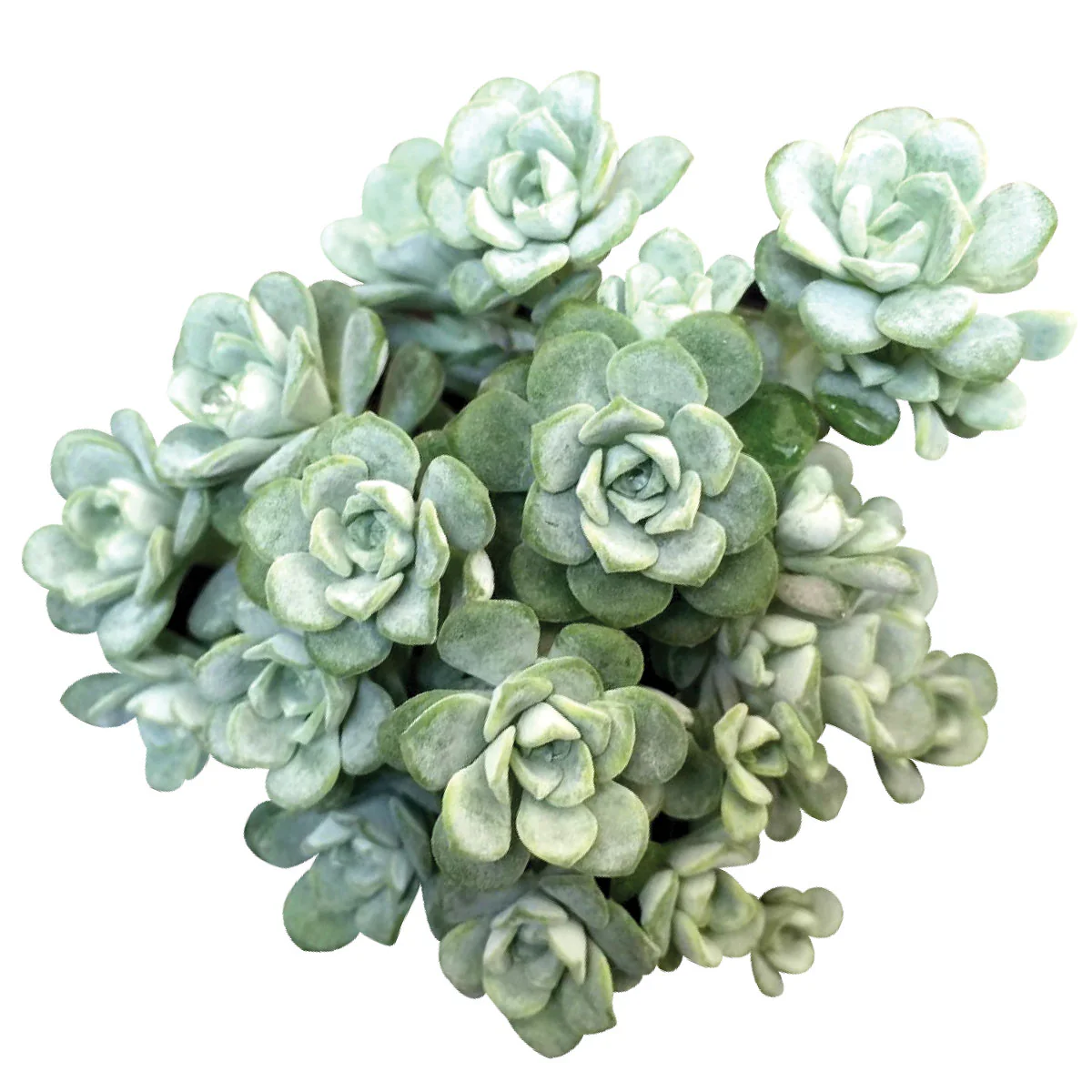
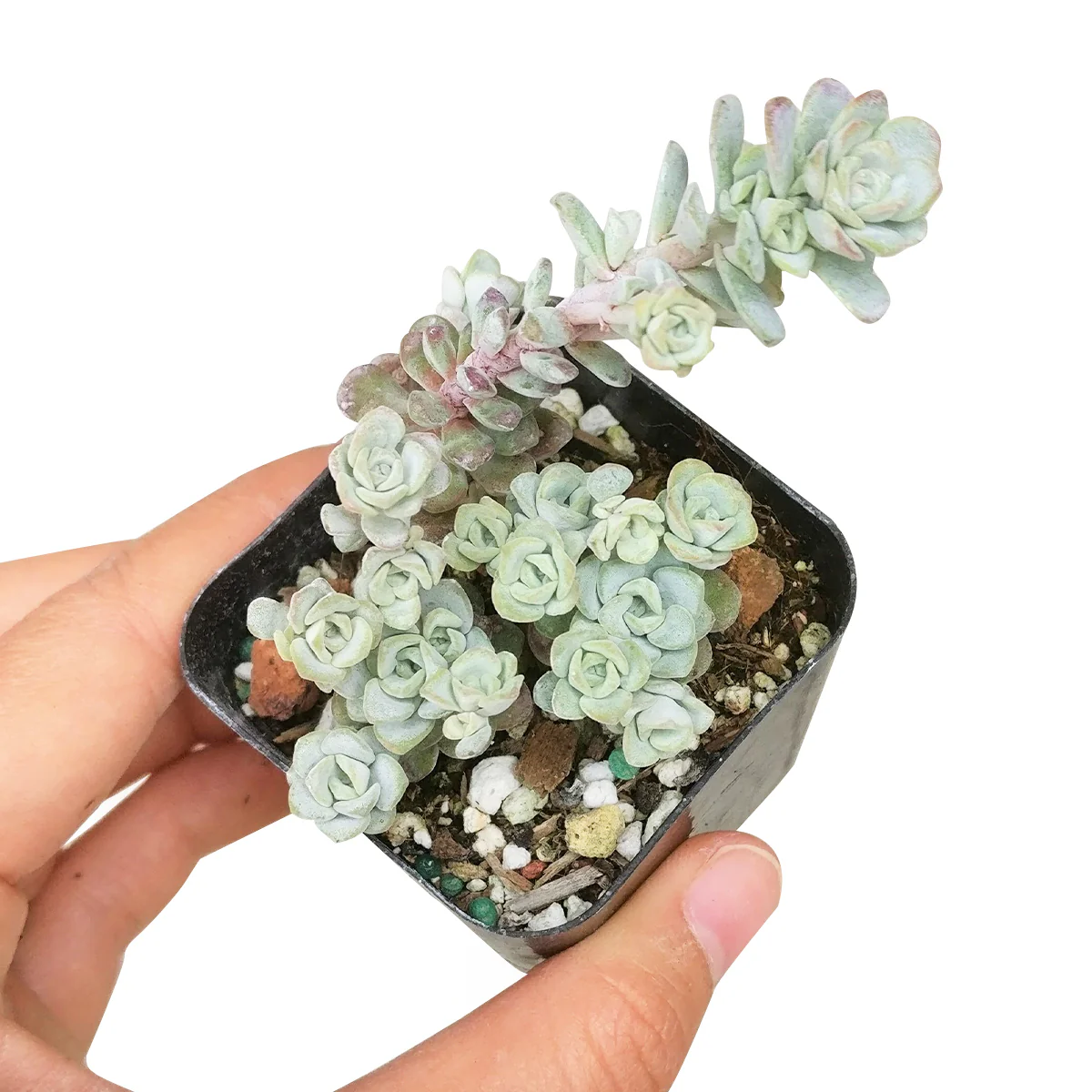
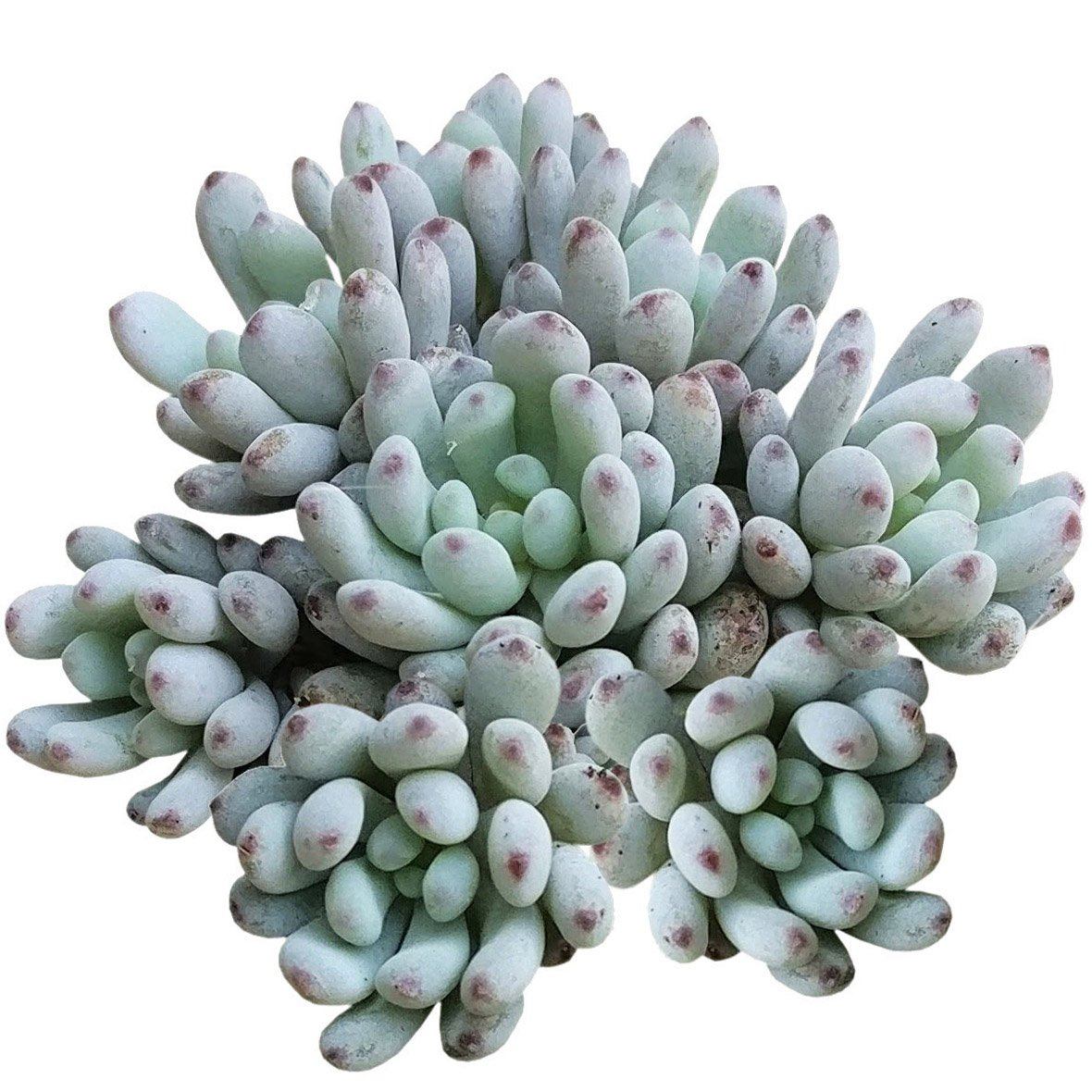
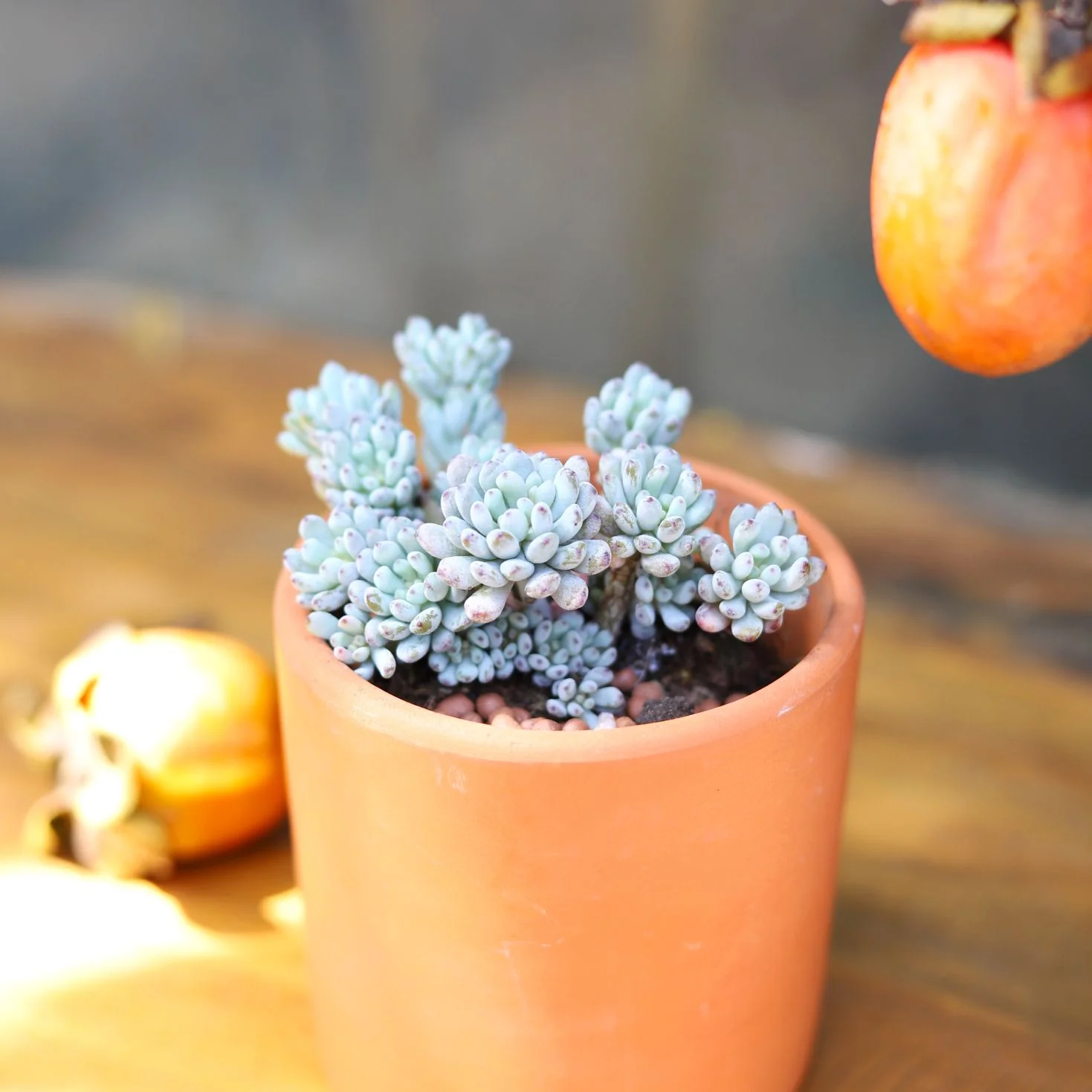
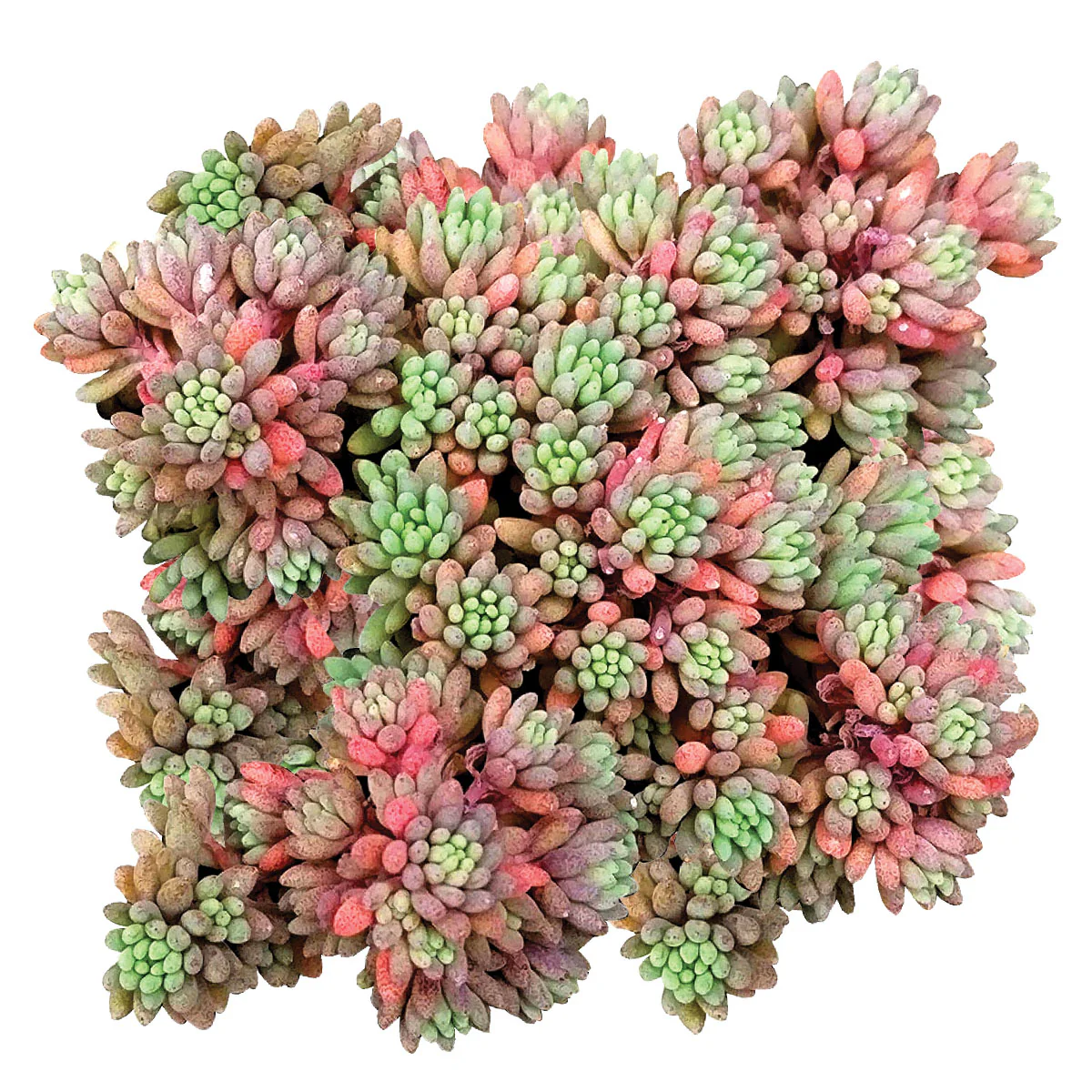
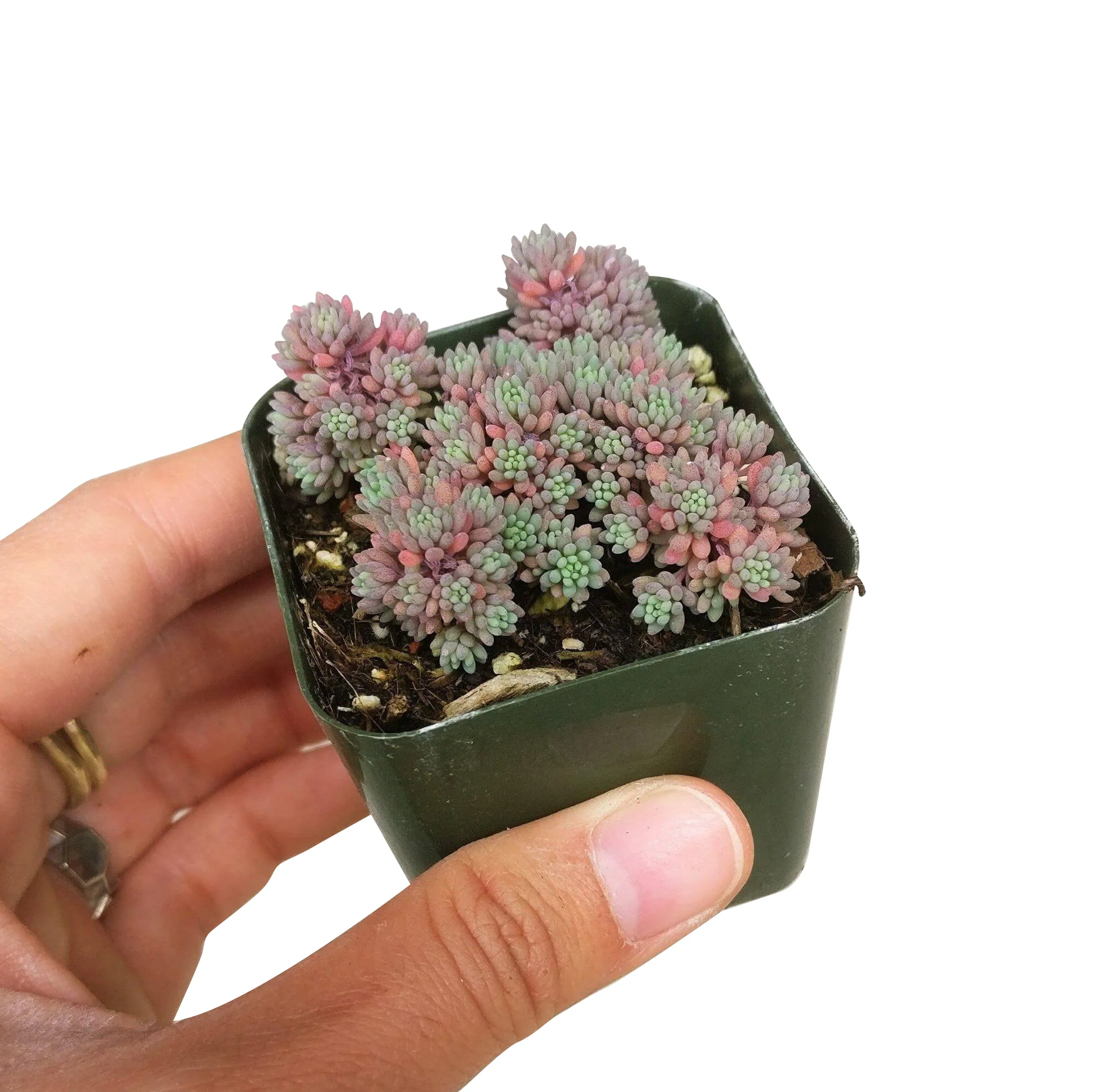
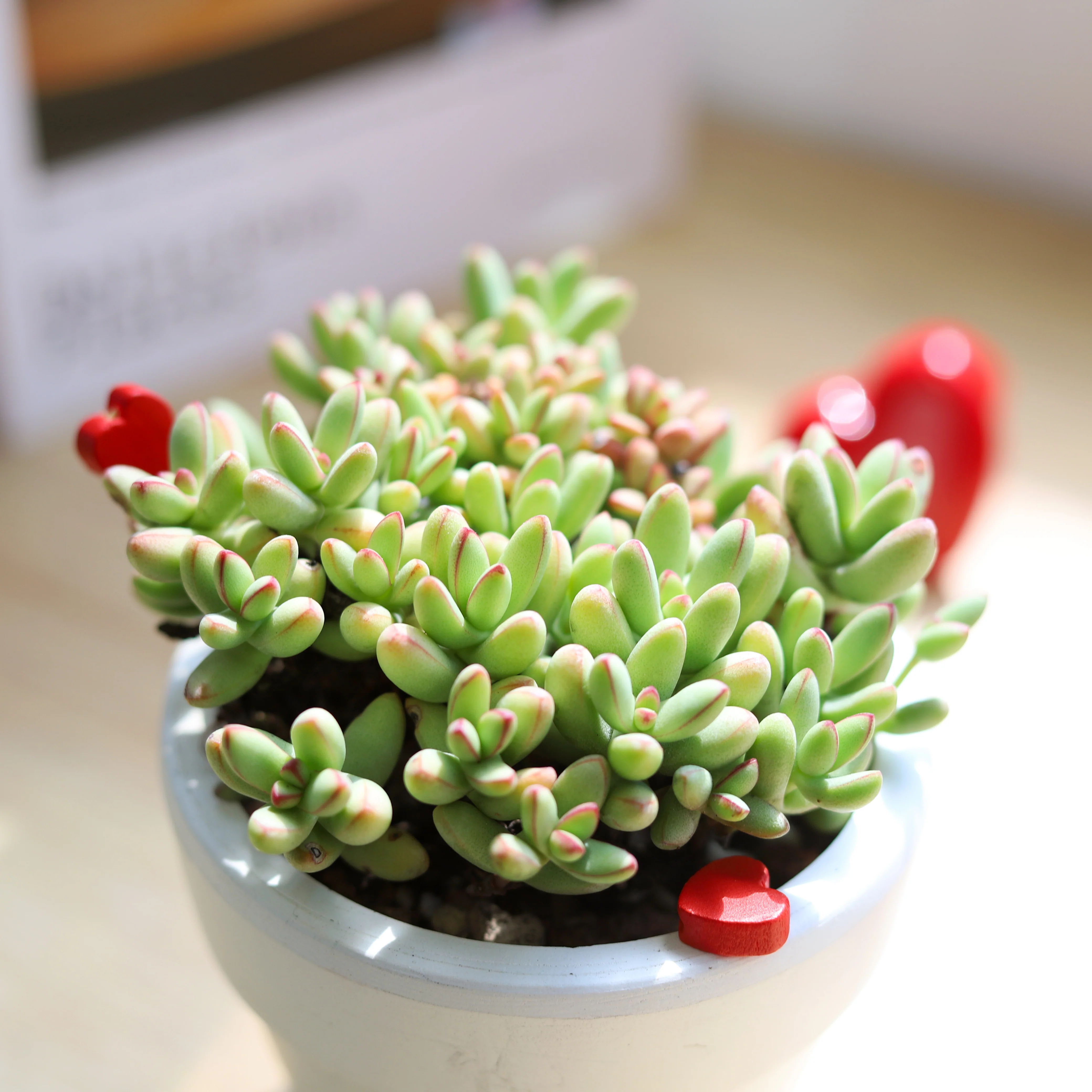
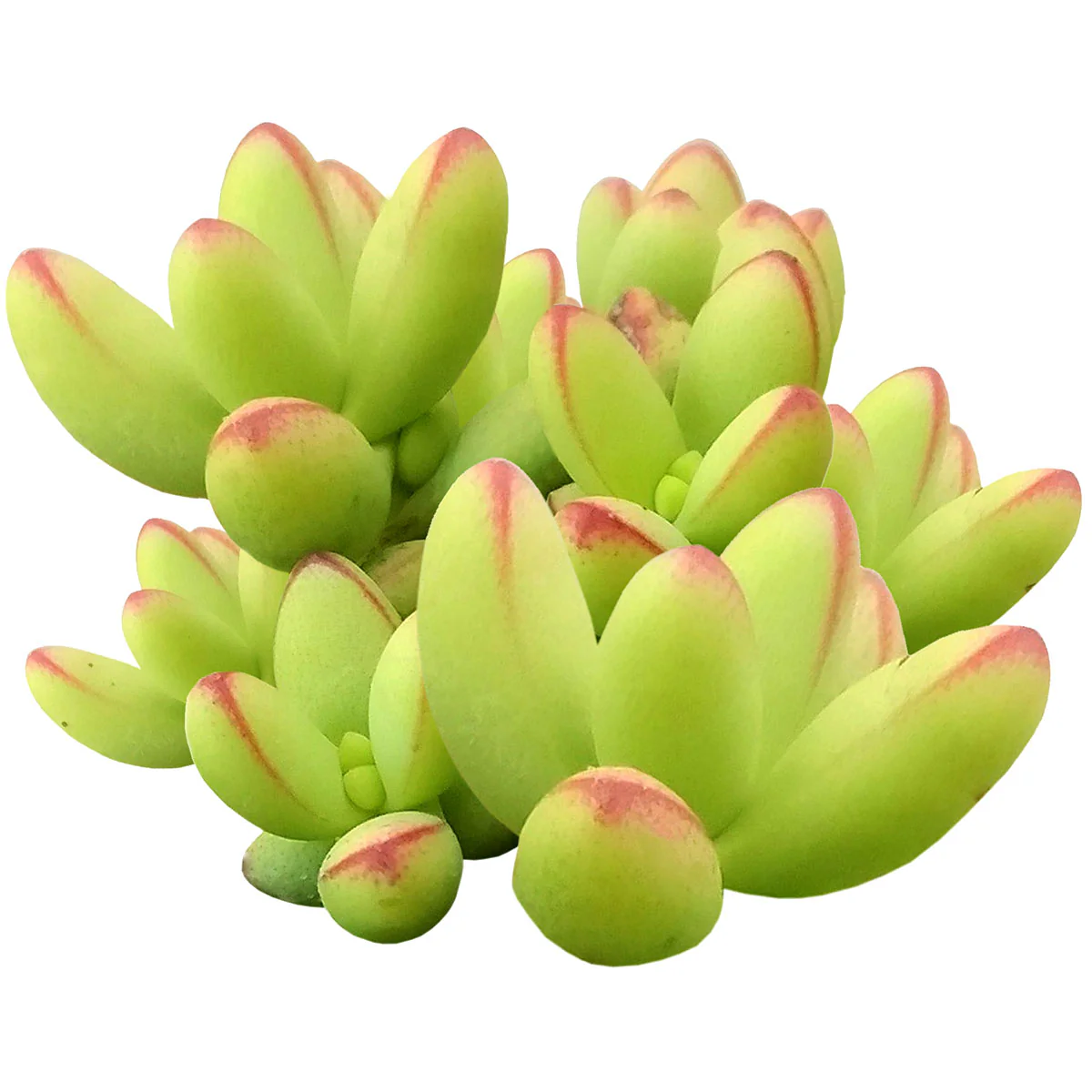
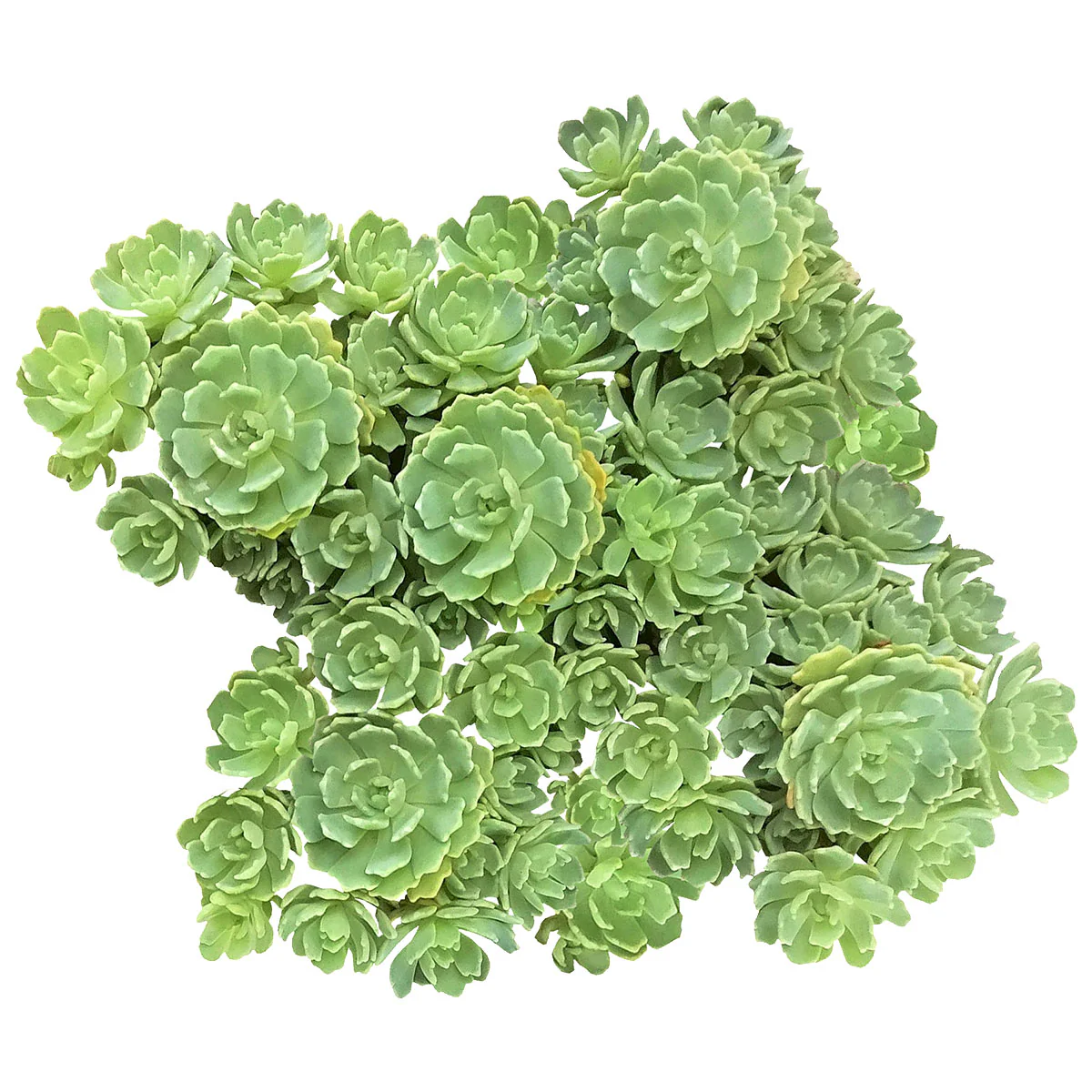
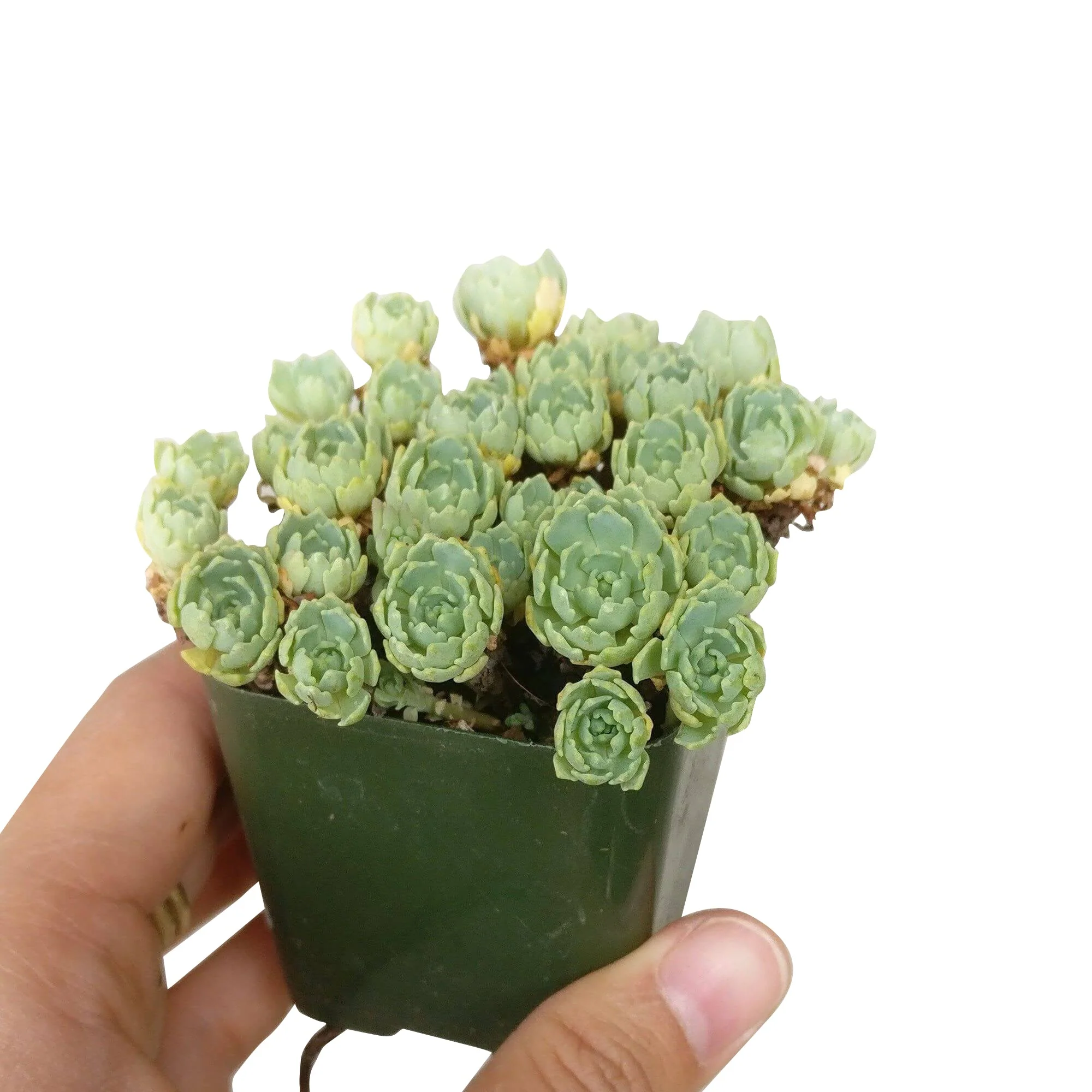
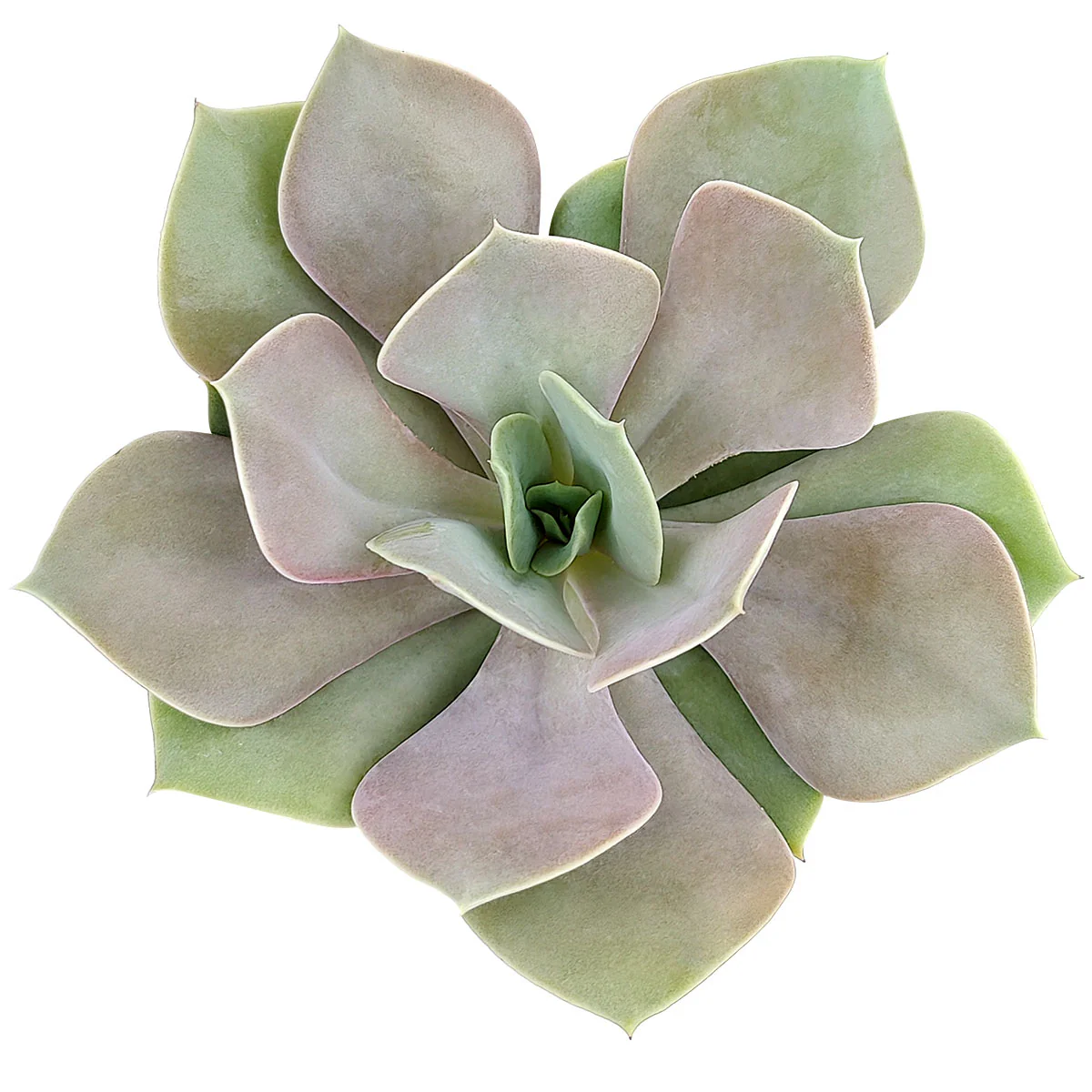
 Echeveria Lolita forms tight, symmetrical rosettes with plump, spoon-shaped leaves that shimmer in shifting shades of pink, purple, and soft green, giving it that signature opalescent succulent quality collectors seek out. The leaf edges blush deeper in bright light, intensifying the color drama. Over time, Echeveria Lolita clusters at the base, producing offsets that fill a pot with layered, sculptural beauty.
 Echeveria Lolita can reward patient growers with delicate blooms, and a deliberate drop in nighttime temperatures is the key trigger that encourages it to flower. The seasonal color this plant delivers through its foliage alone is reason enough to grow it, shifting from soft pastels to vivid pink-purple tones depending on light exposure and temperature. Rotating the pot every week or two keeps Echeveria Lolita growing symmetrically and ensures every side catches the light it needs.
 Echeveria Lolita is a genuine crowd-pleaser indoors and out. Move it to a sunny patio or garden bed for summer, then bring it under cover before autumn rains set in, since excess moisture can damage the rosettes. This plant is pet friendly, making it an easy yes for households with curious cats or dogs. Whether you are building a drought-tolerant succulent collection or looking for one rare showstopper for a windowsill, Echeveria Lolita earns its place.
-
 Echeveria Lolita thrives in bright indirect light to full sun, intensifying its pink-purple tones with more direct exposure.
 Water Echeveria Lolita deeply every 10-14 days in summer and cut back to once a month in winter, letting soil dry fully between waterings.
 Echeveria Lolita performs best in a gritty, well-draining cactus and perlite mix to prevent root rot.
 Echeveria Lolita prefers temperatures between 60-80°F (15-27°C) and should be protected from frost below 32°F (0°C).
![]() Echeveria Lolita is a moderate grower that benefits from a diluted balanced fertilizer applied once in early spring.
Echeveria Lolita is a moderate grower that benefits from a diluted balanced fertilizer applied once in early spring.
 Echeveria Lolita is best suited to USDA Hardiness Zones 9-11, where winter temperatures rarely dip below 20-25°F (-6 to -4°C), and frost events are minimal or short-lived. Outdoors year-round, Echeveria Lolita thrives across California, Arizona, Texas, Florida, Hawaii, Nevada, Louisiana, Georgia, South Carolina, Alabama, and Mississippi. Gardeners along the Oregon coast and in protected microclimates of Zone 9 can also grow Echeveria Lolita outside with minimal winter cover.
-
Q: How often should I water Echeveria Lolita?
A: Water Echeveria Lolita every 10-14 days in the growing season and once a month in winter, always letting the soil dry out completely first.
Q: Is Echeveria Lolita pet friendly?
A: Yes, Echeveria Lolita is pet friendly and considered non-toxic to cats and dogs, making it a safe choice for pet households.
Q: How much light does Echeveria Lolita need?
A: Echeveria Lolita loves bright indirect light to full sun and will show its best pink-purple color with plenty of direct morning sun. Rotate the pot regularly for even, symmetrical growth.
Q: Is Echeveria Lolita rare?
A: Echeveria Lolita is considered a rare opalescent succulent, prized by collectors for its shifting jewel-toned foliage and compact rosette form.
Q: Can Echeveria Lolita go outside in summer?
A: Absolutely, Echeveria Lolita loves spending summer outdoors in a bright spot. Just move it under cover during heavy rain to protect the rosettes from sitting moisture.
Q: How do I propagate Echeveria Lolita?
A: Echeveria Lolita propagates easily from the offsets it naturally produces at its base. Gently separate a healthy offset, let the cut end callous for a day or two, then pot it in dry, gritty soil.


Original: $8.00
-70%$8.00
$2.40Product Information
Product Information
Shipping & Returns
Shipping & Returns
Description
- Description
- Echeveria Lolita Care Guide
- FAQ/Common Issues
-
![]() Echeveria Lolita is a rare opalescent succulent in the Crassulaceae family, beloved by collectors for its luminous, jewel-toned rosettes. Like most Echeveria, it traces its roots to the semi-arid highlands of Mexico, where it evolved to thrive in bright light and fast-draining soil. Beginner-friendly and forgiving, Echeveria Lolita is a standout choice for anyone stepping into the world of succulents.
Echeveria Lolita is a rare opalescent succulent in the Crassulaceae family, beloved by collectors for its luminous, jewel-toned rosettes. Like most Echeveria, it traces its roots to the semi-arid highlands of Mexico, where it evolved to thrive in bright light and fast-draining soil. Beginner-friendly and forgiving, Echeveria Lolita is a standout choice for anyone stepping into the world of succulents.
Echeveria Lolita forms tight, symmetrical rosettes with plump, spoon-shaped leaves that shimmer in shifting shades of pink, purple, and soft green, giving it that signature opalescent succulent quality collectors seek out. The leaf edges blush deeper in bright light, intensifying the color drama. Over time, Echeveria Lolita clusters at the base, producing offsets that fill a pot with layered, sculptural beauty.
Echeveria Lolita can reward patient growers with delicate blooms, and a deliberate drop in nighttime temperatures is the key trigger that encourages it to flower. The seasonal color this plant delivers through its foliage alone is reason enough to grow it, shifting from soft pastels to vivid pink-purple tones depending on light exposure and temperature. Rotating the pot every week or two keeps Echeveria Lolita growing symmetrically and ensures every side catches the light it needs.
Echeveria Lolita is a genuine crowd-pleaser indoors and out. Move it to a sunny patio or garden bed for summer, then bring it under cover before autumn rains set in, since excess moisture can damage the rosettes. This plant is pet friendly, making it an easy yes for households with curious cats or dogs. Whether you are building a drought-tolerant succulent collection or looking for one rare showstopper for a windowsill, Echeveria Lolita earns its place.
-
Echeveria Lolita thrives in bright indirect light to full sun, intensifying its pink-purple tones with more direct exposure.
Water Echeveria Lolita deeply every 10-14 days in summer and cut back to once a month in winter, letting soil dry fully between waterings.
Echeveria Lolita performs best in a gritty, well-draining cactus and perlite mix to prevent root rot.
Echeveria Lolita prefers temperatures between 60-80°F (15-27°C) and should be protected from frost below 32°F (0°C).
![]() Echeveria Lolita is a moderate grower that benefits from a diluted balanced fertilizer applied once in early spring.
Echeveria Lolita is a moderate grower that benefits from a diluted balanced fertilizer applied once in early spring.
Echeveria Lolita is best suited to USDA Hardiness Zones 9-11, where winter temperatures rarely dip below 20-25°F (-6 to -4°C), and frost events are minimal or short-lived. Outdoors year-round, Echeveria Lolita thrives across California, Arizona, Texas, Florida, Hawaii, Nevada, Louisiana, Georgia, South Carolina, Alabama, and Mississippi. Gardeners along the Oregon coast and in protected microclimates of Zone 9 can also grow Echeveria Lolita outside with minimal winter cover.
-
Q: How often should I water Echeveria Lolita?
A: Water Echeveria Lolita every 10-14 days in the growing season and once a month in winter, always letting the soil dry out completely first.
Q: Is Echeveria Lolita pet friendly?
A: Yes, Echeveria Lolita is pet friendly and considered non-toxic to cats and dogs, making it a safe choice for pet households.
Q: How much light does Echeveria Lolita need?
A: Echeveria Lolita loves bright indirect light to full sun and will show its best pink-purple color with plenty of direct morning sun. Rotate the pot regularly for even, symmetrical growth.
Q: Is Echeveria Lolita rare?
A: Echeveria Lolita is considered a rare opalescent succulent, prized by collectors for its shifting jewel-toned foliage and compact rosette form.
Q: Can Echeveria Lolita go outside in summer?
A: Absolutely, Echeveria Lolita loves spending summer outdoors in a bright spot. Just move it under cover during heavy rain to protect the rosettes from sitting moisture.
Q: How do I propagate Echeveria Lolita?
A: Echeveria Lolita propagates easily from the offsets it naturally produces at its base. Gently separate a healthy offset, let the cut end callous for a day or two, then pot it in dry, gritty soil.