Echeveria Licorice
- Description
- Echeveria Licorice Care Guide
- FAQ/Common Issues
-
![]() Echeveria Licorice is a striking easy care succulent in the Crassulaceae family, beloved by collectors and beginners alike. Like most echeverias, it originates from the semi-arid highlands of Mexico, where it evolved to handle intense sun and infrequent rain. This low maintenance succulent has found its way into homes and gardens worldwide thanks to its bold color and forgiving nature.
Echeveria Licorice is a striking easy care succulent in the Crassulaceae family, beloved by collectors and beginners alike. Like most echeverias, it originates from the semi-arid highlands of Mexico, where it evolved to handle intense sun and infrequent rain. This low maintenance succulent has found its way into homes and gardens worldwide thanks to its bold color and forgiving nature.
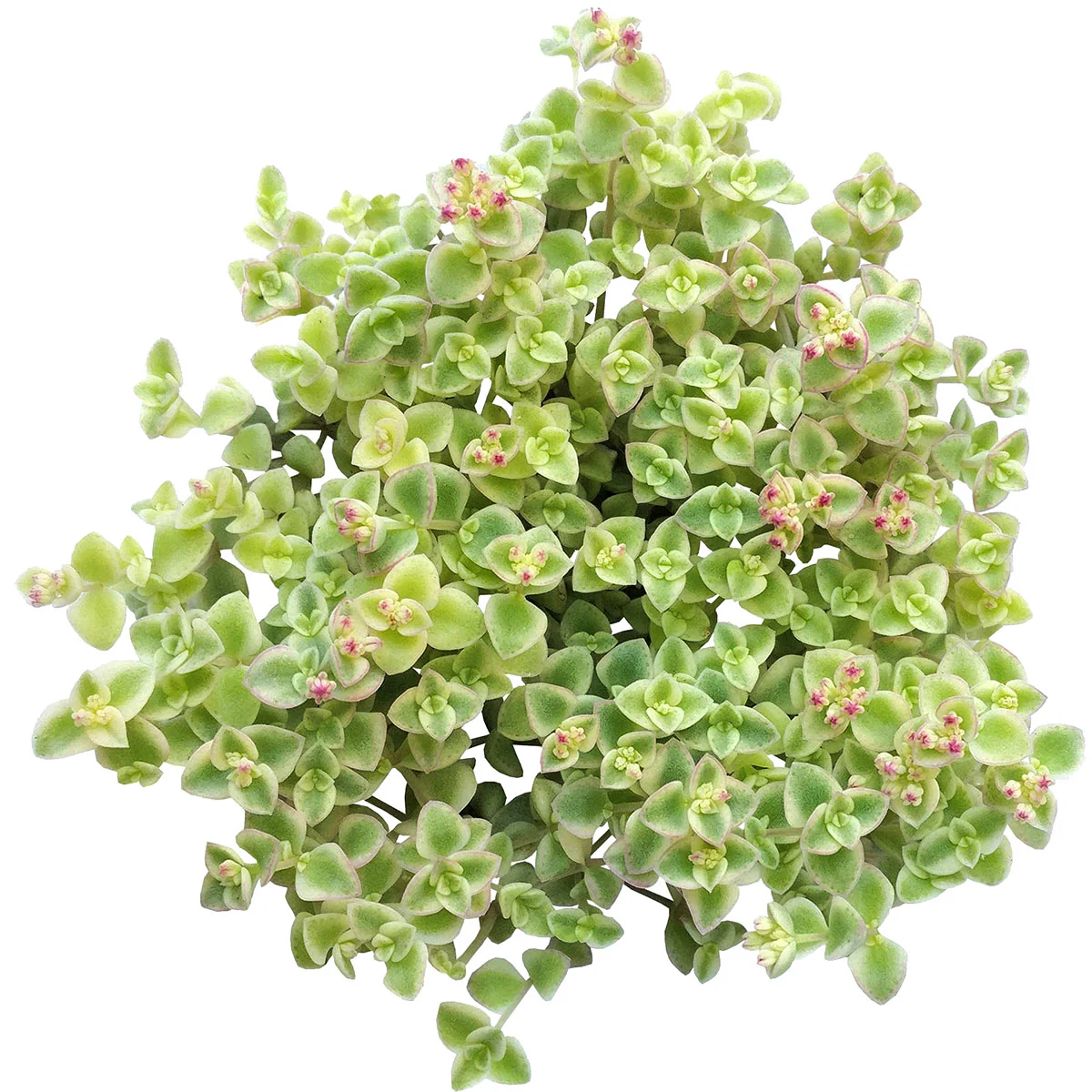
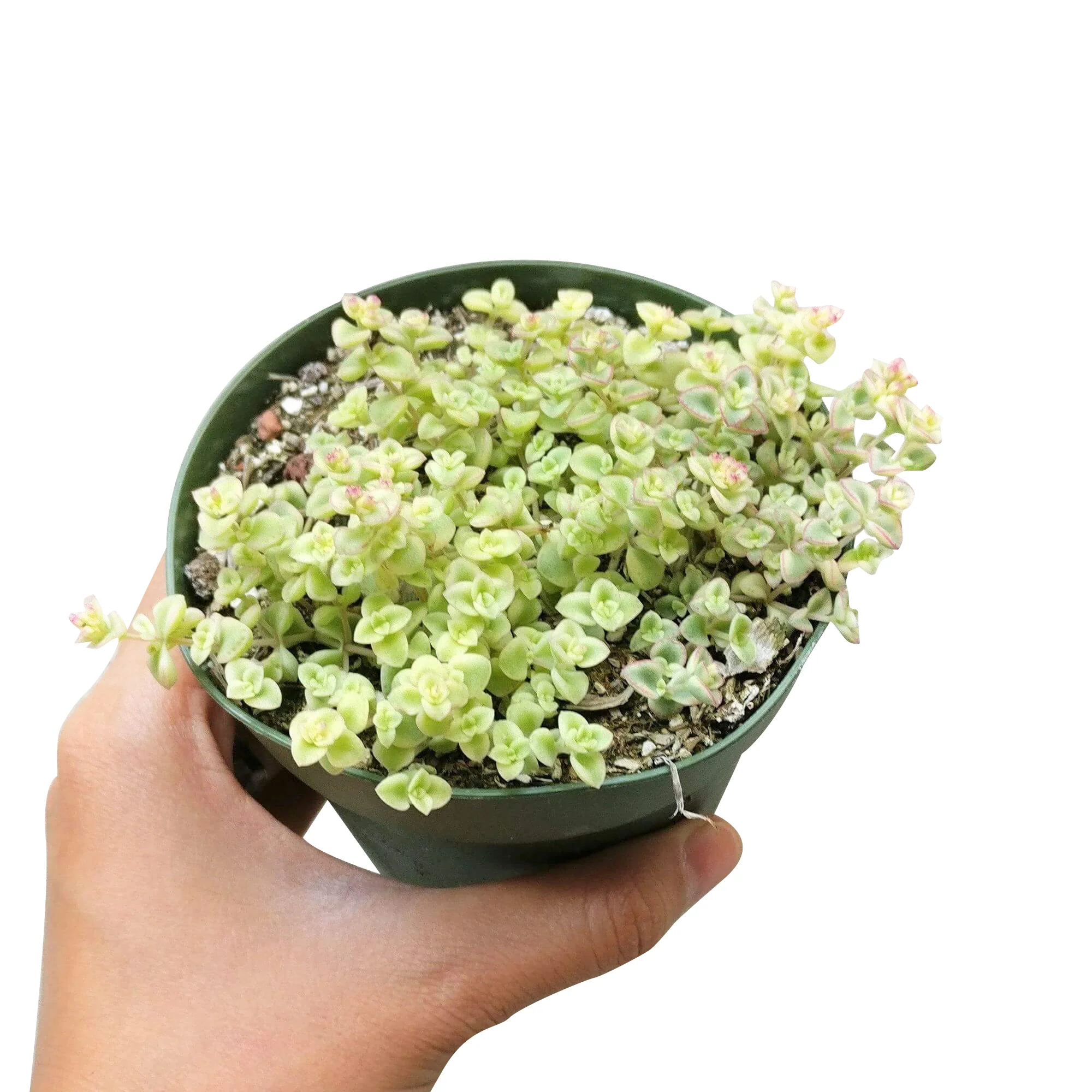
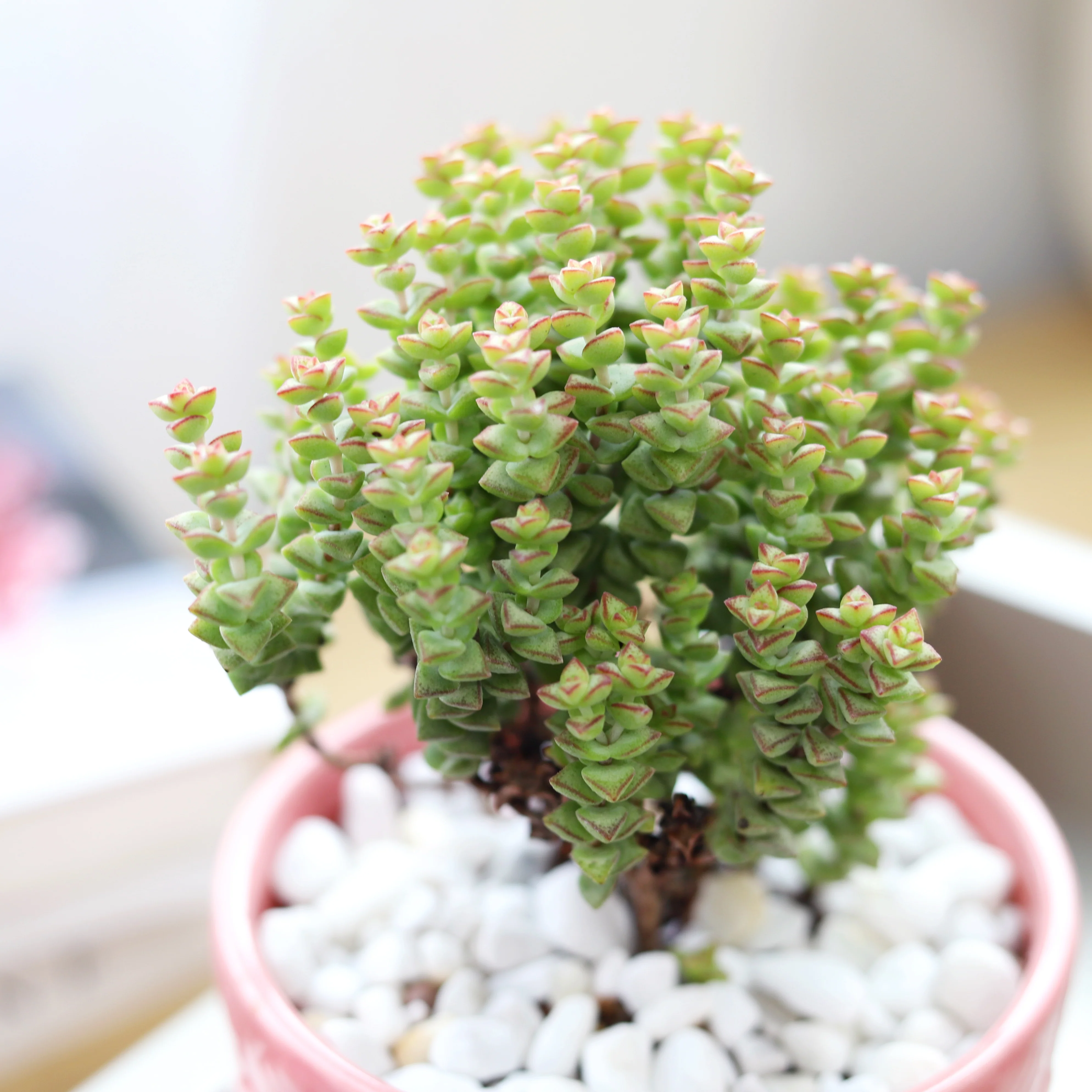
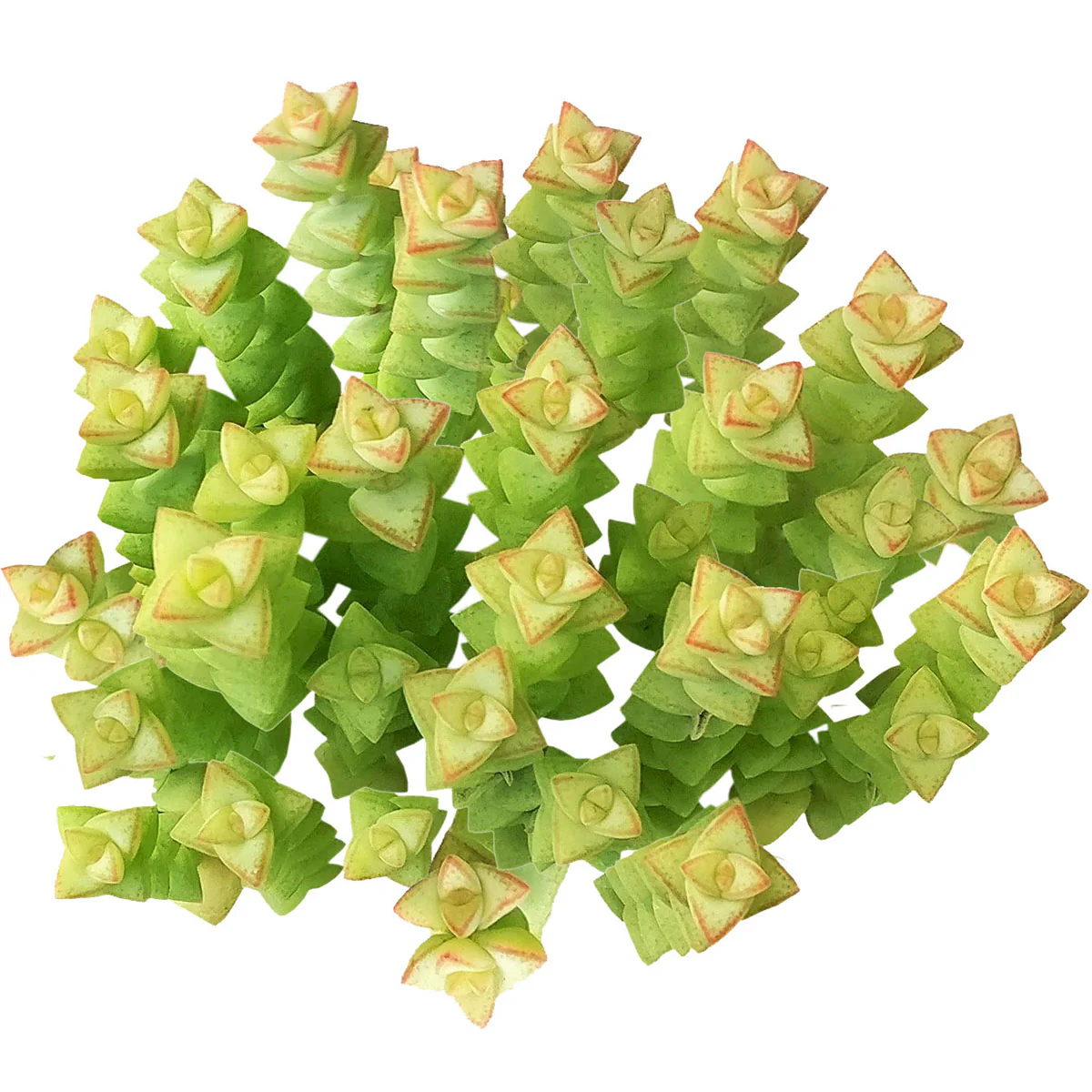
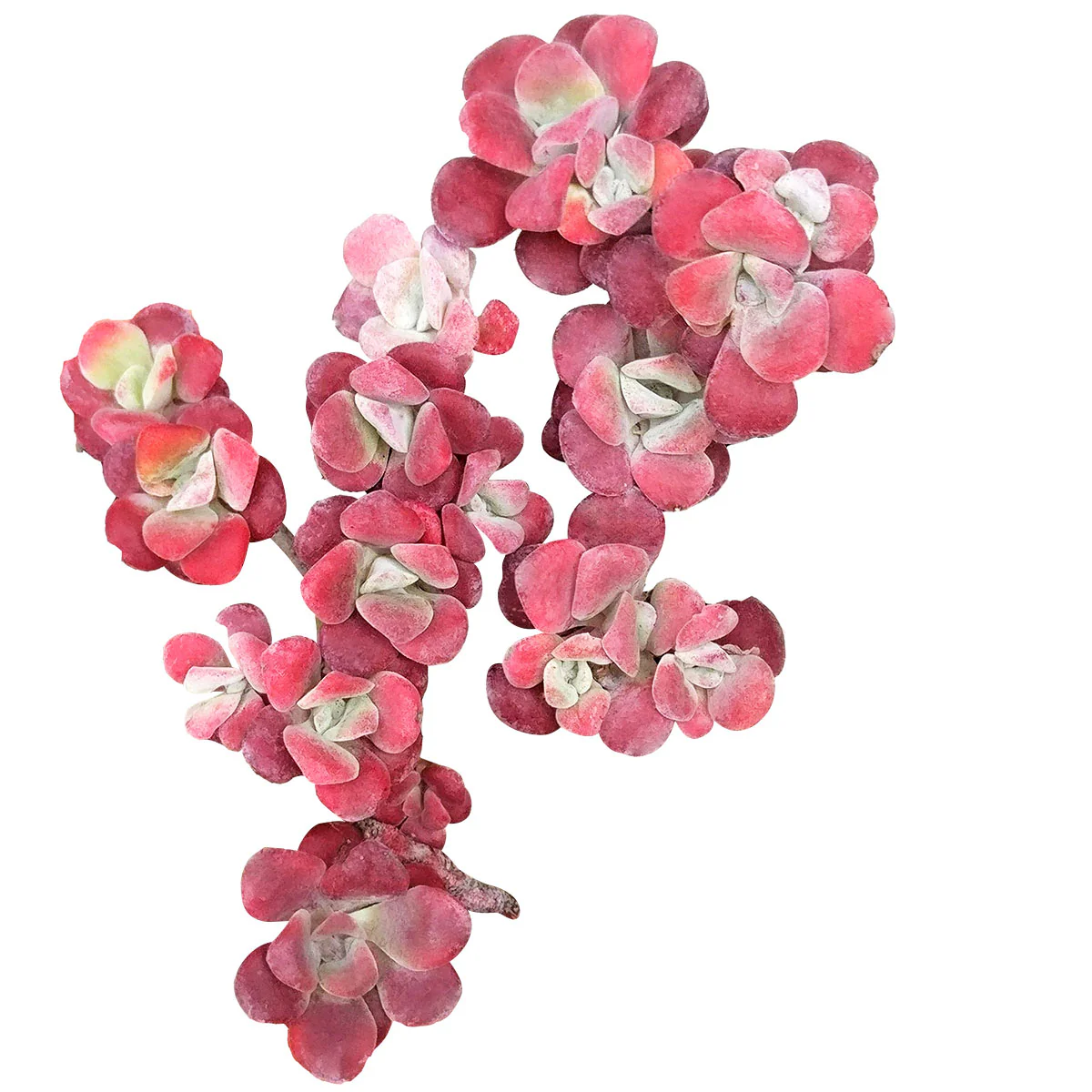
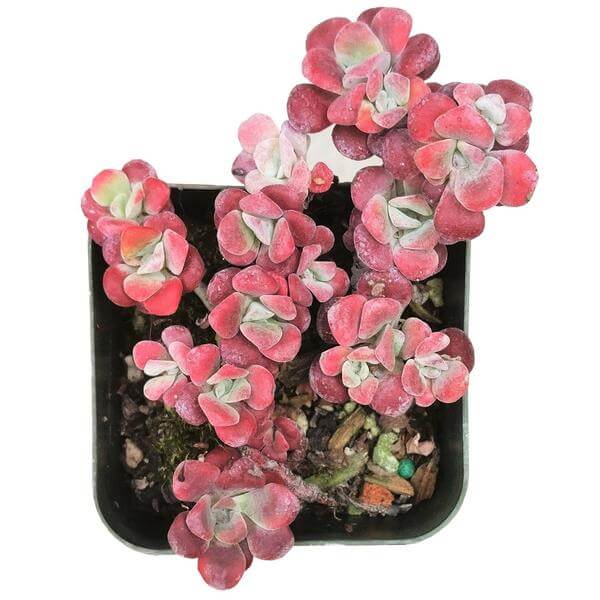
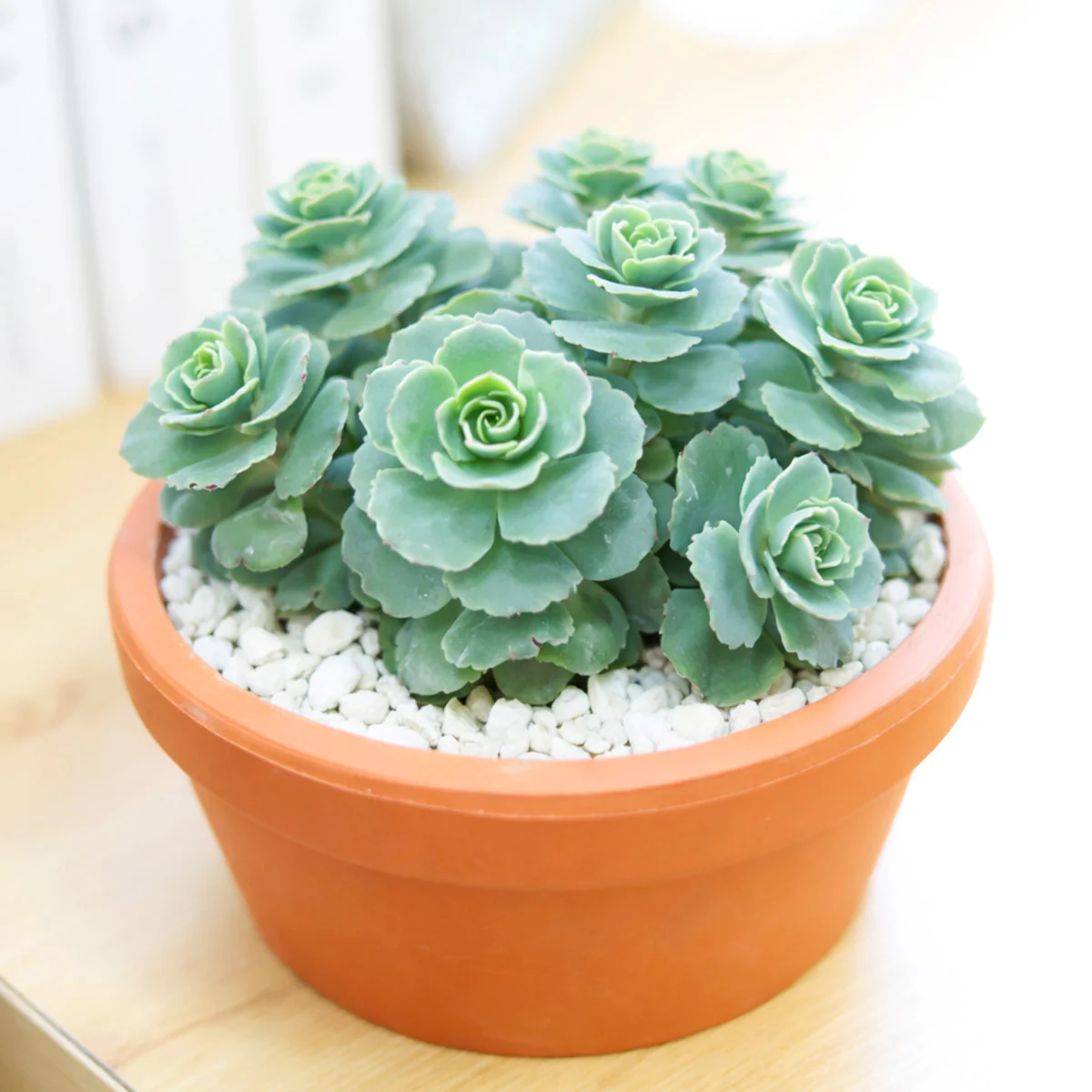
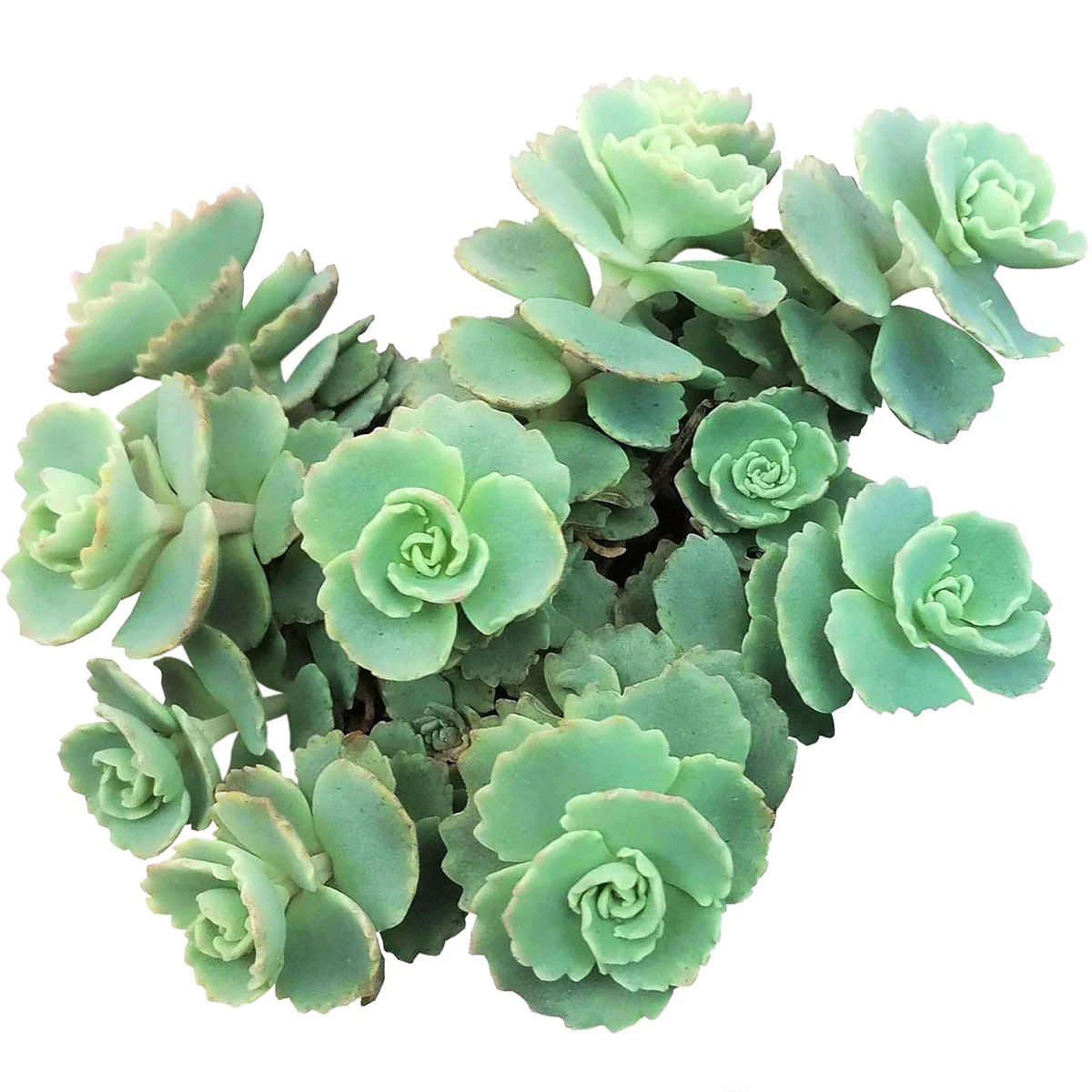
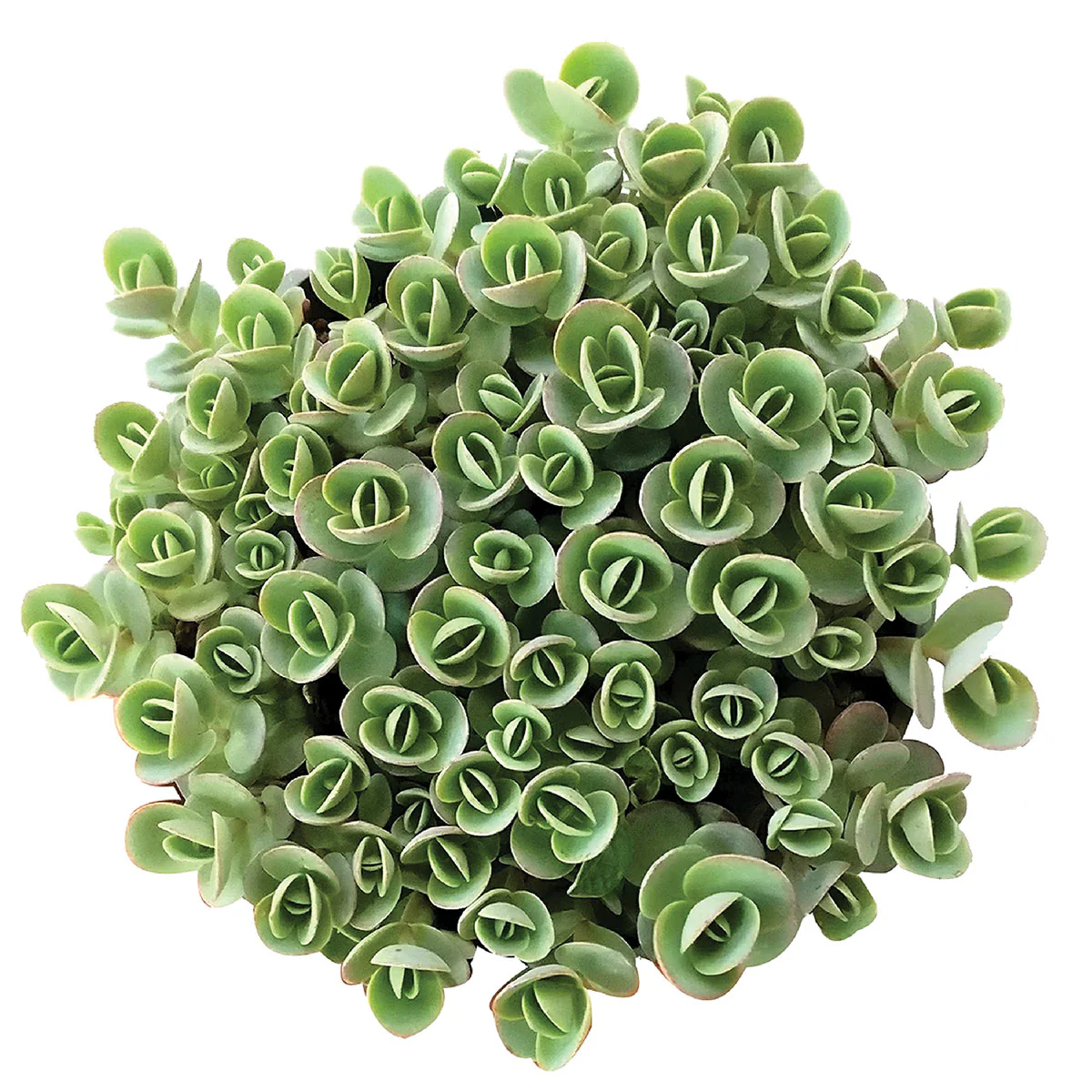
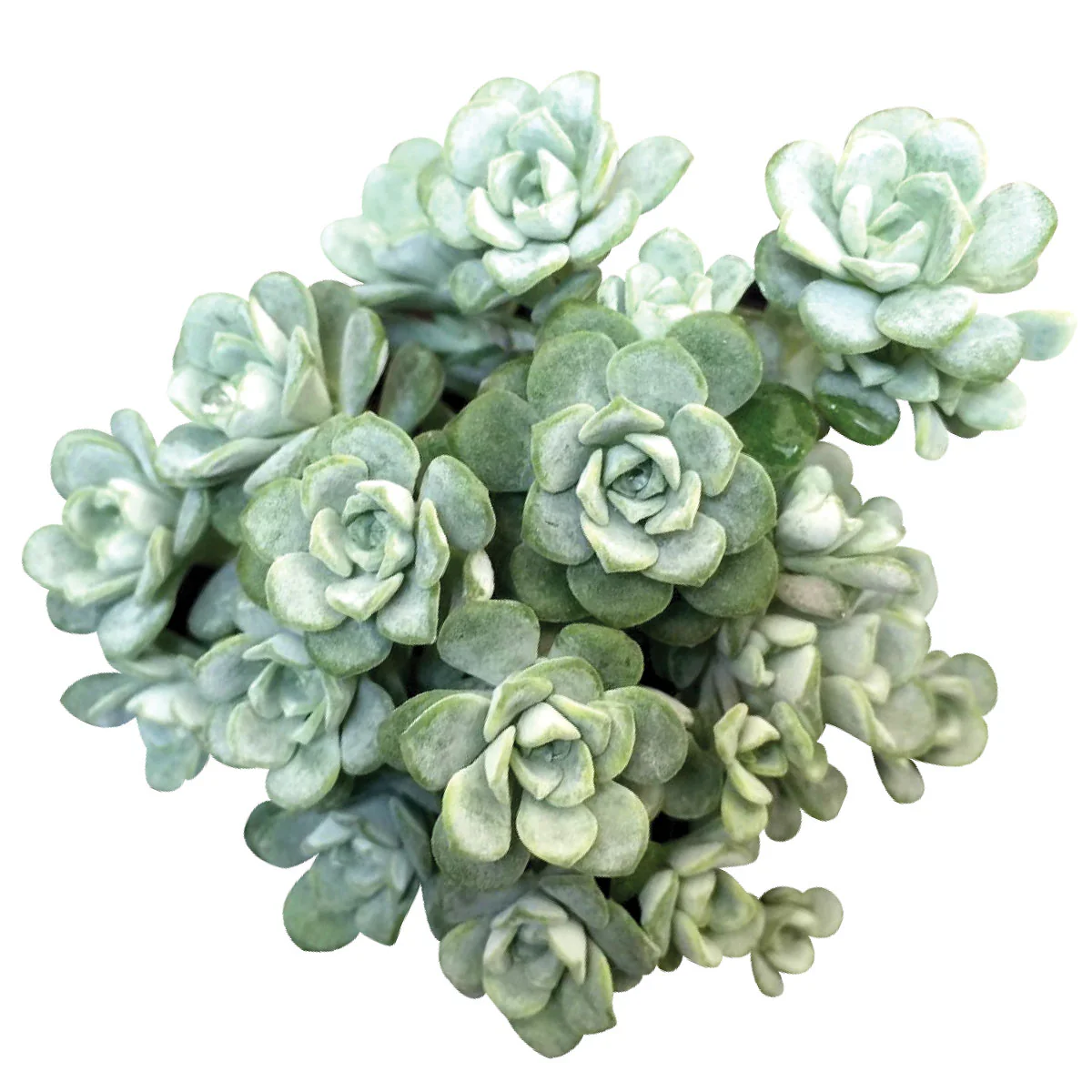
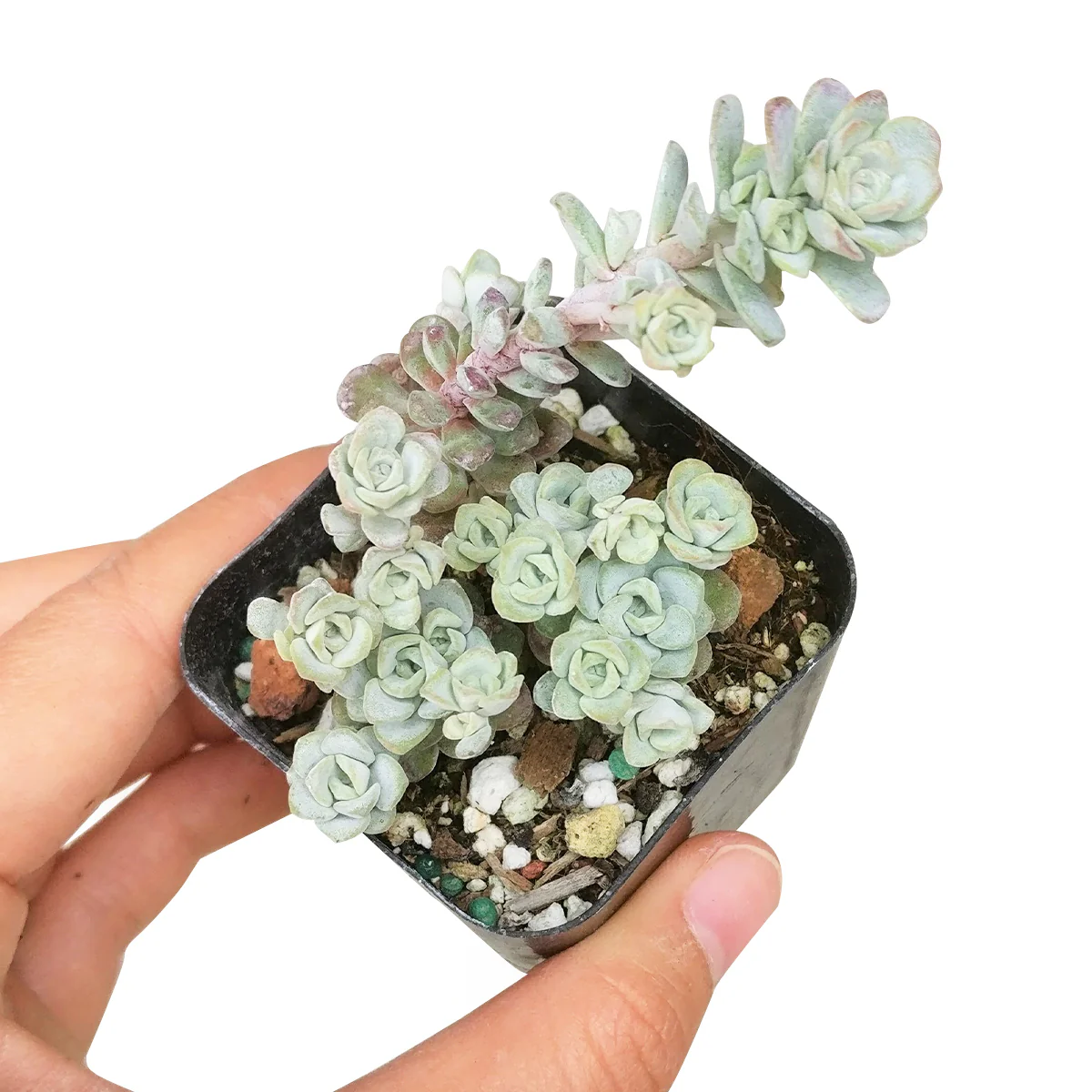
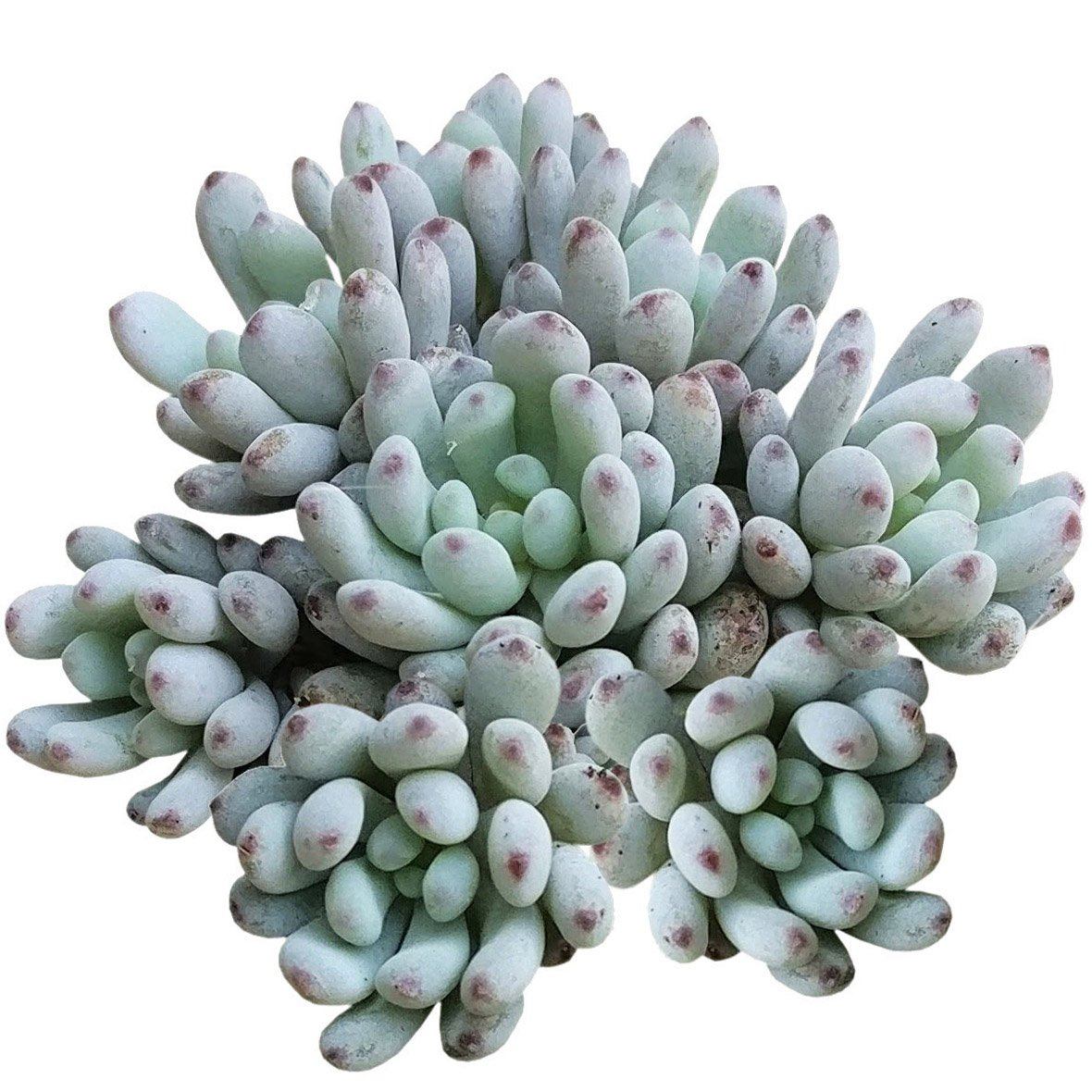
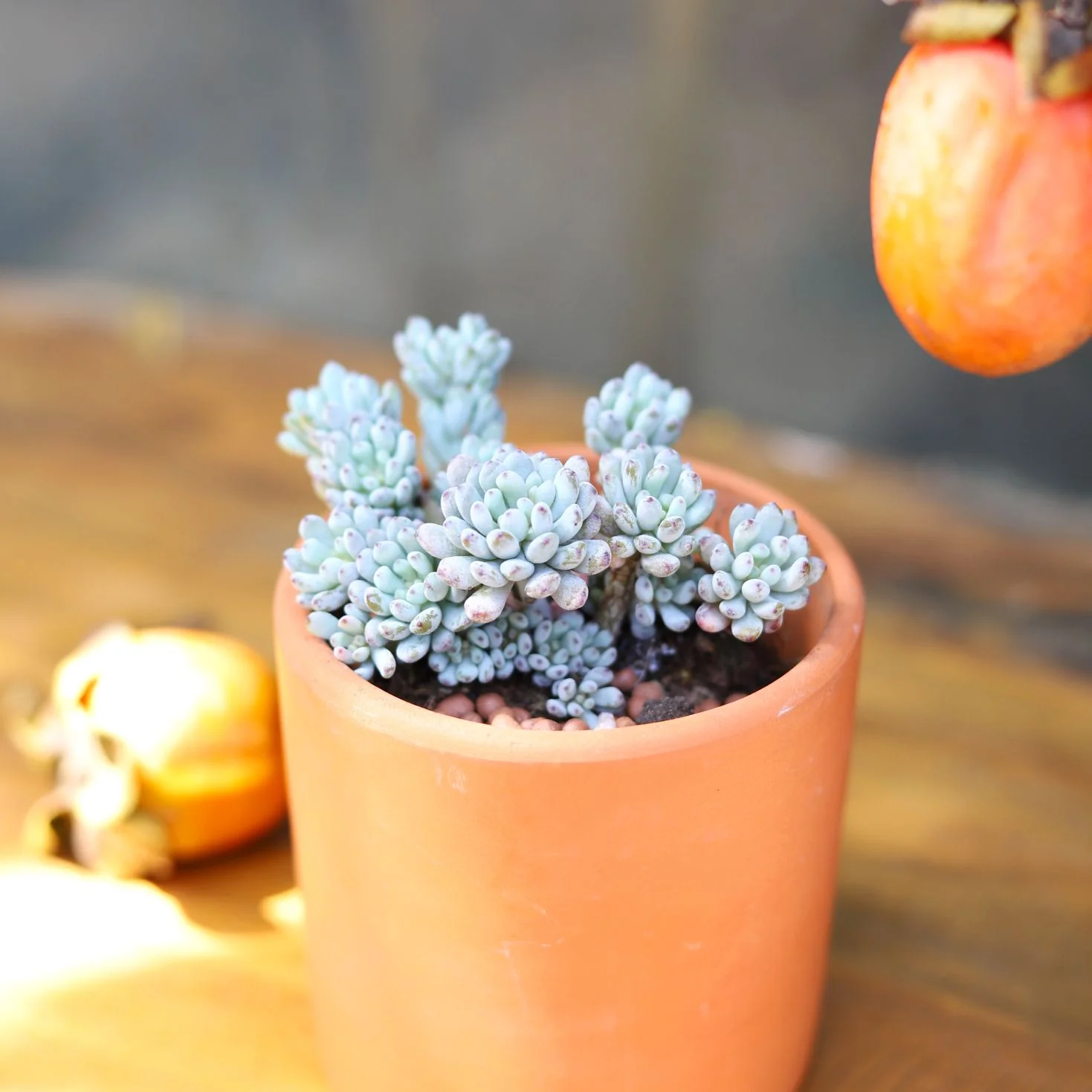
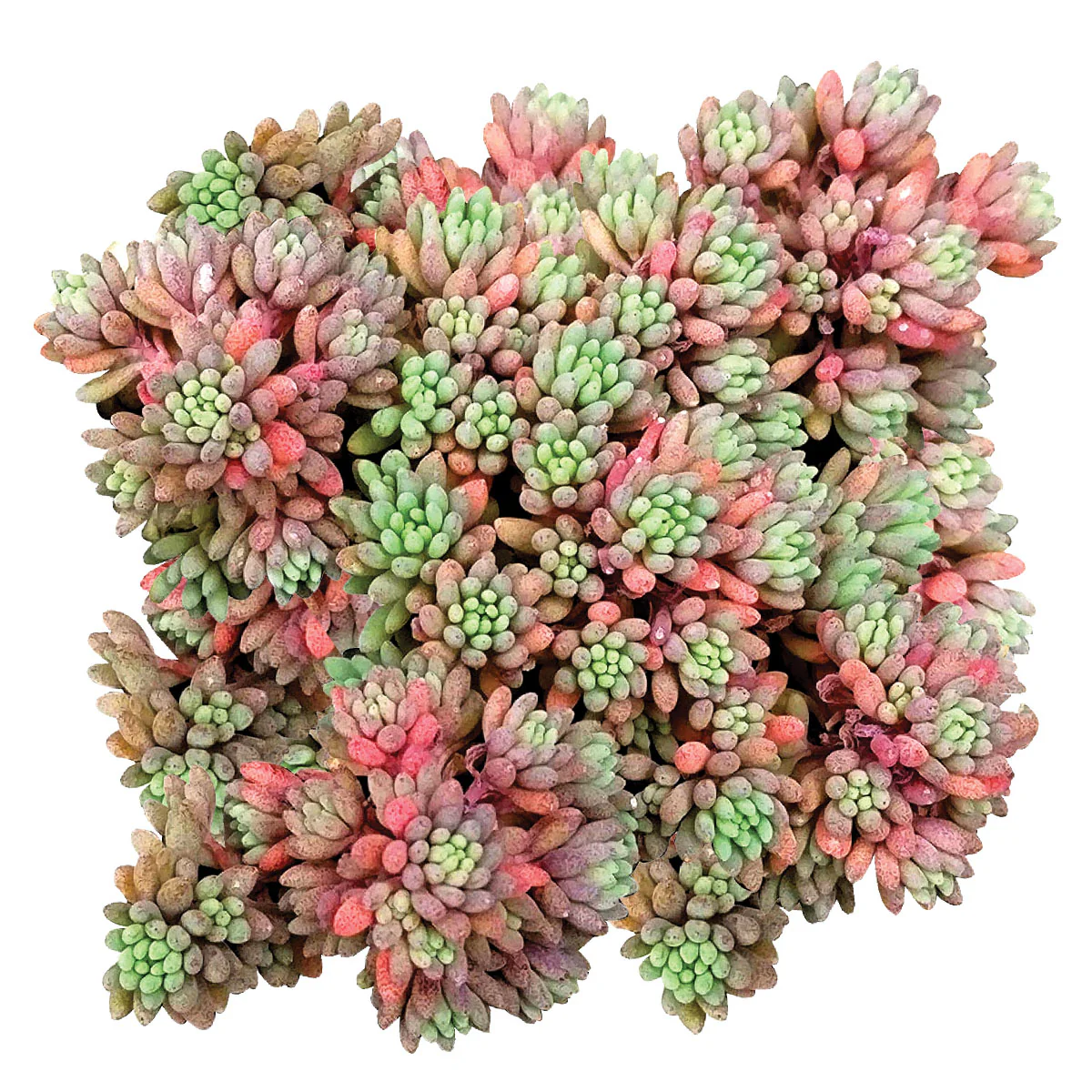
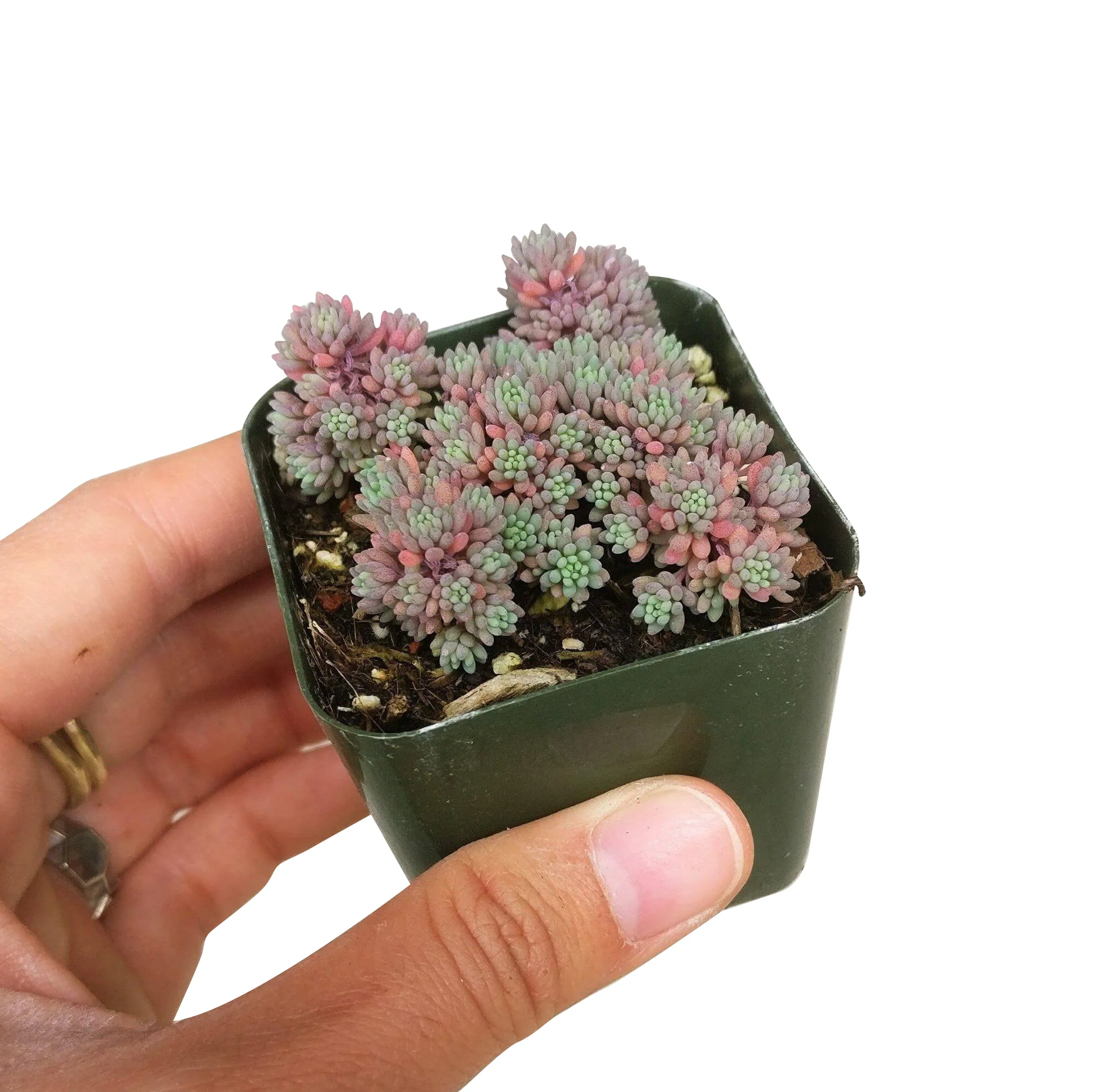
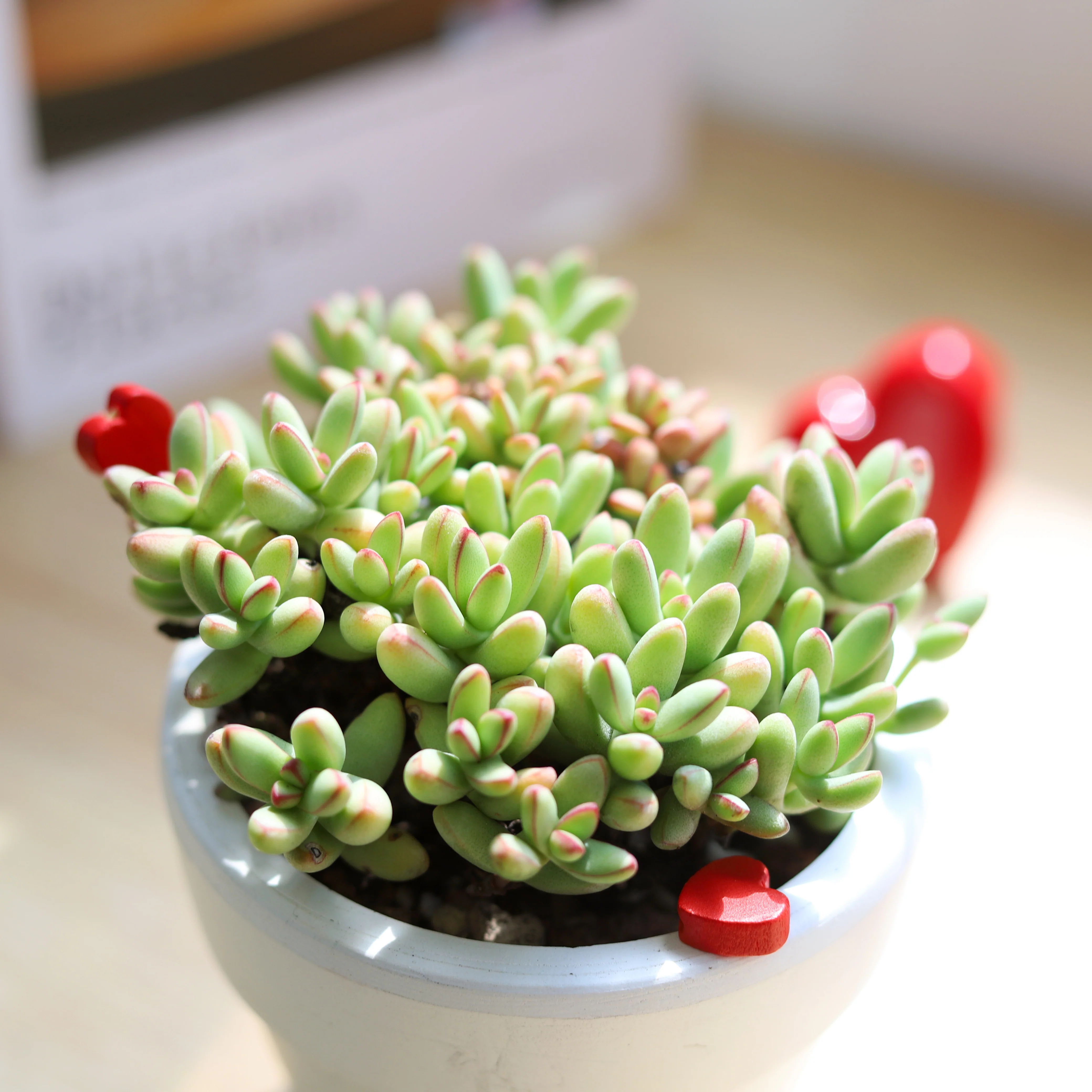
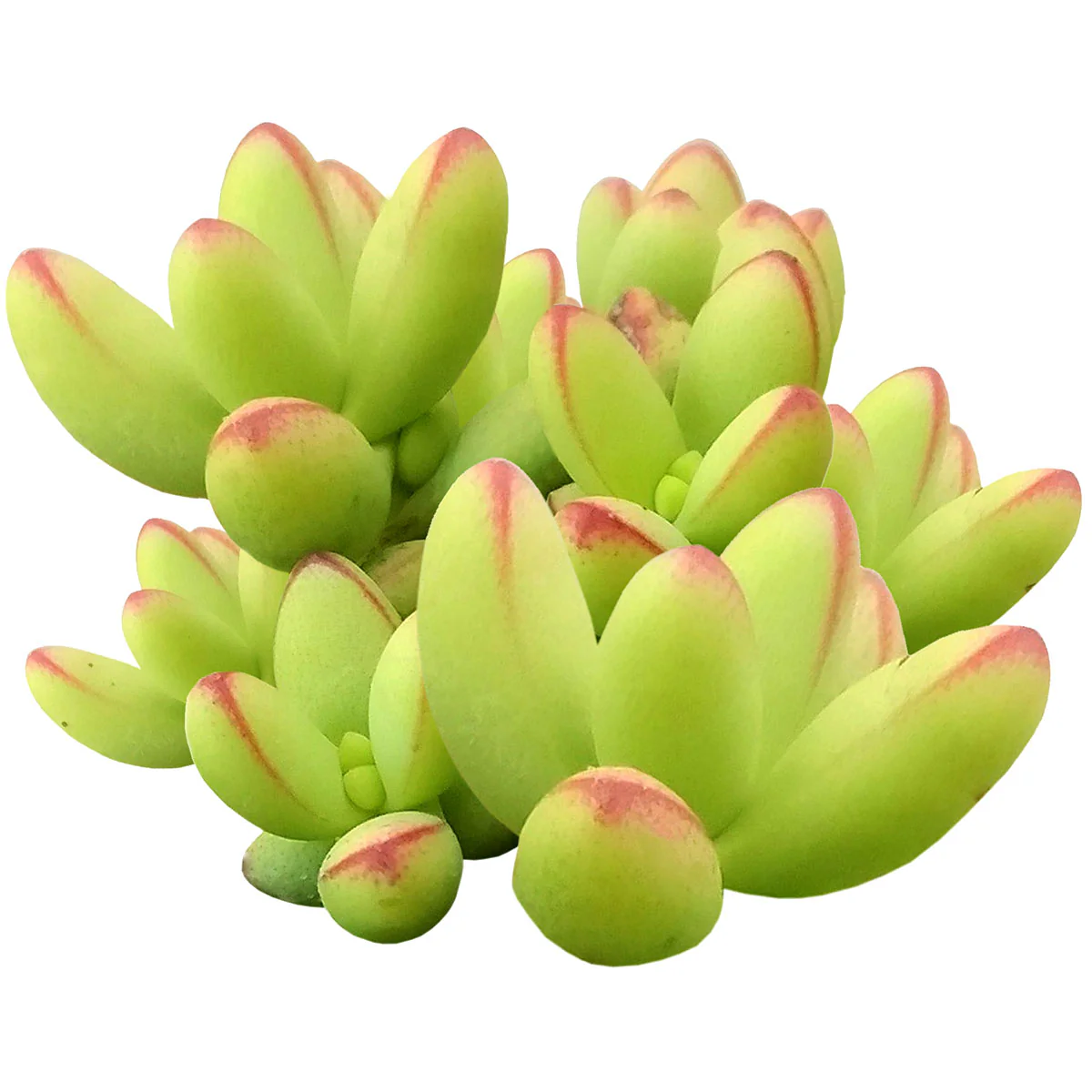
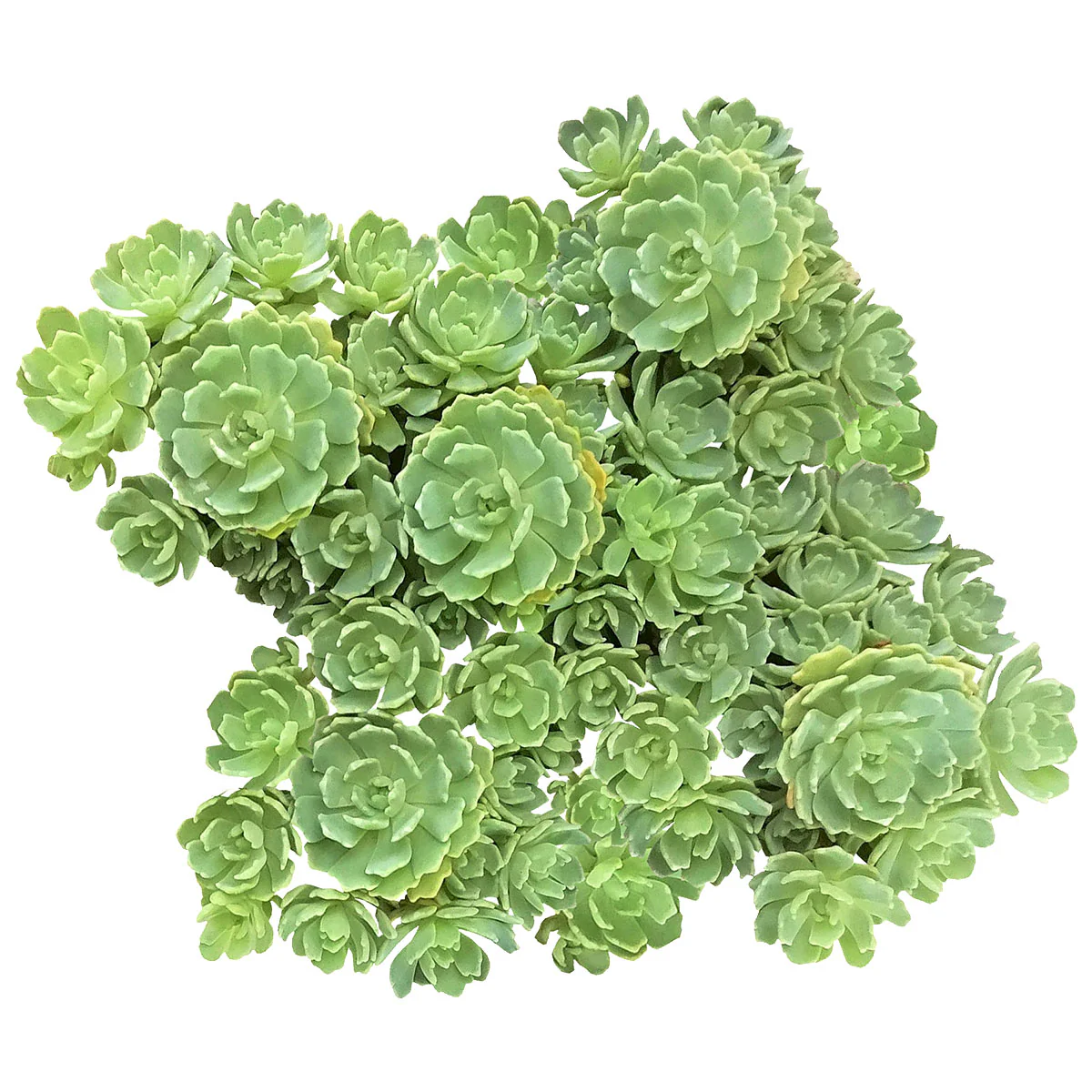
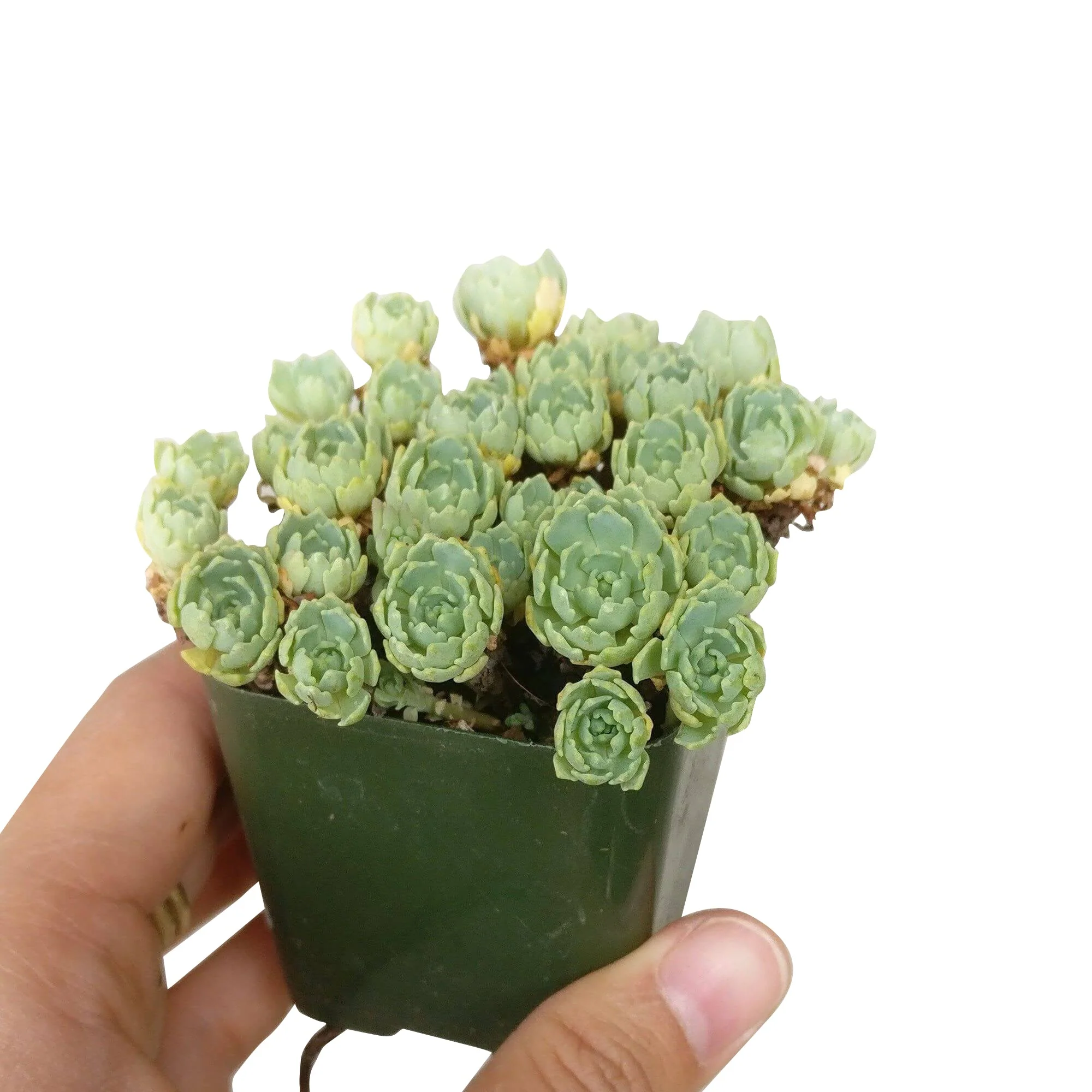
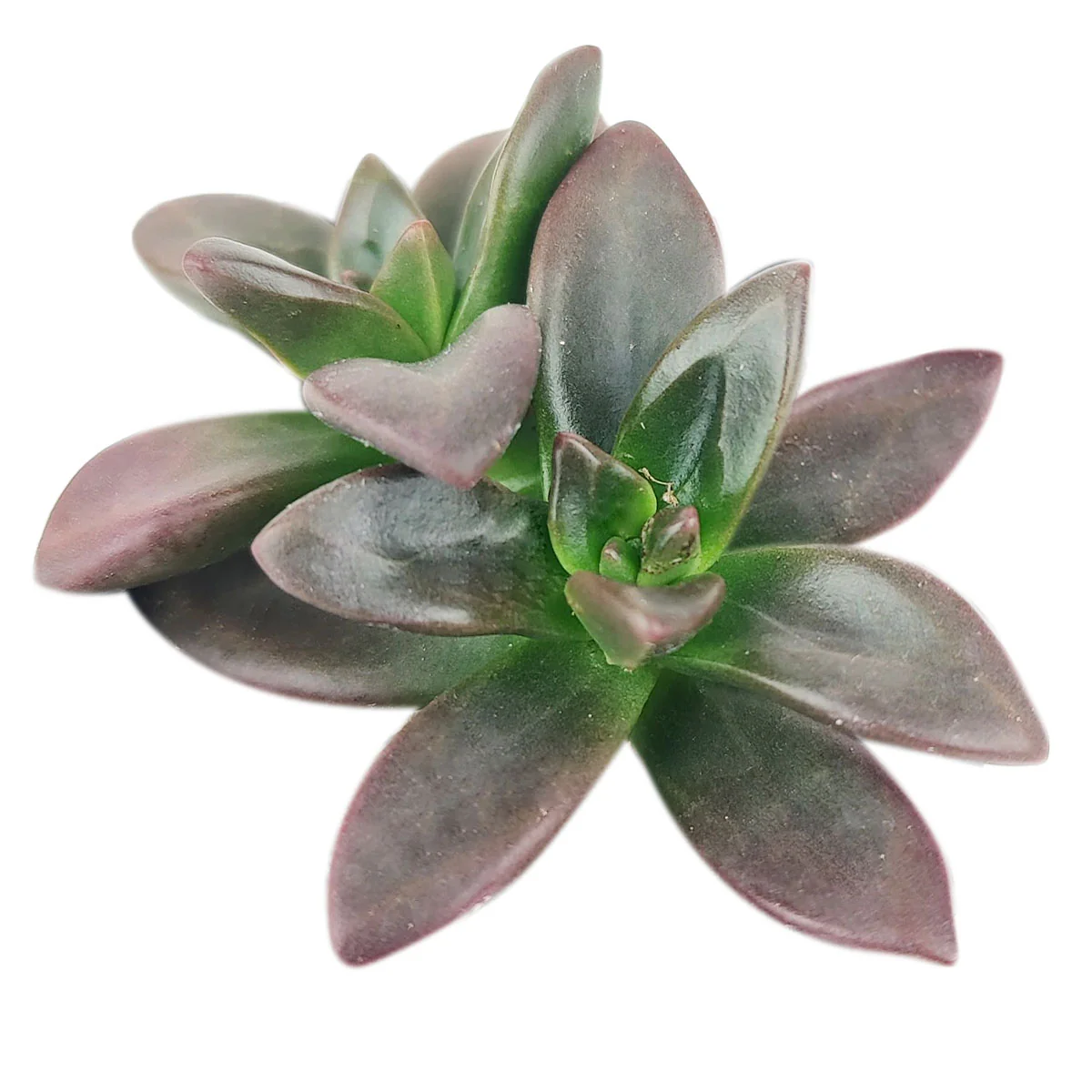
 Echeveria Licorice is immediately recognizable by its deep, near-black purple rosettes that cluster and spread over time into a dramatic, jewel-toned display. The thick, spoon-shaped leaves are smooth and waxy with a slight powdery coating, holding their rich dark purple color best under bright light. This black rosette succulent is a showstopper in any arrangement, and its clustering growth habit means one plant eventually becomes a gorgeous colony.
 Echeveria Licorice typically sends up arching flower stalks bearing small, coral to orange-red blooms, most often in spring or summer. A drop in nighttime temperatures can encourage blooming, so placing Echeveria Licorice near a cooler window in late winter gives it a helpful nudge. The blooms attract pollinators and do produce some pollen, which is worth noting for anyone with sensitivities.
 Echeveria Licorice is a genuinely beginner-friendly dark purple succulent that fits beautifully on a sunny windowsill, a patio in summer, or tucked into a mixed succulent dish garden. Rotate the pot regularly so every side of the rosette gets even light and stays symmetrical. Keep it away from air conditioning and heating vents, and bring it under cover during rain since sitting water in the rosette can cause rot. This pet-friendly plant is also remarkably self-sufficient, easily surviving a 10-day trip without a sitter.
-
 Echeveria Licorice thrives in bright indirect light to full sun, needing at least 4 to 6 hours of direct or bright light daily.
 Water Echeveria Licorice deeply every 10 to 14 days in summer, and cut back to once every 3 to 4 weeks in winter.
 Echeveria Licorice performs best in a gritty, well-draining cactus and succulent mix amended with extra perlite.
 Echeveria Licorice prefers temperatures between 60 and 80°F (15 to 27°C) and should be protected from frost below 25°F (-4°C).
![]() Echeveria Licorice is a slow to moderate grower that benefits from a diluted balanced fertilizer once a month during the active growing season.
Echeveria Licorice is a slow to moderate grower that benefits from a diluted balanced fertilizer once a month during the active growing season.
 Echeveria Licorice is rated for USDA Hardiness Zones 9 through 11, tolerating brief dips to around 25°F (-4°C) but performing best with frost-free winters. Gardeners growing Echeveria Licorice outdoors year-round will find ideal conditions across California, Arizona, Texas, Florida, Hawaii, Nevada, Louisiana, Georgia, South Carolina, Alabama, and Mississippi. Coastal regions of Oregon, and parts of New Mexico and North Carolina that fall within Zone 9 can also keep Echeveria Licorice outside through winter with minimal protection.
-
Q: How often should I water Echeveria Licorice?
A: Water Echeveria Licorice every 10 to 14 days in the growing season and reduce to once every 3 to 4 weeks in winter. Always let the soil dry out completely between waterings to prevent root rot.
Q: Is Echeveria Licorice pet friendly?
A: Yes, Echeveria Licorice is pet friendly and considered non-toxic to cats and dogs. It is a safe choice for homes with curious pets.
Q: How much light does Echeveria Licorice need?
A: Echeveria Licorice loves bright indirect light to full sun and does best with at least 4 to 6 hours of strong light per day. Note that intense south-facing window glass can scorch the leaves, so a bit of diffusion helps indoors.
Q: How do I propagate Echeveria Licorice?
A: Echeveria Licorice is easy to propagate from individual leaf cuttings or by separating the offsets that naturally cluster around the mother rosette. Let cuttings callous for a day or two before placing them on dry succulent mix.
Q: How big does Echeveria Licorice get?
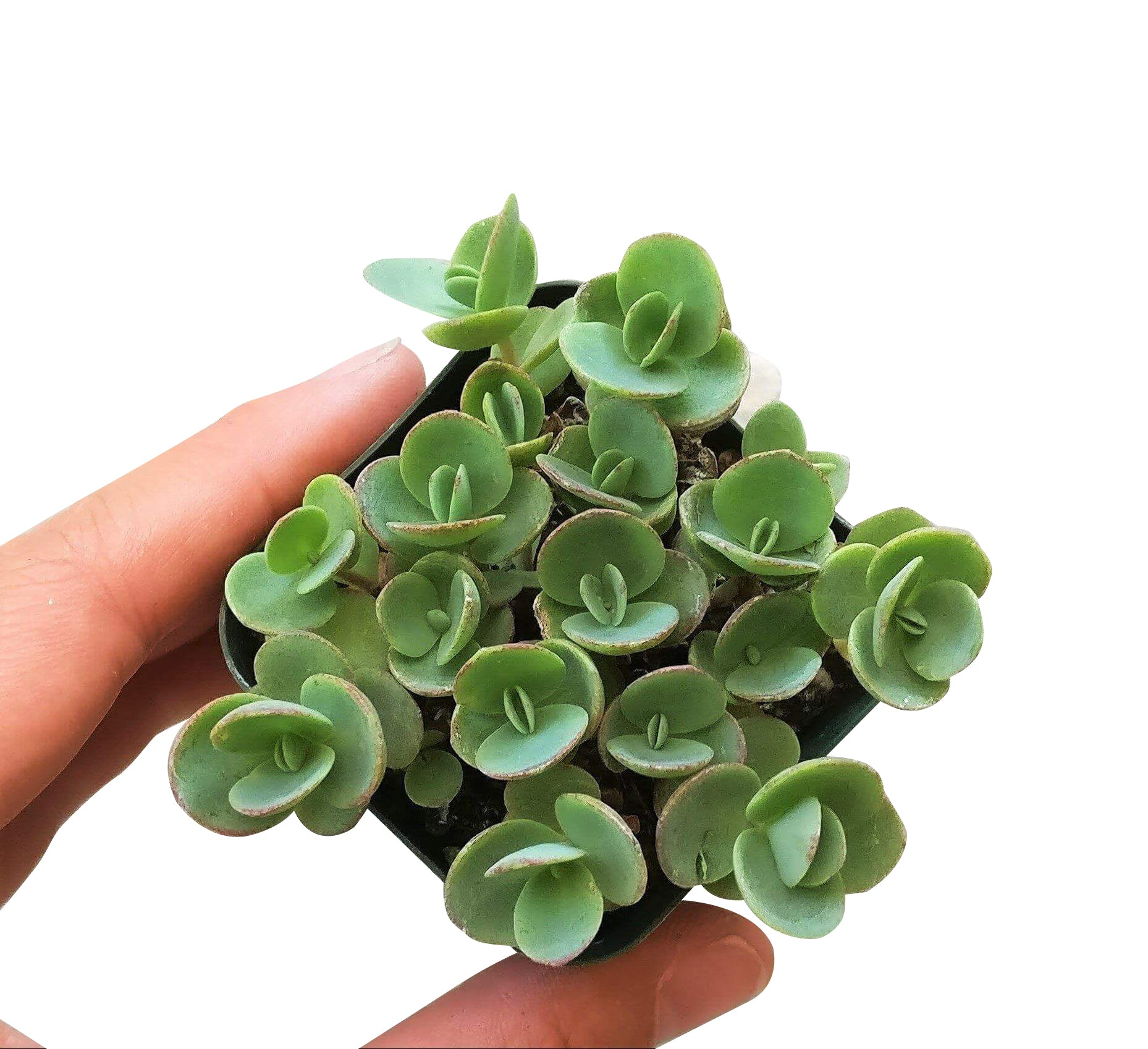
A: A single rosette of Echeveria Licorice typically reaches 3 to 5 inches (7 to 13 cm) in diameter. Over time the plant clusters outward, creating a spreading mound of dark purple rosettes.
Q: Can I grow Echeveria Licorice outdoors in summer?
A: Absolutely, Echeveria Licorice loves spending summer outside in a bright, sheltered spot. Just make sure to cover it or bring it indoors during heavy rain to protect the rosette from water pooling and rot.


Original: $6.55
-70%$6.55
$1.96Product Information
Product Information
Shipping & Returns
Shipping & Returns
Description
- Description
- Echeveria Licorice Care Guide
- FAQ/Common Issues
-
![]() Echeveria Licorice is a striking easy care succulent in the Crassulaceae family, beloved by collectors and beginners alike. Like most echeverias, it originates from the semi-arid highlands of Mexico, where it evolved to handle intense sun and infrequent rain. This low maintenance succulent has found its way into homes and gardens worldwide thanks to its bold color and forgiving nature.
Echeveria Licorice is a striking easy care succulent in the Crassulaceae family, beloved by collectors and beginners alike. Like most echeverias, it originates from the semi-arid highlands of Mexico, where it evolved to handle intense sun and infrequent rain. This low maintenance succulent has found its way into homes and gardens worldwide thanks to its bold color and forgiving nature.
Echeveria Licorice is immediately recognizable by its deep, near-black purple rosettes that cluster and spread over time into a dramatic, jewel-toned display. The thick, spoon-shaped leaves are smooth and waxy with a slight powdery coating, holding their rich dark purple color best under bright light. This black rosette succulent is a showstopper in any arrangement, and its clustering growth habit means one plant eventually becomes a gorgeous colony.
Echeveria Licorice typically sends up arching flower stalks bearing small, coral to orange-red blooms, most often in spring or summer. A drop in nighttime temperatures can encourage blooming, so placing Echeveria Licorice near a cooler window in late winter gives it a helpful nudge. The blooms attract pollinators and do produce some pollen, which is worth noting for anyone with sensitivities.
Echeveria Licorice is a genuinely beginner-friendly dark purple succulent that fits beautifully on a sunny windowsill, a patio in summer, or tucked into a mixed succulent dish garden. Rotate the pot regularly so every side of the rosette gets even light and stays symmetrical. Keep it away from air conditioning and heating vents, and bring it under cover during rain since sitting water in the rosette can cause rot. This pet-friendly plant is also remarkably self-sufficient, easily surviving a 10-day trip without a sitter.
-
Echeveria Licorice thrives in bright indirect light to full sun, needing at least 4 to 6 hours of direct or bright light daily.
Water Echeveria Licorice deeply every 10 to 14 days in summer, and cut back to once every 3 to 4 weeks in winter.
Echeveria Licorice performs best in a gritty, well-draining cactus and succulent mix amended with extra perlite.
Echeveria Licorice prefers temperatures between 60 and 80°F (15 to 27°C) and should be protected from frost below 25°F (-4°C).
![]() Echeveria Licorice is a slow to moderate grower that benefits from a diluted balanced fertilizer once a month during the active growing season.
Echeveria Licorice is a slow to moderate grower that benefits from a diluted balanced fertilizer once a month during the active growing season.
Echeveria Licorice is rated for USDA Hardiness Zones 9 through 11, tolerating brief dips to around 25°F (-4°C) but performing best with frost-free winters. Gardeners growing Echeveria Licorice outdoors year-round will find ideal conditions across California, Arizona, Texas, Florida, Hawaii, Nevada, Louisiana, Georgia, South Carolina, Alabama, and Mississippi. Coastal regions of Oregon, and parts of New Mexico and North Carolina that fall within Zone 9 can also keep Echeveria Licorice outside through winter with minimal protection.
-
Q: How often should I water Echeveria Licorice?
A: Water Echeveria Licorice every 10 to 14 days in the growing season and reduce to once every 3 to 4 weeks in winter. Always let the soil dry out completely between waterings to prevent root rot.
Q: Is Echeveria Licorice pet friendly?
A: Yes, Echeveria Licorice is pet friendly and considered non-toxic to cats and dogs. It is a safe choice for homes with curious pets.
Q: How much light does Echeveria Licorice need?
A: Echeveria Licorice loves bright indirect light to full sun and does best with at least 4 to 6 hours of strong light per day. Note that intense south-facing window glass can scorch the leaves, so a bit of diffusion helps indoors.
Q: How do I propagate Echeveria Licorice?
A: Echeveria Licorice is easy to propagate from individual leaf cuttings or by separating the offsets that naturally cluster around the mother rosette. Let cuttings callous for a day or two before placing them on dry succulent mix.
Q: How big does Echeveria Licorice get?
A: A single rosette of Echeveria Licorice typically reaches 3 to 5 inches (7 to 13 cm) in diameter. Over time the plant clusters outward, creating a spreading mound of dark purple rosettes.
Q: Can I grow Echeveria Licorice outdoors in summer?
A: Absolutely, Echeveria Licorice loves spending summer outside in a bright, sheltered spot. Just make sure to cover it or bring it indoors during heavy rain to protect the rosette from water pooling and rot.