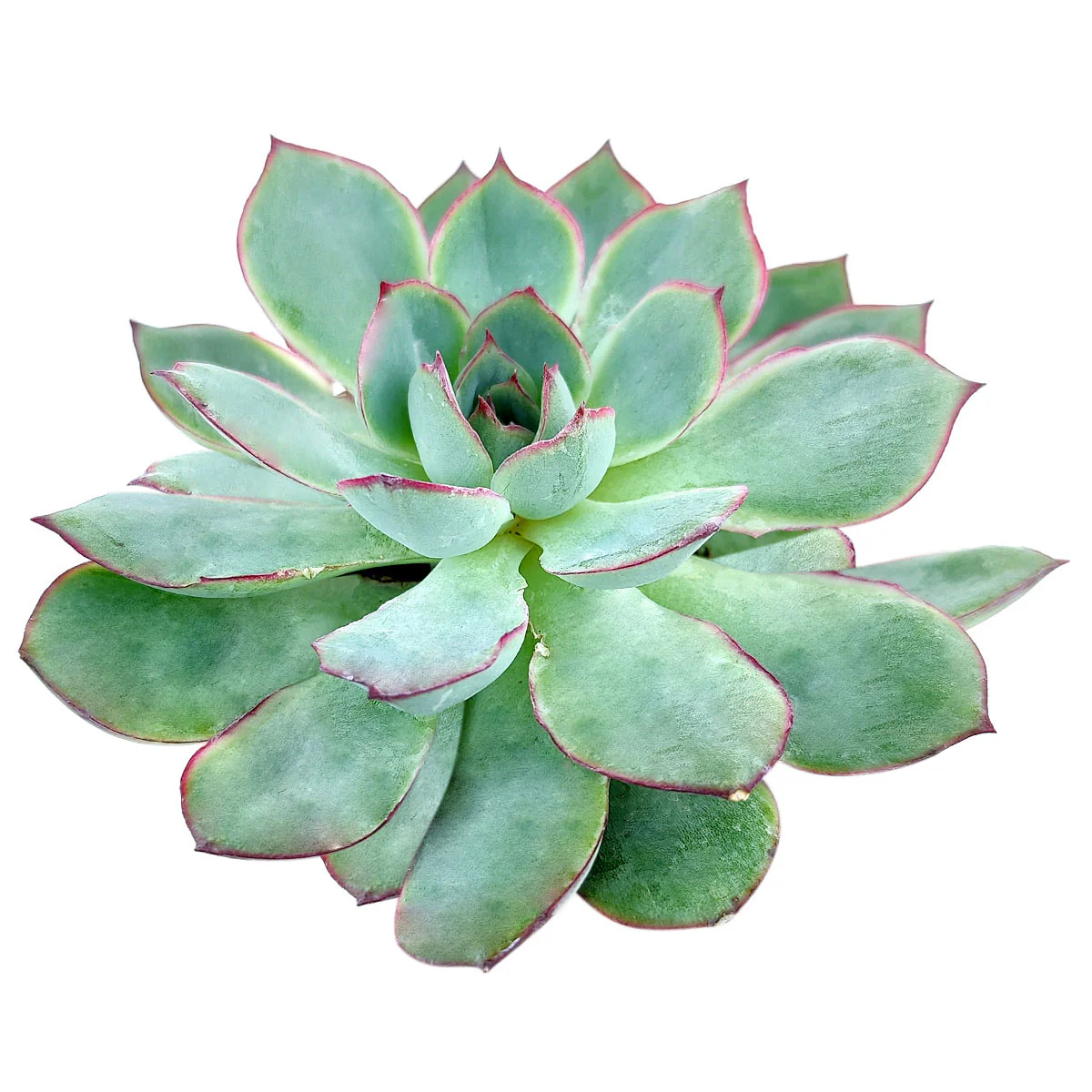
Echeveria Esther
- Description
- Echeveria Esther Care Guide
- FAQ/Common Issues
-
![]() Echeveria Esther is a charming succulent in the Crassulaceae family, beloved by collectors and beginners alike for its easy care and stunning rosette form. Like most echeverias, it traces its roots to the semi-arid highlands of Mexico and Central America, where it thrives in rocky, well-drained terrain with plenty of sun. This drought tolerant succulent has earned its place as one of the most popular blue rosette succulents available today.
Echeveria Esther is a charming succulent in the Crassulaceae family, beloved by collectors and beginners alike for its easy care and stunning rosette form. Like most echeverias, it traces its roots to the semi-arid highlands of Mexico and Central America, where it thrives in rocky, well-drained terrain with plenty of sun. This drought tolerant succulent has earned its place as one of the most popular blue rosette succulents available today.
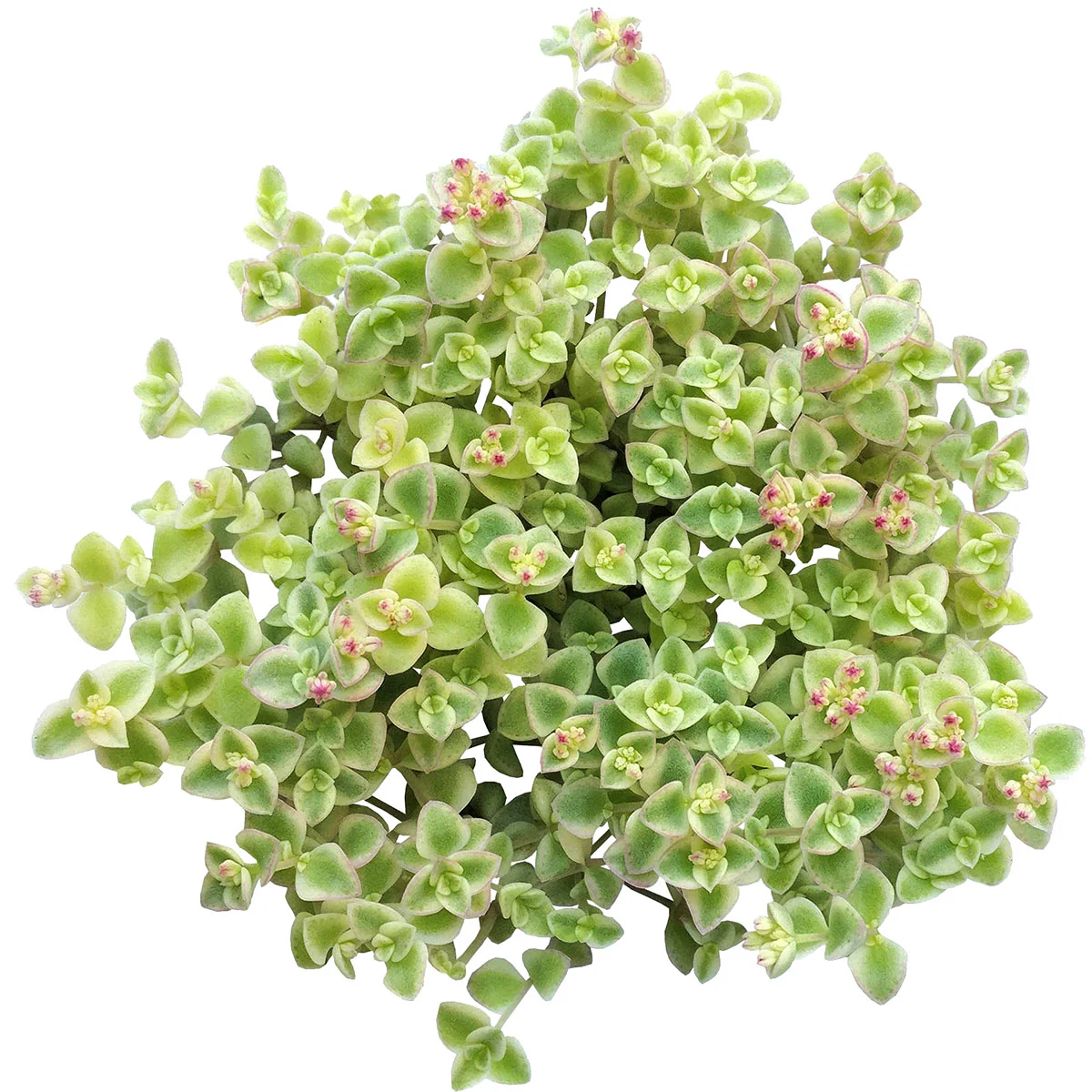
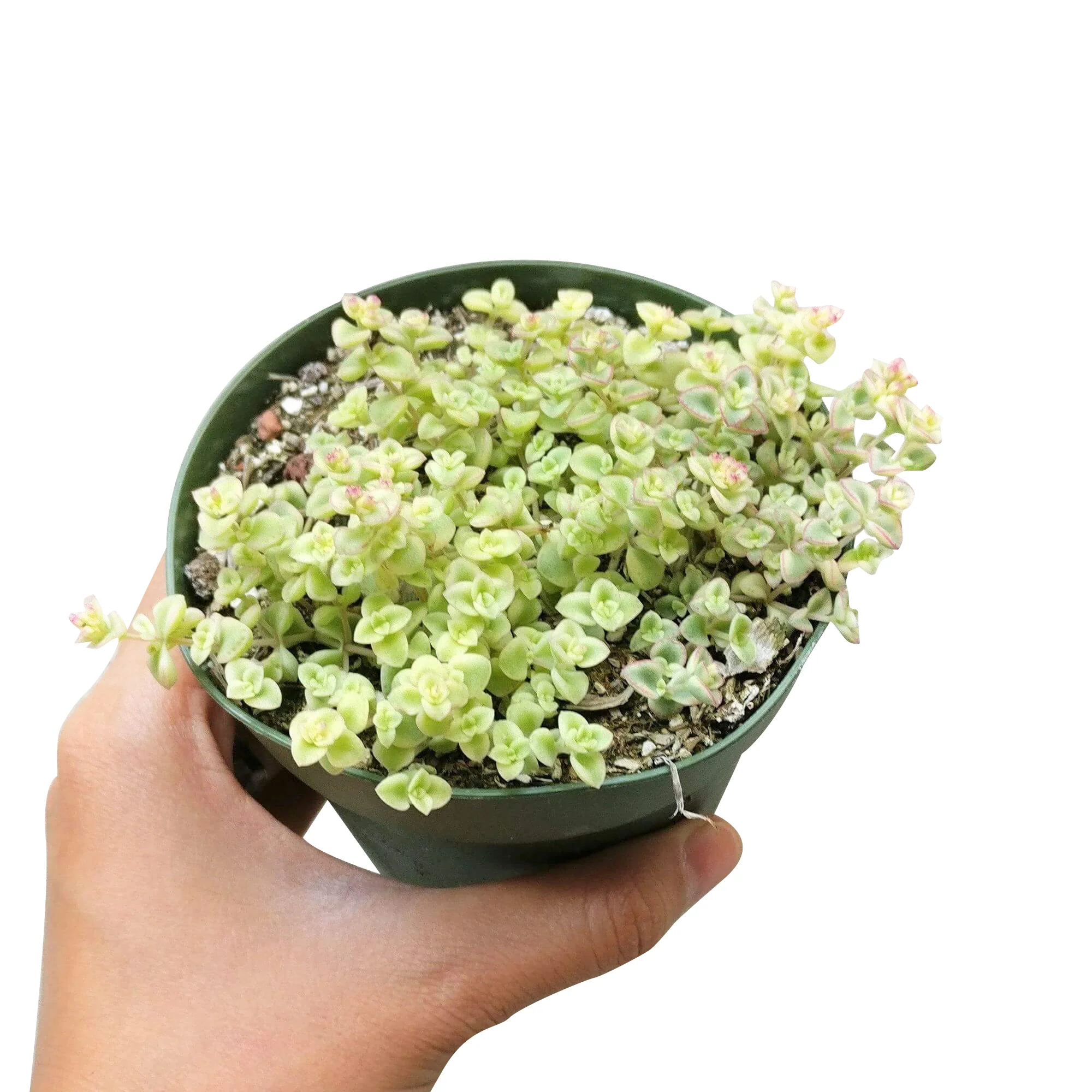
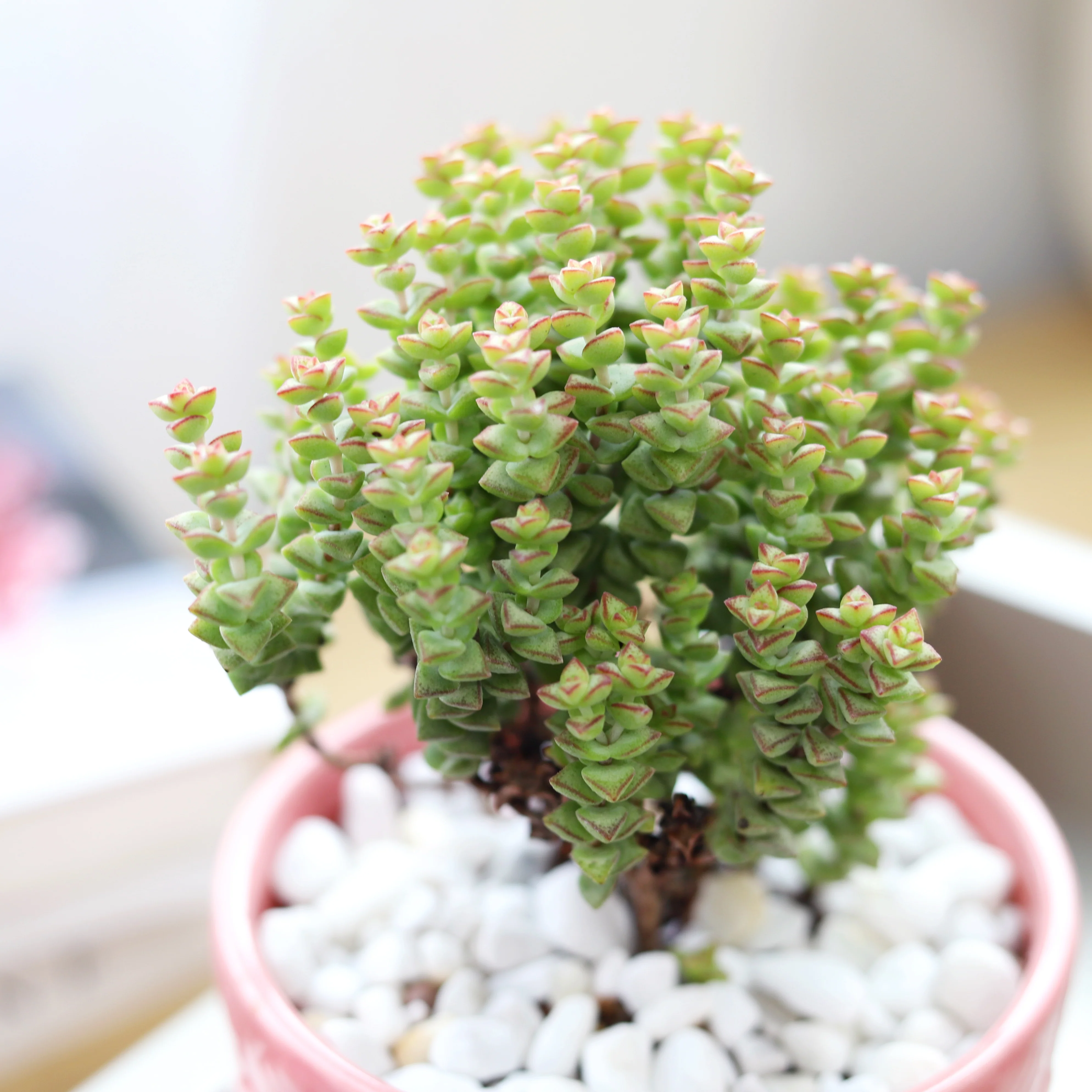
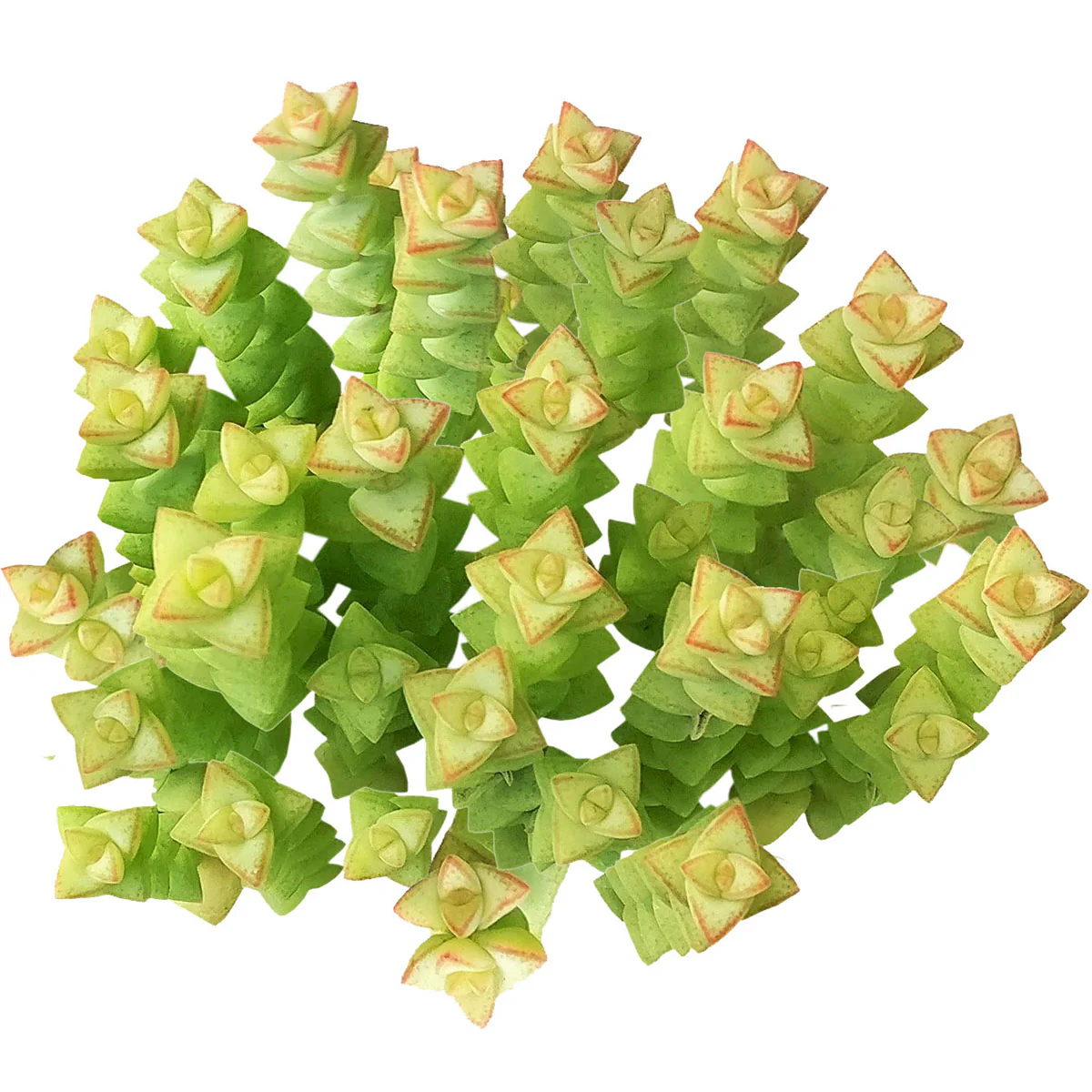
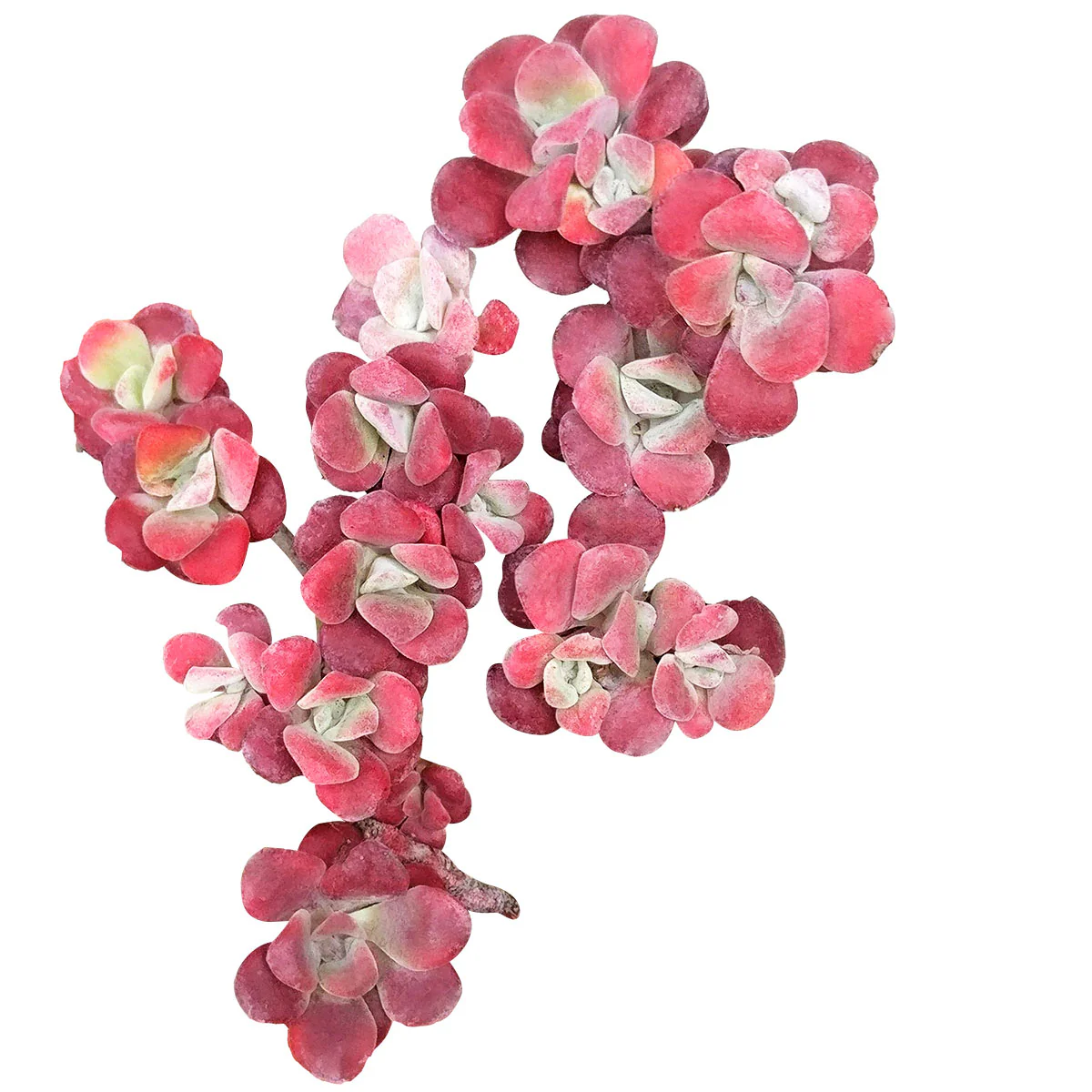
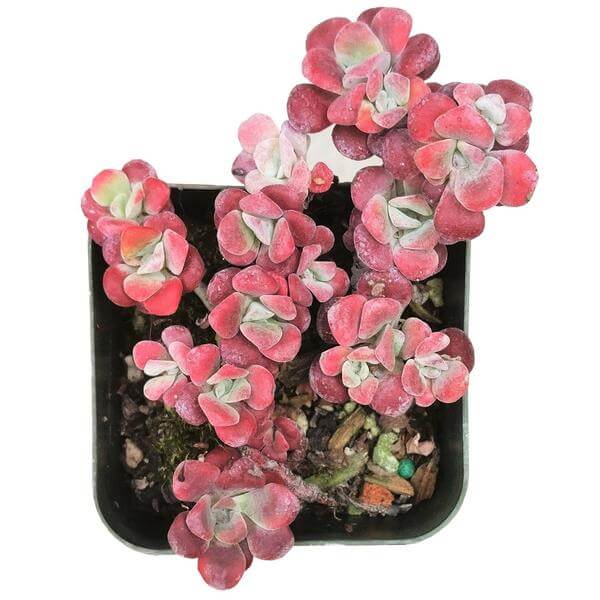
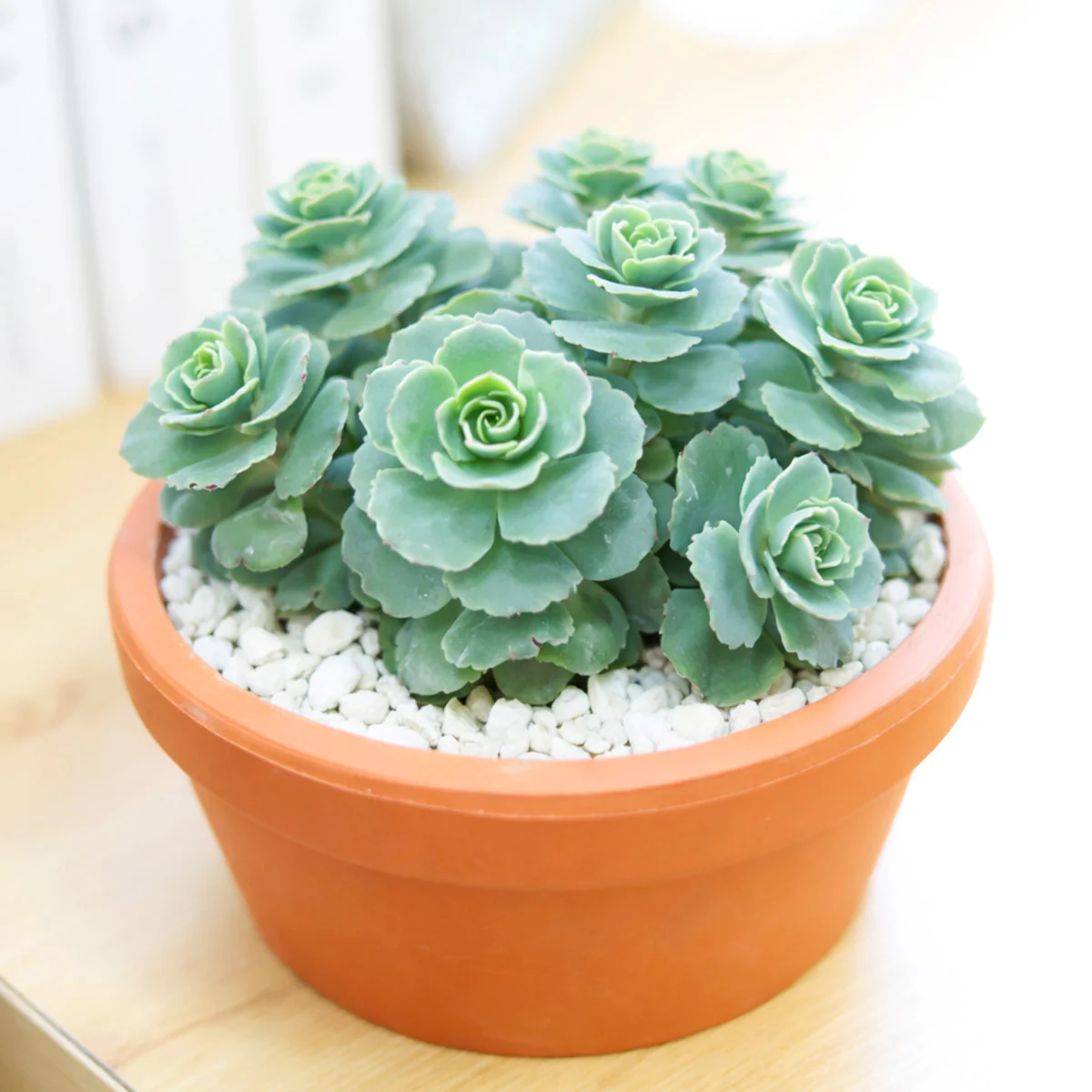
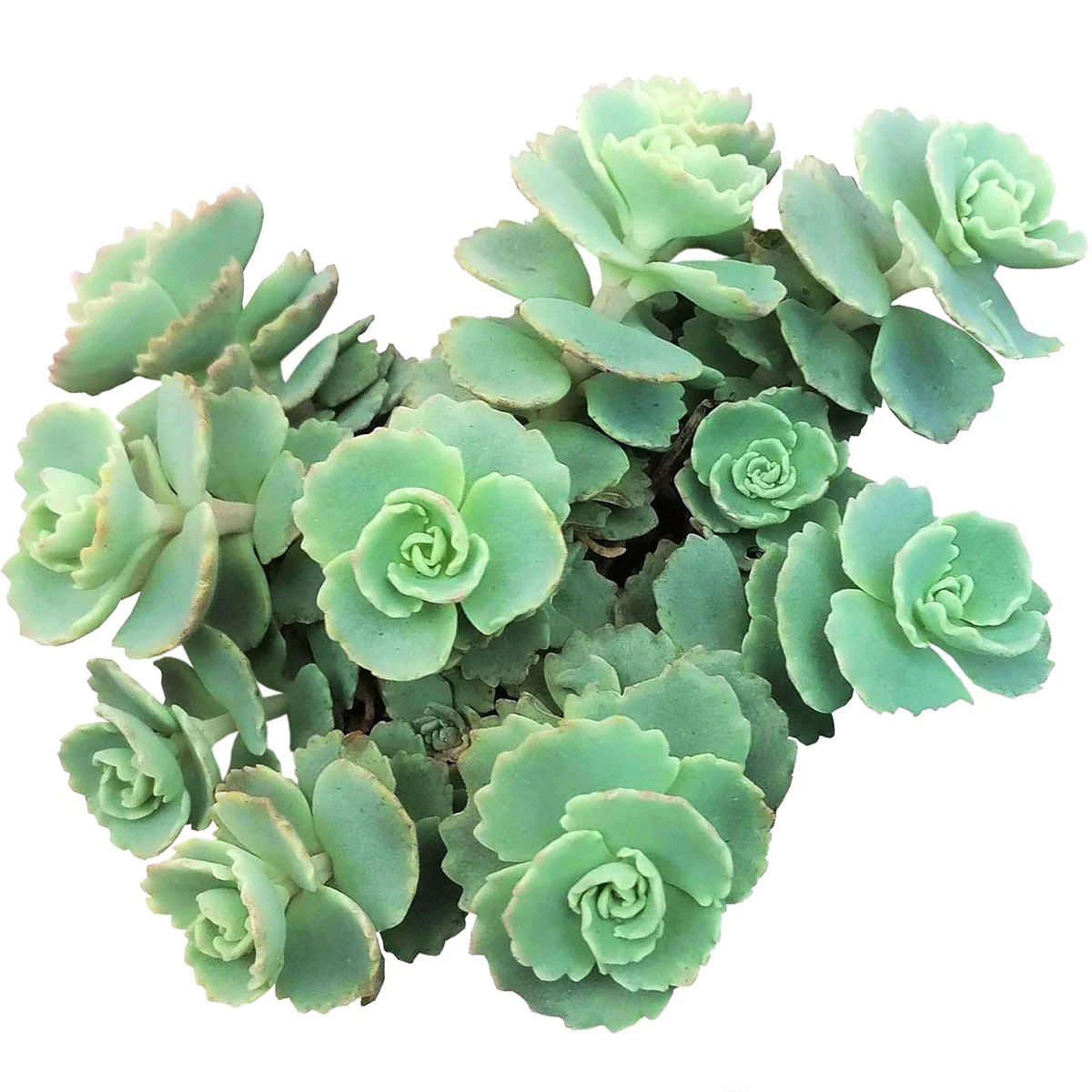
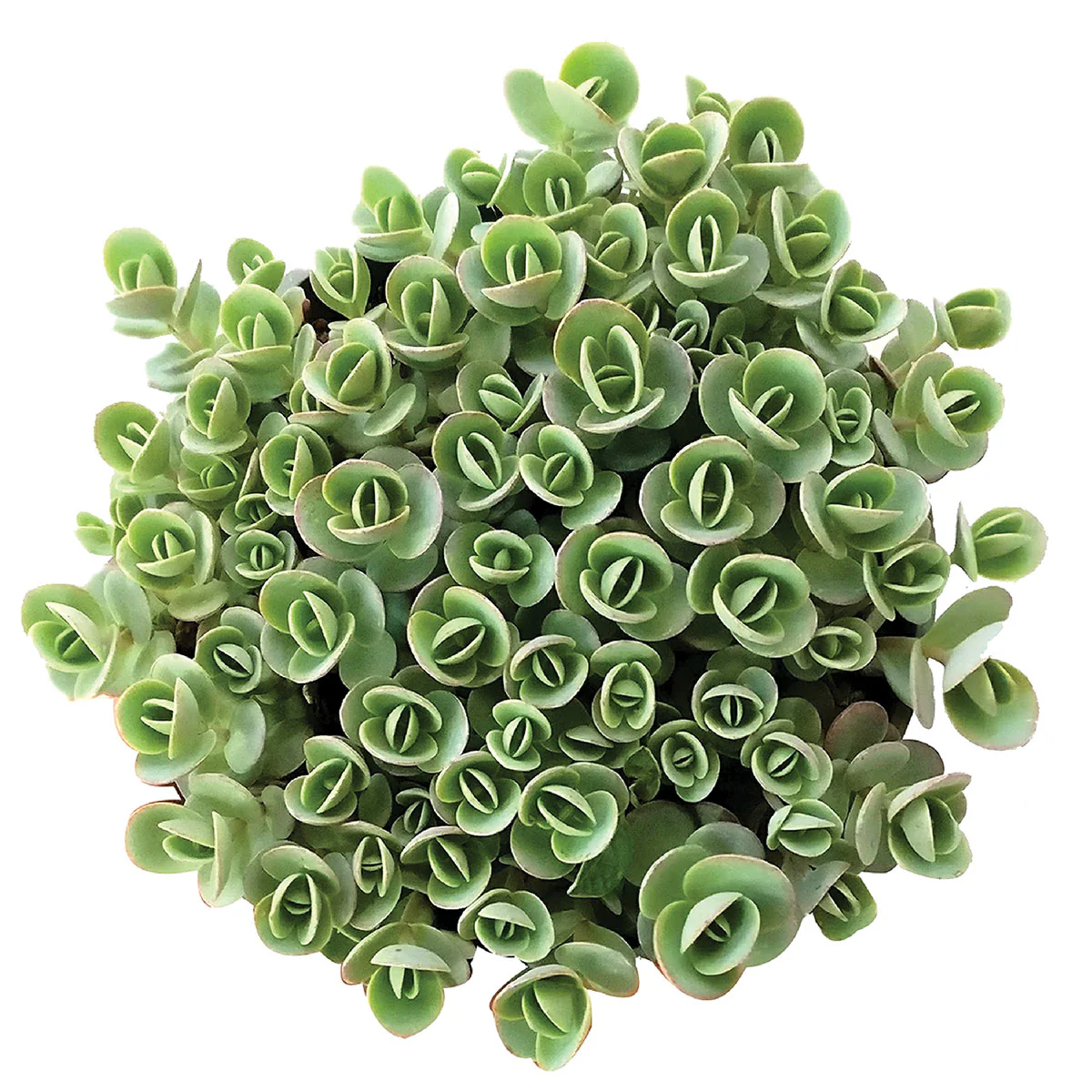
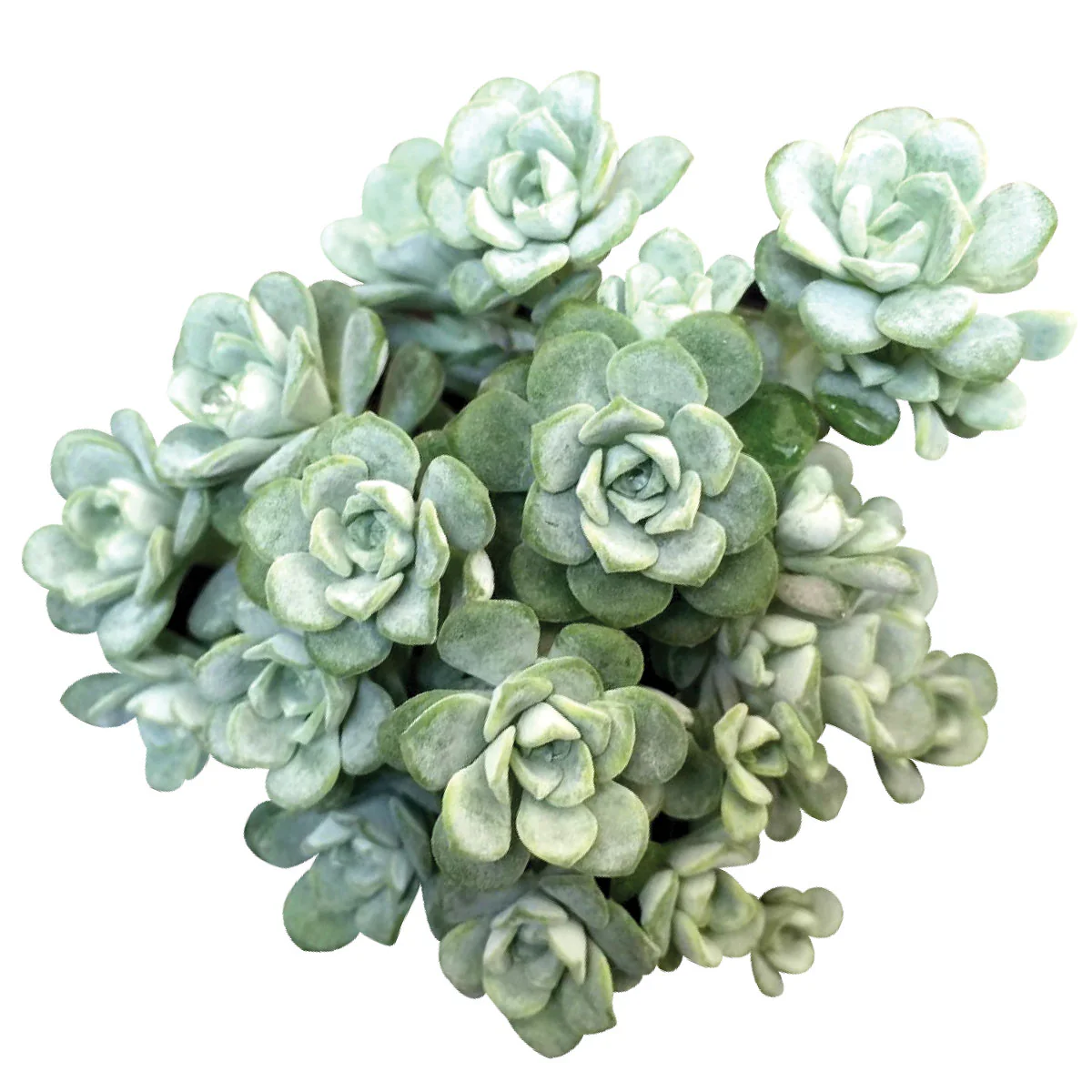
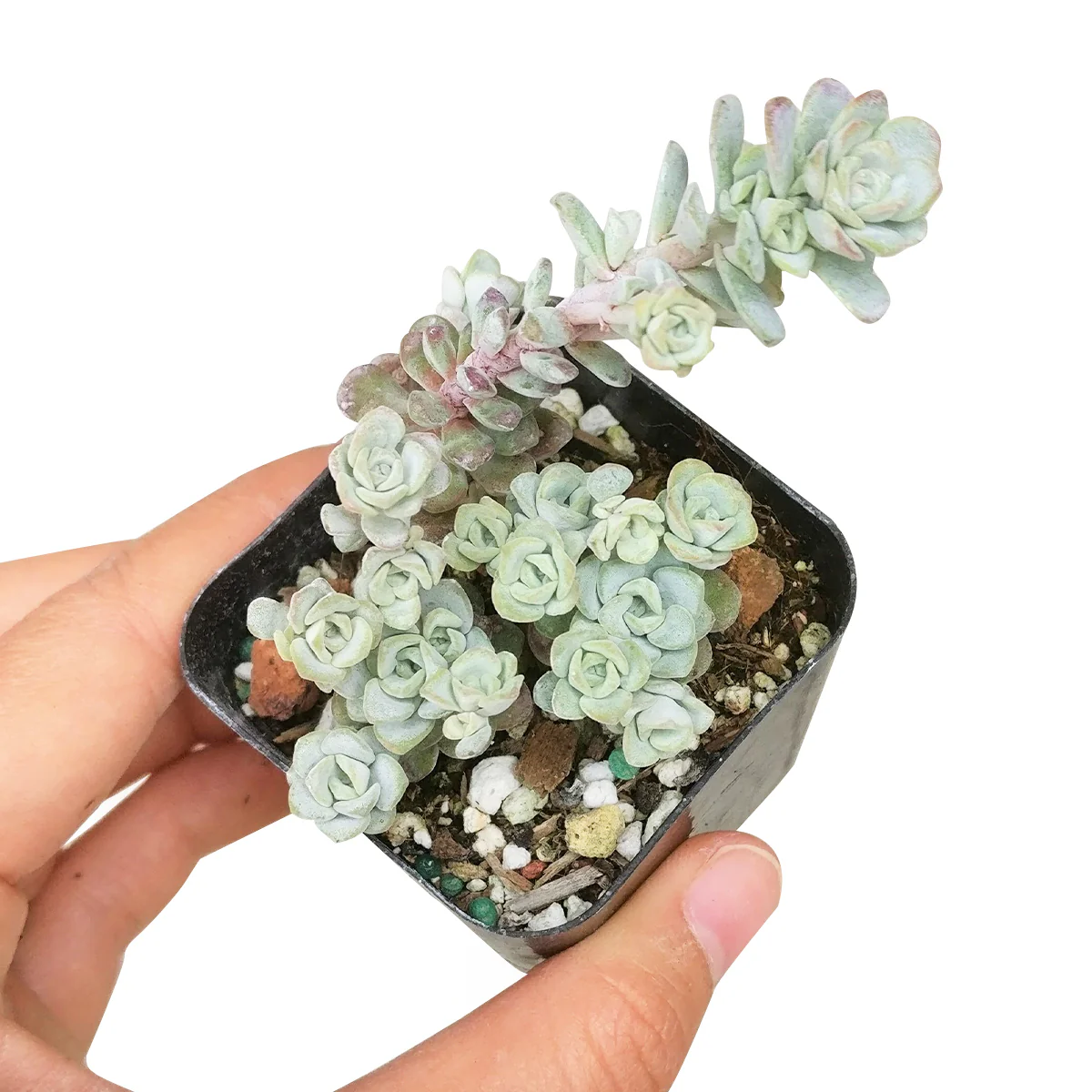
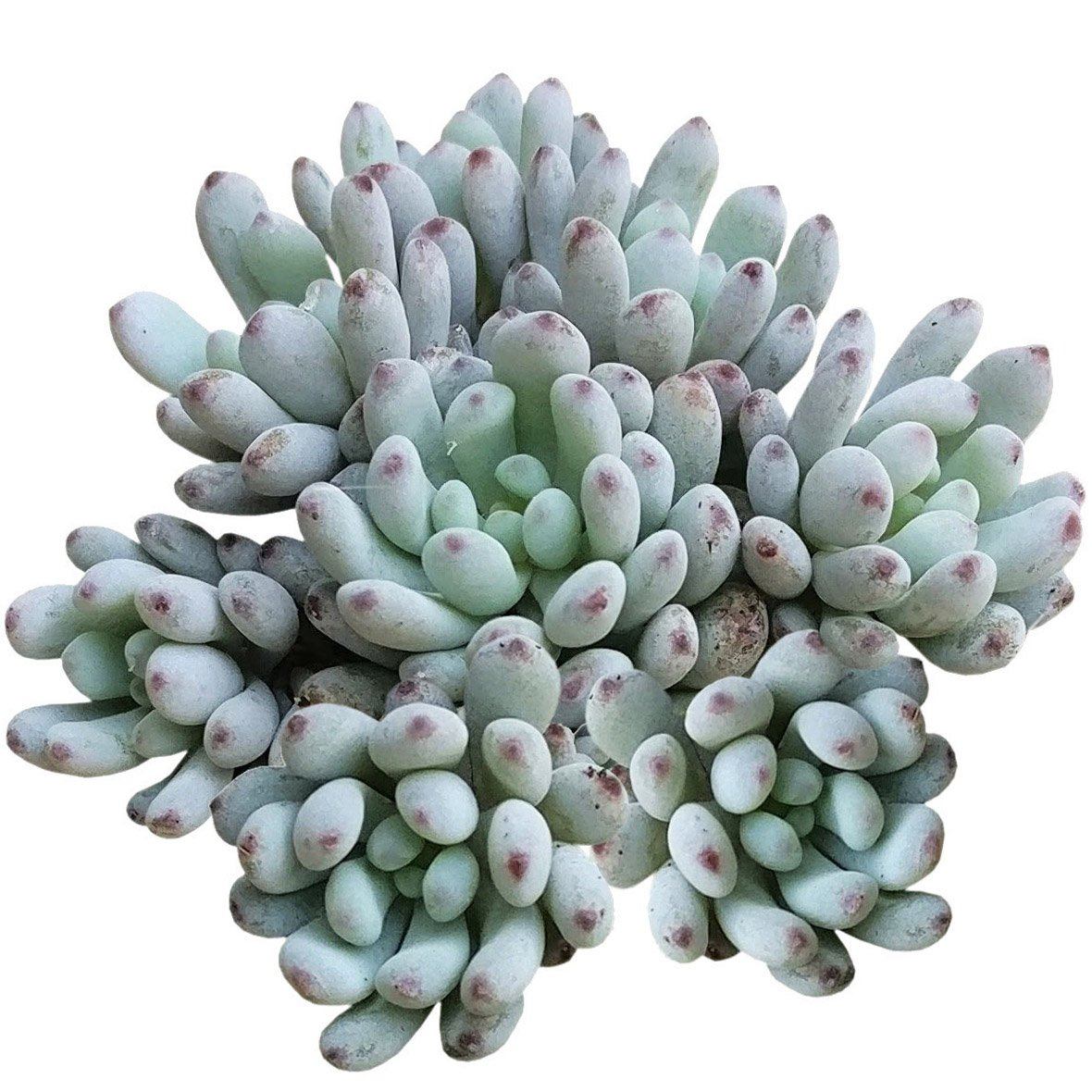
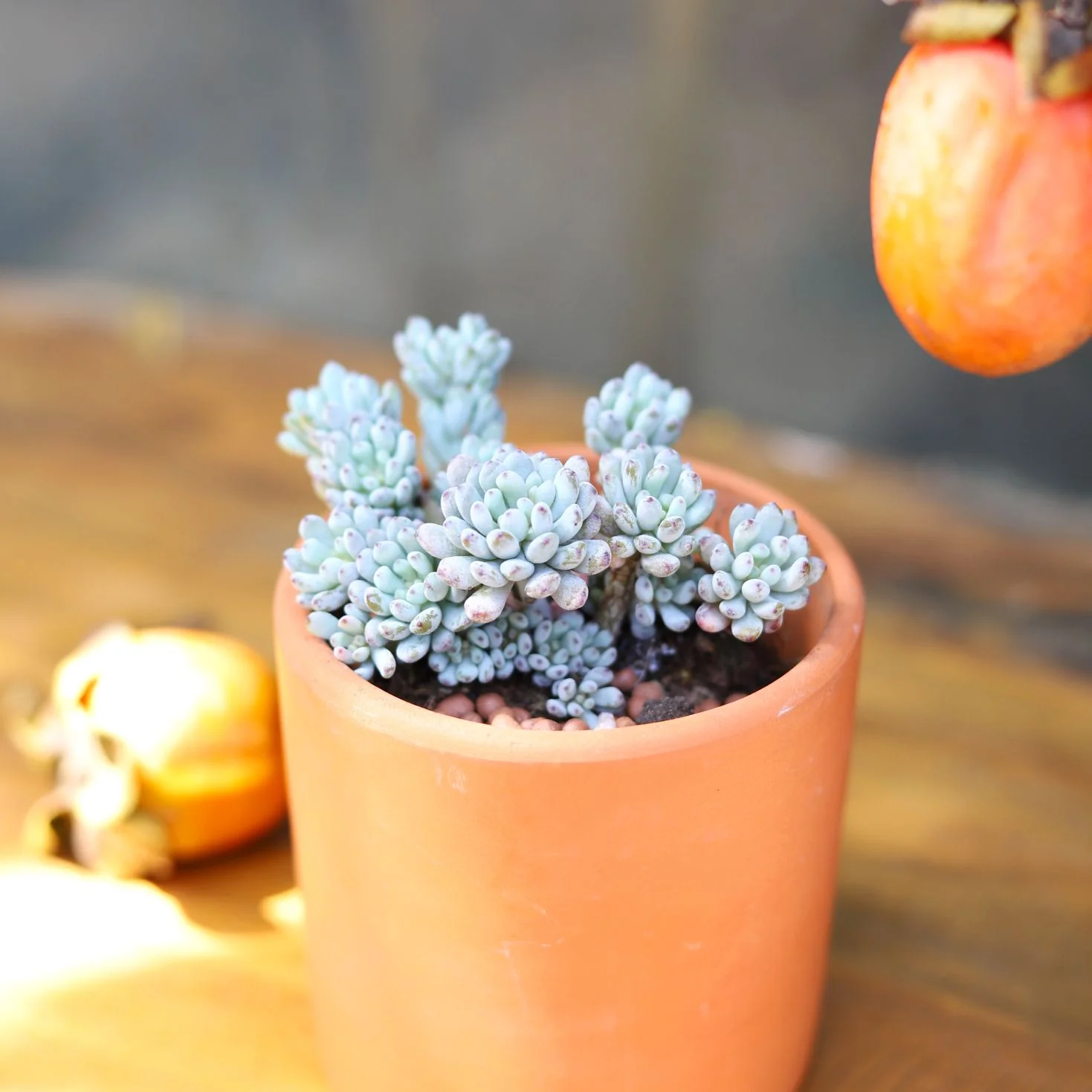
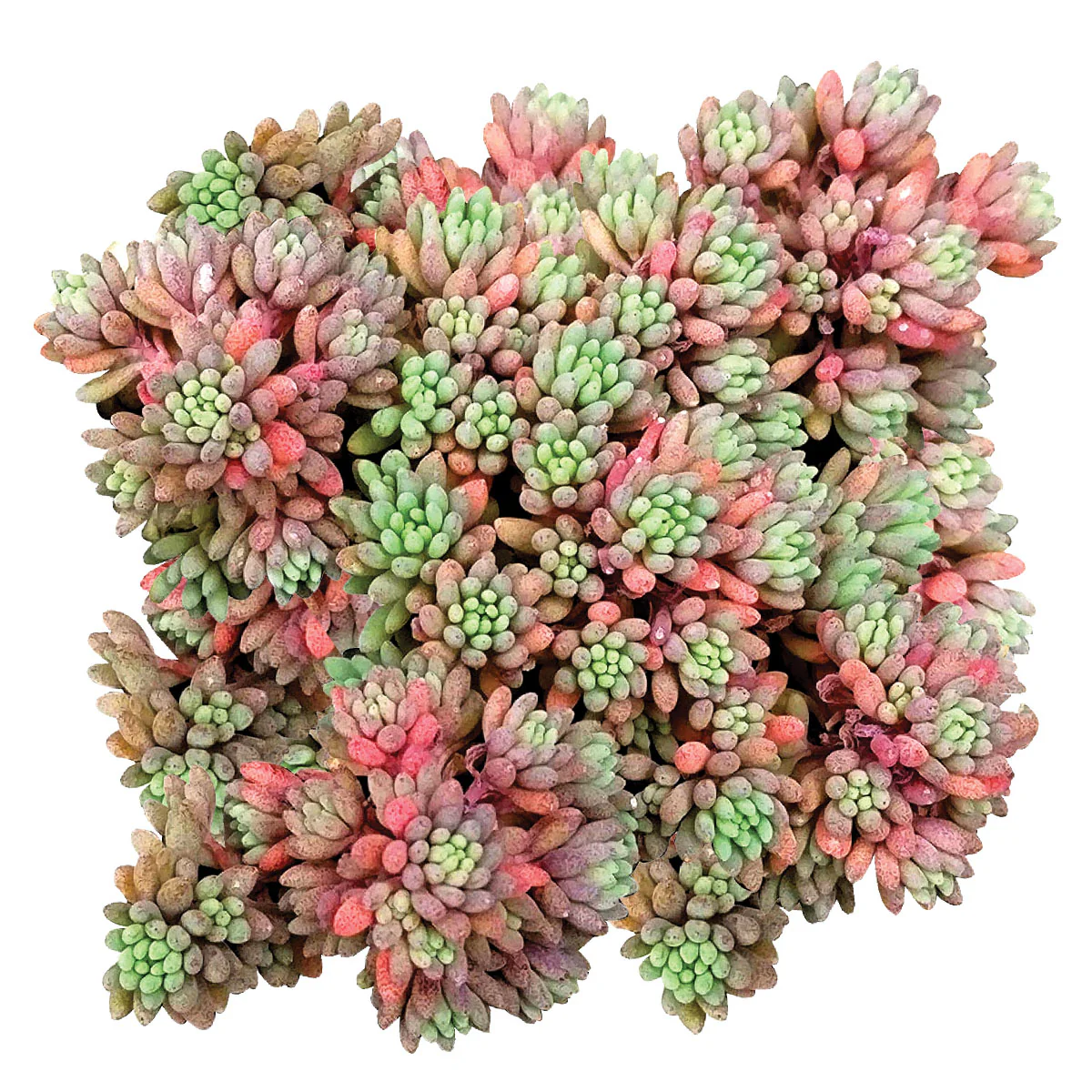
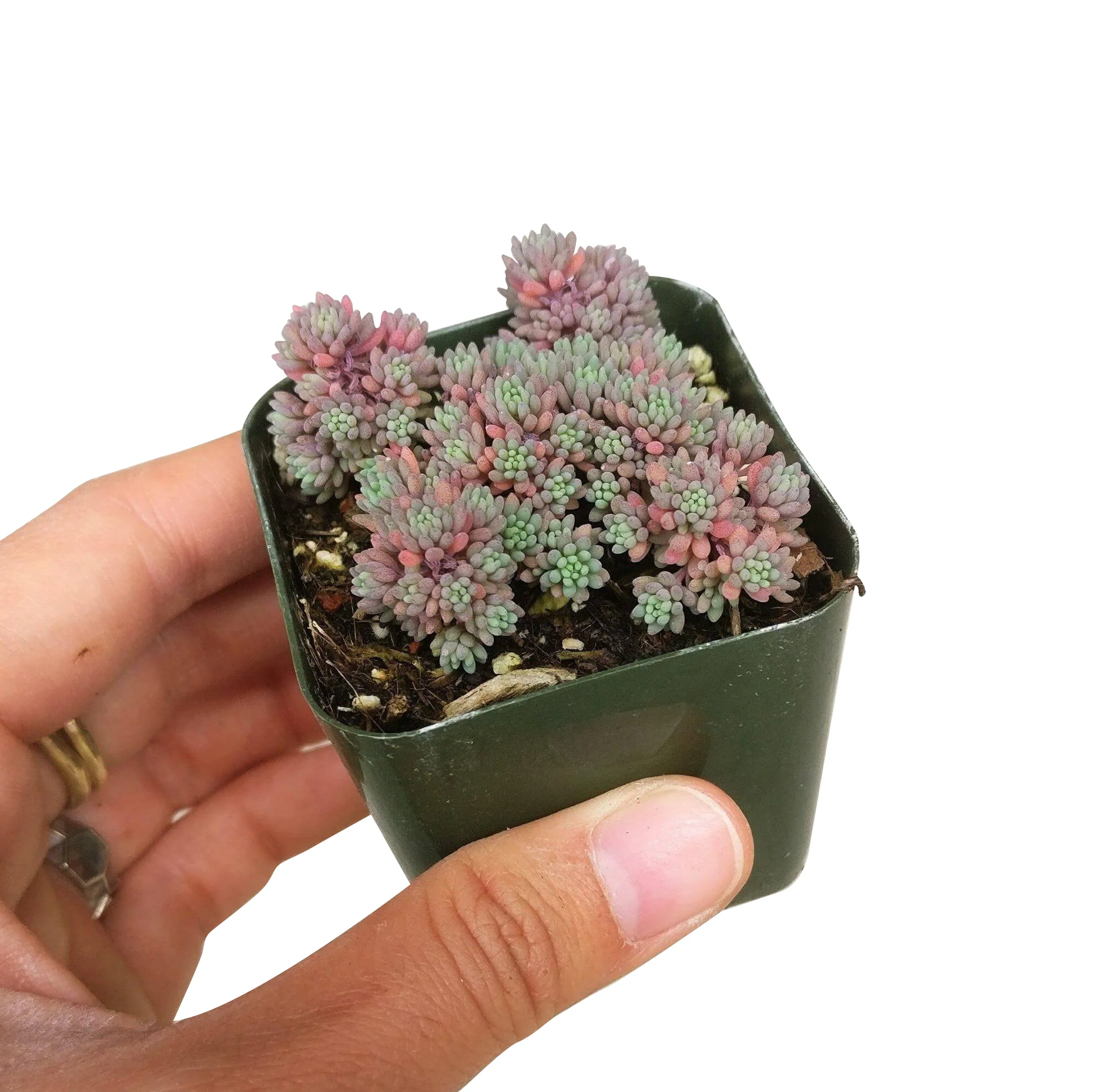
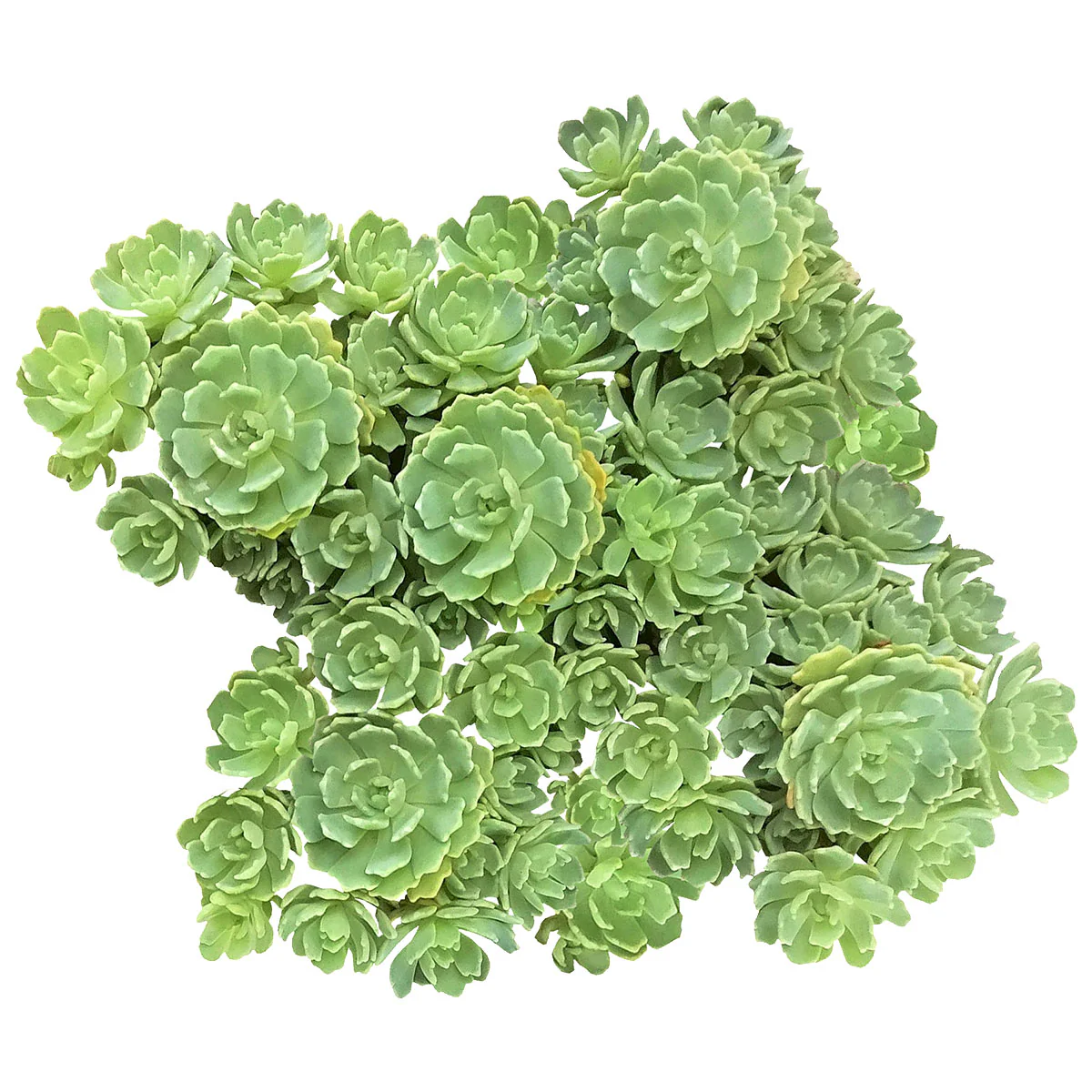
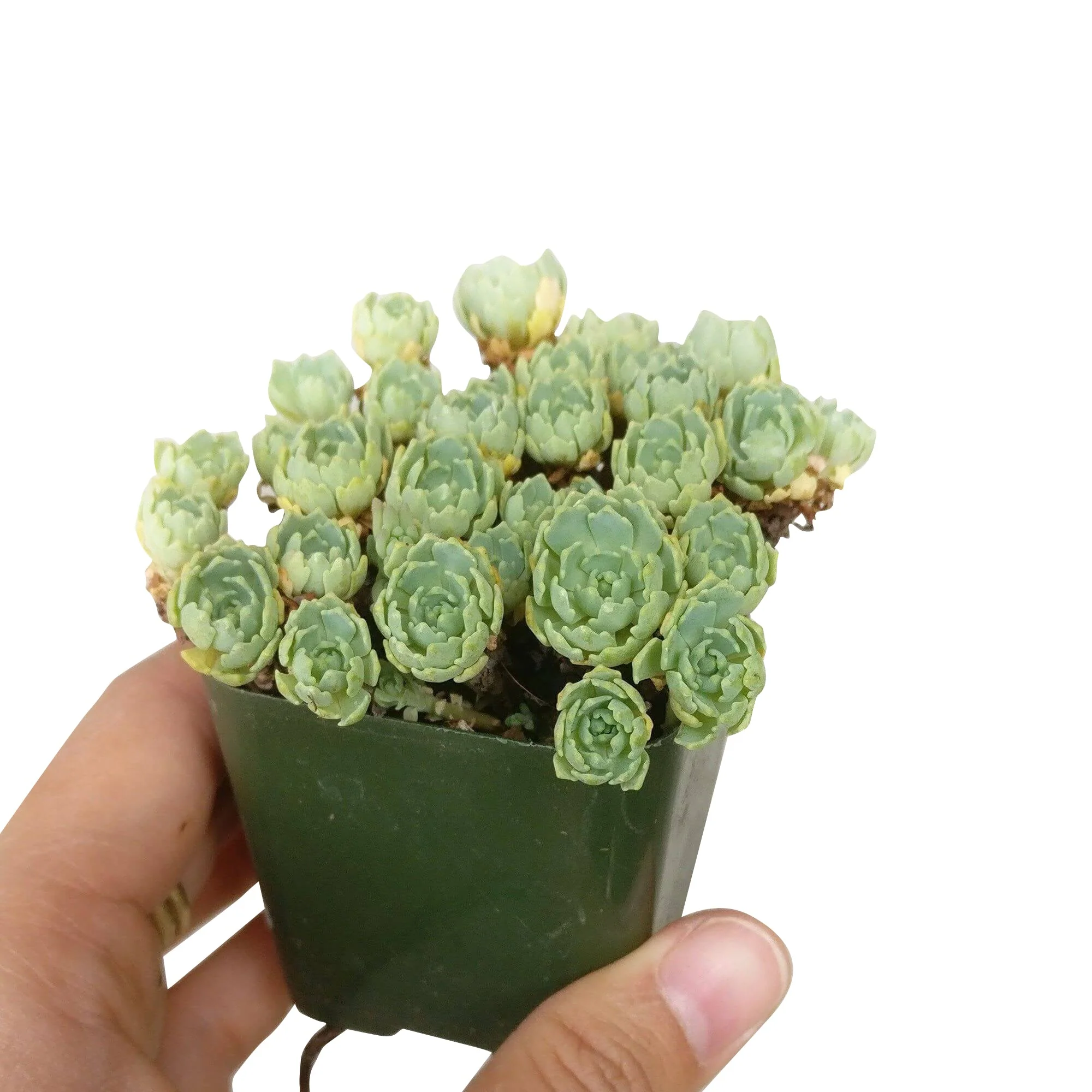
 Echeveria Esther forms a tidy, symmetrical rosette of plump, spoon-shaped leaves in soft blue-green tones, often edged with delicate pink tips that deepen with sun exposure. The leaves have a powdery fafarina coating that gives the plant its signature dusty, silvery glow. As a clustering echeveria, Echeveria Esther gradually produces offsets around its base, creating a beautiful hens and chicks succulent effect over time.
 Echeveria Esther may produce slender bloom stalks bearing small, bell-shaped flowers, typically in warm shades of pink or coral, when it receives a night temperature drop in late winter or spring. Blooming is more reliable outdoors or near a cool window in autumn, making it worth moving Echeveria Esther outside as the seasons change. Rotating the rosette regularly is a simple habit that keeps its shape perfectly even and just as photogenic between bloom cycles.
 Echeveria Esther is genuinely beginner-friendly and can survive a 10-day trip without a caretaker, making it ideal for busy plant lovers or frequent travelers. It does best away from direct air conditioning or heating vents, though it handles dry heated indoor air reasonably well. This plant is pet friendly, so it fits happily in any room of the home. Display Echeveria Esther on a sunny windowsill, patio, or mixed succulent arrangement, and move it outdoors for summer to really let it shine.
-
 Echeveria Esther thrives in bright indirect light to full sun, ideally near an east or west-facing window indoors.
 Water Echeveria Esther deeply every 10-14 days in summer and reduce to once a month in winter, always allowing soil to dry fully between waterings.
 Echeveria Esther needs a fast-draining cactus and succulent mix blended with perlite for optimal root health.
 Echeveria Esther prefers temperatures between 60-80°F (15-27°C) and should be protected from frost below 30°F (-1°C).
![]() Echeveria Esther grows at a moderate pace and benefits from a diluted balanced fertilizer once monthly during the active spring and summer season.
Echeveria Esther grows at a moderate pace and benefits from a diluted balanced fertilizer once monthly during the active spring and summer season.
 Echeveria Esther is hardy in USDA Zones 9-11, tolerating brief dips to around 25-30°F (-4 to -1°C) but performing best with frost protection. Gardeners growing Echeveria Esther outdoors year-round will find ideal conditions across California, Arizona, Texas, Florida, Hawaii, Louisiana, Georgia, South Carolina, Alabama, Mississippi, and Nevada. Coastal areas of Oregon, Washington, and parts of North Carolina also fall within or near these zones, giving a wide range of growers the chance to enjoy Echeveria Esther in outdoor beds and containers.
-
Q: How often should I water Echeveria Esther?
A: Water Echeveria Esther deeply every 10-14 days in spring and summer, and cut back to roughly once a month in winter. Always let the soil dry out completely before watering again.
Q: Is Echeveria Esther safe for cats and dogs?
A: Yes, Echeveria Esther is pet friendly and non-toxic to cats and dogs. It is a great choice for households with curious pets.
Q: How much light does Echeveria Esther need?
A: Echeveria Esther does best in bright indirect light to full sun, making a sunny east, west, or south-facing windowsill an ideal spot. Be cautious with intense midday sun through south-facing glass, as it can scorch the leaves.
Q: How big does Echeveria Esther get?
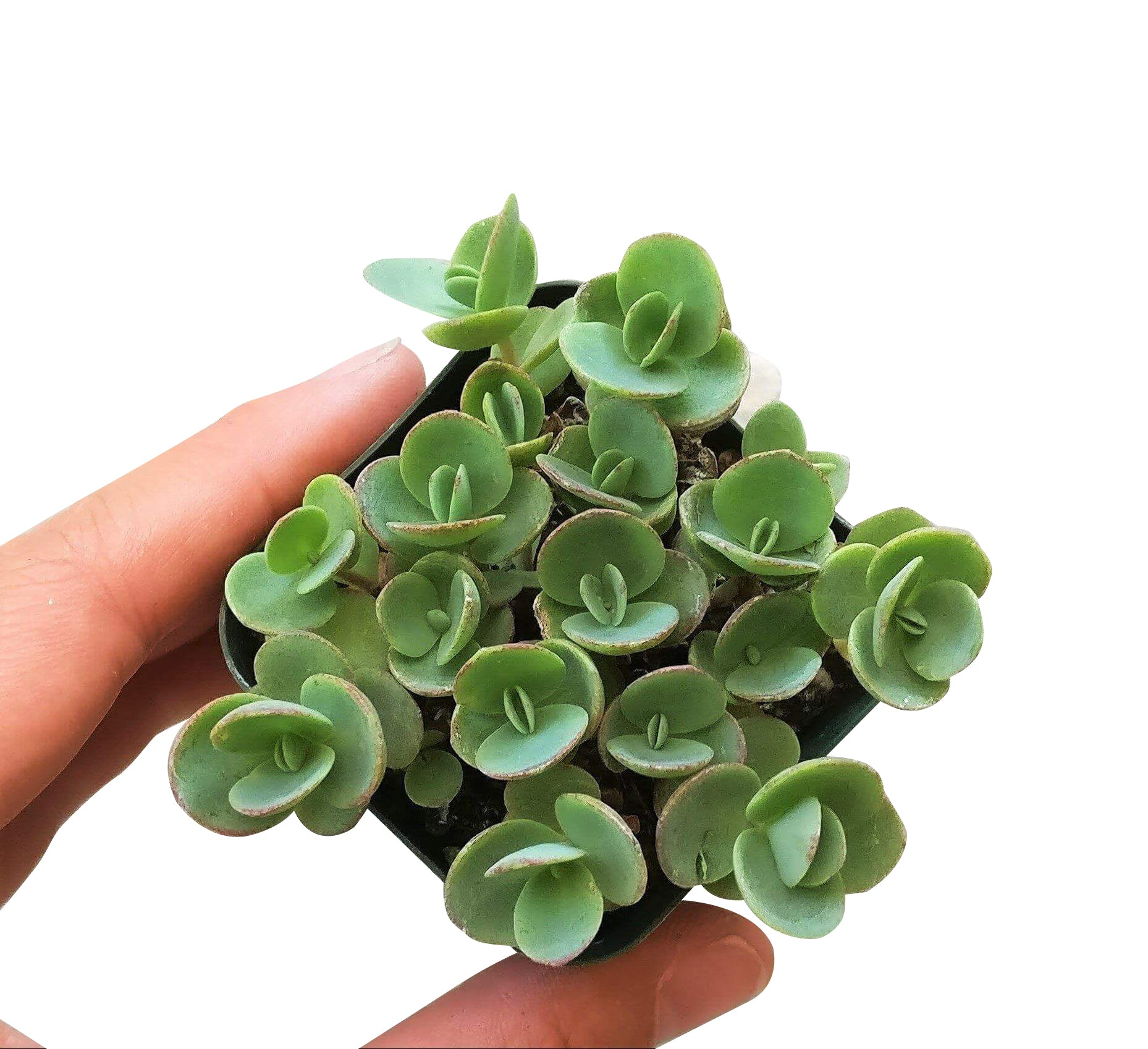
A: Echeveria Esther typically grows to about 3-5 inches across as a single rosette. Over time it clusters and spreads wider as it produces offsets.
Q: Can I propagate Echeveria Esther?
A: Absolutely! Echeveria Esther is easy to propagate by gently removing offsets from the base or using healthy leaves for leaf propagation. Allow cuttings or leaves to callous for a day or two before placing them on fresh, dry succulent mix.
Q: Can Echeveria Esther go outside in summer?
A: Yes, Echeveria Esther loves spending summer outdoors in a bright, sheltered spot. Just be sure to cover it from heavy rain to prevent overwatering and root rot.


Original: $11.65
-70%$11.65
$3.50Product Information
Product Information
Shipping & Returns
Shipping & Returns
Description
- Description
- Echeveria Esther Care Guide
- FAQ/Common Issues
-
![]() Echeveria Esther is a charming succulent in the Crassulaceae family, beloved by collectors and beginners alike for its easy care and stunning rosette form. Like most echeverias, it traces its roots to the semi-arid highlands of Mexico and Central America, where it thrives in rocky, well-drained terrain with plenty of sun. This drought tolerant succulent has earned its place as one of the most popular blue rosette succulents available today.
Echeveria Esther is a charming succulent in the Crassulaceae family, beloved by collectors and beginners alike for its easy care and stunning rosette form. Like most echeverias, it traces its roots to the semi-arid highlands of Mexico and Central America, where it thrives in rocky, well-drained terrain with plenty of sun. This drought tolerant succulent has earned its place as one of the most popular blue rosette succulents available today.
Echeveria Esther forms a tidy, symmetrical rosette of plump, spoon-shaped leaves in soft blue-green tones, often edged with delicate pink tips that deepen with sun exposure. The leaves have a powdery fafarina coating that gives the plant its signature dusty, silvery glow. As a clustering echeveria, Echeveria Esther gradually produces offsets around its base, creating a beautiful hens and chicks succulent effect over time.
Echeveria Esther may produce slender bloom stalks bearing small, bell-shaped flowers, typically in warm shades of pink or coral, when it receives a night temperature drop in late winter or spring. Blooming is more reliable outdoors or near a cool window in autumn, making it worth moving Echeveria Esther outside as the seasons change. Rotating the rosette regularly is a simple habit that keeps its shape perfectly even and just as photogenic between bloom cycles.
Echeveria Esther is genuinely beginner-friendly and can survive a 10-day trip without a caretaker, making it ideal for busy plant lovers or frequent travelers. It does best away from direct air conditioning or heating vents, though it handles dry heated indoor air reasonably well. This plant is pet friendly, so it fits happily in any room of the home. Display Echeveria Esther on a sunny windowsill, patio, or mixed succulent arrangement, and move it outdoors for summer to really let it shine.
-
Echeveria Esther thrives in bright indirect light to full sun, ideally near an east or west-facing window indoors.
Water Echeveria Esther deeply every 10-14 days in summer and reduce to once a month in winter, always allowing soil to dry fully between waterings.
Echeveria Esther needs a fast-draining cactus and succulent mix blended with perlite for optimal root health.
Echeveria Esther prefers temperatures between 60-80°F (15-27°C) and should be protected from frost below 30°F (-1°C).
![]() Echeveria Esther grows at a moderate pace and benefits from a diluted balanced fertilizer once monthly during the active spring and summer season.
Echeveria Esther grows at a moderate pace and benefits from a diluted balanced fertilizer once monthly during the active spring and summer season.
Echeveria Esther is hardy in USDA Zones 9-11, tolerating brief dips to around 25-30°F (-4 to -1°C) but performing best with frost protection. Gardeners growing Echeveria Esther outdoors year-round will find ideal conditions across California, Arizona, Texas, Florida, Hawaii, Louisiana, Georgia, South Carolina, Alabama, Mississippi, and Nevada. Coastal areas of Oregon, Washington, and parts of North Carolina also fall within or near these zones, giving a wide range of growers the chance to enjoy Echeveria Esther in outdoor beds and containers.
-
Q: How often should I water Echeveria Esther?
A: Water Echeveria Esther deeply every 10-14 days in spring and summer, and cut back to roughly once a month in winter. Always let the soil dry out completely before watering again.
Q: Is Echeveria Esther safe for cats and dogs?
A: Yes, Echeveria Esther is pet friendly and non-toxic to cats and dogs. It is a great choice for households with curious pets.
Q: How much light does Echeveria Esther need?
A: Echeveria Esther does best in bright indirect light to full sun, making a sunny east, west, or south-facing windowsill an ideal spot. Be cautious with intense midday sun through south-facing glass, as it can scorch the leaves.
Q: How big does Echeveria Esther get?
A: Echeveria Esther typically grows to about 3-5 inches across as a single rosette. Over time it clusters and spreads wider as it produces offsets.
Q: Can I propagate Echeveria Esther?
A: Absolutely! Echeveria Esther is easy to propagate by gently removing offsets from the base or using healthy leaves for leaf propagation. Allow cuttings or leaves to callous for a day or two before placing them on fresh, dry succulent mix.
Q: Can Echeveria Esther go outside in summer?
A: Yes, Echeveria Esther loves spending summer outdoors in a bright, sheltered spot. Just be sure to cover it from heavy rain to prevent overwatering and root rot.