Echeveria Elegans Blue
- Description
- Echeveria Elegans Blue Care Guide
- FAQ/Common Issues
-
![]() Echeveria Elegans Blue is a charming blue-green rosette succulent in the Crassulaceae family, native to the semi-arid regions of Mexico. It thrives naturally in rocky, well-drained soils with plenty of sun and low rainfall, making it perfectly adapted to life on a sunny windowsill or patio. This easy-care succulent is a favorite among beginners and collectors alike, and its compact clustering habit means one pot quickly becomes a delightful little colony.
Echeveria Elegans Blue is a charming blue-green rosette succulent in the Crassulaceae family, native to the semi-arid regions of Mexico. It thrives naturally in rocky, well-drained soils with plenty of sun and low rainfall, making it perfectly adapted to life on a sunny windowsill or patio. This easy-care succulent is a favorite among beginners and collectors alike, and its compact clustering habit means one pot quickly becomes a delightful little colony.
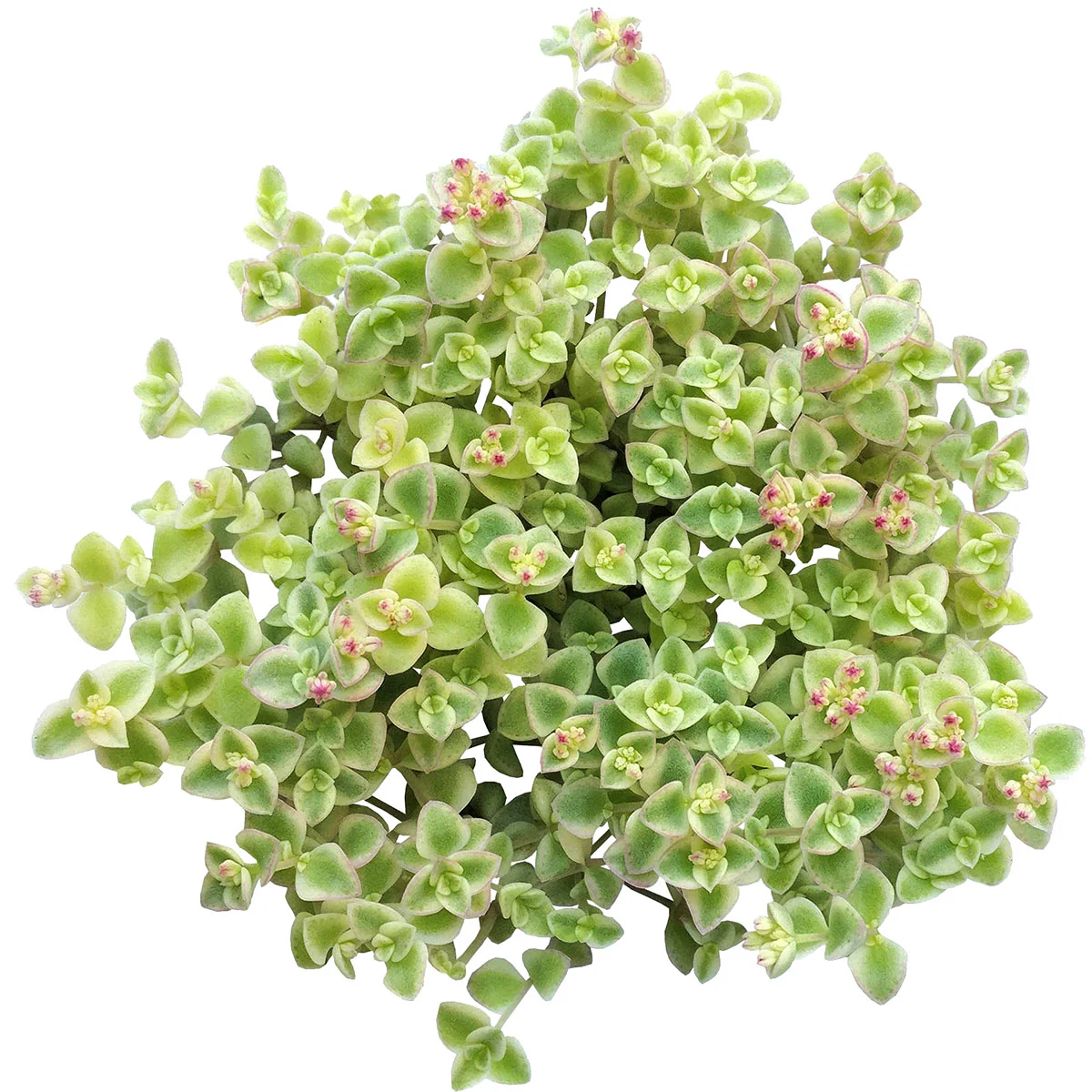
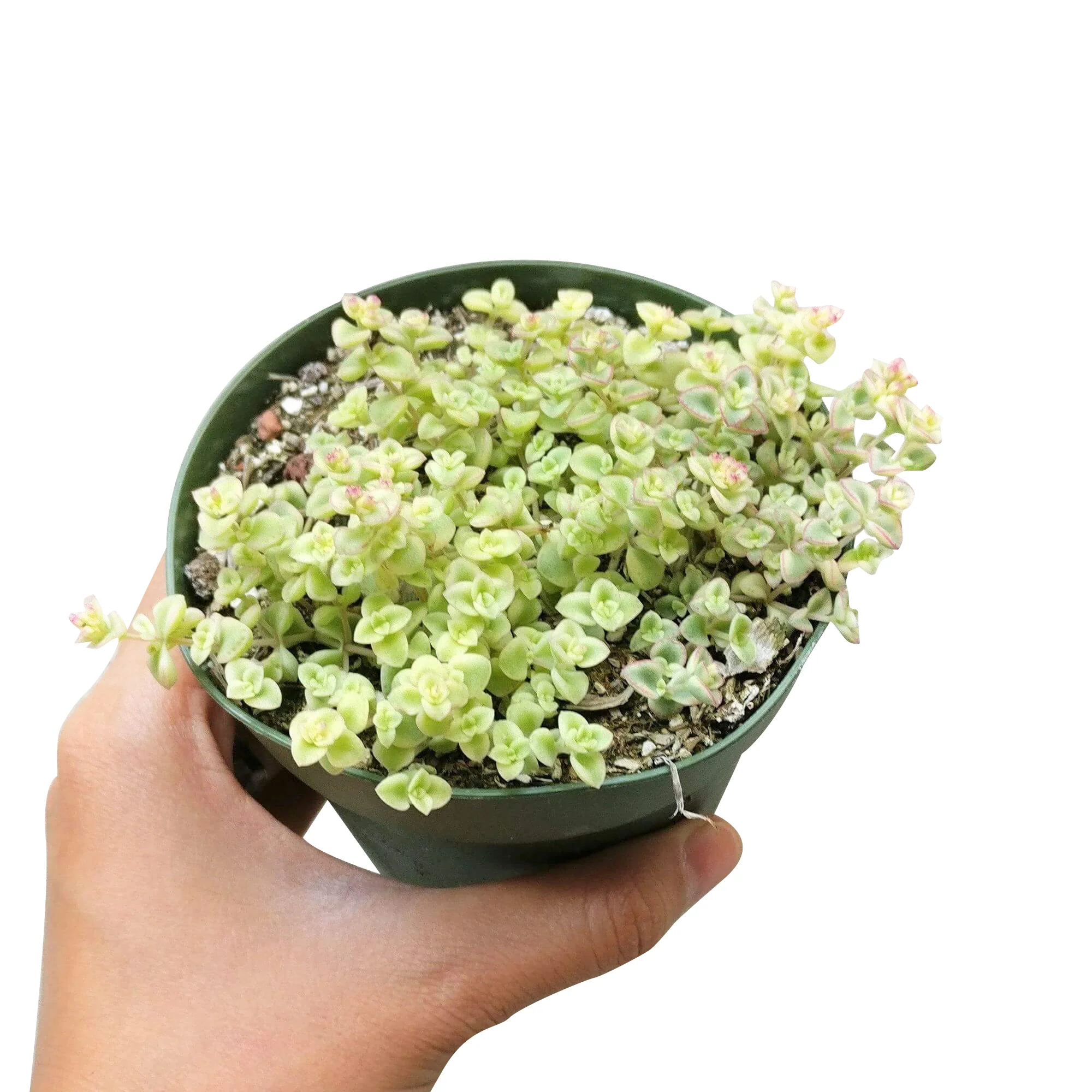
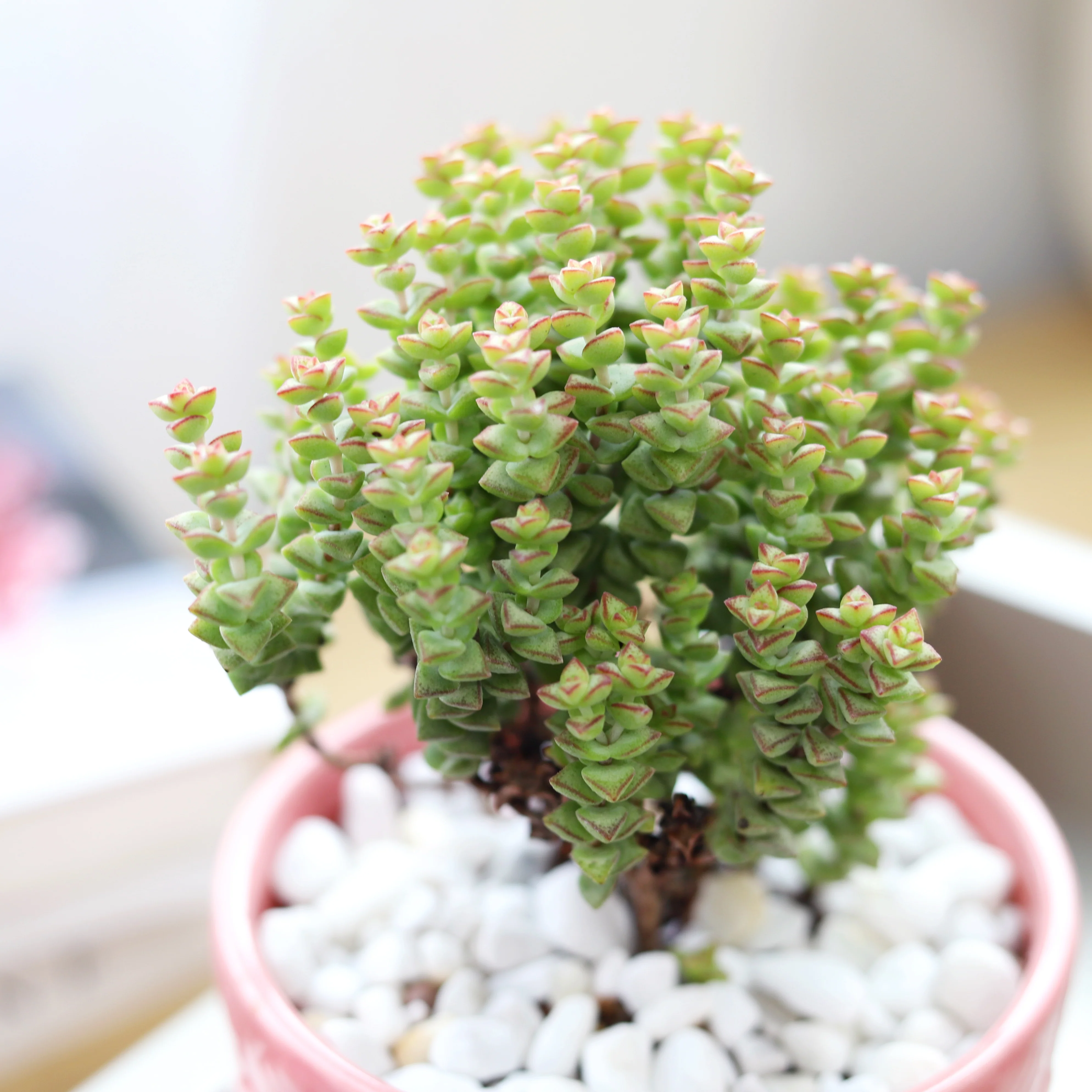
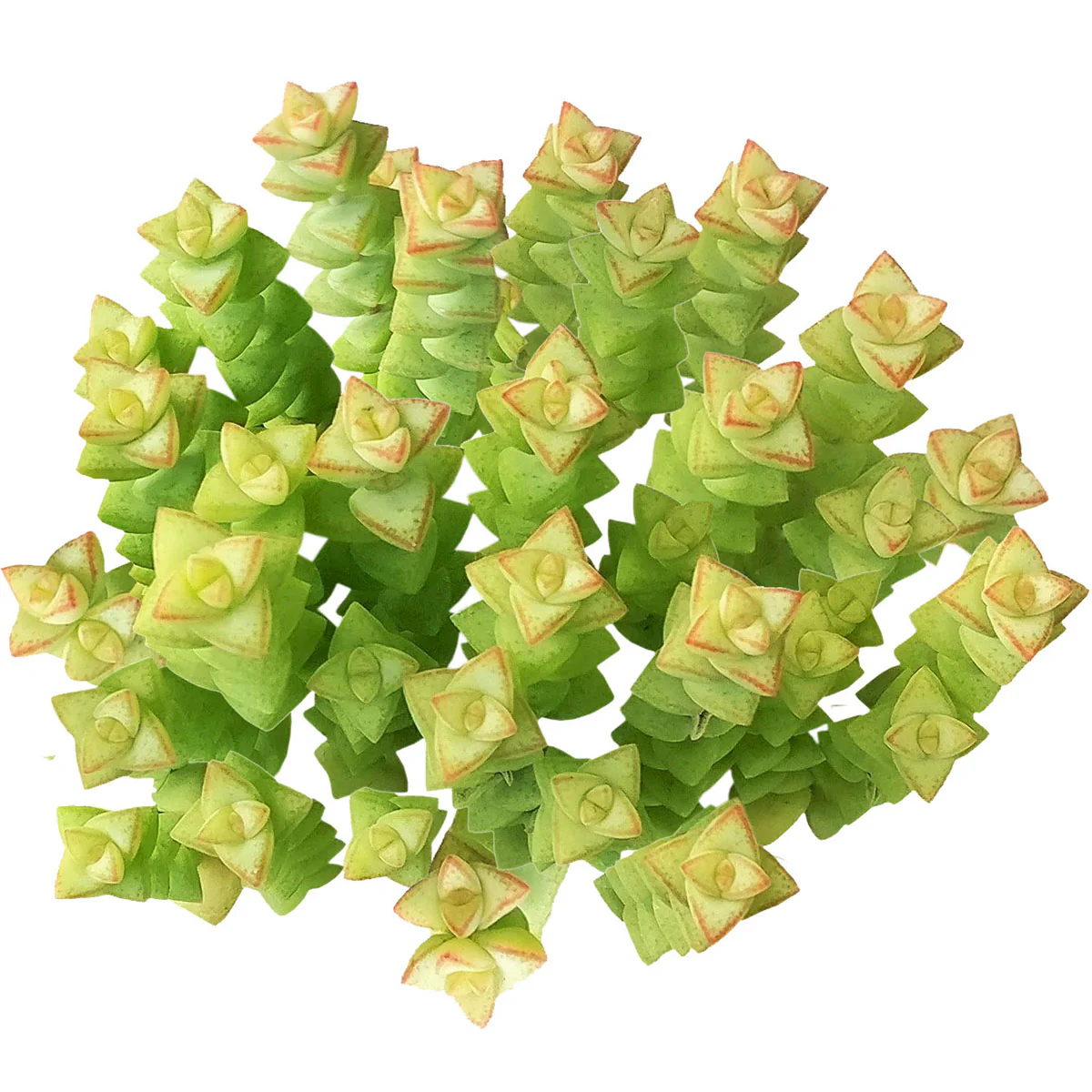
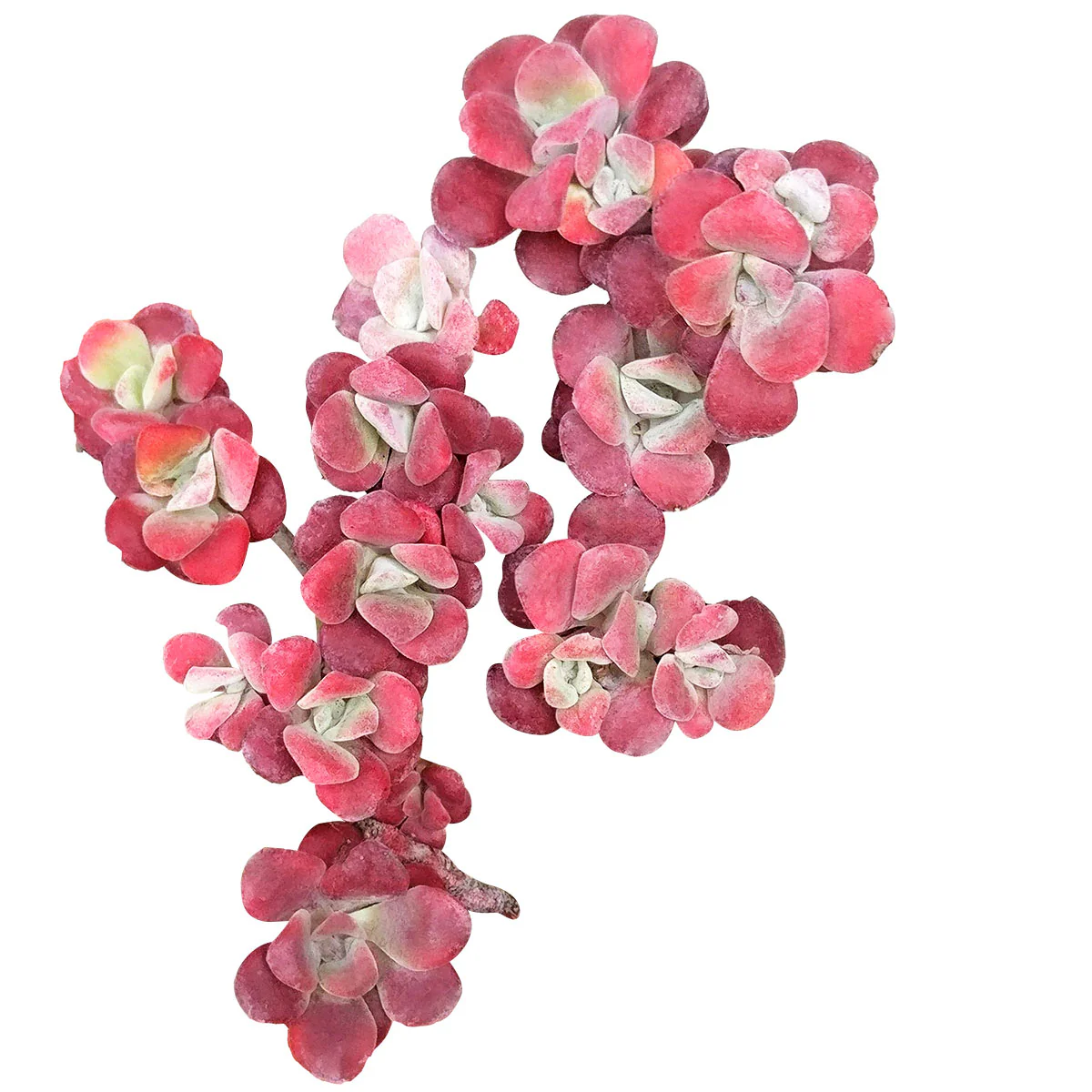
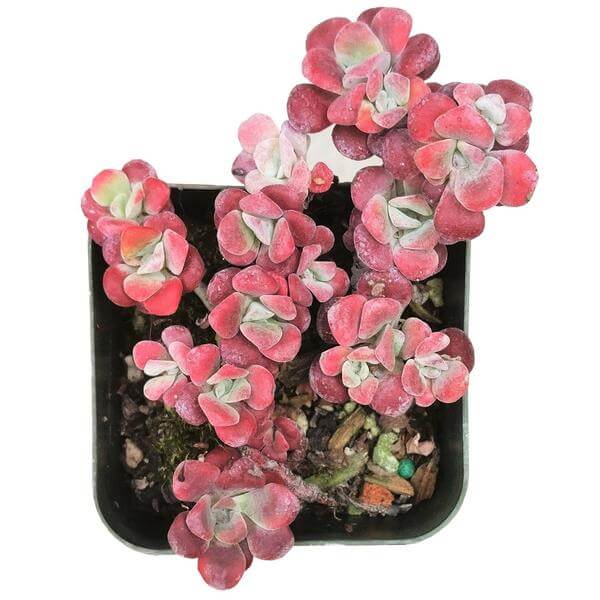
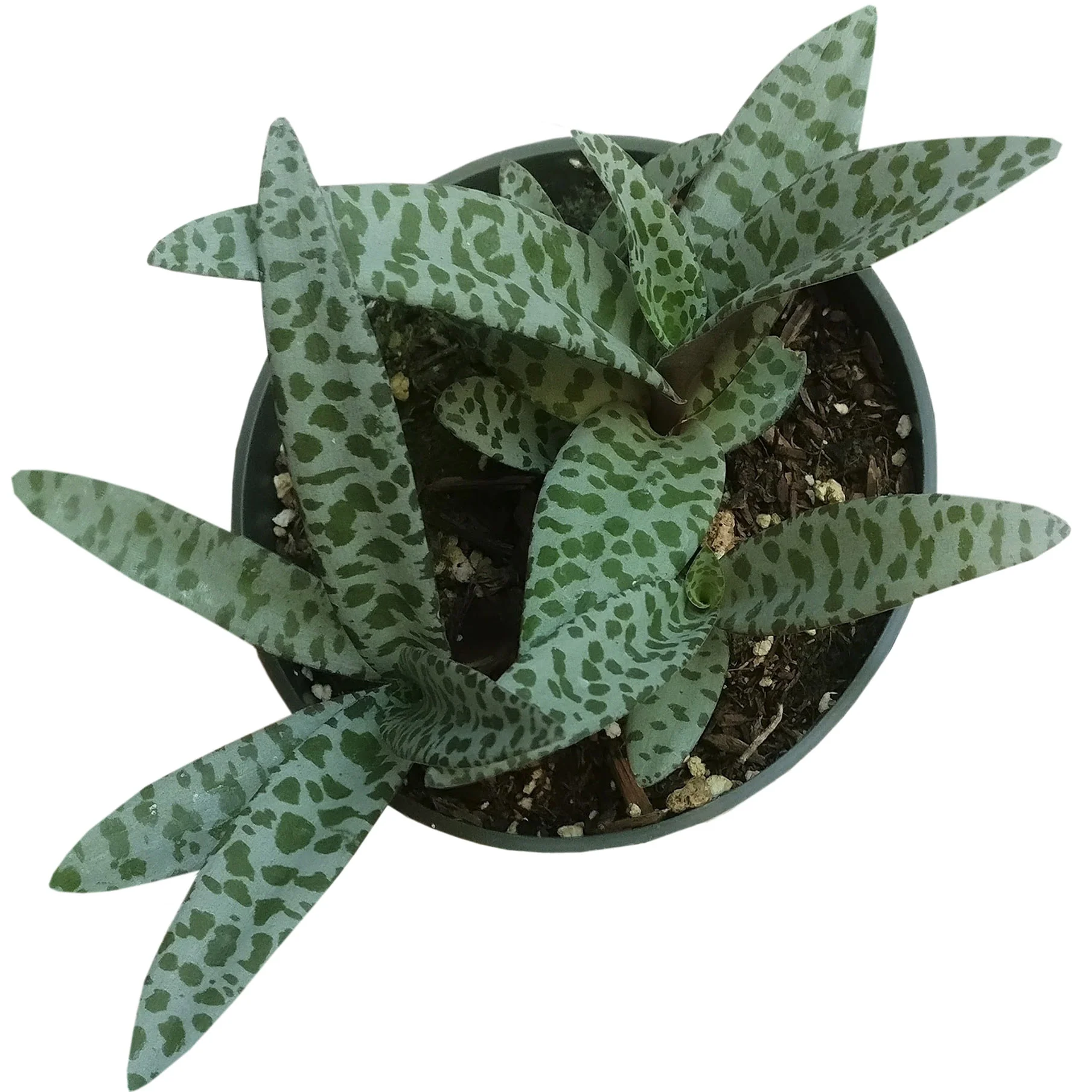
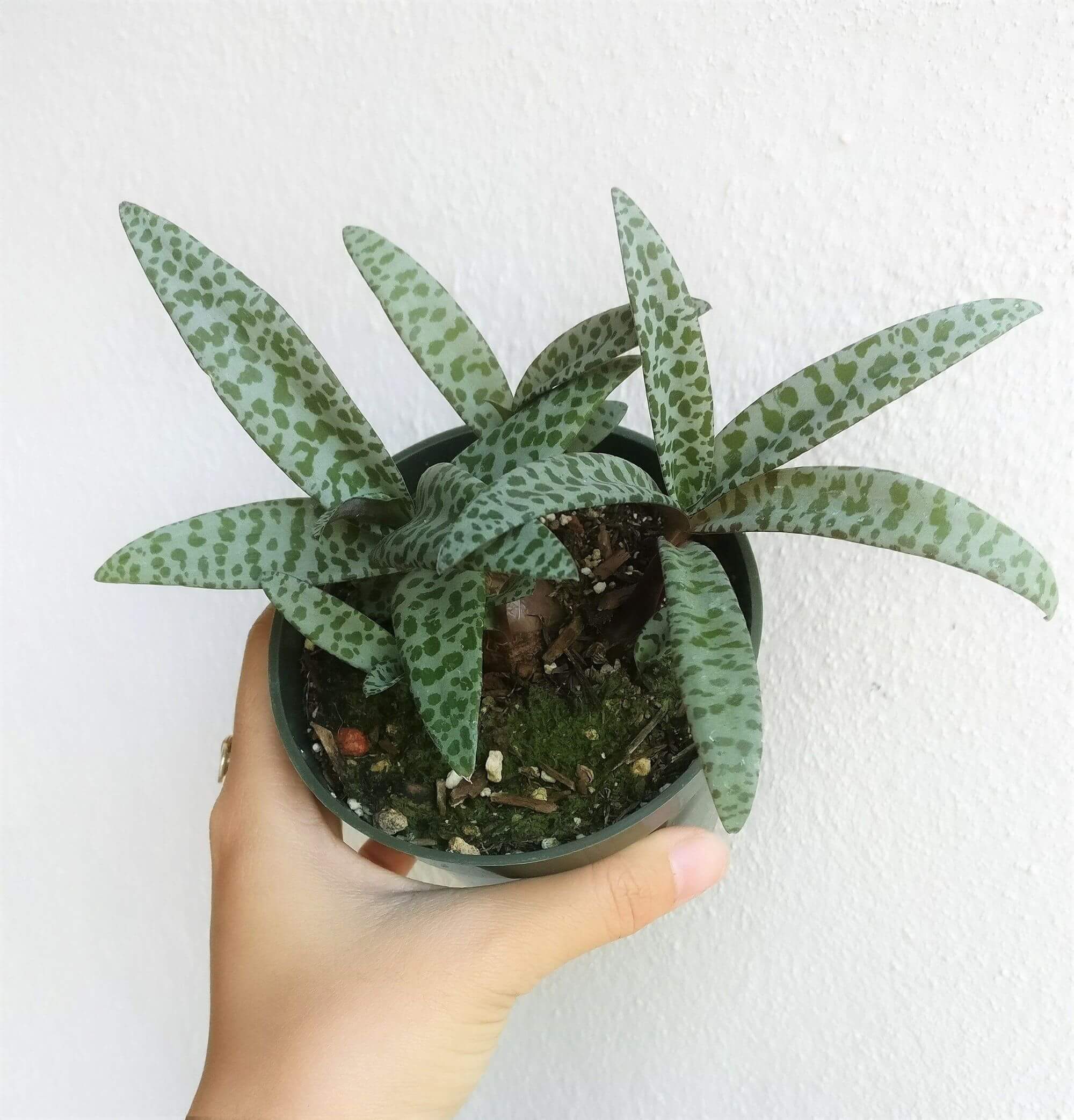
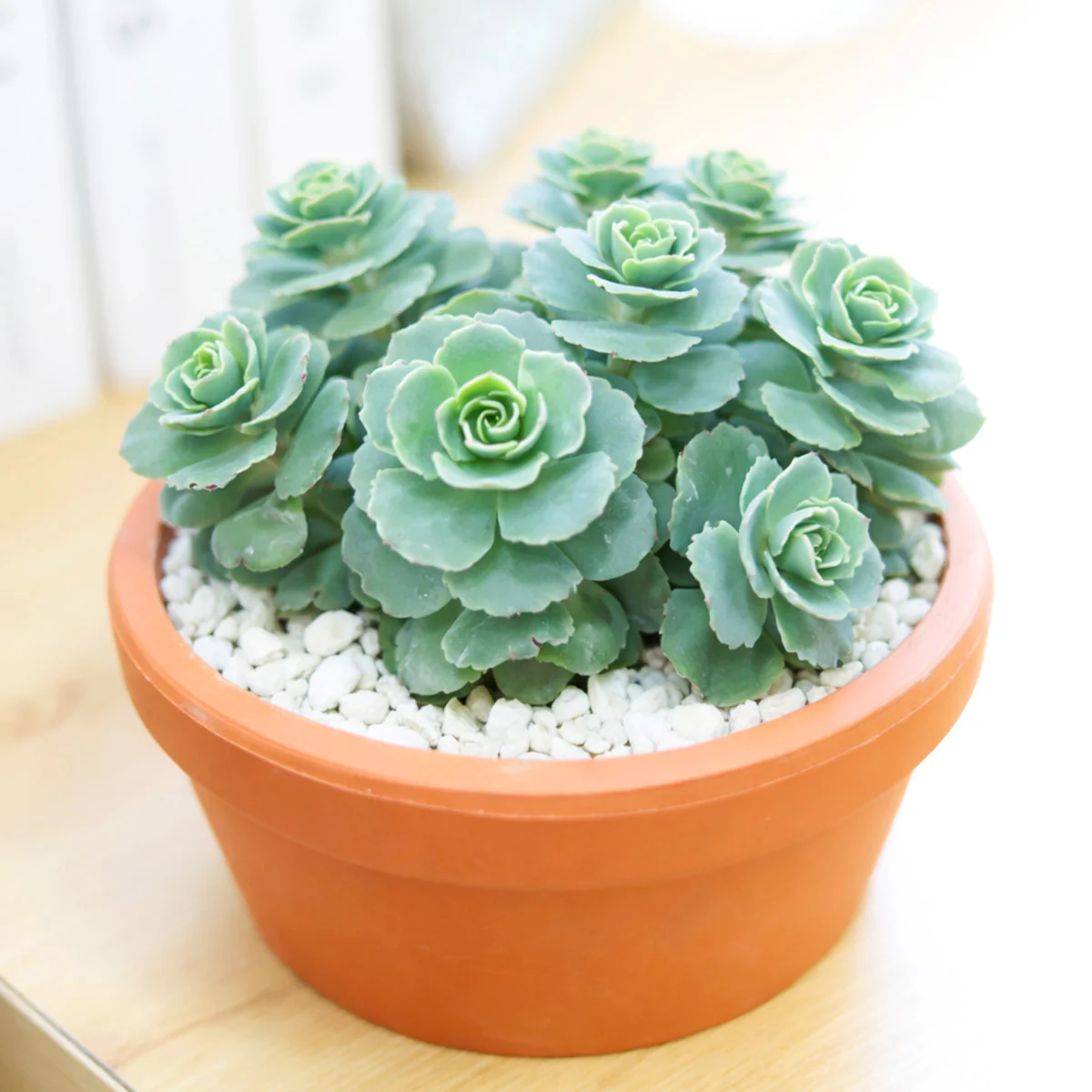
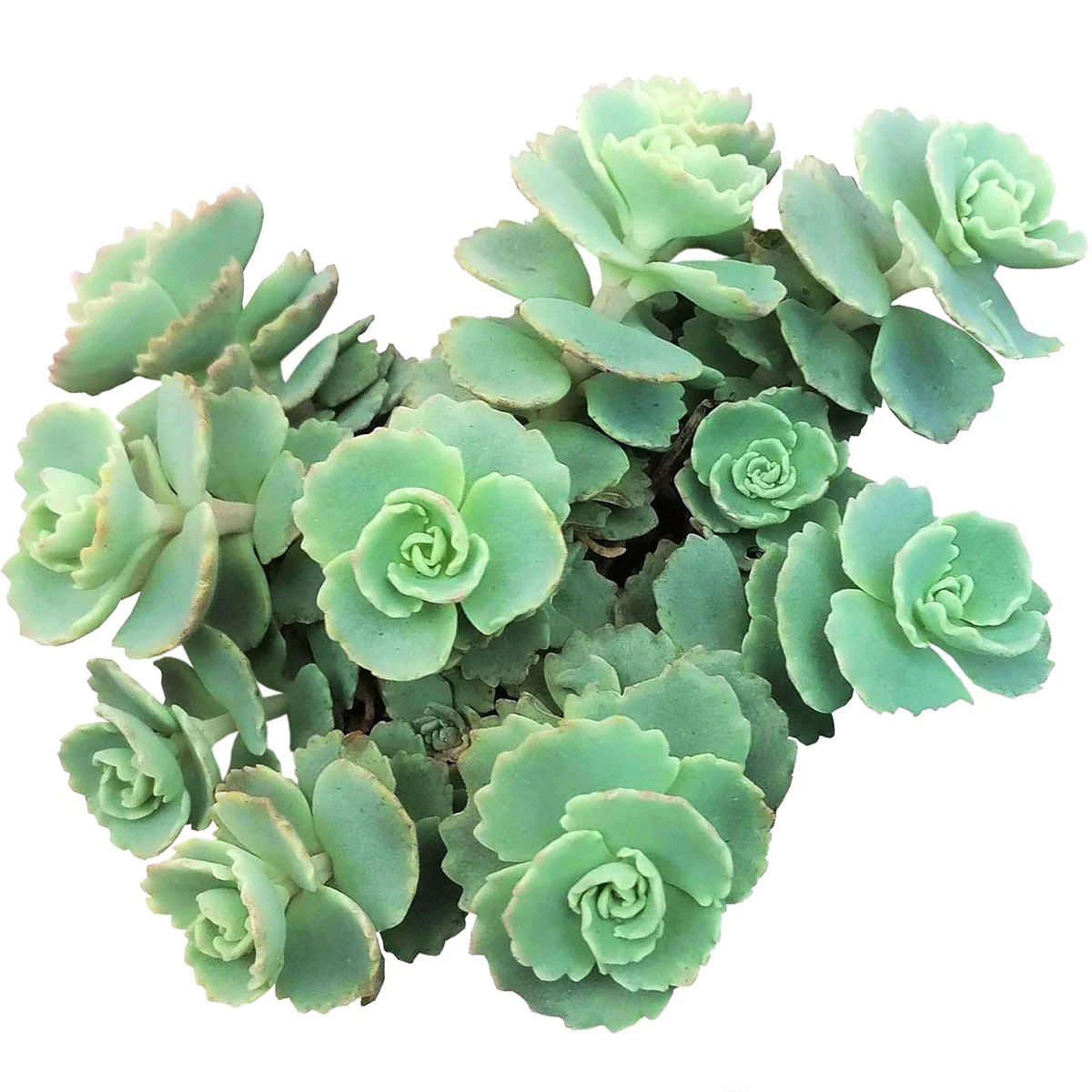
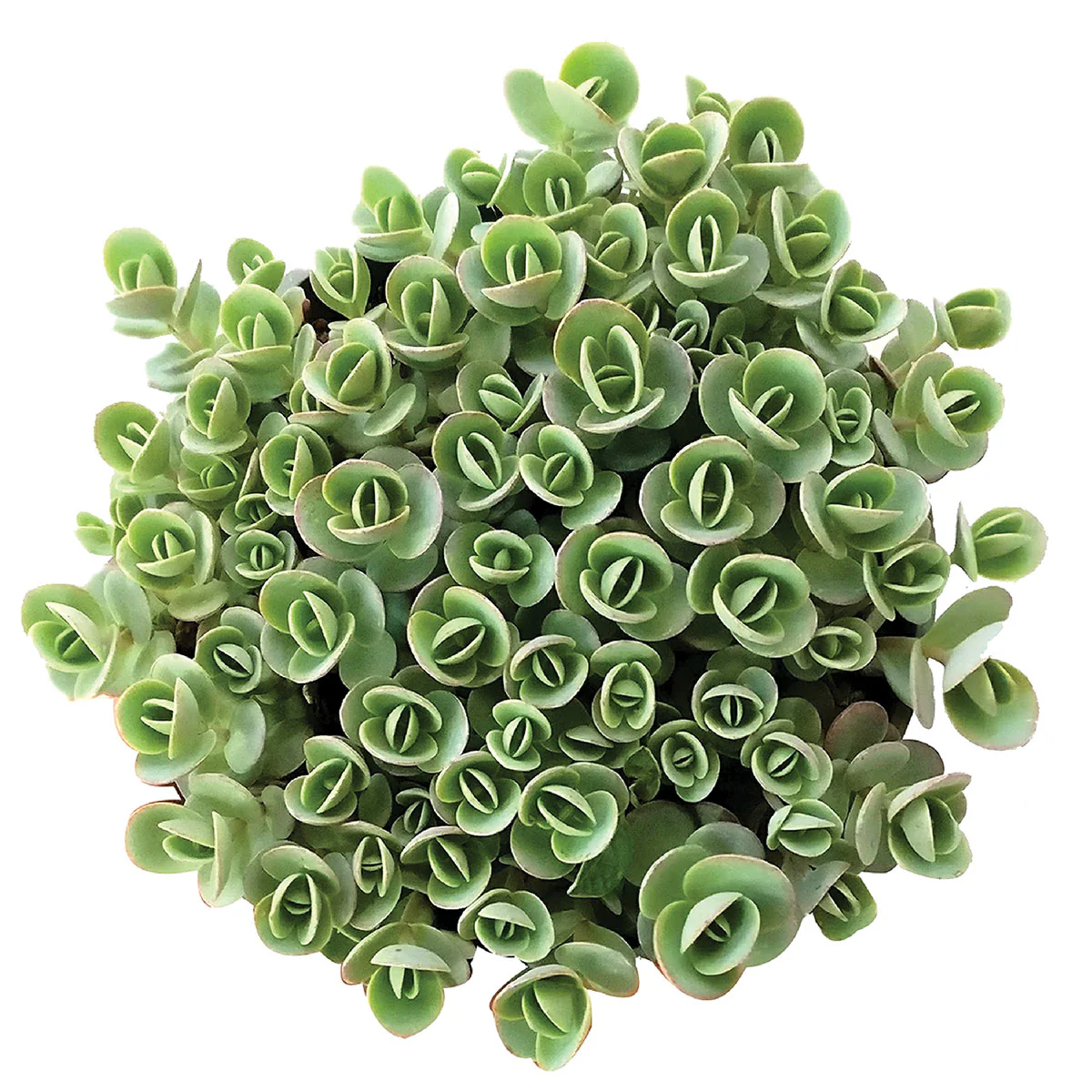
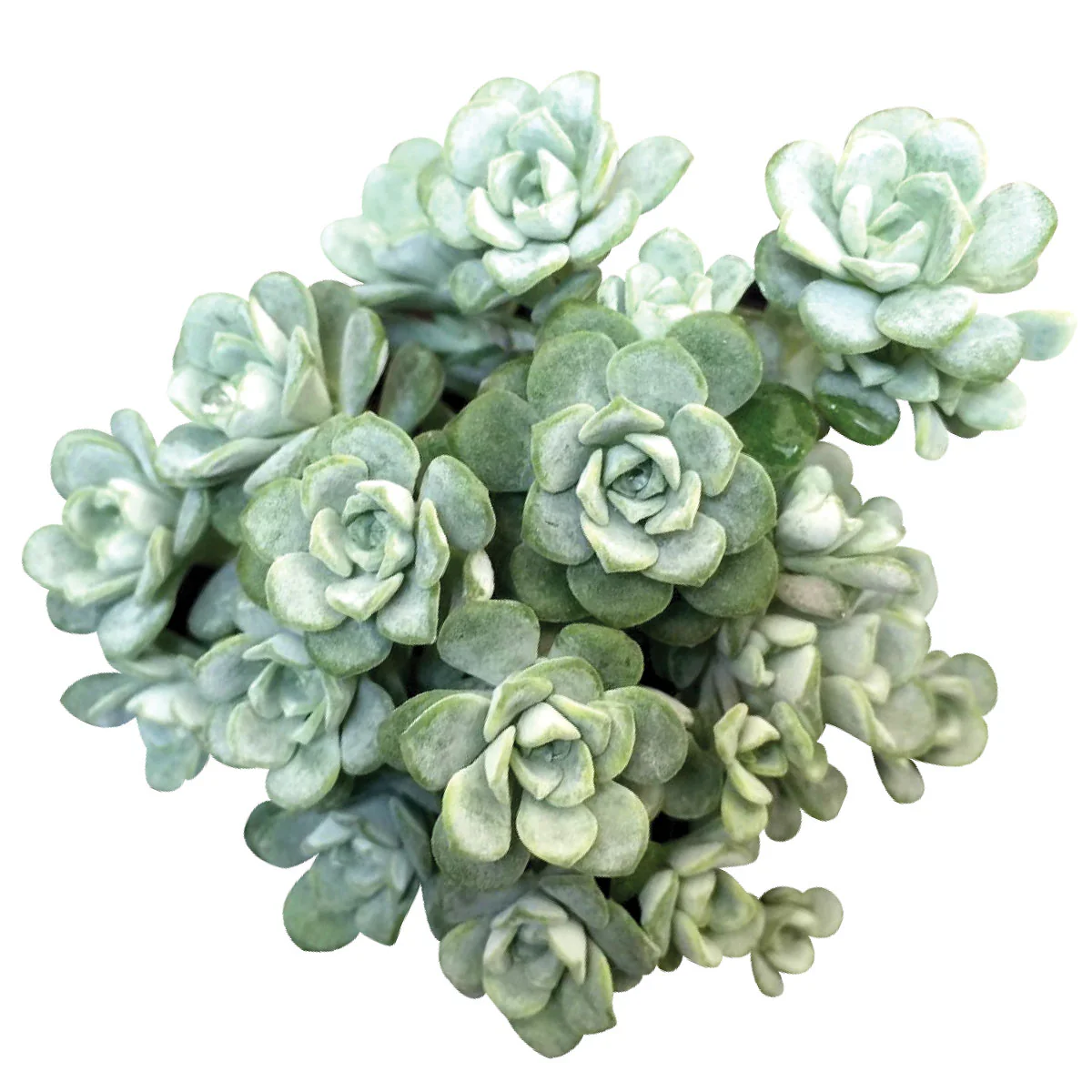
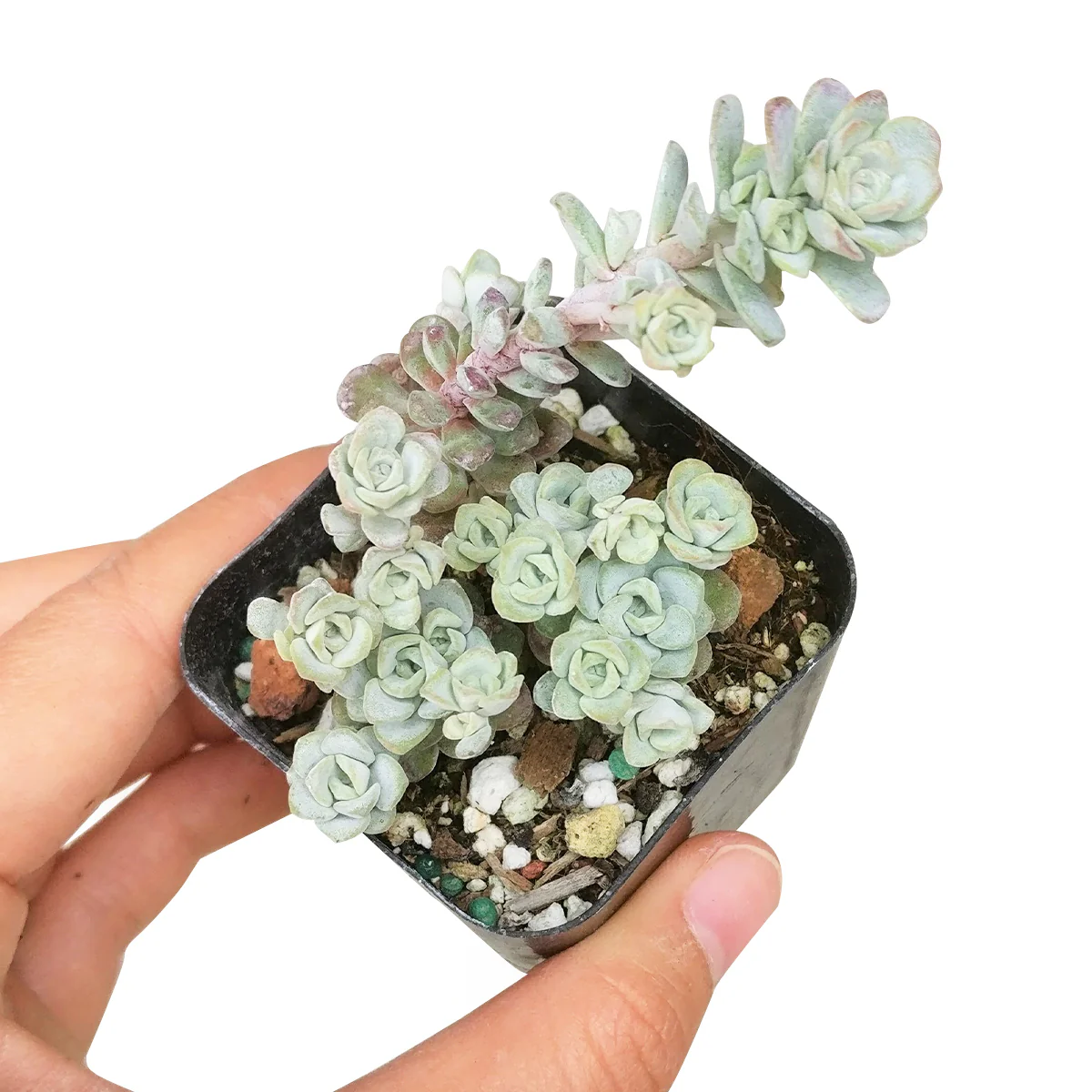
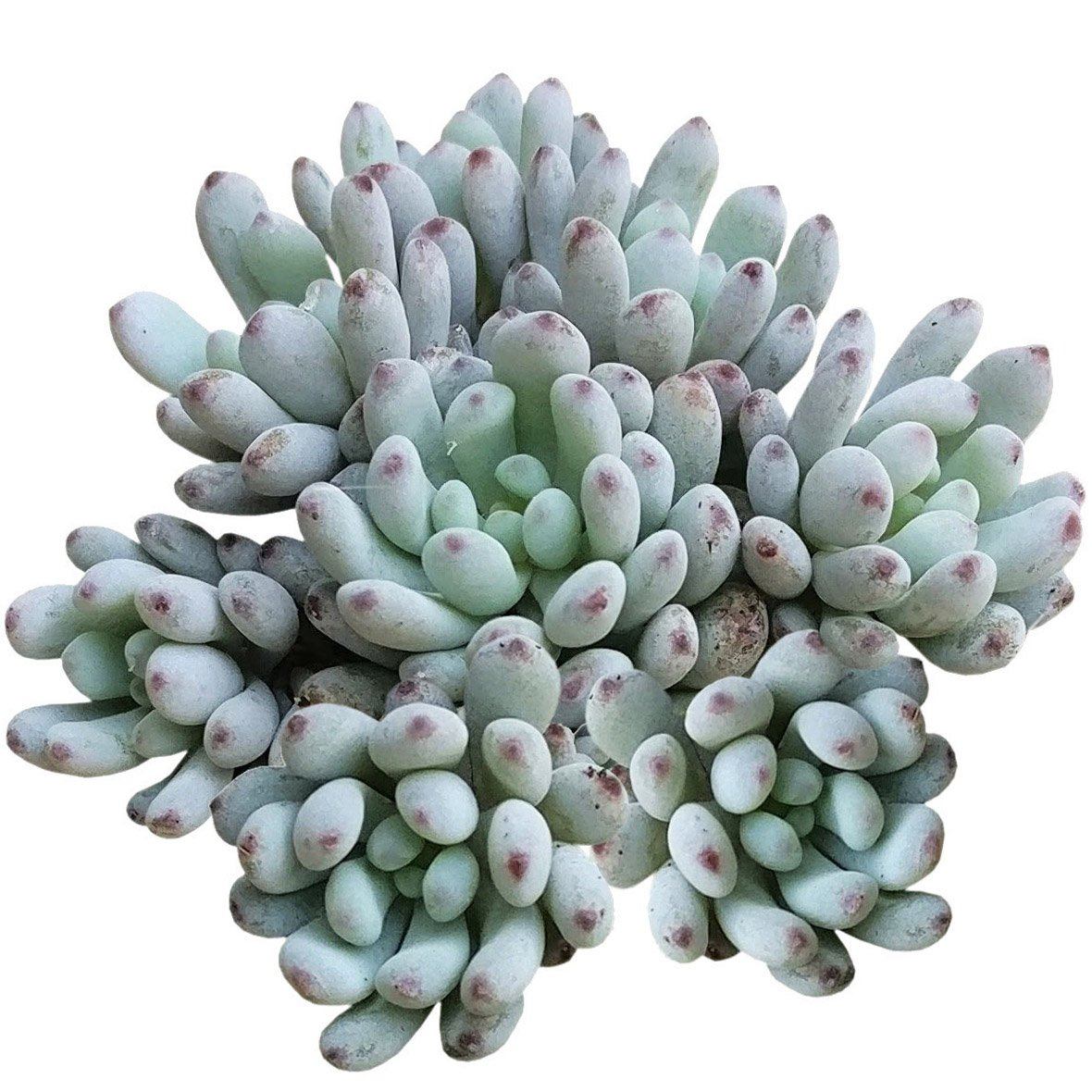
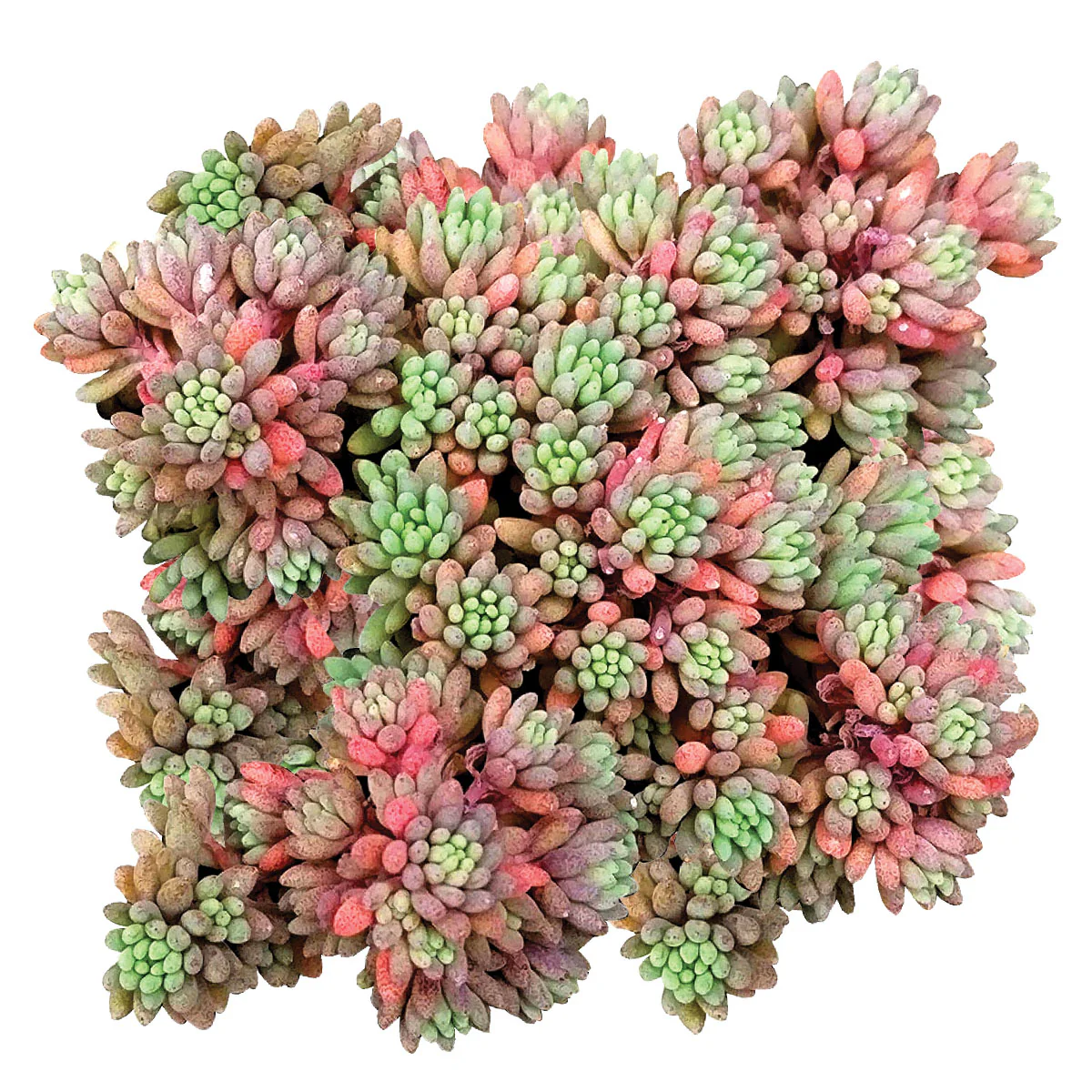
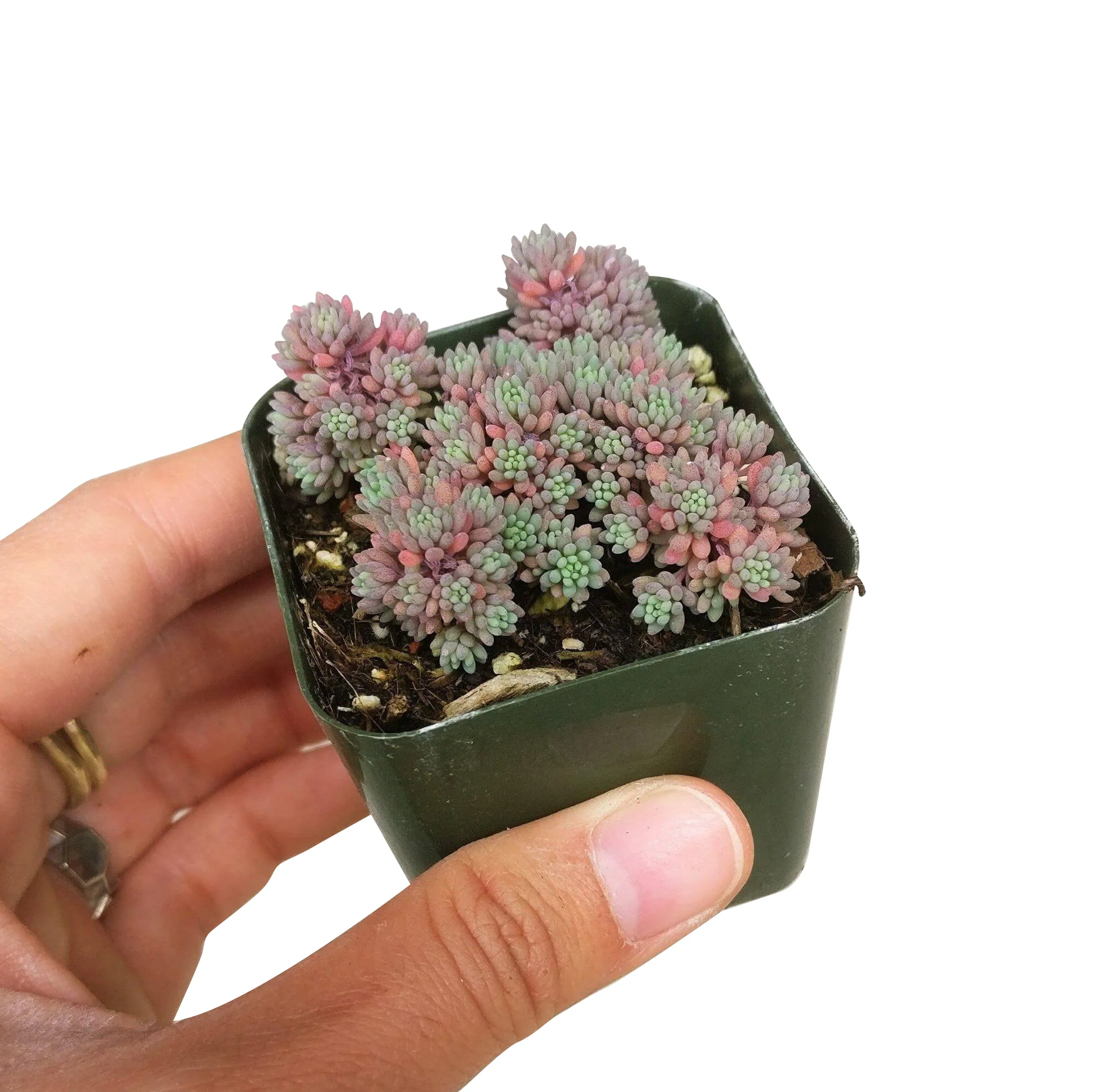
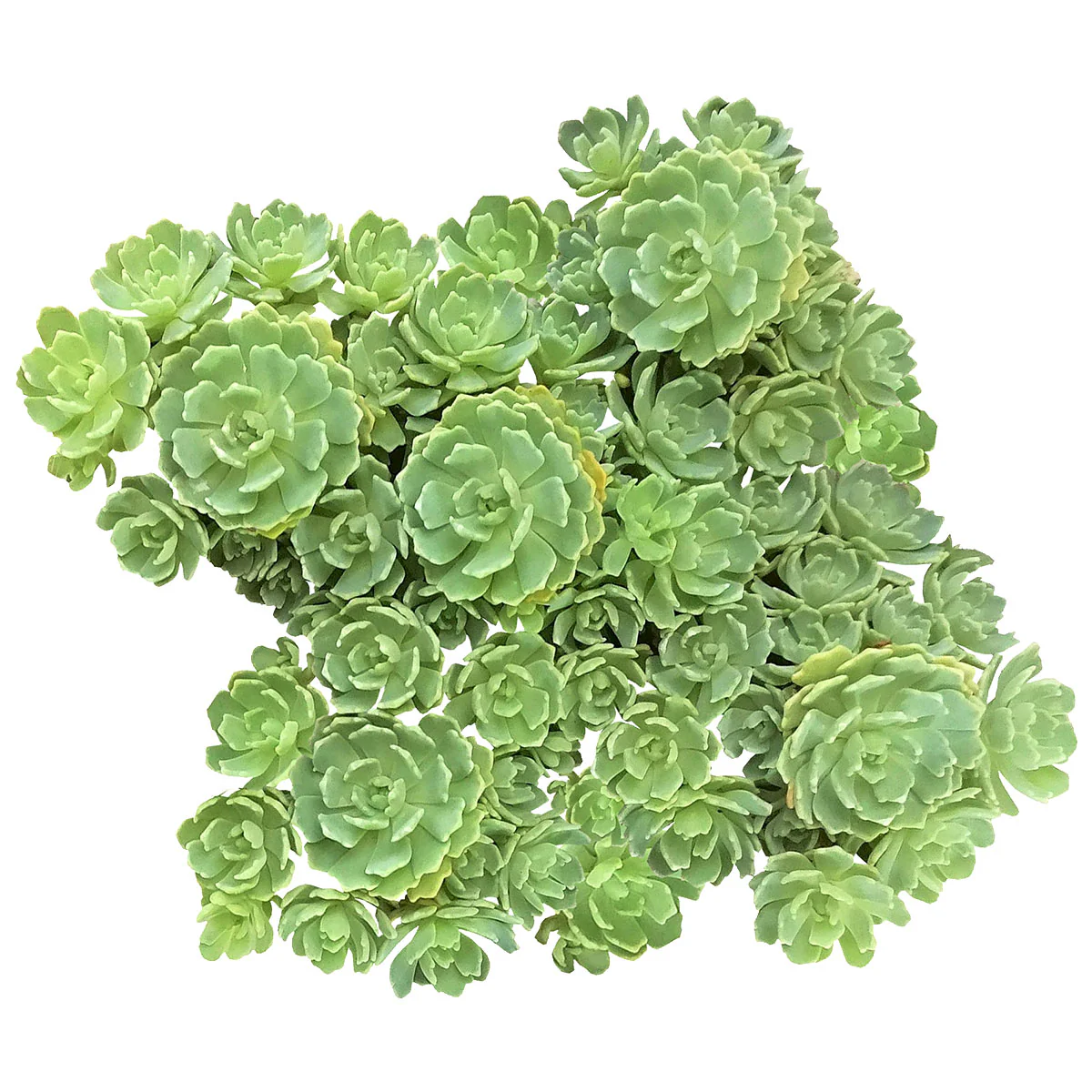
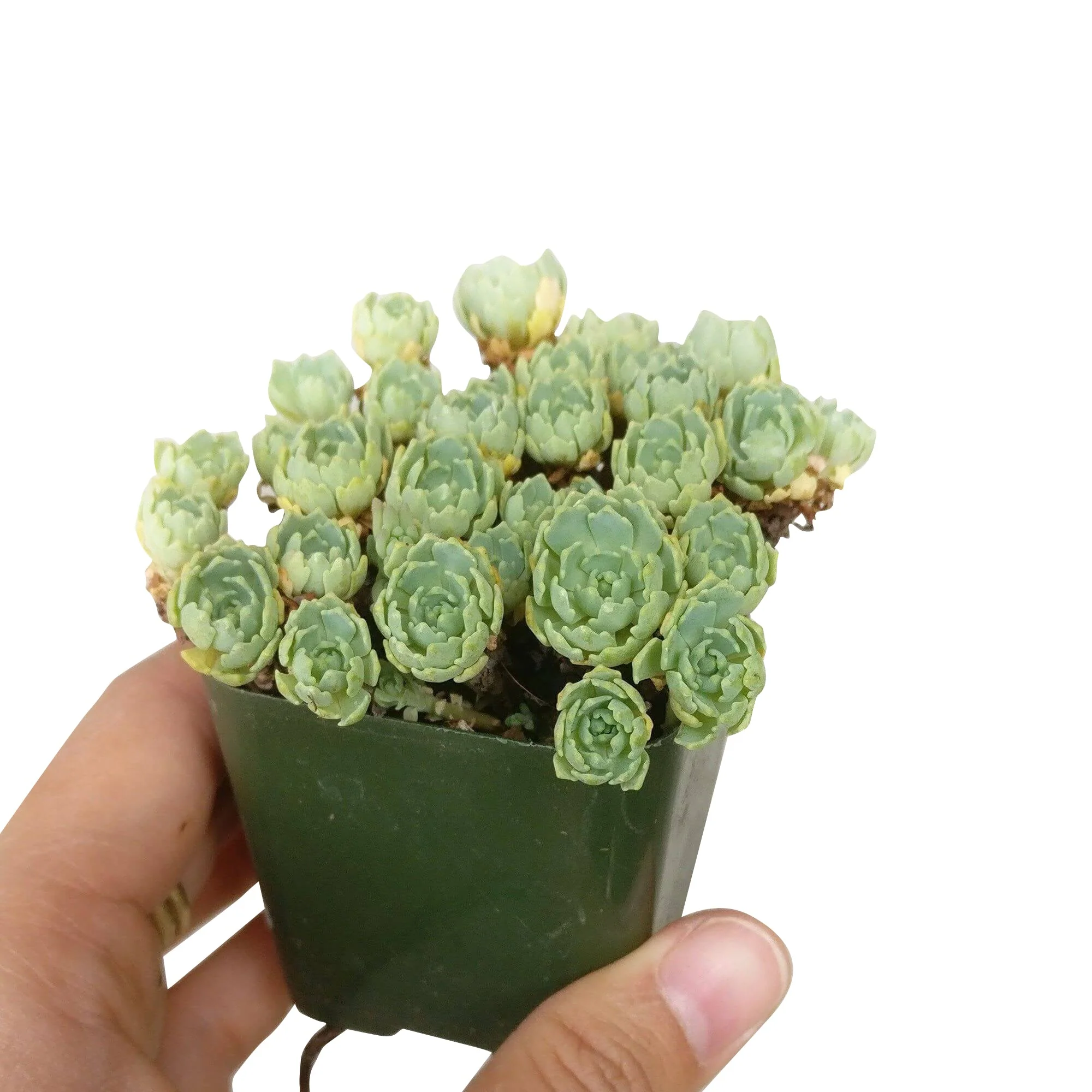
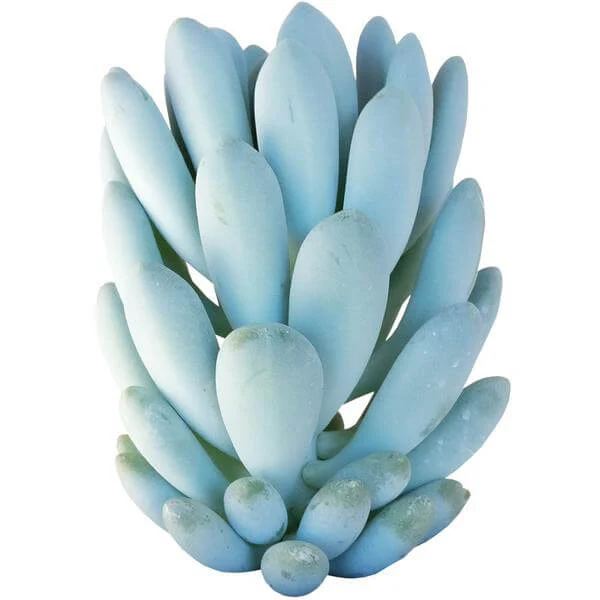
 Echeveria Elegans Blue forms tight, symmetrical rosettes of fleshy, spoon-shaped leaves in a soft blue-gray to blue-green hue, often edged with a subtle pale margin. The leaves have a powdery, matte coating called farina that gives this blue-green rosette succulent its signature frosted, almost silvery appearance. As it matures, Echeveria Elegans Blue offsets freely, sending out clusters of smaller rosettes that fill a 4-inch pot beautifully and keep the display looking full and lush.
 Echeveria Elegans Blue can produce slender arching stems topped with small, pink-tipped coral or yellow-orange bell-shaped blooms, typically appearing in late winter to spring. A night temperature drop encourages this flowering cycle, so moving it somewhere slightly cooler in the evening during winter can reward you with a lovely seasonal show. This plant is also pet friendly, so you can display it anywhere in your home without worry.
 Echeveria Elegans Blue is a stellar choice for indoor shelves, sunny desks, or outdoor summer gardens where its blue-gray coloring pairs beautifully with warm-toned companions. It survives a 10-day trip without a caretaker, tolerates dry heated air indoors, and can move outside for summer as long as you cover it from heavy rain. Rotate your pot every week or two so all sides receive even light, and keep it away from direct AC or heater vents. Whether you are building your first succulent collection or adding to a curated display, Echeveria Elegans Blue is a rewarding, low-fuss gem.
-
 Echeveria Elegans Blue thrives in bright indirect light, partial sun, or full sun, though south-facing windows with intense midday rays can scorch its farina-coated leaves.
 Water Echeveria Elegans Blue deeply every 10 to 14 days in summer and reduce to once every 3 to 4 weeks in winter, always letting soil dry completely between waterings.
 Echeveria Elegans Blue does best in a gritty, fast-draining mix such as cactus and succulent potting soil blended with 30 to 50 percent perlite or coarse sand.
 Echeveria Elegans Blue prefers temperatures between 65 and 80 degrees Fahrenheit (18 to 27 degrees Celsius) and should be brought indoors before temperatures drop near freezing.
![]() Echeveria Elegans Blue is a slow to moderate grower that needs only a light balanced fertilizer once or twice during the active spring and summer growing season.
Echeveria Elegans Blue is a slow to moderate grower that needs only a light balanced fertilizer once or twice during the active spring and summer growing season.
 Echeveria Elegans Blue is hardy in USDA Zones 9 through 11, tolerating brief dips down to around 25 to 28 degrees Fahrenheit (minus 3 to minus 2 degrees Celsius) but performing best with frost-free winters. Gardeners growing Echeveria Elegans Blue outdoors year-round will find ideal conditions across much of California, Arizona, Texas, Florida, Hawaii, Louisiana, Mississippi, Alabama, Georgia, South Carolina, and southern Nevada. It also does beautifully outdoors along the mild Oregon and Washington coasts, and in sheltered microclimates throughout New Mexico and coastal North Carolina, giving succulent lovers across all these regions a reliable, long-lived garden plant.
-
Q: How often should I water Echeveria Elegans Blue?
A: Water Echeveria Elegans Blue every 10 to 14 days in the growing season, letting the soil dry out completely before watering again. In winter, cut back to once every three to four weeks.
Q: Is Echeveria Elegans Blue pet friendly?
A: Yes, Echeveria Elegans Blue is pet friendly and considered non-toxic to cats and dogs. You can display it freely anywhere in your home without concern for curious pets.
Q: How much light does Echeveria Elegans Blue need?
A: Echeveria Elegans Blue does best in bright indirect light or partial to full sun, making a south- or east-facing windowsill a great spot. Avoid intense direct midday sun through glass, which can scorch its delicate farina coating.
Q: Can Echeveria Elegans Blue grow under office LED lights?
A: Yes, Echeveria Elegans Blue can grow under bright office LED grow lights if natural light is limited. Position the light close enough to mimic the intensity it would get near a sunny window.
Q: How big does Echeveria Elegans Blue get?
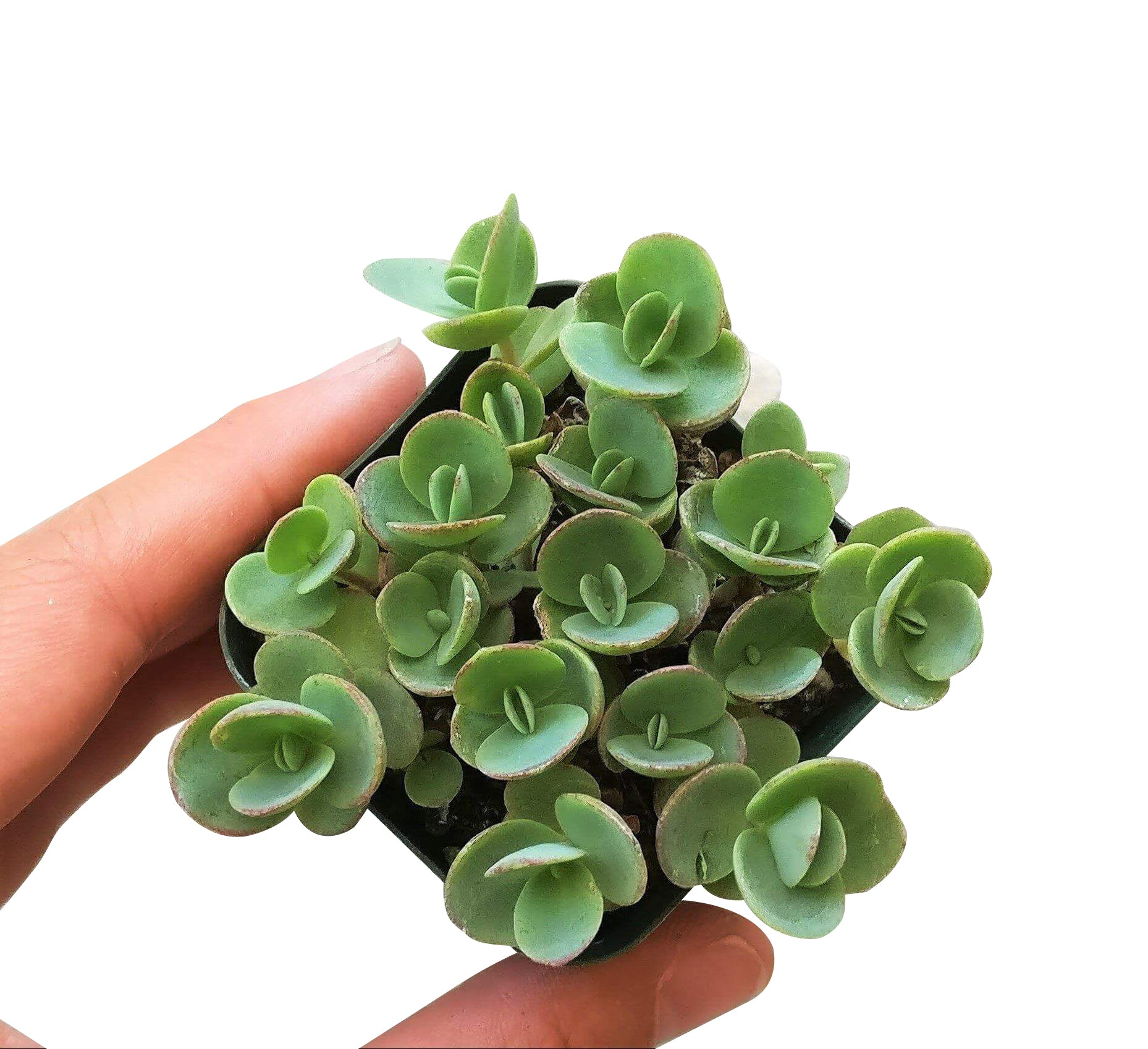
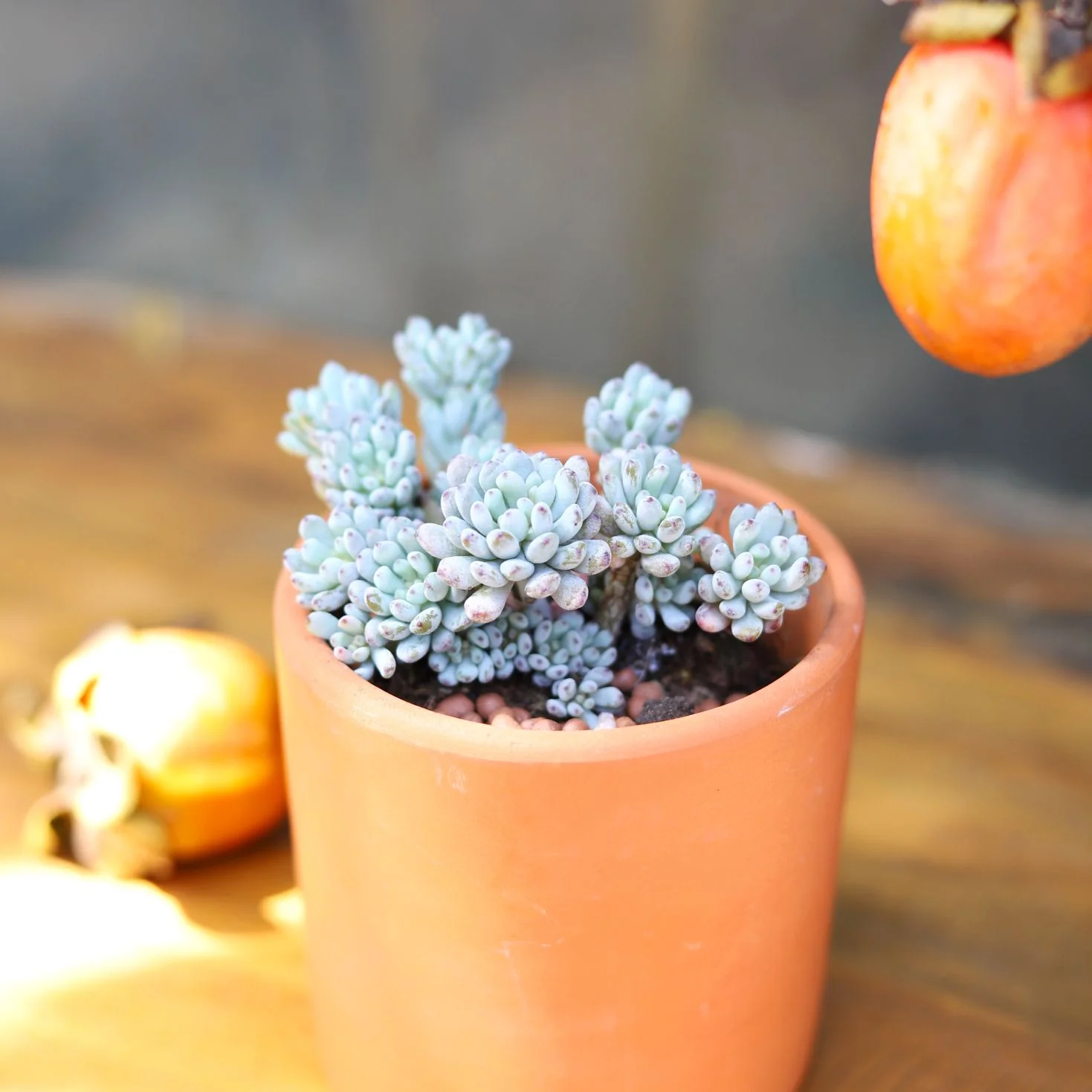
A: Echeveria Elegans Blue typically reaches about 3 to 4 inches across per rosette and clusters outward as it matures. A standard 4-inch pot is a perfect starting size for a single plant or small offset group.
Q: How do I propagate Echeveria Elegans Blue?
A: The easiest way to propagate Echeveria Elegans Blue is by gently separating the offsets that form around the base of the mother rosette. Allow the offset to callous for a day or two, then place it in dry succulent mix and water lightly after a week.


Original: $7.30
-70%$7.30
$2.19Product Information
Product Information
Shipping & Returns
Shipping & Returns
Description
- Description
- Echeveria Elegans Blue Care Guide
- FAQ/Common Issues
-
![]() Echeveria Elegans Blue is a charming blue-green rosette succulent in the Crassulaceae family, native to the semi-arid regions of Mexico. It thrives naturally in rocky, well-drained soils with plenty of sun and low rainfall, making it perfectly adapted to life on a sunny windowsill or patio. This easy-care succulent is a favorite among beginners and collectors alike, and its compact clustering habit means one pot quickly becomes a delightful little colony.
Echeveria Elegans Blue is a charming blue-green rosette succulent in the Crassulaceae family, native to the semi-arid regions of Mexico. It thrives naturally in rocky, well-drained soils with plenty of sun and low rainfall, making it perfectly adapted to life on a sunny windowsill or patio. This easy-care succulent is a favorite among beginners and collectors alike, and its compact clustering habit means one pot quickly becomes a delightful little colony.
Echeveria Elegans Blue forms tight, symmetrical rosettes of fleshy, spoon-shaped leaves in a soft blue-gray to blue-green hue, often edged with a subtle pale margin. The leaves have a powdery, matte coating called farina that gives this blue-green rosette succulent its signature frosted, almost silvery appearance. As it matures, Echeveria Elegans Blue offsets freely, sending out clusters of smaller rosettes that fill a 4-inch pot beautifully and keep the display looking full and lush.
Echeveria Elegans Blue can produce slender arching stems topped with small, pink-tipped coral or yellow-orange bell-shaped blooms, typically appearing in late winter to spring. A night temperature drop encourages this flowering cycle, so moving it somewhere slightly cooler in the evening during winter can reward you with a lovely seasonal show. This plant is also pet friendly, so you can display it anywhere in your home without worry.
Echeveria Elegans Blue is a stellar choice for indoor shelves, sunny desks, or outdoor summer gardens where its blue-gray coloring pairs beautifully with warm-toned companions. It survives a 10-day trip without a caretaker, tolerates dry heated air indoors, and can move outside for summer as long as you cover it from heavy rain. Rotate your pot every week or two so all sides receive even light, and keep it away from direct AC or heater vents. Whether you are building your first succulent collection or adding to a curated display, Echeveria Elegans Blue is a rewarding, low-fuss gem.
-
Echeveria Elegans Blue thrives in bright indirect light, partial sun, or full sun, though south-facing windows with intense midday rays can scorch its farina-coated leaves.
Water Echeveria Elegans Blue deeply every 10 to 14 days in summer and reduce to once every 3 to 4 weeks in winter, always letting soil dry completely between waterings.
Echeveria Elegans Blue does best in a gritty, fast-draining mix such as cactus and succulent potting soil blended with 30 to 50 percent perlite or coarse sand.
Echeveria Elegans Blue prefers temperatures between 65 and 80 degrees Fahrenheit (18 to 27 degrees Celsius) and should be brought indoors before temperatures drop near freezing.
![]() Echeveria Elegans Blue is a slow to moderate grower that needs only a light balanced fertilizer once or twice during the active spring and summer growing season.
Echeveria Elegans Blue is a slow to moderate grower that needs only a light balanced fertilizer once or twice during the active spring and summer growing season.
Echeveria Elegans Blue is hardy in USDA Zones 9 through 11, tolerating brief dips down to around 25 to 28 degrees Fahrenheit (minus 3 to minus 2 degrees Celsius) but performing best with frost-free winters. Gardeners growing Echeveria Elegans Blue outdoors year-round will find ideal conditions across much of California, Arizona, Texas, Florida, Hawaii, Louisiana, Mississippi, Alabama, Georgia, South Carolina, and southern Nevada. It also does beautifully outdoors along the mild Oregon and Washington coasts, and in sheltered microclimates throughout New Mexico and coastal North Carolina, giving succulent lovers across all these regions a reliable, long-lived garden plant.
-
Q: How often should I water Echeveria Elegans Blue?
A: Water Echeveria Elegans Blue every 10 to 14 days in the growing season, letting the soil dry out completely before watering again. In winter, cut back to once every three to four weeks.
Q: Is Echeveria Elegans Blue pet friendly?
A: Yes, Echeveria Elegans Blue is pet friendly and considered non-toxic to cats and dogs. You can display it freely anywhere in your home without concern for curious pets.
Q: How much light does Echeveria Elegans Blue need?
A: Echeveria Elegans Blue does best in bright indirect light or partial to full sun, making a south- or east-facing windowsill a great spot. Avoid intense direct midday sun through glass, which can scorch its delicate farina coating.
Q: Can Echeveria Elegans Blue grow under office LED lights?
A: Yes, Echeveria Elegans Blue can grow under bright office LED grow lights if natural light is limited. Position the light close enough to mimic the intensity it would get near a sunny window.
Q: How big does Echeveria Elegans Blue get?
A: Echeveria Elegans Blue typically reaches about 3 to 4 inches across per rosette and clusters outward as it matures. A standard 4-inch pot is a perfect starting size for a single plant or small offset group.
Q: How do I propagate Echeveria Elegans Blue?
A: The easiest way to propagate Echeveria Elegans Blue is by gently separating the offsets that form around the base of the mother rosette. Allow the offset to callous for a day or two, then place it in dry succulent mix and water lightly after a week.