Echeveria Dark Moon
- Description
- Echeveria 'Dark Moon' Care Guide
- FAQ/Common Issues
-
![]() Echeveria Dark Moon is a rare, patented succulent cultivar belonging to the Echeveria genus within the Crassulaceae family. Like most echeverias, it traces its roots to the semi-arid highlands of Mexico and Central America, where succulents evolved to thrive in bright light and well-draining soils. This dark moon succulent has earned serious collector status, and finding rare echeveria for sale at this quality level is genuinely exciting.
Echeveria Dark Moon is a rare, patented succulent cultivar belonging to the Echeveria genus within the Crassulaceae family. Like most echeverias, it traces its roots to the semi-arid highlands of Mexico and Central America, where succulents evolved to thrive in bright light and well-draining soils. This dark moon succulent has earned serious collector status, and finding rare echeveria for sale at this quality level is genuinely exciting.
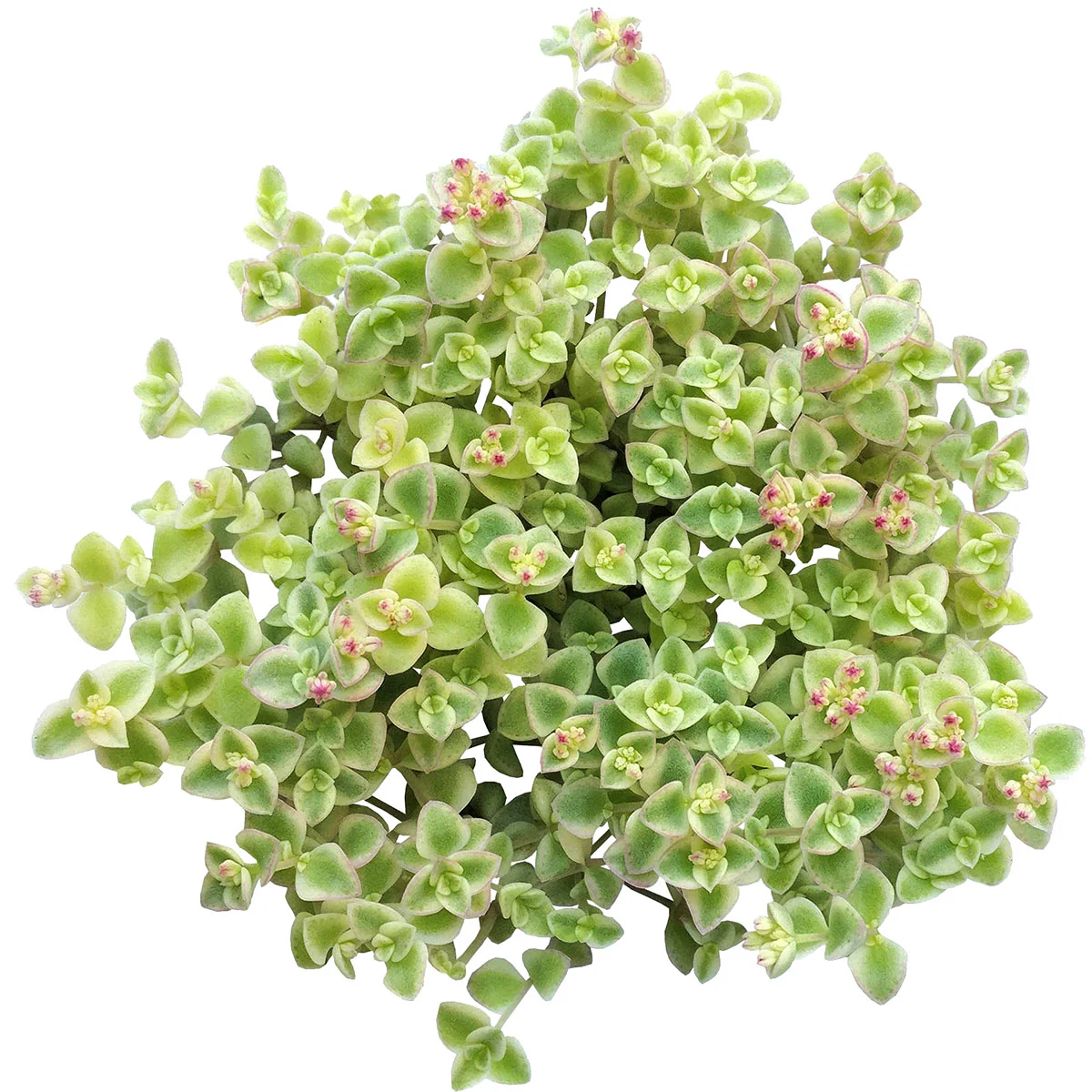
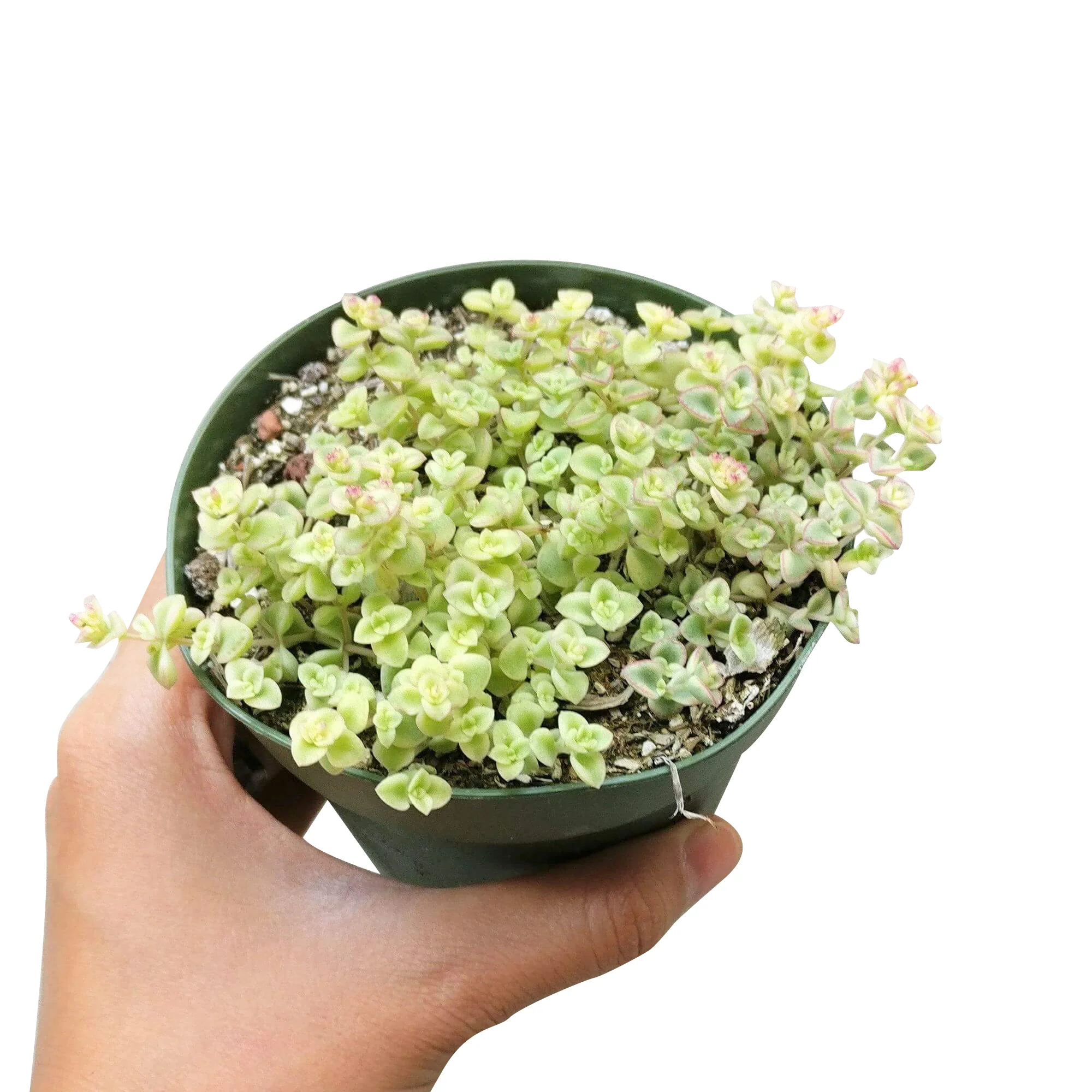
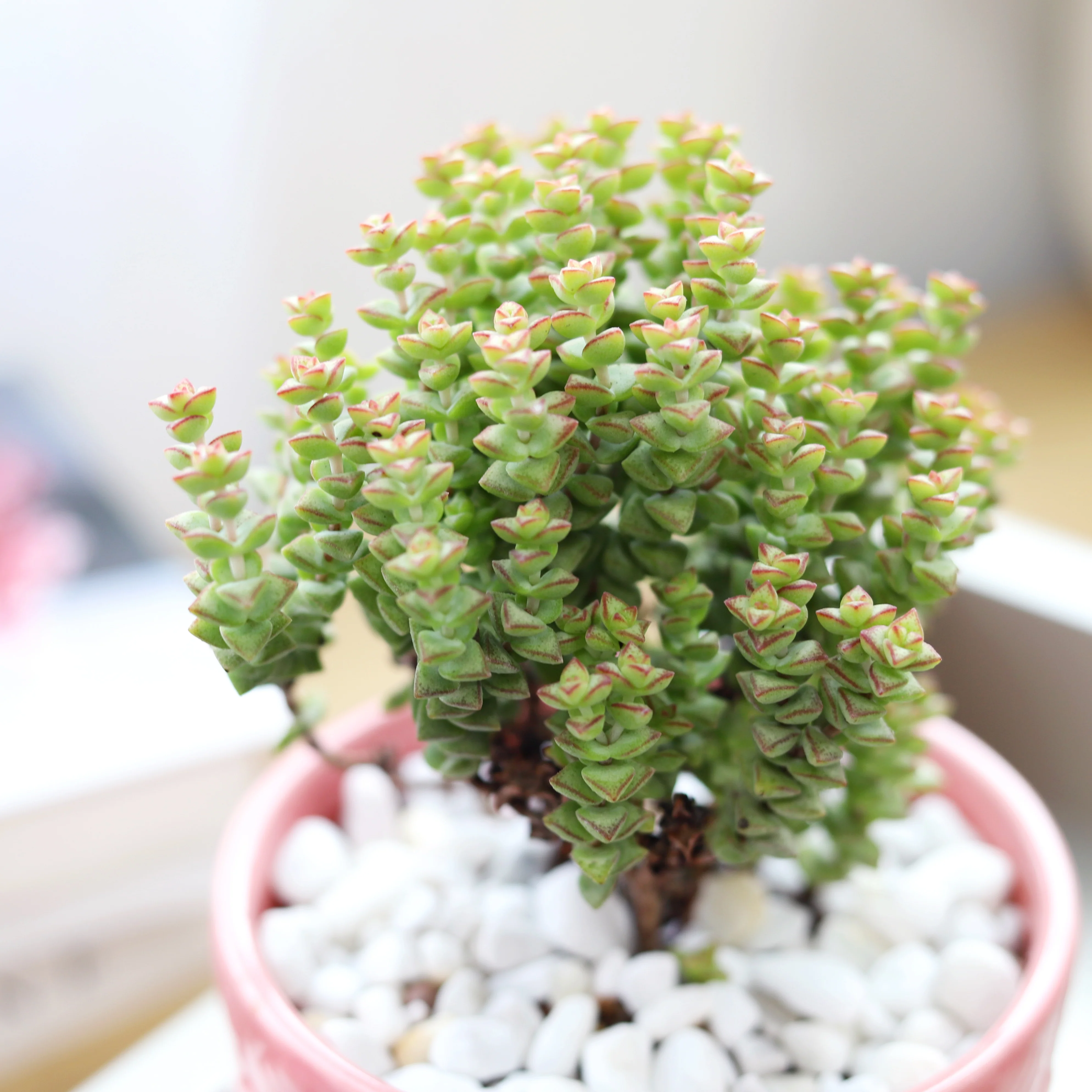
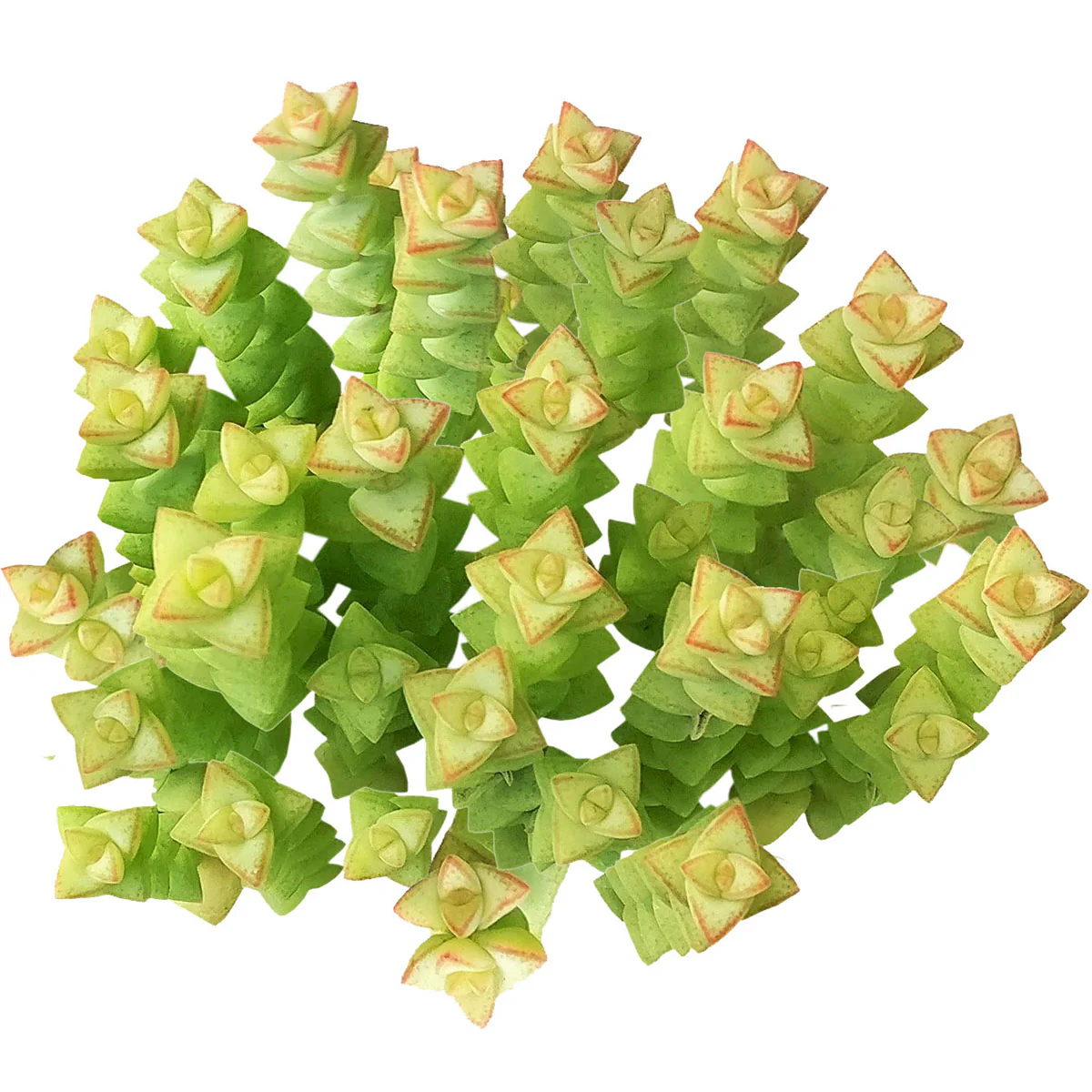
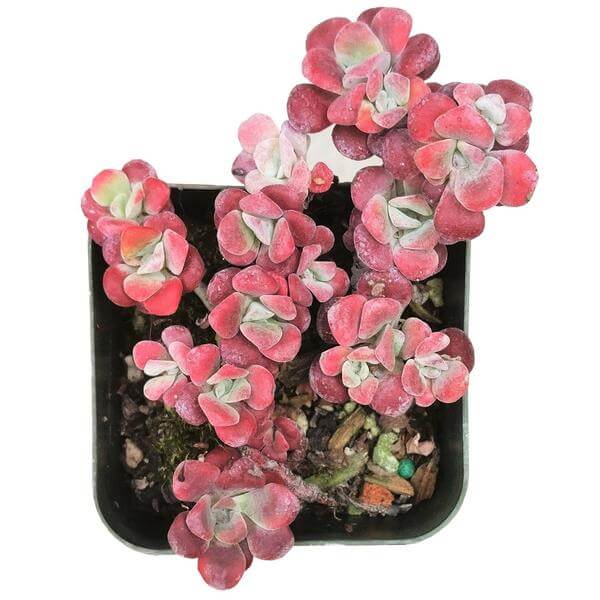
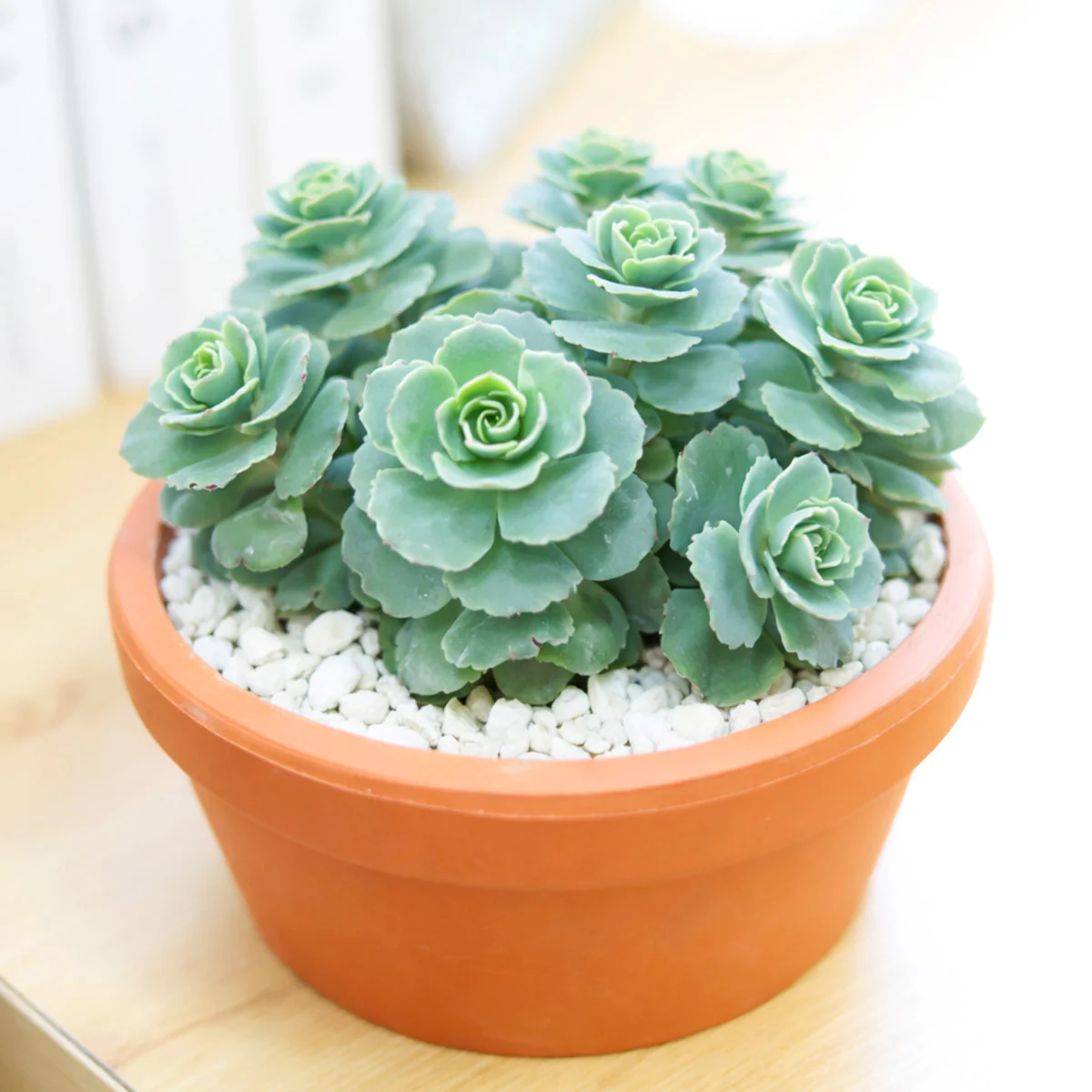
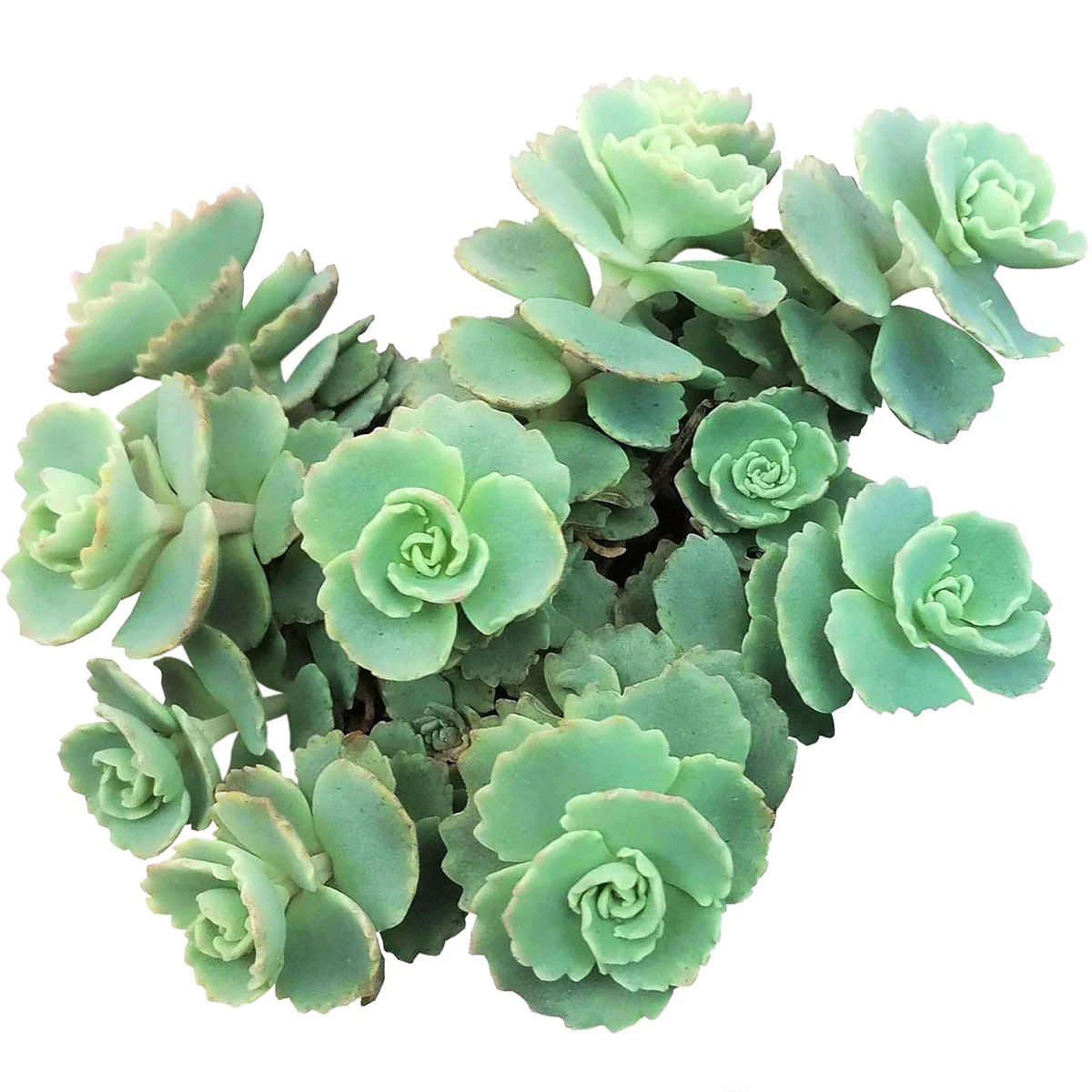
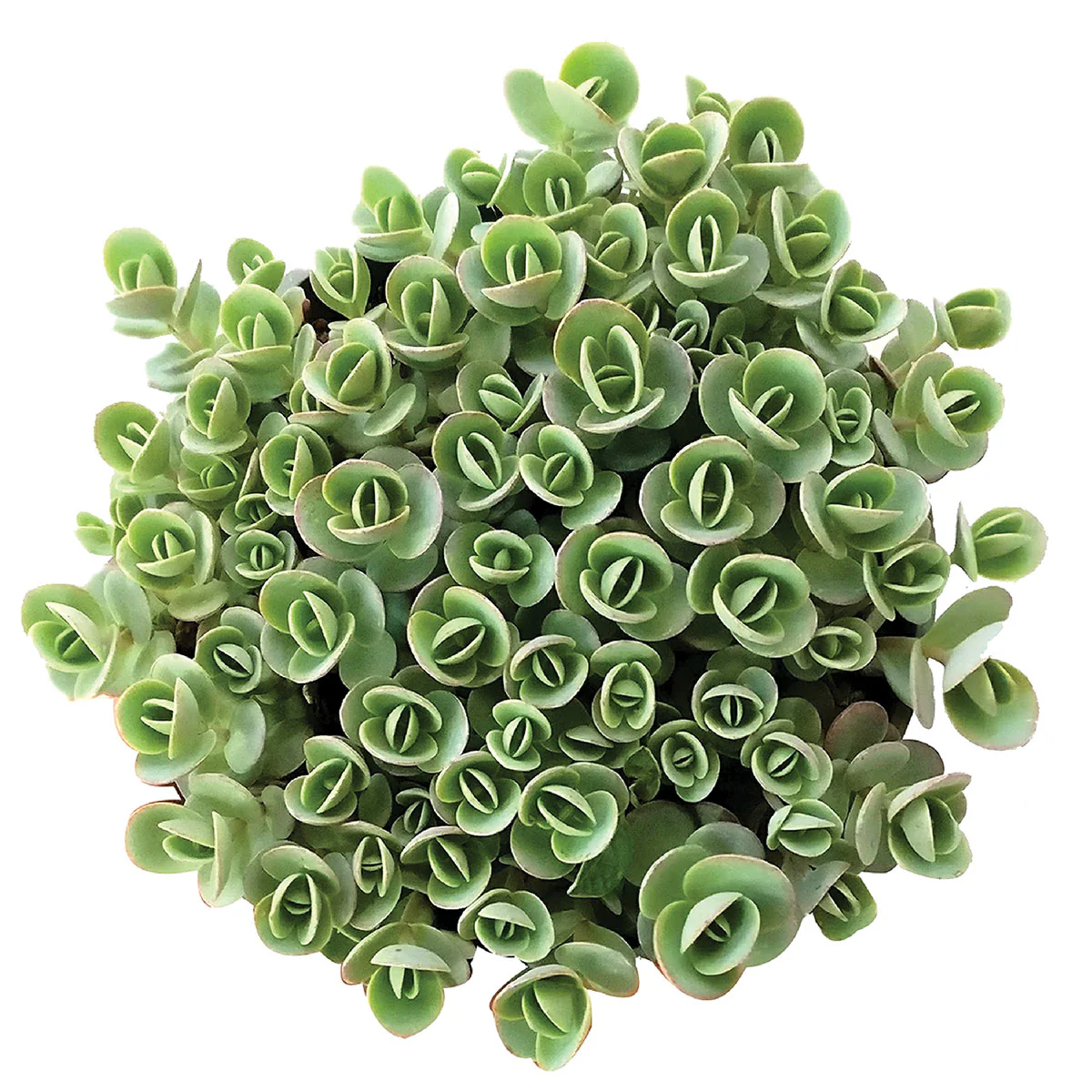
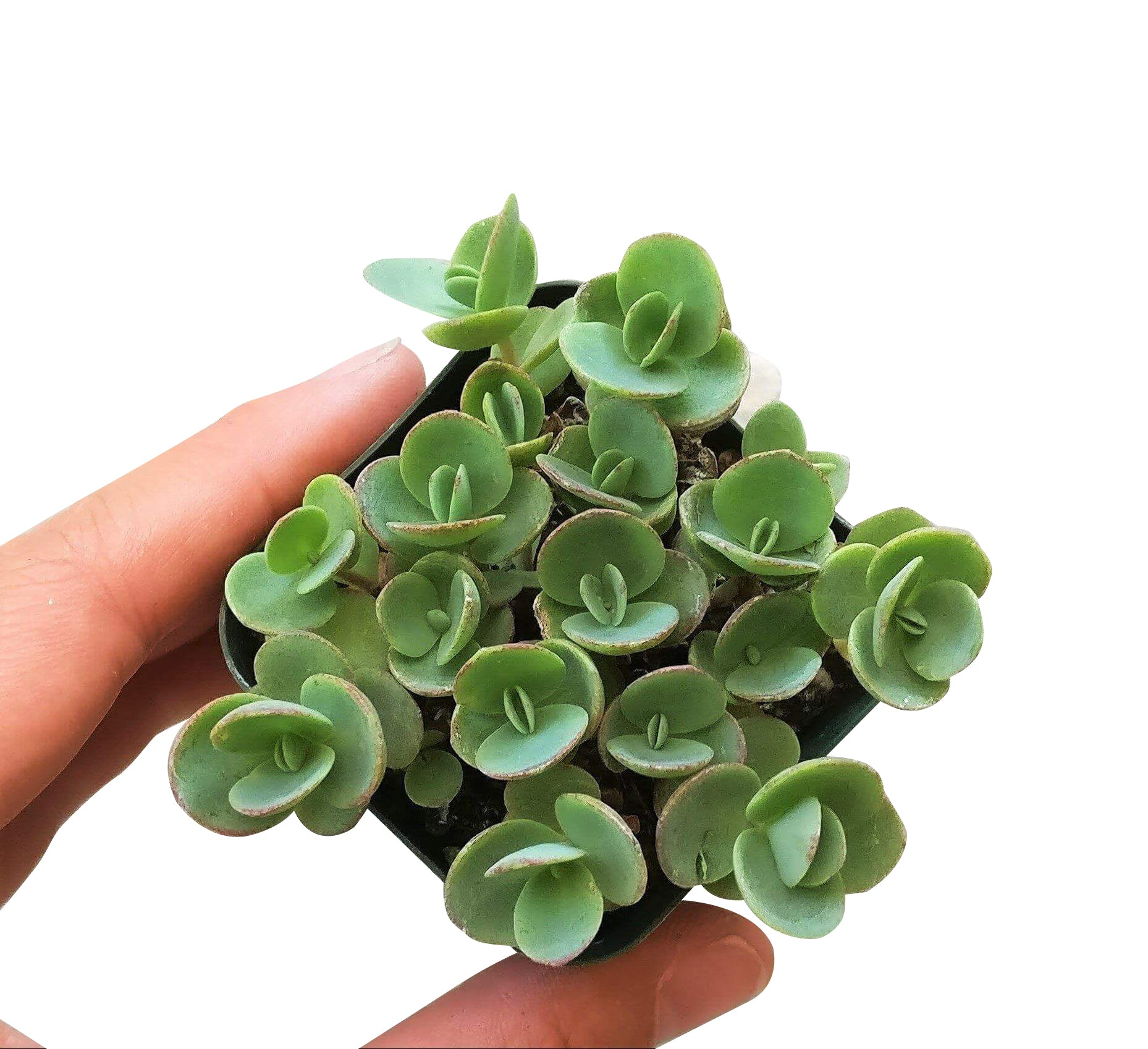
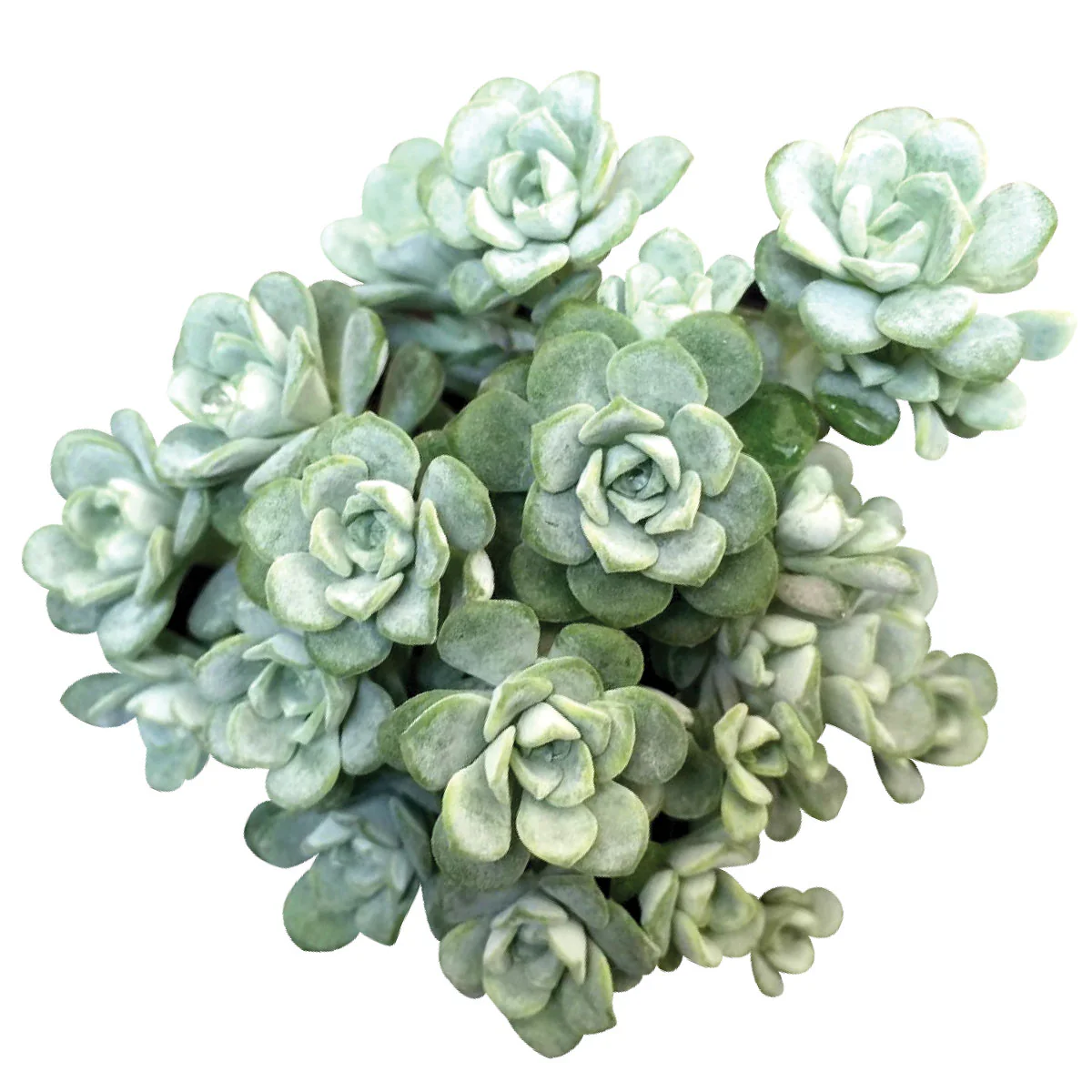
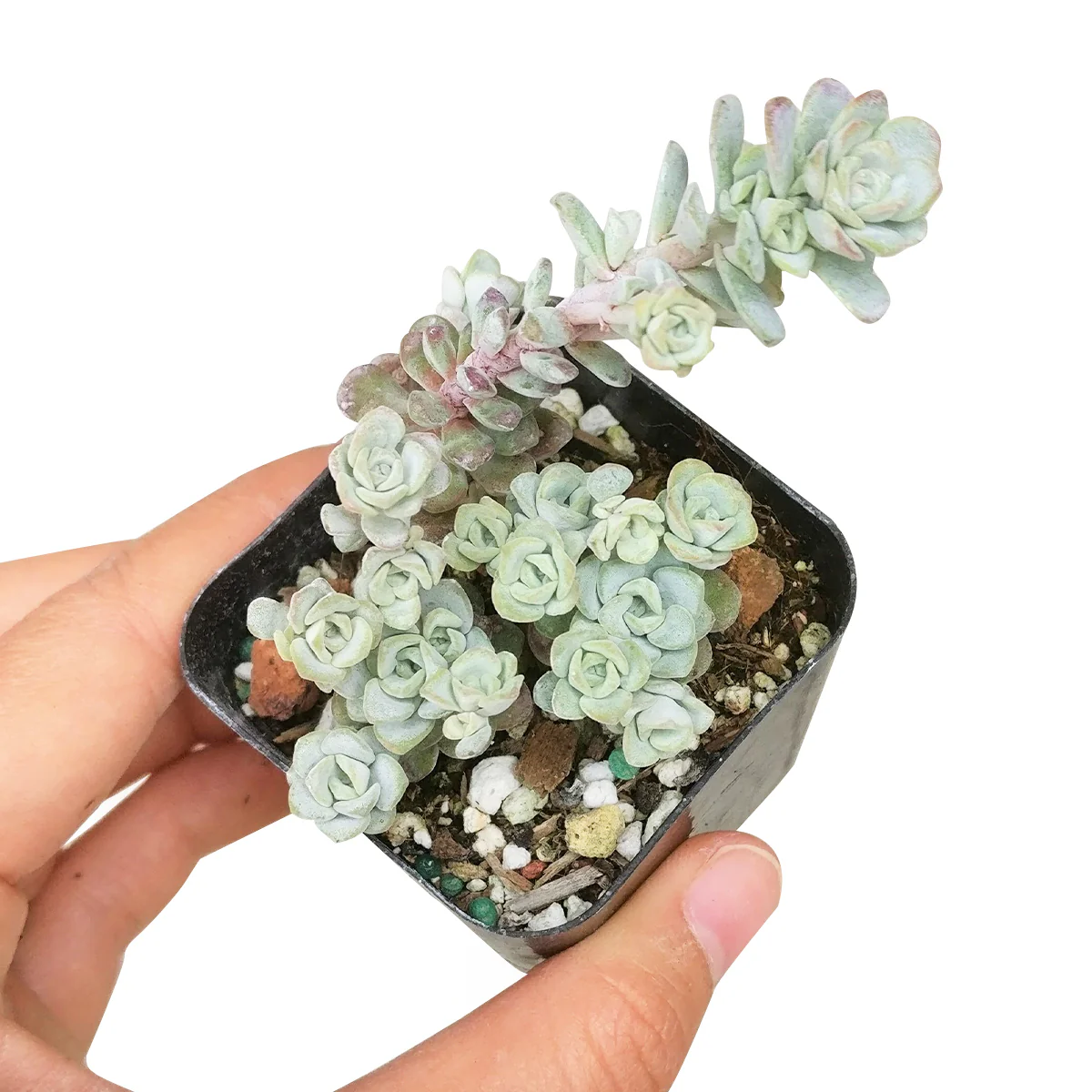
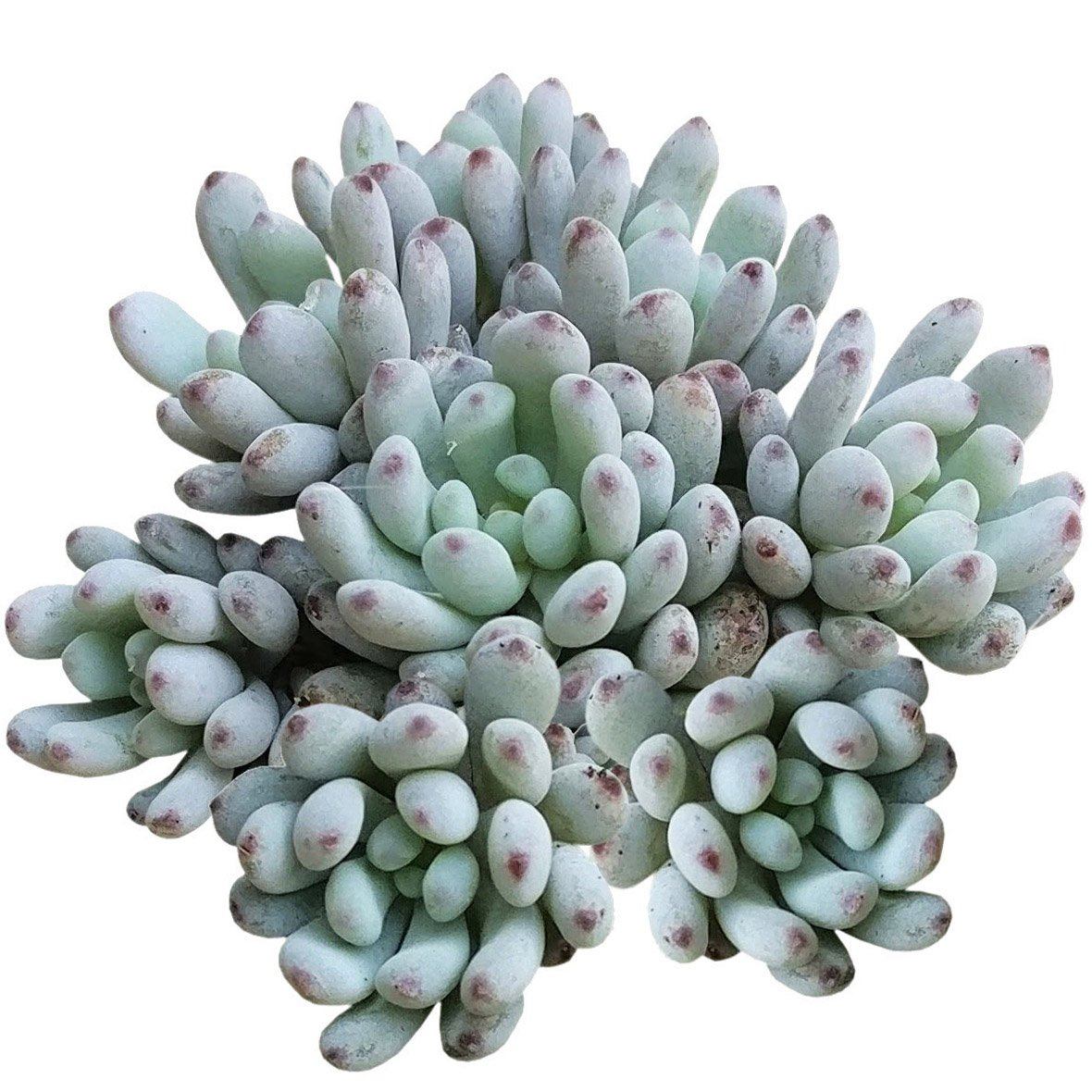
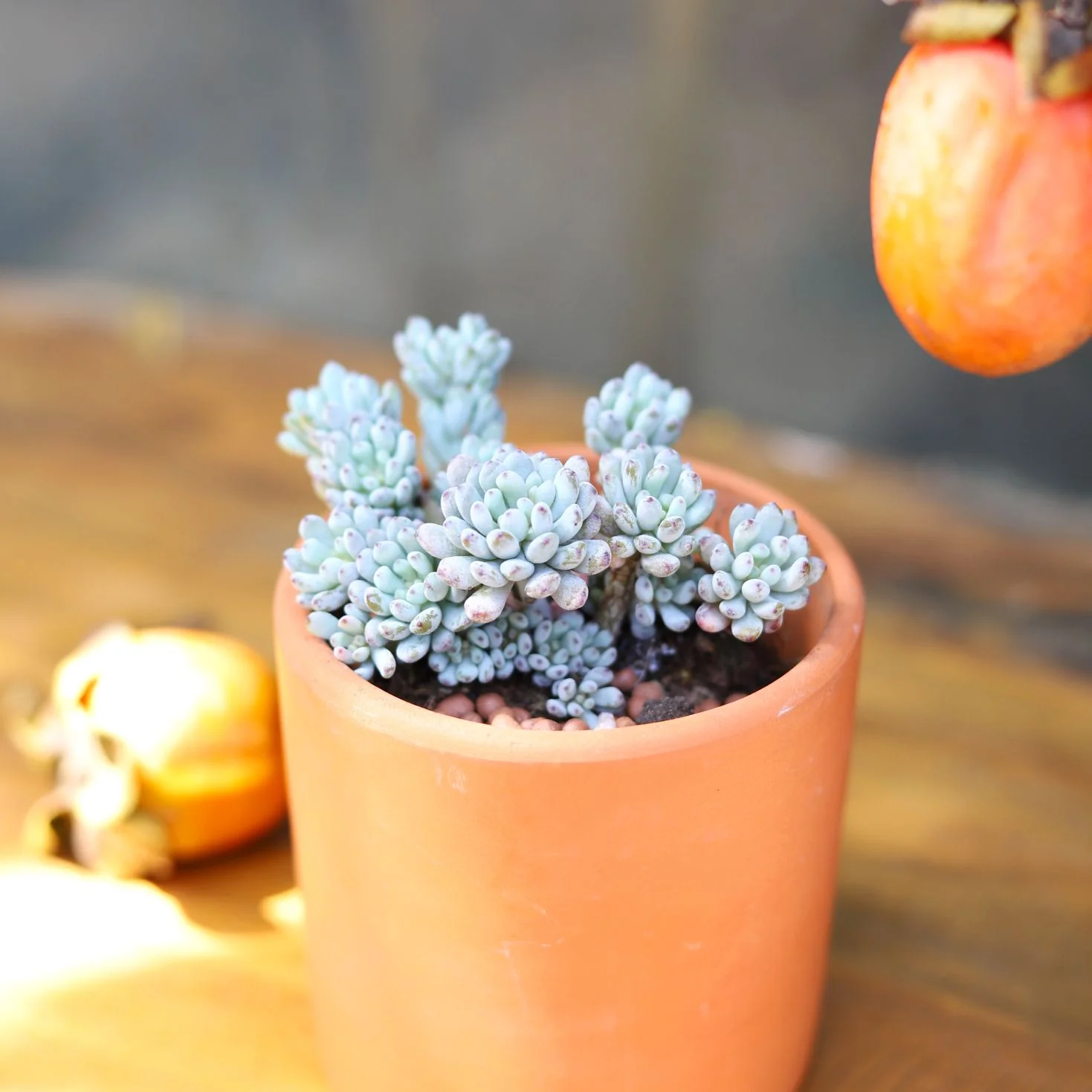
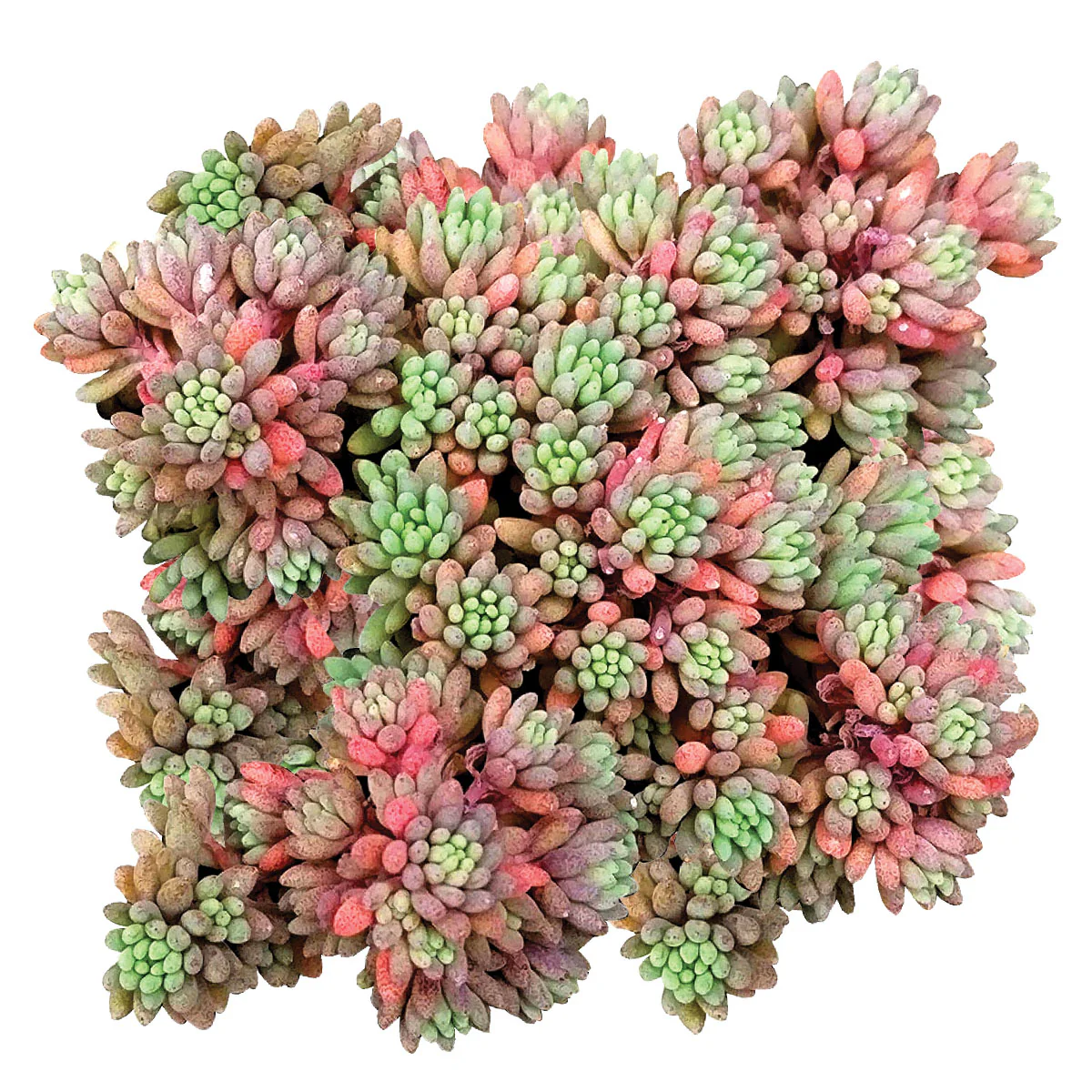
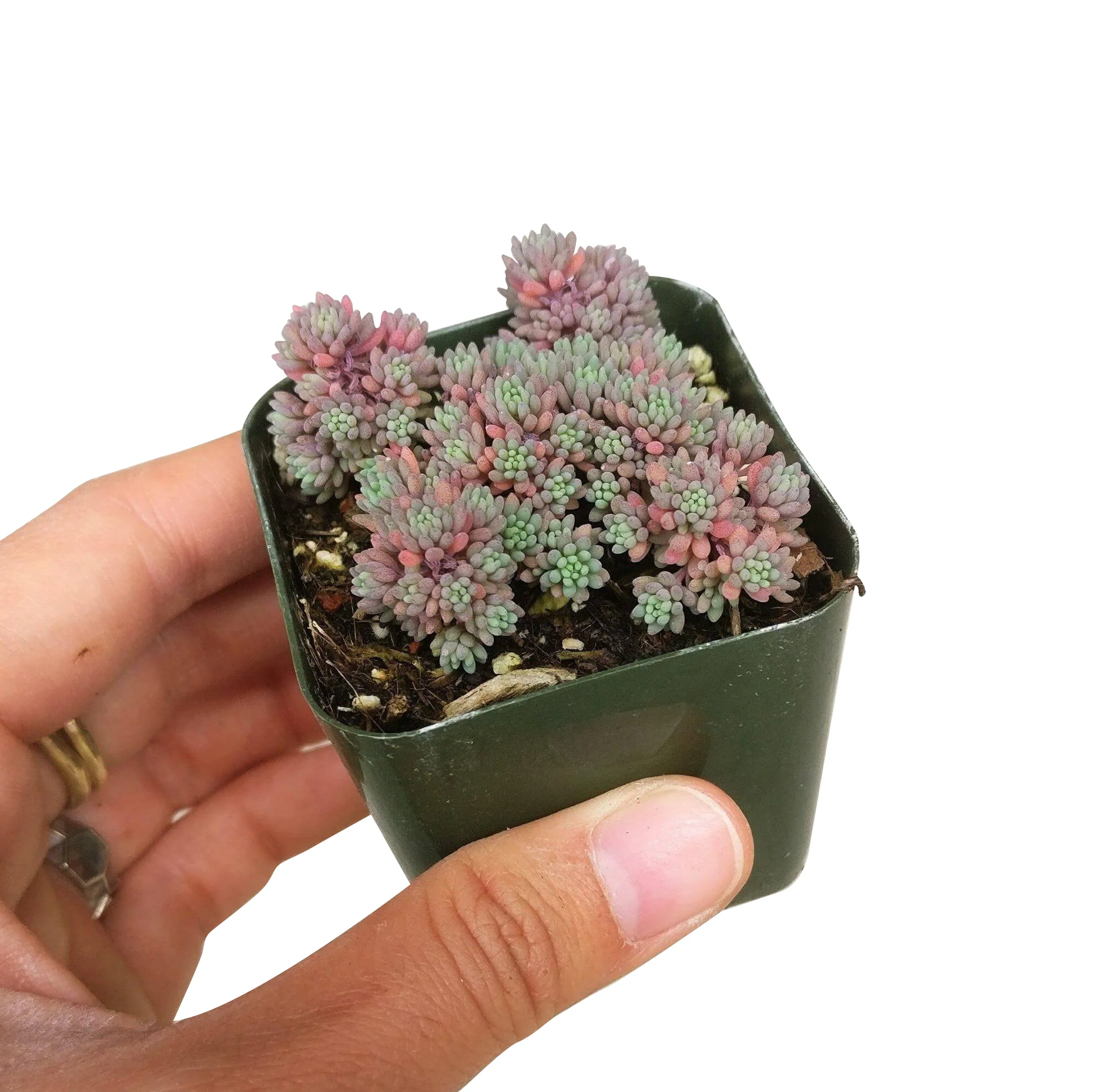
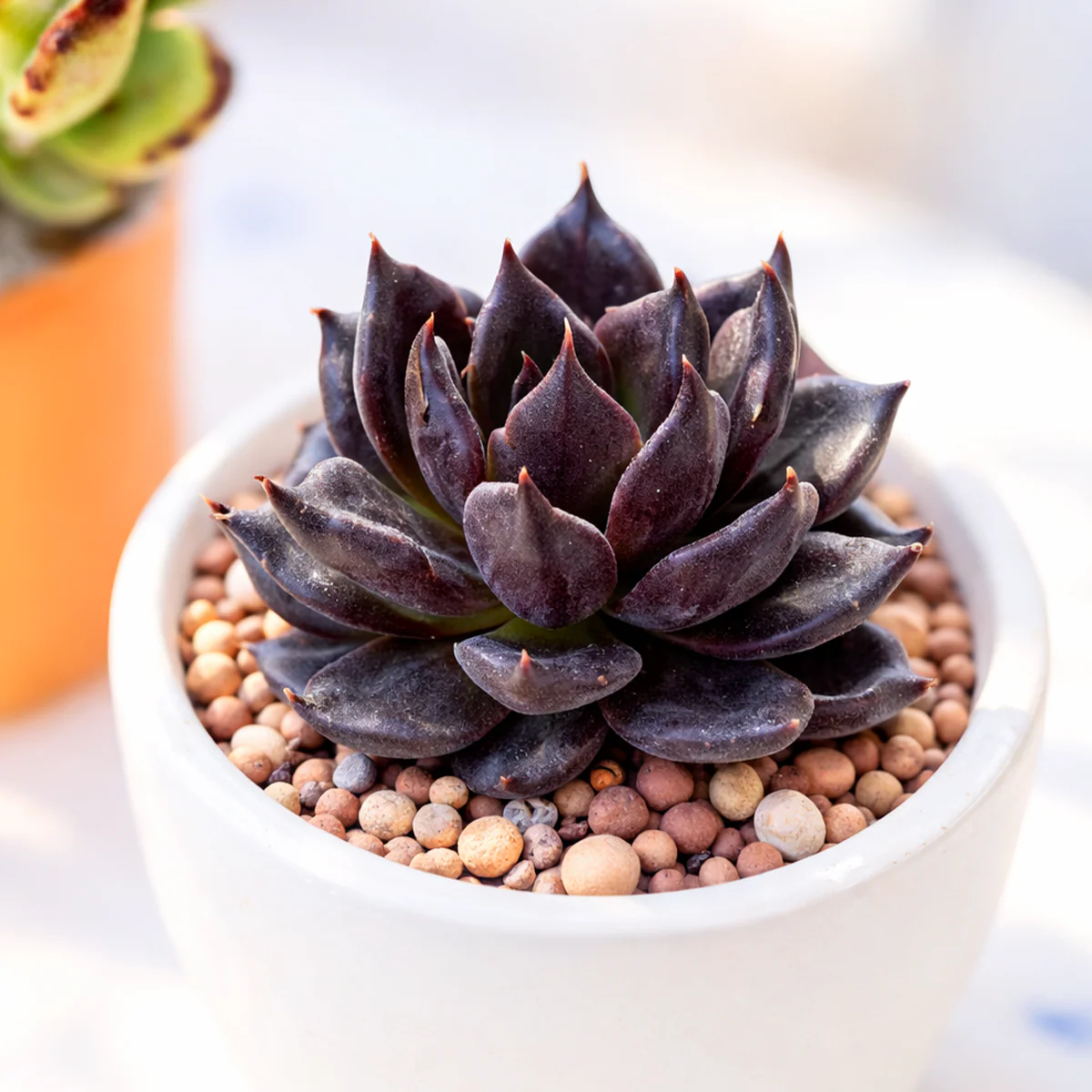
 Echeveria Dark Moon forms a stunning rosette of thick, fleshy leaves in deep violet-black tones that shift and intensify depending on light exposure. The leaves have a smooth, waxy surface with slightly cupped edges that catch the light beautifully, giving this violet black rosette an almost otherworldly, moody appearance. As it matures, Echeveria Dark Moon clusters outward, producing offsets that build into a dramatic, spreading display.
 Echeveria Dark Moon may produce slender bloom stalks bearing small, coral or pinkish-orange flowers, typical of the genus, most commonly in late winter to spring when nighttime temperatures drop slightly. That natural night temperature dip is actually the trigger Echeveria Dark Moon needs to initiate blooming, so placing it near a cooler window in autumn can encourage a flower show. Beyond blooms, this low maintenance succulent stays visually striking year-round thanks to its deep coloring alone.
 Echeveria Dark Moon is genuinely beginner-friendly, drought tolerant, and can survive up to ten days without attention, making it a perfect indoor succulent gift for travelers or busy plant lovers. It thrives as a windowsill specimen, a patio accent in summer, or the centerpiece of a curated rare succulent collection. This is a pet friendly plant, so households with cats and dogs can enjoy it worry-free. Because Echeveria Dark Moon is sensitive to being moved around frequently, find it a bright, stable spot and let it settle in.
-
 Echeveria Dark Moon thrives in bright indirect light to partial or full sun, ideally near an east or west-facing window.
 Water Echeveria Dark Moon deeply every 10-14 days in summer, reducing to once every 3-4 weeks in winter.
 Echeveria Dark Moon does best in a gritty, fast-draining succulent or cactus mix blended with perlite or coarse sand.
 Echeveria Dark Moon prefers temperatures between 60-80°F (15-27°C) and should be protected from frost below 40°F (4°C).
![]() Echeveria Dark Moon grows at a slow to moderate pace and benefits from a diluted balanced fertilizer once monthly during spring and summer only.
Echeveria Dark Moon grows at a slow to moderate pace and benefits from a diluted balanced fertilizer once monthly during spring and summer only.
 Echeveria Dark Moon is best suited to USDA Hardiness Zones 9-11, where winter temperatures rarely dip below 20-25°F (-6 to -4°C), though it performs most reliably above 40°F (4°C). Gardeners growing Echeveria Dark Moon outdoors year-round will find ideal conditions across California, Arizona, Texas, Florida, Hawaii, Louisiana, Georgia, South Carolina, Alabama, Mississippi, and Nevada. Coastal areas of Oregon, Washington, and parts of New Mexico and Arkansas that sit within warmer microclimates in Zones 9-10 can also support this rare succulent with some seasonal protection.
-
Q: How often should I water Echeveria Dark Moon?
A: Water Echeveria Dark Moon every 10-14 days during the growing season, letting the soil dry out completely between waterings. In winter, reduce watering to once every 3-4 weeks.
Q: Is Echeveria Dark Moon pet friendly?
A: Yes, Echeveria Dark Moon is pet friendly and considered non-toxic to cats and dogs. It is a safe choice for homes with curious pets.
Q: How much light does Echeveria Dark Moon need?
A: Echeveria Dark Moon does best in bright indirect light to full sun, making a sunny east, west, or south-facing windowsill ideal. Rotate it regularly so all sides of the rosette receive even light exposure.
Q: How big does Echeveria Dark Moon get?
A: Echeveria Dark Moon typically forms rosettes reaching 3-5 inches (7-13 cm) in diameter, gradually clustering wider as it produces offsets. Growth is slow to moderate, so it stays compact and manageable.
Q: Can I move Echeveria Dark Moon outside for summer?
A: Absolutely, Echeveria Dark Moon loves spending summer outdoors in a bright, sheltered spot. Just be sure to protect it from heavy rain and bring it back inside before temperatures drop in autumn.
Q: How do I propagate Echeveria Dark Moon?
A: Echeveria Dark Moon can be propagated from the offsets it naturally produces as it clusters. Gently separate a healthy offset, let it callous for a day or two, then pot it in well-draining succulent mix.


Product Information
Product Information
Shipping & Returns
Shipping & Returns
Description
- Description
- Echeveria 'Dark Moon' Care Guide
- FAQ/Common Issues
-
![]() Echeveria Dark Moon is a rare, patented succulent cultivar belonging to the Echeveria genus within the Crassulaceae family. Like most echeverias, it traces its roots to the semi-arid highlands of Mexico and Central America, where succulents evolved to thrive in bright light and well-draining soils. This dark moon succulent has earned serious collector status, and finding rare echeveria for sale at this quality level is genuinely exciting.
Echeveria Dark Moon is a rare, patented succulent cultivar belonging to the Echeveria genus within the Crassulaceae family. Like most echeverias, it traces its roots to the semi-arid highlands of Mexico and Central America, where succulents evolved to thrive in bright light and well-draining soils. This dark moon succulent has earned serious collector status, and finding rare echeveria for sale at this quality level is genuinely exciting.
Echeveria Dark Moon forms a stunning rosette of thick, fleshy leaves in deep violet-black tones that shift and intensify depending on light exposure. The leaves have a smooth, waxy surface with slightly cupped edges that catch the light beautifully, giving this violet black rosette an almost otherworldly, moody appearance. As it matures, Echeveria Dark Moon clusters outward, producing offsets that build into a dramatic, spreading display.
Echeveria Dark Moon may produce slender bloom stalks bearing small, coral or pinkish-orange flowers, typical of the genus, most commonly in late winter to spring when nighttime temperatures drop slightly. That natural night temperature dip is actually the trigger Echeveria Dark Moon needs to initiate blooming, so placing it near a cooler window in autumn can encourage a flower show. Beyond blooms, this low maintenance succulent stays visually striking year-round thanks to its deep coloring alone.
Echeveria Dark Moon is genuinely beginner-friendly, drought tolerant, and can survive up to ten days without attention, making it a perfect indoor succulent gift for travelers or busy plant lovers. It thrives as a windowsill specimen, a patio accent in summer, or the centerpiece of a curated rare succulent collection. This is a pet friendly plant, so households with cats and dogs can enjoy it worry-free. Because Echeveria Dark Moon is sensitive to being moved around frequently, find it a bright, stable spot and let it settle in.
-
Echeveria Dark Moon thrives in bright indirect light to partial or full sun, ideally near an east or west-facing window.
Water Echeveria Dark Moon deeply every 10-14 days in summer, reducing to once every 3-4 weeks in winter.
Echeveria Dark Moon does best in a gritty, fast-draining succulent or cactus mix blended with perlite or coarse sand.
Echeveria Dark Moon prefers temperatures between 60-80°F (15-27°C) and should be protected from frost below 40°F (4°C).
![]() Echeveria Dark Moon grows at a slow to moderate pace and benefits from a diluted balanced fertilizer once monthly during spring and summer only.
Echeveria Dark Moon grows at a slow to moderate pace and benefits from a diluted balanced fertilizer once monthly during spring and summer only.
Echeveria Dark Moon is best suited to USDA Hardiness Zones 9-11, where winter temperatures rarely dip below 20-25°F (-6 to -4°C), though it performs most reliably above 40°F (4°C). Gardeners growing Echeveria Dark Moon outdoors year-round will find ideal conditions across California, Arizona, Texas, Florida, Hawaii, Louisiana, Georgia, South Carolina, Alabama, Mississippi, and Nevada. Coastal areas of Oregon, Washington, and parts of New Mexico and Arkansas that sit within warmer microclimates in Zones 9-10 can also support this rare succulent with some seasonal protection.
-
Q: How often should I water Echeveria Dark Moon?
A: Water Echeveria Dark Moon every 10-14 days during the growing season, letting the soil dry out completely between waterings. In winter, reduce watering to once every 3-4 weeks.
Q: Is Echeveria Dark Moon pet friendly?
A: Yes, Echeveria Dark Moon is pet friendly and considered non-toxic to cats and dogs. It is a safe choice for homes with curious pets.
Q: How much light does Echeveria Dark Moon need?
A: Echeveria Dark Moon does best in bright indirect light to full sun, making a sunny east, west, or south-facing windowsill ideal. Rotate it regularly so all sides of the rosette receive even light exposure.
Q: How big does Echeveria Dark Moon get?
A: Echeveria Dark Moon typically forms rosettes reaching 3-5 inches (7-13 cm) in diameter, gradually clustering wider as it produces offsets. Growth is slow to moderate, so it stays compact and manageable.
Q: Can I move Echeveria Dark Moon outside for summer?
A: Absolutely, Echeveria Dark Moon loves spending summer outdoors in a bright, sheltered spot. Just be sure to protect it from heavy rain and bring it back inside before temperatures drop in autumn.
Q: How do I propagate Echeveria Dark Moon?
A: Echeveria Dark Moon can be propagated from the offsets it naturally produces as it clusters. Gently separate a healthy offset, let it callous for a day or two, then pot it in well-draining succulent mix.