Echeveria Culibra Succulent
- Description
- Echeveria Culibra Care Guide
- FAQ/Common Issues
-
![]() The Echeveria Culibra Succulent is a stunning rosette-forming succulent in the Crassulaceae family, native to the semi-arid highlands of Mexico. Like most Echeveria species, it evolved in rocky, well-drained terrain with bright sun and minimal rainfall, making it naturally tough and low-maintenance.
The Echeveria Culibra Succulent is a stunning rosette-forming succulent in the Crassulaceae family, native to the semi-arid highlands of Mexico. Like most Echeveria species, it evolved in rocky, well-drained terrain with bright sun and minimal rainfall, making it naturally tough and low-maintenance.
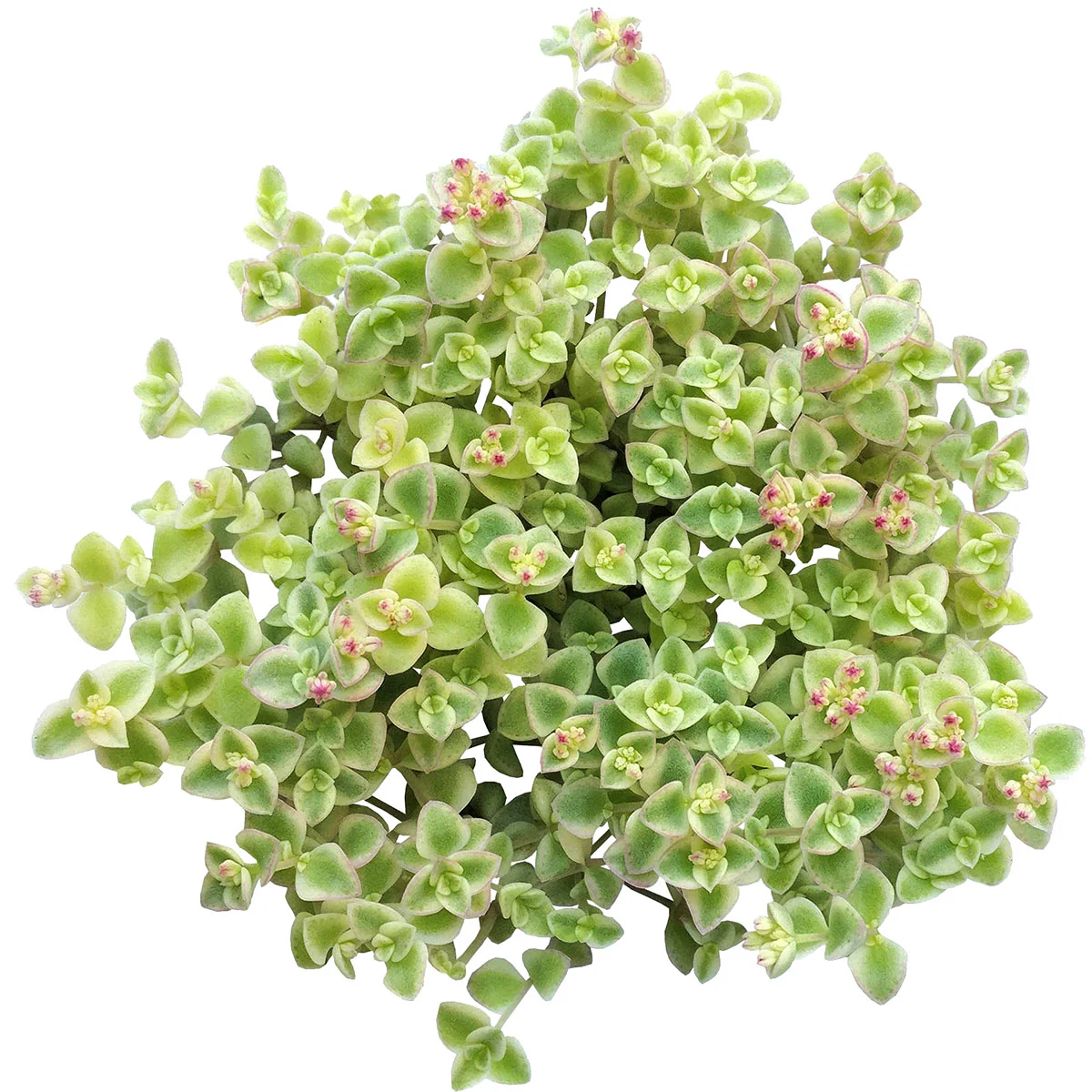
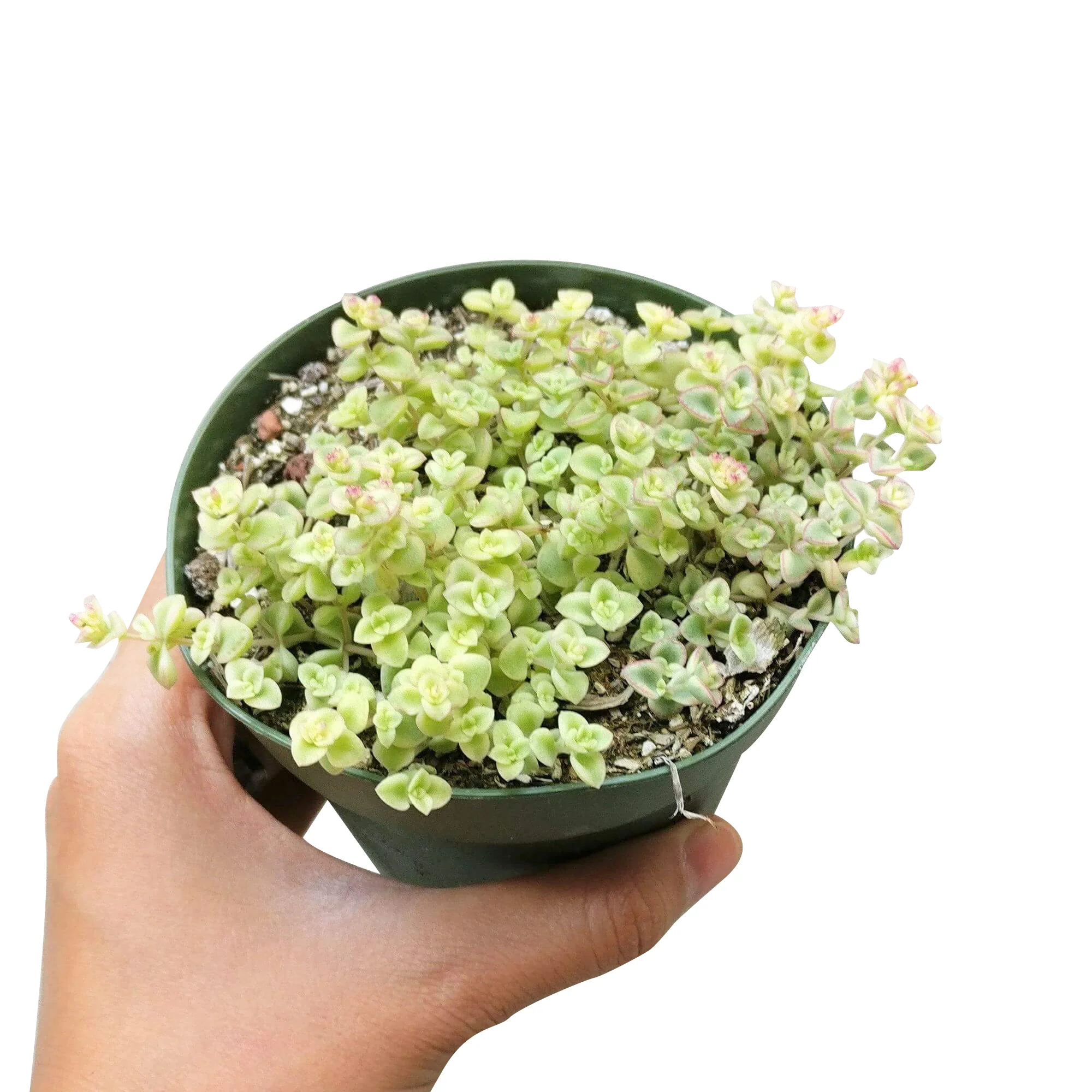
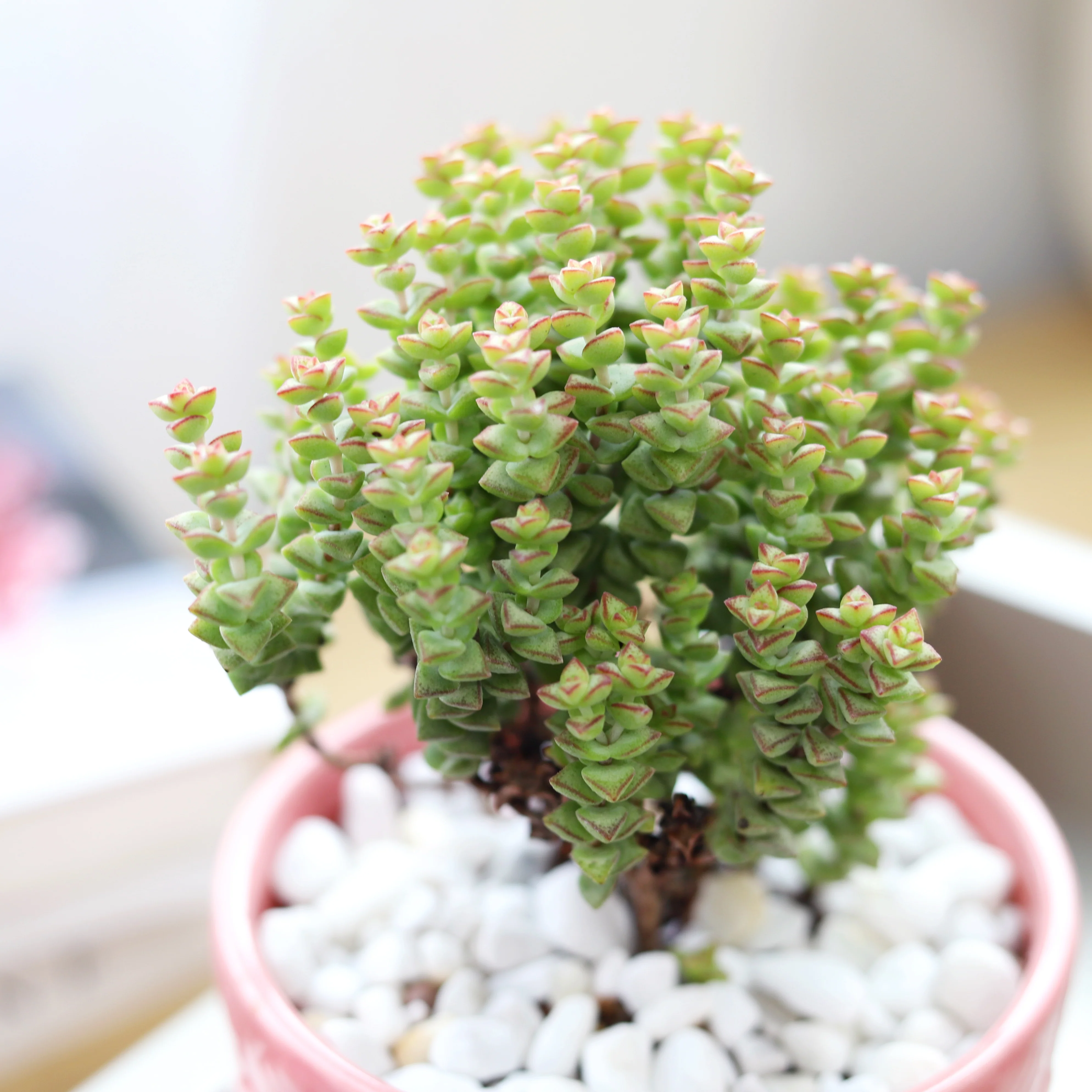
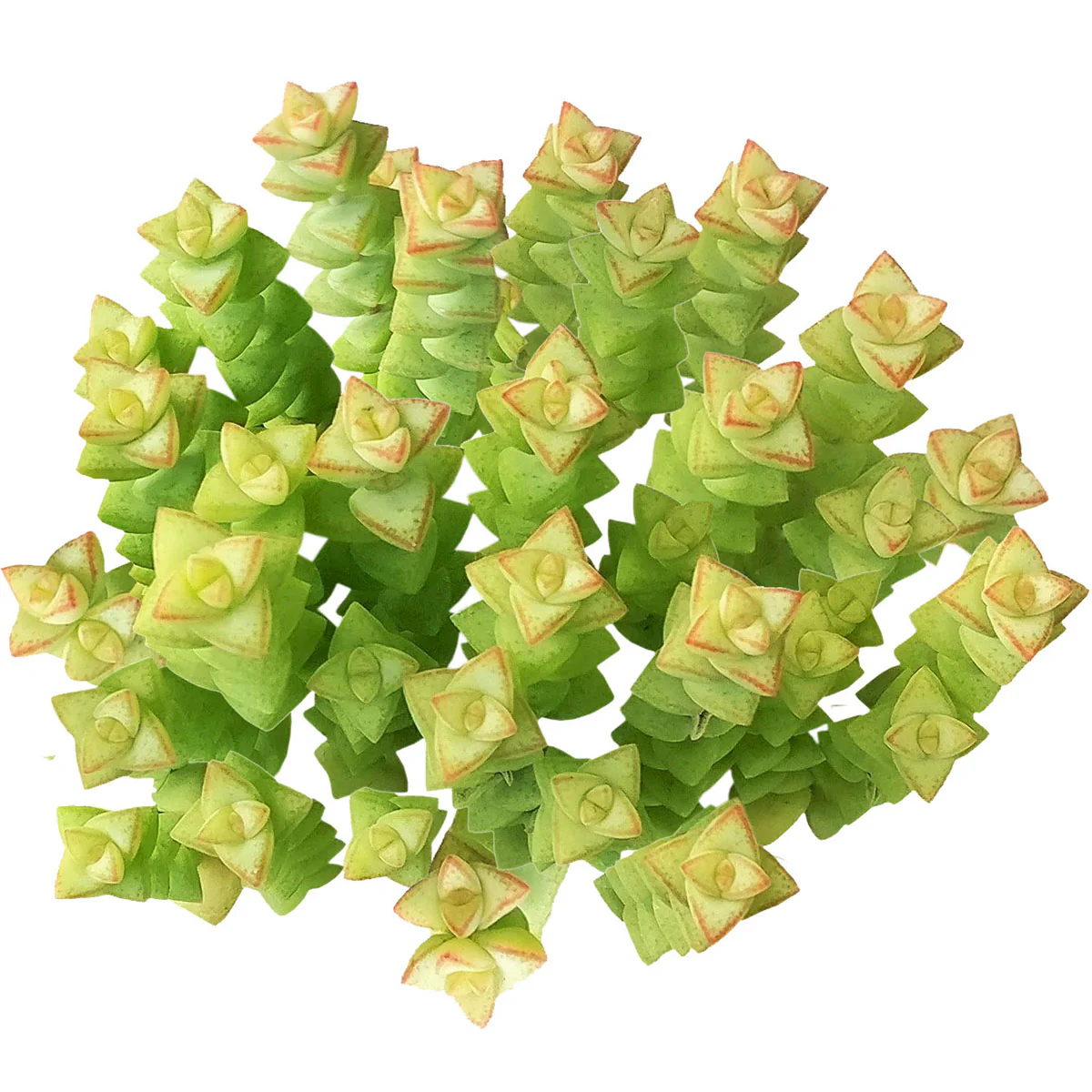
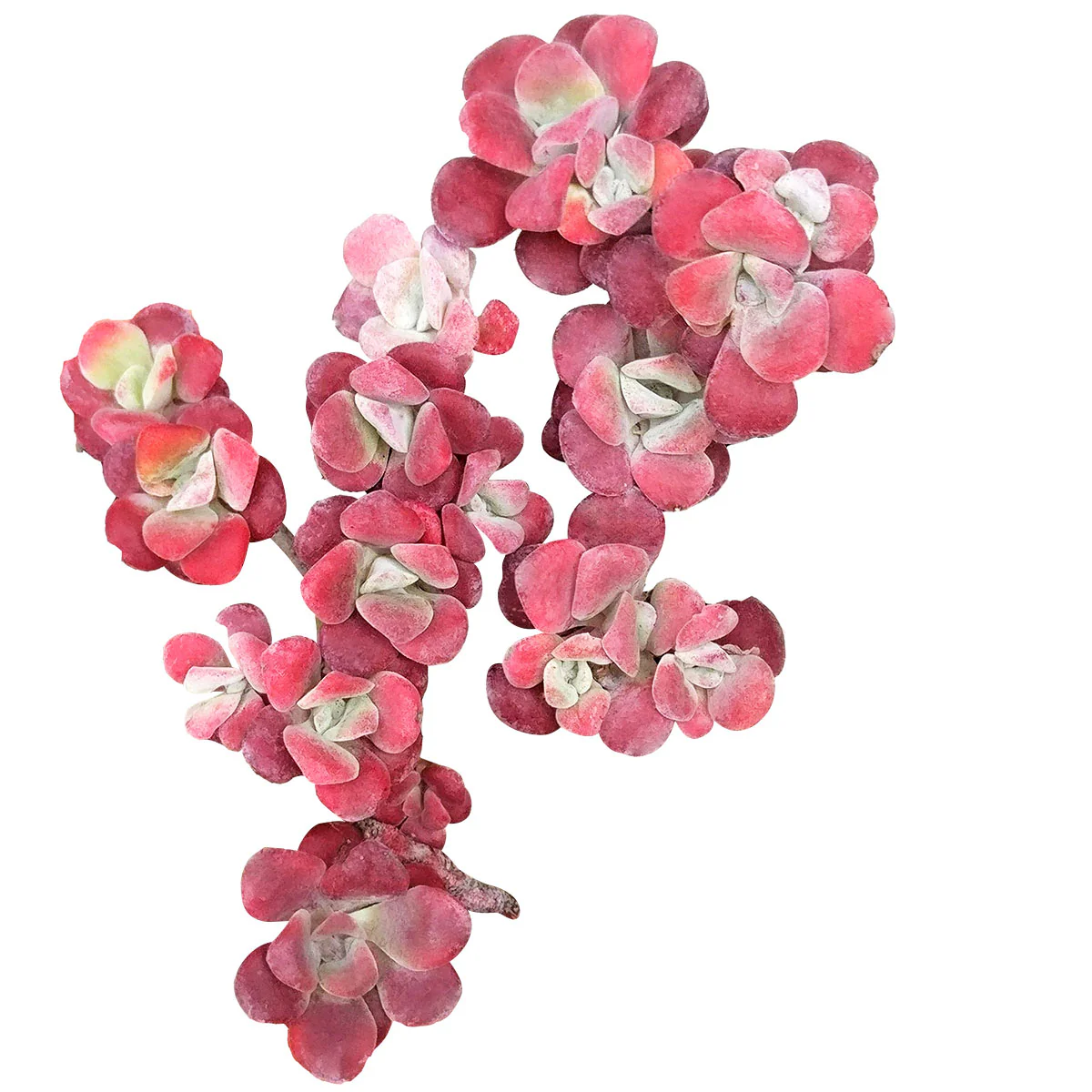
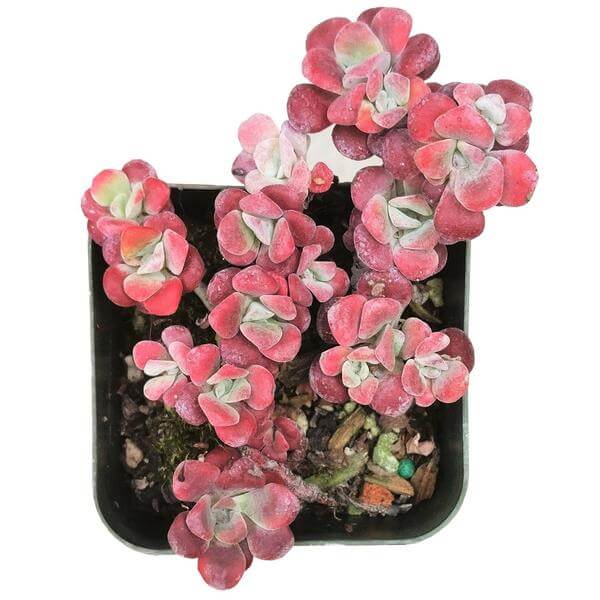
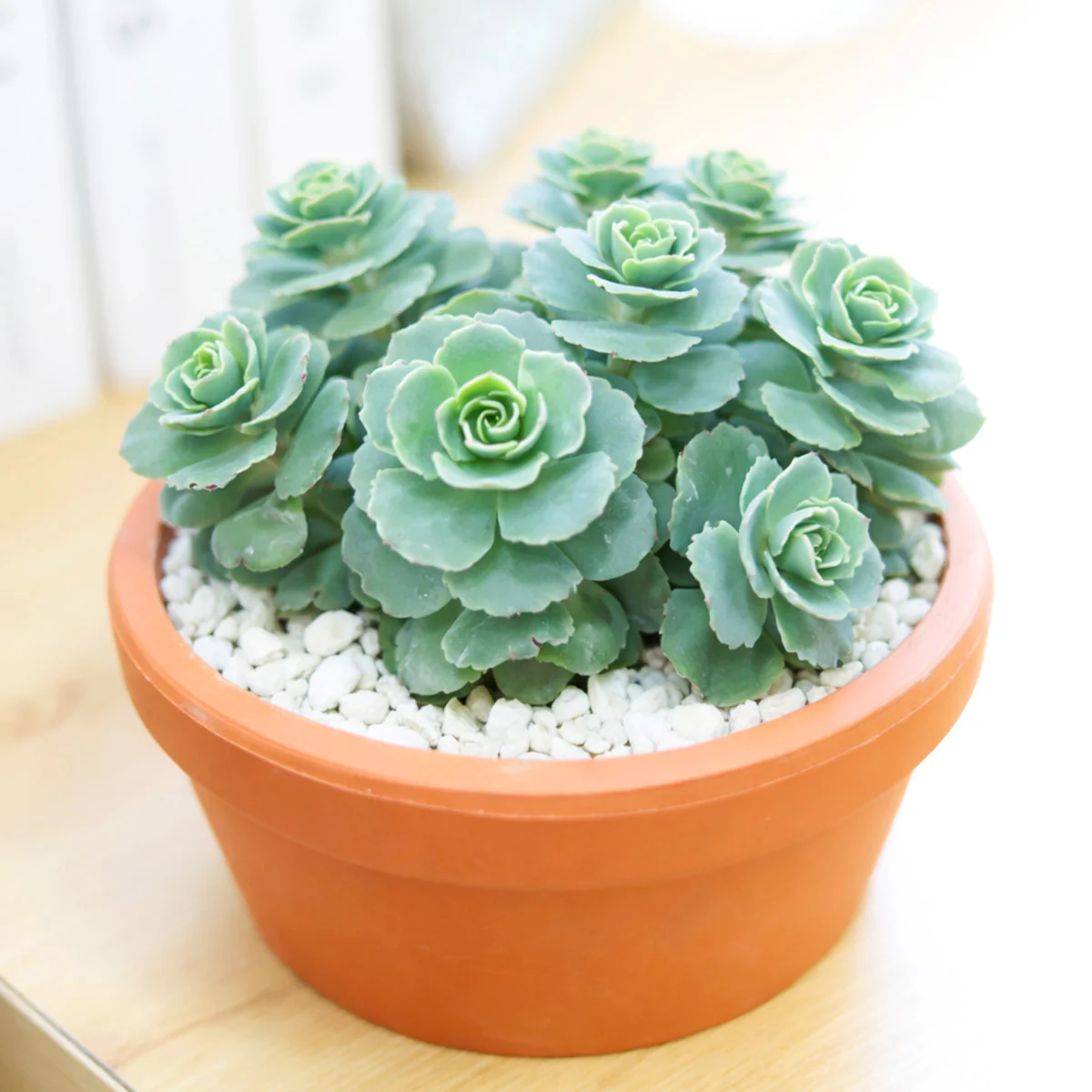
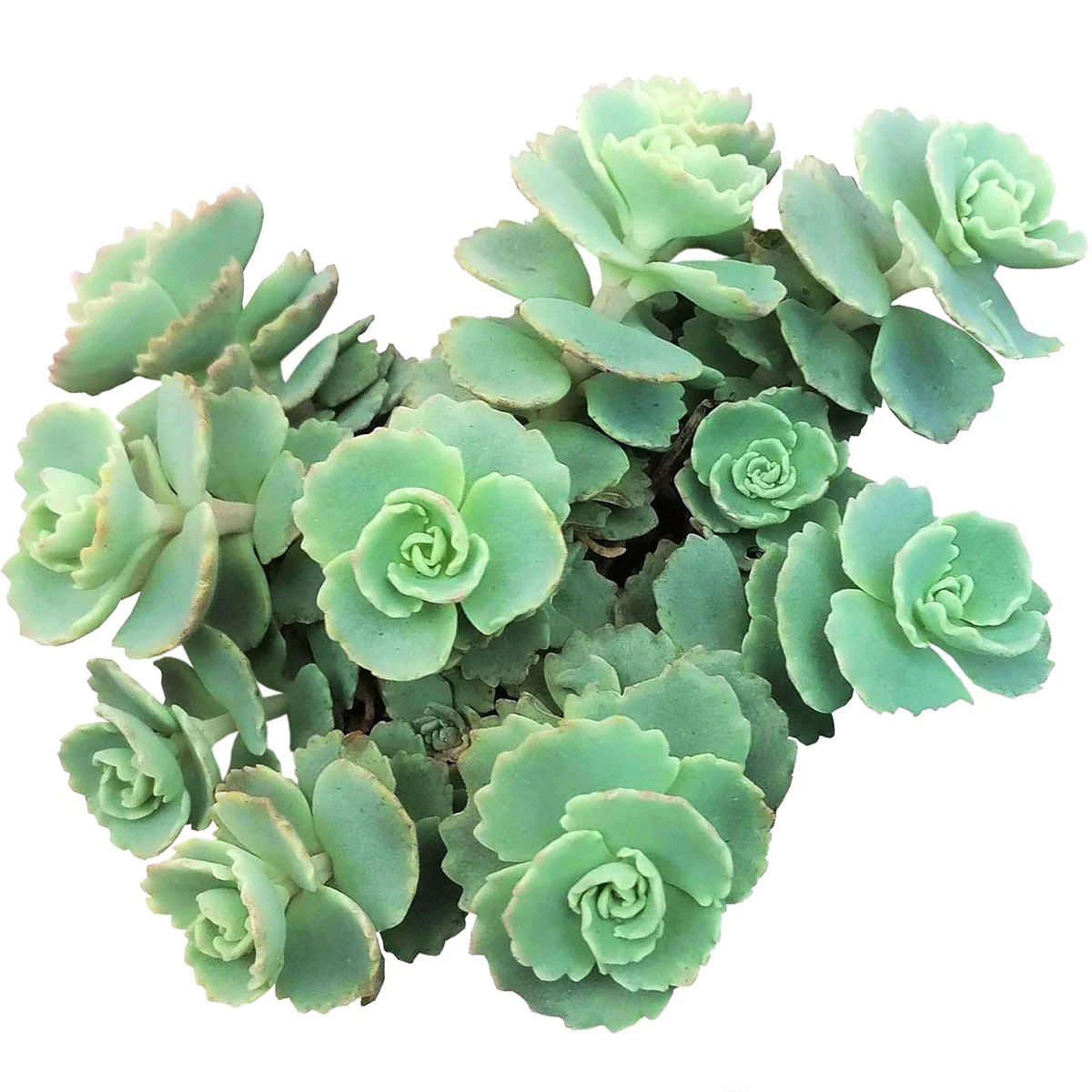
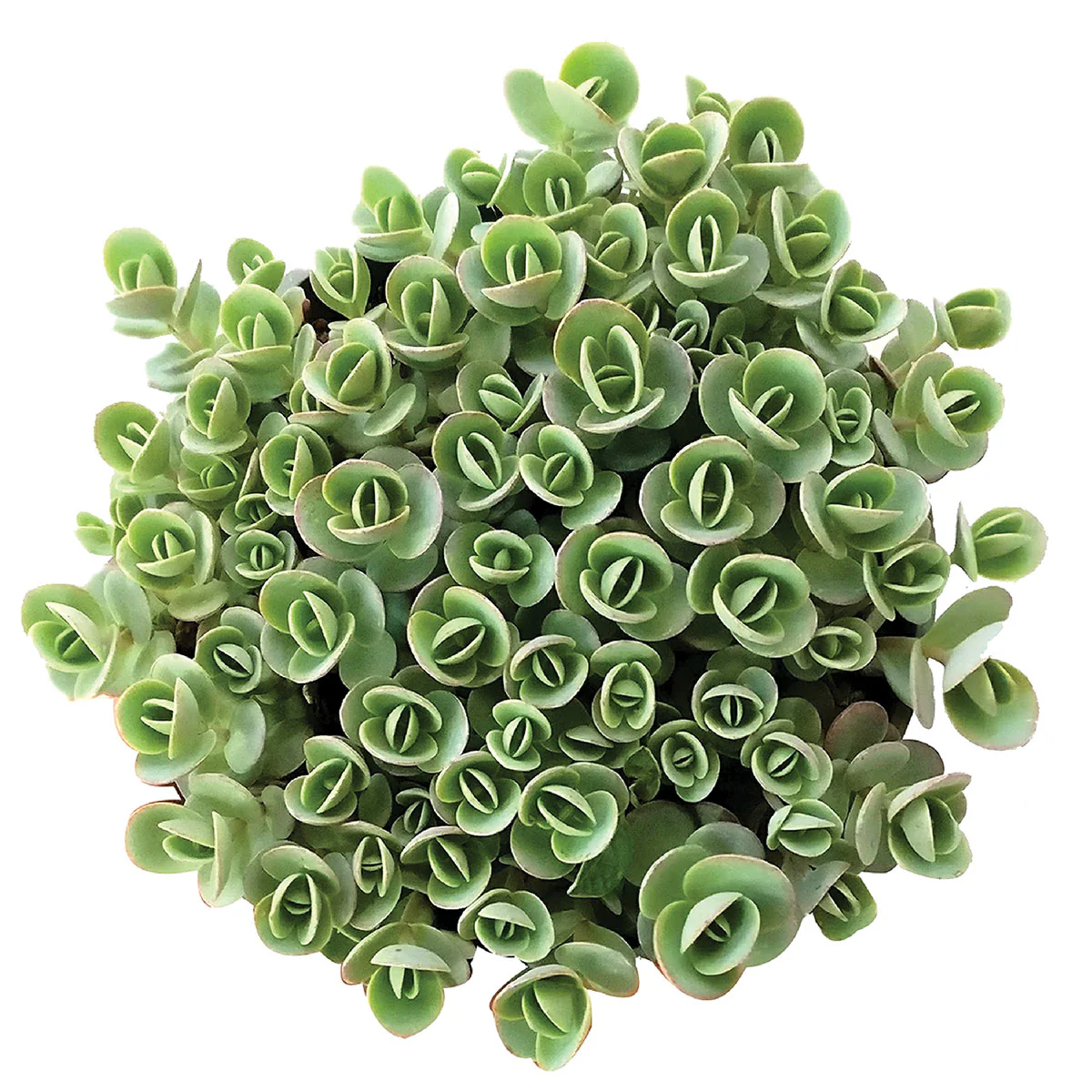
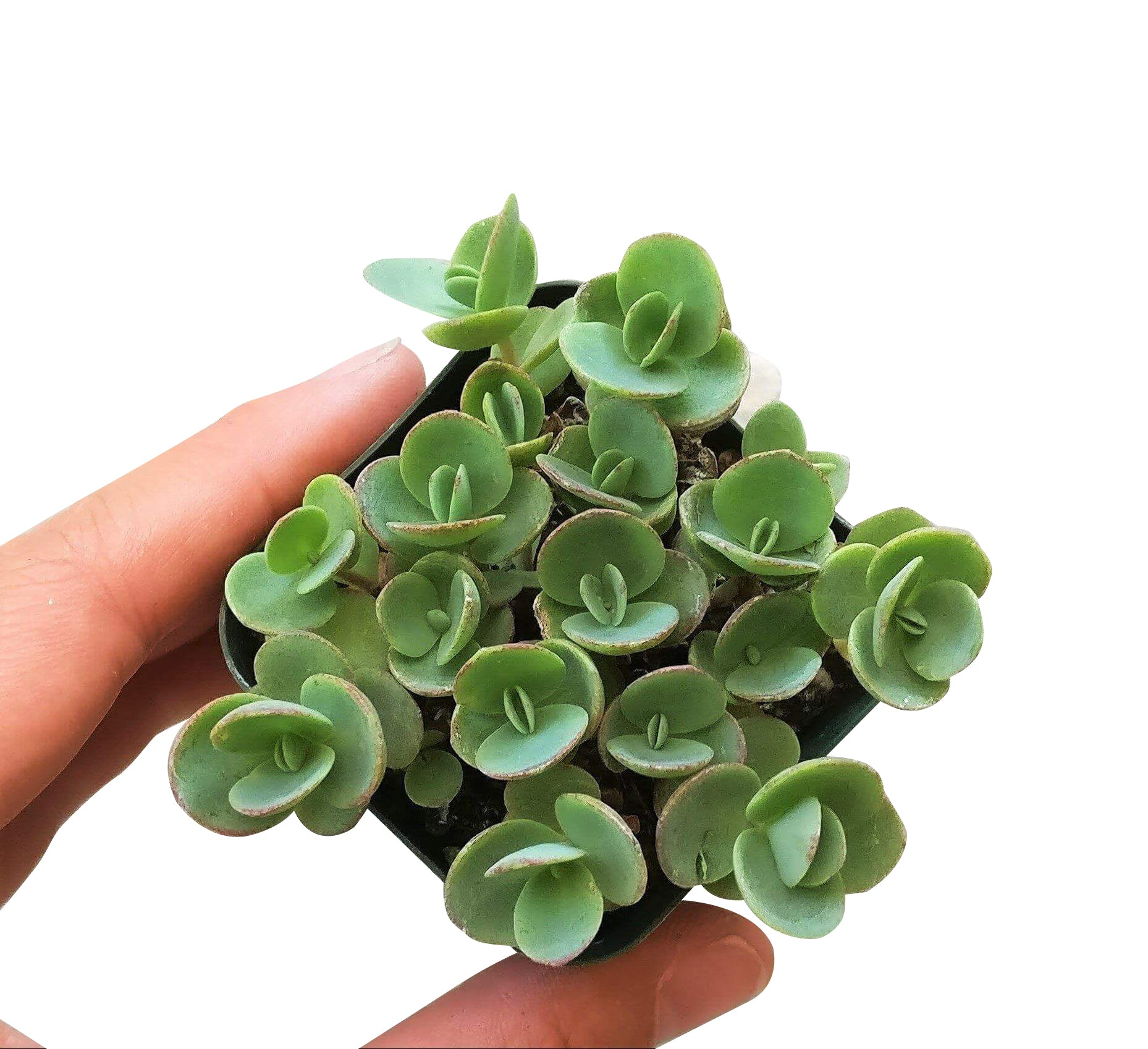
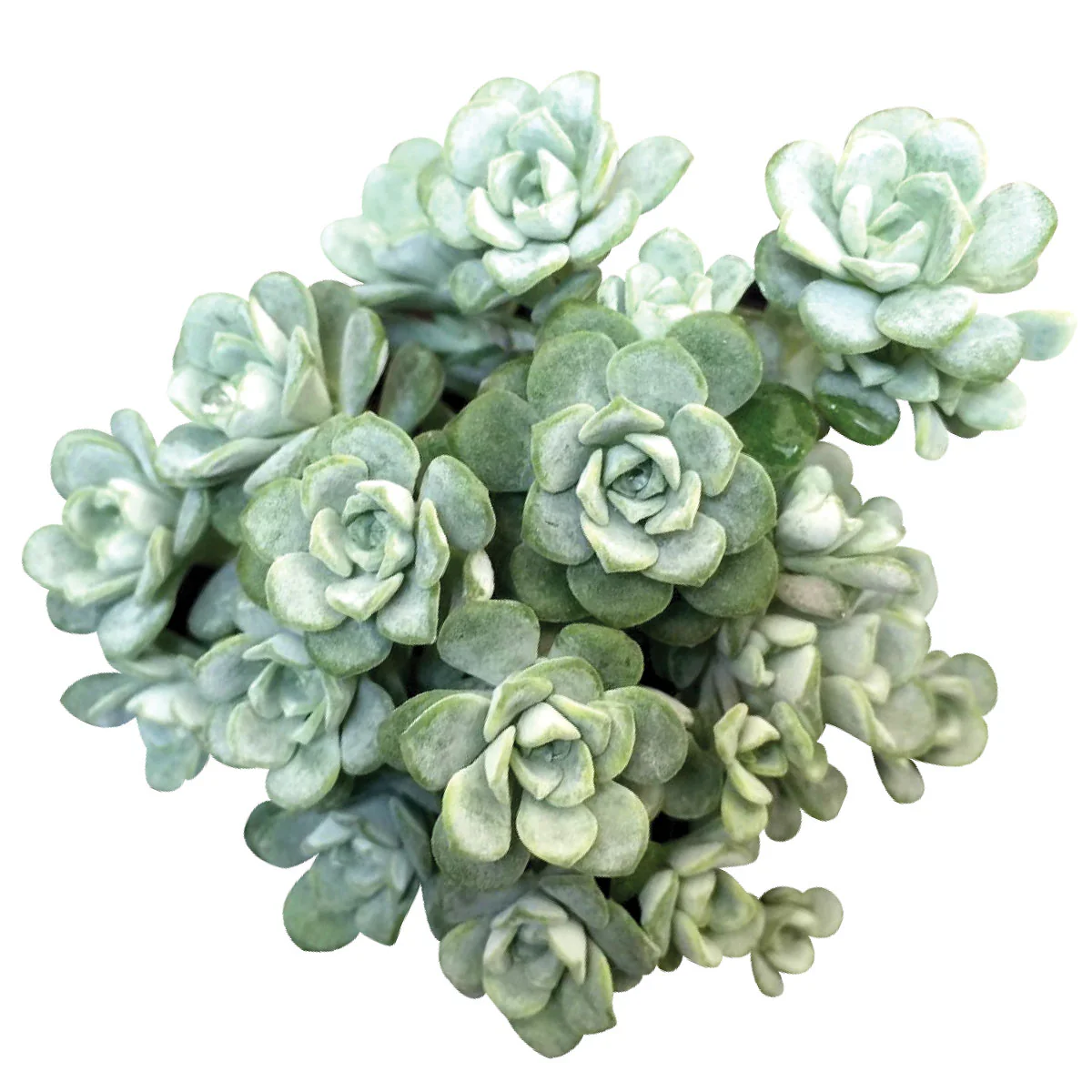
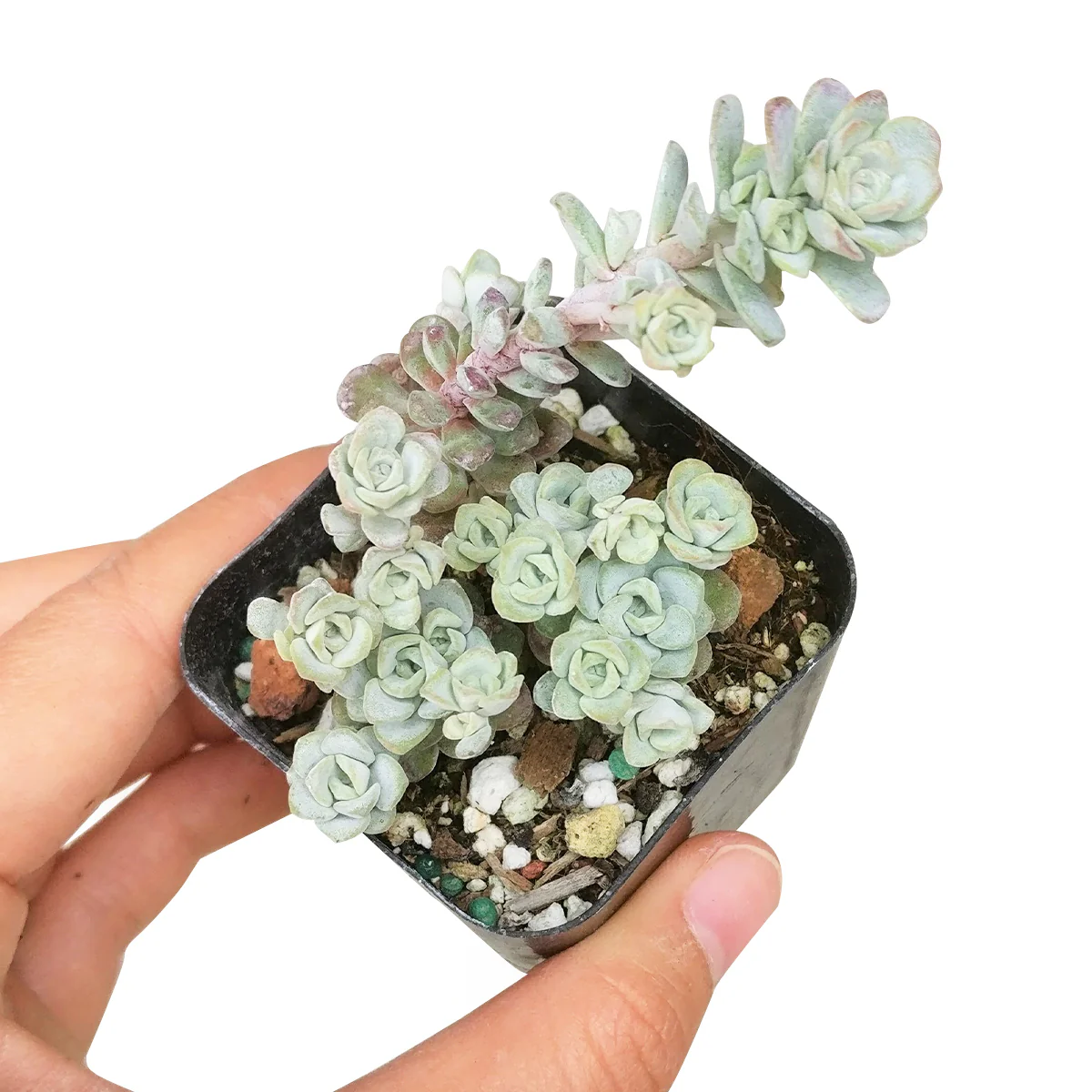
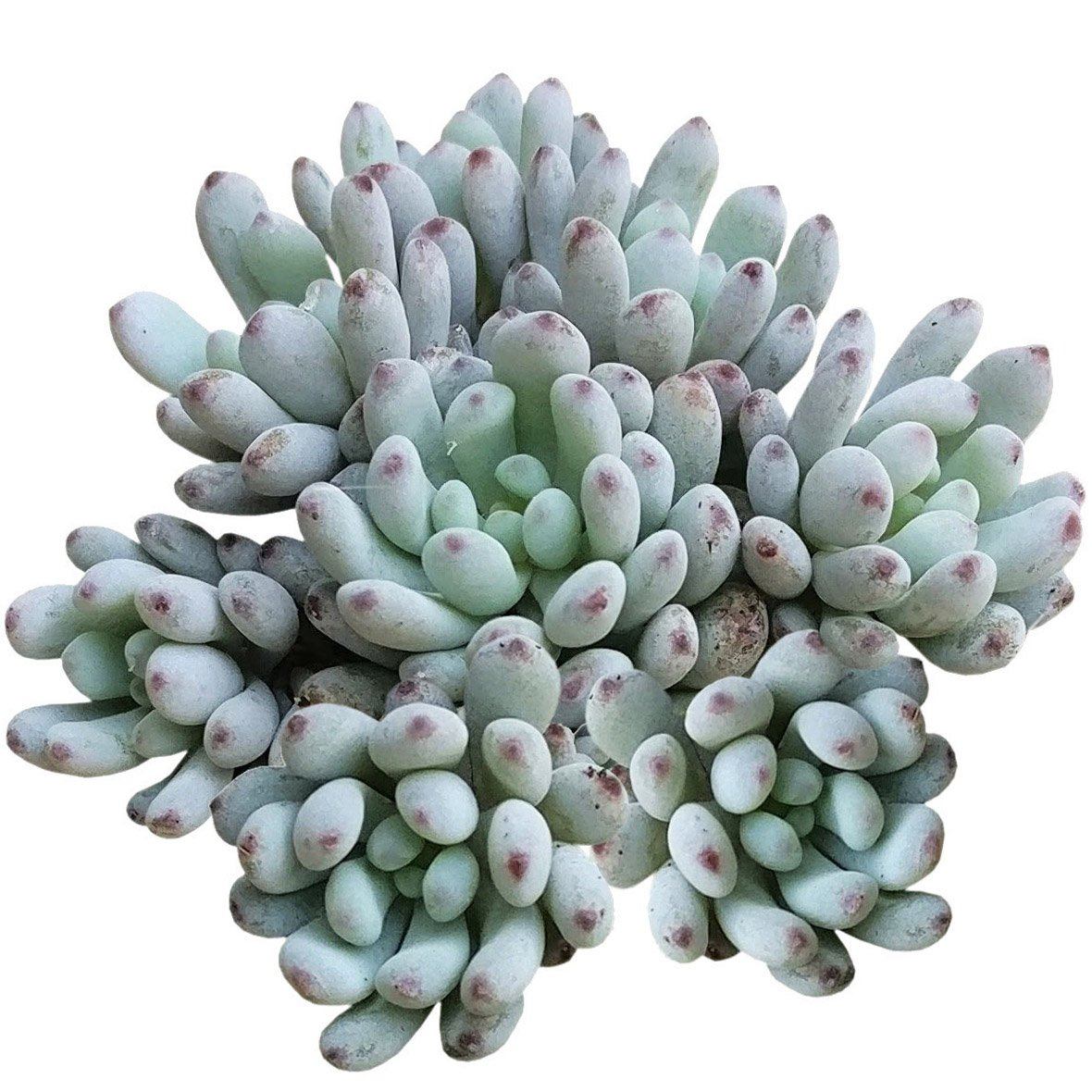
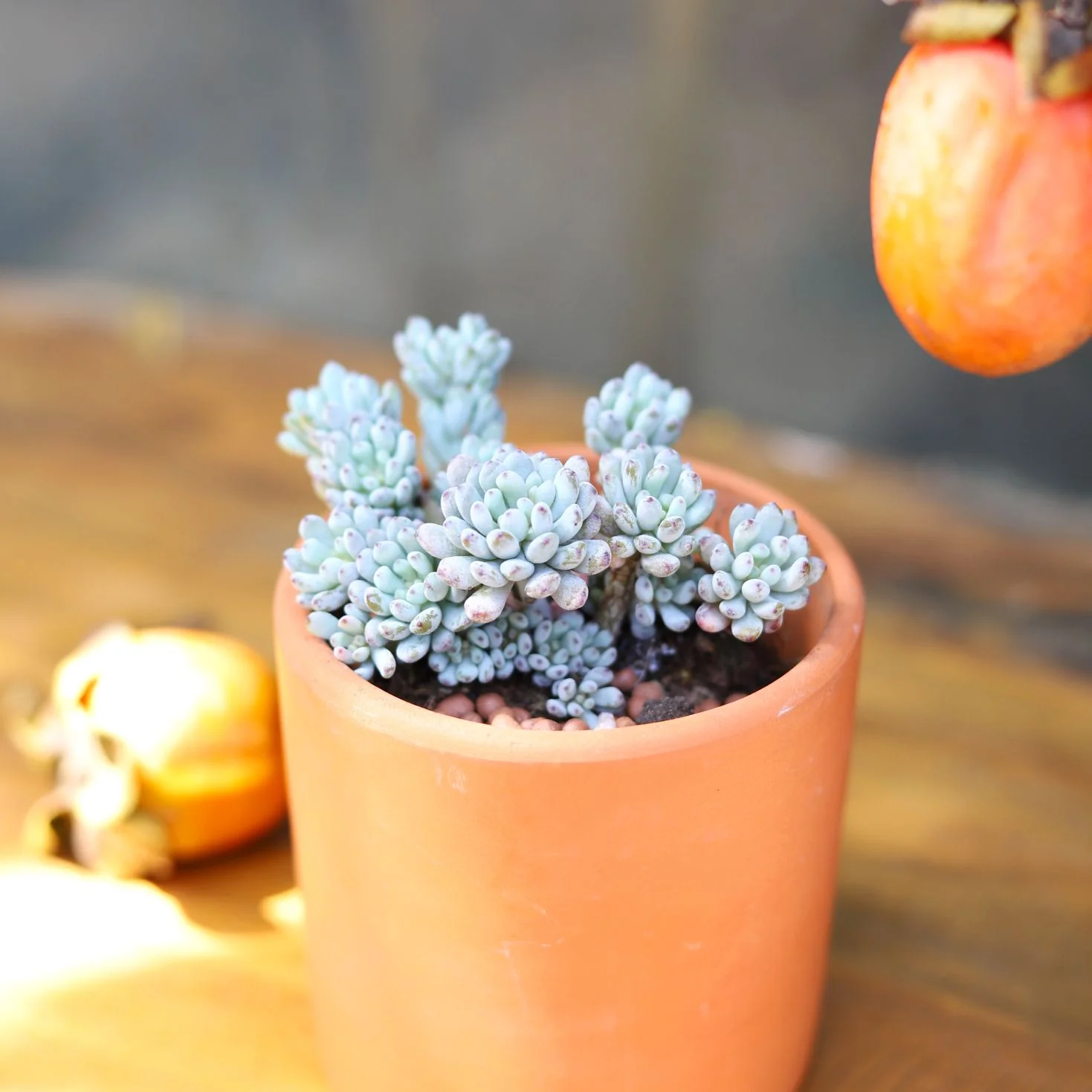
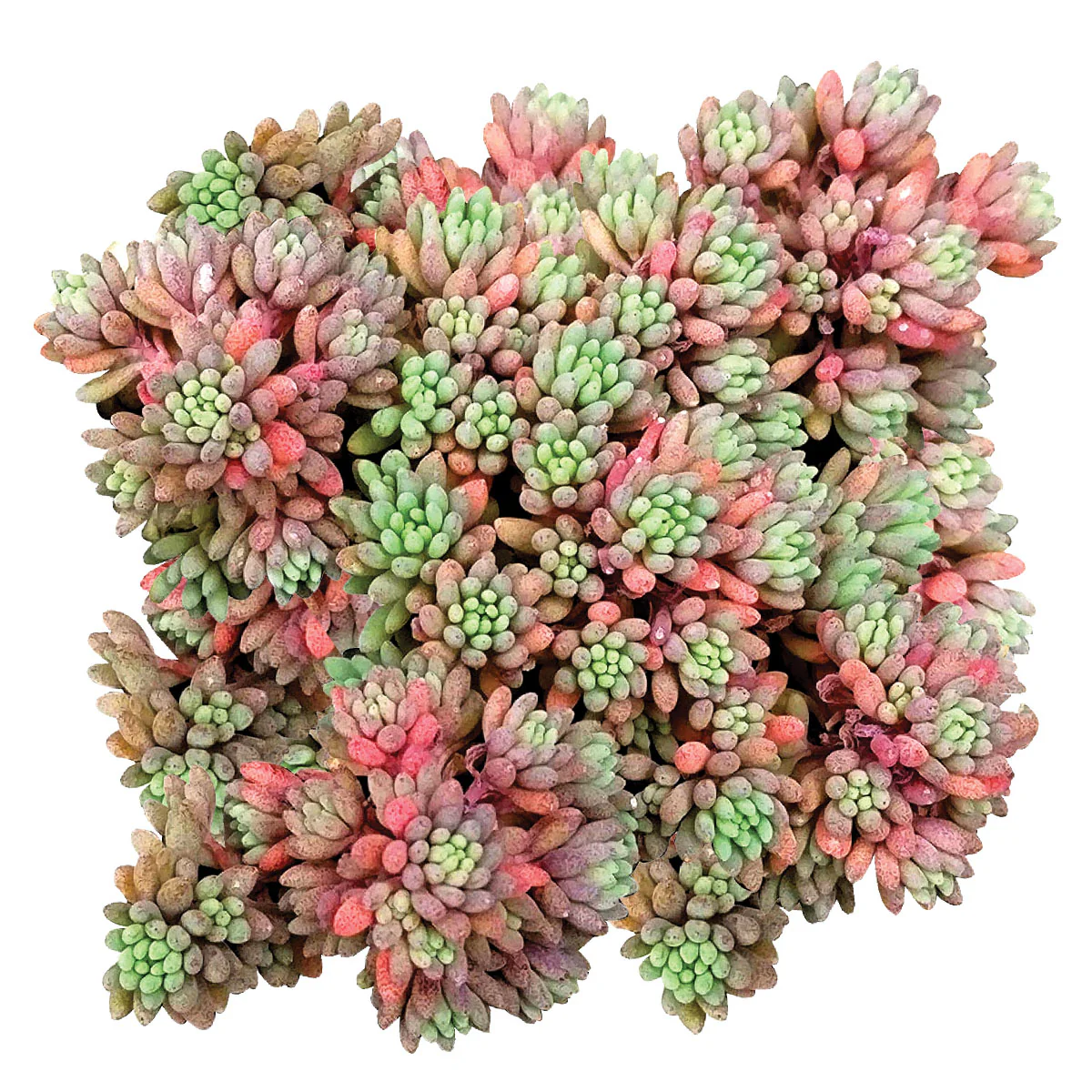
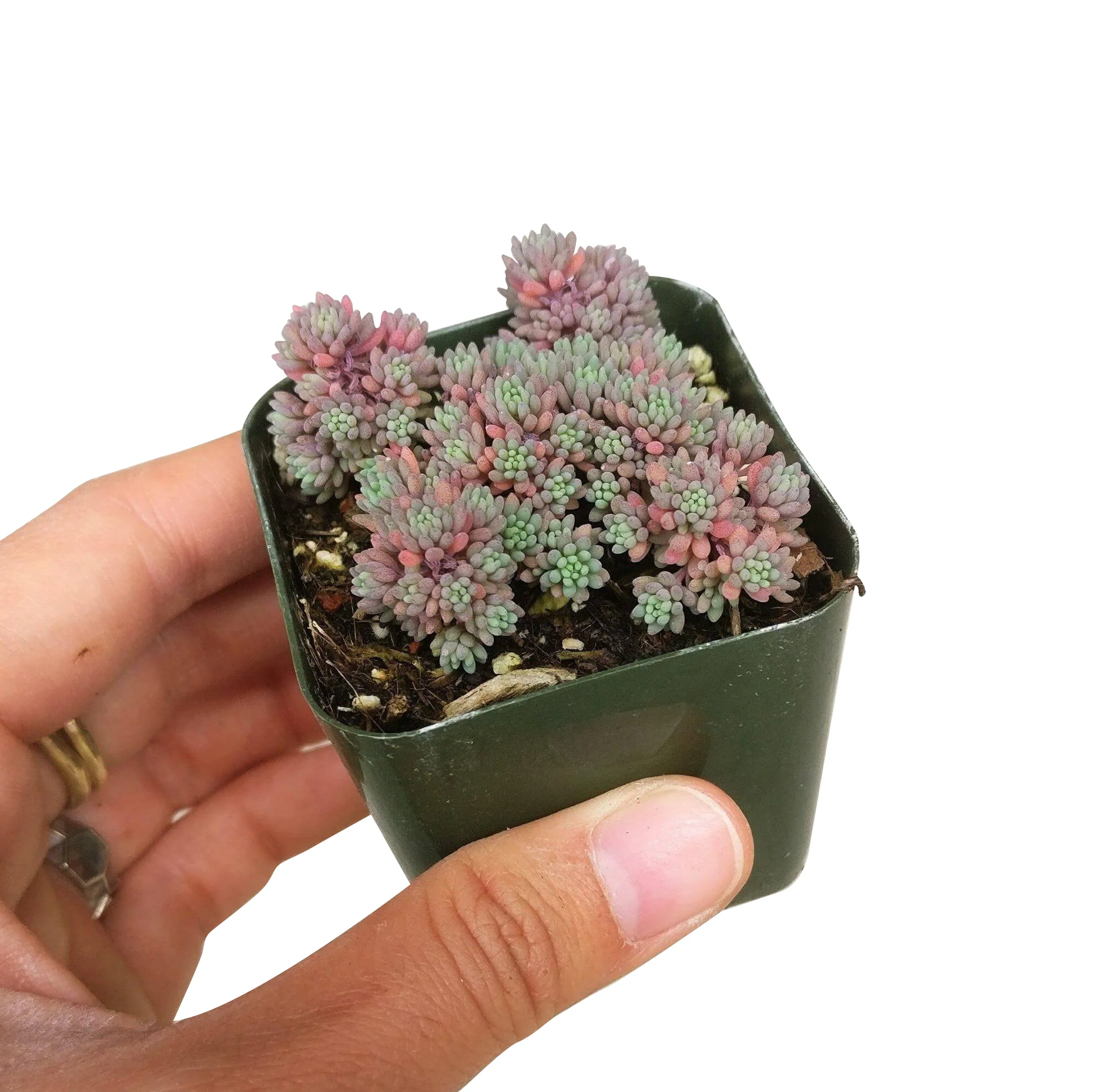
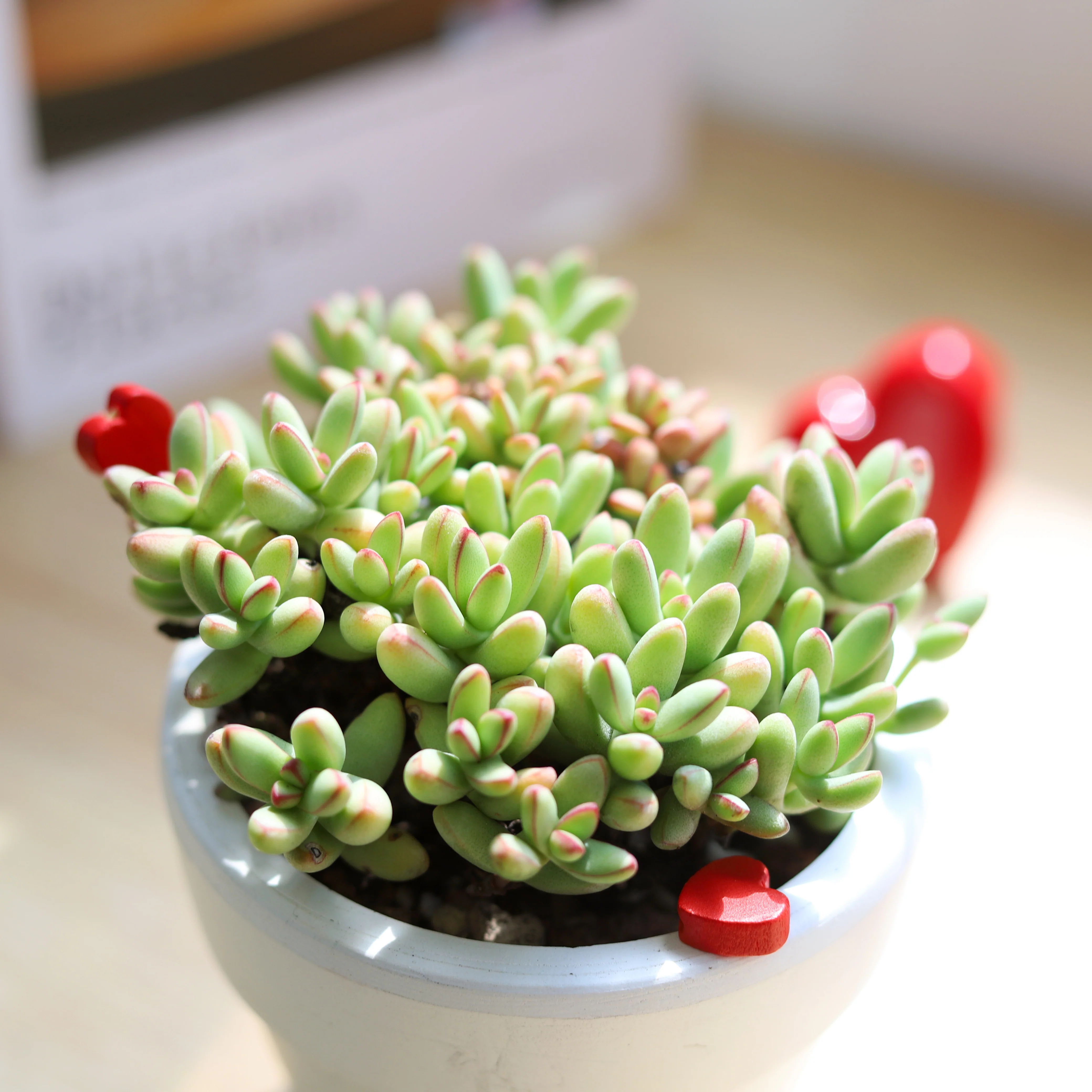
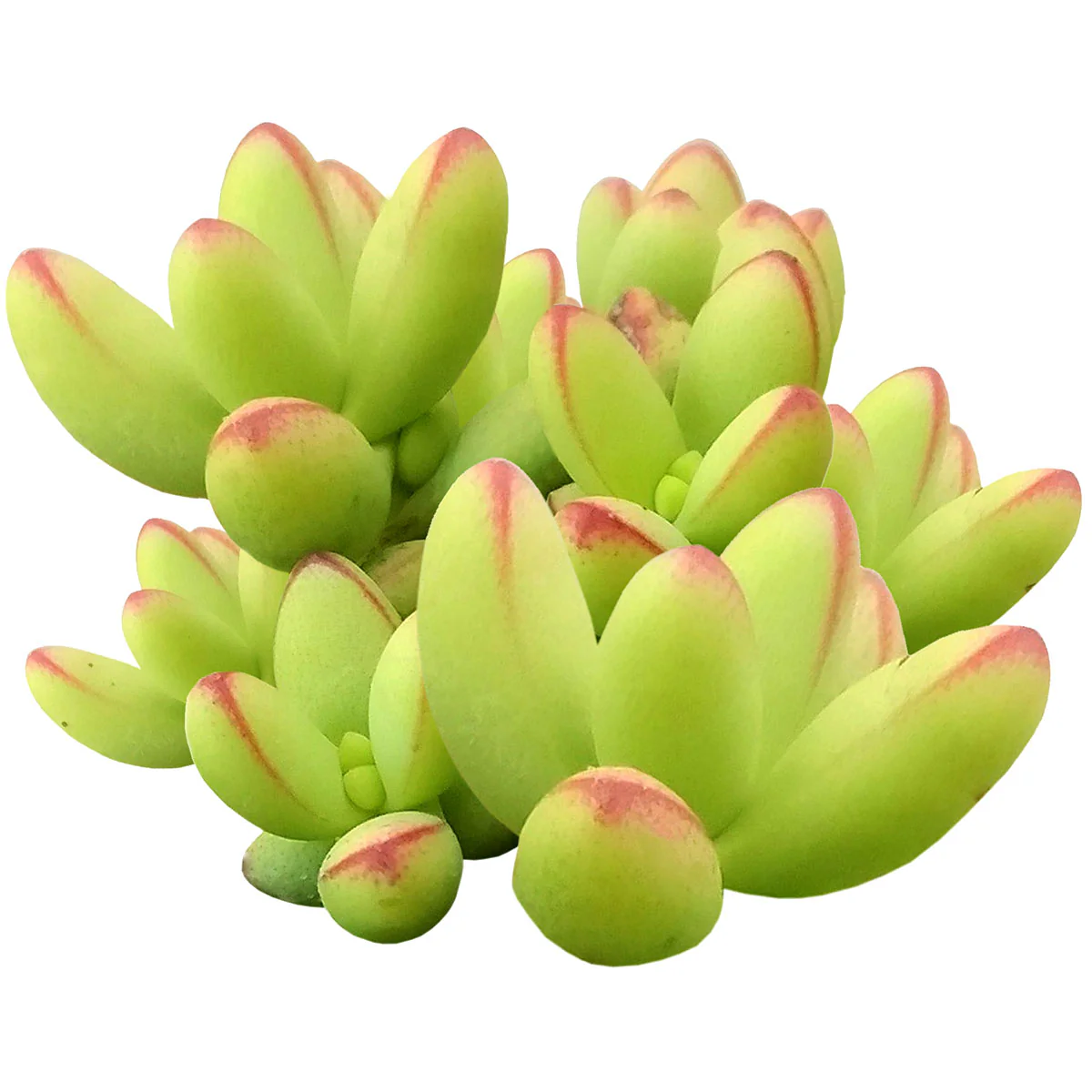
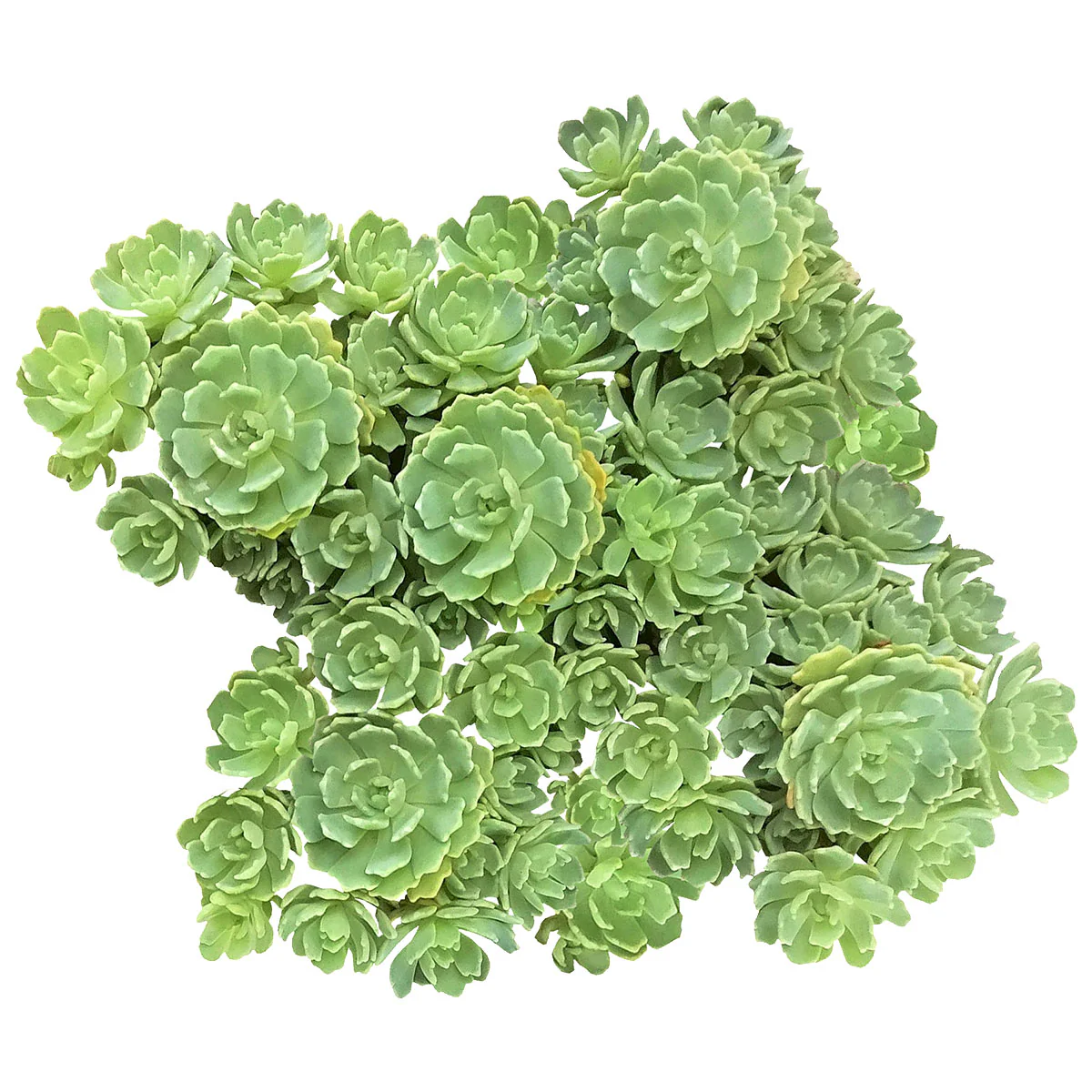
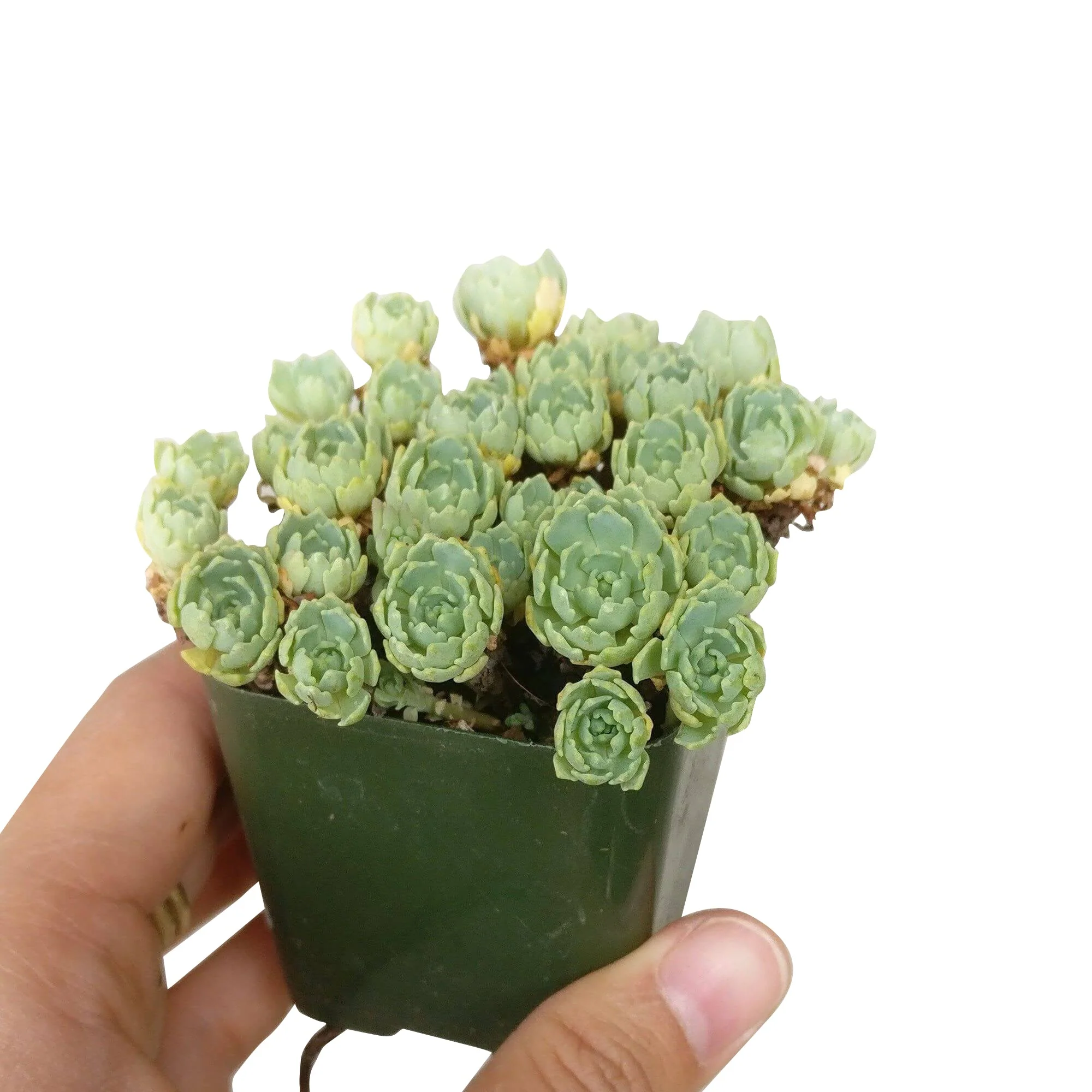
 The Echeveria Culibra Succulent forms tight, symmetrical rosettes with fleshy, spoon-shaped leaves that display a gorgeous blend of gray-green tones with pink to red blush along the tips and edges. As it matures, it offsets freely into clustering colonies, giving you more plants to share or spread. The color intensifies beautifully under bright light, making this rare Echeveria a real showstopper on any sunny shelf or patio.
 When nighttime temperatures drop slightly in autumn, the Echeveria Culibra Succulent responds by deepening its pink and red hues even further, and a cooler night cycle encourages it to send up bloom stalks. The flowers are typically coral to orange-red, rising on arching stems above the rosette for a cheerful seasonal display.
 The Echeveria Culibra Succulent thrives outdoors in summer and can stay outside well into autumn in mild climates, just be sure to shelter it from heavy rain to protect the roots and rosette center. It is genuinely beginner-friendly, survives a 10-day trip without a sitter, and tolerates the dry heated air common in most homes. Collectors love this rare Echeveria for its clustering habit and vivid coloration, and its pet-friendly status makes it a worry-free choice for plant lovers with cats or dogs.
-
 Echeveria Culibra Succulent thrives in bright indirect light to full sun, and benefits from rotating quarterly for even, balanced rosette growth.
 Water Echeveria Culibra Succulent deeply every 10 to 14 days in summer, reducing to once every 3 to 4 weeks in winter.
 Plant Echeveria Culibra Succulent in a gritty, fast-draining cactus and perlite mix to prevent root rot.
 Echeveria Culibra Succulent prefers temperatures between 65 and 80°F (18 to 27°C) and should be brought indoors before frost threatens.
![]() Echeveria Culibra Succulent is a slow to moderate grower that benefits from a diluted balanced fertilizer once in spring and once in early summer.
Echeveria Culibra Succulent is a slow to moderate grower that benefits from a diluted balanced fertilizer once in spring and once in early summer.
 Echeveria Culibra Succulent is rated for USDA Hardiness Zones 9 through 11, tolerating brief dips to around 25°F (-4°C) but performing best above freezing. Gardeners growing Echeveria Culibra Succulent outdoors year-round will find ideal conditions across Florida, California, Texas, Arizona, Hawaii, Louisiana, Georgia, South Carolina, Alabama, Mississippi, and Nevada. Coastal areas of Oregon, Washington, and North Carolina as well as parts of New Mexico and Arkansas that fall within these zones can also support this rare Echeveria with minimal winter protection.
-
Q: How often should I water my Echeveria Culibra Succulent?
A: Water Echeveria Culibra Succulent deeply every 10 to 14 days in the growing season, and cut back to once every 3 to 4 weeks in winter. Always let the soil dry out completely between waterings.
Q: Is Echeveria Culibra Succulent safe for pets?
A: Yes, this plant is pet friendly. Echeveria Culibra Succulent is considered non-toxic to cats and dogs, though the sap may cause mild skin or paw irritation with prolonged contact.
Q: How much light does Echeveria Culibra Succulent need?
A: Echeveria Culibra Succulent does best in bright indirect light to full sun for at least 4 to 6 hours daily. Rotate the pot regularly so every side of the rosette receives even light exposure.
Q: Can I grow Echeveria Culibra Succulent outside?
A: Absolutely! Echeveria Culibra Succulent loves spending summer and early autumn outdoors, but move it under cover when rain is expected and bring it inside before frost. It grows outdoors year-round in USDA Zones 9 to 11.
Q: How do I propagate Echeveria Culibra Succulent?
A: Echeveria Culibra Succulent is easy to propagate from offsets that form naturally around the base of the mother rosette. Simply separate a well-rooted offset and pot it up in a fresh gritty mix.
Q: Is Echeveria Culibra Succulent rare?
A: Yes, Echeveria Culibra Succulent is considered a rare find among succulent collectors. Its striking gray-green leaves with pink and red tips and its freely clustering habit make it a highly sought-after addition to any collection.


Original: $8.00
-70%$8.00
$2.40Product Information
Product Information
Shipping & Returns
Shipping & Returns
Description
- Description
- Echeveria Culibra Care Guide
- FAQ/Common Issues
-
![]() The Echeveria Culibra Succulent is a stunning rosette-forming succulent in the Crassulaceae family, native to the semi-arid highlands of Mexico. Like most Echeveria species, it evolved in rocky, well-drained terrain with bright sun and minimal rainfall, making it naturally tough and low-maintenance.
The Echeveria Culibra Succulent is a stunning rosette-forming succulent in the Crassulaceae family, native to the semi-arid highlands of Mexico. Like most Echeveria species, it evolved in rocky, well-drained terrain with bright sun and minimal rainfall, making it naturally tough and low-maintenance.
The Echeveria Culibra Succulent forms tight, symmetrical rosettes with fleshy, spoon-shaped leaves that display a gorgeous blend of gray-green tones with pink to red blush along the tips and edges. As it matures, it offsets freely into clustering colonies, giving you more plants to share or spread. The color intensifies beautifully under bright light, making this rare Echeveria a real showstopper on any sunny shelf or patio.
When nighttime temperatures drop slightly in autumn, the Echeveria Culibra Succulent responds by deepening its pink and red hues even further, and a cooler night cycle encourages it to send up bloom stalks. The flowers are typically coral to orange-red, rising on arching stems above the rosette for a cheerful seasonal display.
The Echeveria Culibra Succulent thrives outdoors in summer and can stay outside well into autumn in mild climates, just be sure to shelter it from heavy rain to protect the roots and rosette center. It is genuinely beginner-friendly, survives a 10-day trip without a sitter, and tolerates the dry heated air common in most homes. Collectors love this rare Echeveria for its clustering habit and vivid coloration, and its pet-friendly status makes it a worry-free choice for plant lovers with cats or dogs.
-
Echeveria Culibra Succulent thrives in bright indirect light to full sun, and benefits from rotating quarterly for even, balanced rosette growth.
Water Echeveria Culibra Succulent deeply every 10 to 14 days in summer, reducing to once every 3 to 4 weeks in winter.
Plant Echeveria Culibra Succulent in a gritty, fast-draining cactus and perlite mix to prevent root rot.
Echeveria Culibra Succulent prefers temperatures between 65 and 80°F (18 to 27°C) and should be brought indoors before frost threatens.
![]() Echeveria Culibra Succulent is a slow to moderate grower that benefits from a diluted balanced fertilizer once in spring and once in early summer.
Echeveria Culibra Succulent is a slow to moderate grower that benefits from a diluted balanced fertilizer once in spring and once in early summer.
Echeveria Culibra Succulent is rated for USDA Hardiness Zones 9 through 11, tolerating brief dips to around 25°F (-4°C) but performing best above freezing. Gardeners growing Echeveria Culibra Succulent outdoors year-round will find ideal conditions across Florida, California, Texas, Arizona, Hawaii, Louisiana, Georgia, South Carolina, Alabama, Mississippi, and Nevada. Coastal areas of Oregon, Washington, and North Carolina as well as parts of New Mexico and Arkansas that fall within these zones can also support this rare Echeveria with minimal winter protection.
-
Q: How often should I water my Echeveria Culibra Succulent?
A: Water Echeveria Culibra Succulent deeply every 10 to 14 days in the growing season, and cut back to once every 3 to 4 weeks in winter. Always let the soil dry out completely between waterings.
Q: Is Echeveria Culibra Succulent safe for pets?
A: Yes, this plant is pet friendly. Echeveria Culibra Succulent is considered non-toxic to cats and dogs, though the sap may cause mild skin or paw irritation with prolonged contact.
Q: How much light does Echeveria Culibra Succulent need?
A: Echeveria Culibra Succulent does best in bright indirect light to full sun for at least 4 to 6 hours daily. Rotate the pot regularly so every side of the rosette receives even light exposure.
Q: Can I grow Echeveria Culibra Succulent outside?
A: Absolutely! Echeveria Culibra Succulent loves spending summer and early autumn outdoors, but move it under cover when rain is expected and bring it inside before frost. It grows outdoors year-round in USDA Zones 9 to 11.
Q: How do I propagate Echeveria Culibra Succulent?
A: Echeveria Culibra Succulent is easy to propagate from offsets that form naturally around the base of the mother rosette. Simply separate a well-rooted offset and pot it up in a fresh gritty mix.
Q: Is Echeveria Culibra Succulent rare?
A: Yes, Echeveria Culibra Succulent is considered a rare find among succulent collectors. Its striking gray-green leaves with pink and red tips and its freely clustering habit make it a highly sought-after addition to any collection.