Echeveria Blue Wren
- Description
- Echeveria Blue Wren Care Guide
- FAQ/Common Issues
-
![]() Echeveria Blue Wren is a charming rosette-forming succulent in the Crassulaceae family, belonging to the beloved Echeveria genus native to the semi-arid regions of Mexico and Central America. Like its wild relatives, it evolved to thrive in rocky, well-drained soils with plenty of sun and minimal rainfall, making it a naturally tough and low maintenance succulent. Whether you are a first-time plant parent or a seasoned collector, this blue green rosette succulent is an effortless and rewarding choice.
Echeveria Blue Wren is a charming rosette-forming succulent in the Crassulaceae family, belonging to the beloved Echeveria genus native to the semi-arid regions of Mexico and Central America. Like its wild relatives, it evolved to thrive in rocky, well-drained soils with plenty of sun and minimal rainfall, making it a naturally tough and low maintenance succulent. Whether you are a first-time plant parent or a seasoned collector, this blue green rosette succulent is an effortless and rewarding choice.
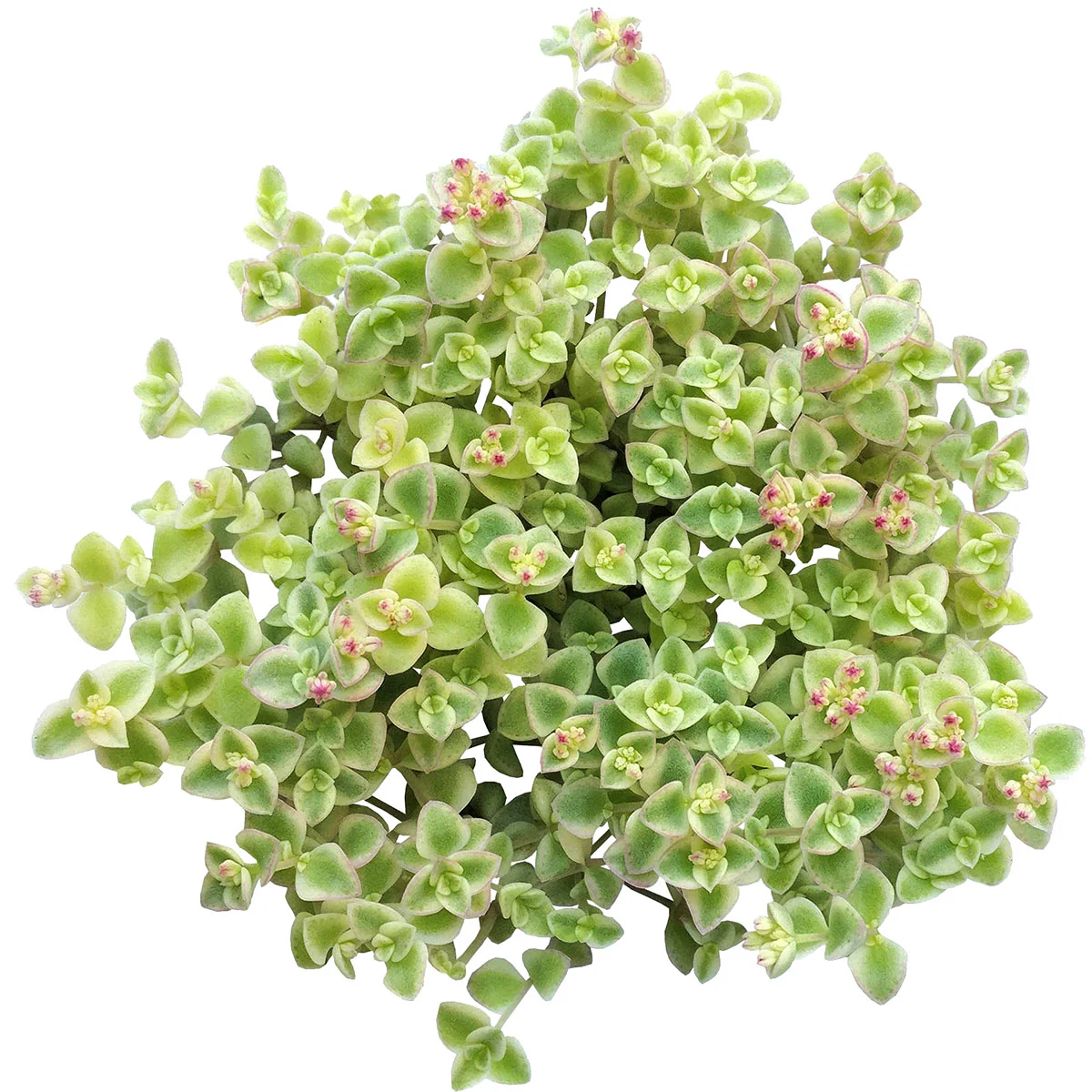
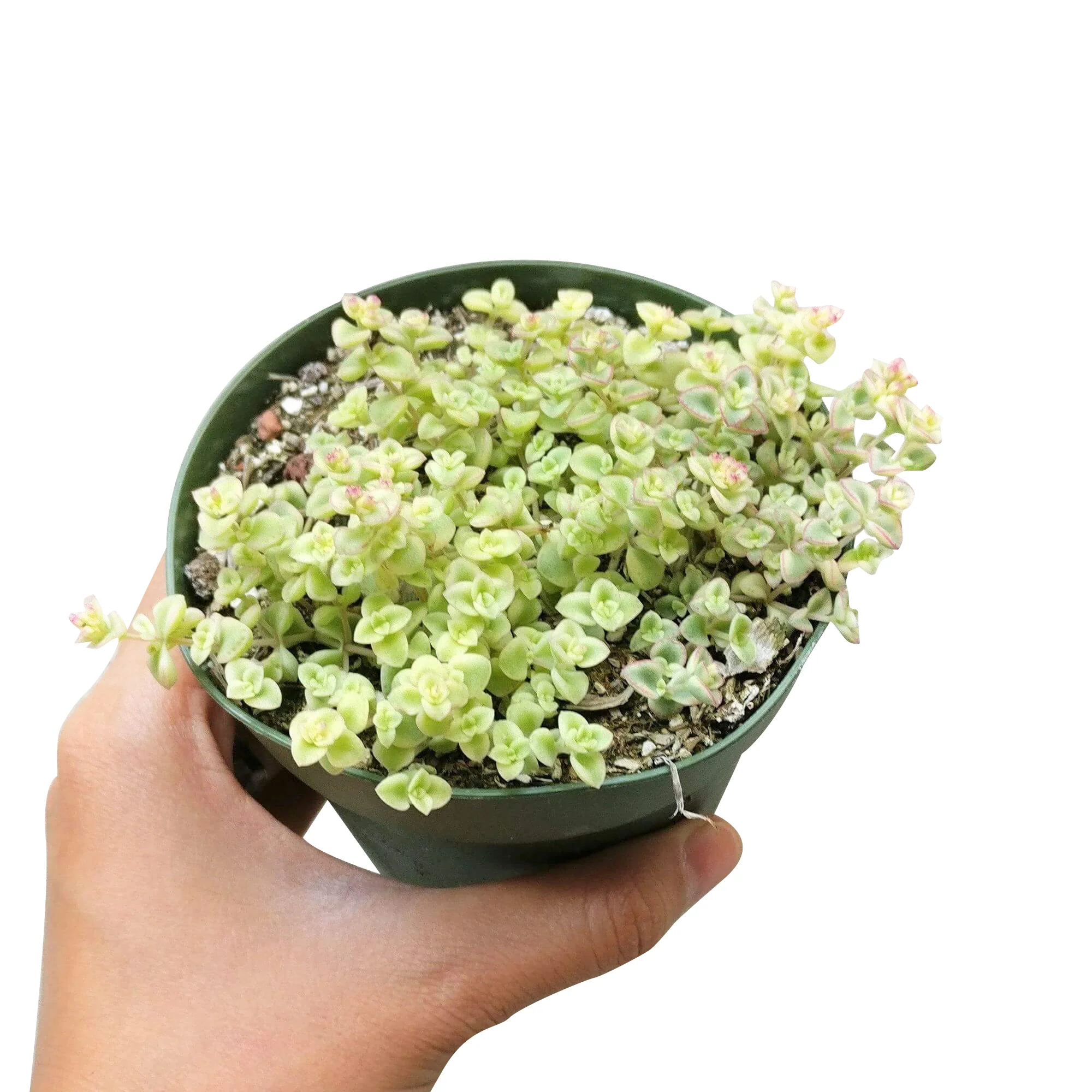
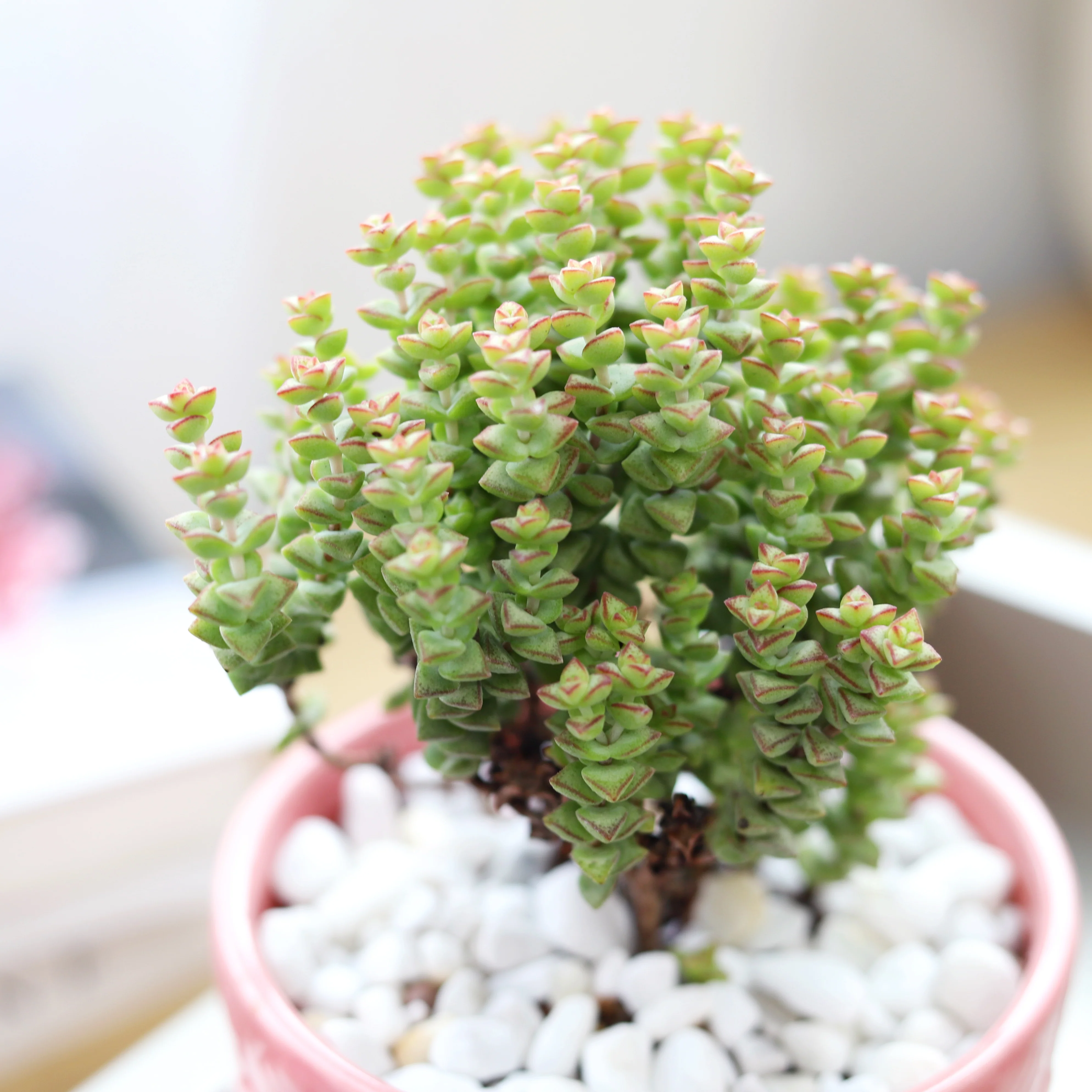
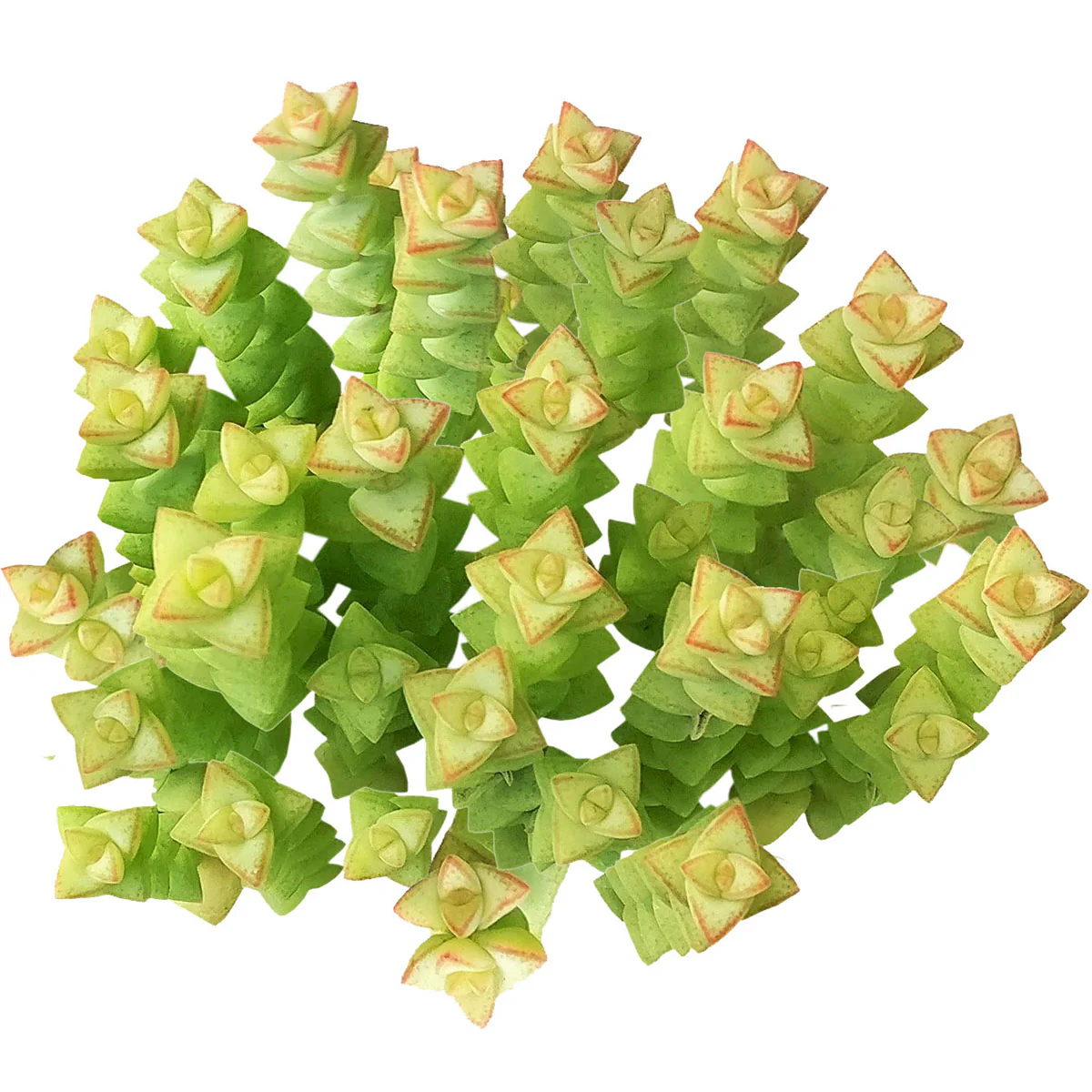
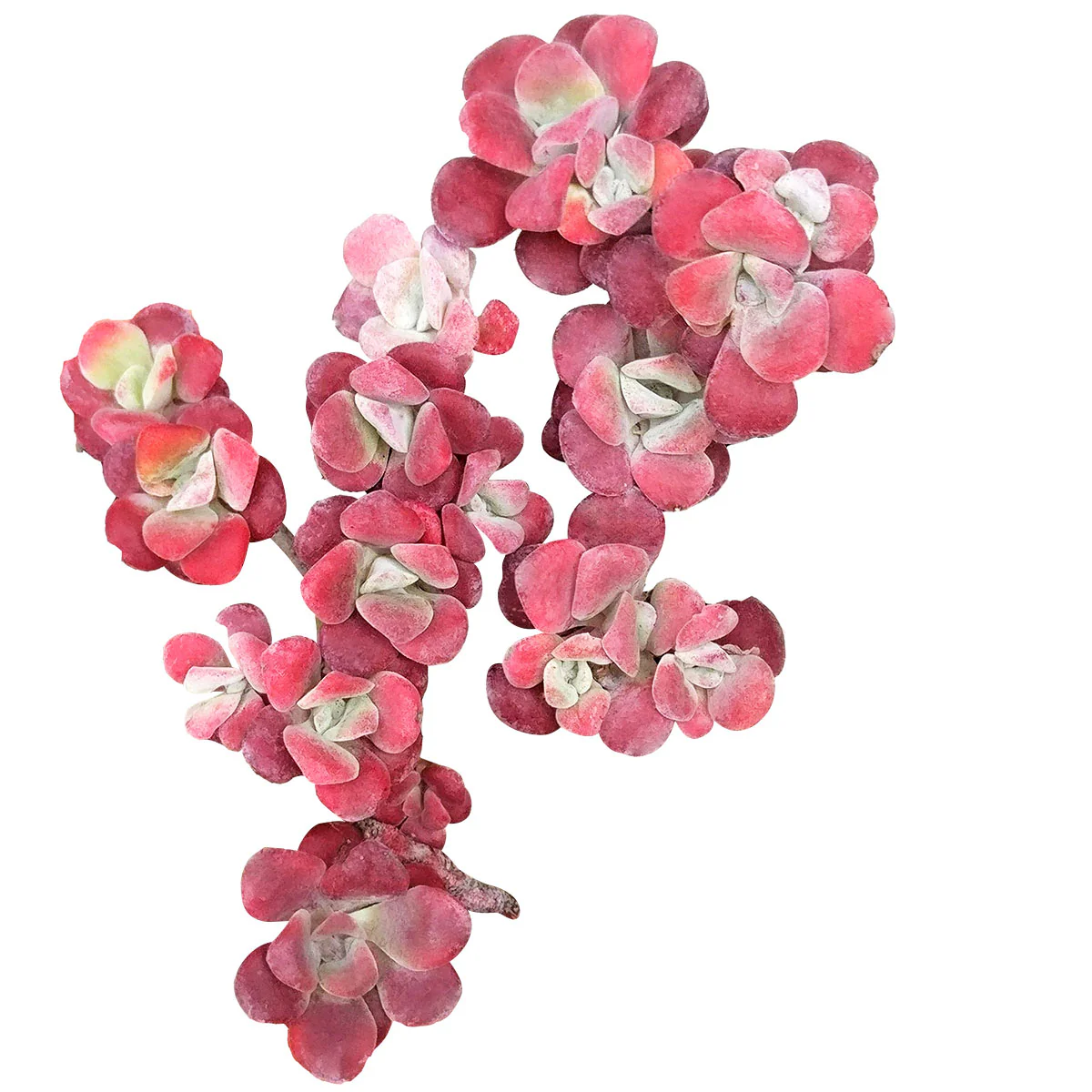
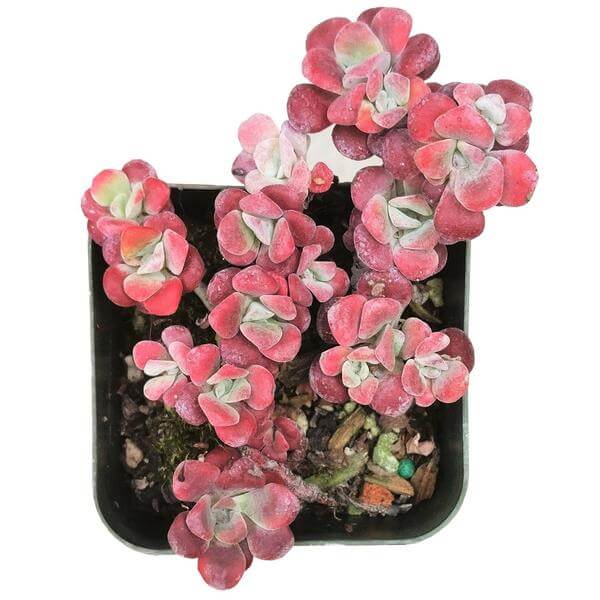
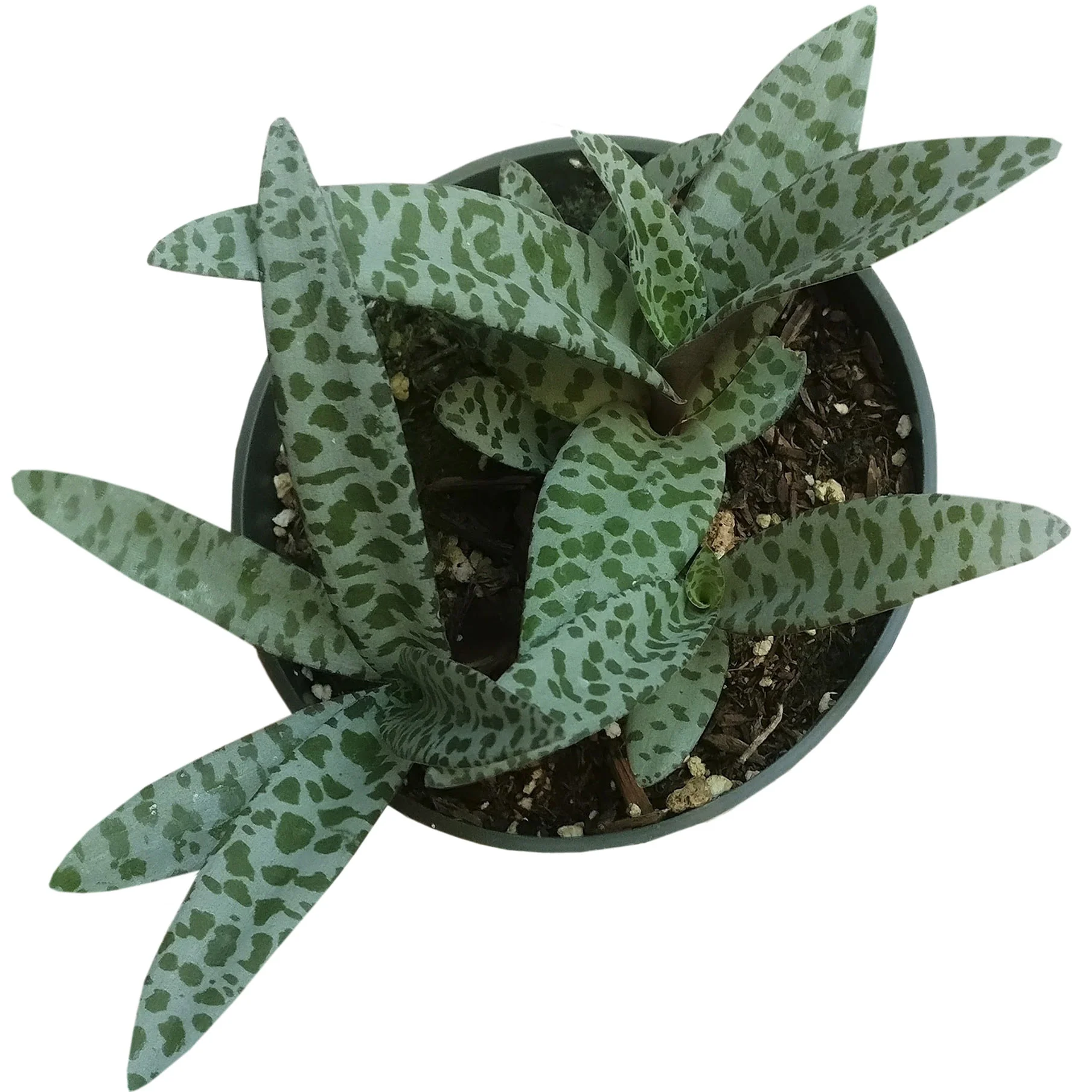
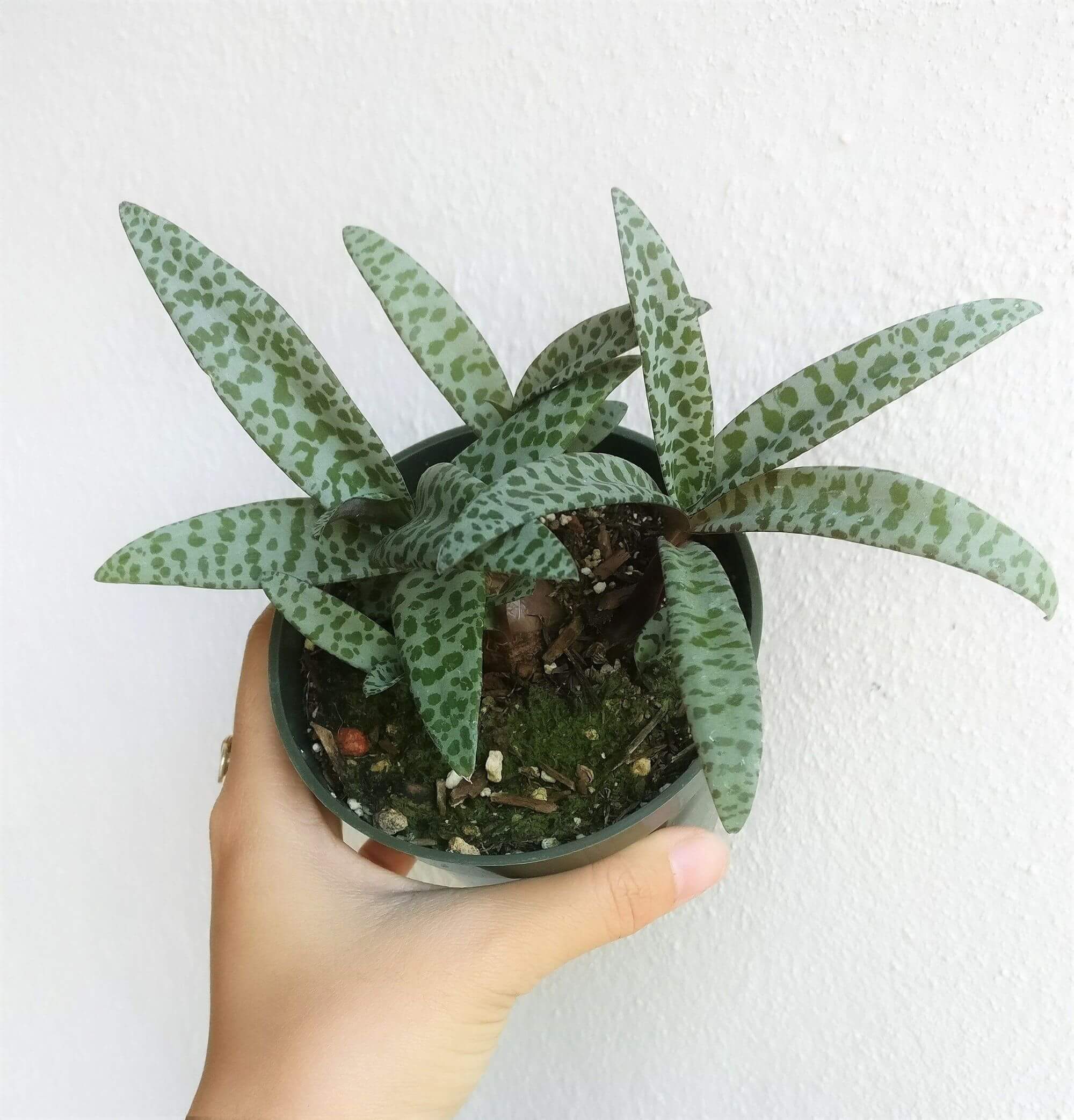
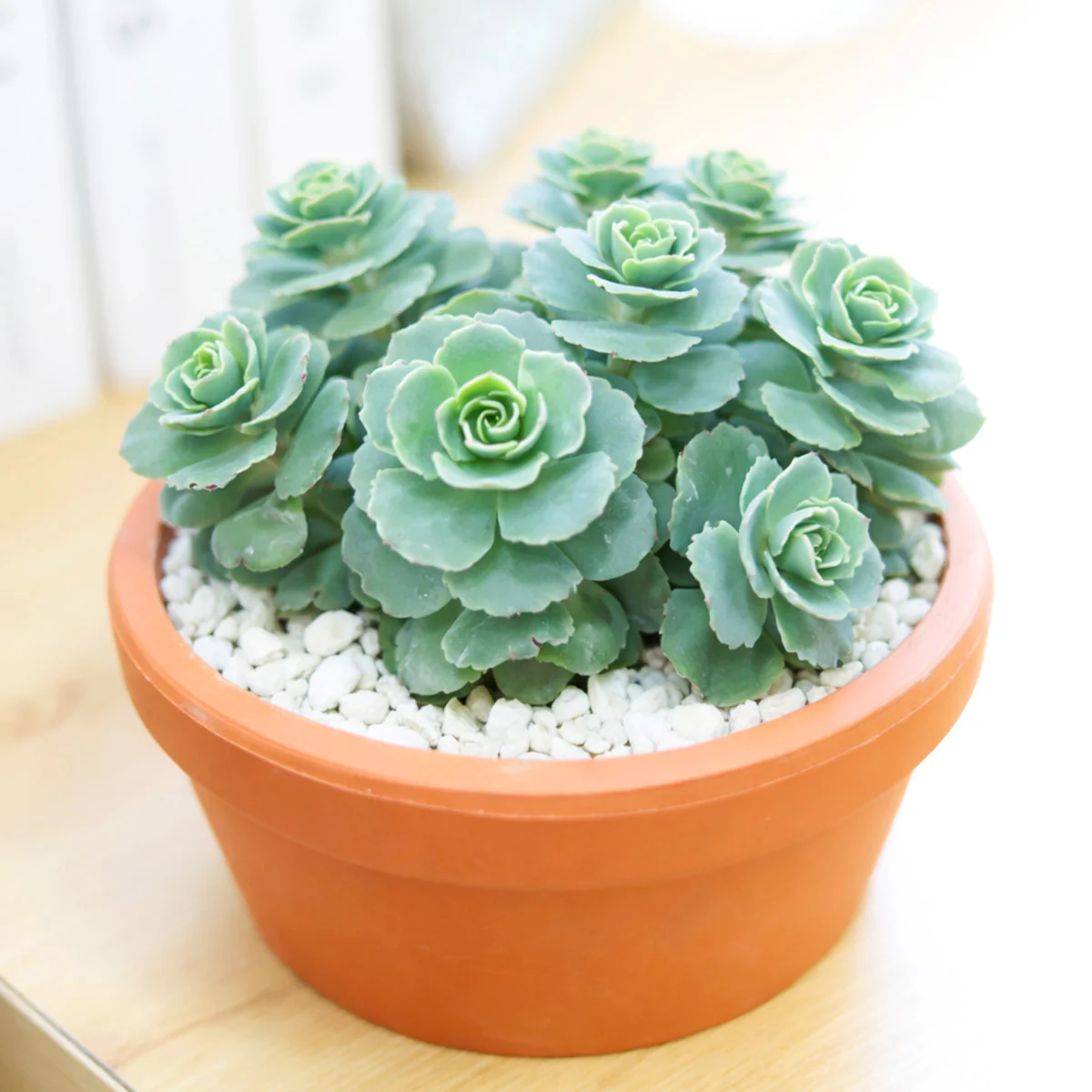
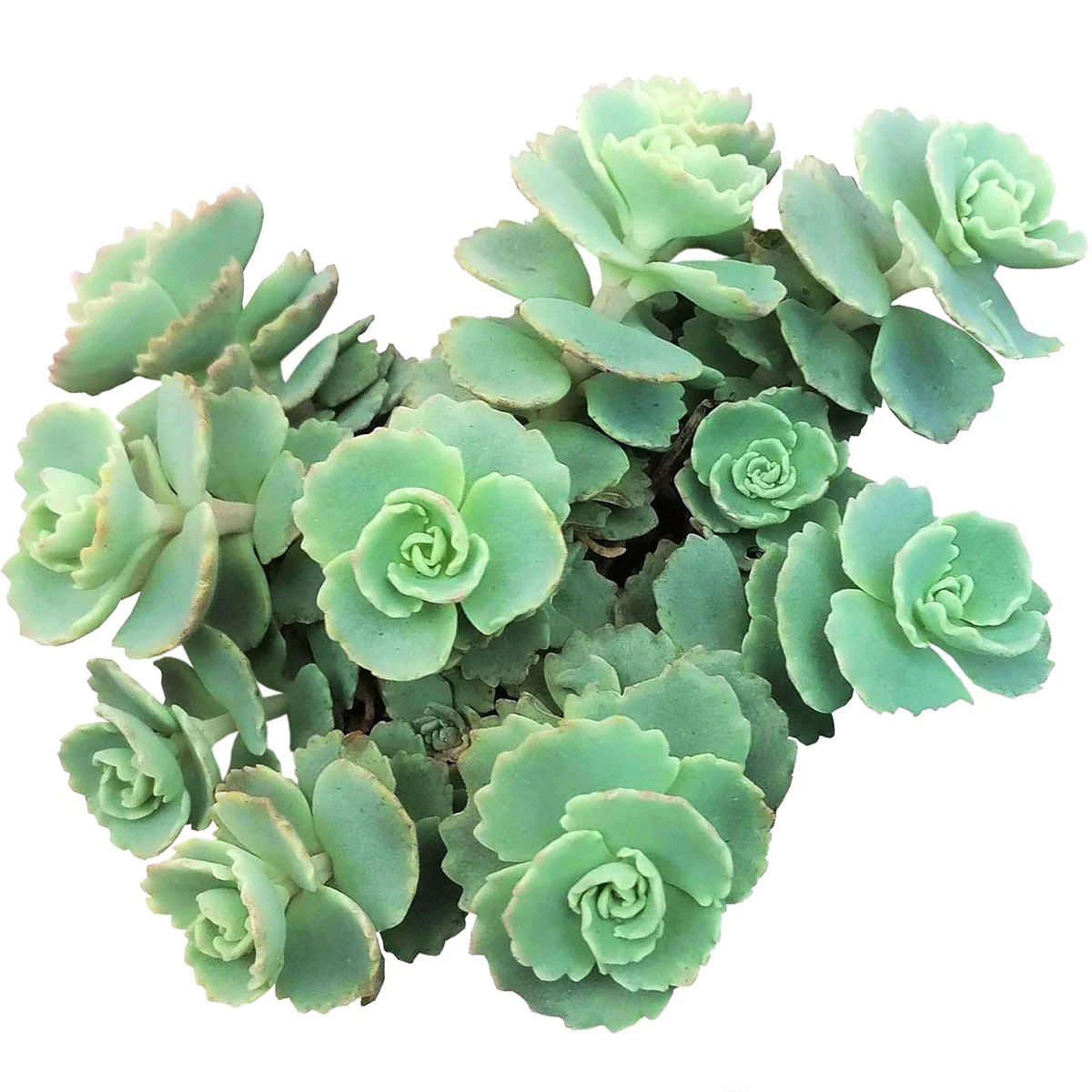
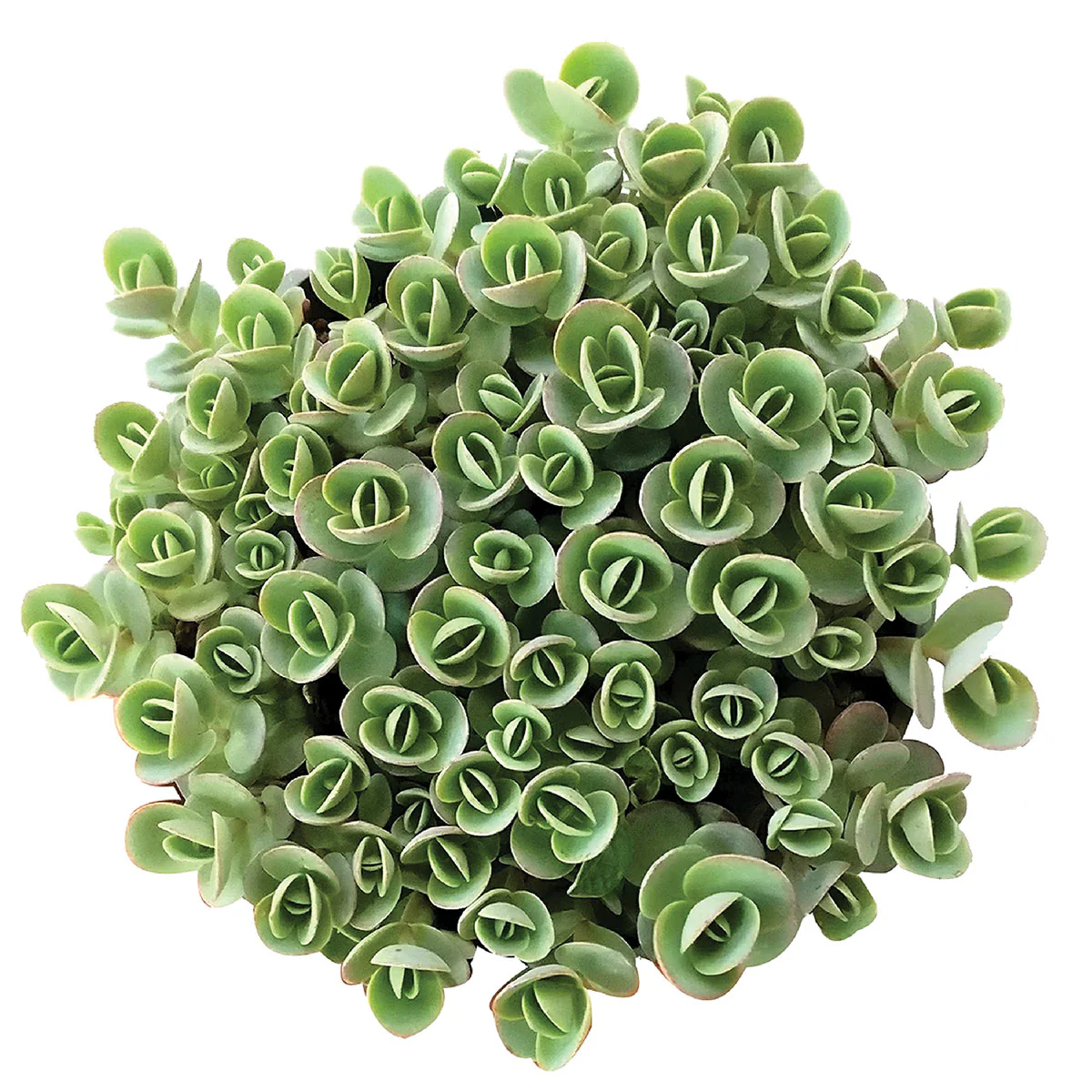
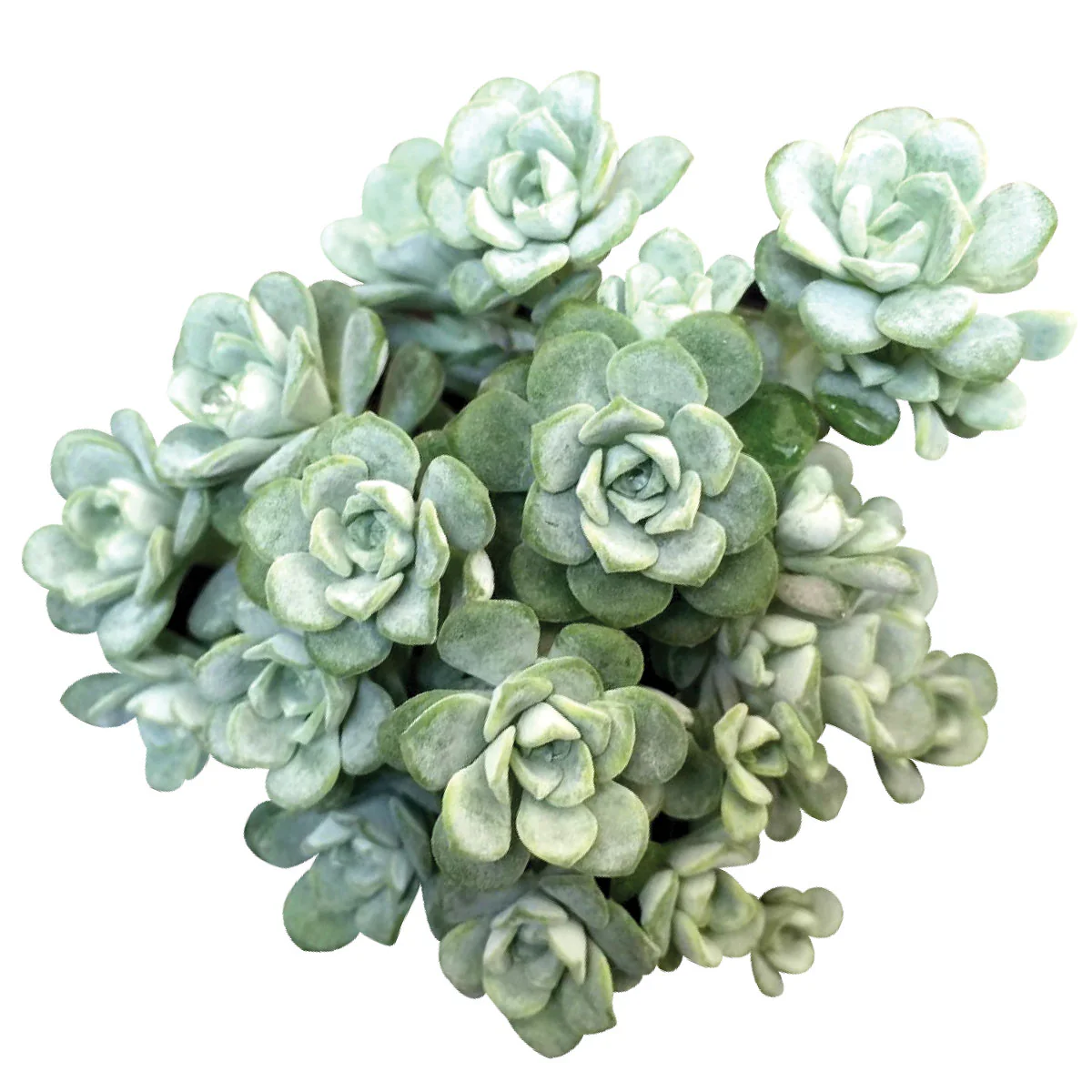
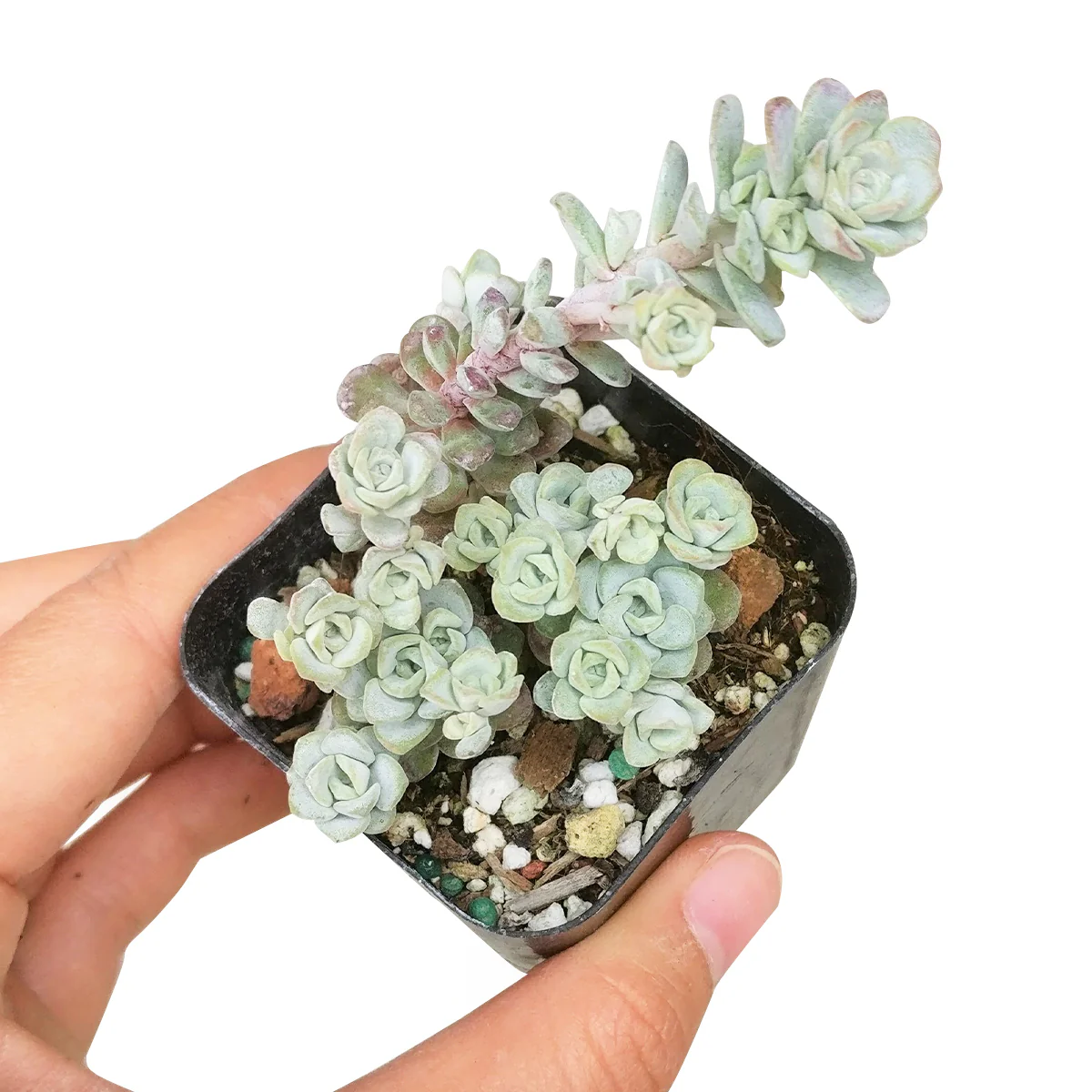
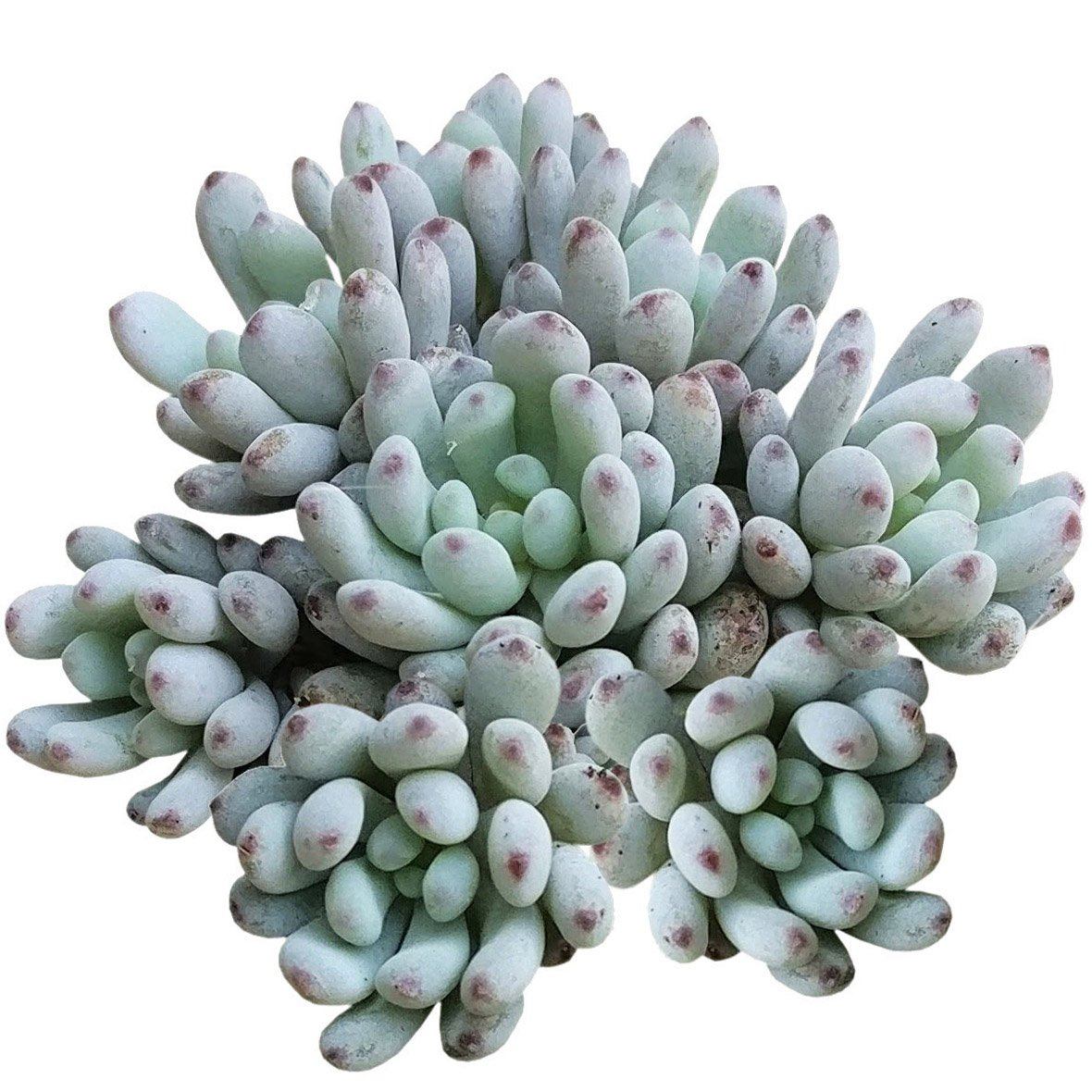
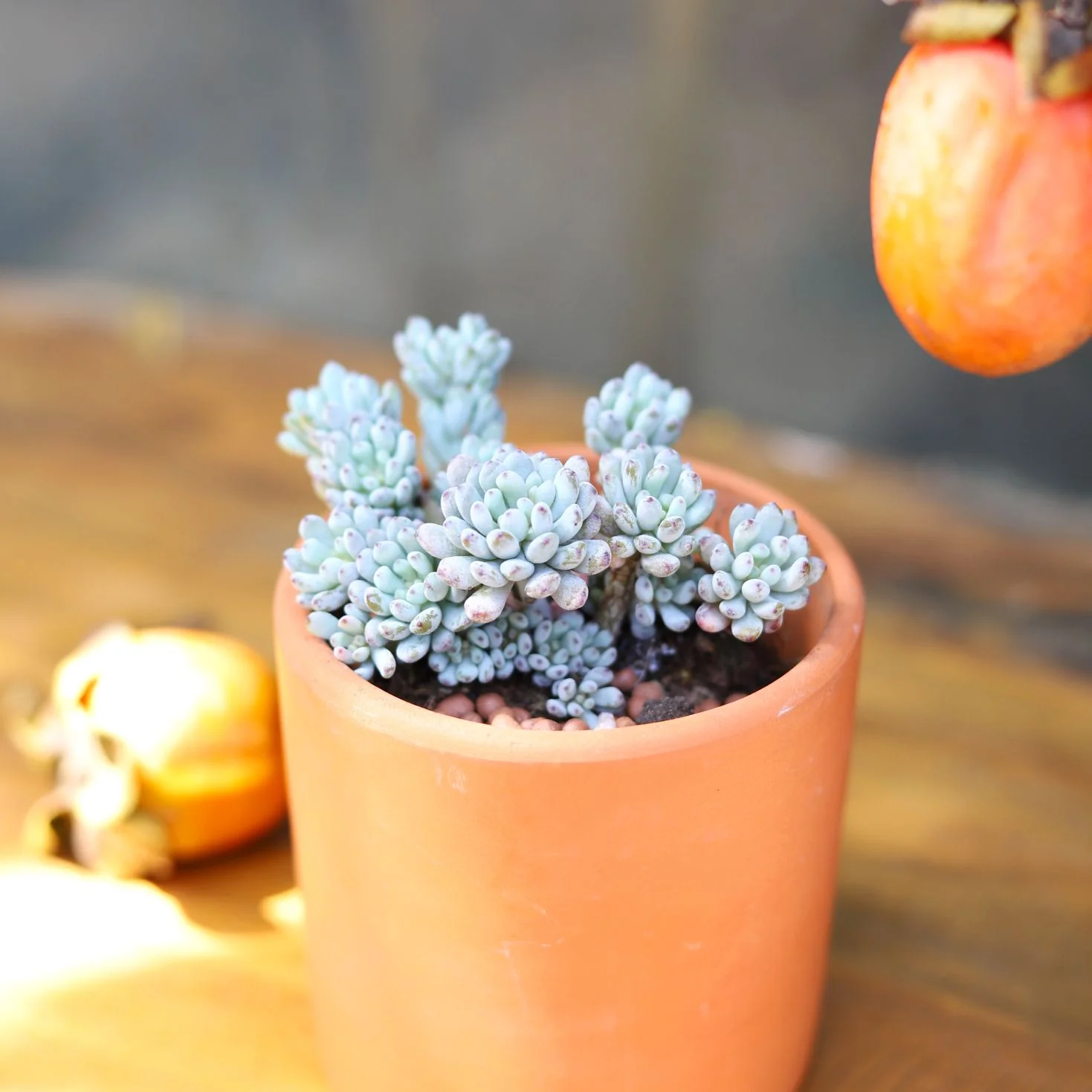
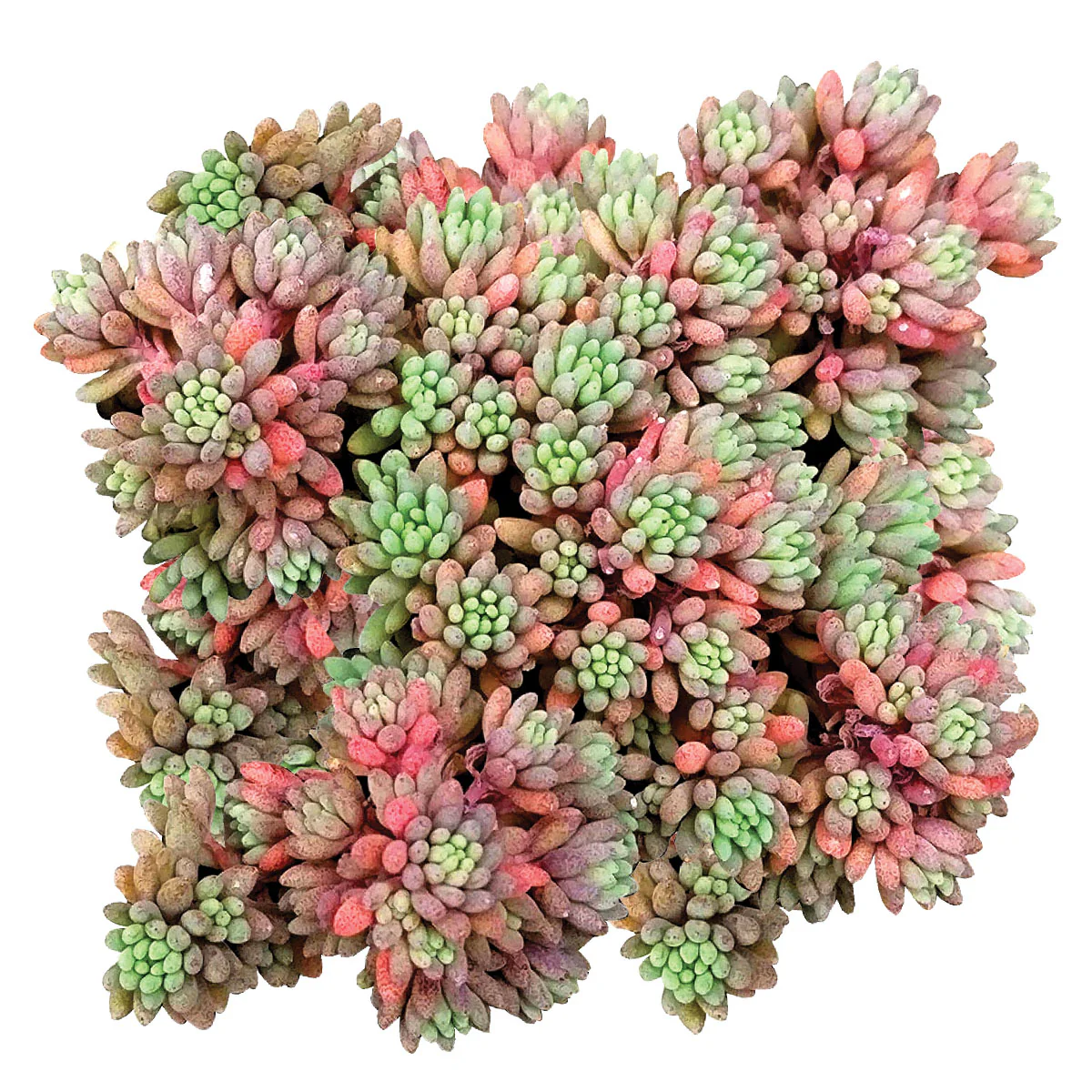
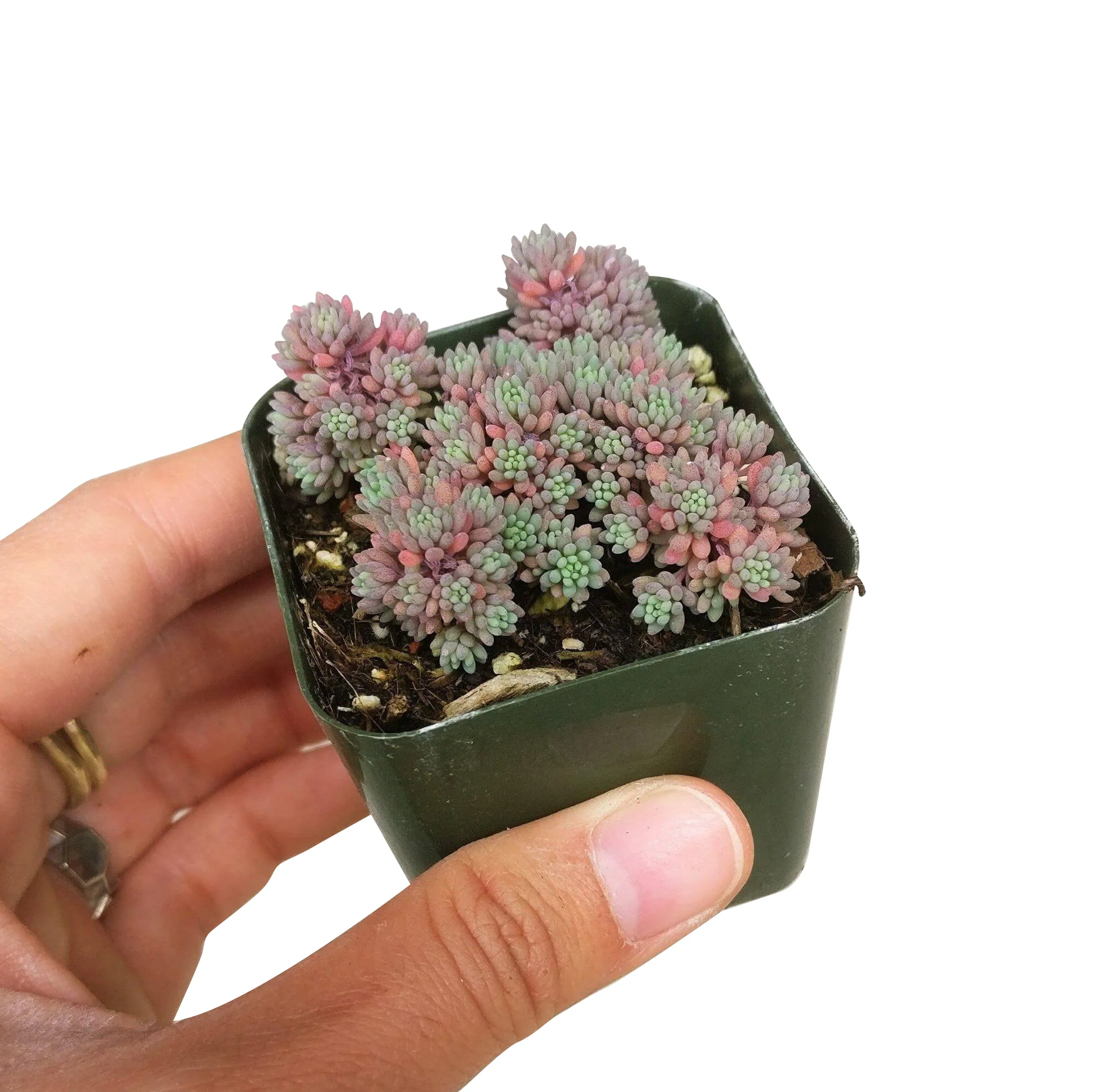
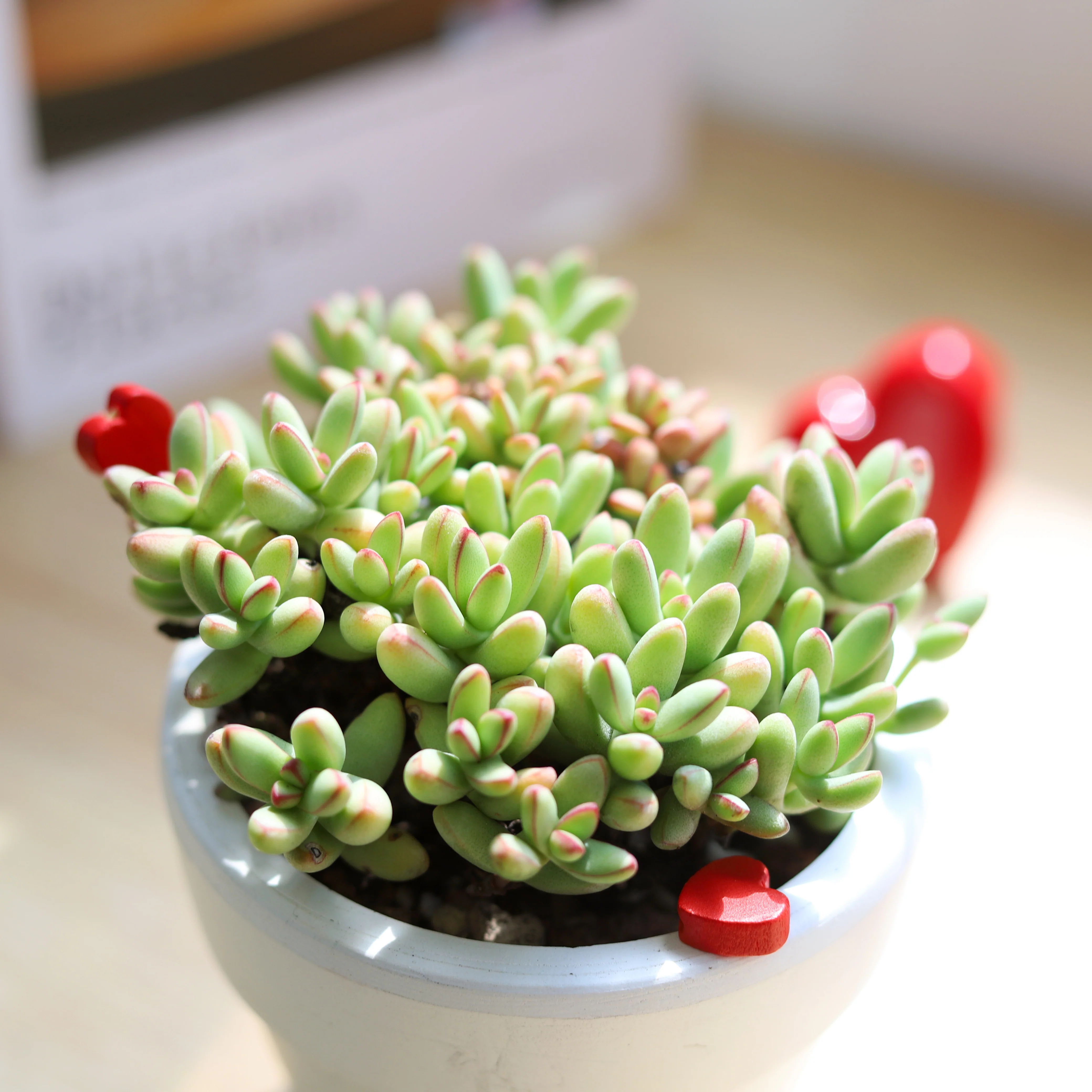
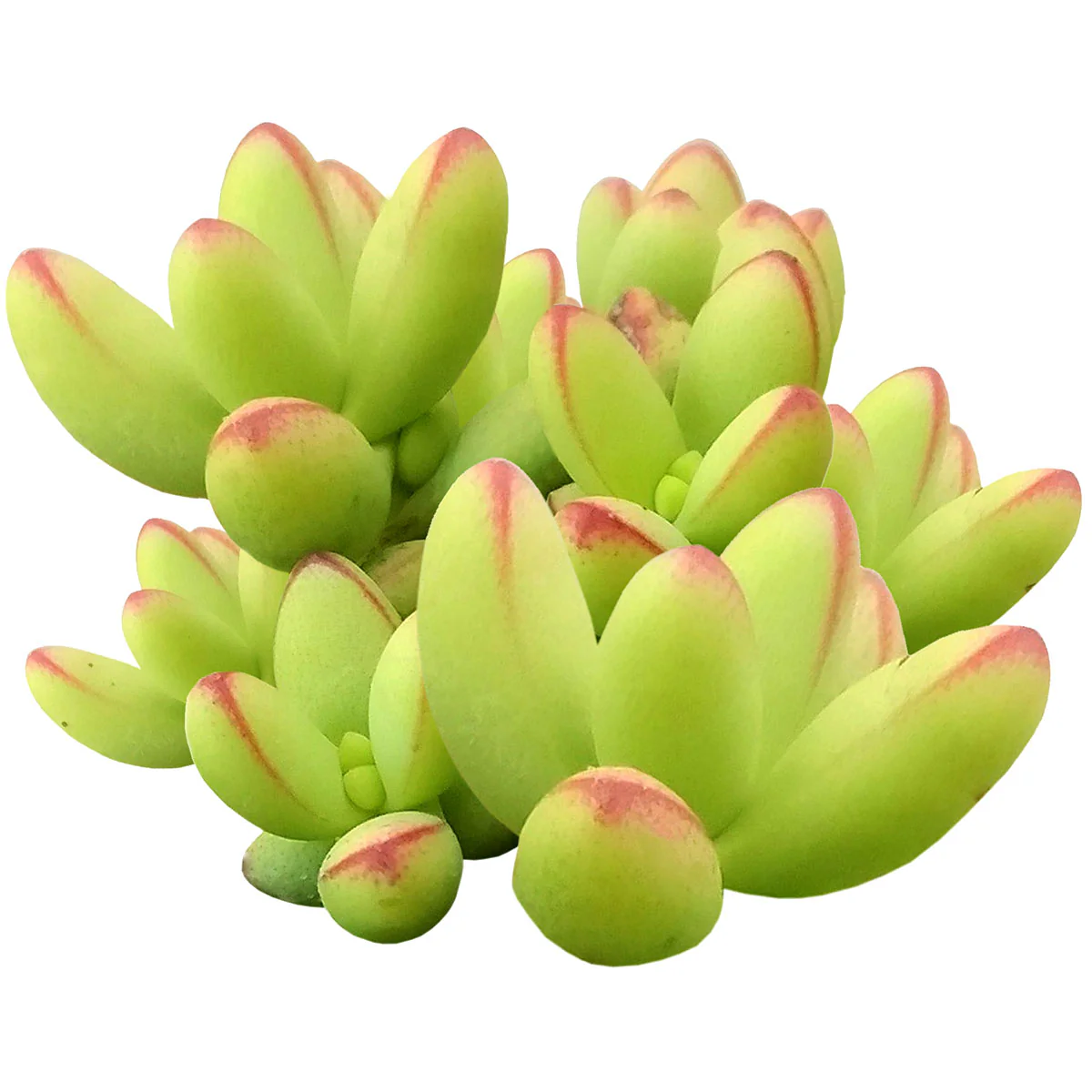
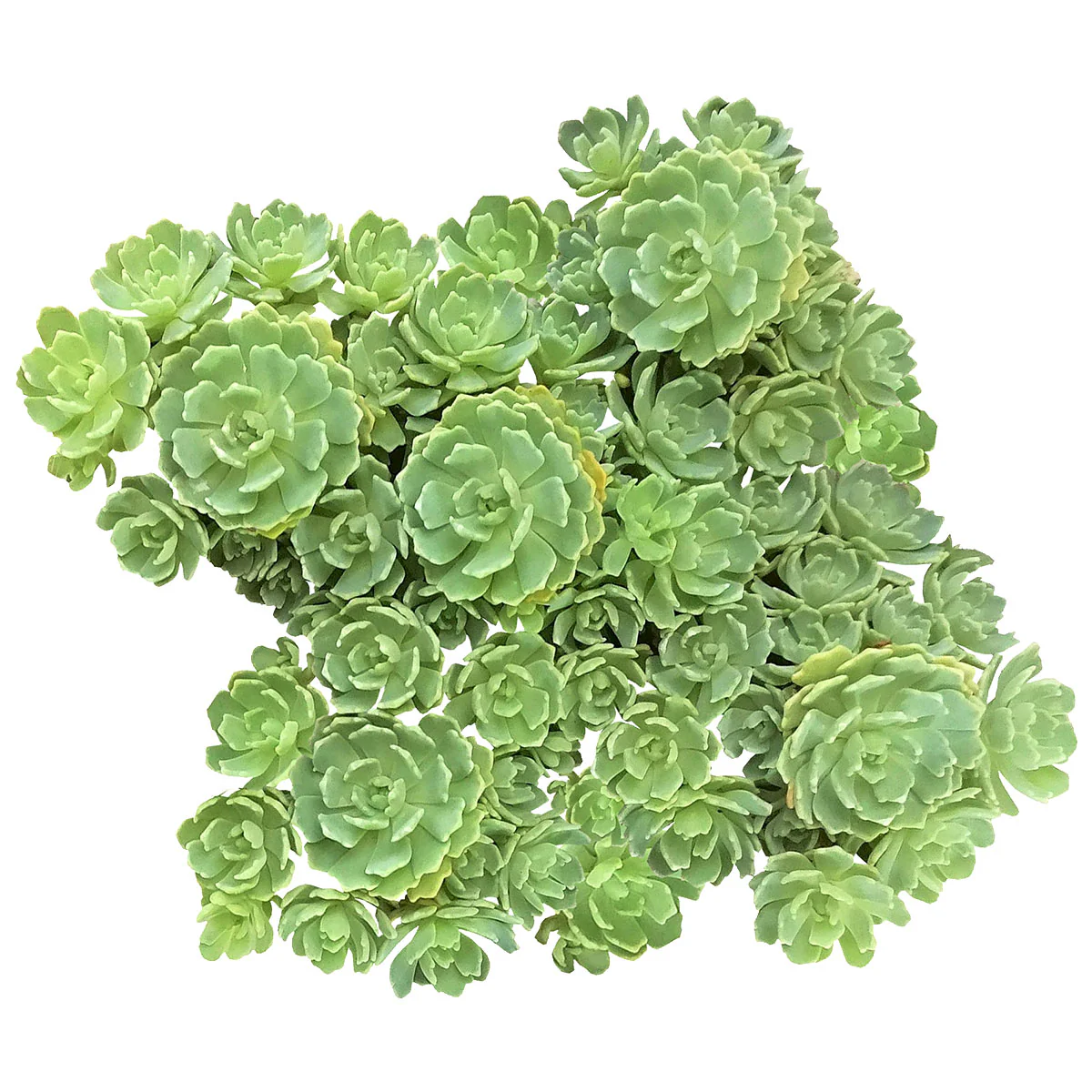
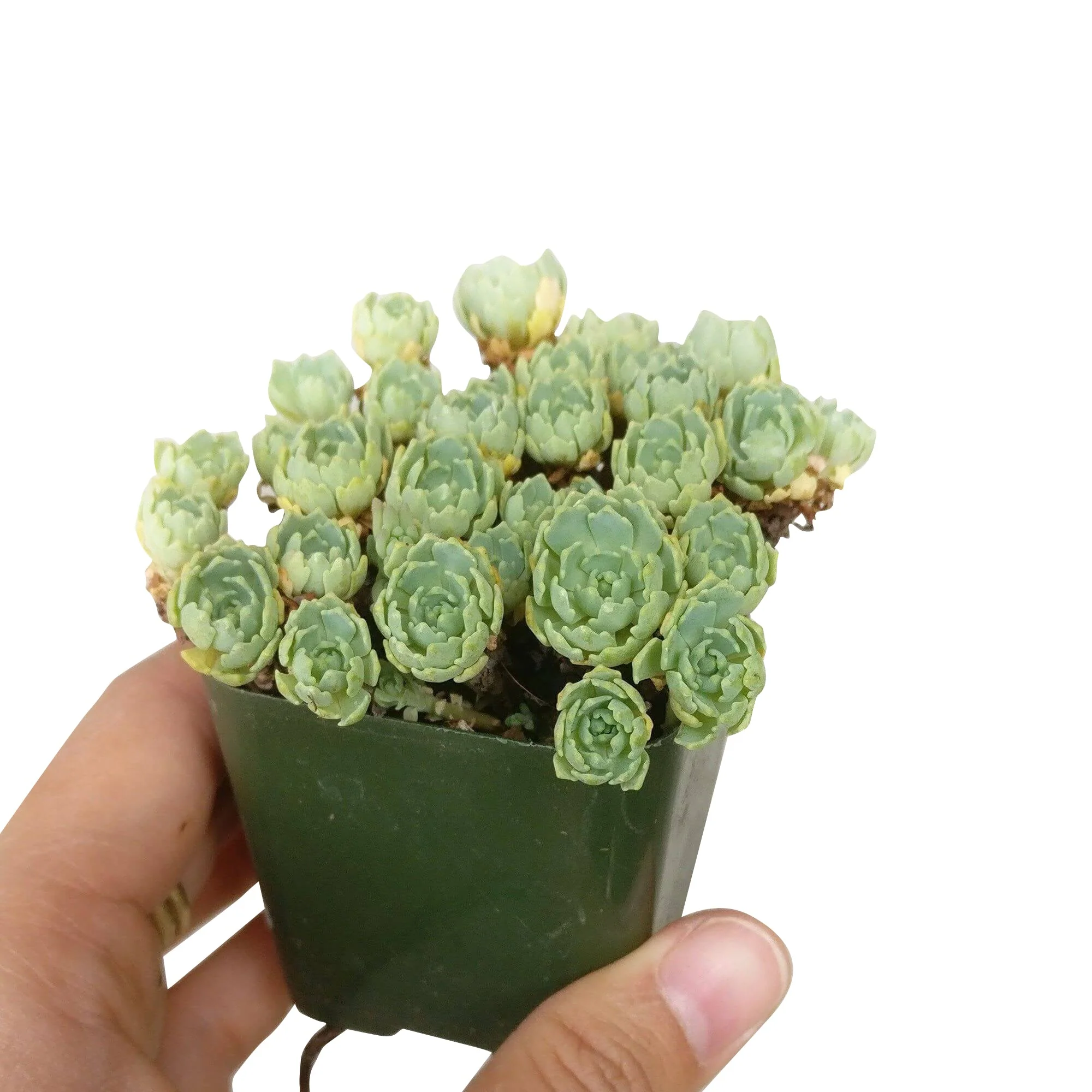
 Echeveria Blue Wren produces beautifully symmetrical rosettes dressed in soft blue-green leaves with a powdery farina coating that gives them a cool, dusty glow. The plump, spoon-shaped leaves are neatly layered and radiate outward in a classic hens and chicks succulent form. Over time, Echeveria Blue Wren offsets freely into a clustering mound, creating a lush, sculptural display that looks stunning in pots, dish gardens, or rocky beds.
 Echeveria Blue Wren can produce slender arching stems tipped with small bell-shaped flowers, typically in warm coral or pink tones during spring and early summer. To encourage blooming, this easy care echeveria benefits from a natural drop in nighttime temperatures, which signals the plant to set flower buds. The blooms are a delightful seasonal bonus, adding a pop of warm color to the cool blue-green rosette below.
 Echeveria Blue Wren is genuinely beginner-friendly and thrives on a sunny windowsill, patio, or even outdoors for the summer months, as long as it gets cover from rain to protect its roots from excess moisture. Rotate the pot every couple of weeks for even, balanced growth, and keep it away from direct AC or heater vents that blast dry, forced air. This pet friendly succulent is safe around curious cats and dogs, and it releases oxygen at night, making it a thoughtful and beautiful indoor succulent gift. Collectors love pairing Echeveria Blue Wren with other rosette types for eye-catching arrangements that practically care for themselves.
-
 Echeveria Blue Wren thrives in bright indirect light to full sun, ideally near an east or west-facing window.
 Water Echeveria Blue Wren deeply every 10 to 14 days in summer and reduce to once monthly in winter.
 Echeveria Blue Wren does best in a gritty, fast-draining mix such as cactus soil blended with perlite at a 1:1 ratio.
 Echeveria Blue Wren prefers temperatures between 65 and 80°F (18 to 27°C) and should be brought indoors before frost.
![]() Echeveria Blue Wren grows at a moderate pace and benefits from a diluted balanced fertilizer applied once in spring and once in early summer.
Echeveria Blue Wren grows at a moderate pace and benefits from a diluted balanced fertilizer applied once in spring and once in early summer.
 Echeveria Blue Wren is rated for USDA hardiness zones 9 through 11, tolerating brief dips no lower than around 25 to 28°F (-4 to -2°C) before frost damage sets in. Gardeners growing Echeveria Blue Wren outdoors year-round will find ideal climates across California, Arizona, Nevada, Texas, Florida, Hawaii, Louisiana, Mississippi, Alabama, Georgia, and South Carolina. Milder coastal pockets of Oregon and Washington, as well as parts of New Mexico and the Gulf Coast, can also support this blue wren succulent through most of the year with minimal protection.
-
Q: How often should I water Echeveria Blue Wren?
A: Water Echeveria Blue Wren every 10 to 14 days in the growing season, allowing the soil to dry out completely between waterings. In winter, reduce watering to once a month to prevent root rot.
Q: Is Echeveria Blue Wren pet friendly?
A: Yes, Echeveria Blue Wren is pet friendly and considered non-toxic to cats and dogs. You can display it freely without worrying about curious pets.
Q: How much light does Echeveria Blue Wren need?
A: Echeveria Blue Wren does best in bright indirect light to partial or full sun, making a sunny east or west-facing windowsill ideal. In very intense south-facing windows, the leaves can scorch, so a light sheer curtain helps during peak summer heat.
Q: How big does Echeveria Blue Wren get?
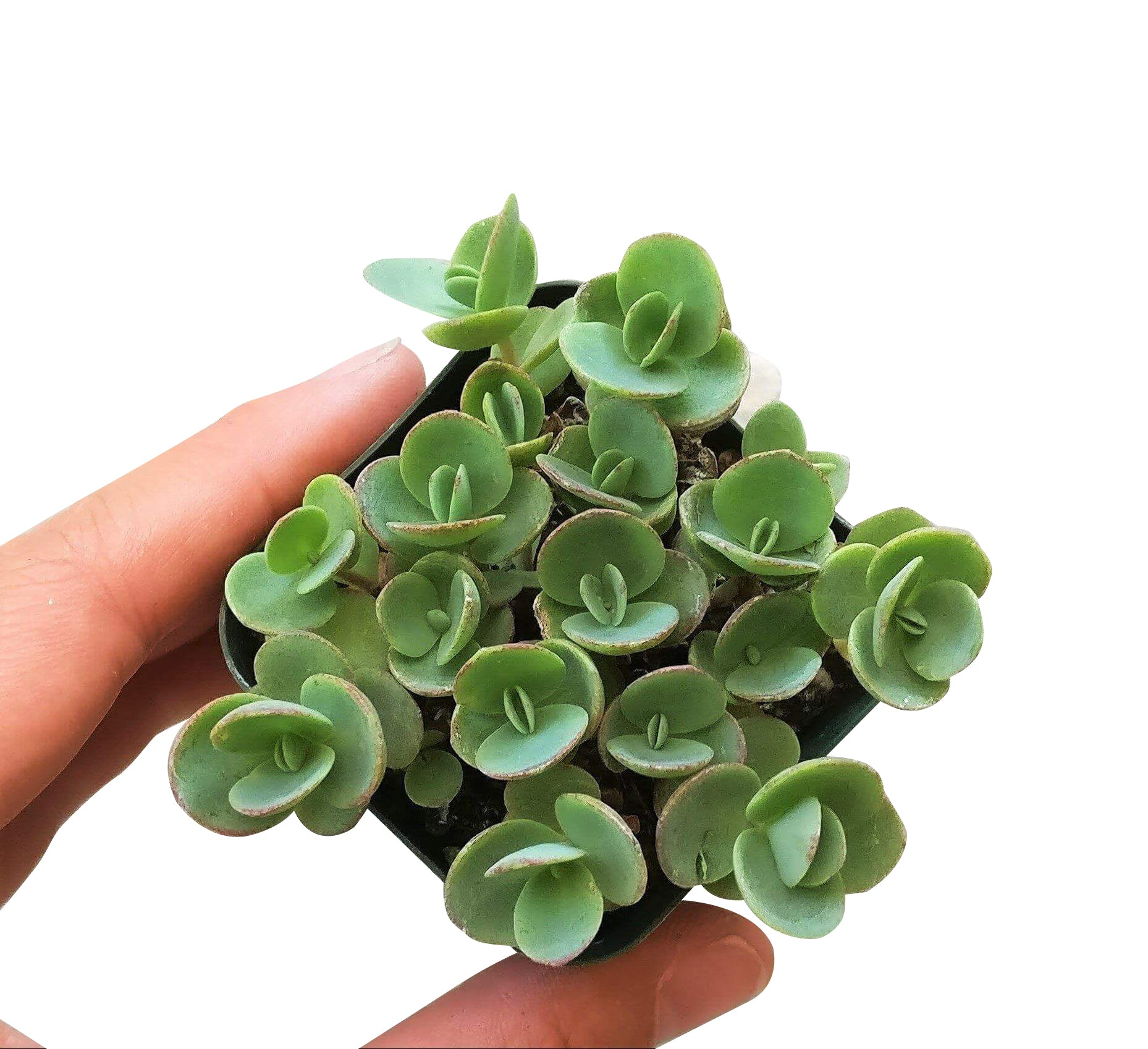
A: Echeveria Blue Wren typically forms rosettes around 3 to 5 inches (7 to 12 cm) wide and clusters outward over time as it produces offsets. It stays compact and tidy, making it perfect for small pots and arrangements.
Q: Can I propagate Echeveria Blue Wren at home?
A: Echeveria Blue Wren is easy to propagate from offsets, which can be gently separated from the mother plant and potted into fresh gritty soil. Leaf cuttings also work well, simply lay them on dry soil and wait for tiny rosettes to appear.
Q: Can Echeveria Blue Wren survive while I am on vacation?
A: Echeveria Blue Wren is a drought tolerant succulent that can comfortably survive up to 10 days without watering, making it a perfect low maintenance plant for travelers. Just water it well before you leave and place it in a bright spot.


Original: $8.00
-70%$8.00
$2.40Product Information
Product Information
Shipping & Returns
Shipping & Returns
Description
- Description
- Echeveria Blue Wren Care Guide
- FAQ/Common Issues
-
![]() Echeveria Blue Wren is a charming rosette-forming succulent in the Crassulaceae family, belonging to the beloved Echeveria genus native to the semi-arid regions of Mexico and Central America. Like its wild relatives, it evolved to thrive in rocky, well-drained soils with plenty of sun and minimal rainfall, making it a naturally tough and low maintenance succulent. Whether you are a first-time plant parent or a seasoned collector, this blue green rosette succulent is an effortless and rewarding choice.
Echeveria Blue Wren is a charming rosette-forming succulent in the Crassulaceae family, belonging to the beloved Echeveria genus native to the semi-arid regions of Mexico and Central America. Like its wild relatives, it evolved to thrive in rocky, well-drained soils with plenty of sun and minimal rainfall, making it a naturally tough and low maintenance succulent. Whether you are a first-time plant parent or a seasoned collector, this blue green rosette succulent is an effortless and rewarding choice.
Echeveria Blue Wren produces beautifully symmetrical rosettes dressed in soft blue-green leaves with a powdery farina coating that gives them a cool, dusty glow. The plump, spoon-shaped leaves are neatly layered and radiate outward in a classic hens and chicks succulent form. Over time, Echeveria Blue Wren offsets freely into a clustering mound, creating a lush, sculptural display that looks stunning in pots, dish gardens, or rocky beds.
Echeveria Blue Wren can produce slender arching stems tipped with small bell-shaped flowers, typically in warm coral or pink tones during spring and early summer. To encourage blooming, this easy care echeveria benefits from a natural drop in nighttime temperatures, which signals the plant to set flower buds. The blooms are a delightful seasonal bonus, adding a pop of warm color to the cool blue-green rosette below.
Echeveria Blue Wren is genuinely beginner-friendly and thrives on a sunny windowsill, patio, or even outdoors for the summer months, as long as it gets cover from rain to protect its roots from excess moisture. Rotate the pot every couple of weeks for even, balanced growth, and keep it away from direct AC or heater vents that blast dry, forced air. This pet friendly succulent is safe around curious cats and dogs, and it releases oxygen at night, making it a thoughtful and beautiful indoor succulent gift. Collectors love pairing Echeveria Blue Wren with other rosette types for eye-catching arrangements that practically care for themselves.
-
Echeveria Blue Wren thrives in bright indirect light to full sun, ideally near an east or west-facing window.
Water Echeveria Blue Wren deeply every 10 to 14 days in summer and reduce to once monthly in winter.
Echeveria Blue Wren does best in a gritty, fast-draining mix such as cactus soil blended with perlite at a 1:1 ratio.
Echeveria Blue Wren prefers temperatures between 65 and 80°F (18 to 27°C) and should be brought indoors before frost.
![]() Echeveria Blue Wren grows at a moderate pace and benefits from a diluted balanced fertilizer applied once in spring and once in early summer.
Echeveria Blue Wren grows at a moderate pace and benefits from a diluted balanced fertilizer applied once in spring and once in early summer.
Echeveria Blue Wren is rated for USDA hardiness zones 9 through 11, tolerating brief dips no lower than around 25 to 28°F (-4 to -2°C) before frost damage sets in. Gardeners growing Echeveria Blue Wren outdoors year-round will find ideal climates across California, Arizona, Nevada, Texas, Florida, Hawaii, Louisiana, Mississippi, Alabama, Georgia, and South Carolina. Milder coastal pockets of Oregon and Washington, as well as parts of New Mexico and the Gulf Coast, can also support this blue wren succulent through most of the year with minimal protection.
-
Q: How often should I water Echeveria Blue Wren?
A: Water Echeveria Blue Wren every 10 to 14 days in the growing season, allowing the soil to dry out completely between waterings. In winter, reduce watering to once a month to prevent root rot.
Q: Is Echeveria Blue Wren pet friendly?
A: Yes, Echeveria Blue Wren is pet friendly and considered non-toxic to cats and dogs. You can display it freely without worrying about curious pets.
Q: How much light does Echeveria Blue Wren need?
A: Echeveria Blue Wren does best in bright indirect light to partial or full sun, making a sunny east or west-facing windowsill ideal. In very intense south-facing windows, the leaves can scorch, so a light sheer curtain helps during peak summer heat.
Q: How big does Echeveria Blue Wren get?
A: Echeveria Blue Wren typically forms rosettes around 3 to 5 inches (7 to 12 cm) wide and clusters outward over time as it produces offsets. It stays compact and tidy, making it perfect for small pots and arrangements.
Q: Can I propagate Echeveria Blue Wren at home?
A: Echeveria Blue Wren is easy to propagate from offsets, which can be gently separated from the mother plant and potted into fresh gritty soil. Leaf cuttings also work well, simply lay them on dry soil and wait for tiny rosettes to appear.
Q: Can Echeveria Blue Wren survive while I am on vacation?
A: Echeveria Blue Wren is a drought tolerant succulent that can comfortably survive up to 10 days without watering, making it a perfect low maintenance plant for travelers. Just water it well before you leave and place it in a bright spot.