Echeveria Black Prince
- Description
- Echeveria Black Prince Care Guide
- FAQ/Common Issues
-
![]() Echeveria Black Prince is a striking succulent hybrid in the Crassulaceae family, beloved by beginners and collectors alike for its dramatic coloring and easy care. It traces its roots to a cross between Echeveria affinis and Echeveria shaviana, originating from cultivation with Mexican echeveria species as its ancestral base. This dark rosette succulent has earned a devoted following and is easy to find in 2" and 4" pot sizes at most garden centers.
Echeveria Black Prince is a striking succulent hybrid in the Crassulaceae family, beloved by beginners and collectors alike for its dramatic coloring and easy care. It traces its roots to a cross between Echeveria affinis and Echeveria shaviana, originating from cultivation with Mexican echeveria species as its ancestral base. This dark rosette succulent has earned a devoted following and is easy to find in 2" and 4" pot sizes at most garden centers.
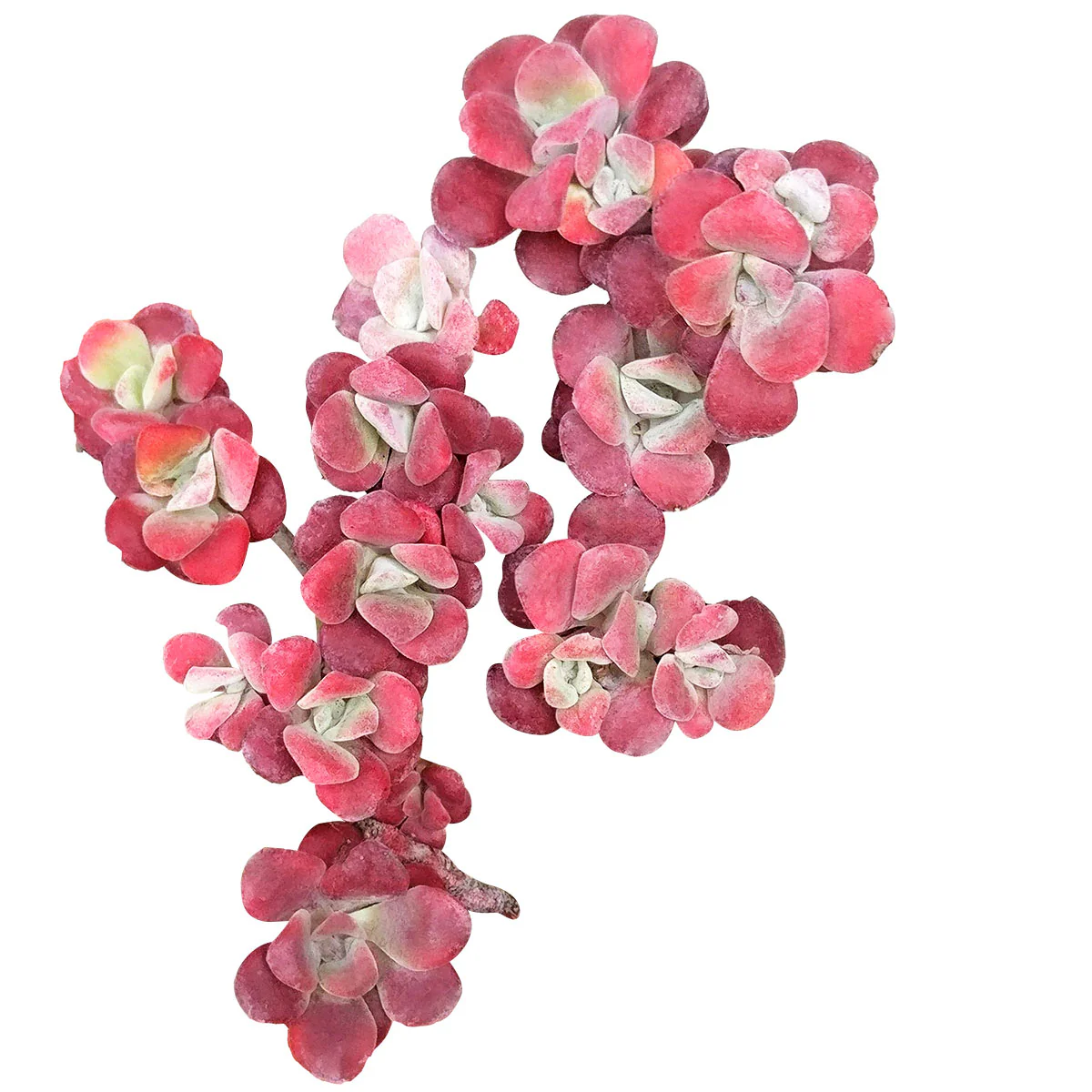
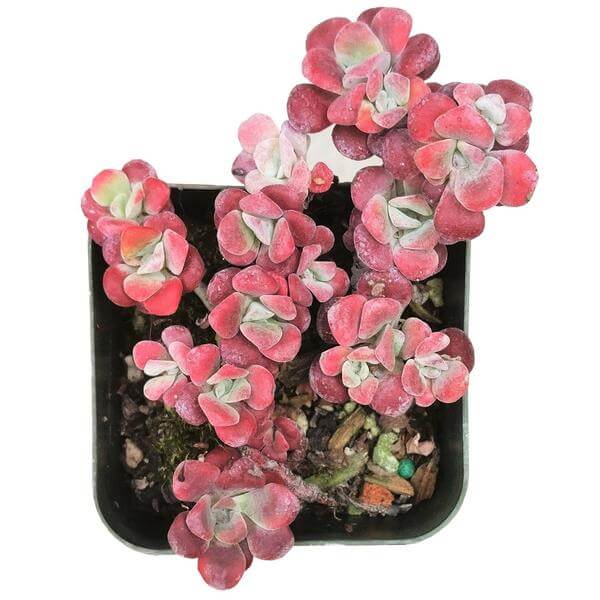
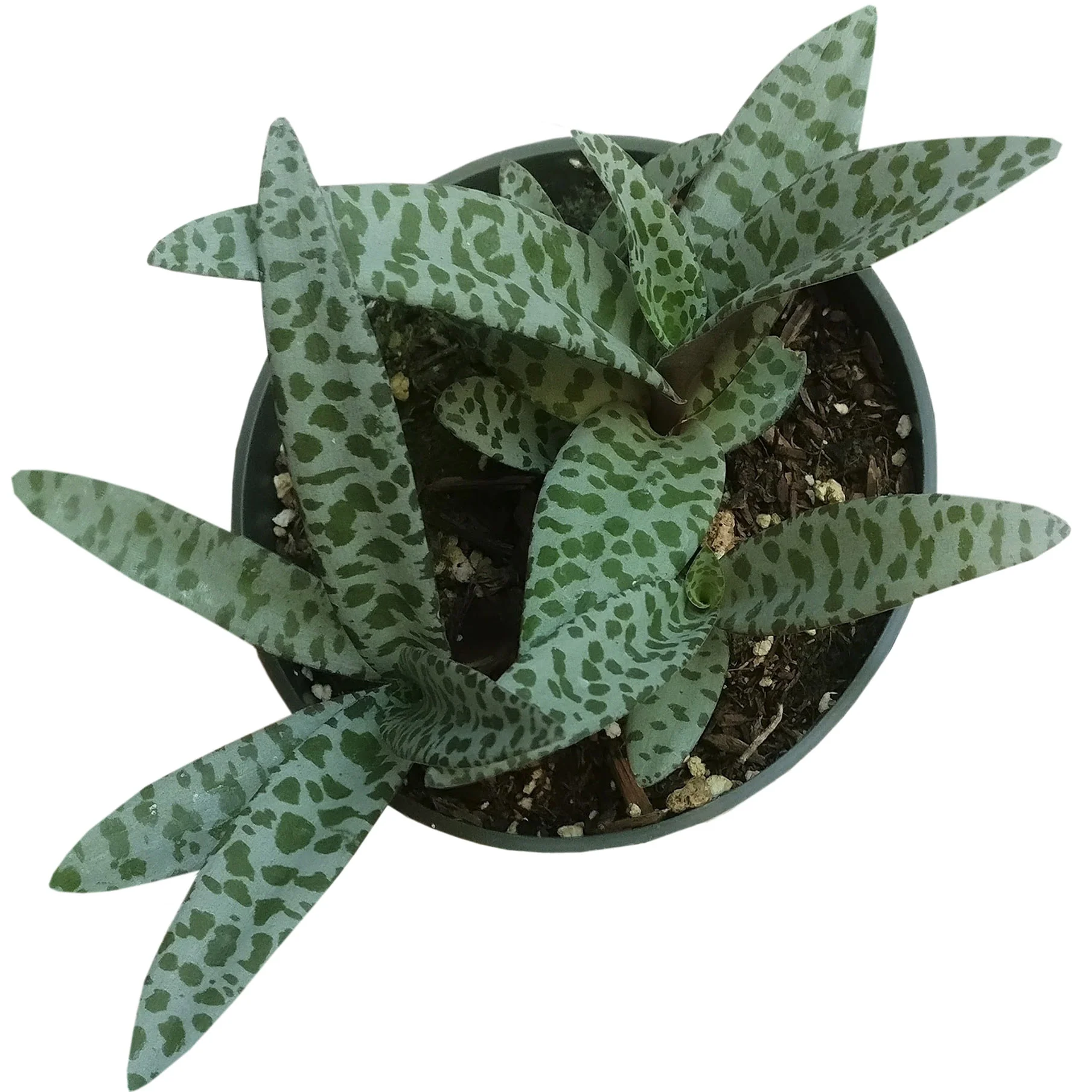
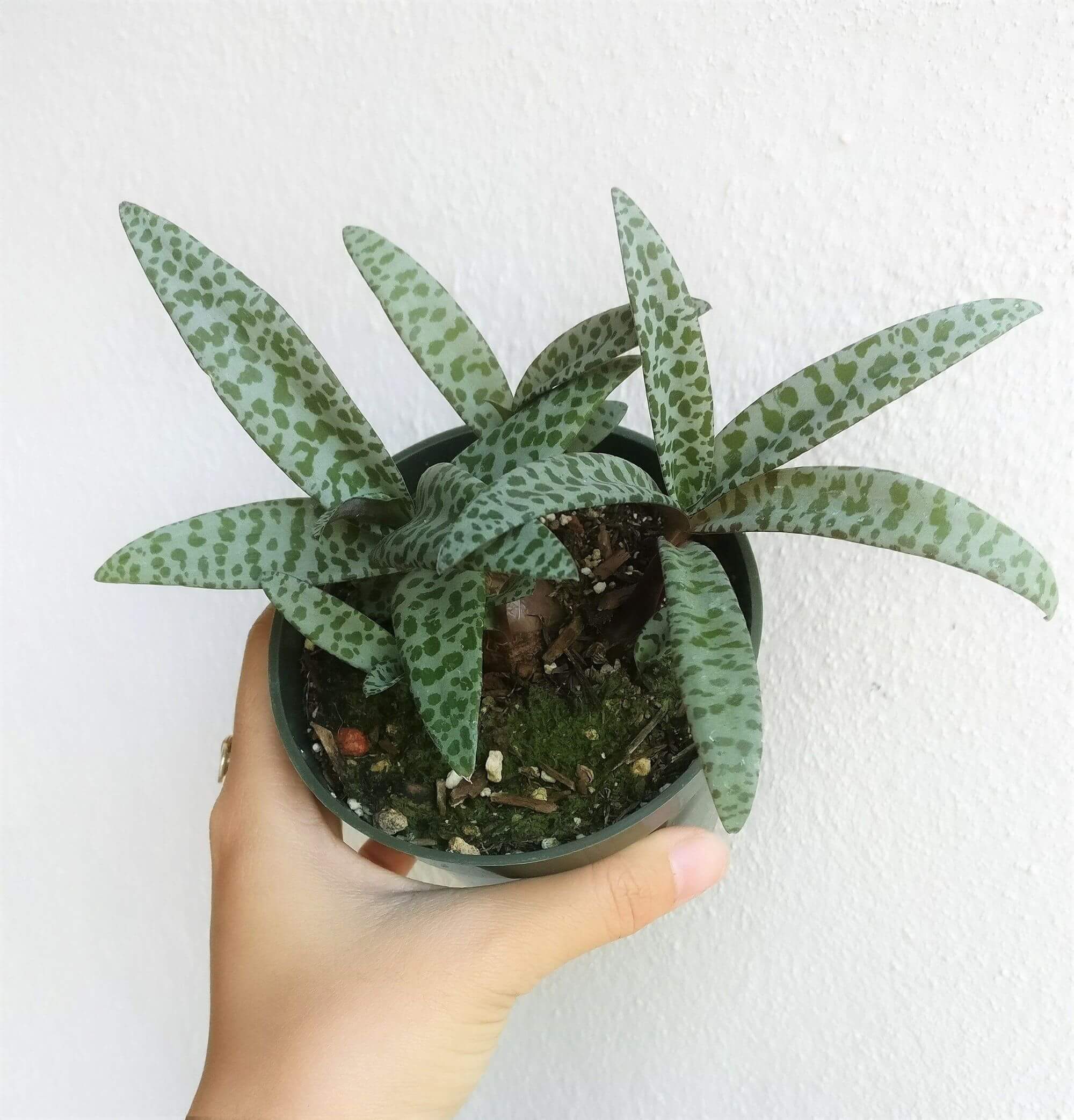
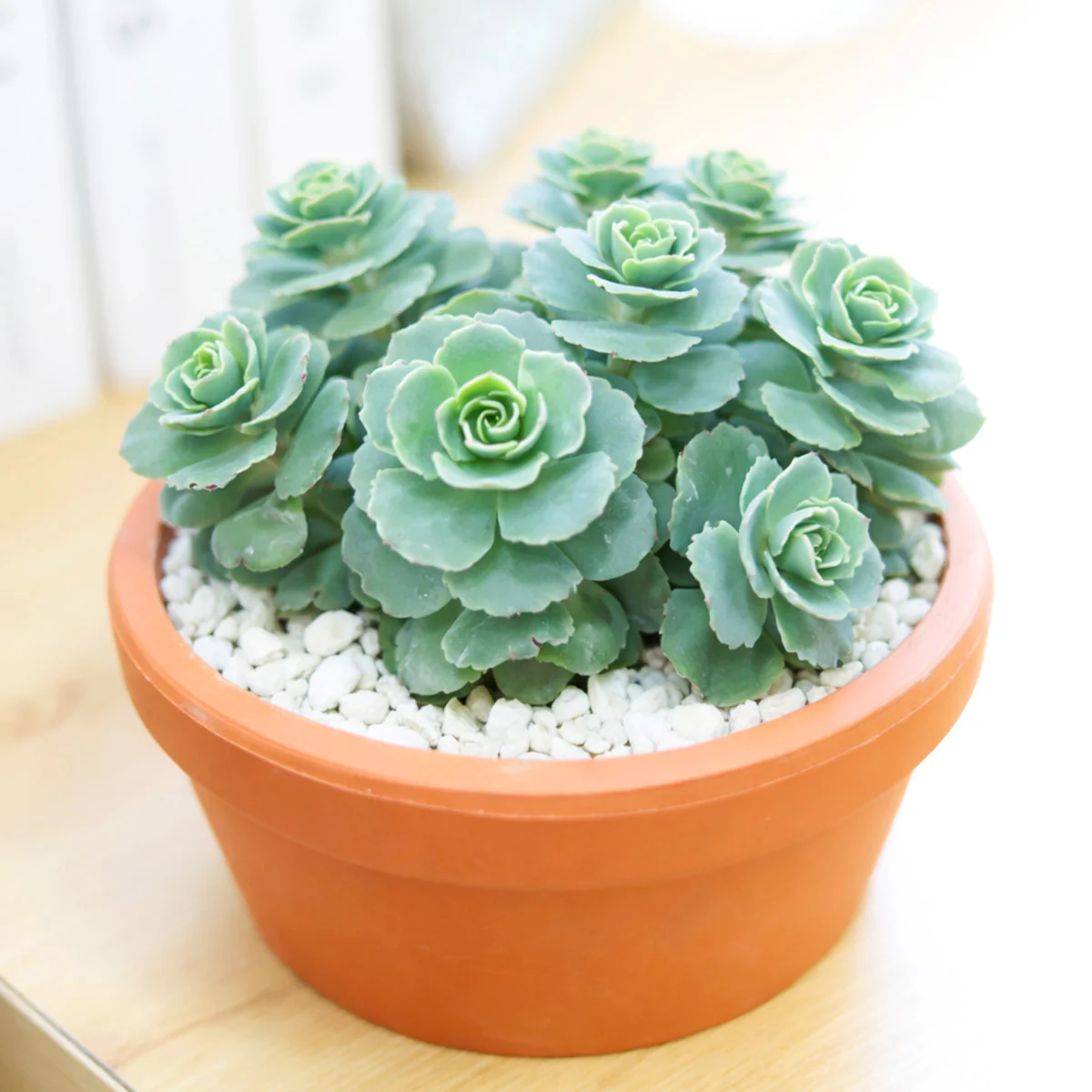
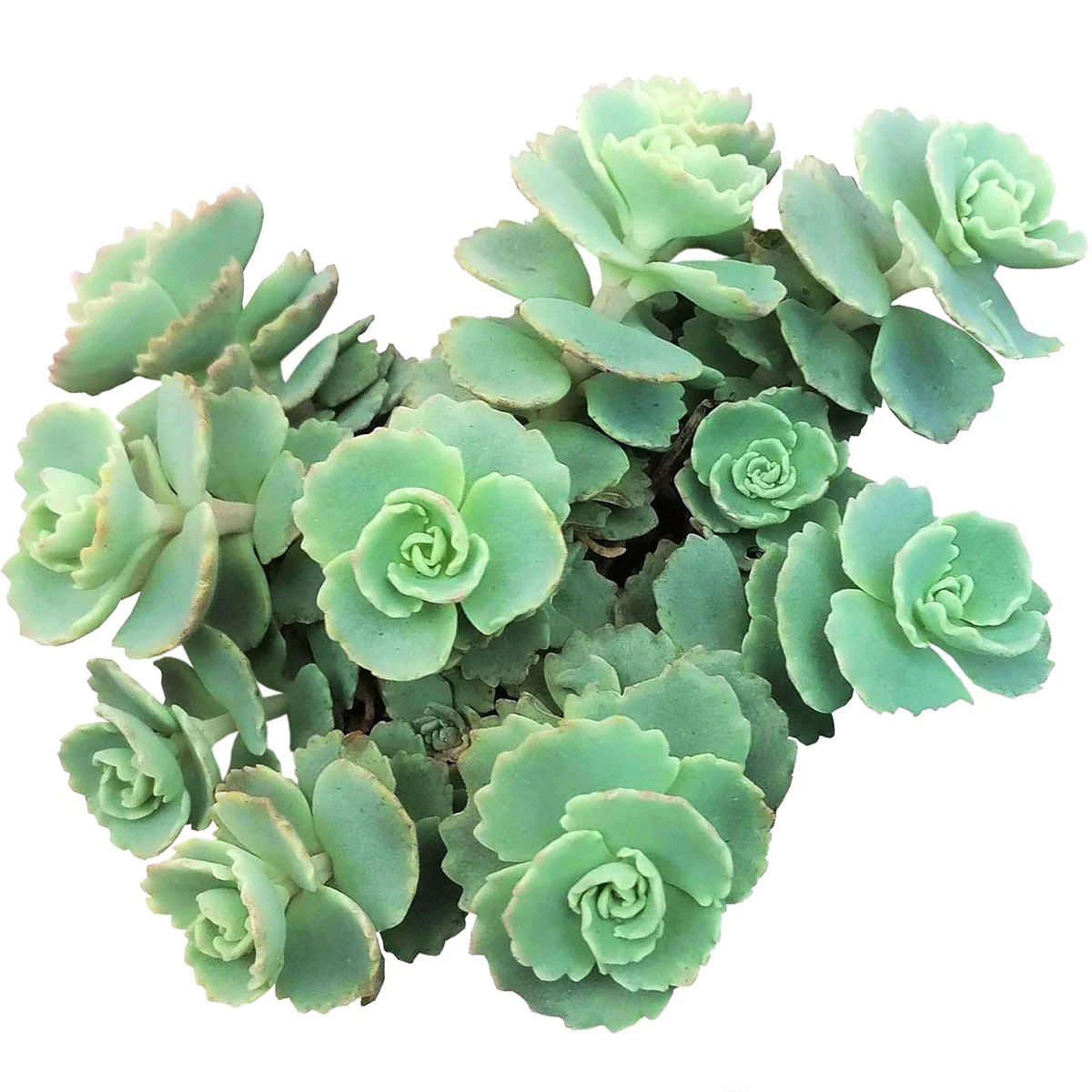
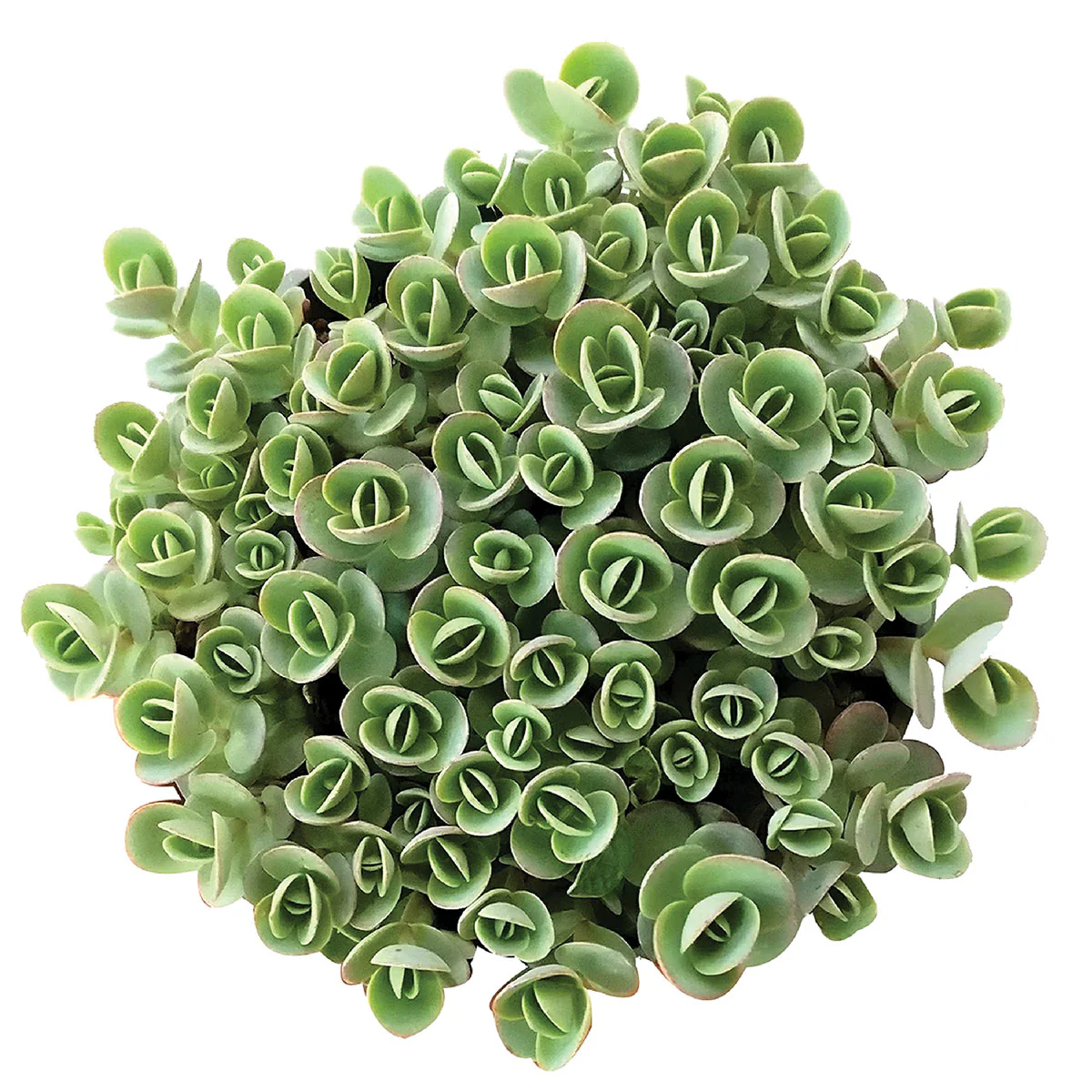
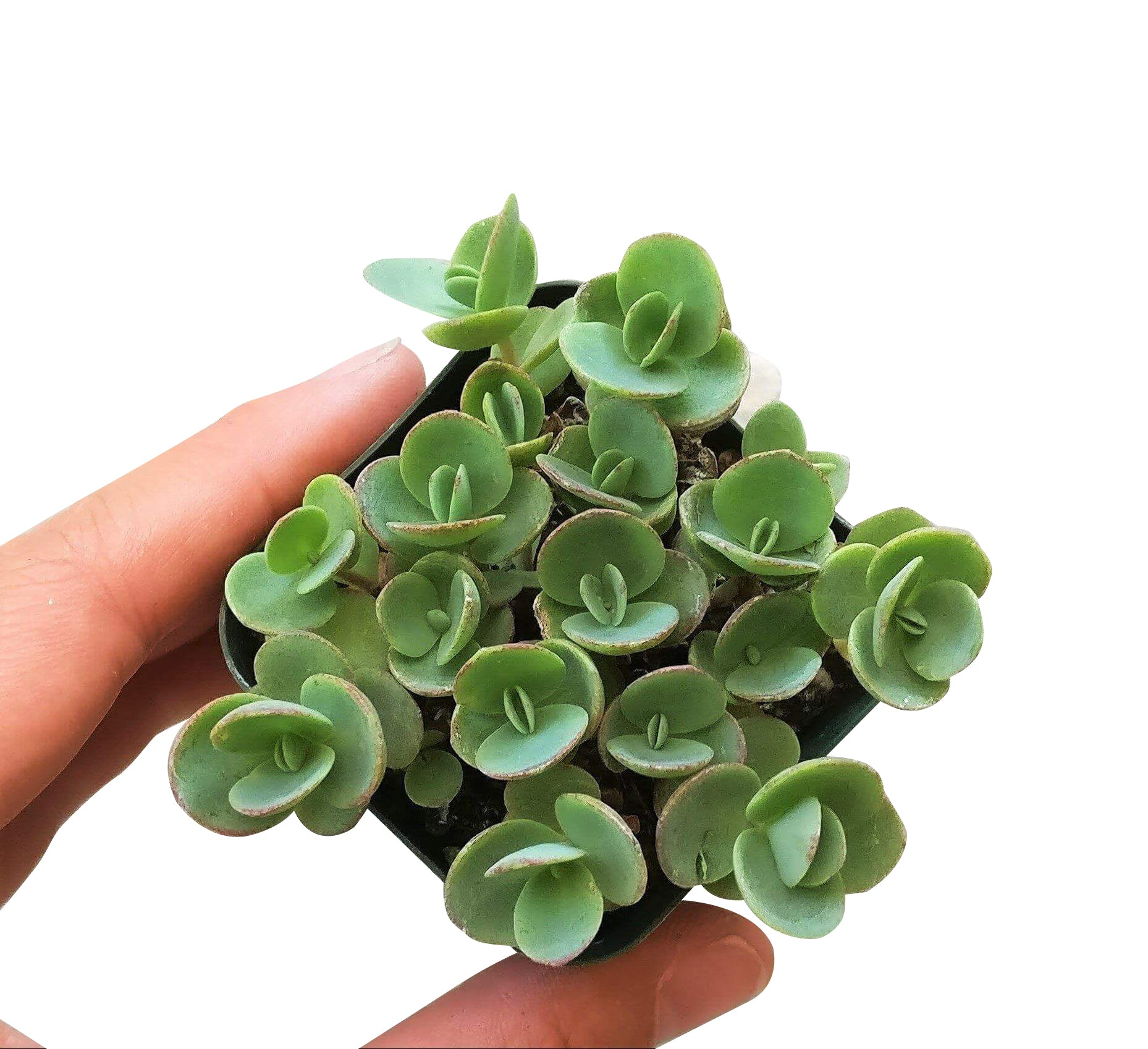
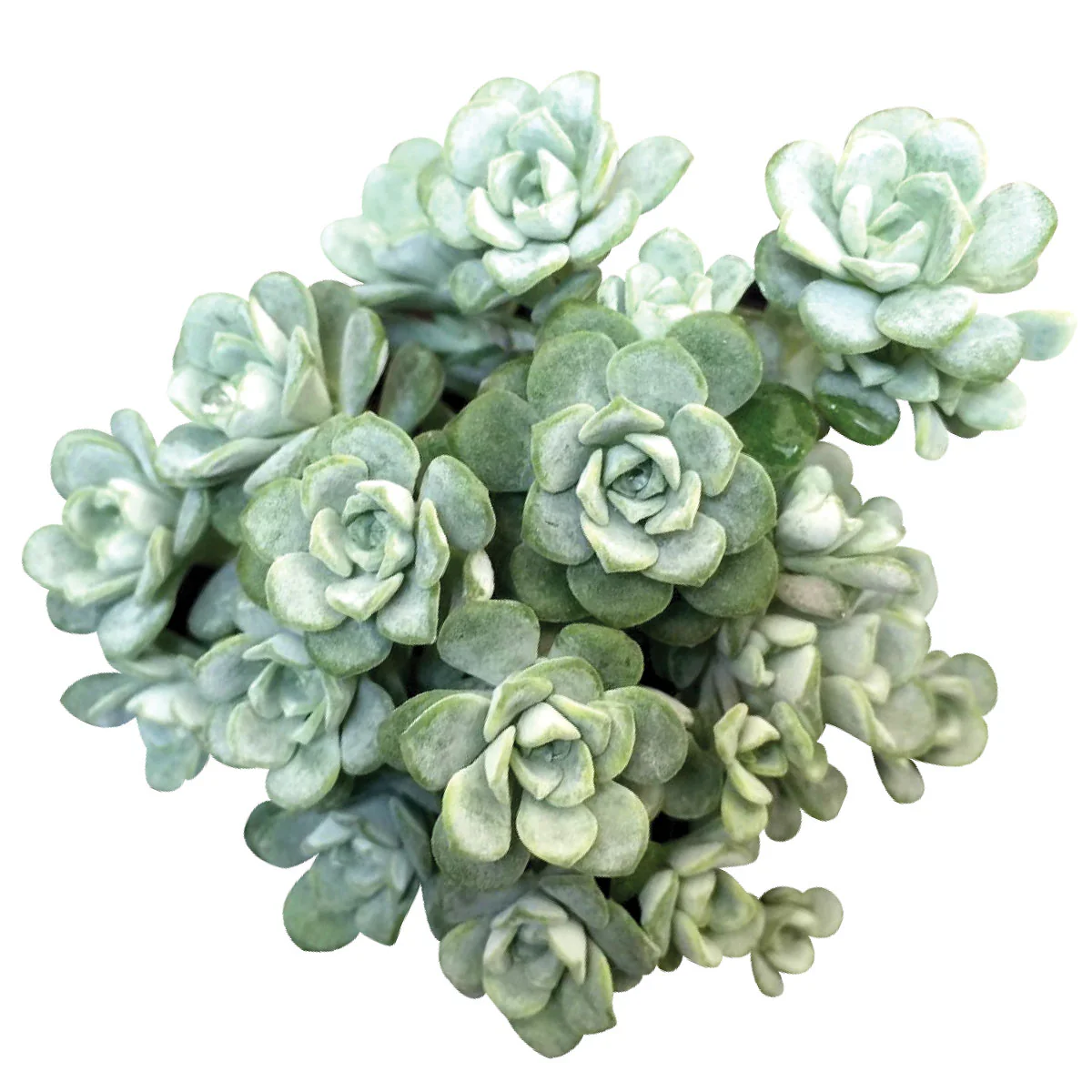
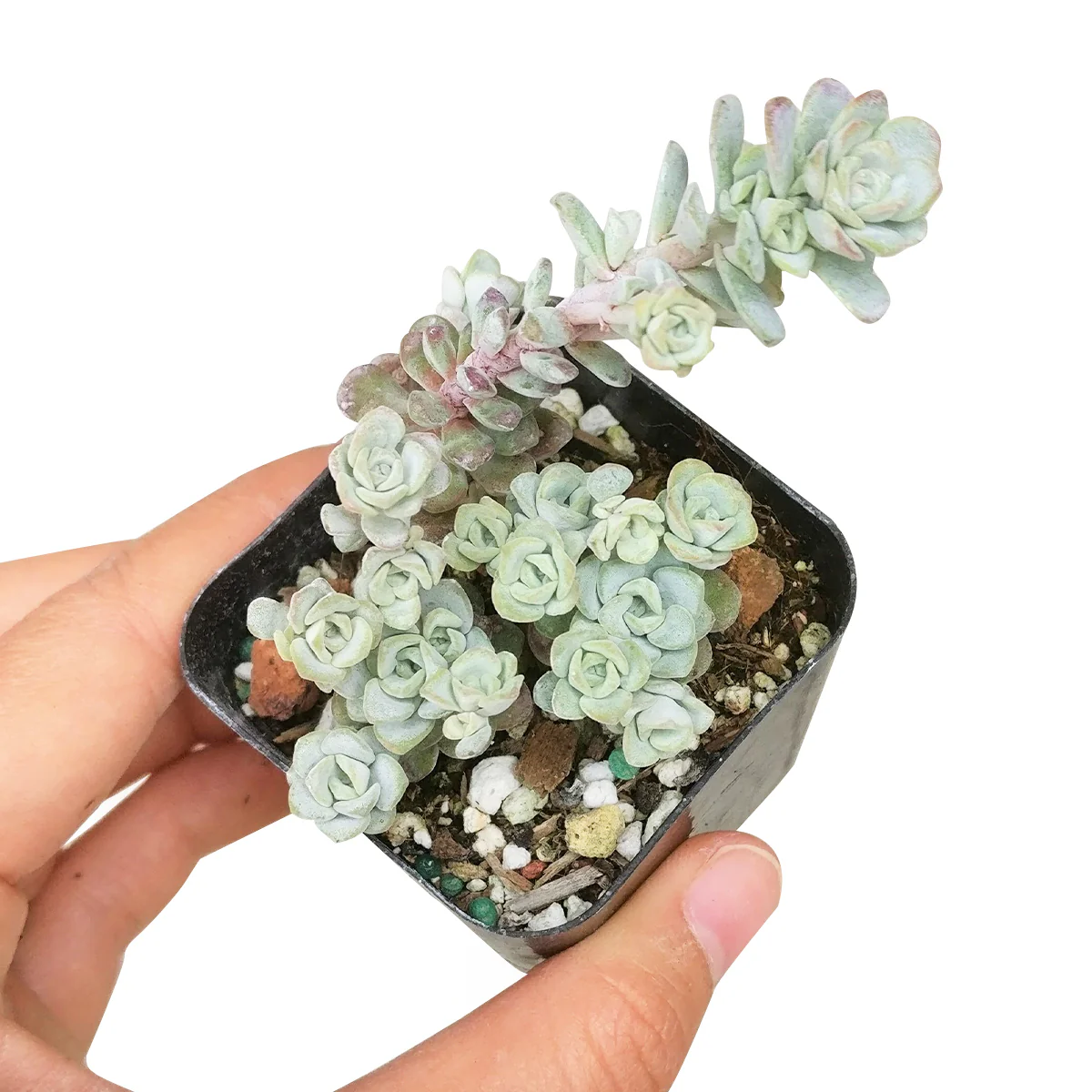
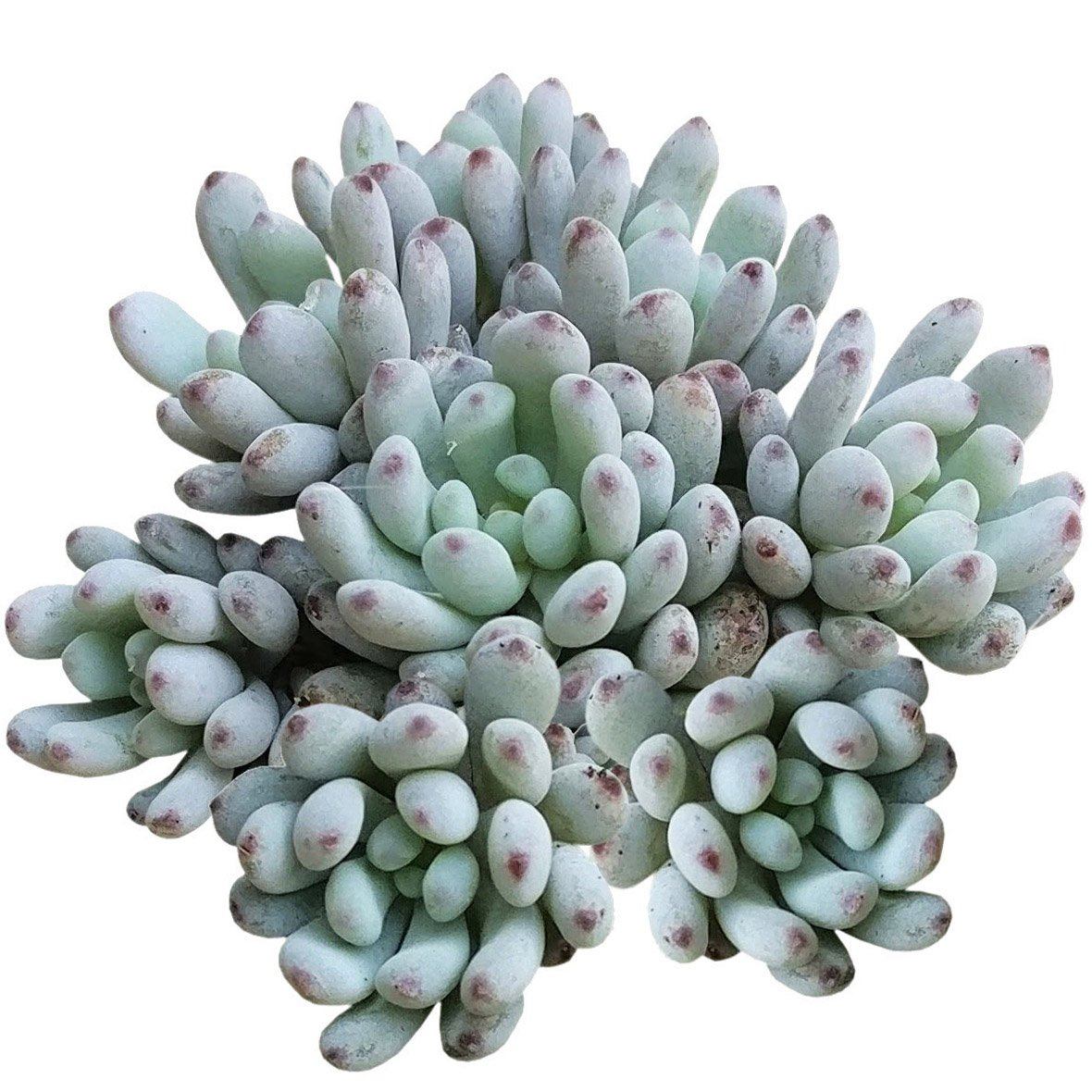
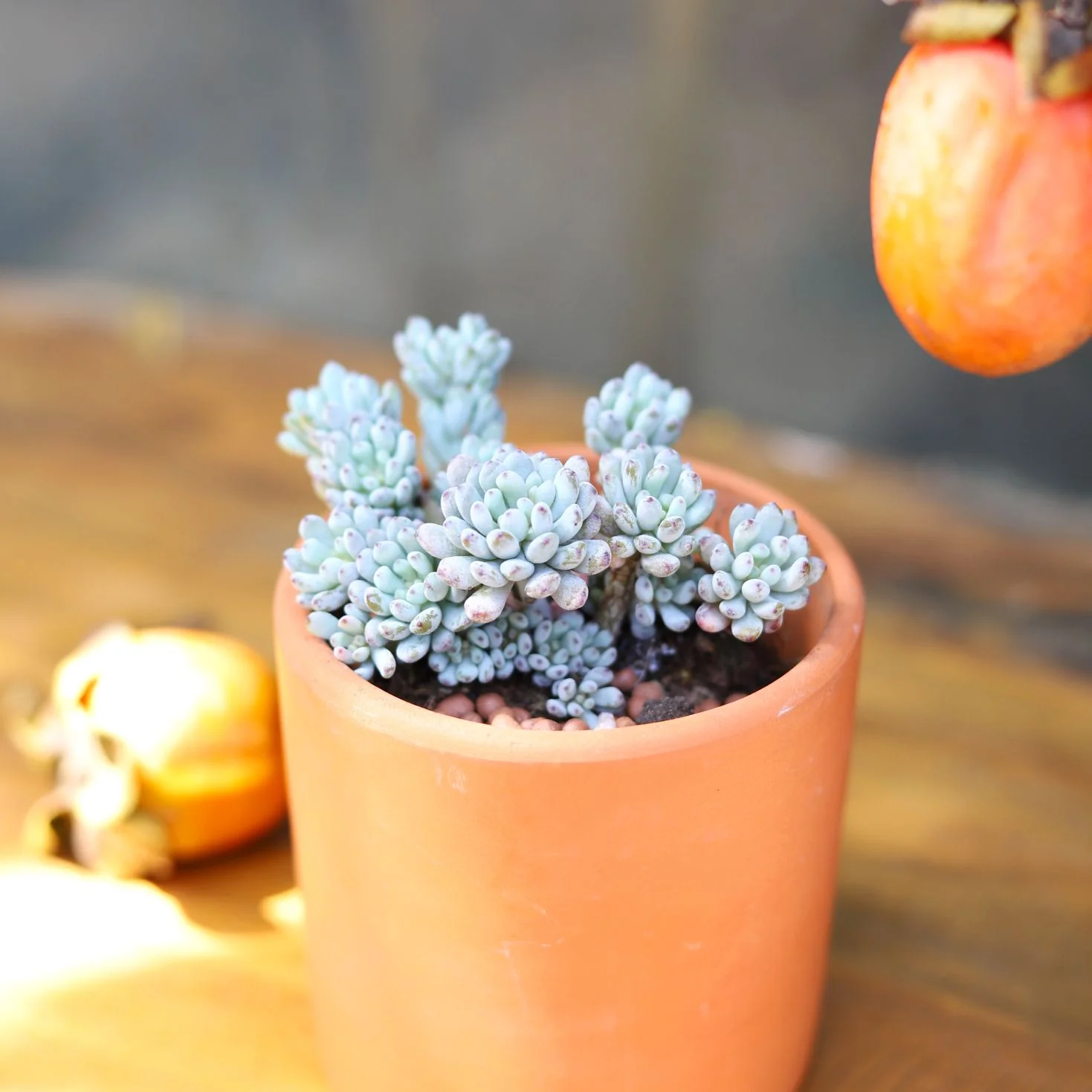
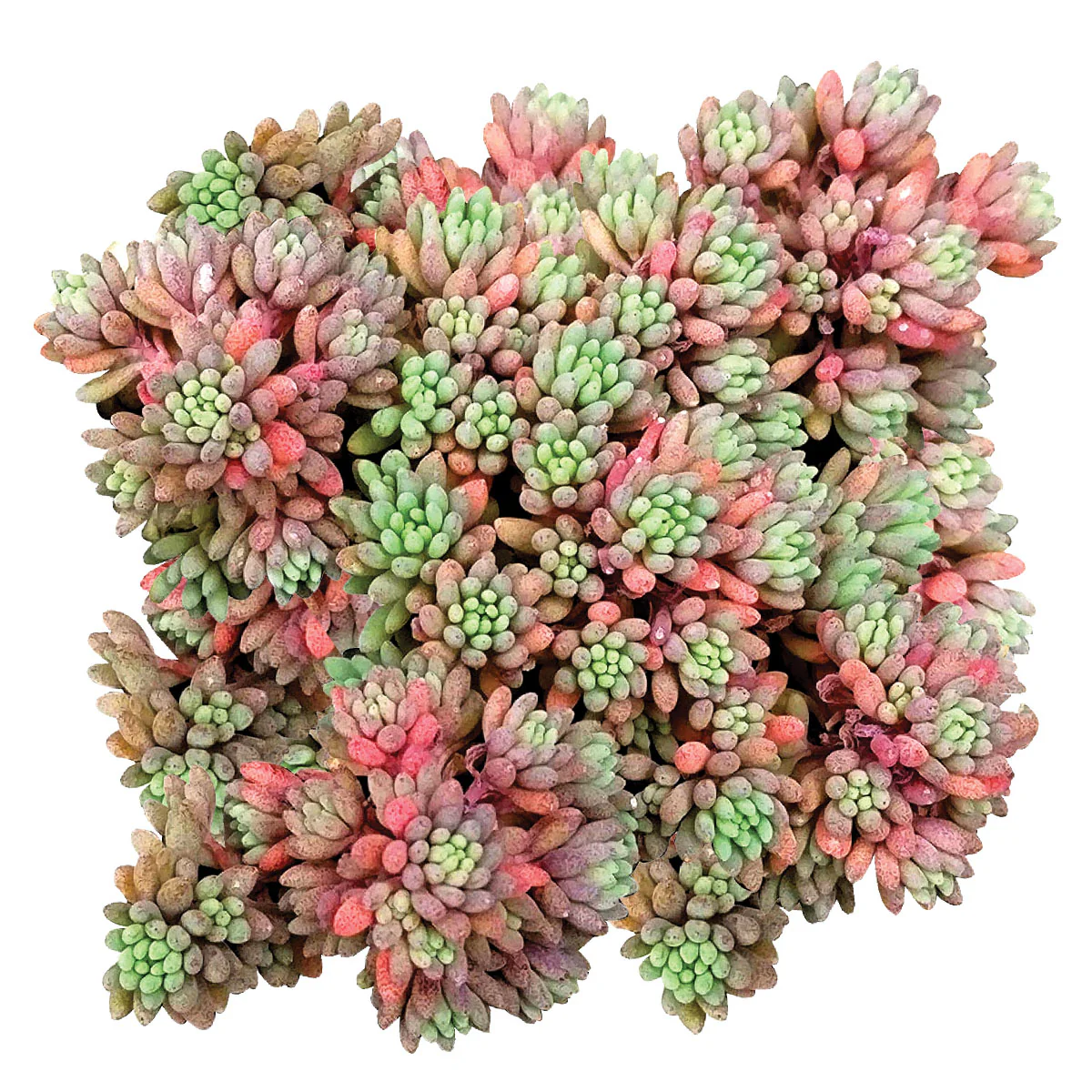
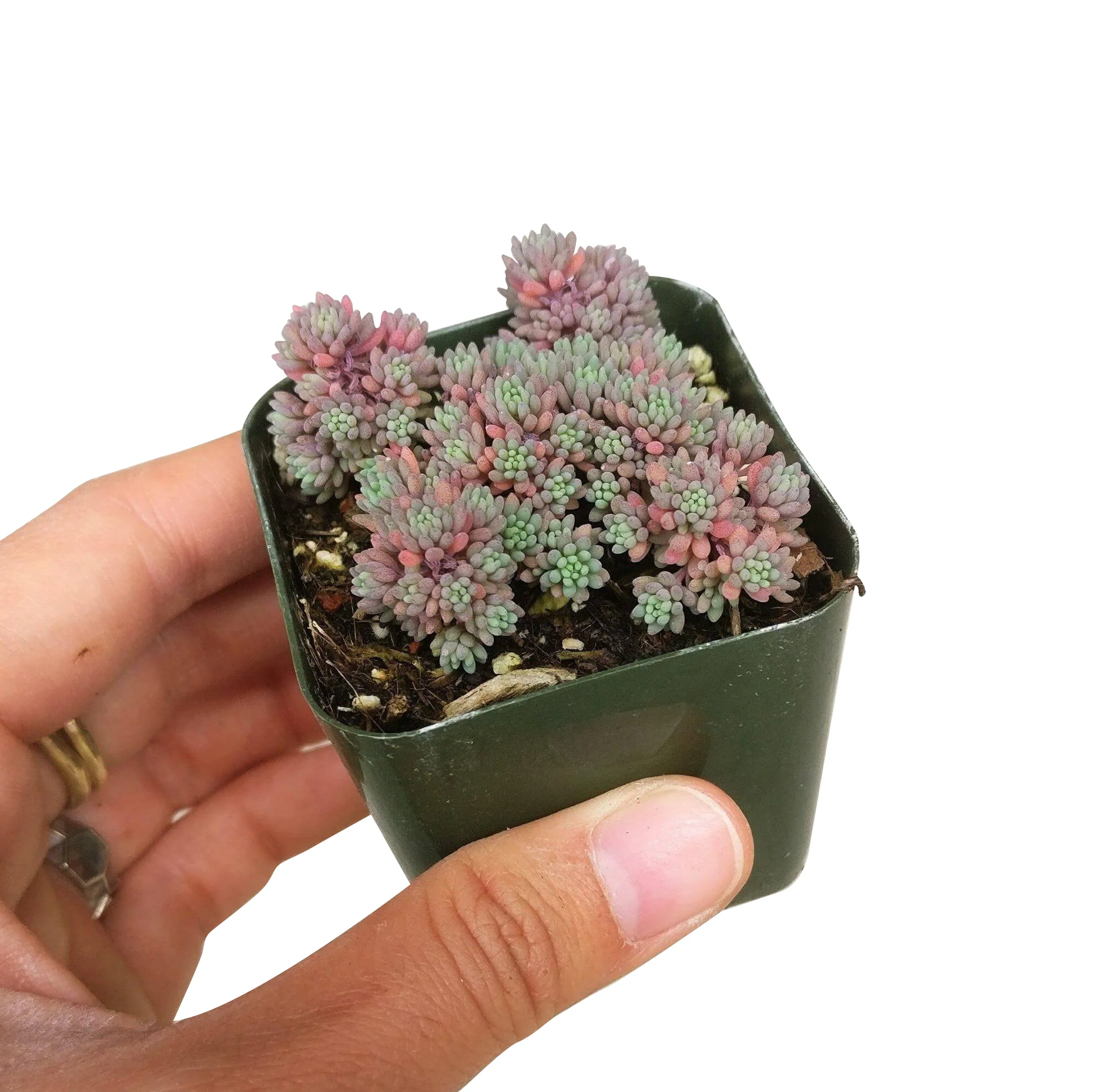
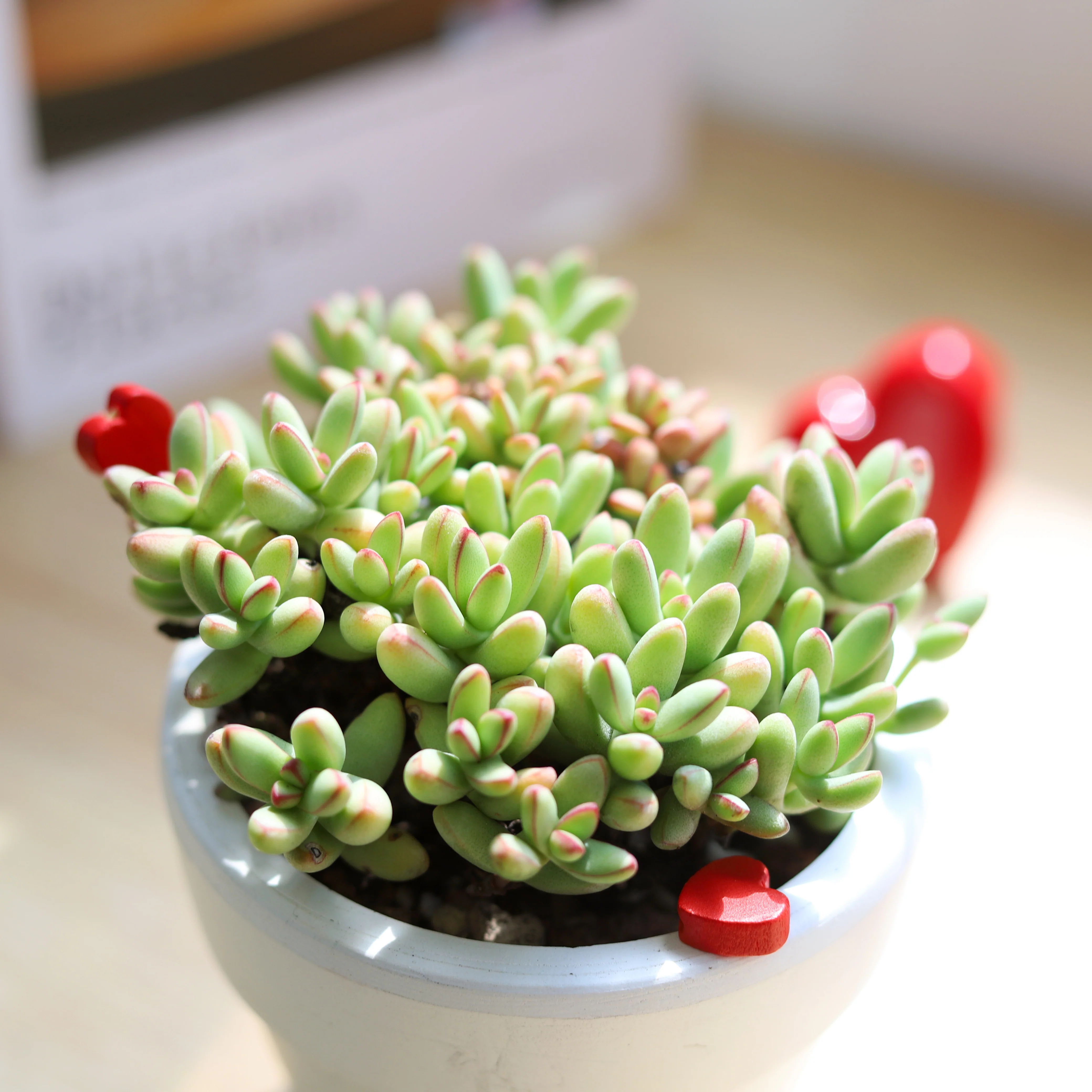
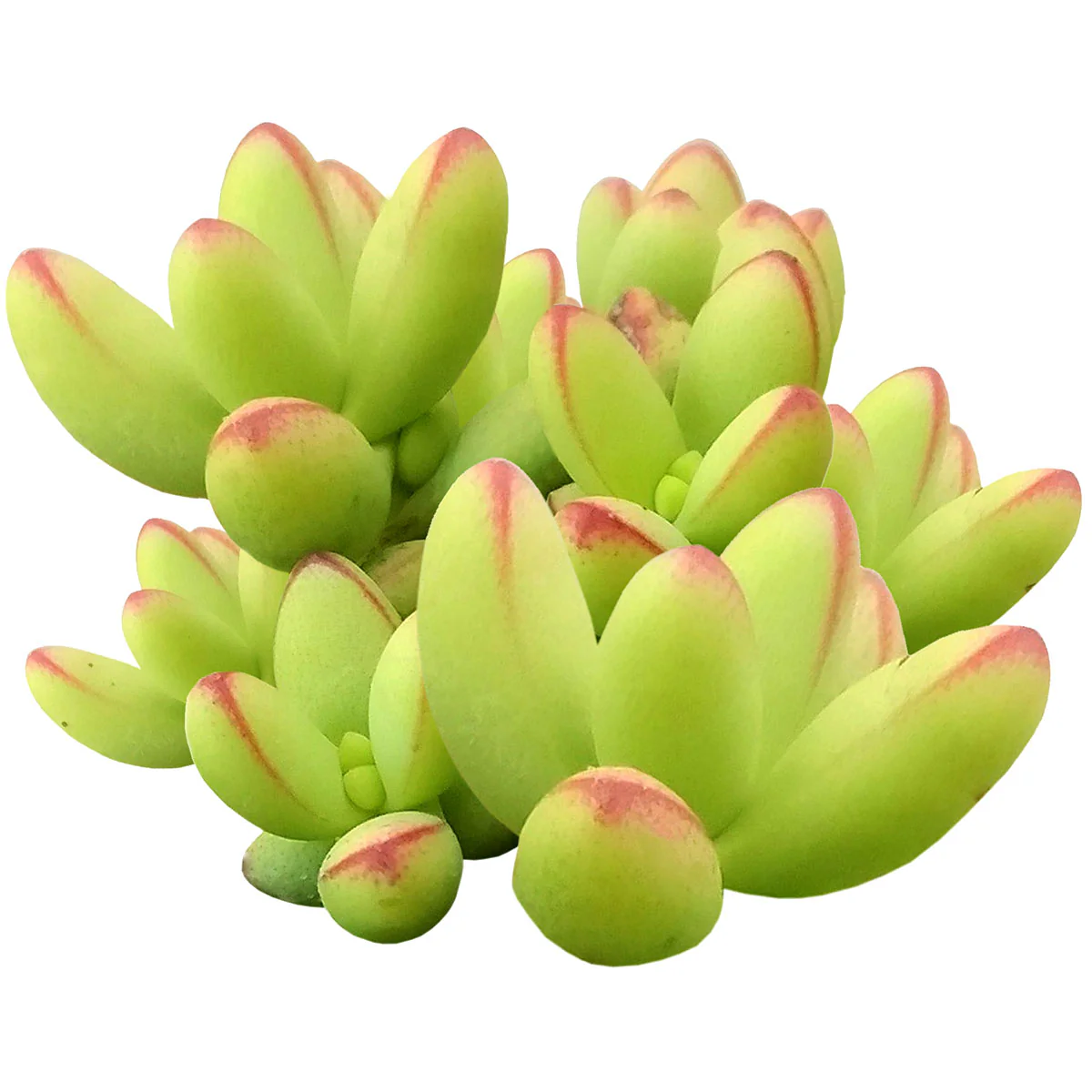
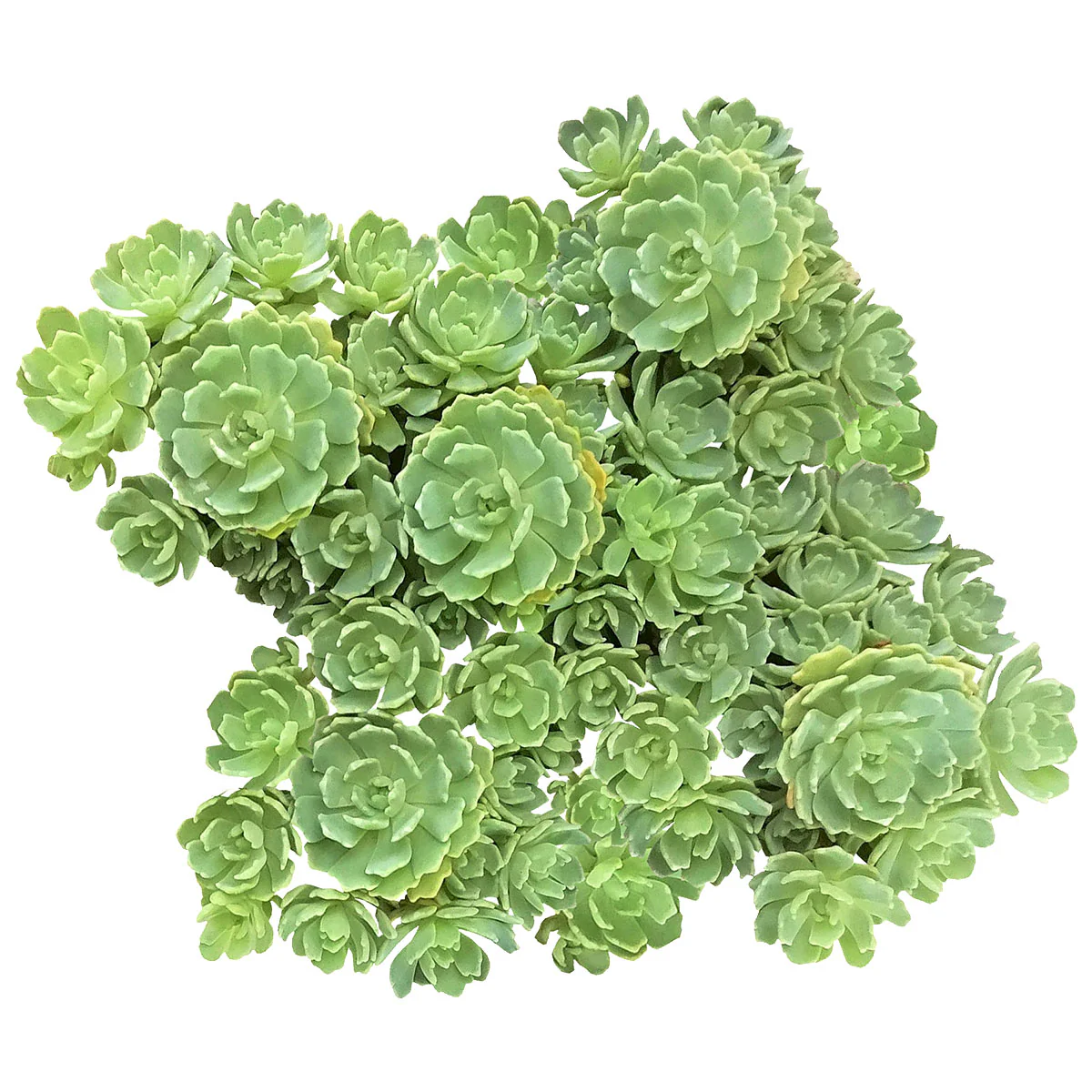
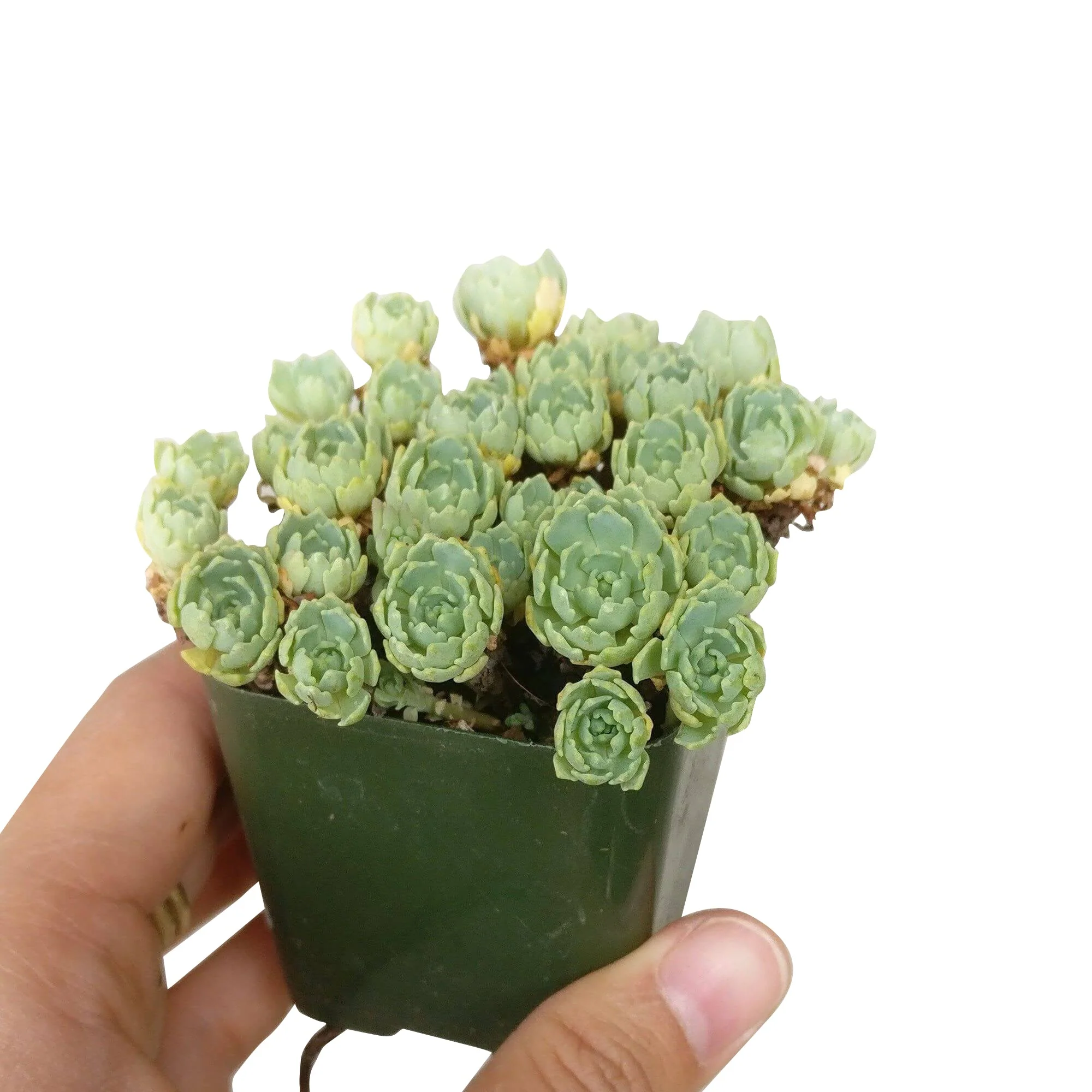
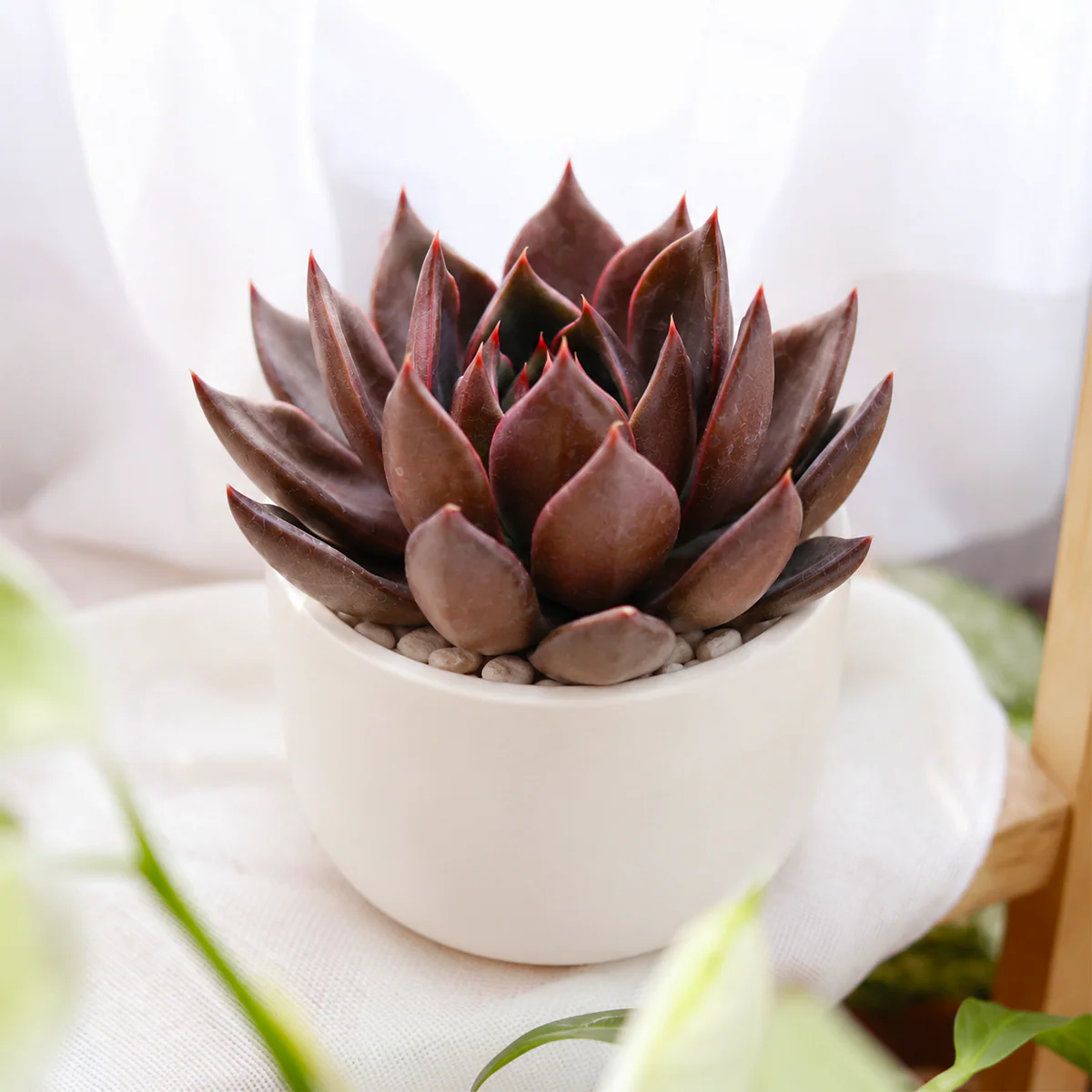
 Echeveria Black Prince forms tight, symmetrical rosettes of pointed, spoon-shaped leaves that graduate from deep olive-green at the center to an intense near-black purple at the tips. The leaves have a smooth, slightly waxy surface that catches light beautifully, giving the dark rosette succulent an almost jewel-like quality. As it matures, Echeveria Black Prince clusters readily, producing offsets that fill out its pot with a satisfying, sculptural arrangement.
 Echeveria Black Prince sends up tall flower stalks in autumn and winter, bearing clusters of small, vivid red to scarlet blooms that pop brilliantly against those near-black leaves. Blooms are not fragrant but are visually stunning, and the plant needs a nighttime temperature drop to trigger this seasonal display. Giving your Echeveria Black Prince a spell outdoors in summer and early autumn helps encourage this natural bloom cycle.
 Echeveria Black Prince is wonderfully beginner-friendly and thrives with minimal fuss, making it a top pick for sunny windowsills, patio containers, and succulent dish gardens. It is drought tolerant and can survive a 10-day trip without a sitter, which frequent travelers love. This plant is pet friendly, so you can display it confidently in a home with cats or dogs, though placing it on a higher shelf keeps those perfect rosettes safe from curious paws. Its collector appeal is real: the black hens and chicks clustering habit means one plant quickly becomes a small colony worth showing off.
-
 Echeveria Black Prince thrives in bright indirect light, partial sun, or full sun with at least four to six hours of direct sun daily.
 Water Echeveria Black Prince deeply every 10 to 14 days in summer, and reduce to once every 3 to 4 weeks in winter.
 Echeveria Black Prince does best in a fast-draining cactus and succulent mix blended with 30 to 50 percent perlite.
 Echeveria Black Prince prefers temperatures between 60 and 80°F (15 to 27°C) and should be protected from frost below 25°F (-4°C).
![]() Echeveria Black Prince is a slow to moderate grower that benefits from a diluted balanced fertilizer once in spring and once in early summer.
Echeveria Black Prince is a slow to moderate grower that benefits from a diluted balanced fertilizer once in spring and once in early summer.
 Echeveria Black Prince is hardy in USDA Zones 9 through 11, tolerating brief dips to around 25°F (-4°C) before frost damage occurs. Outdoor year-round growing suits gardeners across Florida, California, Texas, Arizona, and Hawaii, as well as Louisiana, Mississippi, Alabama, Georgia, South Carolina, and the southern tips of Nevada and Oregon. Parts of Arkansas, North Carolina, and coastal regions of Washington state can also grow Echeveria Black Prince outdoors with some winter protection, though container growing lets enthusiasts in every other state bring it inside when temperatures drop.
-
Q: How often should I water Echeveria Black Prince?
A: Water Echeveria Black Prince every 10 to 14 days in warm months and scale back to every 3 to 4 weeks in winter. Always let the soil dry out completely between waterings to prevent root rot.
Q: How much light does Echeveria Black Prince need?
A: Echeveria Black Prince performs best with at least four to six hours of bright direct or partial sun each day. Rotate the pot every week or two so all sides develop evenly and the rosette stays symmetrical.
Q: Is Echeveria Black Prince pet friendly?
A: Yes, Echeveria Black Prince is pet friendly and is not toxic to cats or dogs. It is a safe choice for households with curious pets.
Q: How big does Echeveria Black Prince get?
A: Echeveria Black Prince typically reaches 3 to 6 inches (7 to 15 cm) across as a single rosette. It offsets readily, so a mature plant will spread wider as it clusters over time.
Q: How do I propagate Echeveria Black Prince?
A: The easiest method is to gently twist off a healthy leaf from the base of Echeveria Black Prince, let it callous for a day or two, then lay it on dry succulent mix. You can also separate and repot the offsets that naturally cluster around the mother plant.
Q: Why is my Echeveria Black Prince turning green?
A: Echeveria Black Prince deepens to its signature near-black color in bright light and fades to green when it is not getting enough sun. Move it to a sunnier spot or closer to a south- or east-facing window to restore that dramatic dark coloring.


Original: $12.76
-70%$12.76
$3.83Product Information
Product Information
Shipping & Returns
Shipping & Returns
Description
- Description
- Echeveria Black Prince Care Guide
- FAQ/Common Issues
-
![]() Echeveria Black Prince is a striking succulent hybrid in the Crassulaceae family, beloved by beginners and collectors alike for its dramatic coloring and easy care. It traces its roots to a cross between Echeveria affinis and Echeveria shaviana, originating from cultivation with Mexican echeveria species as its ancestral base. This dark rosette succulent has earned a devoted following and is easy to find in 2" and 4" pot sizes at most garden centers.
Echeveria Black Prince is a striking succulent hybrid in the Crassulaceae family, beloved by beginners and collectors alike for its dramatic coloring and easy care. It traces its roots to a cross between Echeveria affinis and Echeveria shaviana, originating from cultivation with Mexican echeveria species as its ancestral base. This dark rosette succulent has earned a devoted following and is easy to find in 2" and 4" pot sizes at most garden centers.
Echeveria Black Prince forms tight, symmetrical rosettes of pointed, spoon-shaped leaves that graduate from deep olive-green at the center to an intense near-black purple at the tips. The leaves have a smooth, slightly waxy surface that catches light beautifully, giving the dark rosette succulent an almost jewel-like quality. As it matures, Echeveria Black Prince clusters readily, producing offsets that fill out its pot with a satisfying, sculptural arrangement.
Echeveria Black Prince sends up tall flower stalks in autumn and winter, bearing clusters of small, vivid red to scarlet blooms that pop brilliantly against those near-black leaves. Blooms are not fragrant but are visually stunning, and the plant needs a nighttime temperature drop to trigger this seasonal display. Giving your Echeveria Black Prince a spell outdoors in summer and early autumn helps encourage this natural bloom cycle.
Echeveria Black Prince is wonderfully beginner-friendly and thrives with minimal fuss, making it a top pick for sunny windowsills, patio containers, and succulent dish gardens. It is drought tolerant and can survive a 10-day trip without a sitter, which frequent travelers love. This plant is pet friendly, so you can display it confidently in a home with cats or dogs, though placing it on a higher shelf keeps those perfect rosettes safe from curious paws. Its collector appeal is real: the black hens and chicks clustering habit means one plant quickly becomes a small colony worth showing off.
-
Echeveria Black Prince thrives in bright indirect light, partial sun, or full sun with at least four to six hours of direct sun daily.
Water Echeveria Black Prince deeply every 10 to 14 days in summer, and reduce to once every 3 to 4 weeks in winter.
Echeveria Black Prince does best in a fast-draining cactus and succulent mix blended with 30 to 50 percent perlite.
Echeveria Black Prince prefers temperatures between 60 and 80°F (15 to 27°C) and should be protected from frost below 25°F (-4°C).
![]() Echeveria Black Prince is a slow to moderate grower that benefits from a diluted balanced fertilizer once in spring and once in early summer.
Echeveria Black Prince is a slow to moderate grower that benefits from a diluted balanced fertilizer once in spring and once in early summer.
Echeveria Black Prince is hardy in USDA Zones 9 through 11, tolerating brief dips to around 25°F (-4°C) before frost damage occurs. Outdoor year-round growing suits gardeners across Florida, California, Texas, Arizona, and Hawaii, as well as Louisiana, Mississippi, Alabama, Georgia, South Carolina, and the southern tips of Nevada and Oregon. Parts of Arkansas, North Carolina, and coastal regions of Washington state can also grow Echeveria Black Prince outdoors with some winter protection, though container growing lets enthusiasts in every other state bring it inside when temperatures drop.
-
Q: How often should I water Echeveria Black Prince?
A: Water Echeveria Black Prince every 10 to 14 days in warm months and scale back to every 3 to 4 weeks in winter. Always let the soil dry out completely between waterings to prevent root rot.
Q: How much light does Echeveria Black Prince need?
A: Echeveria Black Prince performs best with at least four to six hours of bright direct or partial sun each day. Rotate the pot every week or two so all sides develop evenly and the rosette stays symmetrical.
Q: Is Echeveria Black Prince pet friendly?
A: Yes, Echeveria Black Prince is pet friendly and is not toxic to cats or dogs. It is a safe choice for households with curious pets.
Q: How big does Echeveria Black Prince get?
A: Echeveria Black Prince typically reaches 3 to 6 inches (7 to 15 cm) across as a single rosette. It offsets readily, so a mature plant will spread wider as it clusters over time.
Q: How do I propagate Echeveria Black Prince?
A: The easiest method is to gently twist off a healthy leaf from the base of Echeveria Black Prince, let it callous for a day or two, then lay it on dry succulent mix. You can also separate and repot the offsets that naturally cluster around the mother plant.
Q: Why is my Echeveria Black Prince turning green?
A: Echeveria Black Prince deepens to its signature near-black color in bright light and fades to green when it is not getting enough sun. Move it to a sunnier spot or closer to a south- or east-facing window to restore that dramatic dark coloring.