Echeveria Aurora
- Description
- Echeveria Aurora Care Guide
- FAQ/Common Issues
-
![]() Echeveria Aurora is a charming easy care succulent belonging to the Crassulaceae family, native to the semi-arid regions of Mexico. Like most echeverias, it evolved in rocky, well-drained terrain with bright sun and seasonal dry spells, making it naturally tough and low maintenance.
Echeveria Aurora is a charming easy care succulent belonging to the Crassulaceae family, native to the semi-arid regions of Mexico. Like most echeverias, it evolved in rocky, well-drained terrain with bright sun and seasonal dry spells, making it naturally tough and low maintenance.
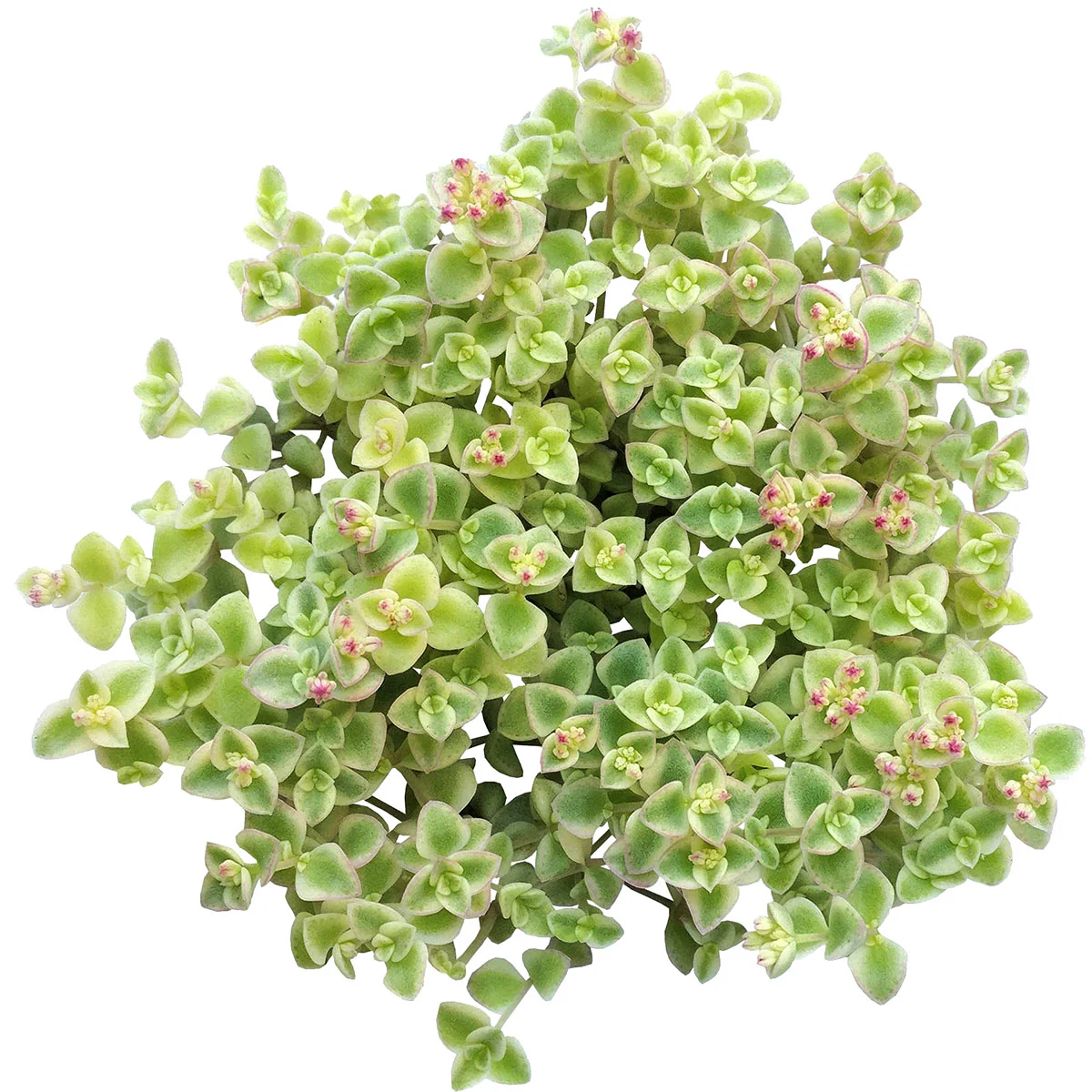
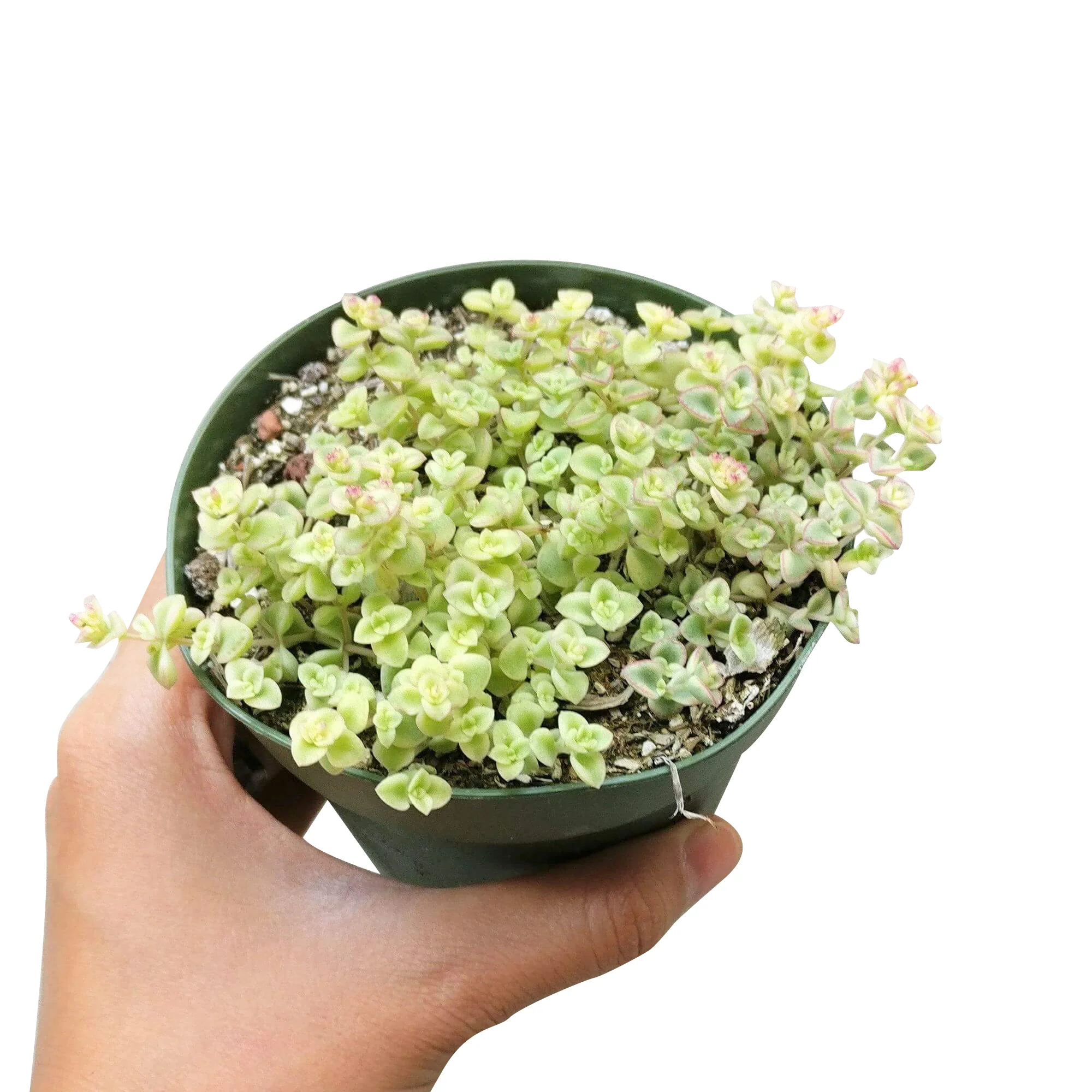
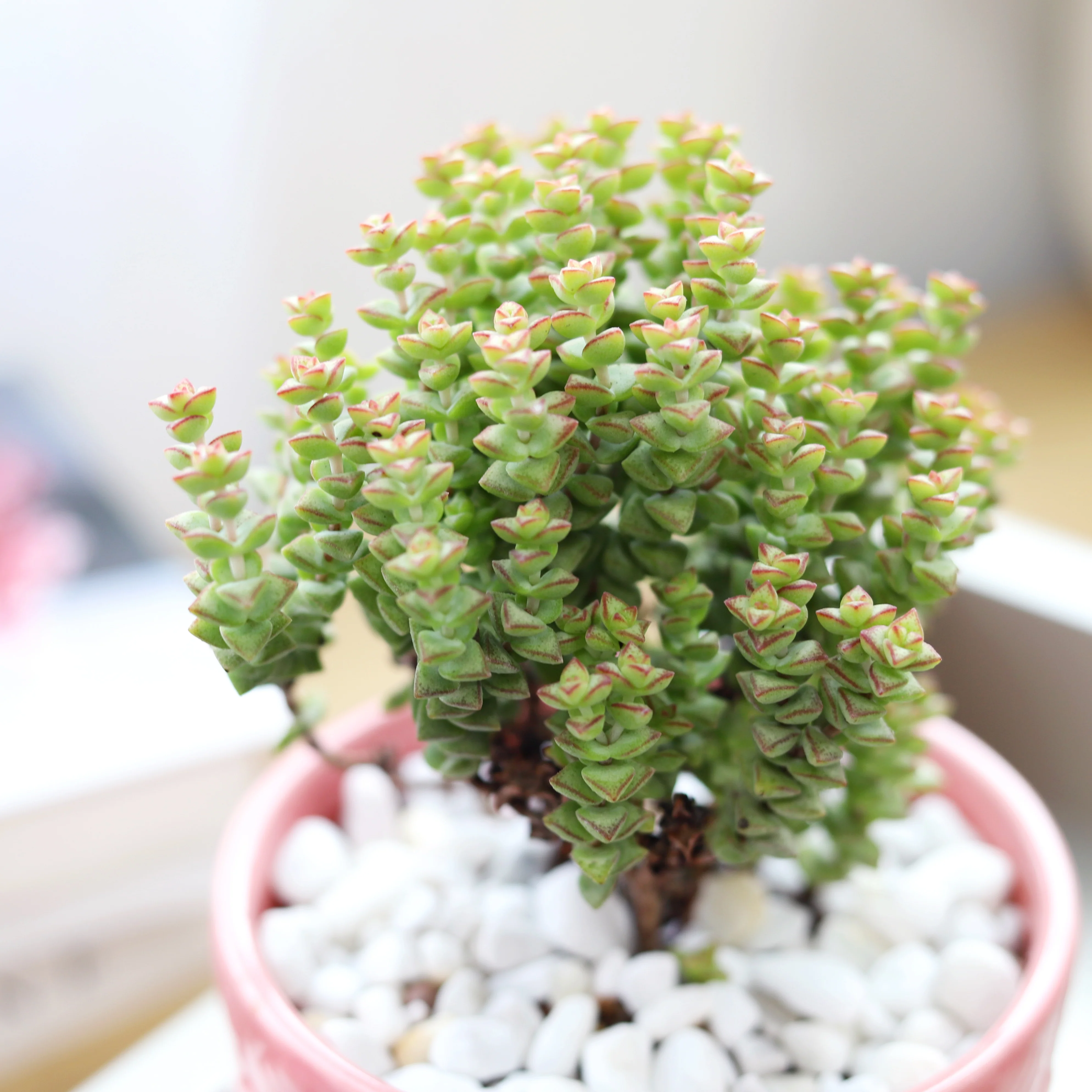
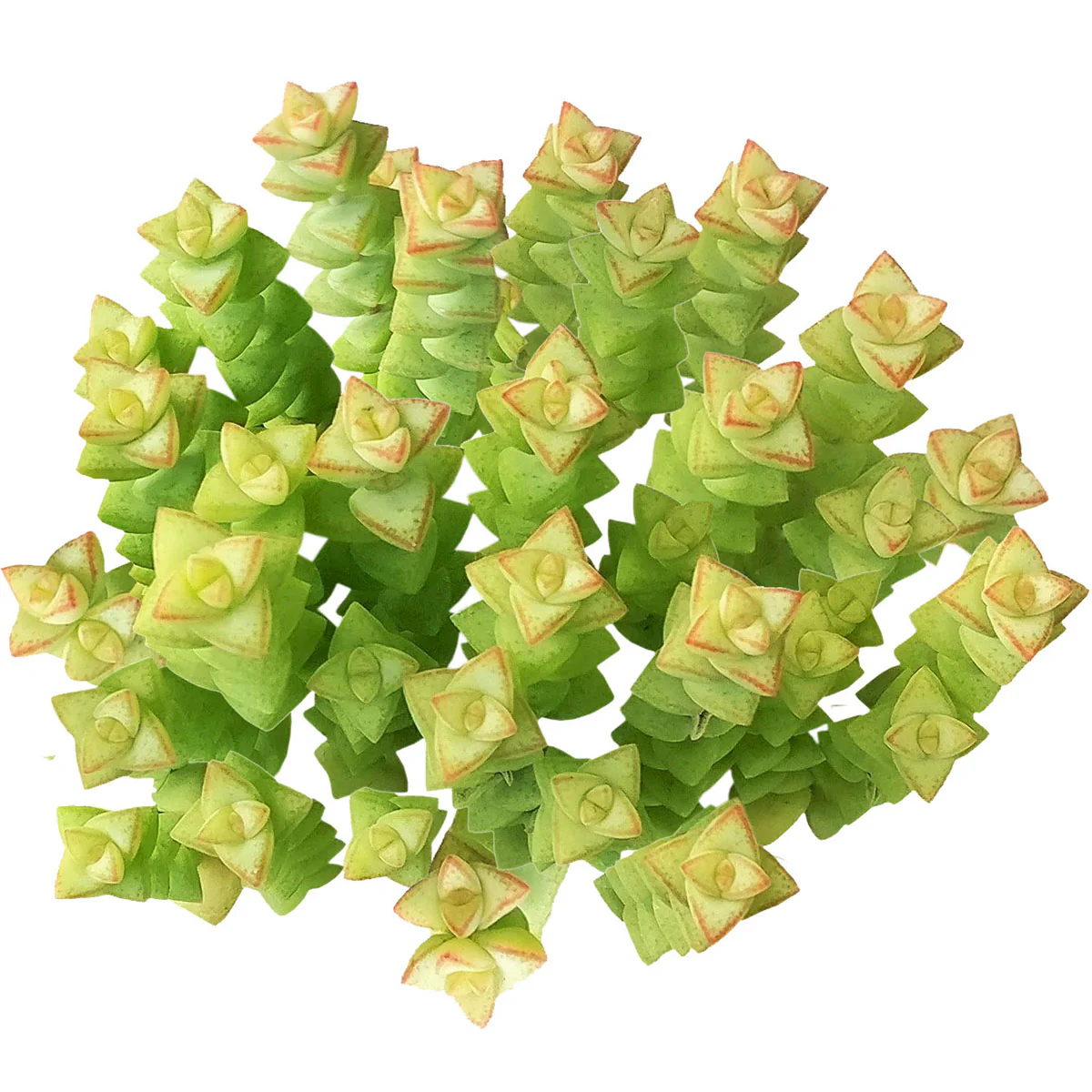
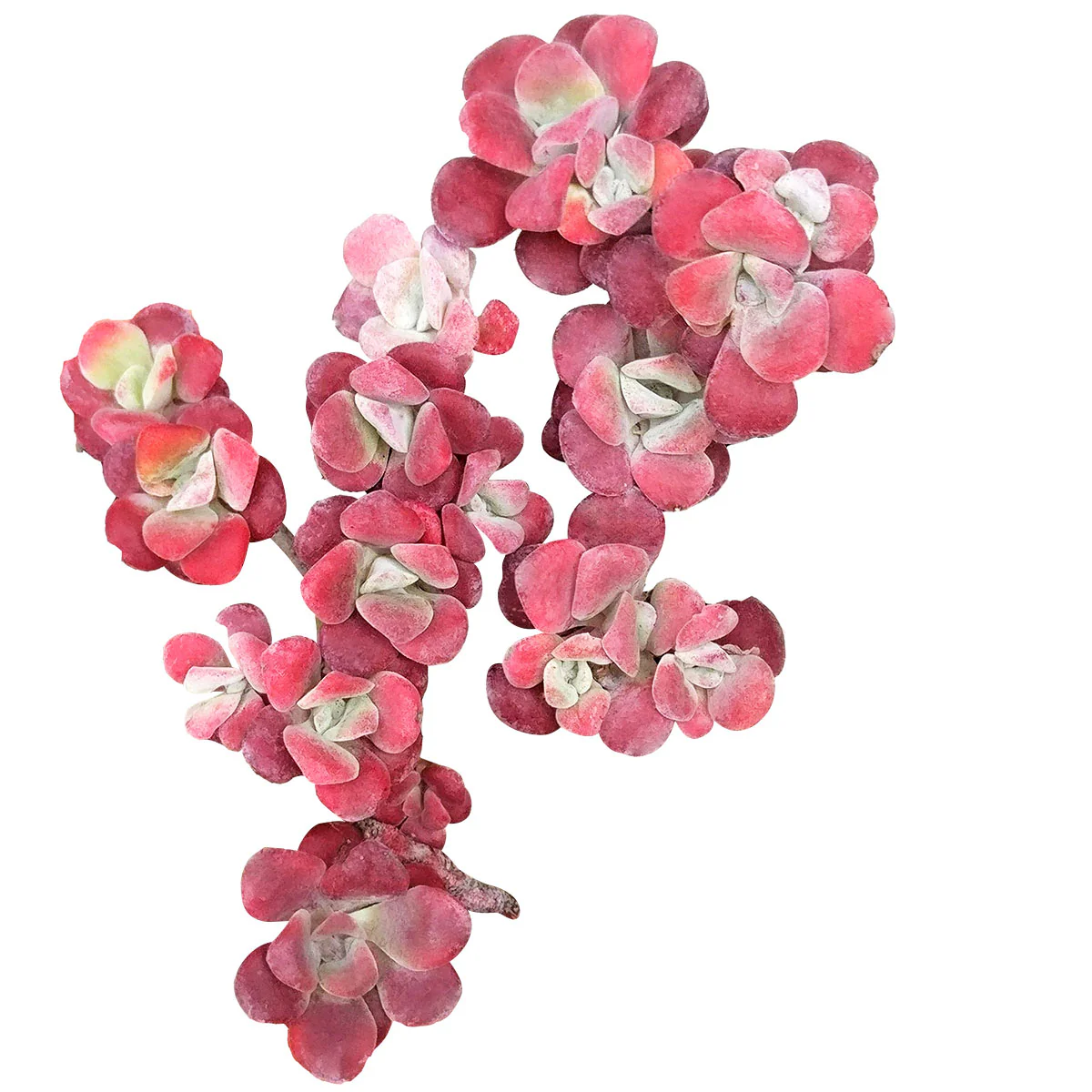
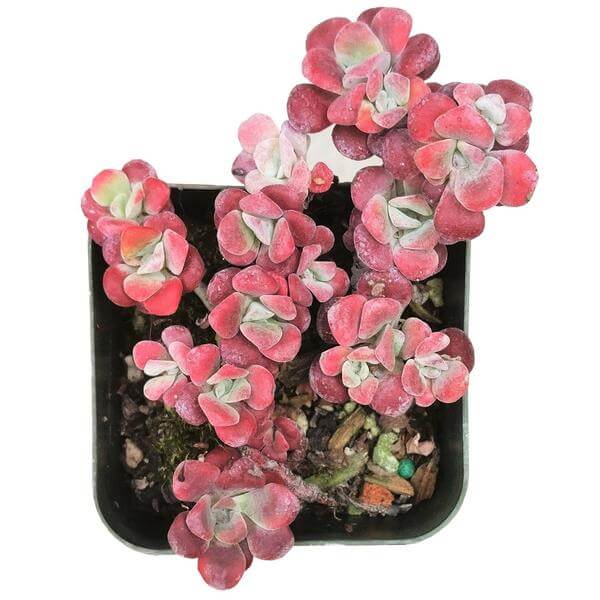
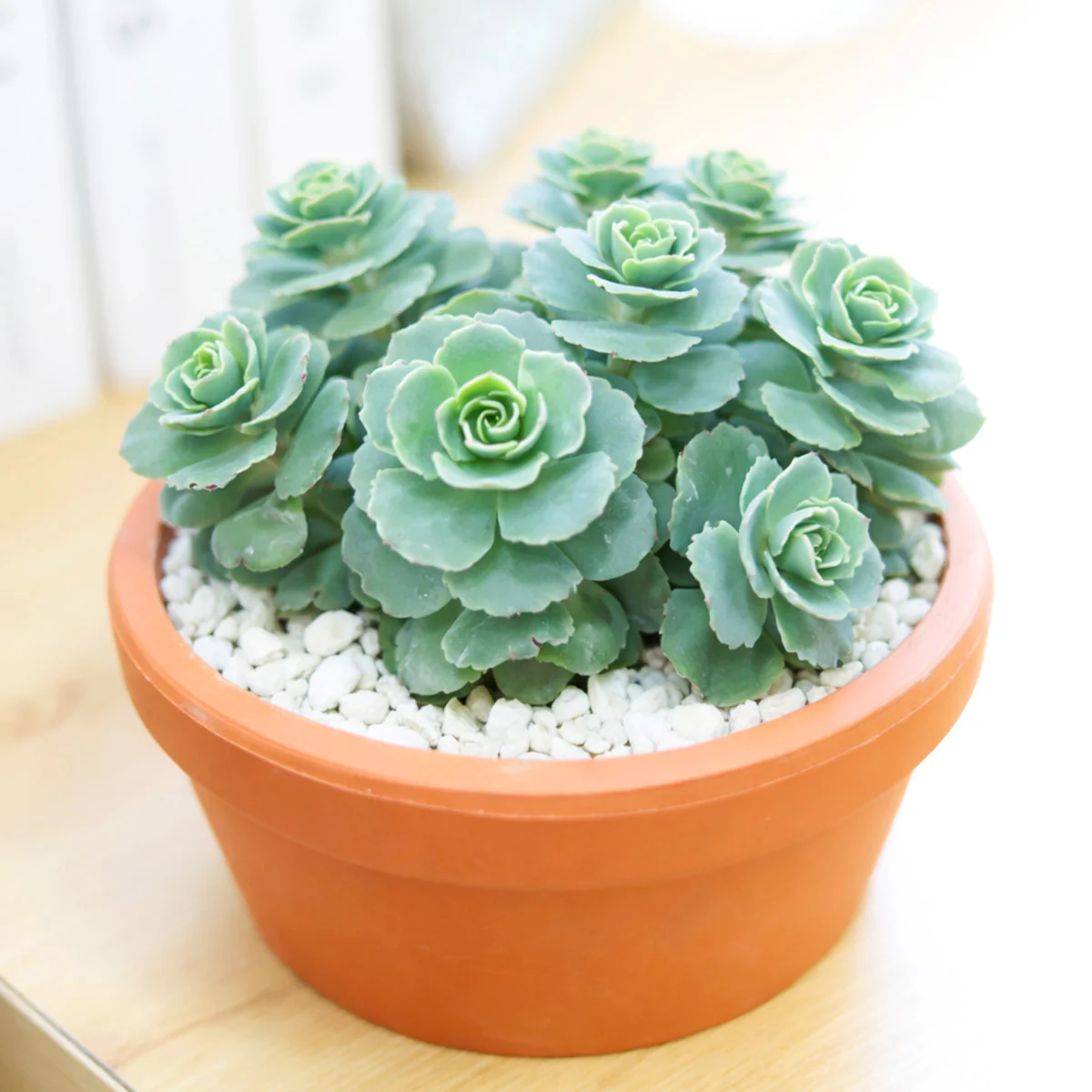
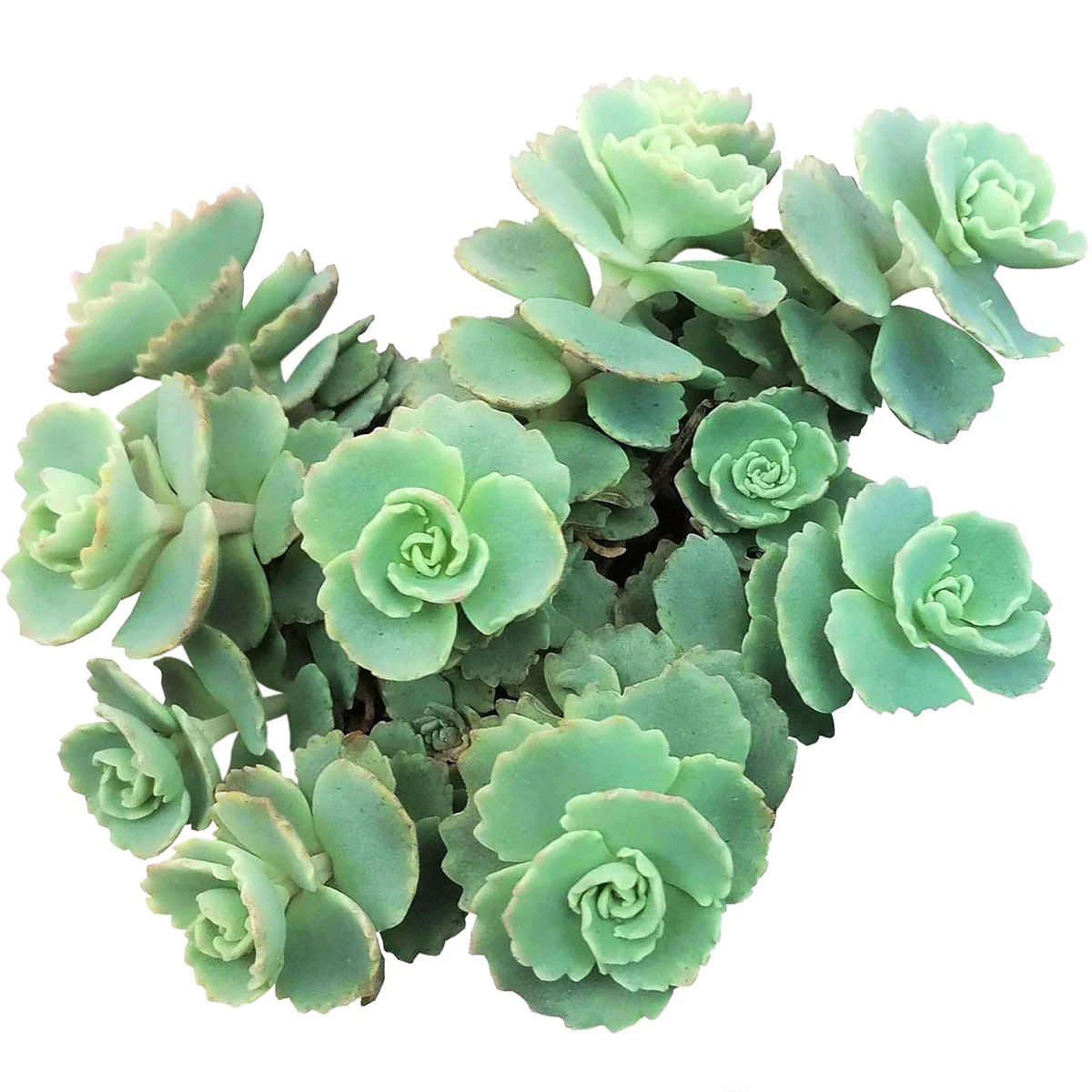
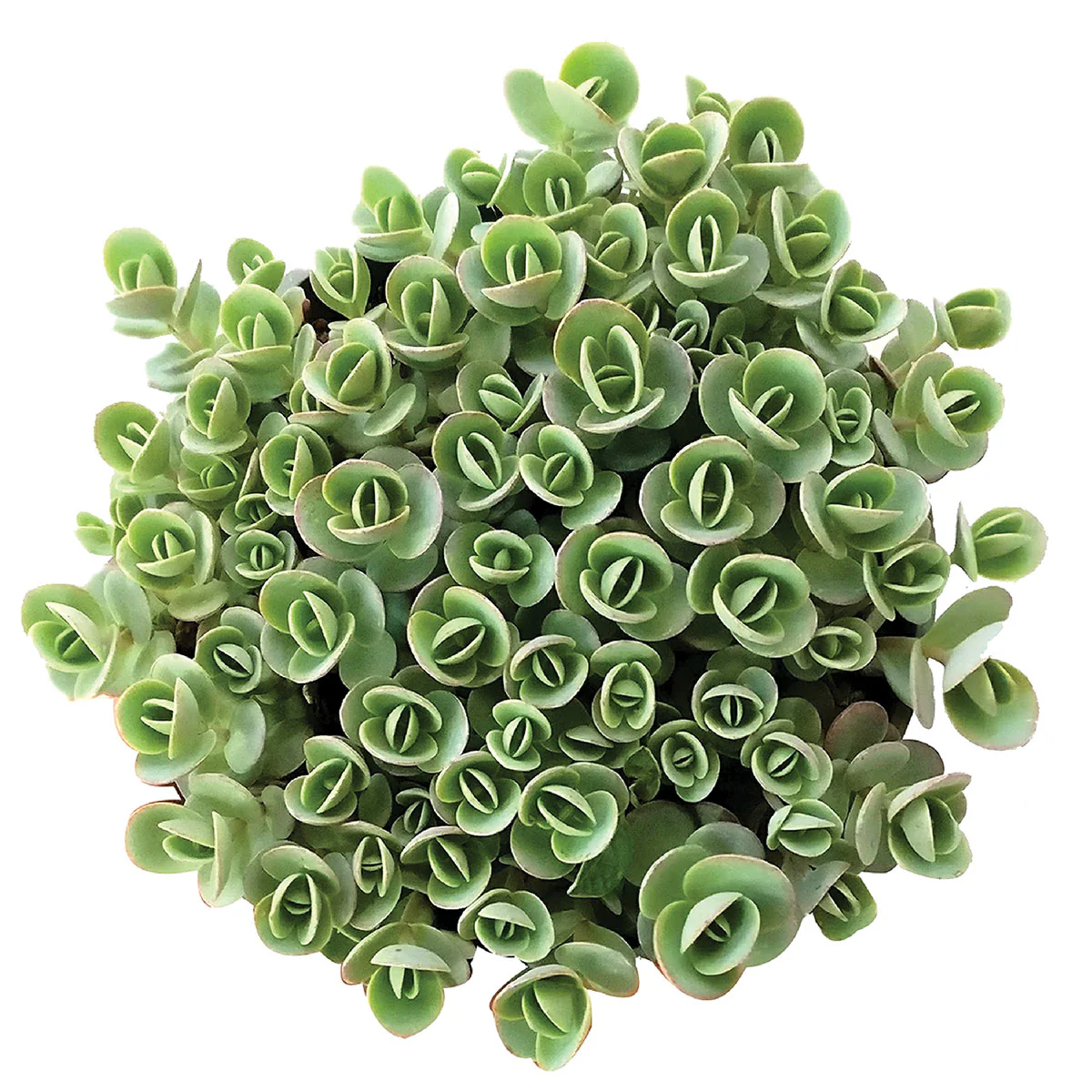
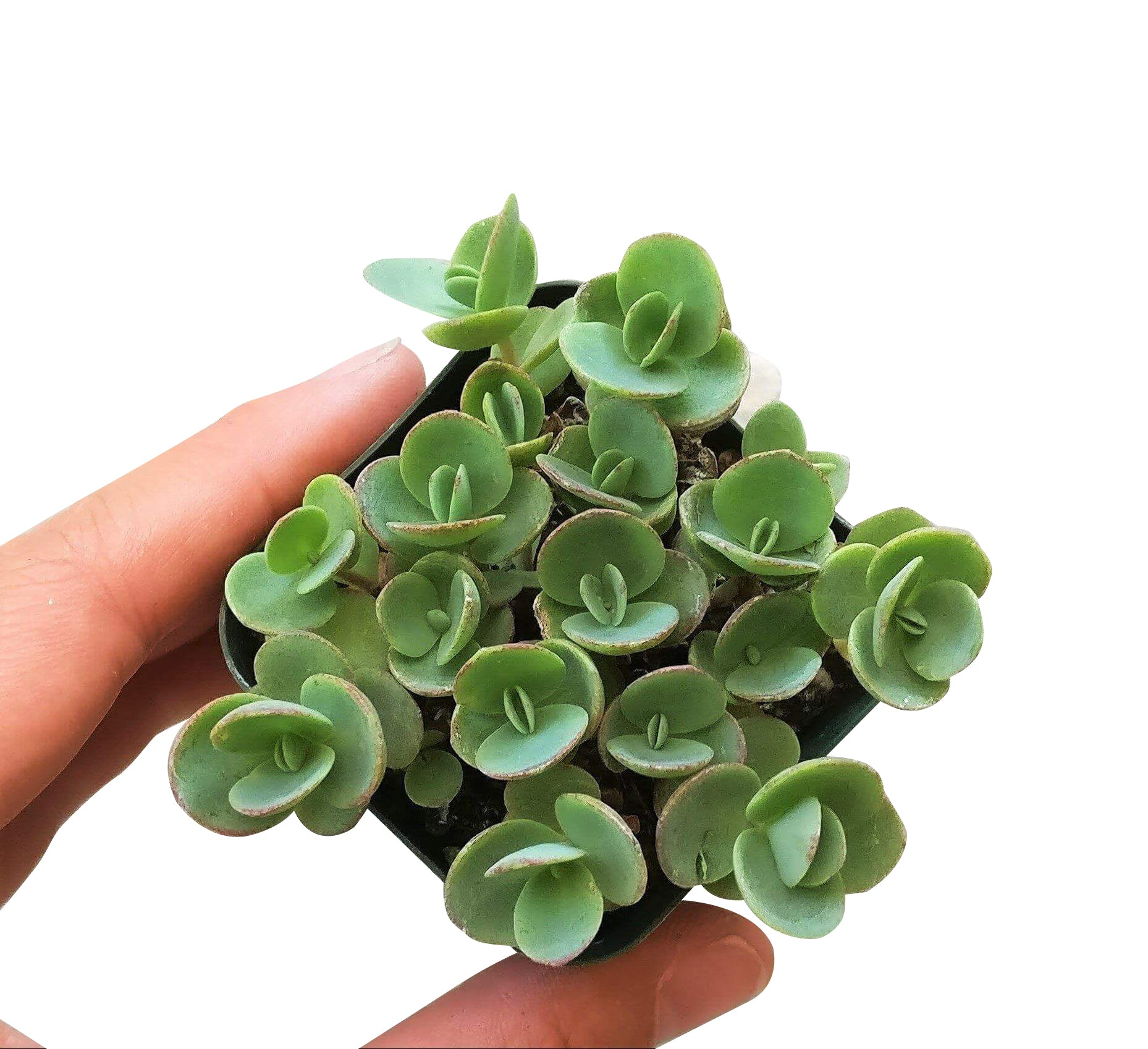
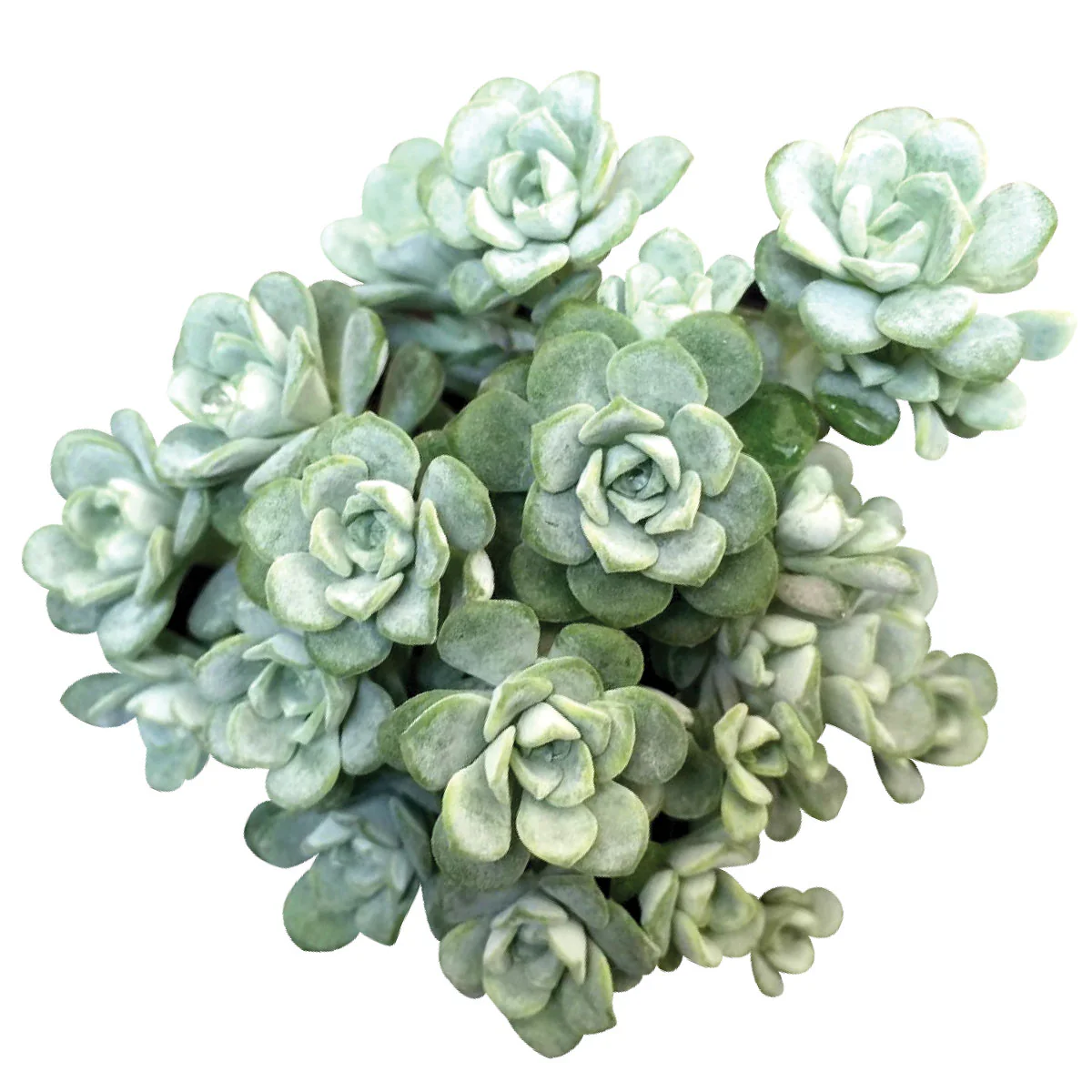
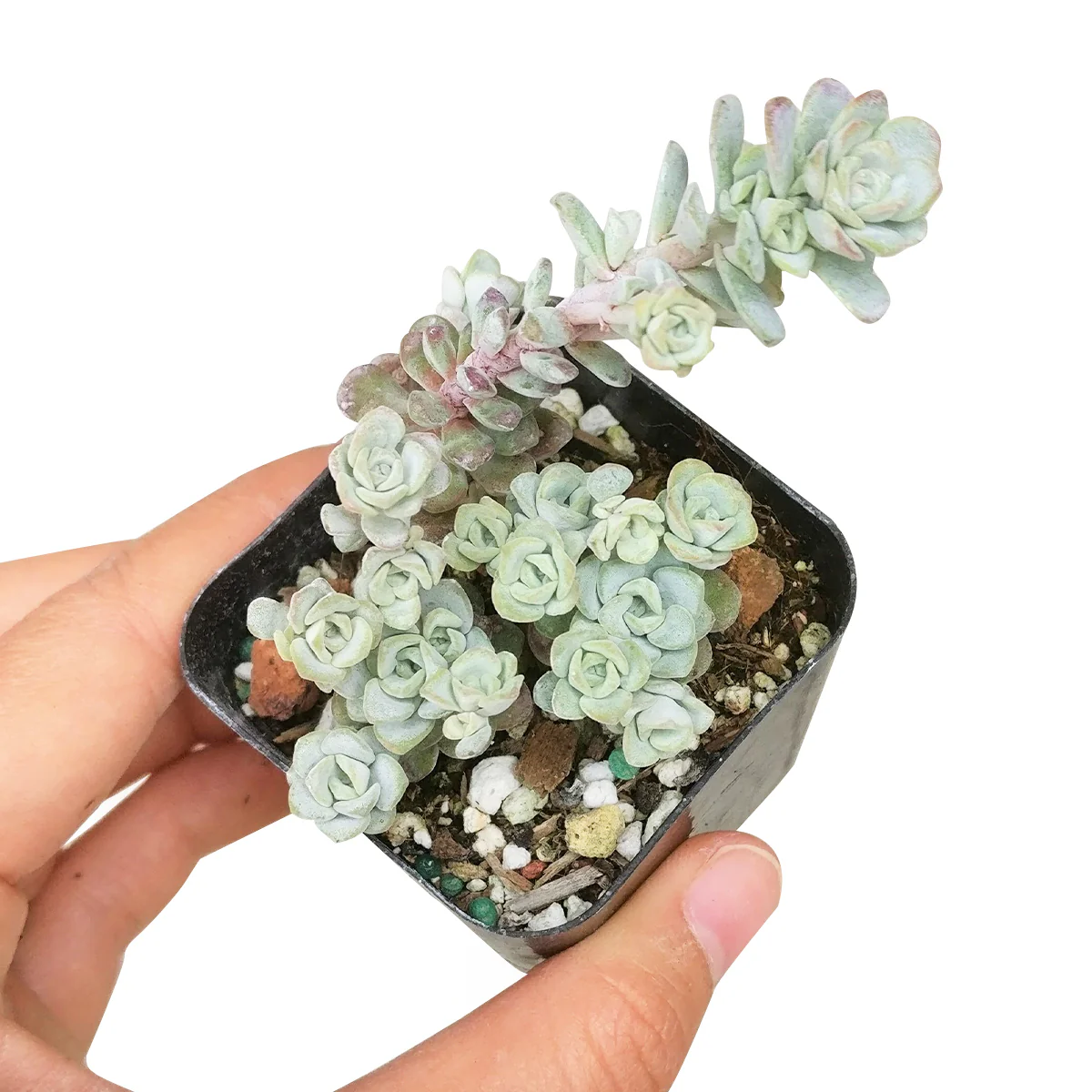
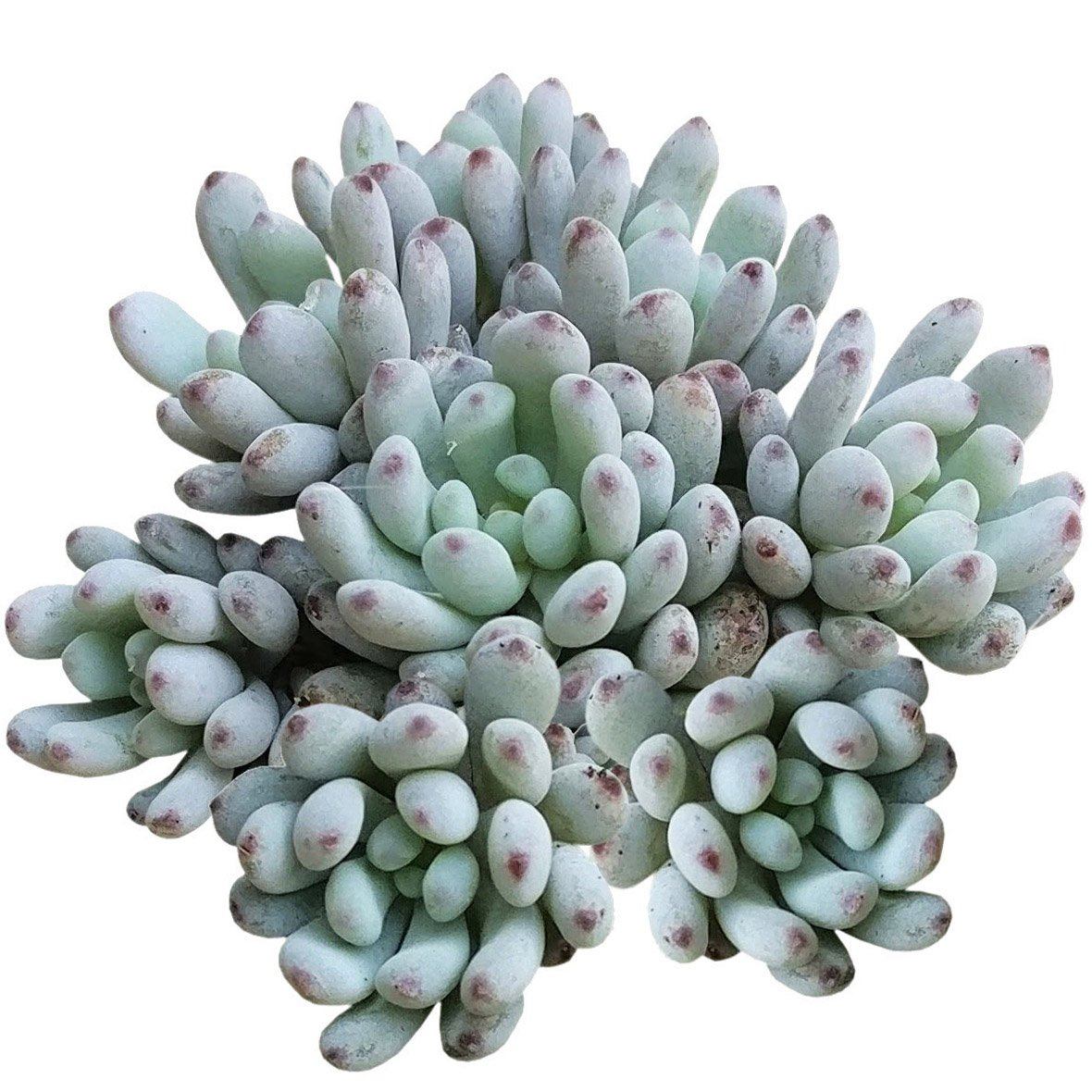
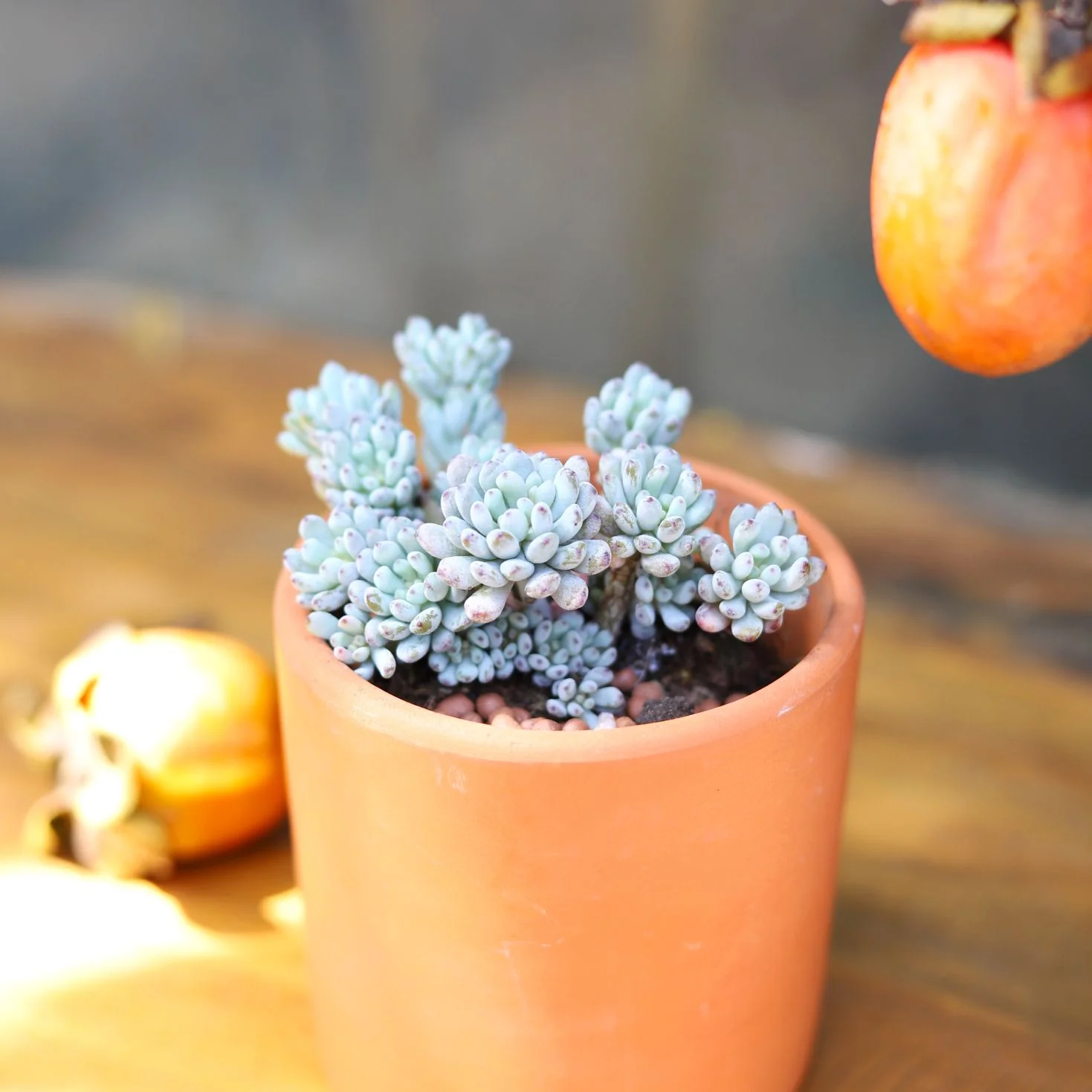
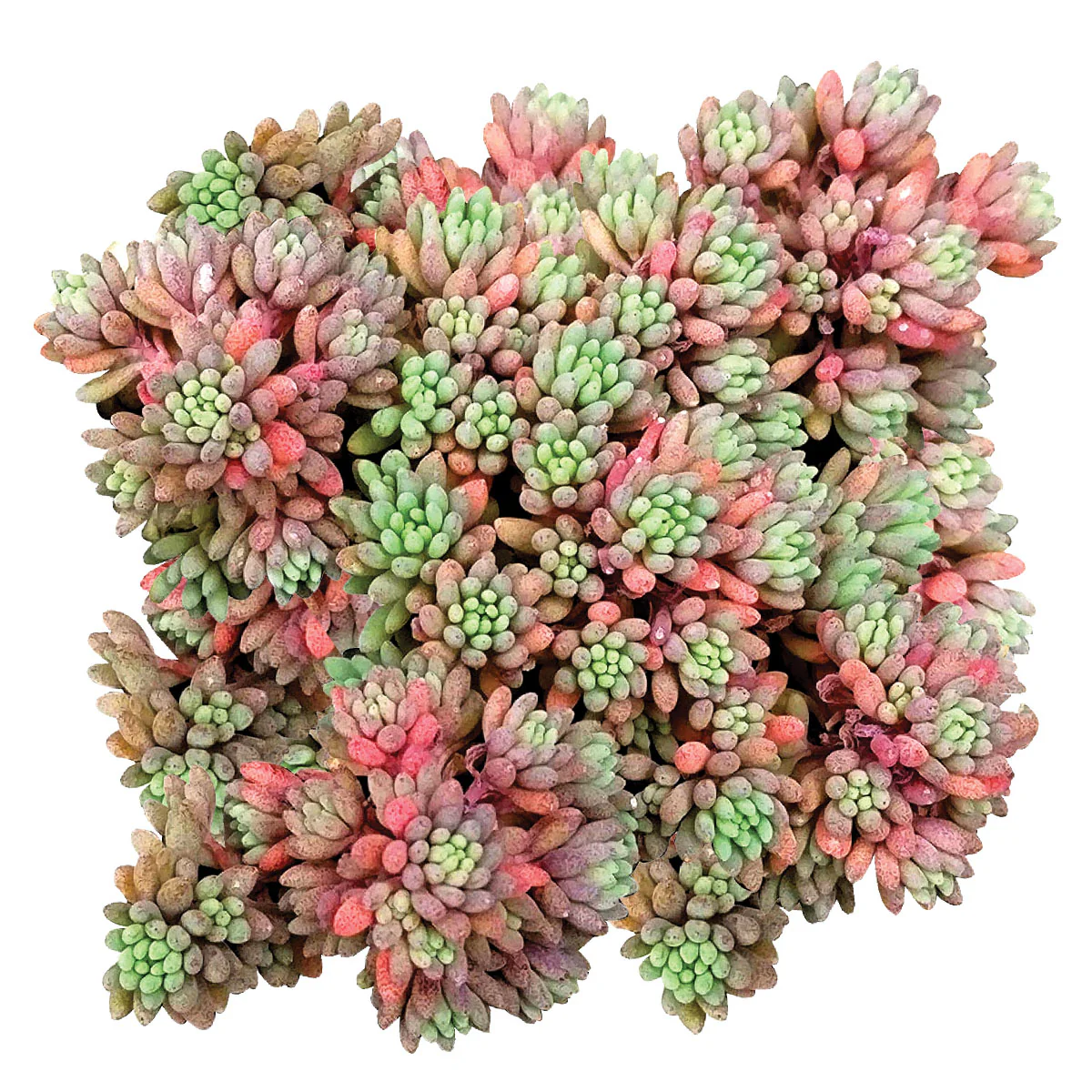
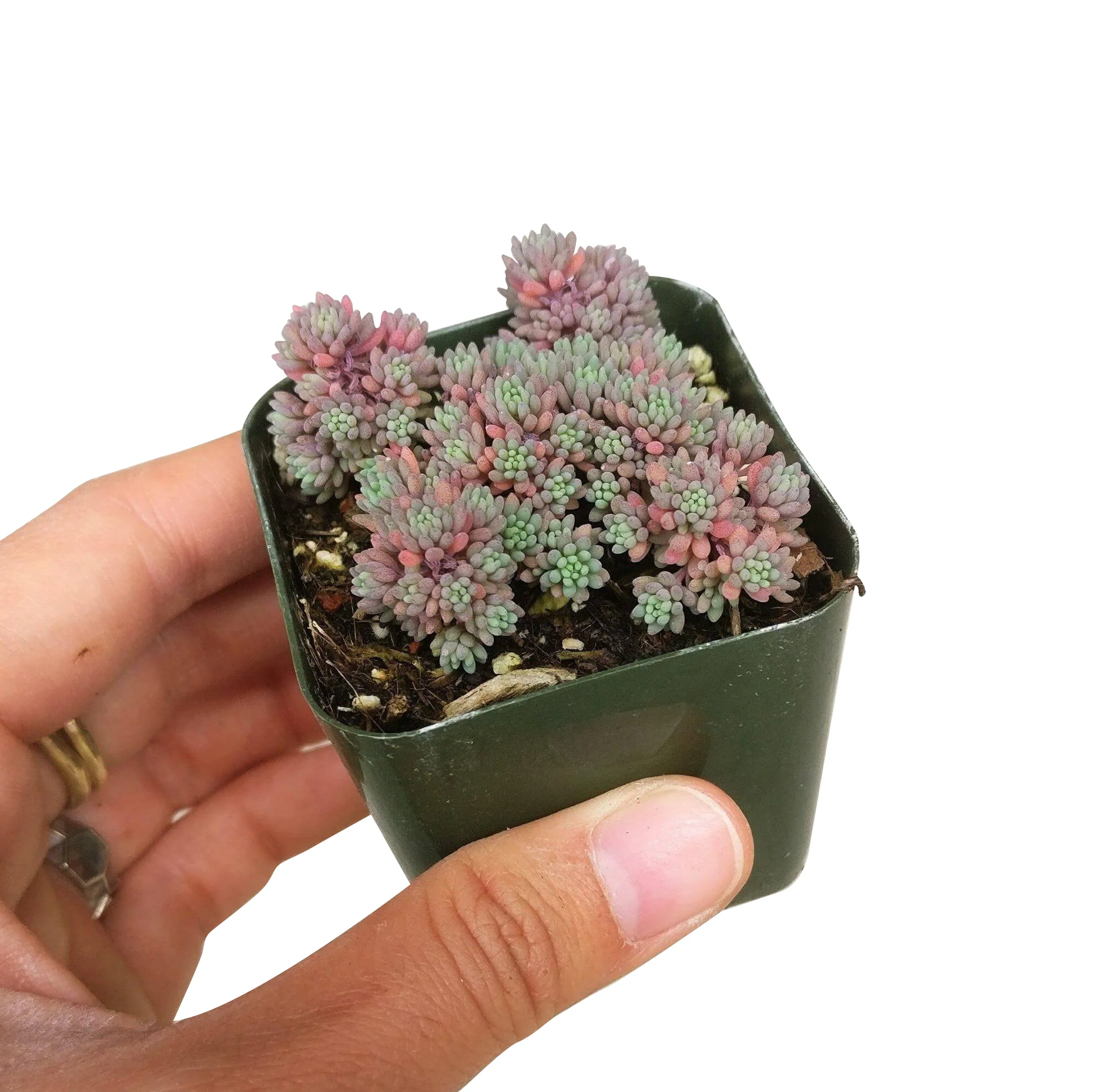
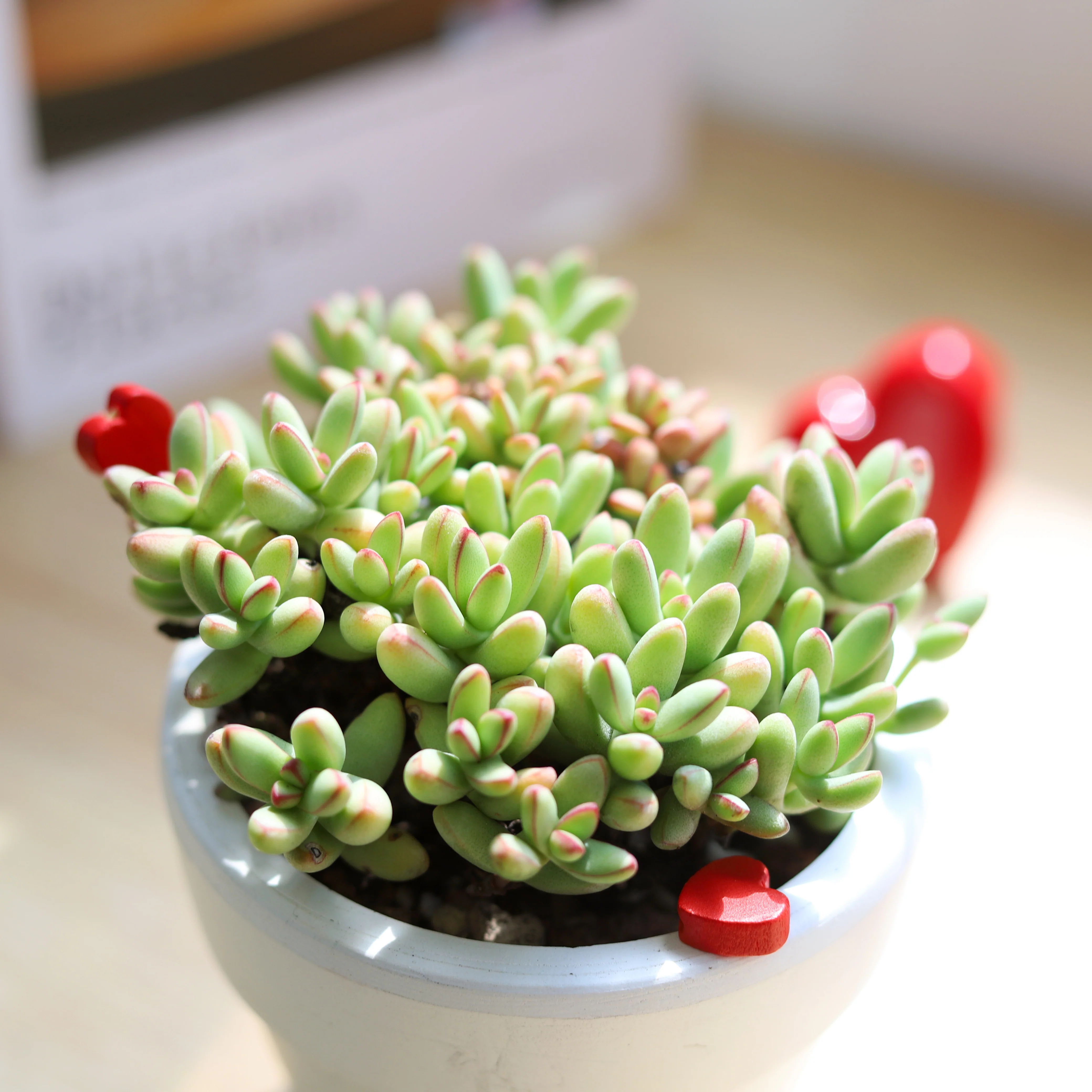
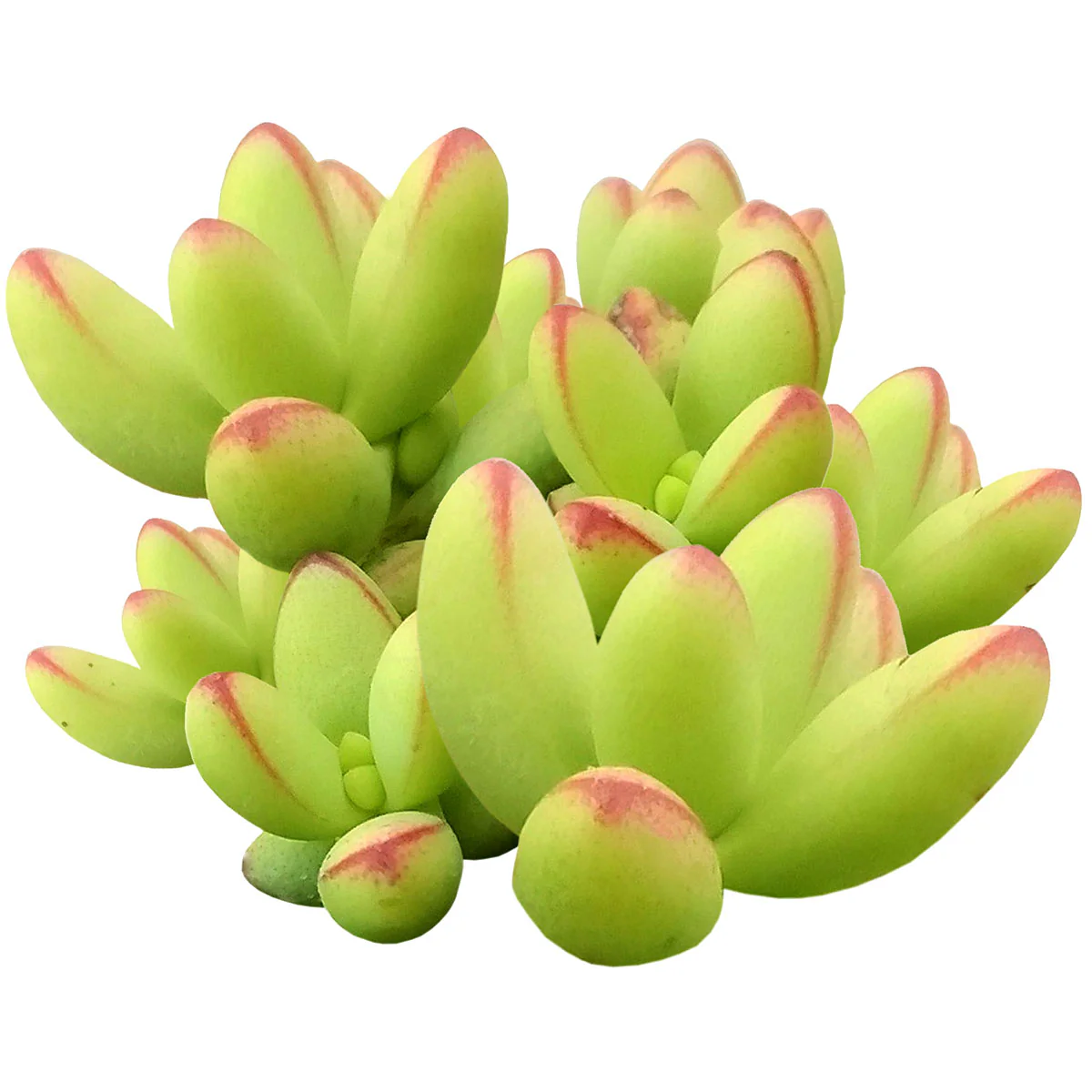
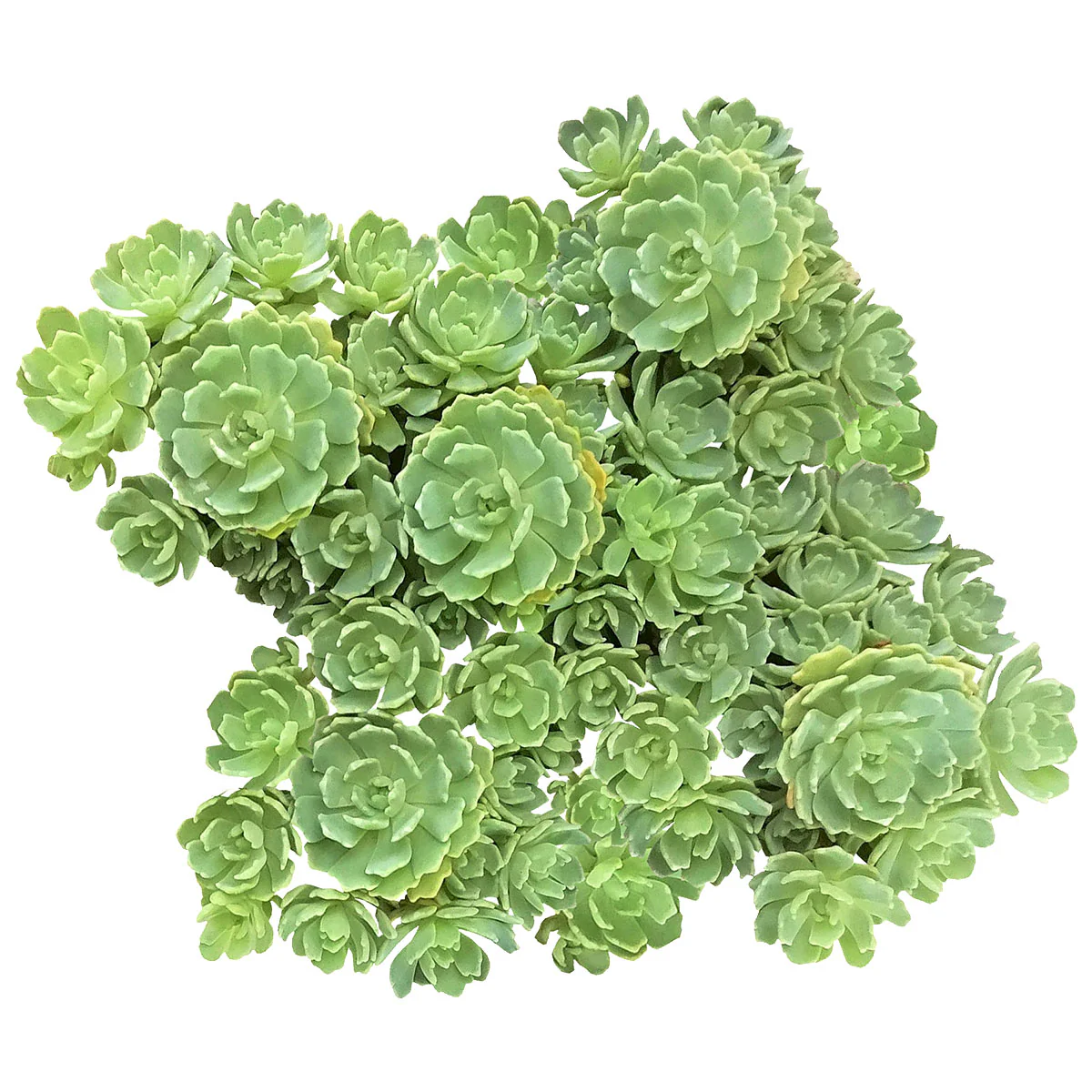
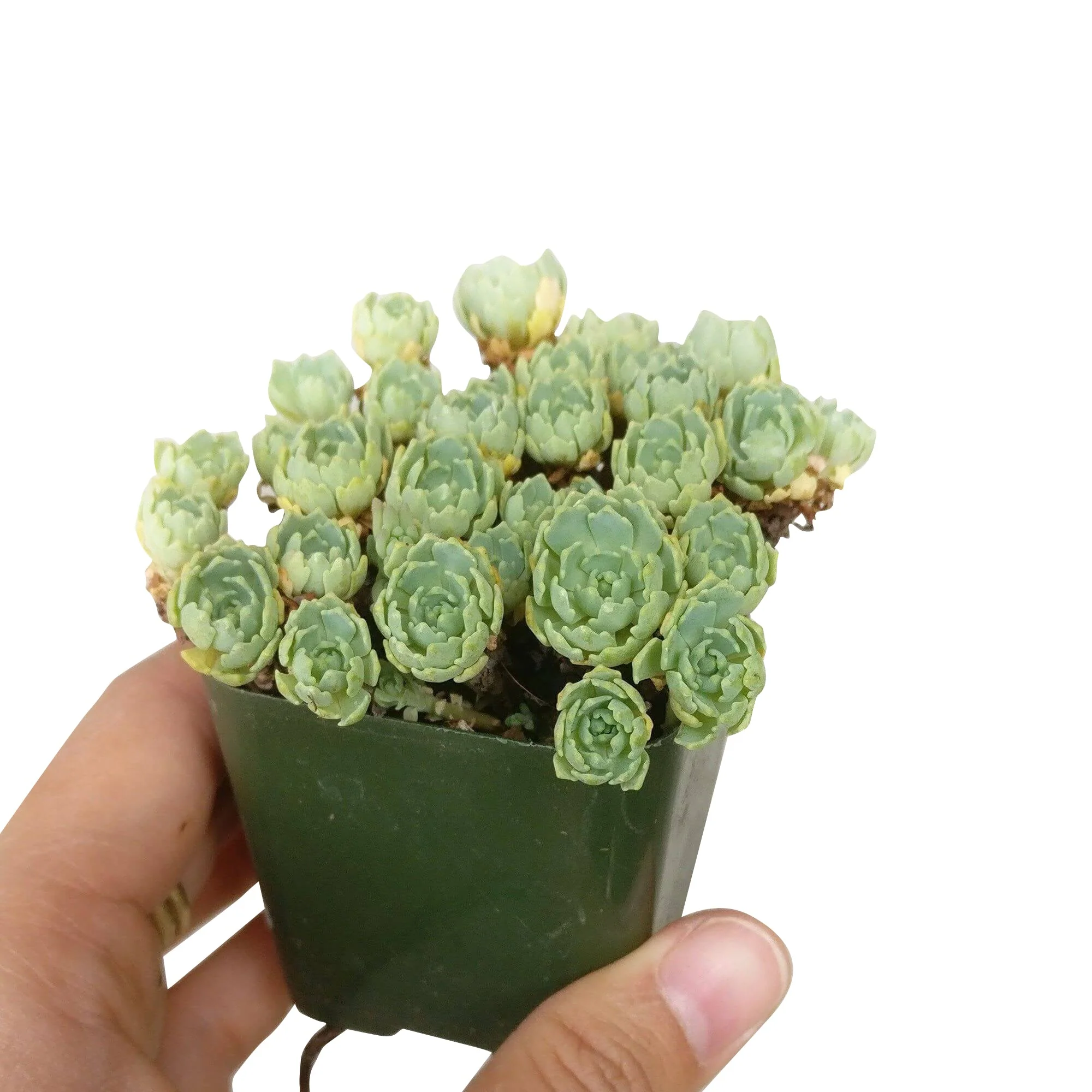
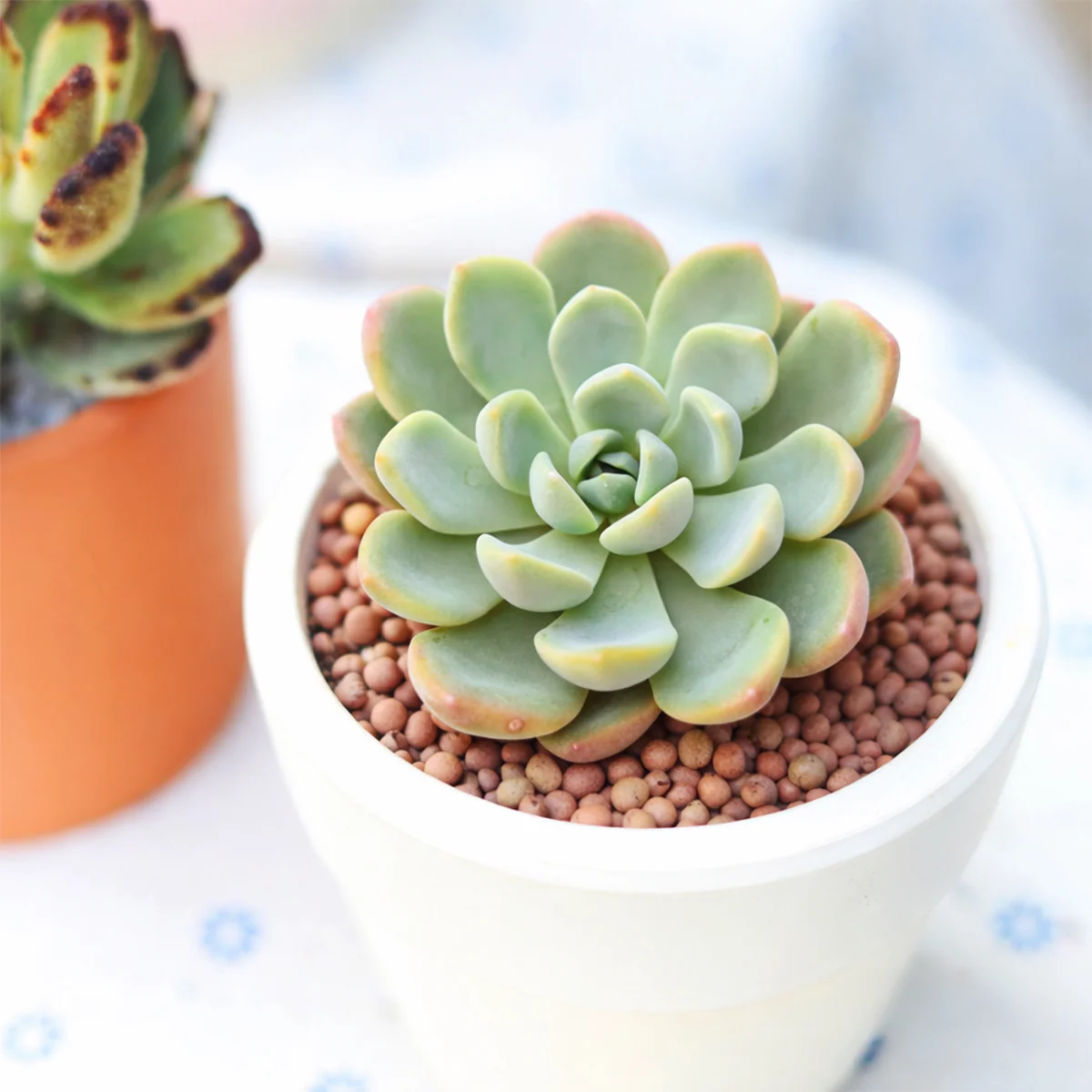
 Echeveria Aurora forms a tidy blush pink rosette of plump, spoon-shaped leaves edged with a soft rosy flush that deepens beautifully in bright light. Its pastel, pearlescent coloring and compact clustering habit make it one of the most eye-catching succulents in any collection. As it matures, Echeveria Aurora offsets freely, creating a spreading hen and chicks succulent effect that fills a pot with layered rosettes.
 Echeveria Aurora produces slender arching stems tipped with coral-pink to orange bell-shaped flowers, typically in spring or early summer. A notable feature is that Echeveria Aurora needs a nighttime temperature drop to trigger blooming, so giving it a cooler spot in late winter really pays off. The blooms attract pollinators and add a cheerful seasonal accent to the plant's already stunning foliage.
 Echeveria Aurora is a top pick for beginners and seasoned collectors alike, thriving on a sunny windowsill, a patio table in summer, or grouped in a shallow dish garden. It tolerates dry heated indoor air and survives a 10-day trip without watering, making it one of the most forgiving drought tolerant succulents you can own. Move it outdoors for summer to encourage vibrant color and compact growth, just be sure to cover it from rain or bring it under shelter to prevent waterlogged soil.
-
 Echeveria Aurora thrives in bright indirect light to partial or direct sun, ideally 4-6 hours daily near an east or west-facing window.
 Water Echeveria Aurora deeply every 10-14 days in spring and summer, reducing to once every 3-4 weeks in fall and winter.
 Plant Echeveria Aurora in a gritty, fast-draining cactus and succulent mix combined with perlite at a 1:1 ratio.
 Echeveria Aurora does best between 60-80°F (15-27°C) and should be brought indoors before temperatures fall below 40°F (4°C).
![]() Echeveria Aurora is a slow to moderate grower; a diluted balanced fertilizer once in spring and once in summer is plenty.
Echeveria Aurora is a slow to moderate grower; a diluted balanced fertilizer once in spring and once in summer is plenty.
 Echeveria Aurora is hardy in USDA Zones 9-11, tolerating brief dips no lower than around 25-28°F (-3 to -2°C) before cold damage sets in. Gardeners growing Echeveria Aurora outdoors year-round can be found across California, Texas, Arizona, Hawaii, Florida, Louisiana, Georgia, South Carolina, Alabama, Mississippi, and Nevada. Coastal pockets of Oregon, Washington, and parts of New Mexico also fall within these warmer zones where Echeveria Aurora can thrive outside through most seasons.
-
Q: How often should I water Echeveria Aurora?
A: Water Echeveria Aurora every 10-14 days during the growing season, letting the soil dry out completely between waterings. In winter, cut back to once every 3-4 weeks.
Q: Is Echeveria Aurora pet friendly?
A: Yes, this plant is pet friendly. Echeveria Aurora is non-toxic and considered safe around cats and dogs.
Q: How much light does Echeveria Aurora need?
A: Echeveria Aurora grows best in bright indirect to direct sunlight, ideally near an east or west-facing window. South-facing windows can occasionally scorch the leaves, so watch for any bleaching or crispy tips.
Q: How big does Echeveria Aurora get?
A: Echeveria Aurora typically reaches 4-6 inches (10-15 cm) in diameter as a single rosette. Over time it offsets and clusters, filling a wider pot with multiple smaller rosettes.
Q: How do I propagate Echeveria Aurora?
A: The easiest way to propagate Echeveria Aurora is by gently twisting off healthy offsets from the base and potting them in a dry succulent mix. Leaf propagation also works well when leaves are cleanly removed and left to callous before placing on soil.
Q: Why isn't my Echeveria Aurora blooming?
A: Echeveria Aurora needs a nighttime temperature drop of around 10-15°F to trigger flowering, typically in late winter or early spring. Moving it to a cooler spot overnight for several weeks in winter usually does the trick.


Original: $8.00
-70%$8.00
$2.40Product Information
Product Information
Shipping & Returns
Shipping & Returns
Description
- Description
- Echeveria Aurora Care Guide
- FAQ/Common Issues
-
![]() Echeveria Aurora is a charming easy care succulent belonging to the Crassulaceae family, native to the semi-arid regions of Mexico. Like most echeverias, it evolved in rocky, well-drained terrain with bright sun and seasonal dry spells, making it naturally tough and low maintenance.
Echeveria Aurora is a charming easy care succulent belonging to the Crassulaceae family, native to the semi-arid regions of Mexico. Like most echeverias, it evolved in rocky, well-drained terrain with bright sun and seasonal dry spells, making it naturally tough and low maintenance.
Echeveria Aurora forms a tidy blush pink rosette of plump, spoon-shaped leaves edged with a soft rosy flush that deepens beautifully in bright light. Its pastel, pearlescent coloring and compact clustering habit make it one of the most eye-catching succulents in any collection. As it matures, Echeveria Aurora offsets freely, creating a spreading hen and chicks succulent effect that fills a pot with layered rosettes.
Echeveria Aurora produces slender arching stems tipped with coral-pink to orange bell-shaped flowers, typically in spring or early summer. A notable feature is that Echeveria Aurora needs a nighttime temperature drop to trigger blooming, so giving it a cooler spot in late winter really pays off. The blooms attract pollinators and add a cheerful seasonal accent to the plant's already stunning foliage.
Echeveria Aurora is a top pick for beginners and seasoned collectors alike, thriving on a sunny windowsill, a patio table in summer, or grouped in a shallow dish garden. It tolerates dry heated indoor air and survives a 10-day trip without watering, making it one of the most forgiving drought tolerant succulents you can own. Move it outdoors for summer to encourage vibrant color and compact growth, just be sure to cover it from rain or bring it under shelter to prevent waterlogged soil.
-
Echeveria Aurora thrives in bright indirect light to partial or direct sun, ideally 4-6 hours daily near an east or west-facing window.
Water Echeveria Aurora deeply every 10-14 days in spring and summer, reducing to once every 3-4 weeks in fall and winter.
Plant Echeveria Aurora in a gritty, fast-draining cactus and succulent mix combined with perlite at a 1:1 ratio.
Echeveria Aurora does best between 60-80°F (15-27°C) and should be brought indoors before temperatures fall below 40°F (4°C).
![]() Echeveria Aurora is a slow to moderate grower; a diluted balanced fertilizer once in spring and once in summer is plenty.
Echeveria Aurora is a slow to moderate grower; a diluted balanced fertilizer once in spring and once in summer is plenty.
Echeveria Aurora is hardy in USDA Zones 9-11, tolerating brief dips no lower than around 25-28°F (-3 to -2°C) before cold damage sets in. Gardeners growing Echeveria Aurora outdoors year-round can be found across California, Texas, Arizona, Hawaii, Florida, Louisiana, Georgia, South Carolina, Alabama, Mississippi, and Nevada. Coastal pockets of Oregon, Washington, and parts of New Mexico also fall within these warmer zones where Echeveria Aurora can thrive outside through most seasons.
-
Q: How often should I water Echeveria Aurora?
A: Water Echeveria Aurora every 10-14 days during the growing season, letting the soil dry out completely between waterings. In winter, cut back to once every 3-4 weeks.
Q: Is Echeveria Aurora pet friendly?
A: Yes, this plant is pet friendly. Echeveria Aurora is non-toxic and considered safe around cats and dogs.
Q: How much light does Echeveria Aurora need?
A: Echeveria Aurora grows best in bright indirect to direct sunlight, ideally near an east or west-facing window. South-facing windows can occasionally scorch the leaves, so watch for any bleaching or crispy tips.
Q: How big does Echeveria Aurora get?
A: Echeveria Aurora typically reaches 4-6 inches (10-15 cm) in diameter as a single rosette. Over time it offsets and clusters, filling a wider pot with multiple smaller rosettes.
Q: How do I propagate Echeveria Aurora?
A: The easiest way to propagate Echeveria Aurora is by gently twisting off healthy offsets from the base and potting them in a dry succulent mix. Leaf propagation also works well when leaves are cleanly removed and left to callous before placing on soil.
Q: Why isn't my Echeveria Aurora blooming?
A: Echeveria Aurora needs a nighttime temperature drop of around 10-15°F to trigger flowering, typically in late winter or early spring. Moving it to a cooler spot overnight for several weeks in winter usually does the trick.