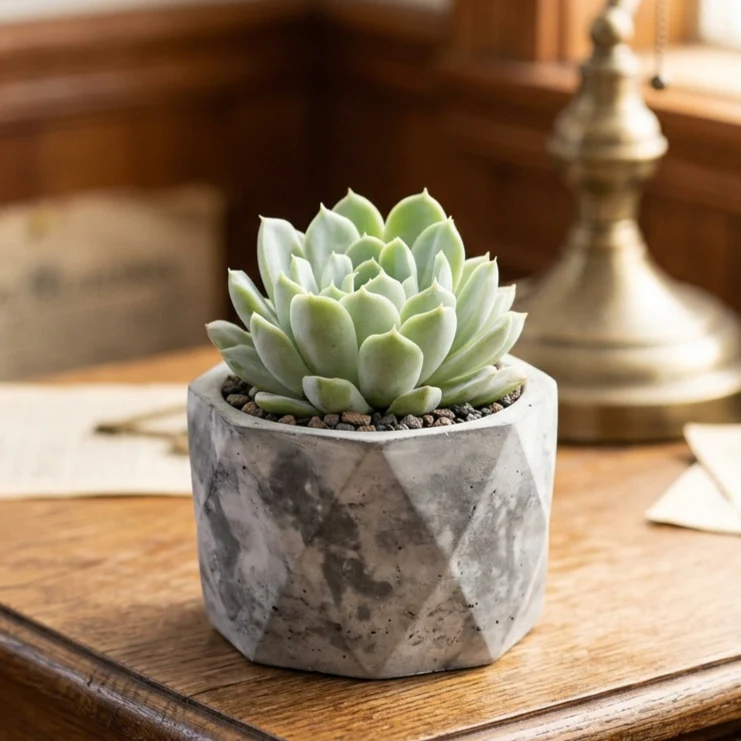
Echeveria albicans - Whitening Echeveria
- Description
- Echeveria albicans - Whitening Echeveria Care Guide
- FAQ/Common Issues
-
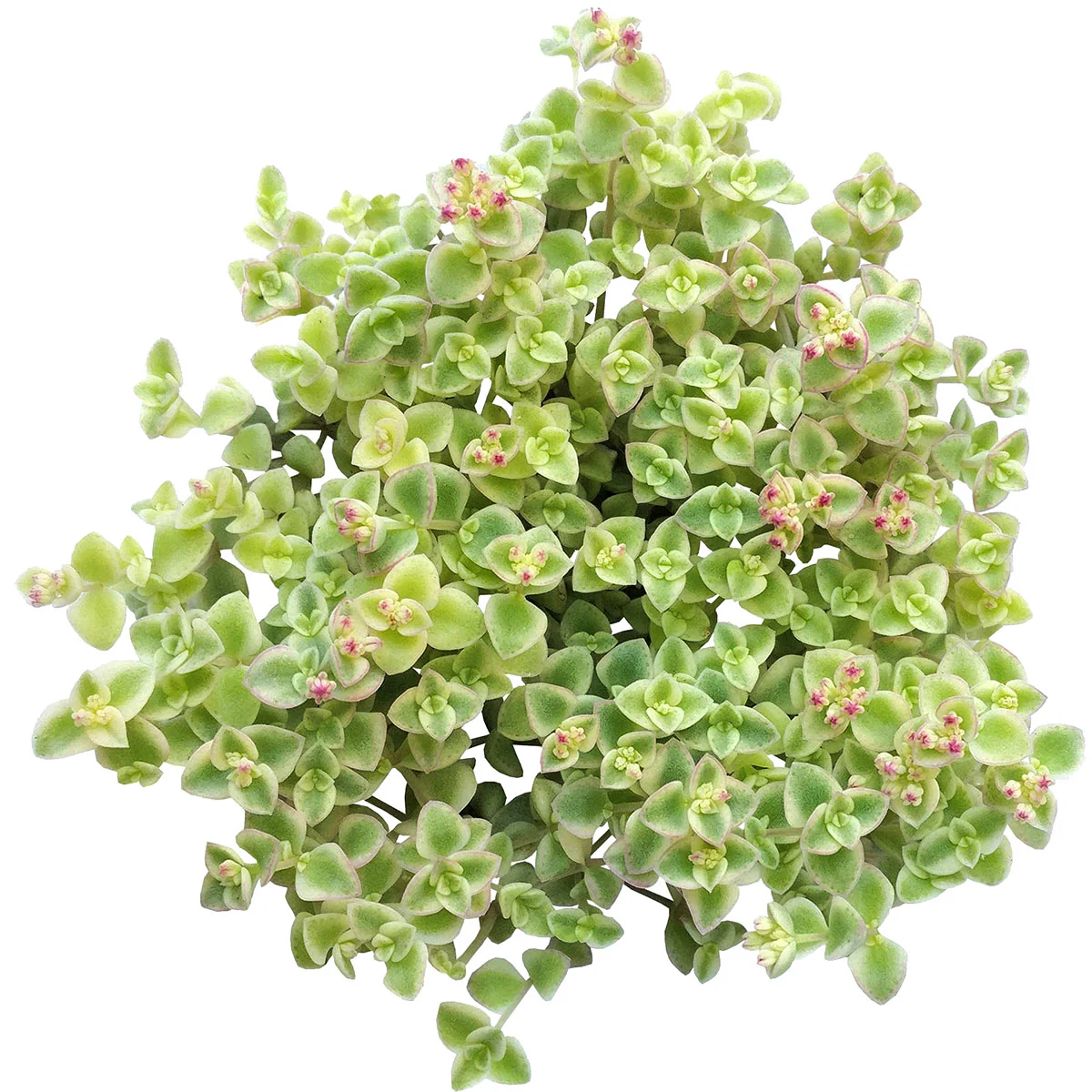
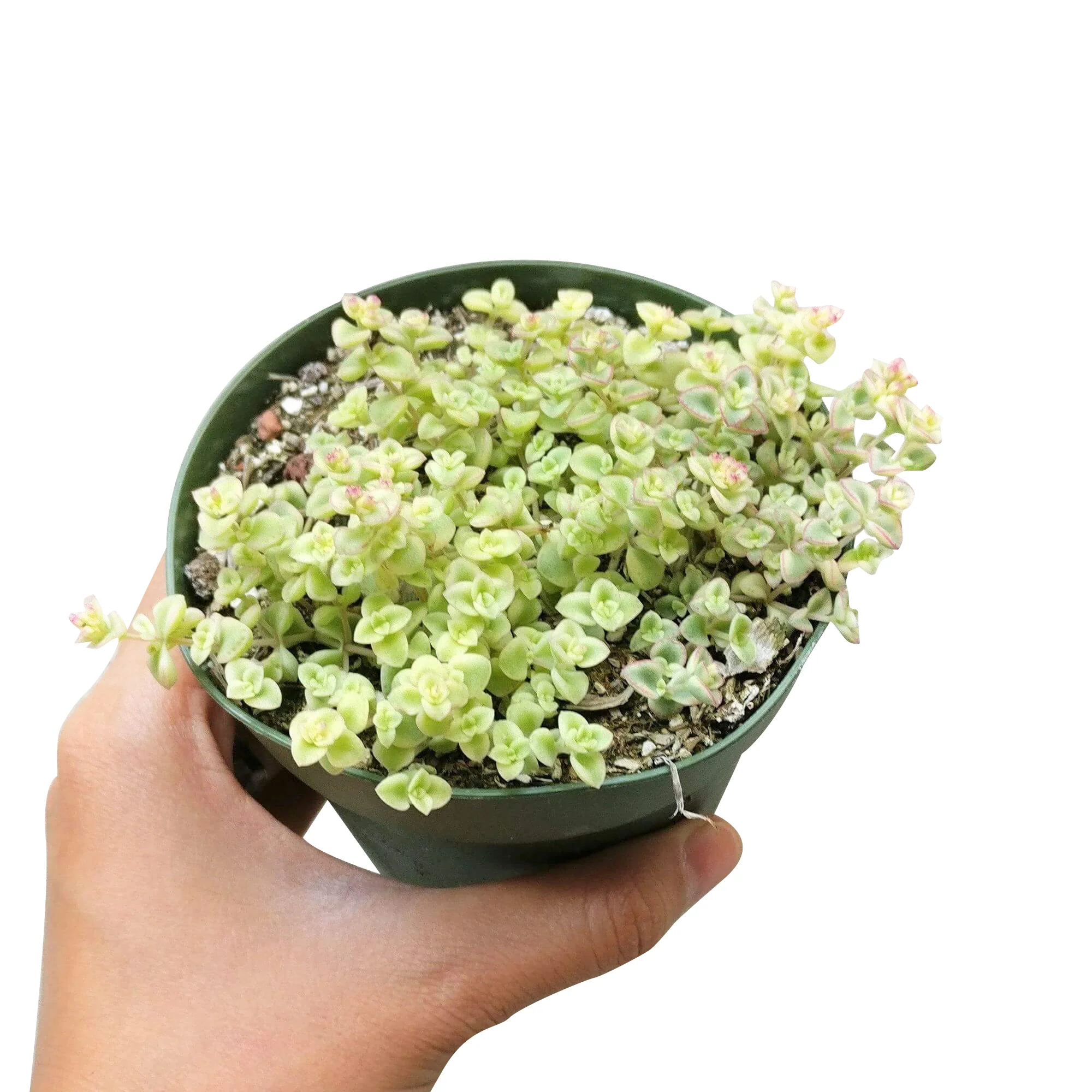
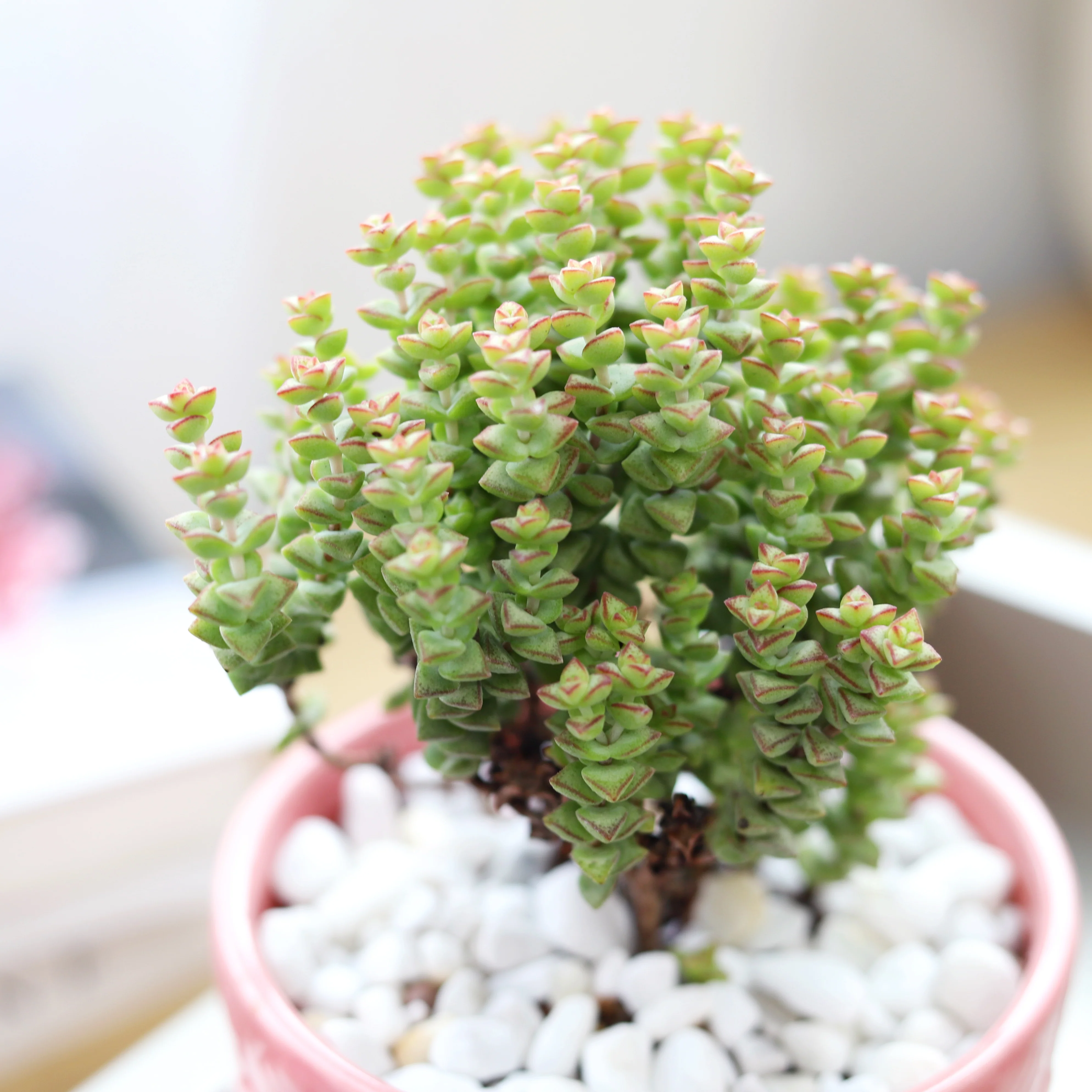
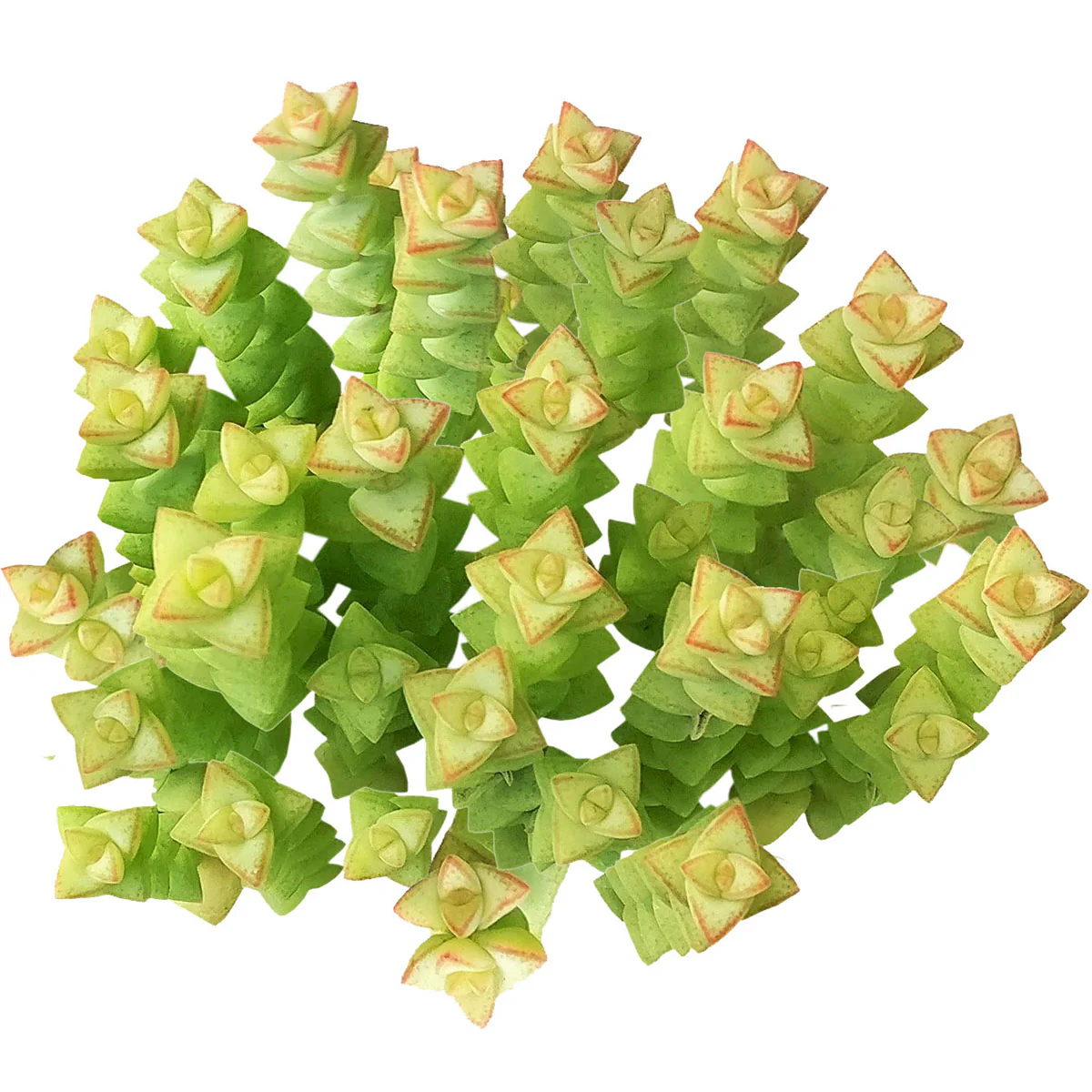
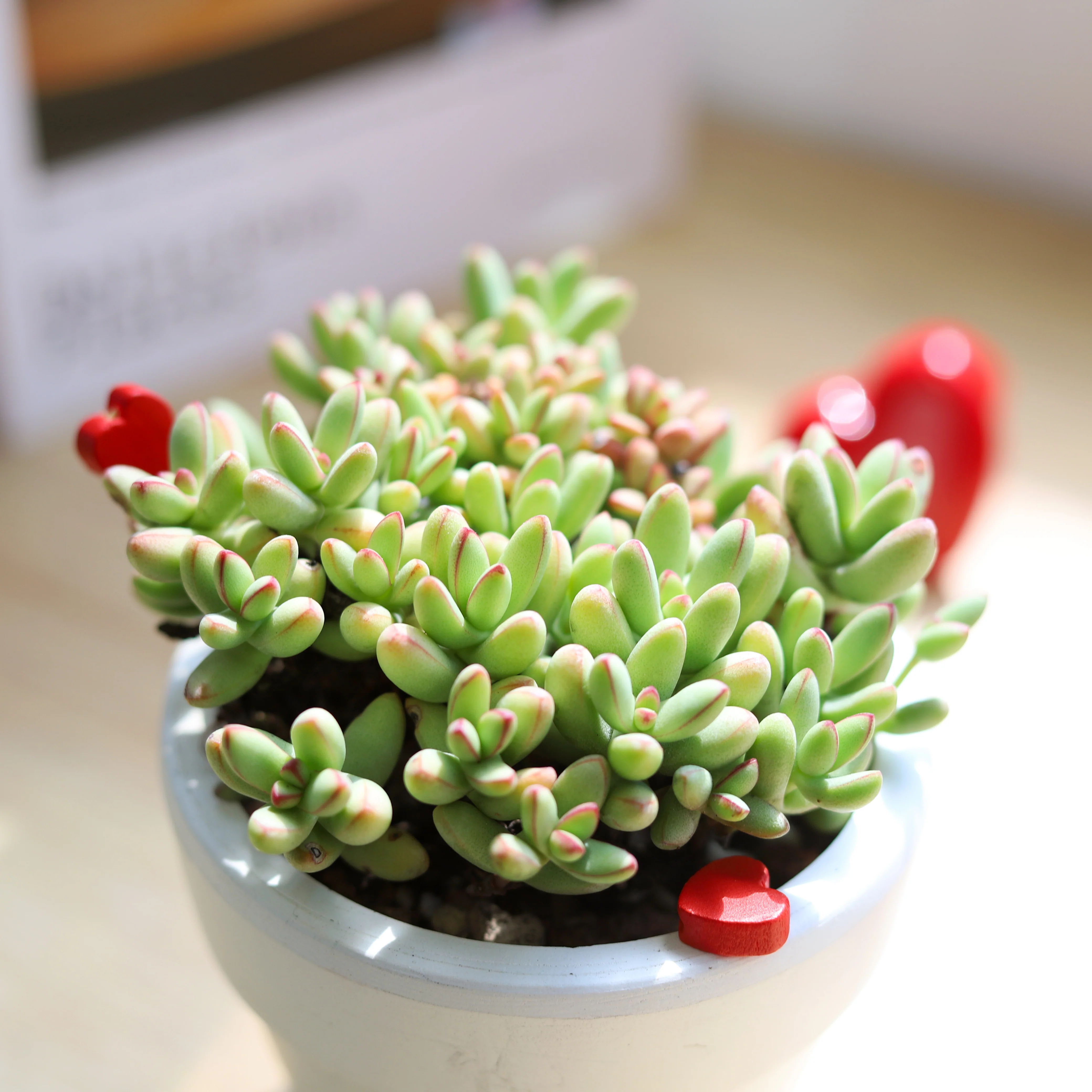
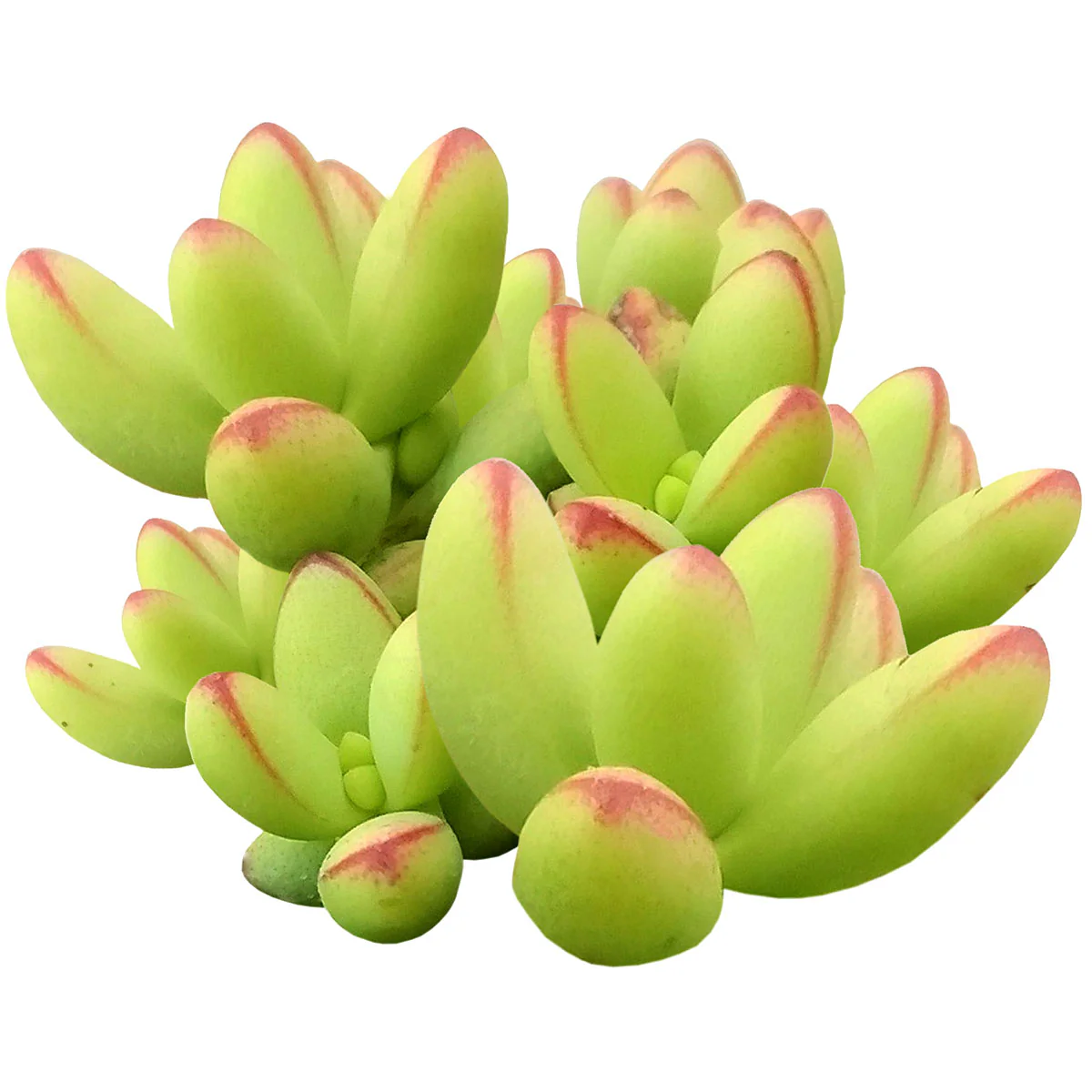
![]() Echeveria albicans - Whitening Echeveria is a drought tolerant succulent from the Crassulaceae family, native to Mexico's mountainous regions. This beginner friendly plant has earned its common name "Mexican Snowball" from its distinctive silvery-white appearance that creates stunning contrast in any collection.
Echeveria albicans - Whitening Echeveria is a drought tolerant succulent from the Crassulaceae family, native to Mexico's mountainous regions. This beginner friendly plant has earned its common name "Mexican Snowball" from its distinctive silvery-white appearance that creates stunning contrast in any collection.
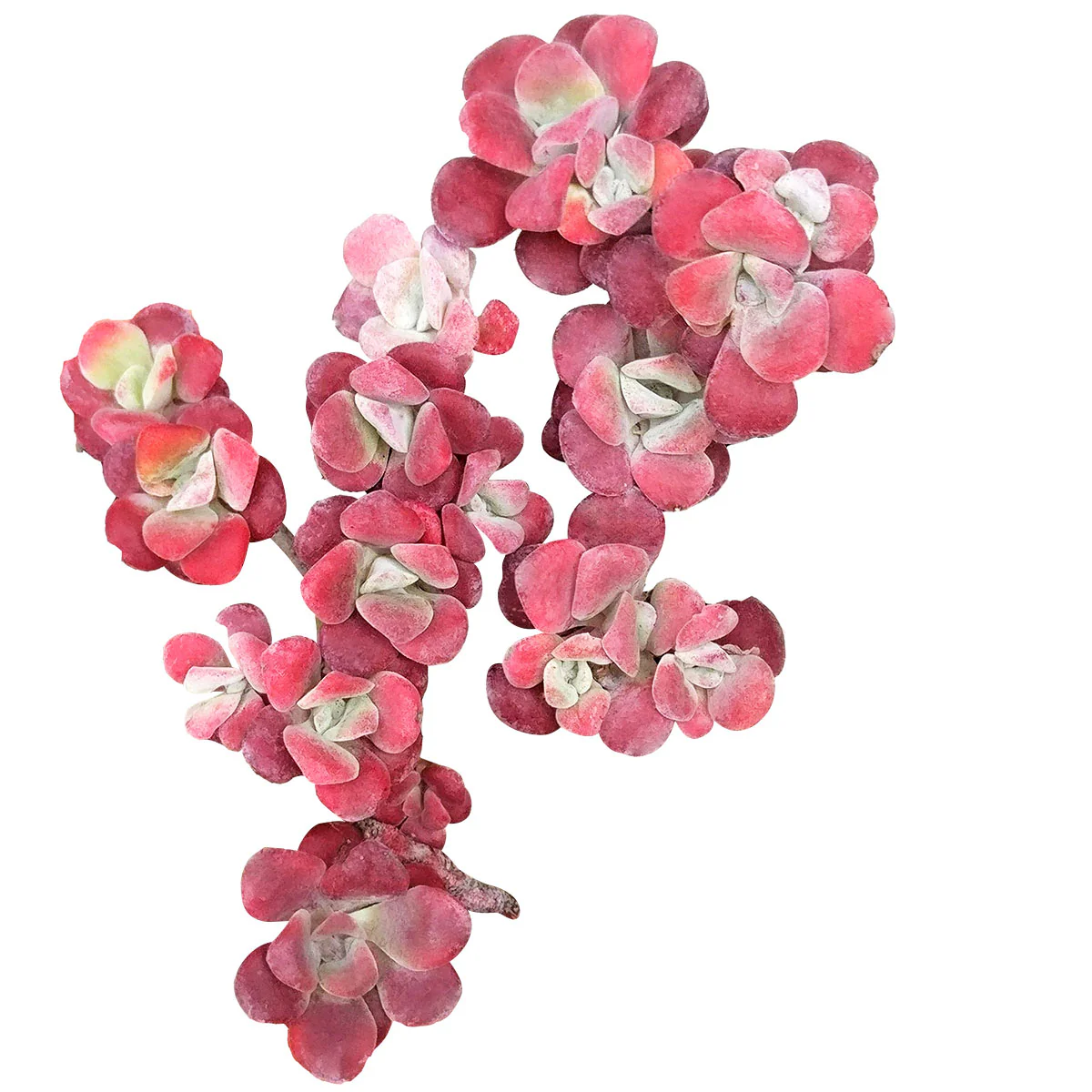
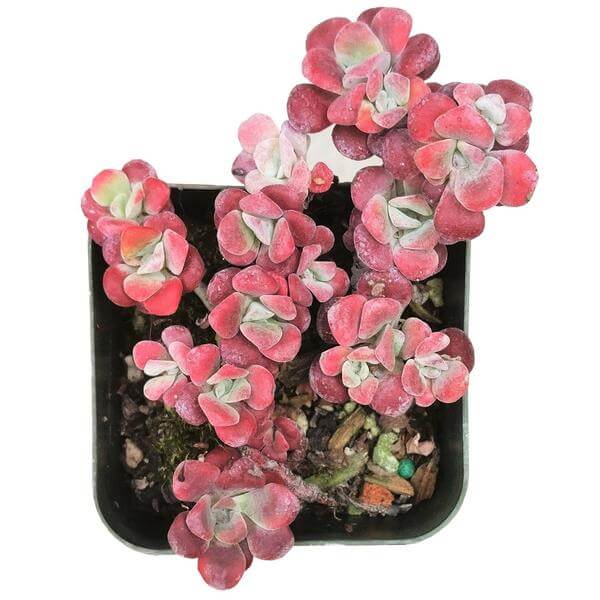
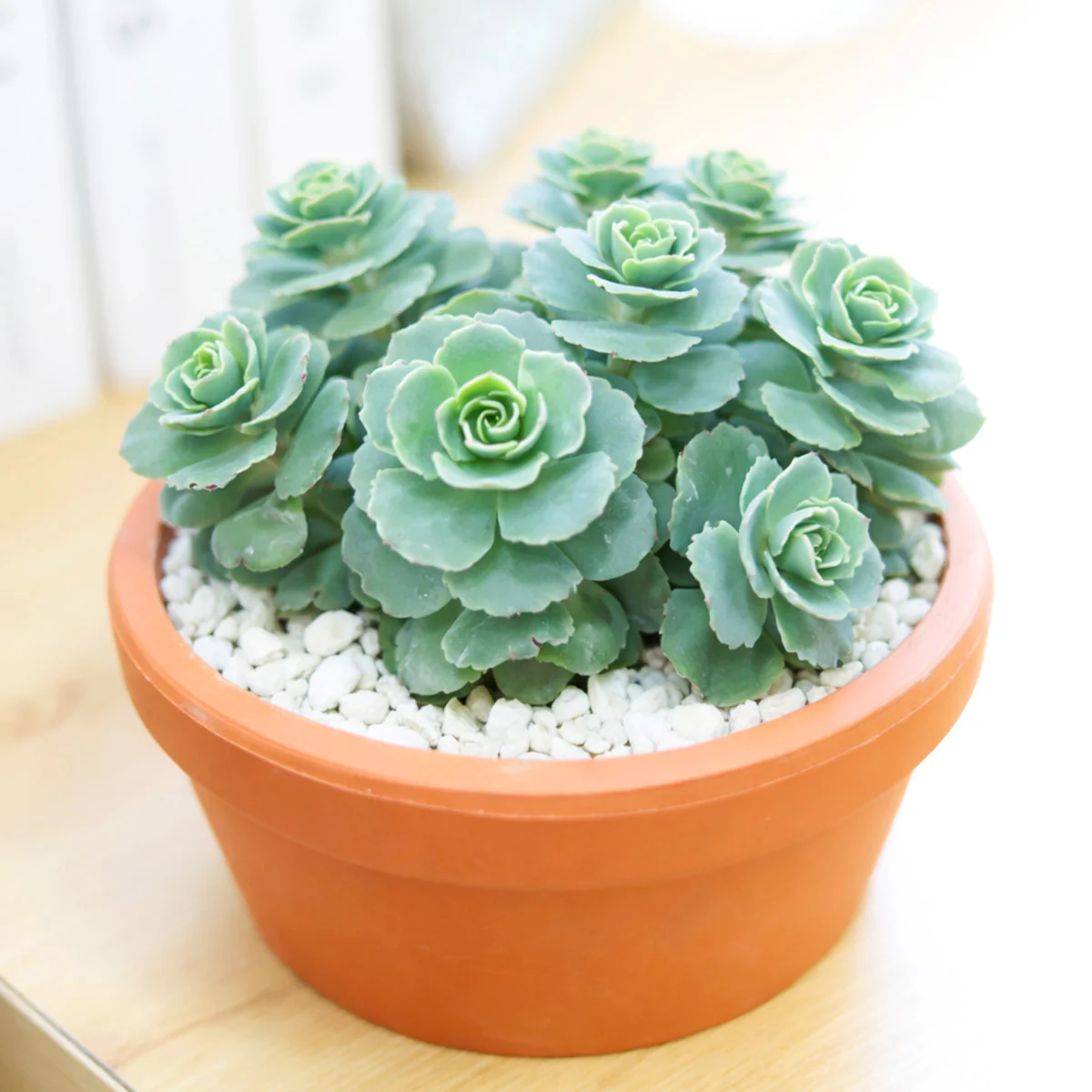
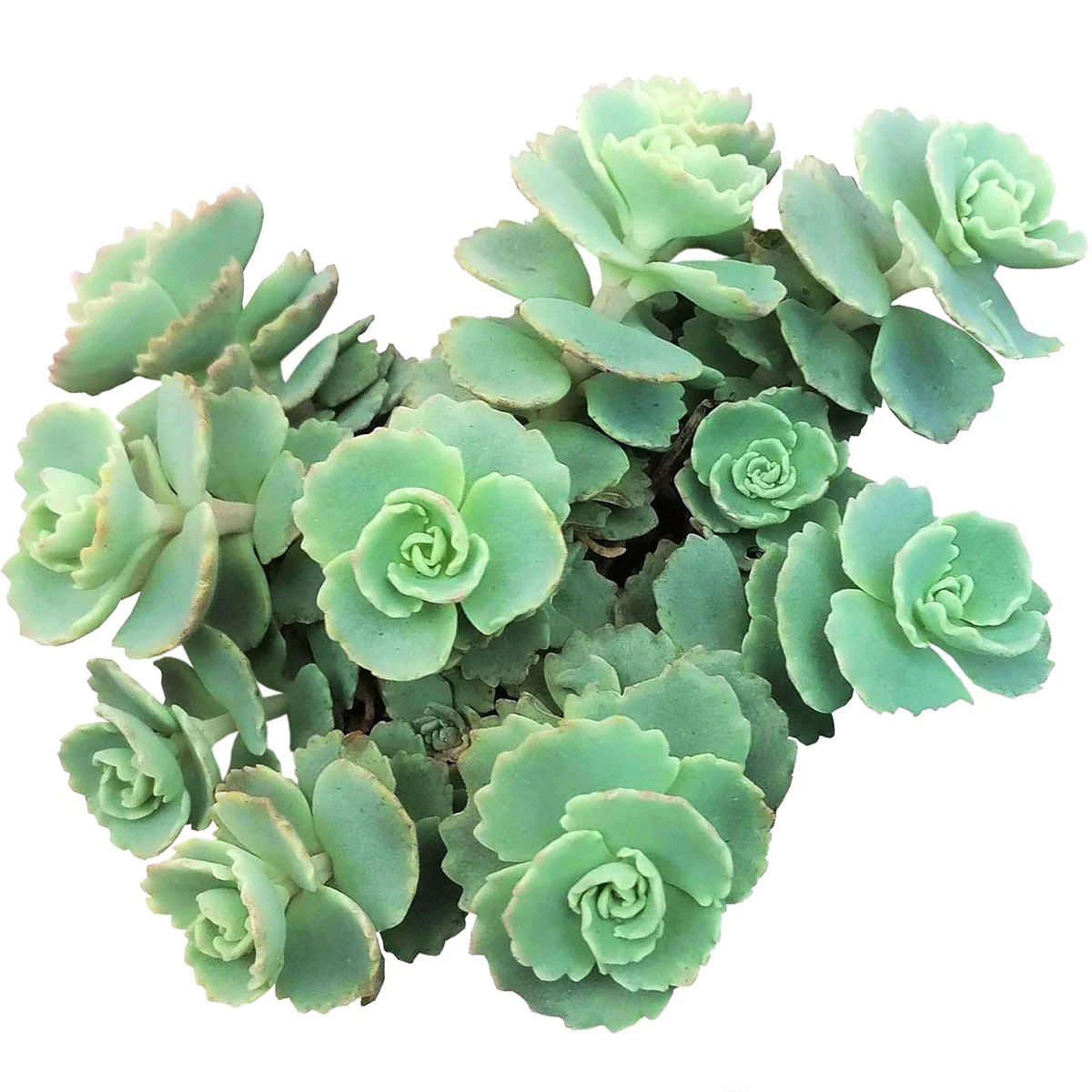
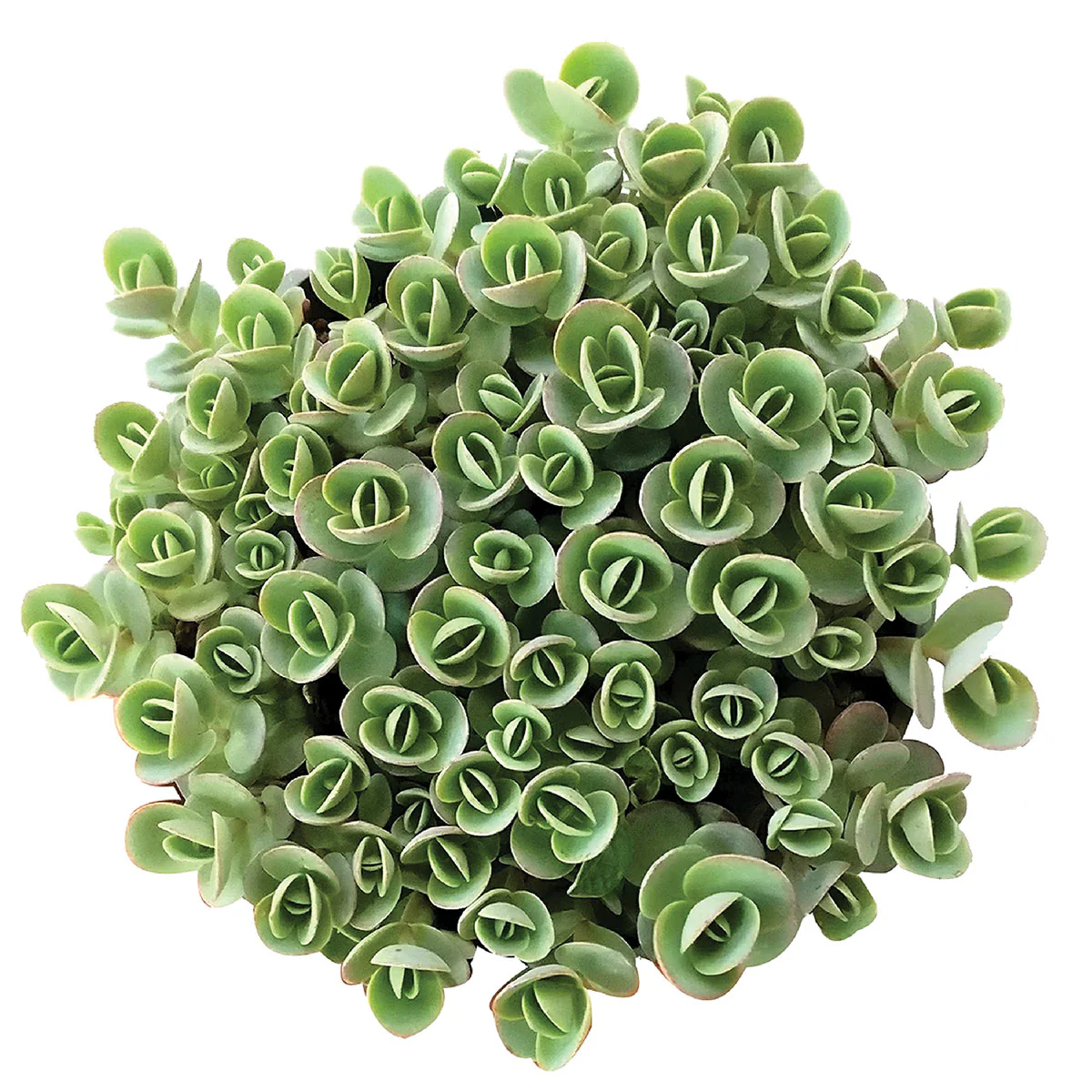
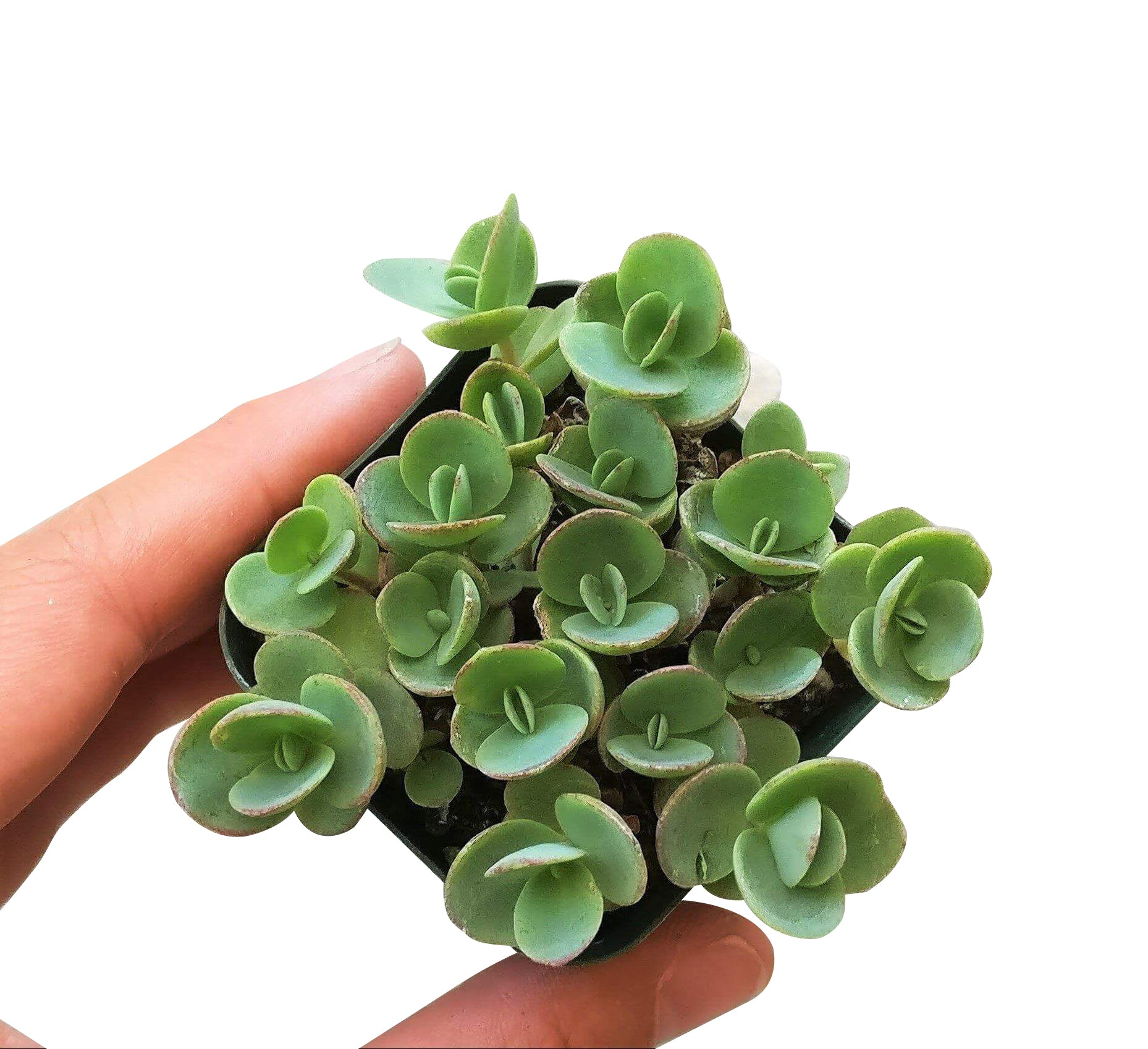
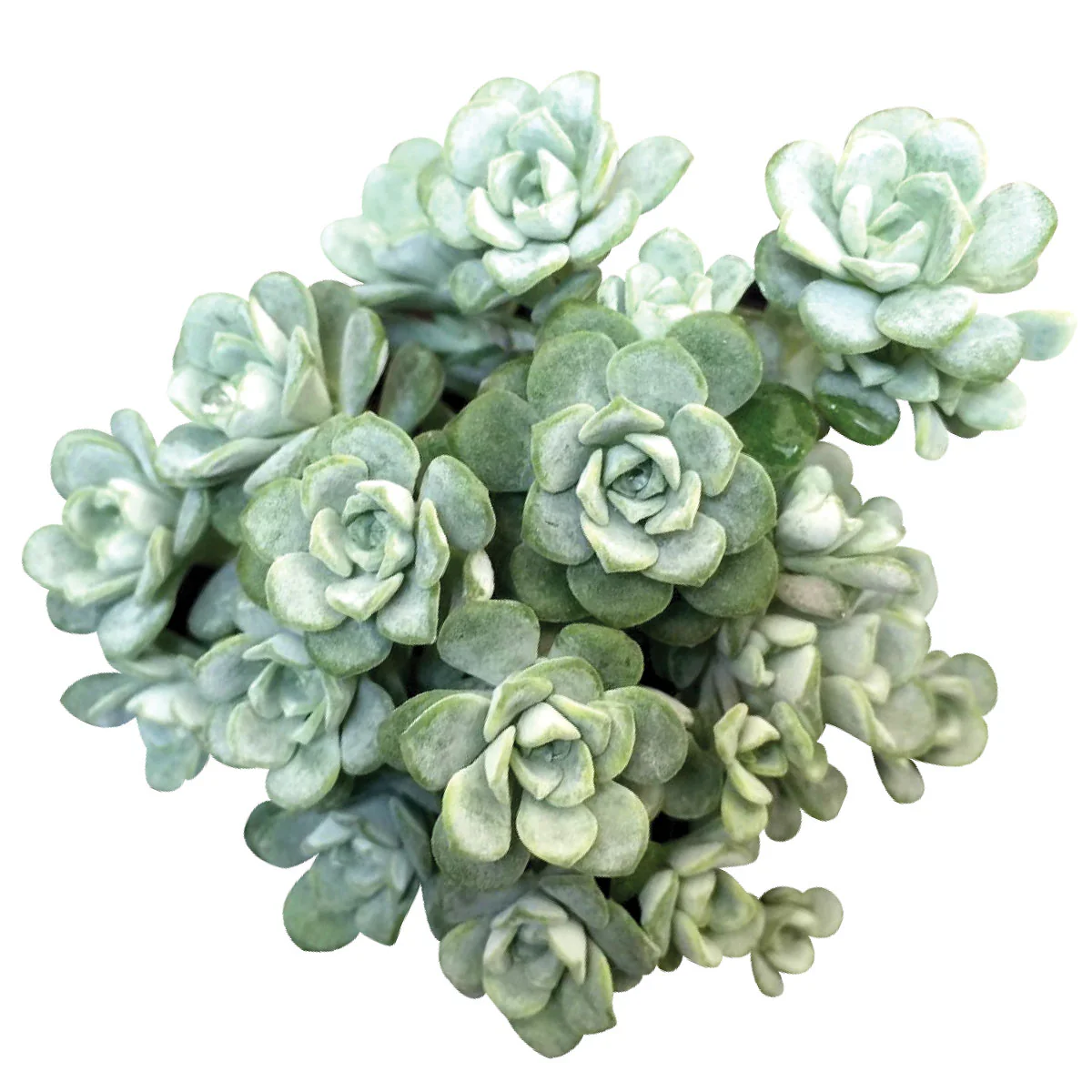
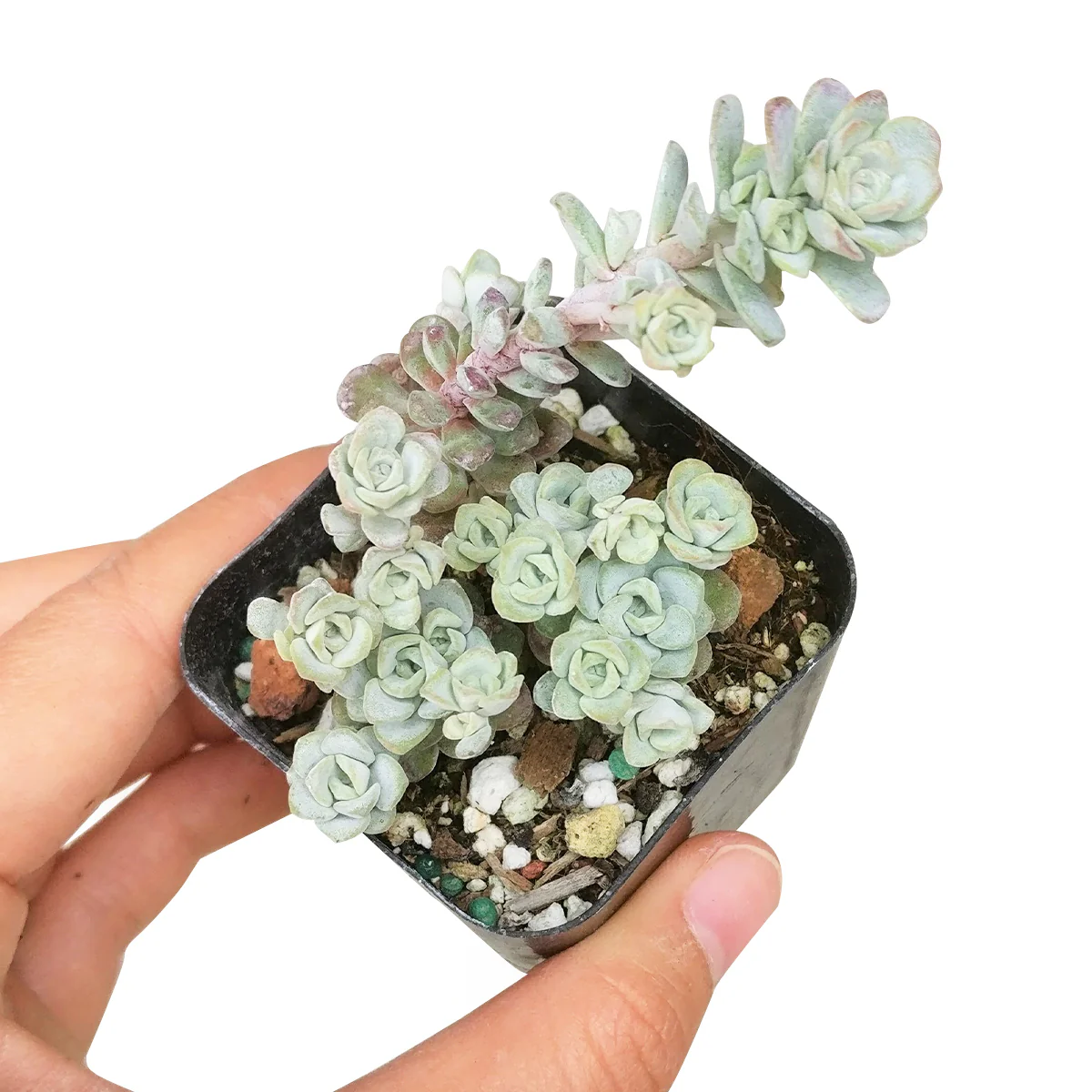
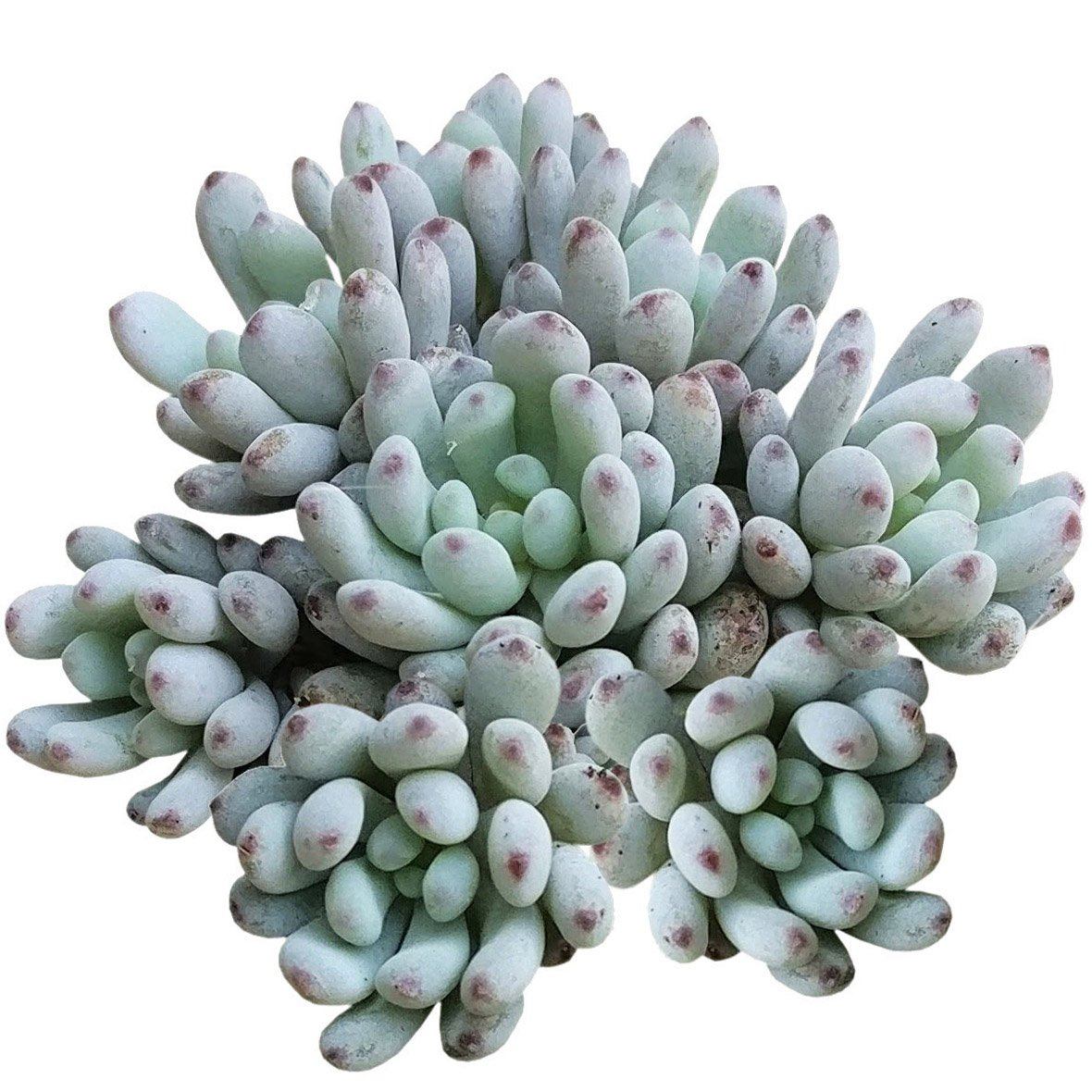
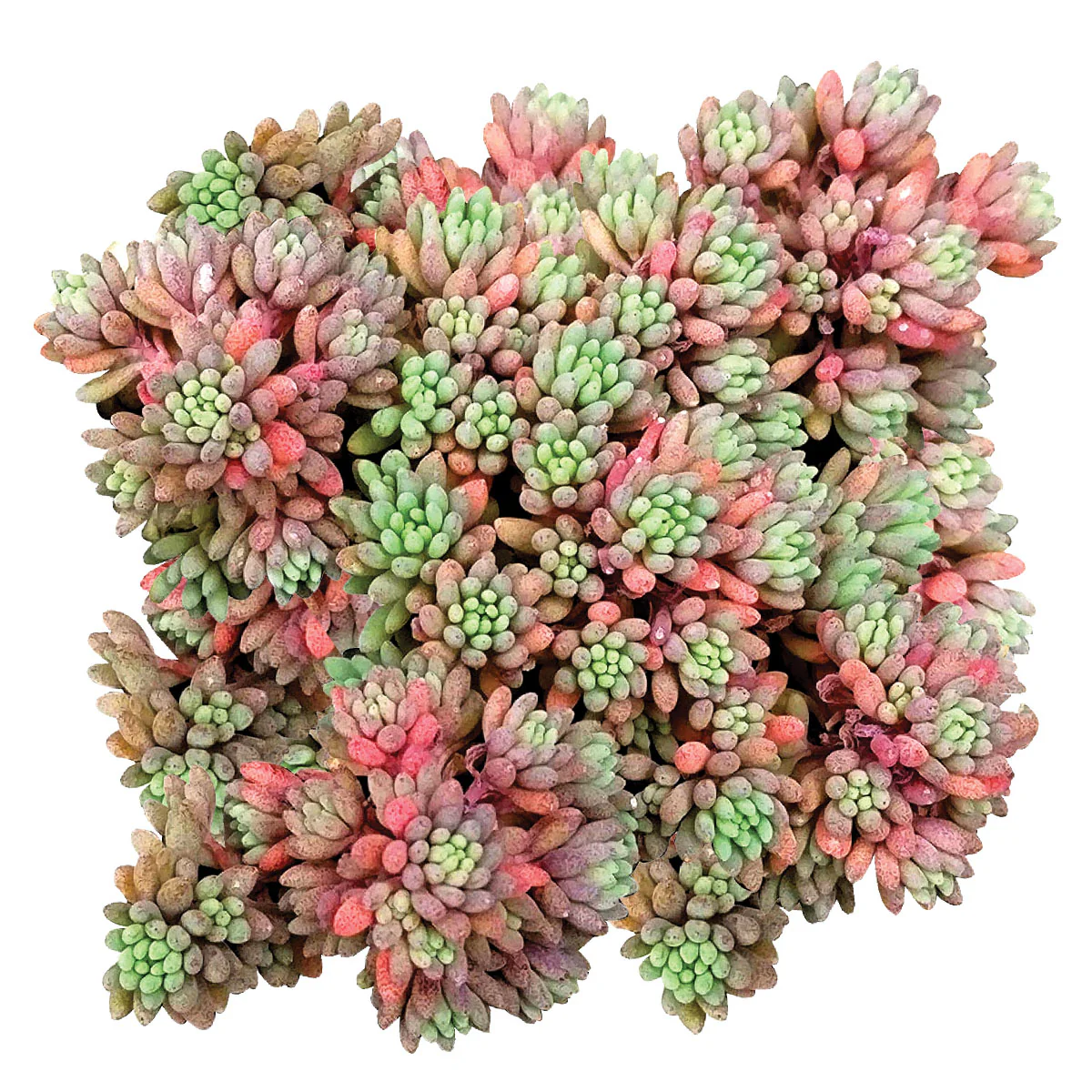
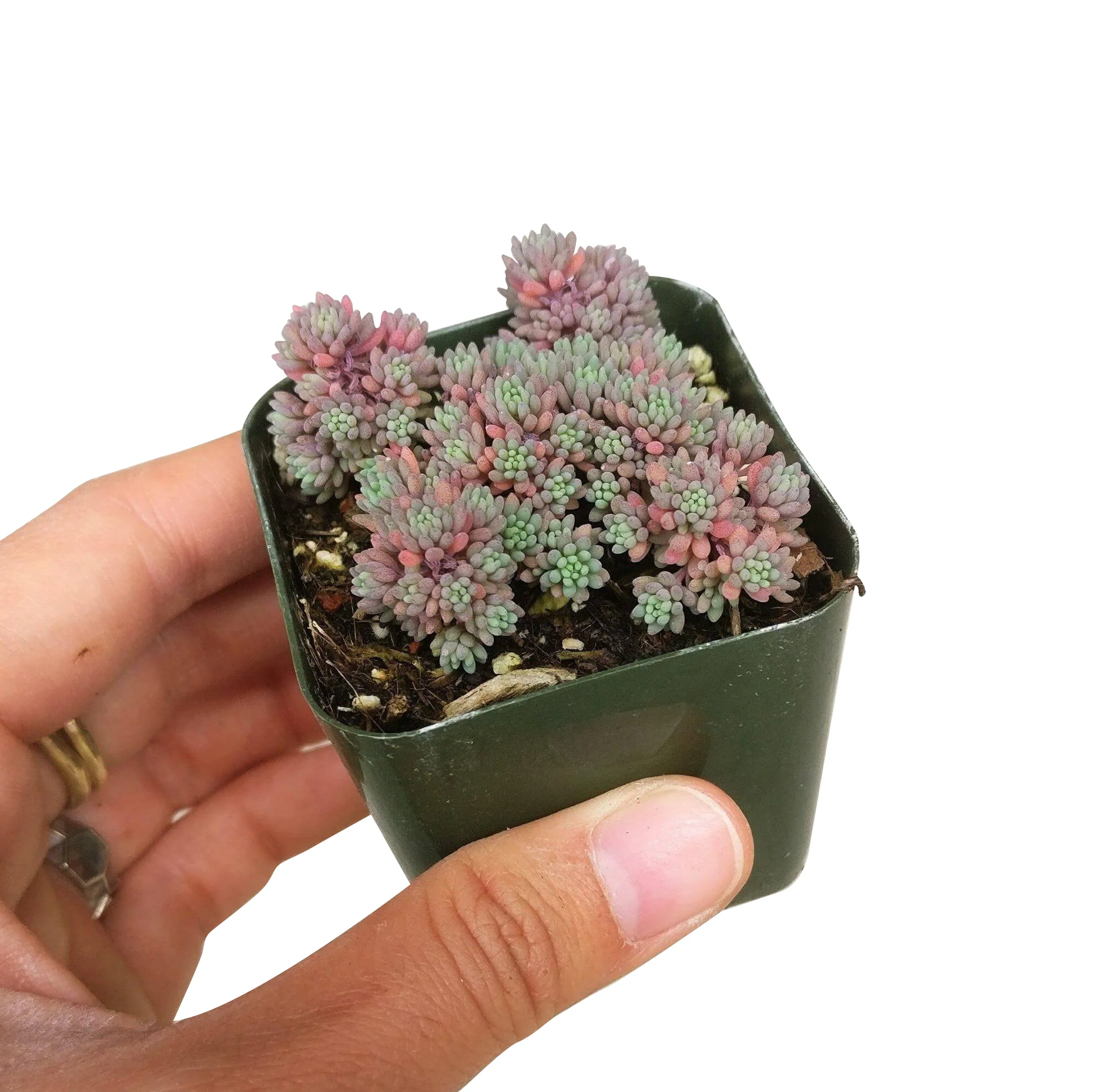
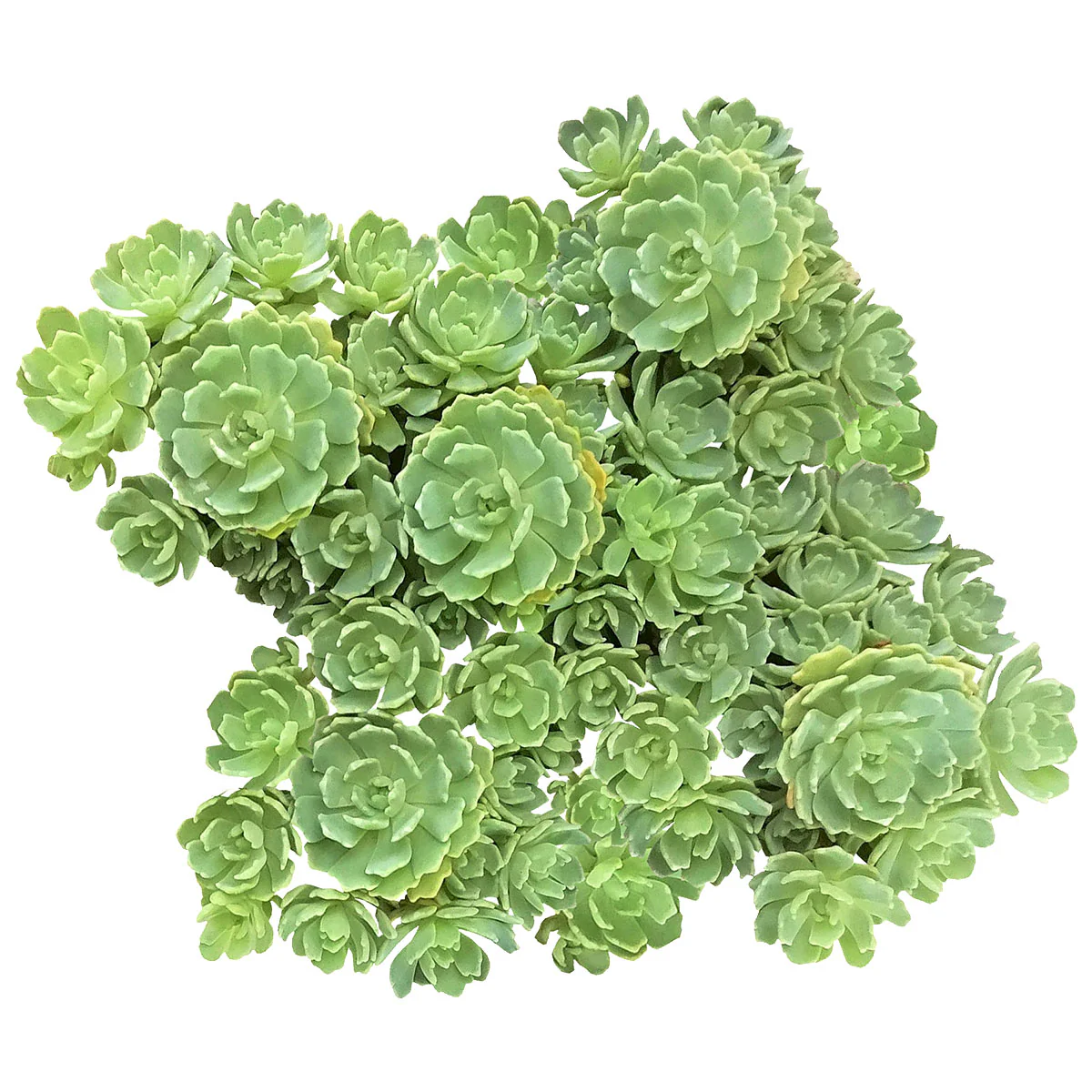
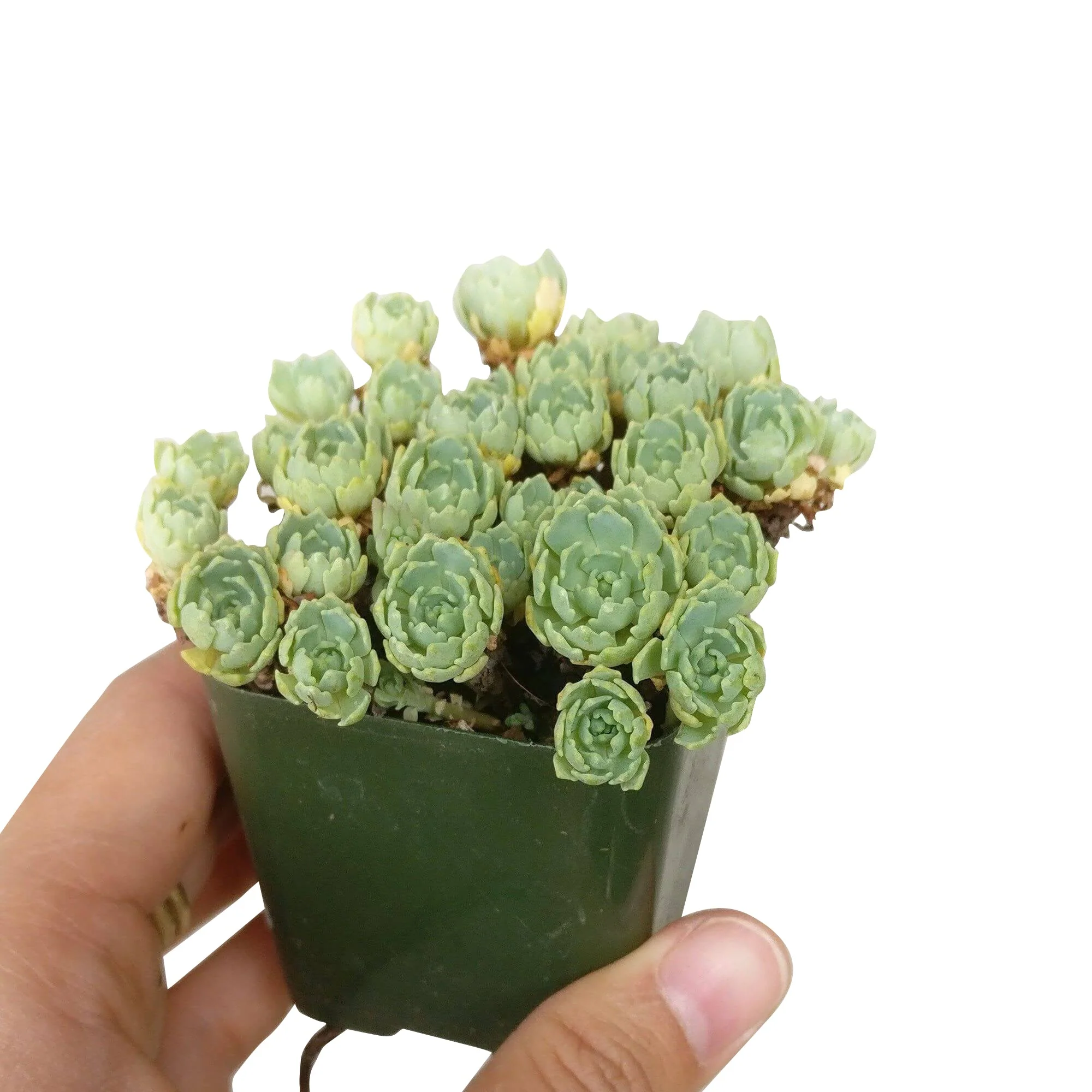
 The Echeveria albicans - Whitening Echeveria forms perfect rosettes of thick, fleshy leaves covered in a powdery white coating called farina. Each rosette succulent displays spoon-shaped leaves with subtle blue-green undertones beneath the silvery surface, creating an almost luminescent quality. The compact growth habit typically reaches 4-6 inches across, making this white succulent ideal for containers and small spaces.
 Echeveria albicans - Whitening Echeveria produces coral-pink to orange bell-shaped flowers on tall arching stems during late winter to early spring. The plant needs a night temperature drop to bloom successfully, making it perfect for homes with natural temperature fluctuations. This pet friendly plant shows clear signs when thirsty by slightly wilting its lower leaves, making care timing easy for beginners.
 This low maintenance succulent thrives both indoors and outdoors, tolerating dry heated air while remaining sensitive to AC and heater drafts. Echeveria albicans - Whitening Echeveria can move outside for summer but needs cover from rain to protect its delicate farina coating. The rosette easily propagates from leaf cuttings or offsets, and this easy care houseplant can survive a 10-day trip alone, making it perfect for busy plant lovers.
-
 Echeveria albicans - Whitening Echeveria thrives in bright indirect light or direct sun but scorches in south windows.
 Water Echeveria albicans - Whitening Echeveria deeply every 10-14 days, allowing soil to dry completely between waterings.
 Echeveria albicans - Whitening Echeveria requires well-draining cactus mix or regular potting soil with added perlite and sand.
 Echeveria albicans - Whitening Echeveria prefers temperatures between 65-75°F (18-24°C) and tolerates brief frost to 25°F (-4°C).
![]() Echeveria albicans - Whitening Echeveria grows slowly and needs diluted cactus fertilizer only once during spring growing season.
Echeveria albicans - Whitening Echeveria grows slowly and needs diluted cactus fertilizer only once during spring growing season.
 Echeveria albicans - Whitening Echeveria grows outdoors year-round in USDA zones 9-11, tolerating temperatures down to 25°F (-4°C). These zones include Florida, southern California, southern Texas, Arizona, Hawaii, Louisiana, southern Georgia, coastal South Carolina, southern Nevada, and parts of coastal Oregon. Indoor cultivation allows gardeners in cooler states like New York, Illinois, Michigan, Colorado, and Washington to successfully grow this drought tolerant plant as a houseplant.
-
Q: Is Echeveria albicans - Whitening Echeveria safe for pets?
A: Yes, this plant is pet friendly and safe around cats and dogs. Echeveria albicans - Whitening Echeveria poses no toxicity risks to household pets.
Q: How often should I water Echeveria albicans - Whitening Echeveria?
A: Water every 10-14 days during growing season, allowing soil to completely dry between waterings. Reduce watering to monthly during winter dormancy.
Q: Can Echeveria albicans - Whitening Echeveria grow in low light conditions?
A: While tolerating some low light, Echeveria albicans - Whitening Echeveria performs best in bright indirect light or direct sun. Insufficient light causes stretching and loss of compact form.
Q: How do I propagate Echeveria albicans - Whitening Echeveria?
A: Remove healthy leaves and let them callus for 24-48 hours before placing on cactus soil. New plants will develop from the leaf base within 2-4 weeks.
Q: What size does Echeveria albicans - Whitening Echeveria reach?
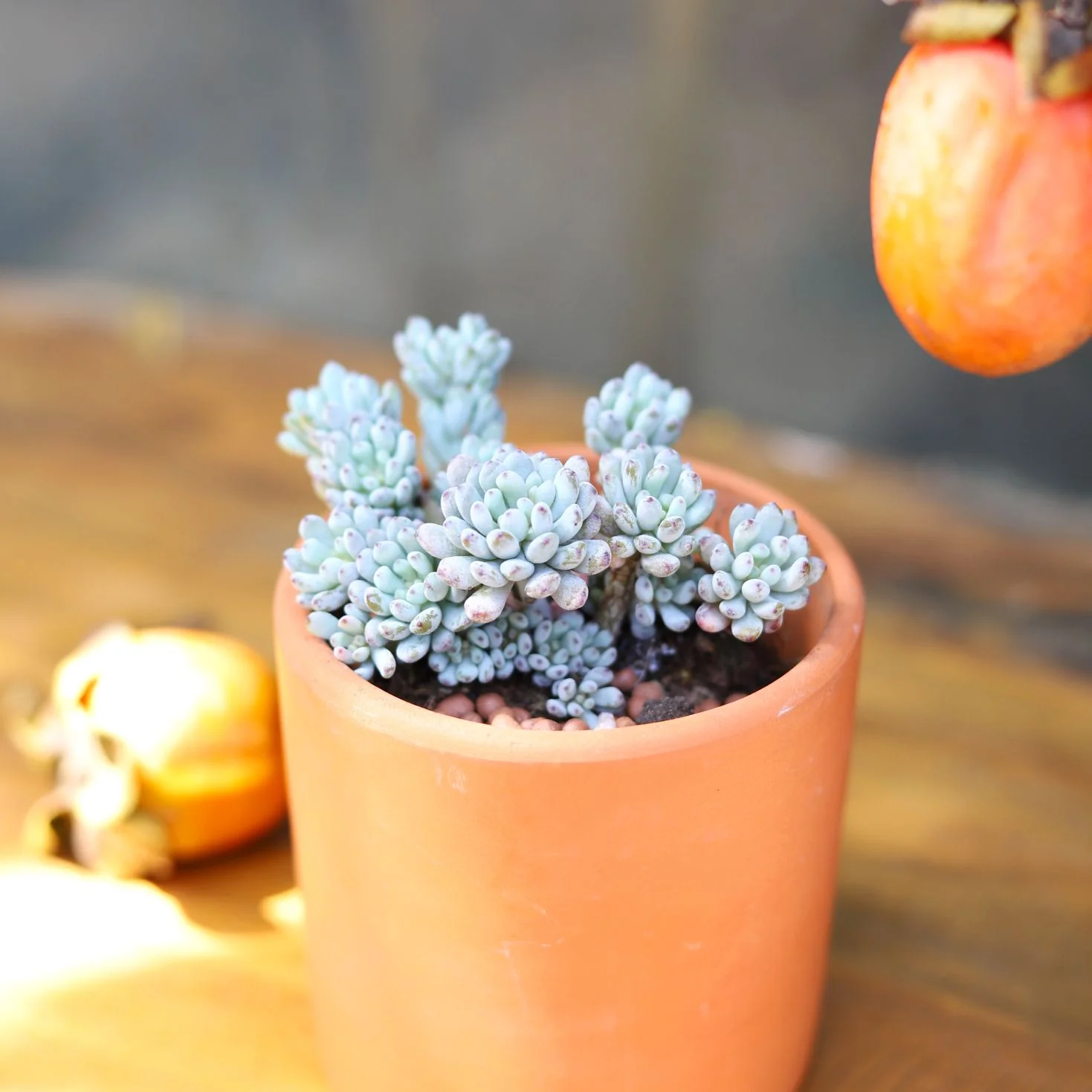
A: Mature plants typically reach 4-6 inches across and 3-4 inches tall. Individual rosettes may produce offsets to form small colonies over time.
Q: Why won't my Echeveria albicans - Whitening Echeveria bloom?
A: This succulent needs night temperature drops of 10-15°F to trigger flowering. Ensure cool nighttime conditions during late fall and winter months.


Original: $8.00
-70%$8.00
$2.40Product Information
Product Information
Shipping & Returns
Shipping & Returns
Description
- Description
- Echeveria albicans - Whitening Echeveria Care Guide
- FAQ/Common Issues
-
![]() Echeveria albicans - Whitening Echeveria is a drought tolerant succulent from the Crassulaceae family, native to Mexico's mountainous regions. This beginner friendly plant has earned its common name "Mexican Snowball" from its distinctive silvery-white appearance that creates stunning contrast in any collection.
Echeveria albicans - Whitening Echeveria is a drought tolerant succulent from the Crassulaceae family, native to Mexico's mountainous regions. This beginner friendly plant has earned its common name "Mexican Snowball" from its distinctive silvery-white appearance that creates stunning contrast in any collection.
The Echeveria albicans - Whitening Echeveria forms perfect rosettes of thick, fleshy leaves covered in a powdery white coating called farina. Each rosette succulent displays spoon-shaped leaves with subtle blue-green undertones beneath the silvery surface, creating an almost luminescent quality. The compact growth habit typically reaches 4-6 inches across, making this white succulent ideal for containers and small spaces.
Echeveria albicans - Whitening Echeveria produces coral-pink to orange bell-shaped flowers on tall arching stems during late winter to early spring. The plant needs a night temperature drop to bloom successfully, making it perfect for homes with natural temperature fluctuations. This pet friendly plant shows clear signs when thirsty by slightly wilting its lower leaves, making care timing easy for beginners.
This low maintenance succulent thrives both indoors and outdoors, tolerating dry heated air while remaining sensitive to AC and heater drafts. Echeveria albicans - Whitening Echeveria can move outside for summer but needs cover from rain to protect its delicate farina coating. The rosette easily propagates from leaf cuttings or offsets, and this easy care houseplant can survive a 10-day trip alone, making it perfect for busy plant lovers.
-
Echeveria albicans - Whitening Echeveria thrives in bright indirect light or direct sun but scorches in south windows.
Water Echeveria albicans - Whitening Echeveria deeply every 10-14 days, allowing soil to dry completely between waterings.
Echeveria albicans - Whitening Echeveria requires well-draining cactus mix or regular potting soil with added perlite and sand.
Echeveria albicans - Whitening Echeveria prefers temperatures between 65-75°F (18-24°C) and tolerates brief frost to 25°F (-4°C).
![]() Echeveria albicans - Whitening Echeveria grows slowly and needs diluted cactus fertilizer only once during spring growing season.
Echeveria albicans - Whitening Echeveria grows slowly and needs diluted cactus fertilizer only once during spring growing season.
Echeveria albicans - Whitening Echeveria grows outdoors year-round in USDA zones 9-11, tolerating temperatures down to 25°F (-4°C). These zones include Florida, southern California, southern Texas, Arizona, Hawaii, Louisiana, southern Georgia, coastal South Carolina, southern Nevada, and parts of coastal Oregon. Indoor cultivation allows gardeners in cooler states like New York, Illinois, Michigan, Colorado, and Washington to successfully grow this drought tolerant plant as a houseplant.
-
Q: Is Echeveria albicans - Whitening Echeveria safe for pets?
A: Yes, this plant is pet friendly and safe around cats and dogs. Echeveria albicans - Whitening Echeveria poses no toxicity risks to household pets.
Q: How often should I water Echeveria albicans - Whitening Echeveria?
A: Water every 10-14 days during growing season, allowing soil to completely dry between waterings. Reduce watering to monthly during winter dormancy.
Q: Can Echeveria albicans - Whitening Echeveria grow in low light conditions?
A: While tolerating some low light, Echeveria albicans - Whitening Echeveria performs best in bright indirect light or direct sun. Insufficient light causes stretching and loss of compact form.
Q: How do I propagate Echeveria albicans - Whitening Echeveria?
A: Remove healthy leaves and let them callus for 24-48 hours before placing on cactus soil. New plants will develop from the leaf base within 2-4 weeks.
Q: What size does Echeveria albicans - Whitening Echeveria reach?
A: Mature plants typically reach 4-6 inches across and 3-4 inches tall. Individual rosettes may produce offsets to form small colonies over time.
Q: Why won't my Echeveria albicans - Whitening Echeveria bloom?
A: This succulent needs night temperature drops of 10-15°F to trigger flowering. Ensure cool nighttime conditions during late fall and winter months.