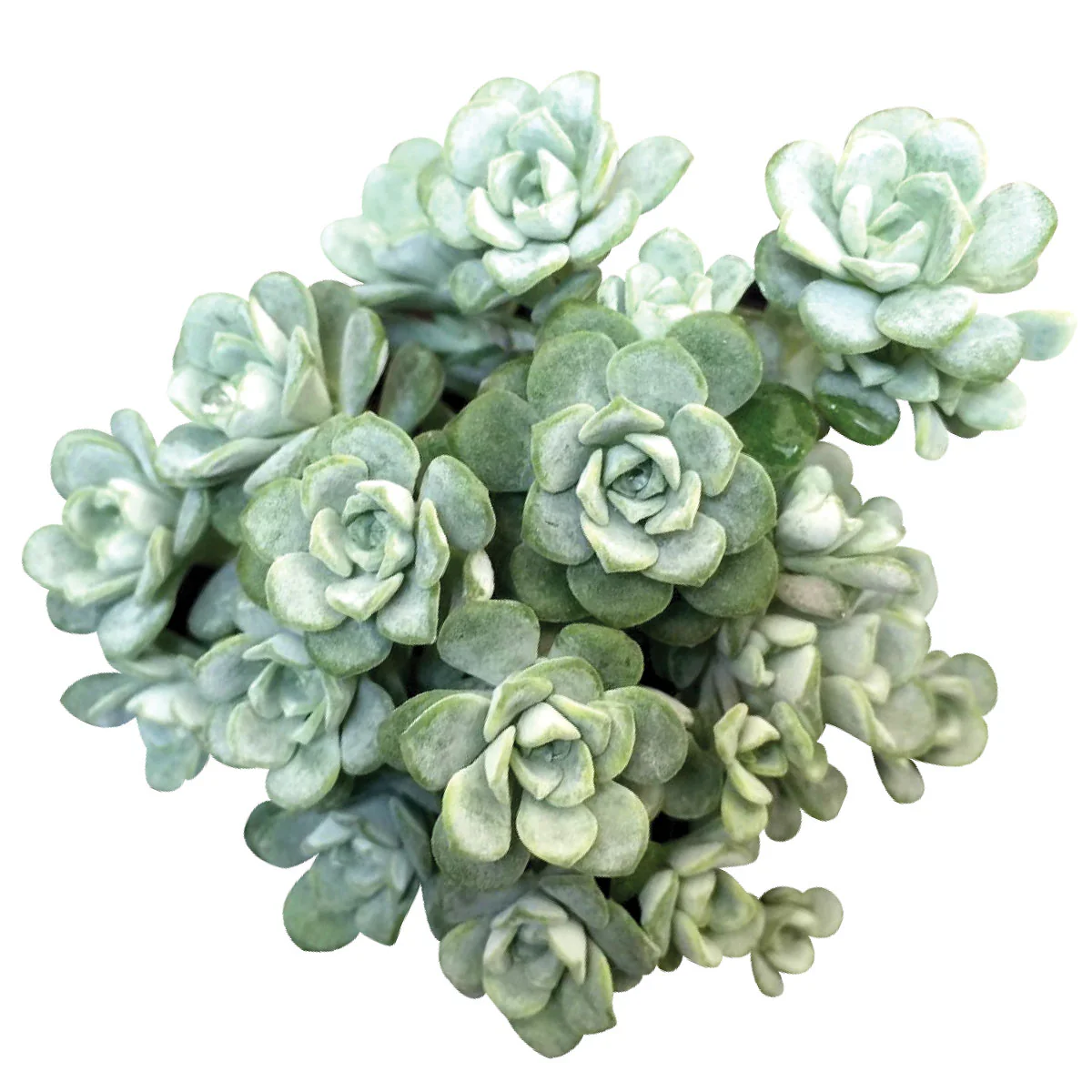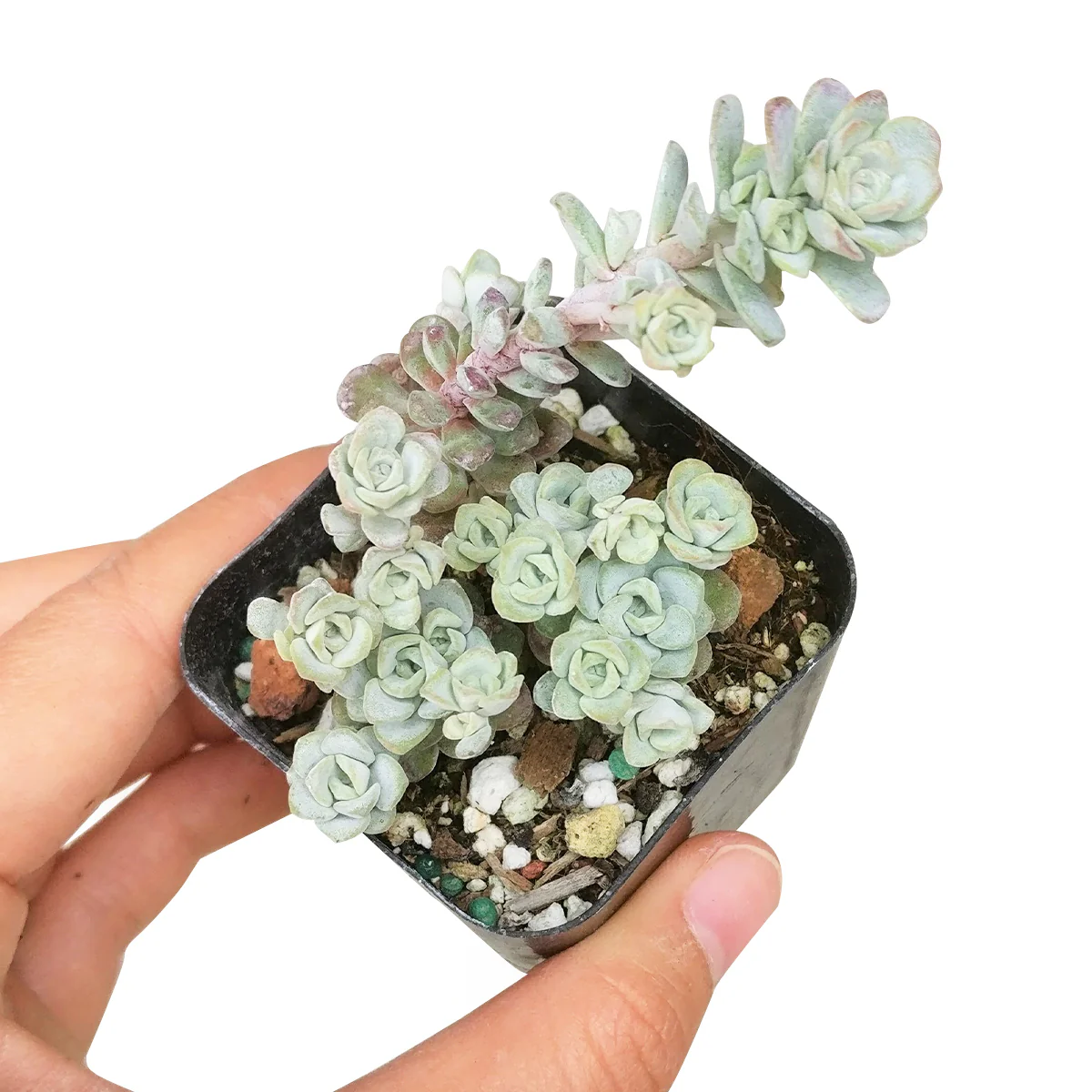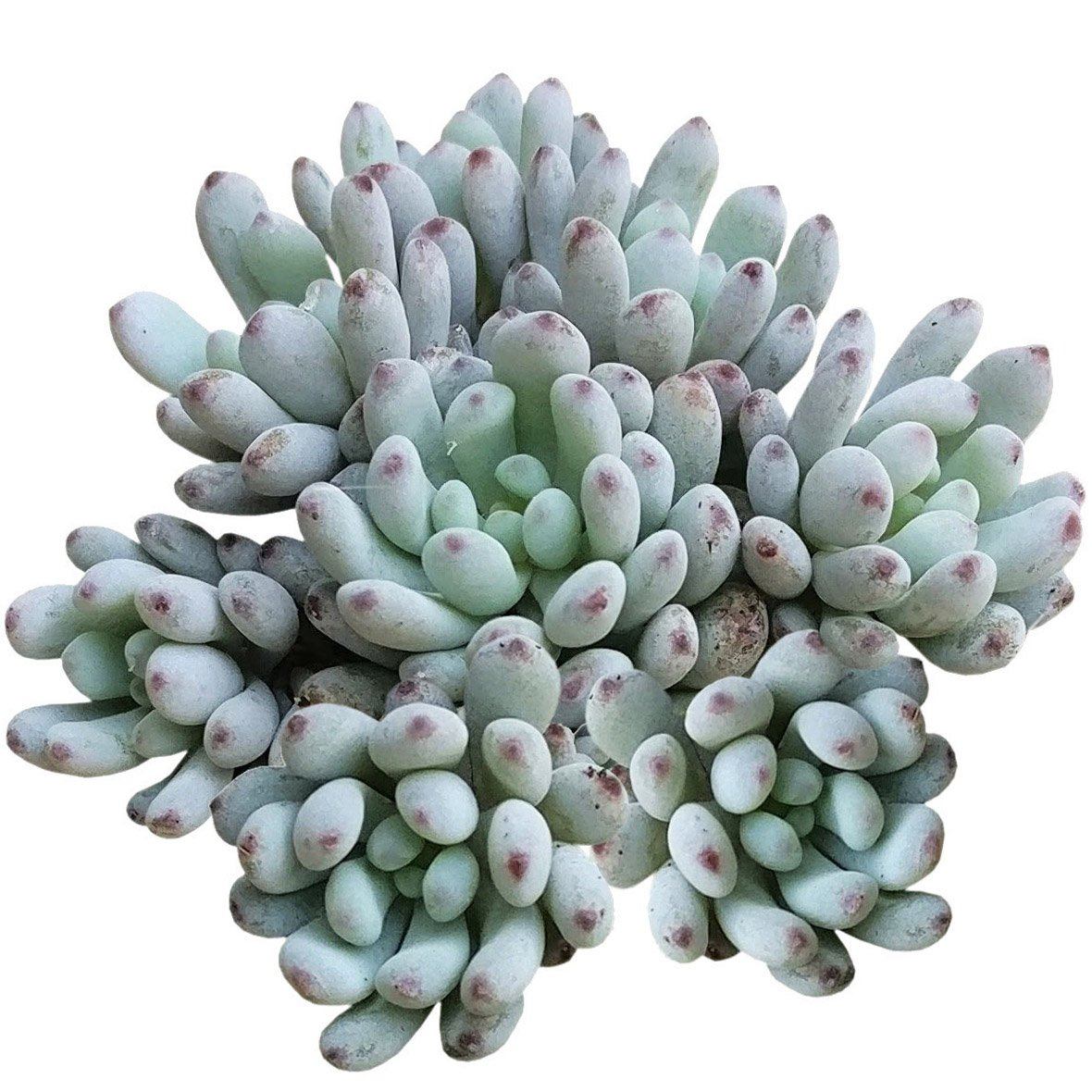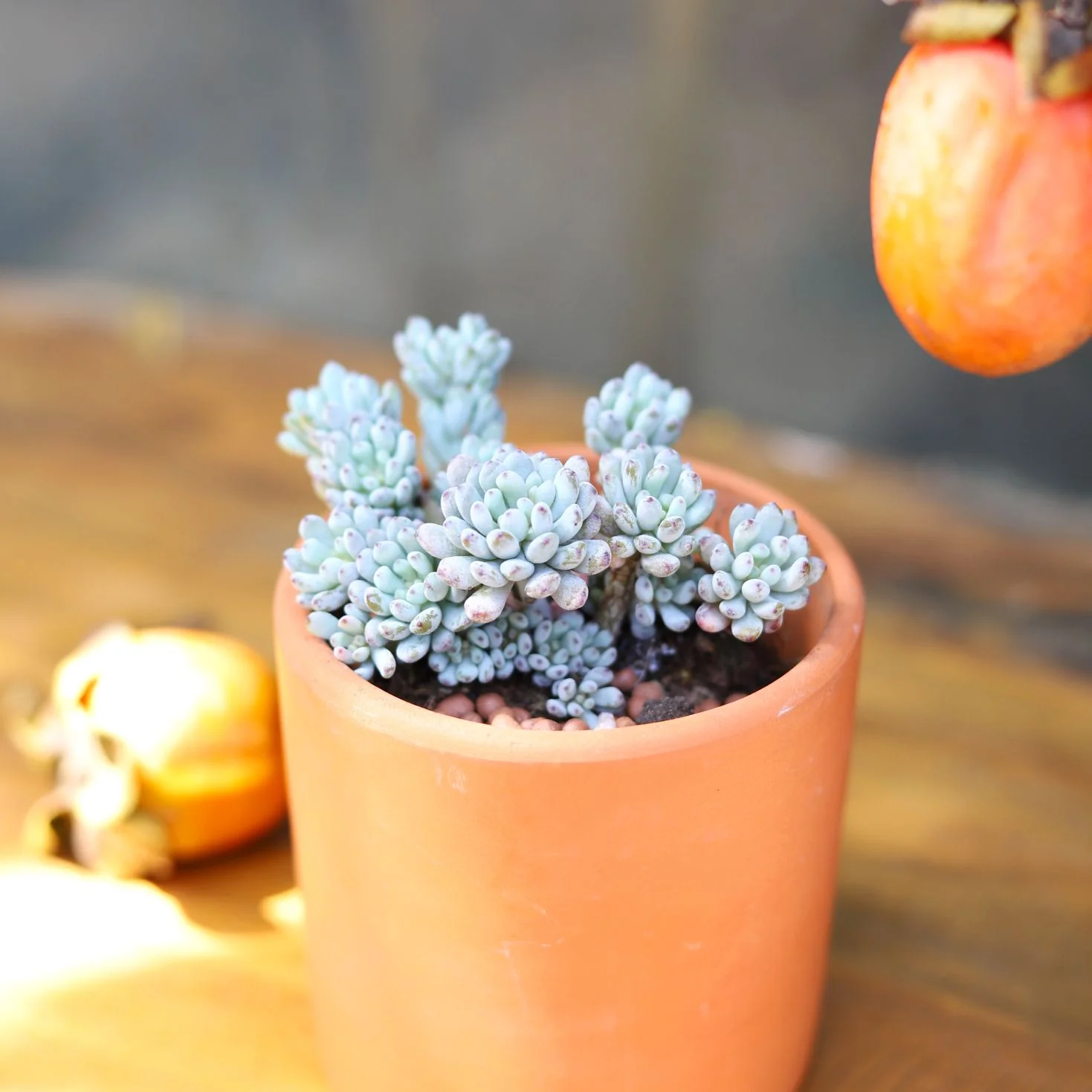
Echeveria Agavoides Christmas
- Description
- Echeveria Agavoides Christmas Care Guide
- FAQ/Common Issues
-
![]() Echeveria Agavoides Christmas is a striking rosette succulent in the Crassulaceae family, native to rocky, semi-arid regions of Mexico. Like other agavoides types, it evolved in bright, dry conditions, making it naturally tough, drought tolerant, and wonderfully low-maintenance for growers at any level.
Echeveria Agavoides Christmas is a striking rosette succulent in the Crassulaceae family, native to rocky, semi-arid regions of Mexico. Like other agavoides types, it evolved in bright, dry conditions, making it naturally tough, drought tolerant, and wonderfully low-maintenance for growers at any level.
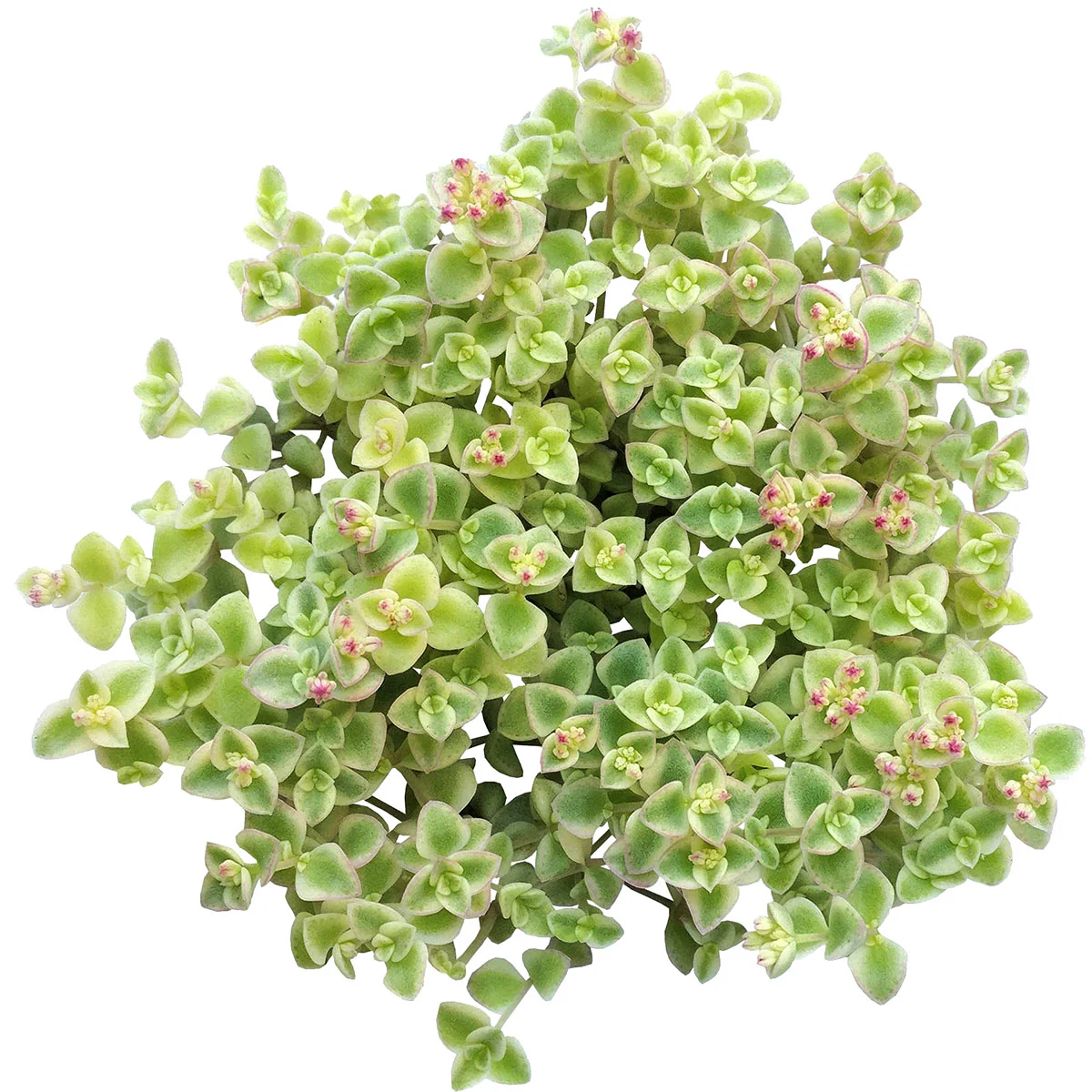
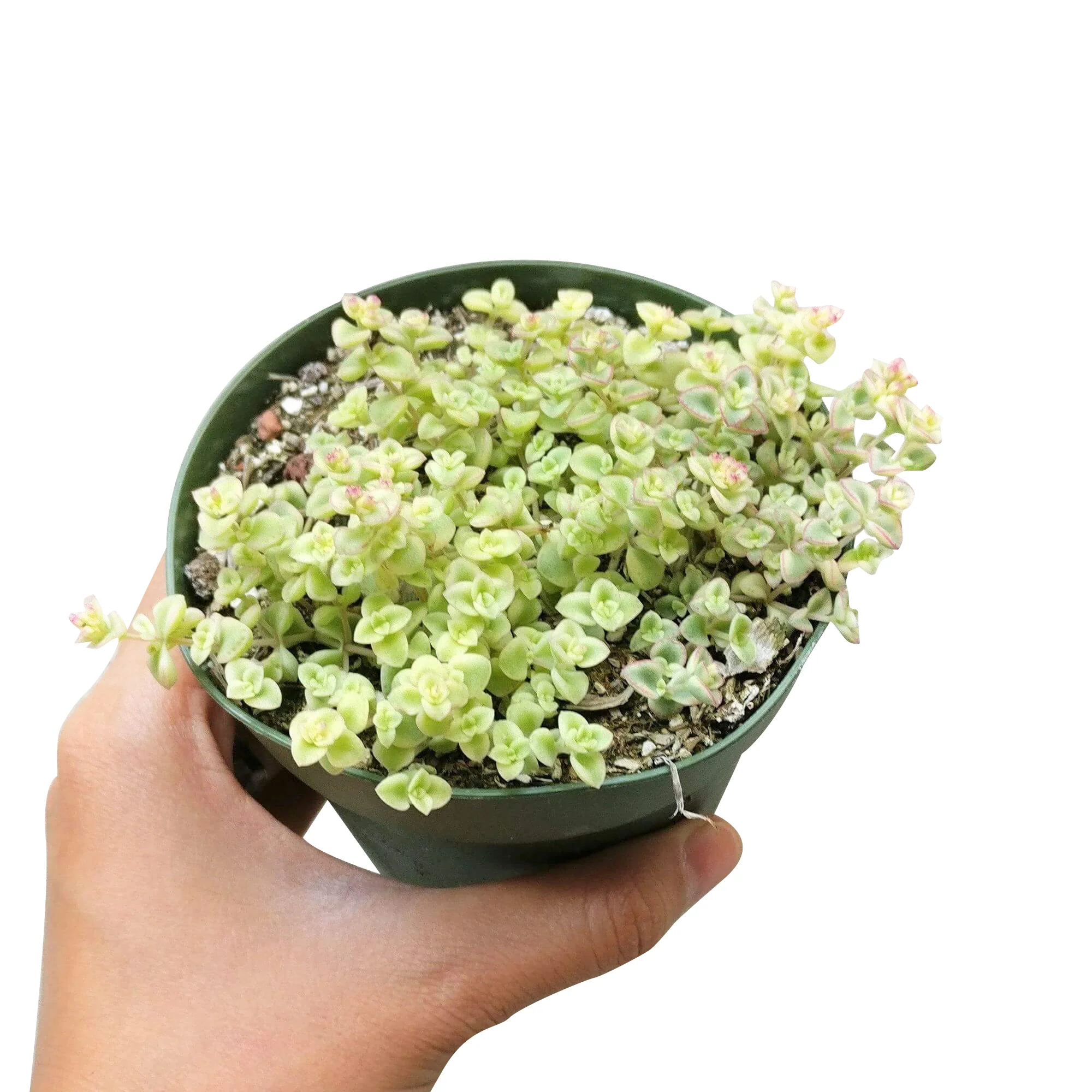
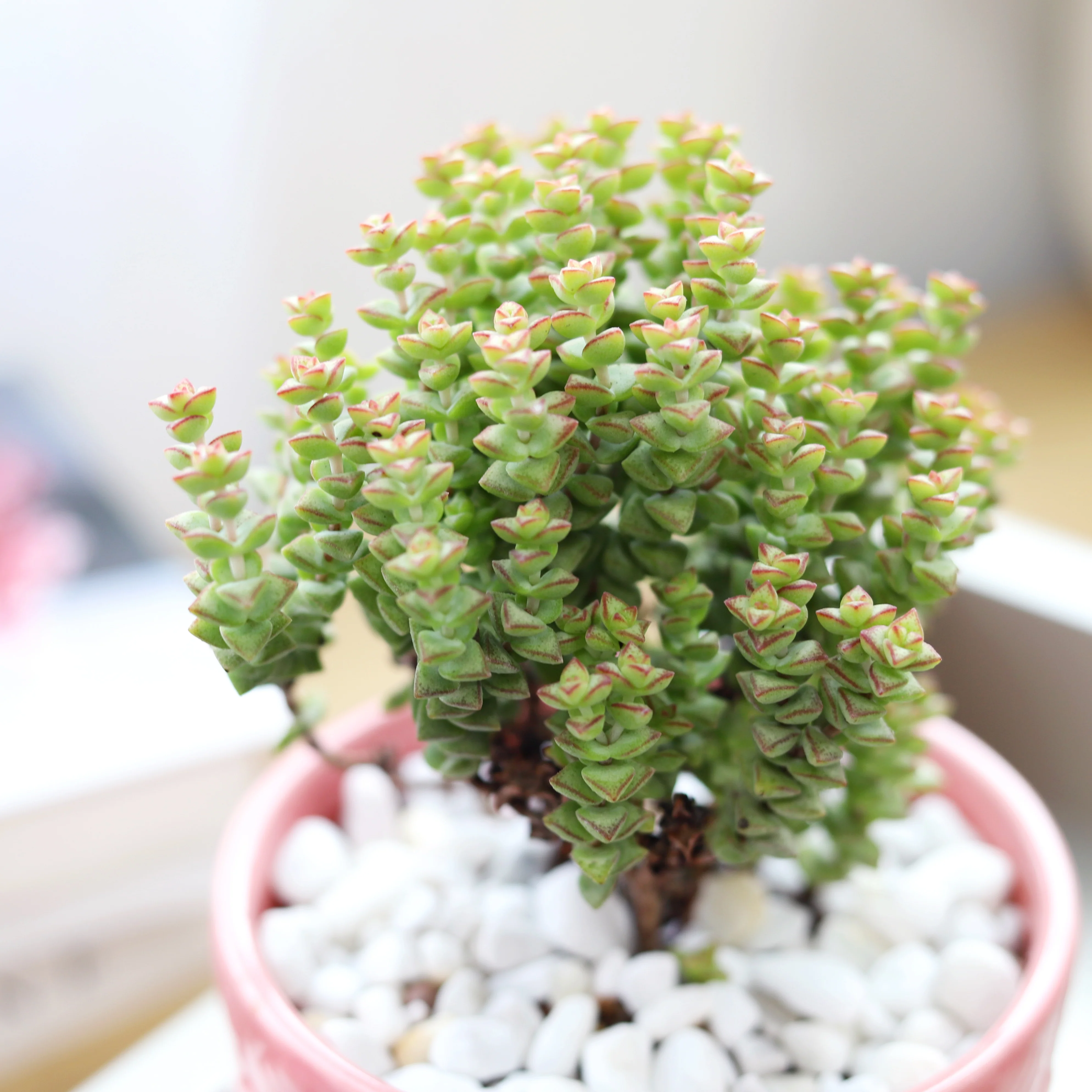
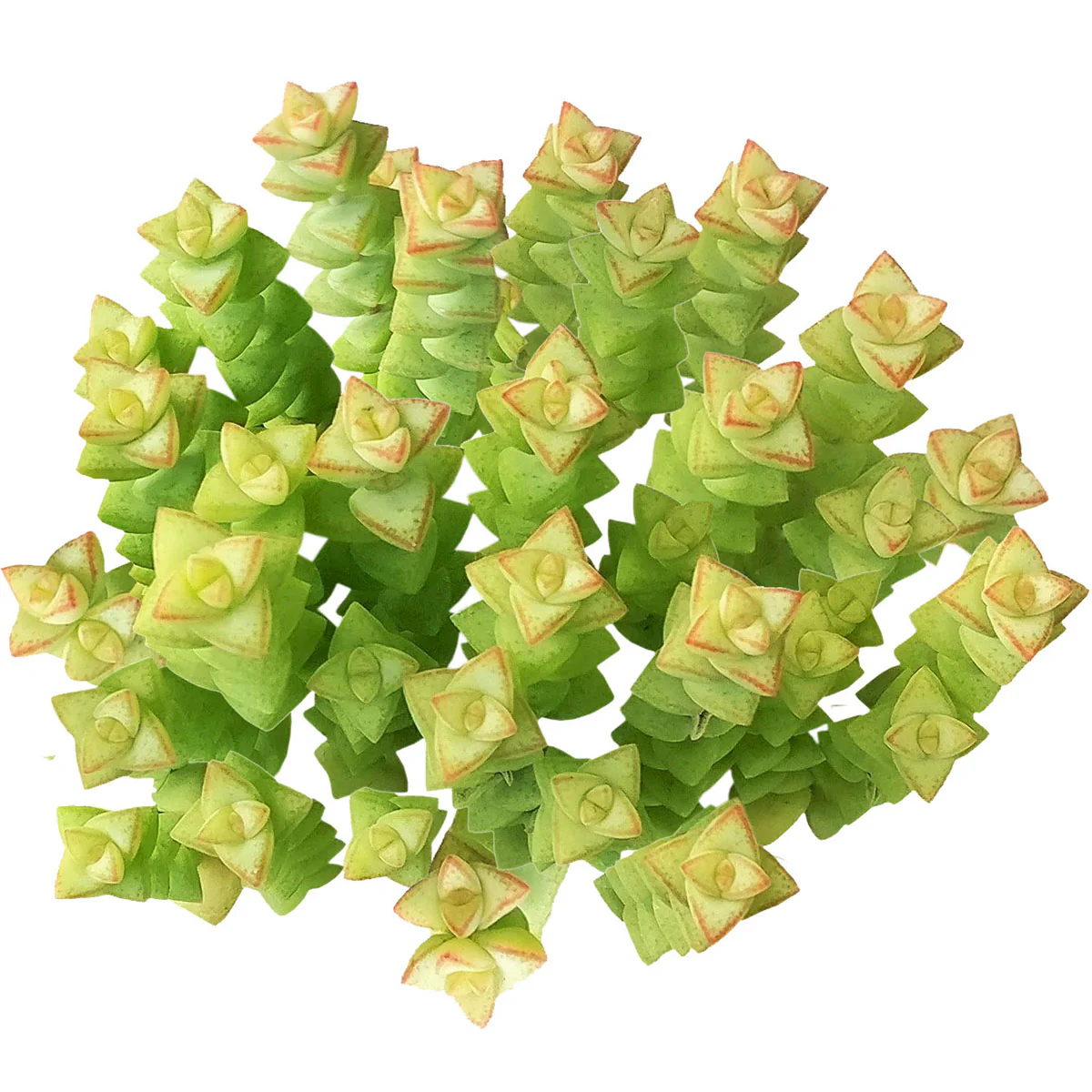
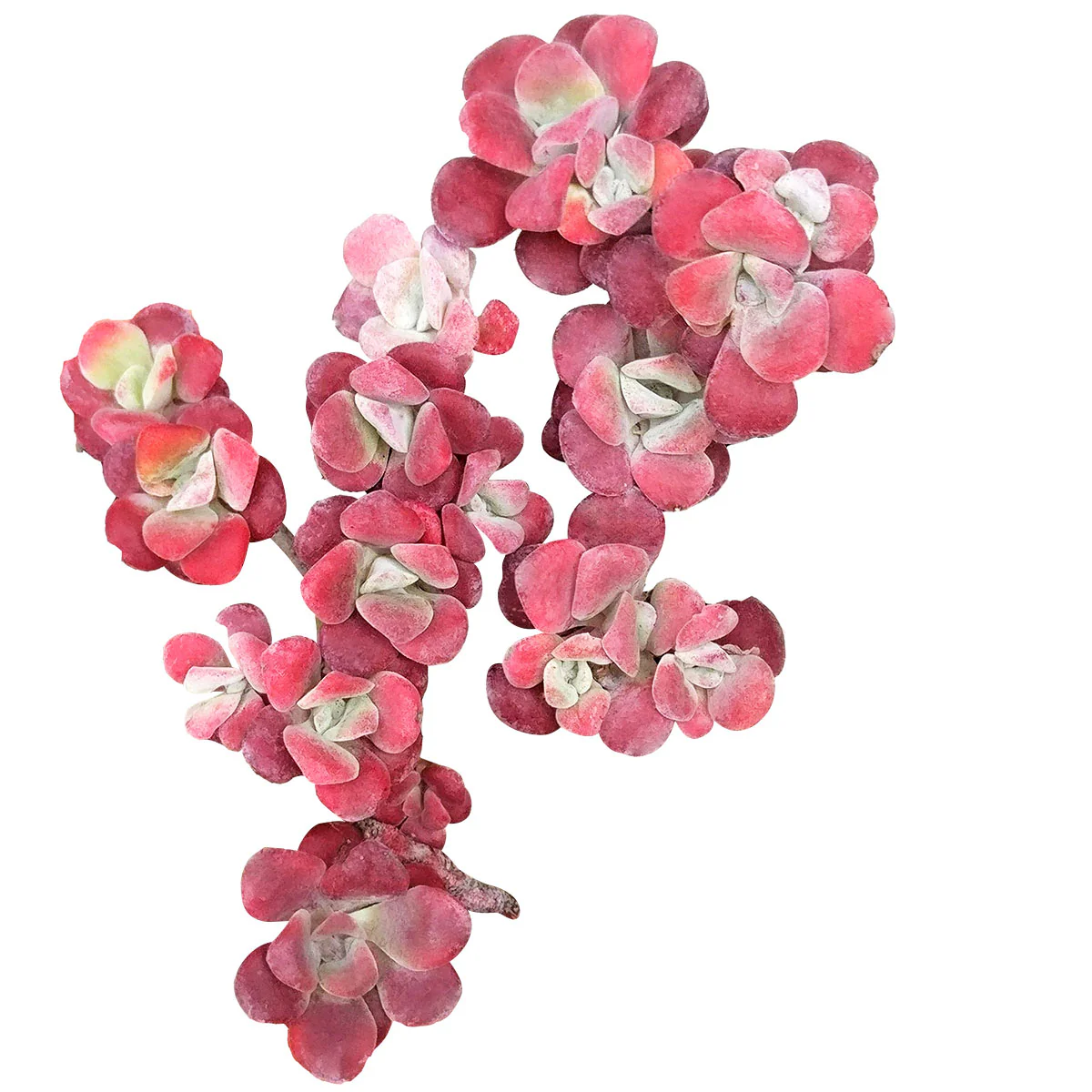
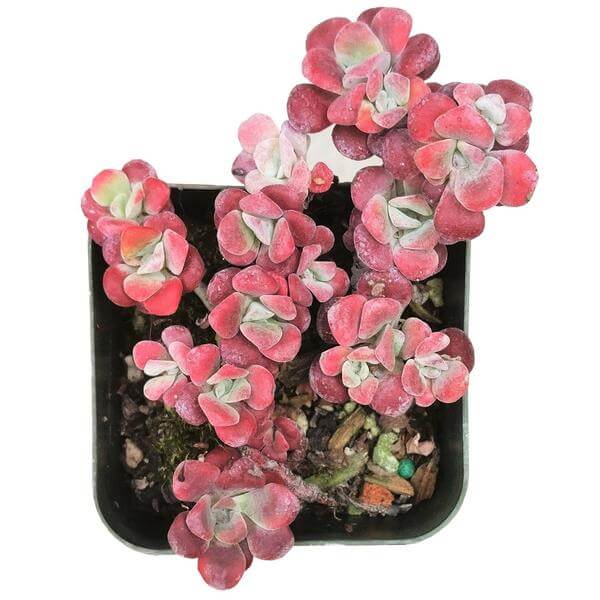
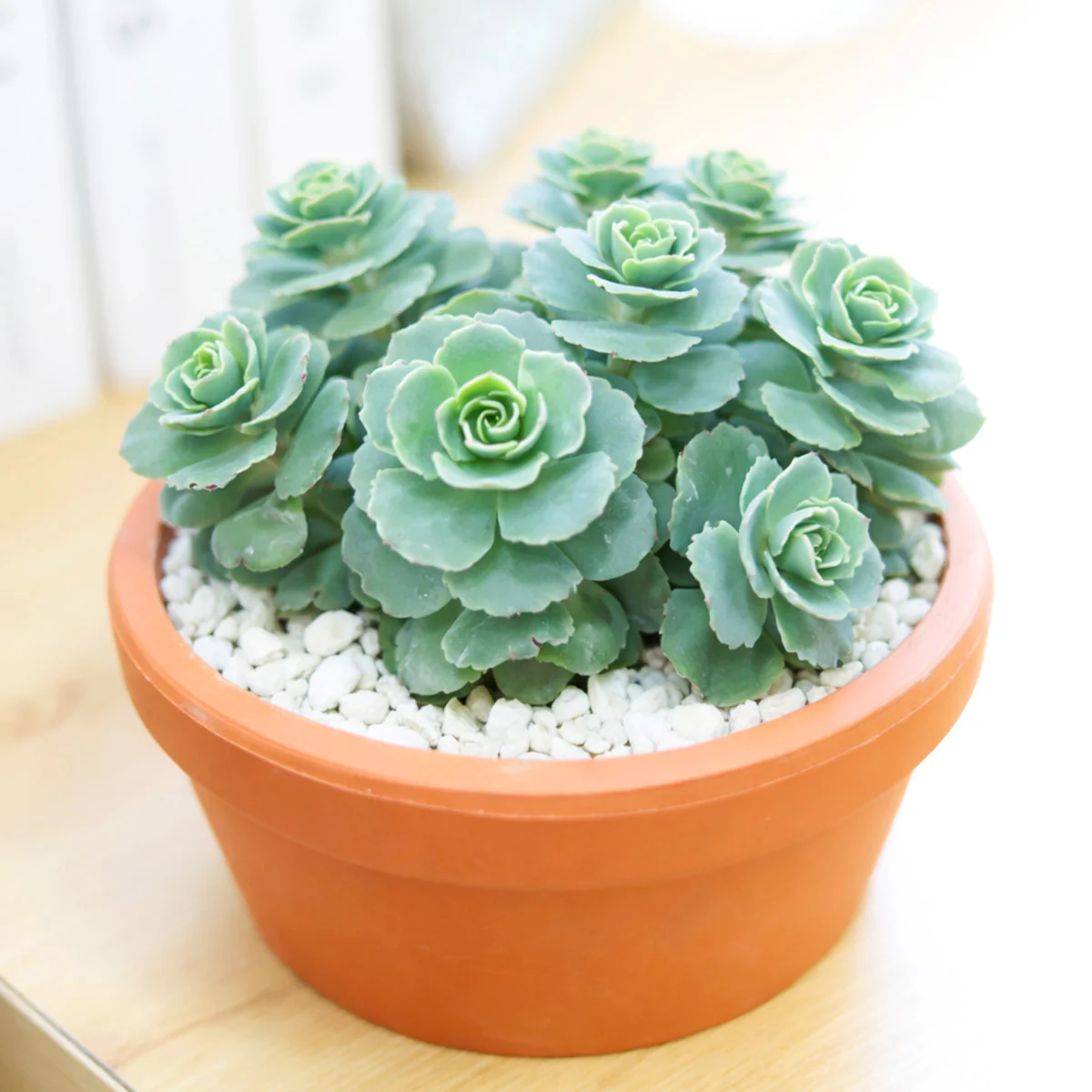
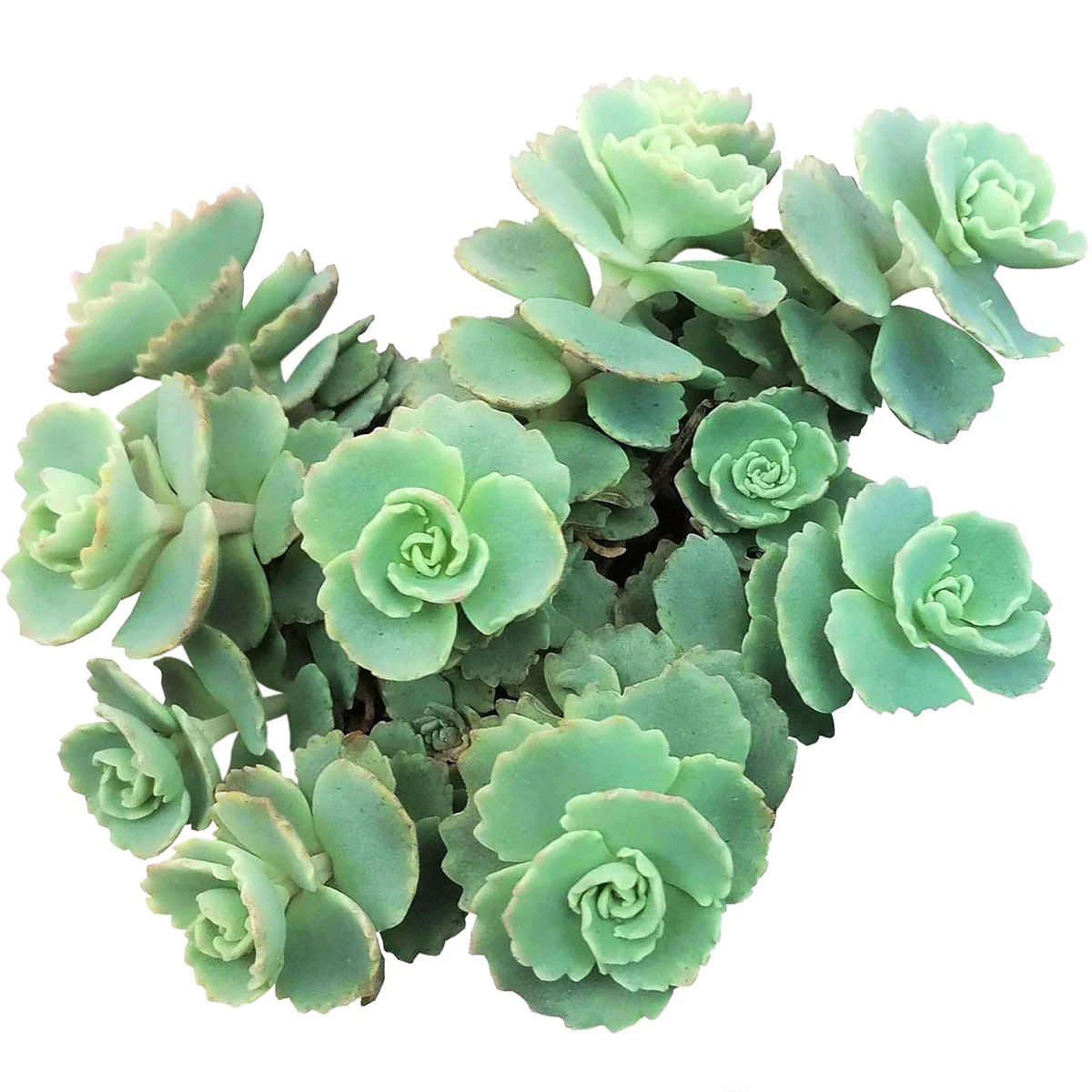
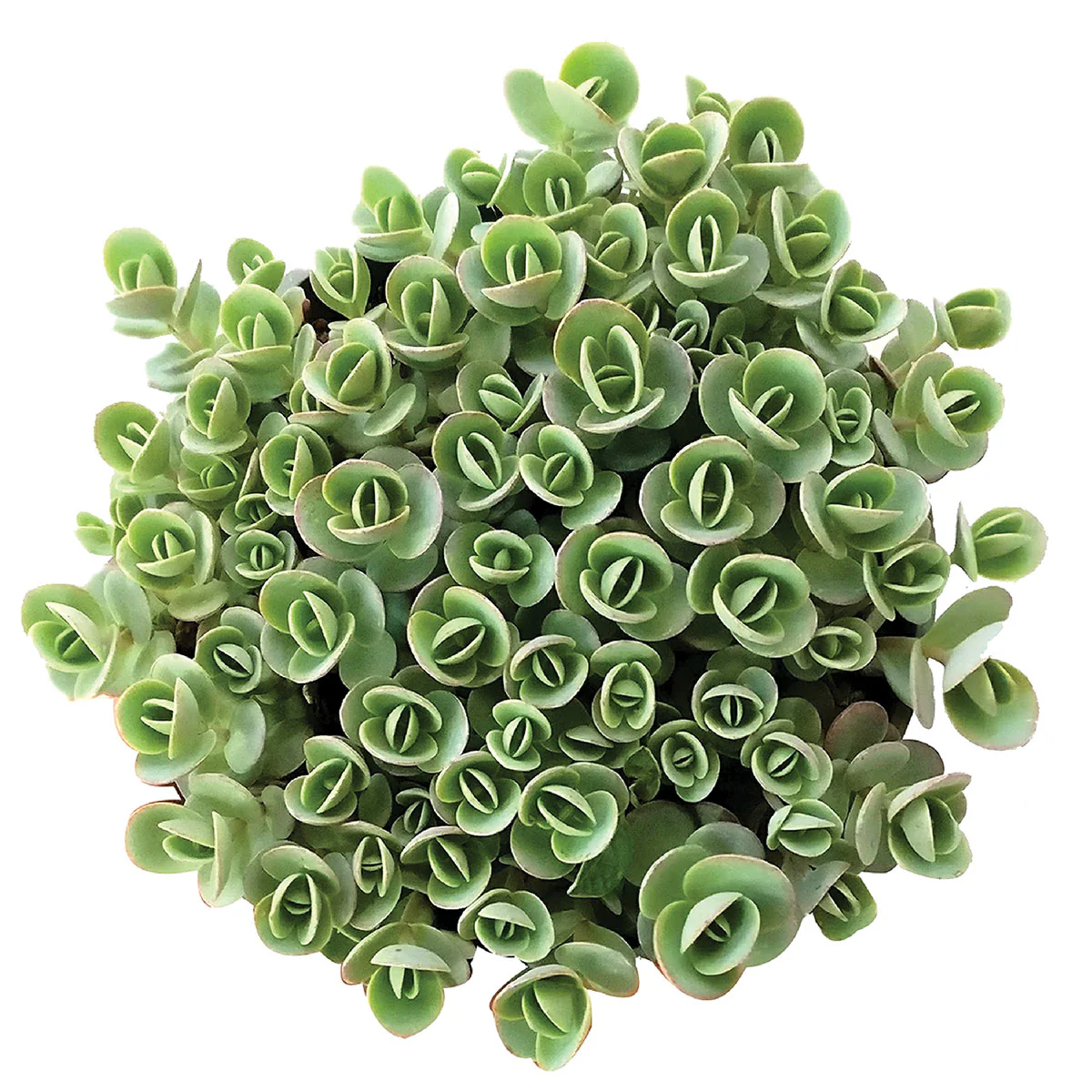
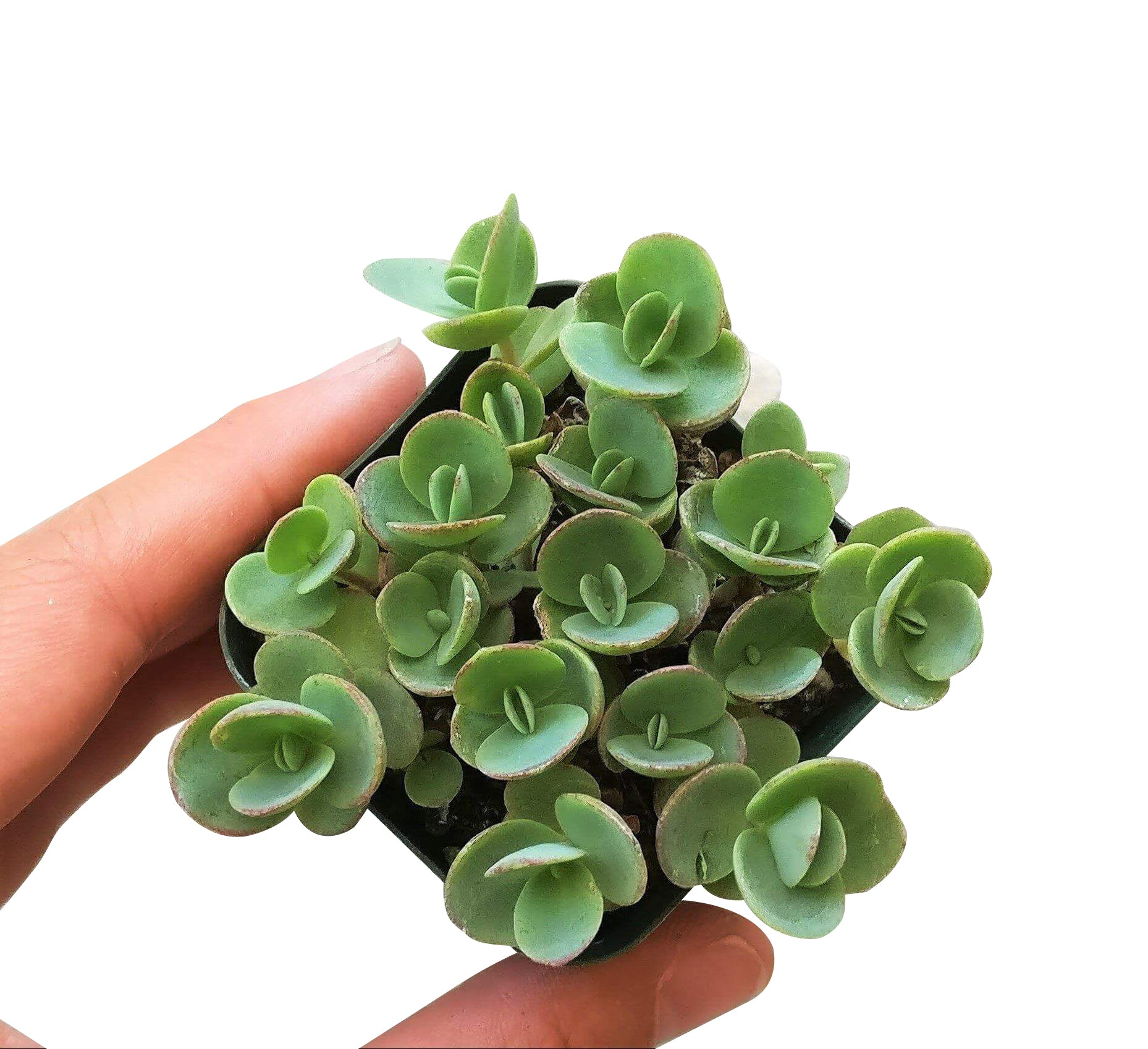
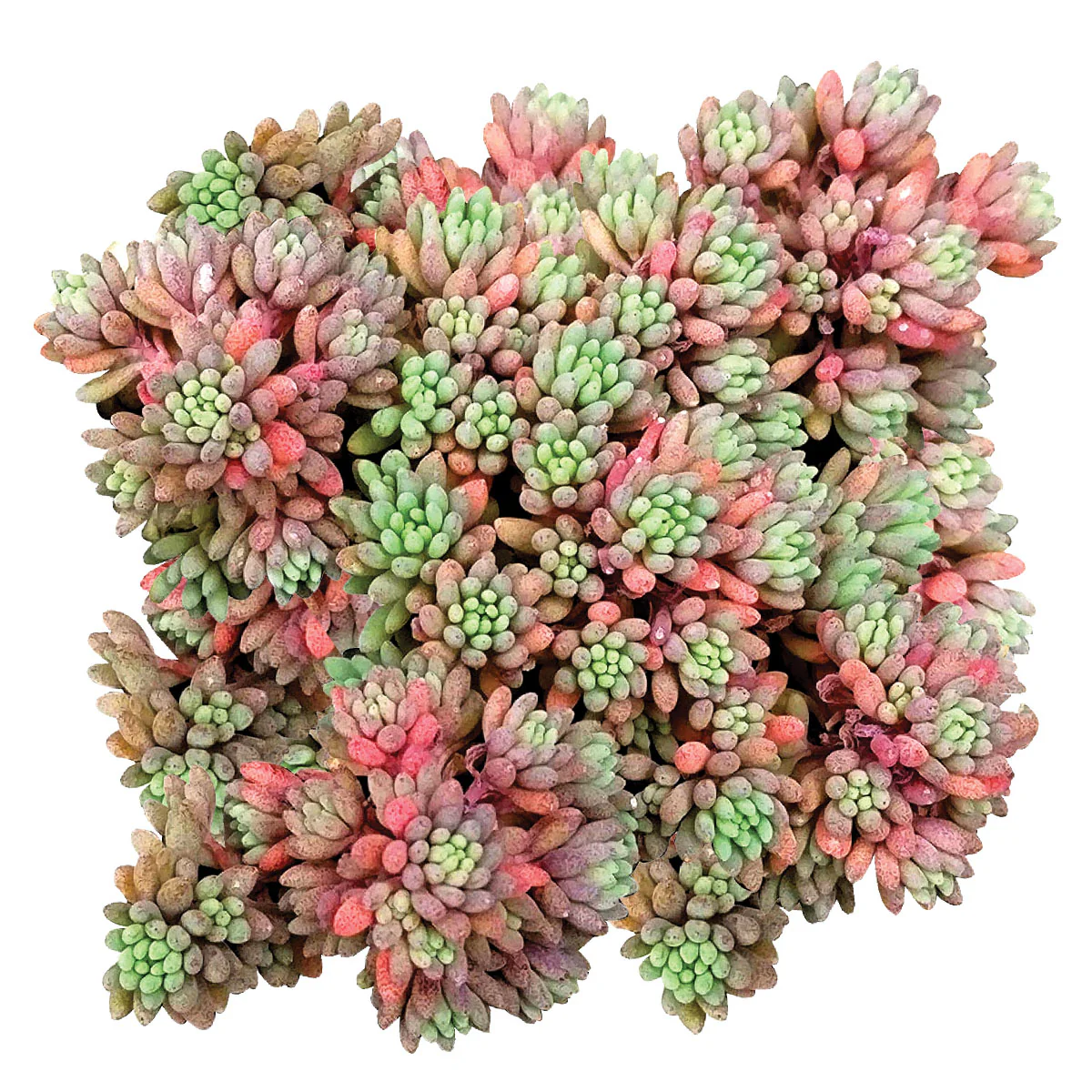
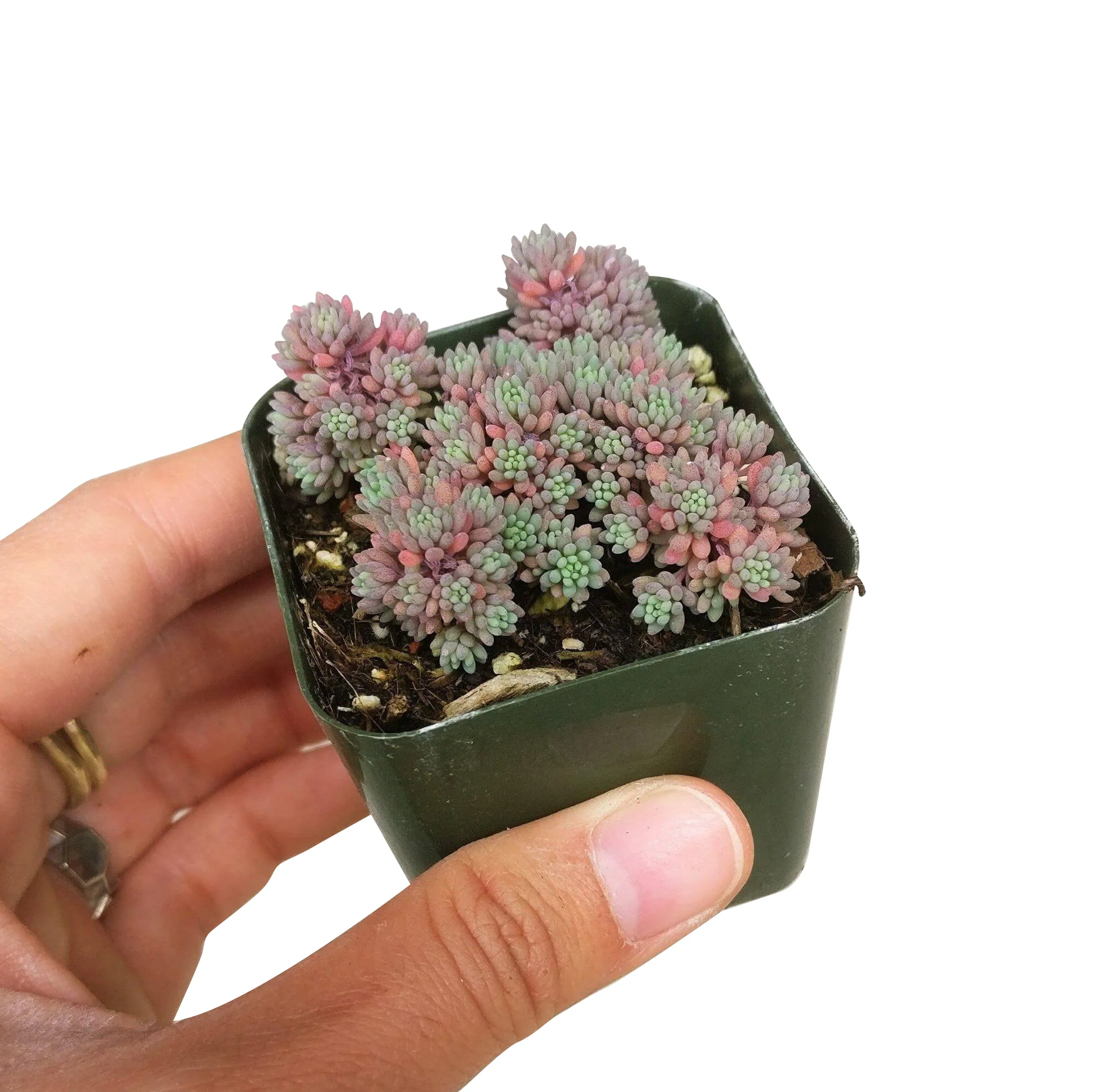
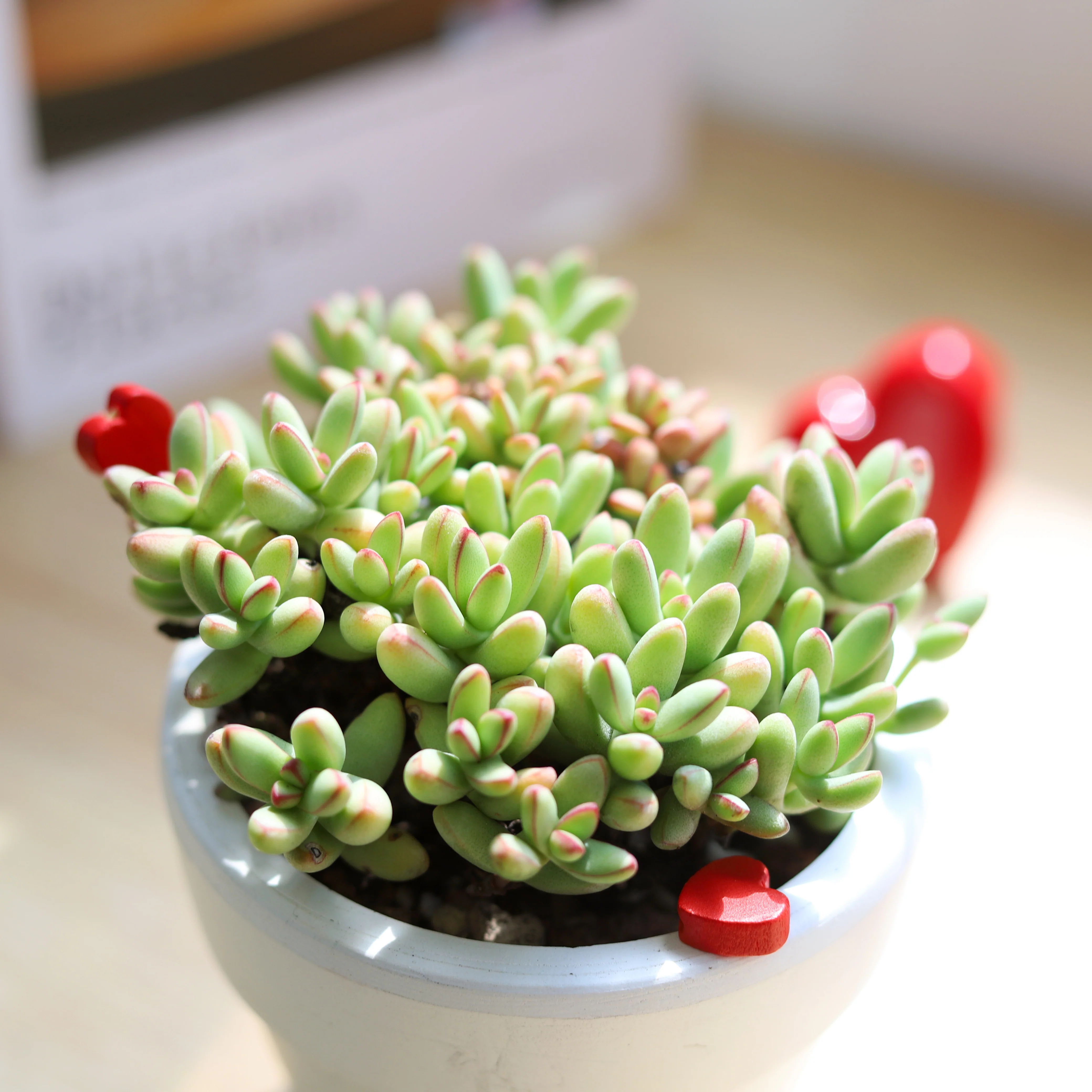
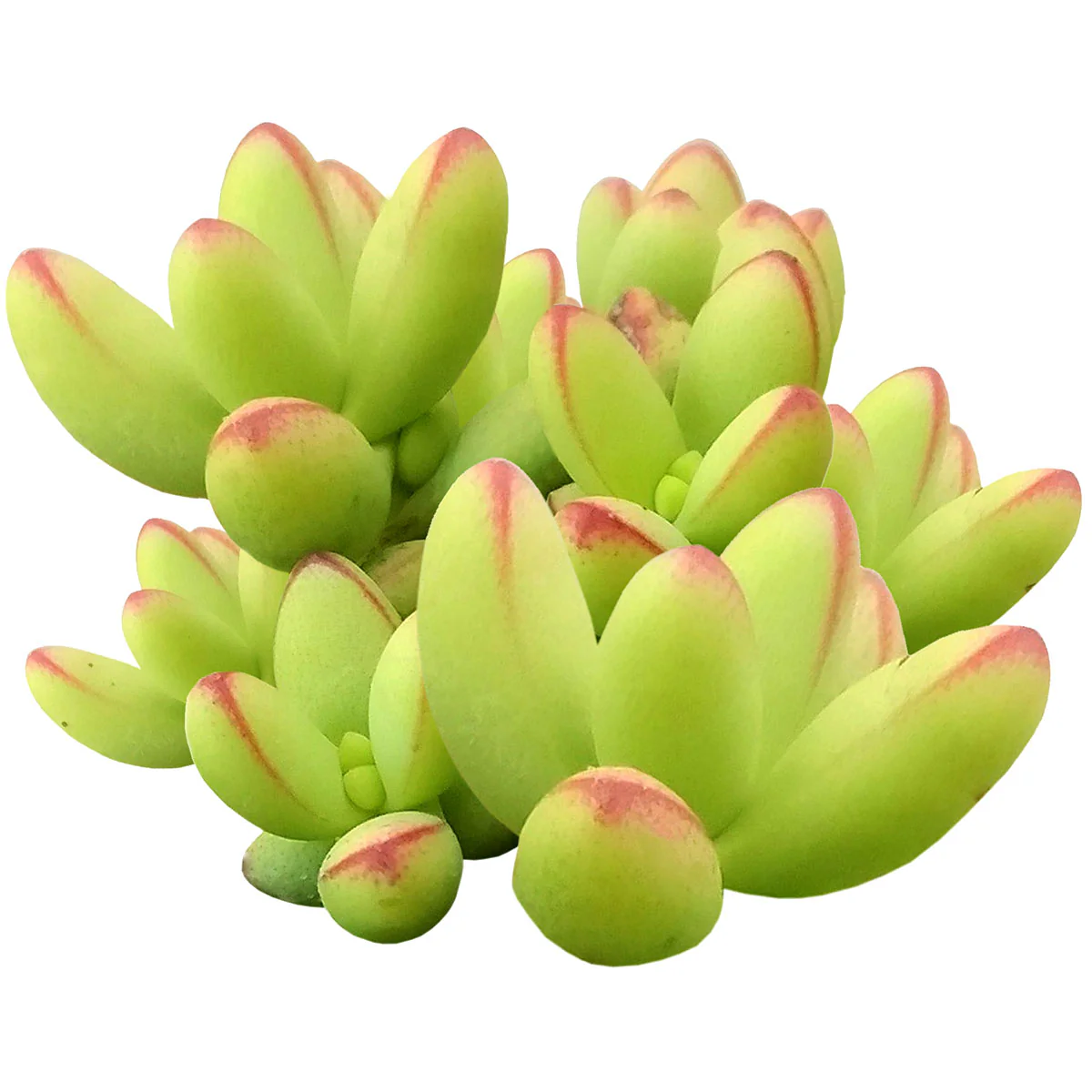
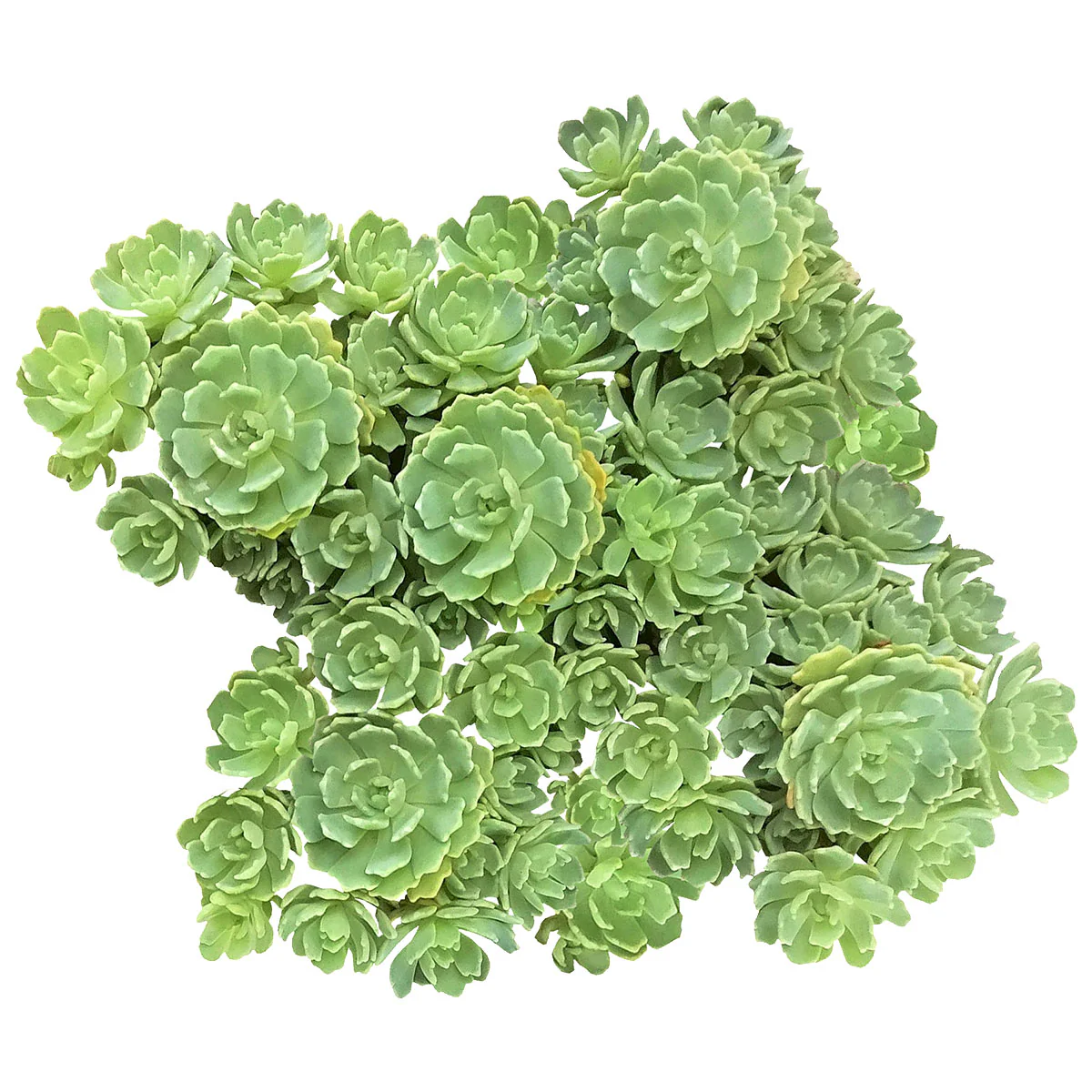
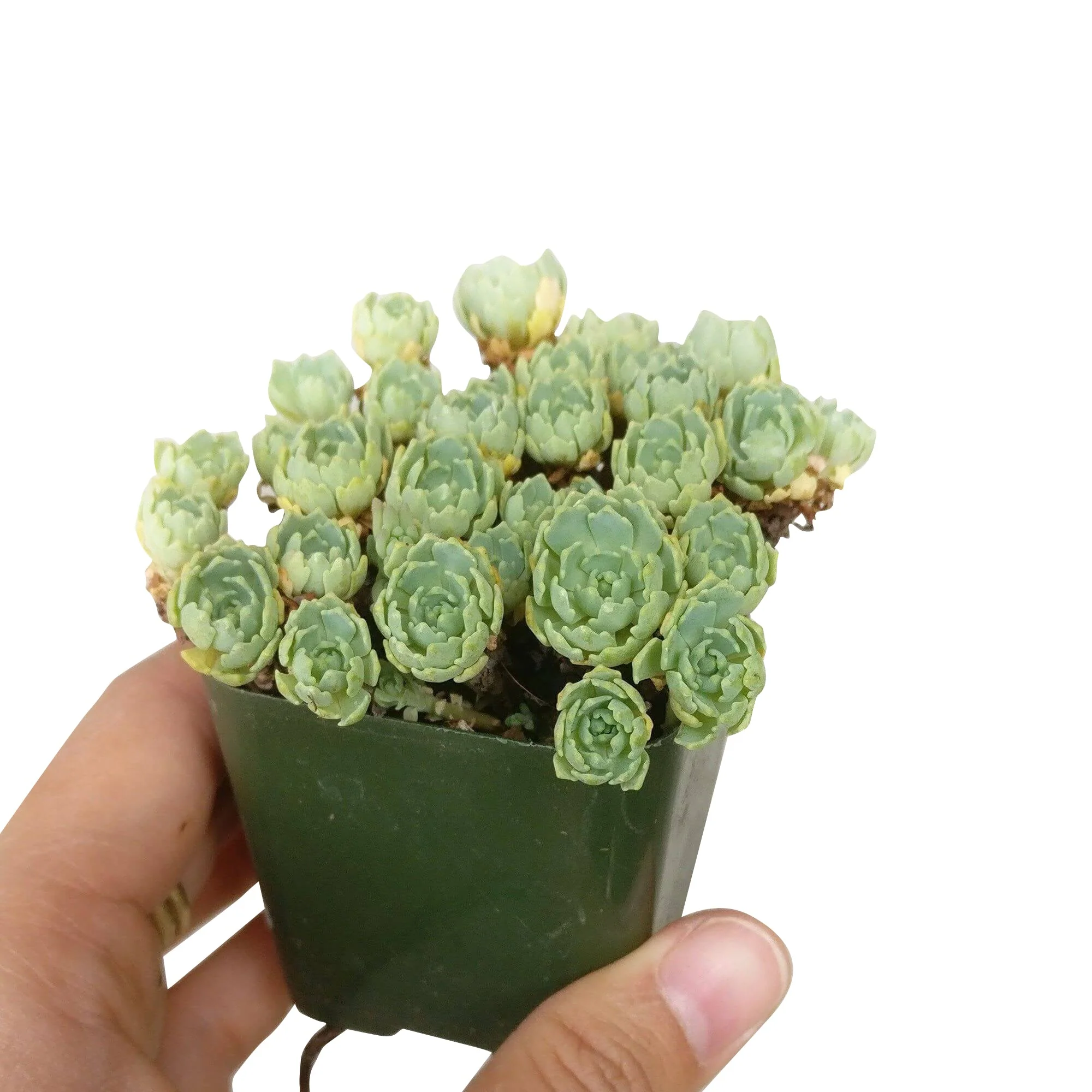
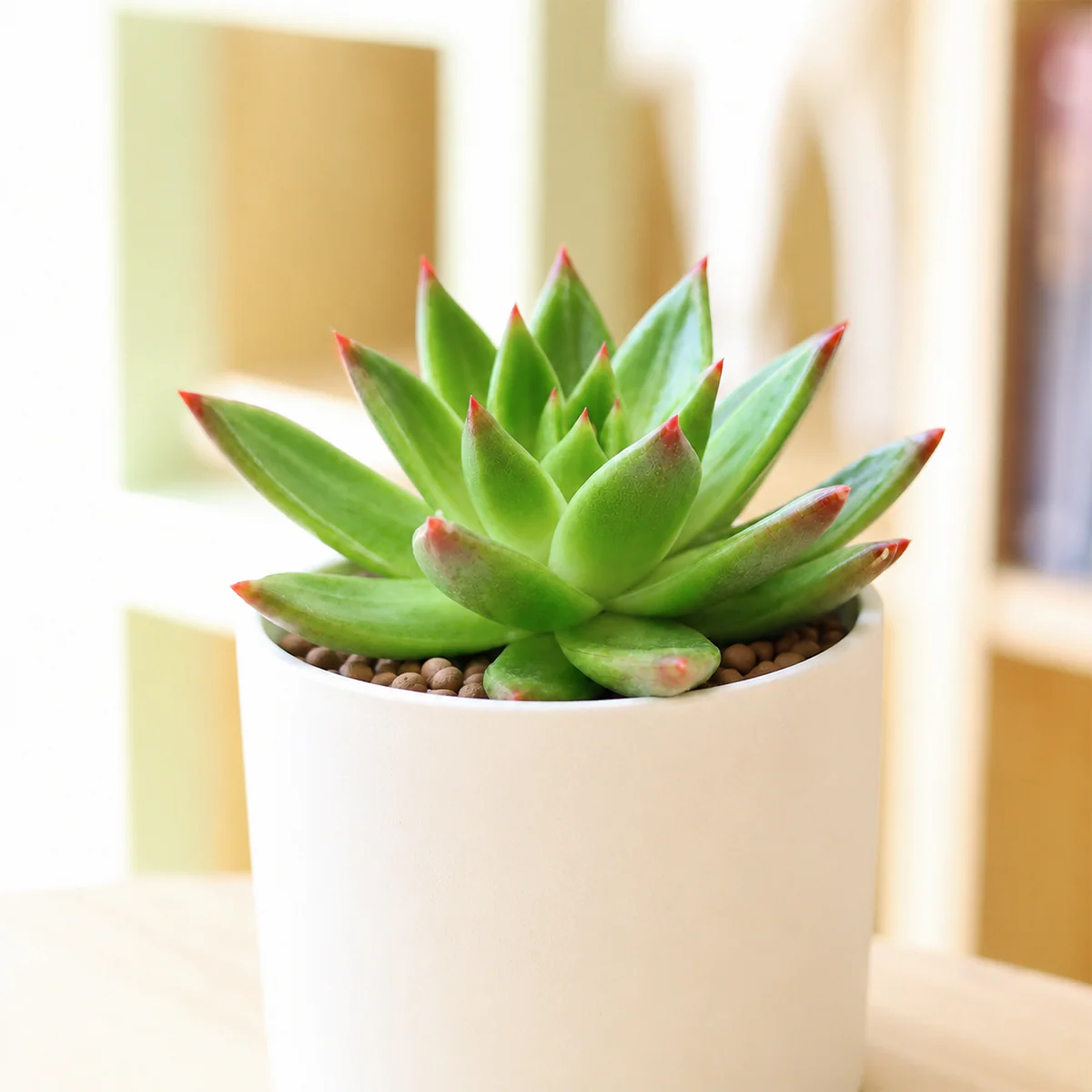
 What sets Echeveria Agavoides Christmas apart is its bold, triangular leaves that form a tight, symmetrical rosette with vivid red-tipped edges that deepen in intensity with more sun exposure. The thick, fleshy leaves are apple-green with those signature crimson margins, giving it a look that genuinely earns the "Christmas" name. It is compact, architectural, and endlessly photogenic.
 Echeveria Agavoides Christmas produces coral to reddish-orange blooms on slender arching stems, typically in late winter to spring when night temperatures drop consistently. That nighttime temperature dip is actually the trigger, so placing it near a cool window in autumn and winter encourages the best flowering display. Blooms are not fragrant but are visually rewarding and can attract pollinators when the plant is outdoors.
 Echeveria Agavoides Christmas is a fantastic choice for windowsill collections, patio containers, and mixed succulent arrangements, and its beginner-friendly nature means even new plant parents find it easy to keep happy. It can move outside for summer, benefits from rotating a quarter-turn regularly for even, balanced growth, and should be sheltered from prolonged rain to prevent rot. This is also a pet-friendly plant, so no worries if curious cats or dogs give it a sniff.
-
 Echeveria Agavoides Christmas thrives in bright indirect light to full sun, ideally near an east or west-facing window with several hours of direct sun daily.
 Water Echeveria Agavoides Christmas deeply every 10-14 days in summer, and cut back to once every 3-4 weeks in winter, always letting the soil dry completely between waterings.
 Echeveria Agavoides Christmas performs best in a gritty, fast-draining succulent or cactus mix blended with perlite or coarse sand at roughly a 1:1 ratio.
 Echeveria Agavoides Christmas prefers temperatures between 65-80°F (18-27°C) and should be brought indoors before temps drop below 40°F (4°C).
![]() Echeveria Agavoides Christmas is a slow to moderate grower that benefits from a light, balanced succulent fertilizer once a month during the active spring and summer season.
Echeveria Agavoides Christmas is a slow to moderate grower that benefits from a light, balanced succulent fertilizer once a month during the active spring and summer season.
 Echeveria Agavoides Christmas is hardy in USDA Zones 9-11, tolerating brief dips to around 25-28°F (-3 to -2°C) but performing best with frost-free winters. In the continental US, these zones cover much of California, Texas, Arizona, Nevada, Florida, Louisiana, Mississippi, Alabama, Georgia, and South Carolina, as well as sheltered coastal pockets in Oregon and Washington. Hawaii also falls comfortably within range, giving growers across all these states the option to keep Echeveria Agavoides Christmas outdoors year-round with minimal protection.
-
Q: How often should I water Echeveria Agavoides Christmas?
A: Water Echeveria Agavoides Christmas every 10-14 days in warm months, allowing the soil to dry out fully between waterings. In winter, reduce watering to once every 3-4 weeks.
Q: Is Echeveria Agavoides Christmas pet friendly?
A: Yes, Echeveria Agavoides Christmas is pet friendly and is not considered toxic to cats or dogs. It is a safe choice for households with curious pets.
Q: How much light does Echeveria Agavoides Christmas need?
A: Echeveria Agavoides Christmas loves bright indirect light to full sun and does best with several hours of direct sun each day. Note that intense south-facing window exposure in summer can scorch the leaves, so monitor and adjust placement as needed.
Q: Can Echeveria Agavoides Christmas go outside in summer?
A: Absolutely, Echeveria Agavoides Christmas benefits from moving outdoors in summer to a bright, sheltered spot. Just make sure to cover it or move it during heavy rain to prevent water pooling in the rosette.
Q: How do I get Echeveria Agavoides Christmas to bloom?
A: Echeveria Agavoides Christmas needs a consistent drop in nighttime temperatures, typically in autumn and winter, to trigger blooming. Placing it near a cool window during this period is usually all it takes.
Q: How is Echeveria Agavoides Christmas propagated?
A: Echeveria Agavoides Christmas is most easily propagated through leaf cuttings or offsets that form at the base of a mature rosette. Allow cuttings to callous for a day or two before placing them on dry, well-draining soil.


Original: $8.00
-70%$8.00
$2.40Product Information
Product Information
Shipping & Returns
Shipping & Returns
Description
- Description
- Echeveria Agavoides Christmas Care Guide
- FAQ/Common Issues
-
![]() Echeveria Agavoides Christmas is a striking rosette succulent in the Crassulaceae family, native to rocky, semi-arid regions of Mexico. Like other agavoides types, it evolved in bright, dry conditions, making it naturally tough, drought tolerant, and wonderfully low-maintenance for growers at any level.
Echeveria Agavoides Christmas is a striking rosette succulent in the Crassulaceae family, native to rocky, semi-arid regions of Mexico. Like other agavoides types, it evolved in bright, dry conditions, making it naturally tough, drought tolerant, and wonderfully low-maintenance for growers at any level.
What sets Echeveria Agavoides Christmas apart is its bold, triangular leaves that form a tight, symmetrical rosette with vivid red-tipped edges that deepen in intensity with more sun exposure. The thick, fleshy leaves are apple-green with those signature crimson margins, giving it a look that genuinely earns the "Christmas" name. It is compact, architectural, and endlessly photogenic.
Echeveria Agavoides Christmas produces coral to reddish-orange blooms on slender arching stems, typically in late winter to spring when night temperatures drop consistently. That nighttime temperature dip is actually the trigger, so placing it near a cool window in autumn and winter encourages the best flowering display. Blooms are not fragrant but are visually rewarding and can attract pollinators when the plant is outdoors.
Echeveria Agavoides Christmas is a fantastic choice for windowsill collections, patio containers, and mixed succulent arrangements, and its beginner-friendly nature means even new plant parents find it easy to keep happy. It can move outside for summer, benefits from rotating a quarter-turn regularly for even, balanced growth, and should be sheltered from prolonged rain to prevent rot. This is also a pet-friendly plant, so no worries if curious cats or dogs give it a sniff.
-
Echeveria Agavoides Christmas thrives in bright indirect light to full sun, ideally near an east or west-facing window with several hours of direct sun daily.
Water Echeveria Agavoides Christmas deeply every 10-14 days in summer, and cut back to once every 3-4 weeks in winter, always letting the soil dry completely between waterings.
Echeveria Agavoides Christmas performs best in a gritty, fast-draining succulent or cactus mix blended with perlite or coarse sand at roughly a 1:1 ratio.
Echeveria Agavoides Christmas prefers temperatures between 65-80°F (18-27°C) and should be brought indoors before temps drop below 40°F (4°C).
![]() Echeveria Agavoides Christmas is a slow to moderate grower that benefits from a light, balanced succulent fertilizer once a month during the active spring and summer season.
Echeveria Agavoides Christmas is a slow to moderate grower that benefits from a light, balanced succulent fertilizer once a month during the active spring and summer season.
Echeveria Agavoides Christmas is hardy in USDA Zones 9-11, tolerating brief dips to around 25-28°F (-3 to -2°C) but performing best with frost-free winters. In the continental US, these zones cover much of California, Texas, Arizona, Nevada, Florida, Louisiana, Mississippi, Alabama, Georgia, and South Carolina, as well as sheltered coastal pockets in Oregon and Washington. Hawaii also falls comfortably within range, giving growers across all these states the option to keep Echeveria Agavoides Christmas outdoors year-round with minimal protection.
-
Q: How often should I water Echeveria Agavoides Christmas?
A: Water Echeveria Agavoides Christmas every 10-14 days in warm months, allowing the soil to dry out fully between waterings. In winter, reduce watering to once every 3-4 weeks.
Q: Is Echeveria Agavoides Christmas pet friendly?
A: Yes, Echeveria Agavoides Christmas is pet friendly and is not considered toxic to cats or dogs. It is a safe choice for households with curious pets.
Q: How much light does Echeveria Agavoides Christmas need?
A: Echeveria Agavoides Christmas loves bright indirect light to full sun and does best with several hours of direct sun each day. Note that intense south-facing window exposure in summer can scorch the leaves, so monitor and adjust placement as needed.
Q: Can Echeveria Agavoides Christmas go outside in summer?
A: Absolutely, Echeveria Agavoides Christmas benefits from moving outdoors in summer to a bright, sheltered spot. Just make sure to cover it or move it during heavy rain to prevent water pooling in the rosette.
Q: How do I get Echeveria Agavoides Christmas to bloom?
A: Echeveria Agavoides Christmas needs a consistent drop in nighttime temperatures, typically in autumn and winter, to trigger blooming. Placing it near a cool window during this period is usually all it takes.
Q: How is Echeveria Agavoides Christmas propagated?
A: Echeveria Agavoides Christmas is most easily propagated through leaf cuttings or offsets that form at the base of a mature rosette. Allow cuttings to callous for a day or two before placing them on dry, well-draining soil.