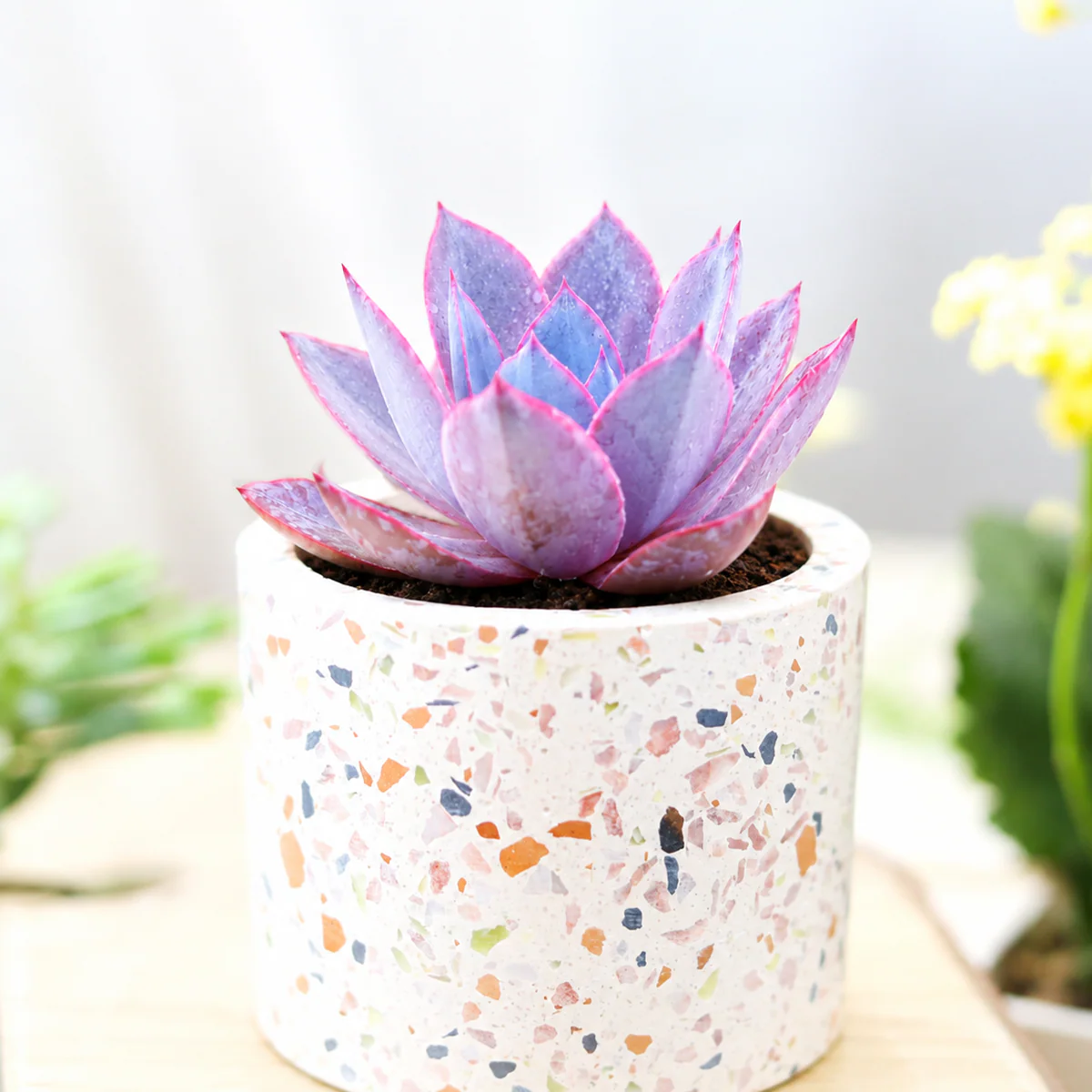
Echeveria Afterglow
- Description
- Echeveria Afterglow Care Guide
- FAQ/Common Issues
-
![]() Echeveria Afterglow is a stunning rosette-forming succulent in the Crassulaceae family, beloved by collectors and beginners alike for its easy care and spectacular color. It originated as a hybrid in cultivation, bred for ornamental appeal rather than collected from the wild. The echeveria afterglow succulent has earned its place as a standout in any indoor or outdoor display.
Echeveria Afterglow is a stunning rosette-forming succulent in the Crassulaceae family, beloved by collectors and beginners alike for its easy care and spectacular color. It originated as a hybrid in cultivation, bred for ornamental appeal rather than collected from the wild. The echeveria afterglow succulent has earned its place as a standout in any indoor or outdoor display.
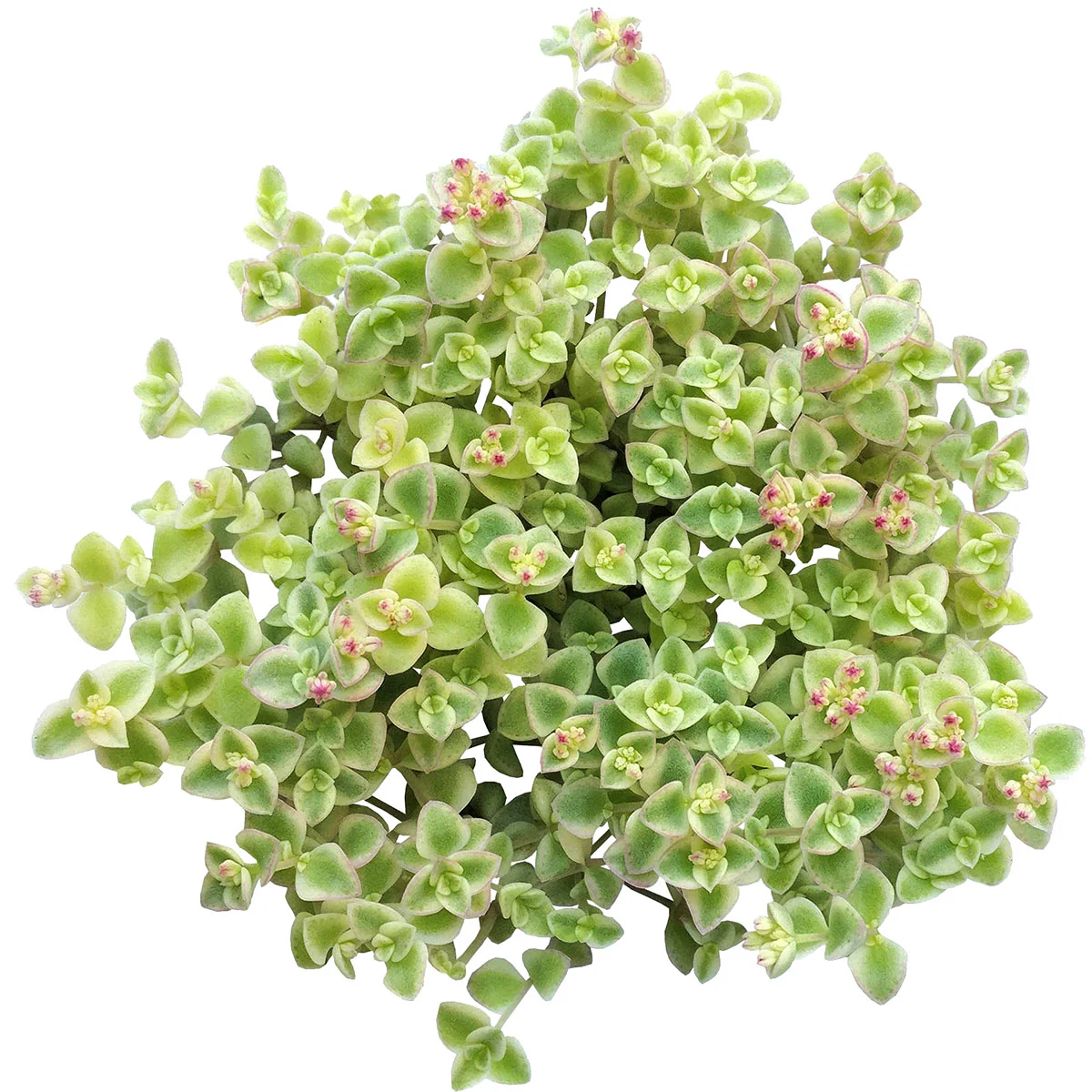
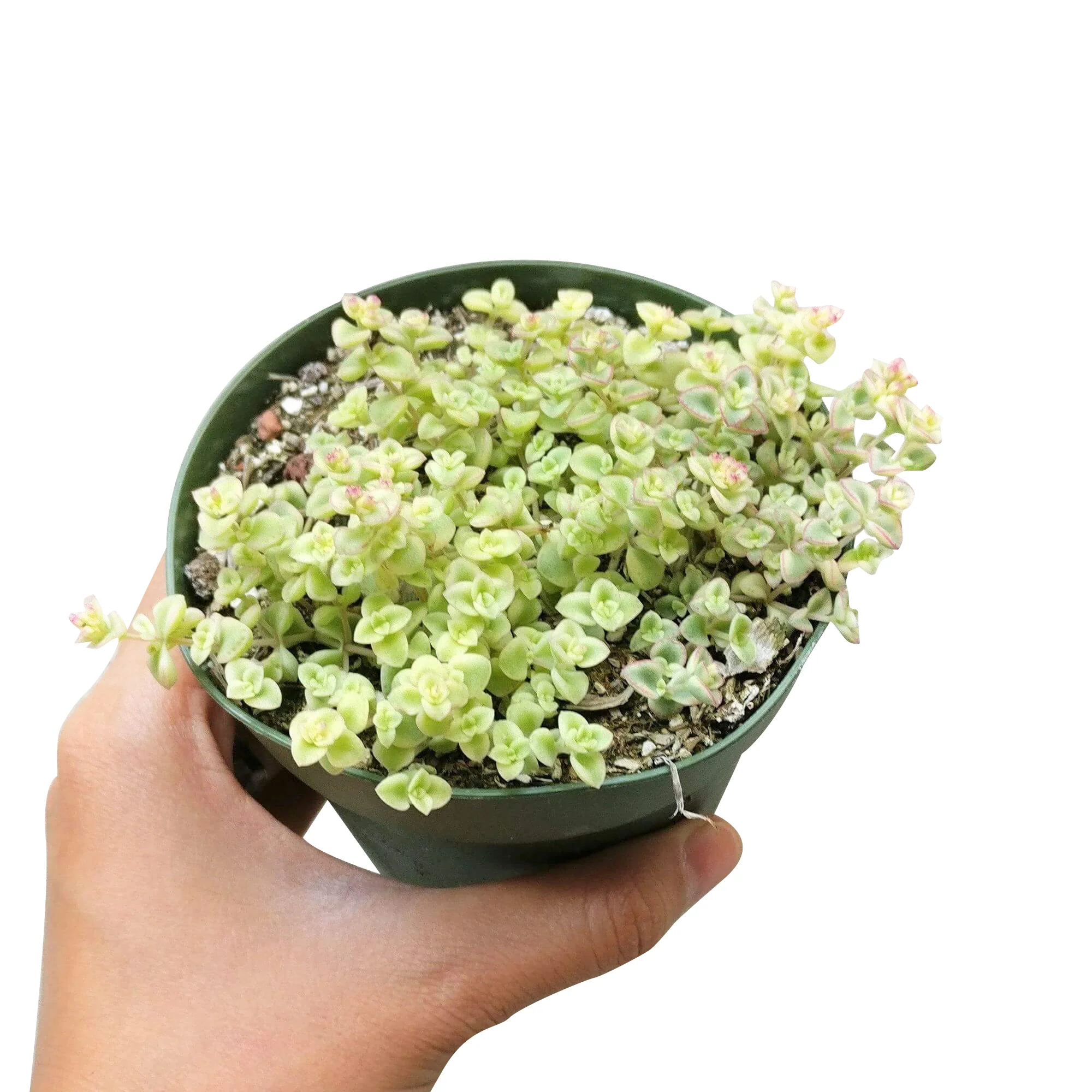
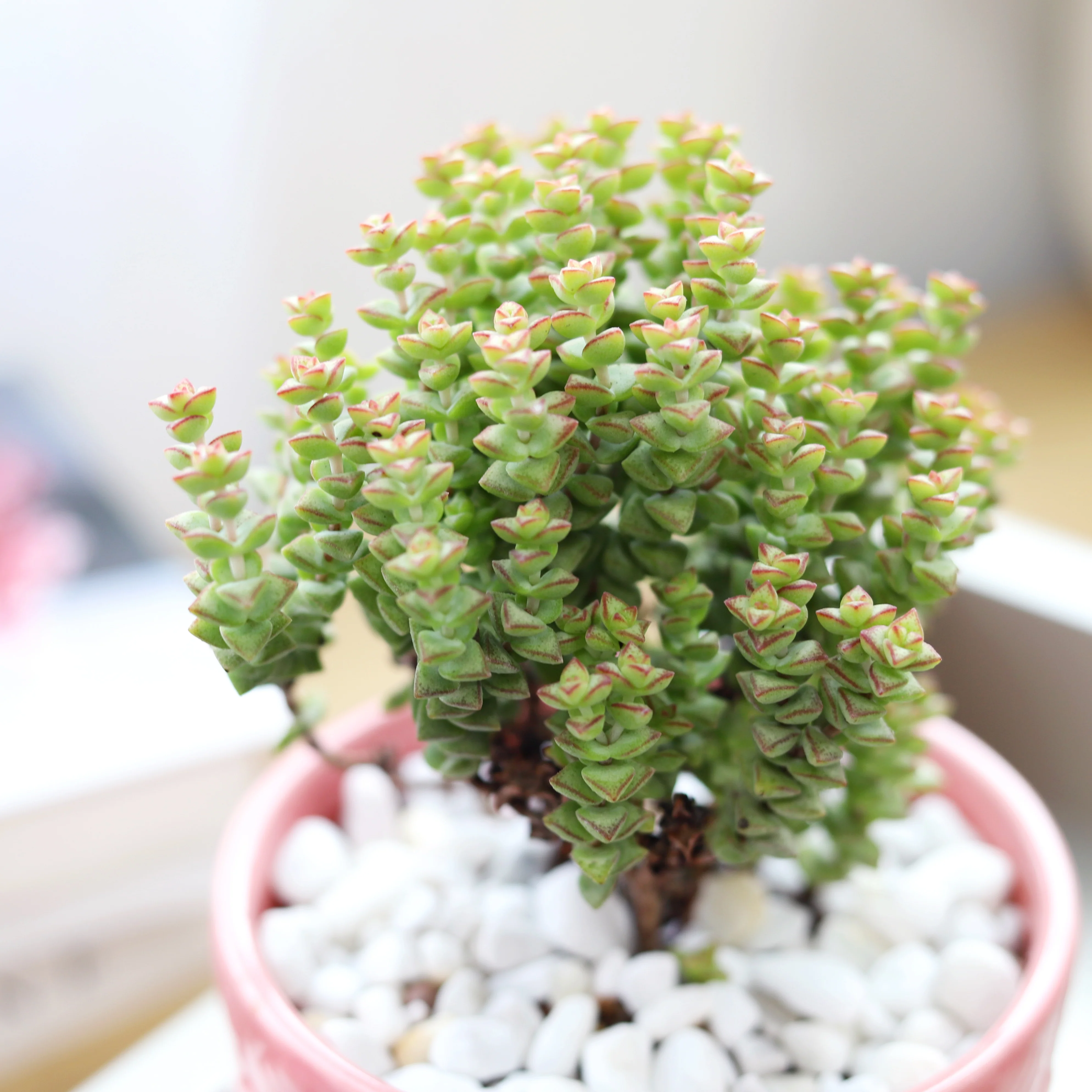
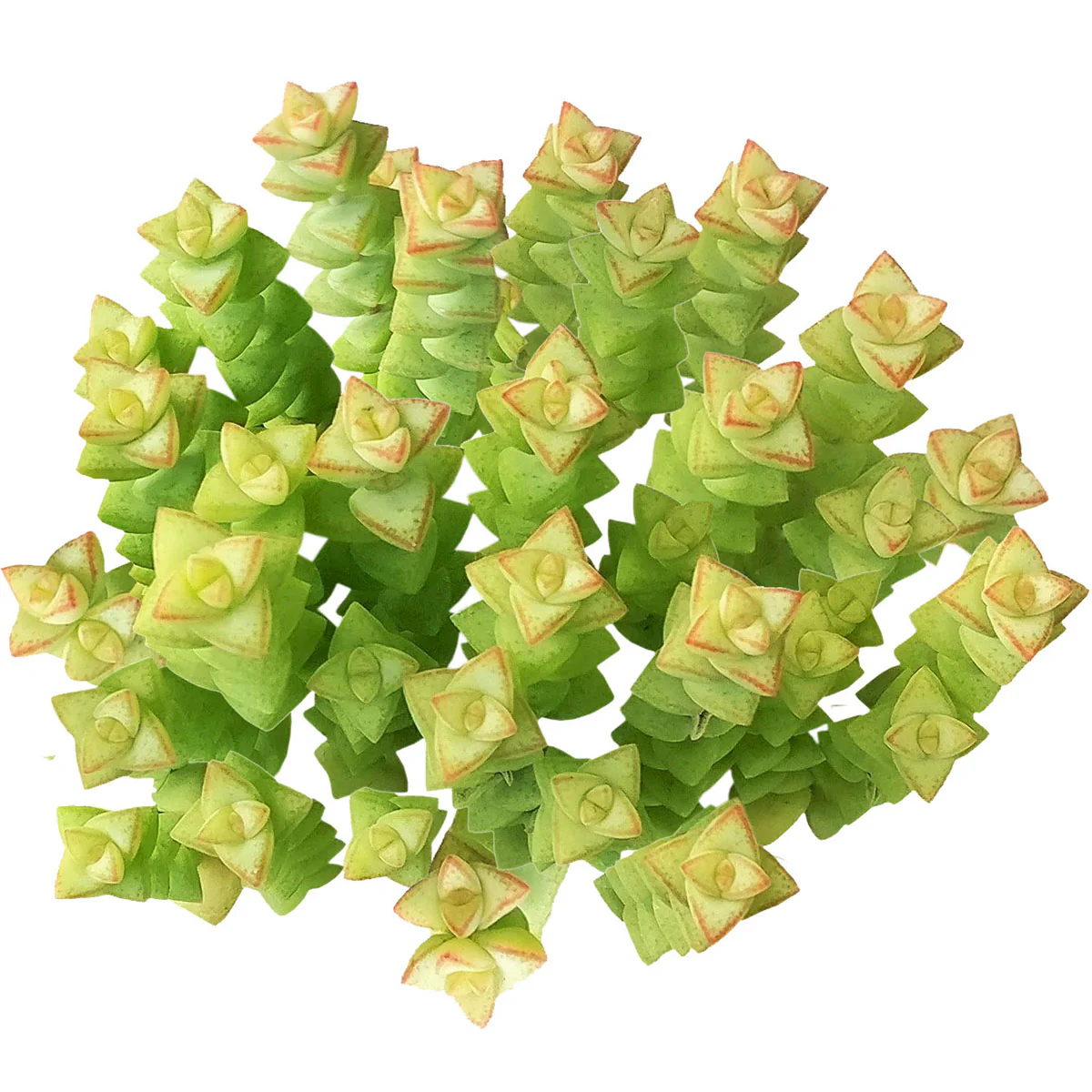
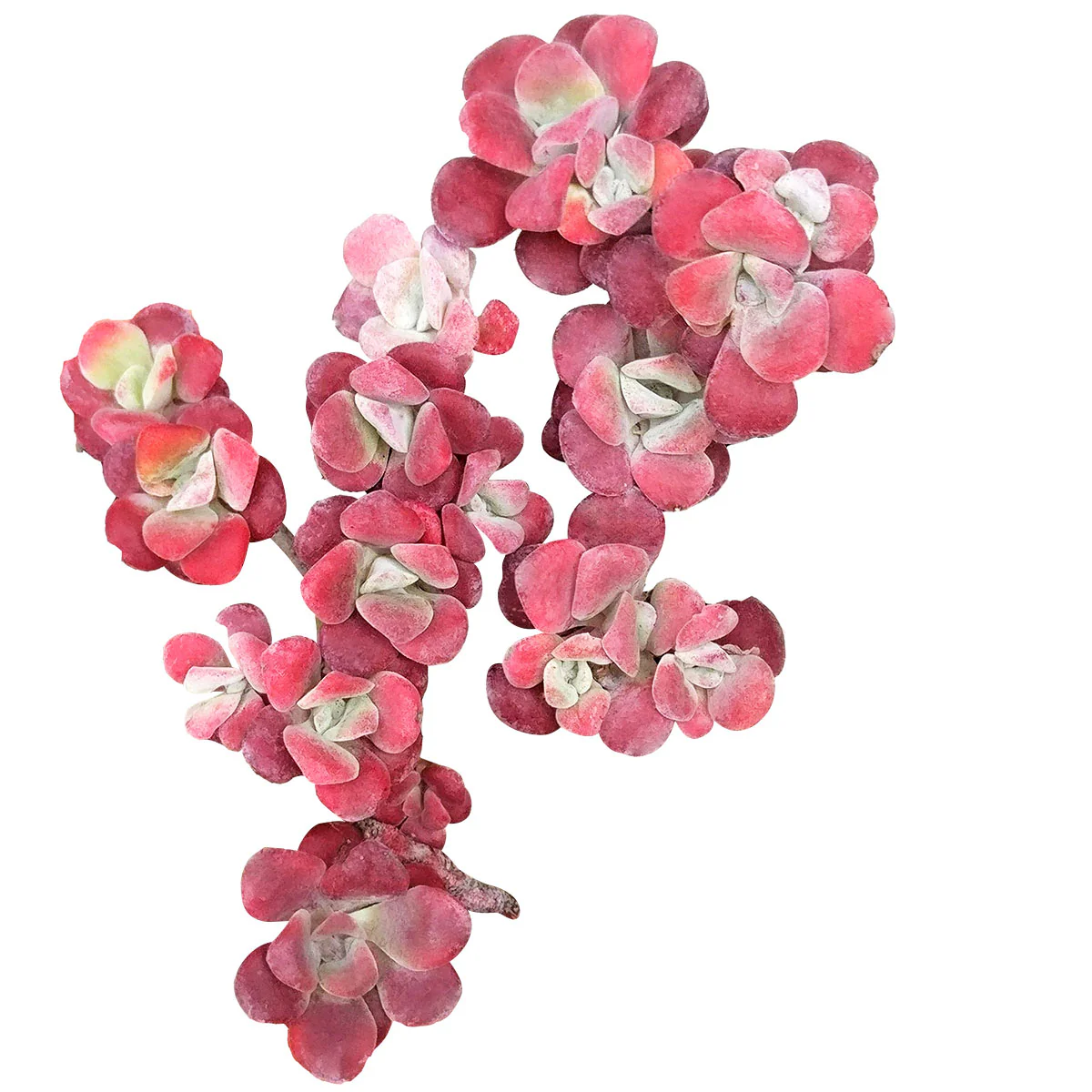
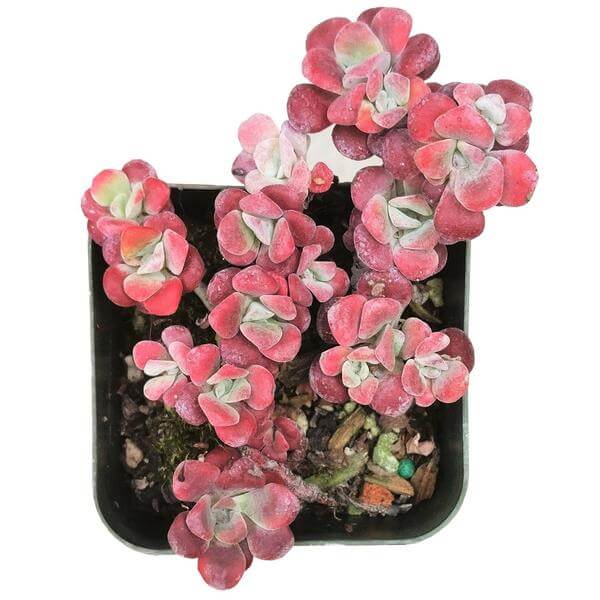
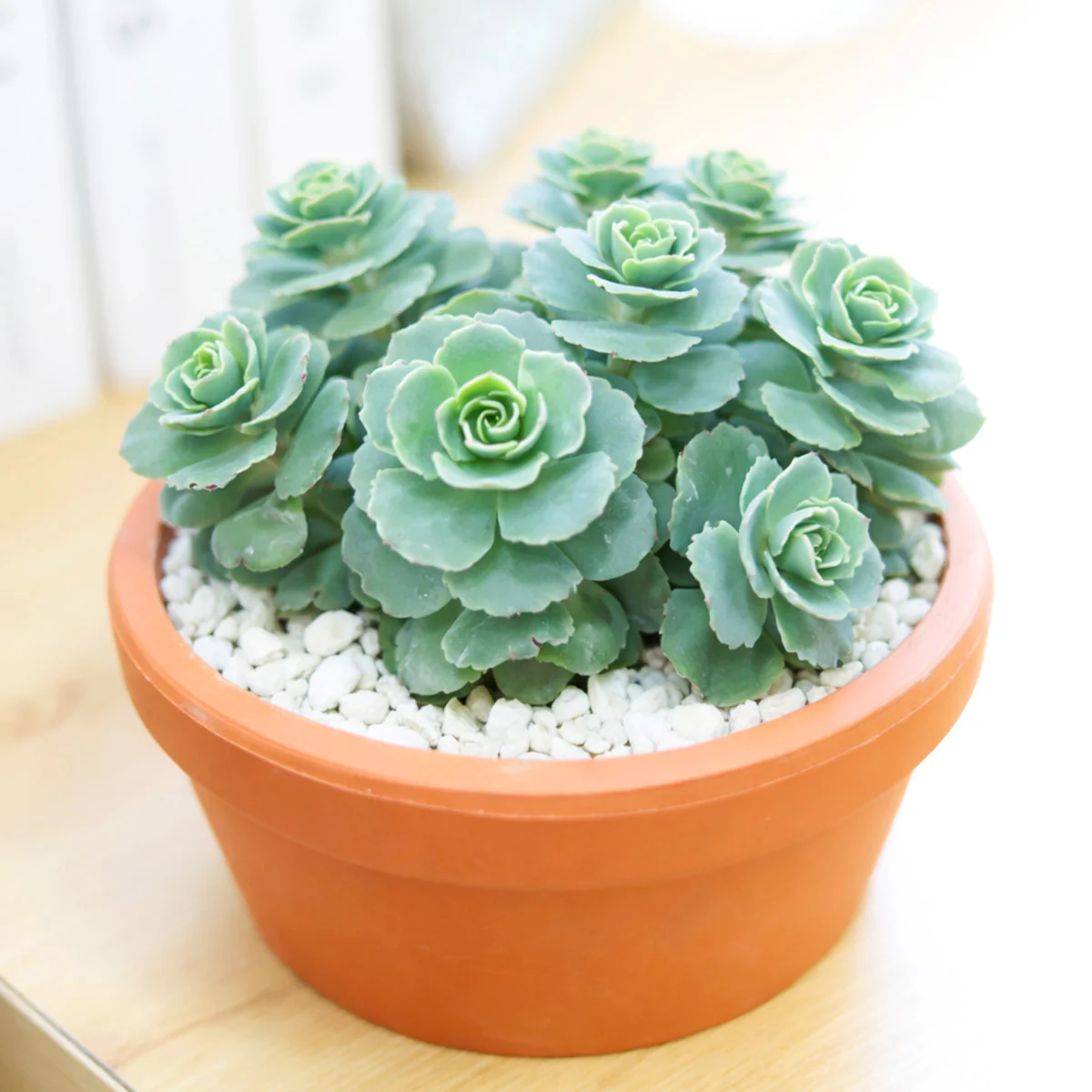
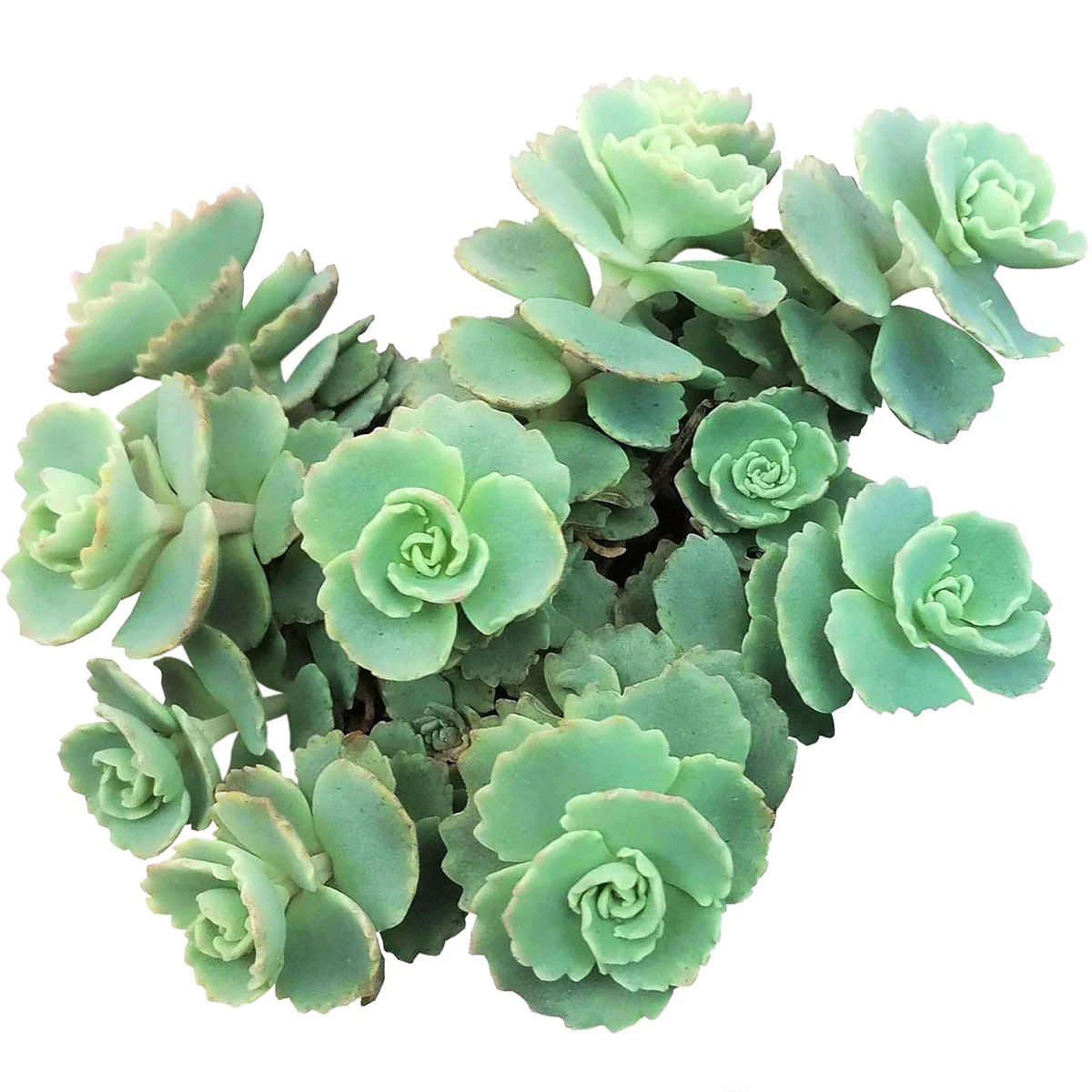
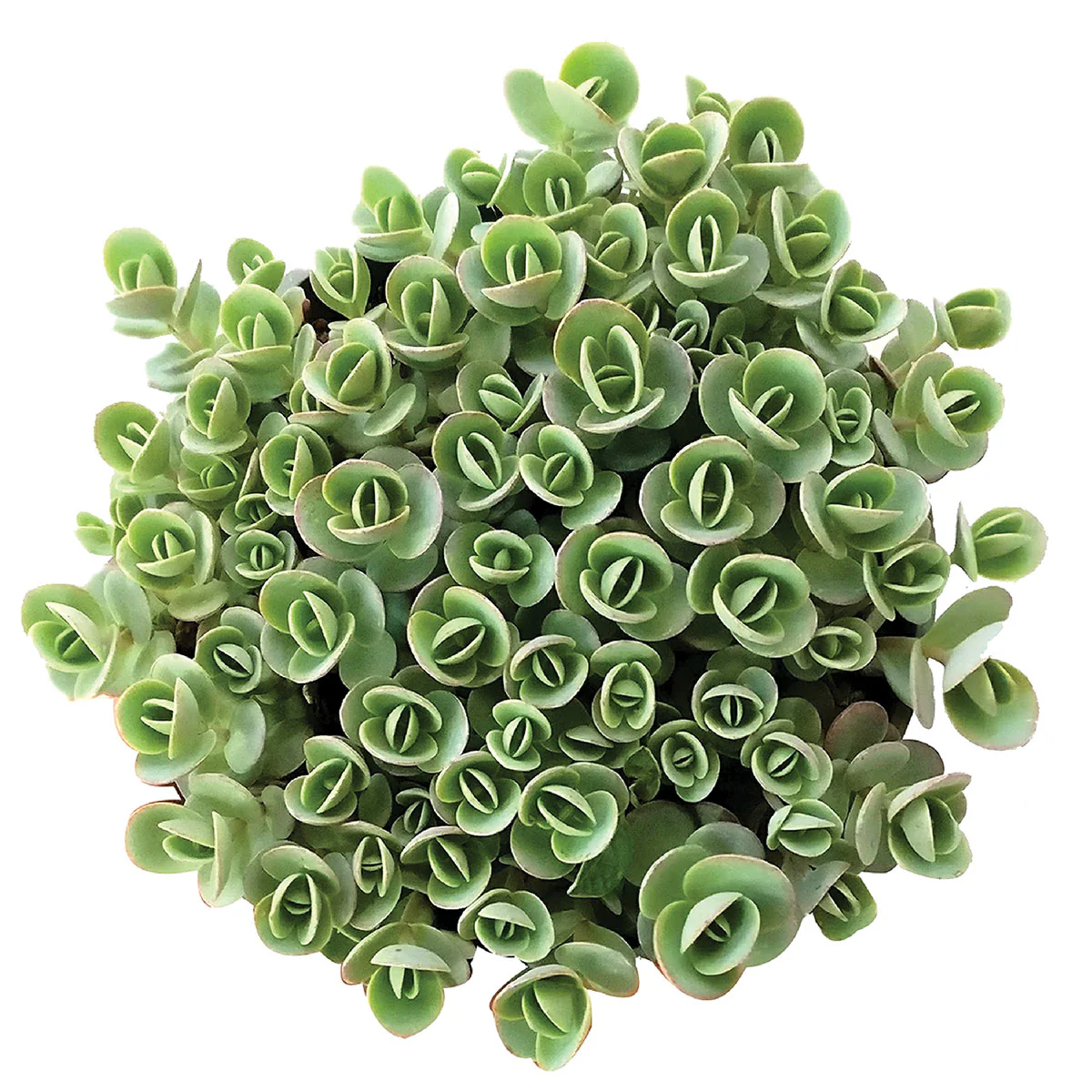
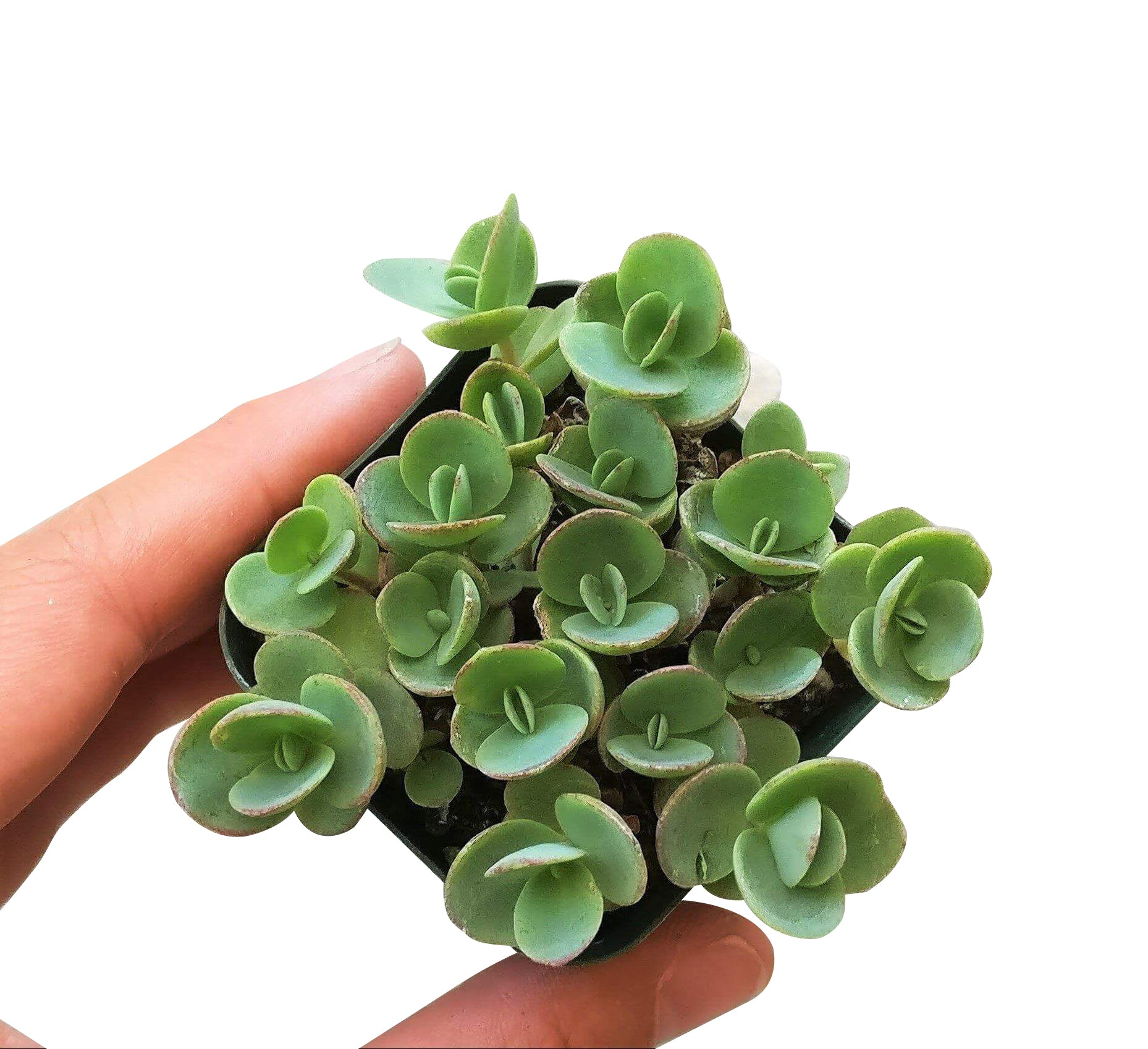
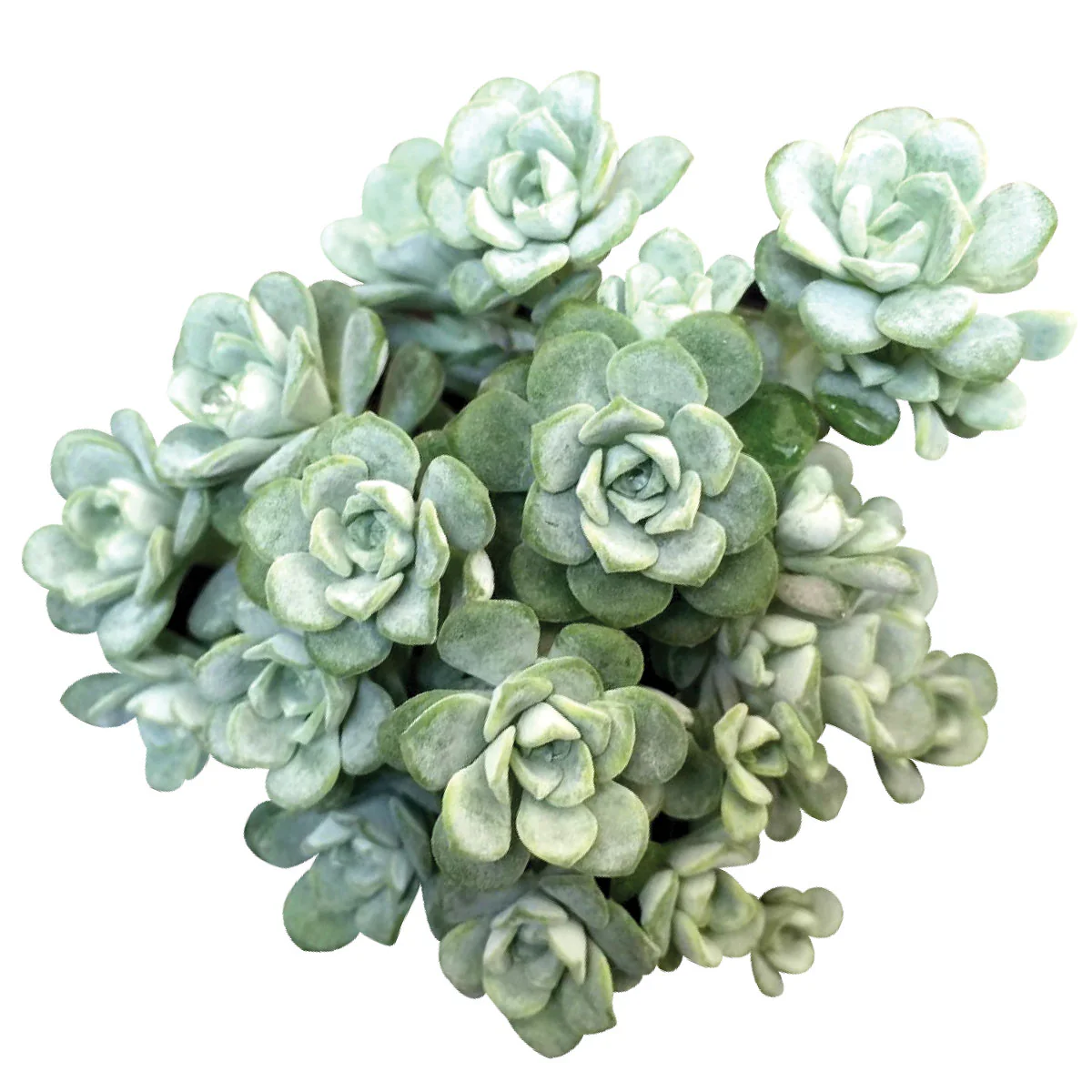
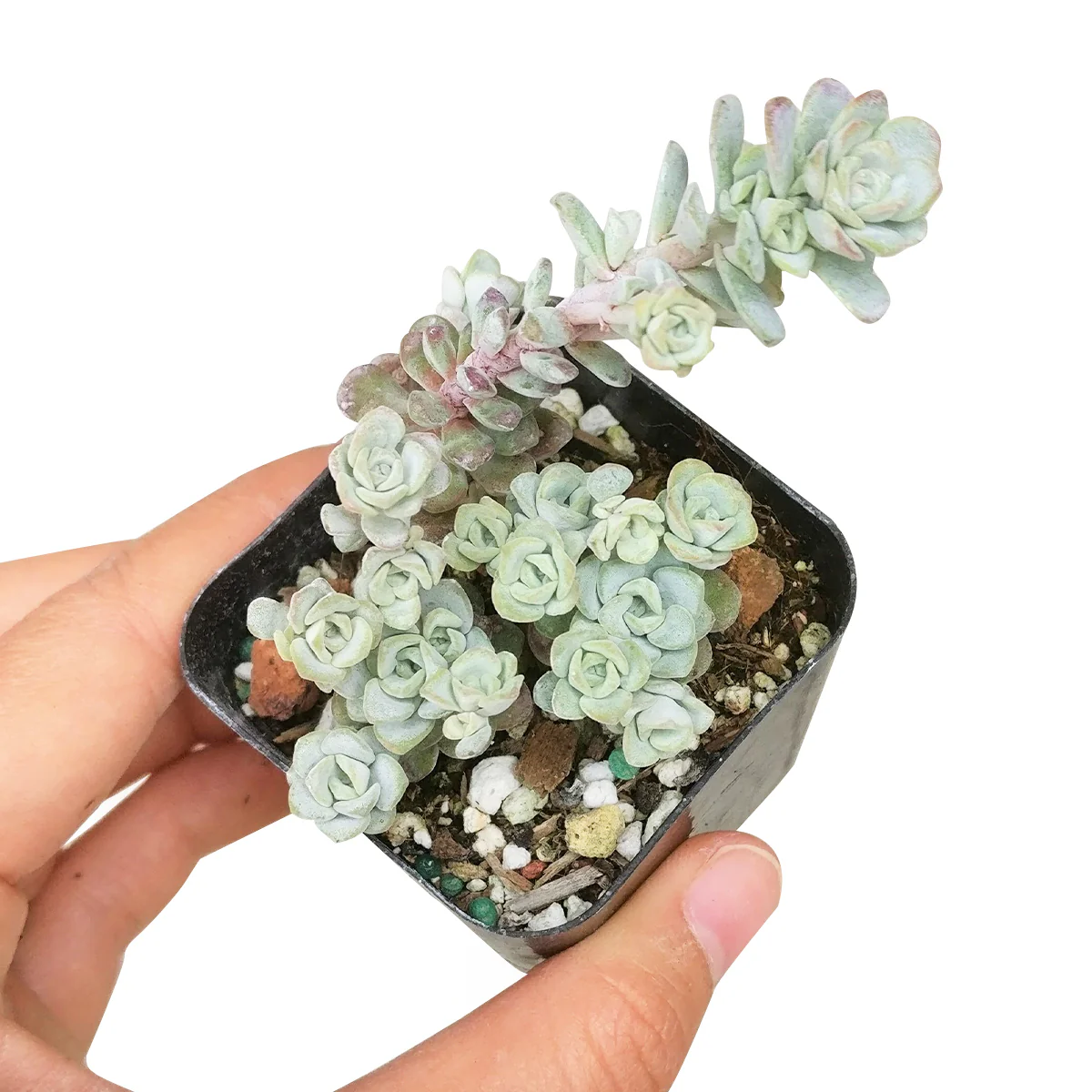
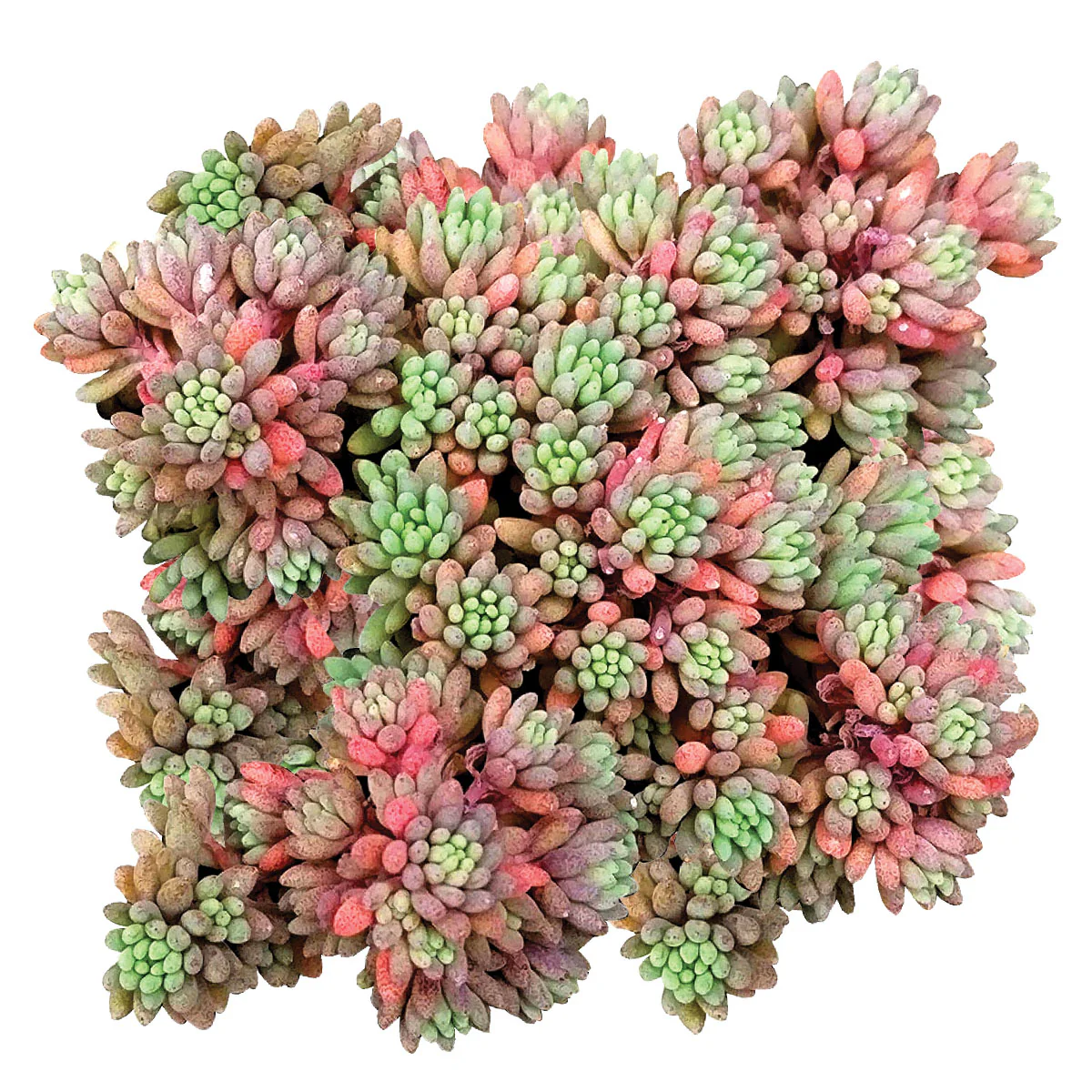
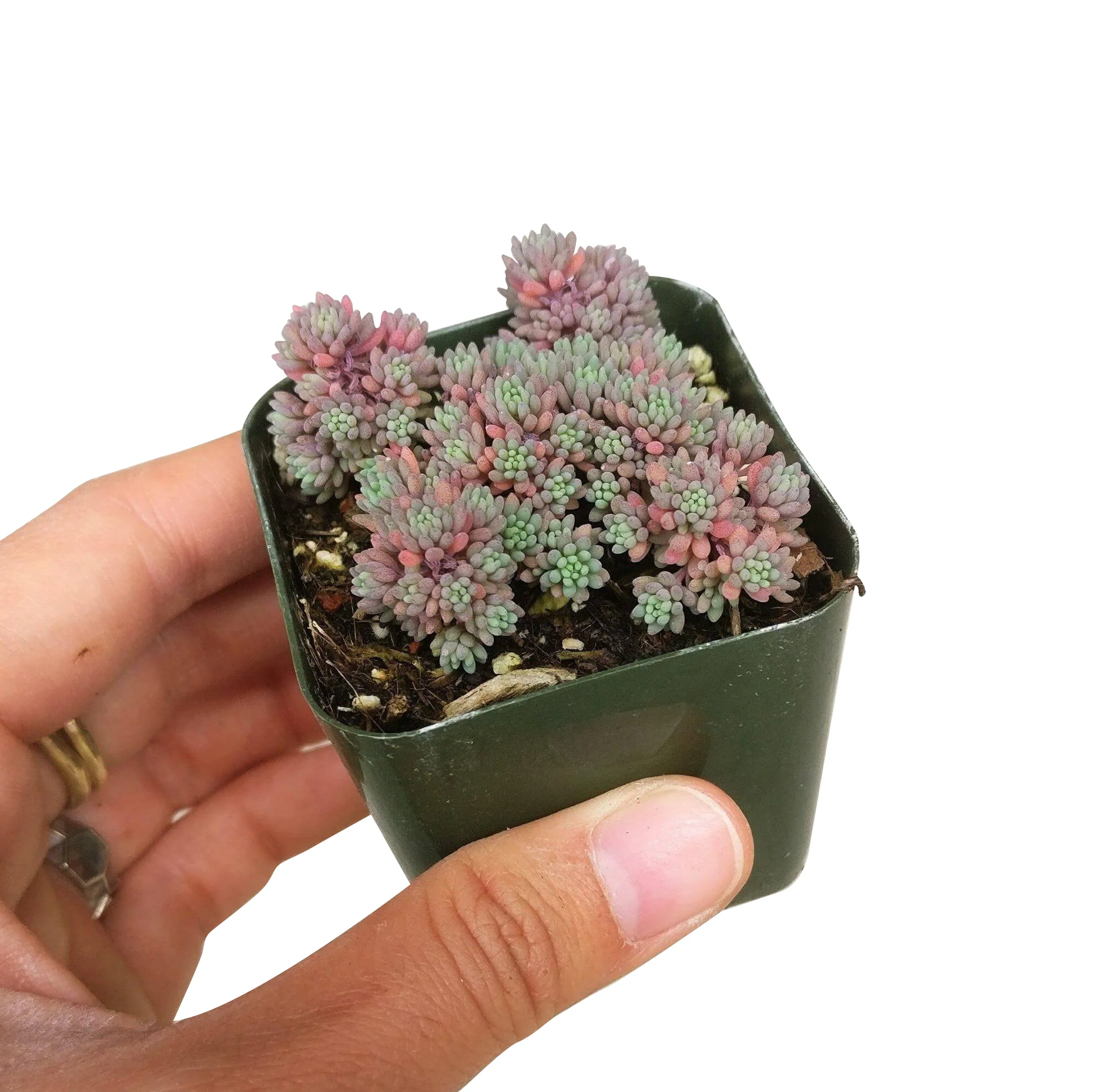
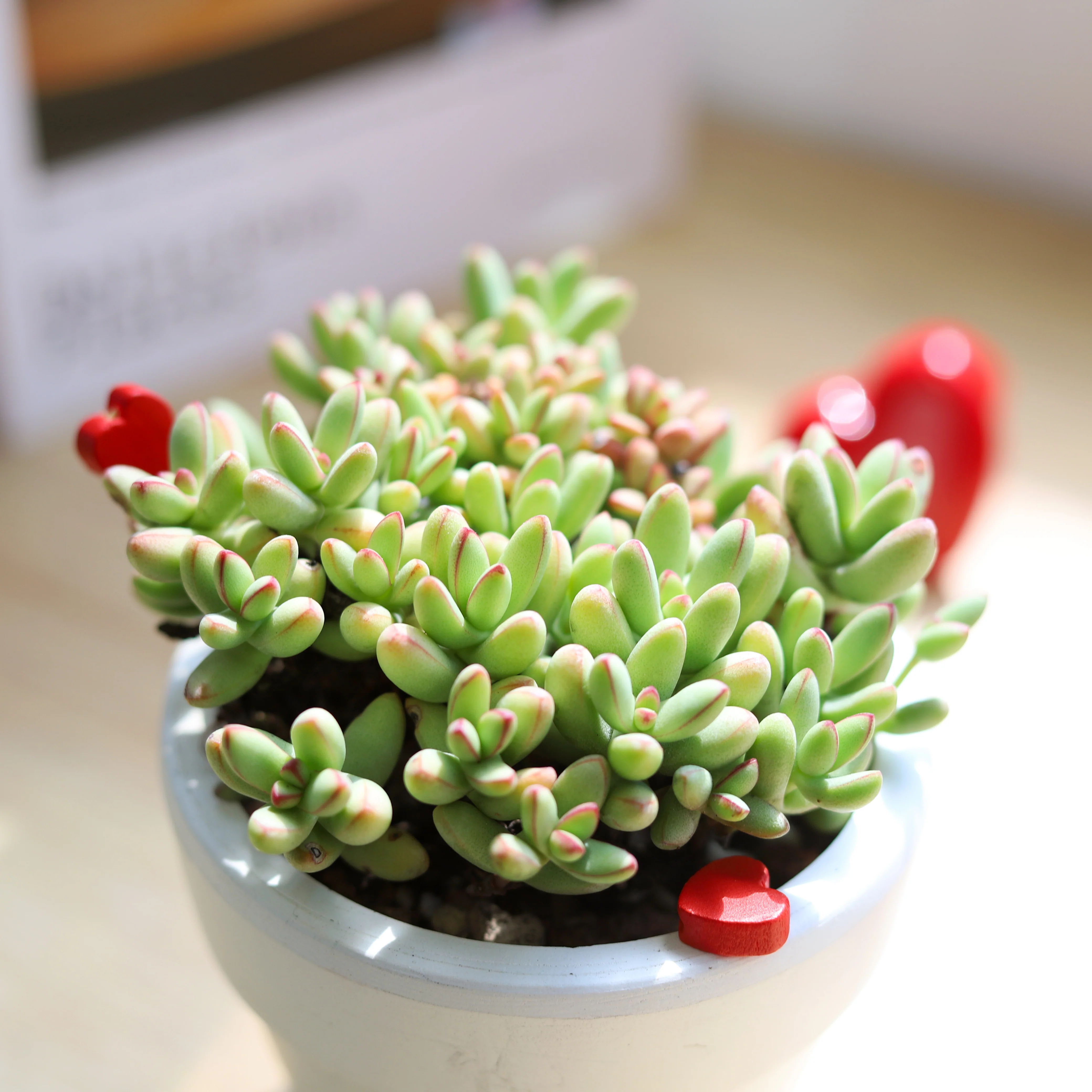
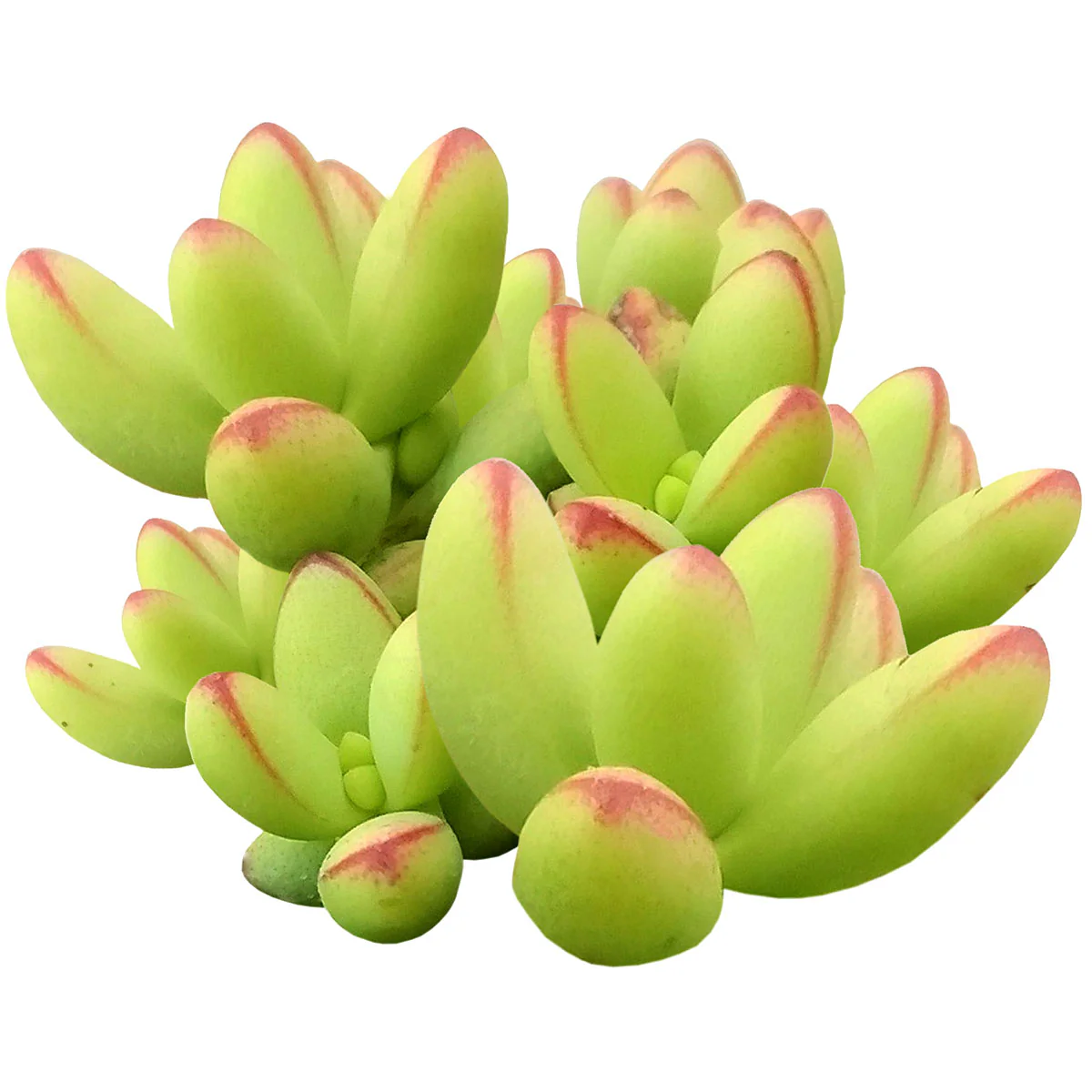
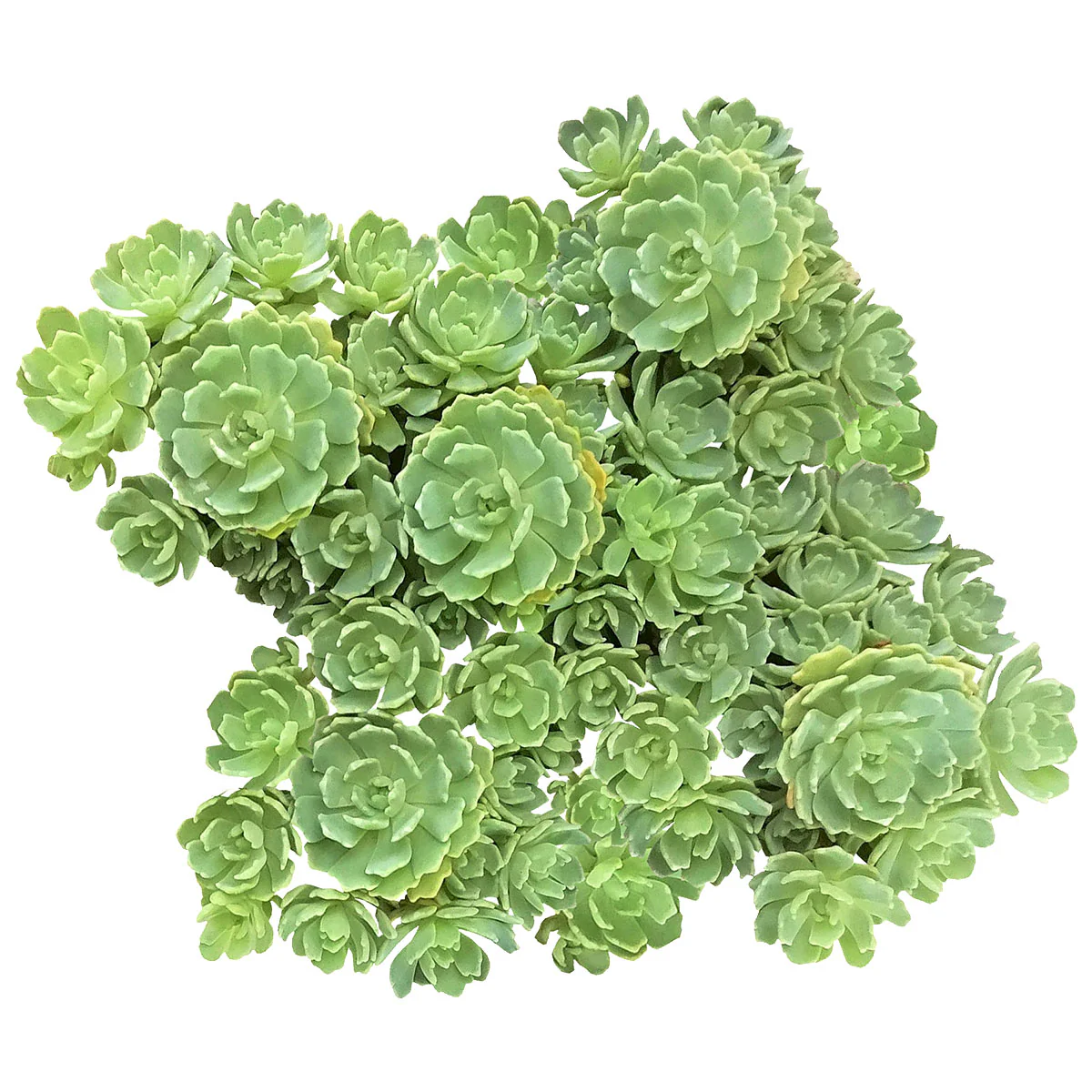
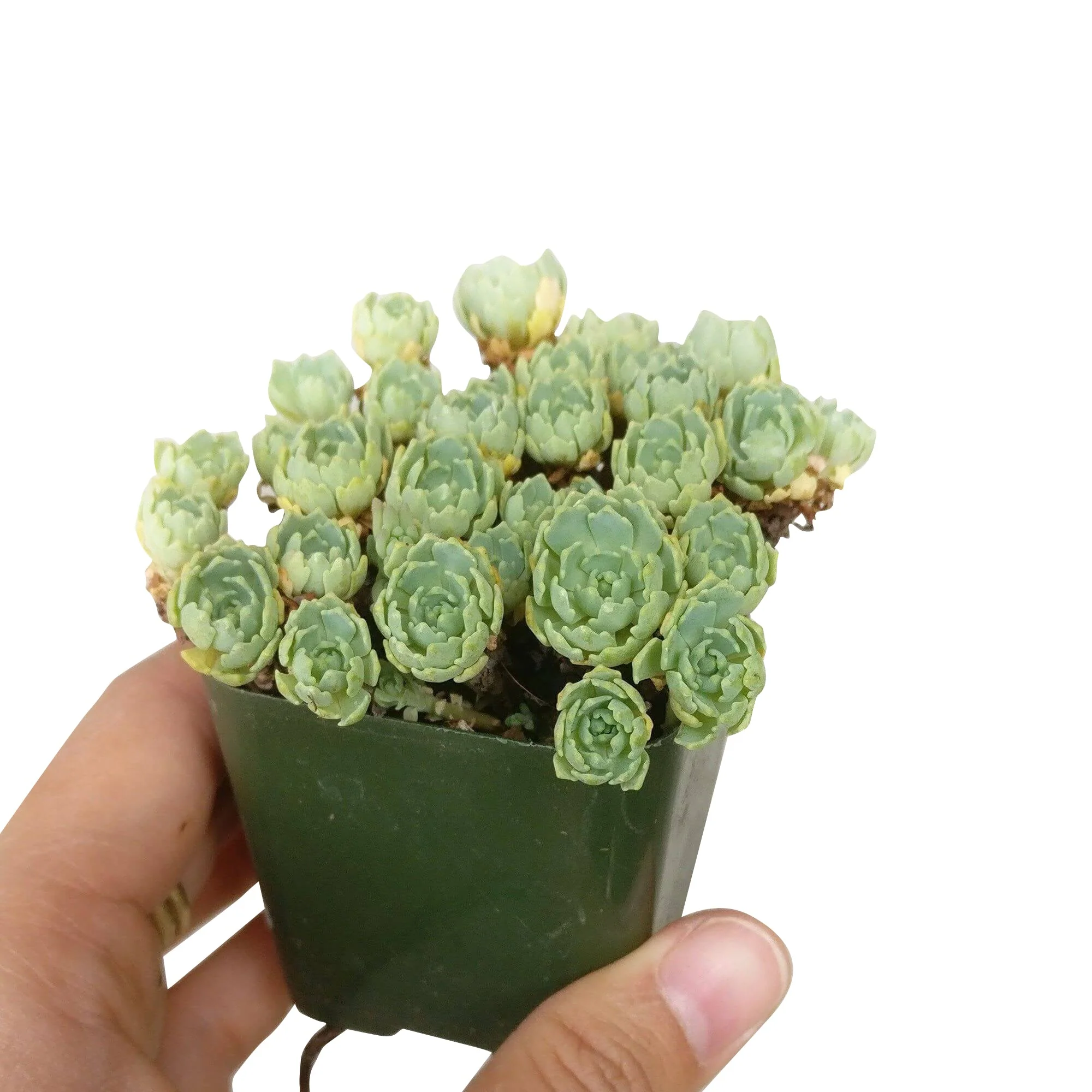
 Echeveria Afterglow produces large, powdery rosettes in luminous shades of lavender-pink and soft purple, with leaves edged in a vivid rosy-pink that practically glows in natural light. The broad, spoon-shaped leaves are coated in a delicate farina (natural powdery bloom) that gives this afterglow echeveria plant its signature pastel shimmer. Rosettes can reach 6-8 inches across, and mature plants cluster beautifully over time.
 Echeveria Afterglow sends up arching pink coral flower stalks in spring and summer, bearing small, lantern-shaped blooms that attract hummingbirds and pollinators. To encourage blooming, Echeveria Afterglow benefits from a cool nighttime temperature drop of 10-15°F in late winter. Flowers are not fragrant but are visually striking against the purple-pink rosette foliage.
 Echeveria Afterglow is a great choice for sunny windowsills, patio containers, and rock gardens, and it thrives outdoors in summer when moved outside for extra light. Keep it sheltered from rain to protect the leaves and prevent rot, as standing water on the farina causes spotting. This plant is pet friendly, making it a worry-free addition to homes with cats or dogs. Echeveria Afterglow also releases oxygen at night, making it a thoughtful bedroom plant, and it can survive a 10-day trip alone without watering, perfect for frequent travelers.
-
 Echeveria Afterglow thrives in bright indirect light to full sun, ideally 4-6 hours of morning sun daily.
 Water Echeveria Afterglow deeply every 10-14 days in summer and reduce to once a month in winter.
 Echeveria Afterglow grows best in a well-draining succulent and cactus mix blended with perlite or coarse sand.
 Echeveria Afterglow prefers temperatures between 65-80°F (18-27°C) and should be brought indoors before temps drop below 40°F (4°C).
![]() Echeveria Afterglow is a moderate grower that benefits from a light balanced fertilizer once in spring and once in summer.
Echeveria Afterglow is a moderate grower that benefits from a light balanced fertilizer once in spring and once in summer.
 Echeveria Afterglow is rated for USDA Hardiness Zones 9-11, tolerating brief dips to around 25-28°F (-3 to -2°C) but thriving best with frost-free winters. In the United States, Echeveria Afterglow grows outdoors year-round across California, Texas, Arizona, Florida, Hawaii, Nevada, Louisiana, Georgia, South Carolina, Alabama, Mississippi, and along the Oregon and Washington coasts. Gardeners in other states, including North Carolina, Tennessee, Arkansas, New Mexico, and beyond, enjoy Echeveria Afterglow successfully in containers that move indoors for winter.
-
Q: How often should I water Echeveria Afterglow?
A: Water Echeveria Afterglow every 10-14 days in warm months, letting the soil dry completely between waterings. Cut back to once a month in winter to prevent root rot.
Q: Is Echeveria Afterglow pet friendly?
A: Yes, Echeveria Afterglow is pet friendly and considered non-toxic to cats and dogs. It is a safe choice for households with curious pets.
Q: How much light does Echeveria Afterglow need?
A: Echeveria Afterglow does best in bright indirect light to full sun, such as a south or east-facing window. Rotate it regularly for even, symmetrical rosette growth.
Q: How big does Echeveria Afterglow get?
A: Echeveria Afterglow typically reaches 6-8 inches in rosette diameter at maturity. It clusters over time, gradually spreading as offsets develop around the base.
Q: Can Echeveria Afterglow go outside in summer?
A: Absolutely! Echeveria Afterglow loves moving outdoors for summer in a bright, sheltered spot. Just protect it from heavy rain, which can damage the powdery farina on the leaves.
Q: How do I propagate Echeveria Afterglow?
A: Echeveria Afterglow propagates easily from leaf cuttings or offsets separated from the mother plant. Allow cut ends to callous for a day or two before placing in dry succulent mix.


Original: $15.00
-70%$15.00
$4.50Product Information
Product Information
Shipping & Returns
Shipping & Returns
Description
- Description
- Echeveria Afterglow Care Guide
- FAQ/Common Issues
-
![]() Echeveria Afterglow is a stunning rosette-forming succulent in the Crassulaceae family, beloved by collectors and beginners alike for its easy care and spectacular color. It originated as a hybrid in cultivation, bred for ornamental appeal rather than collected from the wild. The echeveria afterglow succulent has earned its place as a standout in any indoor or outdoor display.
Echeveria Afterglow is a stunning rosette-forming succulent in the Crassulaceae family, beloved by collectors and beginners alike for its easy care and spectacular color. It originated as a hybrid in cultivation, bred for ornamental appeal rather than collected from the wild. The echeveria afterglow succulent has earned its place as a standout in any indoor or outdoor display.
Echeveria Afterglow produces large, powdery rosettes in luminous shades of lavender-pink and soft purple, with leaves edged in a vivid rosy-pink that practically glows in natural light. The broad, spoon-shaped leaves are coated in a delicate farina (natural powdery bloom) that gives this afterglow echeveria plant its signature pastel shimmer. Rosettes can reach 6-8 inches across, and mature plants cluster beautifully over time.
Echeveria Afterglow sends up arching pink coral flower stalks in spring and summer, bearing small, lantern-shaped blooms that attract hummingbirds and pollinators. To encourage blooming, Echeveria Afterglow benefits from a cool nighttime temperature drop of 10-15°F in late winter. Flowers are not fragrant but are visually striking against the purple-pink rosette foliage.
Echeveria Afterglow is a great choice for sunny windowsills, patio containers, and rock gardens, and it thrives outdoors in summer when moved outside for extra light. Keep it sheltered from rain to protect the leaves and prevent rot, as standing water on the farina causes spotting. This plant is pet friendly, making it a worry-free addition to homes with cats or dogs. Echeveria Afterglow also releases oxygen at night, making it a thoughtful bedroom plant, and it can survive a 10-day trip alone without watering, perfect for frequent travelers.
-
Echeveria Afterglow thrives in bright indirect light to full sun, ideally 4-6 hours of morning sun daily.
Water Echeveria Afterglow deeply every 10-14 days in summer and reduce to once a month in winter.
Echeveria Afterglow grows best in a well-draining succulent and cactus mix blended with perlite or coarse sand.
Echeveria Afterglow prefers temperatures between 65-80°F (18-27°C) and should be brought indoors before temps drop below 40°F (4°C).
![]() Echeveria Afterglow is a moderate grower that benefits from a light balanced fertilizer once in spring and once in summer.
Echeveria Afterglow is a moderate grower that benefits from a light balanced fertilizer once in spring and once in summer.
Echeveria Afterglow is rated for USDA Hardiness Zones 9-11, tolerating brief dips to around 25-28°F (-3 to -2°C) but thriving best with frost-free winters. In the United States, Echeveria Afterglow grows outdoors year-round across California, Texas, Arizona, Florida, Hawaii, Nevada, Louisiana, Georgia, South Carolina, Alabama, Mississippi, and along the Oregon and Washington coasts. Gardeners in other states, including North Carolina, Tennessee, Arkansas, New Mexico, and beyond, enjoy Echeveria Afterglow successfully in containers that move indoors for winter.
-
Q: How often should I water Echeveria Afterglow?
A: Water Echeveria Afterglow every 10-14 days in warm months, letting the soil dry completely between waterings. Cut back to once a month in winter to prevent root rot.
Q: Is Echeveria Afterglow pet friendly?
A: Yes, Echeveria Afterglow is pet friendly and considered non-toxic to cats and dogs. It is a safe choice for households with curious pets.
Q: How much light does Echeveria Afterglow need?
A: Echeveria Afterglow does best in bright indirect light to full sun, such as a south or east-facing window. Rotate it regularly for even, symmetrical rosette growth.
Q: How big does Echeveria Afterglow get?
A: Echeveria Afterglow typically reaches 6-8 inches in rosette diameter at maturity. It clusters over time, gradually spreading as offsets develop around the base.
Q: Can Echeveria Afterglow go outside in summer?
A: Absolutely! Echeveria Afterglow loves moving outdoors for summer in a bright, sheltered spot. Just protect it from heavy rain, which can damage the powdery farina on the leaves.
Q: How do I propagate Echeveria Afterglow?
A: Echeveria Afterglow propagates easily from leaf cuttings or offsets separated from the mother plant. Allow cut ends to callous for a day or two before placing in dry succulent mix.