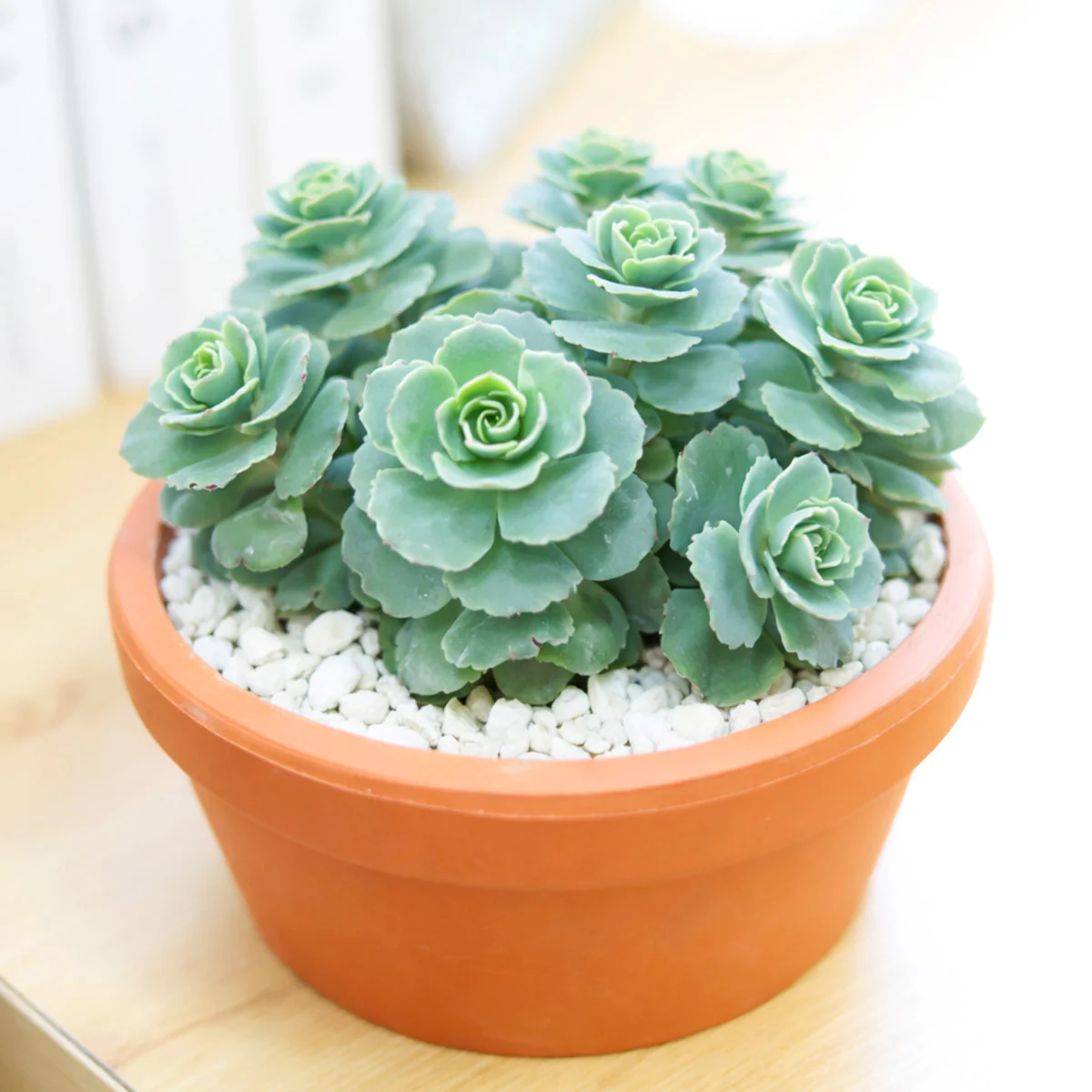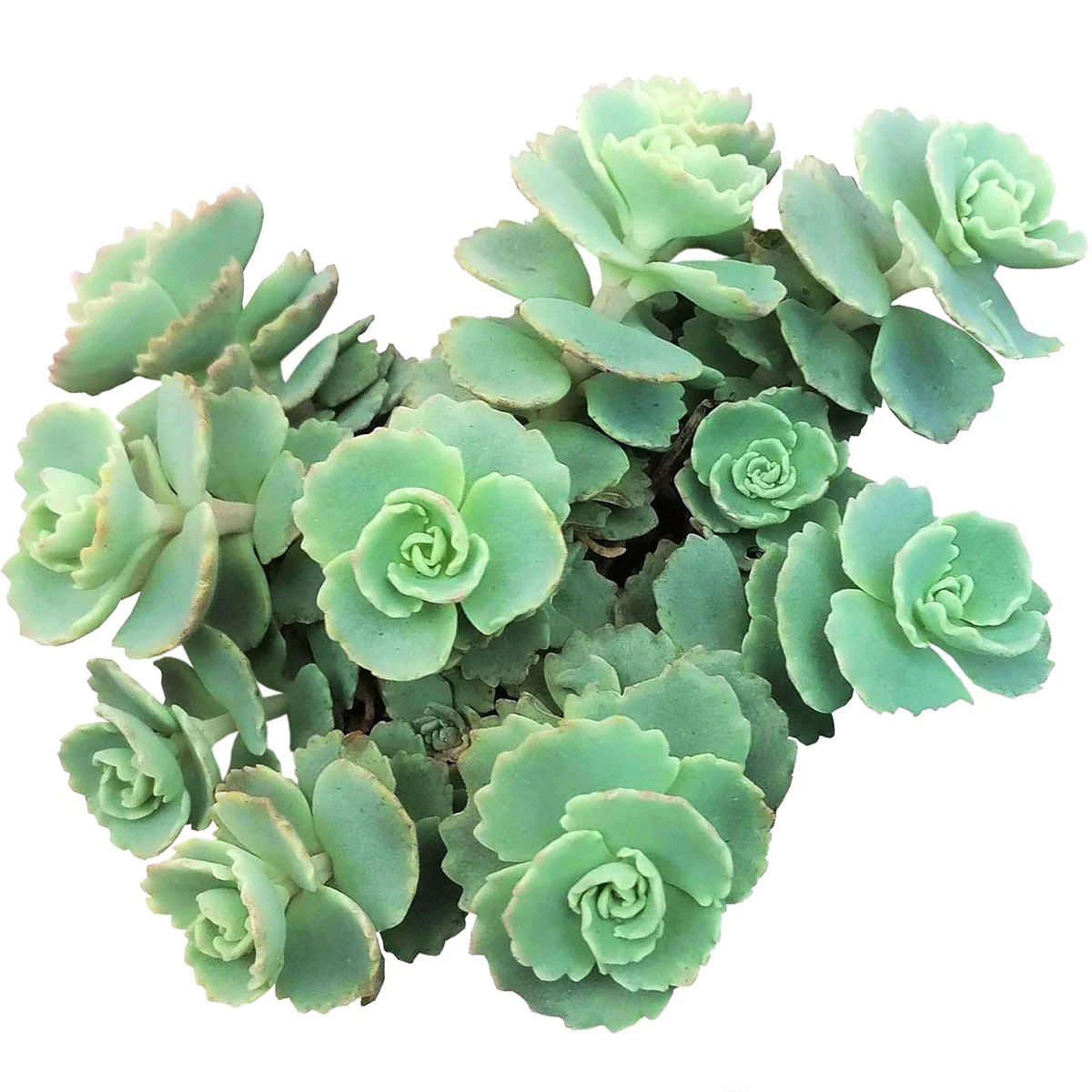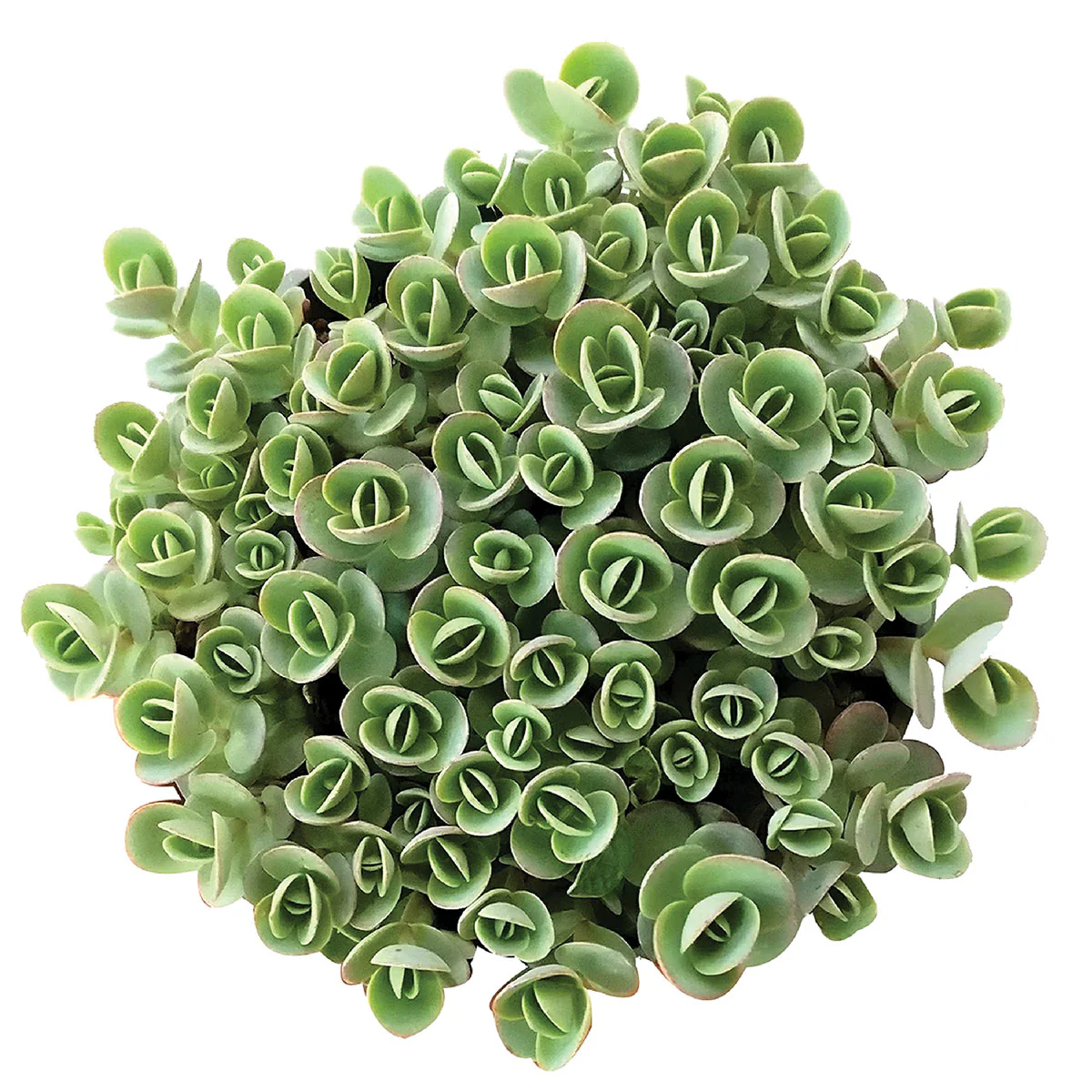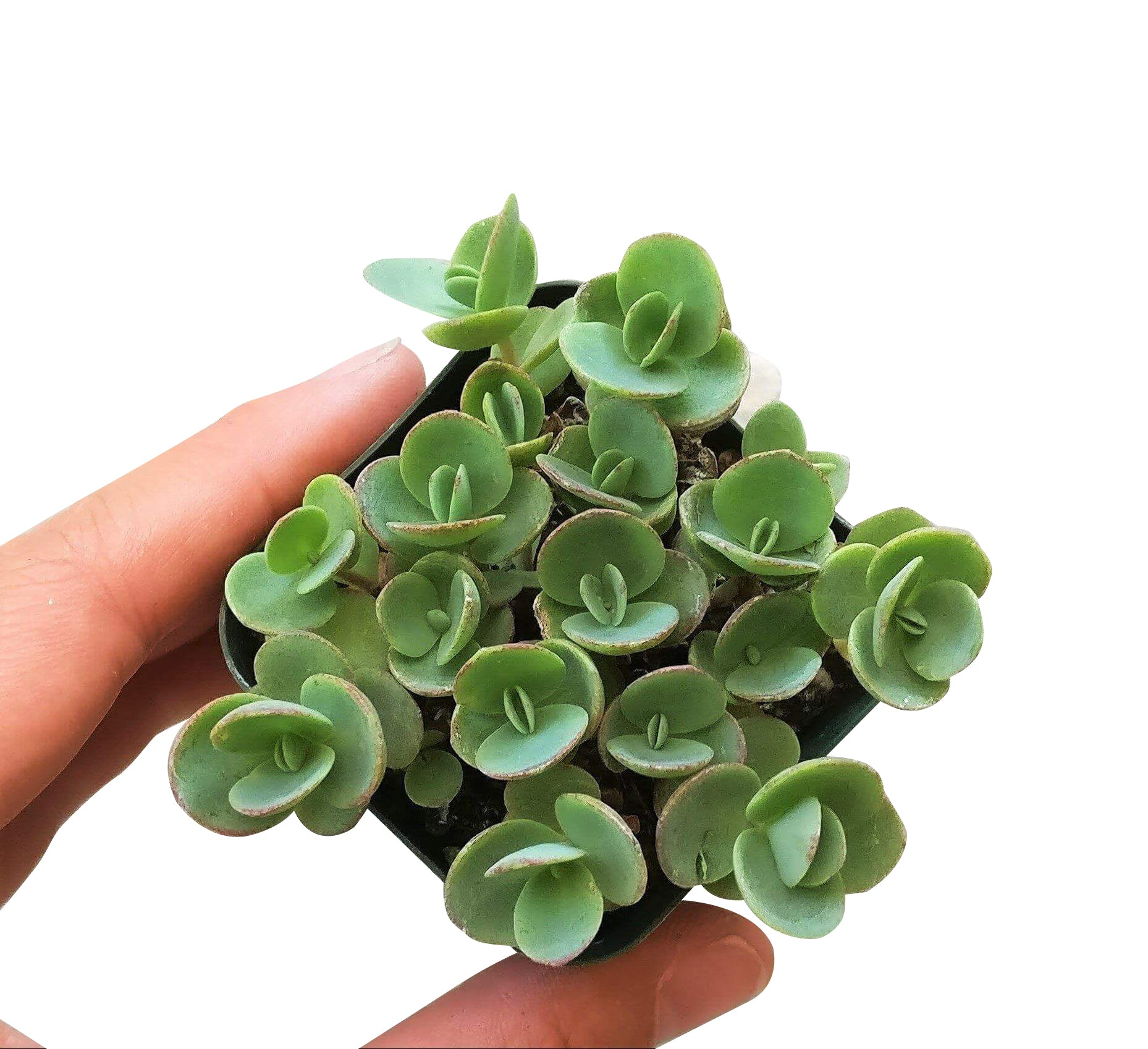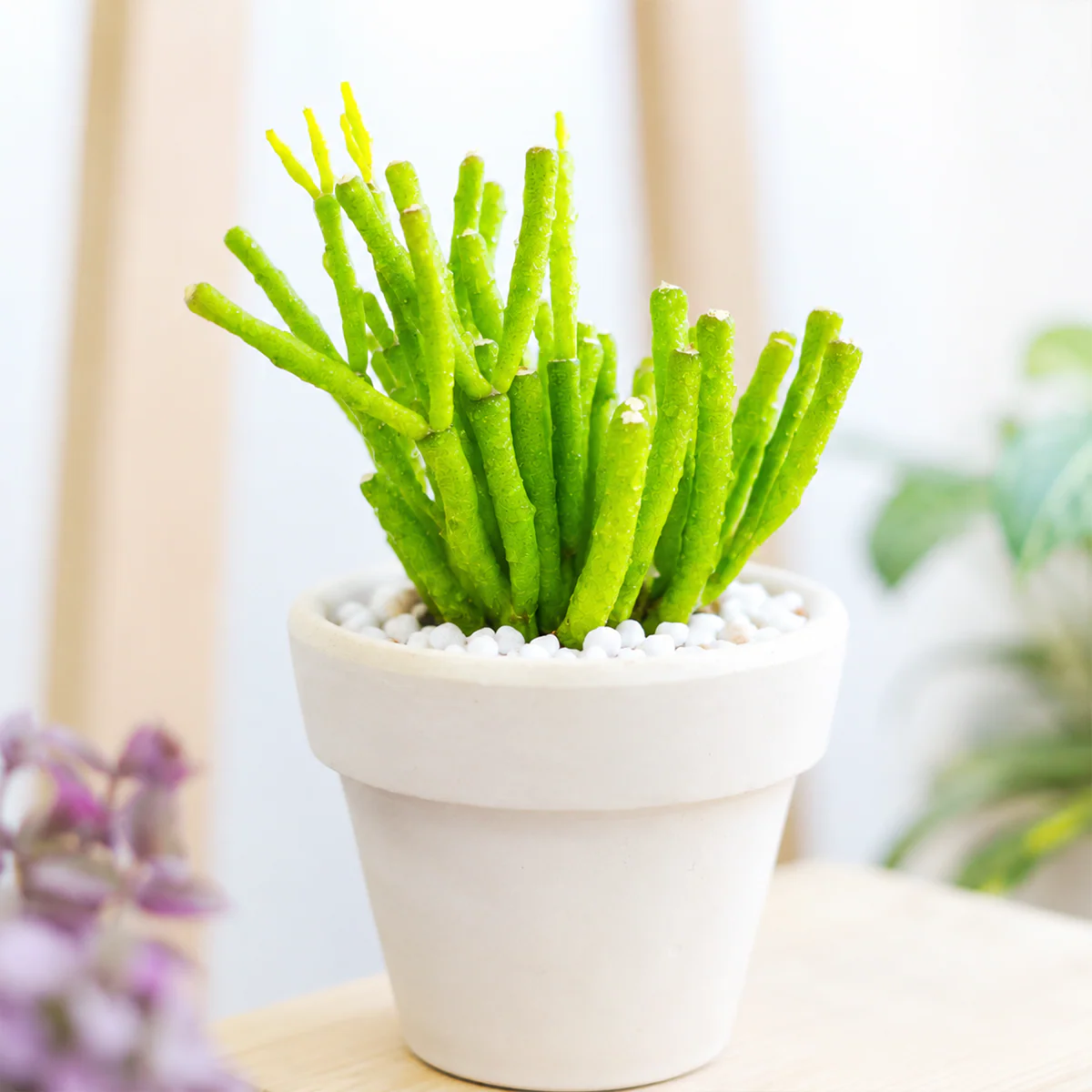
Dancing Bones Hatiora Salicornioides Cactus
- Description
- Dancing Bones Hatiora Salicornioides Cactus Care Guide
- FAQ/Common Issues
-
![]() The Dancing Bones Hatiora Salicornioides Cactus is a cheerful epiphytic cactus native to the tropical rainforests of Brazil, where it grows perched on trees and rocky outcrops in humid, filtered light. Unlike typical desert cacti, this hatiora salicornioides belongs to the forest cactus family Cactaceae and brings a totally different, lush vibe to your plant collection.
The Dancing Bones Hatiora Salicornioides Cactus is a cheerful epiphytic cactus native to the tropical rainforests of Brazil, where it grows perched on trees and rocky outcrops in humid, filtered light. Unlike typical desert cacti, this hatiora salicornioides belongs to the forest cactus family Cactaceae and brings a totally different, lush vibe to your plant collection.
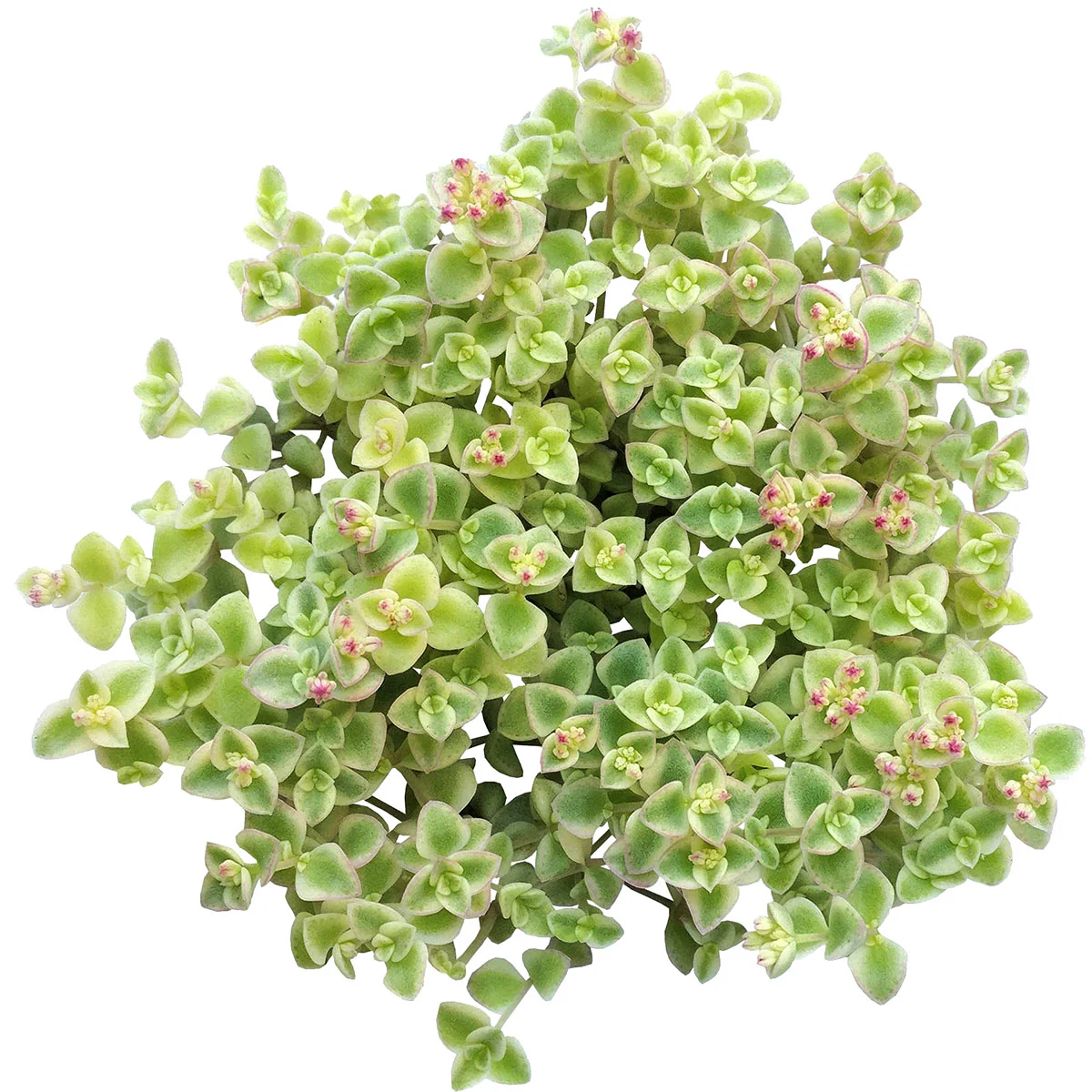
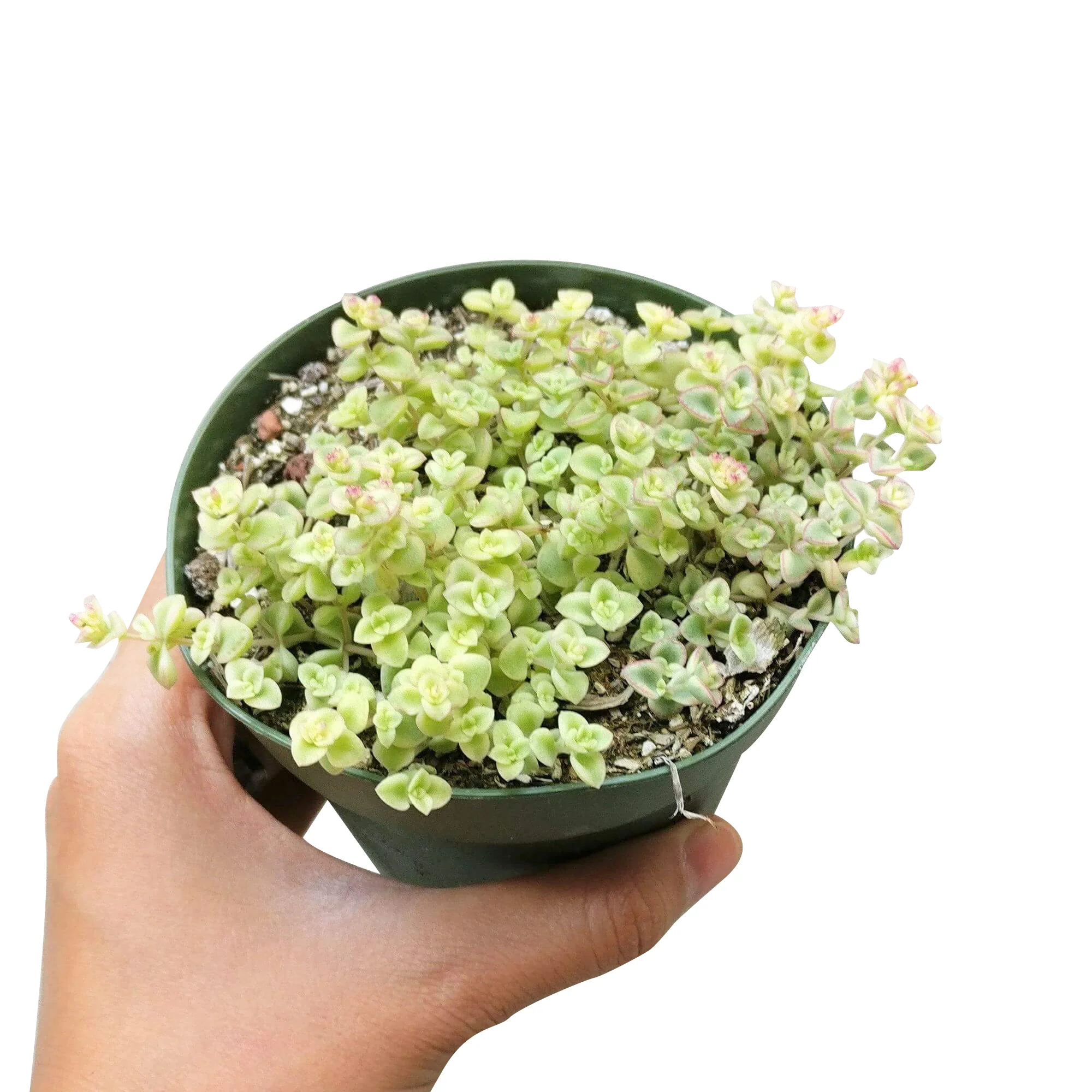
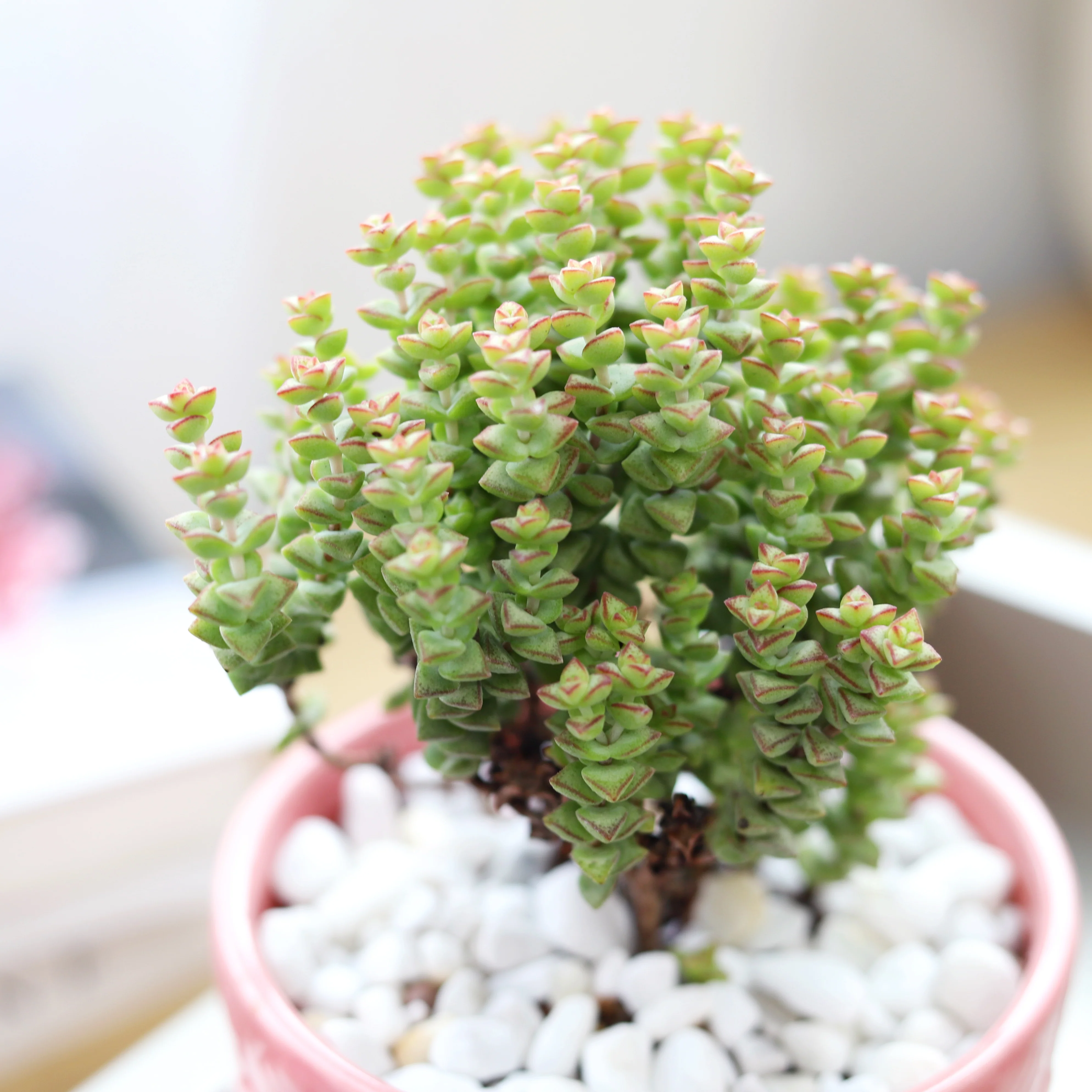
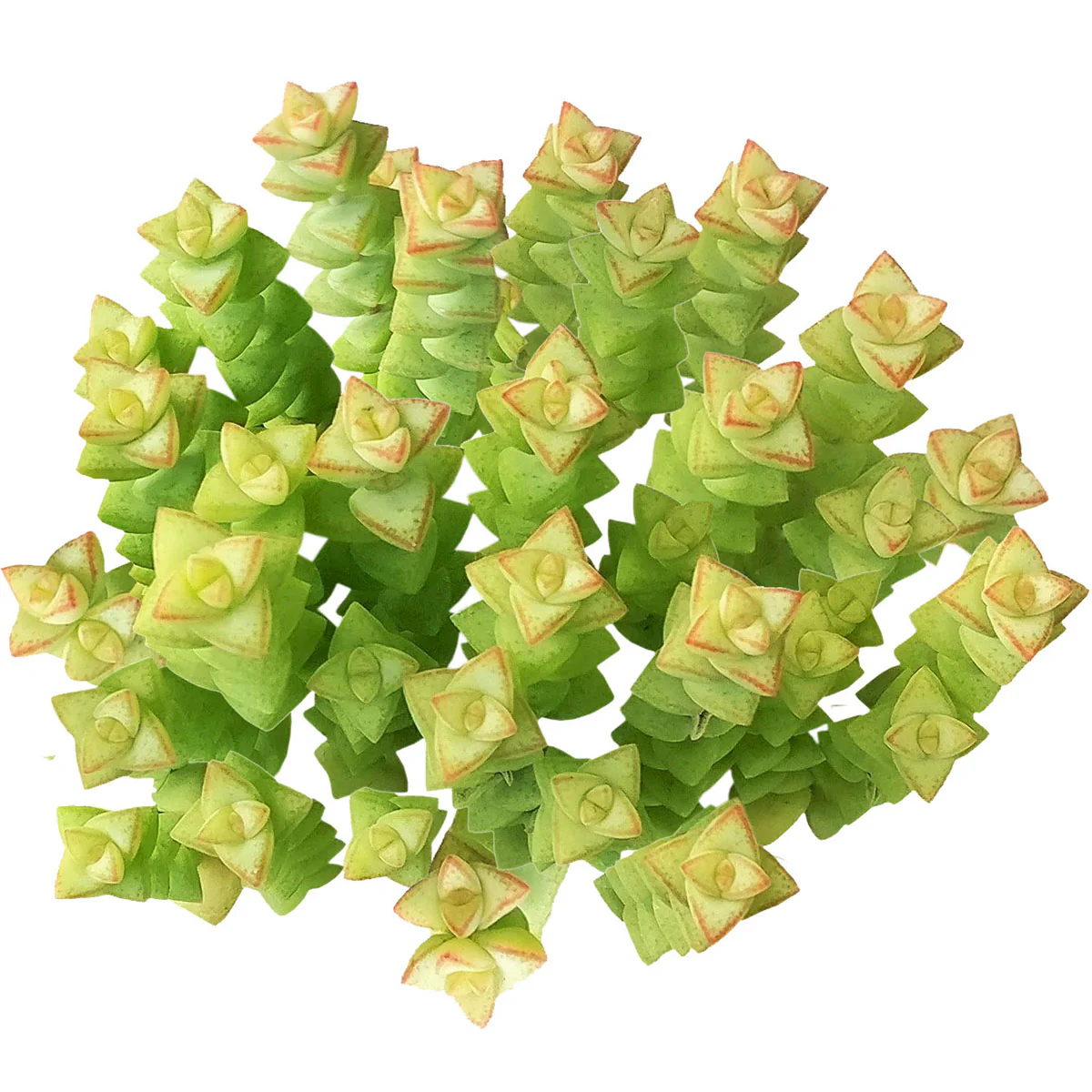
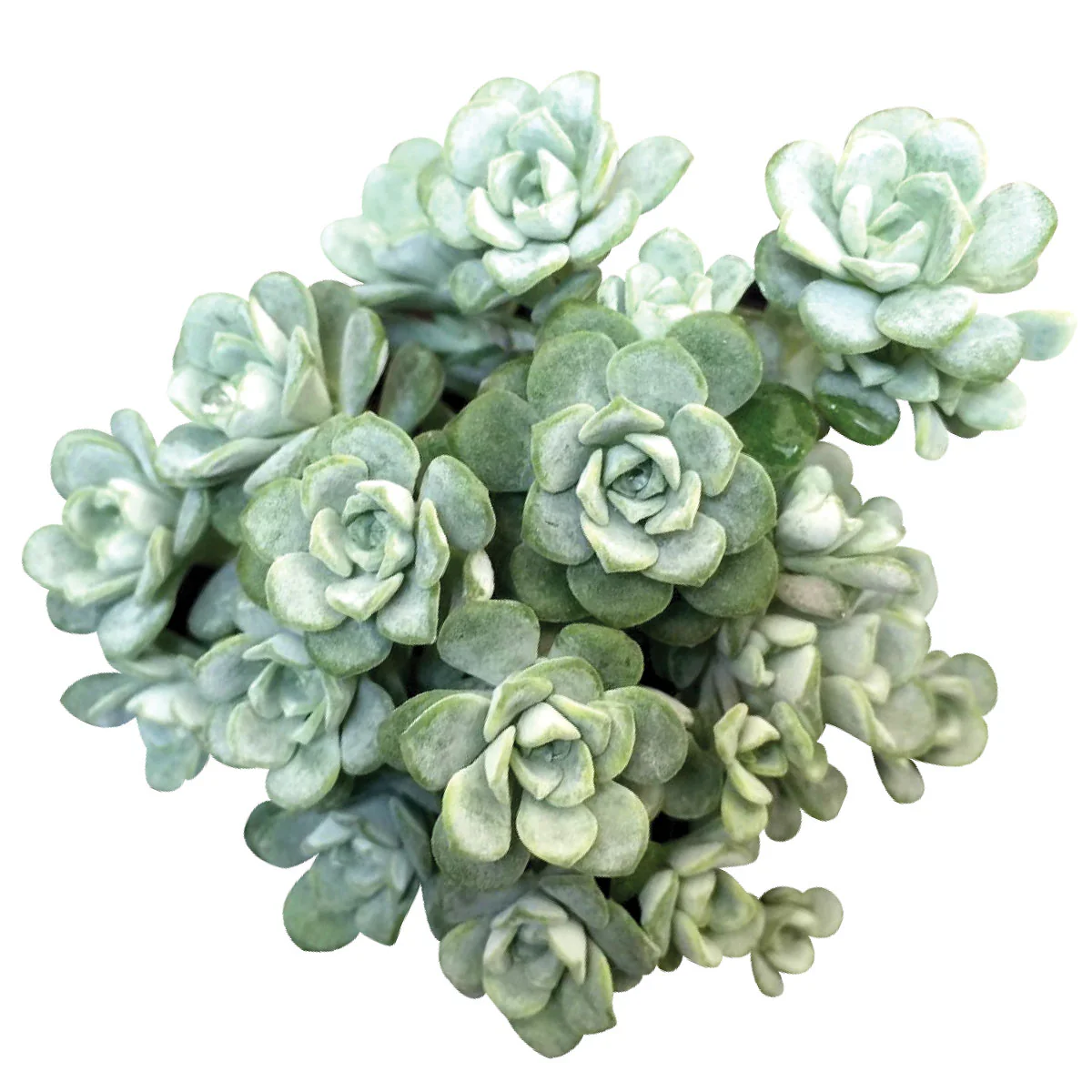
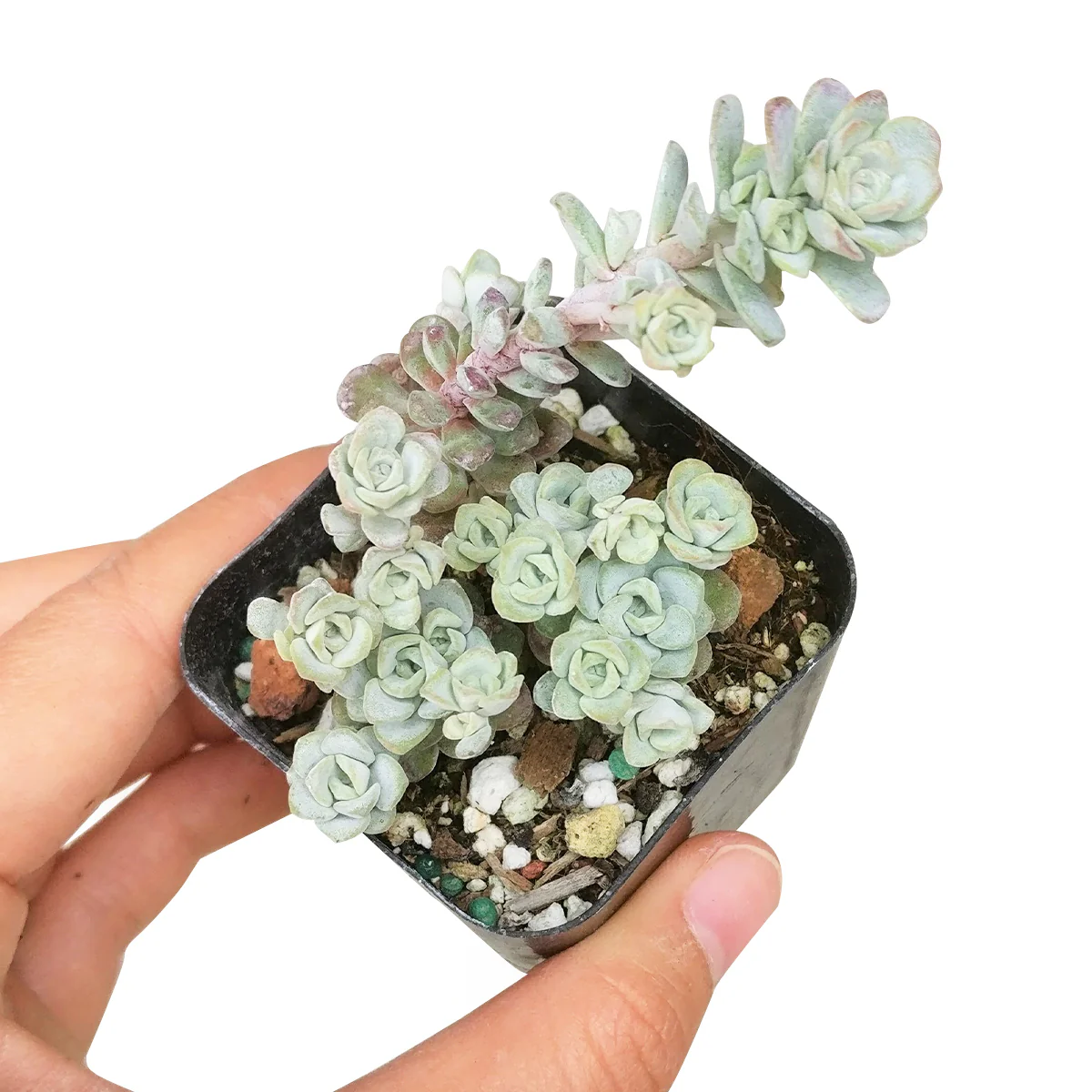
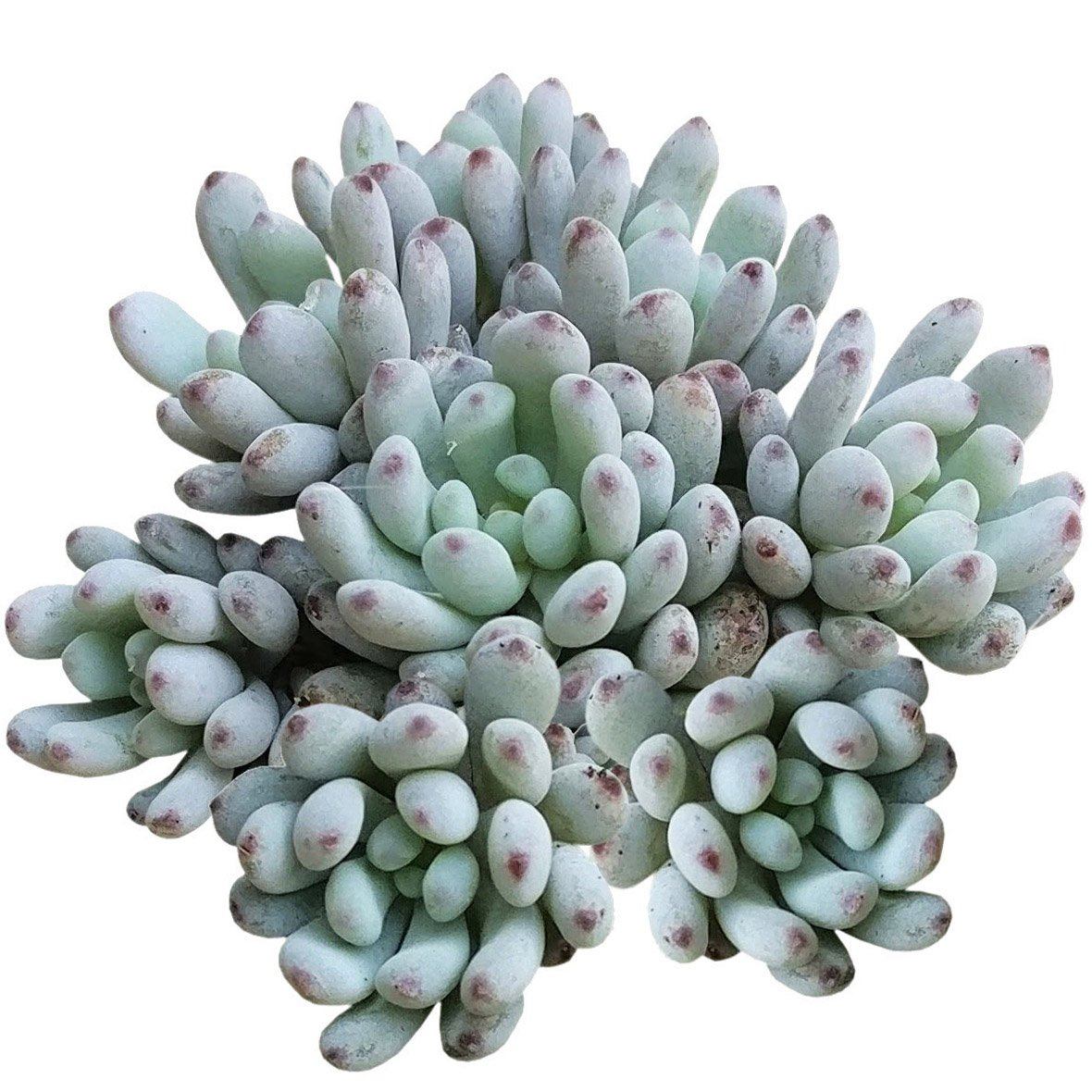
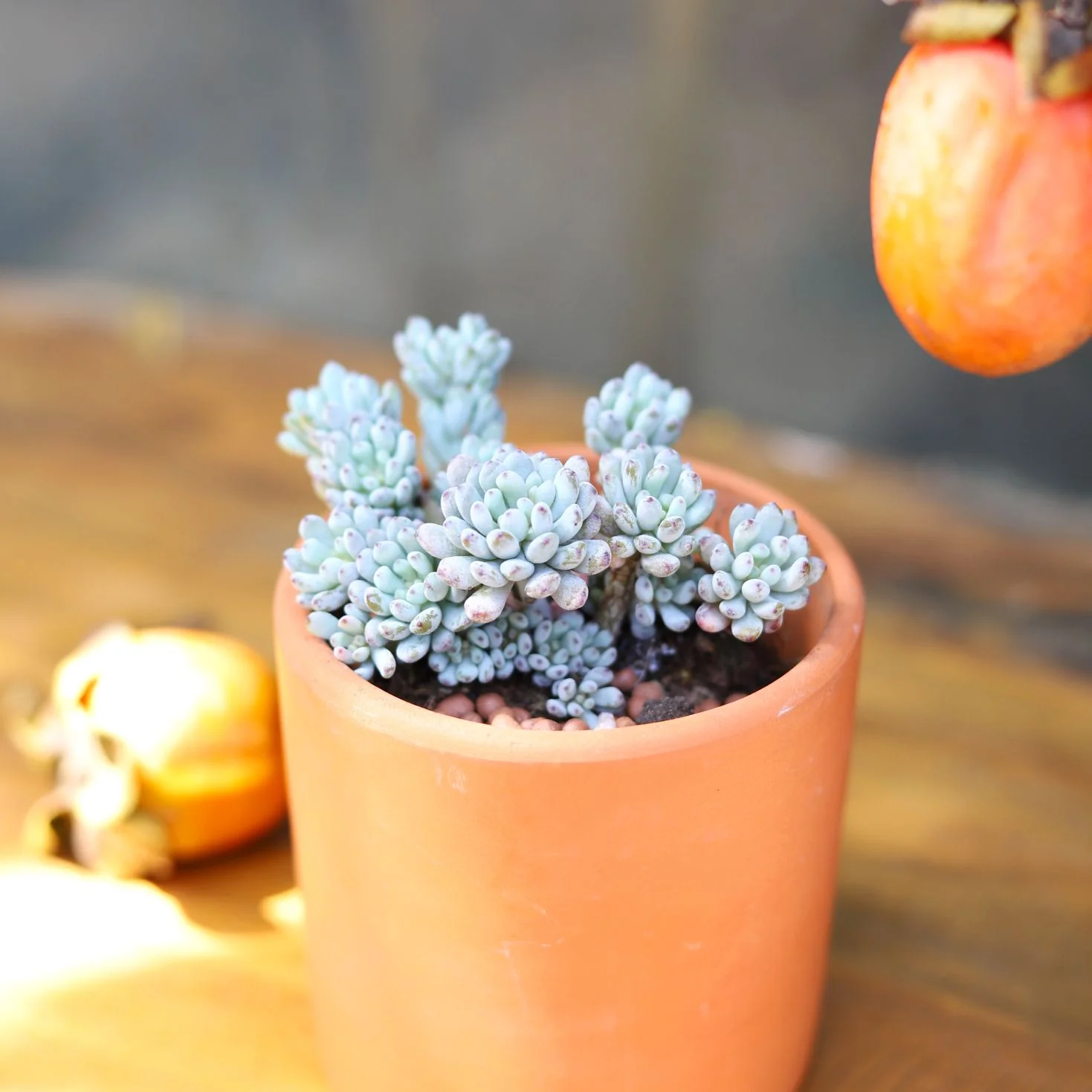
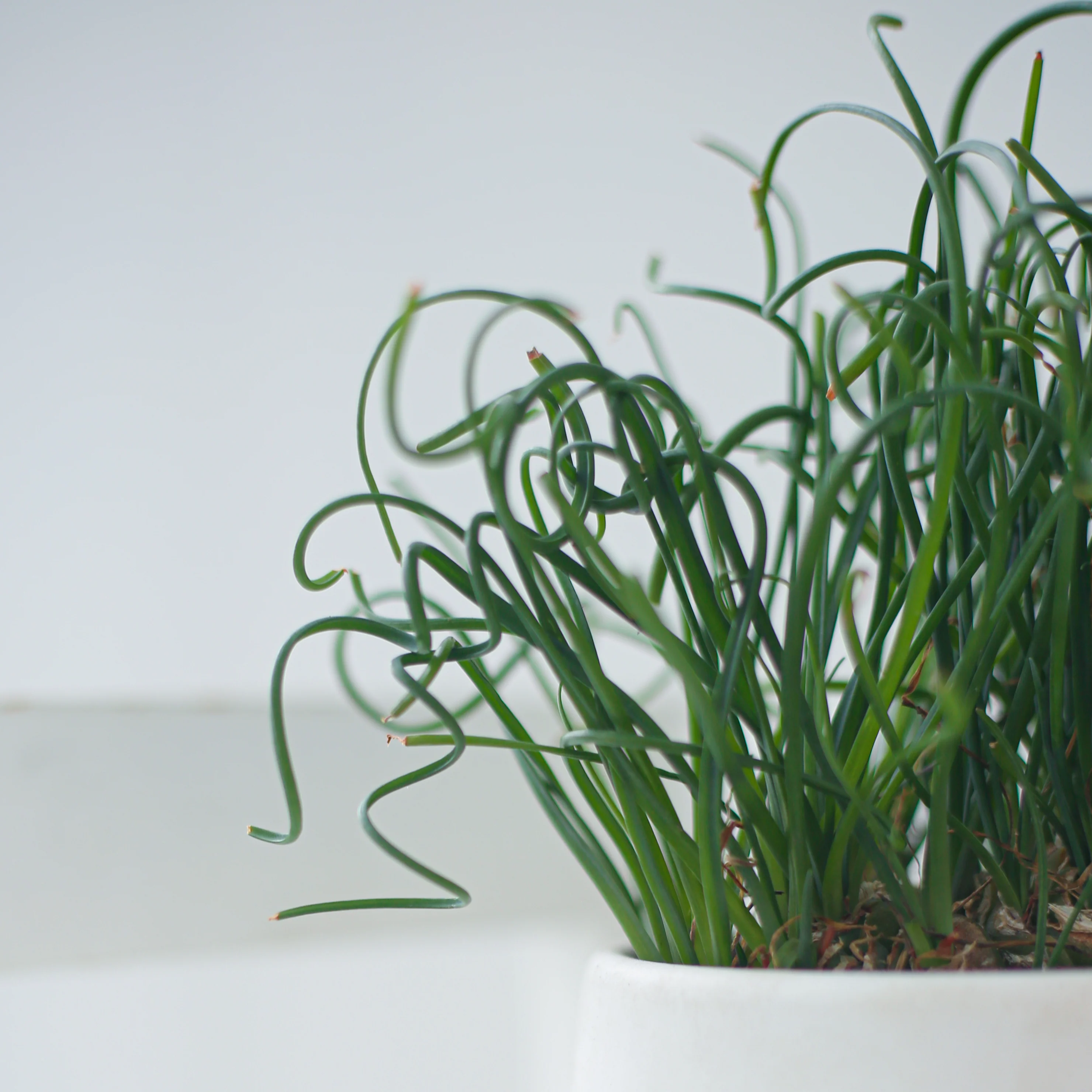
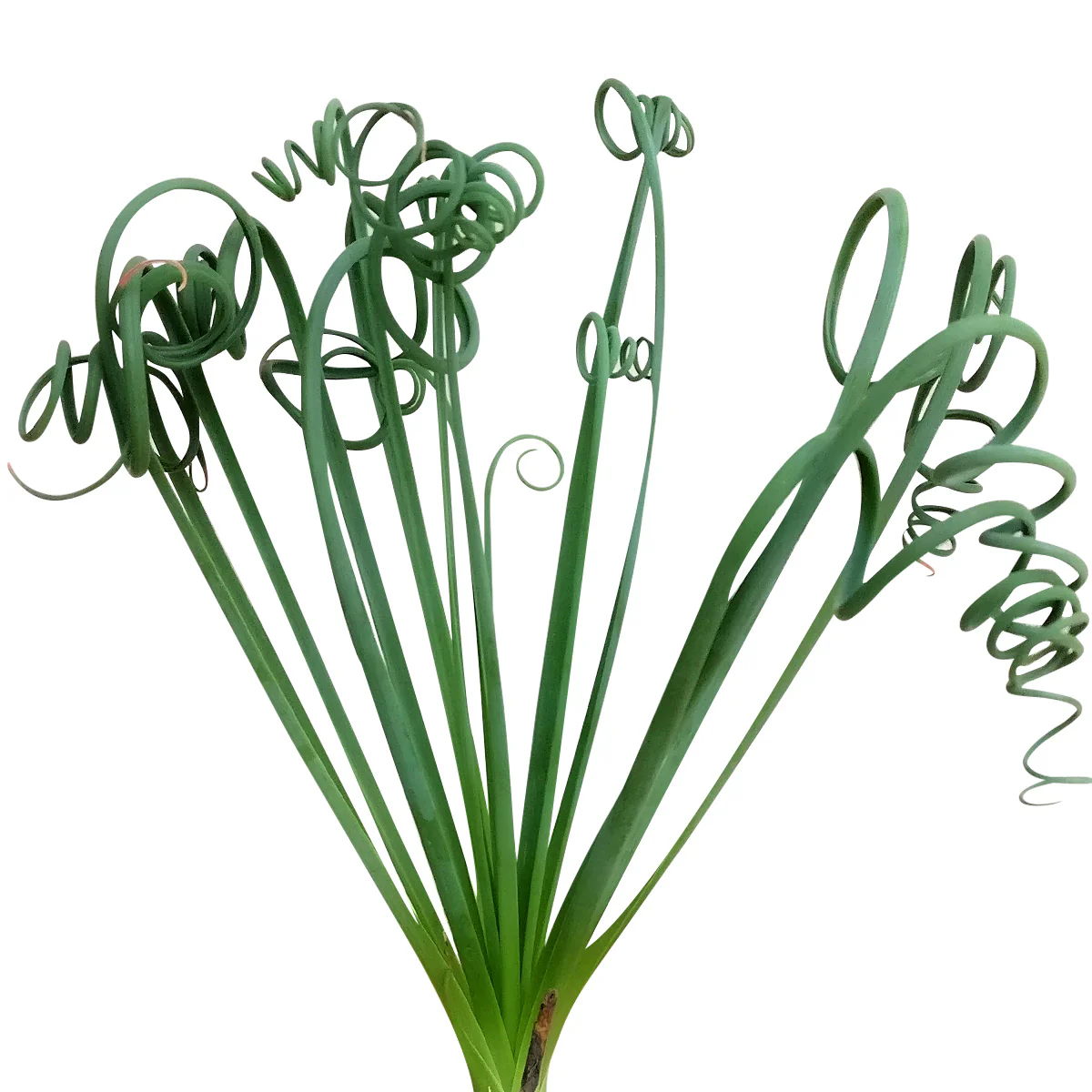
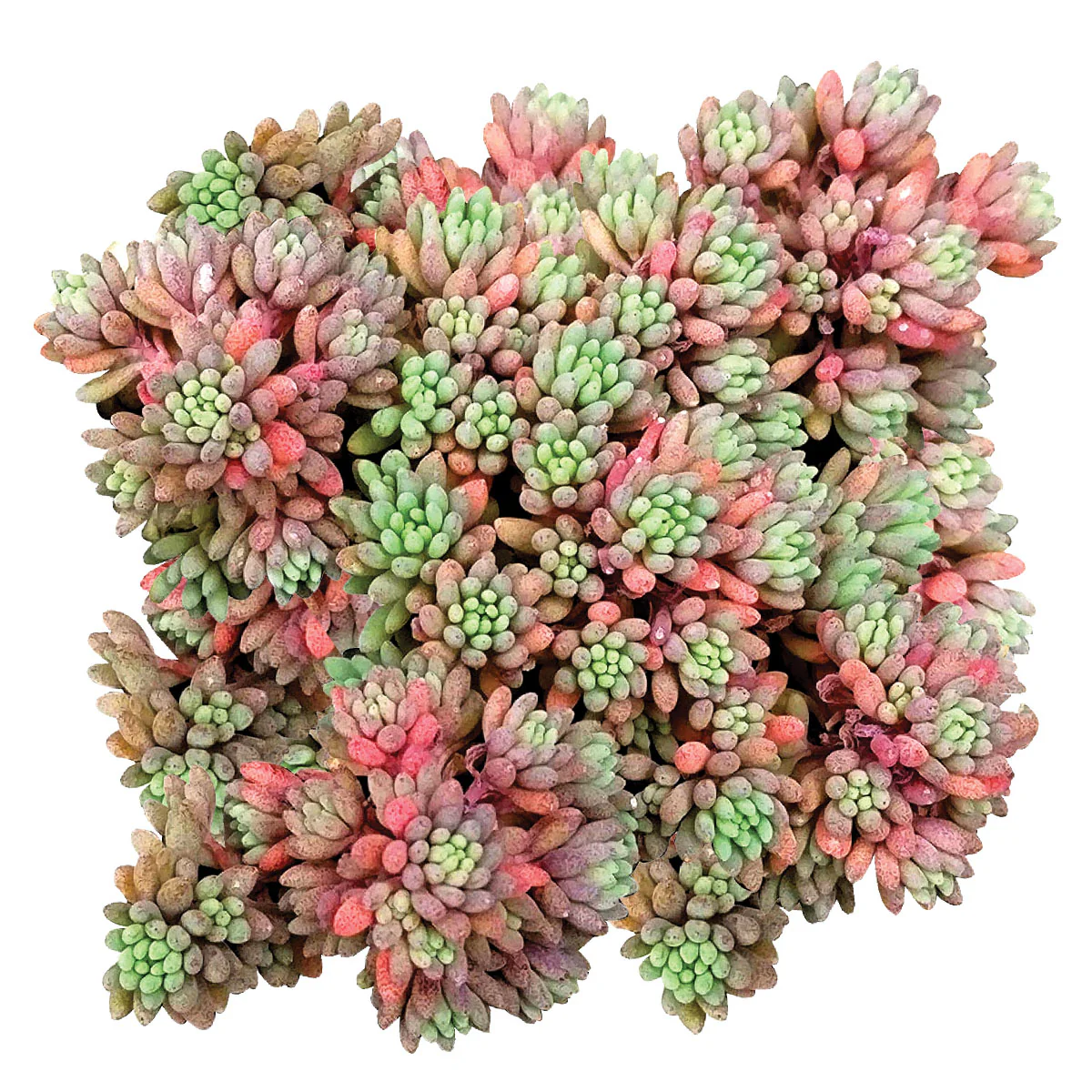
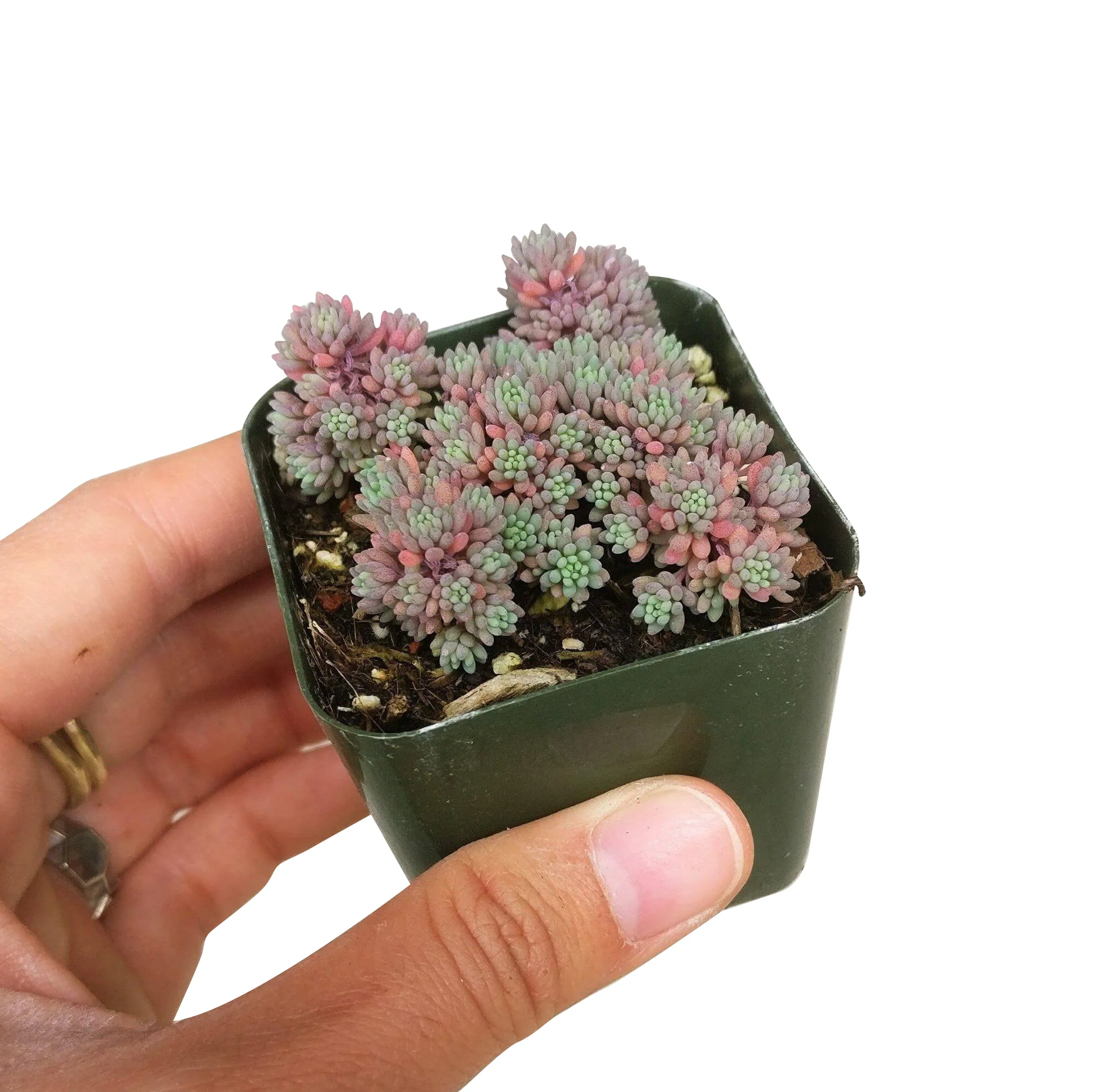
 What makes the Dancing Bones Hatiora Salicornioides Cactus so instantly recognizable are its jointed, bottle-shaped stem segments that stack and branch in every direction, giving it that wild, dancing silhouette people love. The stems are bright green, smooth, and succulent, growing in an upright then trailing, clustering habit that spills beautifully over pot edges. It is commonly called the bottle cactus, drunkard's dream cactus, or spice cactus, all nicknames inspired by those quirky little stem shapes.
 The Dancing Bones Hatiora Salicornioides Cactus rewards patient growers with small, cheerful yellow to orange blooms that appear at the stem tips, typically in late winter to spring. Blooming is triggered by a natural night temperature drop, so keeping this dancing bones cactus in a slightly cooler spot in autumn and winter is the key to a good flower show. No strong fragrance has been noted, but the pop of warm color against all that green is more than enough of a payoff.
 The Dancing Bones Hatiora Salicornioides Cactus is a fantastic pick for beginners and seasoned collectors alike, and its pet-friendly status makes it a worry-free choice for homes with curious cats and dogs. Its trailing, clustering growth style means it shines in a hanging basket with a good hook, or cascading from a shelf near a kitchen window where ambient moisture gives it a happiness boost. Rotate it every few weeks for even, balanced growth, and keep it away from air conditioning or heating vents that blast dry air directly on the stems. Come summer, you can move it outdoors to a sheltered, shaded spot, just make sure it has cover from rain to avoid waterlogged roots.
-
 Dancing Bones Hatiora Salicornioides Cactus thrives in bright indirect light or partial sun, away from harsh south-facing windows that can scorch its stems.
 Water your Dancing Bones Hatiora Salicornioides Cactus every 10 to 14 days in the growing season, reducing to once every 3 to 4 weeks in winter.
 Dancing Bones Hatiora Salicornioides Cactus does best in a well-draining mix of standard cactus soil blended with perlite or orchid bark for extra aeration.
 Dancing Bones Hatiora Salicornioides Cactus prefers temperatures between 60 and 80 degrees Fahrenheit (15 to 27 degrees Celsius) and should never be exposed to frost.
![]() Dancing Bones Hatiora Salicornioides Cactus is a moderate grower that benefits from a balanced liquid fertilizer applied monthly during spring and summer only.
Dancing Bones Hatiora Salicornioides Cactus is a moderate grower that benefits from a balanced liquid fertilizer applied monthly during spring and summer only.
 Dancing Bones Hatiora Salicornioides Cactus is rated for USDA Hardiness Zones 10 to 12, tolerating minimum temperatures of around 30 to 35 degrees Fahrenheit (negative 1 to 2 degrees Celsius) before cold damage occurs. Gardeners growing Dancing Bones Hatiora Salicornioides Cactus outdoors year-round will find the best conditions in Florida, Hawaii, southern California, southern Texas, and southern Arizona, as well as parts of Louisiana, Mississippi, Alabama, Georgia, and South Carolina. Warmer pockets along the coasts of Oregon and the Gulf Coast regions of Nevada also fall within reach, making this an approachable outdoor plant across a broad stretch of the Sun Belt and Pacific Coast.
-
Q: Is the Dancing Bones Hatiora Salicornioides Cactus safe for pets?
A: Yes, this plant is pet friendly and is considered non-toxic to cats and dogs, making it a great choice for pet-owning plant lovers.
Q: How much light does the Dancing Bones Hatiora Salicornioides Cactus need?
A: It thrives in bright indirect light or partial sun and can even grow under office LED lighting. Avoid direct harsh sun, which can scorch the delicate stems.
Q: How do I get my Dancing Bones Hatiora Salicornioides Cactus to bloom?
A: Expose your Dancing Bones Hatiora Salicornioides Cactus to a natural drop in nighttime temperatures during autumn and winter, ideally dropping to around 50 to 55 degrees Fahrenheit, to trigger blooming in late winter or spring.
Q: How do I propagate the Dancing Bones Hatiora Salicornioides Cactus?
A: Propagation is easy: simply snap off a healthy stem segment of two to three joints, let it callous for a day or two, then place it in lightly moist cactus mix. Roots typically develop within a few weeks.
Q: Can I move my Dancing Bones Hatiora Salicornioides Cactus outside for summer?
A: Yes, the Dancing Bones Hatiora Salicornioides Cactus loves spending summer outdoors in a shaded, sheltered spot. Just make sure it has cover from rain and bring it back inside before temperatures drop below 50 degrees Fahrenheit.
Q: How big does the Dancing Bones Hatiora Salicornioides Cactus get?
A: In a container, the Dancing Bones Hatiora Salicornioides Cactus typically reaches 12 to 24 inches in length as stems trail and cluster. Its manageable size makes it perfect for hanging baskets, small shelves, or a bright kitchen windowsill.


Product Information
Product Information
Shipping & Returns
Shipping & Returns
Description
- Description
- Dancing Bones Hatiora Salicornioides Cactus Care Guide
- FAQ/Common Issues
-
![]() The Dancing Bones Hatiora Salicornioides Cactus is a cheerful epiphytic cactus native to the tropical rainforests of Brazil, where it grows perched on trees and rocky outcrops in humid, filtered light. Unlike typical desert cacti, this hatiora salicornioides belongs to the forest cactus family Cactaceae and brings a totally different, lush vibe to your plant collection.
The Dancing Bones Hatiora Salicornioides Cactus is a cheerful epiphytic cactus native to the tropical rainforests of Brazil, where it grows perched on trees and rocky outcrops in humid, filtered light. Unlike typical desert cacti, this hatiora salicornioides belongs to the forest cactus family Cactaceae and brings a totally different, lush vibe to your plant collection.
What makes the Dancing Bones Hatiora Salicornioides Cactus so instantly recognizable are its jointed, bottle-shaped stem segments that stack and branch in every direction, giving it that wild, dancing silhouette people love. The stems are bright green, smooth, and succulent, growing in an upright then trailing, clustering habit that spills beautifully over pot edges. It is commonly called the bottle cactus, drunkard's dream cactus, or spice cactus, all nicknames inspired by those quirky little stem shapes.
The Dancing Bones Hatiora Salicornioides Cactus rewards patient growers with small, cheerful yellow to orange blooms that appear at the stem tips, typically in late winter to spring. Blooming is triggered by a natural night temperature drop, so keeping this dancing bones cactus in a slightly cooler spot in autumn and winter is the key to a good flower show. No strong fragrance has been noted, but the pop of warm color against all that green is more than enough of a payoff.
The Dancing Bones Hatiora Salicornioides Cactus is a fantastic pick for beginners and seasoned collectors alike, and its pet-friendly status makes it a worry-free choice for homes with curious cats and dogs. Its trailing, clustering growth style means it shines in a hanging basket with a good hook, or cascading from a shelf near a kitchen window where ambient moisture gives it a happiness boost. Rotate it every few weeks for even, balanced growth, and keep it away from air conditioning or heating vents that blast dry air directly on the stems. Come summer, you can move it outdoors to a sheltered, shaded spot, just make sure it has cover from rain to avoid waterlogged roots.
-
Dancing Bones Hatiora Salicornioides Cactus thrives in bright indirect light or partial sun, away from harsh south-facing windows that can scorch its stems.
Water your Dancing Bones Hatiora Salicornioides Cactus every 10 to 14 days in the growing season, reducing to once every 3 to 4 weeks in winter.
Dancing Bones Hatiora Salicornioides Cactus does best in a well-draining mix of standard cactus soil blended with perlite or orchid bark for extra aeration.
Dancing Bones Hatiora Salicornioides Cactus prefers temperatures between 60 and 80 degrees Fahrenheit (15 to 27 degrees Celsius) and should never be exposed to frost.
![]() Dancing Bones Hatiora Salicornioides Cactus is a moderate grower that benefits from a balanced liquid fertilizer applied monthly during spring and summer only.
Dancing Bones Hatiora Salicornioides Cactus is a moderate grower that benefits from a balanced liquid fertilizer applied monthly during spring and summer only.
Dancing Bones Hatiora Salicornioides Cactus is rated for USDA Hardiness Zones 10 to 12, tolerating minimum temperatures of around 30 to 35 degrees Fahrenheit (negative 1 to 2 degrees Celsius) before cold damage occurs. Gardeners growing Dancing Bones Hatiora Salicornioides Cactus outdoors year-round will find the best conditions in Florida, Hawaii, southern California, southern Texas, and southern Arizona, as well as parts of Louisiana, Mississippi, Alabama, Georgia, and South Carolina. Warmer pockets along the coasts of Oregon and the Gulf Coast regions of Nevada also fall within reach, making this an approachable outdoor plant across a broad stretch of the Sun Belt and Pacific Coast.
-
Q: Is the Dancing Bones Hatiora Salicornioides Cactus safe for pets?
A: Yes, this plant is pet friendly and is considered non-toxic to cats and dogs, making it a great choice for pet-owning plant lovers.
Q: How much light does the Dancing Bones Hatiora Salicornioides Cactus need?
A: It thrives in bright indirect light or partial sun and can even grow under office LED lighting. Avoid direct harsh sun, which can scorch the delicate stems.
Q: How do I get my Dancing Bones Hatiora Salicornioides Cactus to bloom?
A: Expose your Dancing Bones Hatiora Salicornioides Cactus to a natural drop in nighttime temperatures during autumn and winter, ideally dropping to around 50 to 55 degrees Fahrenheit, to trigger blooming in late winter or spring.
Q: How do I propagate the Dancing Bones Hatiora Salicornioides Cactus?
A: Propagation is easy: simply snap off a healthy stem segment of two to three joints, let it callous for a day or two, then place it in lightly moist cactus mix. Roots typically develop within a few weeks.
Q: Can I move my Dancing Bones Hatiora Salicornioides Cactus outside for summer?
A: Yes, the Dancing Bones Hatiora Salicornioides Cactus loves spending summer outdoors in a shaded, sheltered spot. Just make sure it has cover from rain and bring it back inside before temperatures drop below 50 degrees Fahrenheit.
Q: How big does the Dancing Bones Hatiora Salicornioides Cactus get?
A: In a container, the Dancing Bones Hatiora Salicornioides Cactus typically reaches 12 to 24 inches in length as stems trail and cluster. Its manageable size makes it perfect for hanging baskets, small shelves, or a bright kitchen windowsill.