Crested Echeveria Frosty
- Description
- Crested Echeveria Frosty Care Guide
- FAQ/Common Issues
-
![]() Crested Echeveria Frosty is a rare, easy-care succulent in the Crassulaceae family, native to the highlands of Mexico where Echeveria species evolved in rocky, well-drained terrain with bright sun and low rainfall. This crested form develops through a fascinating mutation called fasciation, which causes the growing tip to fan outward instead of forming a single rosette, making every Crested Echeveria Frosty genuinely one of a kind.
Crested Echeveria Frosty is a rare, easy-care succulent in the Crassulaceae family, native to the highlands of Mexico where Echeveria species evolved in rocky, well-drained terrain with bright sun and low rainfall. This crested form develops through a fascinating mutation called fasciation, which causes the growing tip to fan outward instead of forming a single rosette, making every Crested Echeveria Frosty genuinely one of a kind.
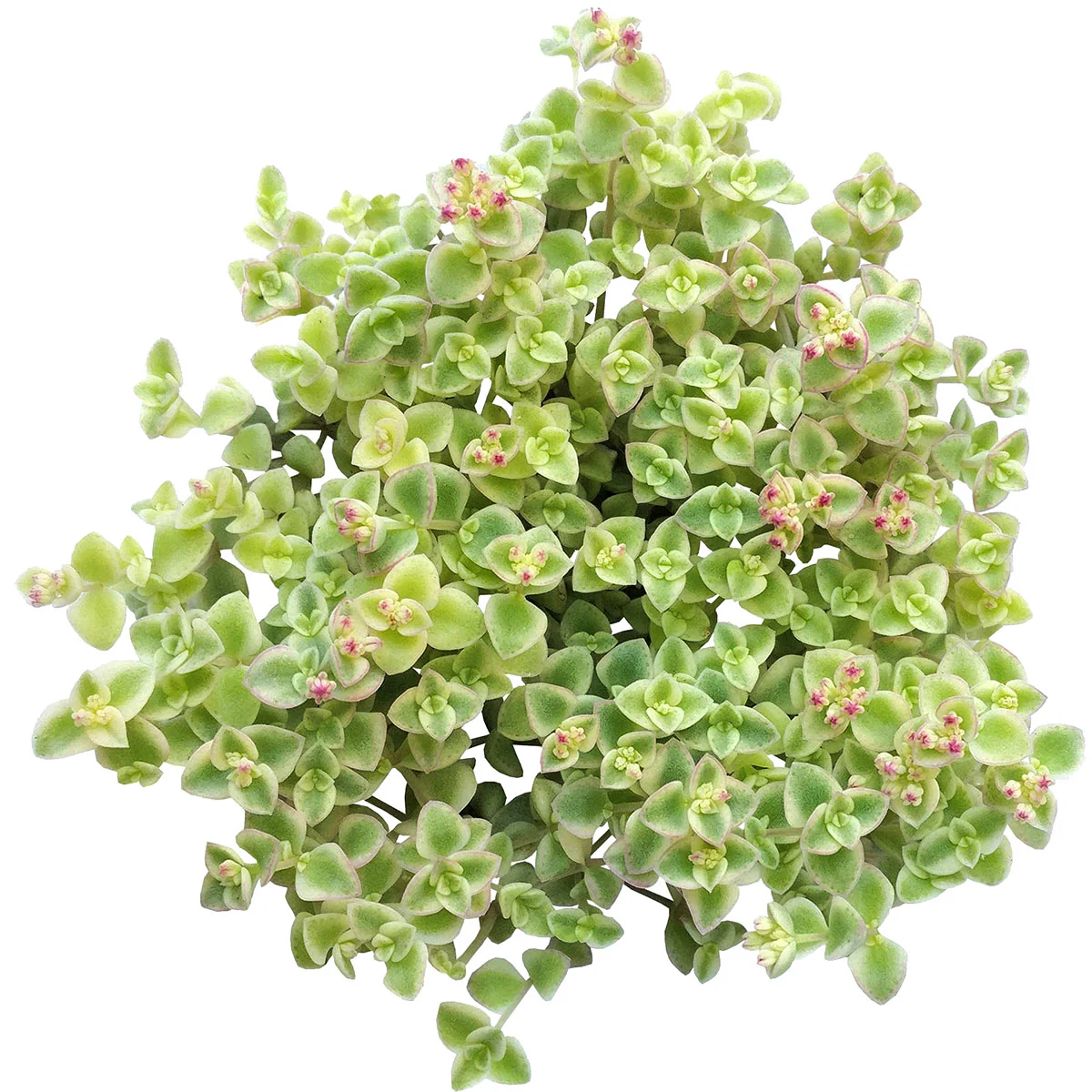
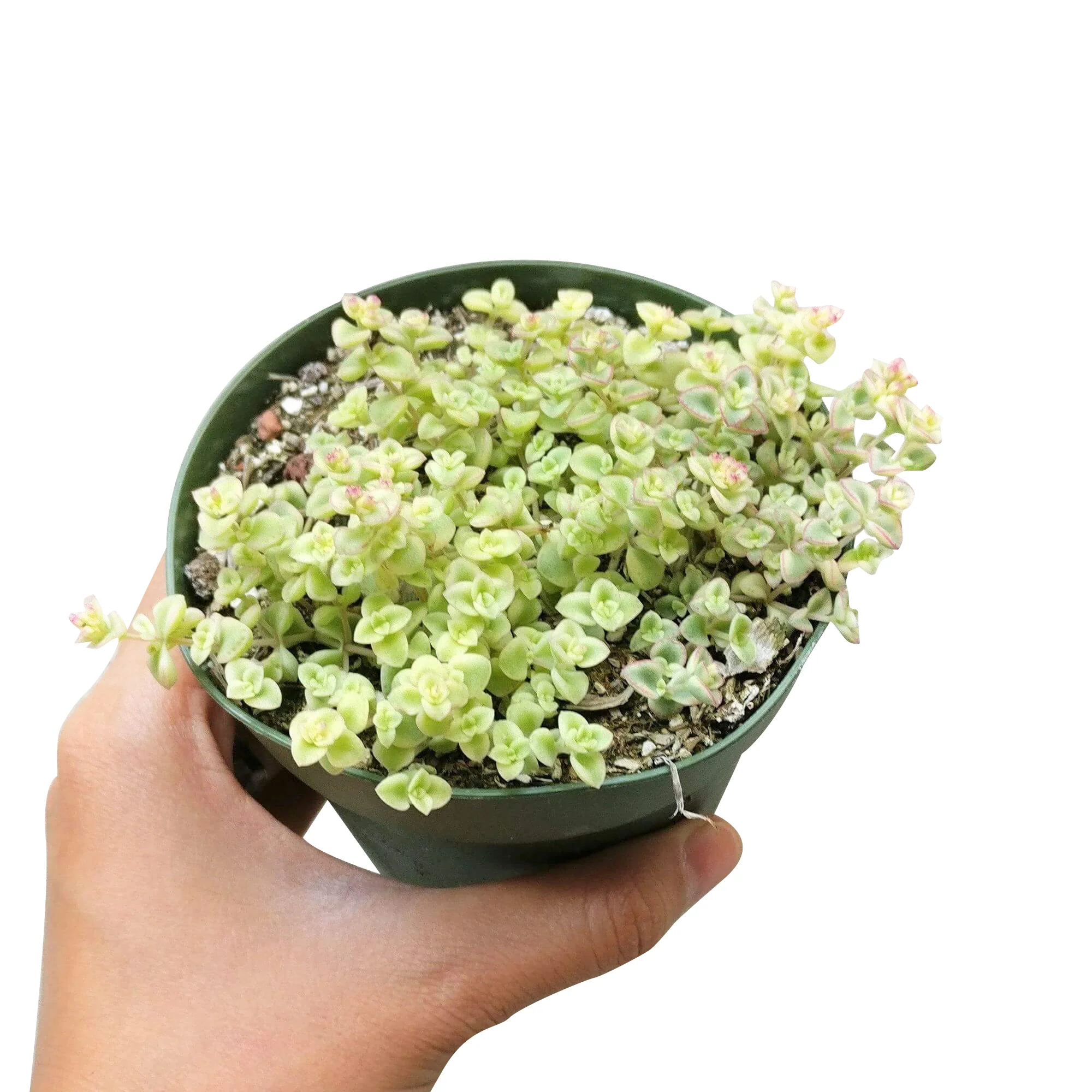
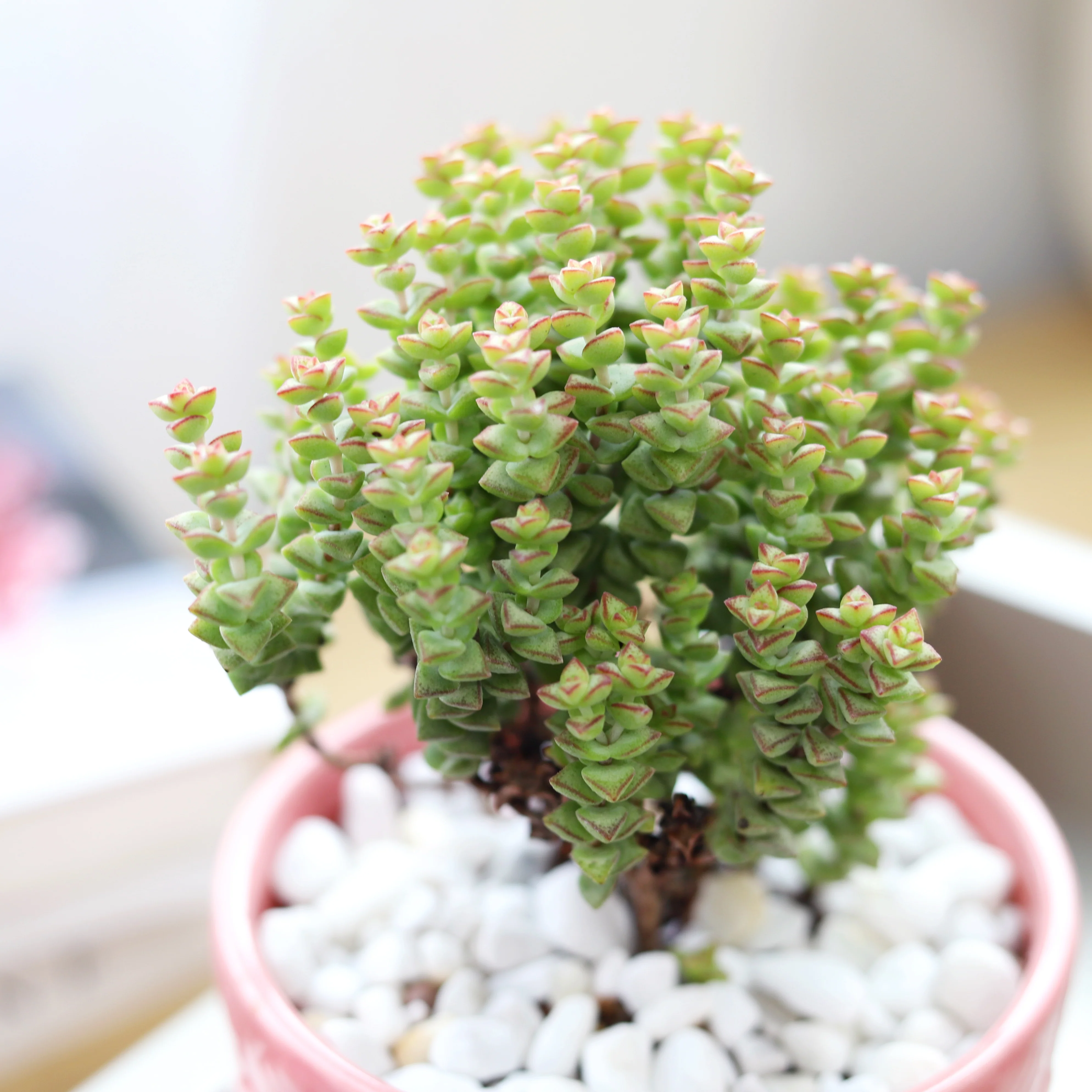
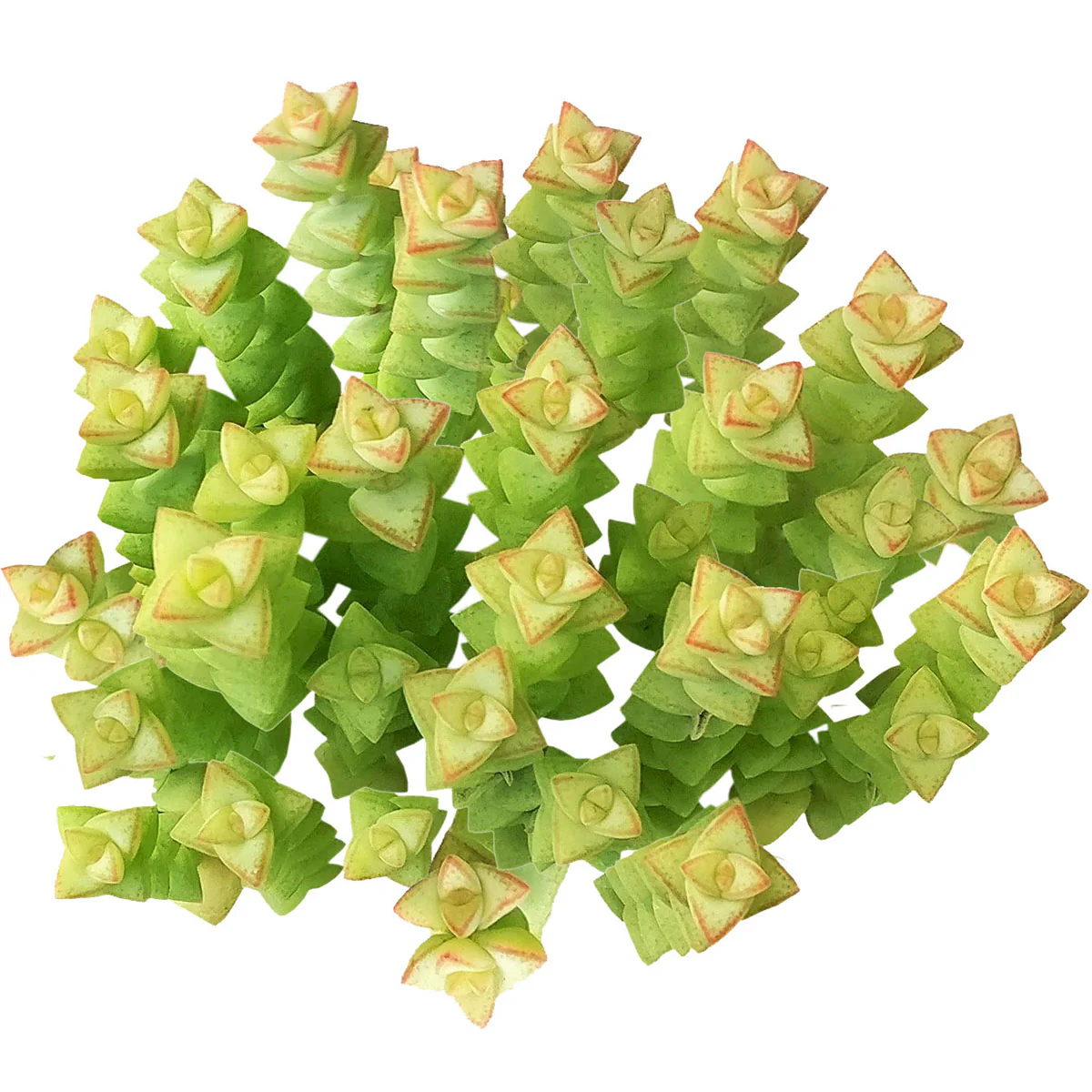
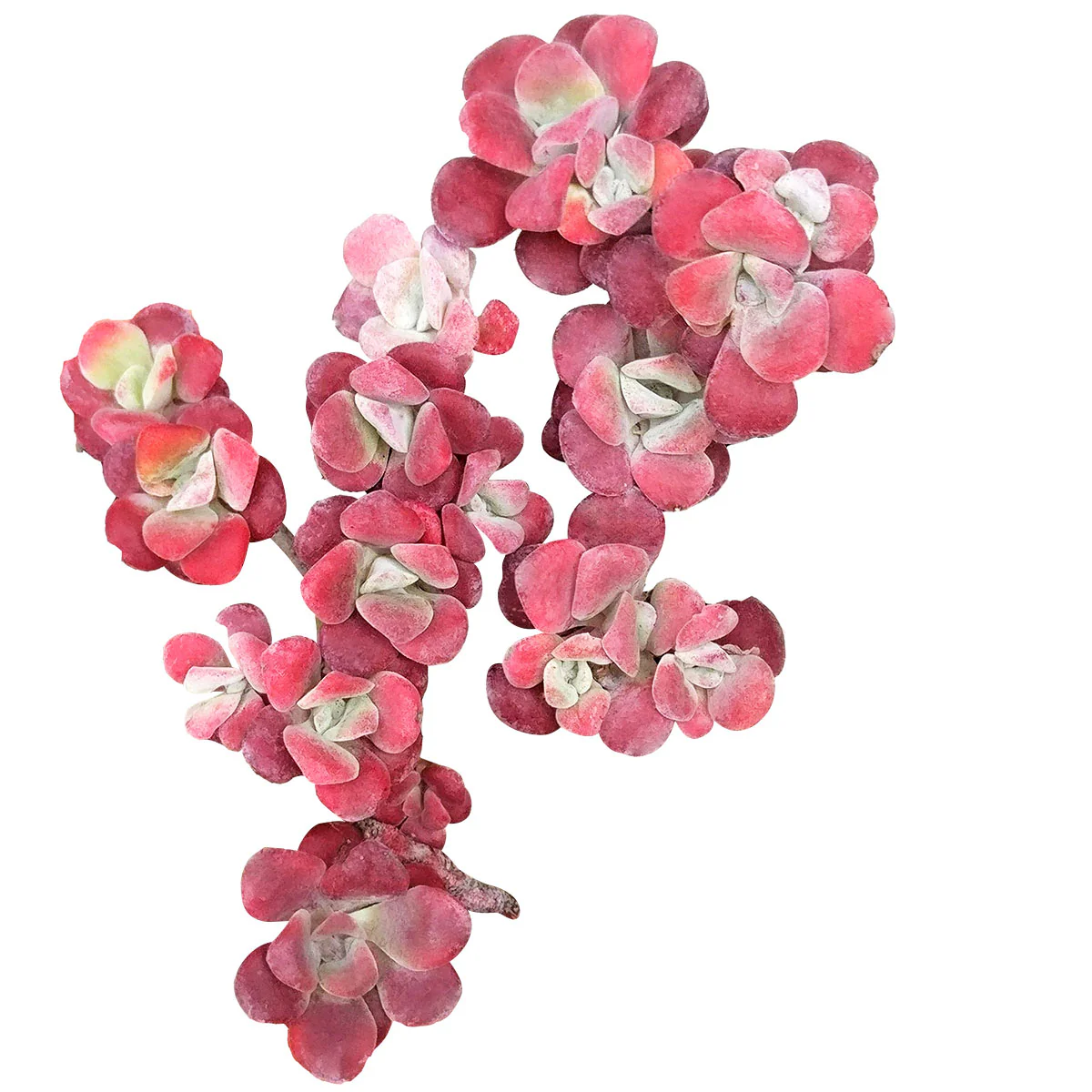
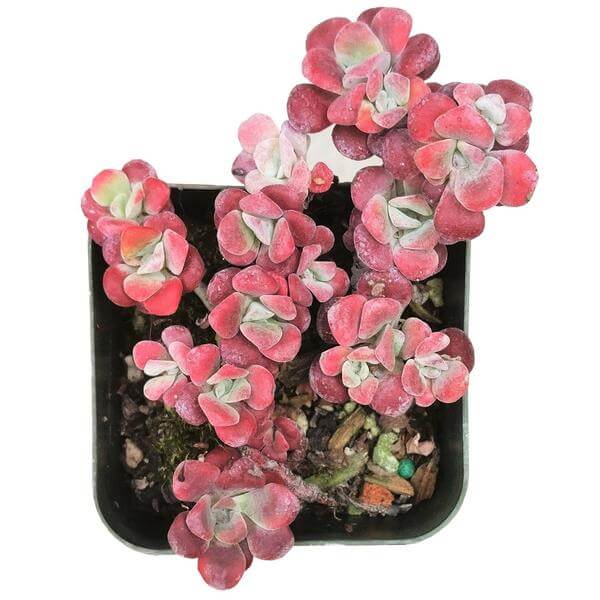
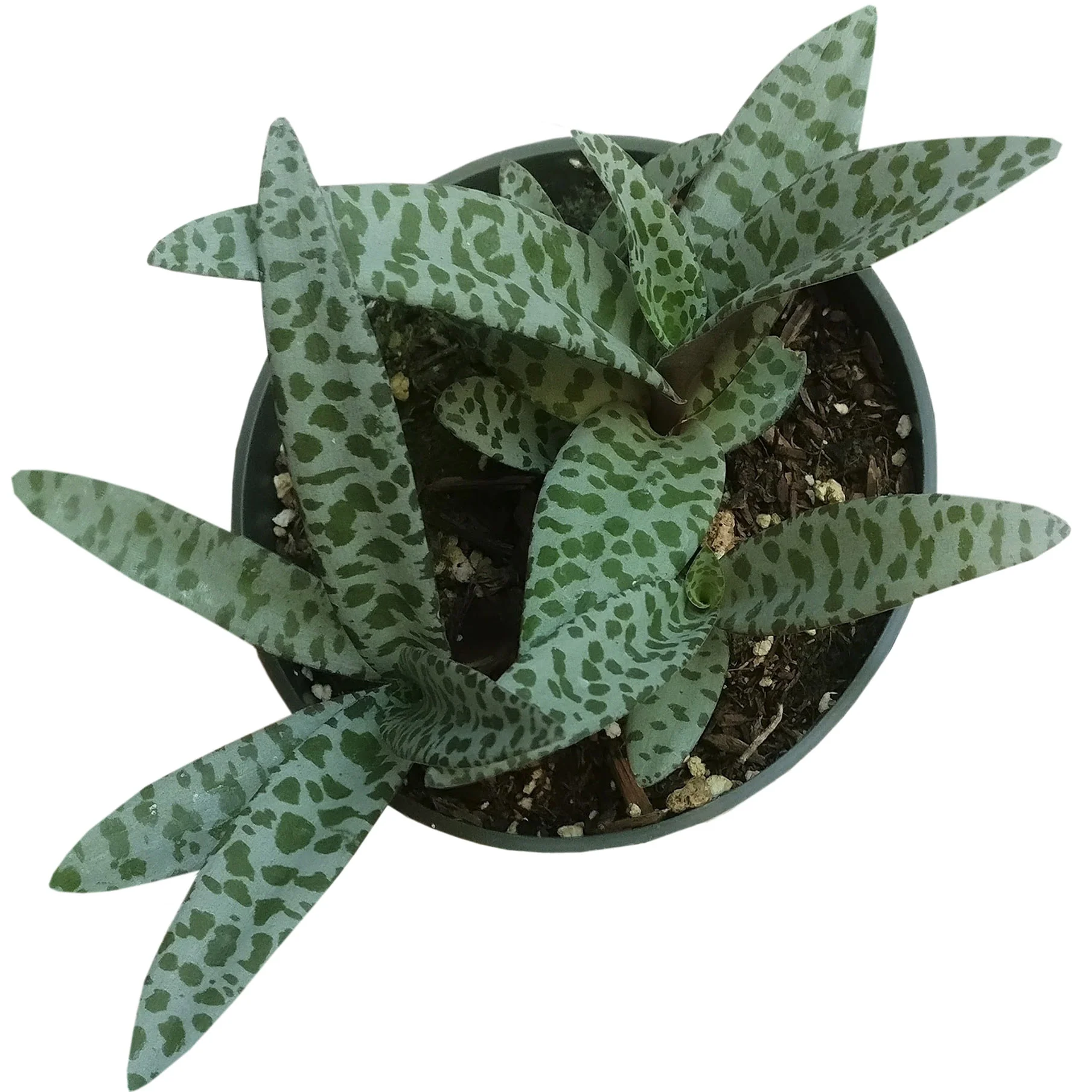
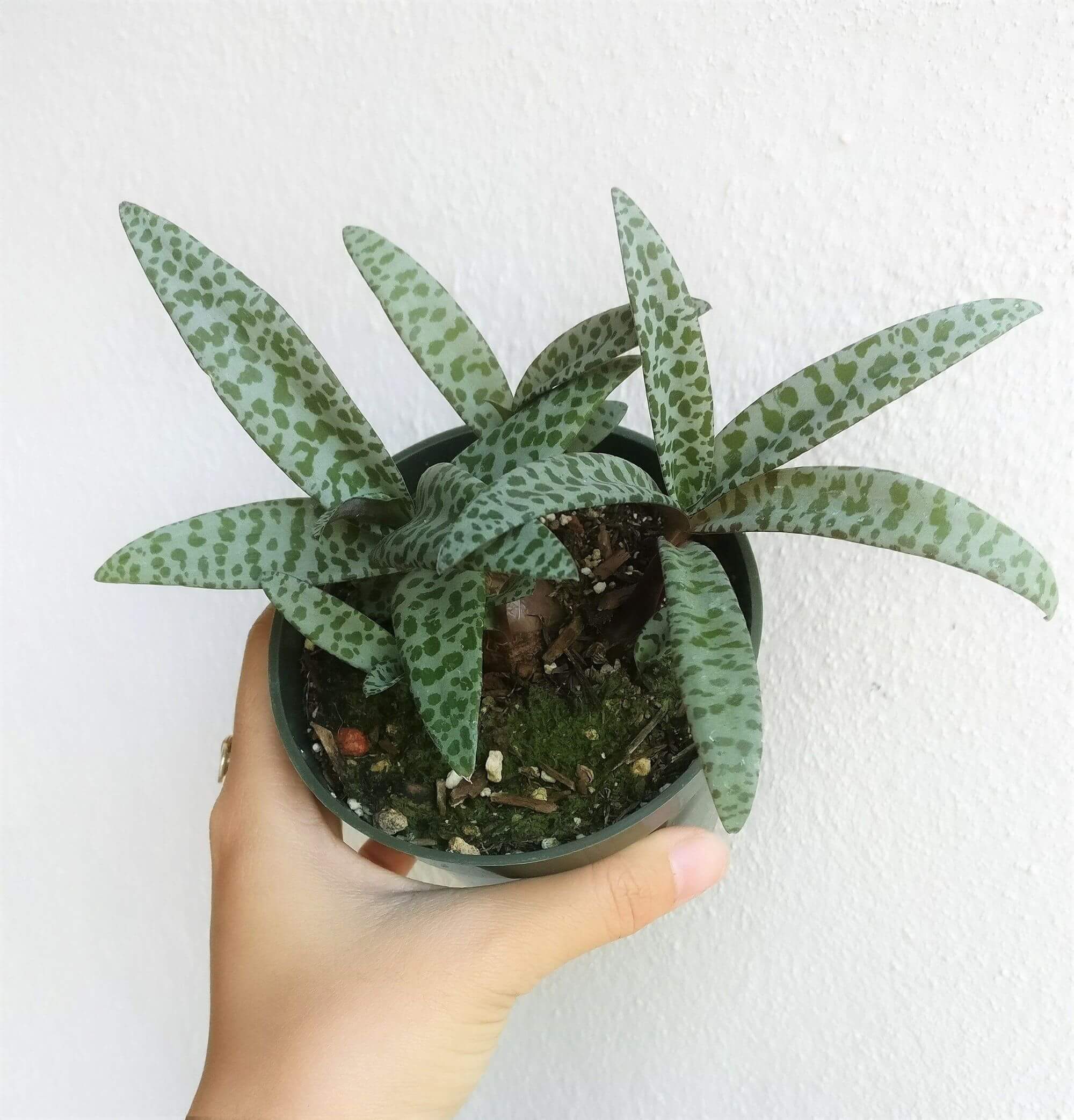
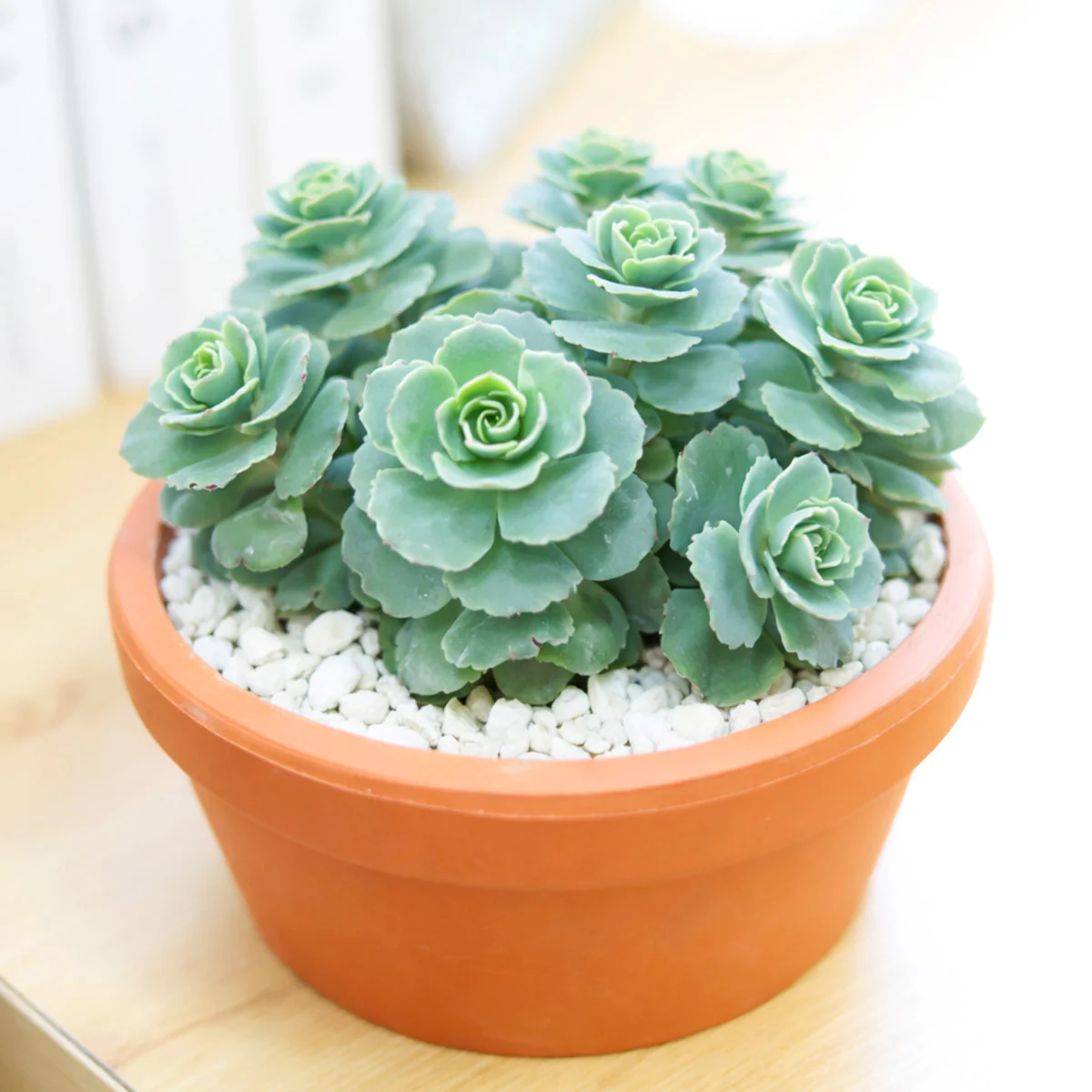
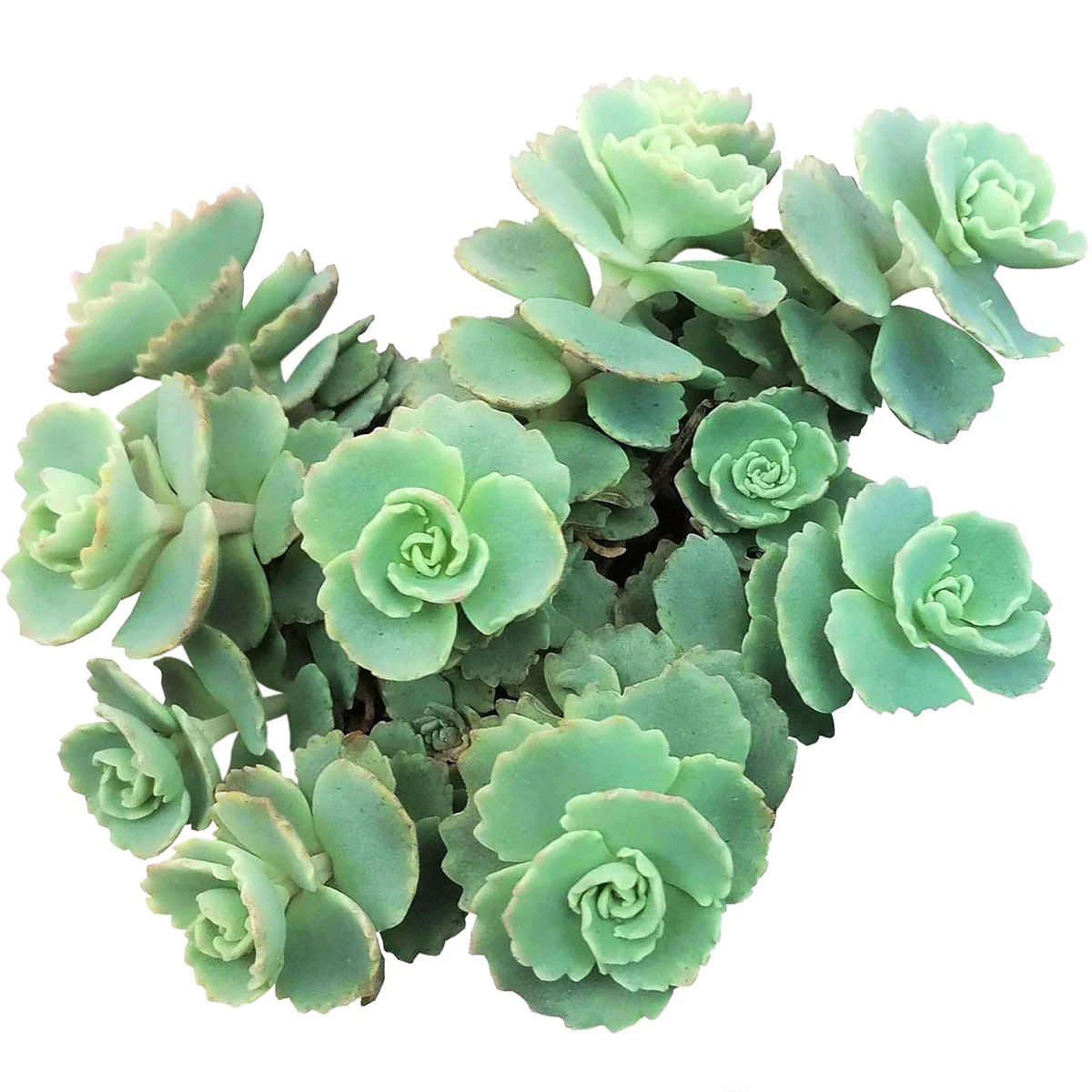
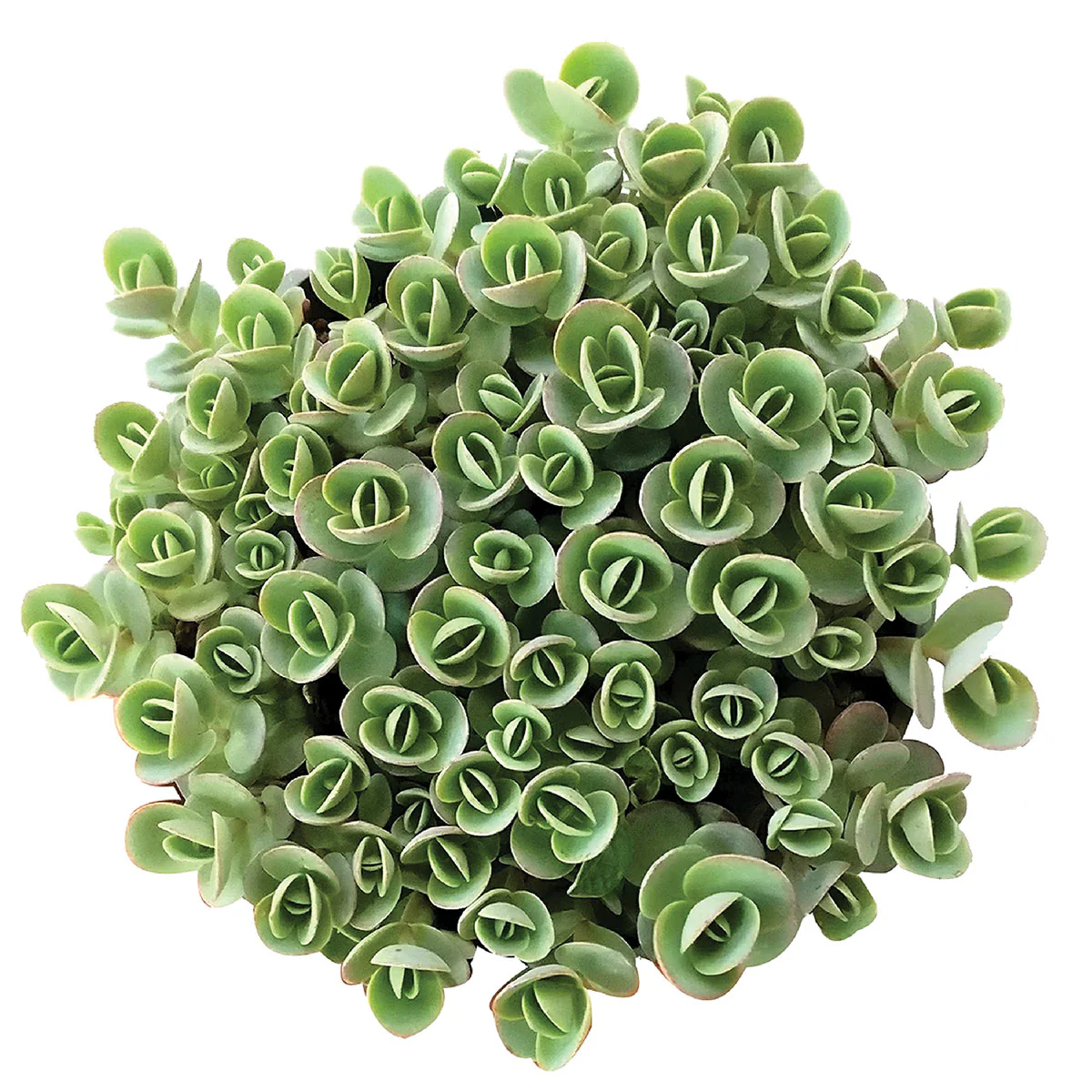
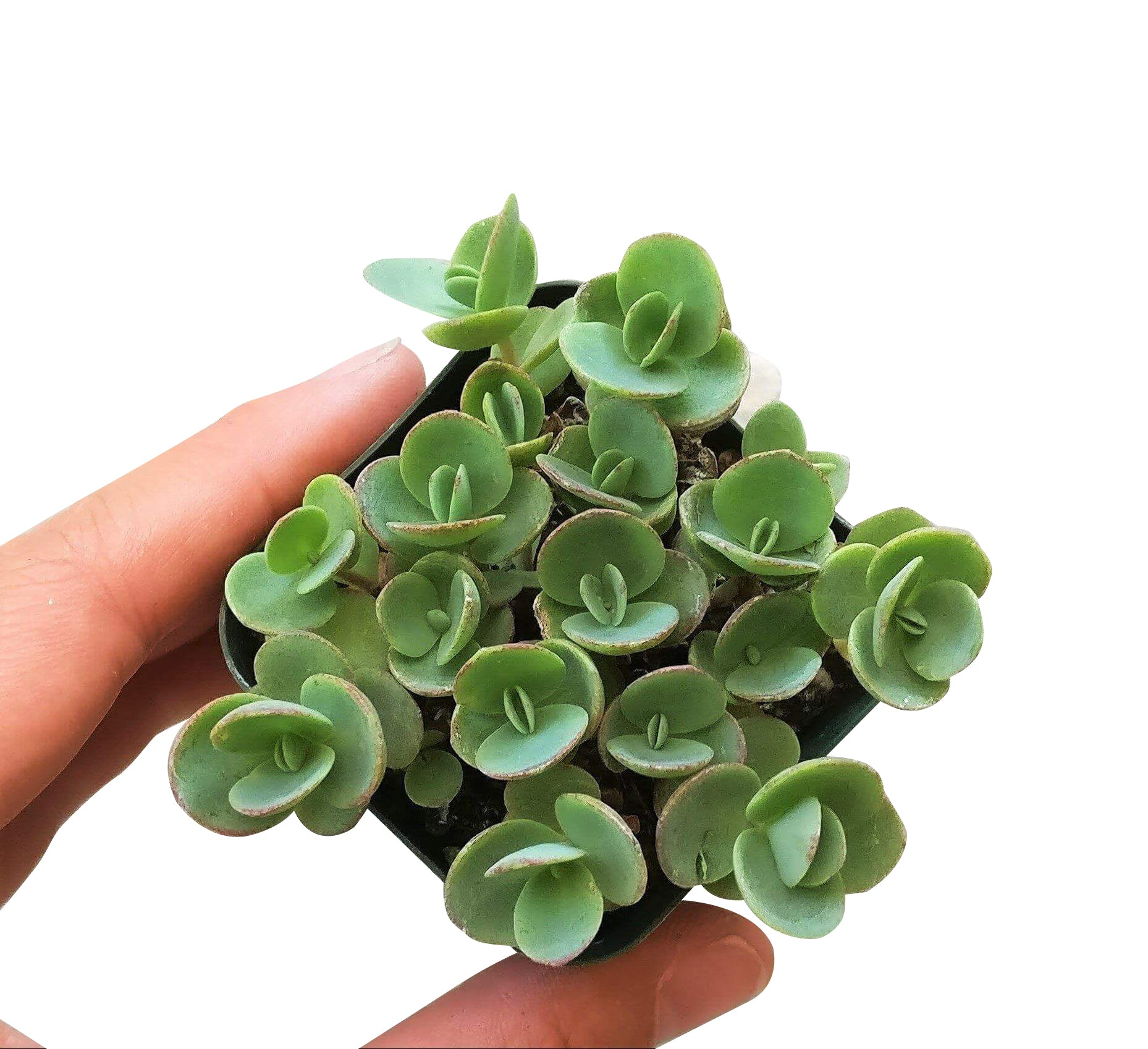
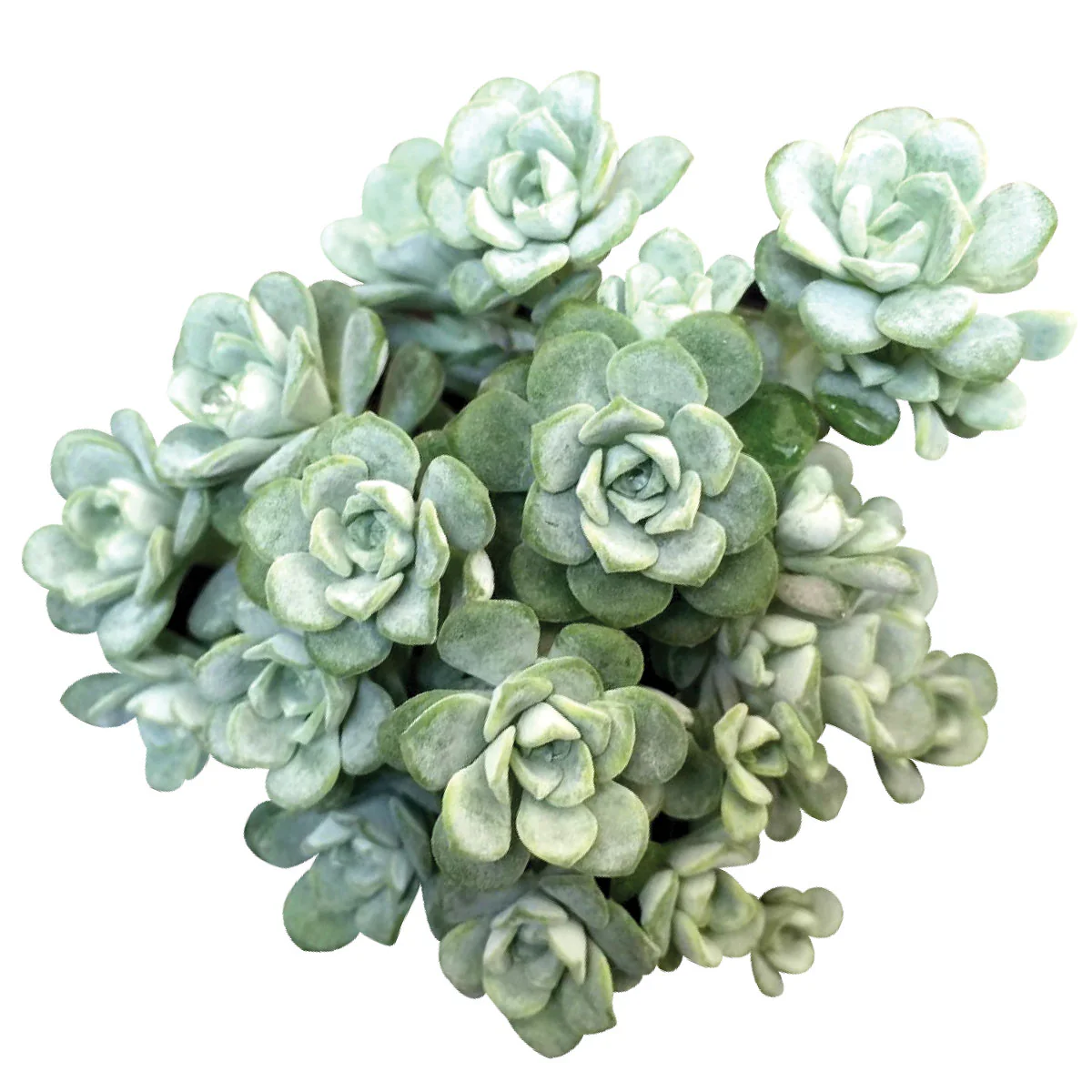
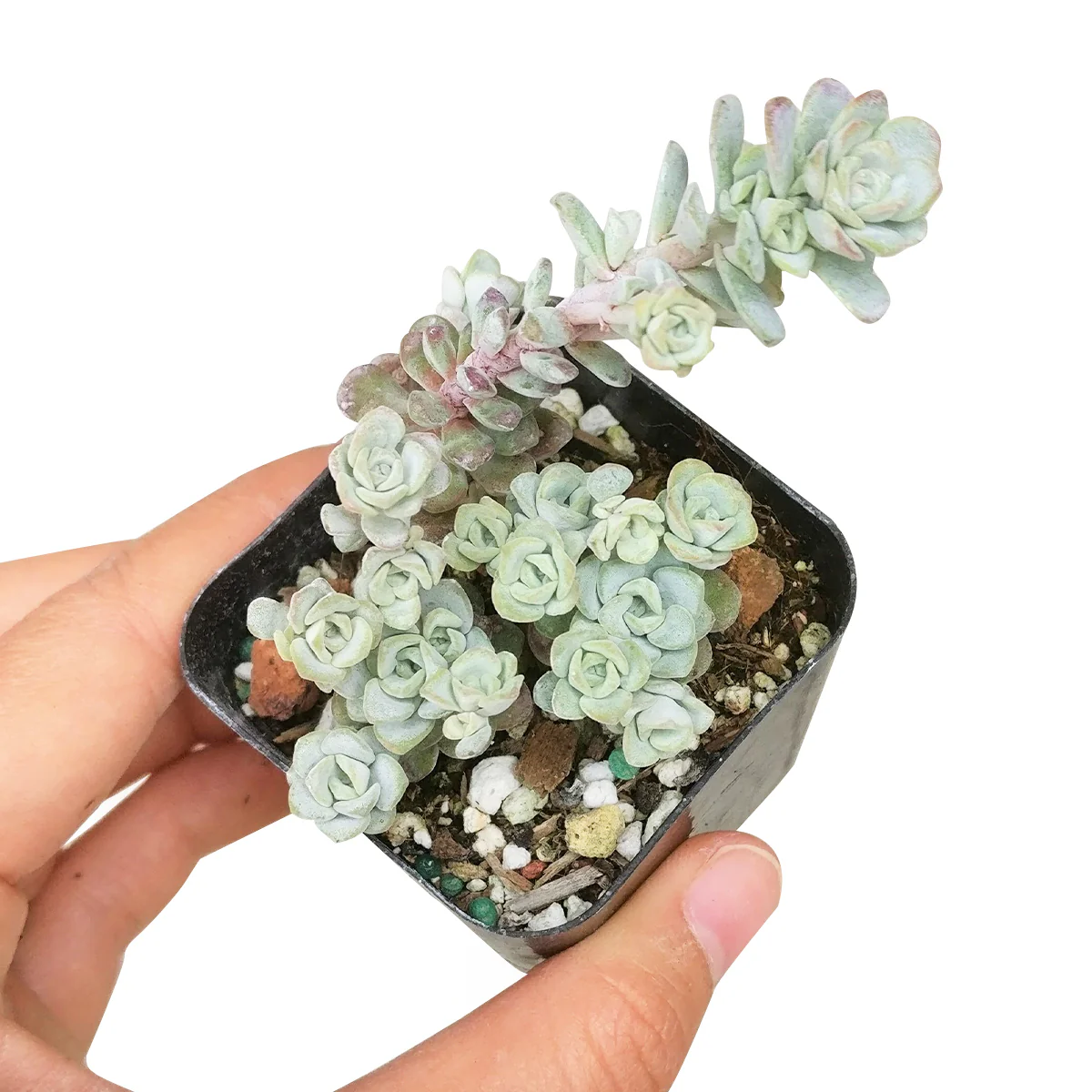
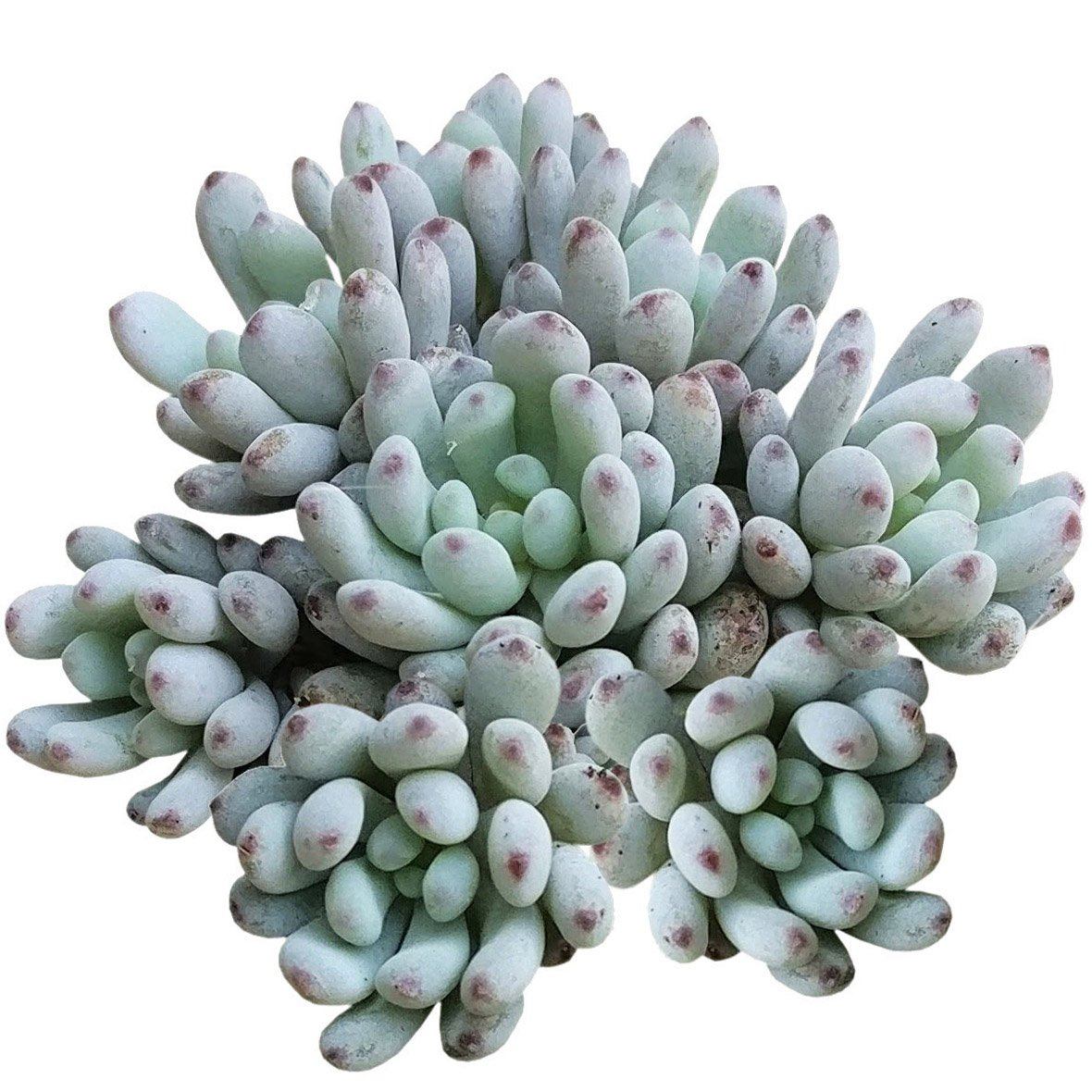
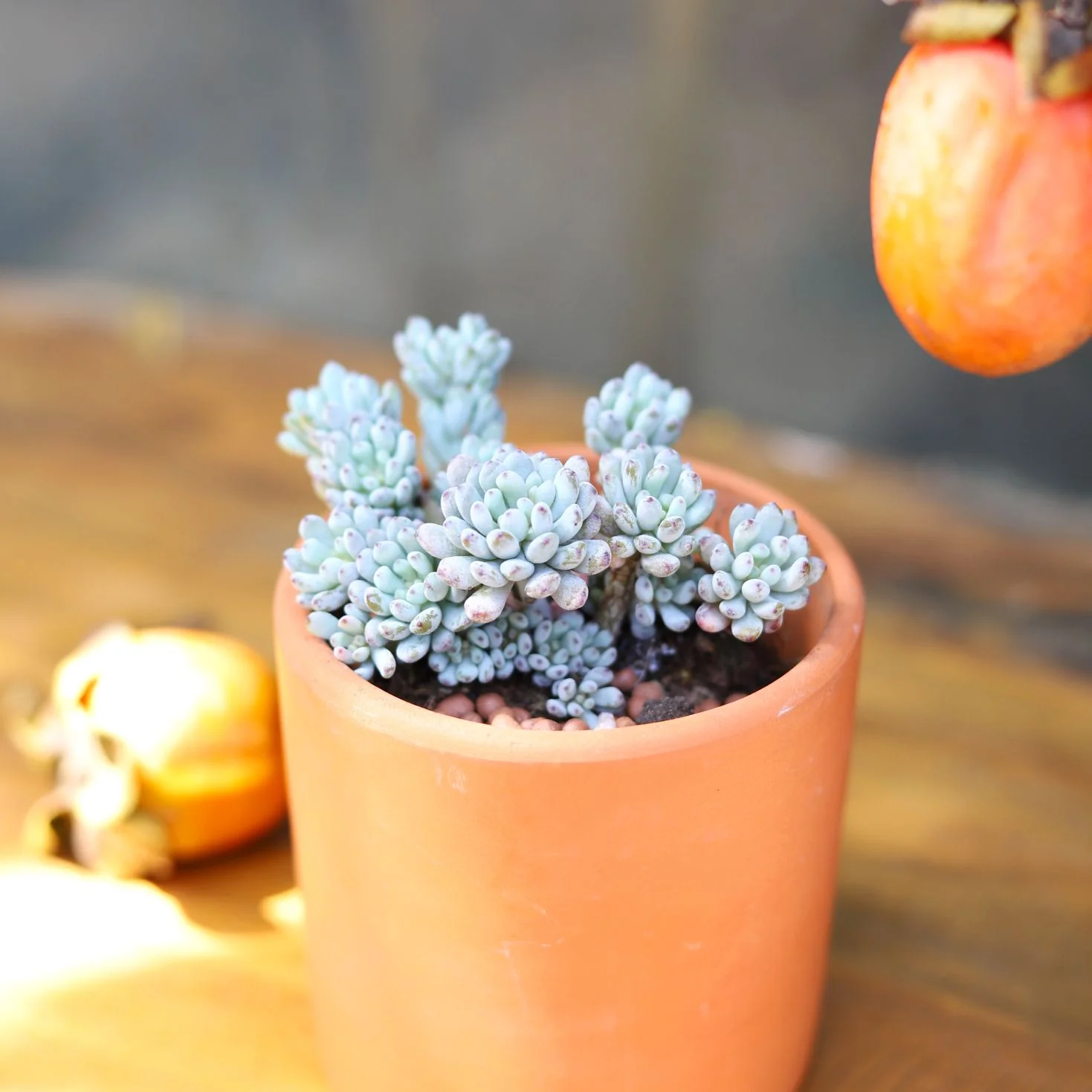
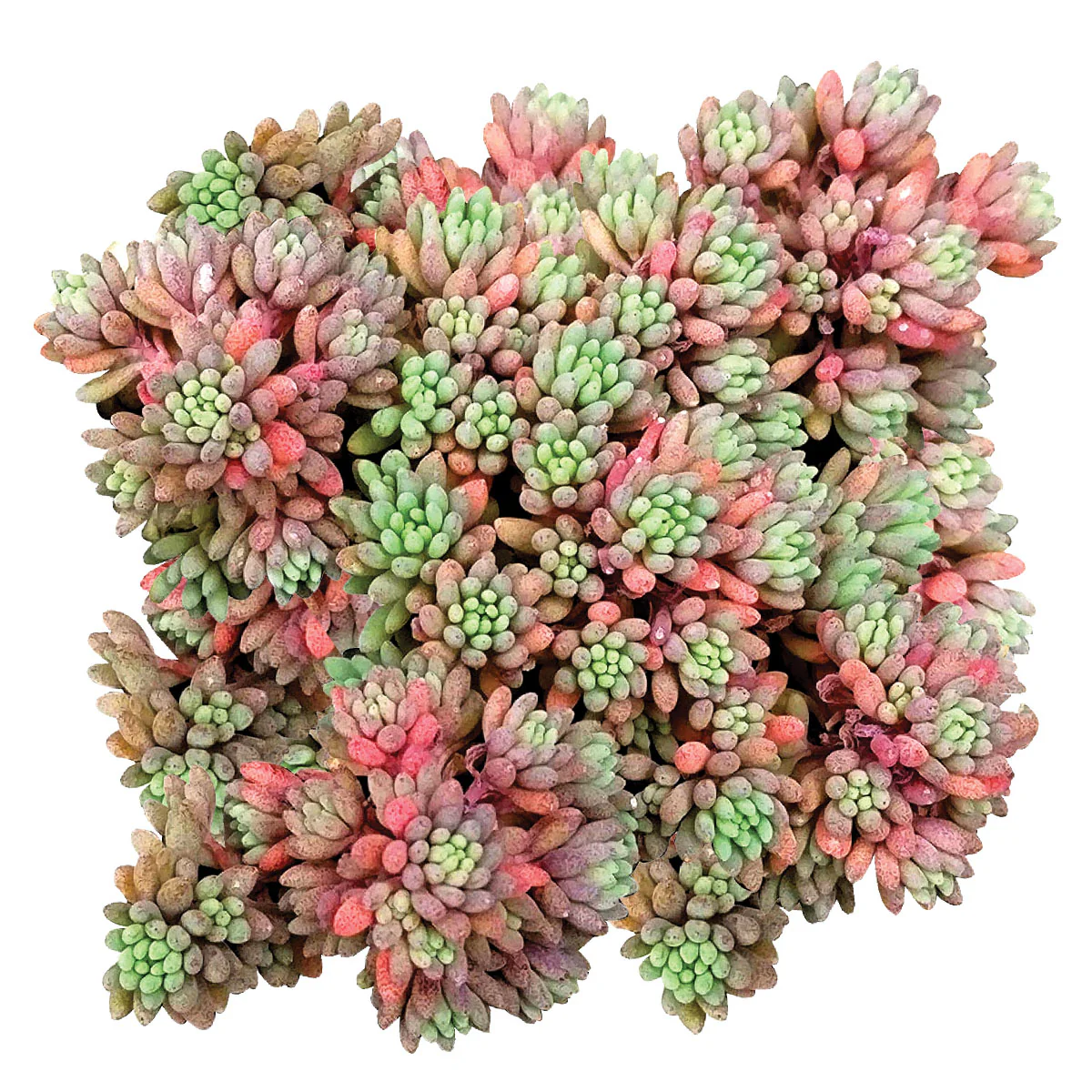
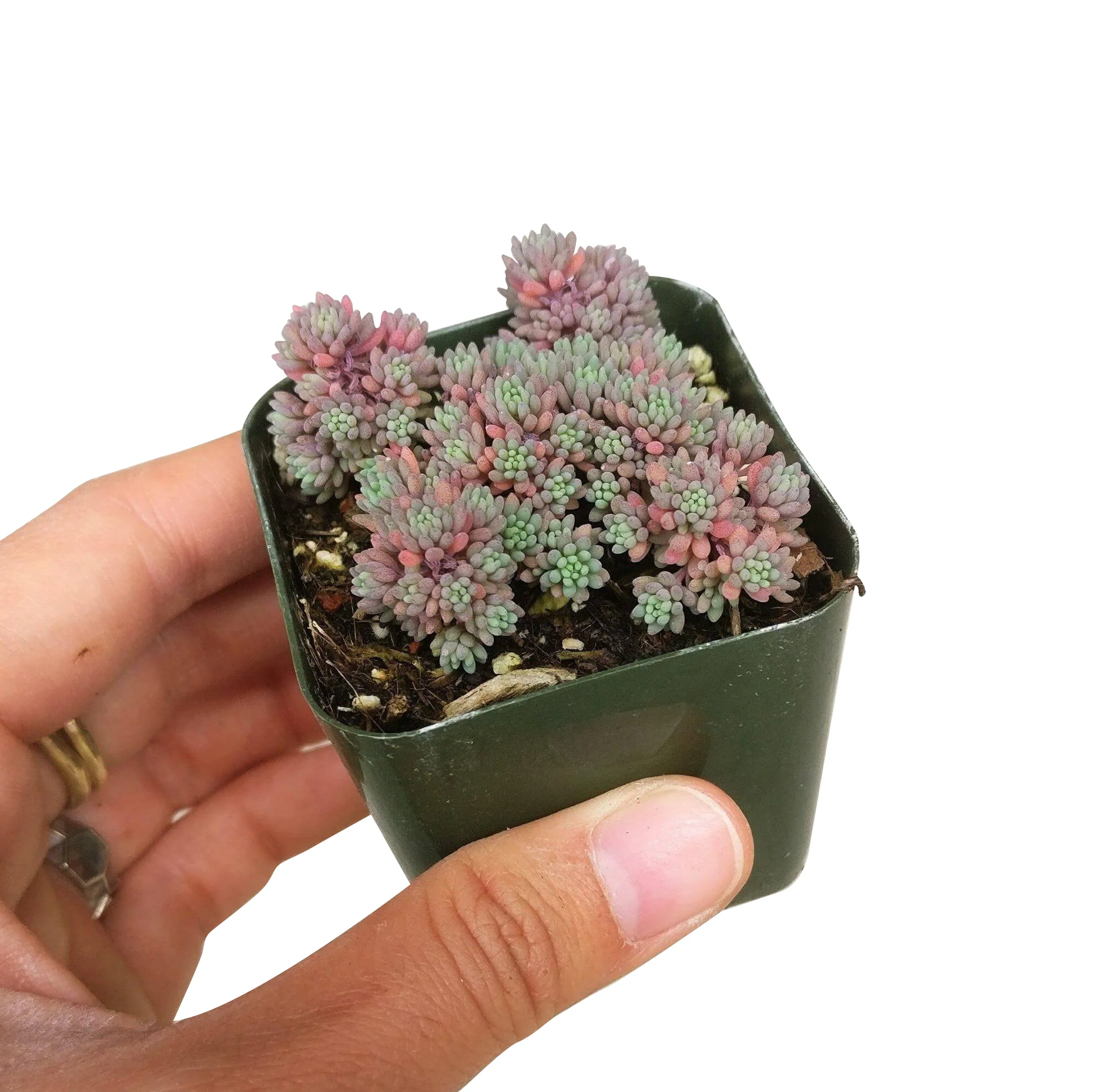
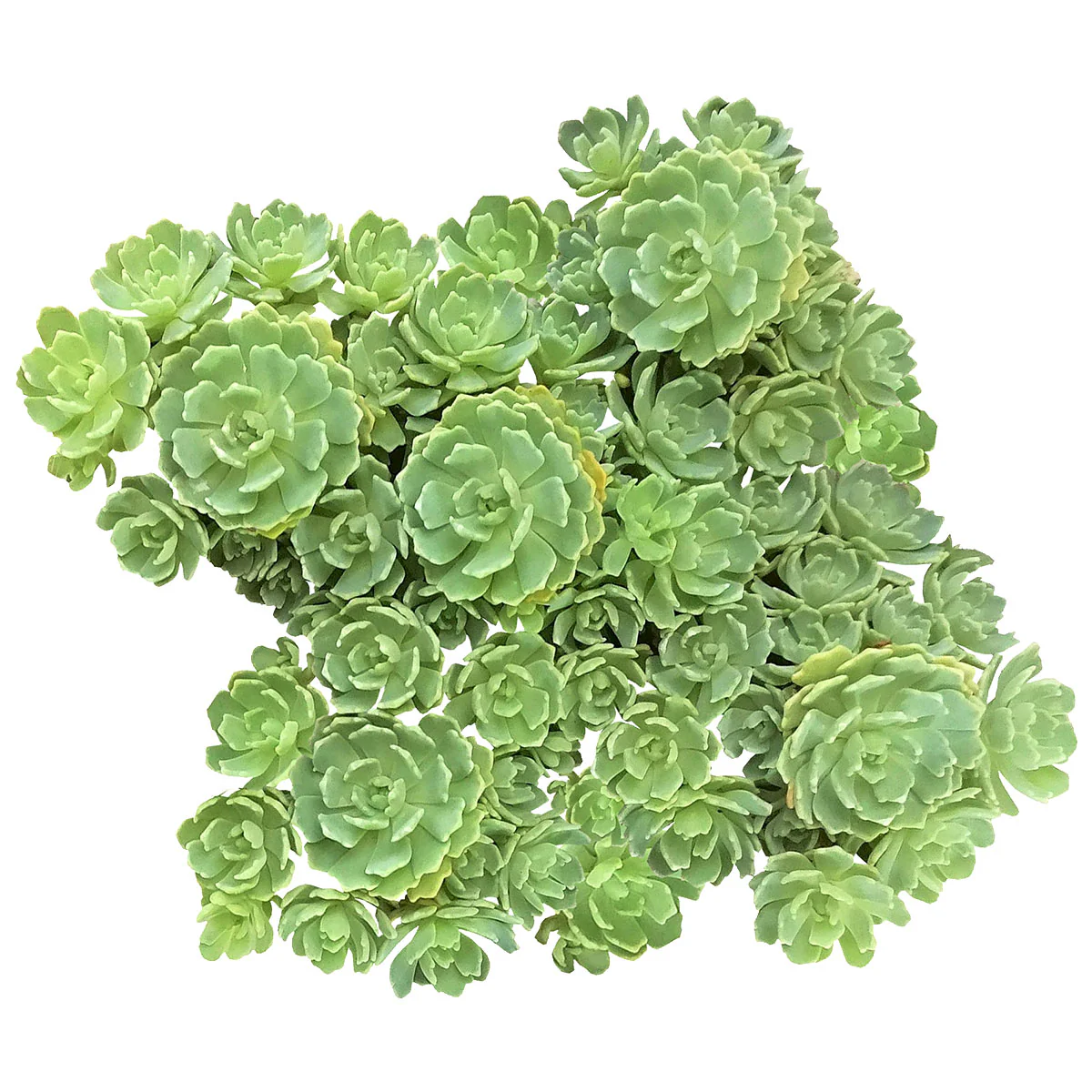
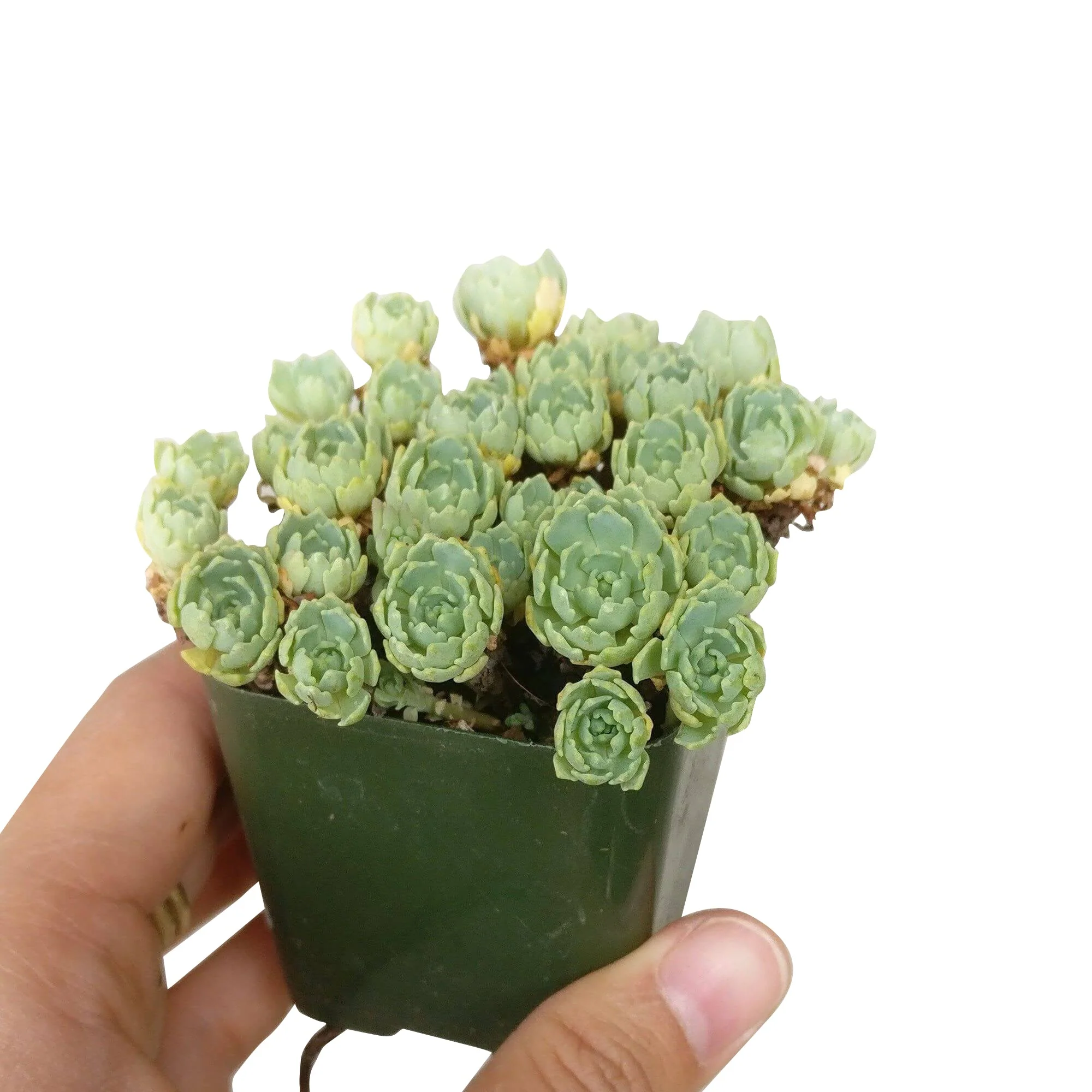
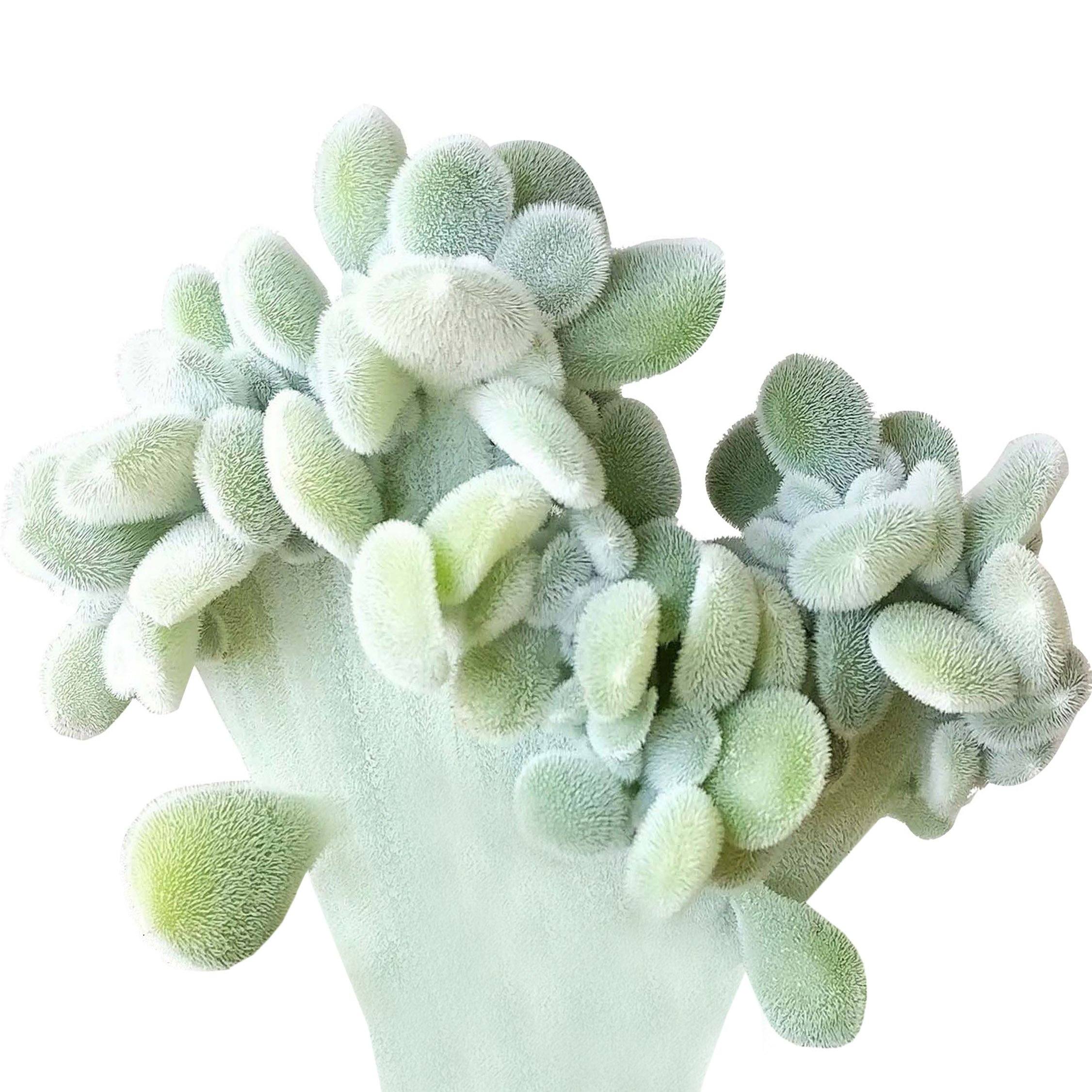
 Crested Echeveria Frosty is instantly recognizable by its silvery-blue, densely packed leaves coated in a fine white farina that gives the plant its frosted, almost metallic appearance. The crested form produces a wavy, undulating crest of clustering rosettes rather than a single crown, creating a sculptural, coral-like structure that looks stunning in a 4" pot or wider dish planting. The soft silver and blue tones make Crested Echeveria Frosty one of the most visually striking rare succulents available to collectors.
 Crested Echeveria Frosty can produce slender arching stems tipped with small, bell-shaped orange and yellow blooms, typically appearing in late winter to spring when the plant experiences a natural night temperature drop. Flowering is more likely when Crested Echeveria Frosty spends time outdoors in autumn with cooler nights, which signals the plant to set buds. The blooms are a lovely contrast against the silver foliage and attract pollinators when the plant is placed outside.
 Crested Echeveria Frosty is an excellent choice for collectors, windowsill displays, and patio containers, and its rare crested form makes it a genuine conversation piece among succulent enthusiasts. It is sensitive to being moved frequently, so find it a bright, settled spot and let it adjust. Crested Echeveria Frosty is pet-friendly, survives a 10-day trip alone without watering, and does well when moved outside for summer, as long as it is sheltered from heavy rain to protect the farina. Keep it away from direct AC or heating vents, which can dry and stress the foliage unevenly.
-
 Crested Echeveria Frosty thrives in bright indirect light to partial sun, and tolerates full sun with gradual acclimation to avoid scorching, especially near south-facing windows.
 Water Crested Echeveria Frosty deeply every 10-14 days in summer and every 3-4 weeks in winter, always allowing soil to dry completely between waterings.
 Crested Echeveria Frosty performs best in a fast-draining cactus and succulent mix blended with perlite or coarse grit at a 50/50 ratio.
 Crested Echeveria Frosty prefers temperatures between 60-80°F (15-27°C) and should be protected from frost below 25°F (-4°C).
![]() Crested Echeveria Frosty grows slowly, and a light balanced fertilizer applied once in spring and once in early summer is all it needs.
Crested Echeveria Frosty grows slowly, and a light balanced fertilizer applied once in spring and once in early summer is all it needs.
 Crested Echeveria Frosty is rated for USDA Hardiness Zones 9-11, tolerating brief dips to around 25°F (-4°C) but performing best without hard frost. Gardeners growing Crested Echeveria Frosty outdoors year-round will find it well suited to California, Texas, Arizona, Florida, Hawaii, Nevada, Louisiana, Georgia, South Carolina, Alabama, Mississippi, and coastal Oregon. It also thrives seasonally in warmer pockets of New Mexico, Arkansas, North Carolina, and the lower elevations of Washington and Virginia with winter protection.
-
Q: How often should I water Crested Echeveria Frosty?
A: Water Crested Echeveria Frosty every 10-14 days in warm months and cut back to every 3-4 weeks in winter, letting the soil dry out completely each time. If the leaves look slightly soft or wilted, that is the plant's signal it is ready for a drink.
Q: Is Crested Echeveria Frosty pet friendly?
A: Yes, Crested Echeveria Frosty is pet friendly and considered non-toxic to cats and dogs. You can display it freely without worrying about curious pets.
Q: How much light does Crested Echeveria Frosty need?
A: Crested Echeveria Frosty does best in bright indirect light or partial sun, and can handle full sun once gradually acclimated. Rotate the pot regularly to ensure the crest grows evenly on all sides.
Q: Is Crested Echeveria Frosty rare?
A: Yes, Crested Echeveria Frosty is a genuinely rare succulent because its crested form results from an uncommon natural mutation. No two crested plants look exactly alike, which makes it especially prized among collectors.
Q: Can I move Crested Echeveria Frosty outside for summer?
A: Crested Echeveria Frosty loves spending summer outdoors in a bright, sheltered spot, but keep it covered or under an overhang since rain can damage the delicate silver farina. Bring it back inside before temperatures drop below 25°F (-4°C).
Q: How big does Crested Echeveria Frosty get?
A: Crested Echeveria Frosty is a slow grower that typically stays compact, spreading gradually as the crest fans outward rather than growing tall. A 4" pot suits it well for years, and repotting is rarely urgent.


Original: $12.65
-70%$12.65
$3.79Product Information
Product Information
Shipping & Returns
Shipping & Returns
Description
- Description
- Crested Echeveria Frosty Care Guide
- FAQ/Common Issues
-
![]() Crested Echeveria Frosty is a rare, easy-care succulent in the Crassulaceae family, native to the highlands of Mexico where Echeveria species evolved in rocky, well-drained terrain with bright sun and low rainfall. This crested form develops through a fascinating mutation called fasciation, which causes the growing tip to fan outward instead of forming a single rosette, making every Crested Echeveria Frosty genuinely one of a kind.
Crested Echeveria Frosty is a rare, easy-care succulent in the Crassulaceae family, native to the highlands of Mexico where Echeveria species evolved in rocky, well-drained terrain with bright sun and low rainfall. This crested form develops through a fascinating mutation called fasciation, which causes the growing tip to fan outward instead of forming a single rosette, making every Crested Echeveria Frosty genuinely one of a kind.
Crested Echeveria Frosty is instantly recognizable by its silvery-blue, densely packed leaves coated in a fine white farina that gives the plant its frosted, almost metallic appearance. The crested form produces a wavy, undulating crest of clustering rosettes rather than a single crown, creating a sculptural, coral-like structure that looks stunning in a 4" pot or wider dish planting. The soft silver and blue tones make Crested Echeveria Frosty one of the most visually striking rare succulents available to collectors.
Crested Echeveria Frosty can produce slender arching stems tipped with small, bell-shaped orange and yellow blooms, typically appearing in late winter to spring when the plant experiences a natural night temperature drop. Flowering is more likely when Crested Echeveria Frosty spends time outdoors in autumn with cooler nights, which signals the plant to set buds. The blooms are a lovely contrast against the silver foliage and attract pollinators when the plant is placed outside.
Crested Echeveria Frosty is an excellent choice for collectors, windowsill displays, and patio containers, and its rare crested form makes it a genuine conversation piece among succulent enthusiasts. It is sensitive to being moved frequently, so find it a bright, settled spot and let it adjust. Crested Echeveria Frosty is pet-friendly, survives a 10-day trip alone without watering, and does well when moved outside for summer, as long as it is sheltered from heavy rain to protect the farina. Keep it away from direct AC or heating vents, which can dry and stress the foliage unevenly.
-
Crested Echeveria Frosty thrives in bright indirect light to partial sun, and tolerates full sun with gradual acclimation to avoid scorching, especially near south-facing windows.
Water Crested Echeveria Frosty deeply every 10-14 days in summer and every 3-4 weeks in winter, always allowing soil to dry completely between waterings.
Crested Echeveria Frosty performs best in a fast-draining cactus and succulent mix blended with perlite or coarse grit at a 50/50 ratio.
Crested Echeveria Frosty prefers temperatures between 60-80°F (15-27°C) and should be protected from frost below 25°F (-4°C).
![]() Crested Echeveria Frosty grows slowly, and a light balanced fertilizer applied once in spring and once in early summer is all it needs.
Crested Echeveria Frosty grows slowly, and a light balanced fertilizer applied once in spring and once in early summer is all it needs.
Crested Echeveria Frosty is rated for USDA Hardiness Zones 9-11, tolerating brief dips to around 25°F (-4°C) but performing best without hard frost. Gardeners growing Crested Echeveria Frosty outdoors year-round will find it well suited to California, Texas, Arizona, Florida, Hawaii, Nevada, Louisiana, Georgia, South Carolina, Alabama, Mississippi, and coastal Oregon. It also thrives seasonally in warmer pockets of New Mexico, Arkansas, North Carolina, and the lower elevations of Washington and Virginia with winter protection.
-
Q: How often should I water Crested Echeveria Frosty?
A: Water Crested Echeveria Frosty every 10-14 days in warm months and cut back to every 3-4 weeks in winter, letting the soil dry out completely each time. If the leaves look slightly soft or wilted, that is the plant's signal it is ready for a drink.
Q: Is Crested Echeveria Frosty pet friendly?
A: Yes, Crested Echeveria Frosty is pet friendly and considered non-toxic to cats and dogs. You can display it freely without worrying about curious pets.
Q: How much light does Crested Echeveria Frosty need?
A: Crested Echeveria Frosty does best in bright indirect light or partial sun, and can handle full sun once gradually acclimated. Rotate the pot regularly to ensure the crest grows evenly on all sides.
Q: Is Crested Echeveria Frosty rare?
A: Yes, Crested Echeveria Frosty is a genuinely rare succulent because its crested form results from an uncommon natural mutation. No two crested plants look exactly alike, which makes it especially prized among collectors.
Q: Can I move Crested Echeveria Frosty outside for summer?
A: Crested Echeveria Frosty loves spending summer outdoors in a bright, sheltered spot, but keep it covered or under an overhang since rain can damage the delicate silver farina. Bring it back inside before temperatures drop below 25°F (-4°C).
Q: How big does Crested Echeveria Frosty get?
A: Crested Echeveria Frosty is a slow grower that typically stays compact, spreading gradually as the crest fans outward rather than growing tall. A 4" pot suits it well for years, and repotting is rarely urgent.