Crested Cubic Frost Echeveria
- Description
- Crested Cubic Frost Echeveria Care Guide
- FAQ/Common Issues
-
![]() Crested Cubic Frost Echeveria is a rare crested succulent from the Echeveria genus, native to the rocky highlands of Mexico where dry conditions and bright sun shaped its remarkable drought tolerant nature. This unusual plant develops a crested, fan-like growth mutation rather than a single rosette, making every specimen genuinely one of a kind. If you are searching for a rare crested succulent that stands apart from the ordinary, Crested Cubic Frost Echeveria is a collector's dream.
Crested Cubic Frost Echeveria is a rare crested succulent from the Echeveria genus, native to the rocky highlands of Mexico where dry conditions and bright sun shaped its remarkable drought tolerant nature. This unusual plant develops a crested, fan-like growth mutation rather than a single rosette, making every specimen genuinely one of a kind. If you are searching for a rare crested succulent that stands apart from the ordinary, Crested Cubic Frost Echeveria is a collector's dream.
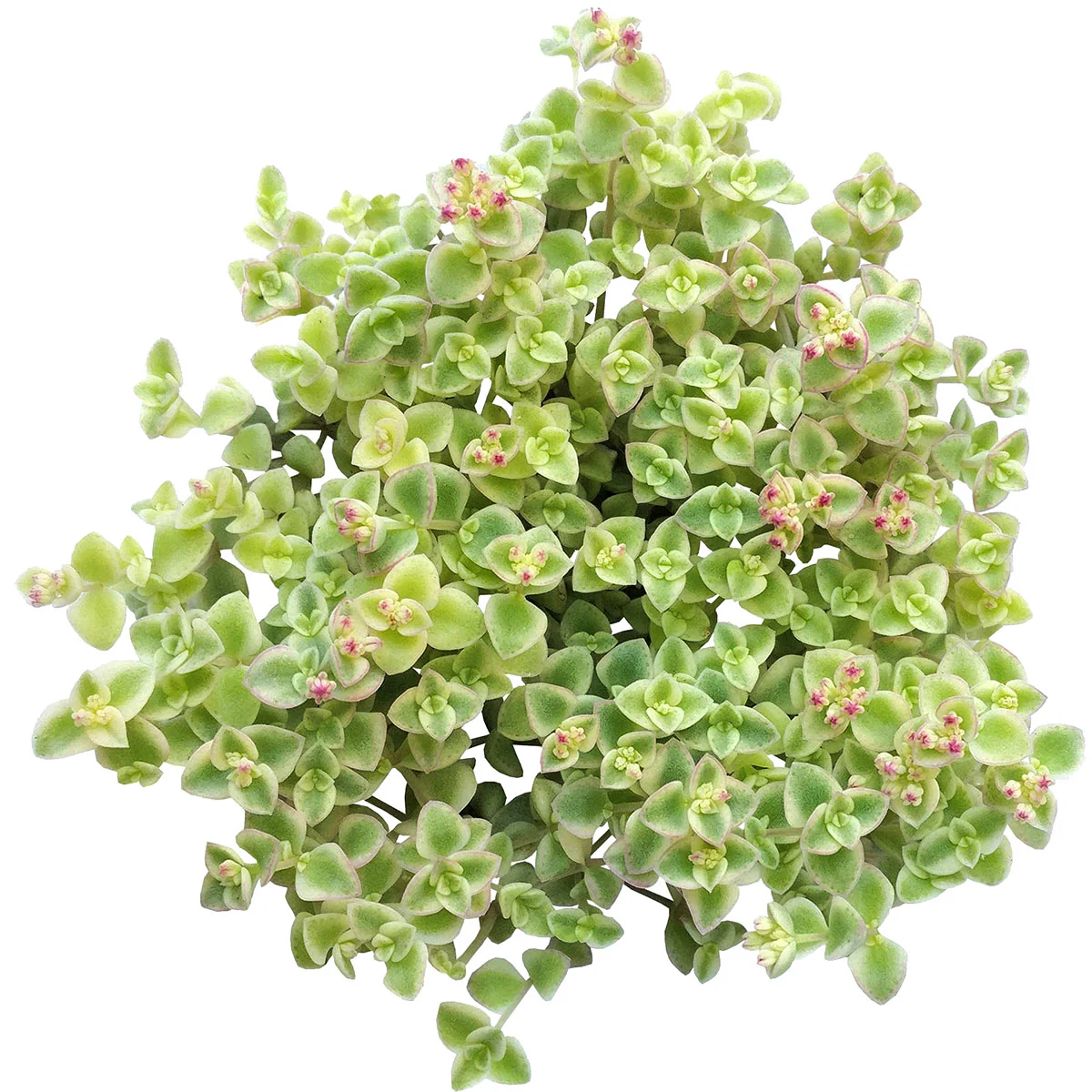
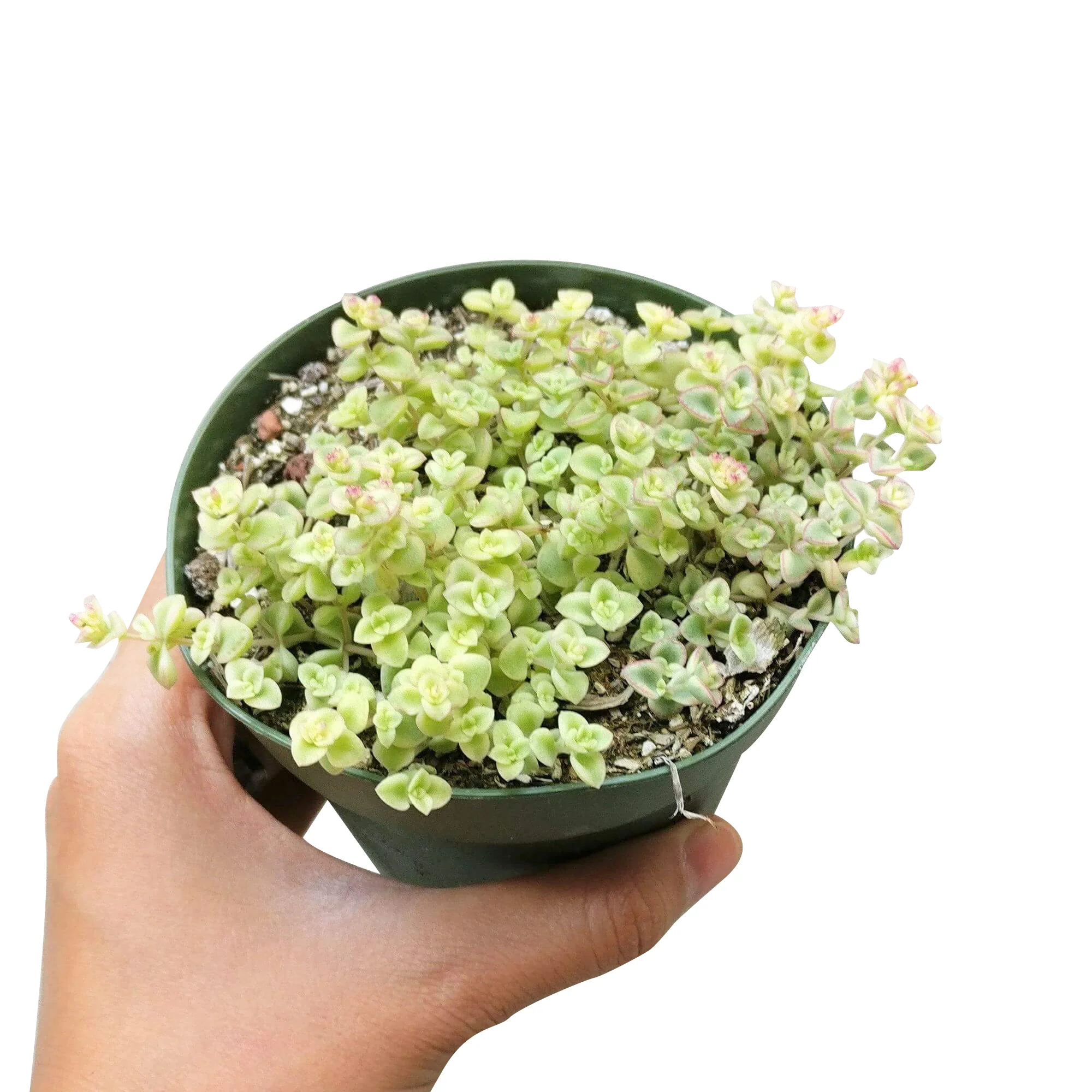
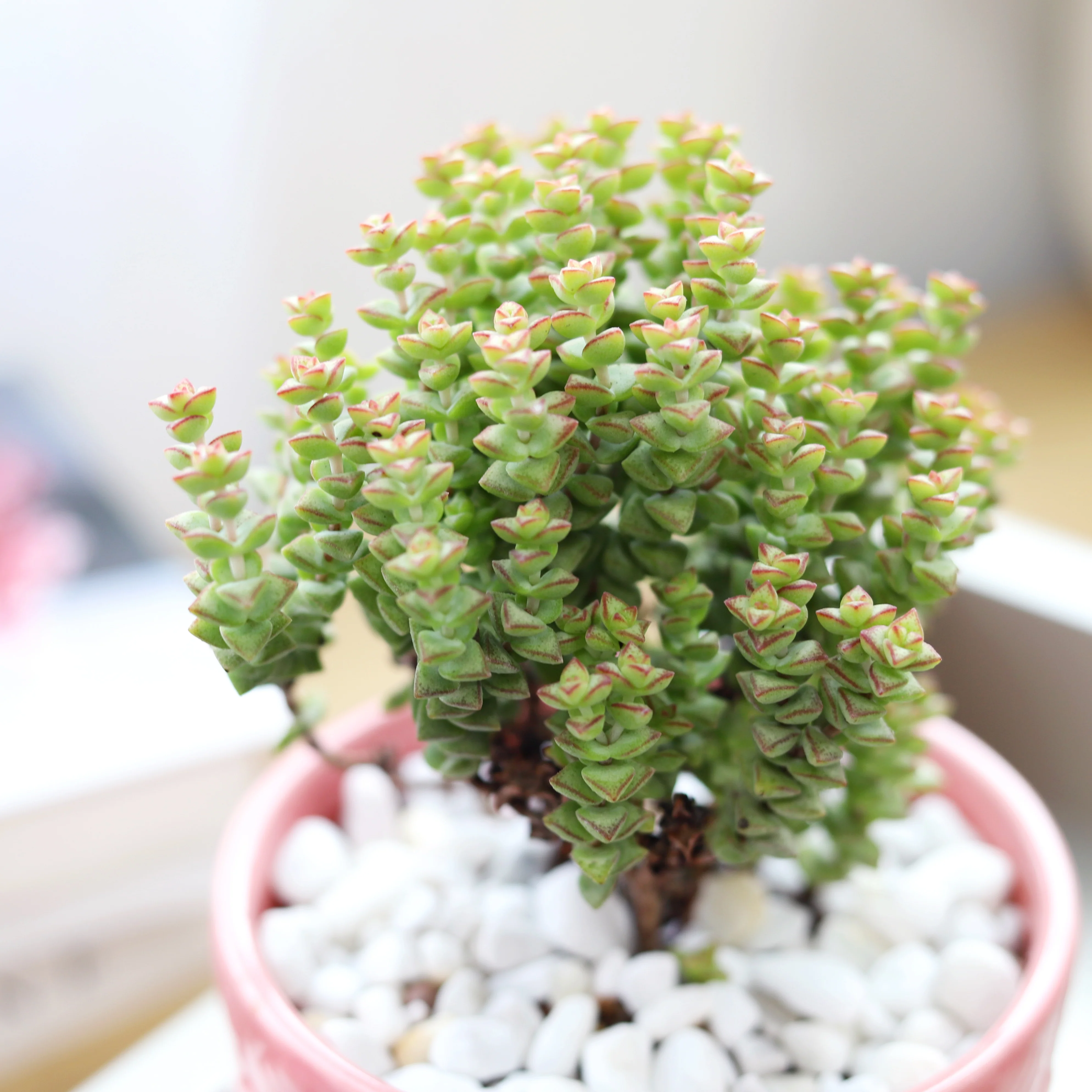
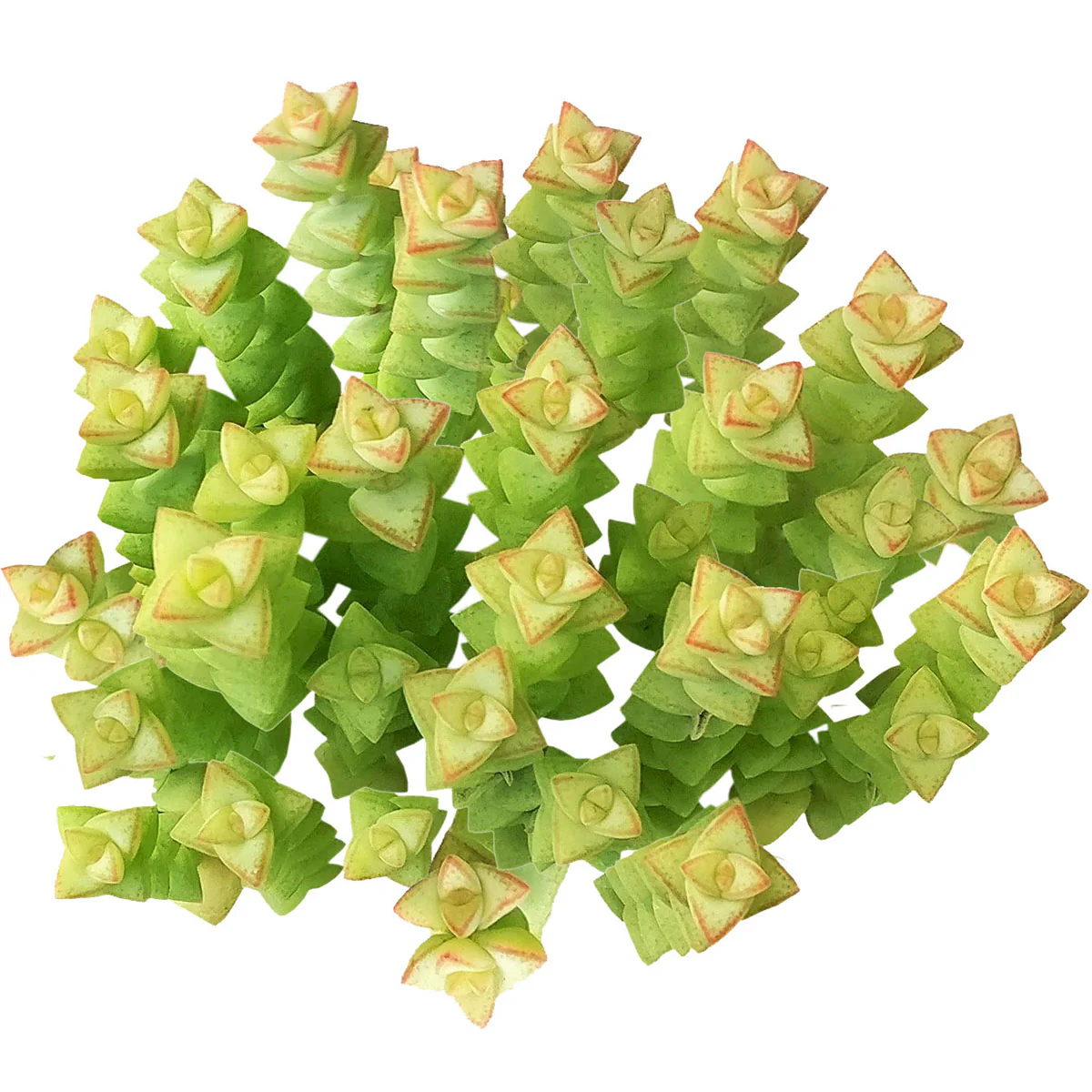
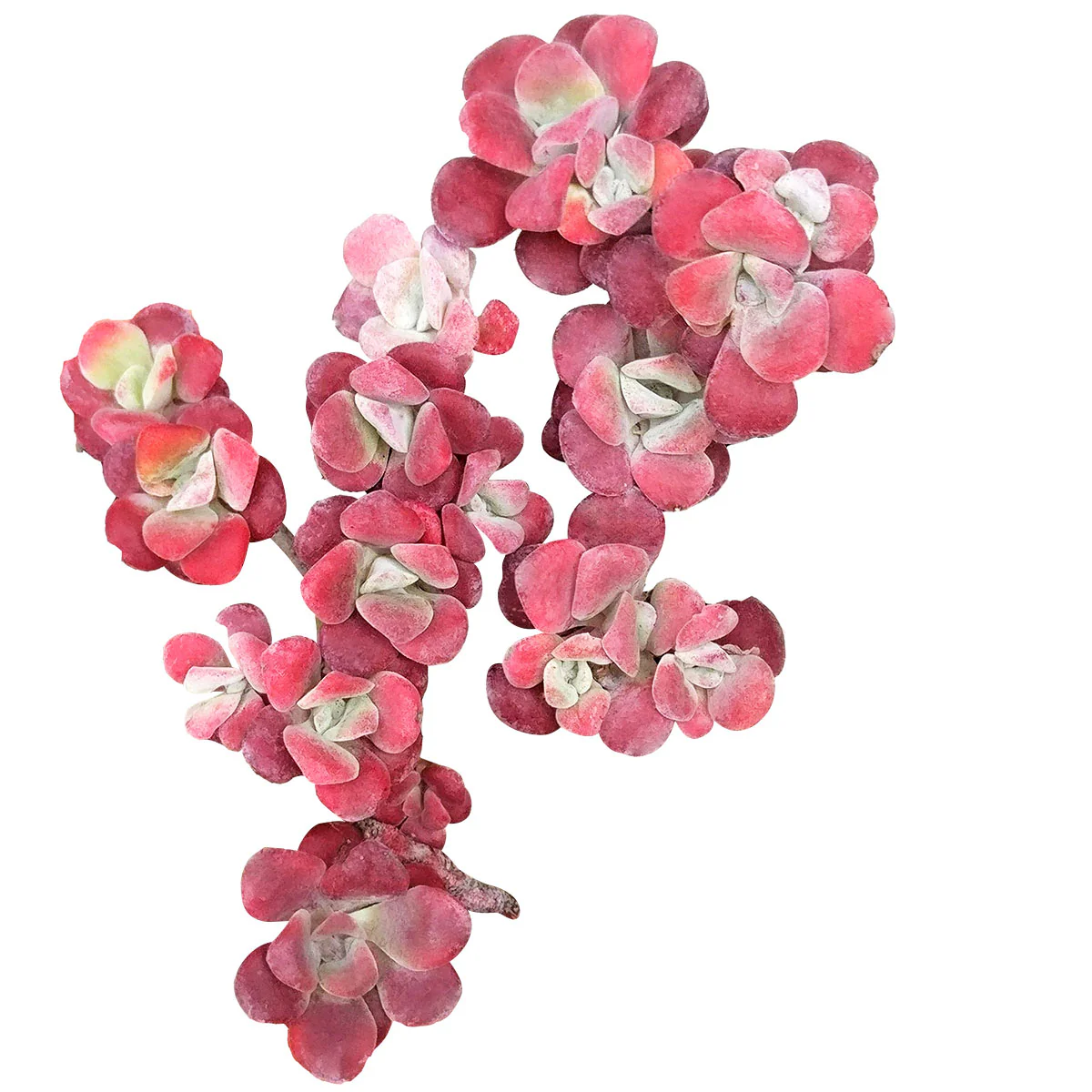
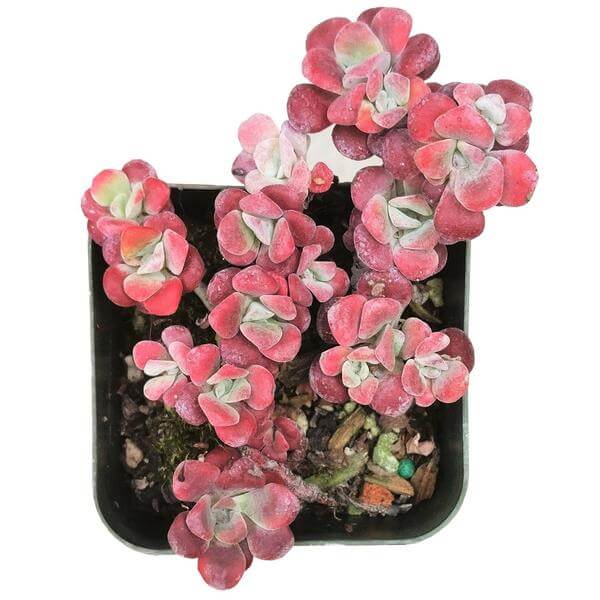
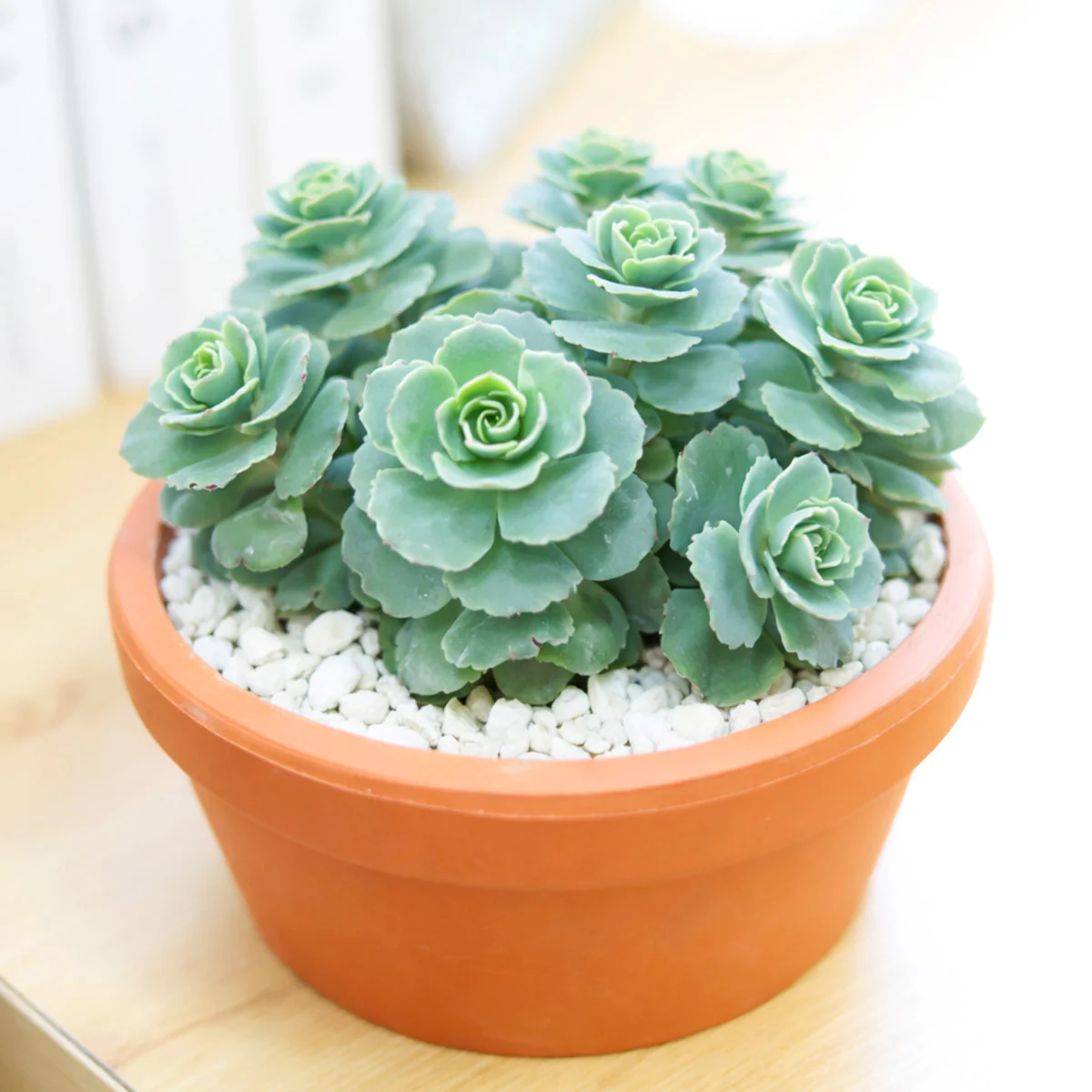
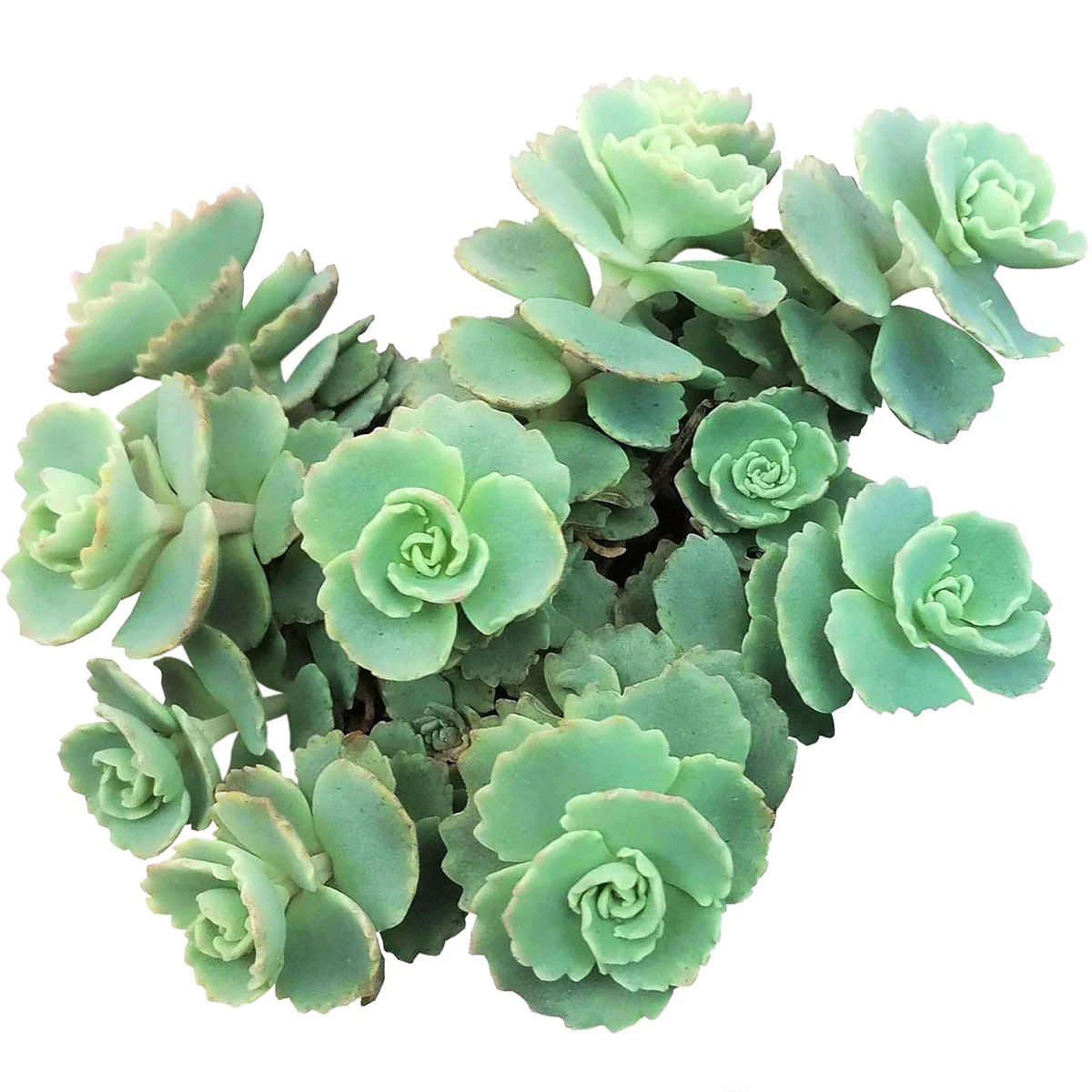
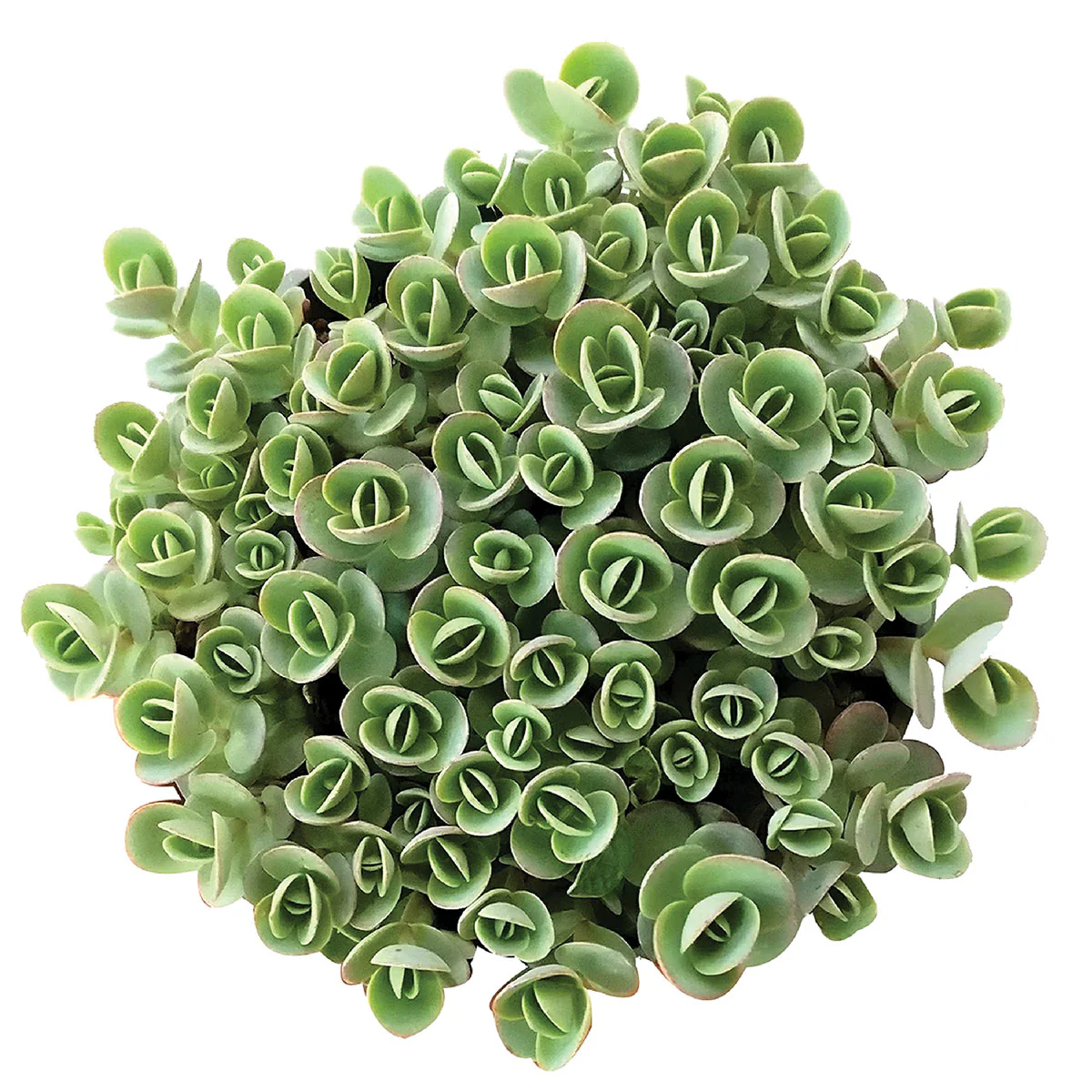
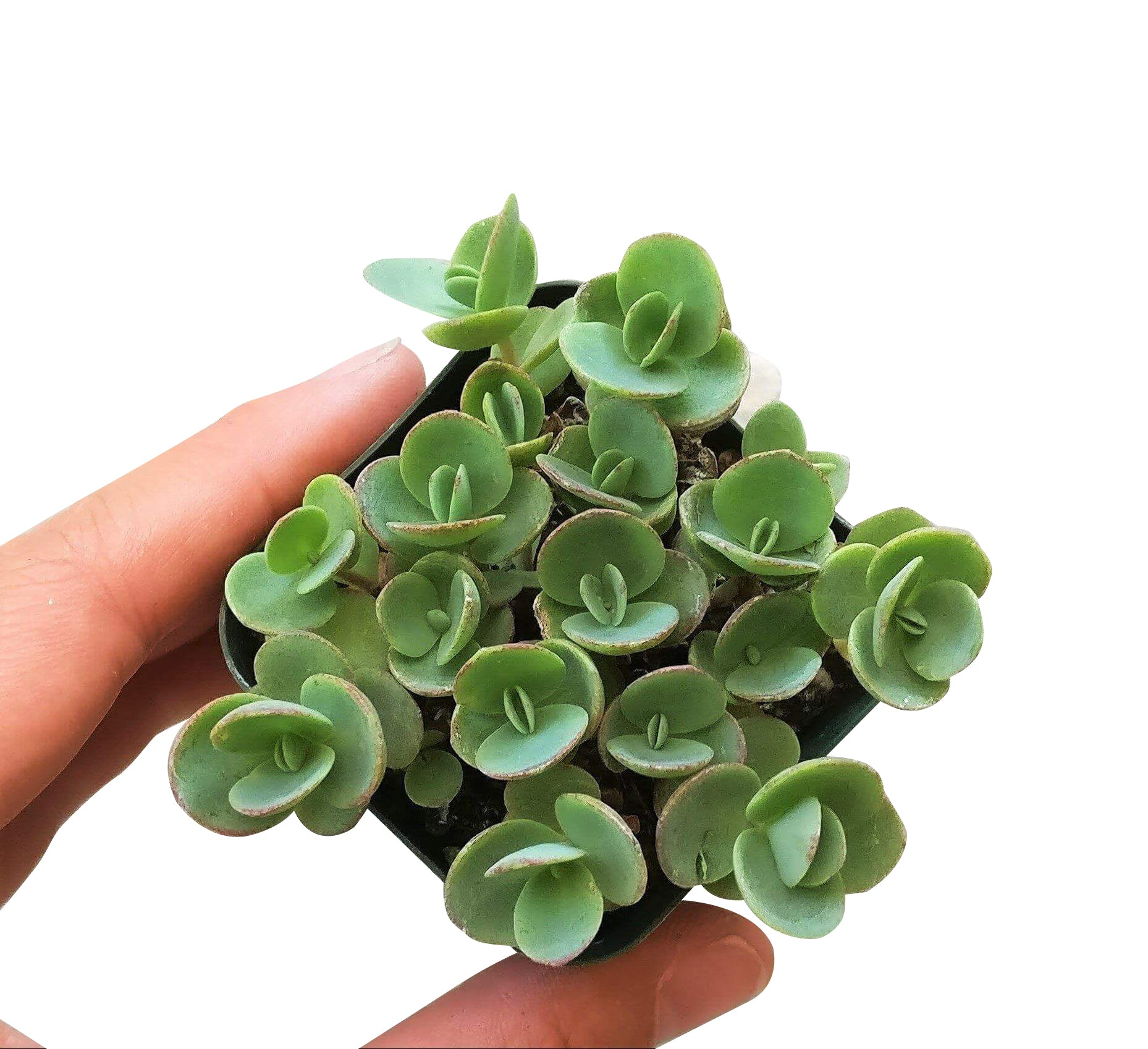
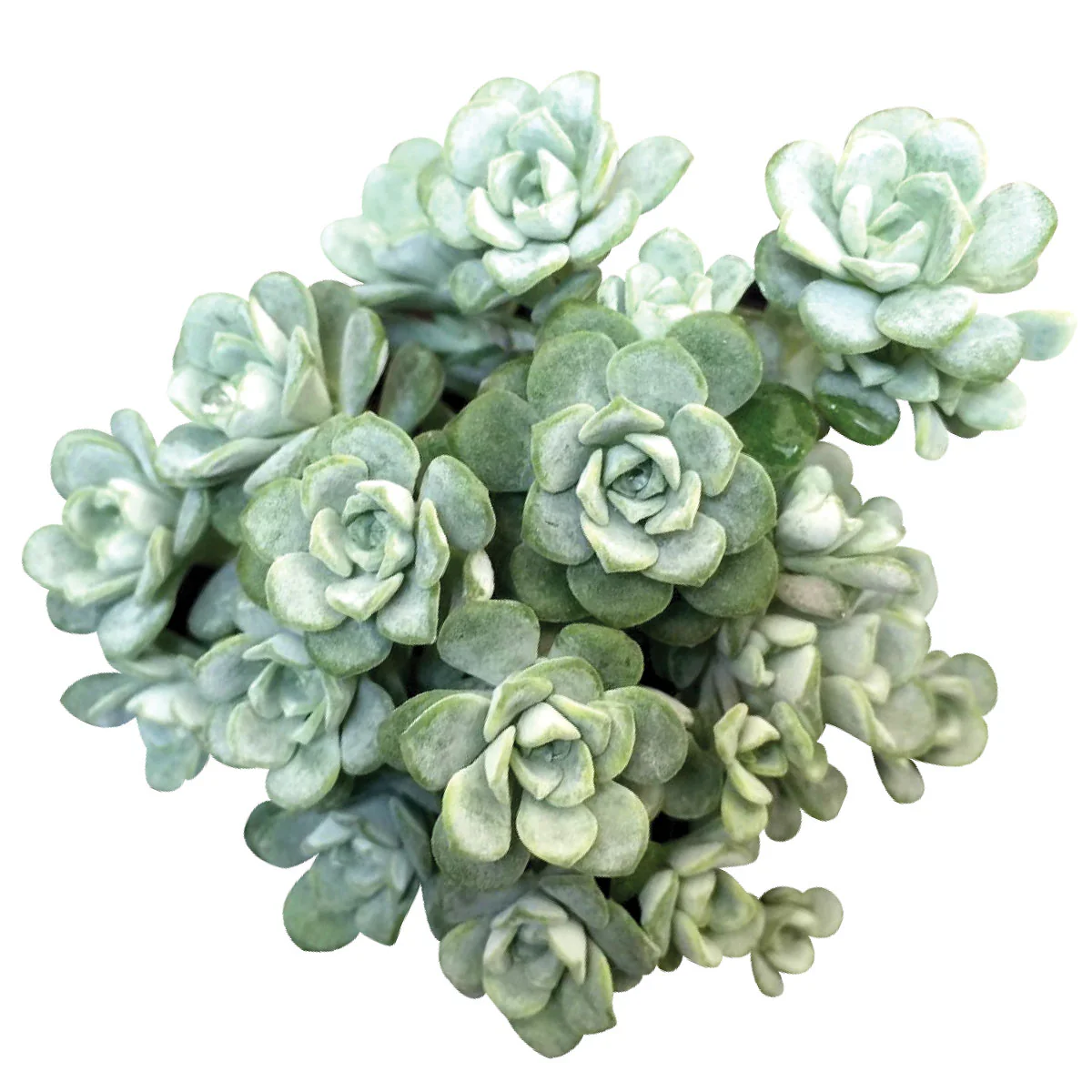
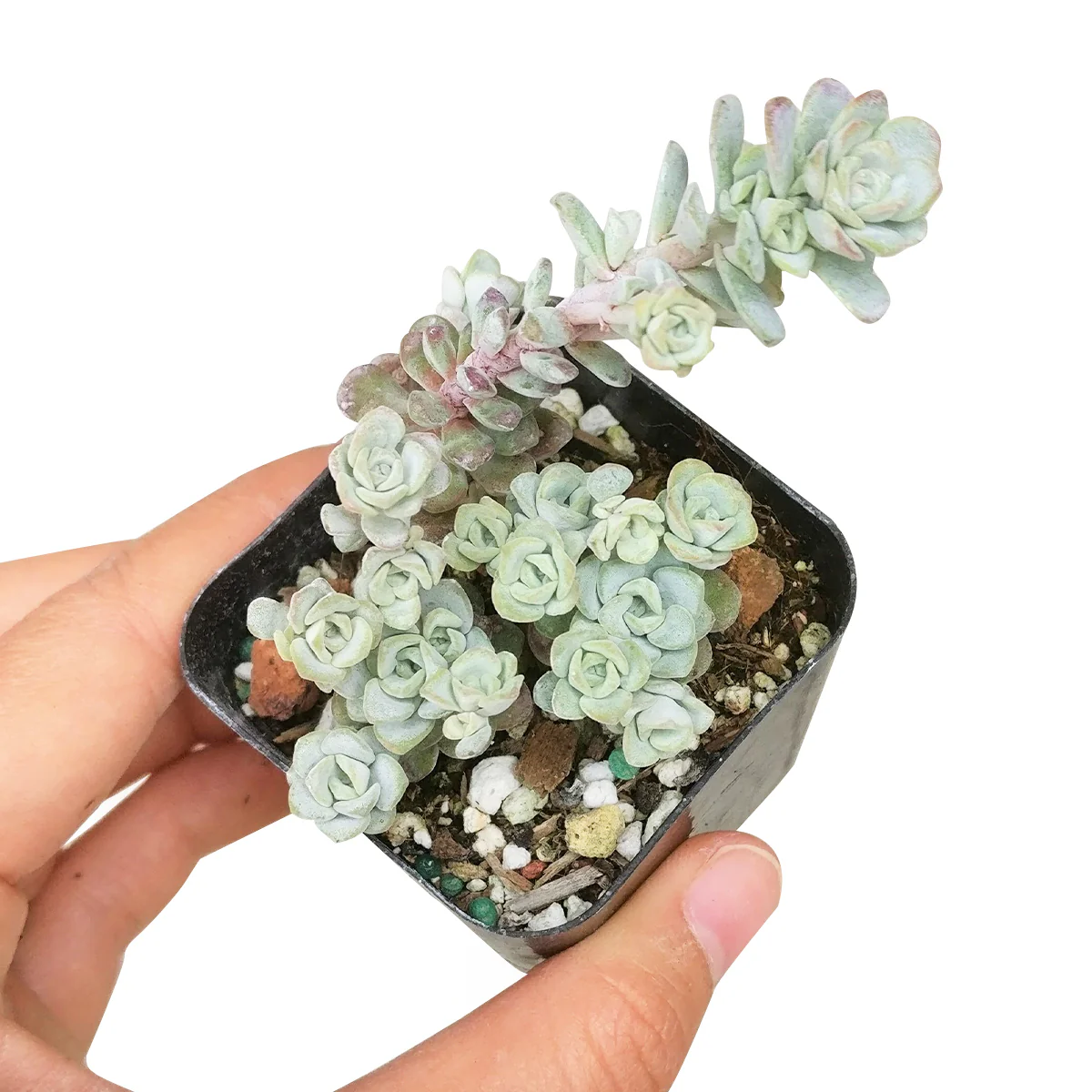
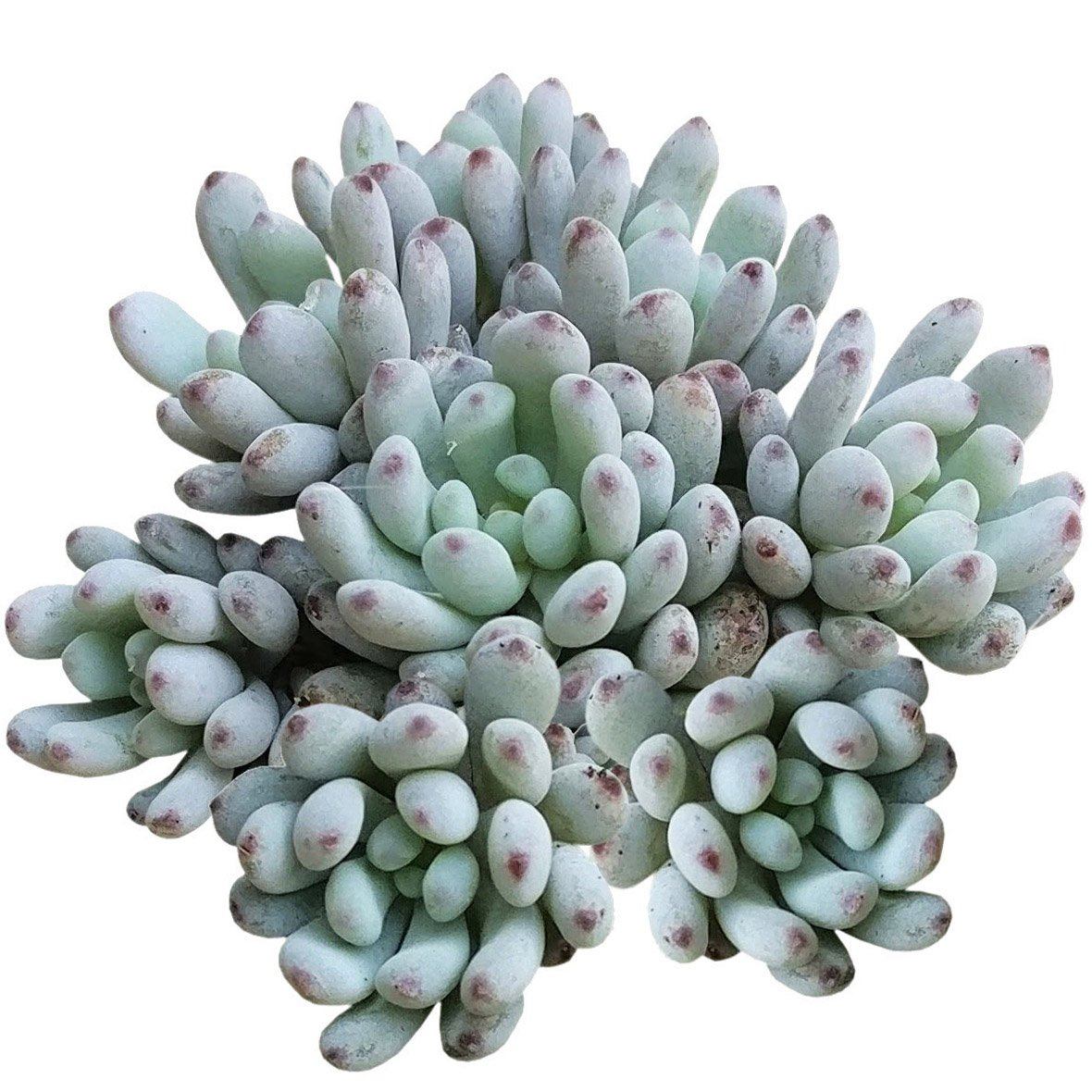
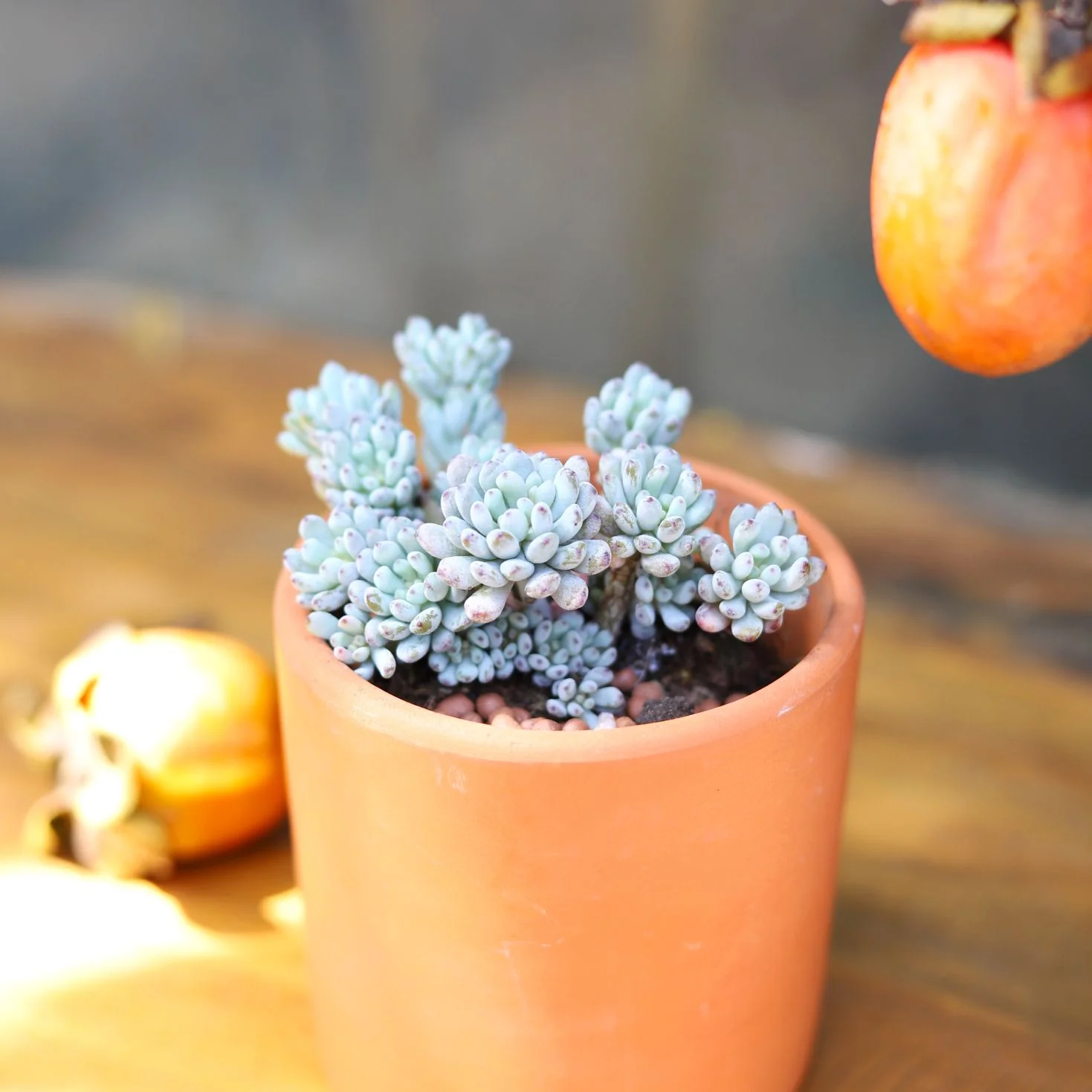
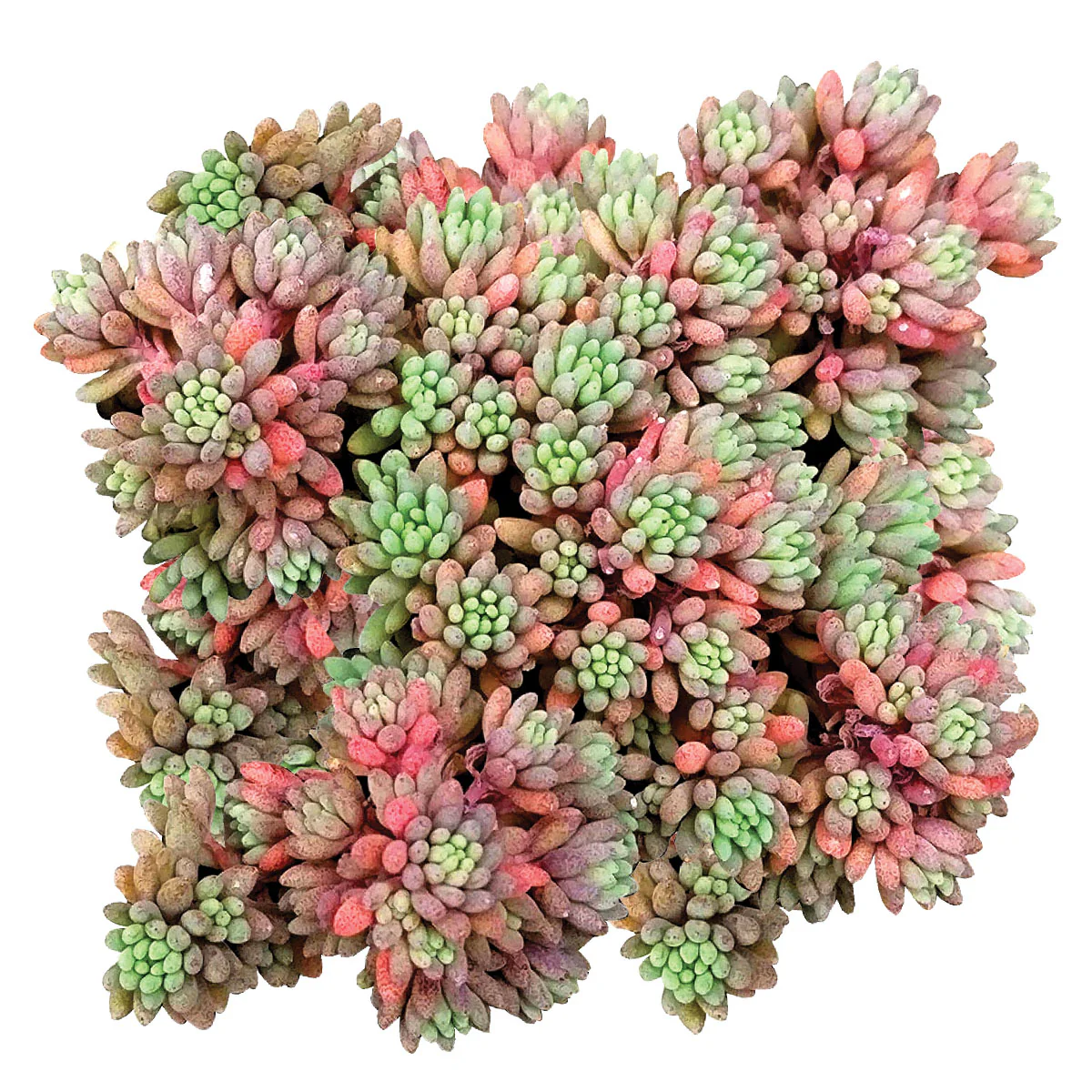
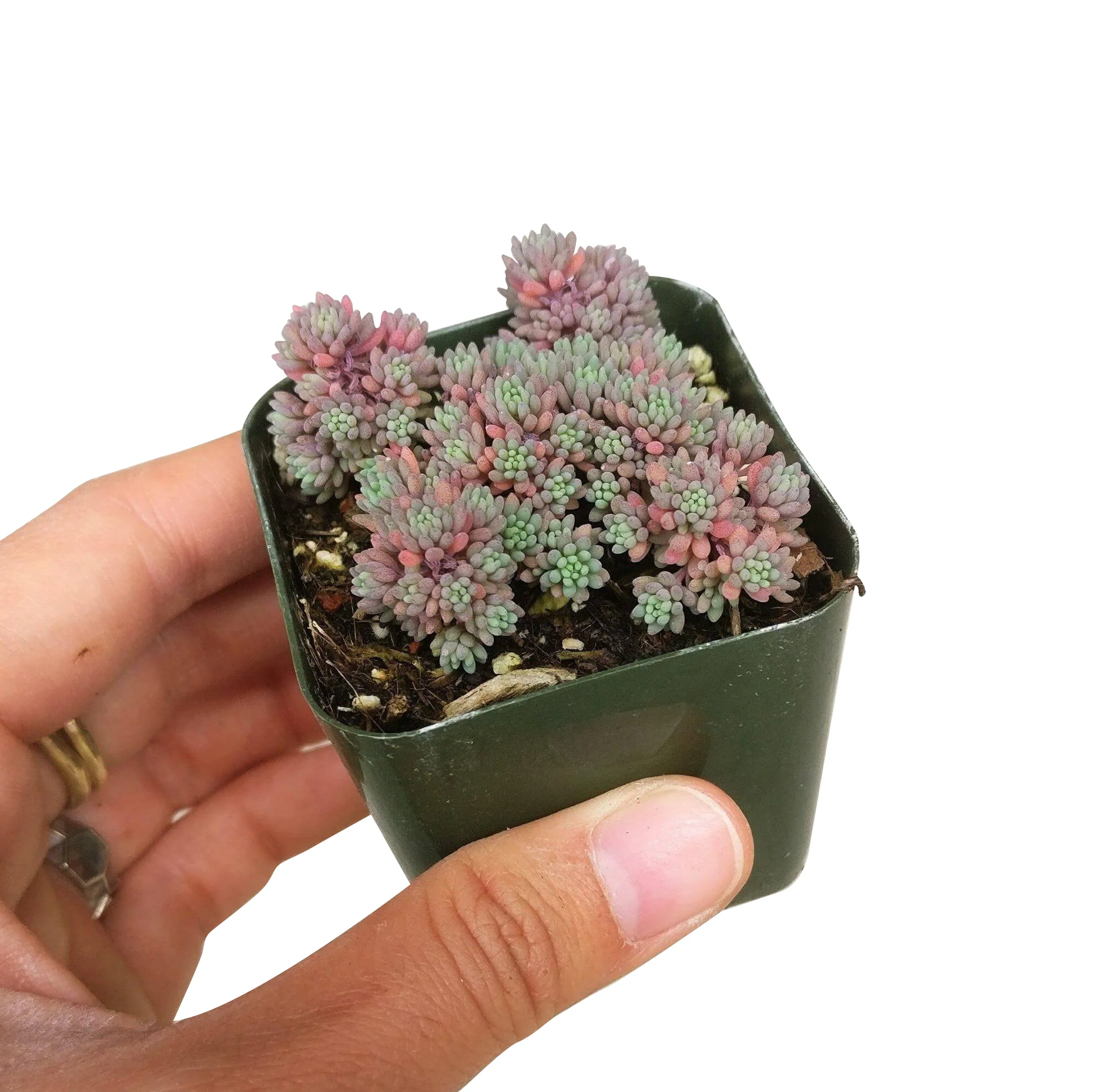
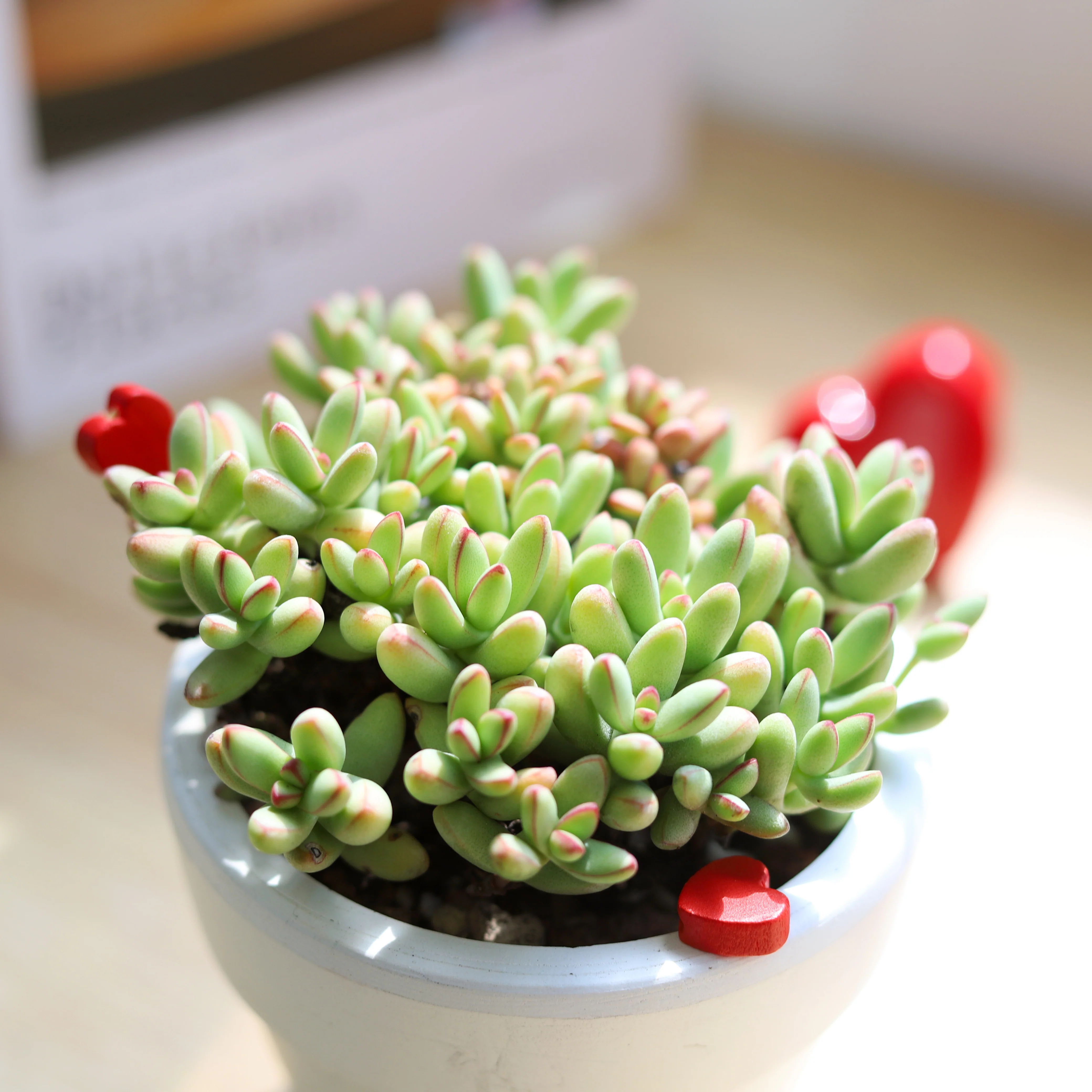
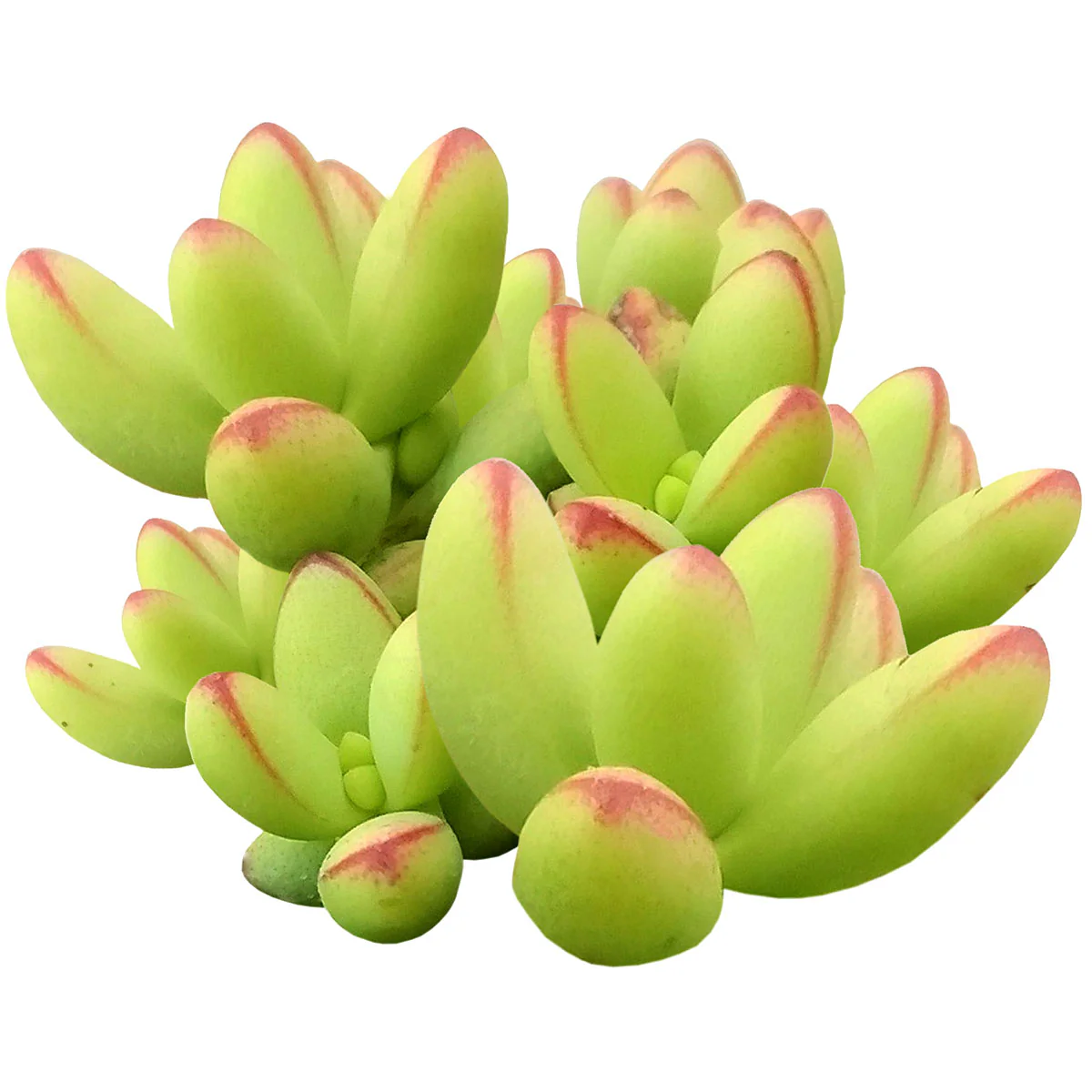
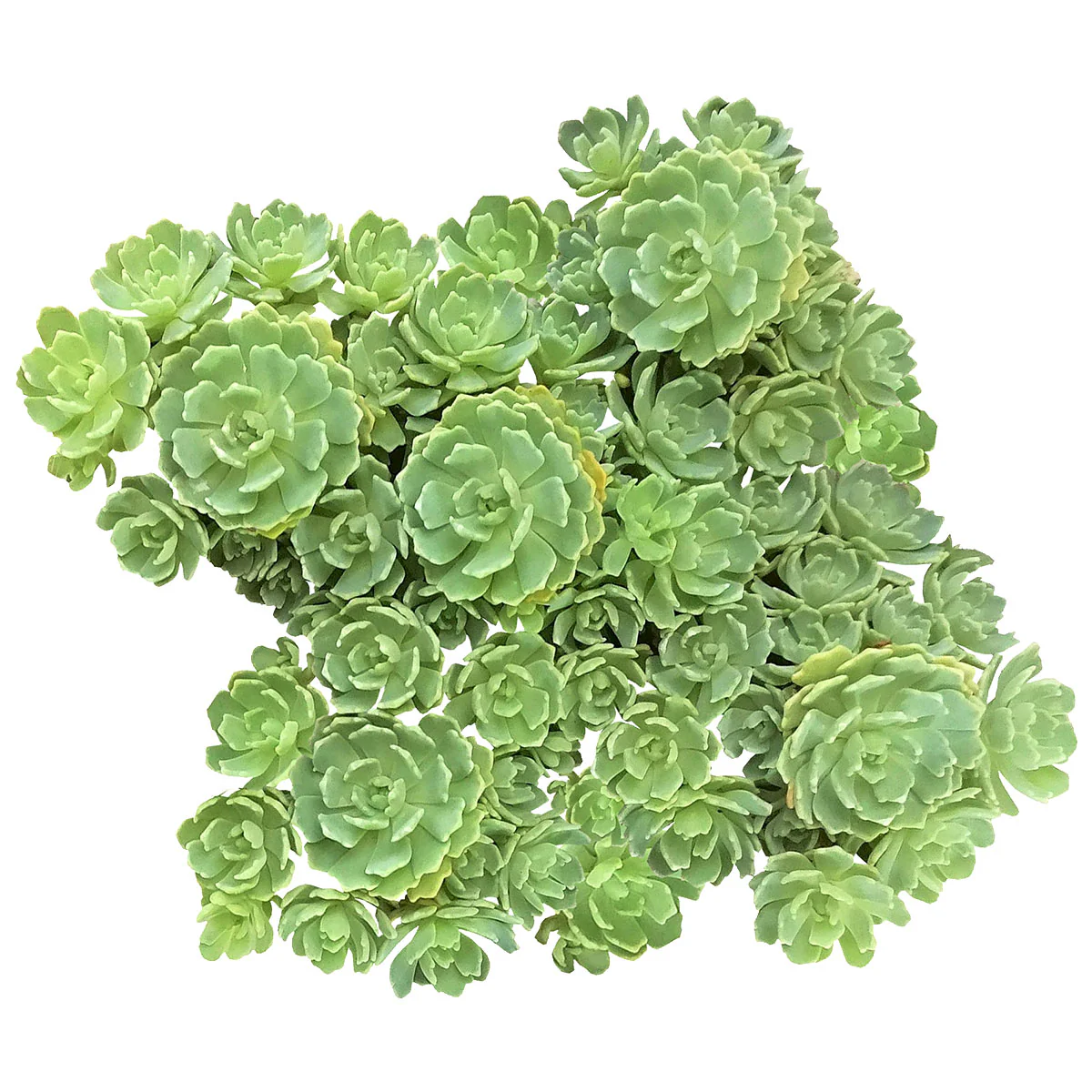
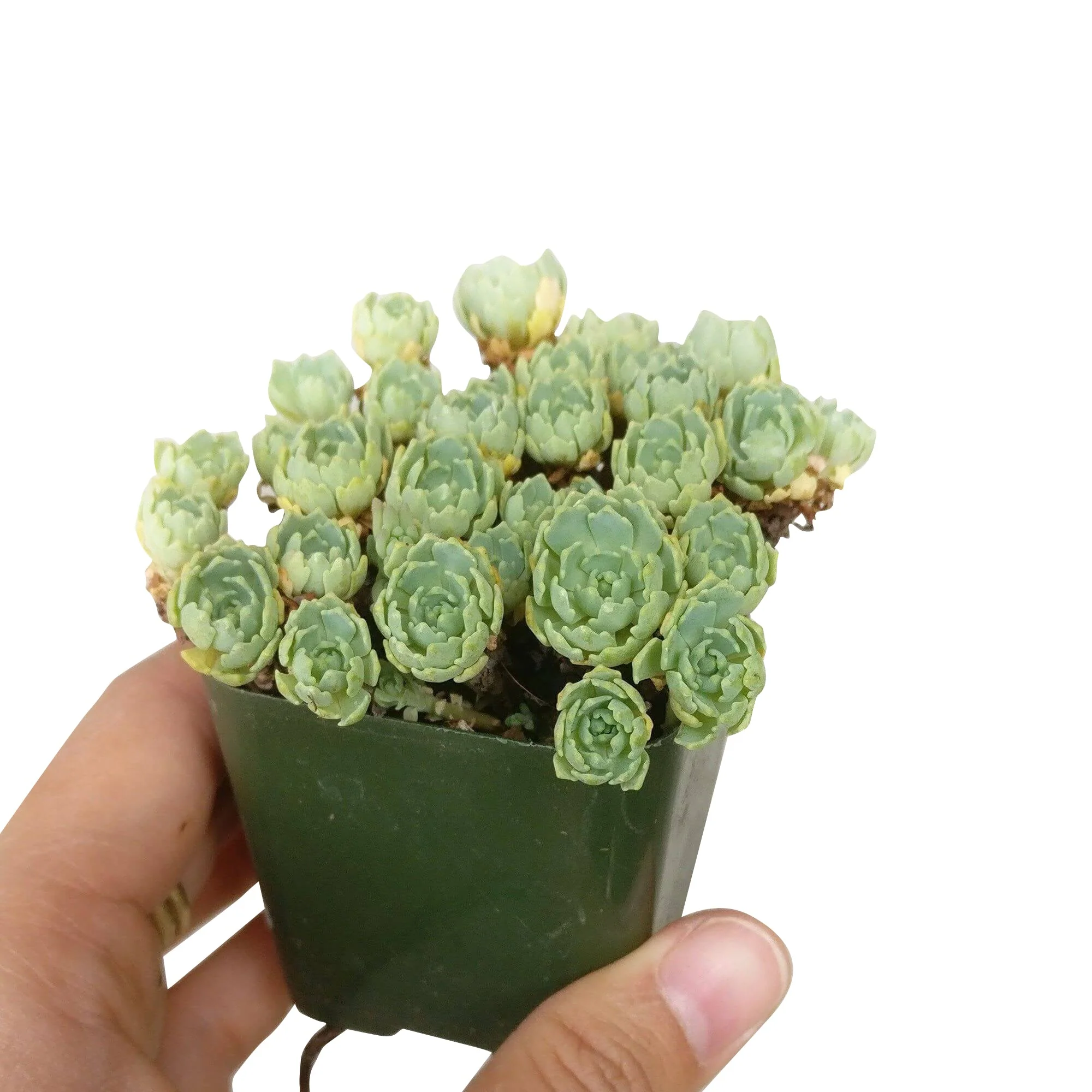
 Crested Cubic Frost Echeveria produces a stunning, undulating crest of densely packed rosettes in soft lilac, silvery blue, and pale pink tones that shift beautifully with light and temperature. The thick, cube-edged leaves have a powdery farina coating that gives the plant its signature frosted look, and the clumping, clustering habit creates a sculptural wave of color unlike any standard Echeveria. This is one of those rare succulents where the growth form itself is the showpiece.
 When Crested Cubic Frost Echeveria does bloom, it typically produces slender arching stems with small coral to pink bell-shaped flowers, and a nighttime temperature drop tends to encourage flowering. Blooms appear in late spring to summer, adding a delicate vertical accent above the dramatic crested foliage. Even in non-blooming seasons, the frosty lilac and blue-pink coloring keeps Crested Cubic Frost Echeveria looking spectacular year-round.
 Crested Cubic Frost Echeveria is wonderfully beginner-friendly despite its rare status, thriving on neglect and surviving a 10-day trip without watering. It grows beautifully on a bright windowsill, a sunny patio in summer, or even under quality office LEDs, though it appreciates being rotated regularly for even, symmetrical growth. Keep it away from direct AC or heater vents, bring it under cover during rain, and if you have curious cats or dogs, you can relax knowing this plant is pet friendly.
-
 Crested Cubic Frost Echeveria thrives in bright indirect light to partial or full sun, ideally near an east or west-facing window.
 Water Crested Cubic Frost Echeveria thoroughly every 10-14 days in summer, reducing to once every 3-4 weeks in winter.
 Crested Cubic Frost Echeveria does best in a fast-draining cactus and perlite mix, roughly 50% gritty amendment to prevent root rot.
 Crested Cubic Frost Echeveria prefers temperatures between 65-80°F (18-27°C) and should be protected from frost below 25°F (-4°C).
![]() Crested Cubic Frost Echeveria is a slow to moderate grower that benefits from a light balanced fertilizer once in spring and once in early summer.
Crested Cubic Frost Echeveria is a slow to moderate grower that benefits from a light balanced fertilizer once in spring and once in early summer.
 Crested Cubic Frost Echeveria is hardy in USDA Zones 9-11, tolerating brief dips to around 25°F (-4°C) but performing best where hard freezes are rare. Gardeners growing Crested Cubic Frost Echeveria outdoors year-round will find ideal conditions across California, Texas, Arizona, Florida, Hawaii, Louisiana, Georgia, South Carolina, Mississippi, Alabama, and Nevada, as well as the milder coastal stretches of Oregon and Washington. Elsewhere, including states like North Carolina, Virginia, Tennessee, and beyond, Crested Cubic Frost Echeveria is easily grown in containers that move outside for summer and come indoors before the first frost.
-
Q: How often should I water Crested Cubic Frost Echeveria?
A: Water Crested Cubic Frost Echeveria every 10-14 days in the growing season and back off to every 3-4 weeks in winter. Always let the soil dry completely between waterings to prevent root rot.
Q: Is Crested Cubic Frost Echeveria pet friendly?
A: Yes, Crested Cubic Frost Echeveria is pet friendly and considered non-toxic to cats and dogs. It is a safe choice for households with curious pets.
Q: How much light does Crested Cubic Frost Echeveria need?
A: Crested Cubic Frost Echeveria does best in bright indirect light to partial sun, such as near an east or west-facing window. It can tolerate some direct morning sun but may scorch in an intense south-facing window during summer.
Q: How fast does Crested Cubic Frost Echeveria grow?
A: Crested Cubic Frost Echeveria is a slow to moderate grower, which is part of what makes each crested specimen so rare and collectible. The unusual crested form also means no two plants grow at exactly the same pace.
Q: Can I grow Crested Cubic Frost Echeveria outdoors?
A: Crested Cubic Frost Echeveria can move outside for summer in most climates and lives outdoors year-round in USDA Zones 9-11. Just be sure to shelter it from heavy rain and bring it in before temperatures drop toward freezing.
Q: How do I propagate Crested Cubic Frost Echeveria?
A: Crested Cubic Frost Echeveria can be propagated by carefully separating offsets or clusters from the base of the crest and allowing the cut ends to callous before potting in dry succulent mix. Keep in mind the crested mutation does not always pass perfectly to leaf cuttings, so offset division gives the most reliable results.


Product Information
Product Information
Shipping & Returns
Shipping & Returns
Description
- Description
- Crested Cubic Frost Echeveria Care Guide
- FAQ/Common Issues
-
![]() Crested Cubic Frost Echeveria is a rare crested succulent from the Echeveria genus, native to the rocky highlands of Mexico where dry conditions and bright sun shaped its remarkable drought tolerant nature. This unusual plant develops a crested, fan-like growth mutation rather than a single rosette, making every specimen genuinely one of a kind. If you are searching for a rare crested succulent that stands apart from the ordinary, Crested Cubic Frost Echeveria is a collector's dream.
Crested Cubic Frost Echeveria is a rare crested succulent from the Echeveria genus, native to the rocky highlands of Mexico where dry conditions and bright sun shaped its remarkable drought tolerant nature. This unusual plant develops a crested, fan-like growth mutation rather than a single rosette, making every specimen genuinely one of a kind. If you are searching for a rare crested succulent that stands apart from the ordinary, Crested Cubic Frost Echeveria is a collector's dream.
Crested Cubic Frost Echeveria produces a stunning, undulating crest of densely packed rosettes in soft lilac, silvery blue, and pale pink tones that shift beautifully with light and temperature. The thick, cube-edged leaves have a powdery farina coating that gives the plant its signature frosted look, and the clumping, clustering habit creates a sculptural wave of color unlike any standard Echeveria. This is one of those rare succulents where the growth form itself is the showpiece.
When Crested Cubic Frost Echeveria does bloom, it typically produces slender arching stems with small coral to pink bell-shaped flowers, and a nighttime temperature drop tends to encourage flowering. Blooms appear in late spring to summer, adding a delicate vertical accent above the dramatic crested foliage. Even in non-blooming seasons, the frosty lilac and blue-pink coloring keeps Crested Cubic Frost Echeveria looking spectacular year-round.
Crested Cubic Frost Echeveria is wonderfully beginner-friendly despite its rare status, thriving on neglect and surviving a 10-day trip without watering. It grows beautifully on a bright windowsill, a sunny patio in summer, or even under quality office LEDs, though it appreciates being rotated regularly for even, symmetrical growth. Keep it away from direct AC or heater vents, bring it under cover during rain, and if you have curious cats or dogs, you can relax knowing this plant is pet friendly.
-
Crested Cubic Frost Echeveria thrives in bright indirect light to partial or full sun, ideally near an east or west-facing window.
Water Crested Cubic Frost Echeveria thoroughly every 10-14 days in summer, reducing to once every 3-4 weeks in winter.
Crested Cubic Frost Echeveria does best in a fast-draining cactus and perlite mix, roughly 50% gritty amendment to prevent root rot.
Crested Cubic Frost Echeveria prefers temperatures between 65-80°F (18-27°C) and should be protected from frost below 25°F (-4°C).
![]() Crested Cubic Frost Echeveria is a slow to moderate grower that benefits from a light balanced fertilizer once in spring and once in early summer.
Crested Cubic Frost Echeveria is a slow to moderate grower that benefits from a light balanced fertilizer once in spring and once in early summer.
Crested Cubic Frost Echeveria is hardy in USDA Zones 9-11, tolerating brief dips to around 25°F (-4°C) but performing best where hard freezes are rare. Gardeners growing Crested Cubic Frost Echeveria outdoors year-round will find ideal conditions across California, Texas, Arizona, Florida, Hawaii, Louisiana, Georgia, South Carolina, Mississippi, Alabama, and Nevada, as well as the milder coastal stretches of Oregon and Washington. Elsewhere, including states like North Carolina, Virginia, Tennessee, and beyond, Crested Cubic Frost Echeveria is easily grown in containers that move outside for summer and come indoors before the first frost.
-
Q: How often should I water Crested Cubic Frost Echeveria?
A: Water Crested Cubic Frost Echeveria every 10-14 days in the growing season and back off to every 3-4 weeks in winter. Always let the soil dry completely between waterings to prevent root rot.
Q: Is Crested Cubic Frost Echeveria pet friendly?
A: Yes, Crested Cubic Frost Echeveria is pet friendly and considered non-toxic to cats and dogs. It is a safe choice for households with curious pets.
Q: How much light does Crested Cubic Frost Echeveria need?
A: Crested Cubic Frost Echeveria does best in bright indirect light to partial sun, such as near an east or west-facing window. It can tolerate some direct morning sun but may scorch in an intense south-facing window during summer.
Q: How fast does Crested Cubic Frost Echeveria grow?
A: Crested Cubic Frost Echeveria is a slow to moderate grower, which is part of what makes each crested specimen so rare and collectible. The unusual crested form also means no two plants grow at exactly the same pace.
Q: Can I grow Crested Cubic Frost Echeveria outdoors?
A: Crested Cubic Frost Echeveria can move outside for summer in most climates and lives outdoors year-round in USDA Zones 9-11. Just be sure to shelter it from heavy rain and bring it in before temperatures drop toward freezing.
Q: How do I propagate Crested Cubic Frost Echeveria?
A: Crested Cubic Frost Echeveria can be propagated by carefully separating offsets or clusters from the base of the crest and allowing the cut ends to callous before potting in dry succulent mix. Keep in mind the crested mutation does not always pass perfectly to leaf cuttings, so offset division gives the most reliable results.