Crassula tomentosa - Woolly Crassula
- Description
- Crassula tomentosa - Woolly Crassula Care Guide
- FAQ/Common Issues
-
![]() Crassula tomentosa - Woolly Crassula is a rare collector succulent belonging to the Crassula genus and the Crassulaceae family. Native to the rocky, arid hillsides of South Africa, this compact rosette succulent has adapted to survive in dry, nutrient-poor soils with dramatic temperature swings between day and night. Finding Crassula tomentosa - Woolly Crassula for sale is a genuine treat for anyone who loves unique textured succulents.
Crassula tomentosa - Woolly Crassula is a rare collector succulent belonging to the Crassula genus and the Crassulaceae family. Native to the rocky, arid hillsides of South Africa, this compact rosette succulent has adapted to survive in dry, nutrient-poor soils with dramatic temperature swings between day and night. Finding Crassula tomentosa - Woolly Crassula for sale is a genuine treat for anyone who loves unique textured succulents.
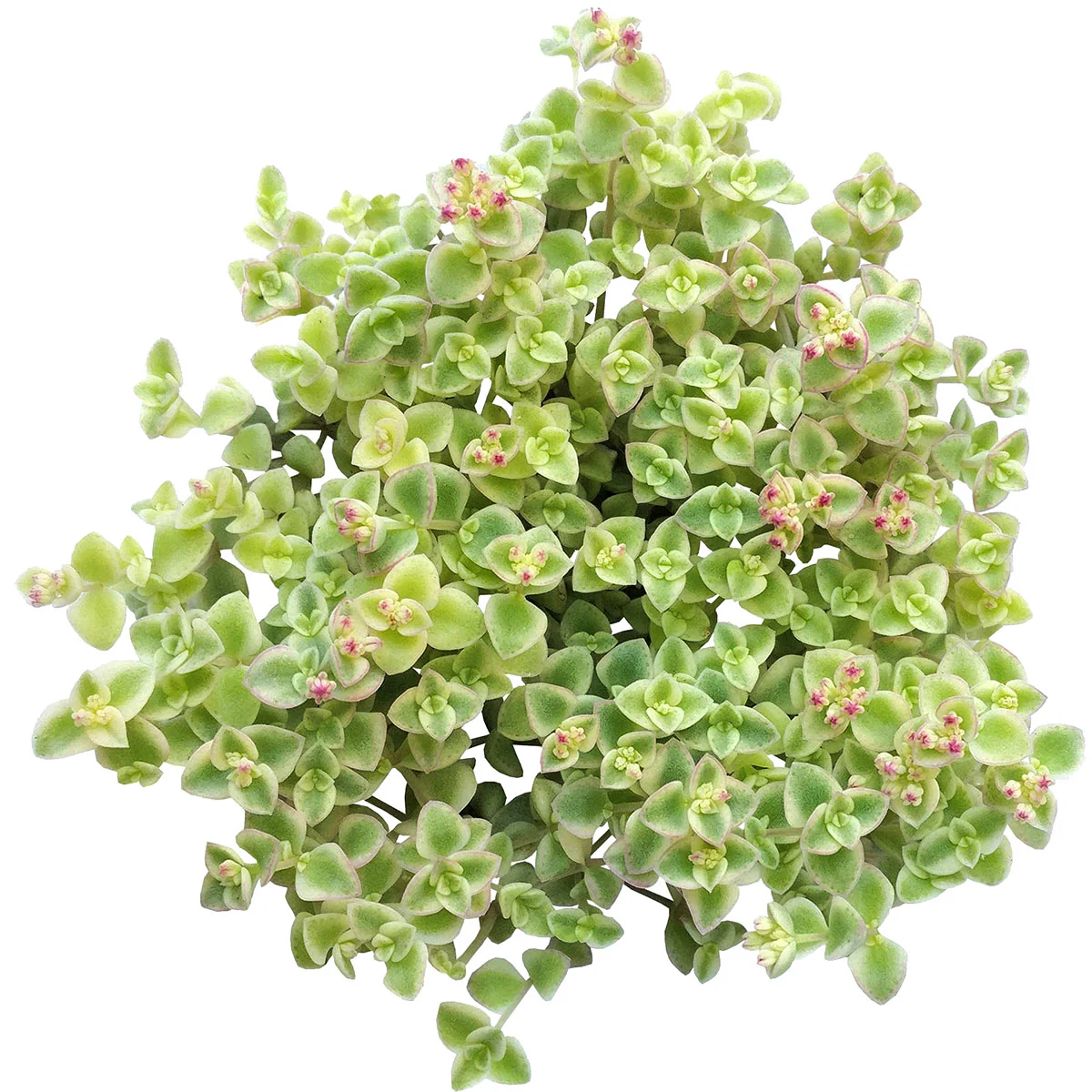
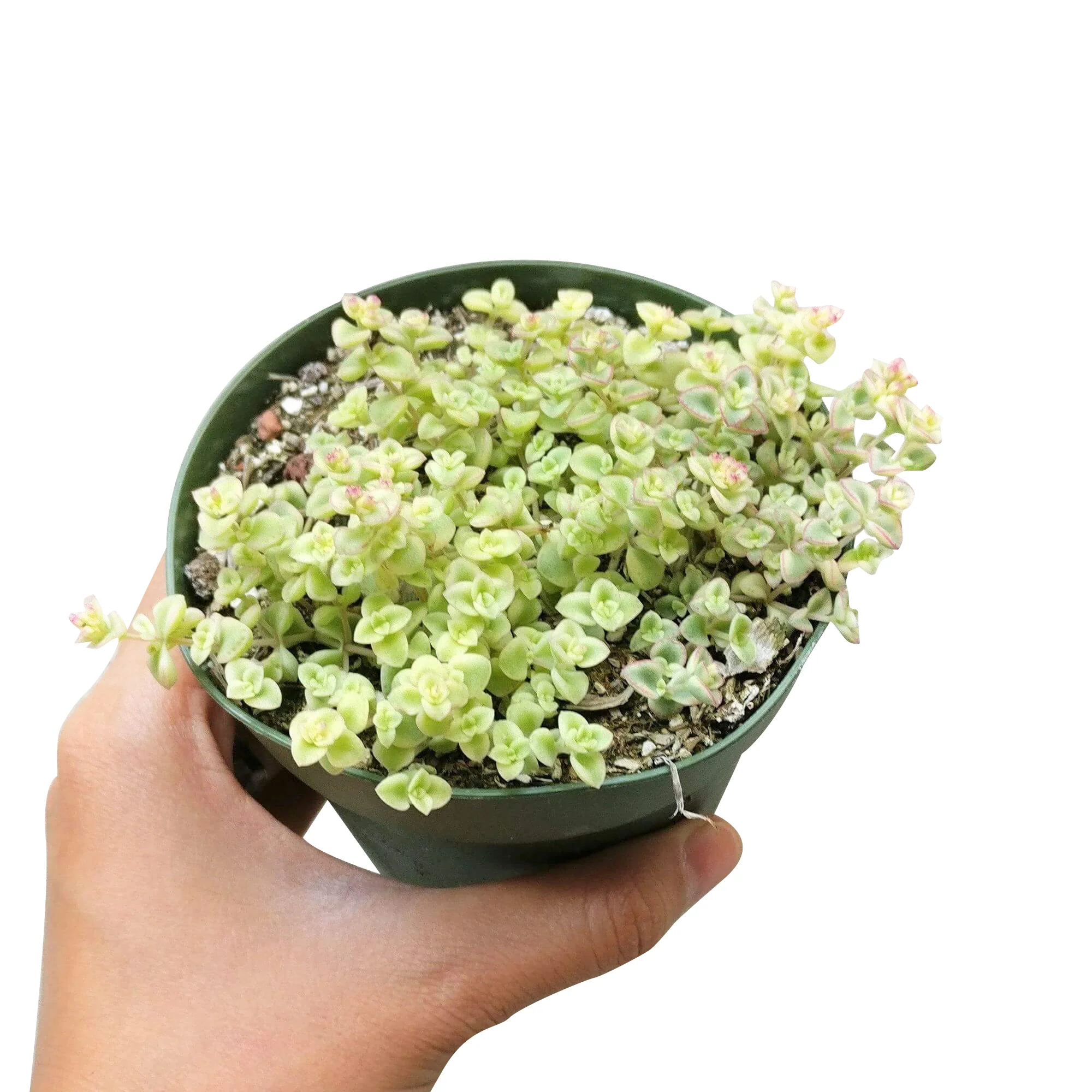
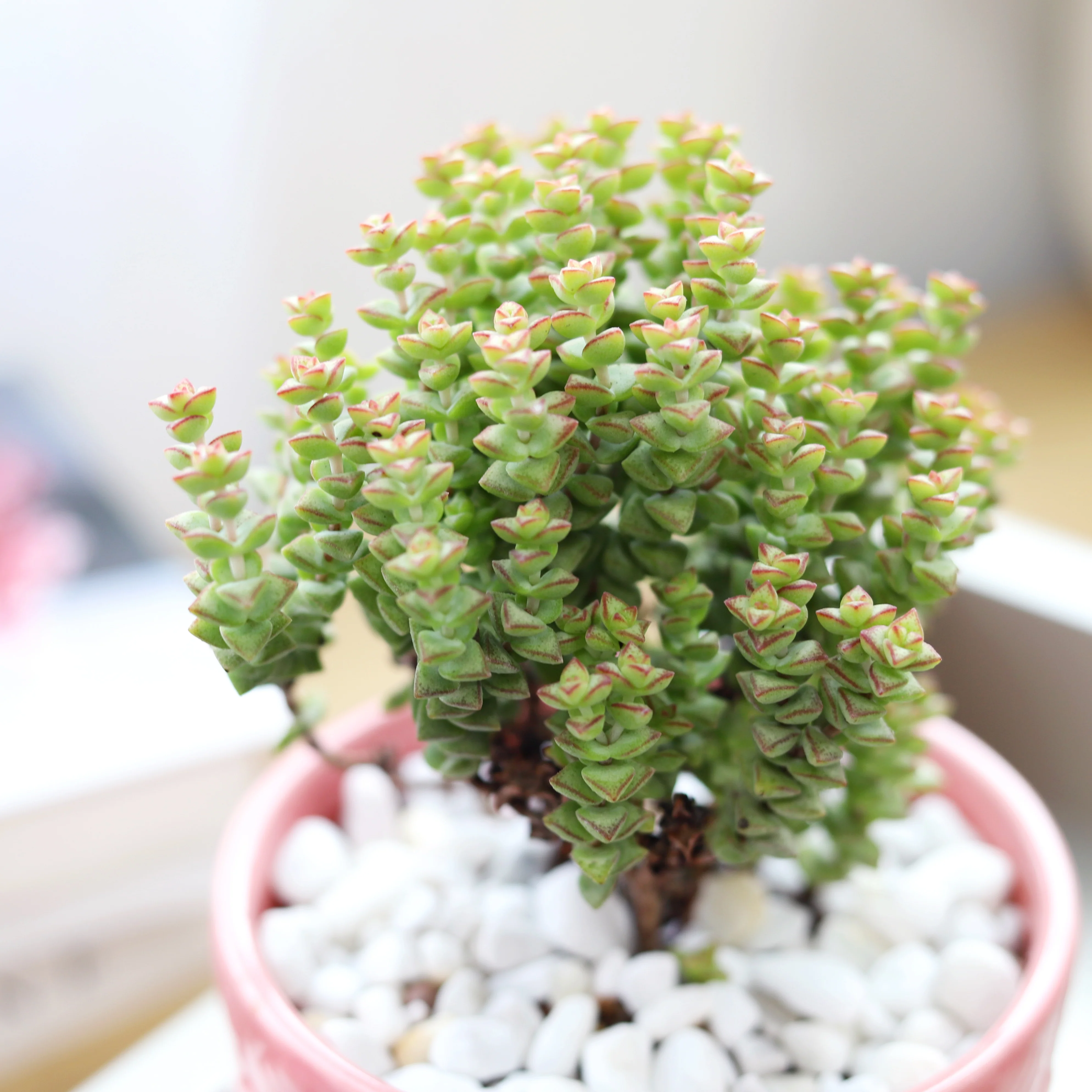
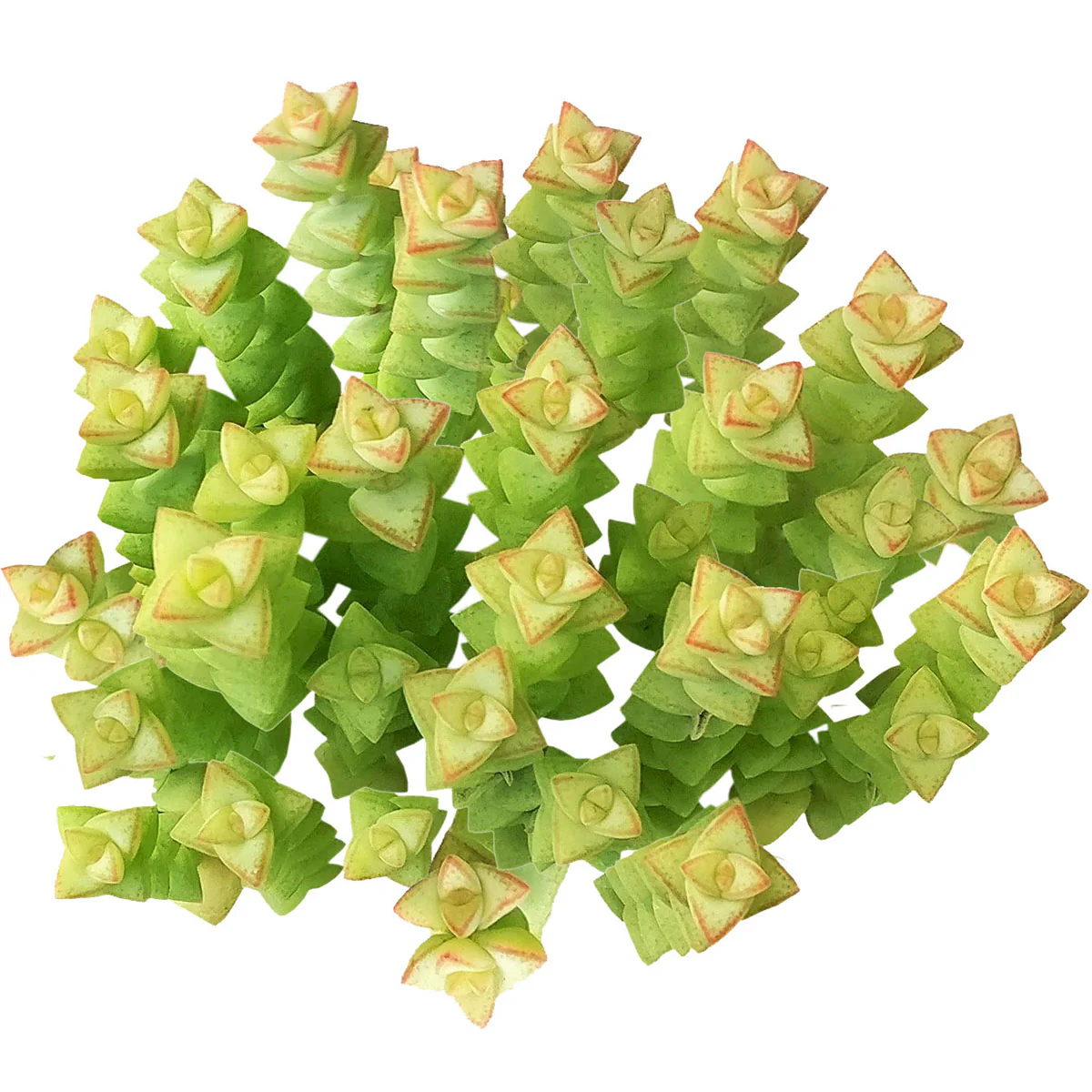
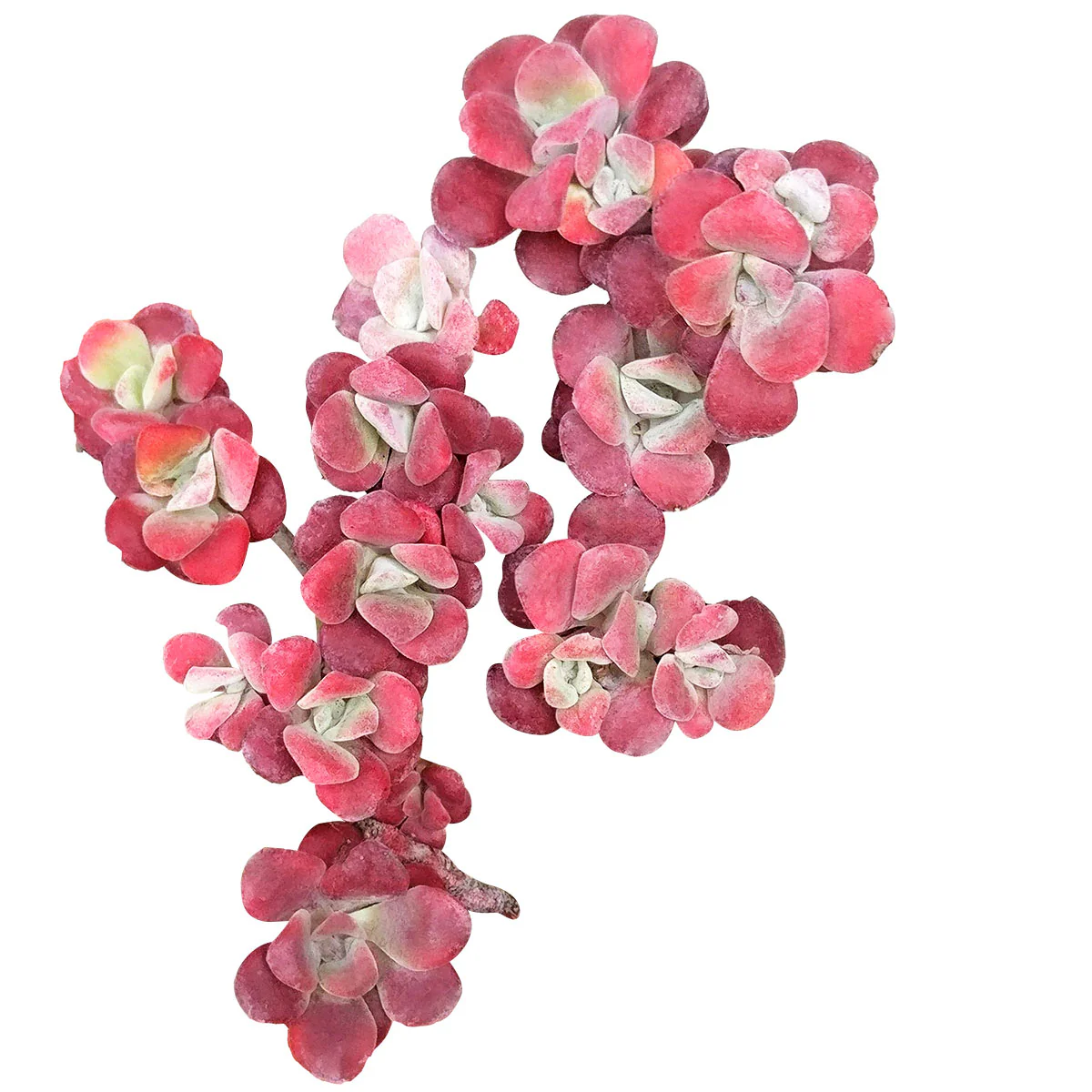
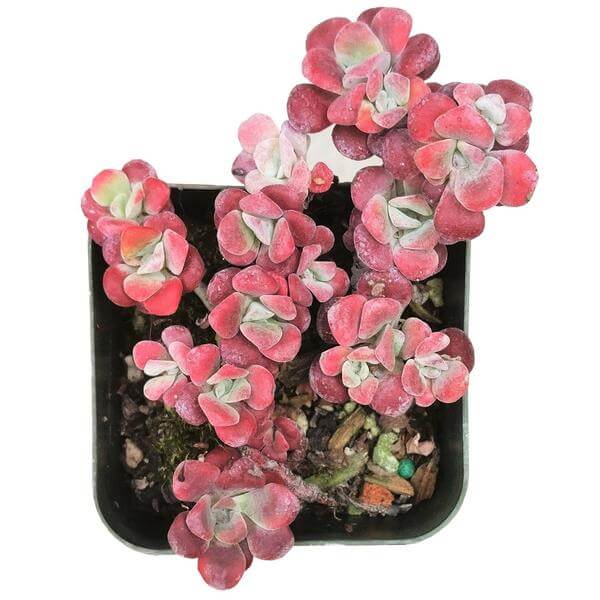
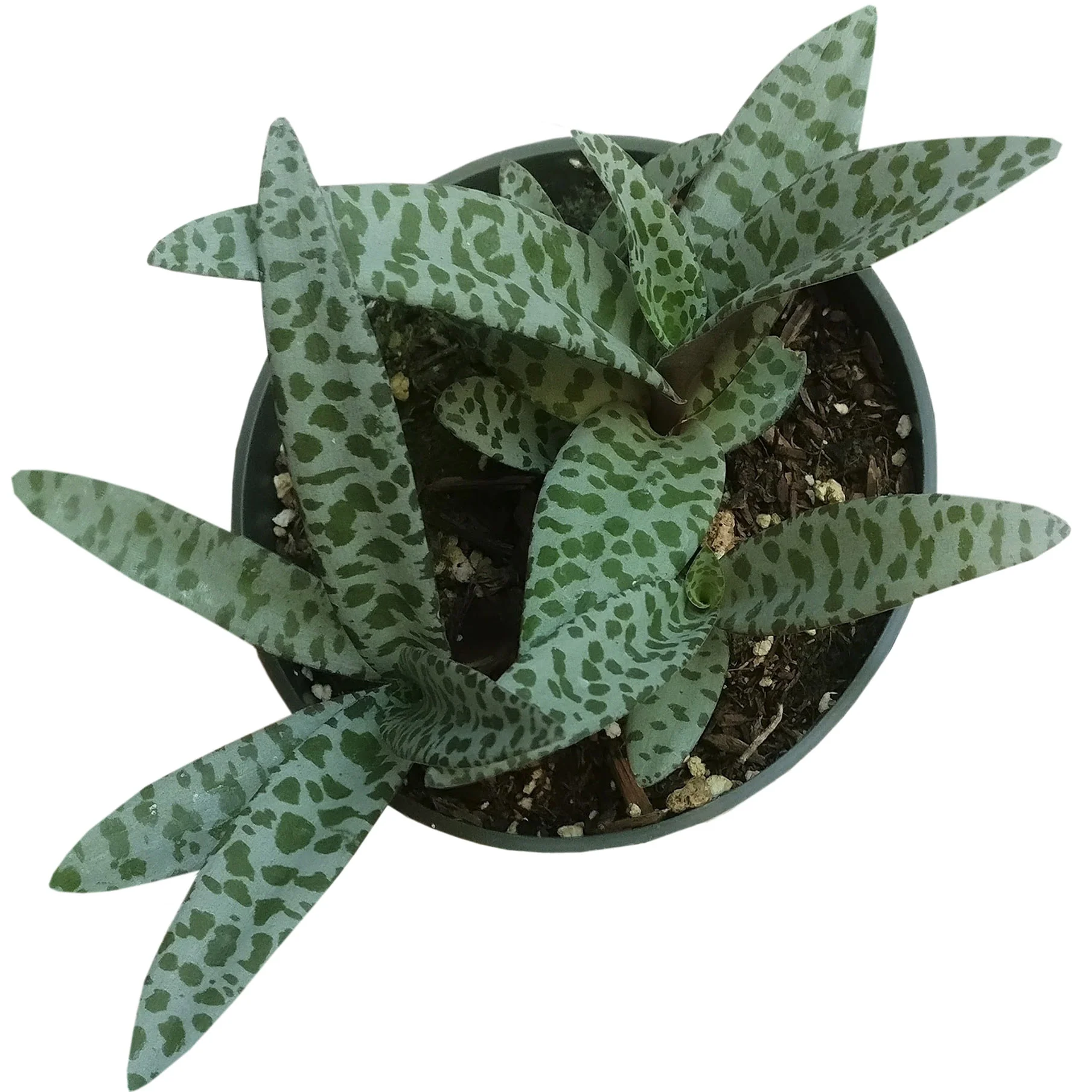
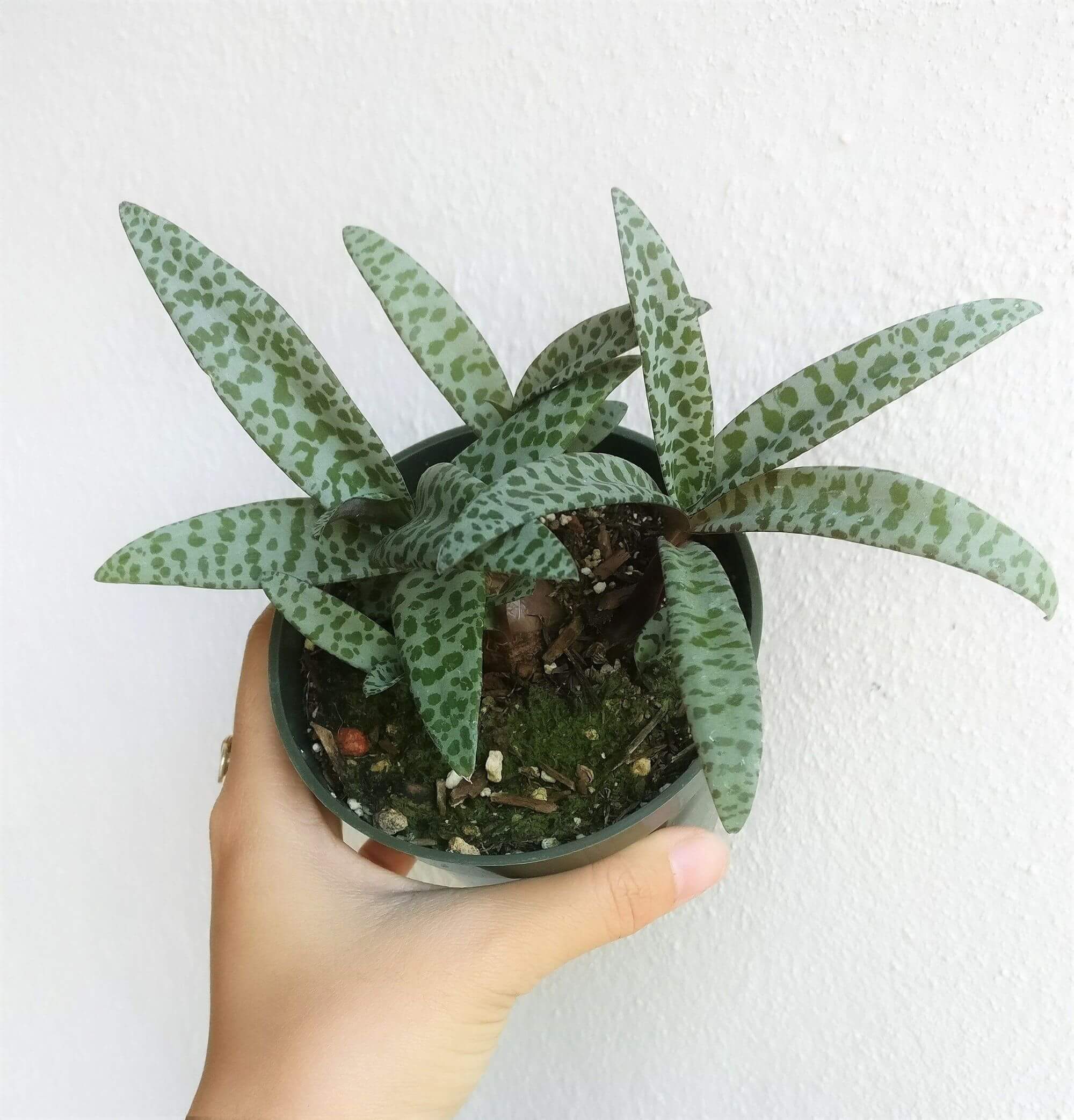
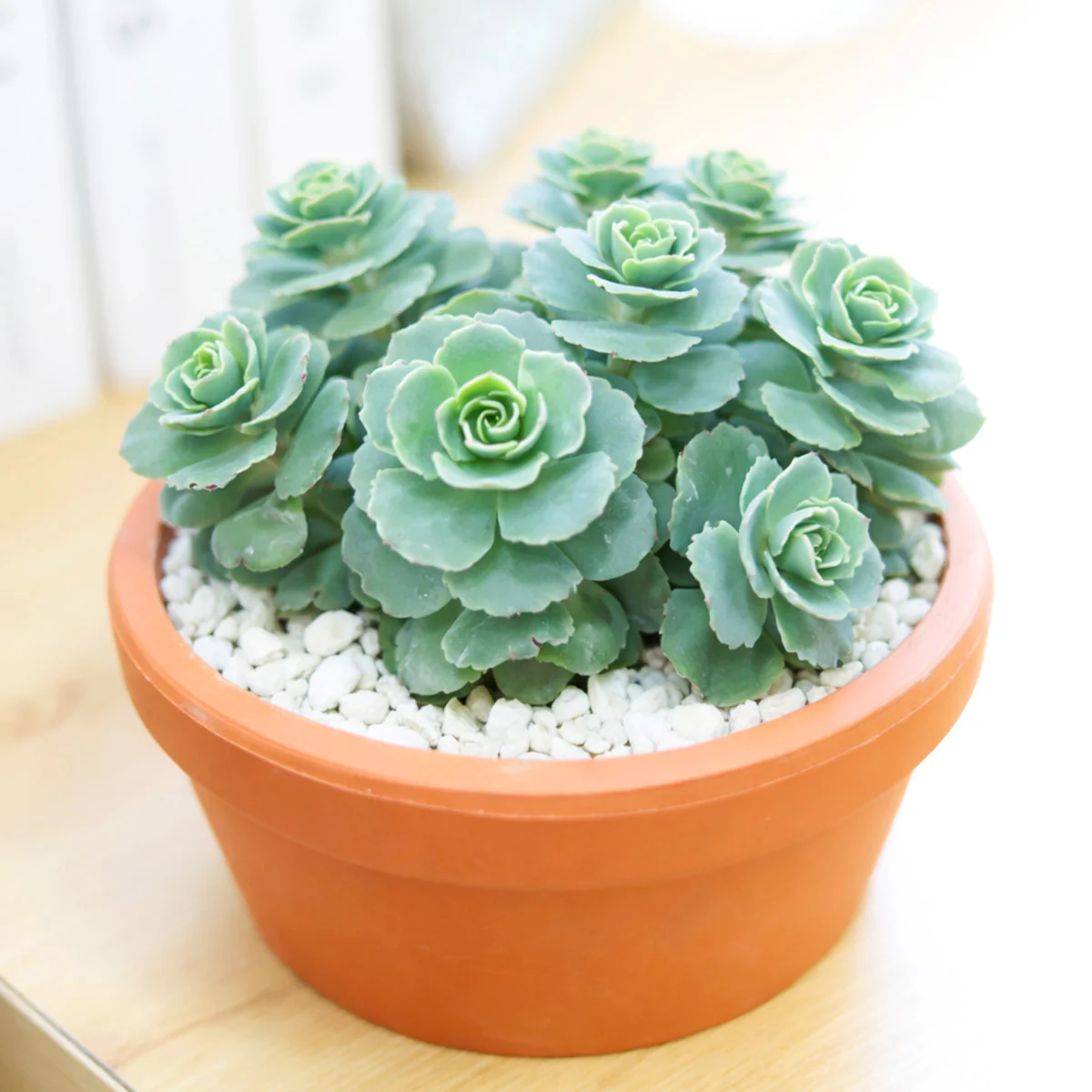
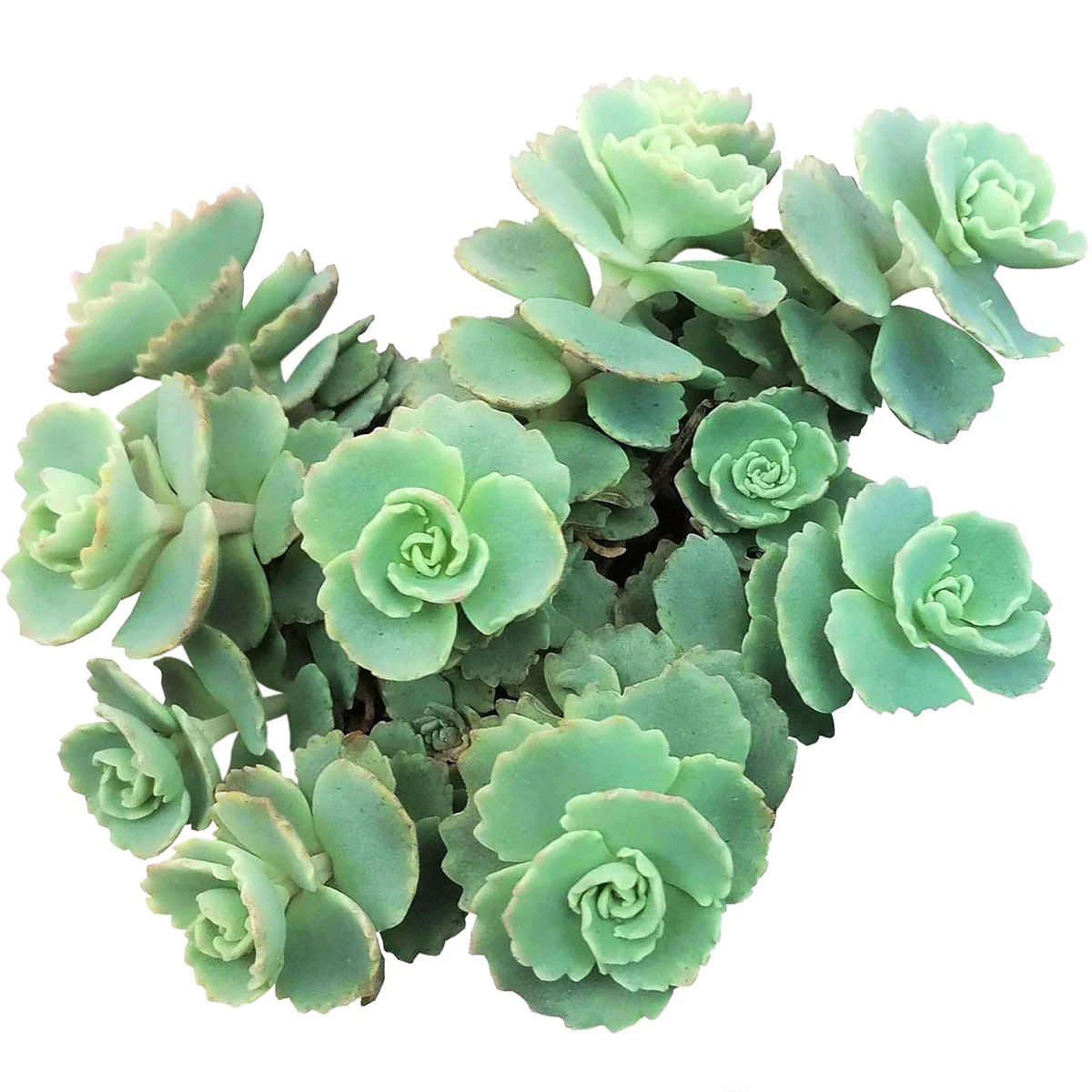
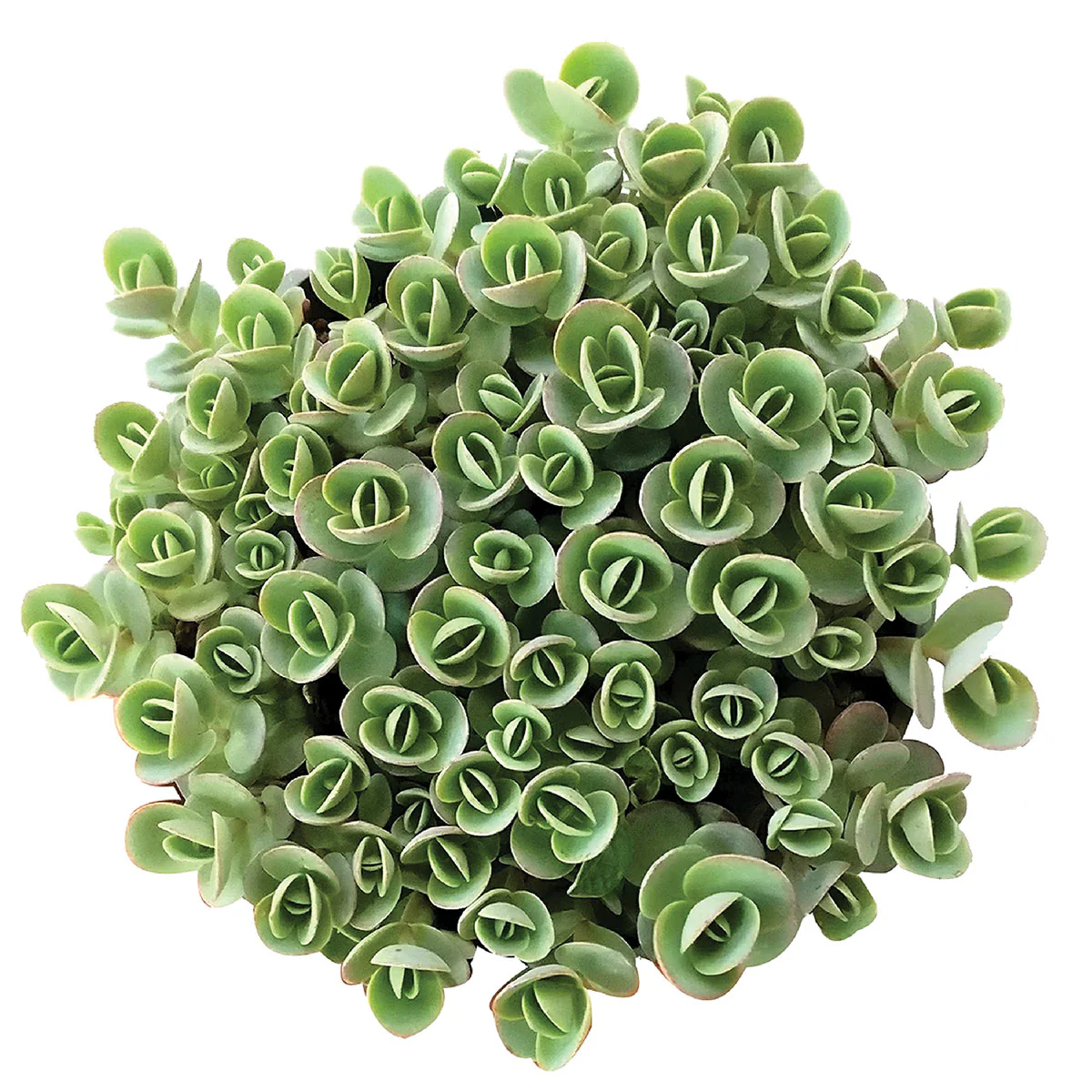
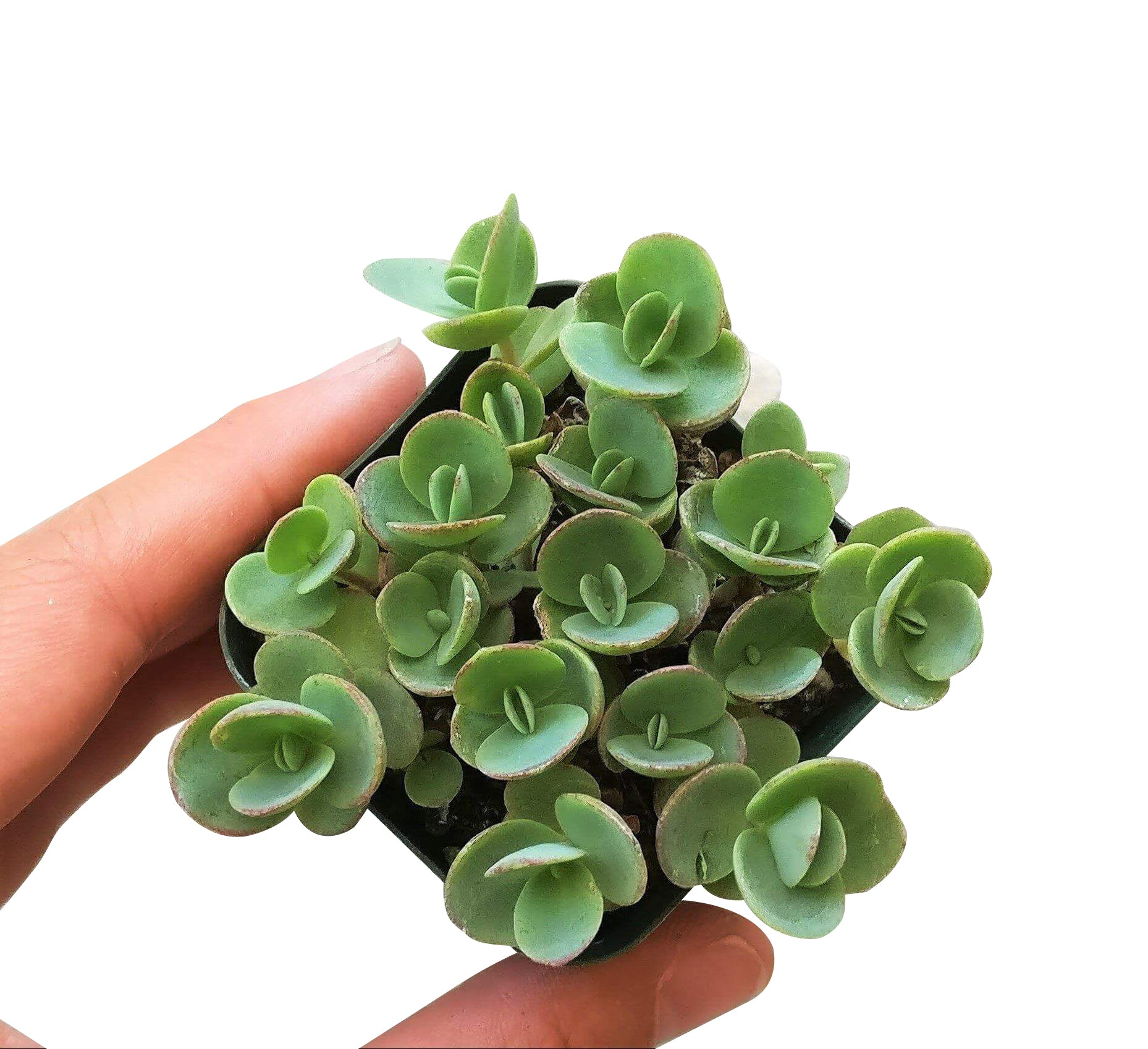
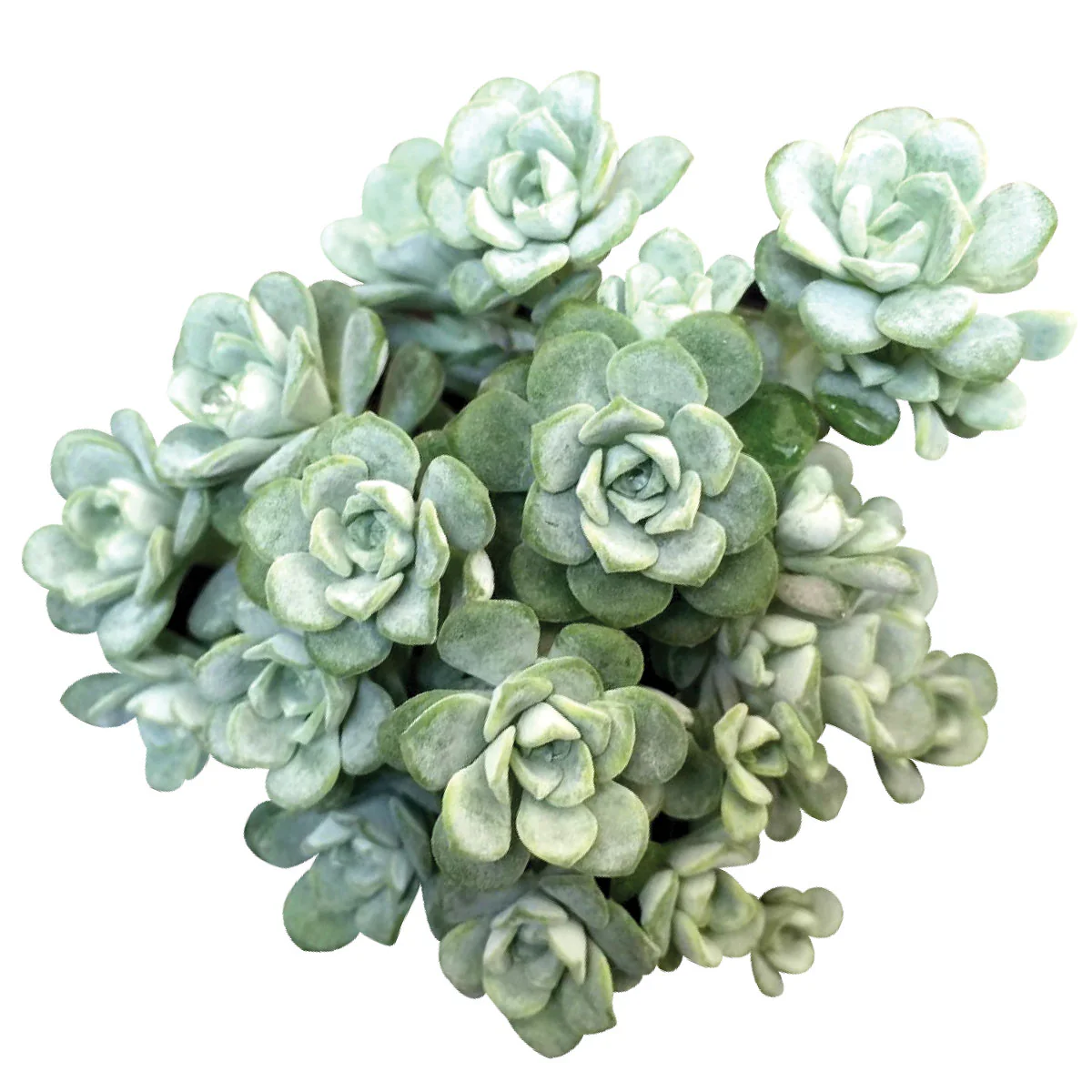
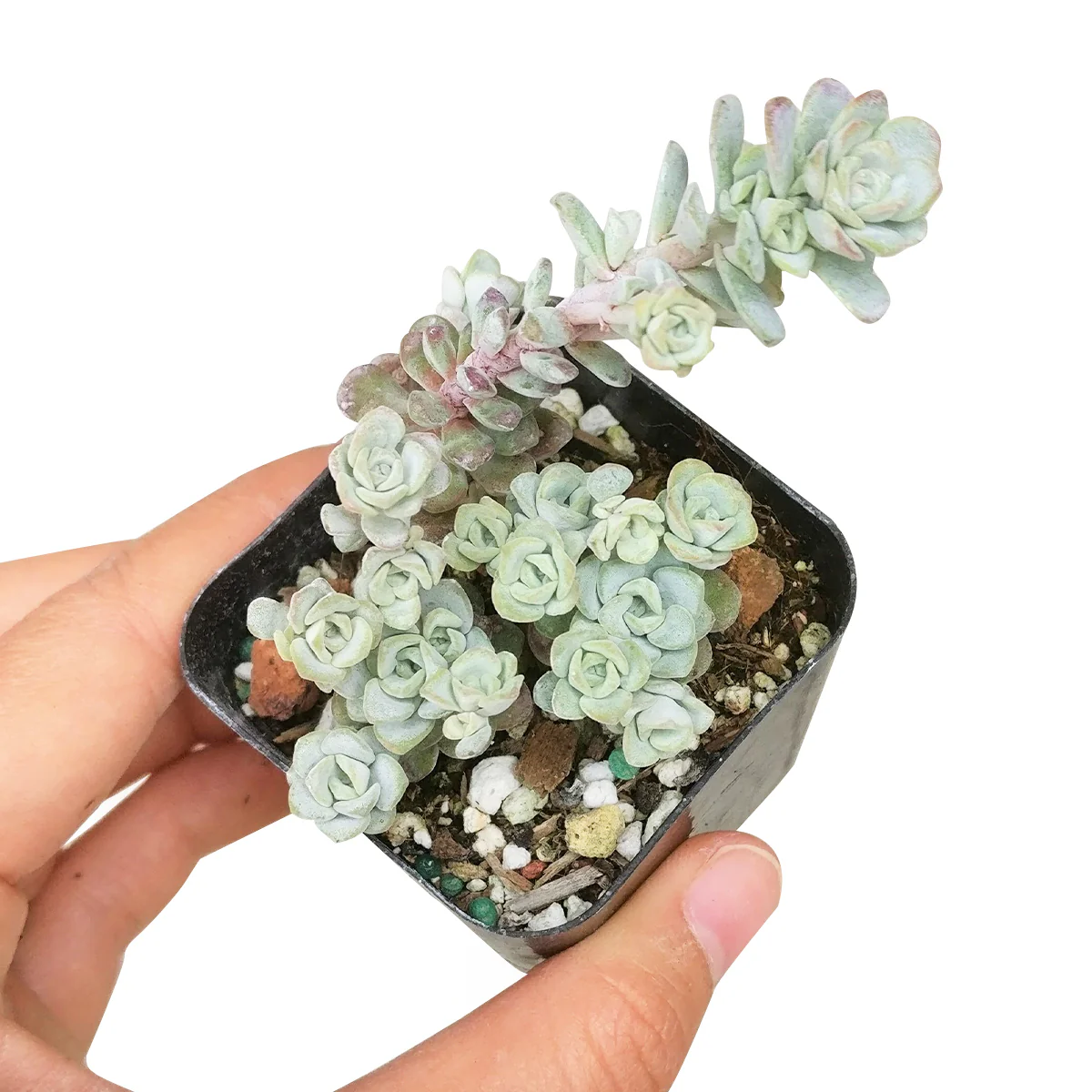
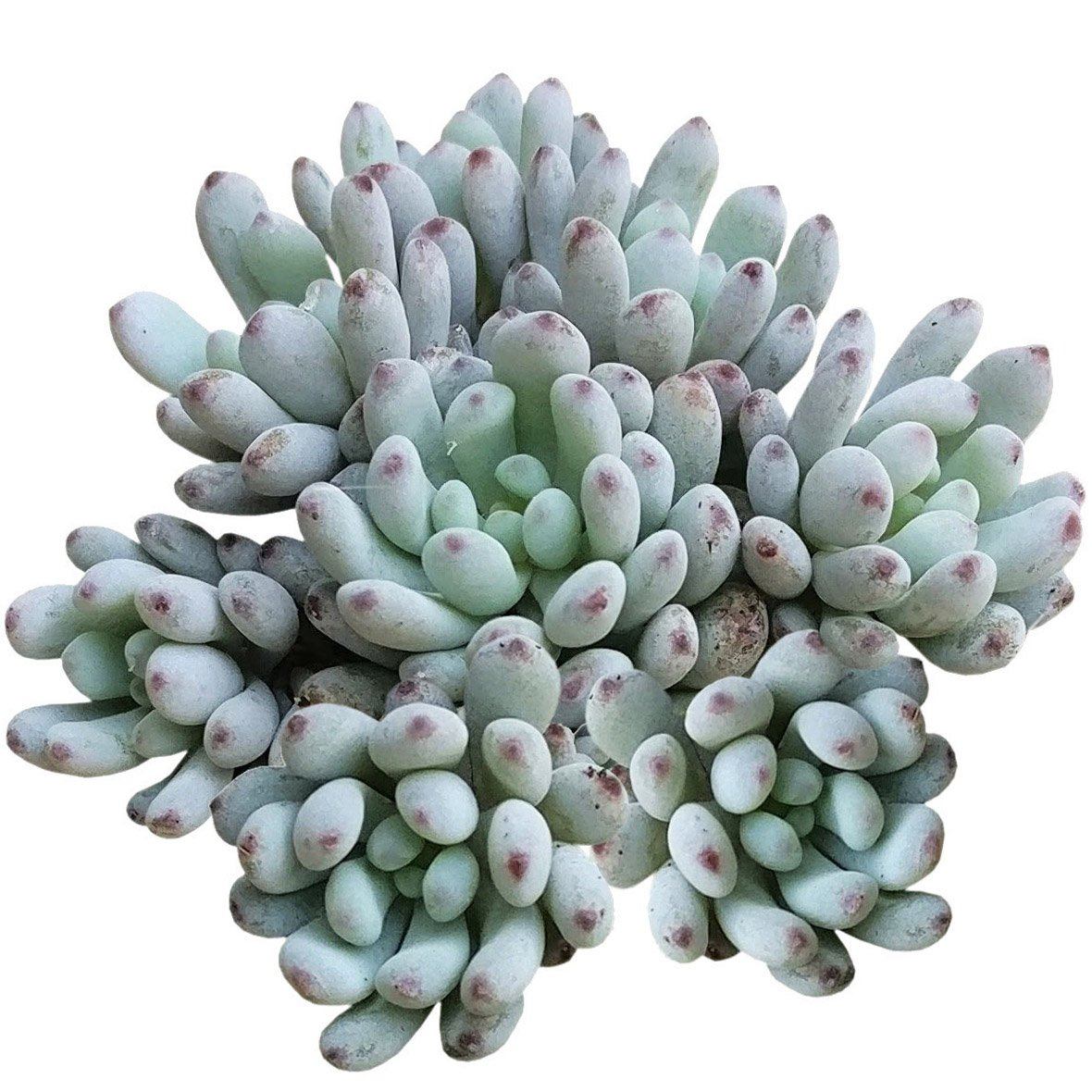
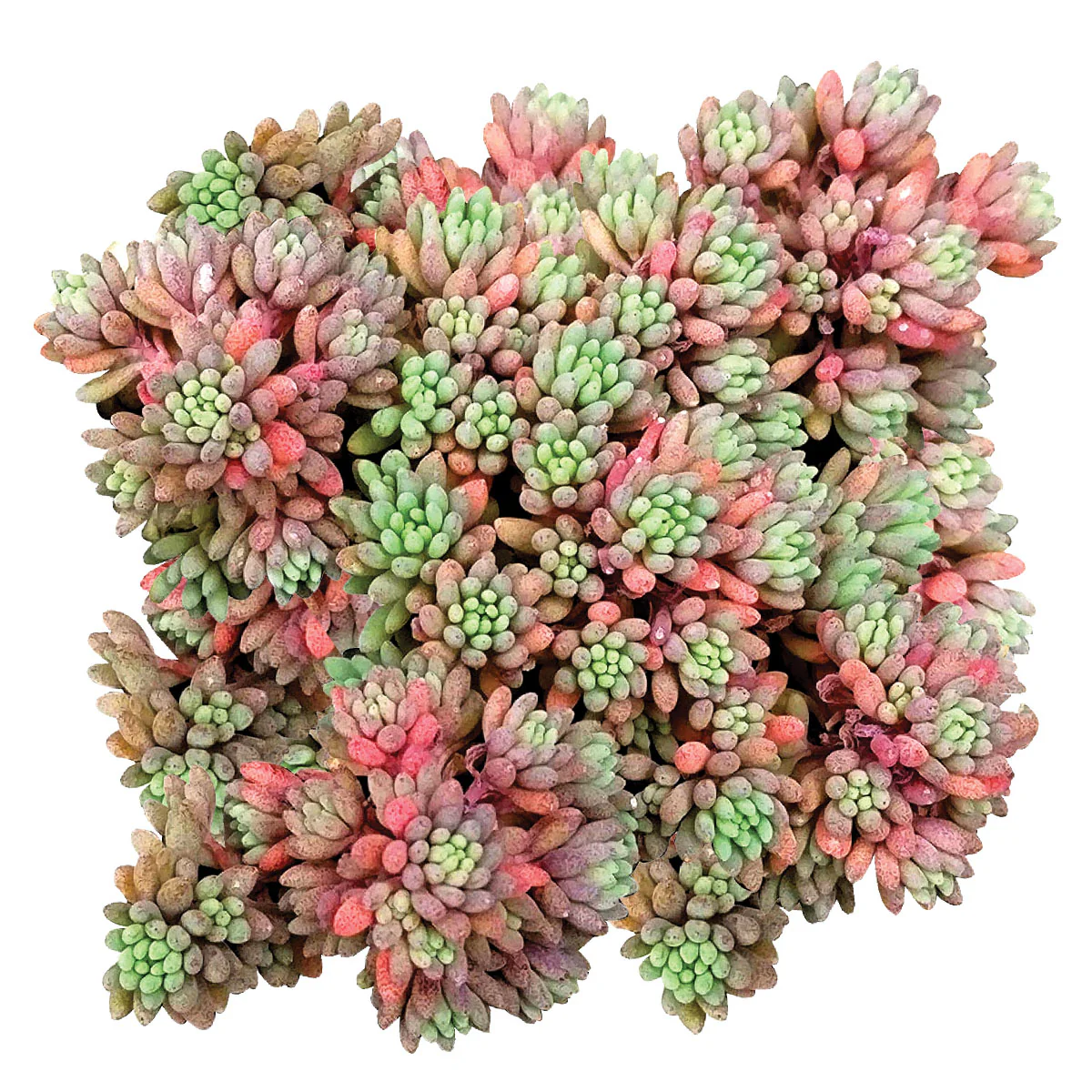
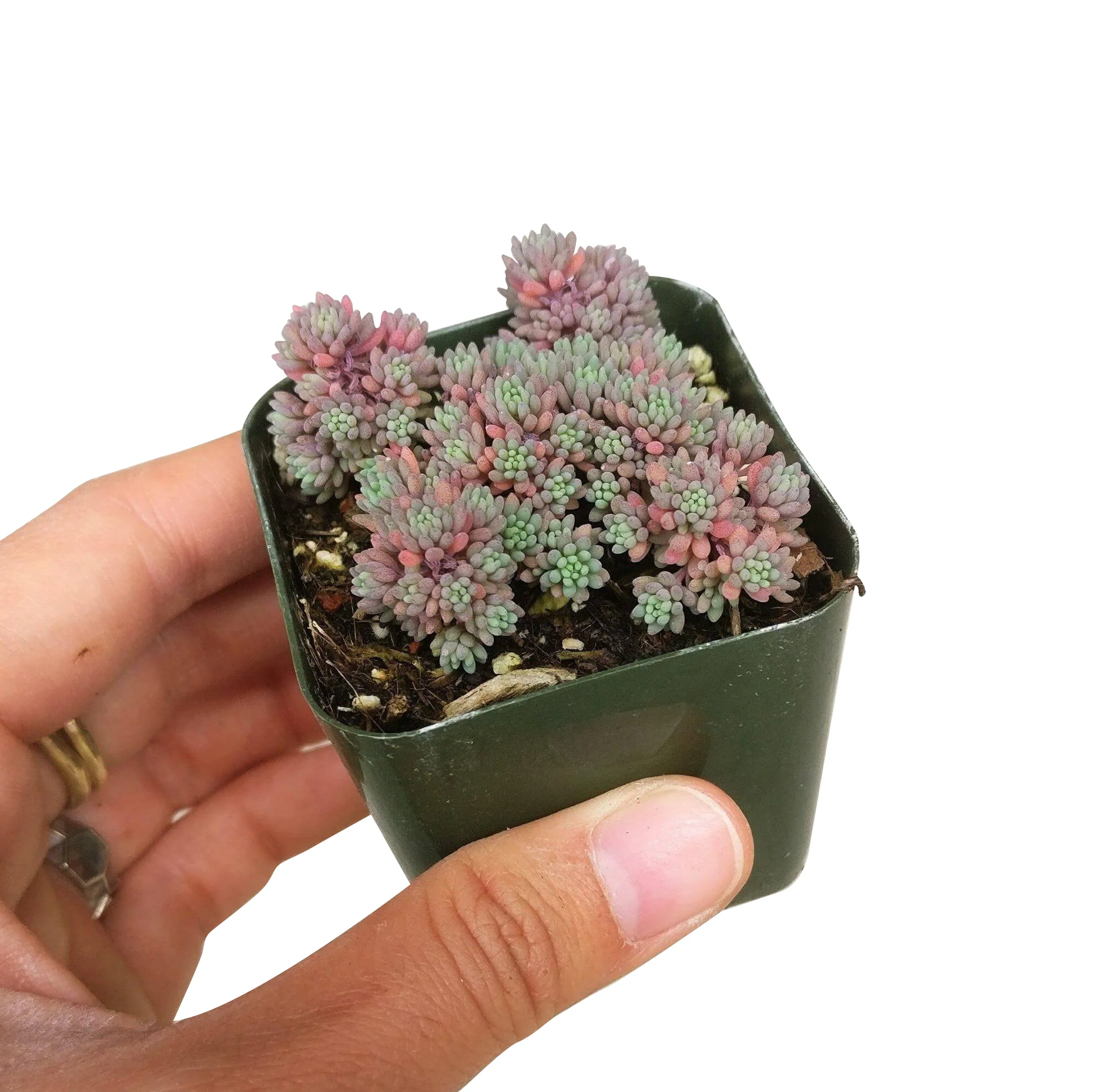
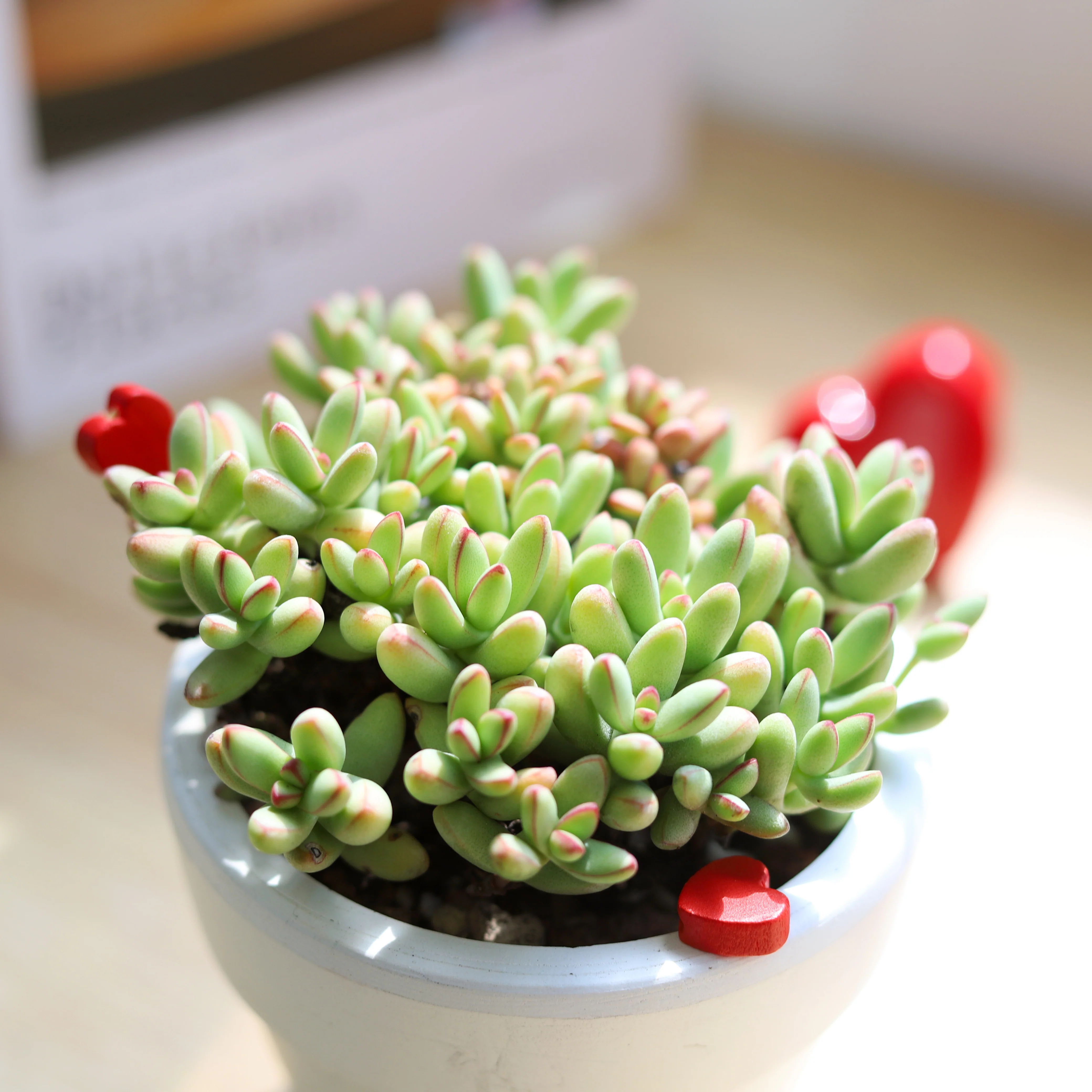
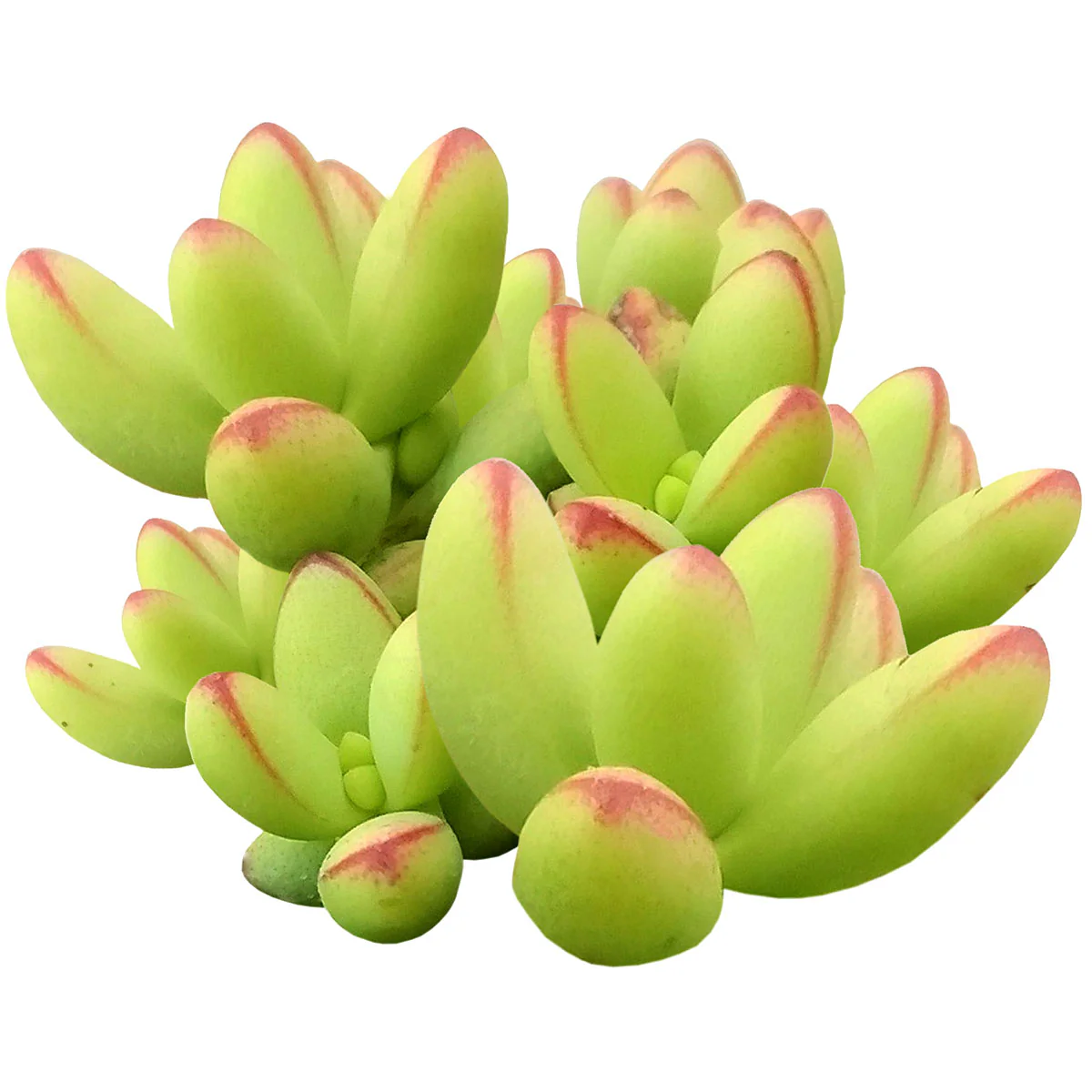
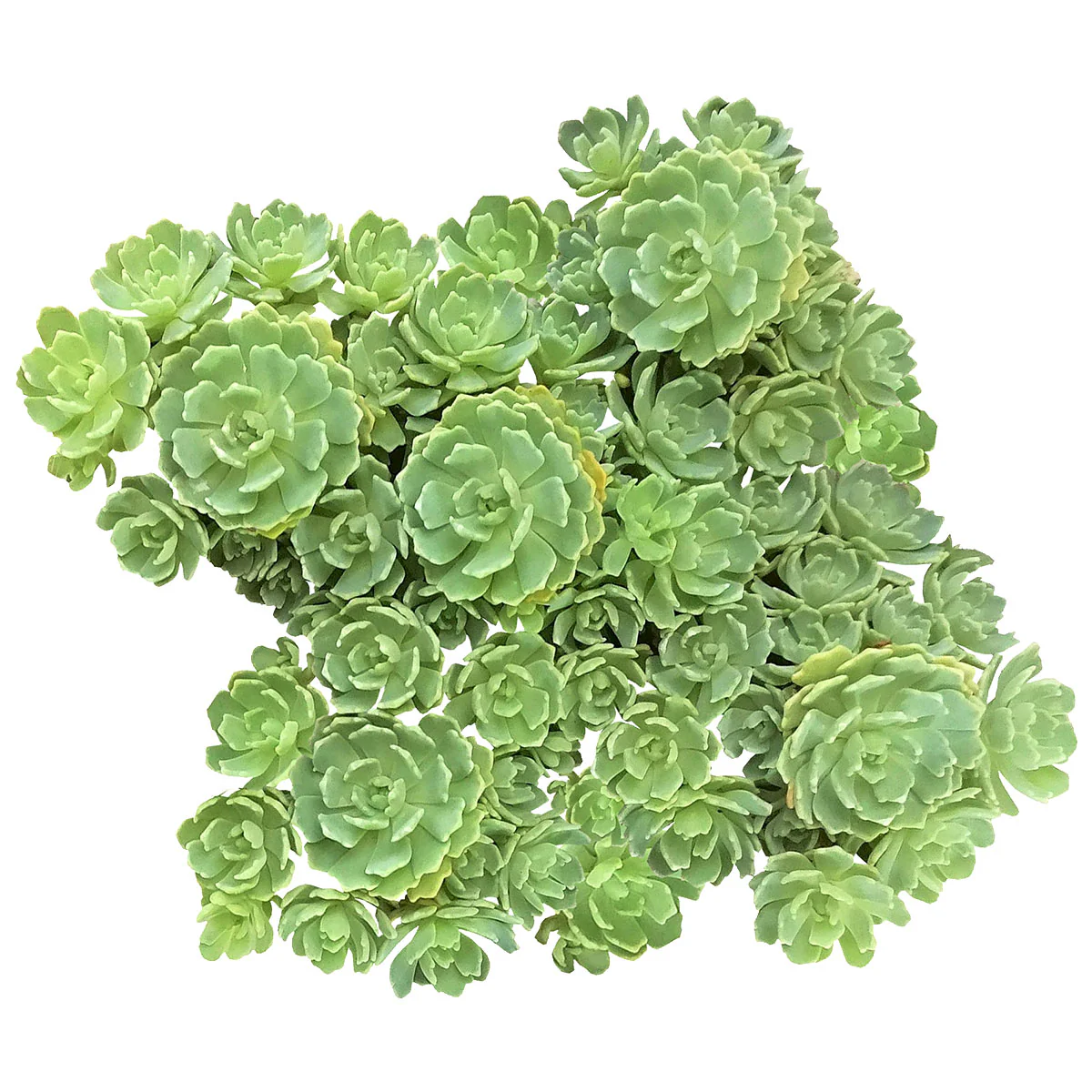
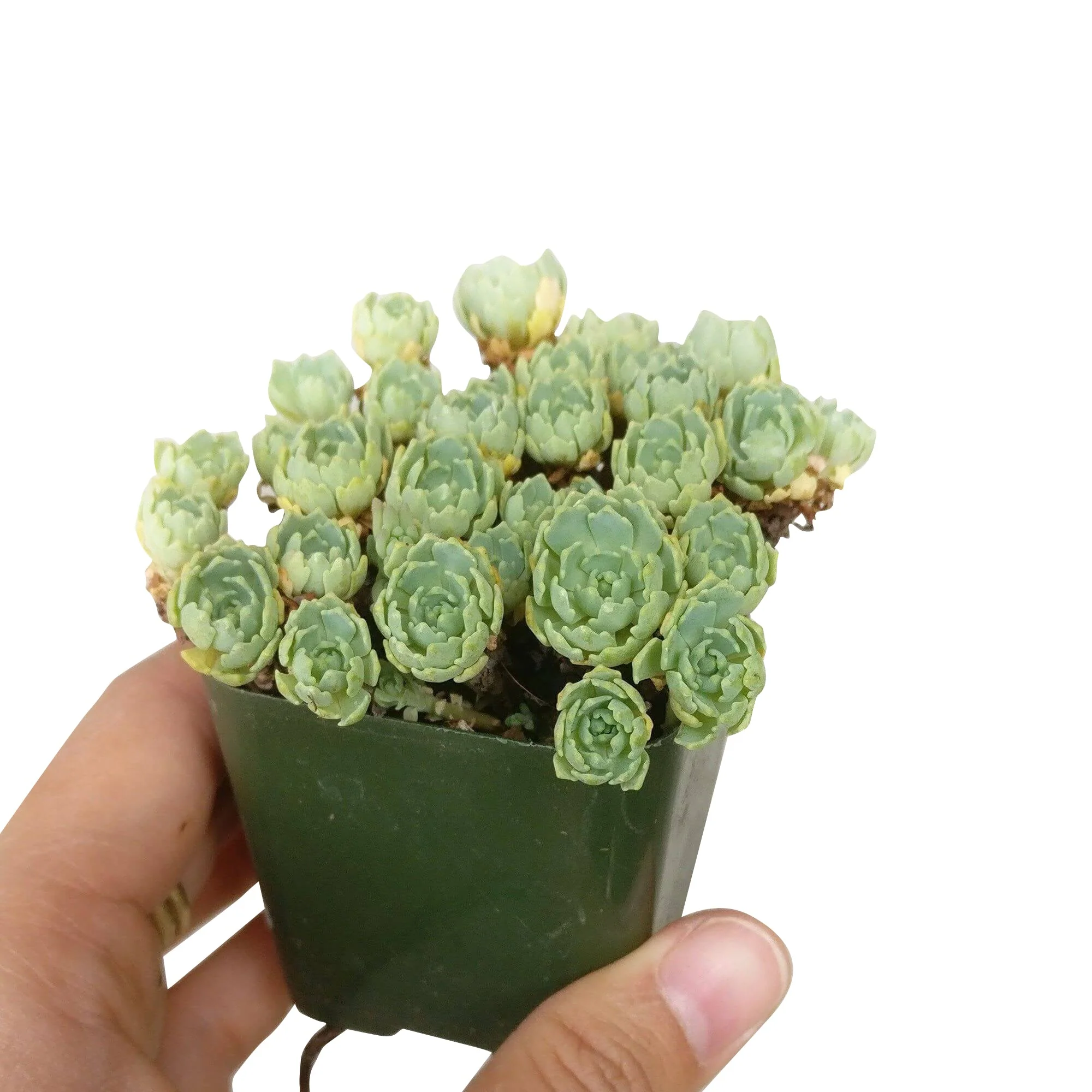
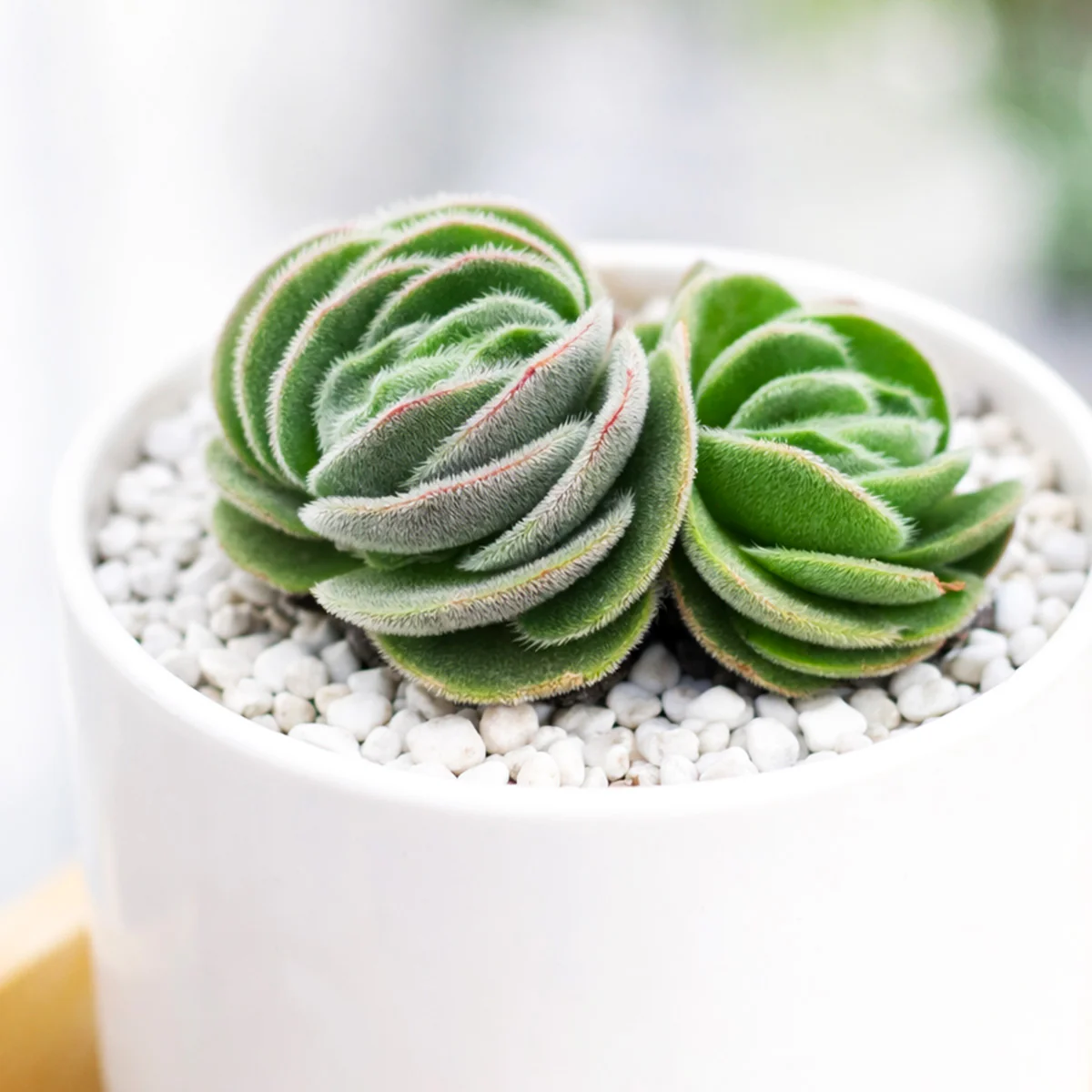
 What makes Crassula tomentosa - Woolly Crassula instantly recognizable is its densely fuzzy, silvery-green leaves covered in fine white hairs that give the plant its signature woolly appearance. Leaves are spoon-shaped and arranged in tight, symmetrical rosettes that cluster together as the plant matures, creating an almost sculptural, architectural look. The grey green rosette coloring shifts subtly with light levels, making this woolly succulent plant one of the most visually distinctive plants you can own.
 Crassula tomentosa - Woolly Crassula produces small, tubular flowers in creamy white to pale pink tones, typically appearing in late autumn to winter when nights grow cooler. That nighttime temperature drop is actually the key trigger for blooming, so keeping this fuzzy succulent near a cool window as seasons change will reward you with a lovely floral display. The flowers carry a faint, delicate fragrance and rise on slender stalks above the rosettes.
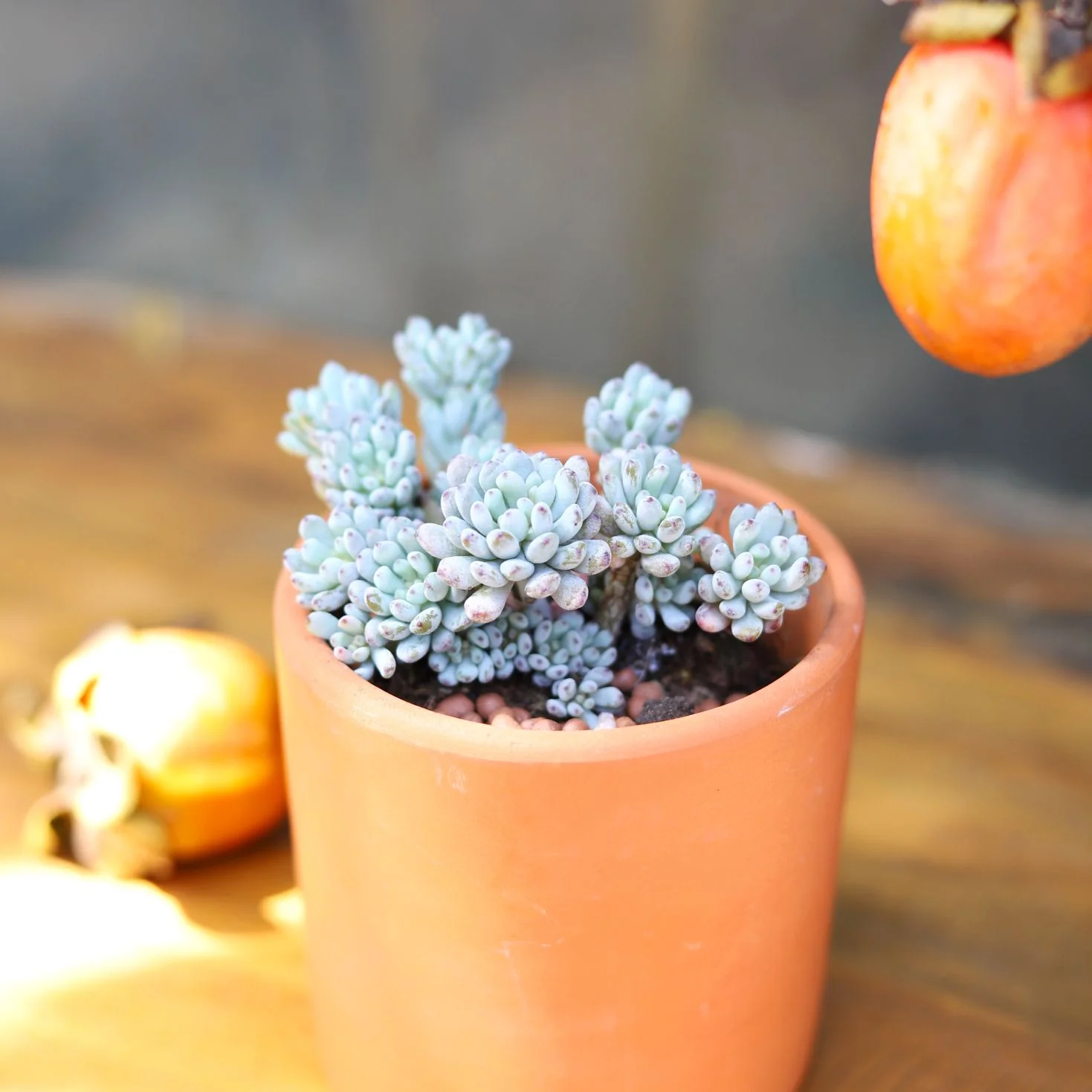
 As a rare collector succulent, Crassula tomentosa - Woolly Crassula brings serious appeal to any indoor succulent plant collection or a curated shelf display. It looks stunning as a mature specimen in a terracotta pot or even in a decorative basket arrangement, and its compact rosette habit means it never overstays its welcome on a windowsill. Move it outdoors for summer to enjoy the fresh air, but always cover it from rain and bring it back in before temperatures drop hard. Keep Crassula tomentosa - Woolly Crassula on a high shelf well out of reach of pets and small children, since it should not be nibbled or eaten by cats, dogs, or curious little ones.
-
 Crassula tomentosa - Woolly Crassula thrives in bright indirect light or partial sun, away from intense south-facing windows that cause scorching.
 Water Crassula tomentosa - Woolly Crassula every 10-14 days in summer and reduce to once a month in winter, always letting soil dry fully between waterings.
 Crassula tomentosa - Woolly Crassula performs best in a gritty, fast-draining mix of cactus soil blended with perlite or coarse sand at a 50/50 ratio.
 Crassula tomentosa - Woolly Crassula prefers temperatures between 50-80°F (10-27°C) and should be protected from frost below 30°F (-1°C).
![]() Crassula tomentosa - Woolly Crassula is a moderate grower that benefits from a diluted balanced fertilizer applied once in spring and once in early summer.
Crassula tomentosa - Woolly Crassula is a moderate grower that benefits from a diluted balanced fertilizer applied once in spring and once in early summer.
 Crassula tomentosa - Woolly Crassula is best suited to USDA Hardiness Zones 9-11, tolerating brief dips to around 25-30°F (-4 to -1°C) but performing best without hard frost. Gardeners growing Crassula tomentosa - Woolly Crassula outdoors year-round will find ideal conditions across California, Arizona, Nevada, Texas, Florida, Hawaii, Louisiana, Mississippi, Alabama, Georgia, and South Carolina. Milder coastal pockets of Oregon, Washington, and parts of North Carolina can also support this woolly succulent plant through most winters with minimal protection.
-
Q: How often should I water Crassula tomentosa - Woolly Crassula?
A: Water every 10-14 days during the growing season and cut back to once a month in winter. Crassula tomentosa - Woolly Crassula will visibly wilt slightly when it is genuinely thirsty, so let the plant guide you.
Q: What light does Crassula tomentosa - Woolly Crassula need indoors?
A: Bright indirect light or partial sun is ideal. Keep Crassula tomentosa - Woolly Crassula away from harsh south-facing windows and rotate the pot regularly for even, balanced growth.
Q: Is Crassula tomentosa - Woolly Crassula safe around pets and children?
A: Cats and dogs should not be left to nibble or eat Crassula tomentosa - Woolly Crassula, so keep it on a high shelf out of reach. It is also best placed well away from small children for the same reason.
Q: How do I propagate Crassula tomentosa - Woolly Crassula?
A: Crassula tomentosa - Woolly Crassula can be propagated by gently removing offsets that form at the base of the mother rosette and potting them into dry, gritty soil. Leaf cuttings are also possible but offsets root most reliably.
Q: Why are the leaves on my Crassula tomentosa - Woolly Crassula turning yellow?
A: Yellowing leaves on Crassula tomentosa - Woolly Crassula are most often caused by overwatering or roots sitting in soggy soil. Let the mix dry out completely between waterings and ensure the pot drains freely.
Q: Is Crassula tomentosa - Woolly Crassula a rare plant?
A: Yes, Crassula tomentosa - Woolly Crassula is considered a rare collector succulent that is far less common than typical nursery crassulas. Its unique fuzzy texture and compact grey green rosette make it a highly sought-after find among serious succulent enthusiasts.


Product Information
Product Information
Shipping & Returns
Shipping & Returns
Description
- Description
- Crassula tomentosa - Woolly Crassula Care Guide
- FAQ/Common Issues
-
![]() Crassula tomentosa - Woolly Crassula is a rare collector succulent belonging to the Crassula genus and the Crassulaceae family. Native to the rocky, arid hillsides of South Africa, this compact rosette succulent has adapted to survive in dry, nutrient-poor soils with dramatic temperature swings between day and night. Finding Crassula tomentosa - Woolly Crassula for sale is a genuine treat for anyone who loves unique textured succulents.
Crassula tomentosa - Woolly Crassula is a rare collector succulent belonging to the Crassula genus and the Crassulaceae family. Native to the rocky, arid hillsides of South Africa, this compact rosette succulent has adapted to survive in dry, nutrient-poor soils with dramatic temperature swings between day and night. Finding Crassula tomentosa - Woolly Crassula for sale is a genuine treat for anyone who loves unique textured succulents.
What makes Crassula tomentosa - Woolly Crassula instantly recognizable is its densely fuzzy, silvery-green leaves covered in fine white hairs that give the plant its signature woolly appearance. Leaves are spoon-shaped and arranged in tight, symmetrical rosettes that cluster together as the plant matures, creating an almost sculptural, architectural look. The grey green rosette coloring shifts subtly with light levels, making this woolly succulent plant one of the most visually distinctive plants you can own.
Crassula tomentosa - Woolly Crassula produces small, tubular flowers in creamy white to pale pink tones, typically appearing in late autumn to winter when nights grow cooler. That nighttime temperature drop is actually the key trigger for blooming, so keeping this fuzzy succulent near a cool window as seasons change will reward you with a lovely floral display. The flowers carry a faint, delicate fragrance and rise on slender stalks above the rosettes.
As a rare collector succulent, Crassula tomentosa - Woolly Crassula brings serious appeal to any indoor succulent plant collection or a curated shelf display. It looks stunning as a mature specimen in a terracotta pot or even in a decorative basket arrangement, and its compact rosette habit means it never overstays its welcome on a windowsill. Move it outdoors for summer to enjoy the fresh air, but always cover it from rain and bring it back in before temperatures drop hard. Keep Crassula tomentosa - Woolly Crassula on a high shelf well out of reach of pets and small children, since it should not be nibbled or eaten by cats, dogs, or curious little ones.
-
Crassula tomentosa - Woolly Crassula thrives in bright indirect light or partial sun, away from intense south-facing windows that cause scorching.
Water Crassula tomentosa - Woolly Crassula every 10-14 days in summer and reduce to once a month in winter, always letting soil dry fully between waterings.
Crassula tomentosa - Woolly Crassula performs best in a gritty, fast-draining mix of cactus soil blended with perlite or coarse sand at a 50/50 ratio.
Crassula tomentosa - Woolly Crassula prefers temperatures between 50-80°F (10-27°C) and should be protected from frost below 30°F (-1°C).
![]() Crassula tomentosa - Woolly Crassula is a moderate grower that benefits from a diluted balanced fertilizer applied once in spring and once in early summer.
Crassula tomentosa - Woolly Crassula is a moderate grower that benefits from a diluted balanced fertilizer applied once in spring and once in early summer.
Crassula tomentosa - Woolly Crassula is best suited to USDA Hardiness Zones 9-11, tolerating brief dips to around 25-30°F (-4 to -1°C) but performing best without hard frost. Gardeners growing Crassula tomentosa - Woolly Crassula outdoors year-round will find ideal conditions across California, Arizona, Nevada, Texas, Florida, Hawaii, Louisiana, Mississippi, Alabama, Georgia, and South Carolina. Milder coastal pockets of Oregon, Washington, and parts of North Carolina can also support this woolly succulent plant through most winters with minimal protection.
-
Q: How often should I water Crassula tomentosa - Woolly Crassula?
A: Water every 10-14 days during the growing season and cut back to once a month in winter. Crassula tomentosa - Woolly Crassula will visibly wilt slightly when it is genuinely thirsty, so let the plant guide you.
Q: What light does Crassula tomentosa - Woolly Crassula need indoors?
A: Bright indirect light or partial sun is ideal. Keep Crassula tomentosa - Woolly Crassula away from harsh south-facing windows and rotate the pot regularly for even, balanced growth.
Q: Is Crassula tomentosa - Woolly Crassula safe around pets and children?
A: Cats and dogs should not be left to nibble or eat Crassula tomentosa - Woolly Crassula, so keep it on a high shelf out of reach. It is also best placed well away from small children for the same reason.
Q: How do I propagate Crassula tomentosa - Woolly Crassula?
A: Crassula tomentosa - Woolly Crassula can be propagated by gently removing offsets that form at the base of the mother rosette and potting them into dry, gritty soil. Leaf cuttings are also possible but offsets root most reliably.
Q: Why are the leaves on my Crassula tomentosa - Woolly Crassula turning yellow?
A: Yellowing leaves on Crassula tomentosa - Woolly Crassula are most often caused by overwatering or roots sitting in soggy soil. Let the mix dry out completely between waterings and ensure the pot drains freely.
Q: Is Crassula tomentosa - Woolly Crassula a rare plant?
A: Yes, Crassula tomentosa - Woolly Crassula is considered a rare collector succulent that is far less common than typical nursery crassulas. Its unique fuzzy texture and compact grey green rosette make it a highly sought-after find among serious succulent enthusiasts.