Crassula Pagoda Village
- Description
- Crassula Pagoda Village Care Guide
- FAQ/Common Issues
-
![]() Crassula Pagoda Village is a rare, drought tolerant succulent in the Crassulaceae family, beloved by collectors for its striking architectural form. Native to the rocky, arid regions of South Africa, this stacked leaf succulent has adapted beautifully to life indoors and in warm outdoor gardens. It is increasingly sought after, making it a genuine find for any serious succulent enthusiast.
Crassula Pagoda Village is a rare, drought tolerant succulent in the Crassulaceae family, beloved by collectors for its striking architectural form. Native to the rocky, arid regions of South Africa, this stacked leaf succulent has adapted beautifully to life indoors and in warm outdoor gardens. It is increasingly sought after, making it a genuine find for any serious succulent enthusiast.
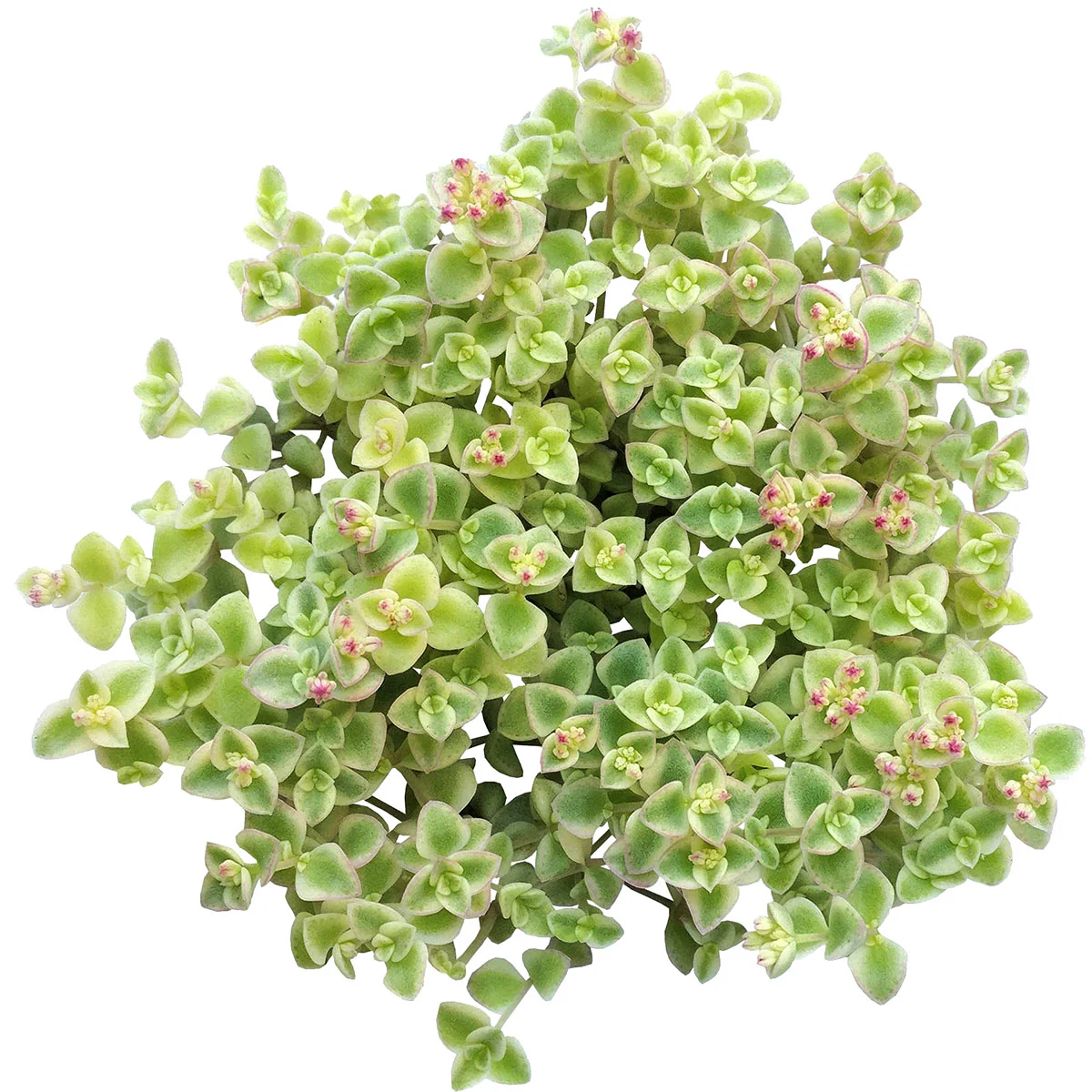
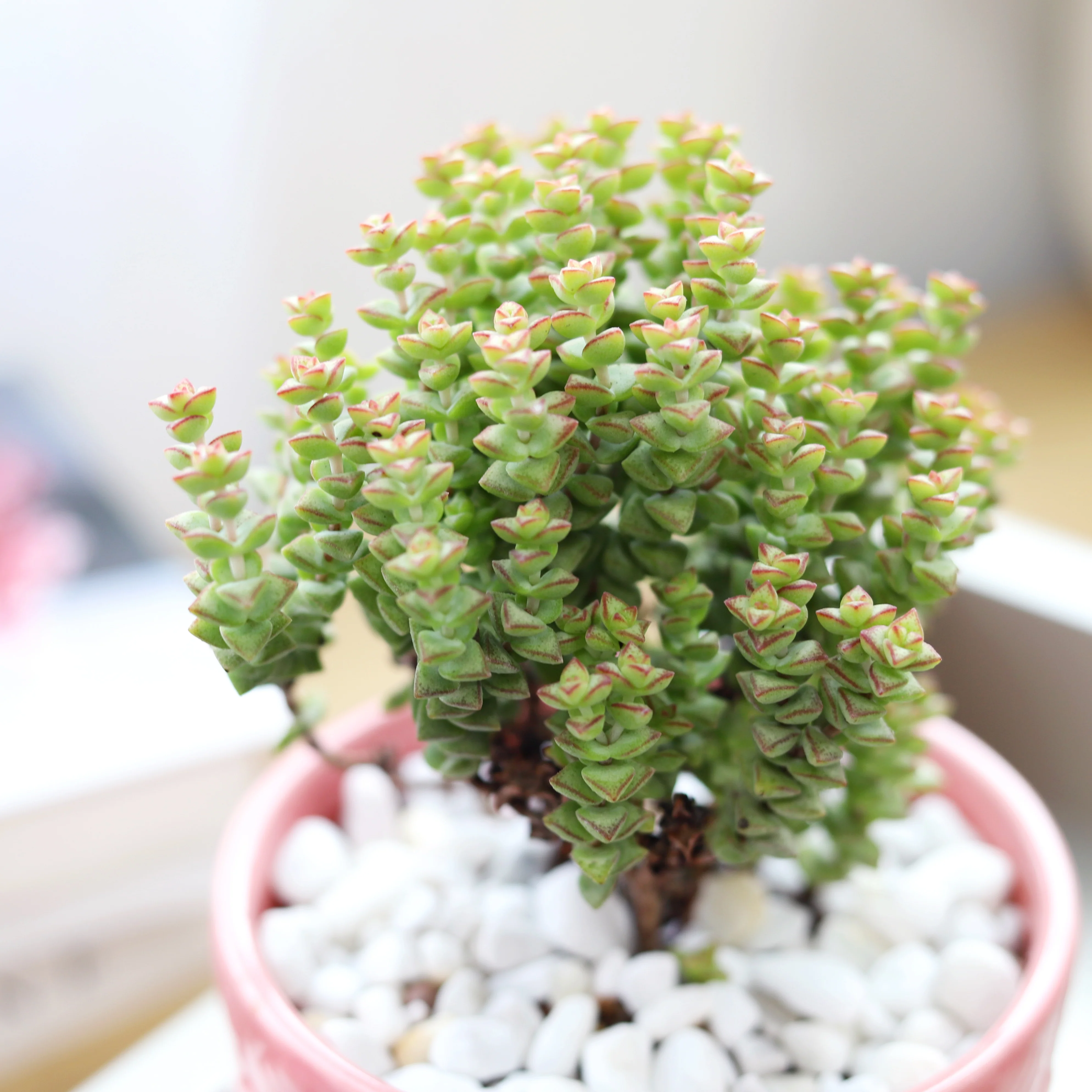
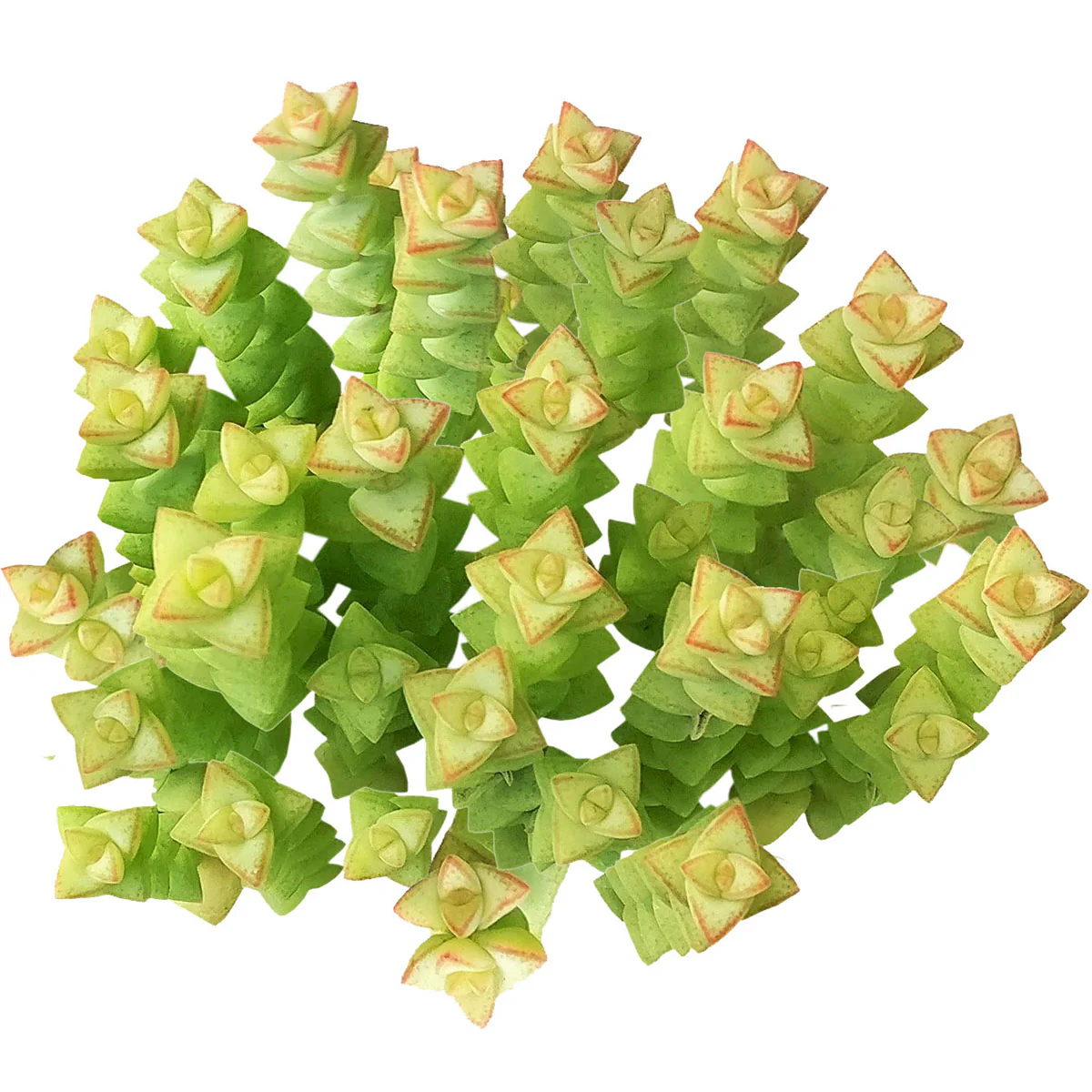
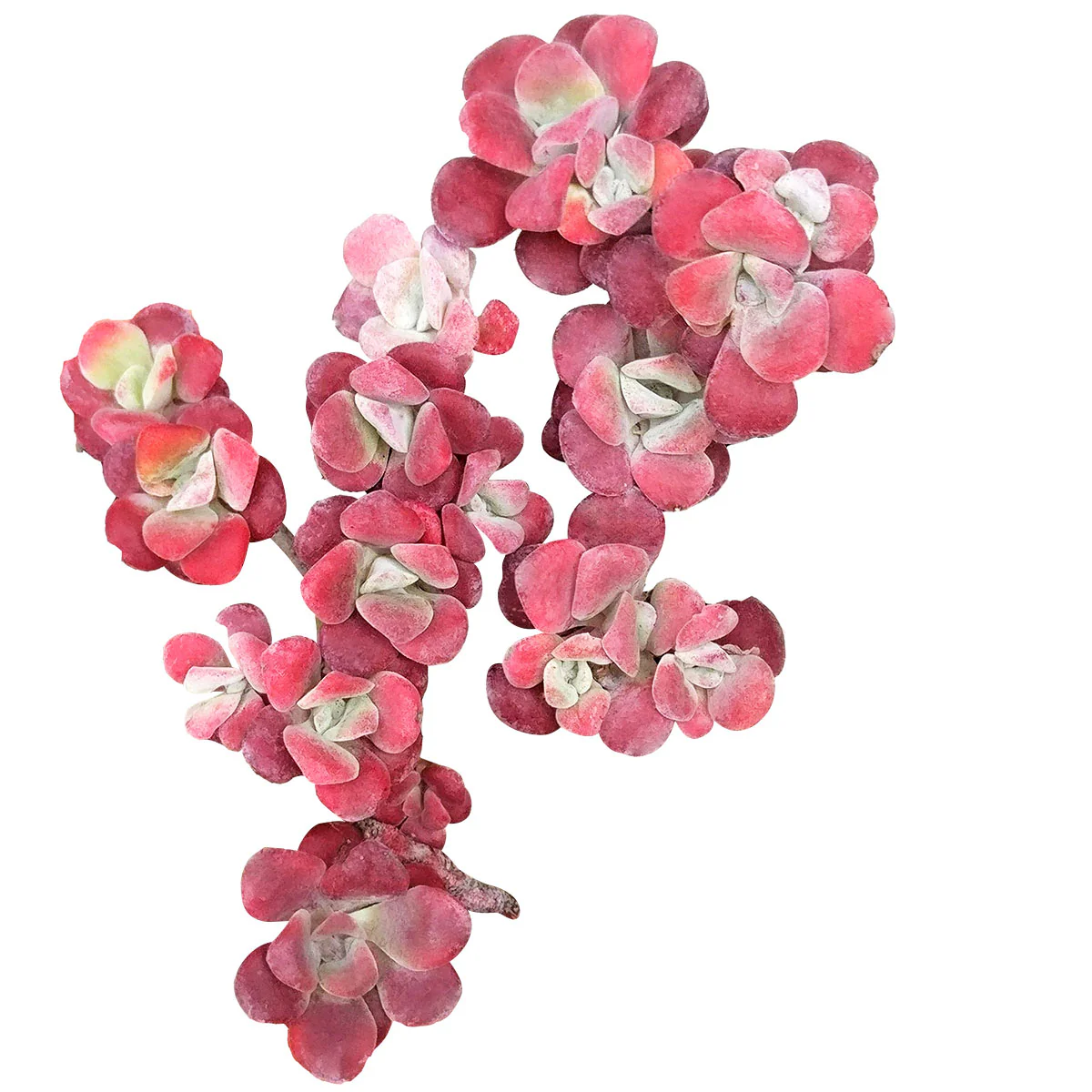
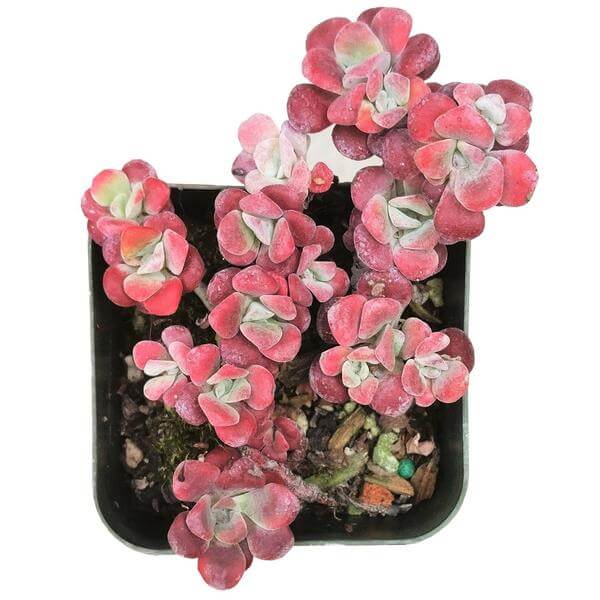
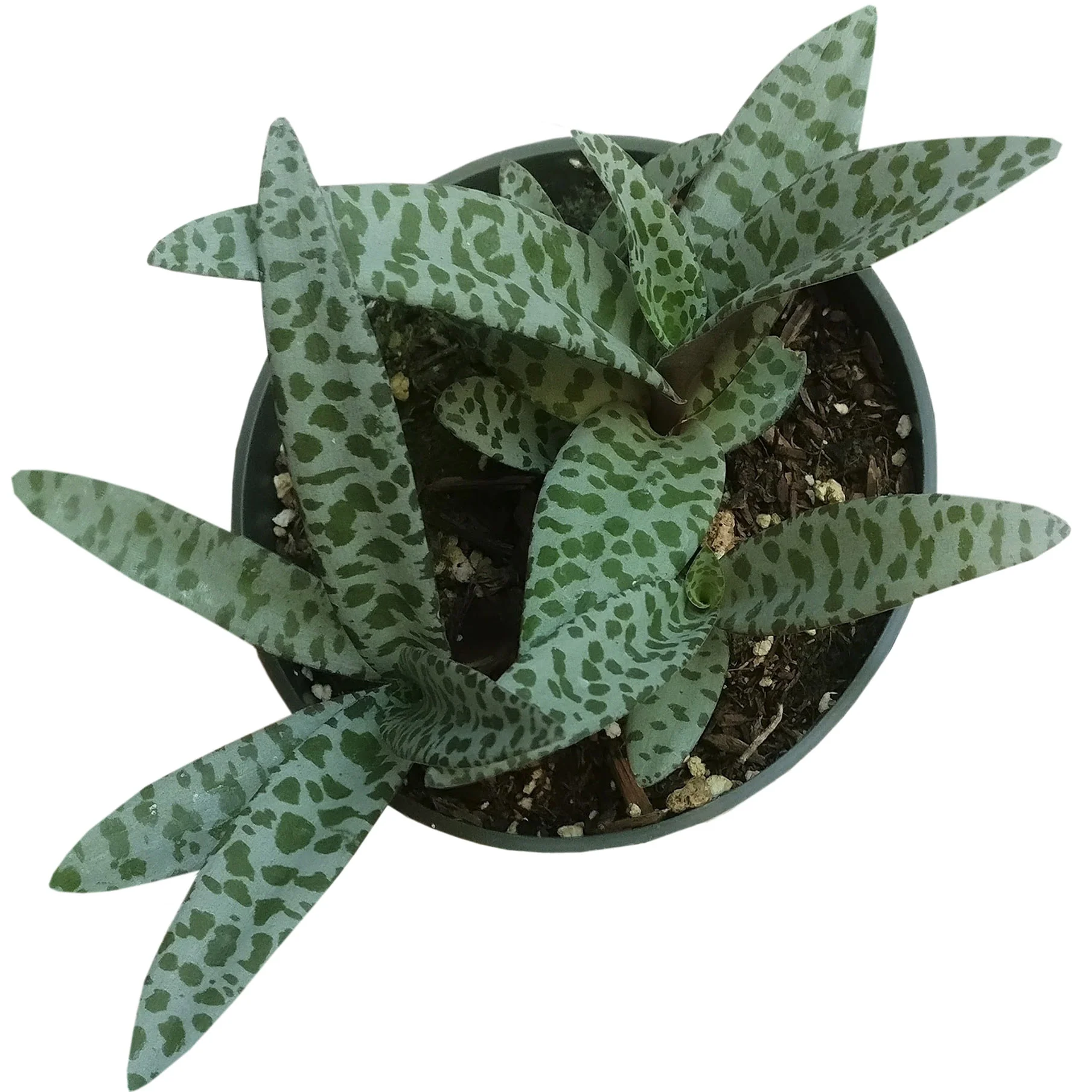
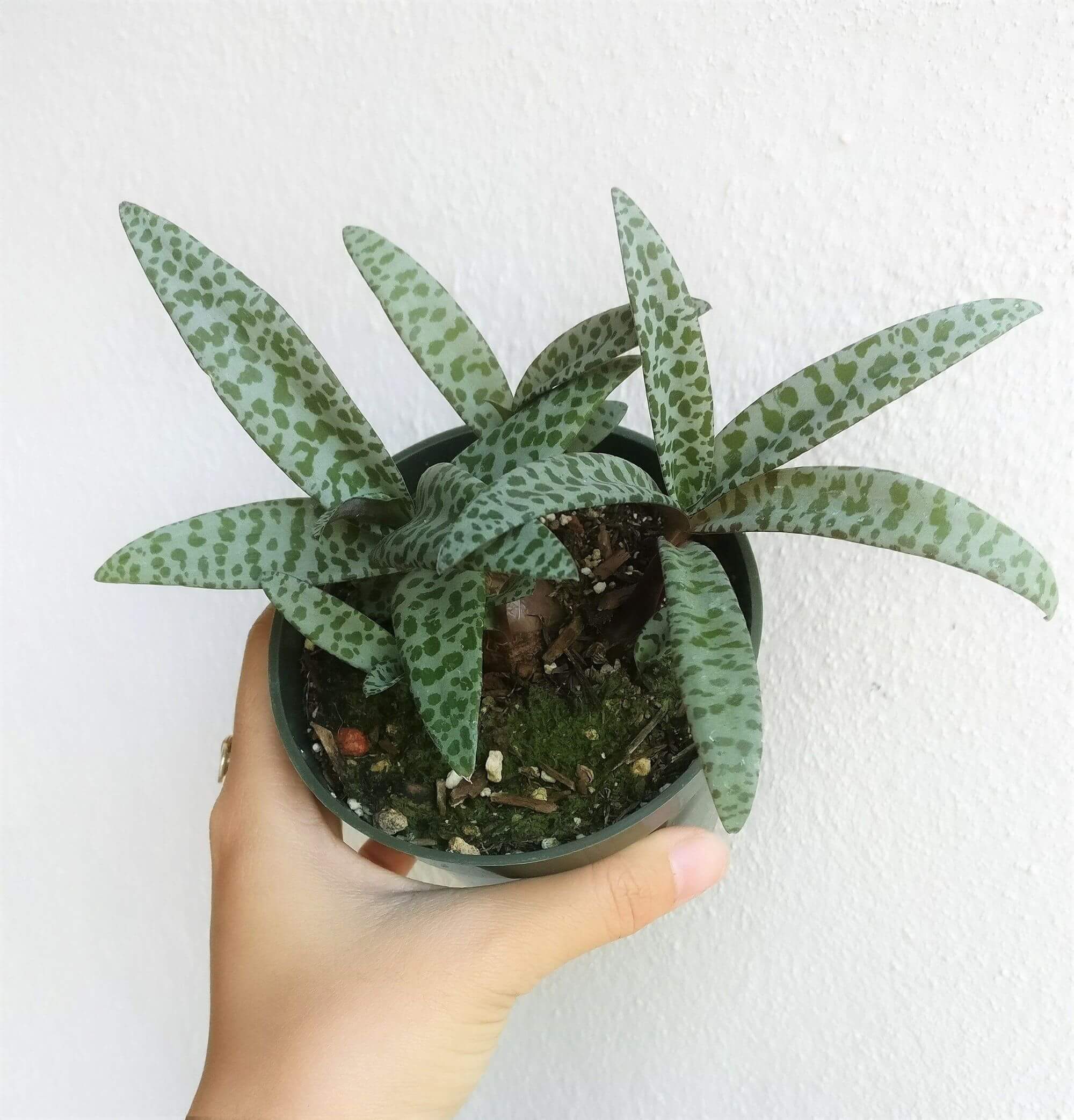
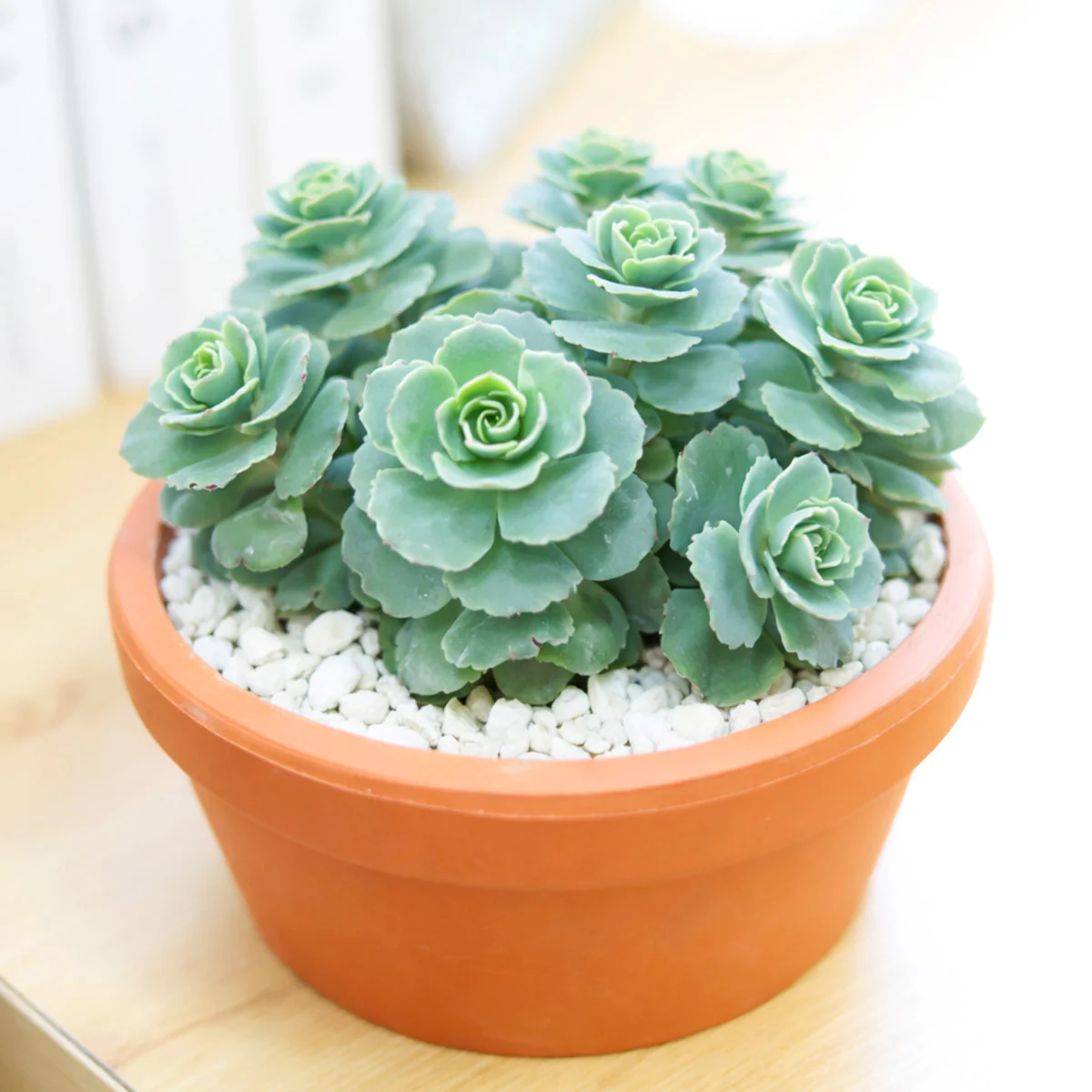
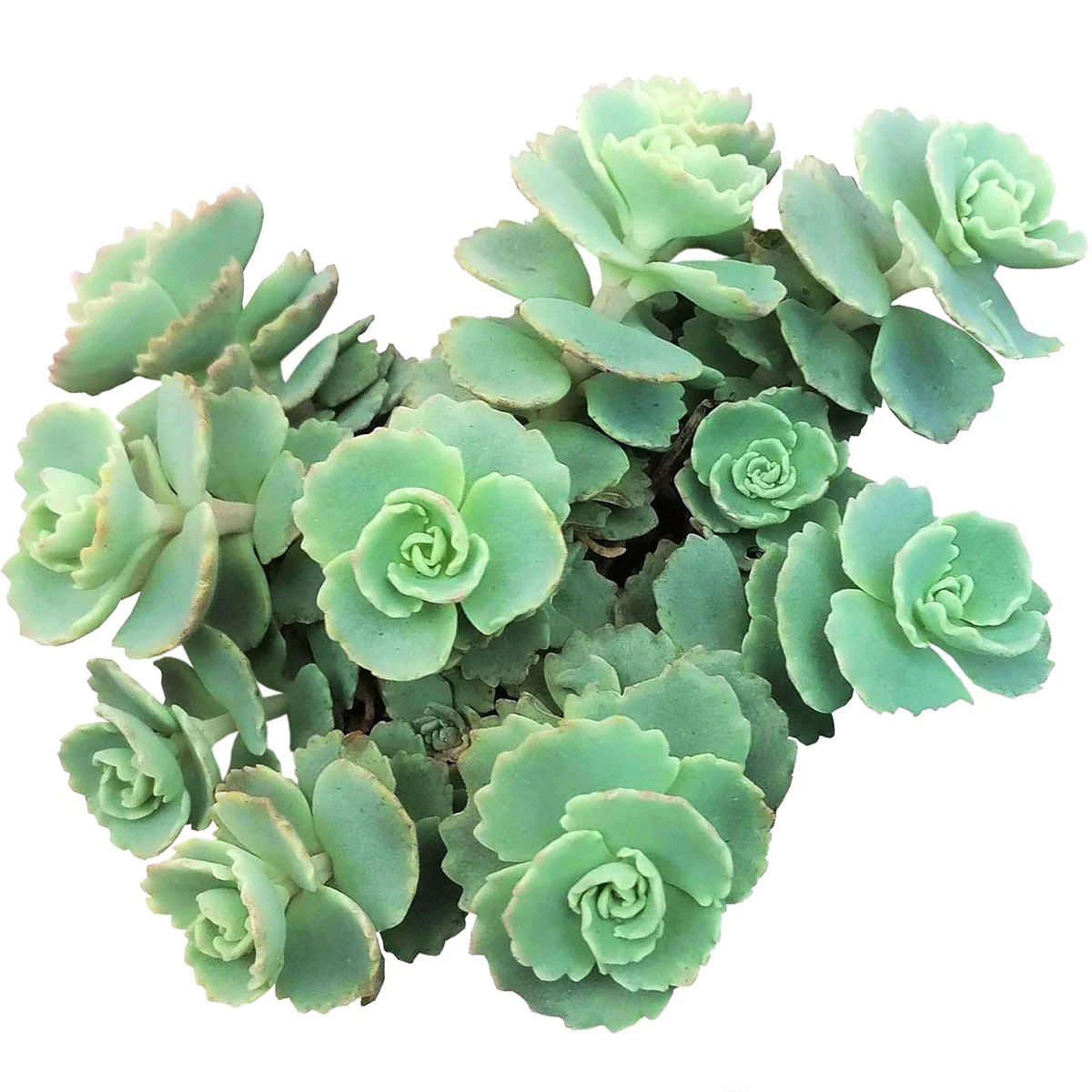
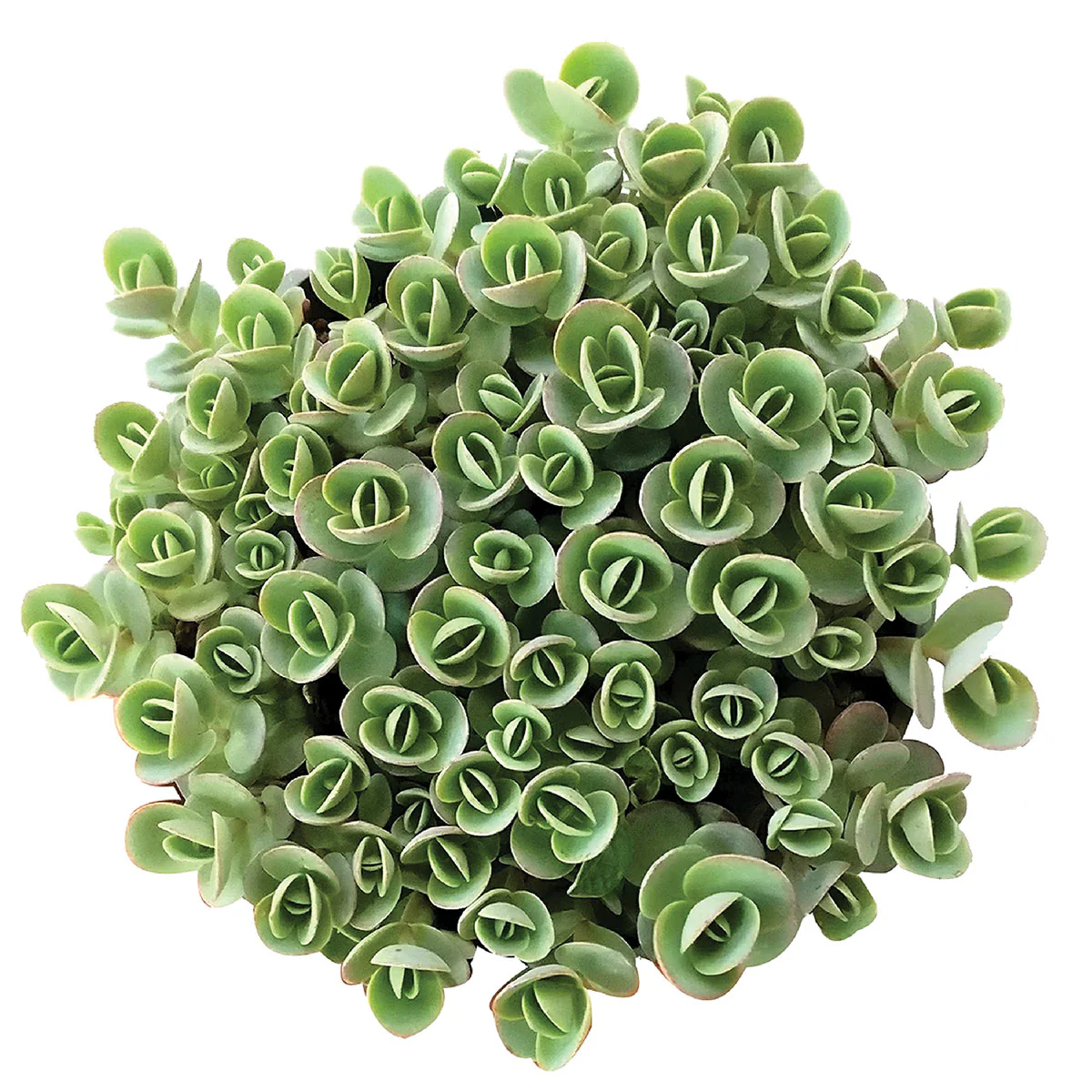
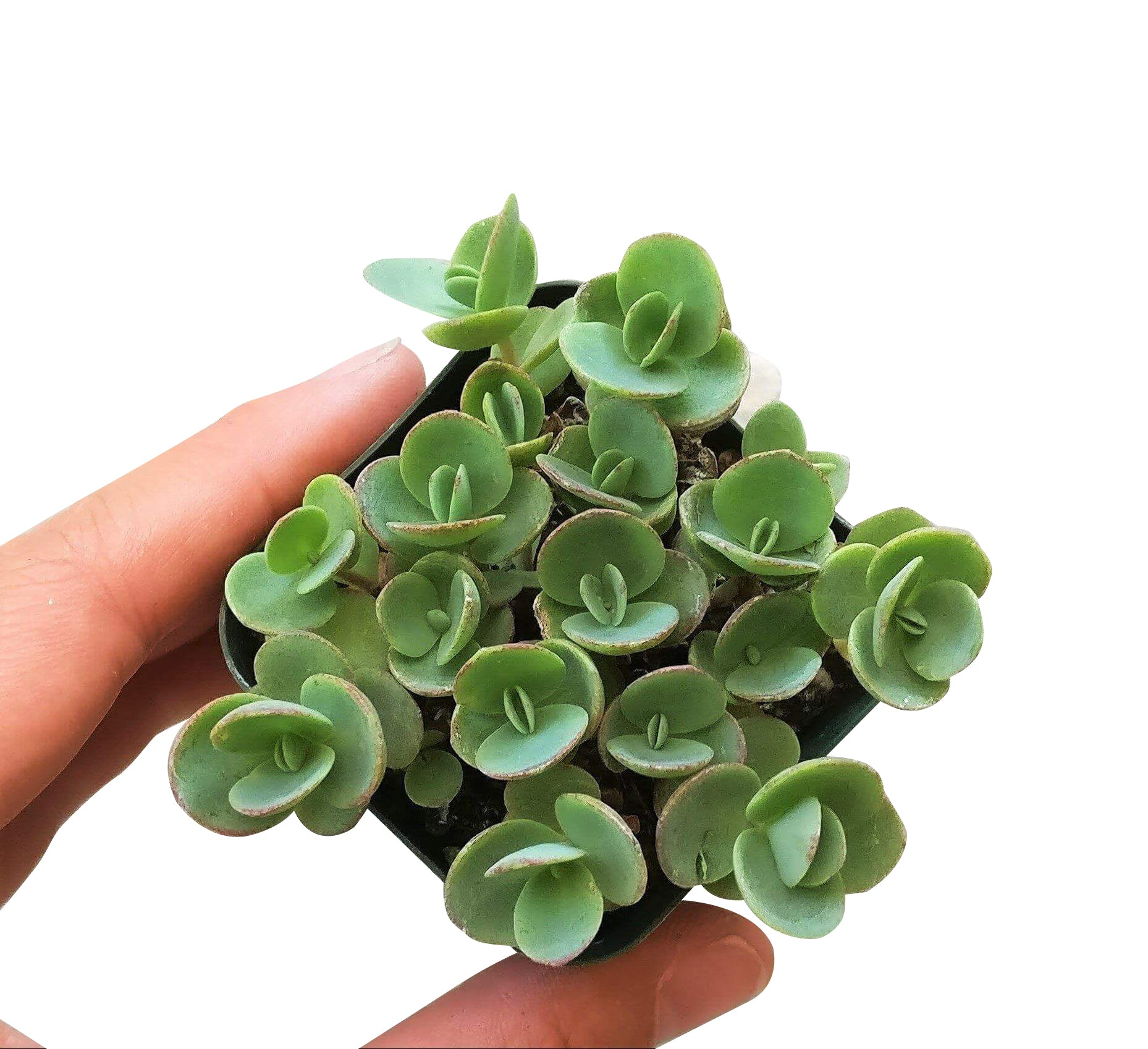
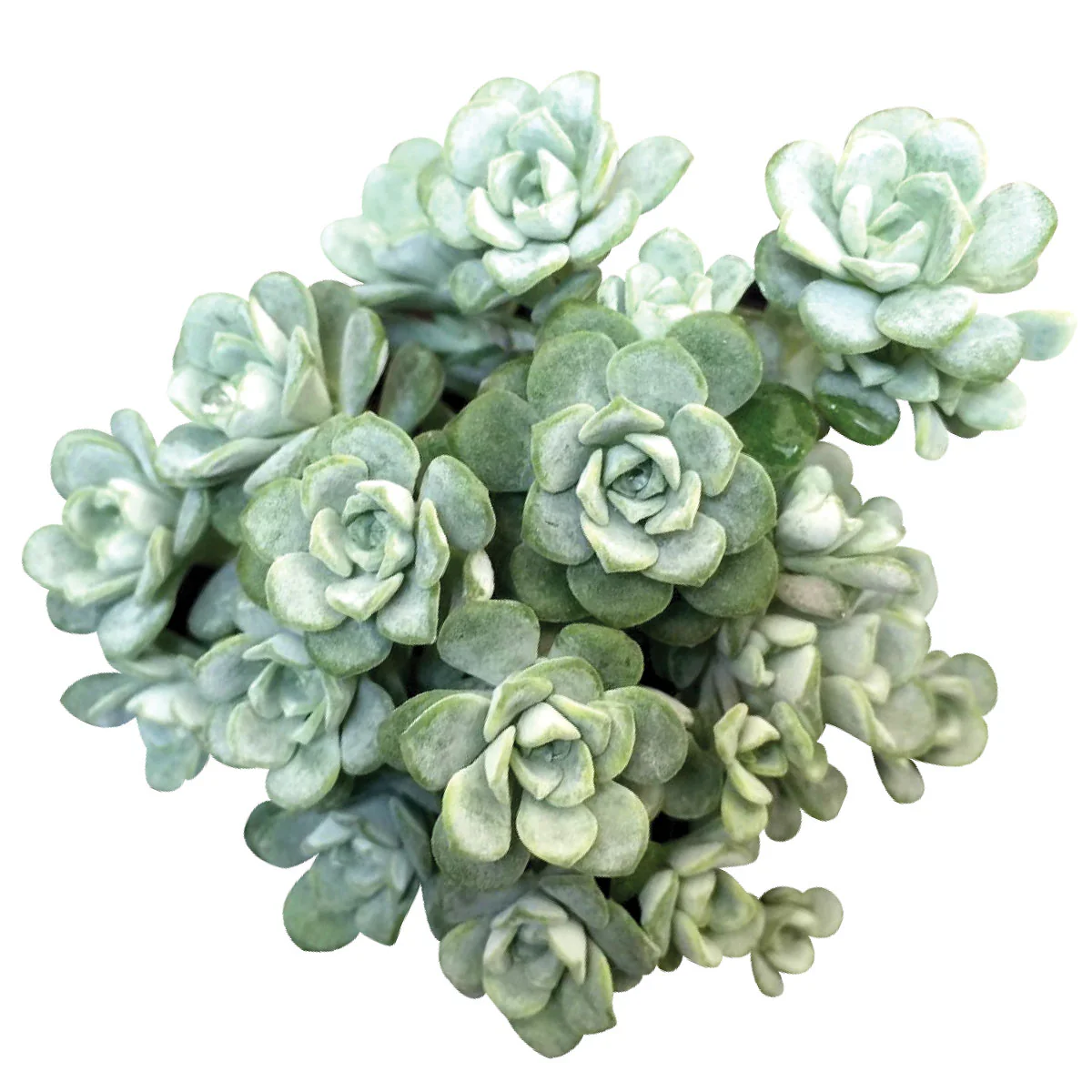
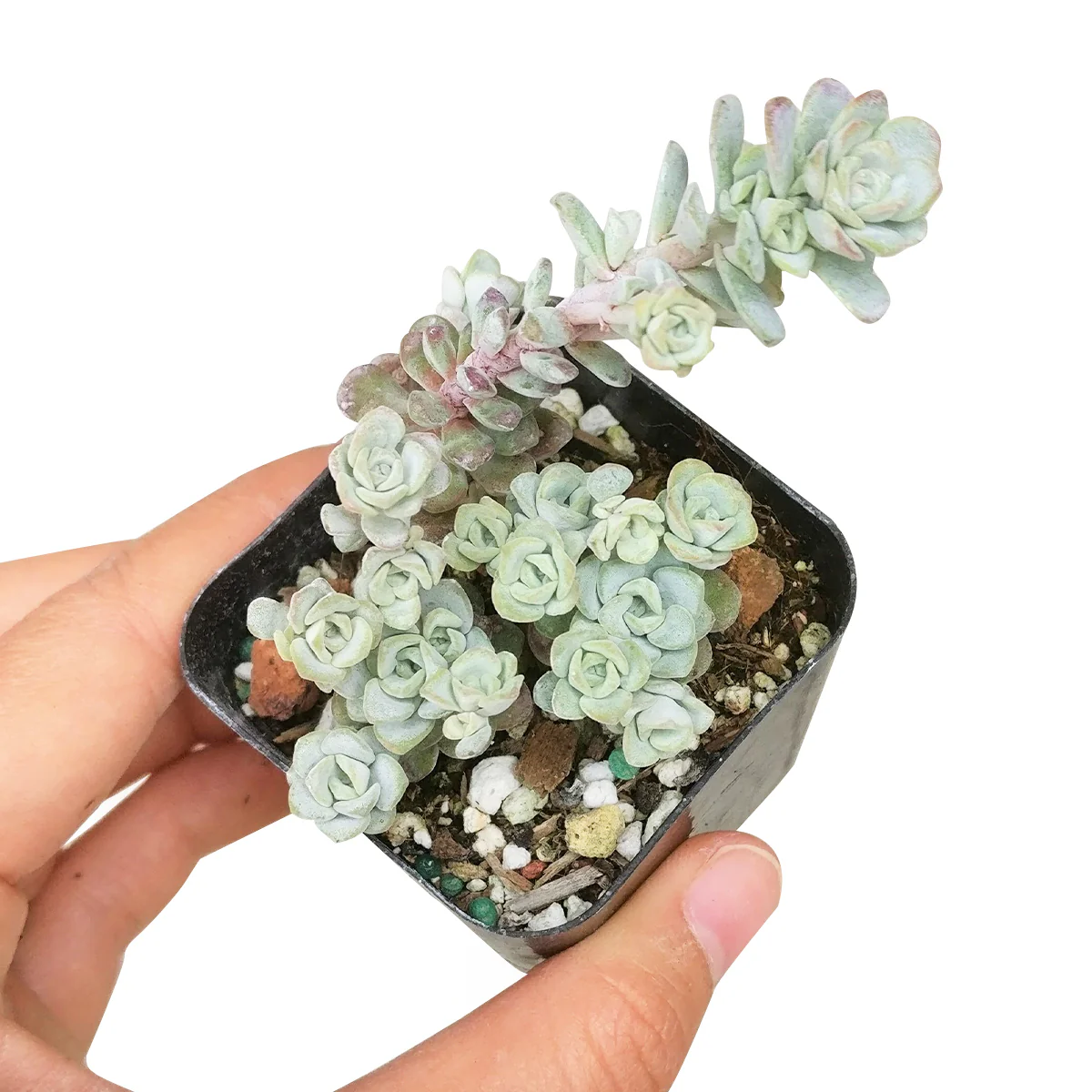
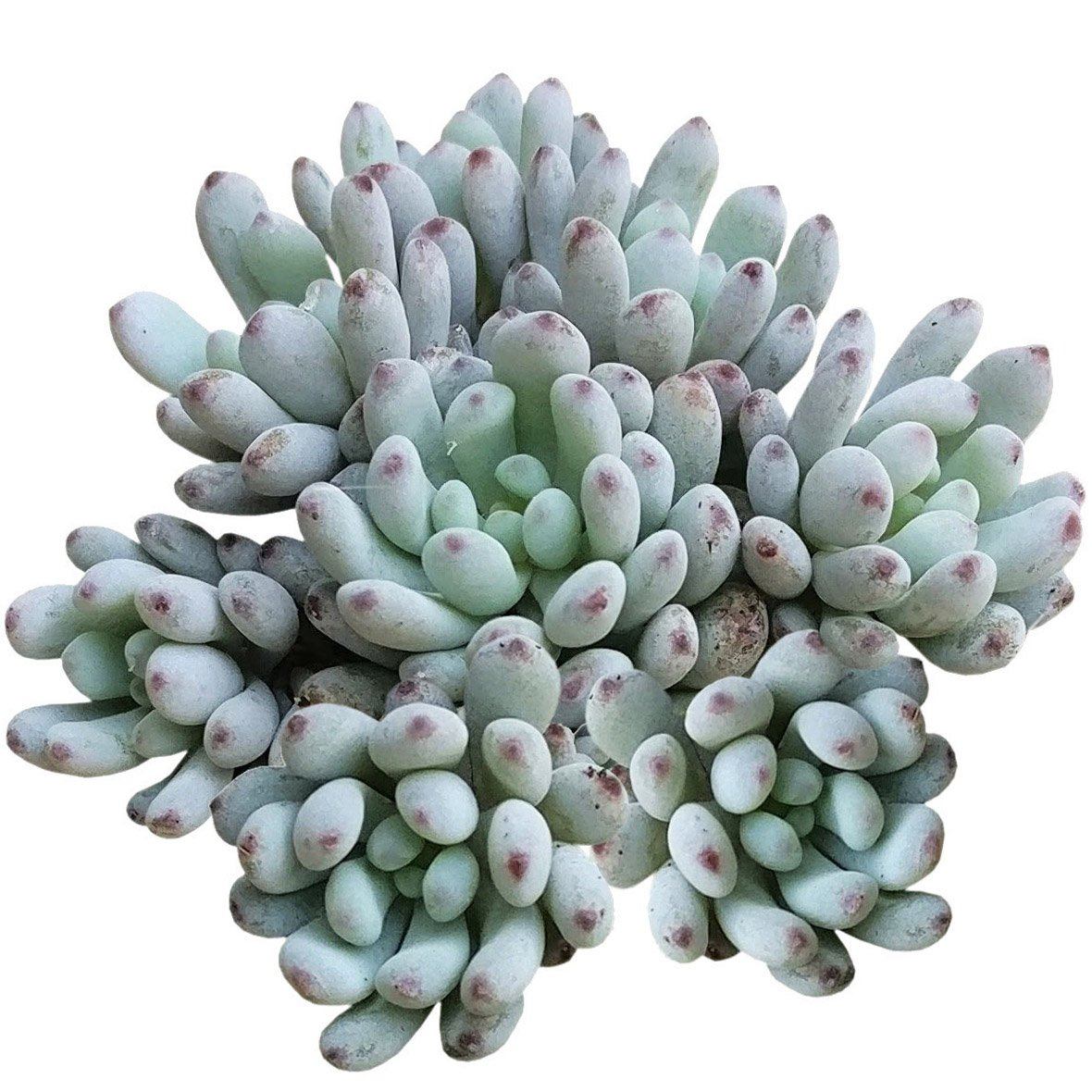
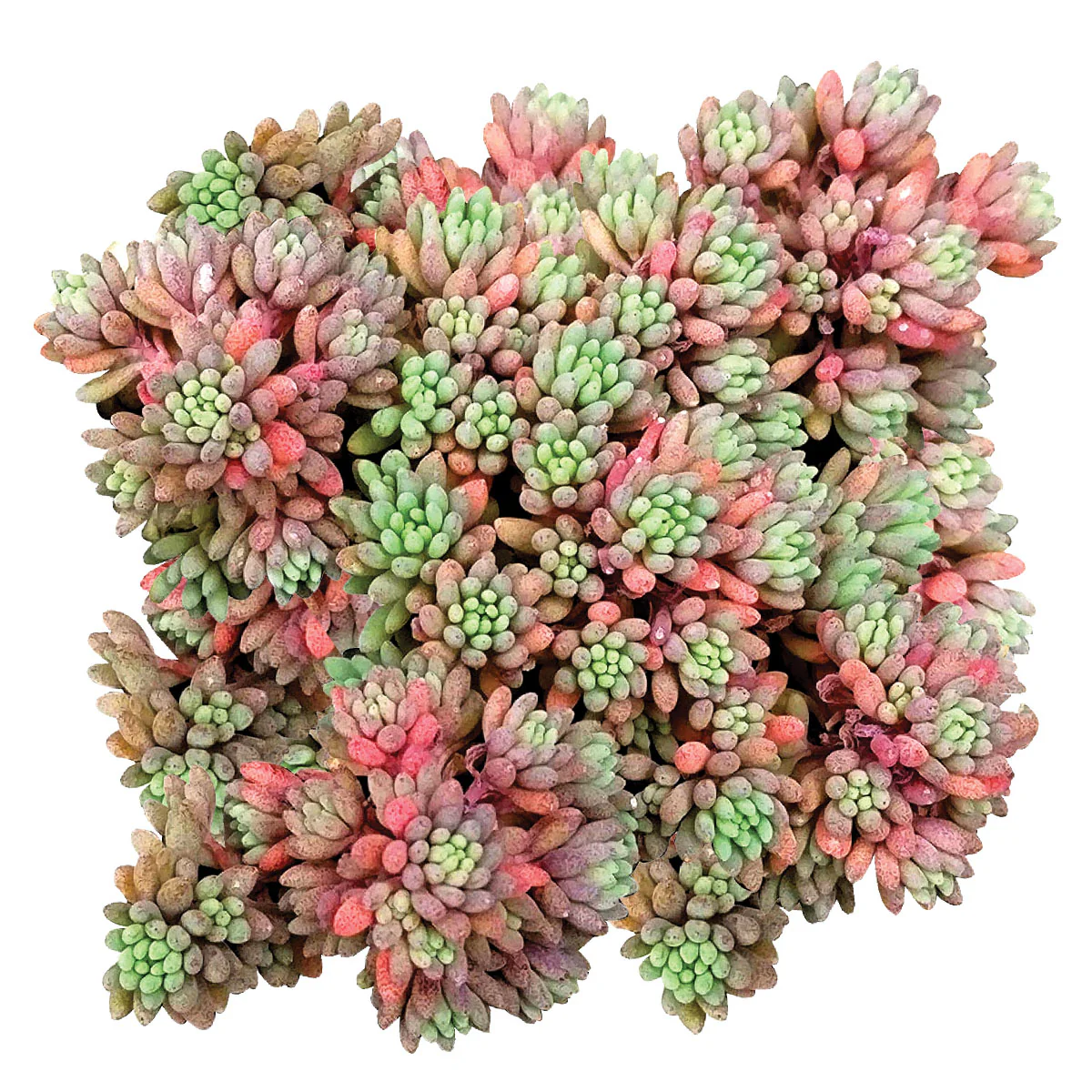
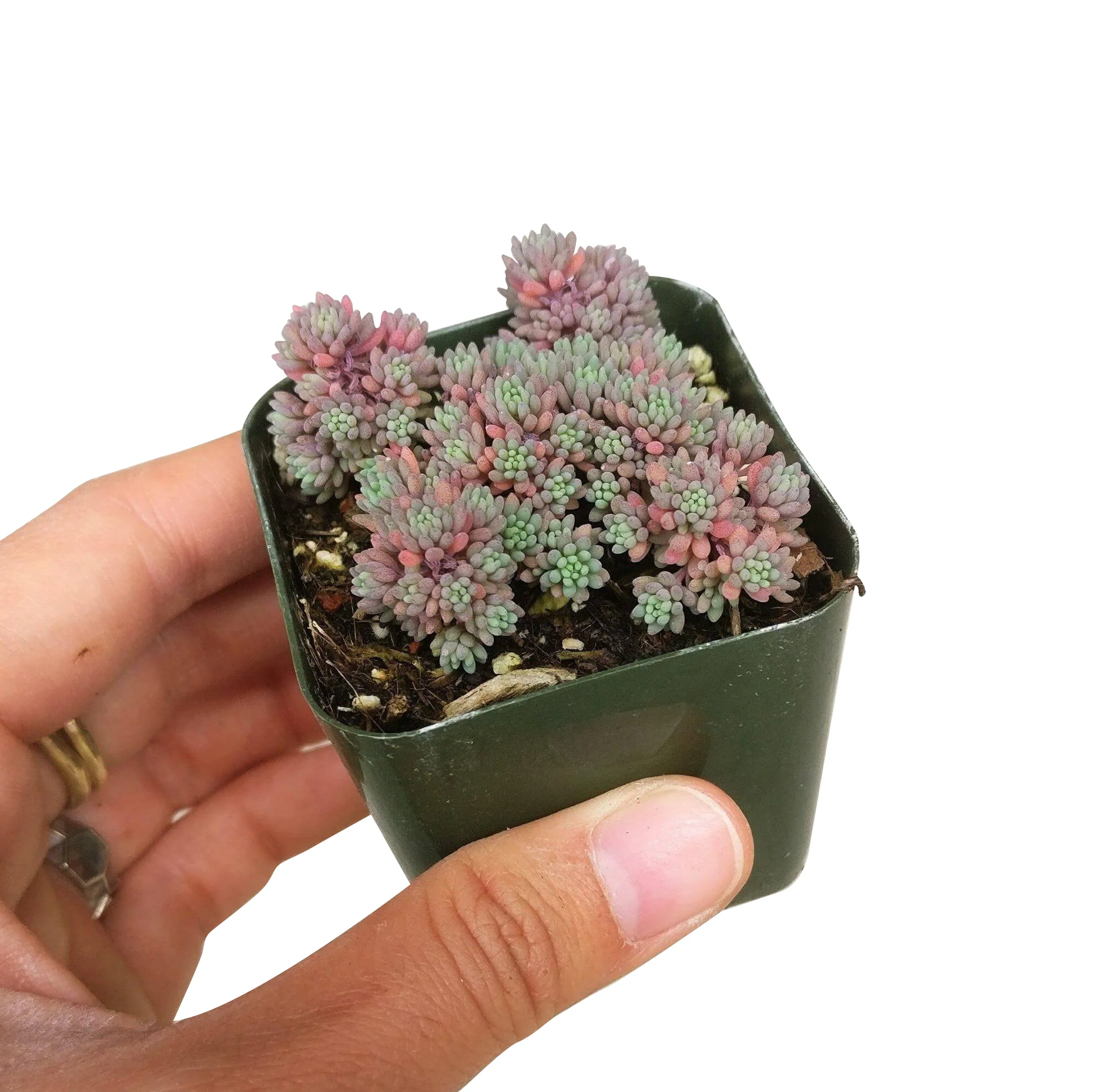
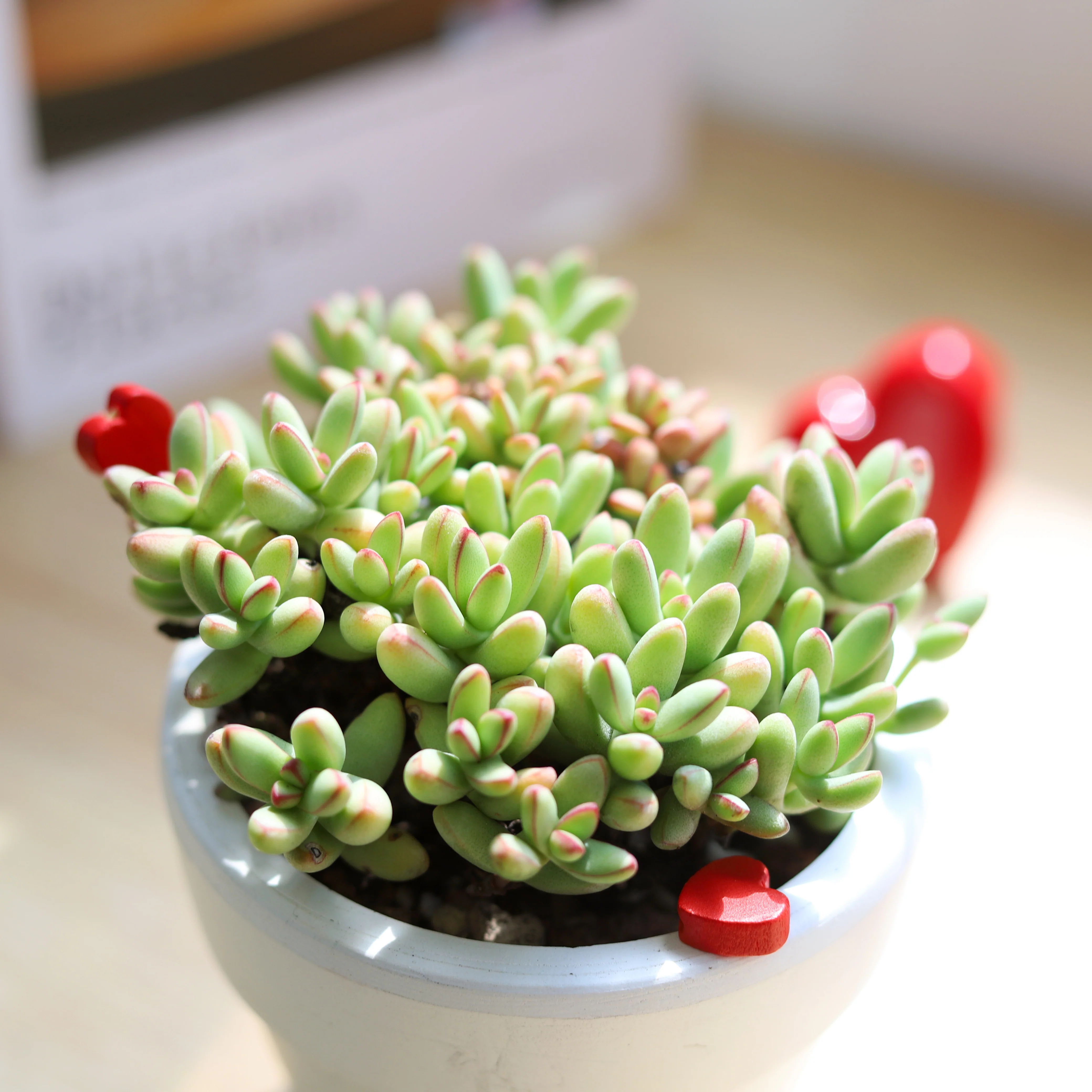
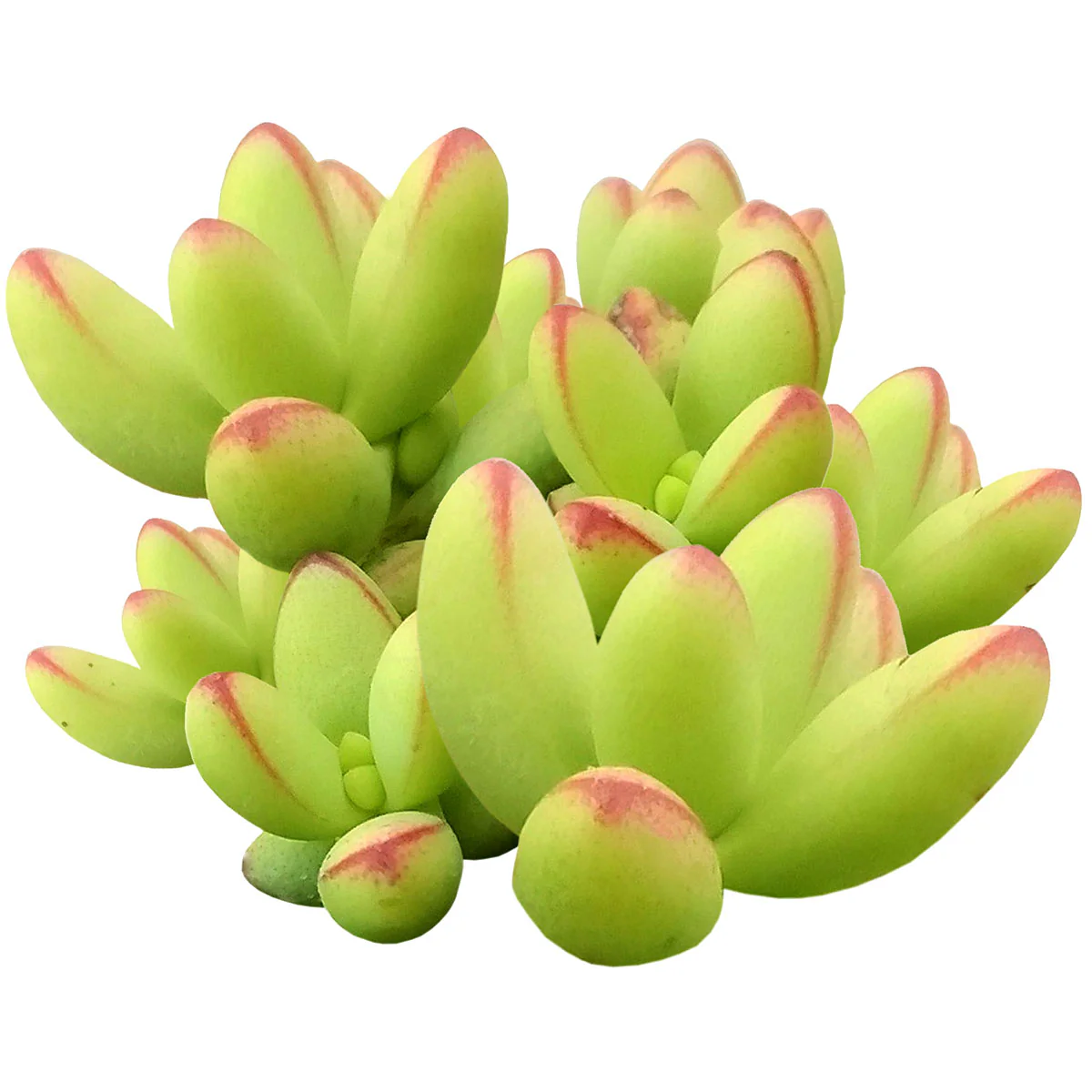
 Crassula Pagoda Village produces tightly stacked, triangular leaves that layer upward in a precise, tiered formation reminiscent of a pagoda tower. The foliage is a rich green that develops vivid red edges along the leaf margins when given plenty of bright light or a mild temperature drop, creating a striking two-tone effect. This upright, clumping growth style gives Crassula Pagoda Village an almost sculptural presence that sets it apart from typical succulents.
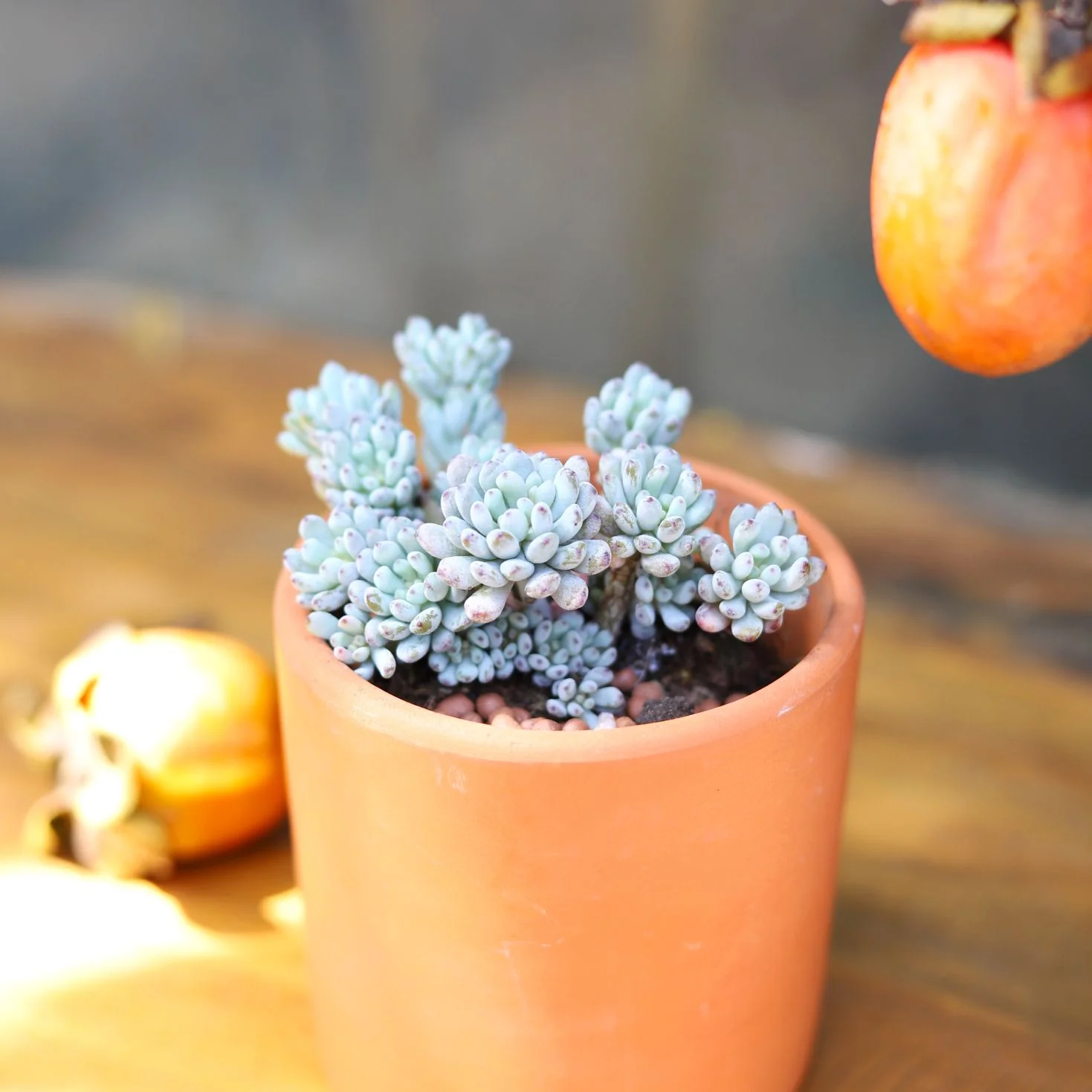
 Given the right conditions, Crassula Pagoda Village may benefit from a cool night temperature drop to encourage blooming, a useful trick shared across the Crassula genus. Its compact, upright habit also makes it an excellent candidate for display in small pots, trays, or grouped arrangements where its pagoda-like silhouette can truly shine. Rotating the plant every few weeks ensures all sides develop evenly and maintain that satisfying symmetrical structure.
 Crassula Pagoda Village is a wonderful choice for bright windowsills, sunny desks, or patio tables during summer months, and it can even move outdoors when temperatures are warm and settled. It tolerates dry heated air well, making it surprisingly forgiving in centrally heated homes, though it should be kept away from direct AC or heater vents. As a rare stacked leaf succulent, Crassula Pagoda Village is a standout addition to any collector's shelf, but it should be placed high and out of reach, as cats, dogs, and small children should not be left to nibble or eat the plant.
-
 Crassula Pagoda Village thrives in bright indirect light to full sun, and scorches in intense south-facing windows without some midday shade.
 Water Crassula Pagoda Village deeply every 10 to 14 days in summer, and reduce to once a month in winter, letting soil dry fully between waterings.
 Crassula Pagoda Village performs best in a fast-draining cactus and perlite mix, with roughly a 50/50 ratio to prevent root rot.
 Crassula Pagoda Village prefers temperatures between 60 and 80°F (15 to 27°C) and should be brought indoors before nights drop below 40°F (4°C).
![]() Crassula Pagoda Village is a slow to moderate grower and benefits from a diluted balanced fertilizer applied once in spring and once in early summer.
Crassula Pagoda Village is a slow to moderate grower and benefits from a diluted balanced fertilizer applied once in spring and once in early summer.
 Crassula Pagoda Village is rated for USDA Hardiness Zones 9 through 11, tolerating brief dips no lower than around 25 to 28°F (-4 to -2°C) with protection. Gardeners growing Crassula Pagoda Village outdoors year-round will find ideal conditions across California, Arizona, Texas, Florida, Hawaii, Louisiana, Georgia, South Carolina, Mississippi, and Alabama. Coastal areas of Oregon, Nevada, and parts of North Carolina also fall within or near these zones, giving growers across a wide stretch of the country the chance to enjoy this rare succulent in garden beds or sheltered patios.
-
Q: How often should I water Crassula Pagoda Village?
A: Water Crassula Pagoda Village every 10 to 14 days in the growing season, allowing the soil to dry out completely before watering again. In winter, reduce watering to once a month.
Q: What light does Crassula Pagoda Village need?
A: Crassula Pagoda Village thrives in bright indirect light to partial or full sun, and benefits from being rotated regularly for even, balanced growth. Avoid prolonged intense midday sun through a south-facing window, which can scorch the leaves.
Q: Is Crassula Pagoda Village safe around pets and children?
A: Cats and dogs should not be left to nibble or eat Crassula Pagoda Village, so keeping it on a high shelf is the safest choice. It is also best placed away from small children and toddlers who may handle it.
Q: Can Crassula Pagoda Village go outside in summer?
A: Yes, Crassula Pagoda Village loves spending summer outdoors in a warm, sheltered spot with bright light. Just be sure to cover or move it during heavy rain, as excess moisture can cause rot.
Q: How do I propagate Crassula Pagoda Village?
A: Crassula Pagoda Village can be propagated from stem cuttings or individual leaves, allowed to callous for a day or two before placing on dry, well-draining soil. Stem cuttings tend to root most reliably and establish faster than leaf propagation.
Q: How big does Crassula Pagoda Village get?
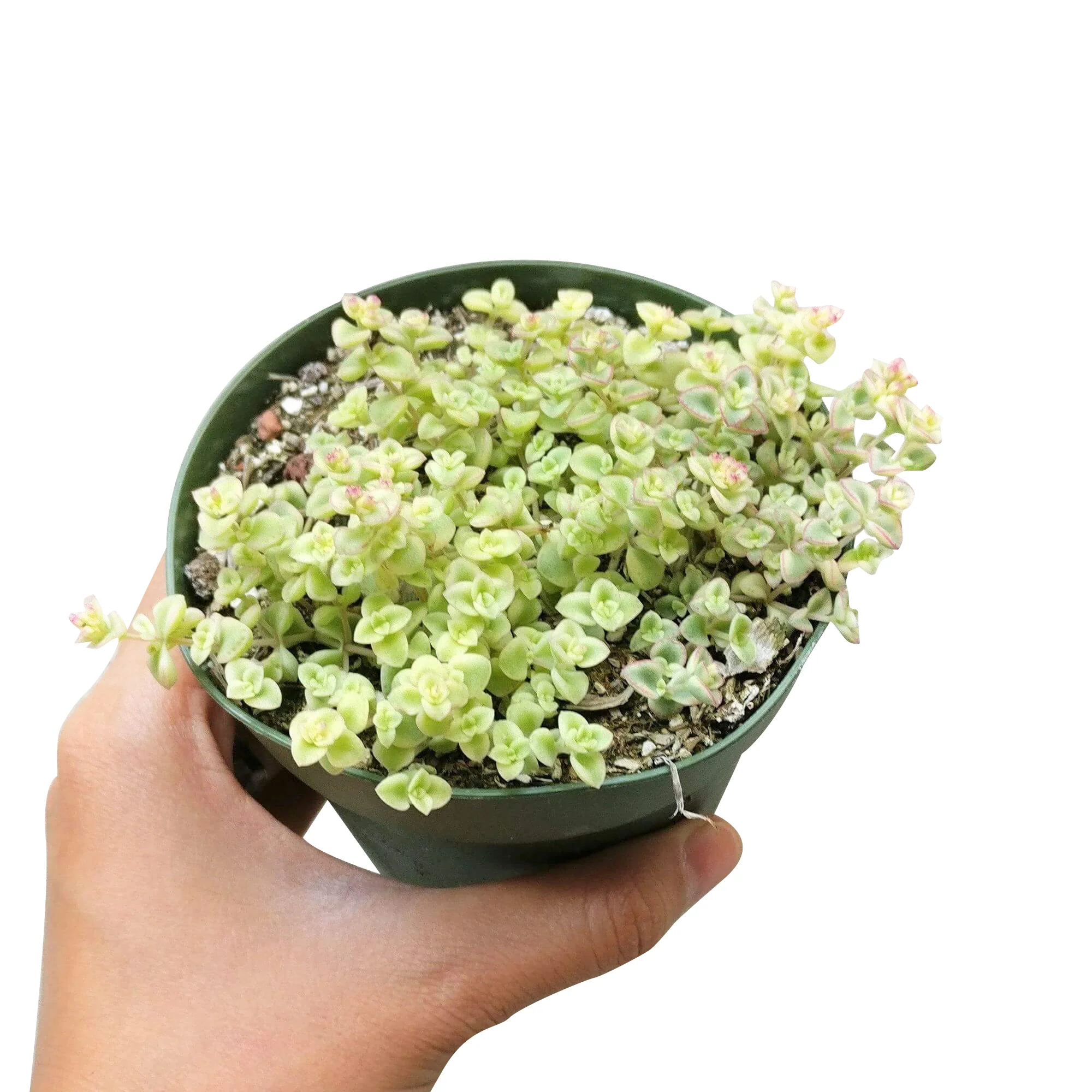
A: Crassula Pagoda Village is a compact, upright succulent that typically reaches 6 to 12 inches tall in cultivation, growing in a tidy clumping habit. Its slow to moderate growth rate makes it easy to manage in 2" or 4" pots for years.


Original: $8.00
-70%$8.00
$2.40Product Information
Product Information
Shipping & Returns
Shipping & Returns
Description
- Description
- Crassula Pagoda Village Care Guide
- FAQ/Common Issues
-
![]() Crassula Pagoda Village is a rare, drought tolerant succulent in the Crassulaceae family, beloved by collectors for its striking architectural form. Native to the rocky, arid regions of South Africa, this stacked leaf succulent has adapted beautifully to life indoors and in warm outdoor gardens. It is increasingly sought after, making it a genuine find for any serious succulent enthusiast.
Crassula Pagoda Village is a rare, drought tolerant succulent in the Crassulaceae family, beloved by collectors for its striking architectural form. Native to the rocky, arid regions of South Africa, this stacked leaf succulent has adapted beautifully to life indoors and in warm outdoor gardens. It is increasingly sought after, making it a genuine find for any serious succulent enthusiast.
Crassula Pagoda Village produces tightly stacked, triangular leaves that layer upward in a precise, tiered formation reminiscent of a pagoda tower. The foliage is a rich green that develops vivid red edges along the leaf margins when given plenty of bright light or a mild temperature drop, creating a striking two-tone effect. This upright, clumping growth style gives Crassula Pagoda Village an almost sculptural presence that sets it apart from typical succulents.
Given the right conditions, Crassula Pagoda Village may benefit from a cool night temperature drop to encourage blooming, a useful trick shared across the Crassula genus. Its compact, upright habit also makes it an excellent candidate for display in small pots, trays, or grouped arrangements where its pagoda-like silhouette can truly shine. Rotating the plant every few weeks ensures all sides develop evenly and maintain that satisfying symmetrical structure.
Crassula Pagoda Village is a wonderful choice for bright windowsills, sunny desks, or patio tables during summer months, and it can even move outdoors when temperatures are warm and settled. It tolerates dry heated air well, making it surprisingly forgiving in centrally heated homes, though it should be kept away from direct AC or heater vents. As a rare stacked leaf succulent, Crassula Pagoda Village is a standout addition to any collector's shelf, but it should be placed high and out of reach, as cats, dogs, and small children should not be left to nibble or eat the plant.
-
Crassula Pagoda Village thrives in bright indirect light to full sun, and scorches in intense south-facing windows without some midday shade.
Water Crassula Pagoda Village deeply every 10 to 14 days in summer, and reduce to once a month in winter, letting soil dry fully between waterings.
Crassula Pagoda Village performs best in a fast-draining cactus and perlite mix, with roughly a 50/50 ratio to prevent root rot.
Crassula Pagoda Village prefers temperatures between 60 and 80°F (15 to 27°C) and should be brought indoors before nights drop below 40°F (4°C).
![]() Crassula Pagoda Village is a slow to moderate grower and benefits from a diluted balanced fertilizer applied once in spring and once in early summer.
Crassula Pagoda Village is a slow to moderate grower and benefits from a diluted balanced fertilizer applied once in spring and once in early summer.
Crassula Pagoda Village is rated for USDA Hardiness Zones 9 through 11, tolerating brief dips no lower than around 25 to 28°F (-4 to -2°C) with protection. Gardeners growing Crassula Pagoda Village outdoors year-round will find ideal conditions across California, Arizona, Texas, Florida, Hawaii, Louisiana, Georgia, South Carolina, Mississippi, and Alabama. Coastal areas of Oregon, Nevada, and parts of North Carolina also fall within or near these zones, giving growers across a wide stretch of the country the chance to enjoy this rare succulent in garden beds or sheltered patios.
-
Q: How often should I water Crassula Pagoda Village?
A: Water Crassula Pagoda Village every 10 to 14 days in the growing season, allowing the soil to dry out completely before watering again. In winter, reduce watering to once a month.
Q: What light does Crassula Pagoda Village need?
A: Crassula Pagoda Village thrives in bright indirect light to partial or full sun, and benefits from being rotated regularly for even, balanced growth. Avoid prolonged intense midday sun through a south-facing window, which can scorch the leaves.
Q: Is Crassula Pagoda Village safe around pets and children?
A: Cats and dogs should not be left to nibble or eat Crassula Pagoda Village, so keeping it on a high shelf is the safest choice. It is also best placed away from small children and toddlers who may handle it.
Q: Can Crassula Pagoda Village go outside in summer?
A: Yes, Crassula Pagoda Village loves spending summer outdoors in a warm, sheltered spot with bright light. Just be sure to cover or move it during heavy rain, as excess moisture can cause rot.
Q: How do I propagate Crassula Pagoda Village?
A: Crassula Pagoda Village can be propagated from stem cuttings or individual leaves, allowed to callous for a day or two before placing on dry, well-draining soil. Stem cuttings tend to root most reliably and establish faster than leaf propagation.
Q: How big does Crassula Pagoda Village get?
A: Crassula Pagoda Village is a compact, upright succulent that typically reaches 6 to 12 inches tall in cultivation, growing in a tidy clumping habit. Its slow to moderate growth rate makes it easy to manage in 2" or 4" pots for years.