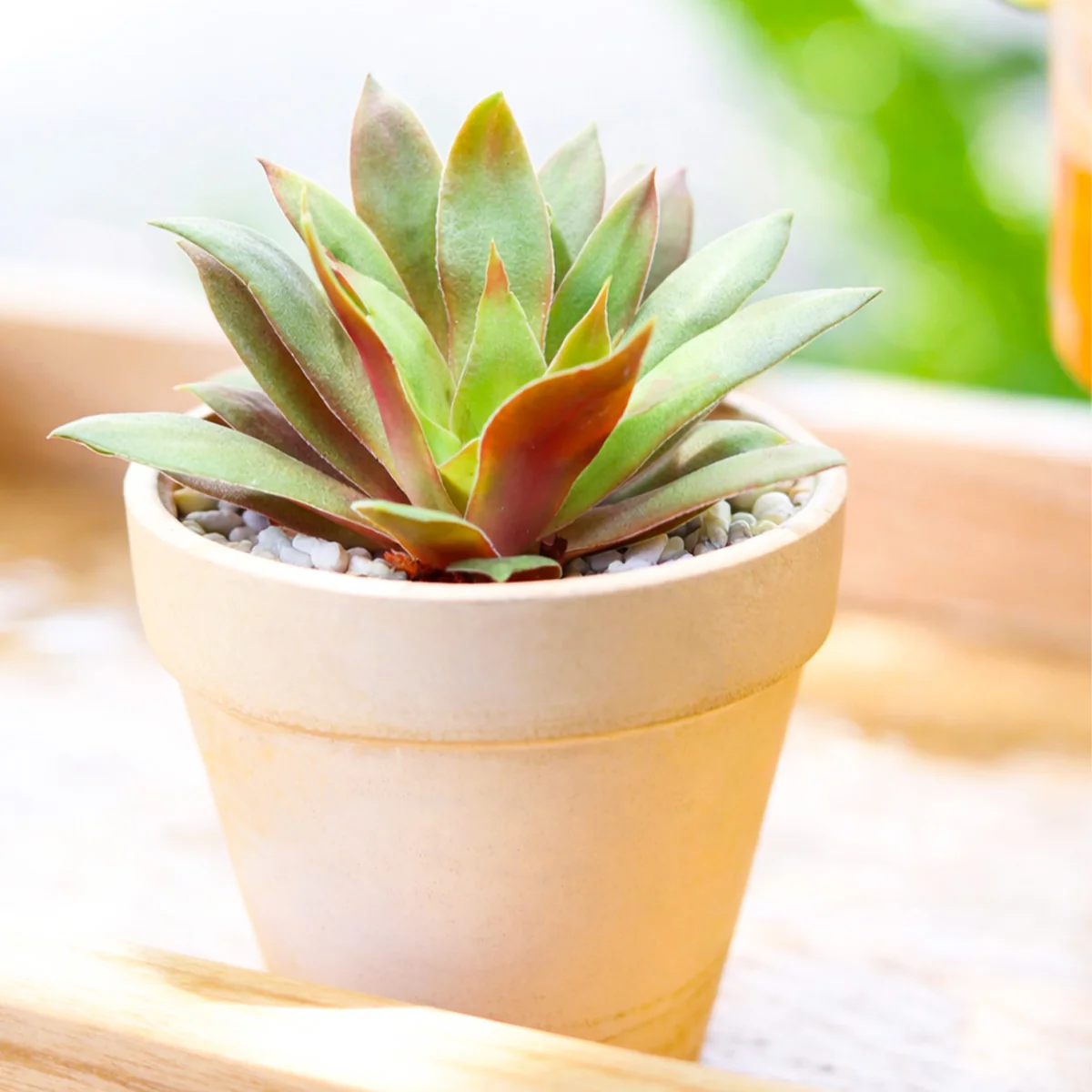
Crassula orbicularis var. rosularis
- Description
- Crassula orbicularis var. rosularis Care Guide
- FAQ/Common Issues
-
![]() Crassula orbicularis var. rosularis is a charming clumping succulent in the Crassulaceae family, native to the rocky slopes and grasslands of South Africa. Like all South African succulents in the Crassula genus, it evolved to handle drought and bright sun with ease, making it one of the most rewarding easy care succulents you can grow indoors or out.
Crassula orbicularis var. rosularis is a charming clumping succulent in the Crassulaceae family, native to the rocky slopes and grasslands of South Africa. Like all South African succulents in the Crassula genus, it evolved to handle drought and bright sun with ease, making it one of the most rewarding easy care succulents you can grow indoors or out.
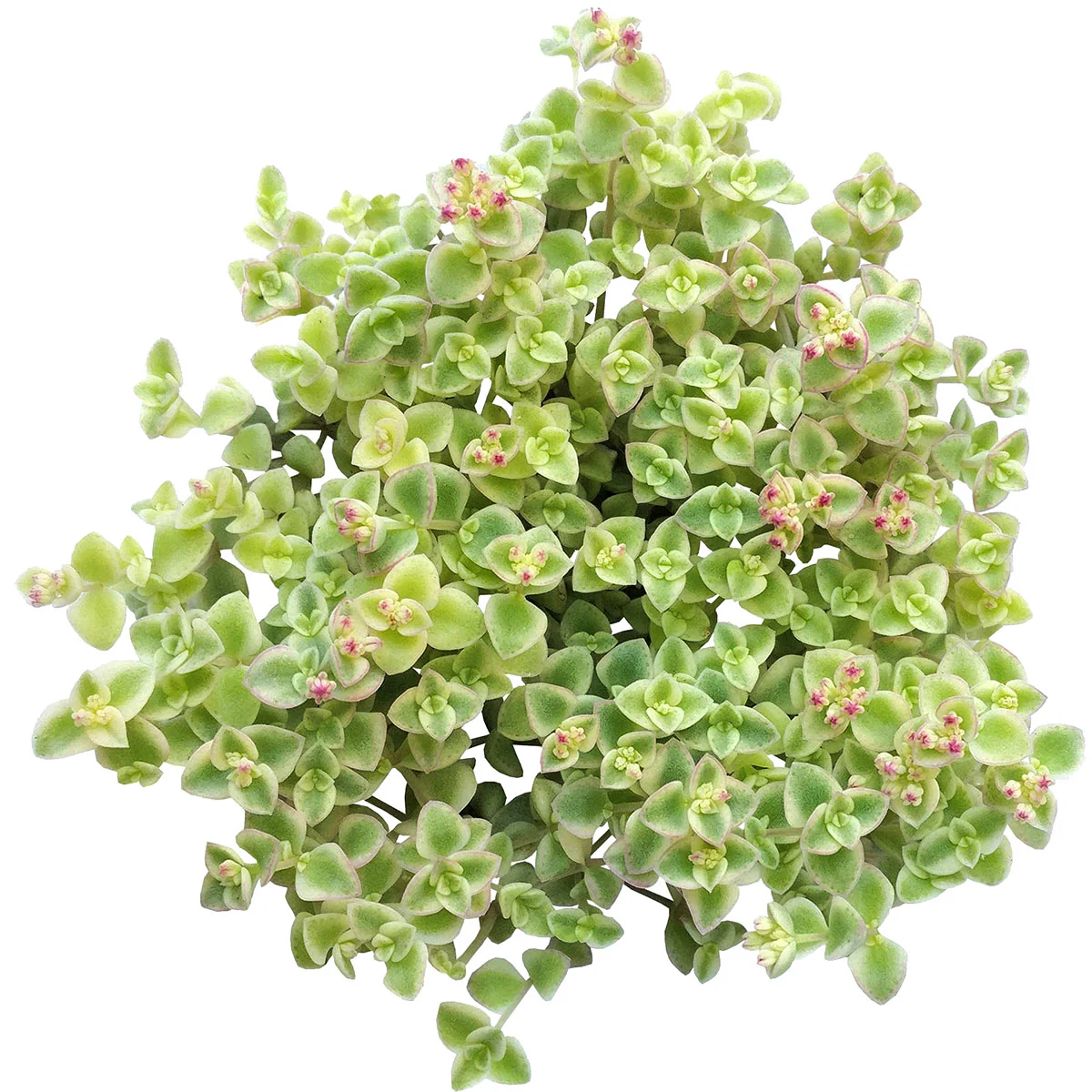
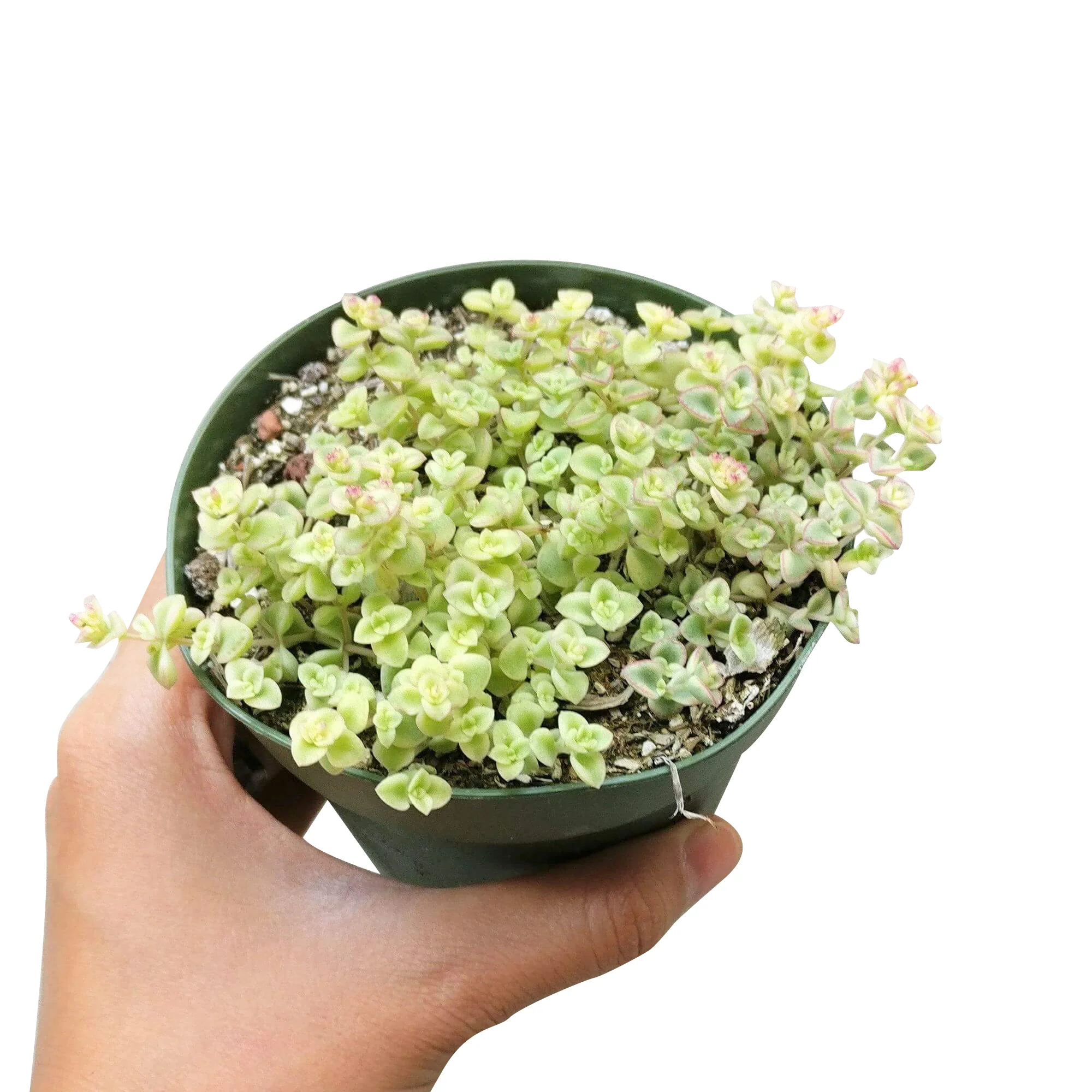
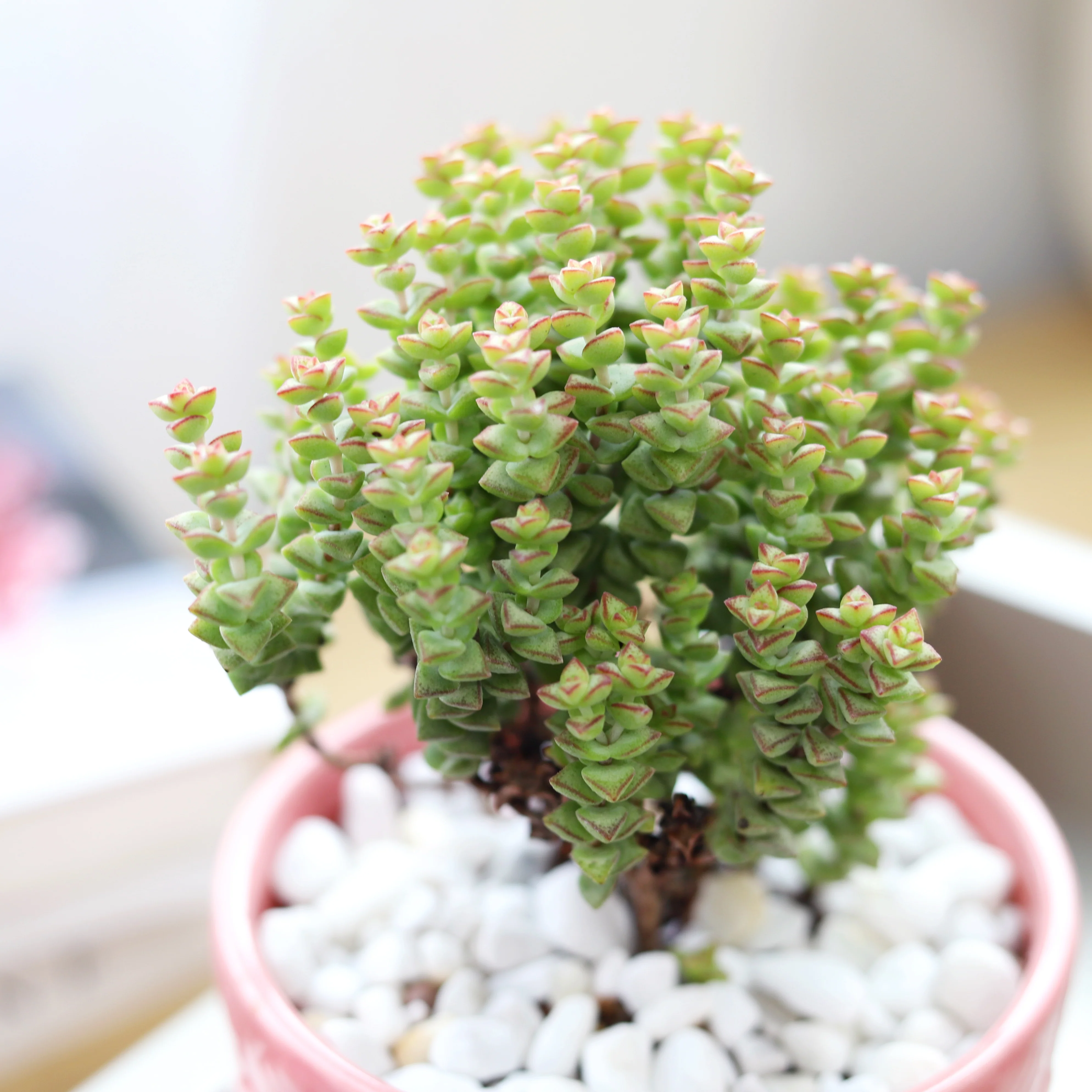
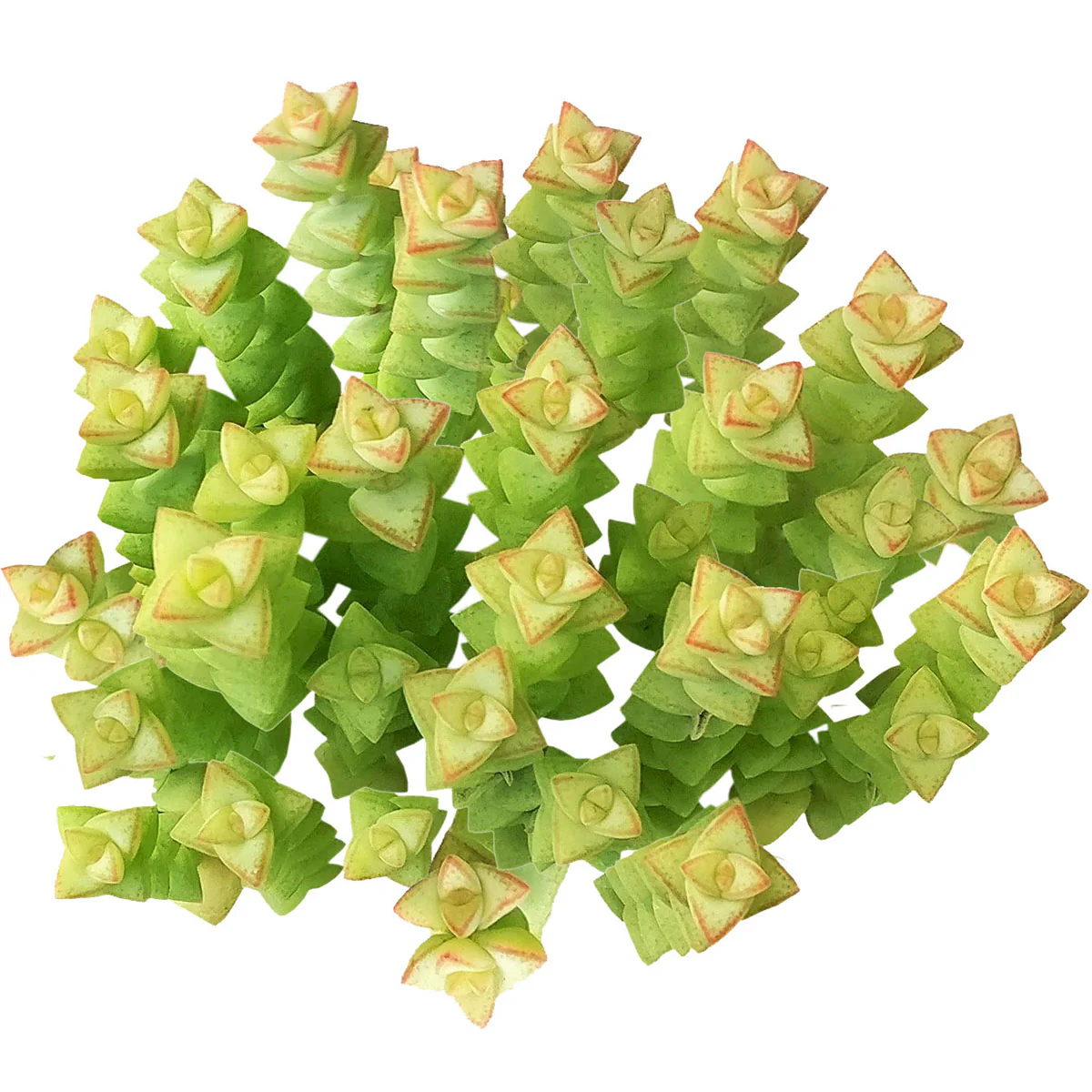
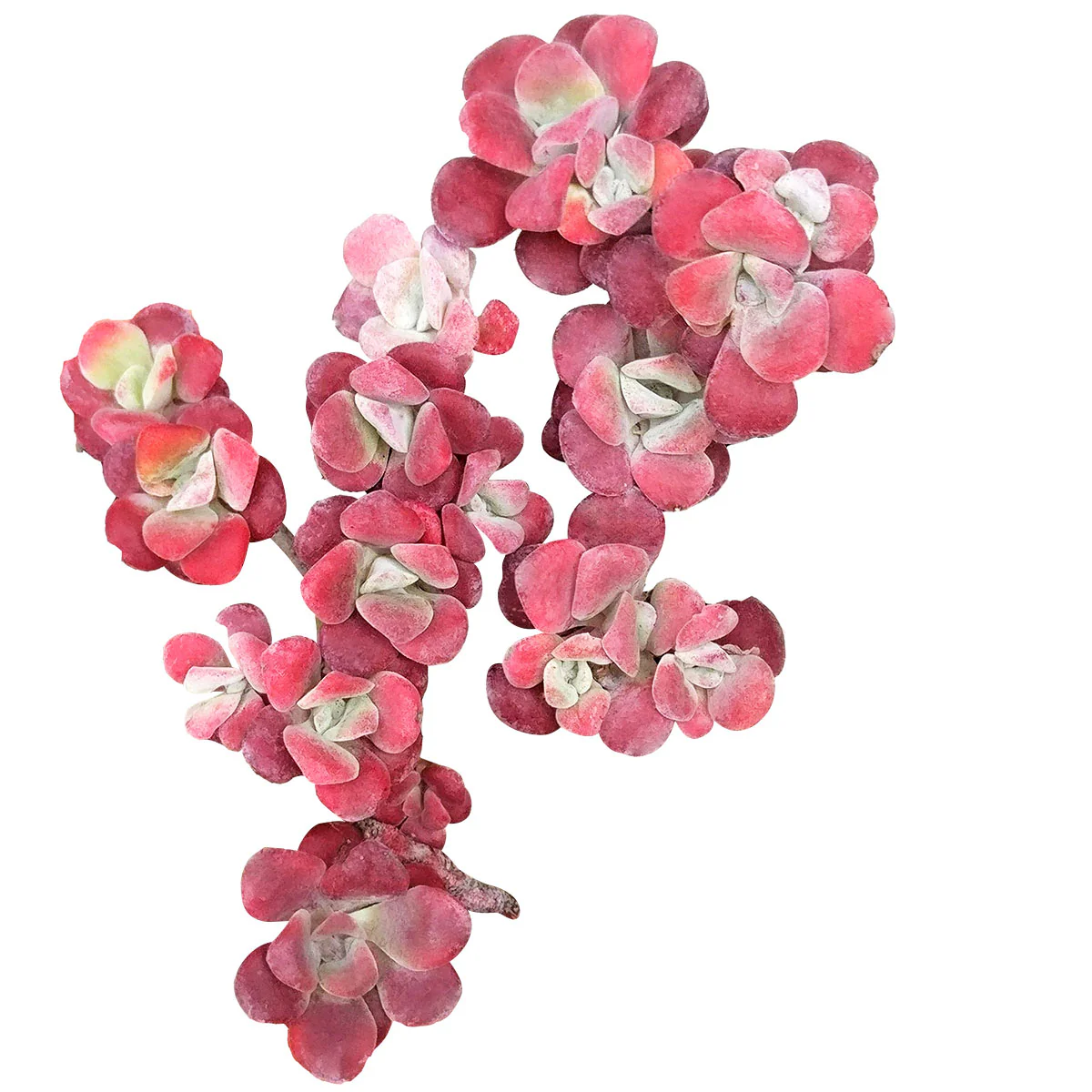
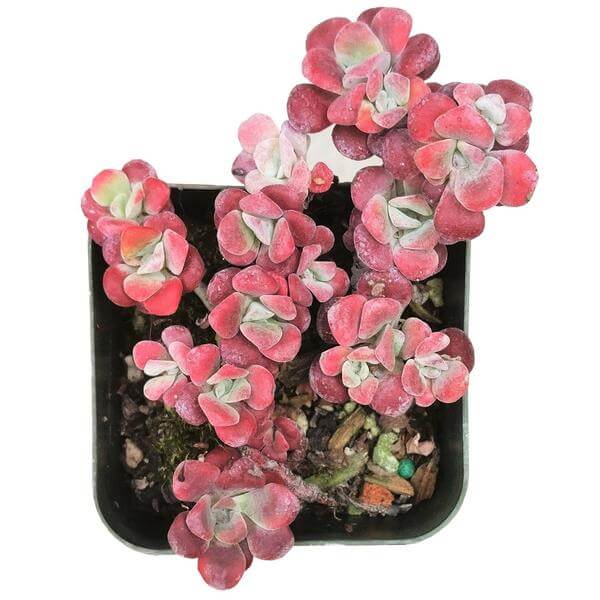
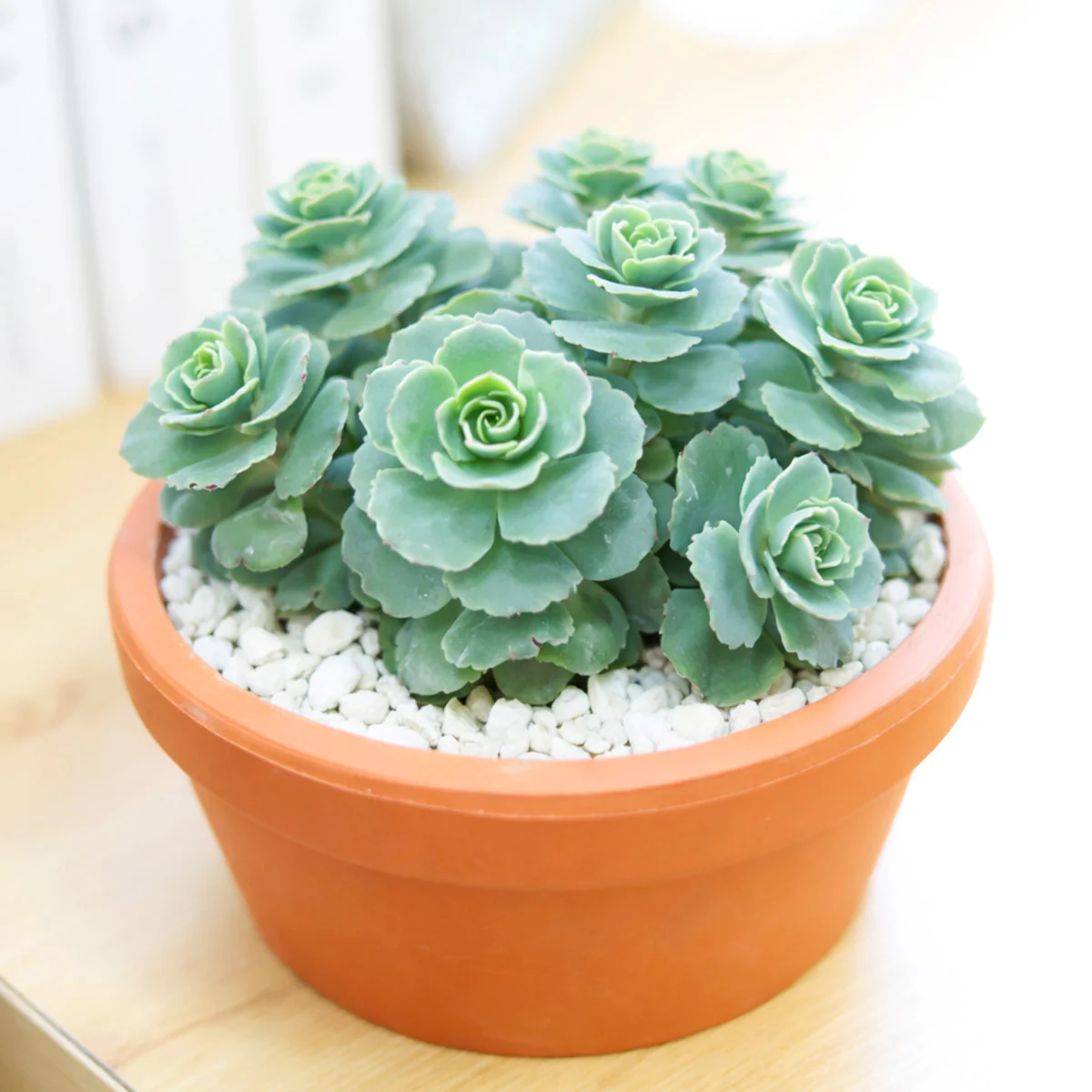
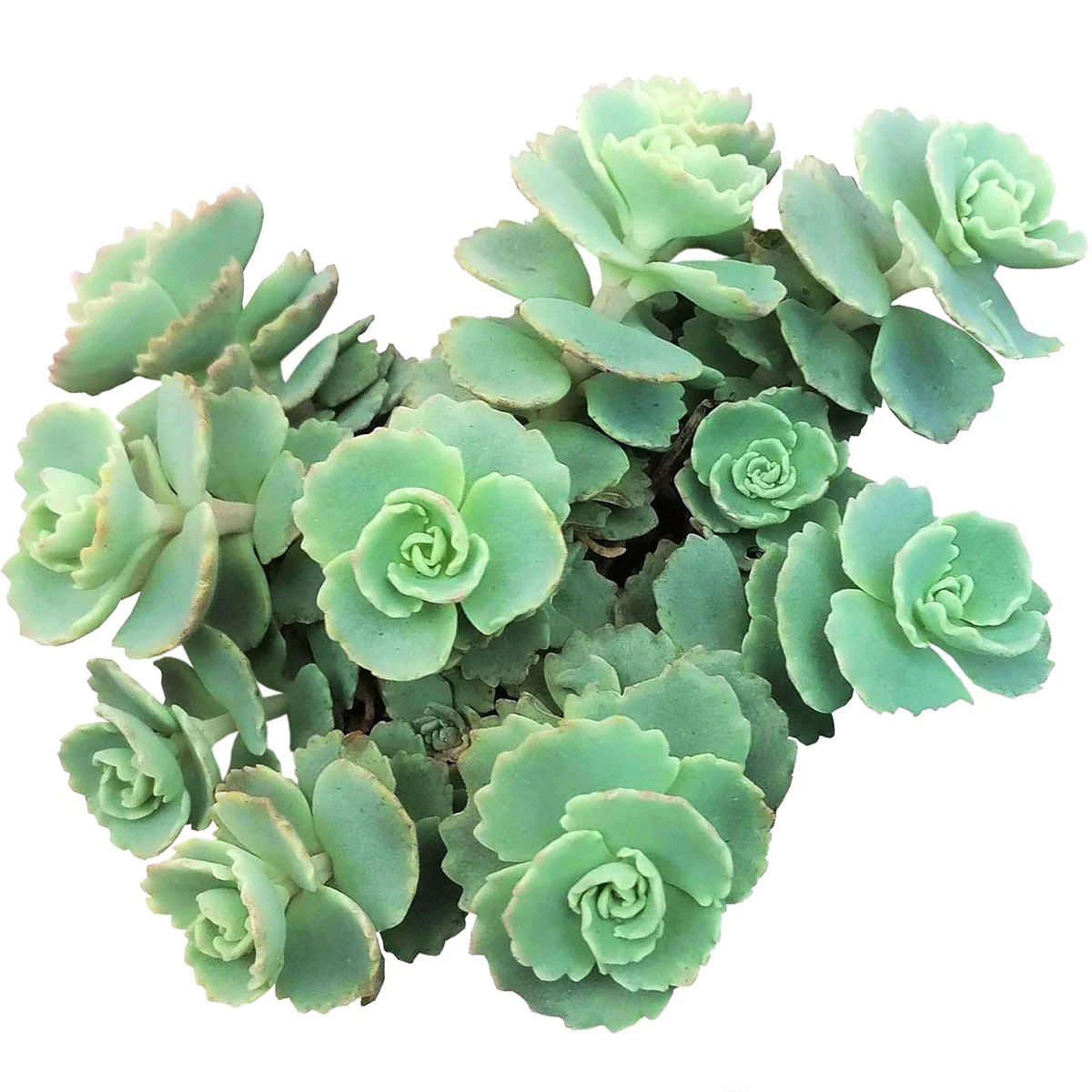
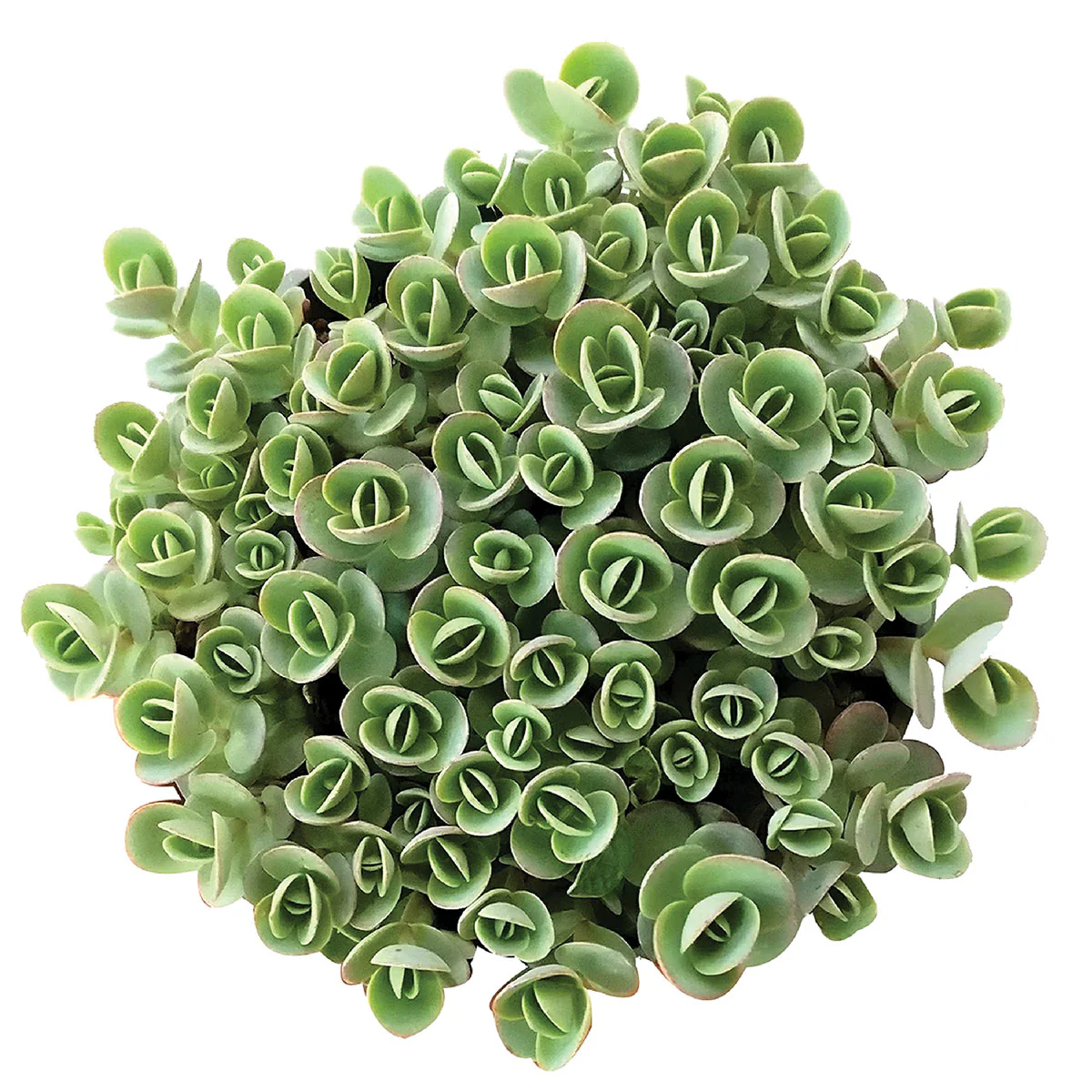
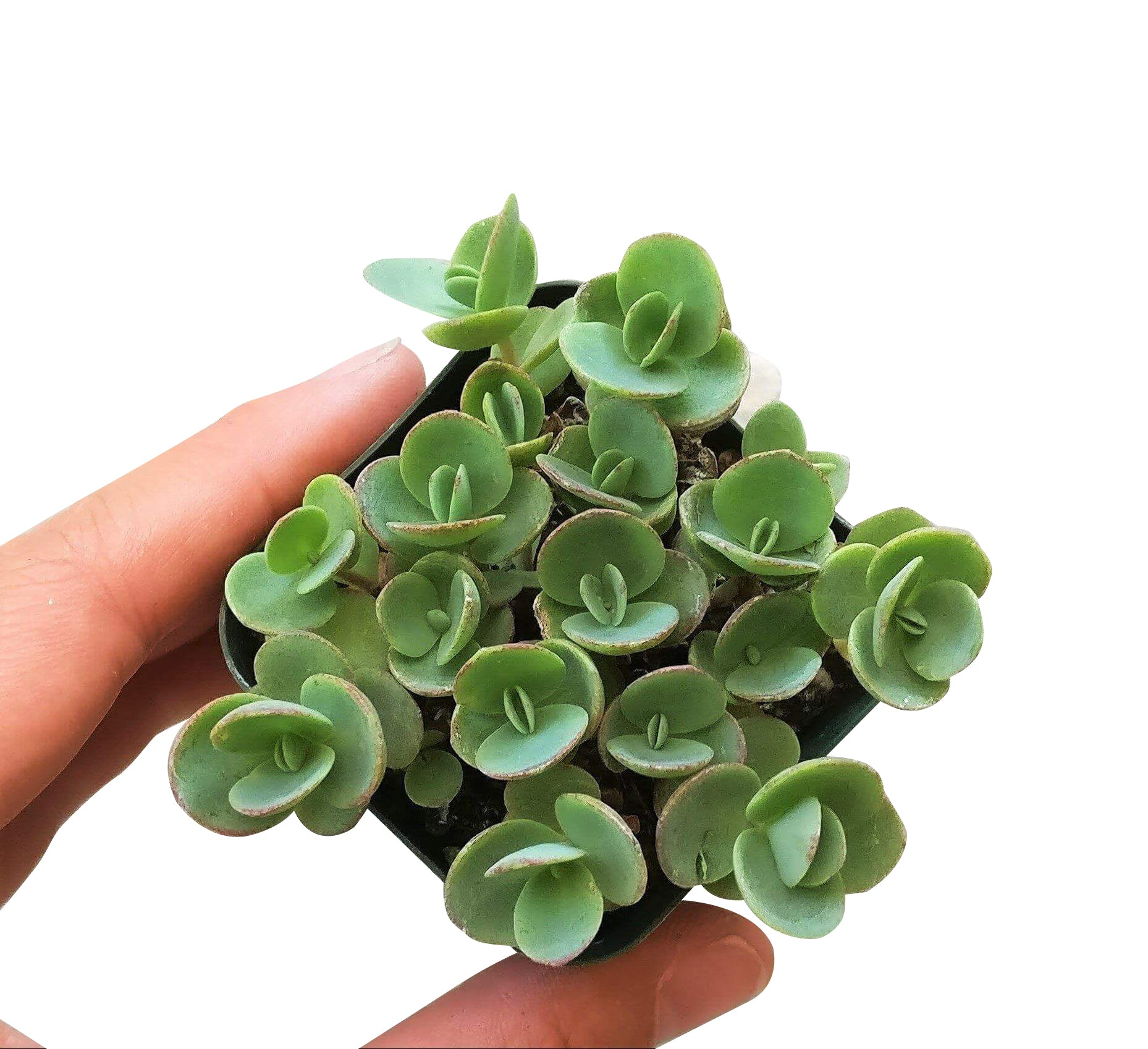
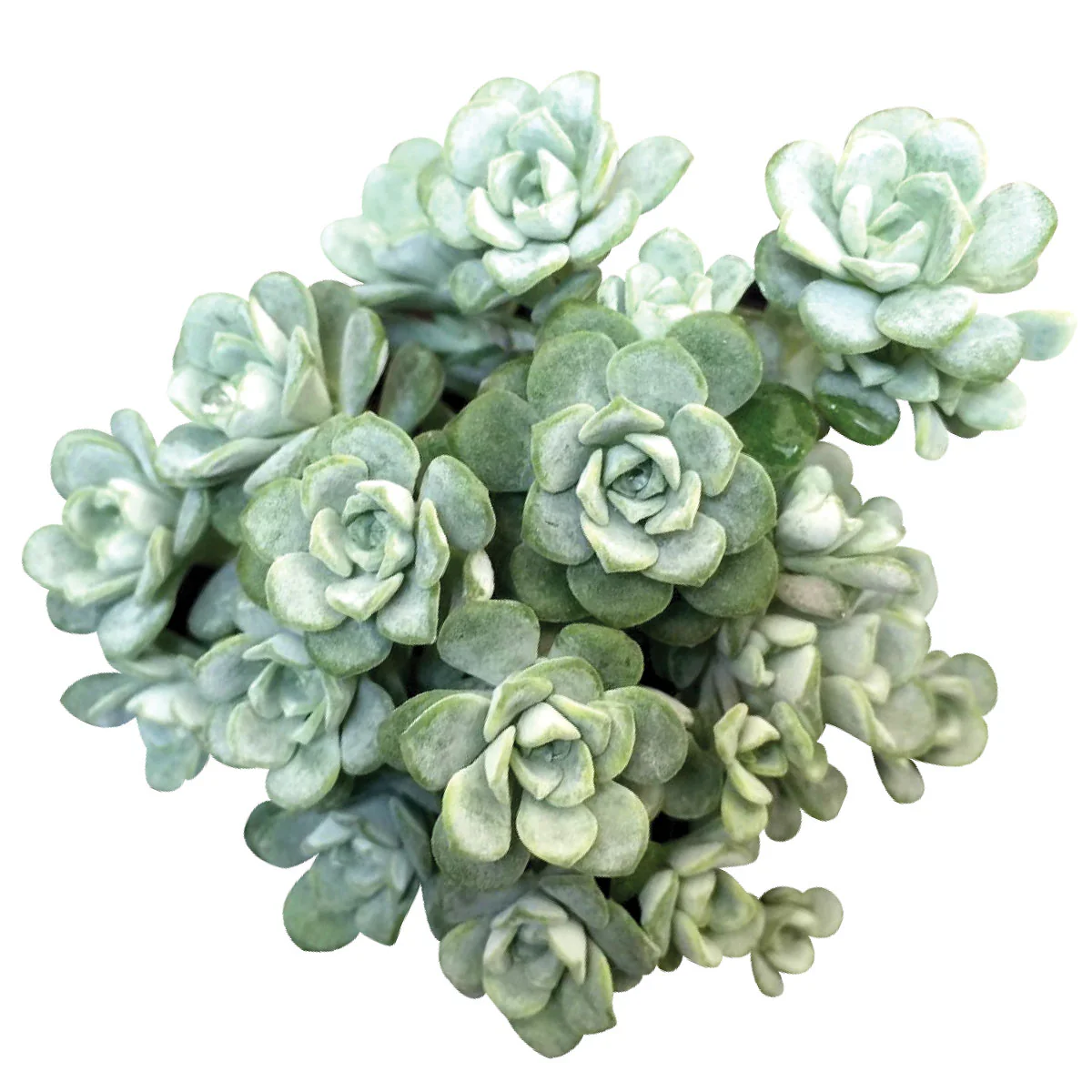
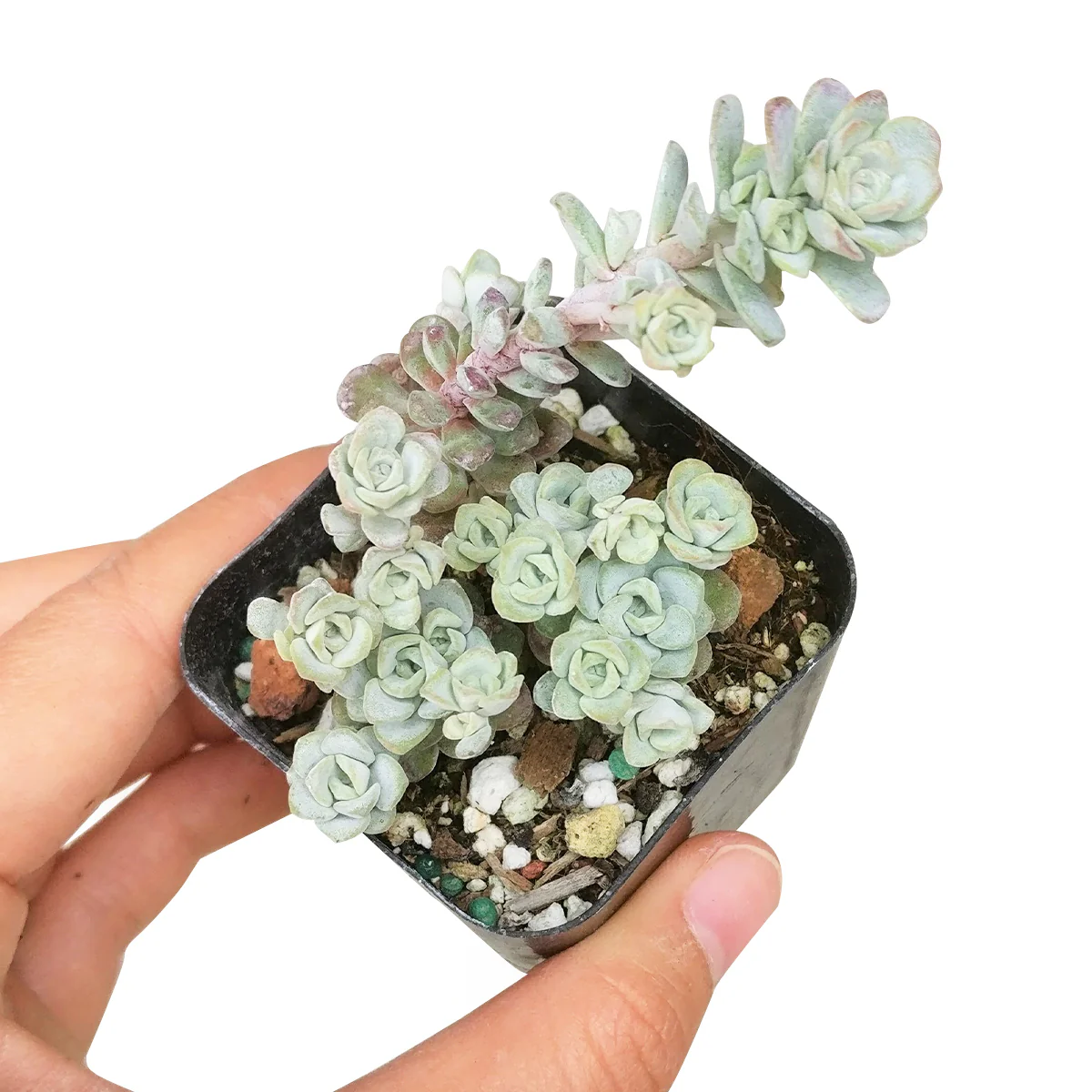
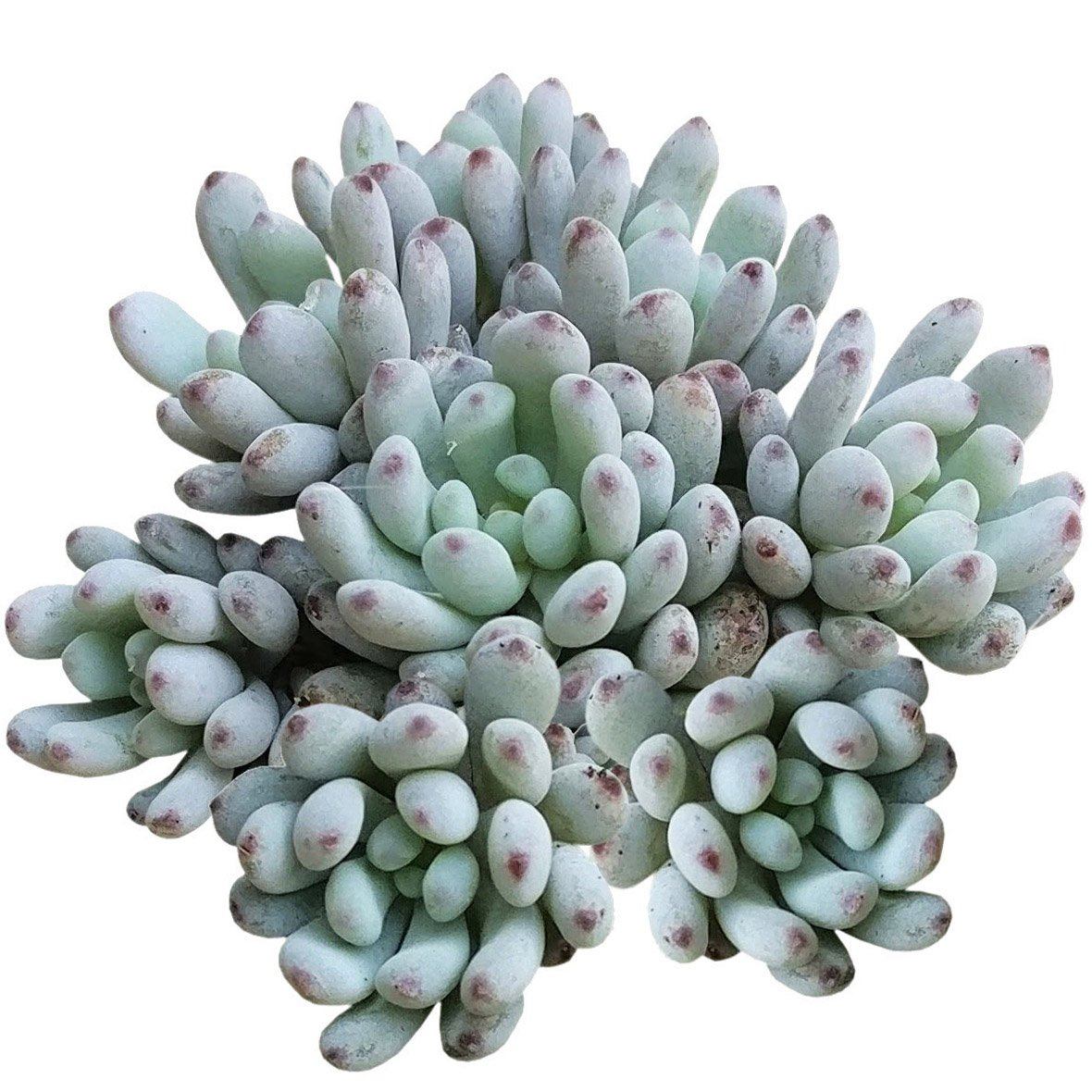
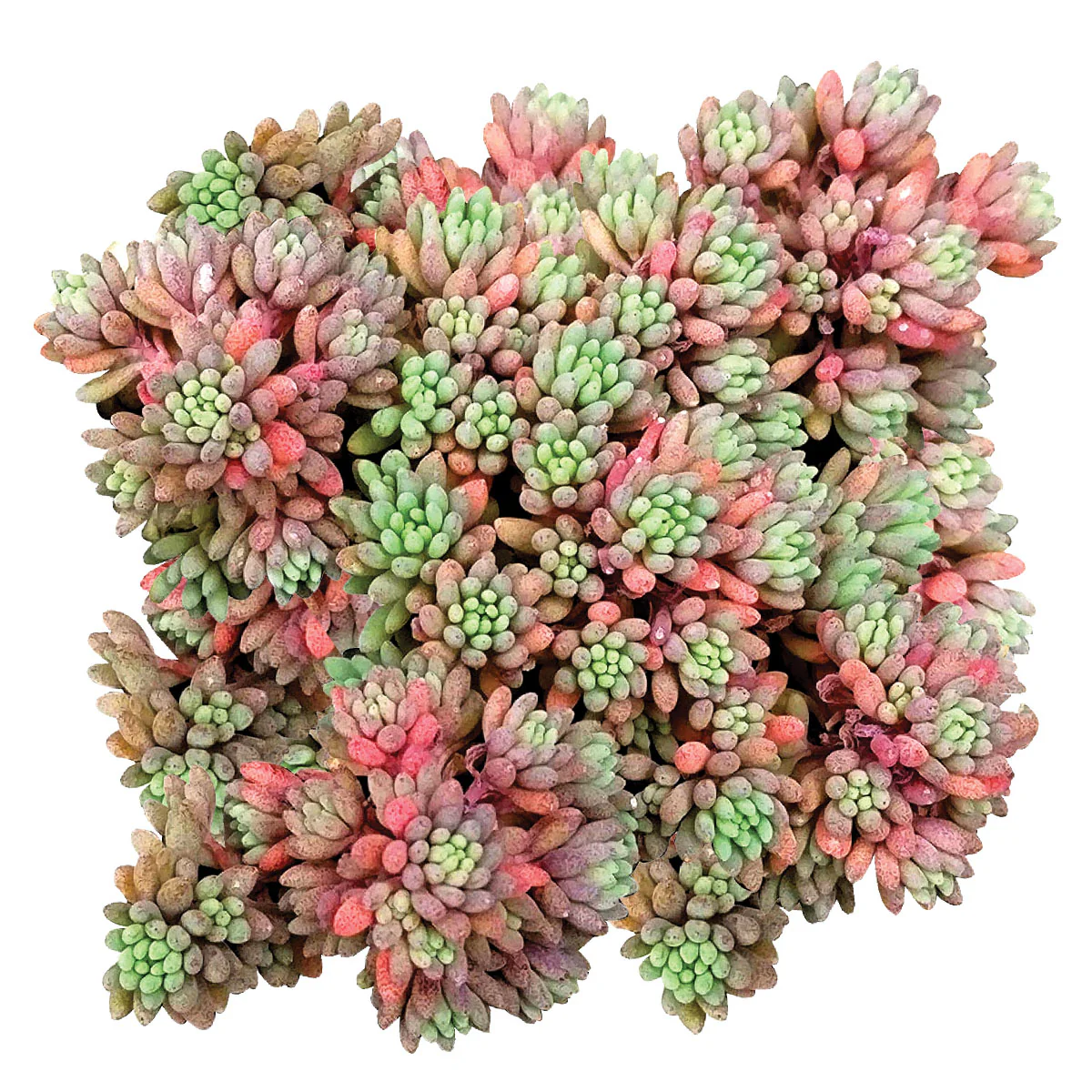
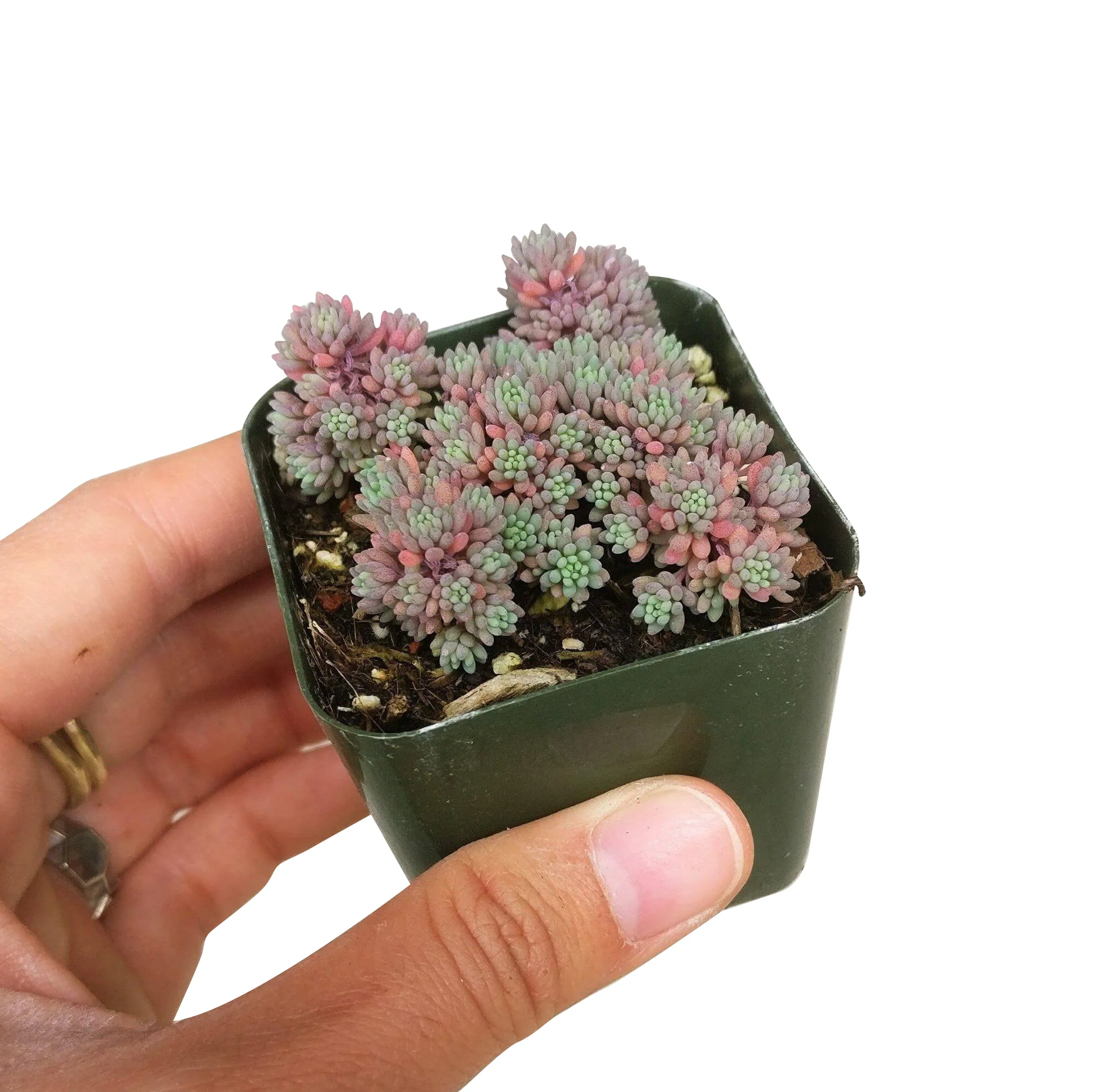
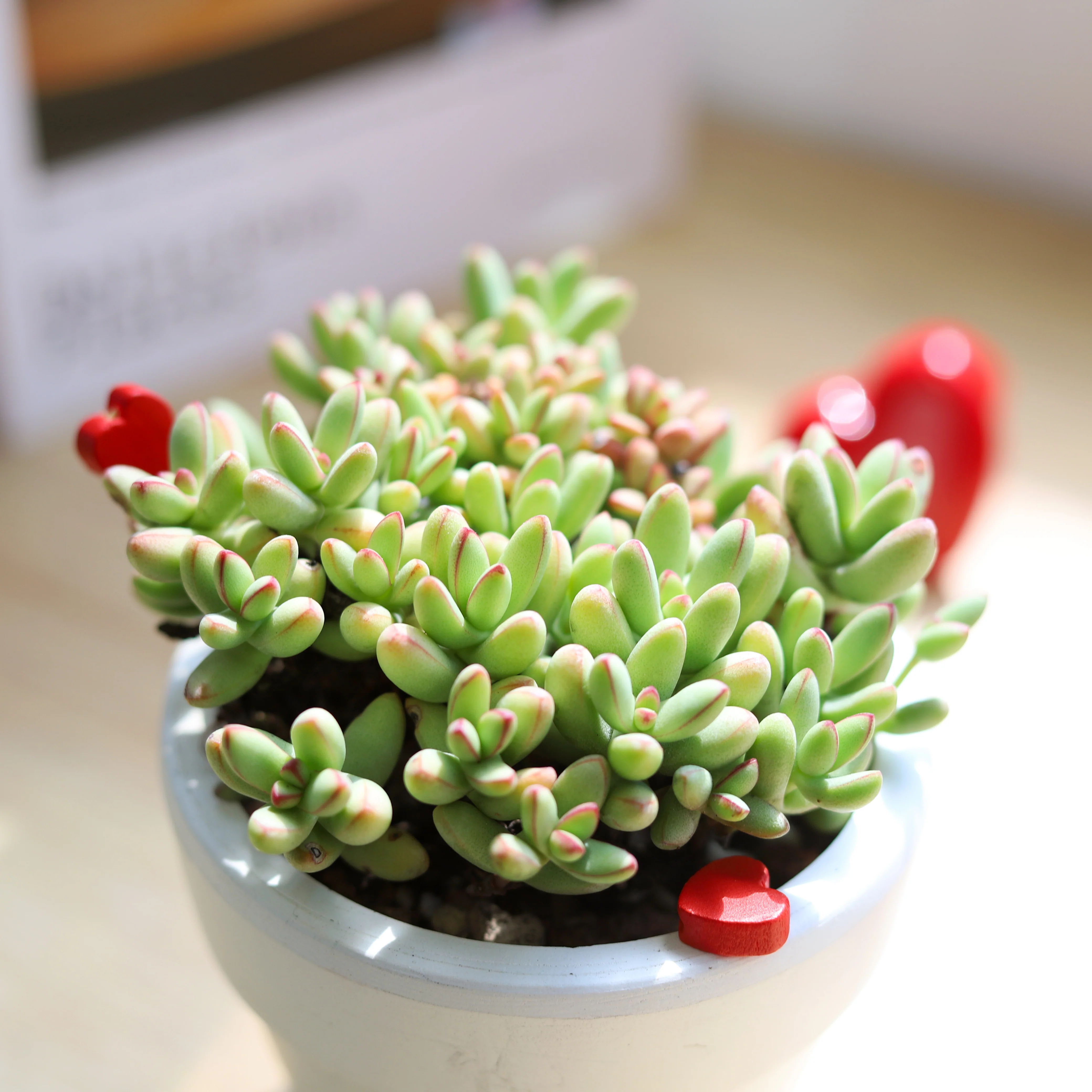
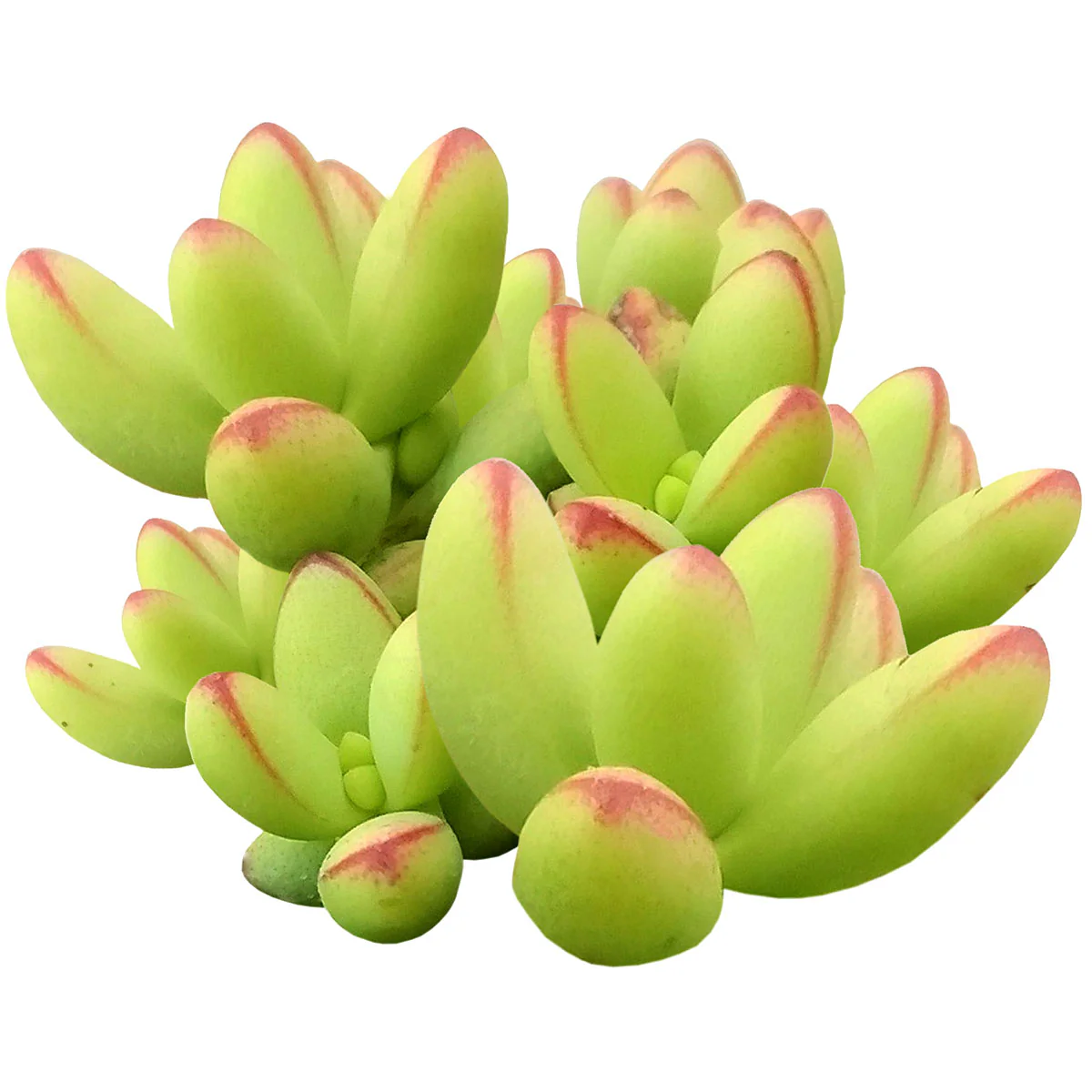
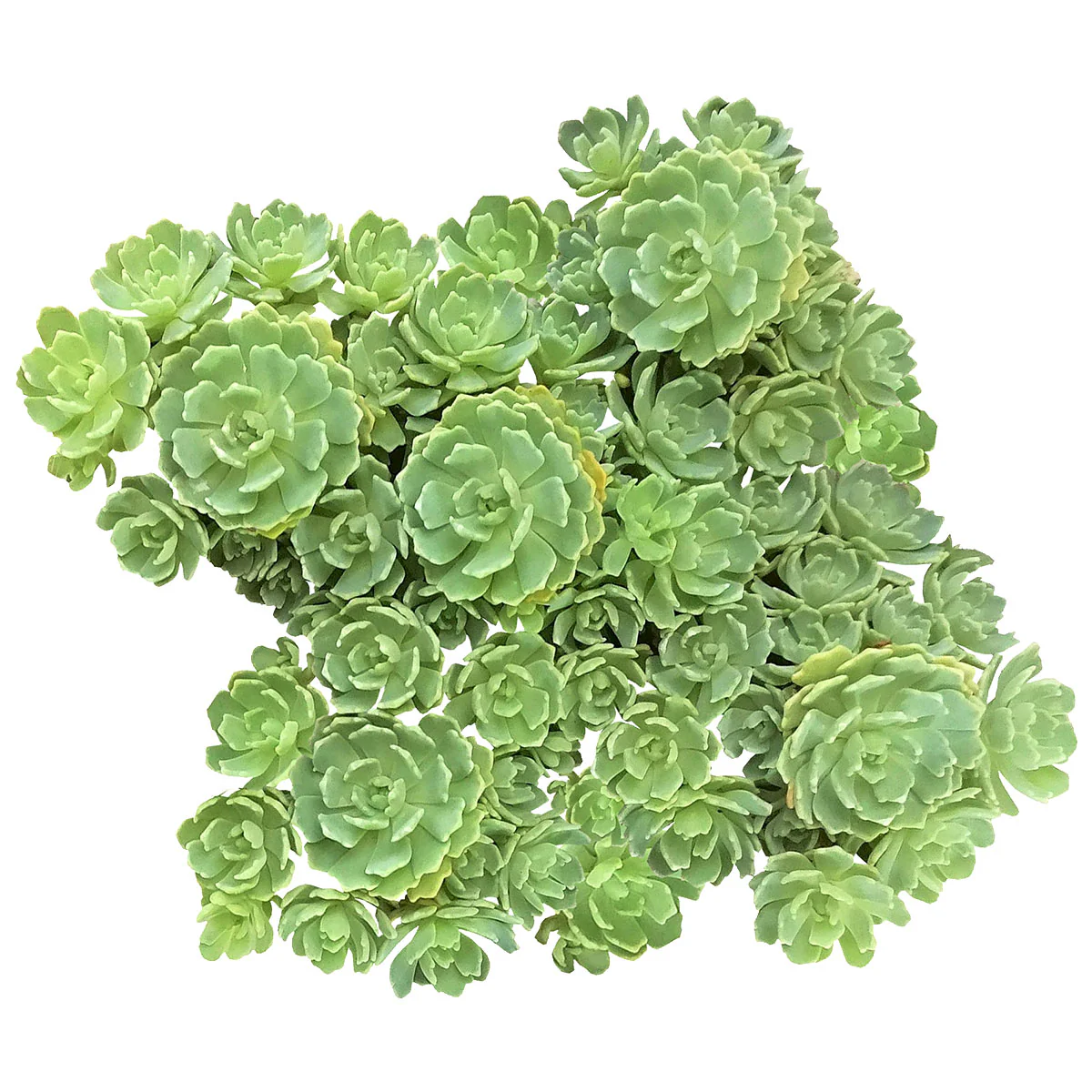
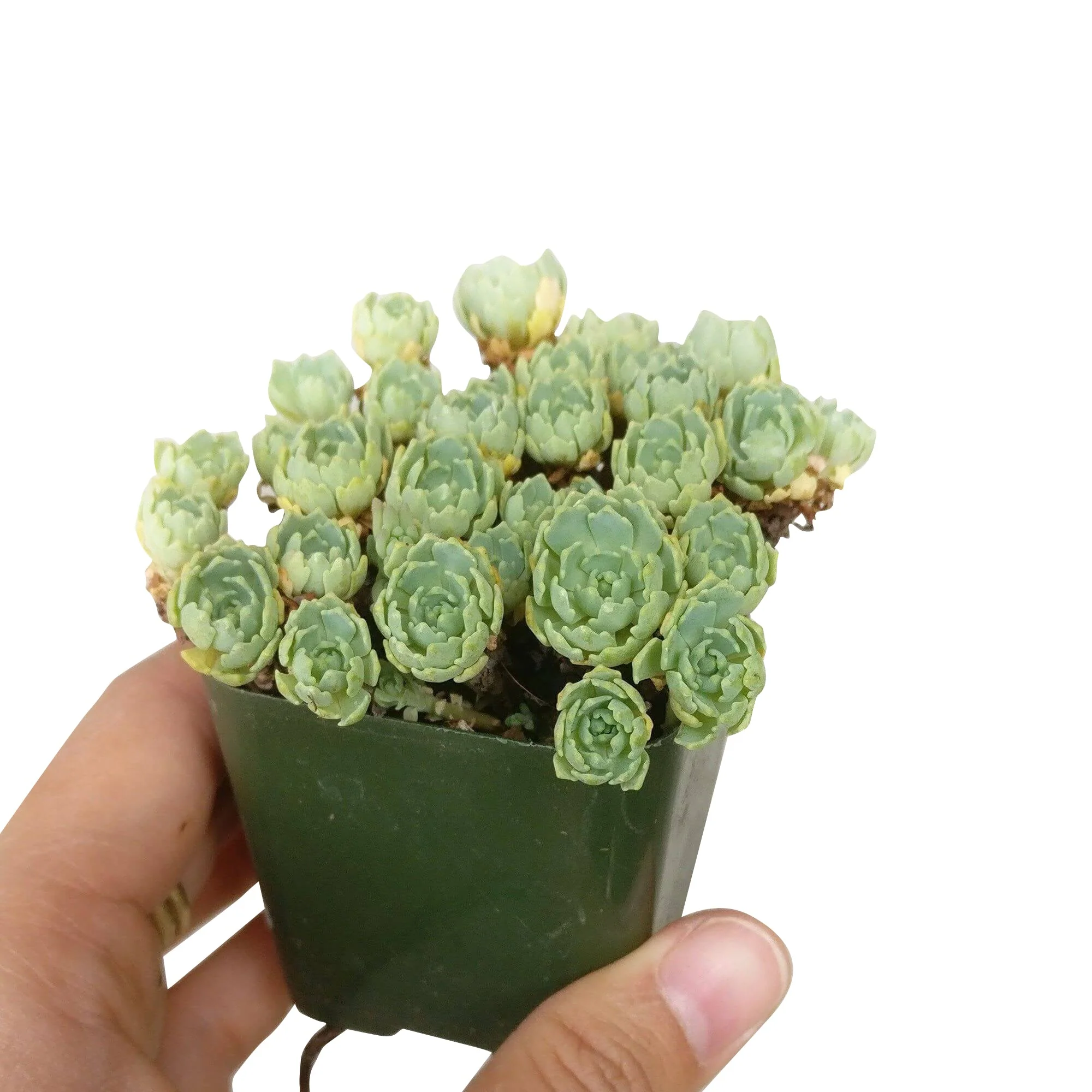
 Crassula orbicularis var. rosularis forms tight, symmetrical rosettes of fleshy, spoon-shaped leaves that layer beautifully as the plant clusters and spreads. Leaf color ranges from soft green to purple-tinged, deepening with more light exposure, giving this rosette succulent a living-jewel quality that collectors genuinely love. The low, compact clustering habit means each pot gradually becomes a full, lush arrangement all on its own.
 Crassula orbicularis var. rosularis produces delicate small flowers on slender stalks, typically appearing when the plant experiences a nighttime temperature drop that triggers blooming. If you want to encourage flowering, moving the plant outdoors for summer or letting it experience cooler autumn nights is a great strategy. Beyond its blooms, the tightly packed rosette clusters are striking enough year-round to keep any succulent enthusiast happy.
 Crassula orbicularis var. rosularis is genuinely beginner-friendly and a smart pick for windowsill collections, patio displays, or grouped arrangements with other drought tolerant succulents. It handles a sunny summer porch beautifully, just make sure to cover it from rain since soggy conditions are its main enemy. Rotate the pot every few weeks for even, balanced growth, and keep it away from direct blasts of AC or heating vents, though it does handle warm, dry indoor air without complaint. If you travel, no worries: Crassula orbicularis var. rosularis easily survives a 10-day trip alone between waterings.
-
 Crassula orbicularis var. rosularis thrives in bright indirect light to partial or full sun, ideally near an east or west-facing window.
 Water Crassula orbicularis var. rosularis deeply every 10 to 14 days in summer, cutting back to once a month in winter when growth slows.
 Crassula orbicularis var. rosularis does best in a well-draining cactus and succulent mix blended with perlite at roughly 2:1 ratio.
 Crassula orbicularis var. rosularis prefers temperatures between 60 and 80°F (15 to 27°C) and should be protected from frost below 30°F (-1°C).
![]() Crassula orbicularis var. rosularis is a slow to moderate grower that benefits from a diluted balanced fertilizer once or twice during the active growing season.
Crassula orbicularis var. rosularis is a slow to moderate grower that benefits from a diluted balanced fertilizer once or twice during the active growing season.
 Crassula orbicularis var. rosularis is hardy in USDA Zones 9 through 11, tolerating brief dips to around 30°F (-1°C) but preferring frost-free conditions year-round. Gardeners growing Crassula orbicularis var. rosularis outdoors year-round will find it thrives across California, Arizona, Texas, Florida, Hawaii, Louisiana, Georgia, South Carolina, Alabama, Mississippi, and Nevada. It can also be grown outside seasonally along the Oregon coast and in sheltered spots in New Mexico, with indoor overwintering recommended for everywhere north of Zone 9, including states like North Carolina, Tennessee, Arkansas, and beyond.
-
Q: How often should I water Crassula orbicularis var. rosularis?
A: Water Crassula orbicularis var. rosularis every 10 to 14 days in warm months and just once a month in winter. Always let the soil dry out completely between waterings to prevent root rot.
Q: Is Crassula orbicularis var. rosularis safe for pets?
A: Crassula orbicularis var. rosularis can cause irritation if its sap contacts a pet's skin or paws, and ingestion may be harmful. Keep it on a high shelf out of reach of curious cats, dogs, and toddlers to be safe.
Q: What light does Crassula orbicularis var. rosularis need indoors?
A: Crassula orbicularis var. rosularis does best in bright indirect light or partial sun near an east or west-facing window. Avoid intense south-facing direct sun exposure, which can scorch its leaves.
Q: How do I propagate Crassula orbicularis var. rosularis?
A: Crassula orbicularis var. rosularis naturally produces offsets as it clusters, which can be gently separated and potted individually. Leaf cuttings are also possible, though division of offsets is the easiest and most reliable method.
Q: How big does Crassula orbicularis var. rosularis get?
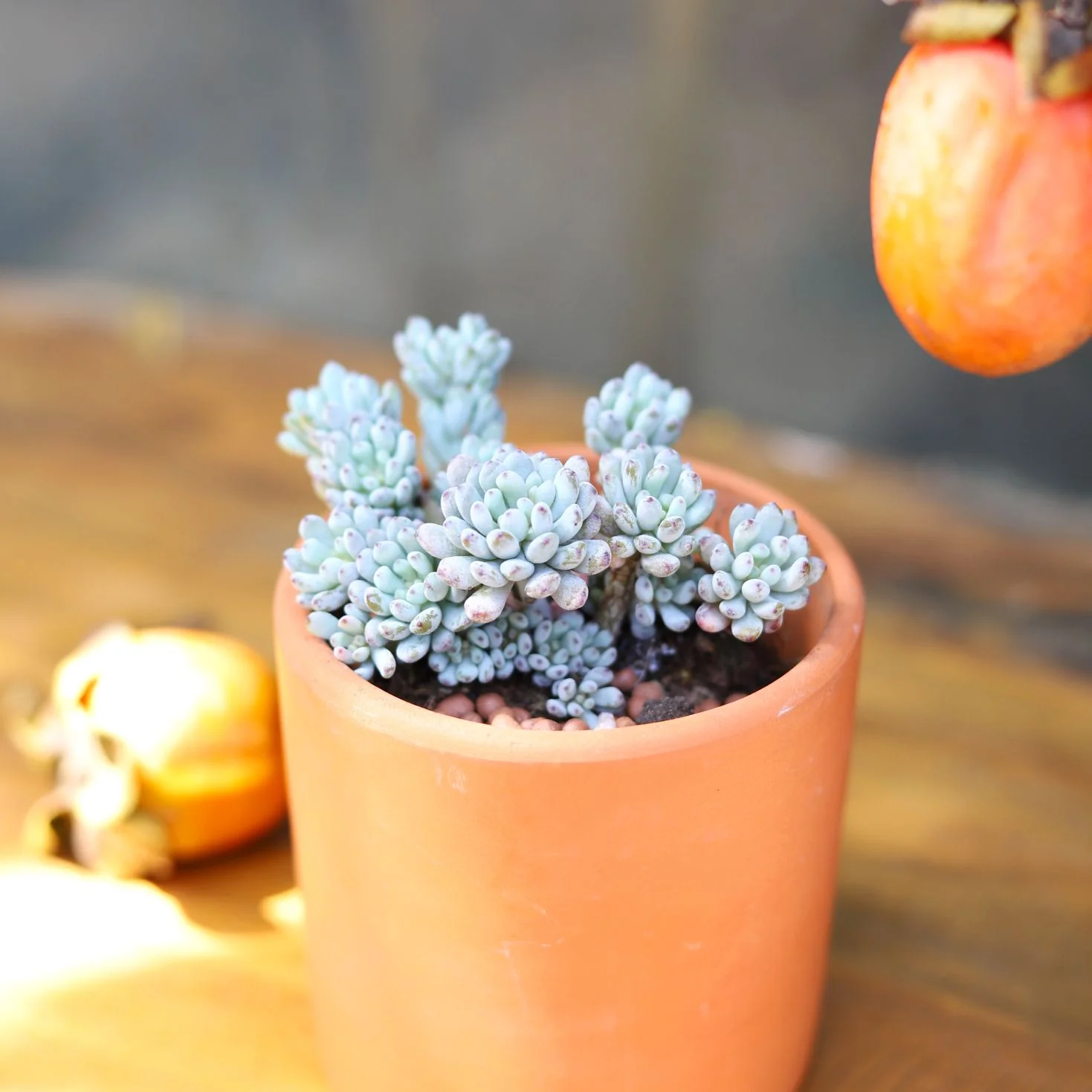
A: Crassula orbicularis var. rosularis stays compact, with individual rosettes typically reaching 2 to 4 inches across, though the clump spreads wider over time. It is an ideal size for windowsills, small pots, and mixed succulent arrangements.
Q: Can I grow Crassula orbicularis var. rosularis outside in summer?
A: Yes, Crassula orbicularis var. rosularis loves spending summer outdoors in a bright, sheltered spot. Just protect it from heavy rain and bring it back inside before temperatures drop near freezing in autumn.


Original: $8.00
-70%$8.00
$2.40Product Information
Product Information
Shipping & Returns
Shipping & Returns
Description
- Description
- Crassula orbicularis var. rosularis Care Guide
- FAQ/Common Issues
-
![]() Crassula orbicularis var. rosularis is a charming clumping succulent in the Crassulaceae family, native to the rocky slopes and grasslands of South Africa. Like all South African succulents in the Crassula genus, it evolved to handle drought and bright sun with ease, making it one of the most rewarding easy care succulents you can grow indoors or out.
Crassula orbicularis var. rosularis is a charming clumping succulent in the Crassulaceae family, native to the rocky slopes and grasslands of South Africa. Like all South African succulents in the Crassula genus, it evolved to handle drought and bright sun with ease, making it one of the most rewarding easy care succulents you can grow indoors or out.
Crassula orbicularis var. rosularis forms tight, symmetrical rosettes of fleshy, spoon-shaped leaves that layer beautifully as the plant clusters and spreads. Leaf color ranges from soft green to purple-tinged, deepening with more light exposure, giving this rosette succulent a living-jewel quality that collectors genuinely love. The low, compact clustering habit means each pot gradually becomes a full, lush arrangement all on its own.
Crassula orbicularis var. rosularis produces delicate small flowers on slender stalks, typically appearing when the plant experiences a nighttime temperature drop that triggers blooming. If you want to encourage flowering, moving the plant outdoors for summer or letting it experience cooler autumn nights is a great strategy. Beyond its blooms, the tightly packed rosette clusters are striking enough year-round to keep any succulent enthusiast happy.
Crassula orbicularis var. rosularis is genuinely beginner-friendly and a smart pick for windowsill collections, patio displays, or grouped arrangements with other drought tolerant succulents. It handles a sunny summer porch beautifully, just make sure to cover it from rain since soggy conditions are its main enemy. Rotate the pot every few weeks for even, balanced growth, and keep it away from direct blasts of AC or heating vents, though it does handle warm, dry indoor air without complaint. If you travel, no worries: Crassula orbicularis var. rosularis easily survives a 10-day trip alone between waterings.
-
Crassula orbicularis var. rosularis thrives in bright indirect light to partial or full sun, ideally near an east or west-facing window.
Water Crassula orbicularis var. rosularis deeply every 10 to 14 days in summer, cutting back to once a month in winter when growth slows.
Crassula orbicularis var. rosularis does best in a well-draining cactus and succulent mix blended with perlite at roughly 2:1 ratio.
Crassula orbicularis var. rosularis prefers temperatures between 60 and 80°F (15 to 27°C) and should be protected from frost below 30°F (-1°C).
![]() Crassula orbicularis var. rosularis is a slow to moderate grower that benefits from a diluted balanced fertilizer once or twice during the active growing season.
Crassula orbicularis var. rosularis is a slow to moderate grower that benefits from a diluted balanced fertilizer once or twice during the active growing season.
Crassula orbicularis var. rosularis is hardy in USDA Zones 9 through 11, tolerating brief dips to around 30°F (-1°C) but preferring frost-free conditions year-round. Gardeners growing Crassula orbicularis var. rosularis outdoors year-round will find it thrives across California, Arizona, Texas, Florida, Hawaii, Louisiana, Georgia, South Carolina, Alabama, Mississippi, and Nevada. It can also be grown outside seasonally along the Oregon coast and in sheltered spots in New Mexico, with indoor overwintering recommended for everywhere north of Zone 9, including states like North Carolina, Tennessee, Arkansas, and beyond.
-
Q: How often should I water Crassula orbicularis var. rosularis?
A: Water Crassula orbicularis var. rosularis every 10 to 14 days in warm months and just once a month in winter. Always let the soil dry out completely between waterings to prevent root rot.
Q: Is Crassula orbicularis var. rosularis safe for pets?
A: Crassula orbicularis var. rosularis can cause irritation if its sap contacts a pet's skin or paws, and ingestion may be harmful. Keep it on a high shelf out of reach of curious cats, dogs, and toddlers to be safe.
Q: What light does Crassula orbicularis var. rosularis need indoors?
A: Crassula orbicularis var. rosularis does best in bright indirect light or partial sun near an east or west-facing window. Avoid intense south-facing direct sun exposure, which can scorch its leaves.
Q: How do I propagate Crassula orbicularis var. rosularis?
A: Crassula orbicularis var. rosularis naturally produces offsets as it clusters, which can be gently separated and potted individually. Leaf cuttings are also possible, though division of offsets is the easiest and most reliable method.
Q: How big does Crassula orbicularis var. rosularis get?
A: Crassula orbicularis var. rosularis stays compact, with individual rosettes typically reaching 2 to 4 inches across, though the clump spreads wider over time. It is an ideal size for windowsills, small pots, and mixed succulent arrangements.
Q: Can I grow Crassula orbicularis var. rosularis outside in summer?
A: Yes, Crassula orbicularis var. rosularis loves spending summer outdoors in a bright, sheltered spot. Just protect it from heavy rain and bring it back inside before temperatures drop near freezing in autumn.