Crassula Mesembryanthemoides Tarantula
- Description
- Crassula Mesembryanthemoides Tarantula Care Guide
- FAQ/Common Issues
-
![]() Crassula Mesembryanthemoides Tarantula is a rare, easy-care succulent belonging to the Crassula genus within the Crassulaceae family. Native to the rocky, arid regions of South Africa, this silvery velvet succulent has adapted to thrive in dry, sun-drenched conditions with minimal water. Its rarity alone makes Crassula Mesembryanthemoides Tarantula a genuinely exciting find for any serious collector.
Crassula Mesembryanthemoides Tarantula is a rare, easy-care succulent belonging to the Crassula genus within the Crassulaceae family. Native to the rocky, arid regions of South Africa, this silvery velvet succulent has adapted to thrive in dry, sun-drenched conditions with minimal water. Its rarity alone makes Crassula Mesembryanthemoides Tarantula a genuinely exciting find for any serious collector.
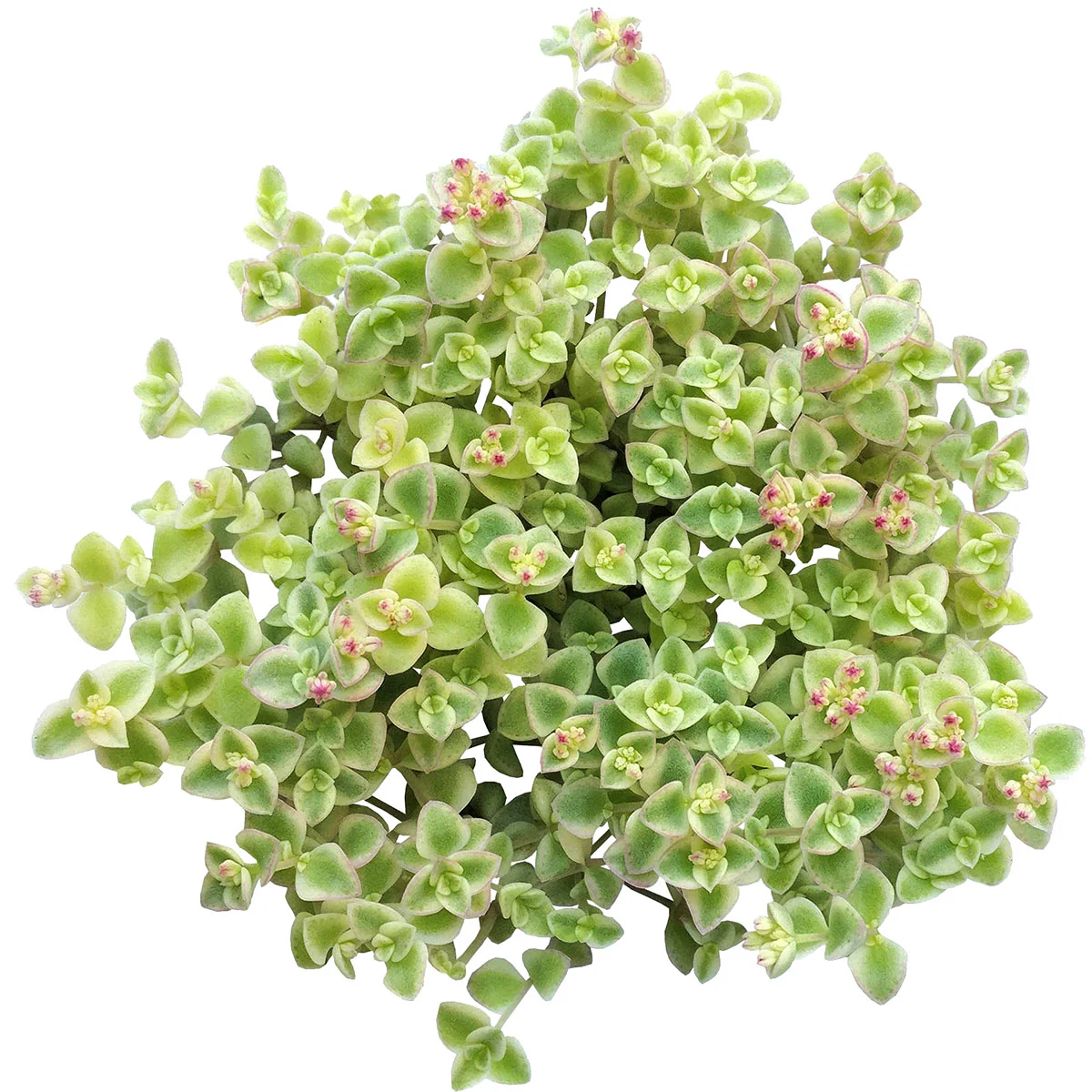
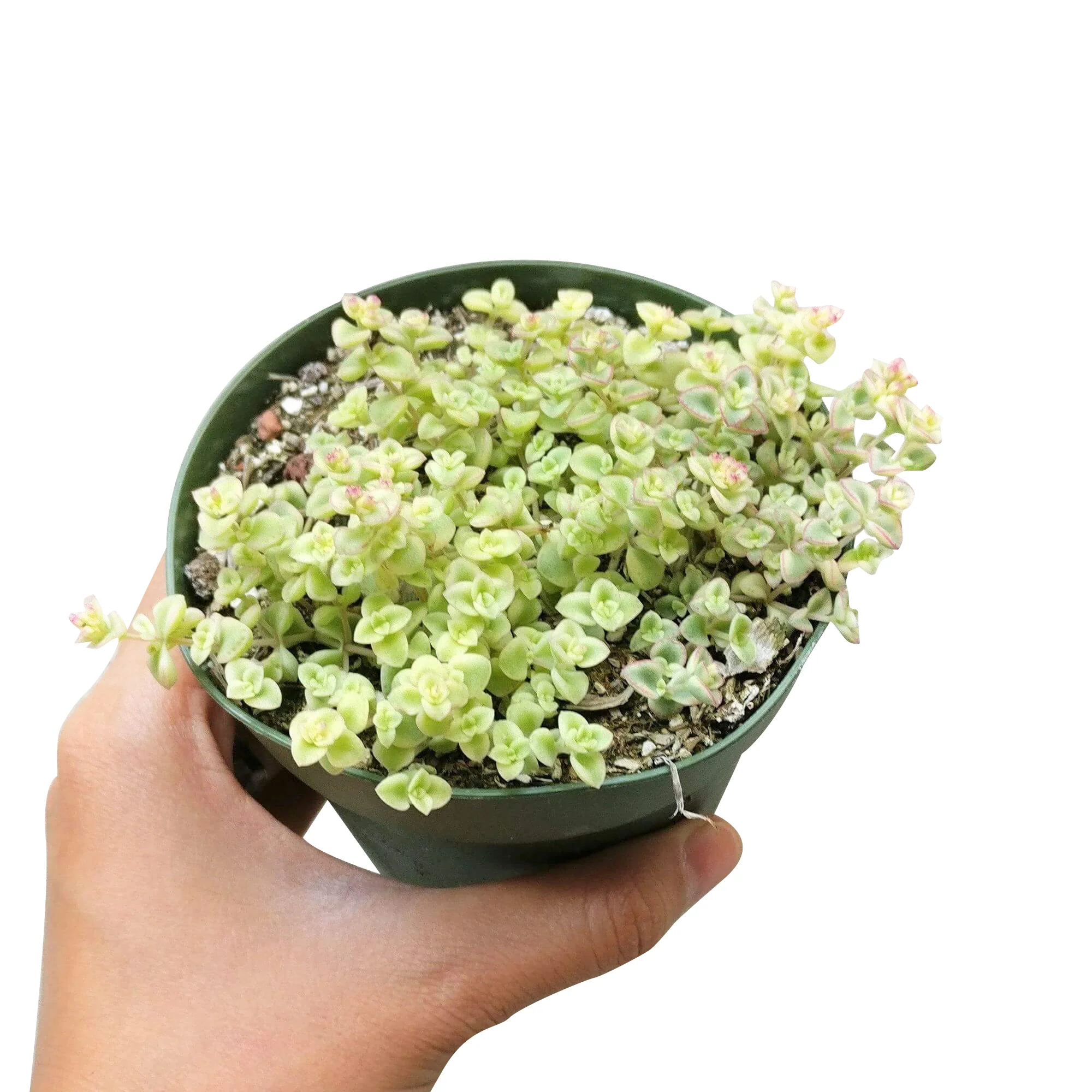
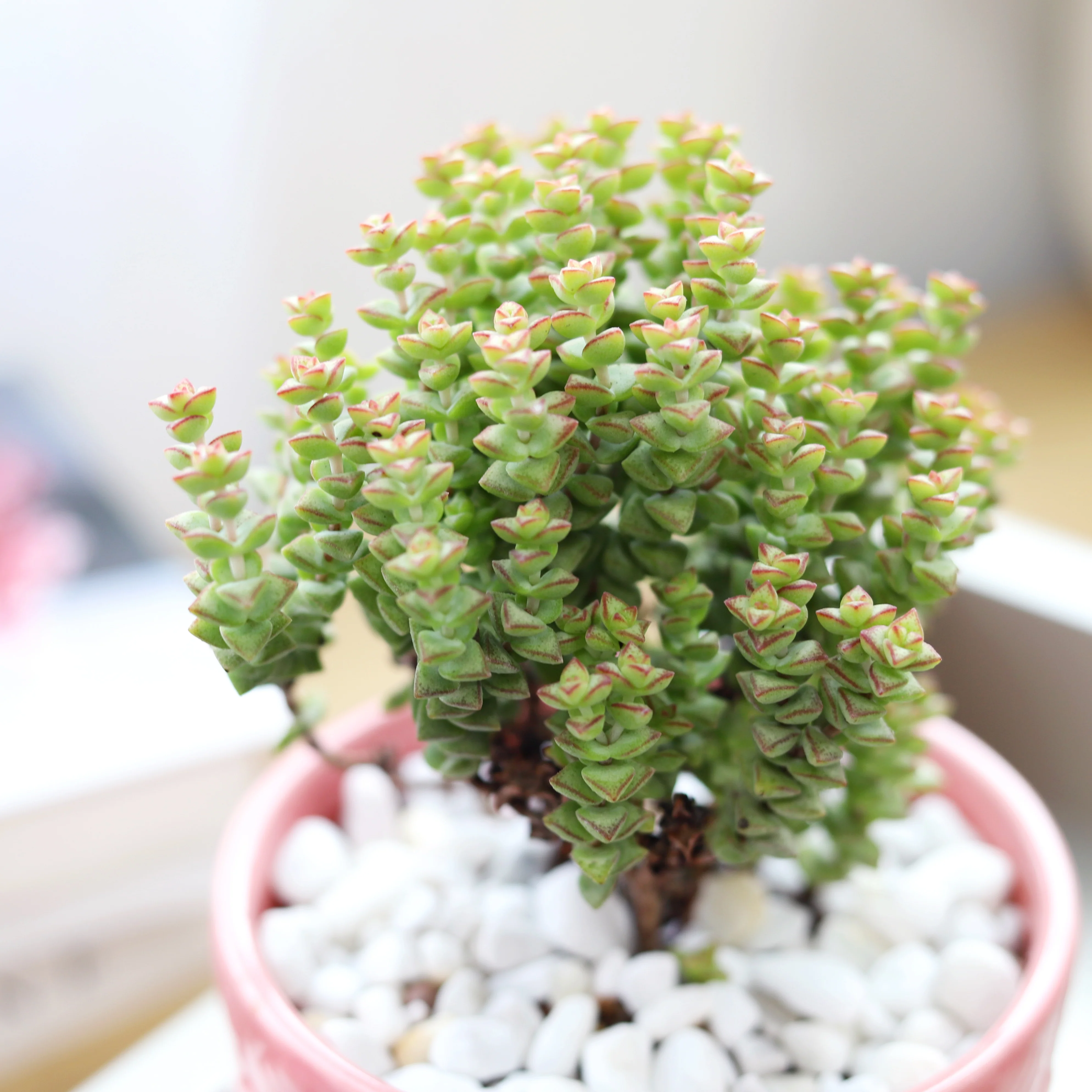
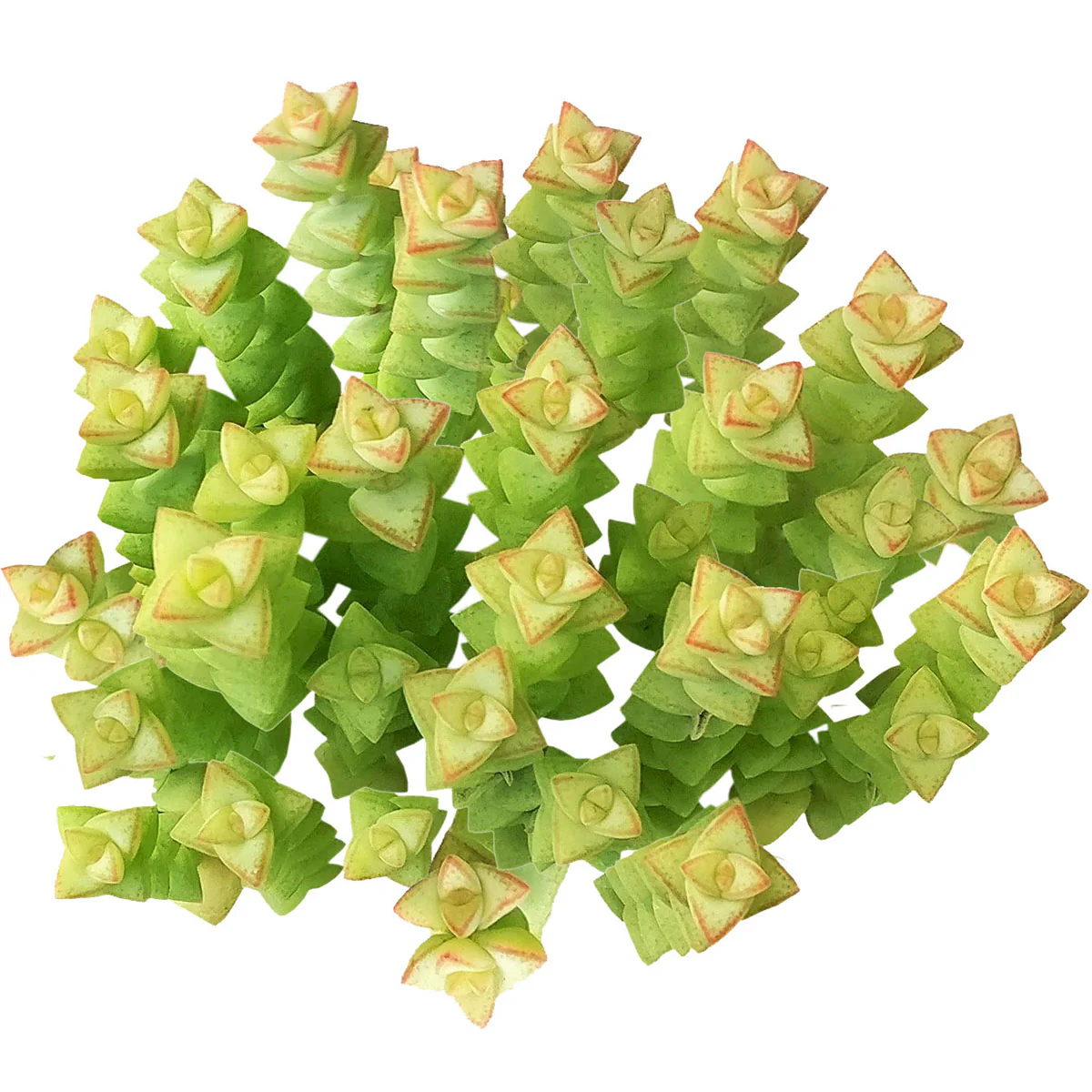
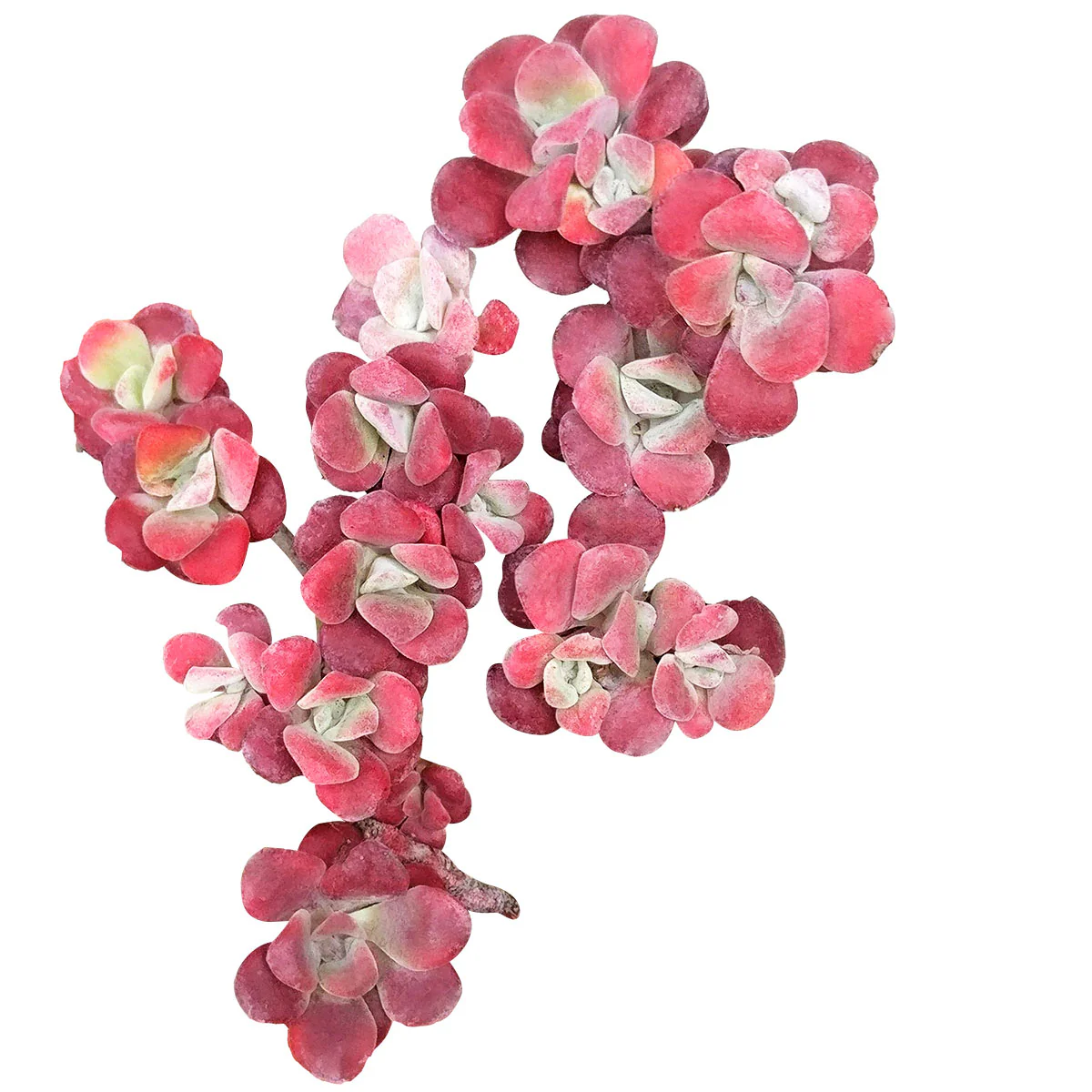
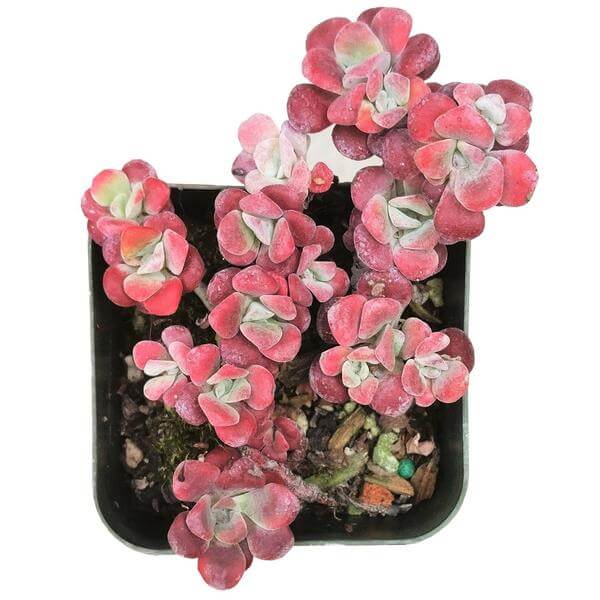
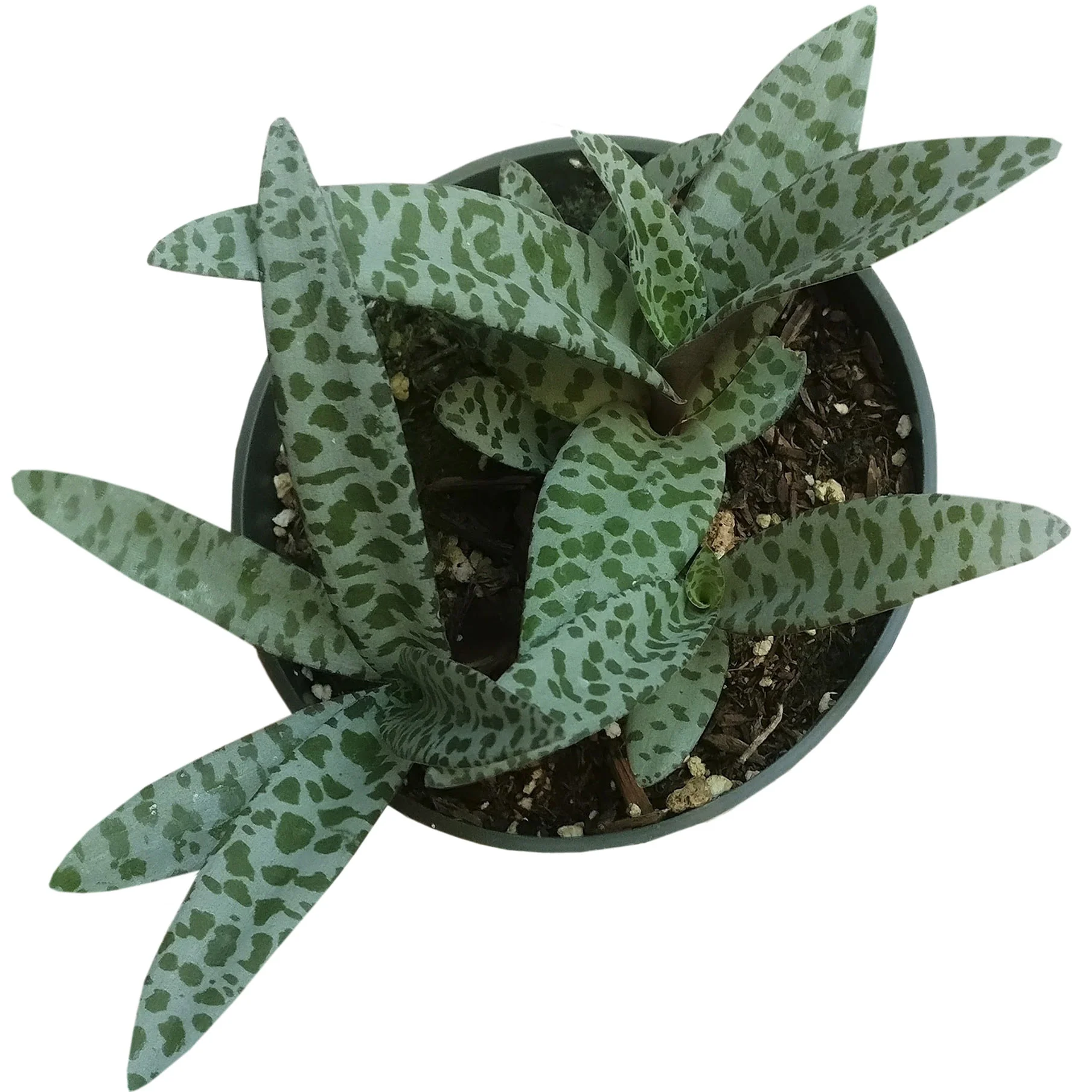
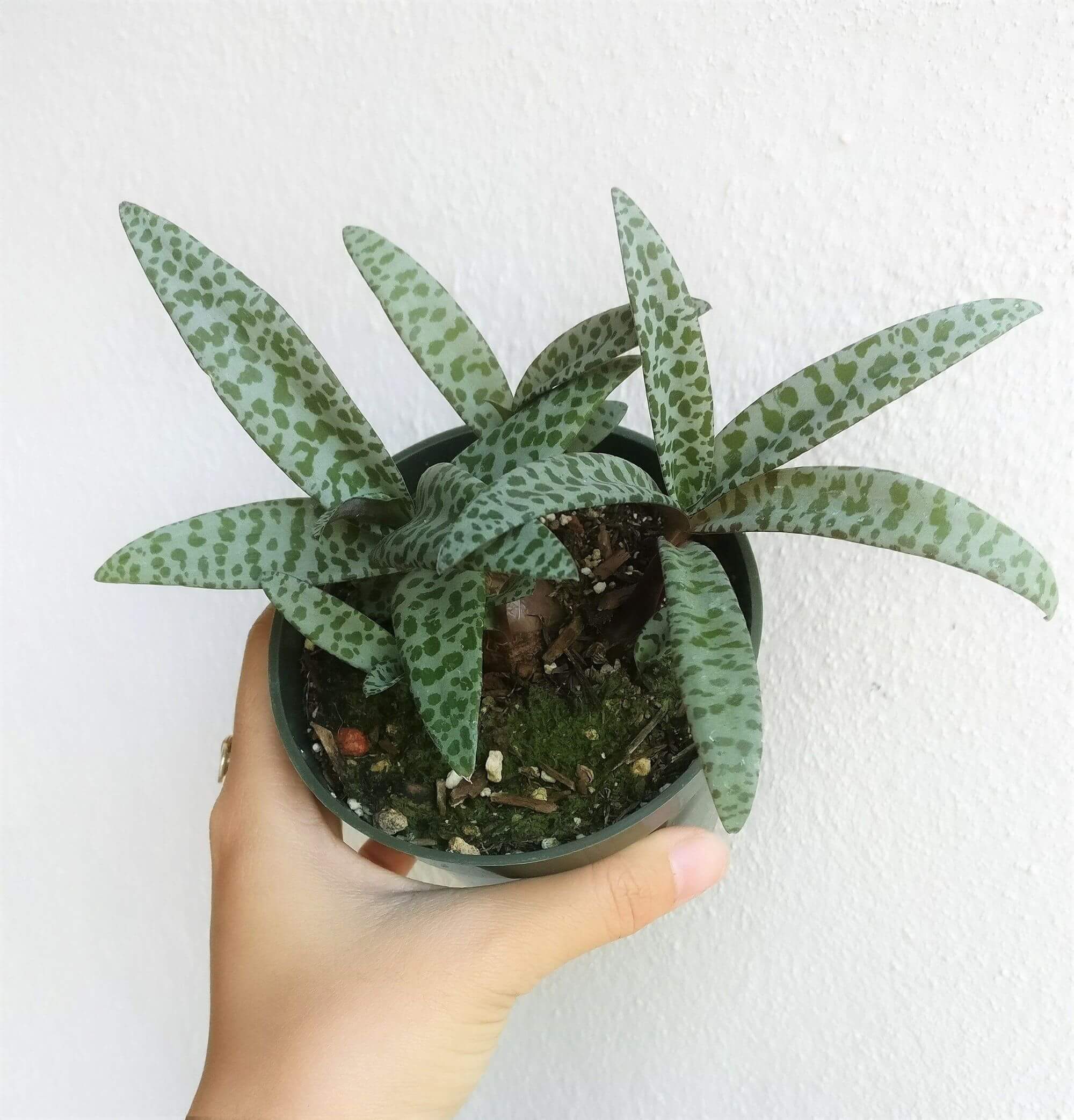
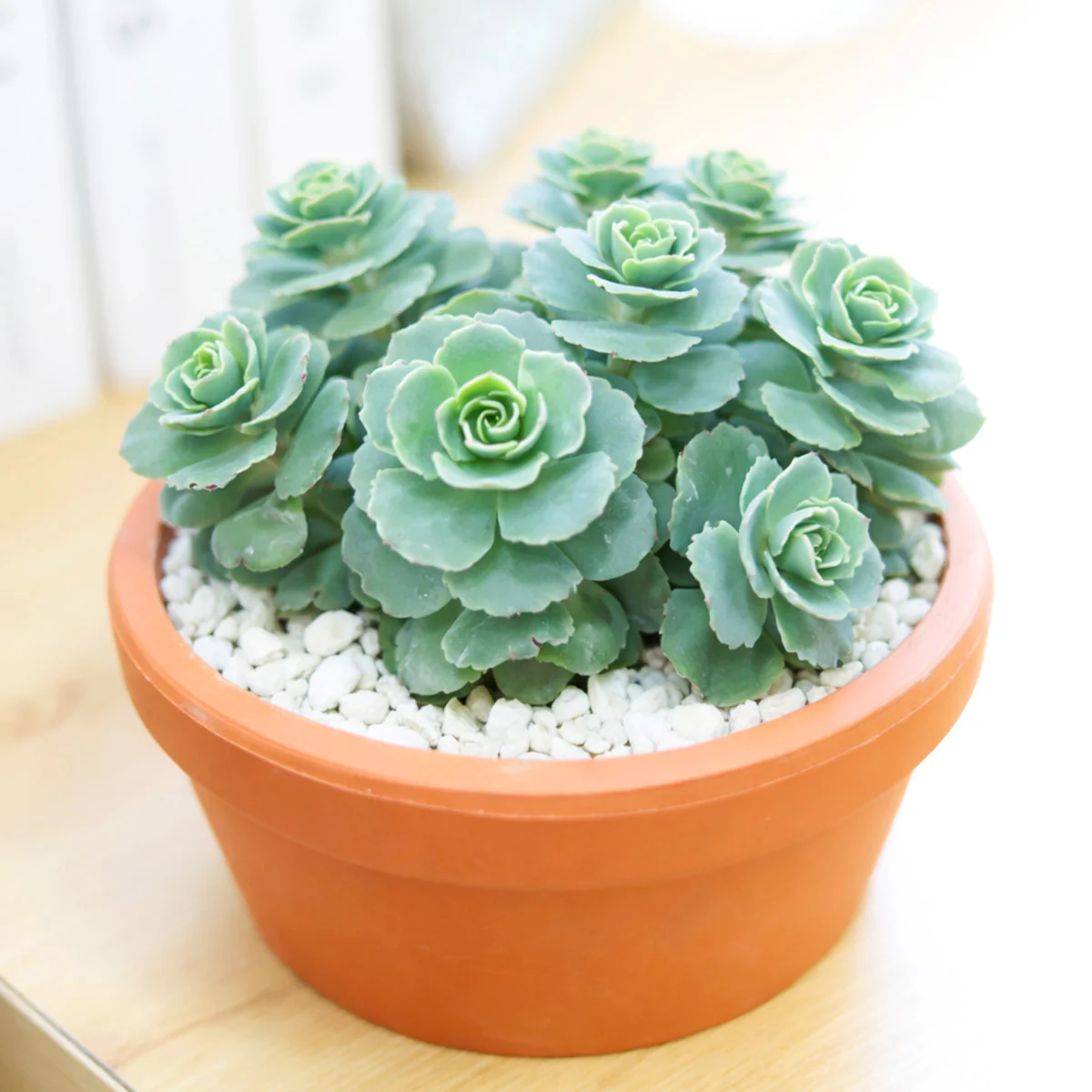
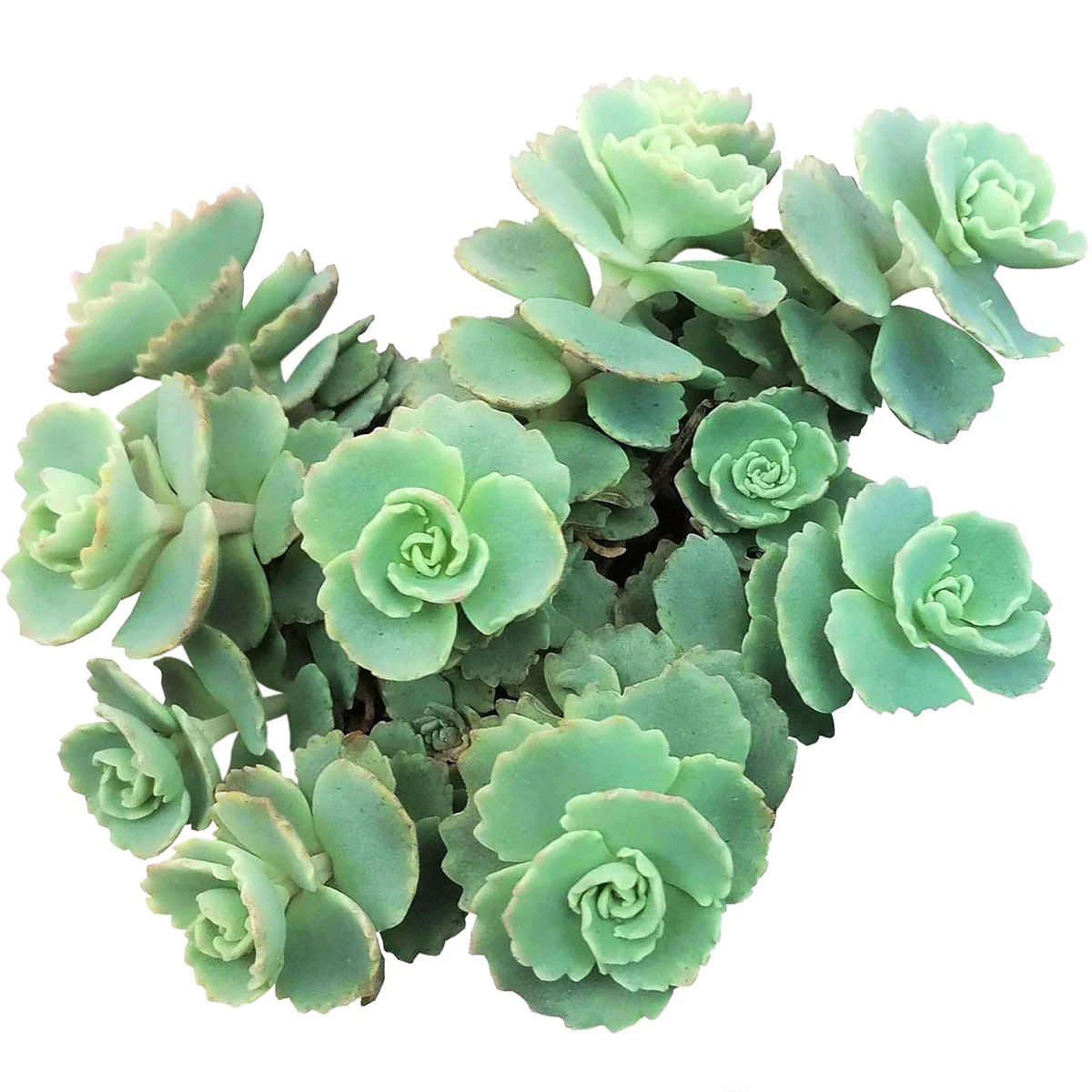
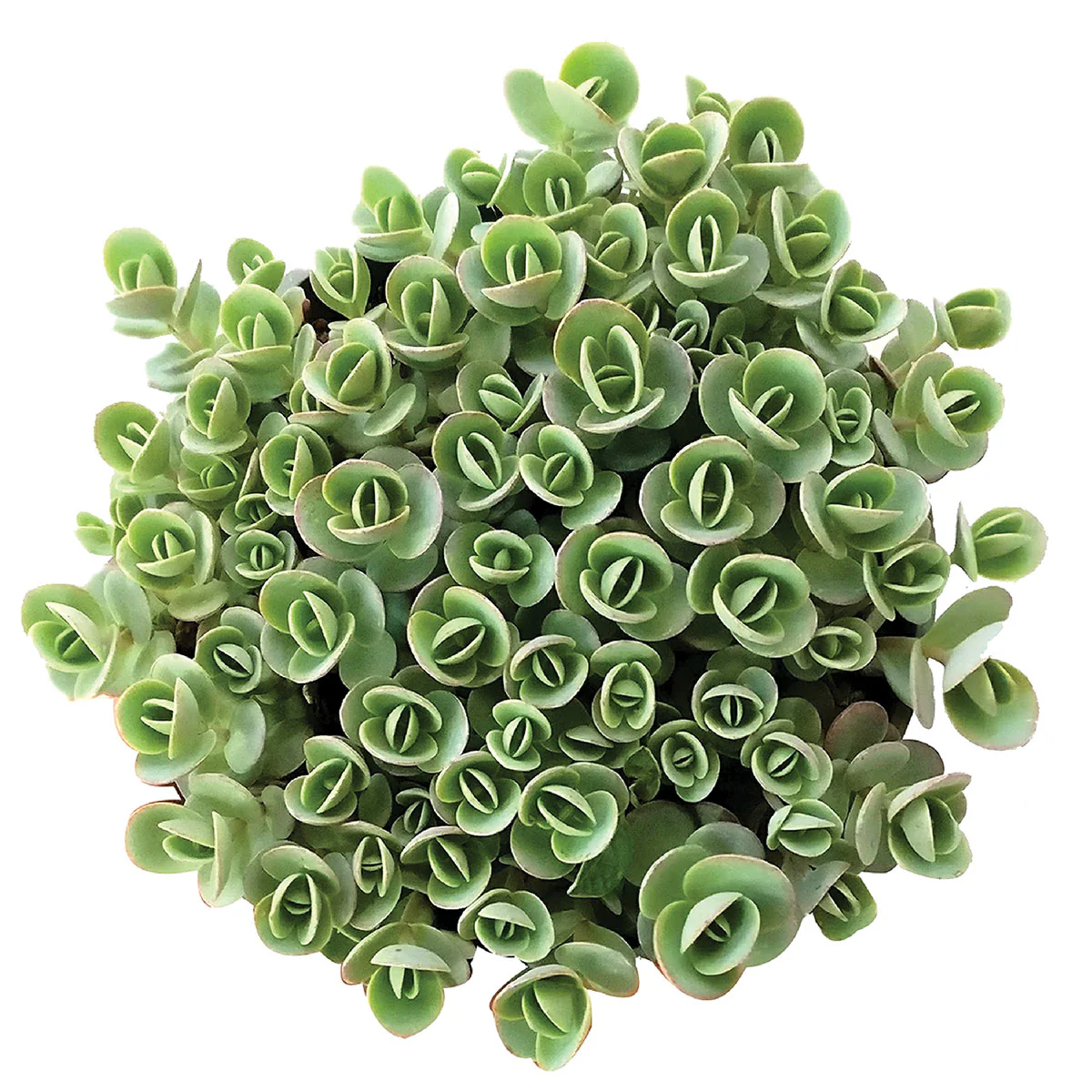
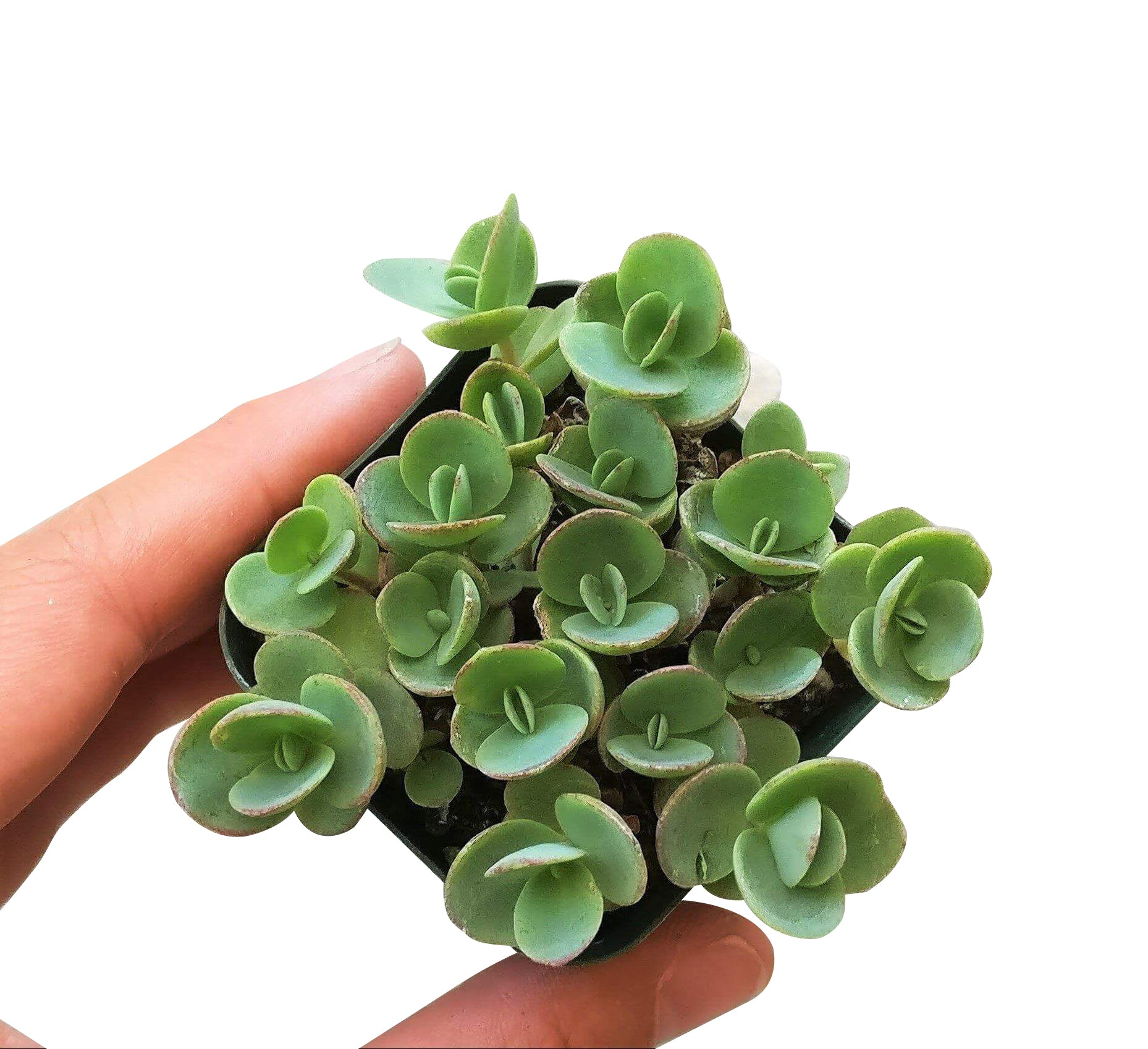
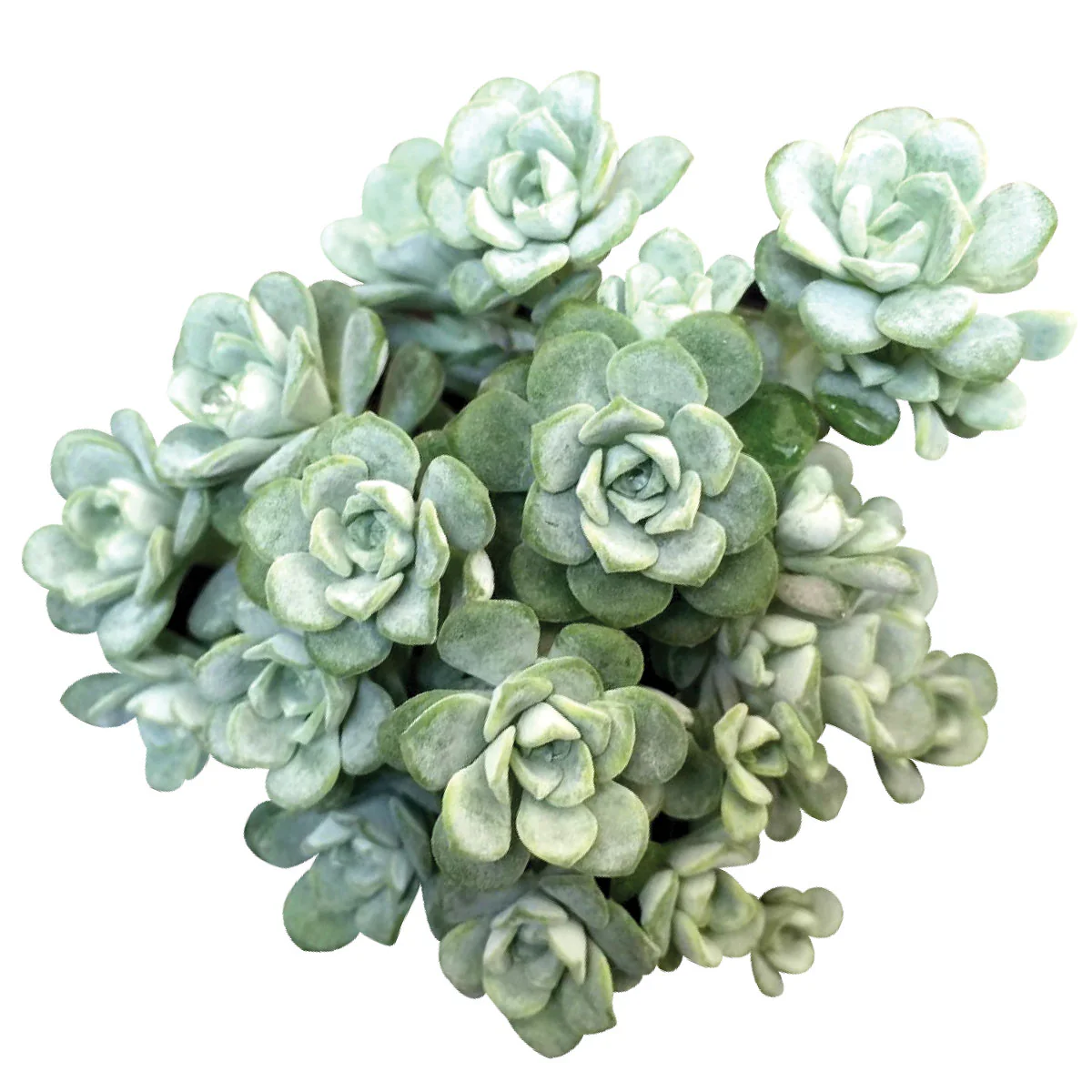
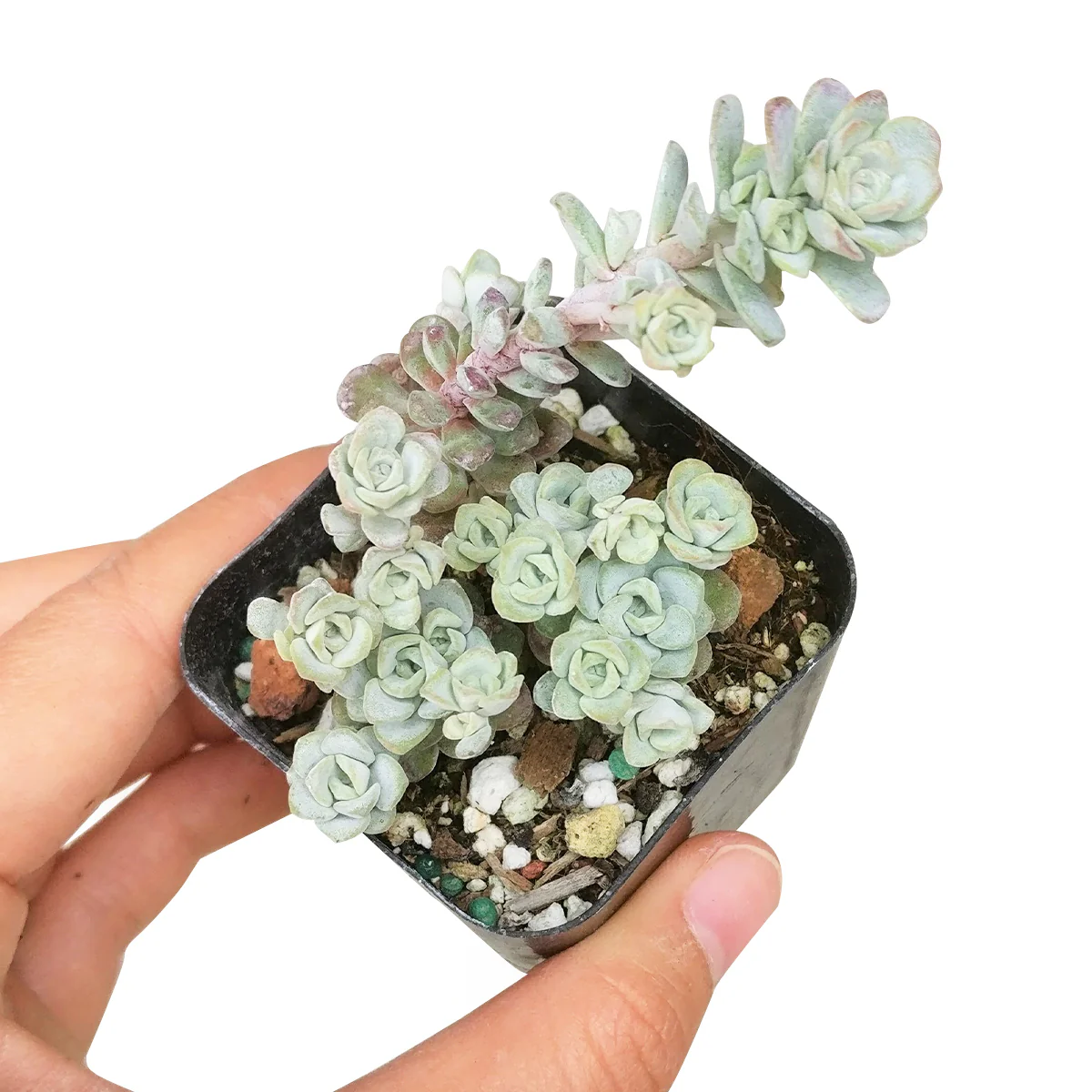
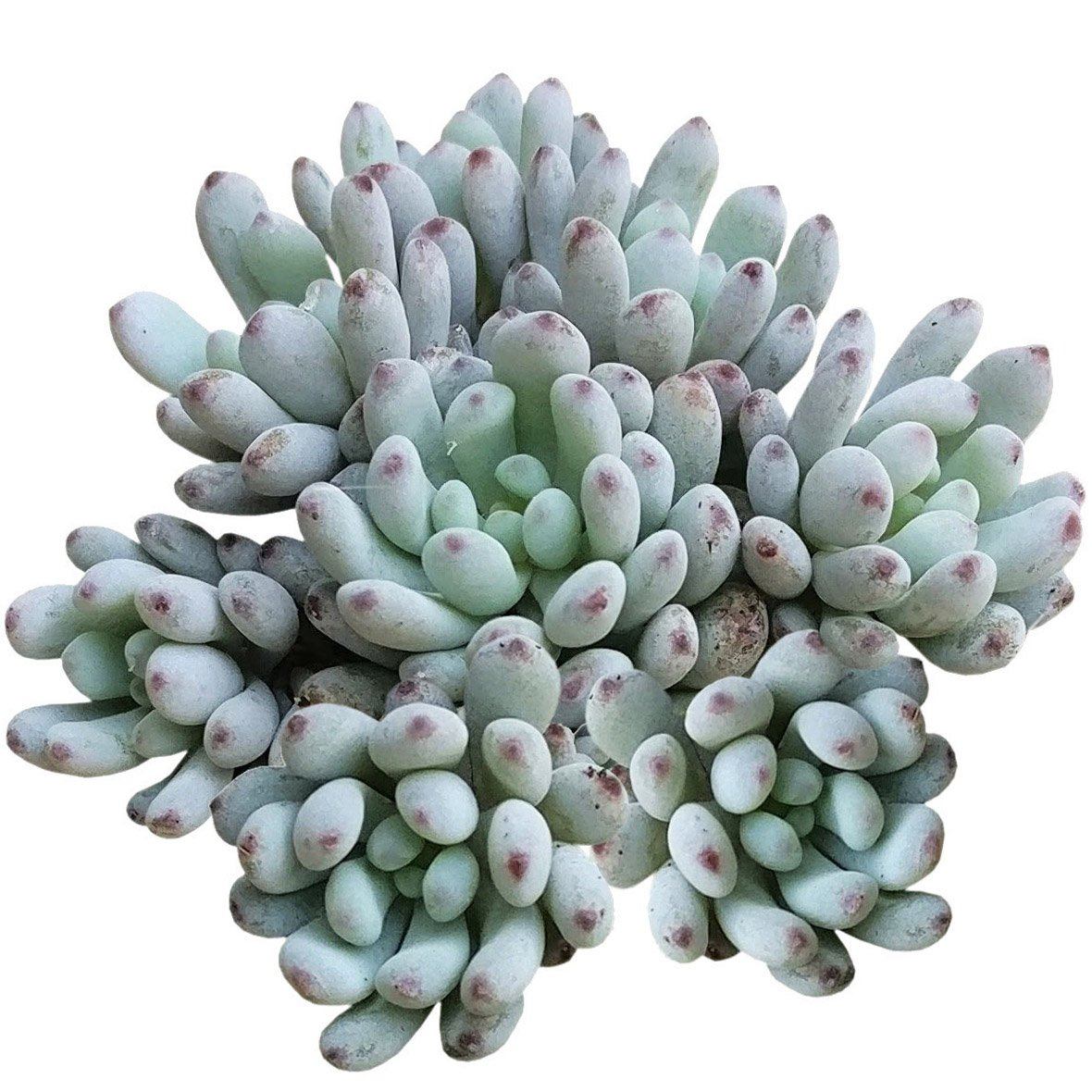
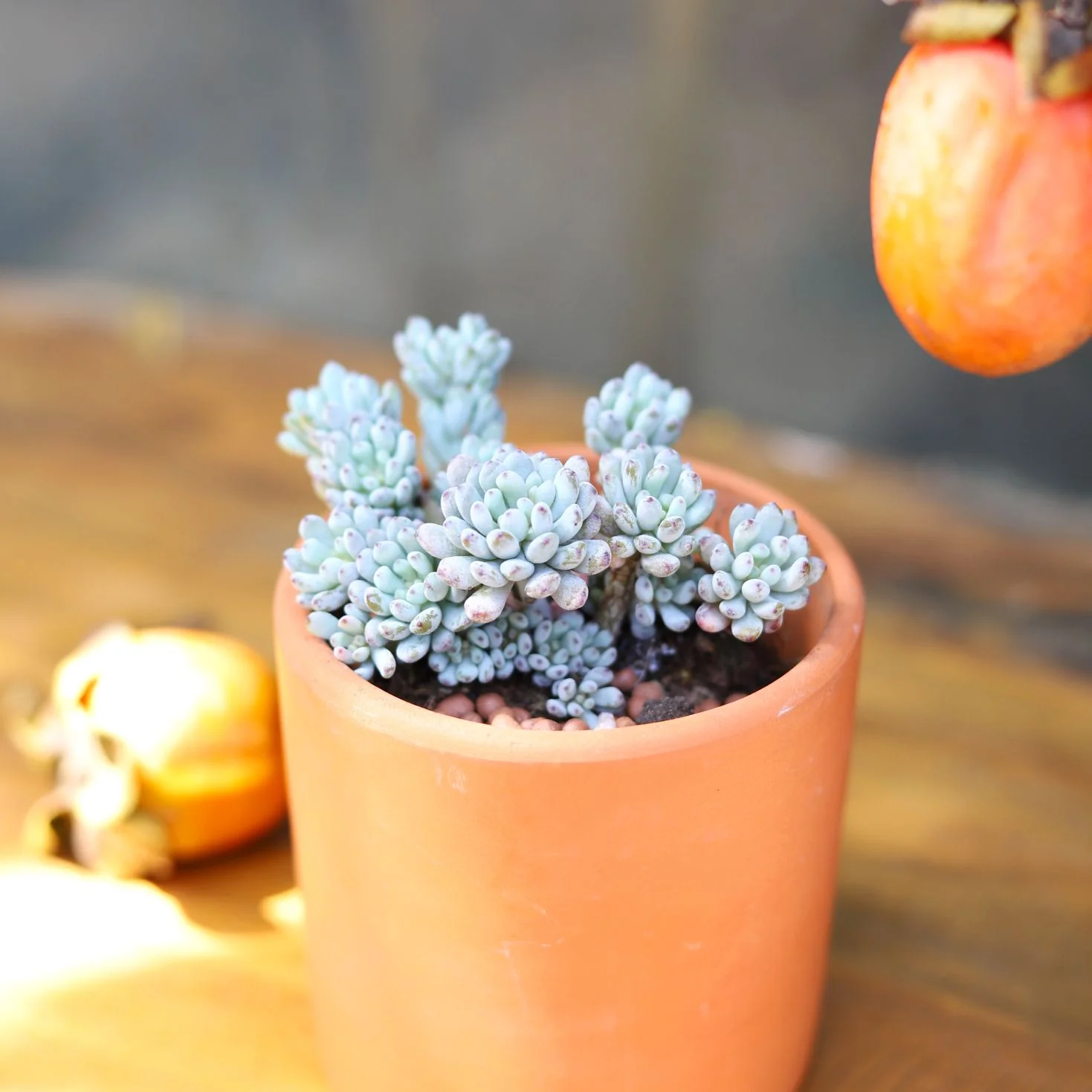
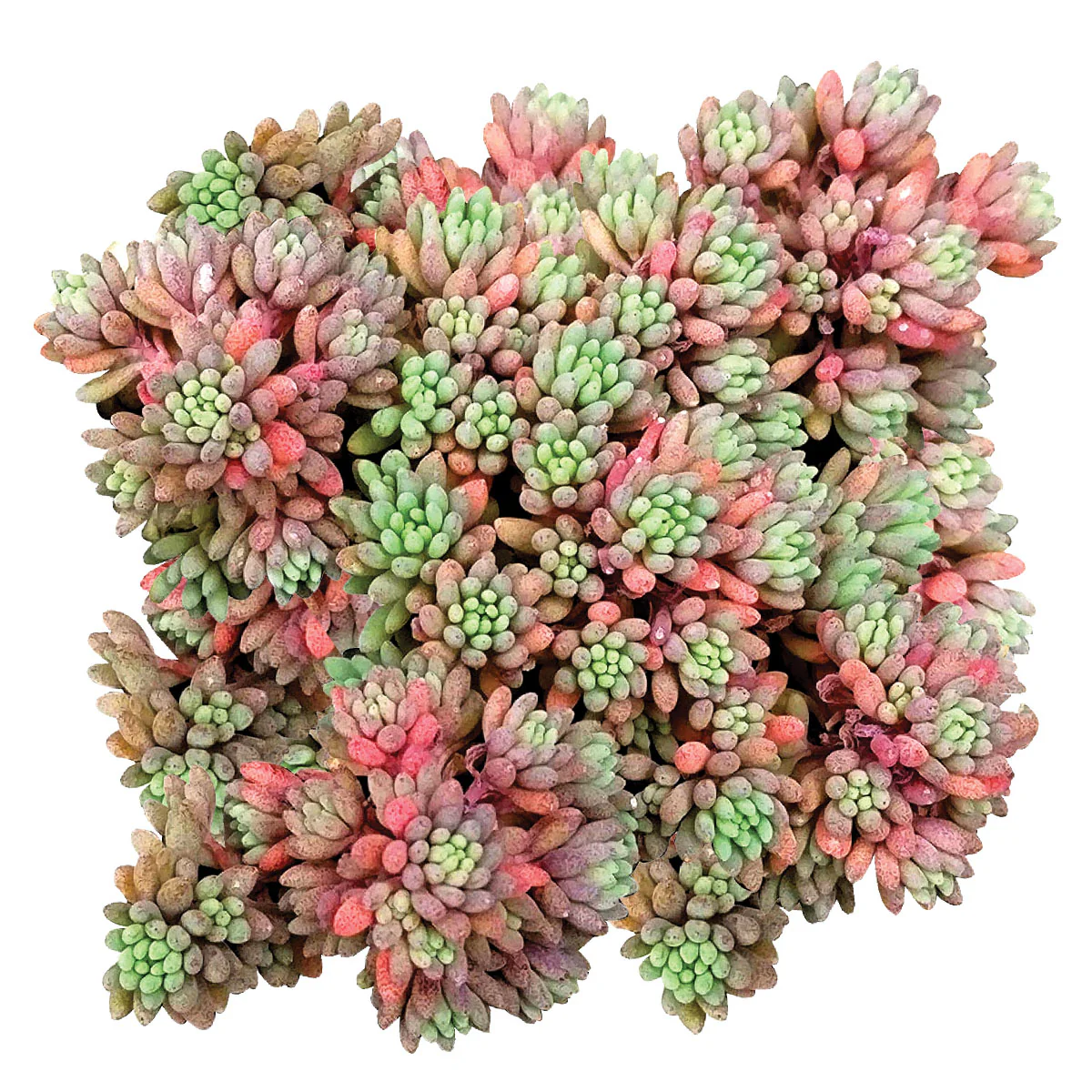
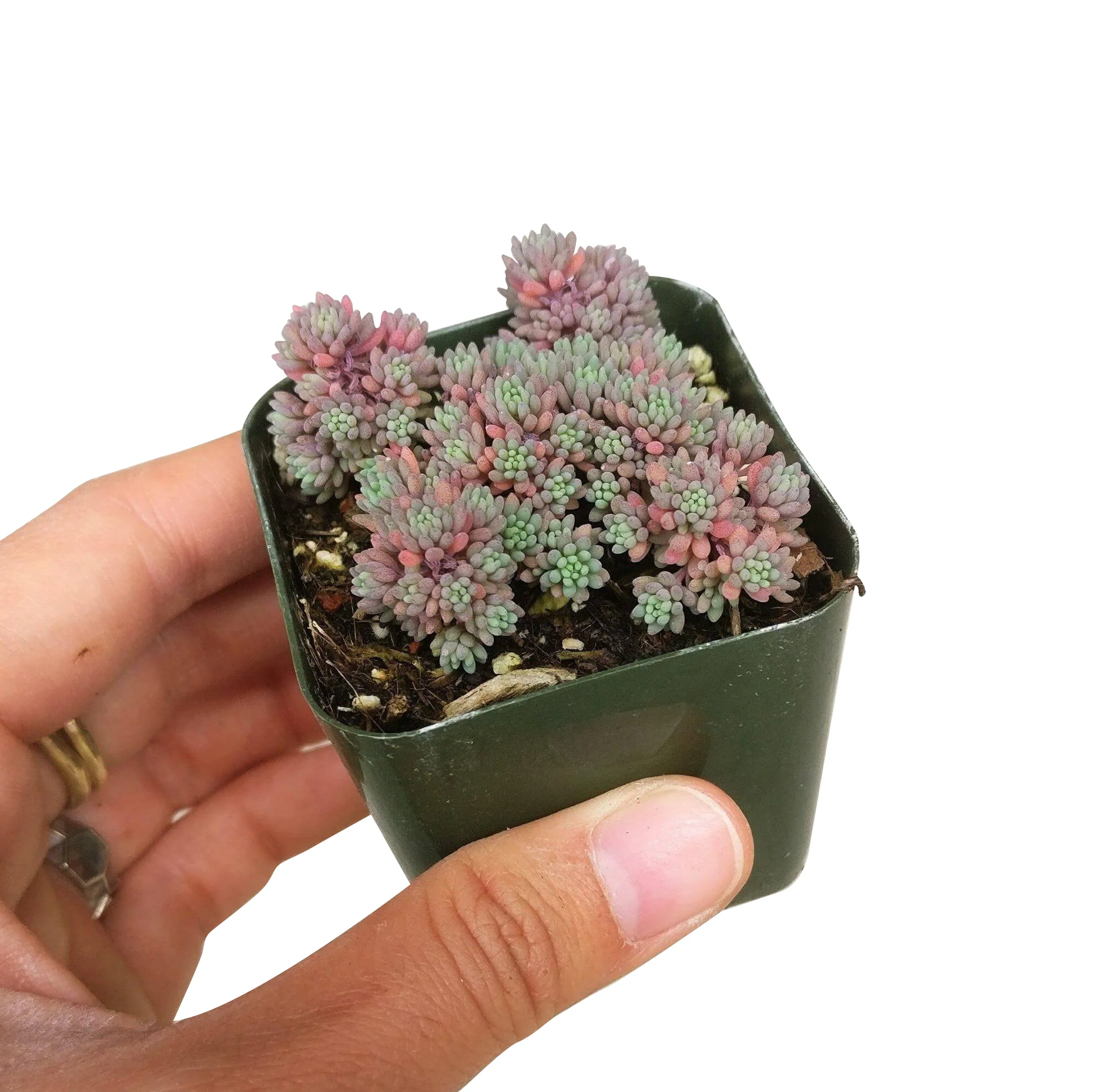
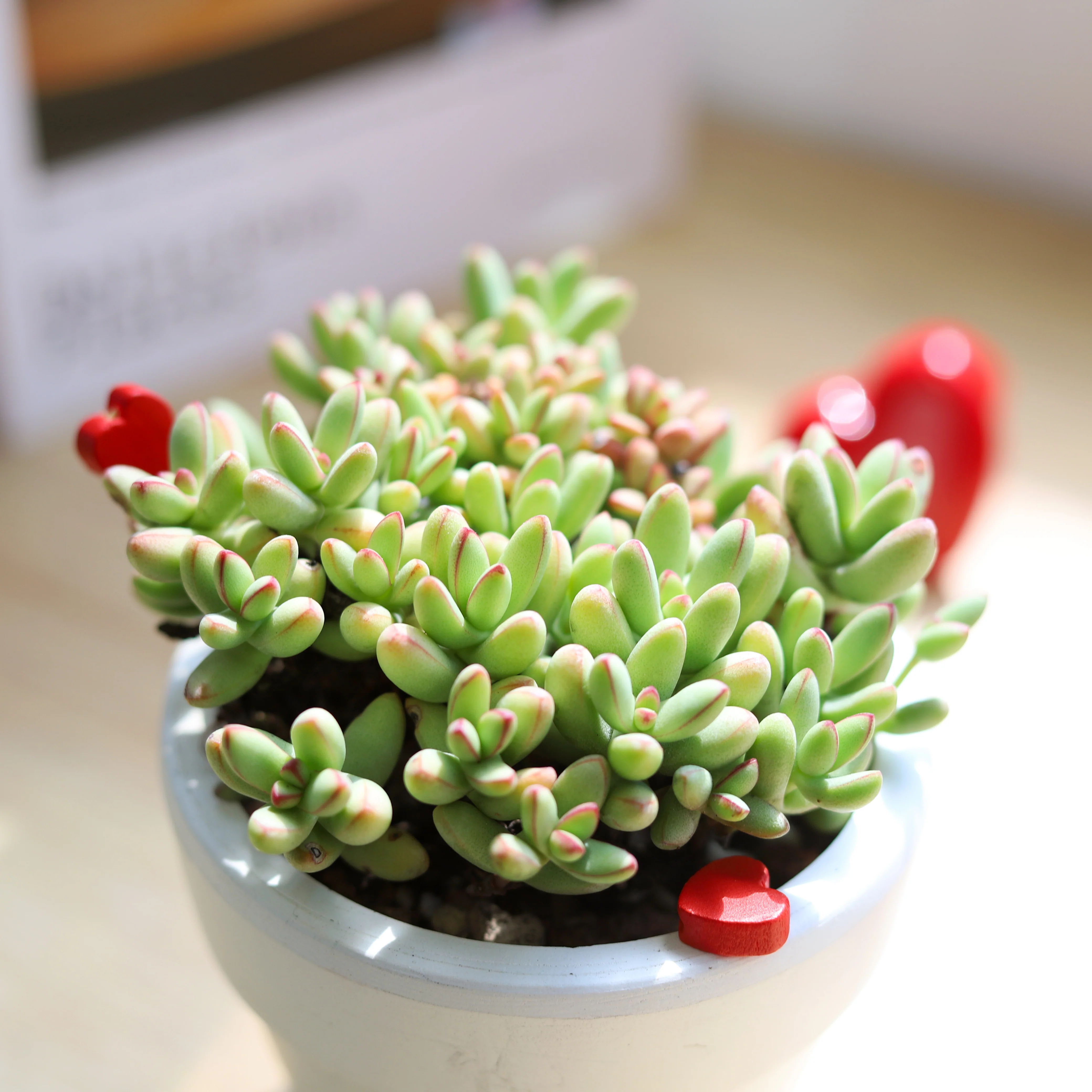
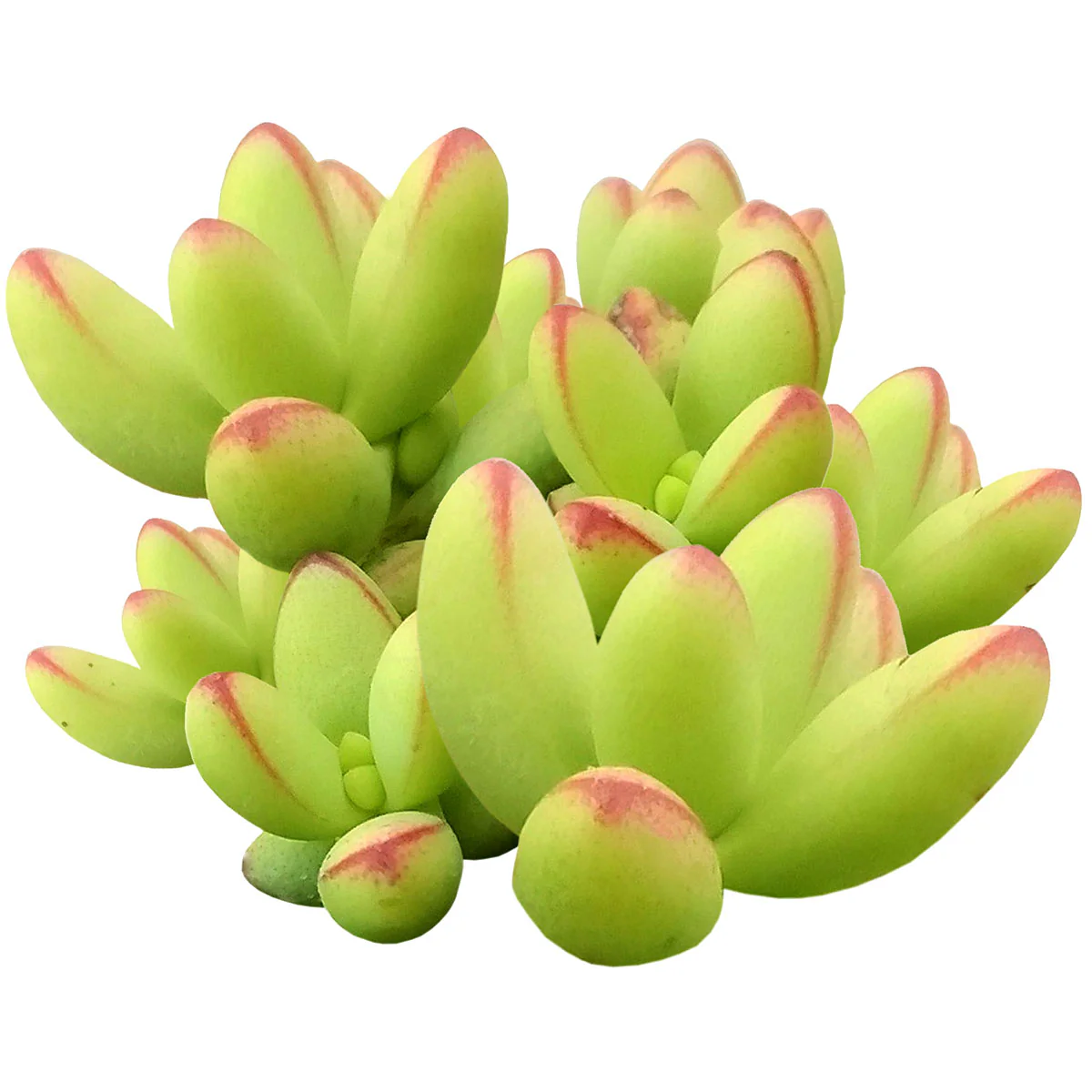
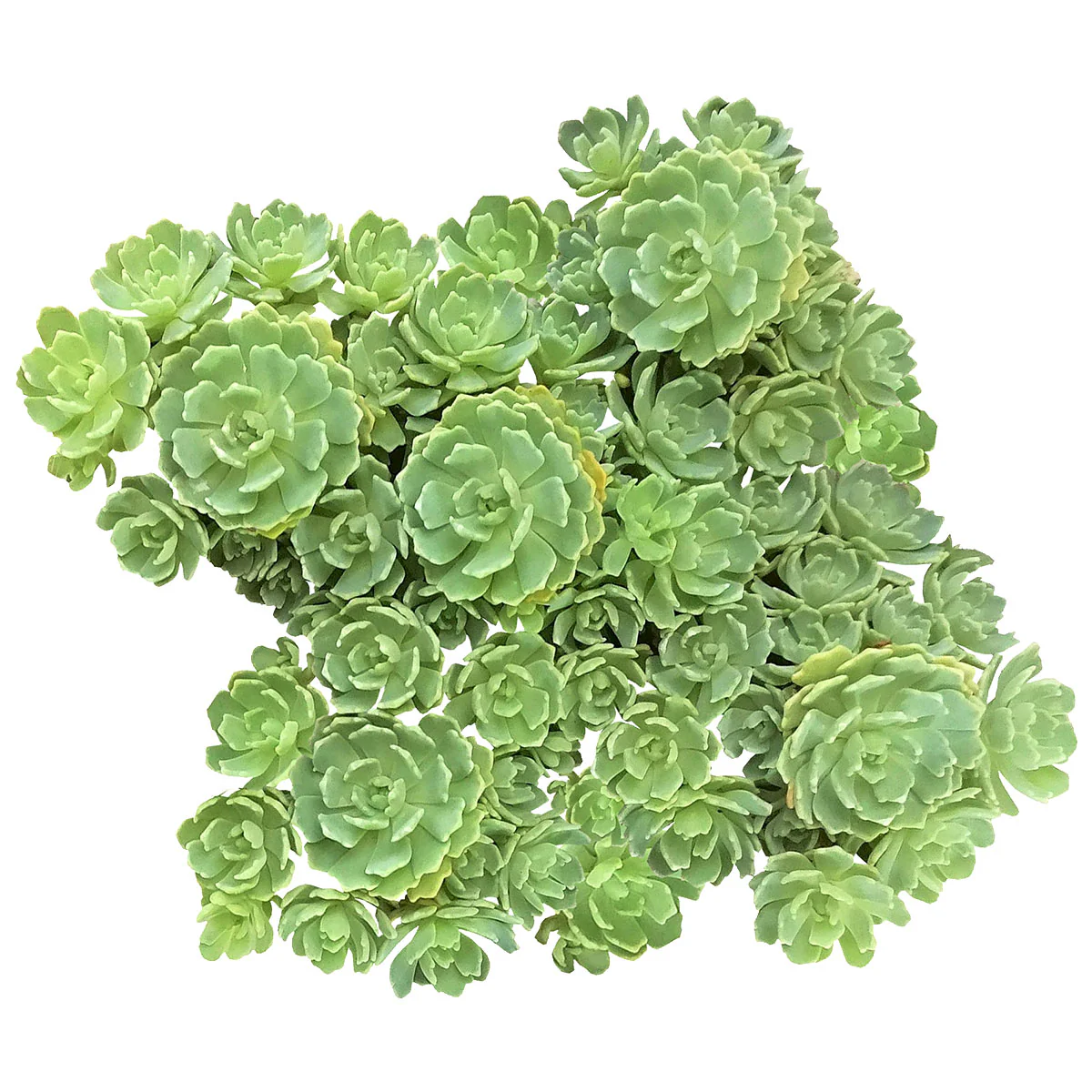
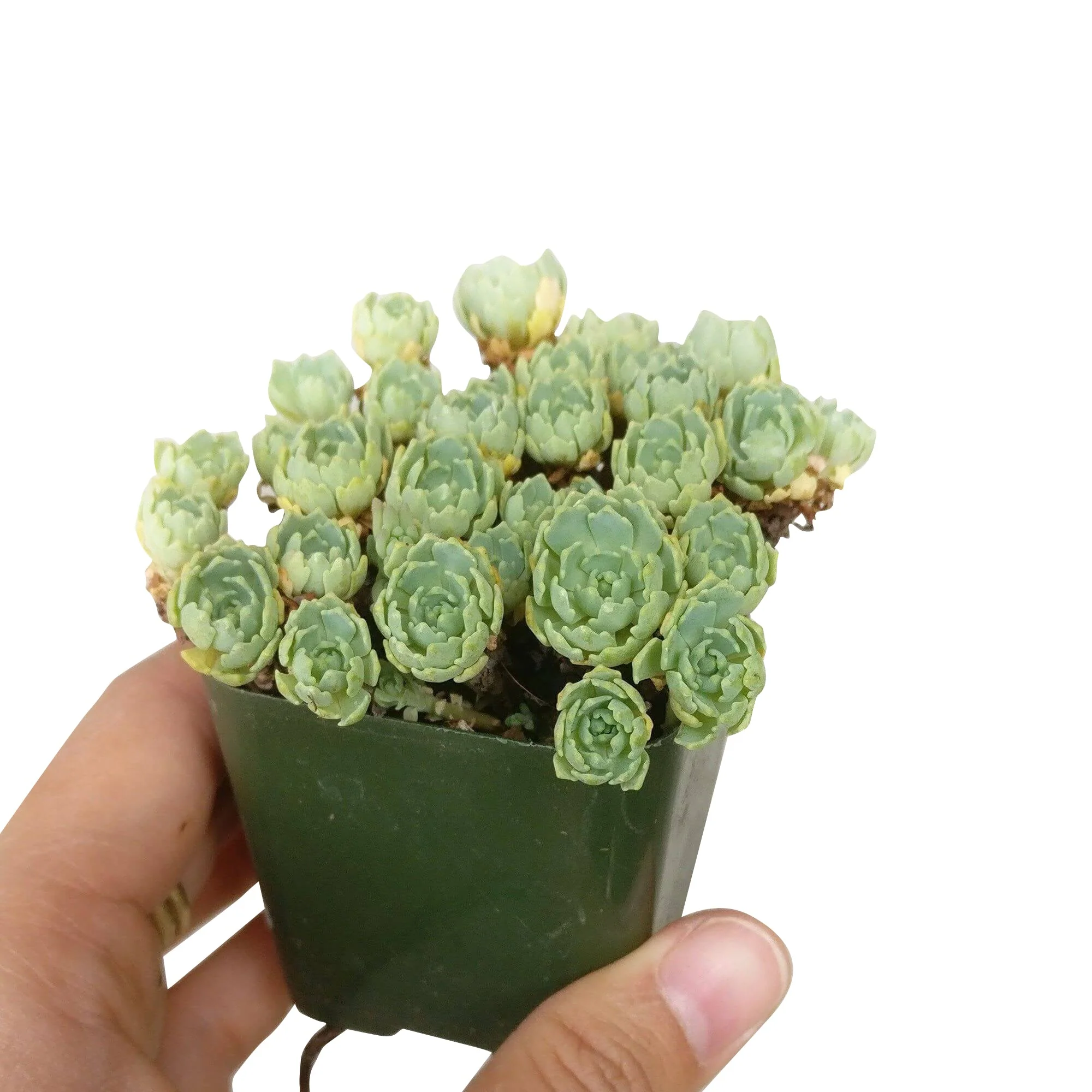
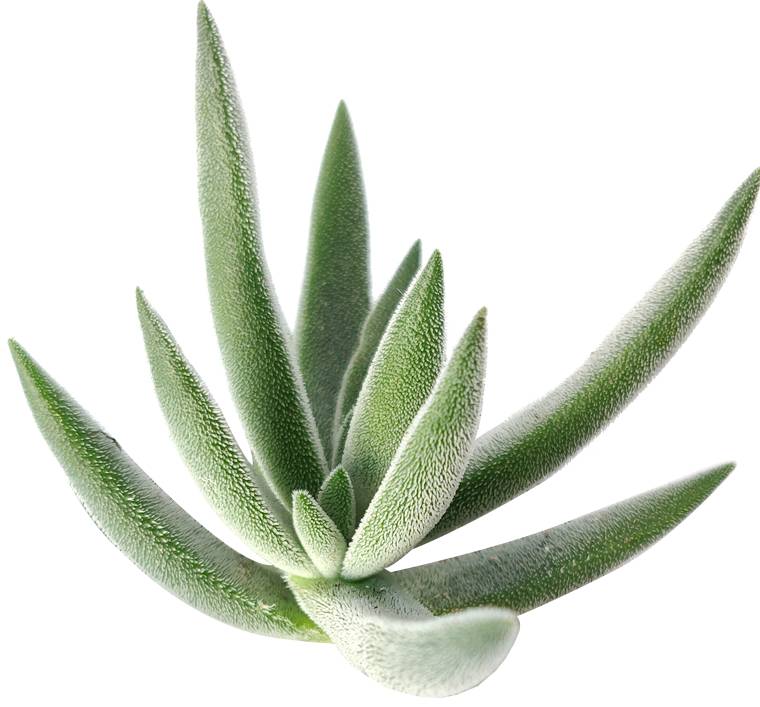
 Crassula Mesembryanthemoides Tarantula is instantly recognizable by its upright, clustering stems densely packed with small, fleshy leaves coated in fine silvery-white hairs that give the plant its signature fuzzy succulent texture. That silver-grey coating catches the light beautifully, lending the plant a shimmering, almost frosted appearance that sets it apart from most other succulents. The clustering growth habit means a single plant gradually fills out into a lush, architectural clump of silvery stems.
 Crassula Mesembryanthemoides Tarantula produces small, star-shaped flowers typical of the Crassula genus, and like many crassulas it benefits from a night temperature drop to encourage blooming. Beyond its flowers, this plant's year-round silvery texture and upright clustering form make it a standout even when not in bloom. Rotating Crassula Mesembryanthemoides Tarantula regularly ensures every side develops evenly and maintains that full, symmetrical silhouette collectors love.
 Crassula Mesembryanthemoides Tarantula is a fantastic choice for bright windowsills, sunny patios, and outdoor summer displays, and it can even move outside for the warmer months to soak up natural light. Keep it covered from heavy rain, as the fuzzy succulent leaves trap moisture that can lead to rot. Because cats and dogs shouldn't be left to nibble or eat the plant, and it is best placed away from small children, a high shelf or elevated display works perfectly and also shows off its sculptural, silver-grey form beautifully.
-
 Crassula Mesembryanthemoides Tarantula thrives in bright indirect light, partial sun, or full sun, though intense south-facing windows may scorch its silvery leaves.
 Water Crassula Mesembryanthemoides Tarantula deeply every 10-14 days in summer and reduce to once a month in winter, letting soil dry fully between waterings.
 Crassula Mesembryanthemoides Tarantula prefers a fast-draining cactus and succulent mix blended with perlite or coarse grit to prevent root rot.
 Crassula Mesembryanthemoides Tarantula prefers temperatures between 65-85°F (18-29°C) and should be brought indoors before temperatures drop below 30°F (-1°C).
![]() Crassula Mesembryanthemoides Tarantula is a slow to moderate grower that benefits from a diluted balanced fertilizer once in spring and once in early summer.
Crassula Mesembryanthemoides Tarantula is a slow to moderate grower that benefits from a diluted balanced fertilizer once in spring and once in early summer.
 Crassula Mesembryanthemoides Tarantula is best suited to USDA Hardiness Zones 9-11, where winter temperatures rarely fall below 20-25°F (-6 to -4°C). Gardeners growing Crassula Mesembryanthemoides Tarantula outdoors year-round will find the most suitable climates across California, Arizona, Texas, Florida, Hawaii, Nevada, Louisiana, Georgia, South Carolina, Alabama, Mississippi, and along the Oregon coast. Parts of New Mexico, Arkansas, and coastal North Carolina also fall within these zones, making Crassula Mesembryanthemoides Tarantula a viable outdoor perennial across a wide stretch of the southern and coastal United States.
-
Q: How often should I water Crassula Mesembryanthemoides Tarantula?
A: Water Crassula Mesembryanthemoides Tarantula every 10-14 days in the growing season and cut back to once a month in winter. Always let the soil dry out completely before watering again.
Q: Is Crassula Mesembryanthemoides Tarantula safe around pets and children?
A: Cats and dogs shouldn't be left to nibble or eat Crassula Mesembryanthemoides Tarantula, and it is best placed away from small children. A high shelf keeps it safely out of reach while displaying it to its best advantage.
Q: How much light does Crassula Mesembryanthemoides Tarantula need?
A: Crassula Mesembryanthemoides Tarantula does best in bright indirect light to full sun and appreciates being rotated for even growth. Avoid prolonged intense south-window exposure, which can scorch the silvery leaves.
Q: Can Crassula Mesembryanthemoides Tarantula go outside in summer?
A: Yes, Crassula Mesembryanthemoides Tarantula loves spending summer outdoors in a bright, sheltered spot. Just make sure to cover it from heavy rain and bring it back inside before temperatures drop in autumn.
Q: How do I propagate Crassula Mesembryanthemoides Tarantula?
A: Crassula Mesembryanthemoides Tarantula propagates readily from stem cuttings allowed to callous for a day or two before placing in dry succulent mix. New roots typically establish within a few weeks in warm, bright conditions.
Q: Is Crassula Mesembryanthemoides Tarantula rare?
A: Yes, Crassula Mesembryanthemoides Tarantula is considered a rare find in the succulent world, which makes it a prized addition for collectors. Its distinctive fuzzy, silver-grey texture and easy-care nature make it especially sought after.


Original: $8.00
-70%$8.00
$2.40Product Information
Product Information
Shipping & Returns
Shipping & Returns
Description
- Description
- Crassula Mesembryanthemoides Tarantula Care Guide
- FAQ/Common Issues
-
![]() Crassula Mesembryanthemoides Tarantula is a rare, easy-care succulent belonging to the Crassula genus within the Crassulaceae family. Native to the rocky, arid regions of South Africa, this silvery velvet succulent has adapted to thrive in dry, sun-drenched conditions with minimal water. Its rarity alone makes Crassula Mesembryanthemoides Tarantula a genuinely exciting find for any serious collector.
Crassula Mesembryanthemoides Tarantula is a rare, easy-care succulent belonging to the Crassula genus within the Crassulaceae family. Native to the rocky, arid regions of South Africa, this silvery velvet succulent has adapted to thrive in dry, sun-drenched conditions with minimal water. Its rarity alone makes Crassula Mesembryanthemoides Tarantula a genuinely exciting find for any serious collector.
Crassula Mesembryanthemoides Tarantula is instantly recognizable by its upright, clustering stems densely packed with small, fleshy leaves coated in fine silvery-white hairs that give the plant its signature fuzzy succulent texture. That silver-grey coating catches the light beautifully, lending the plant a shimmering, almost frosted appearance that sets it apart from most other succulents. The clustering growth habit means a single plant gradually fills out into a lush, architectural clump of silvery stems.
Crassula Mesembryanthemoides Tarantula produces small, star-shaped flowers typical of the Crassula genus, and like many crassulas it benefits from a night temperature drop to encourage blooming. Beyond its flowers, this plant's year-round silvery texture and upright clustering form make it a standout even when not in bloom. Rotating Crassula Mesembryanthemoides Tarantula regularly ensures every side develops evenly and maintains that full, symmetrical silhouette collectors love.
Crassula Mesembryanthemoides Tarantula is a fantastic choice for bright windowsills, sunny patios, and outdoor summer displays, and it can even move outside for the warmer months to soak up natural light. Keep it covered from heavy rain, as the fuzzy succulent leaves trap moisture that can lead to rot. Because cats and dogs shouldn't be left to nibble or eat the plant, and it is best placed away from small children, a high shelf or elevated display works perfectly and also shows off its sculptural, silver-grey form beautifully.
-
Crassula Mesembryanthemoides Tarantula thrives in bright indirect light, partial sun, or full sun, though intense south-facing windows may scorch its silvery leaves.
Water Crassula Mesembryanthemoides Tarantula deeply every 10-14 days in summer and reduce to once a month in winter, letting soil dry fully between waterings.
Crassula Mesembryanthemoides Tarantula prefers a fast-draining cactus and succulent mix blended with perlite or coarse grit to prevent root rot.
Crassula Mesembryanthemoides Tarantula prefers temperatures between 65-85°F (18-29°C) and should be brought indoors before temperatures drop below 30°F (-1°C).
![]() Crassula Mesembryanthemoides Tarantula is a slow to moderate grower that benefits from a diluted balanced fertilizer once in spring and once in early summer.
Crassula Mesembryanthemoides Tarantula is a slow to moderate grower that benefits from a diluted balanced fertilizer once in spring and once in early summer.
Crassula Mesembryanthemoides Tarantula is best suited to USDA Hardiness Zones 9-11, where winter temperatures rarely fall below 20-25°F (-6 to -4°C). Gardeners growing Crassula Mesembryanthemoides Tarantula outdoors year-round will find the most suitable climates across California, Arizona, Texas, Florida, Hawaii, Nevada, Louisiana, Georgia, South Carolina, Alabama, Mississippi, and along the Oregon coast. Parts of New Mexico, Arkansas, and coastal North Carolina also fall within these zones, making Crassula Mesembryanthemoides Tarantula a viable outdoor perennial across a wide stretch of the southern and coastal United States.
-
Q: How often should I water Crassula Mesembryanthemoides Tarantula?
A: Water Crassula Mesembryanthemoides Tarantula every 10-14 days in the growing season and cut back to once a month in winter. Always let the soil dry out completely before watering again.
Q: Is Crassula Mesembryanthemoides Tarantula safe around pets and children?
A: Cats and dogs shouldn't be left to nibble or eat Crassula Mesembryanthemoides Tarantula, and it is best placed away from small children. A high shelf keeps it safely out of reach while displaying it to its best advantage.
Q: How much light does Crassula Mesembryanthemoides Tarantula need?
A: Crassula Mesembryanthemoides Tarantula does best in bright indirect light to full sun and appreciates being rotated for even growth. Avoid prolonged intense south-window exposure, which can scorch the silvery leaves.
Q: Can Crassula Mesembryanthemoides Tarantula go outside in summer?
A: Yes, Crassula Mesembryanthemoides Tarantula loves spending summer outdoors in a bright, sheltered spot. Just make sure to cover it from heavy rain and bring it back inside before temperatures drop in autumn.
Q: How do I propagate Crassula Mesembryanthemoides Tarantula?
A: Crassula Mesembryanthemoides Tarantula propagates readily from stem cuttings allowed to callous for a day or two before placing in dry succulent mix. New roots typically establish within a few weeks in warm, bright conditions.
Q: Is Crassula Mesembryanthemoides Tarantula rare?
A: Yes, Crassula Mesembryanthemoides Tarantula is considered a rare find in the succulent world, which makes it a prized addition for collectors. Its distinctive fuzzy, silver-grey texture and easy-care nature make it especially sought after.