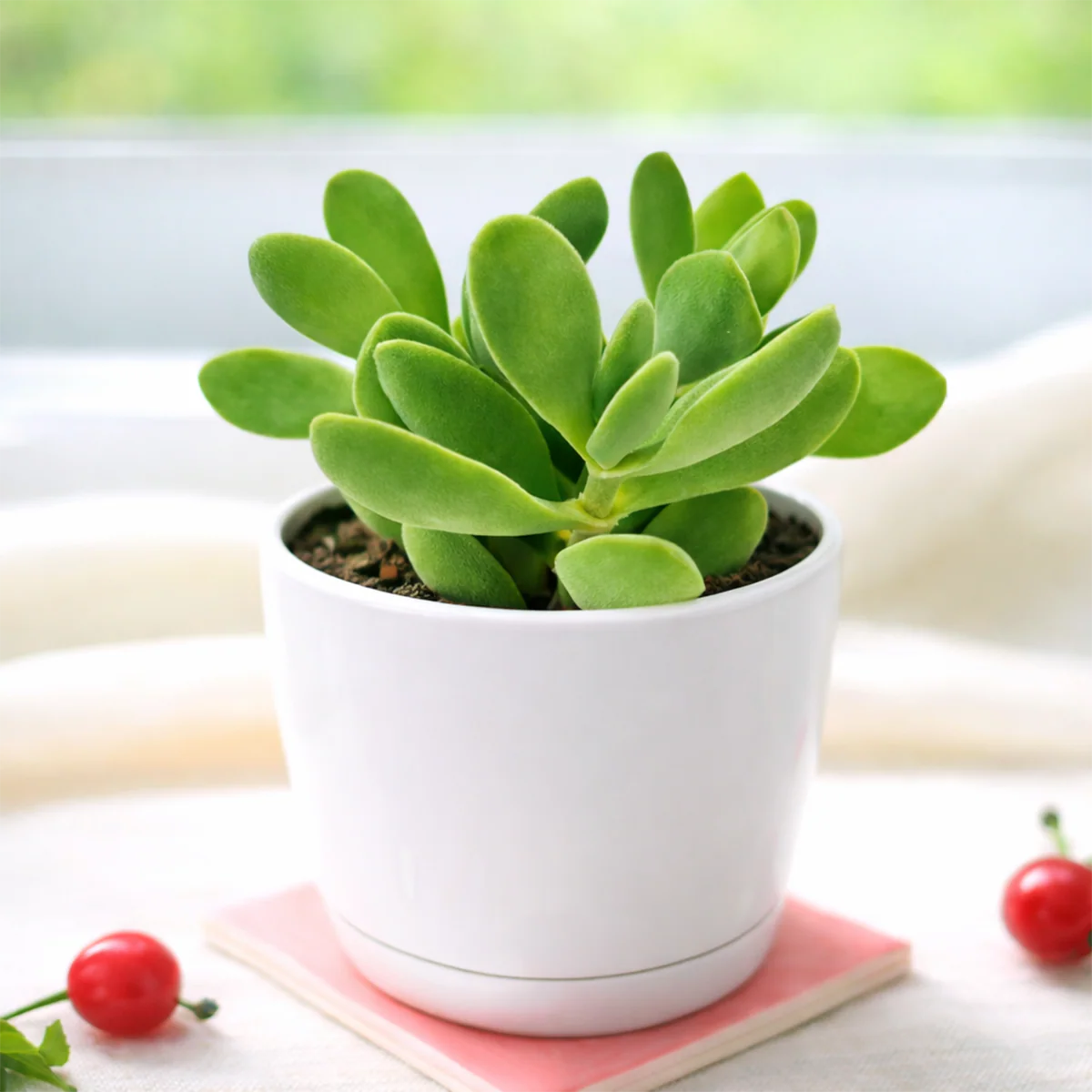
Crassula cephalophora
- Description
- Crassula cephalophora Care Guide
- FAQ/Common Issues
-
![]() Crassula cephalophora is a rare, easy care succulent native to the Western Cape of South Africa, where it grows in rocky, sun-baked terrain with excellent drainage. Belonging to the Crassula genus, it has earned a loyal following among collectors who love unusual, slow growing succulents that are genuinely hard to find.
Crassula cephalophora is a rare, easy care succulent native to the Western Cape of South Africa, where it grows in rocky, sun-baked terrain with excellent drainage. Belonging to the Crassula genus, it has earned a loyal following among collectors who love unusual, slow growing succulents that are genuinely hard to find.
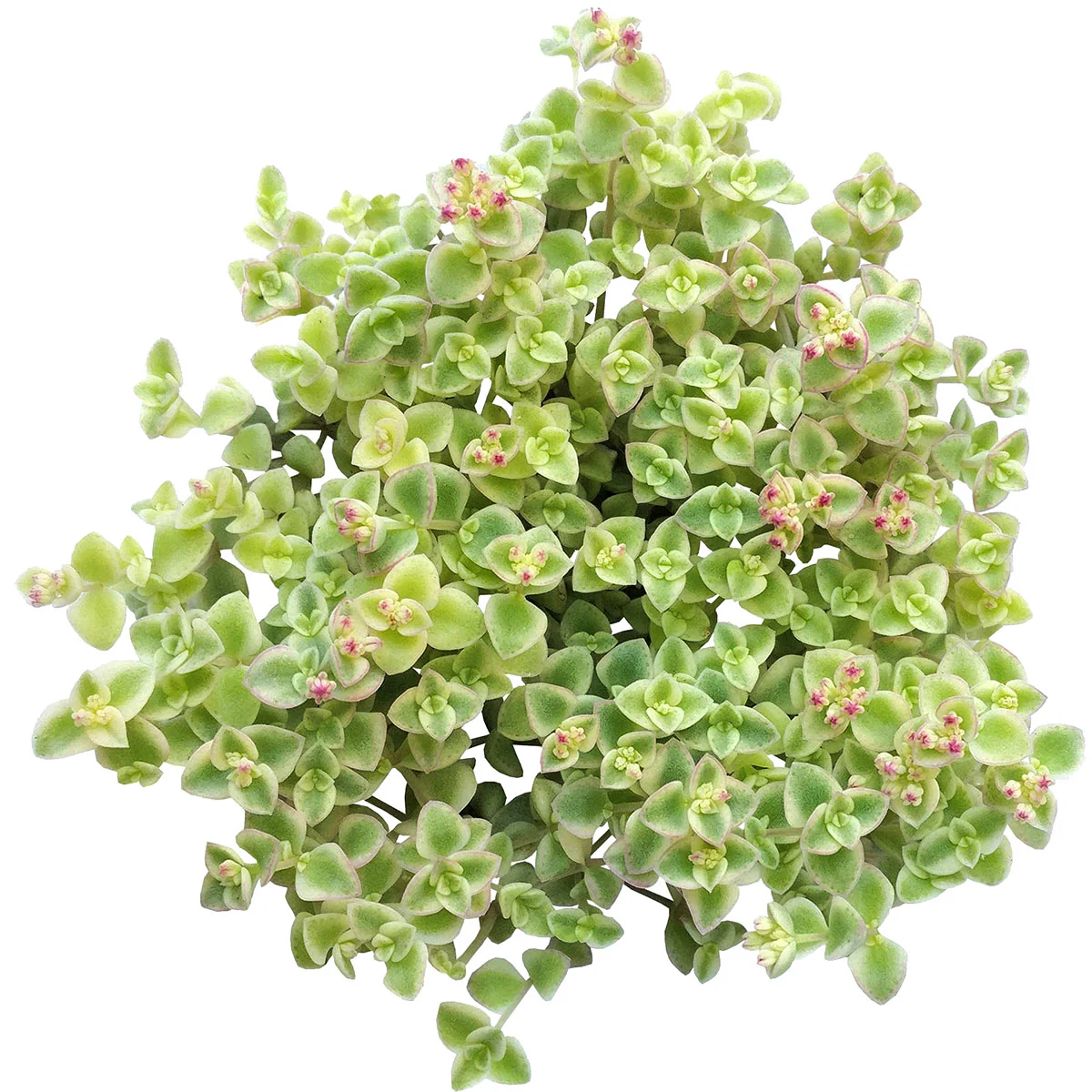
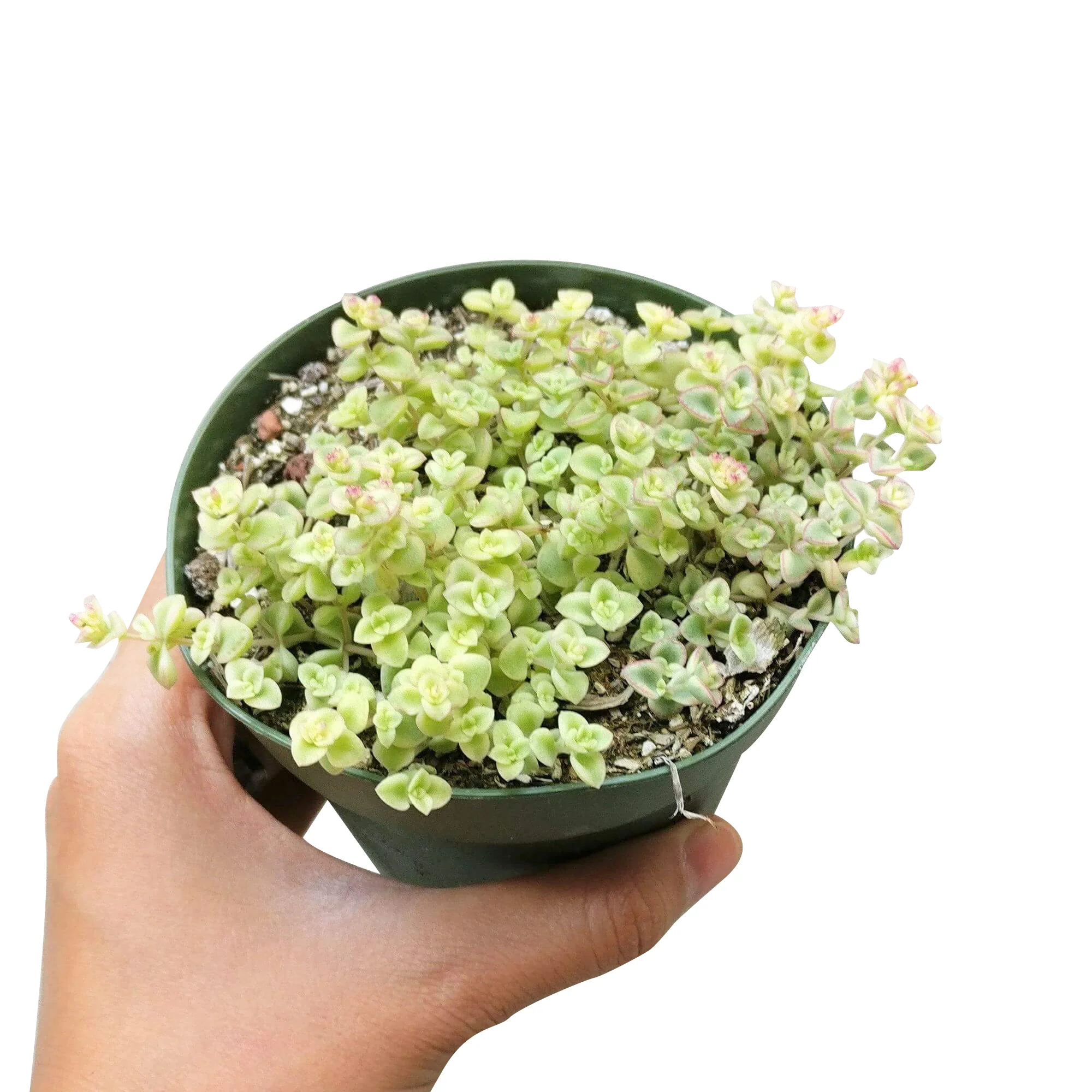
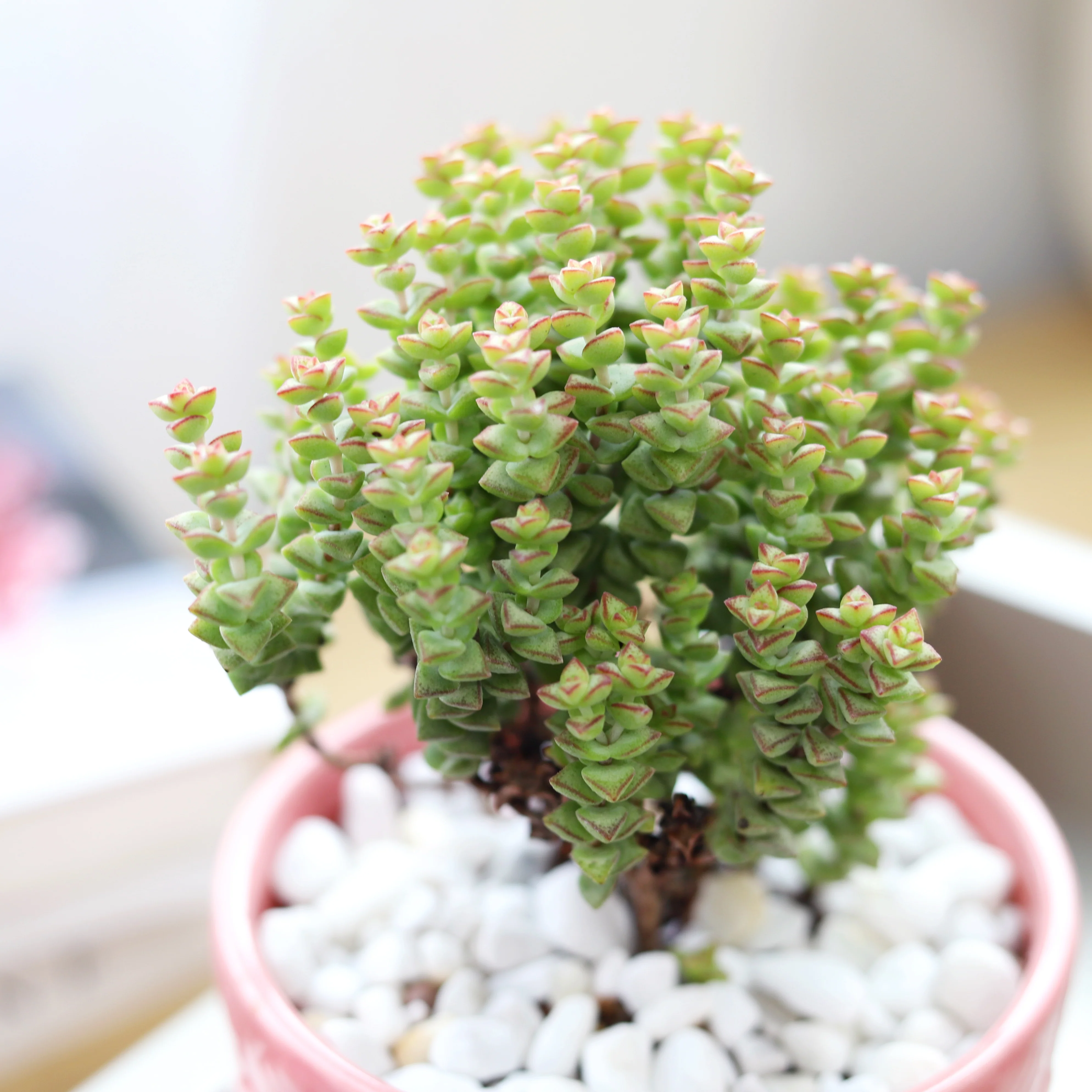
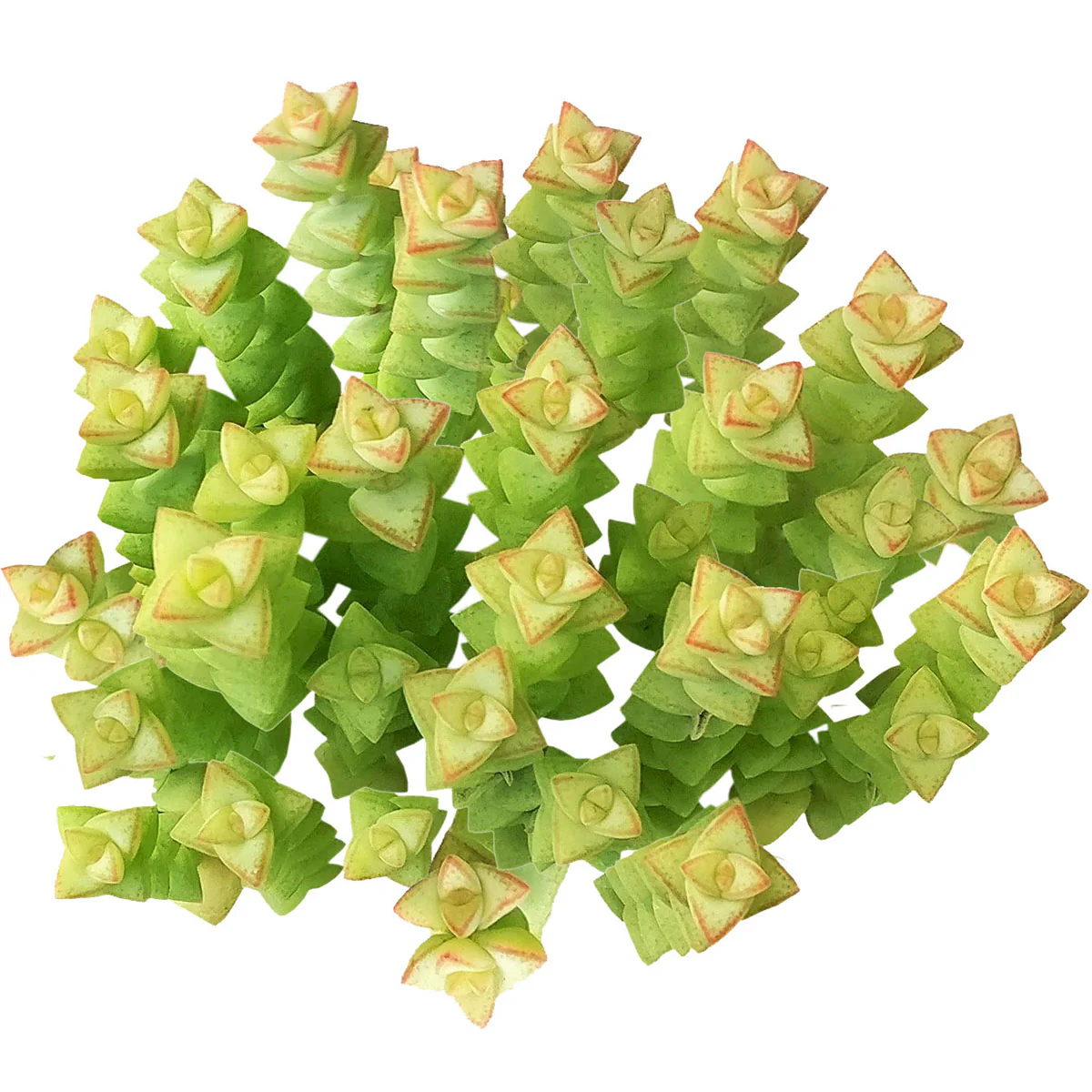
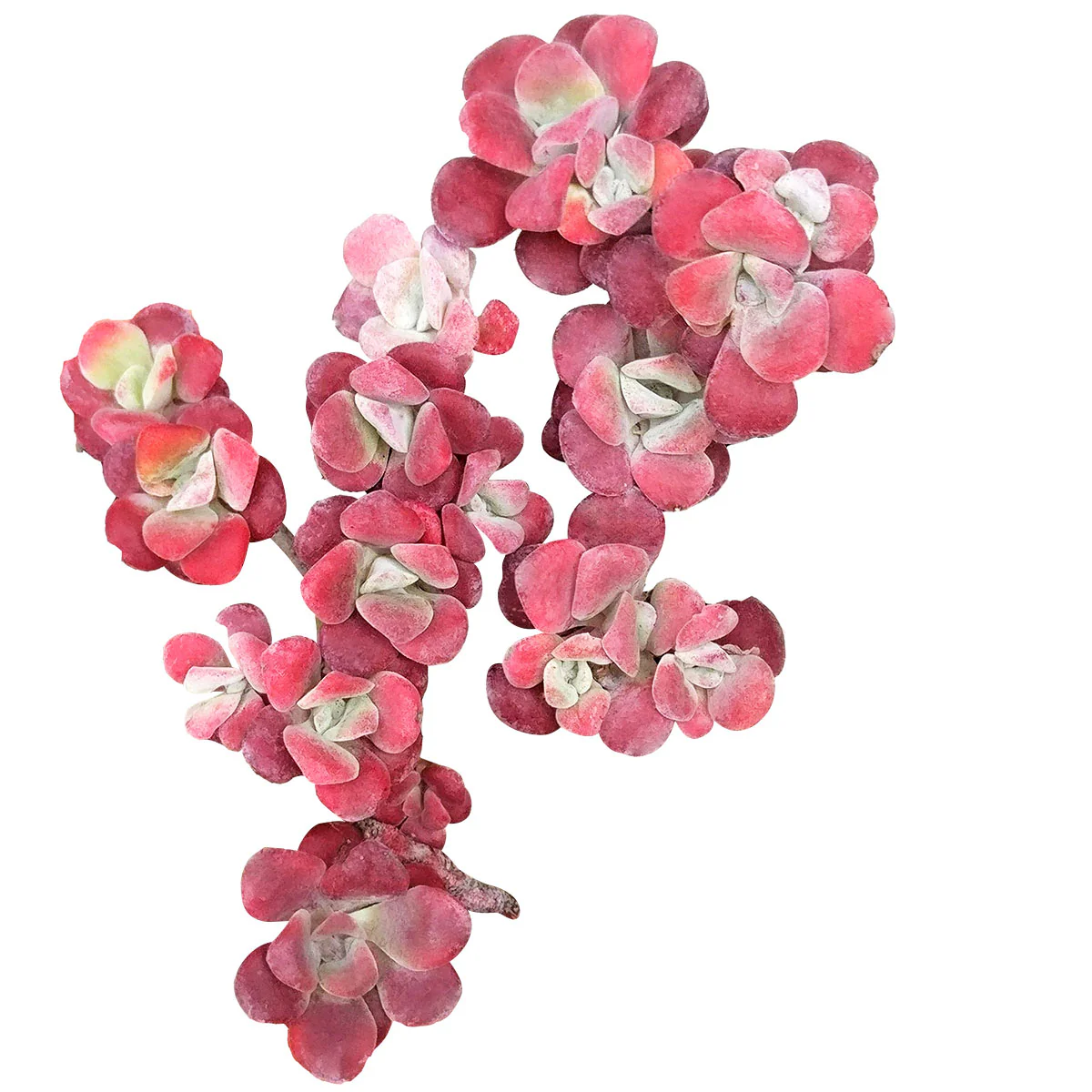
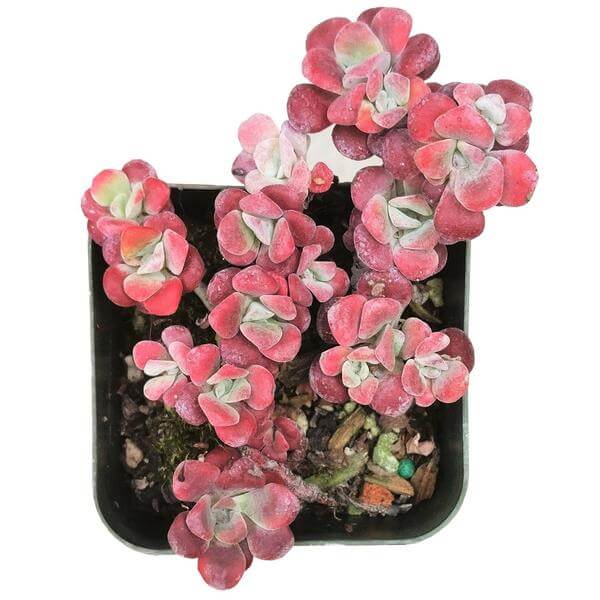
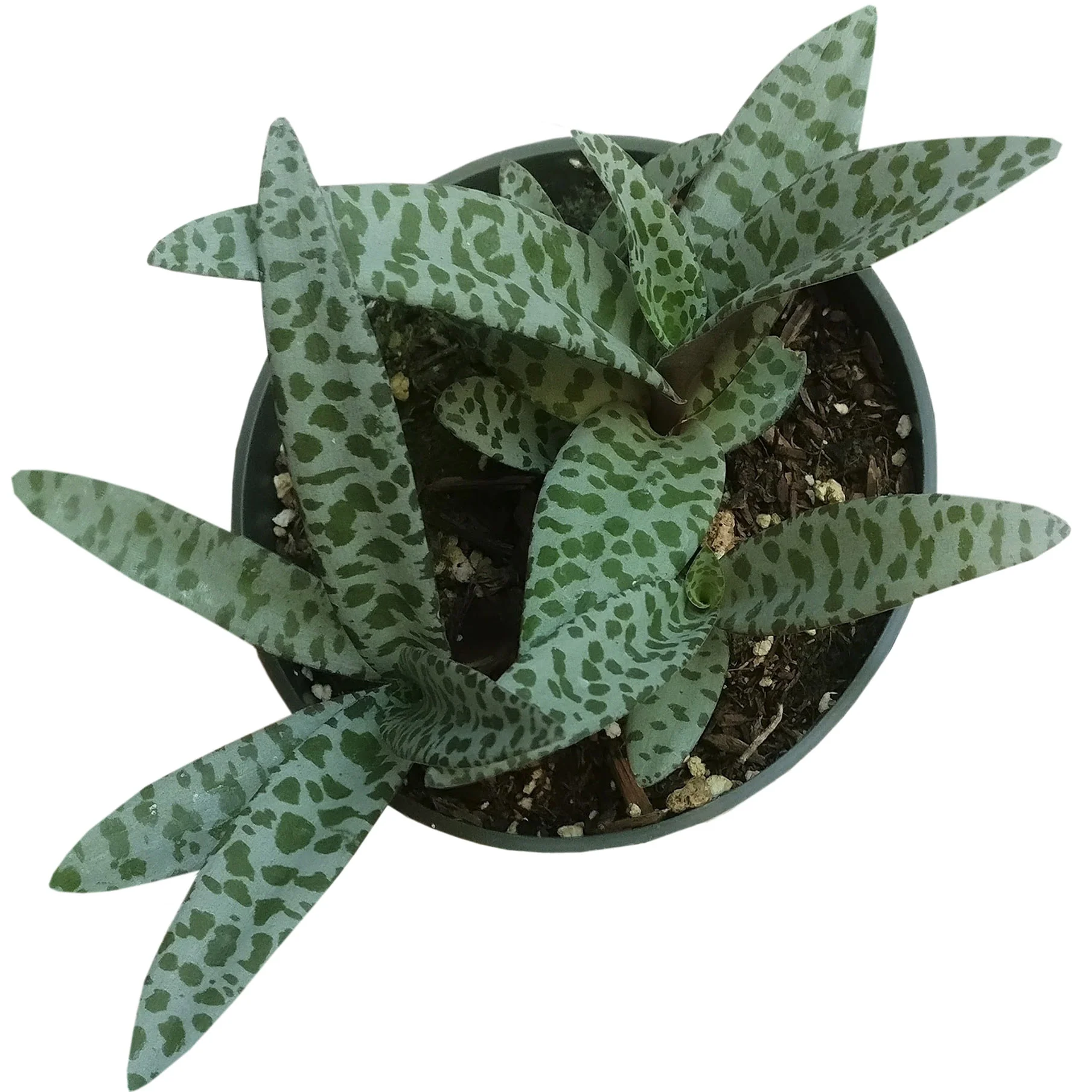
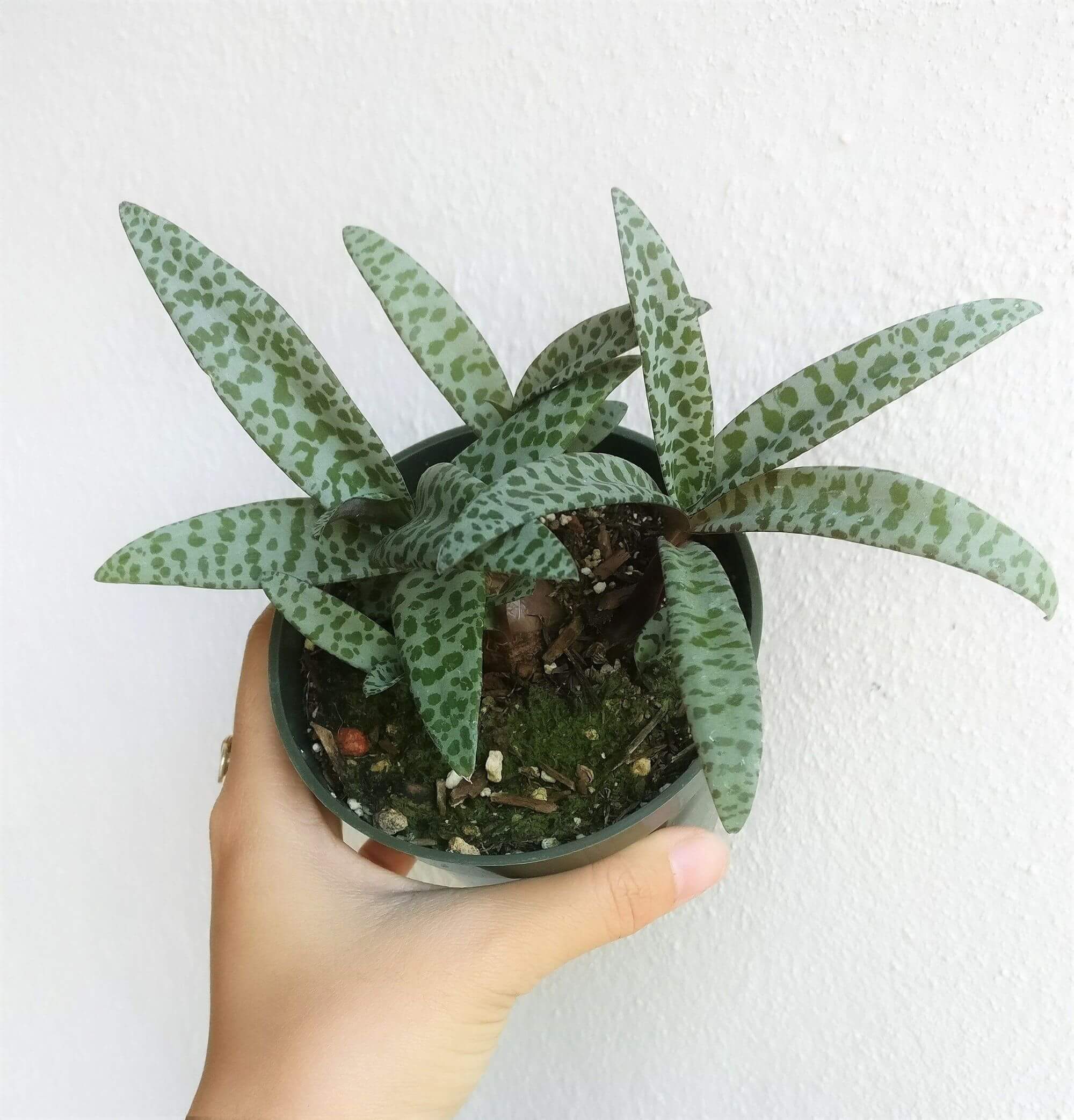
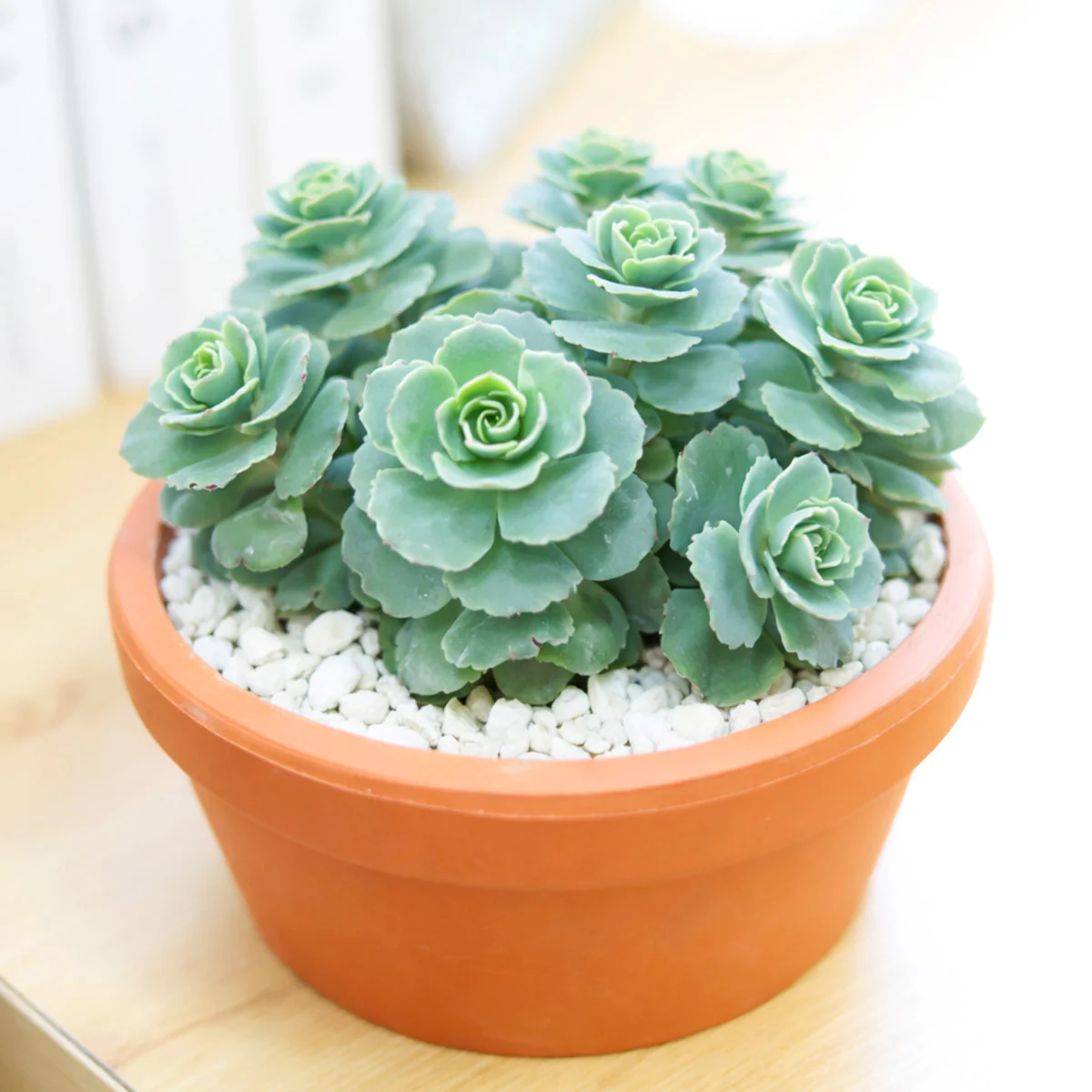
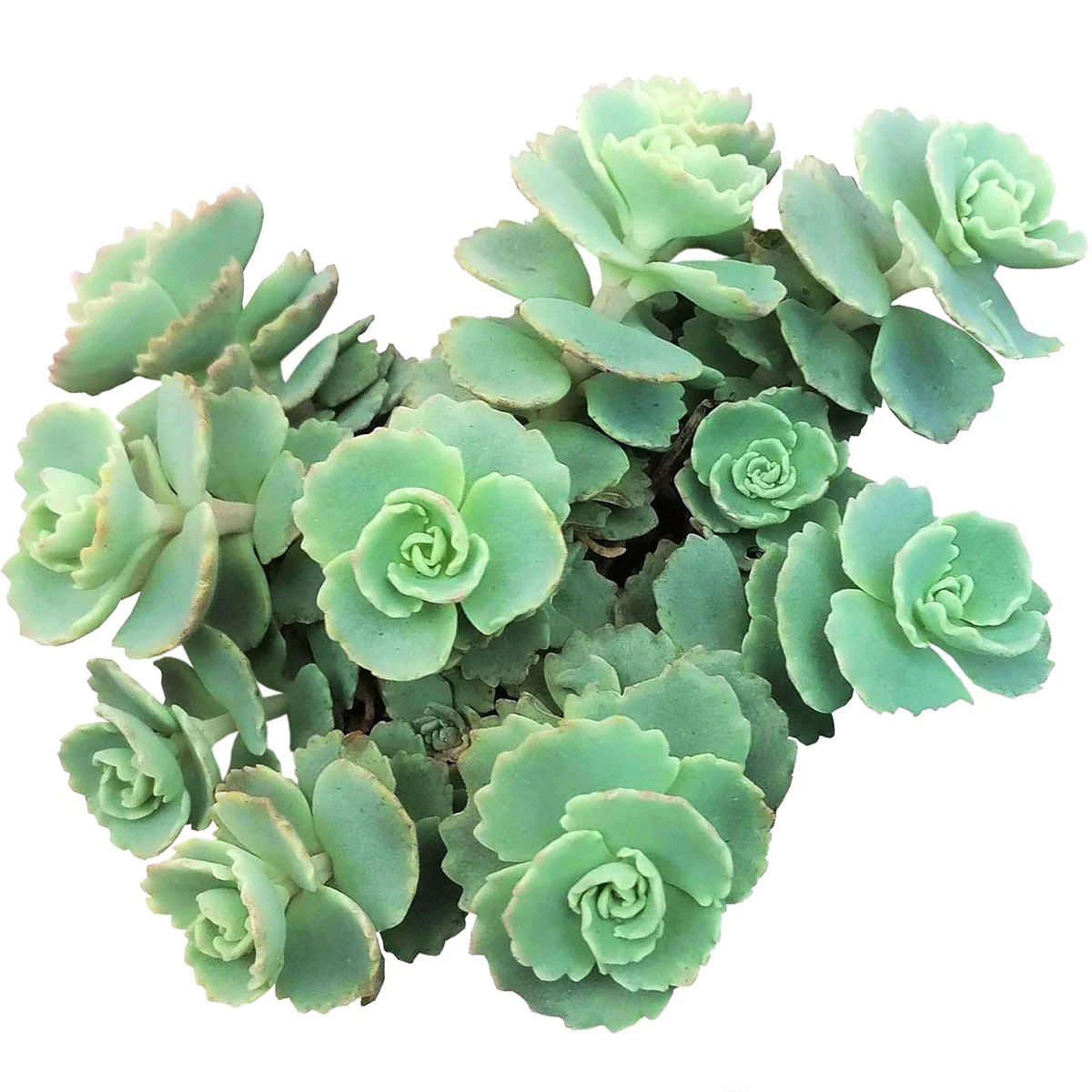
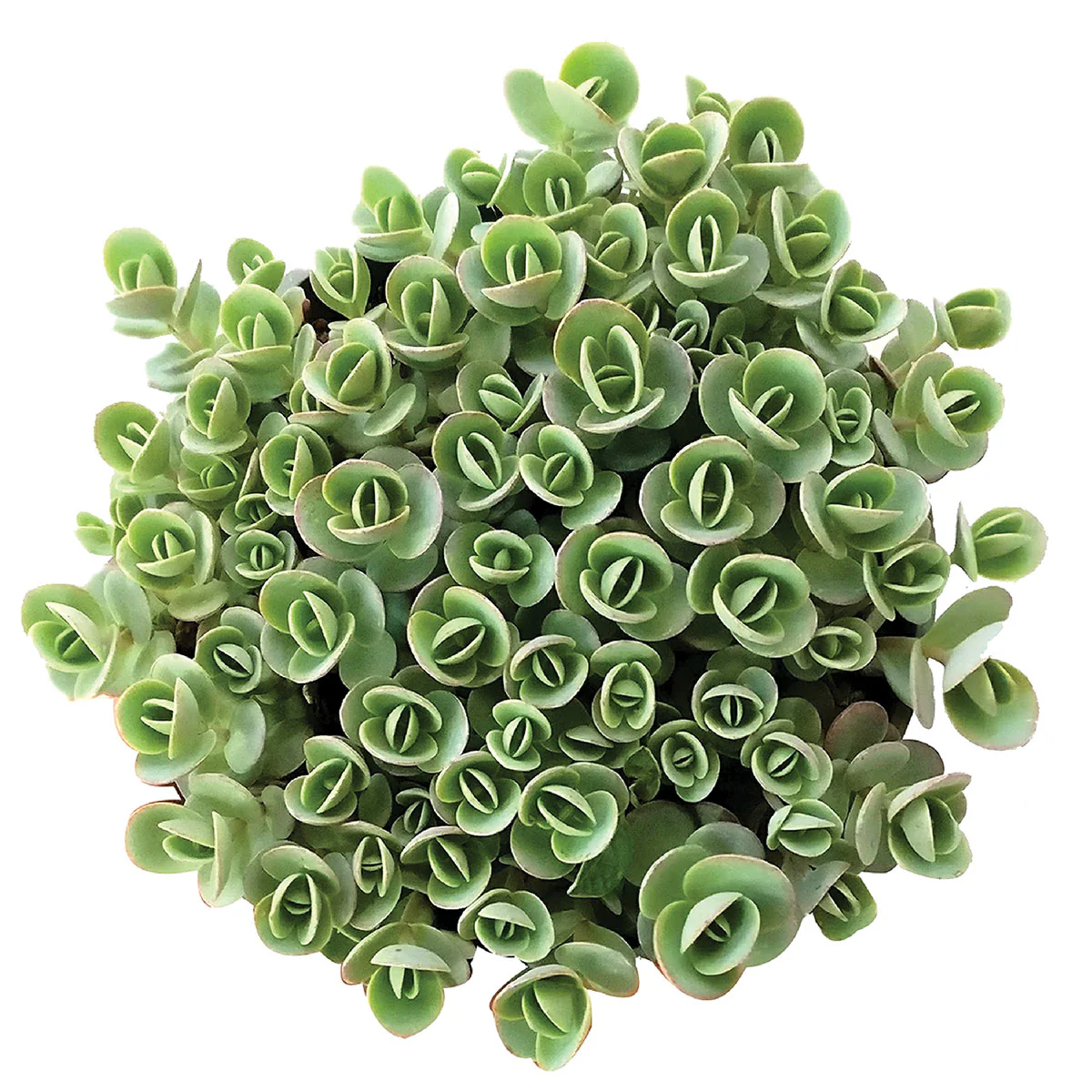
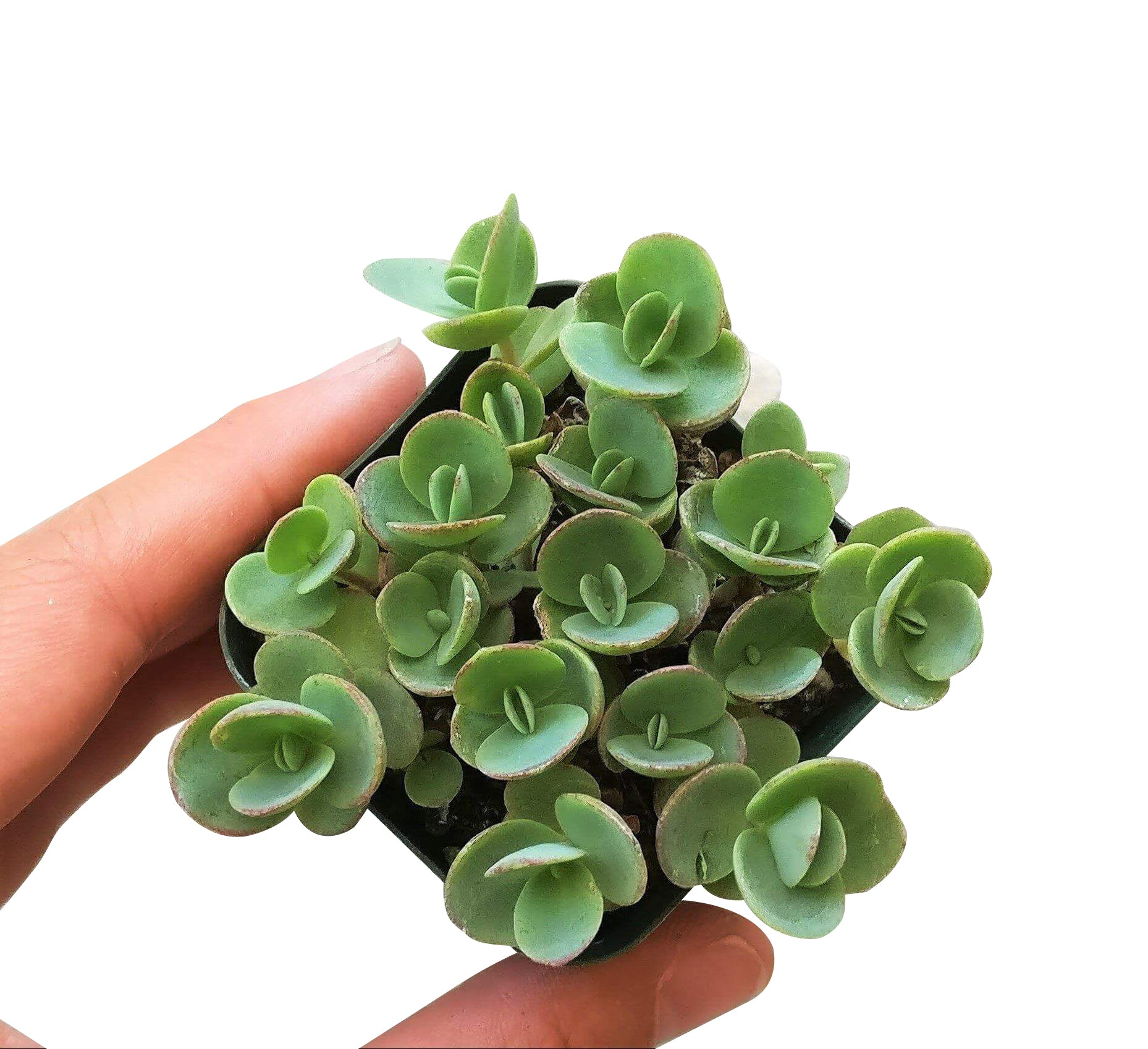
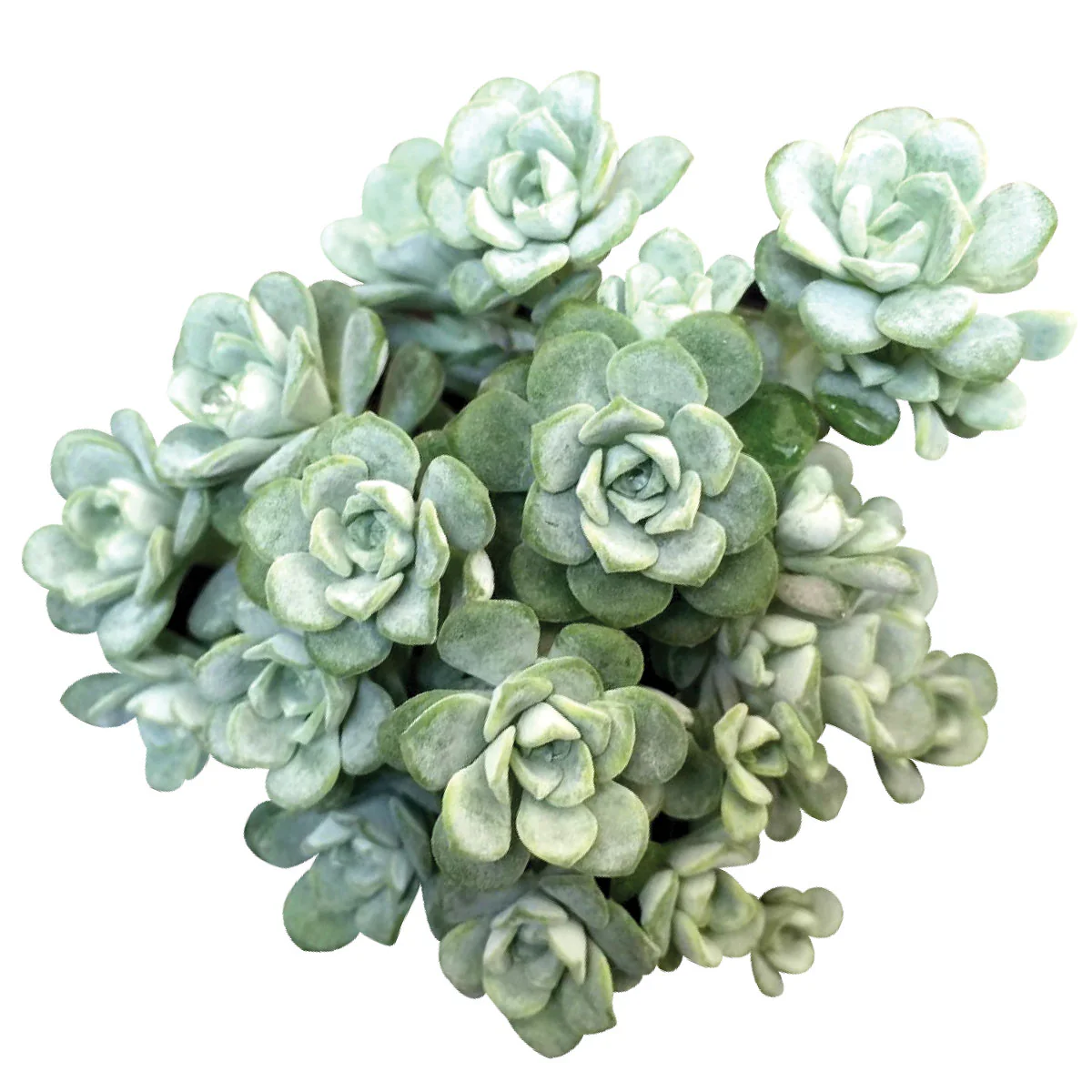
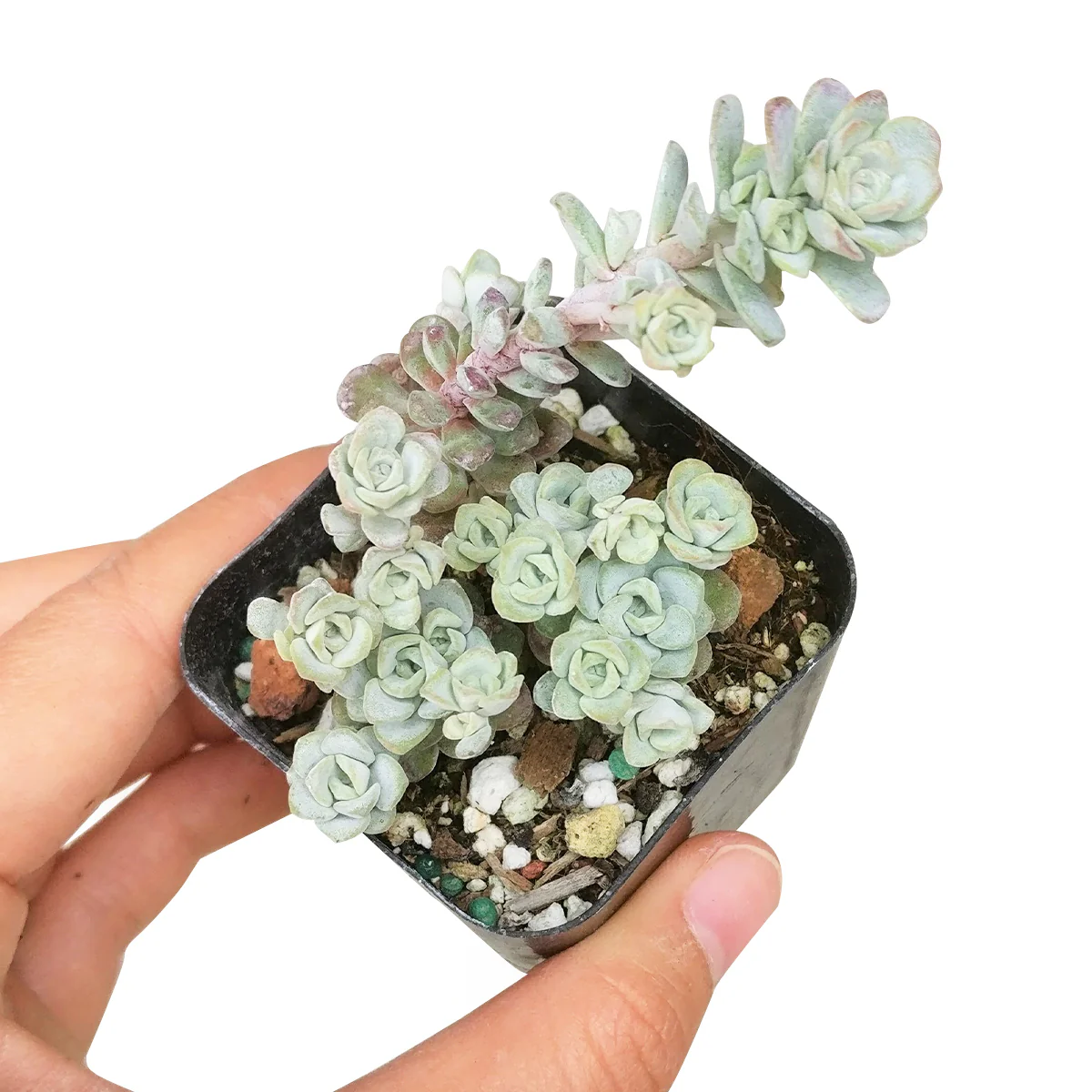
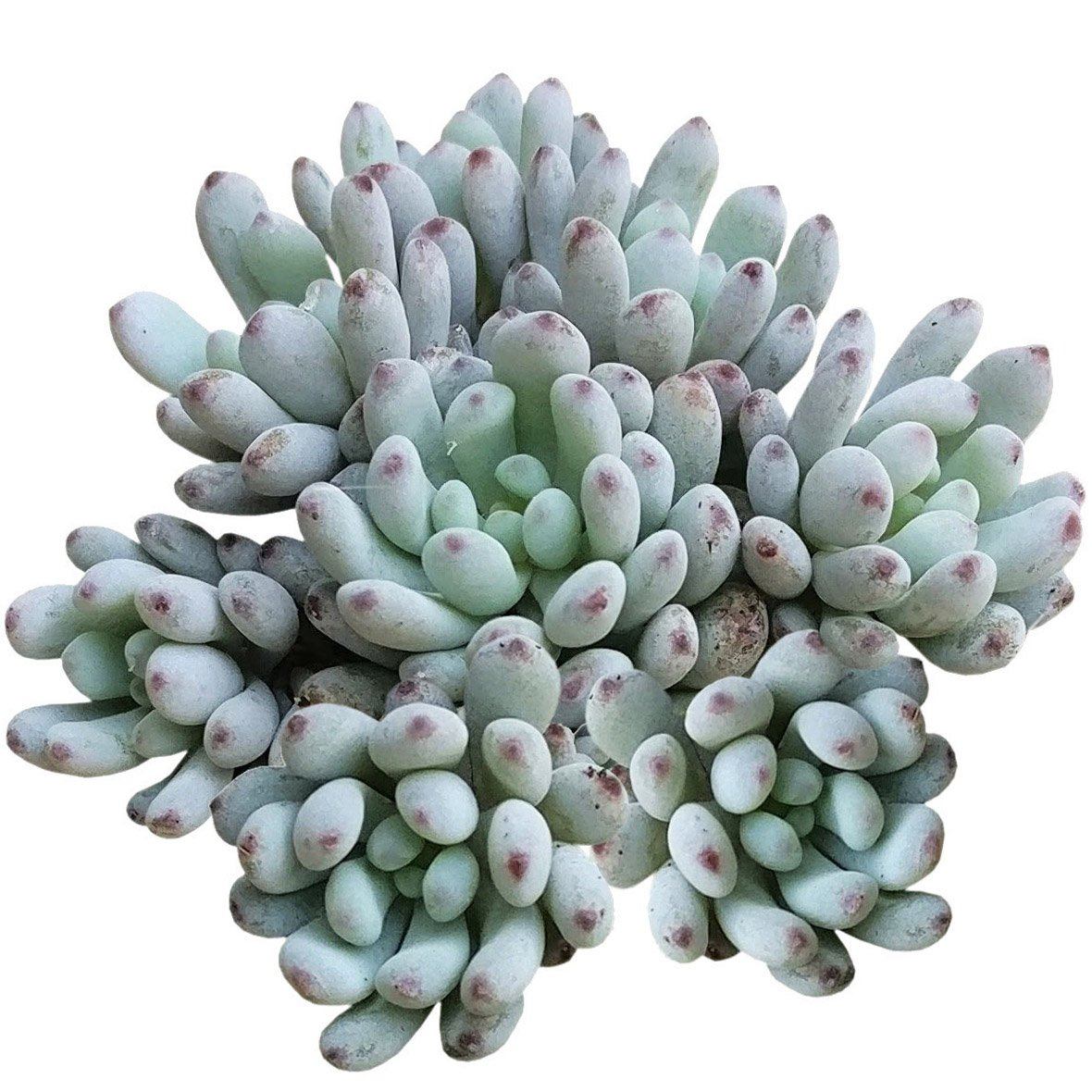
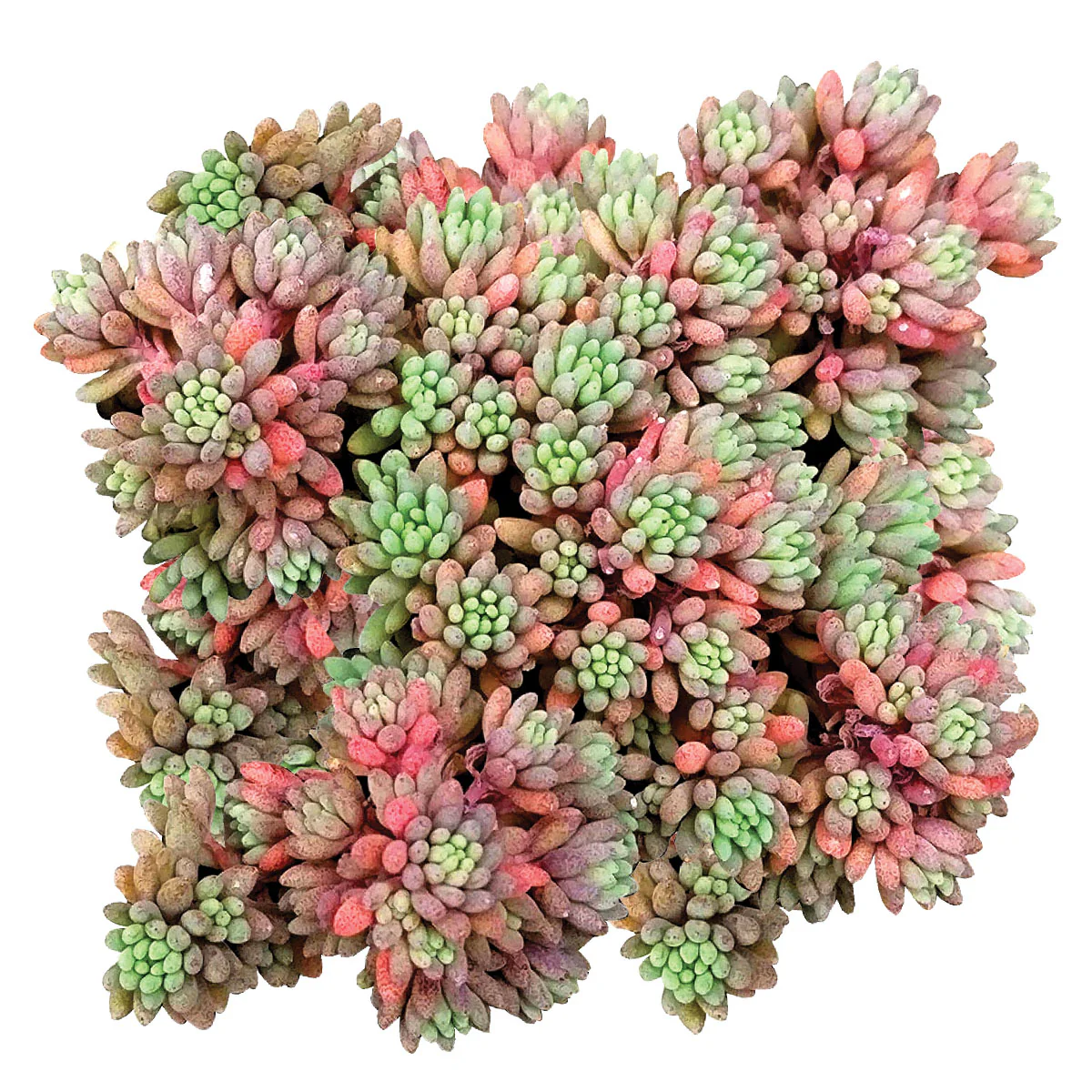
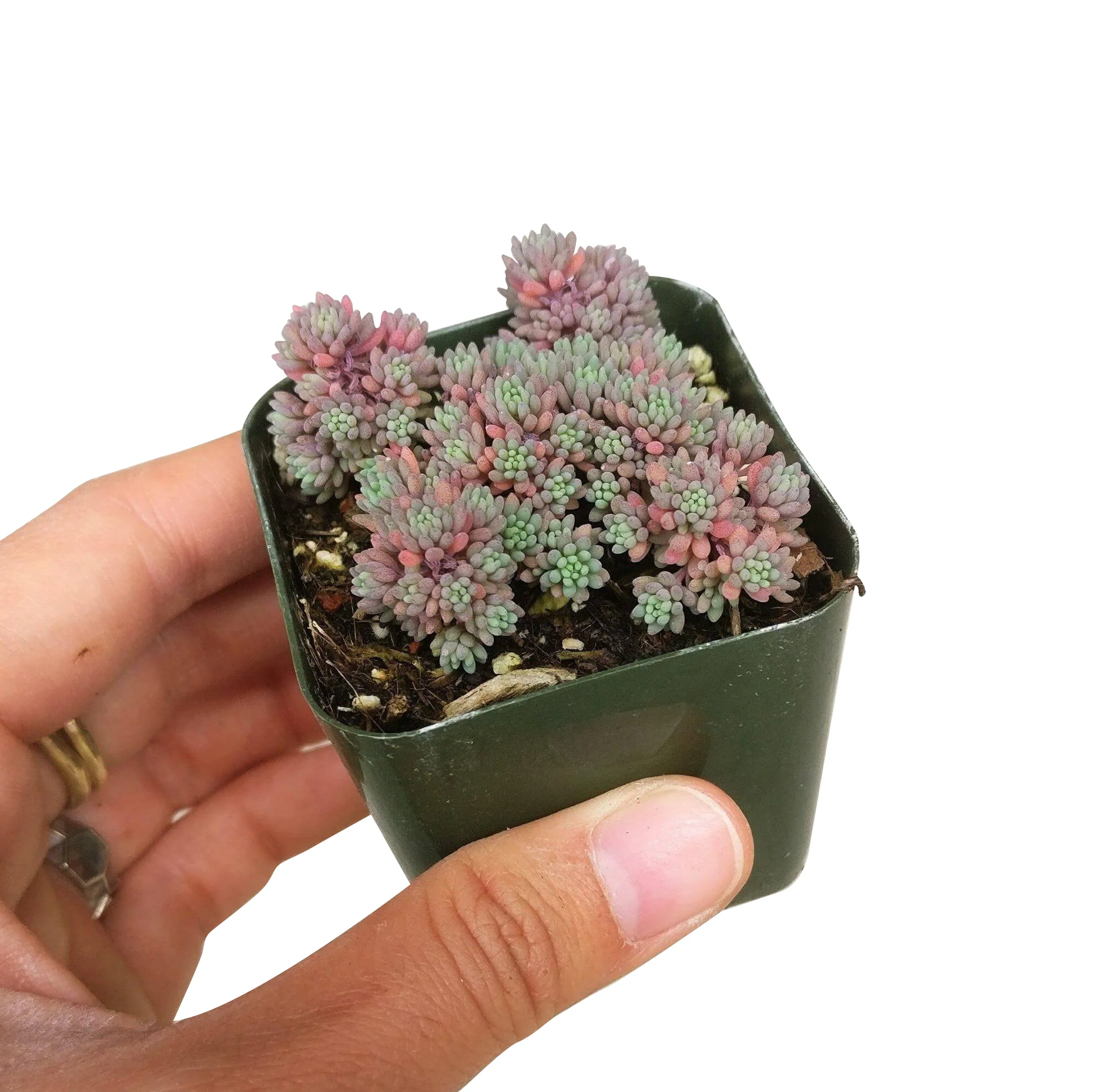
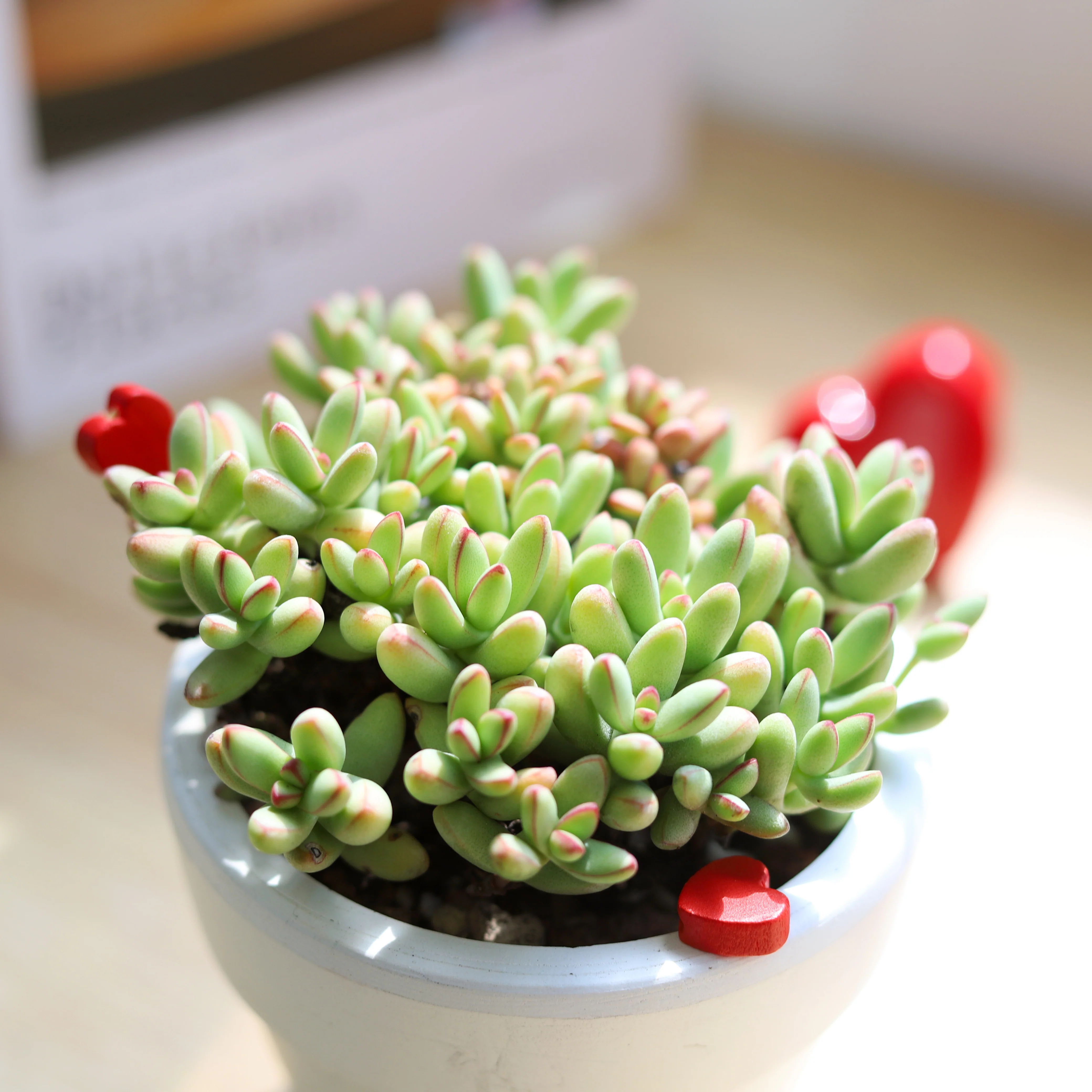
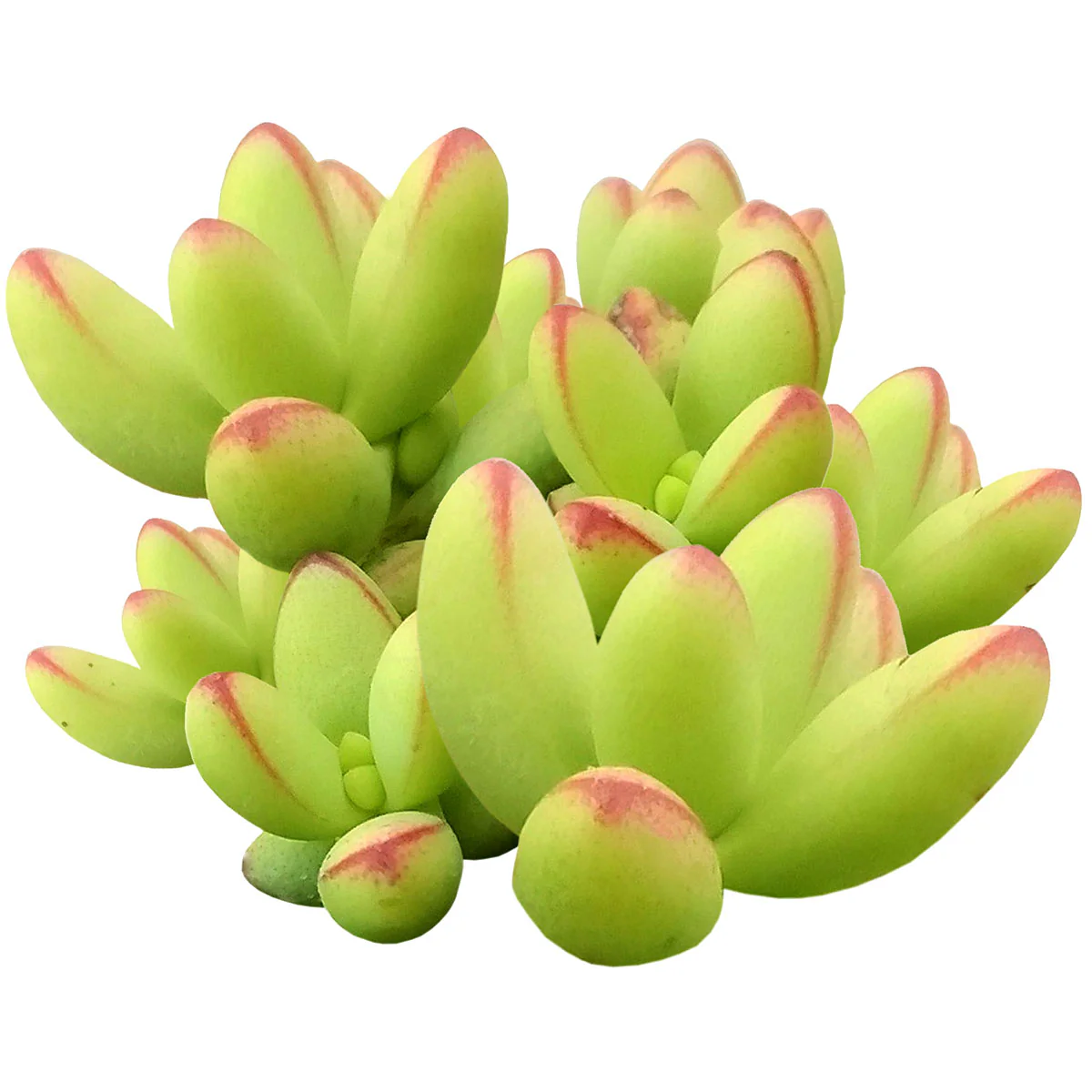
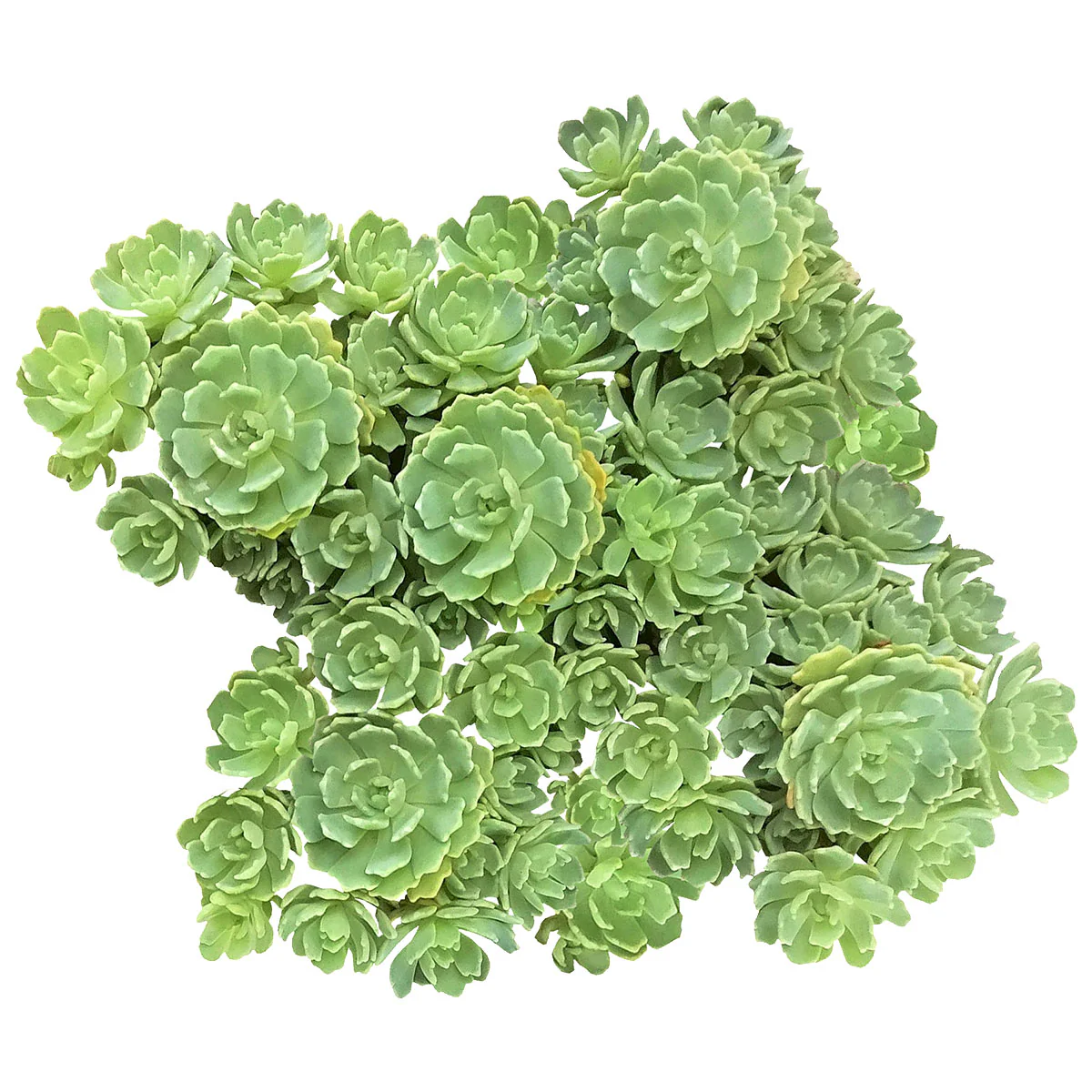
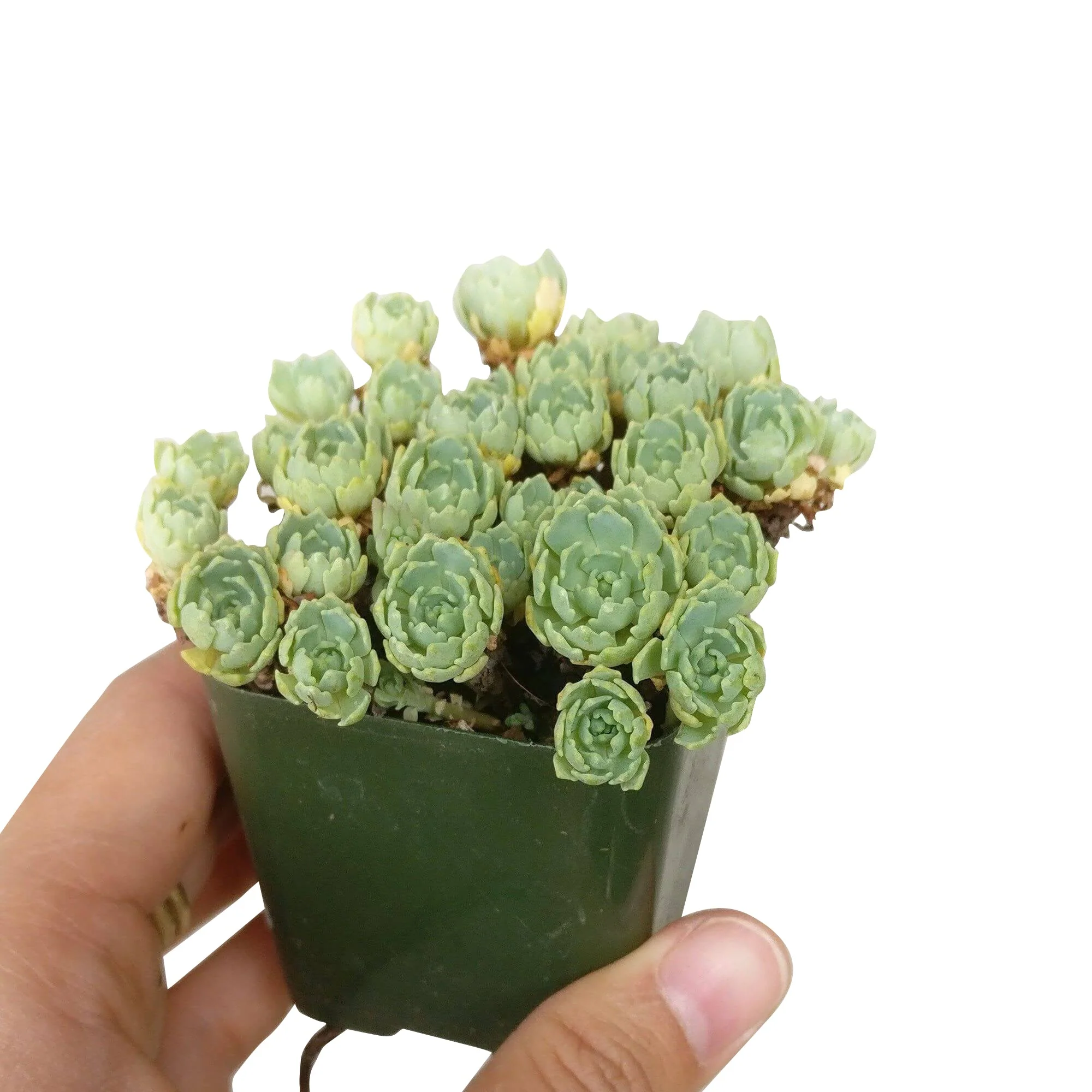
 This mini propeller plant forms tight, upright clusters of small, fleshy leaves arranged in opposite pairs that stack along each stem in a distinctive cross pattern. The leaves have a softly textured, almost fuzzy surface and a muted grey-green tone, giving Crassula cephalophora a sculptural, architectural look that stands out on any windowsill or shelf. Its compact, clustering growth habit keeps it tidy without any pruning, making it one of the most visually rewarding beginner succulents around.
 Crassula cephalophora produces small, star-shaped flower clusters, typically in white to pale cream tones, and like many Crassula species it benefits from a cooler night temperature drop to encourage blooming. Beyond its flowers, this plant earns its place through sheer character: the clustering stems and paddle-like leaves create an ever-changing display as the plant fills out over time.
 Crassula cephalophora is a natural fit for bright indoor shelves, desk collections, and summer patios, though it needs cover from rain when moved outside and does best brought back indoors before cold nights arrive in autumn. Because cats and dogs should not be left to nibble or eat this plant, and it is best placed away from small children, a high shelf is the perfect spot, and it doubles as a striking display height. Serious collectors prize Crassula cephalophora for its rarity, and the good news for busy plant lovers is that it handles up to ten days alone without watering, making it an ideal travel-friendly indoor succulent plant.
-
 Crassula cephalophora thrives in bright indirect light and can scorch in a south-facing window with intense direct sun.
 Water Crassula cephalophora every ten to fourteen days in summer, reducing to once every three to four weeks in winter.
 Crassula cephalophora needs a fast-draining mix of cactus soil blended with perlite or coarse grit at roughly 50/50.
 Crassula cephalophora prefers temperatures between 60-80°F (15-27°C) and should be protected from frost below 30°F (-1°C).
![]() Crassula cephalophora is a slow growing succulent that needs only a light balanced feed once or twice during the active growing season.
Crassula cephalophora is a slow growing succulent that needs only a light balanced feed once or twice during the active growing season.
 Crassula cephalophora is hardy in USDA Zones 9b-11, tolerating only brief dips near 25-28°F (-4 to -2°C) before frost damage occurs. Outdoor year-round growing suits warm regions including California, Arizona, Texas, Nevada, Florida, Hawaii, Louisiana, Georgia, South Carolina, Alabama, Mississippi, and coastal Oregon. Gardeners in cooler states such as New York, Illinois, Ohio, Pennsylvania, Michigan, Colorado, and beyond enjoy Crassula cephalophora as a container plant that moves inside before the first frost.
-
Q: How often should I water Crassula cephalophora?
A: Water Crassula cephalophora every ten to fourteen days in the growing season, letting the soil dry completely between waterings. In winter, once every three to four weeks is plenty.
Q: Is Crassula cephalophora safe for pets?
A: Cats and dogs should not be left to nibble or eat Crassula cephalophora, so keeping it on a high shelf out of reach is strongly recommended. It is also best placed away from small children.
Q: What light does Crassula cephalophora need?
A: Crassula cephalophora does best in bright indirect light near an east or west-facing window. It can scorch in harsh south-window sun, but it also grows reasonably well under office LED lighting.
Q: How big does Crassula cephalophora get?
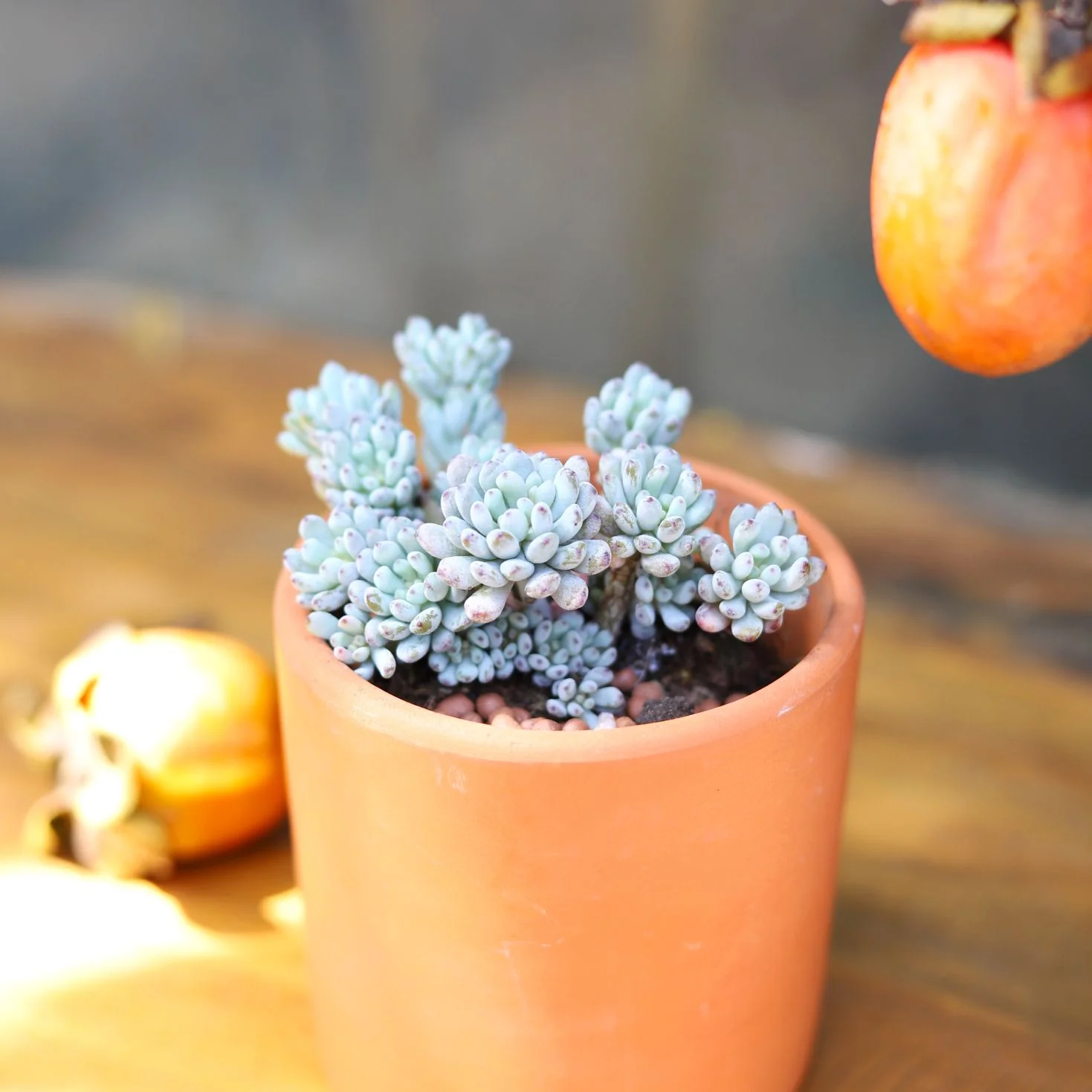
A: Crassula cephalophora is a compact, slow growing succulent that typically stays under six inches tall, forming tidy upright clusters over time. Its small size makes it perfect for windowsills, shelves, and desk displays.
Q: Can I propagate Crassula cephalophora?
A: Yes, Crassula cephalophora propagates readily from stem cuttings allowed to callous for a day or two before being placed in dry succulent mix. Leaf propagation is also possible, though stem cuttings root more reliably.
Q: Can Crassula cephalophora go outside in summer?
A: Crassula cephalophora loves spending summer outdoors in a sheltered, bright spot, but it needs cover from rain to prevent root rot. Bring it back inside before autumn temperatures drop too low.


Original: $8.00
-70%$8.00
$2.40Product Information
Product Information
Shipping & Returns
Shipping & Returns
Description
- Description
- Crassula cephalophora Care Guide
- FAQ/Common Issues
-
![]() Crassula cephalophora is a rare, easy care succulent native to the Western Cape of South Africa, where it grows in rocky, sun-baked terrain with excellent drainage. Belonging to the Crassula genus, it has earned a loyal following among collectors who love unusual, slow growing succulents that are genuinely hard to find.
Crassula cephalophora is a rare, easy care succulent native to the Western Cape of South Africa, where it grows in rocky, sun-baked terrain with excellent drainage. Belonging to the Crassula genus, it has earned a loyal following among collectors who love unusual, slow growing succulents that are genuinely hard to find.
This mini propeller plant forms tight, upright clusters of small, fleshy leaves arranged in opposite pairs that stack along each stem in a distinctive cross pattern. The leaves have a softly textured, almost fuzzy surface and a muted grey-green tone, giving Crassula cephalophora a sculptural, architectural look that stands out on any windowsill or shelf. Its compact, clustering growth habit keeps it tidy without any pruning, making it one of the most visually rewarding beginner succulents around.
Crassula cephalophora produces small, star-shaped flower clusters, typically in white to pale cream tones, and like many Crassula species it benefits from a cooler night temperature drop to encourage blooming. Beyond its flowers, this plant earns its place through sheer character: the clustering stems and paddle-like leaves create an ever-changing display as the plant fills out over time.
Crassula cephalophora is a natural fit for bright indoor shelves, desk collections, and summer patios, though it needs cover from rain when moved outside and does best brought back indoors before cold nights arrive in autumn. Because cats and dogs should not be left to nibble or eat this plant, and it is best placed away from small children, a high shelf is the perfect spot, and it doubles as a striking display height. Serious collectors prize Crassula cephalophora for its rarity, and the good news for busy plant lovers is that it handles up to ten days alone without watering, making it an ideal travel-friendly indoor succulent plant.
-
Crassula cephalophora thrives in bright indirect light and can scorch in a south-facing window with intense direct sun.
Water Crassula cephalophora every ten to fourteen days in summer, reducing to once every three to four weeks in winter.
Crassula cephalophora needs a fast-draining mix of cactus soil blended with perlite or coarse grit at roughly 50/50.
Crassula cephalophora prefers temperatures between 60-80°F (15-27°C) and should be protected from frost below 30°F (-1°C).
![]() Crassula cephalophora is a slow growing succulent that needs only a light balanced feed once or twice during the active growing season.
Crassula cephalophora is a slow growing succulent that needs only a light balanced feed once or twice during the active growing season.
Crassula cephalophora is hardy in USDA Zones 9b-11, tolerating only brief dips near 25-28°F (-4 to -2°C) before frost damage occurs. Outdoor year-round growing suits warm regions including California, Arizona, Texas, Nevada, Florida, Hawaii, Louisiana, Georgia, South Carolina, Alabama, Mississippi, and coastal Oregon. Gardeners in cooler states such as New York, Illinois, Ohio, Pennsylvania, Michigan, Colorado, and beyond enjoy Crassula cephalophora as a container plant that moves inside before the first frost.
-
Q: How often should I water Crassula cephalophora?
A: Water Crassula cephalophora every ten to fourteen days in the growing season, letting the soil dry completely between waterings. In winter, once every three to four weeks is plenty.
Q: Is Crassula cephalophora safe for pets?
A: Cats and dogs should not be left to nibble or eat Crassula cephalophora, so keeping it on a high shelf out of reach is strongly recommended. It is also best placed away from small children.
Q: What light does Crassula cephalophora need?
A: Crassula cephalophora does best in bright indirect light near an east or west-facing window. It can scorch in harsh south-window sun, but it also grows reasonably well under office LED lighting.
Q: How big does Crassula cephalophora get?
A: Crassula cephalophora is a compact, slow growing succulent that typically stays under six inches tall, forming tidy upright clusters over time. Its small size makes it perfect for windowsills, shelves, and desk displays.
Q: Can I propagate Crassula cephalophora?
A: Yes, Crassula cephalophora propagates readily from stem cuttings allowed to callous for a day or two before being placed in dry succulent mix. Leaf propagation is also possible, though stem cuttings root more reliably.
Q: Can Crassula cephalophora go outside in summer?
A: Crassula cephalophora loves spending summer outdoors in a sheltered, bright spot, but it needs cover from rain to prevent root rot. Bring it back inside before autumn temperatures drop too low.