Crassula 'Garnet Lotus'
- Description
- Crassula 'Garnet Lotus' Care Guide
- FAQ/Common Issues
-
![]() Crassula 'Garnet Lotus' is a rare, compact rosette succulent in the Crassulaceae family, prized by collectors for its jewel-toned foliage and easy-care nature. Like most crassulas, it traces its roots to the arid regions of South Africa, where drought tolerant succulents evolved to thrive on minimal water and maximum sun. If you've been hunting for a garnet red succulent that delivers serious visual impact without demanding constant attention, this is the one.
Crassula 'Garnet Lotus' is a rare, compact rosette succulent in the Crassulaceae family, prized by collectors for its jewel-toned foliage and easy-care nature. Like most crassulas, it traces its roots to the arid regions of South Africa, where drought tolerant succulents evolved to thrive on minimal water and maximum sun. If you've been hunting for a garnet red succulent that delivers serious visual impact without demanding constant attention, this is the one.
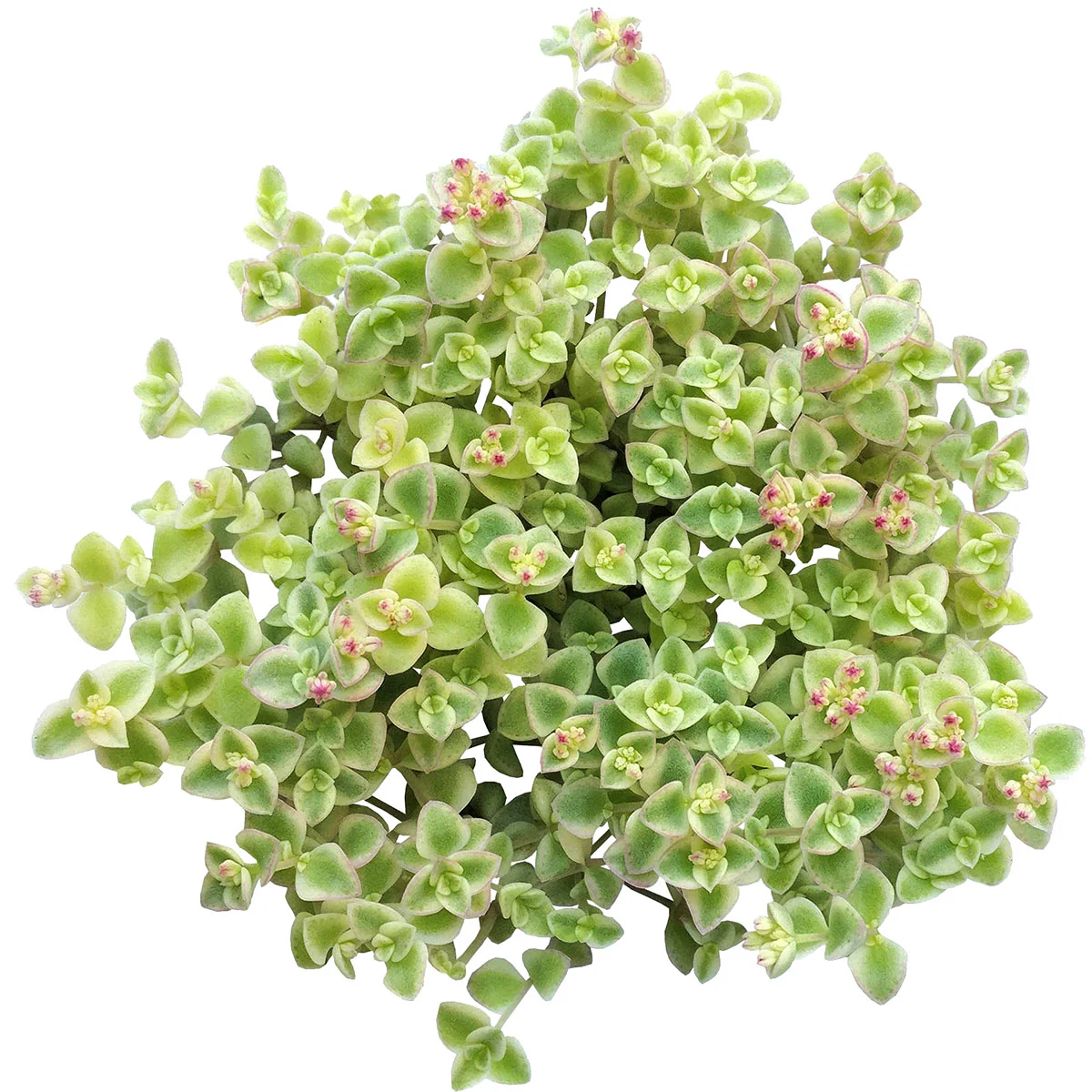
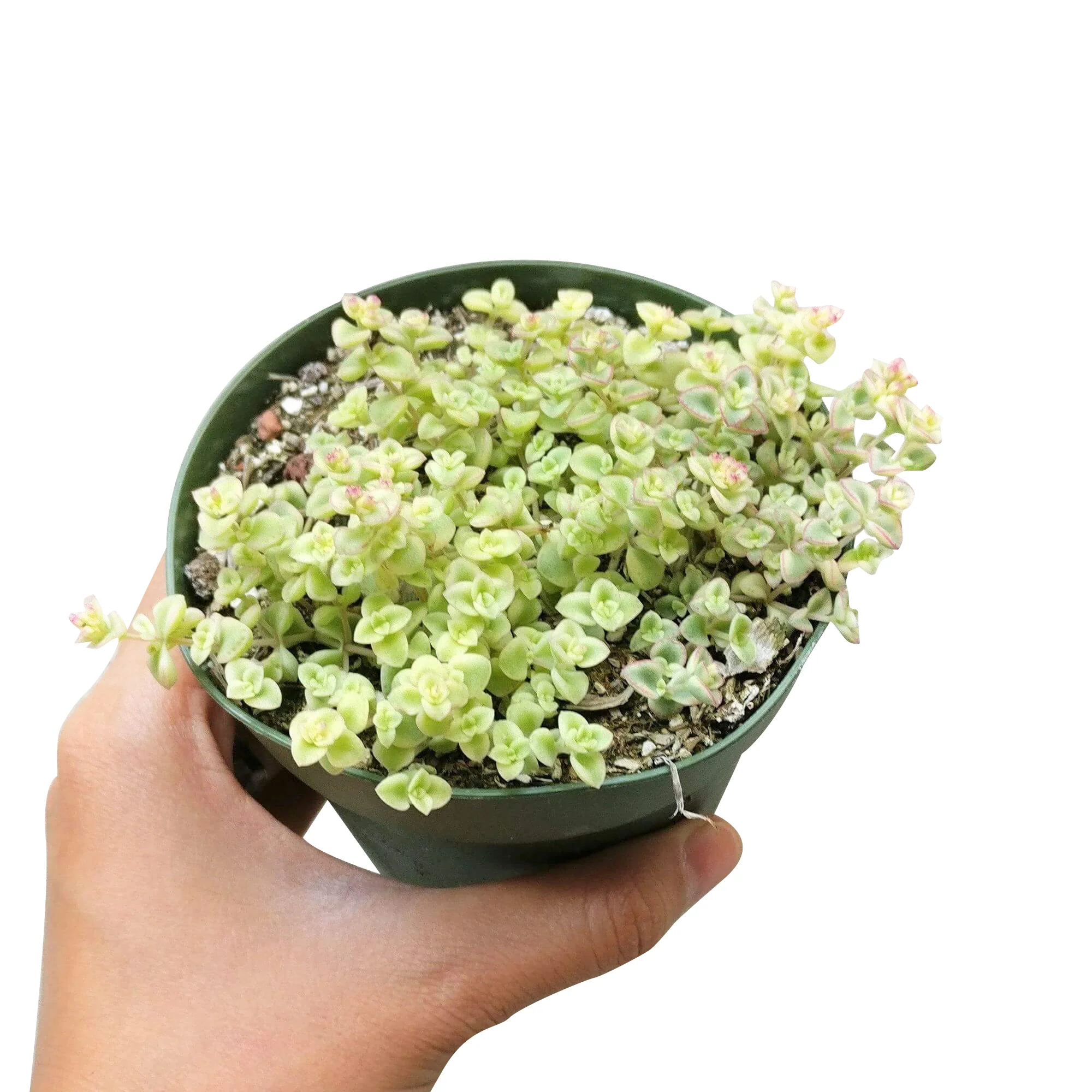
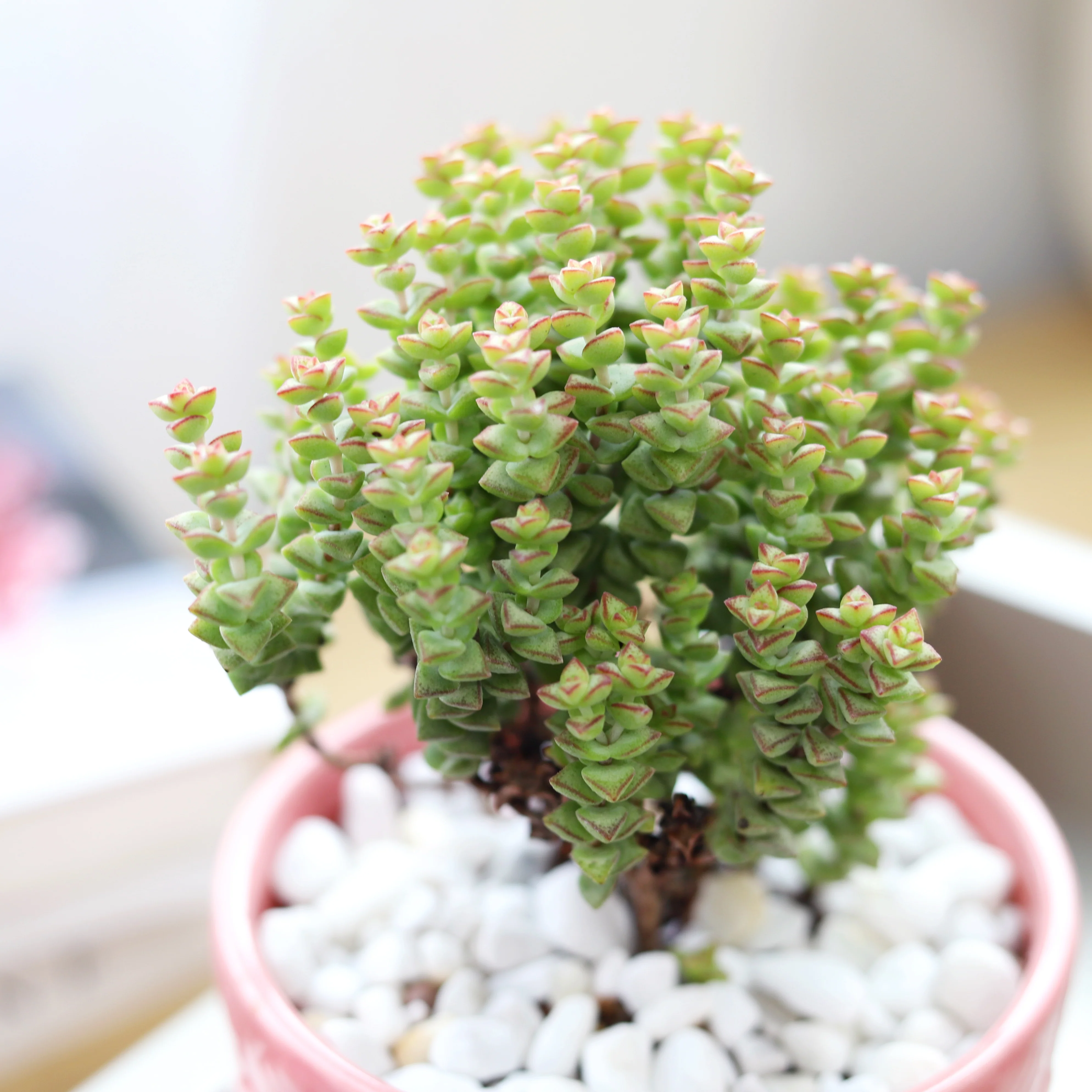
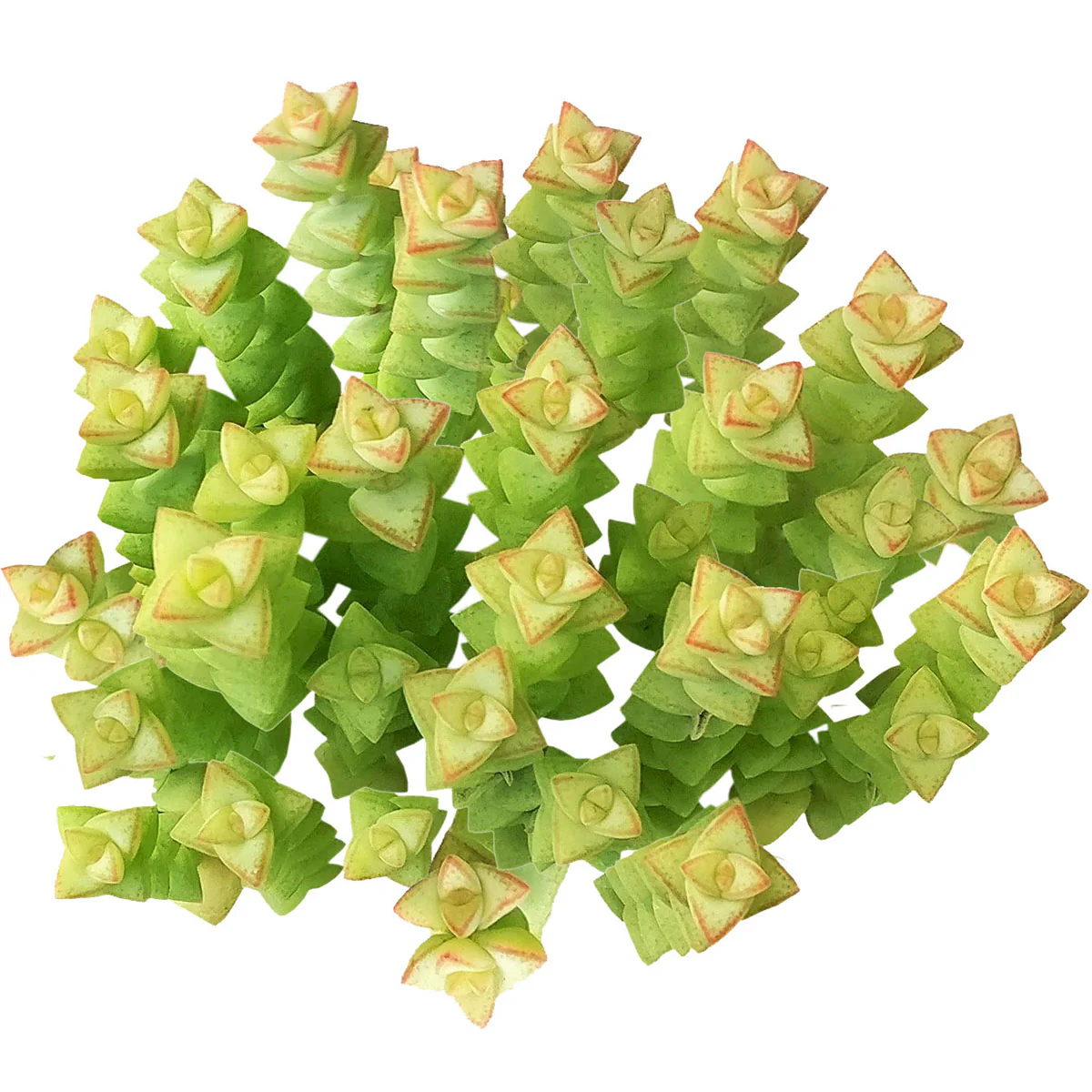
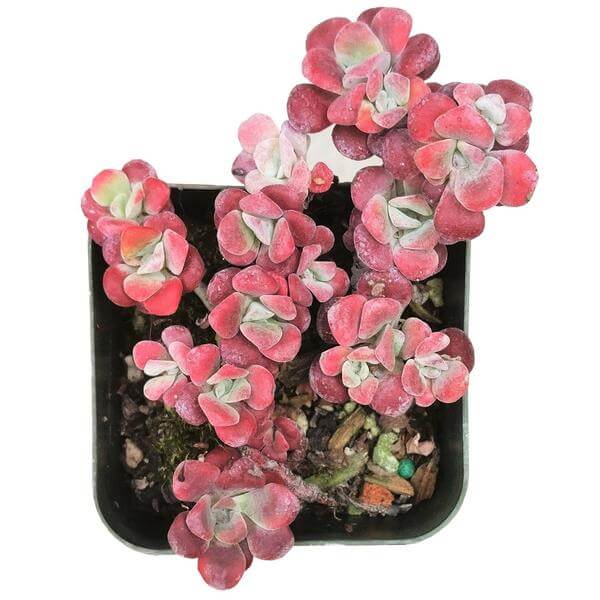
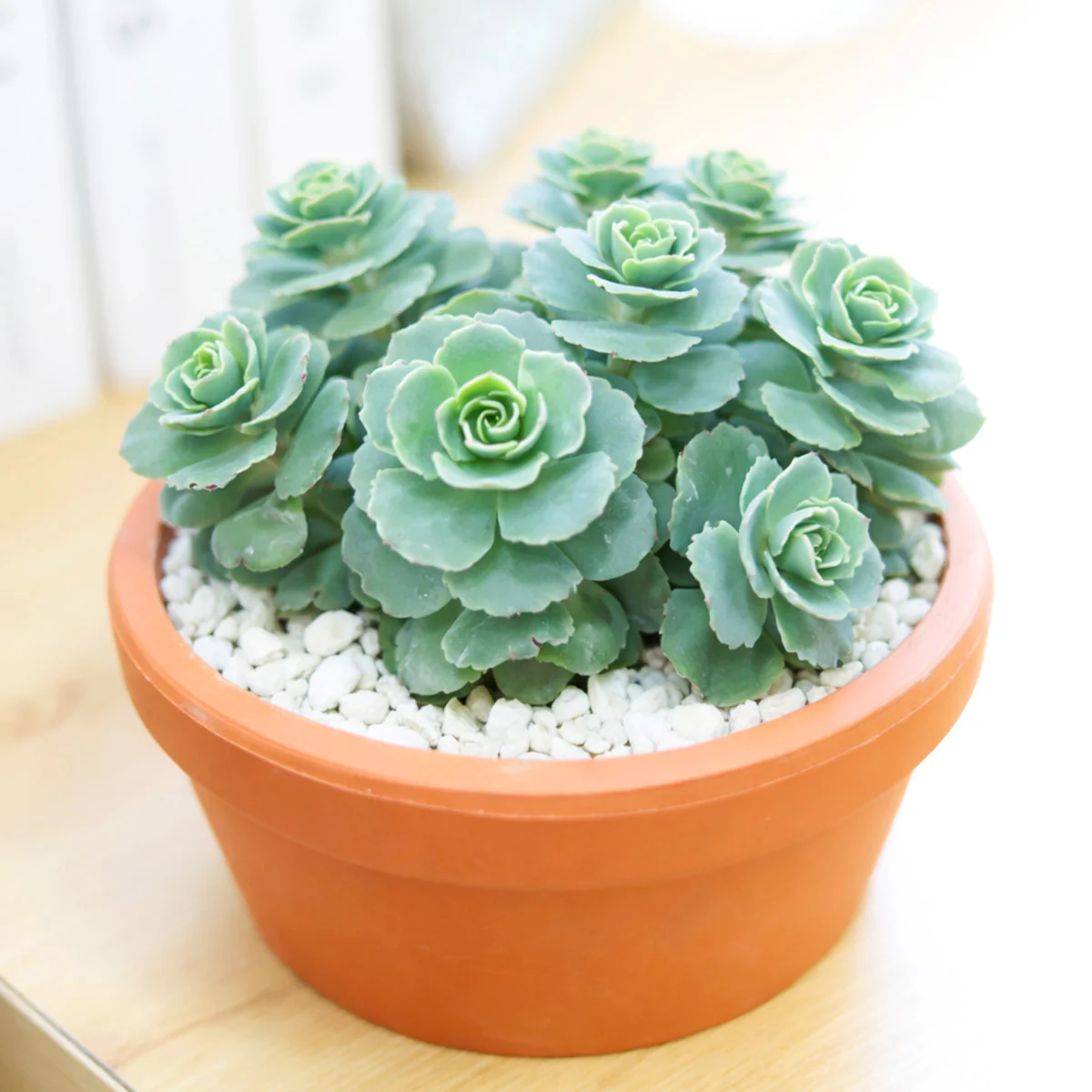
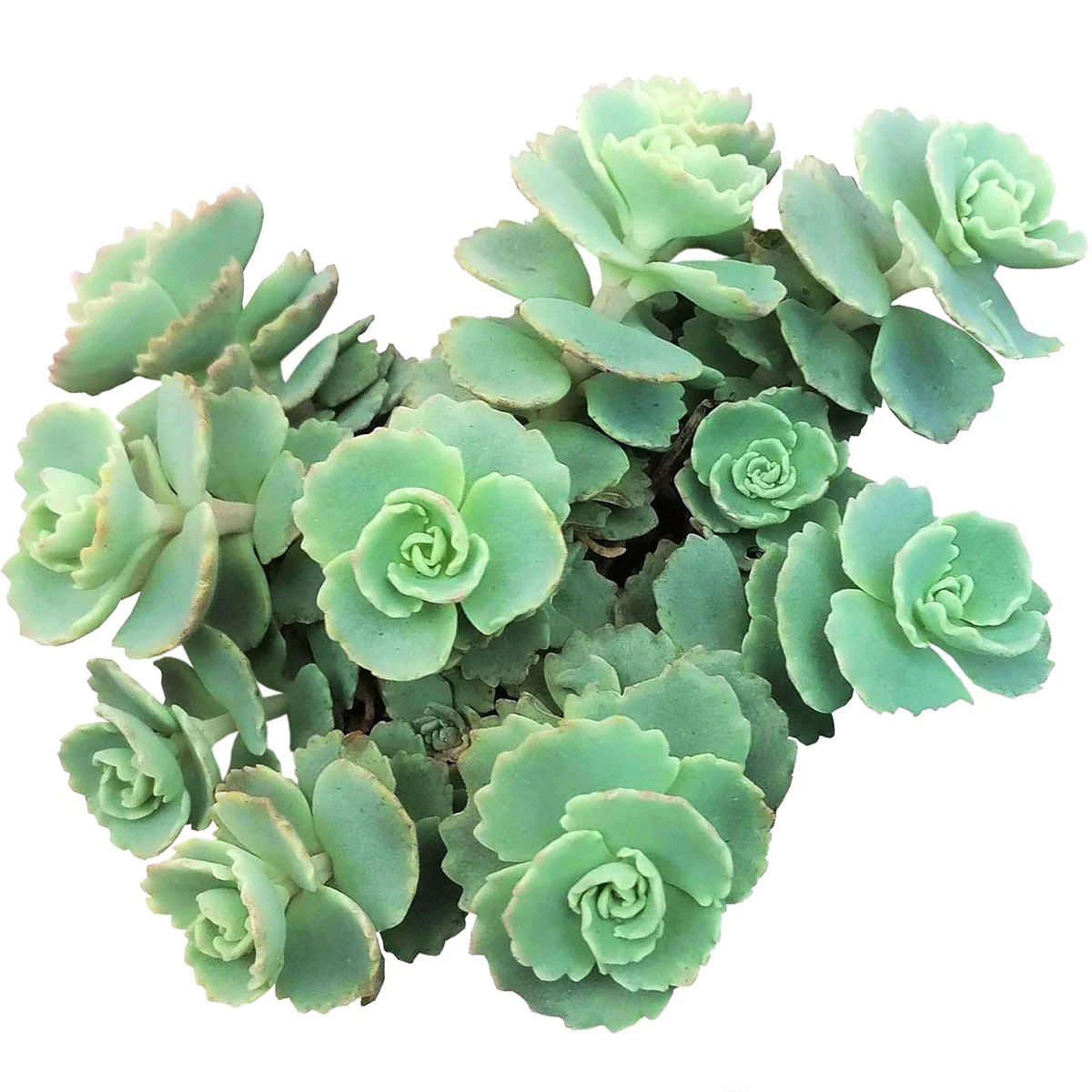
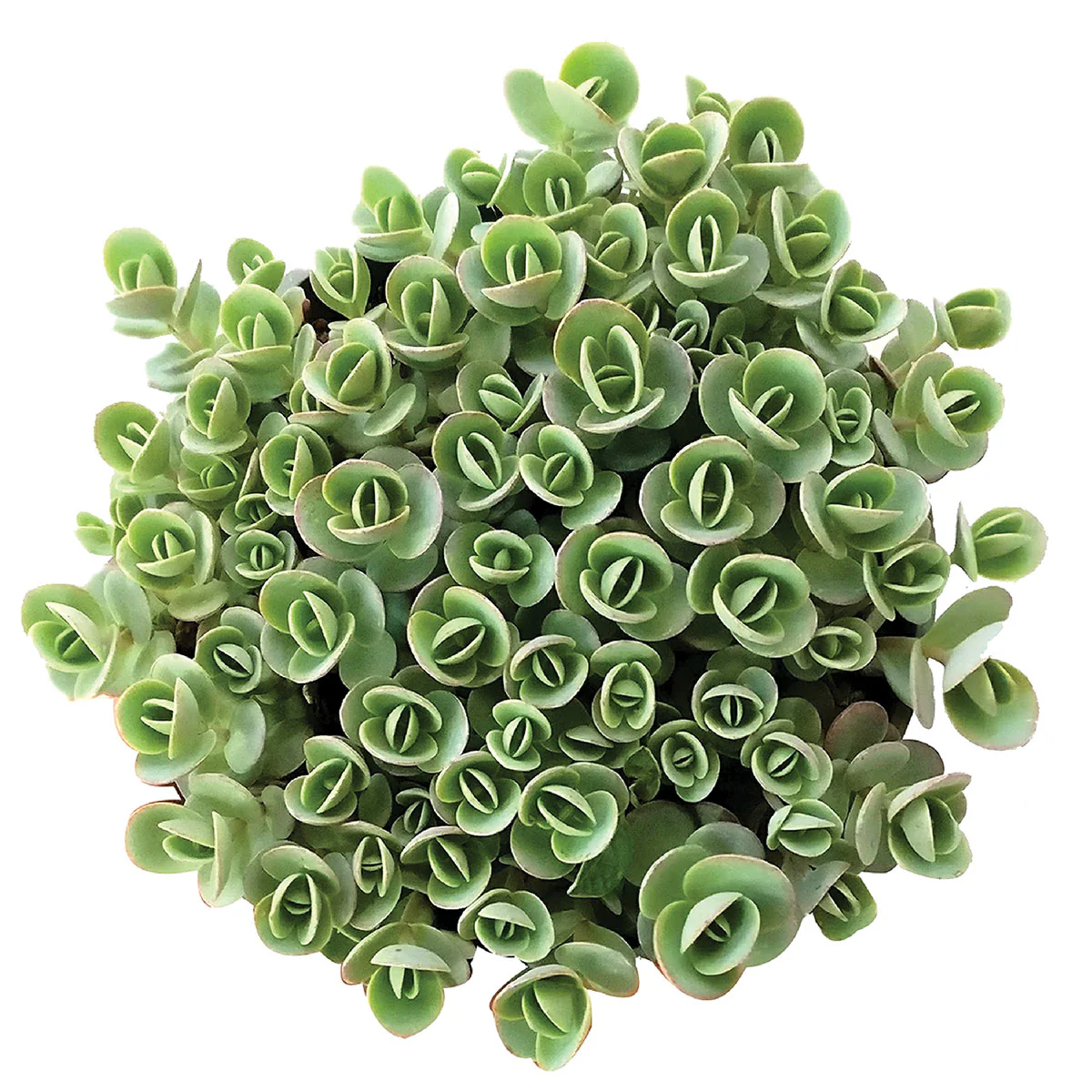
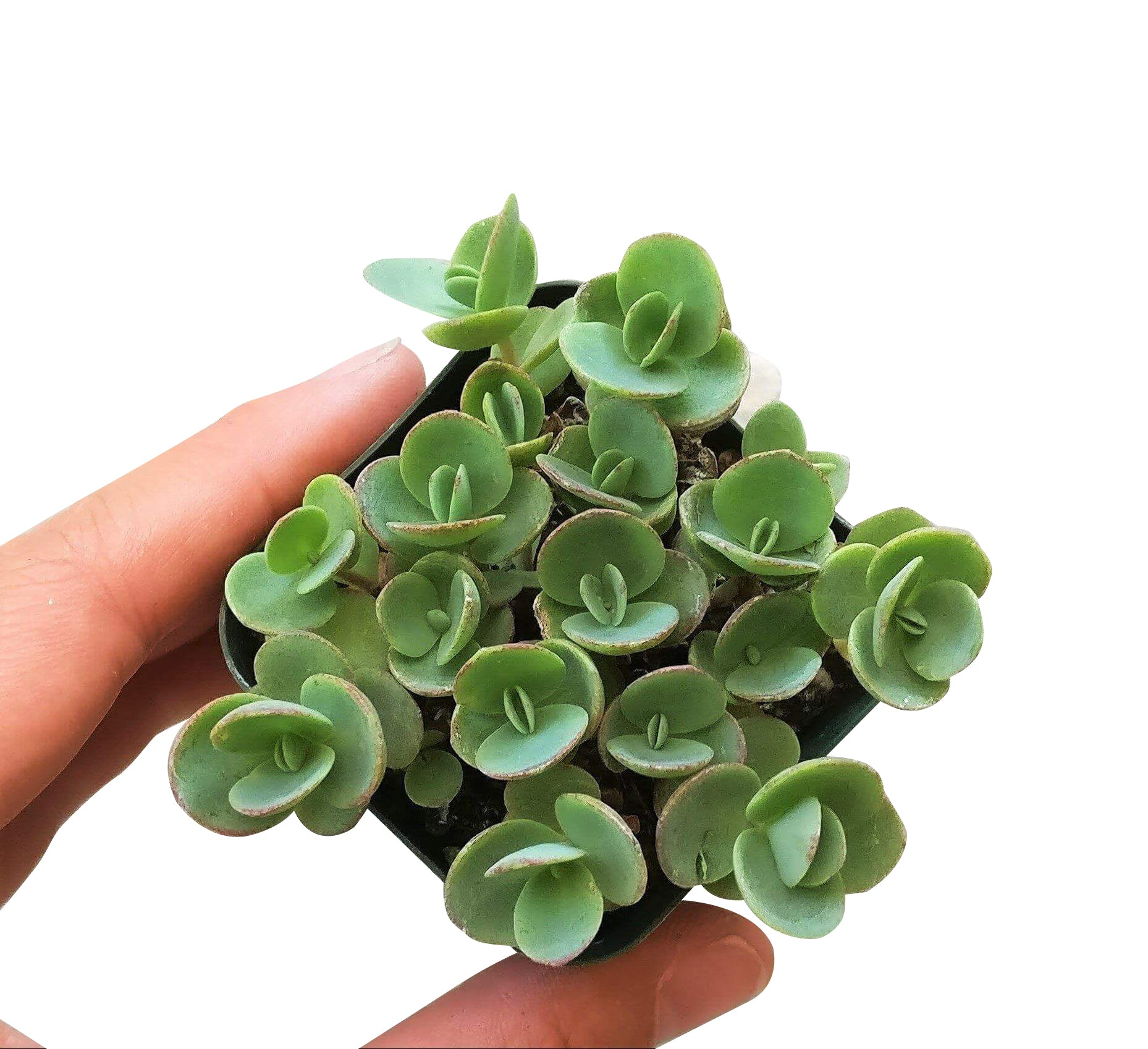
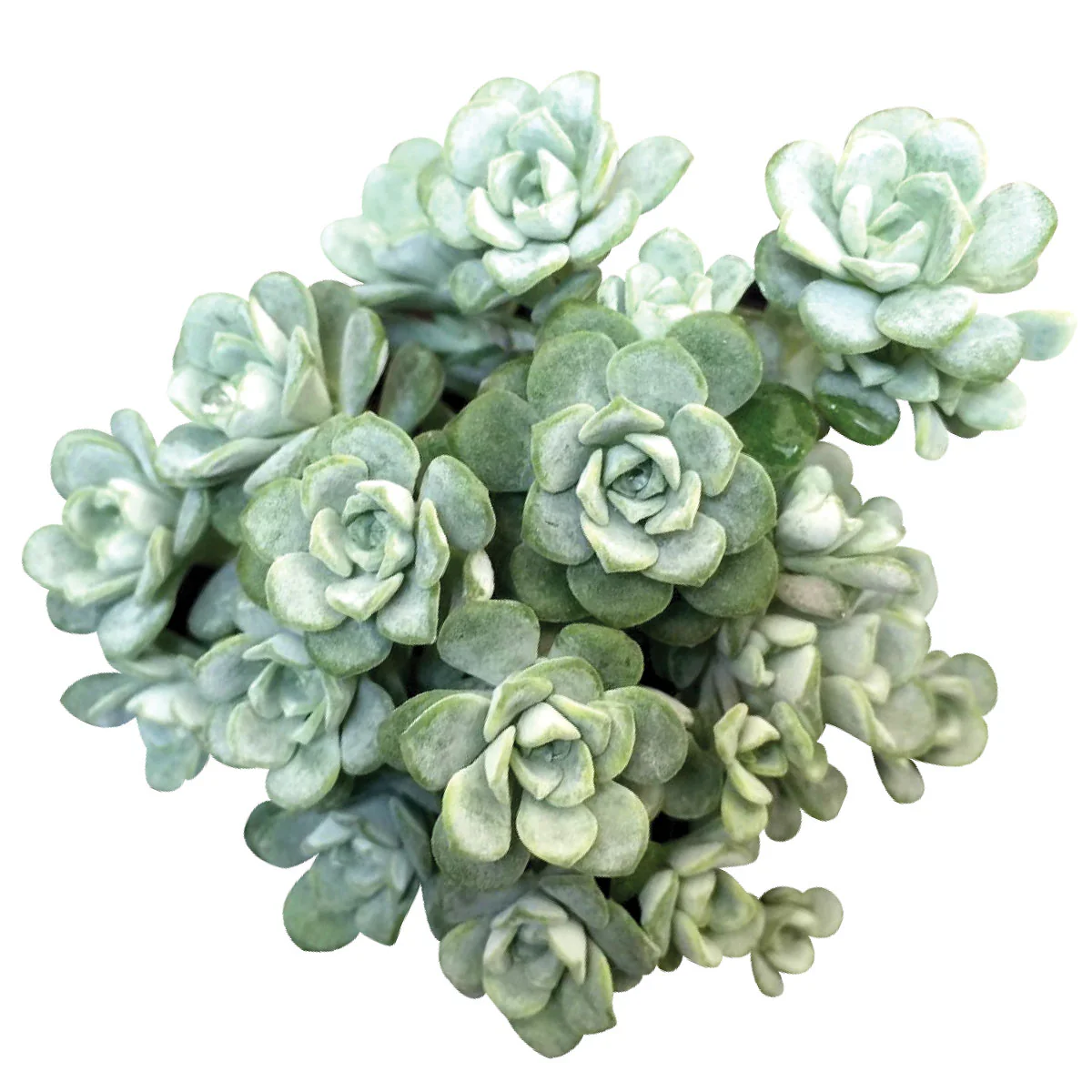
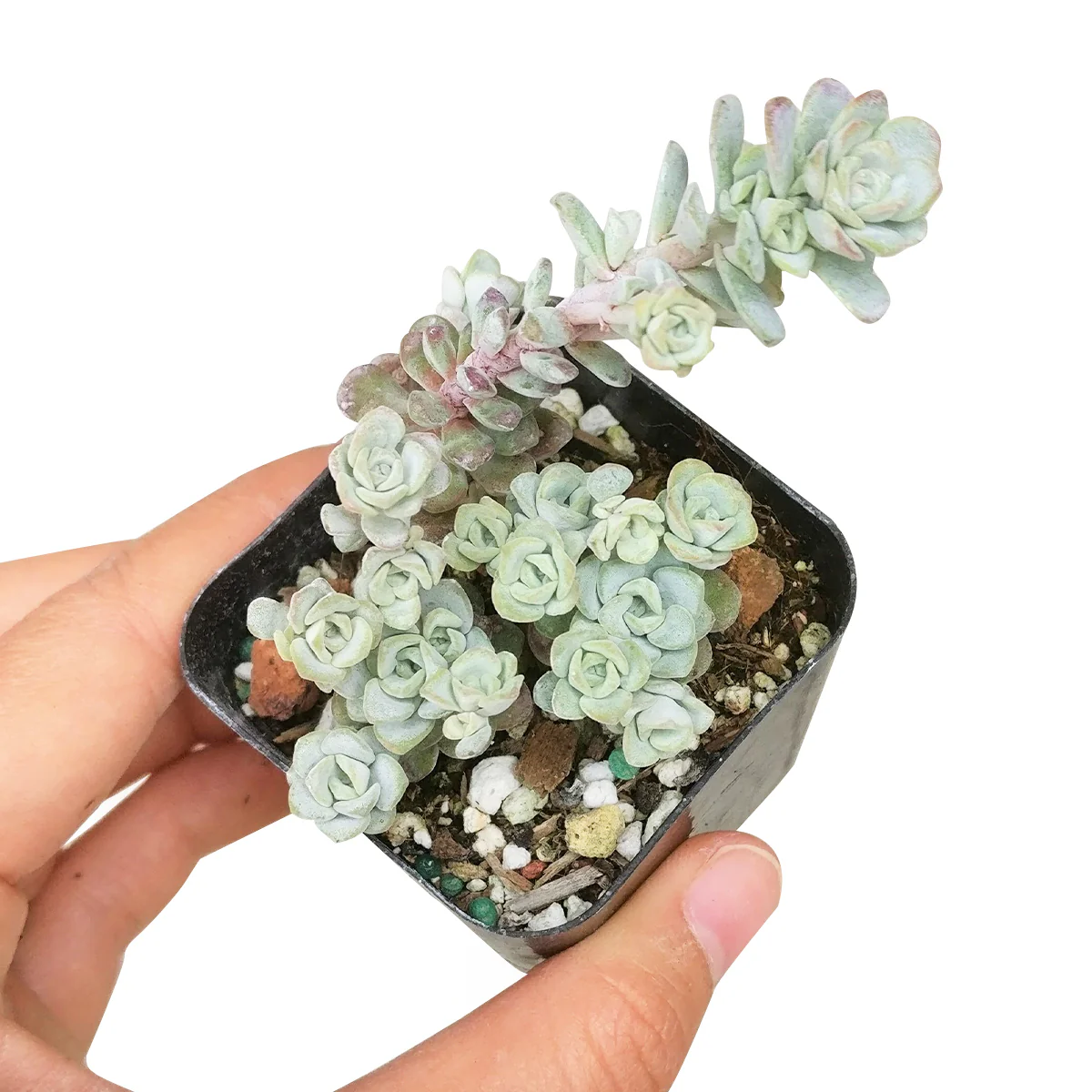
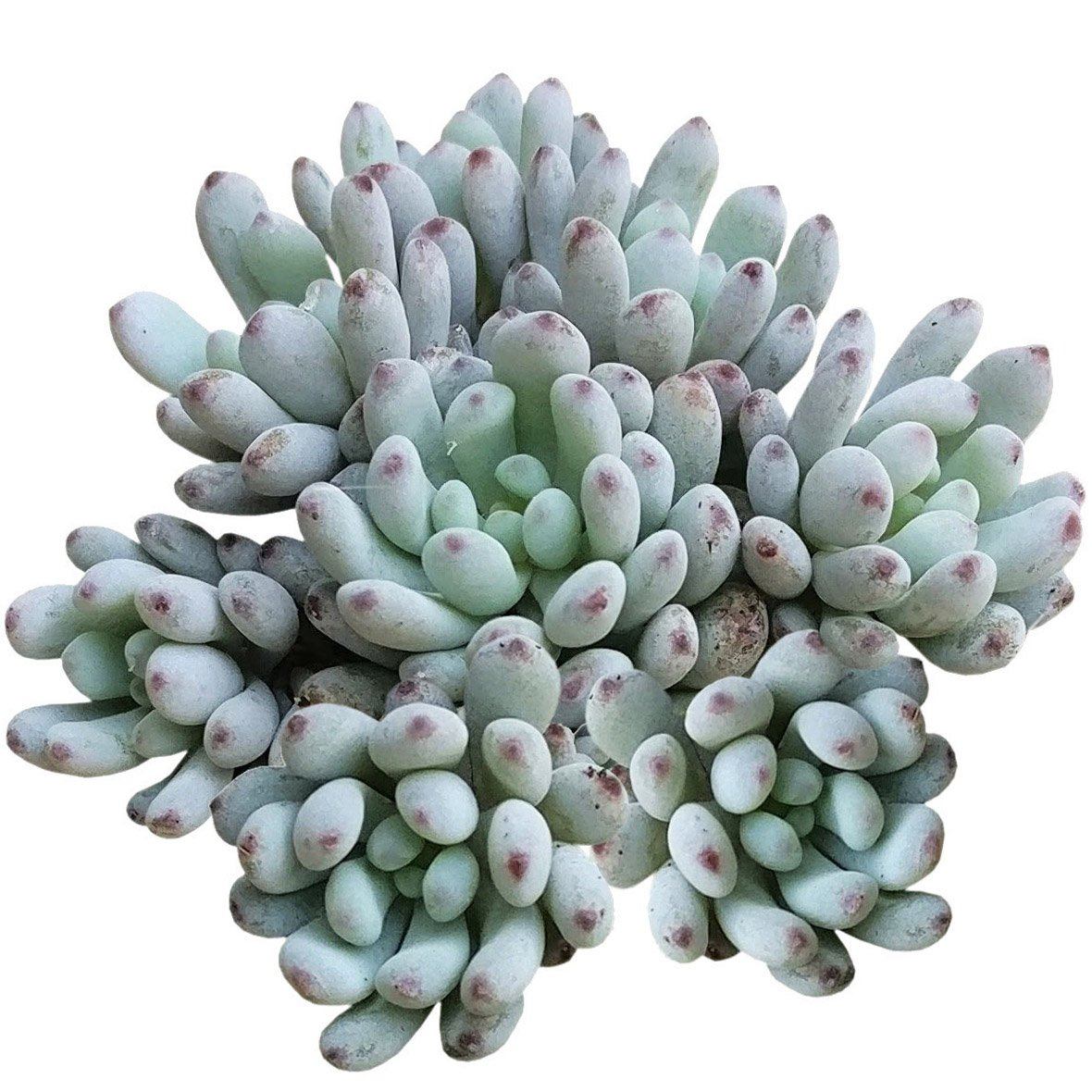
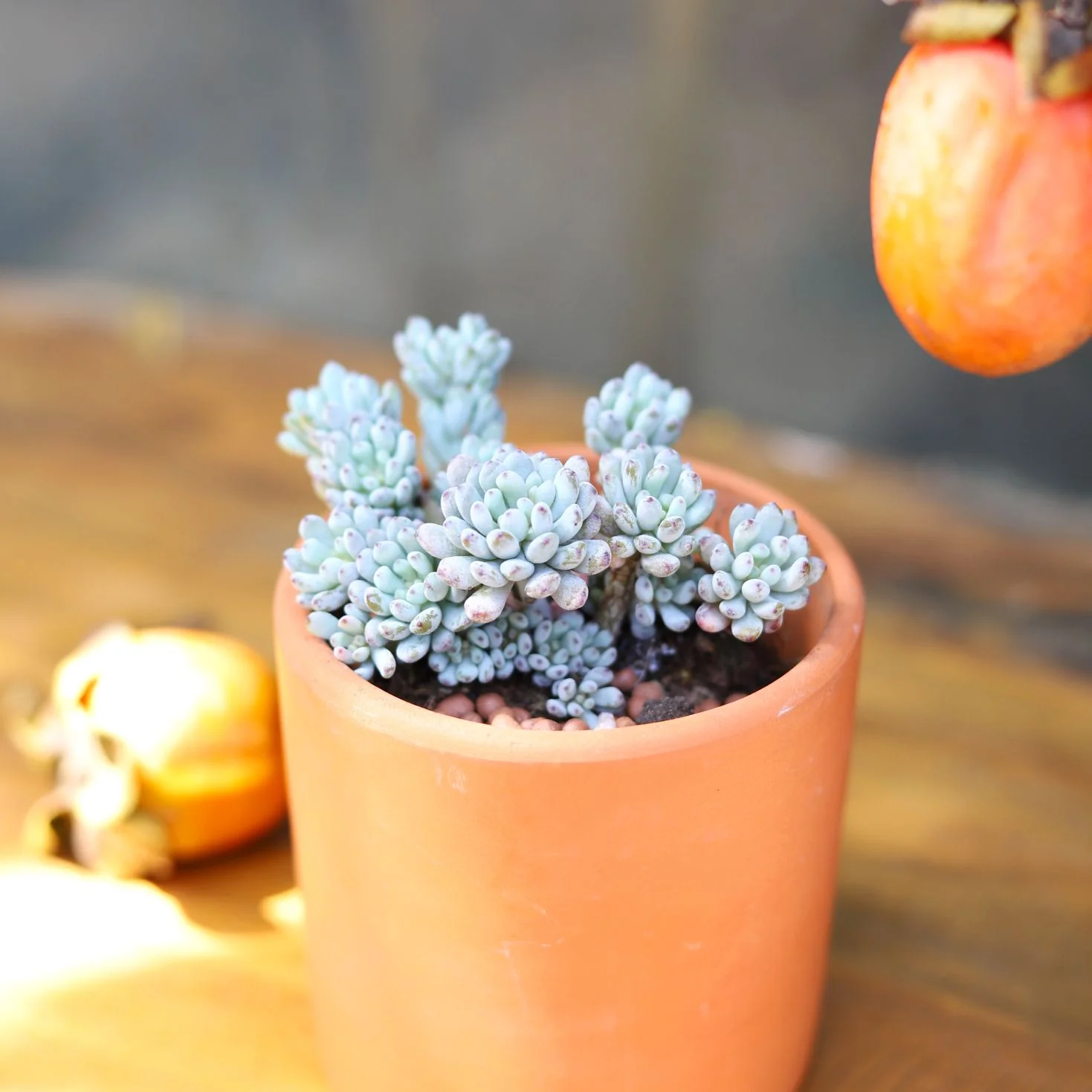
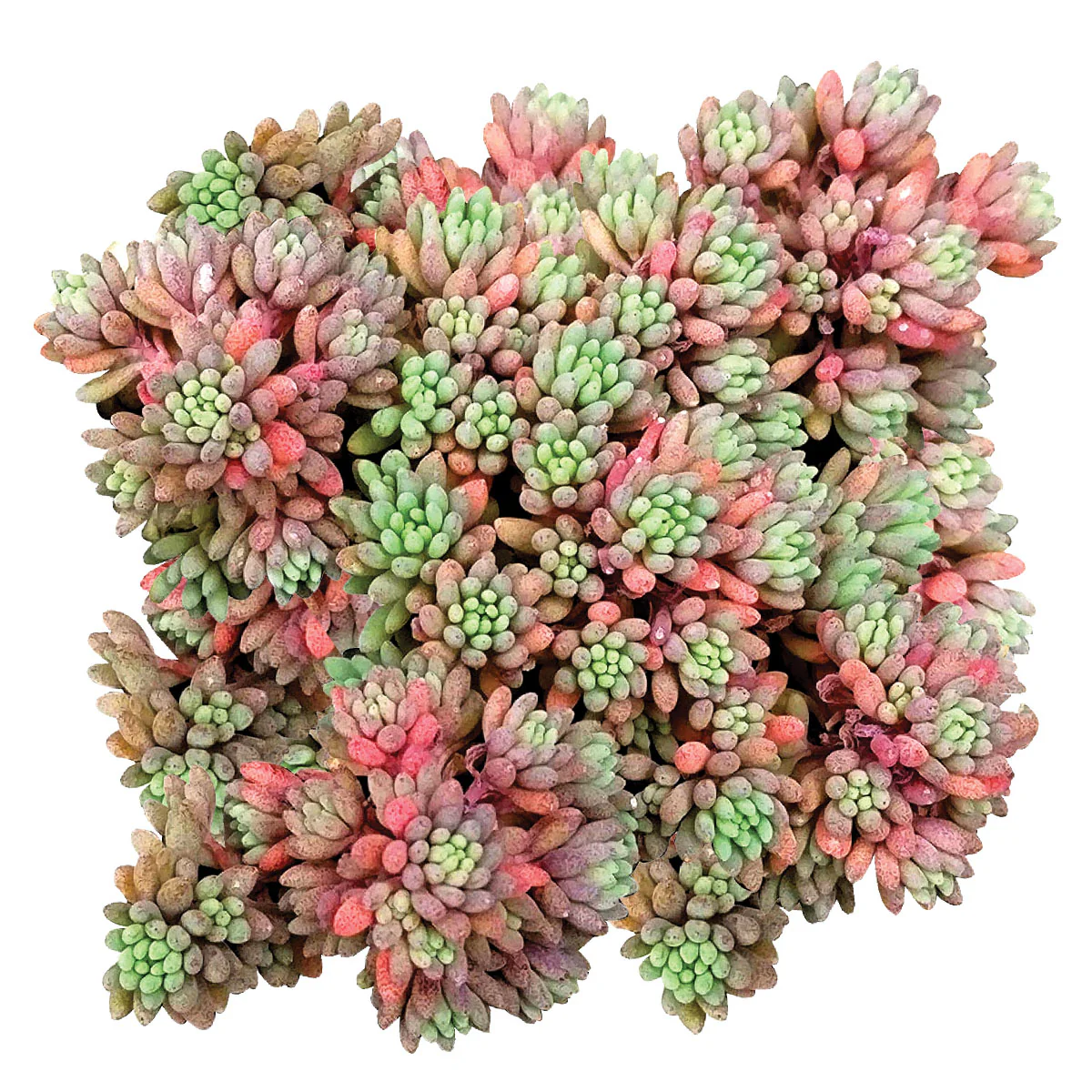
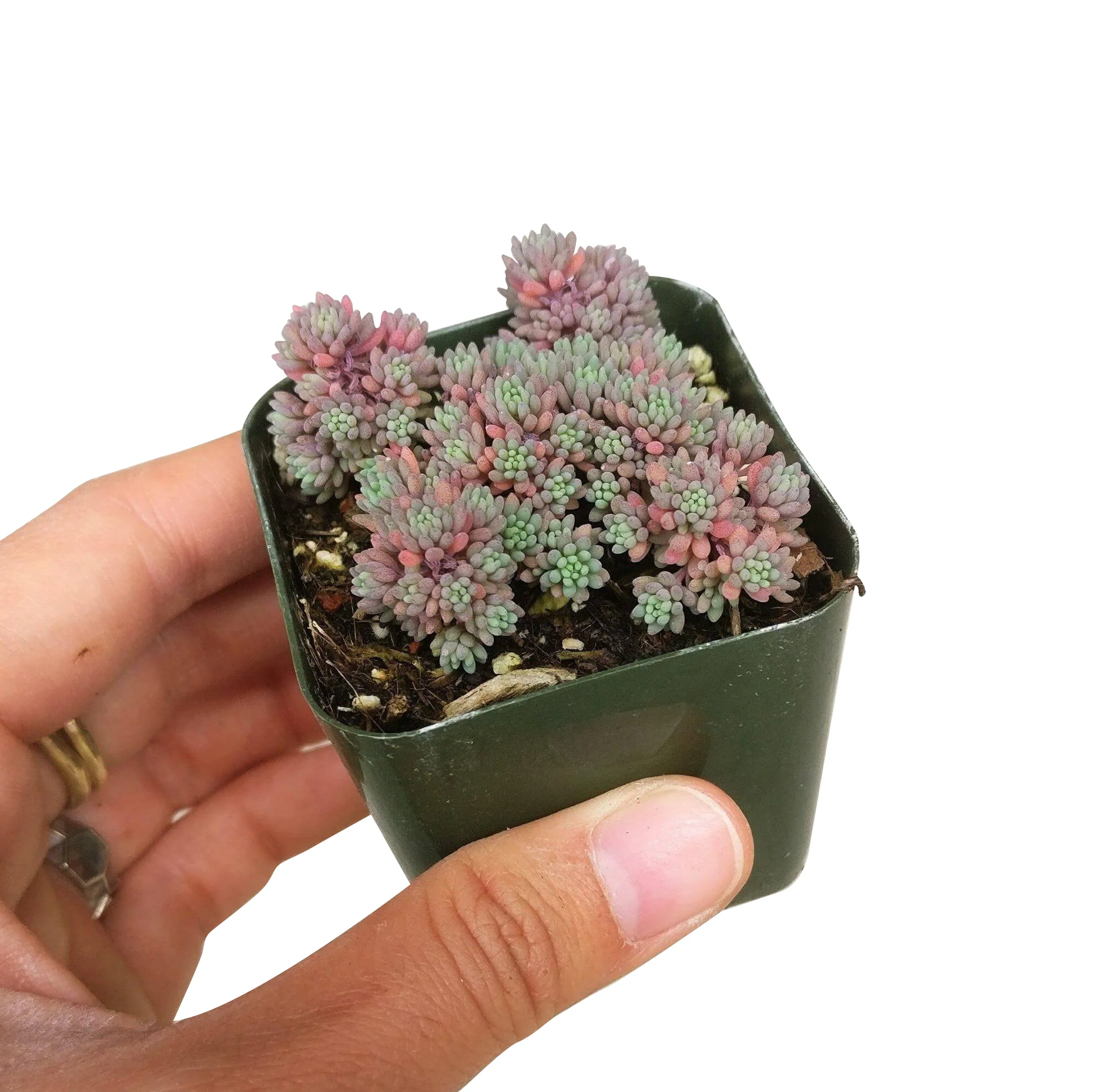
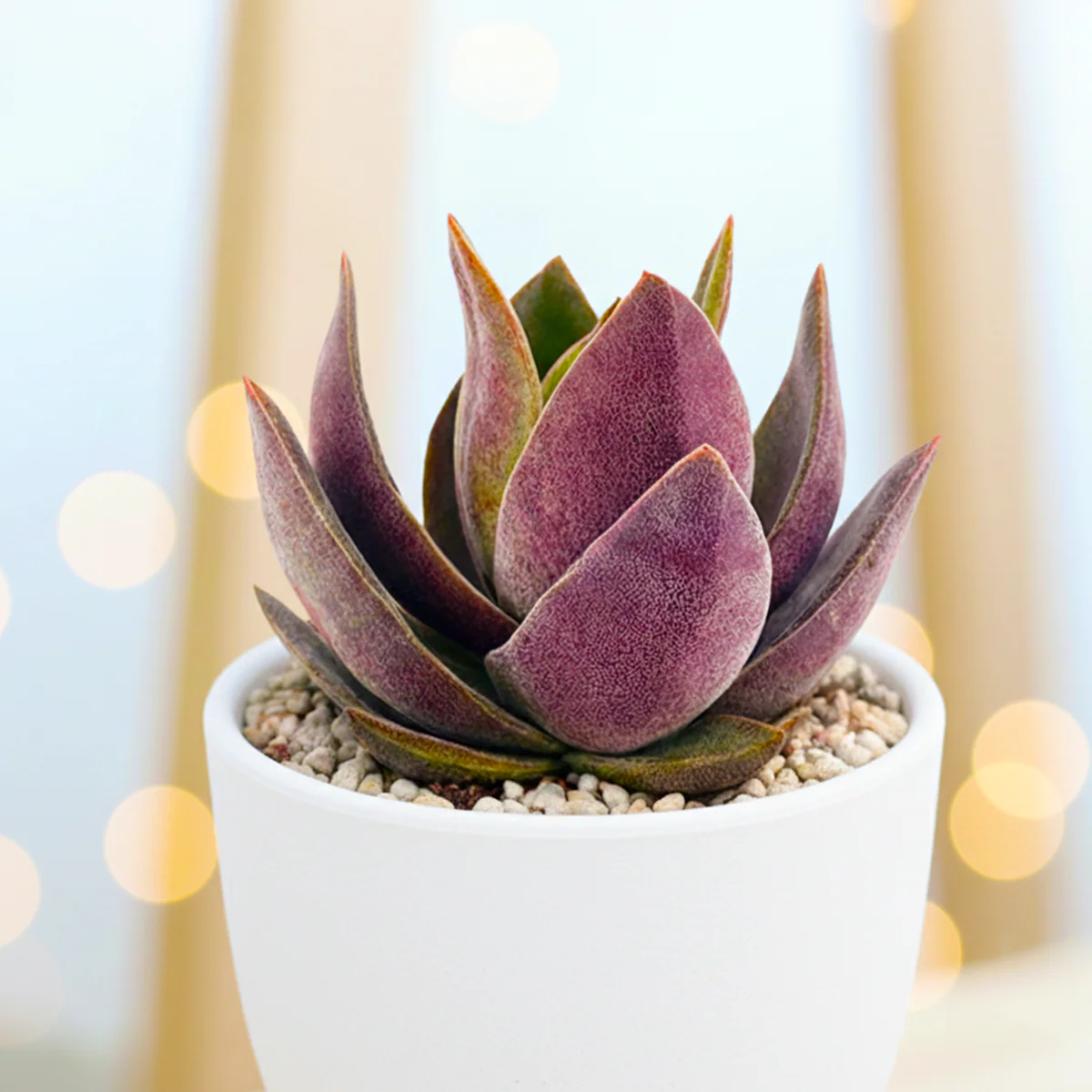
 Crassula 'Garnet Lotus' forms tight, symmetrical rosettes of fleshy, pointed leaves that deepen from green to rich garnet red when given plenty of bright light. The compact succulent plant has a clustering, upright growth habit, meaning it slowly multiplies into a full, sculptural mound over time. Its color intensity is the standout trait: the deeper the sun exposure, the more saturated and vivid that signature red becomes.
 Crassula 'Garnet Lotus' may produce small, star-shaped flowers typical of the crassula genus, and a nighttime temperature drop in late autumn can encourage blooming by signaling a seasonal shift. Beyond flowers, this slow growing succulent earns its place year-round through its striking foliage and its ability to move outdoors for summer to intensify color and encourage new growth. Kept in partial or full sun during warmer months, the rosettes become even more dramatic and densely clustered.
 Crassula 'Garnet Lotus' is a genuine collector's piece: a rare frosted rosette succulent that looks equally stunning on a sunny windowsill, a patio table in summer, or grouped with other drought tolerant succulents in a decorative container. Rotate the pot regularly so every side of the clustering rosette develops evenly, and shield it from direct rain, which can rot the crown. Cats, dogs, and small children shouldn't be left to nibble or handle the plant, so a high shelf or elevated display is both stylish and smart. It can handle dry heated air indoors and will survive a 10-day trip without a sitter, making it one of the best low maintenance succulents for busy plant lovers.
-
 Crassula 'Garnet Lotus' thrives in bright indirect light to full direct sun, with deeper color developing under stronger exposure.
 Water Crassula 'Garnet Lotus' deeply every 10-14 days in summer, pulling back to once a month in winter; wilting leaves signal thirst.
 Crassula 'Garnet Lotus' needs a fast-draining mix of cactus soil blended with perlite or coarse grit at roughly 2:1.
 Crassula 'Garnet Lotus' prefers 60-80°F (15-27°C) indoors and should be protected from frost below 32°F (0°C).
![]() Crassula 'Garnet Lotus' is a slow growing succulent; feed lightly with a diluted balanced fertilizer once in spring and once in summer.
Crassula 'Garnet Lotus' is a slow growing succulent; feed lightly with a diluted balanced fertilizer once in spring and once in summer.
 Crassula 'Garnet Lotus' is hardy in USDA Zones 9-11, tolerating minimum temperatures down to around 25-30°F (-4 to -1°C) with frost protection advised. Gardeners growing Crassula 'Garnet Lotus' outdoors year-round will find ideal conditions across California, Arizona, Nevada, Texas, Florida, Hawaii, Louisiana, Mississippi, Alabama, Georgia, and South Carolina. Coastal Oregon, the warmer pockets of New Mexico, and parts of Arkansas and North Carolina along the Zone 9 boundary can also support it with some seasonal shelter.
-
Q: How often should I water Crassula 'Garnet Lotus'?
A: Water Crassula 'Garnet Lotus' every 10-14 days in the growing season and reduce to about once a month in winter. Wilting or slightly soft leaves are its way of telling you it's ready for a drink.
Q: Is Crassula 'Garnet Lotus' safe around pets and children?
A: Cats and dogs shouldn't be left to nibble or eat Crassula 'Garnet Lotus', so keep it on a high shelf well out of reach. It's also best placed away from small children who might handle or mouth the leaves.
Q: How much light does Crassula 'Garnet Lotus' need?
A: Crassula 'Garnet Lotus' performs best in bright indirect light to full direct sun. More sun means richer, deeper garnet coloring, though watch for leaf scorch in intense south-facing windows during peak summer.
Q: How do I propagate Crassula 'Garnet Lotus'?
A: Crassula 'Garnet Lotus' propagates easily from stem cuttings or individual leaves placed on dry, well-draining soil. Allow cut ends to callous for a day or two before planting to prevent rot.
Q: Is Crassula 'Garnet Lotus' a rare plant?
A: Yes, Crassula 'Garnet Lotus' is considered a rare find in the succulent world, which makes it a particularly rewarding addition to any collector's shelf. Its compact size and striking coloring mean it also makes a standout indoor succulent gift.
Q: Can I put Crassula 'Garnet Lotus' outside in summer?
A: Absolutely, moving Crassula 'Garnet Lotus' outdoors for summer is a great way to intensify its color and encourage healthy, dense clustering. Just place it where it's sheltered from heavy rain, which can collect in the rosette and cause rot.


Original: $8.00
-70%$8.00
$2.40Product Information
Product Information
Shipping & Returns
Shipping & Returns
Description
- Description
- Crassula 'Garnet Lotus' Care Guide
- FAQ/Common Issues
-
![]() Crassula 'Garnet Lotus' is a rare, compact rosette succulent in the Crassulaceae family, prized by collectors for its jewel-toned foliage and easy-care nature. Like most crassulas, it traces its roots to the arid regions of South Africa, where drought tolerant succulents evolved to thrive on minimal water and maximum sun. If you've been hunting for a garnet red succulent that delivers serious visual impact without demanding constant attention, this is the one.
Crassula 'Garnet Lotus' is a rare, compact rosette succulent in the Crassulaceae family, prized by collectors for its jewel-toned foliage and easy-care nature. Like most crassulas, it traces its roots to the arid regions of South Africa, where drought tolerant succulents evolved to thrive on minimal water and maximum sun. If you've been hunting for a garnet red succulent that delivers serious visual impact without demanding constant attention, this is the one.
Crassula 'Garnet Lotus' forms tight, symmetrical rosettes of fleshy, pointed leaves that deepen from green to rich garnet red when given plenty of bright light. The compact succulent plant has a clustering, upright growth habit, meaning it slowly multiplies into a full, sculptural mound over time. Its color intensity is the standout trait: the deeper the sun exposure, the more saturated and vivid that signature red becomes.
Crassula 'Garnet Lotus' may produce small, star-shaped flowers typical of the crassula genus, and a nighttime temperature drop in late autumn can encourage blooming by signaling a seasonal shift. Beyond flowers, this slow growing succulent earns its place year-round through its striking foliage and its ability to move outdoors for summer to intensify color and encourage new growth. Kept in partial or full sun during warmer months, the rosettes become even more dramatic and densely clustered.
Crassula 'Garnet Lotus' is a genuine collector's piece: a rare frosted rosette succulent that looks equally stunning on a sunny windowsill, a patio table in summer, or grouped with other drought tolerant succulents in a decorative container. Rotate the pot regularly so every side of the clustering rosette develops evenly, and shield it from direct rain, which can rot the crown. Cats, dogs, and small children shouldn't be left to nibble or handle the plant, so a high shelf or elevated display is both stylish and smart. It can handle dry heated air indoors and will survive a 10-day trip without a sitter, making it one of the best low maintenance succulents for busy plant lovers.
-
Crassula 'Garnet Lotus' thrives in bright indirect light to full direct sun, with deeper color developing under stronger exposure.
Water Crassula 'Garnet Lotus' deeply every 10-14 days in summer, pulling back to once a month in winter; wilting leaves signal thirst.
Crassula 'Garnet Lotus' needs a fast-draining mix of cactus soil blended with perlite or coarse grit at roughly 2:1.
Crassula 'Garnet Lotus' prefers 60-80°F (15-27°C) indoors and should be protected from frost below 32°F (0°C).
![]() Crassula 'Garnet Lotus' is a slow growing succulent; feed lightly with a diluted balanced fertilizer once in spring and once in summer.
Crassula 'Garnet Lotus' is a slow growing succulent; feed lightly with a diluted balanced fertilizer once in spring and once in summer.
Crassula 'Garnet Lotus' is hardy in USDA Zones 9-11, tolerating minimum temperatures down to around 25-30°F (-4 to -1°C) with frost protection advised. Gardeners growing Crassula 'Garnet Lotus' outdoors year-round will find ideal conditions across California, Arizona, Nevada, Texas, Florida, Hawaii, Louisiana, Mississippi, Alabama, Georgia, and South Carolina. Coastal Oregon, the warmer pockets of New Mexico, and parts of Arkansas and North Carolina along the Zone 9 boundary can also support it with some seasonal shelter.
-
Q: How often should I water Crassula 'Garnet Lotus'?
A: Water Crassula 'Garnet Lotus' every 10-14 days in the growing season and reduce to about once a month in winter. Wilting or slightly soft leaves are its way of telling you it's ready for a drink.
Q: Is Crassula 'Garnet Lotus' safe around pets and children?
A: Cats and dogs shouldn't be left to nibble or eat Crassula 'Garnet Lotus', so keep it on a high shelf well out of reach. It's also best placed away from small children who might handle or mouth the leaves.
Q: How much light does Crassula 'Garnet Lotus' need?
A: Crassula 'Garnet Lotus' performs best in bright indirect light to full direct sun. More sun means richer, deeper garnet coloring, though watch for leaf scorch in intense south-facing windows during peak summer.
Q: How do I propagate Crassula 'Garnet Lotus'?
A: Crassula 'Garnet Lotus' propagates easily from stem cuttings or individual leaves placed on dry, well-draining soil. Allow cut ends to callous for a day or two before planting to prevent rot.
Q: Is Crassula 'Garnet Lotus' a rare plant?
A: Yes, Crassula 'Garnet Lotus' is considered a rare find in the succulent world, which makes it a particularly rewarding addition to any collector's shelf. Its compact size and striking coloring mean it also makes a standout indoor succulent gift.
Q: Can I put Crassula 'Garnet Lotus' outside in summer?
A: Absolutely, moving Crassula 'Garnet Lotus' outdoors for summer is a great way to intensify its color and encourage healthy, dense clustering. Just place it where it's sheltered from heavy rain, which can collect in the rosette and cause rot.