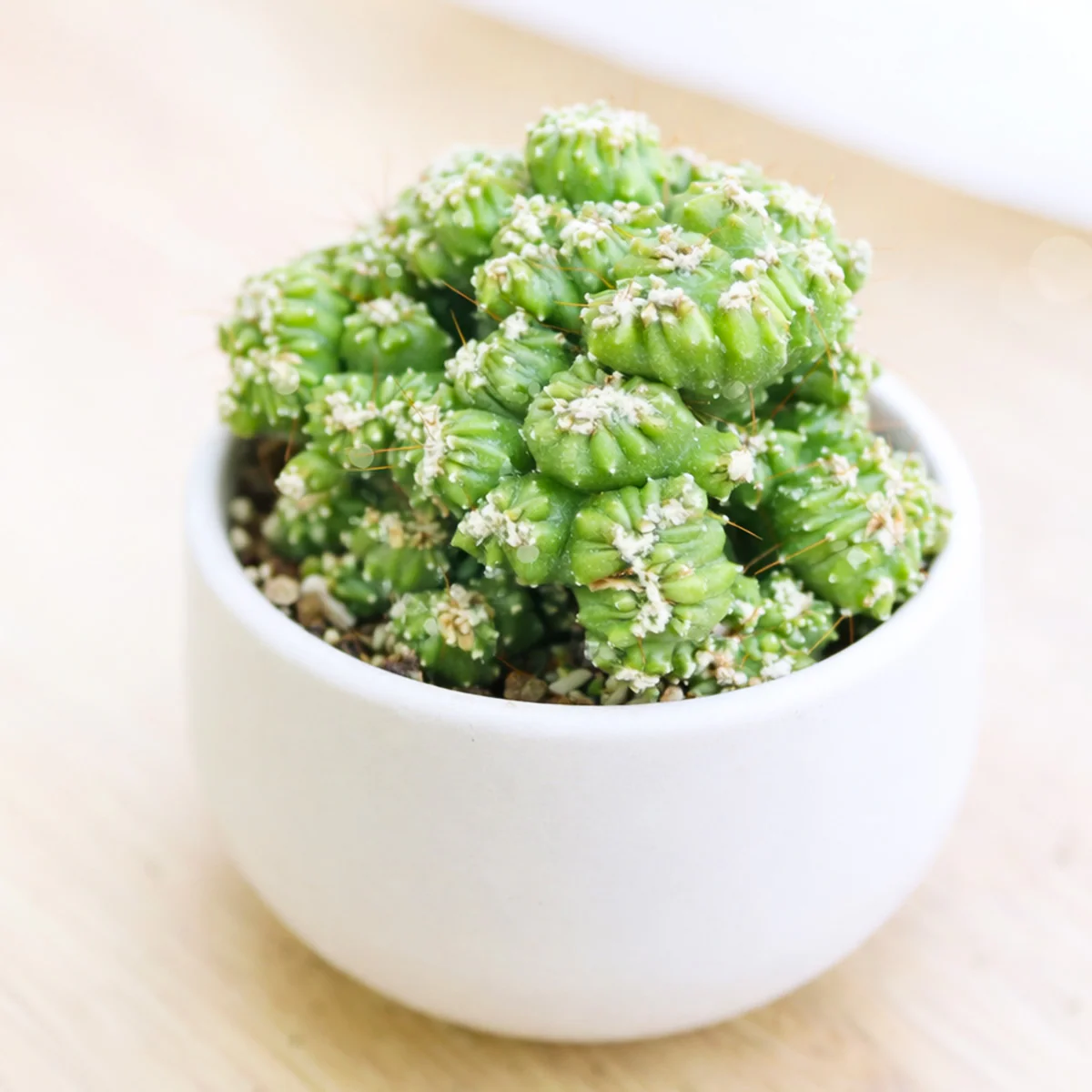
Cereus repandus 'Petra' Cactus
- Description
- Cereus repandus 'Petra' Cactus Care Guide
- FAQ/Common Issues
-
![]() Cereus repandus 'Petra' Cactus is a rare monstrose form of the classic columnar apple cactus, prized by collectors for its irregular, sculptural stem structure that sets it apart from standard columnar varieties. Native to South America, particularly the dry scrublands of Peru and surrounding regions, this architectural cactus has been cultivated for decades and is considered a genuine heirloom specimen in the cactus world. As a beginner-friendly, easy care cactus, the Cereus repandus 'Petra' Cactus rewards patient growers with a living sculpture that only gets more impressive over time.
Cereus repandus 'Petra' Cactus is a rare monstrose form of the classic columnar apple cactus, prized by collectors for its irregular, sculptural stem structure that sets it apart from standard columnar varieties. Native to South America, particularly the dry scrublands of Peru and surrounding regions, this architectural cactus has been cultivated for decades and is considered a genuine heirloom specimen in the cactus world. As a beginner-friendly, easy care cactus, the Cereus repandus 'Petra' Cactus rewards patient growers with a living sculpture that only gets more impressive over time.
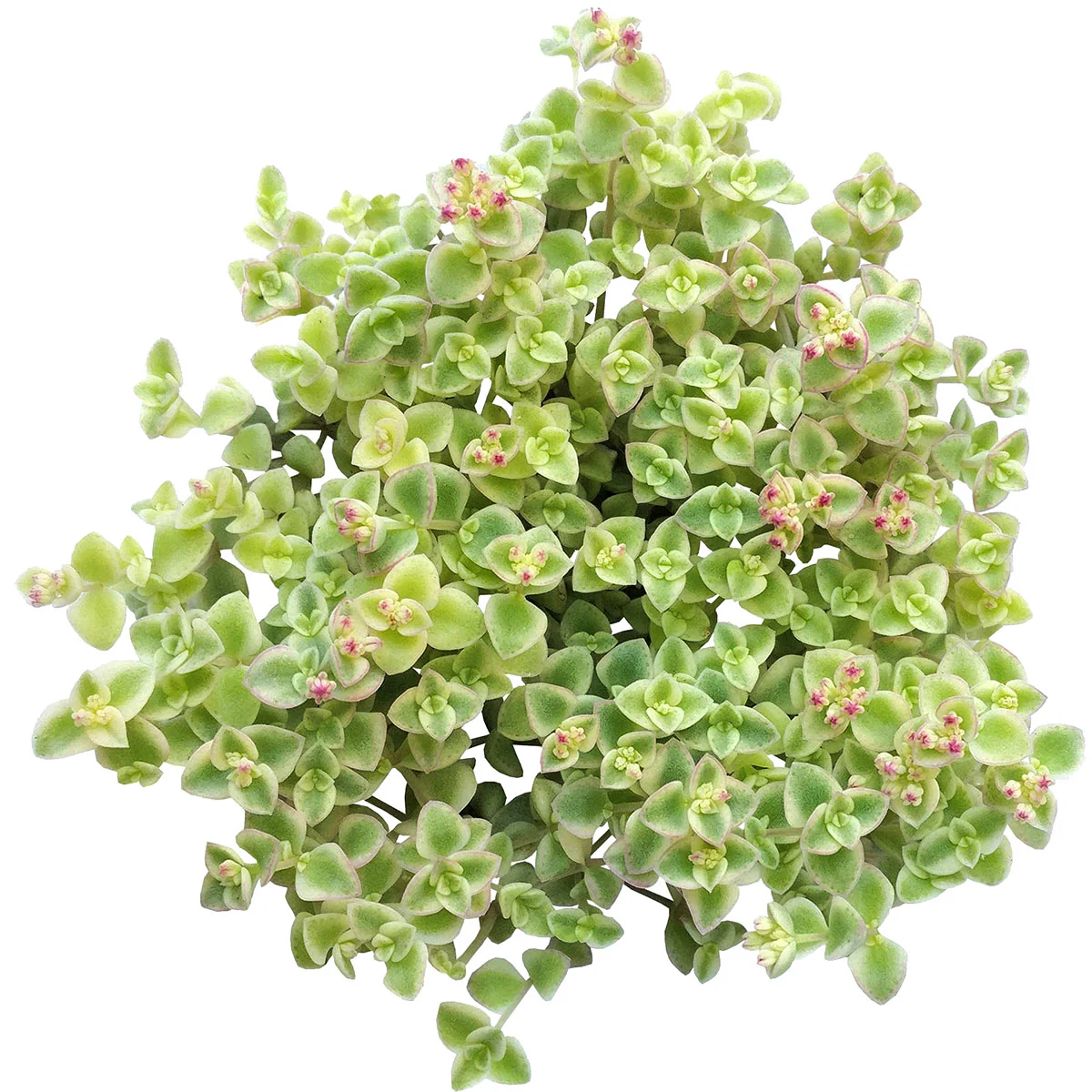
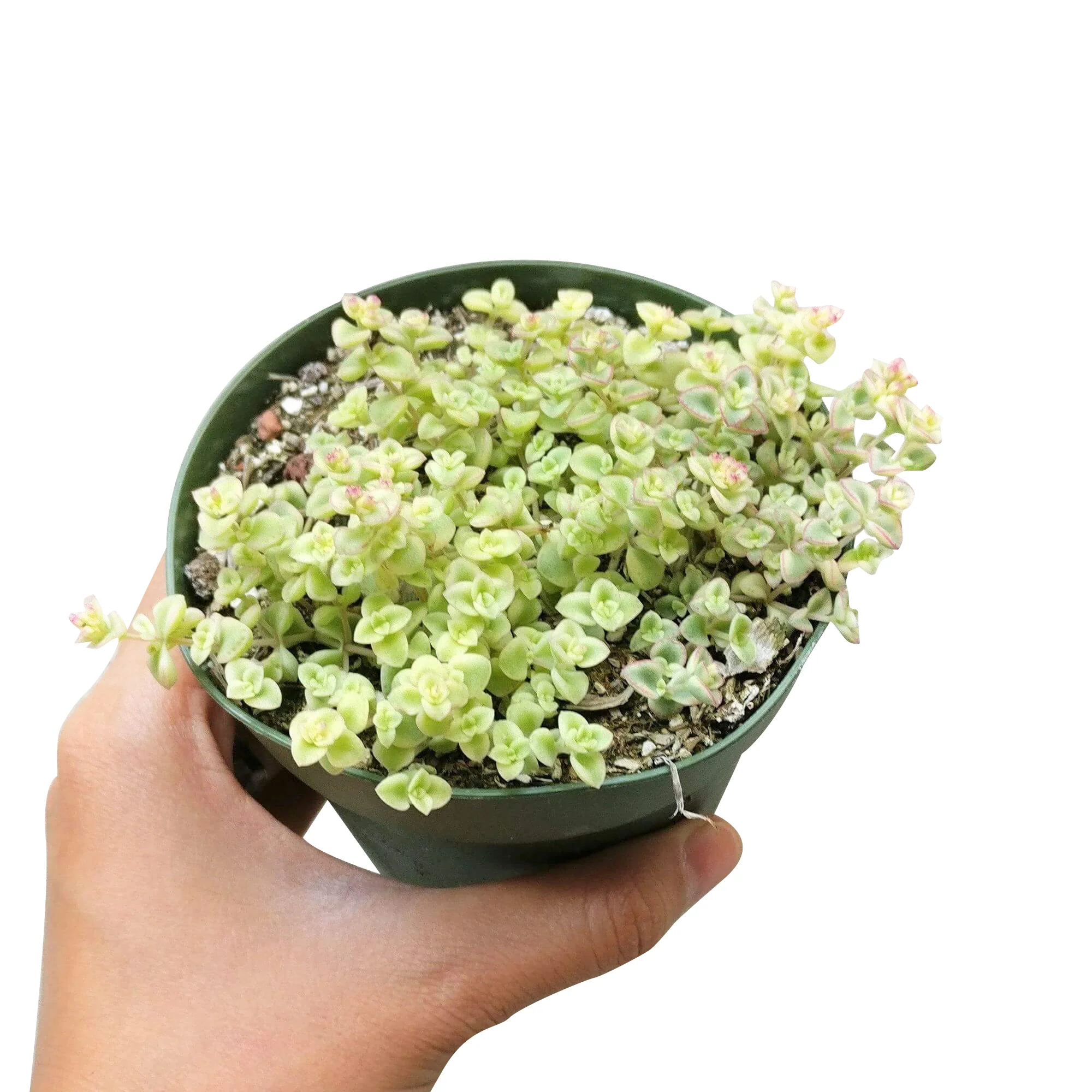
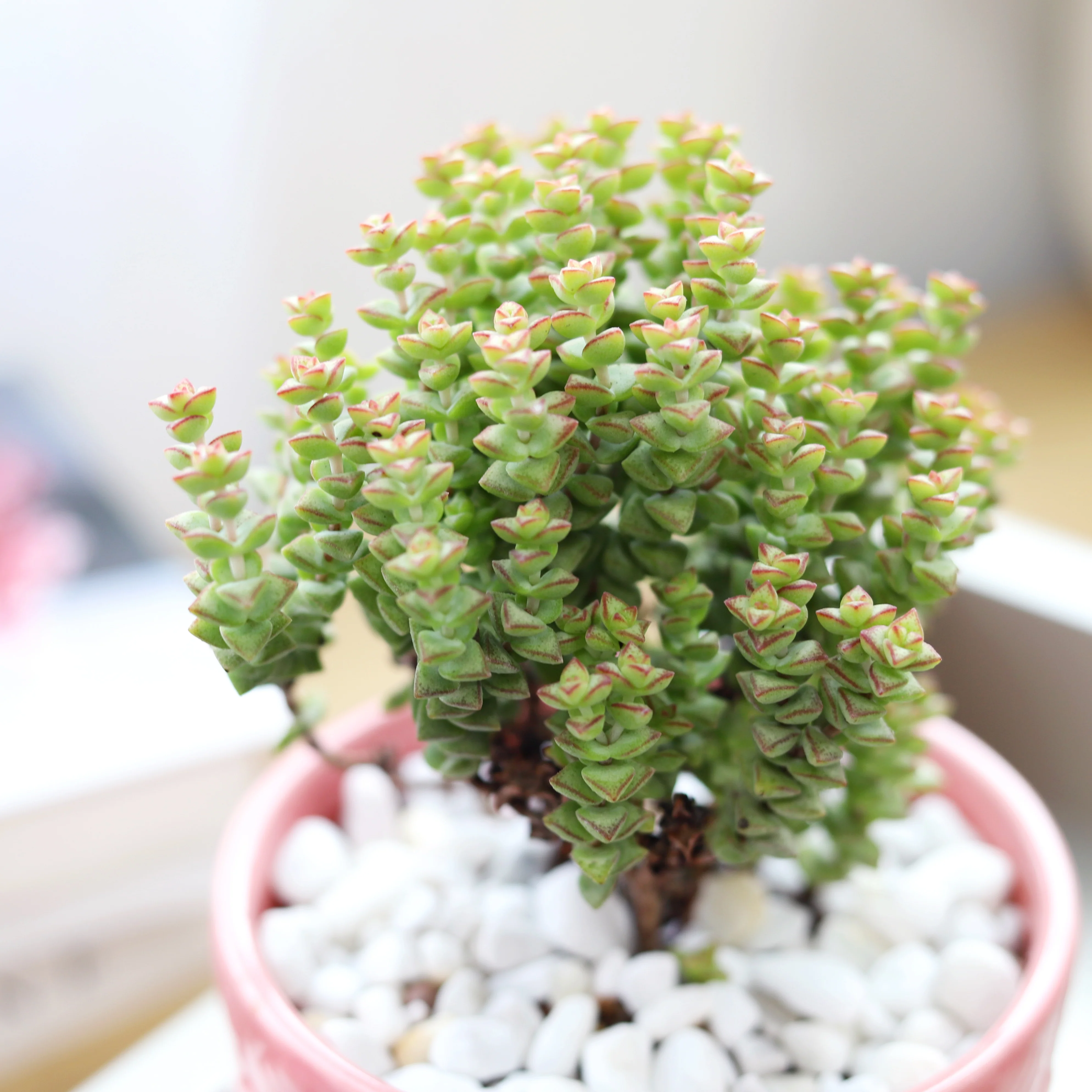
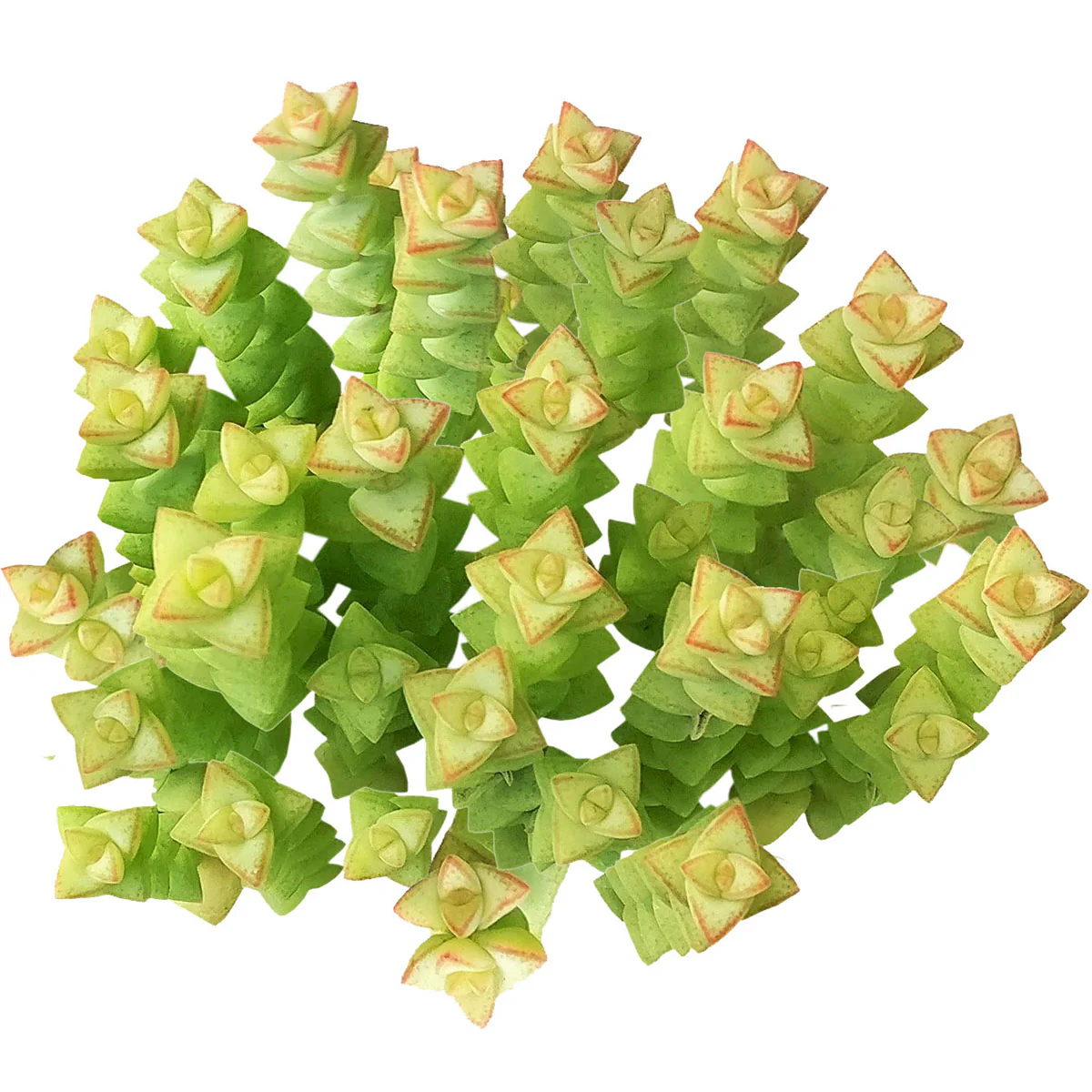
 What makes the Cereus repandus 'Petra' Cactus instantly recognizable is its knobby, lumpy stem structure, a hallmark of monstrose growth where the normal rib pattern breaks into warty, asymmetrical mounds along the column. The upright, clustering habit means this sculptural indoor cactus can develop into a striking multi-stemmed clump, each column covered in dense areoles and short spines. Its blue-green to grey-green skin gives the Cereus repandus 'Petra' Cactus a cool, almost stone-like presence that looks equally at home in a bohemian living room or a minimalist architectural interior.
 Mature specimens of Cereus repandus 'Petra' Cactus can produce large, white nocturnal blooms during summer months, opening after dark and closing by morning, a spectacular and fleeting event that serious collectors look forward to each season. Encouraging blooms typically requires a night temperature drop and outdoor summer placement, which also gives the plant the intense light it loves. Beyond flowering, the Cereus repandus 'Petra' Cactus has a long history of edible and medicinal use in its native range, with its fruit consumed locally and its tissues used in traditional practices.
 The Cereus repandus 'Petra' Cactus is an excellent candidate for floor display or a heavy statement pot, since its deep root system genuinely needs a weighty container to stay stable as it grows tall. Move it outside for summer to soak up full sun, but always provide cover from rain to prevent rot, and bring it back inside before temperatures drop too far. Because of its spines, the Cereus repandus 'Petra' Cactus is best placed on a high shelf or in a spot away from small children and pets, as contact with spines and sap can cause irritation. This is a true collector cactus plant, equally appealing as a starter cutting or a jaw-dropping mature specimen.
-
 Cereus repandus 'Petra' Cactus thrives in bright indirect light, partial sun, or full sun, though south-facing windows can scorch stems in peak summer heat.
 Water Cereus repandus 'Petra' Cactus deeply every two to three weeks in summer, reducing to once a month or less through winter.
 Cereus repandus 'Petra' Cactus performs best in a fast-draining cactus and perlite mix, roughly 50% grit, to prevent root rot.
 Cereus repandus 'Petra' Cactus prefers temperatures between 60-90°F (15-32°C) and tolerates dry heated indoor air, though it dislikes cold AC or heater drafts.
![]() Cereus repandus 'Petra' Cactus is a moderate grower that benefits from a balanced, low-nitrogen fertilizer applied once or twice during the active growing season.
Cereus repandus 'Petra' Cactus is a moderate grower that benefits from a balanced, low-nitrogen fertilizer applied once or twice during the active growing season.
 Cereus repandus 'Petra' Cactus is hardy in USDA Zones 9-11, tolerating brief dips to around 25°F (-4°C) but performing best where hard frosts are rare or absent. Growers in California, Arizona, Texas, Florida, Hawaii, Nevada, Louisiana, Georgia, South Carolina, Alabama, and Mississippi can keep Cereus repandus 'Petra' Cactus outdoors year-round in the right microclimate. Gardeners along the Oregon coast and in sheltered pockets of New Mexico may also succeed outdoors with good drainage and protection during the coldest nights.
-
Q: How often should I water Cereus repandus 'Petra' Cactus?
A: Water every two to three weeks in the growing season and cut back to monthly or less in winter, always letting the soil dry completely between waterings.
Q: Is Cereus repandus 'Petra' Cactus safe around pets?
A: The spines of Cereus repandus 'Petra' Cactus can cause physical injury, and sap contact may irritate skin or paws, so keep it well out of reach of curious pets.
Q: How do I propagate Cereus repandus 'Petra' Cactus?
A: Take a stem cutting in spring or summer, let it callous for several days, then plant it in dry cactus mix and wait for roots to establish before watering.
Q: Can Cereus repandus 'Petra' Cactus survive while I travel?
A: Yes, this drought tolerant cactus handles neglect beautifully and can easily go ten days or more without water, making it a perfect low-maintenance companion.
Q: What causes yellowing on Cereus repandus 'Petra' Cactus?
A: Yellowing is almost always a sign of overwatering or poor drainage; reduce watering frequency and ensure the pot drains freely to restore healthy green color.
Q: Does Cereus repandus 'Petra' Cactus need to be rotated?
A: Yes, rotating the pot every few weeks encourages even, upright growth and prevents the plant from leaning toward its light source over time.


Original: $8.00
-70%$8.00
$2.40Product Information
Product Information
Shipping & Returns
Shipping & Returns
Description
- Description
- Cereus repandus 'Petra' Cactus Care Guide
- FAQ/Common Issues
-
![]() Cereus repandus 'Petra' Cactus is a rare monstrose form of the classic columnar apple cactus, prized by collectors for its irregular, sculptural stem structure that sets it apart from standard columnar varieties. Native to South America, particularly the dry scrublands of Peru and surrounding regions, this architectural cactus has been cultivated for decades and is considered a genuine heirloom specimen in the cactus world. As a beginner-friendly, easy care cactus, the Cereus repandus 'Petra' Cactus rewards patient growers with a living sculpture that only gets more impressive over time.
Cereus repandus 'Petra' Cactus is a rare monstrose form of the classic columnar apple cactus, prized by collectors for its irregular, sculptural stem structure that sets it apart from standard columnar varieties. Native to South America, particularly the dry scrublands of Peru and surrounding regions, this architectural cactus has been cultivated for decades and is considered a genuine heirloom specimen in the cactus world. As a beginner-friendly, easy care cactus, the Cereus repandus 'Petra' Cactus rewards patient growers with a living sculpture that only gets more impressive over time.
What makes the Cereus repandus 'Petra' Cactus instantly recognizable is its knobby, lumpy stem structure, a hallmark of monstrose growth where the normal rib pattern breaks into warty, asymmetrical mounds along the column. The upright, clustering habit means this sculptural indoor cactus can develop into a striking multi-stemmed clump, each column covered in dense areoles and short spines. Its blue-green to grey-green skin gives the Cereus repandus 'Petra' Cactus a cool, almost stone-like presence that looks equally at home in a bohemian living room or a minimalist architectural interior.
Mature specimens of Cereus repandus 'Petra' Cactus can produce large, white nocturnal blooms during summer months, opening after dark and closing by morning, a spectacular and fleeting event that serious collectors look forward to each season. Encouraging blooms typically requires a night temperature drop and outdoor summer placement, which also gives the plant the intense light it loves. Beyond flowering, the Cereus repandus 'Petra' Cactus has a long history of edible and medicinal use in its native range, with its fruit consumed locally and its tissues used in traditional practices.
The Cereus repandus 'Petra' Cactus is an excellent candidate for floor display or a heavy statement pot, since its deep root system genuinely needs a weighty container to stay stable as it grows tall. Move it outside for summer to soak up full sun, but always provide cover from rain to prevent rot, and bring it back inside before temperatures drop too far. Because of its spines, the Cereus repandus 'Petra' Cactus is best placed on a high shelf or in a spot away from small children and pets, as contact with spines and sap can cause irritation. This is a true collector cactus plant, equally appealing as a starter cutting or a jaw-dropping mature specimen.
-
Cereus repandus 'Petra' Cactus thrives in bright indirect light, partial sun, or full sun, though south-facing windows can scorch stems in peak summer heat.
Water Cereus repandus 'Petra' Cactus deeply every two to three weeks in summer, reducing to once a month or less through winter.
Cereus repandus 'Petra' Cactus performs best in a fast-draining cactus and perlite mix, roughly 50% grit, to prevent root rot.
Cereus repandus 'Petra' Cactus prefers temperatures between 60-90°F (15-32°C) and tolerates dry heated indoor air, though it dislikes cold AC or heater drafts.
![]() Cereus repandus 'Petra' Cactus is a moderate grower that benefits from a balanced, low-nitrogen fertilizer applied once or twice during the active growing season.
Cereus repandus 'Petra' Cactus is a moderate grower that benefits from a balanced, low-nitrogen fertilizer applied once or twice during the active growing season.
Cereus repandus 'Petra' Cactus is hardy in USDA Zones 9-11, tolerating brief dips to around 25°F (-4°C) but performing best where hard frosts are rare or absent. Growers in California, Arizona, Texas, Florida, Hawaii, Nevada, Louisiana, Georgia, South Carolina, Alabama, and Mississippi can keep Cereus repandus 'Petra' Cactus outdoors year-round in the right microclimate. Gardeners along the Oregon coast and in sheltered pockets of New Mexico may also succeed outdoors with good drainage and protection during the coldest nights.
-
Q: How often should I water Cereus repandus 'Petra' Cactus?
A: Water every two to three weeks in the growing season and cut back to monthly or less in winter, always letting the soil dry completely between waterings.
Q: Is Cereus repandus 'Petra' Cactus safe around pets?
A: The spines of Cereus repandus 'Petra' Cactus can cause physical injury, and sap contact may irritate skin or paws, so keep it well out of reach of curious pets.
Q: How do I propagate Cereus repandus 'Petra' Cactus?
A: Take a stem cutting in spring or summer, let it callous for several days, then plant it in dry cactus mix and wait for roots to establish before watering.
Q: Can Cereus repandus 'Petra' Cactus survive while I travel?
A: Yes, this drought tolerant cactus handles neglect beautifully and can easily go ten days or more without water, making it a perfect low-maintenance companion.
Q: What causes yellowing on Cereus repandus 'Petra' Cactus?
A: Yellowing is almost always a sign of overwatering or poor drainage; reduce watering frequency and ensure the pot drains freely to restore healthy green color.
Q: Does Cereus repandus 'Petra' Cactus need to be rotated?
A: Yes, rotating the pot every few weeks encourages even, upright growth and prevents the plant from leaning toward its light source over time.