Argyroderma Pearsonii Cactus
- Description
- Argyroderma Pearsonii Cactus Care Guide
- FAQ/Common Issues
-
![]() Argyroderma Pearsonii Cactus is a rare living stone succulent native to the quartz fields of South Africa's Little Karoo region, where rainfall is minimal and survival depends on near-perfect camouflage. Belonging to the genus Argyroderma, this dwarf succulent plant has adapted to one of the harshest environments on earth, making it a genuinely extraordinary find for any plant collector.
Argyroderma Pearsonii Cactus is a rare living stone succulent native to the quartz fields of South Africa's Little Karoo region, where rainfall is minimal and survival depends on near-perfect camouflage. Belonging to the genus Argyroderma, this dwarf succulent plant has adapted to one of the harshest environments on earth, making it a genuinely extraordinary find for any plant collector.
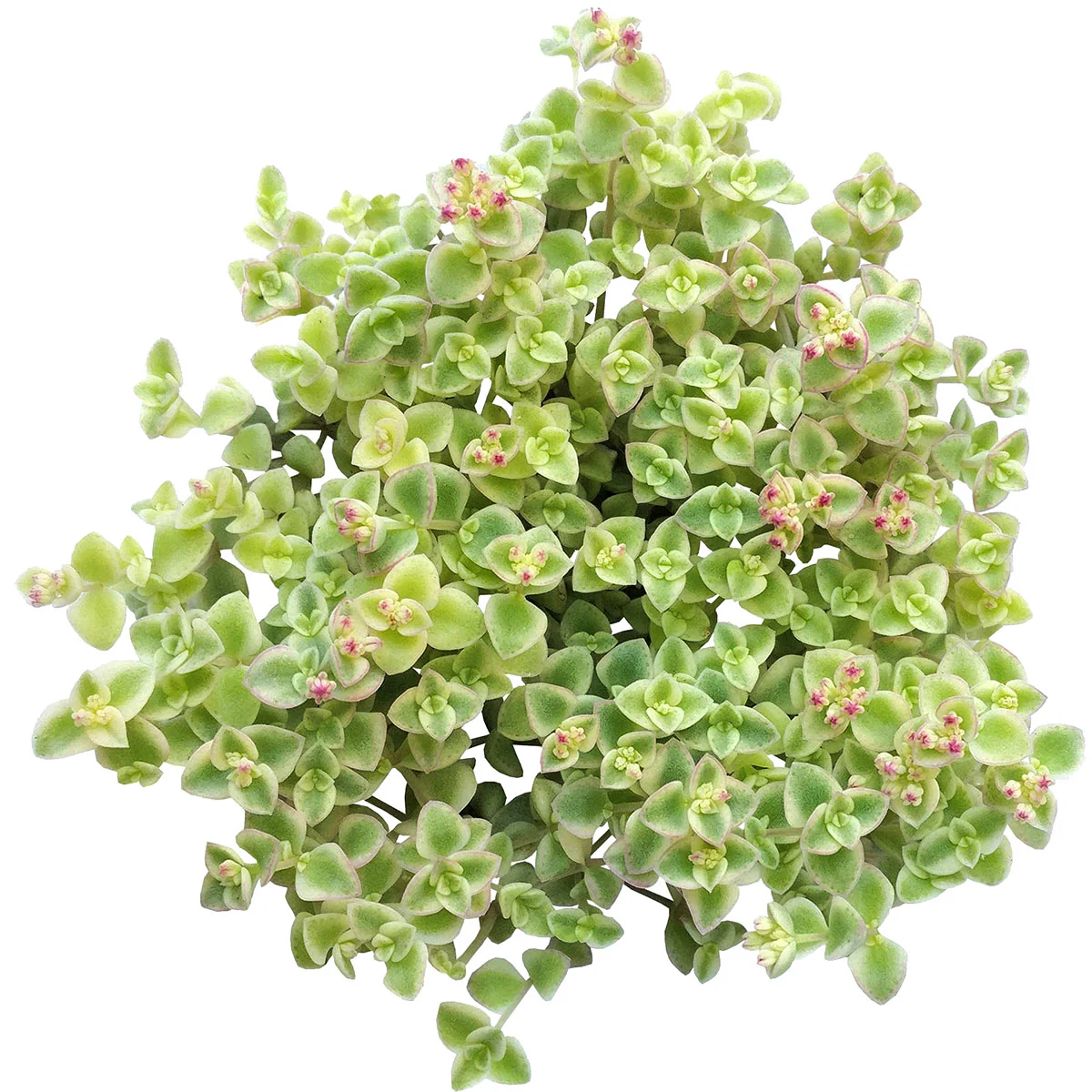
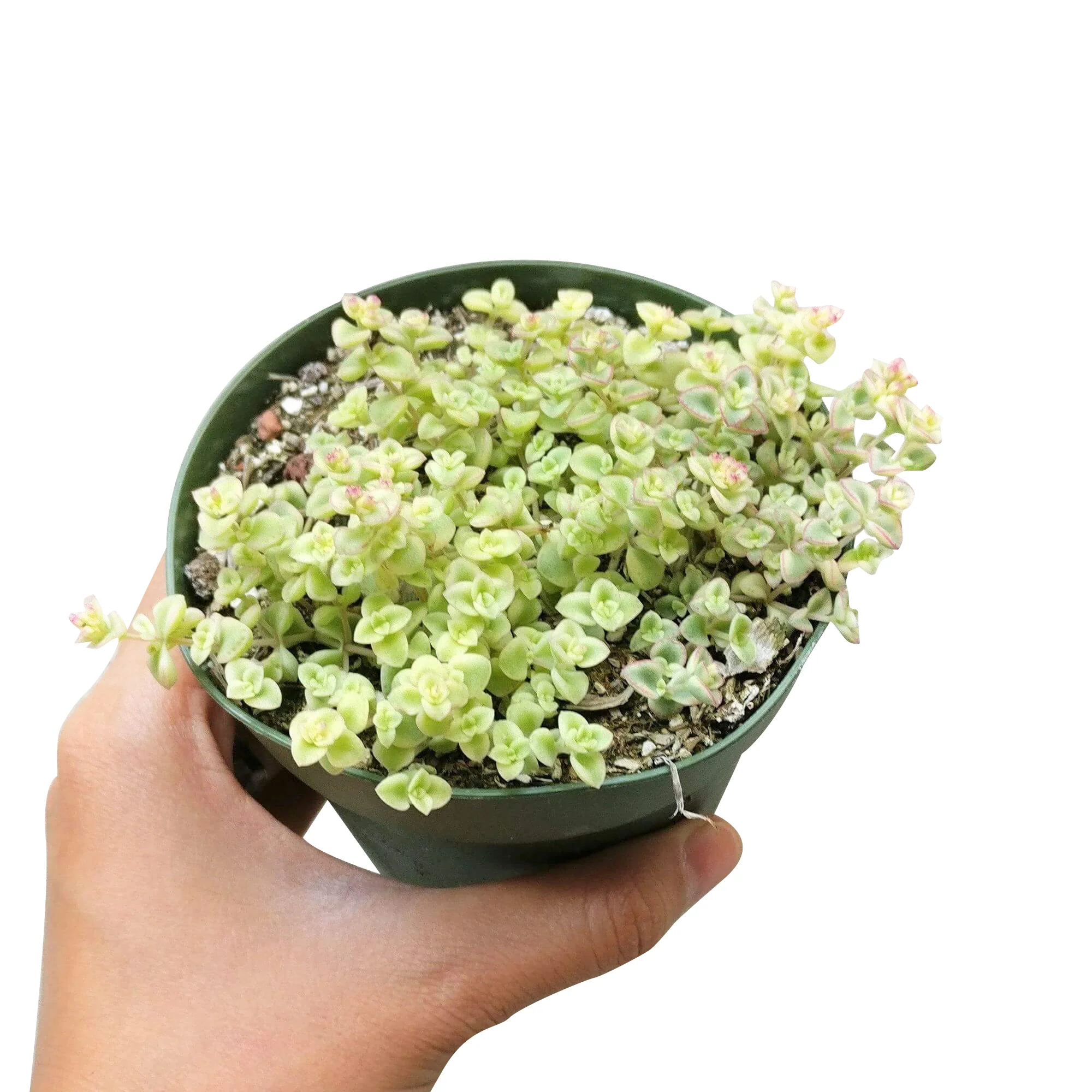
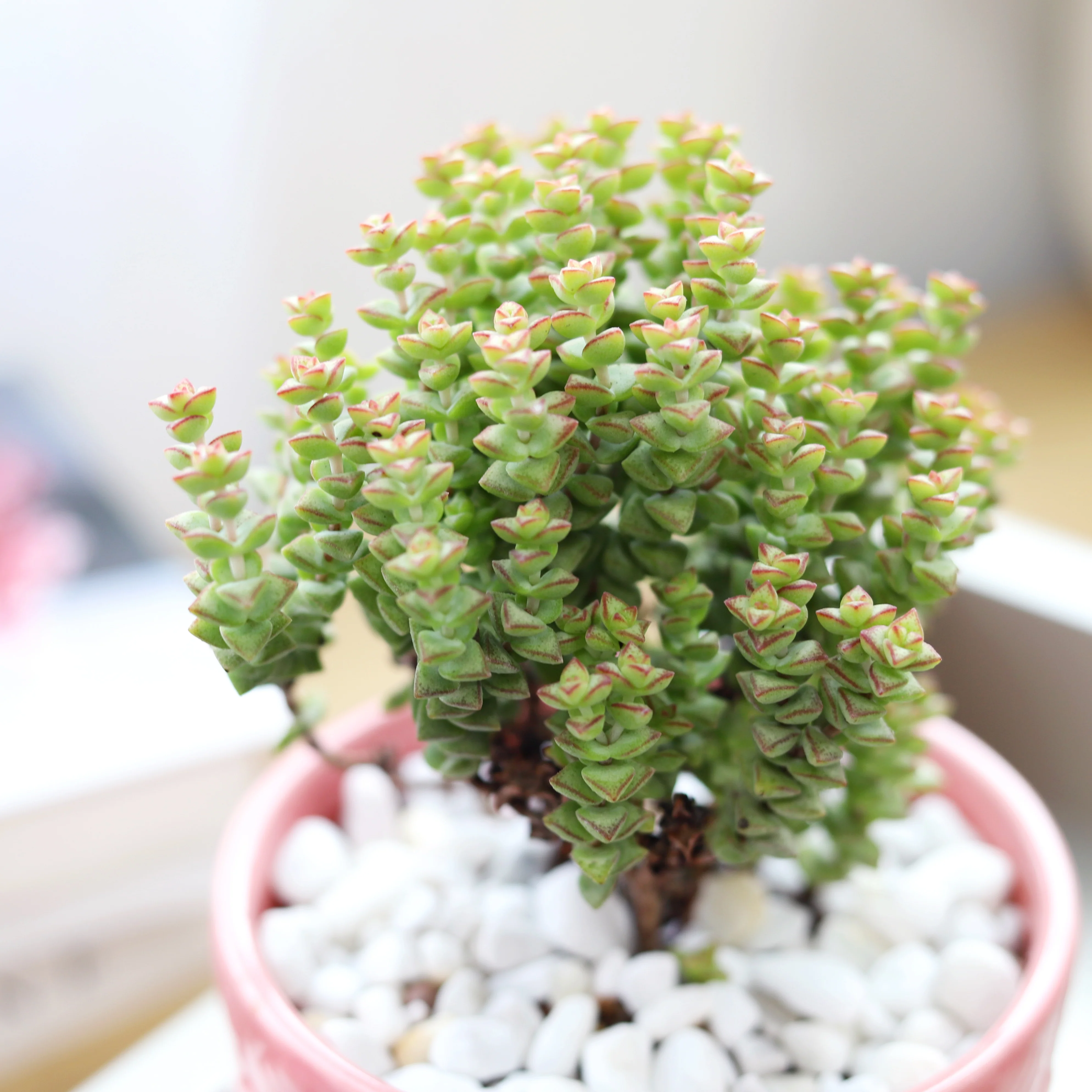
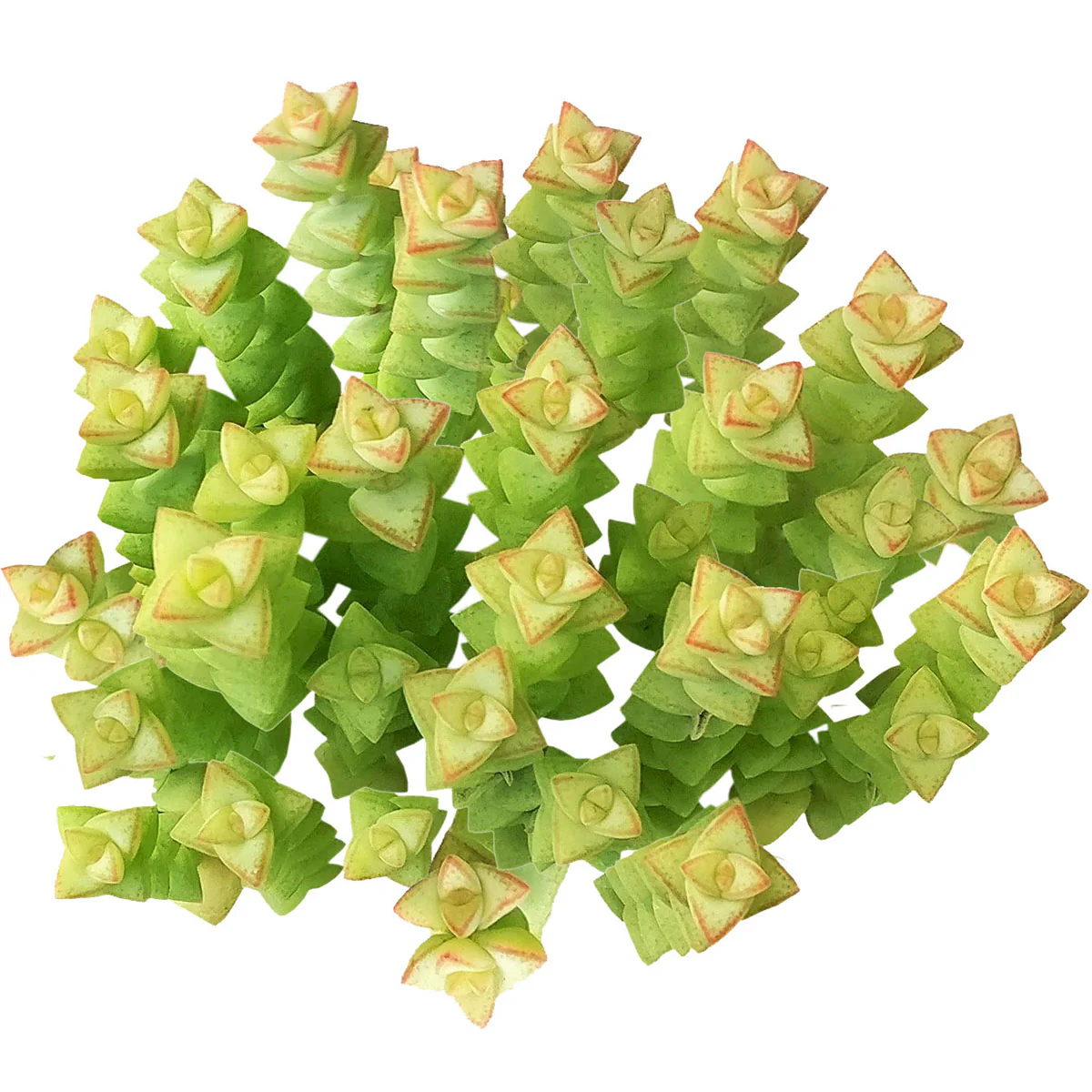
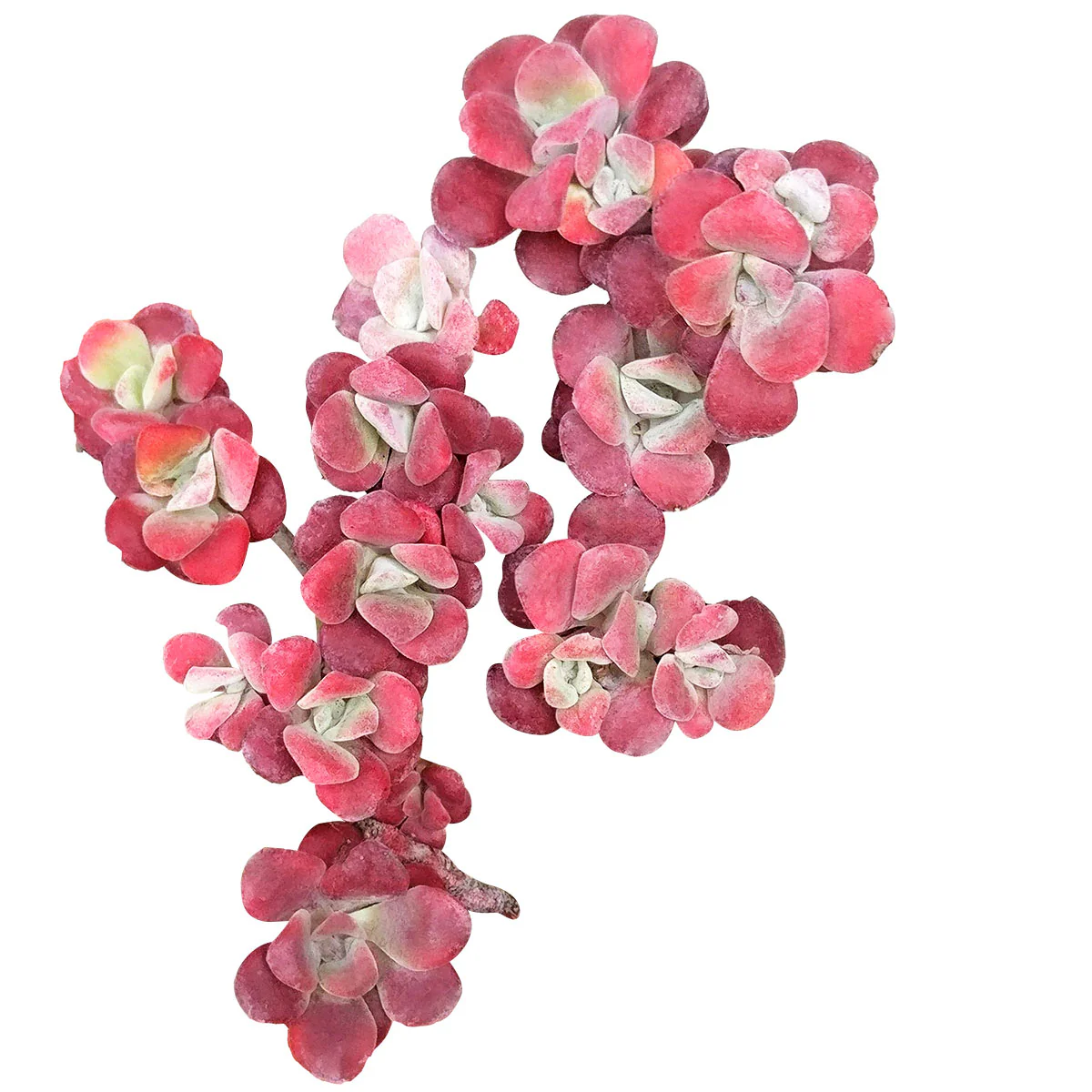
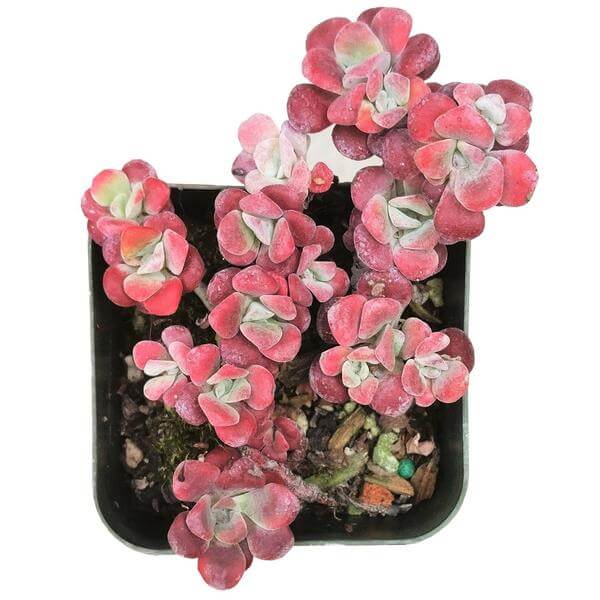
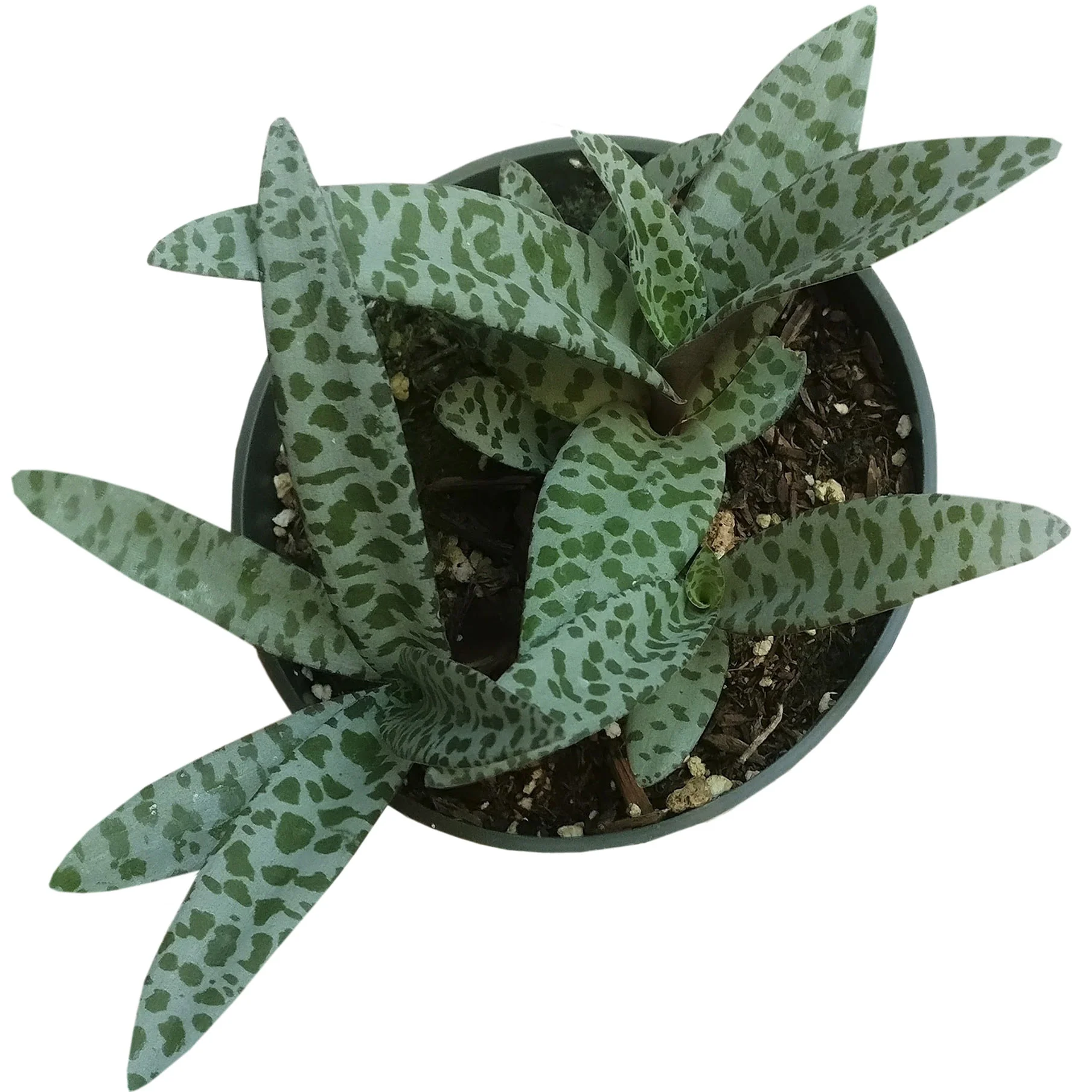
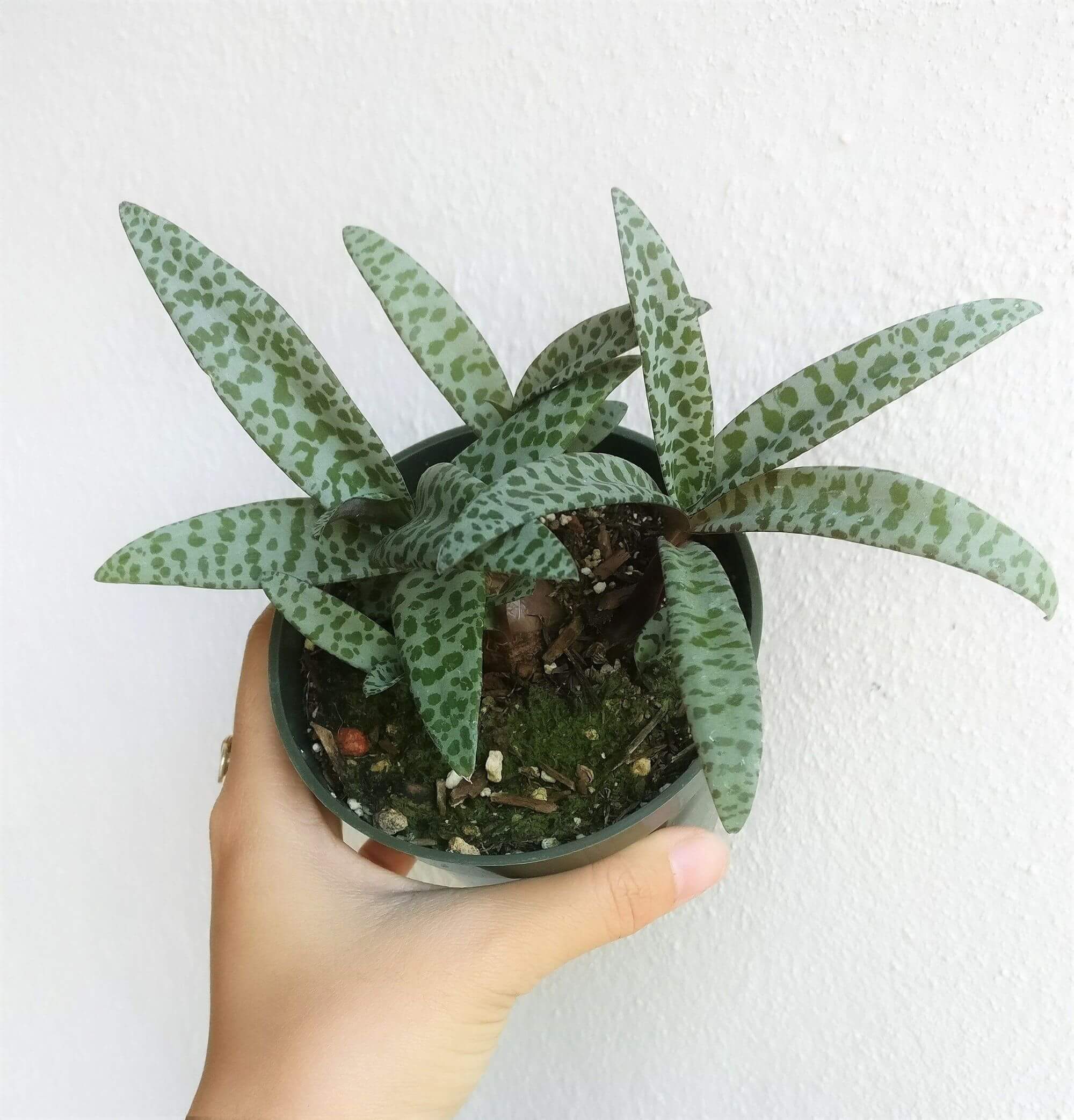
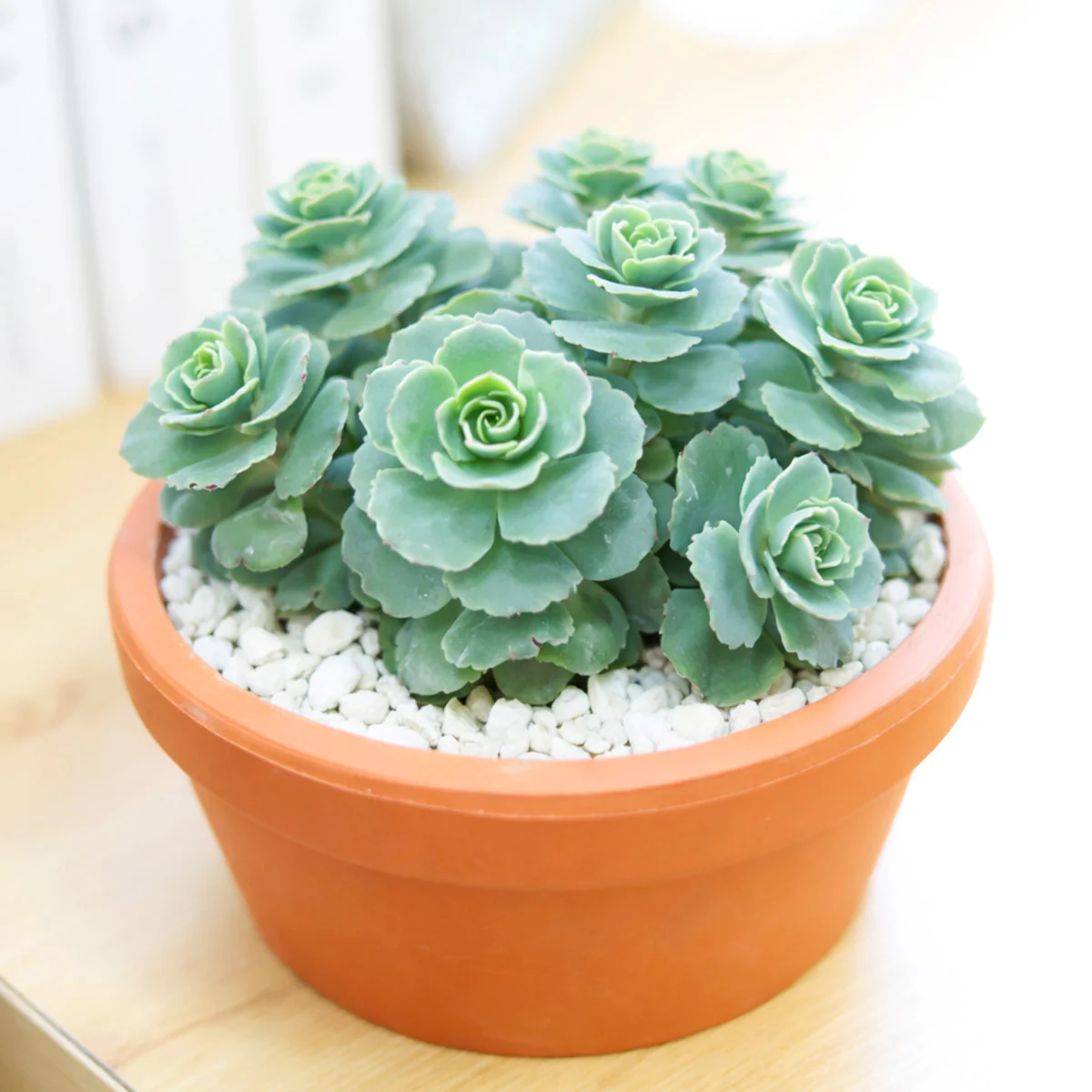
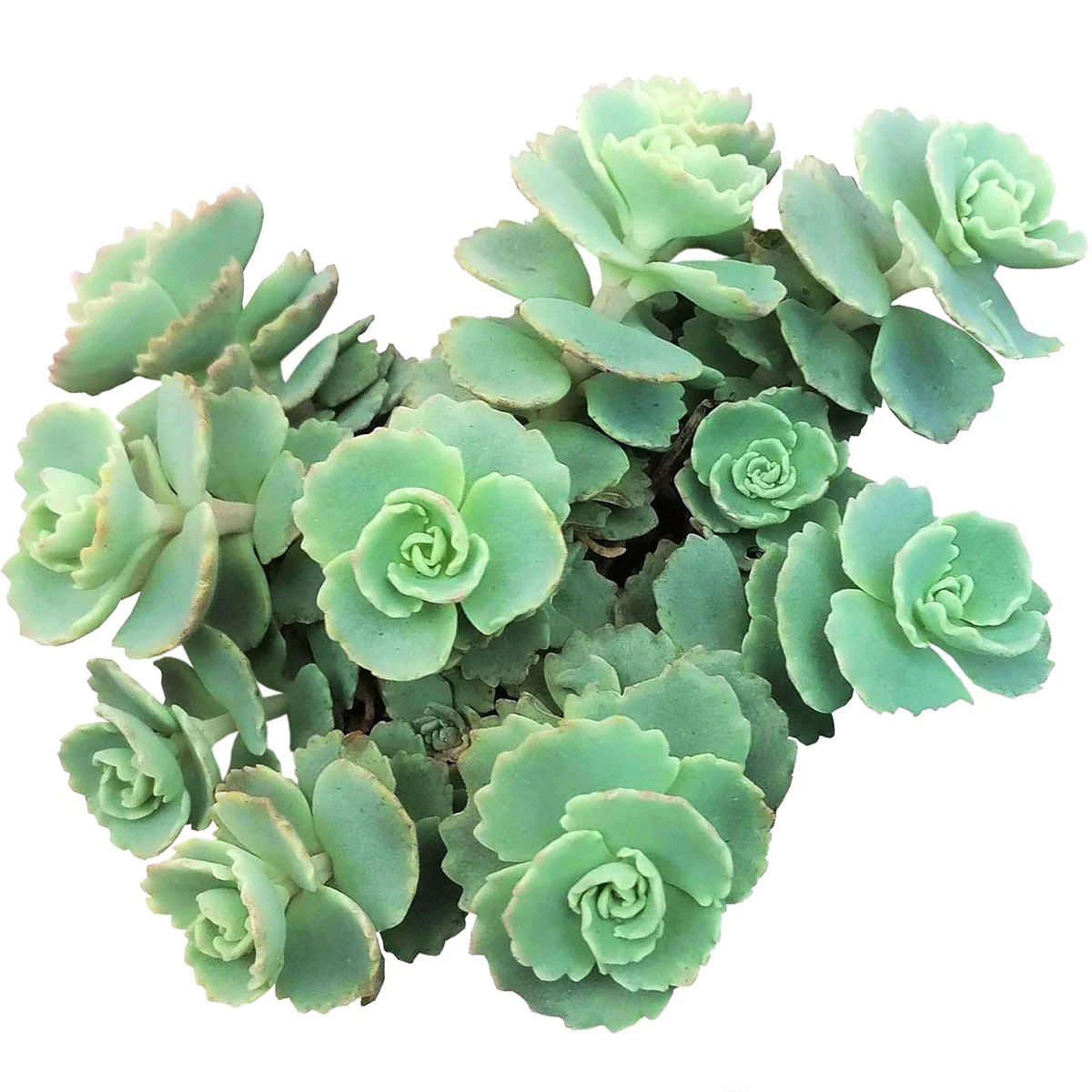
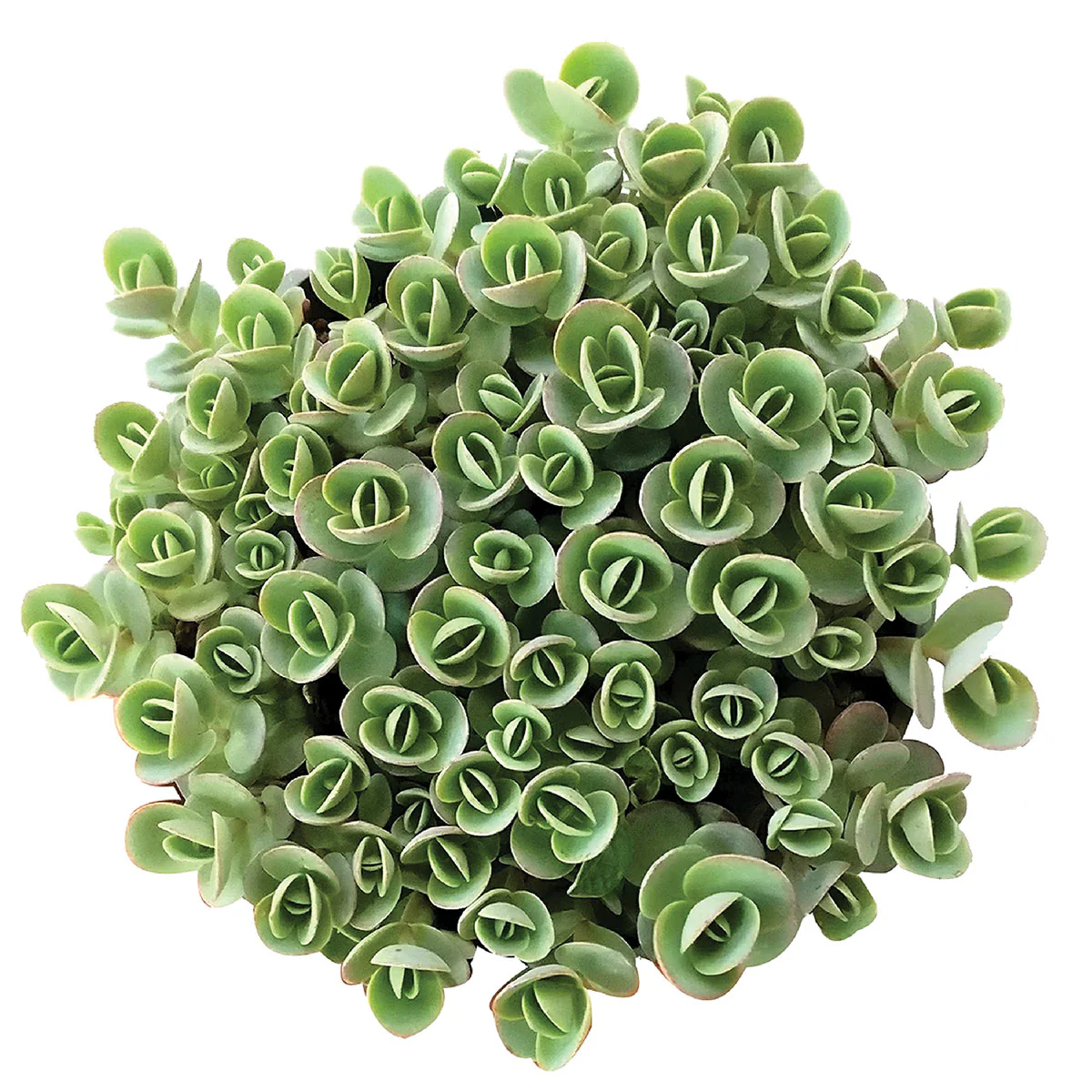
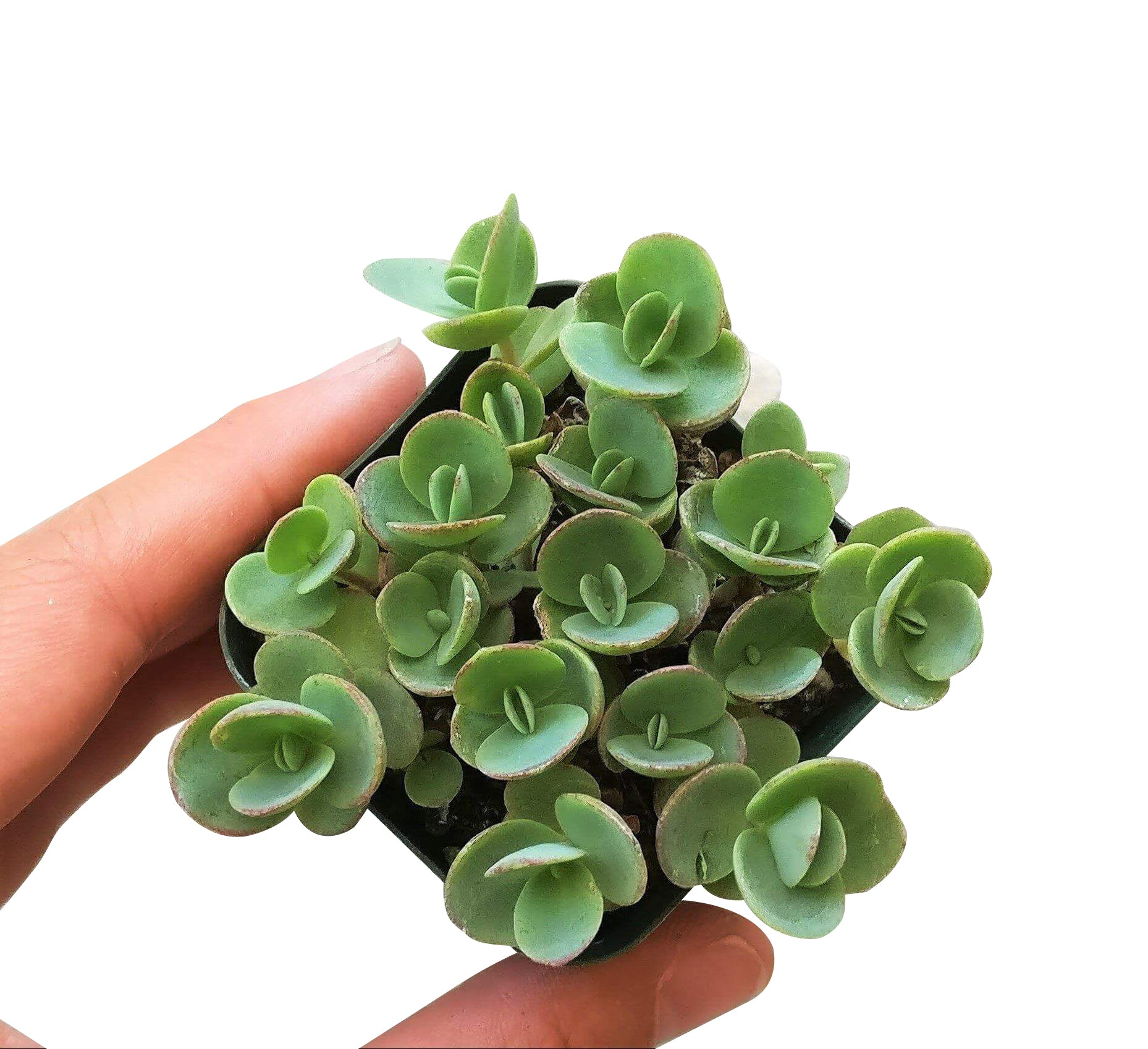
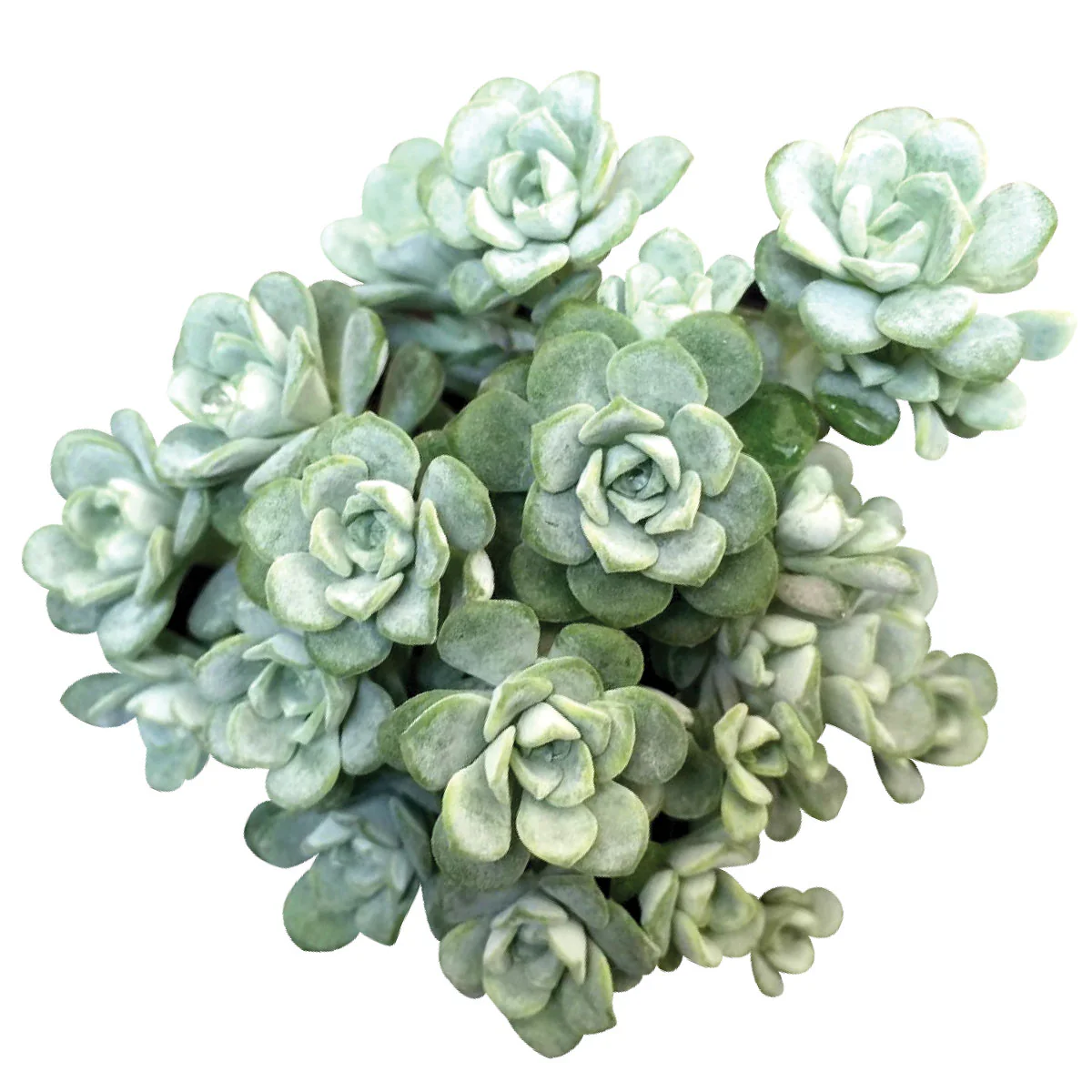
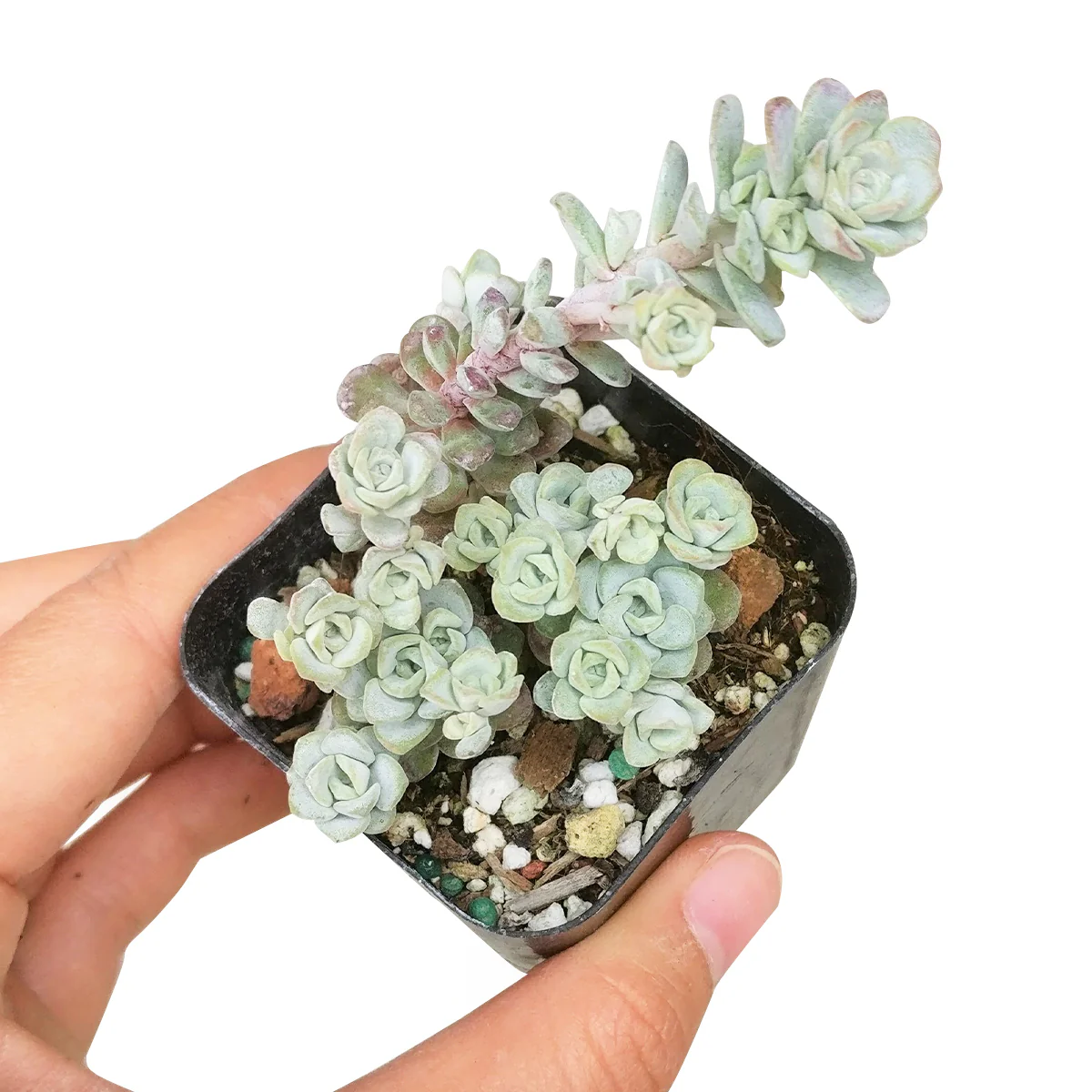
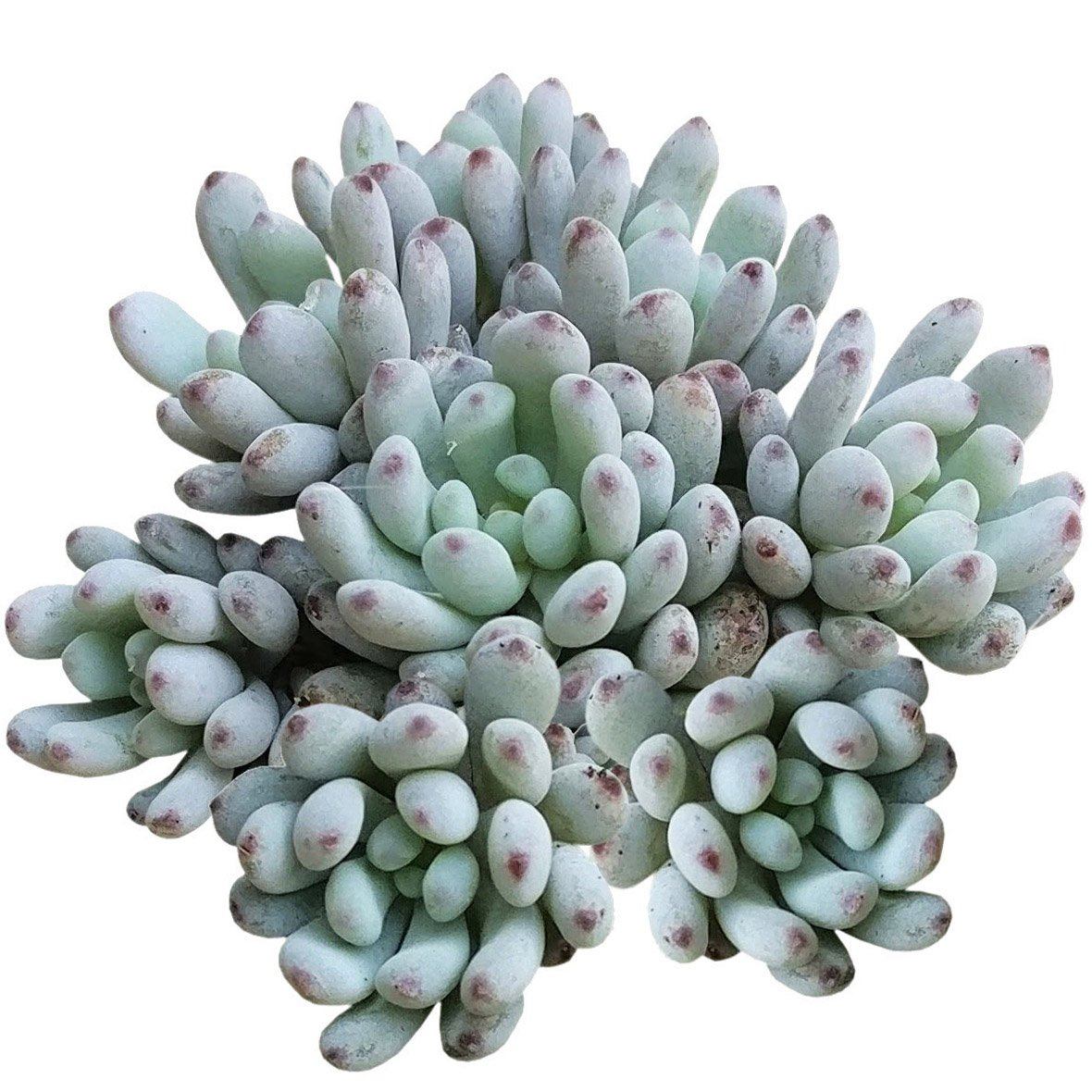
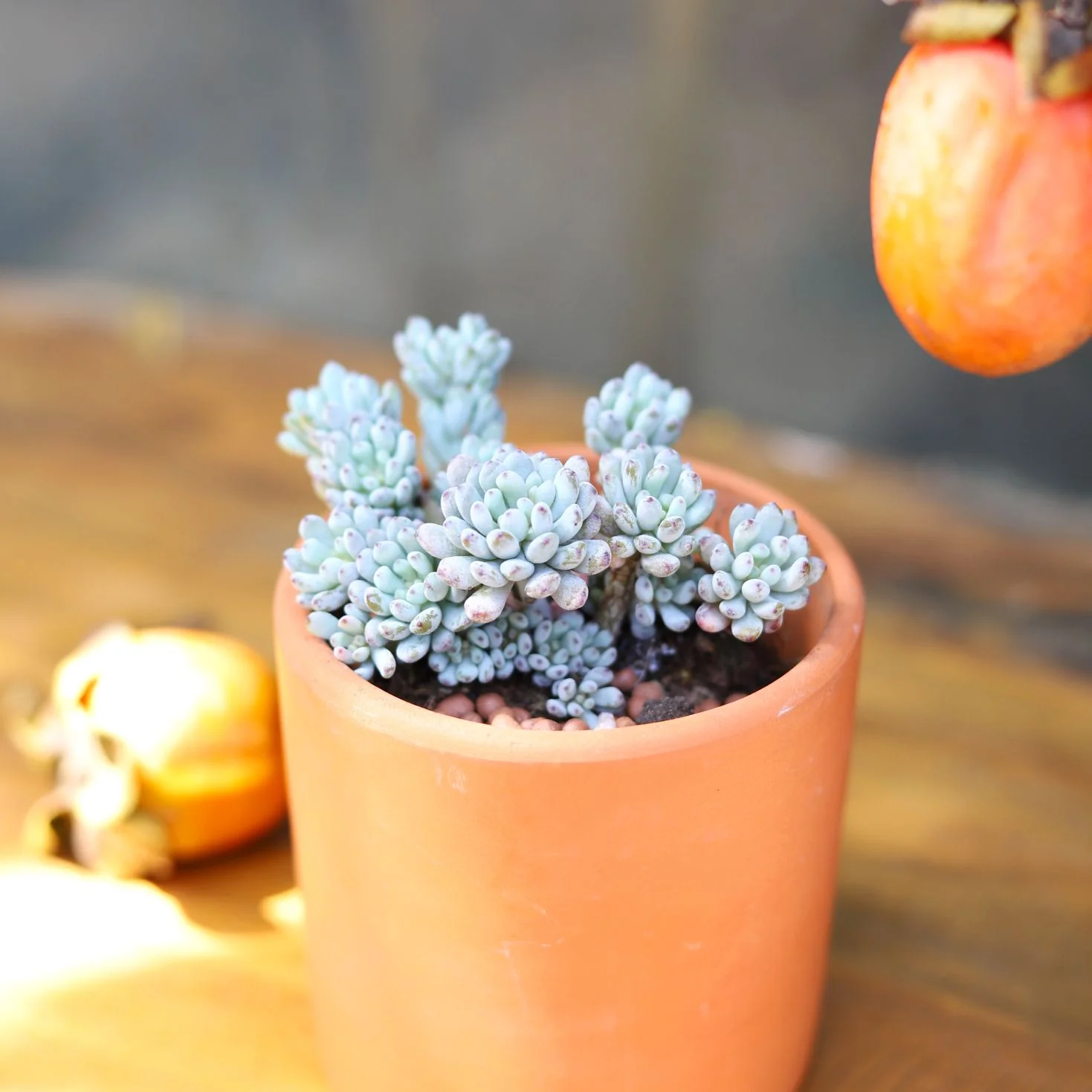
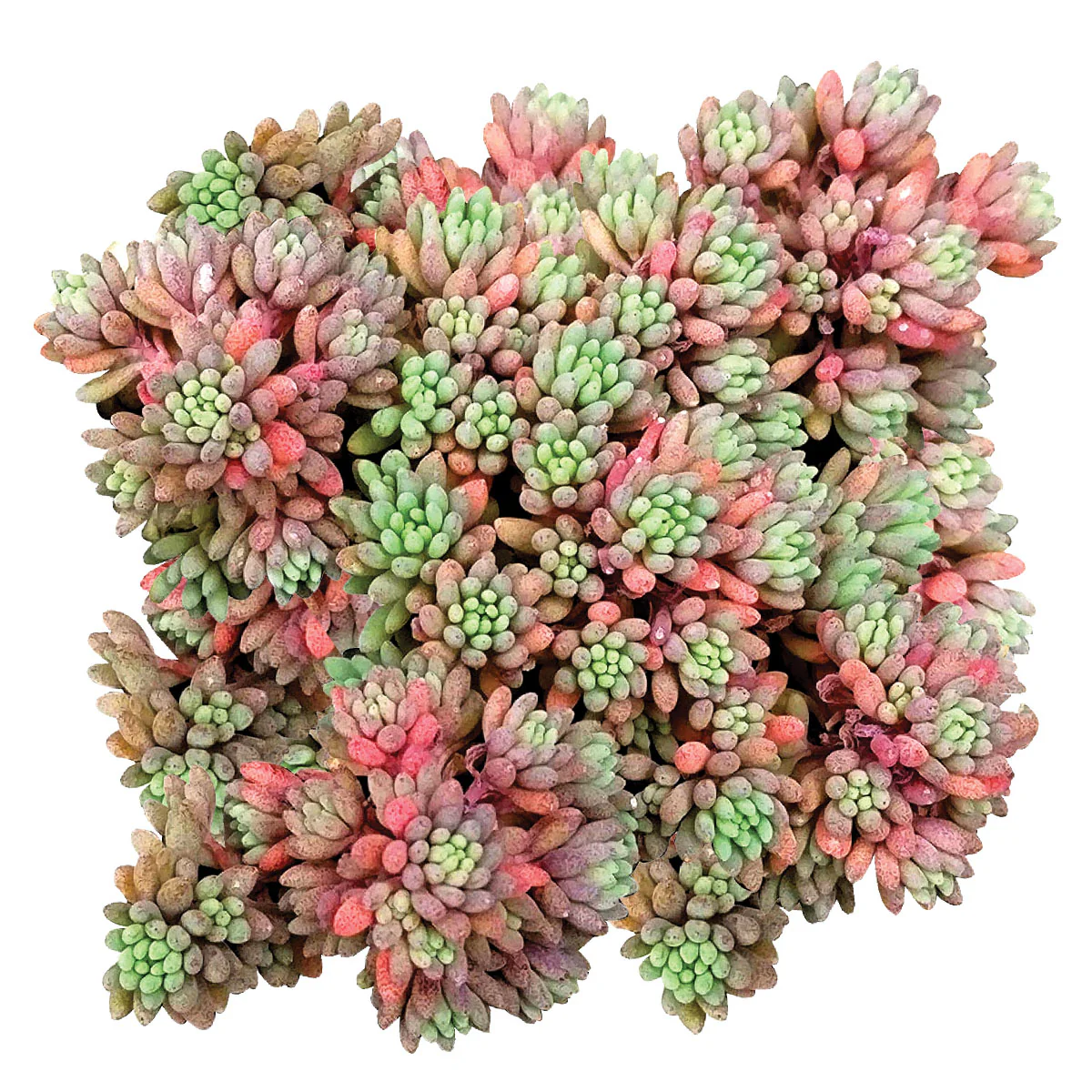
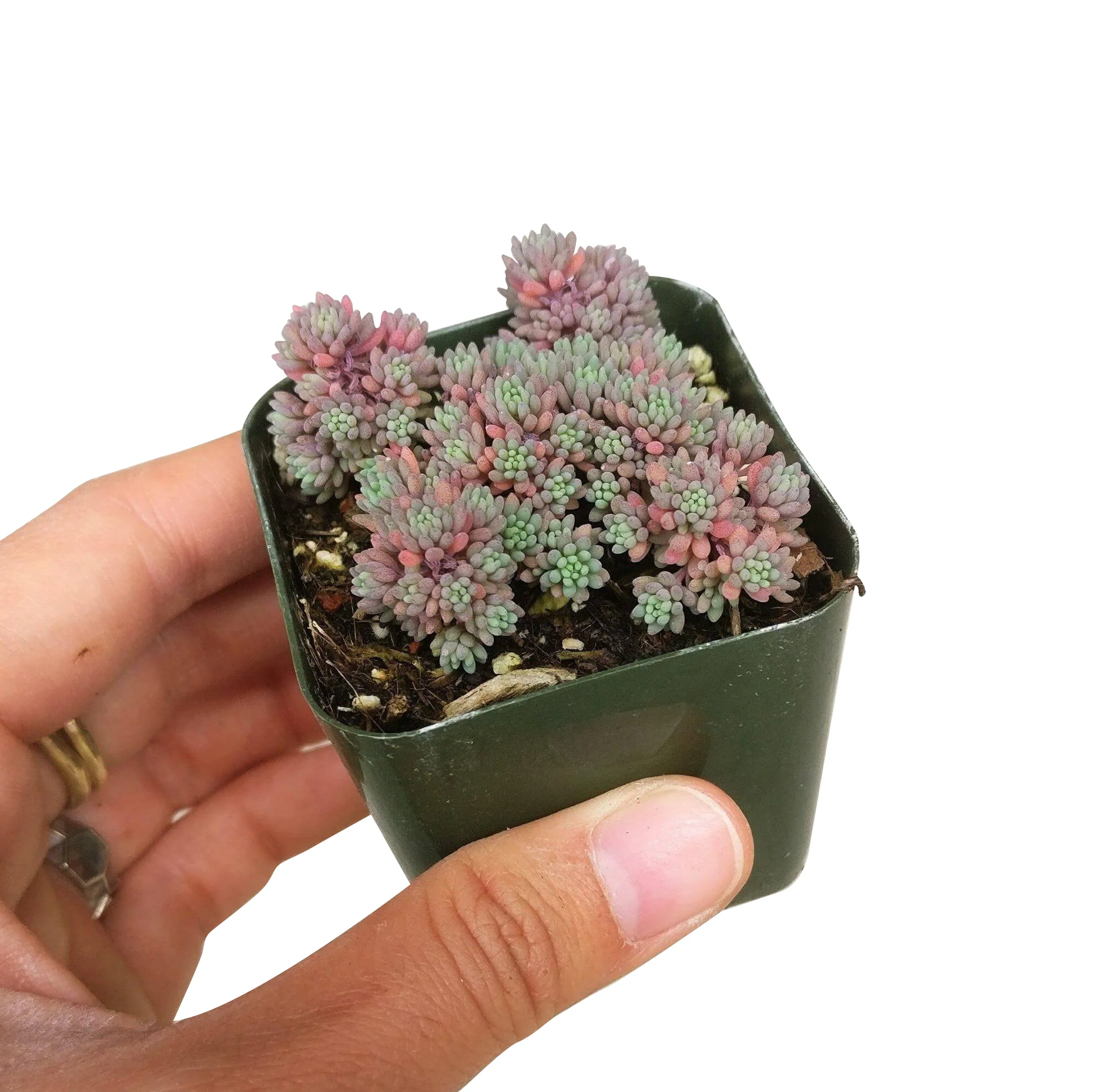
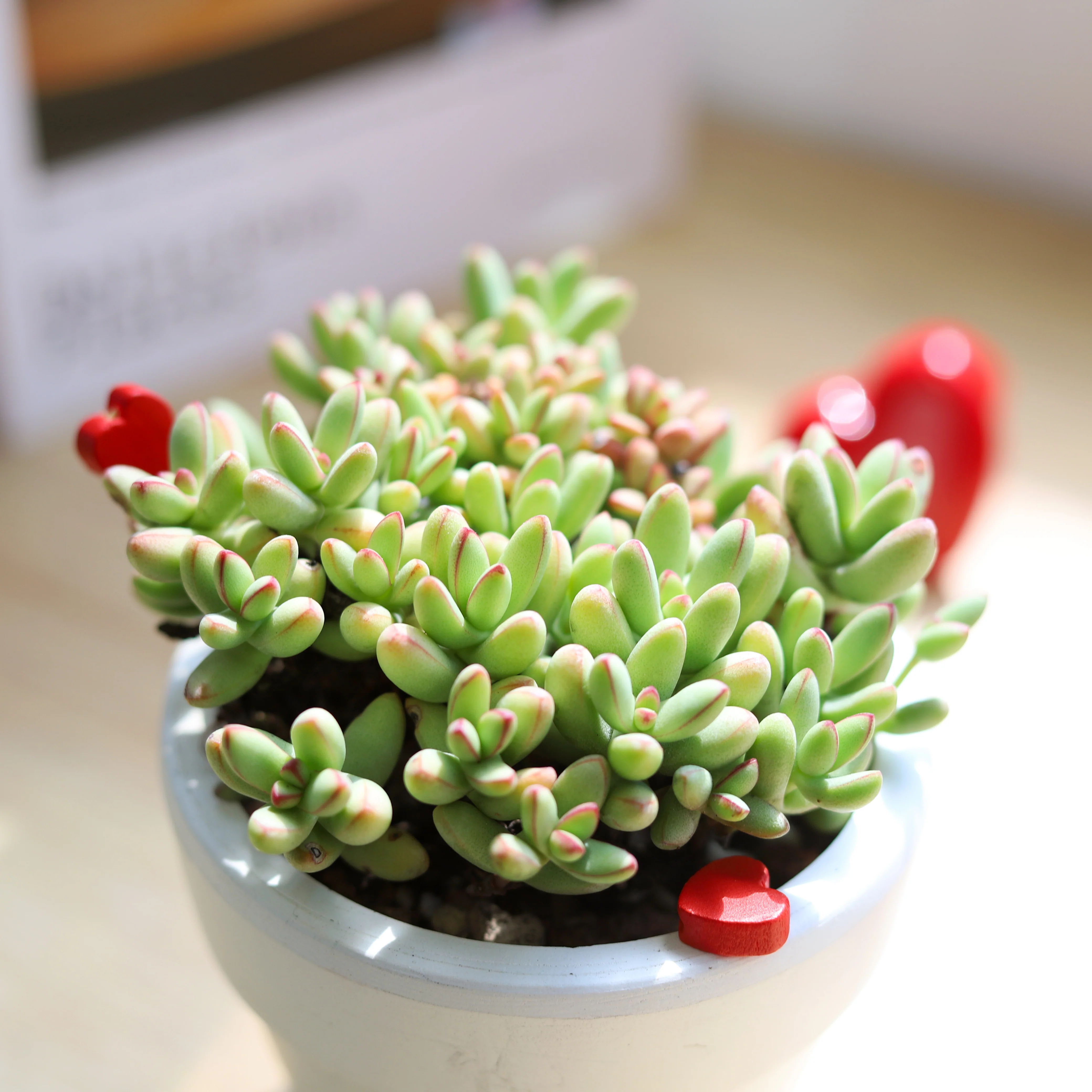
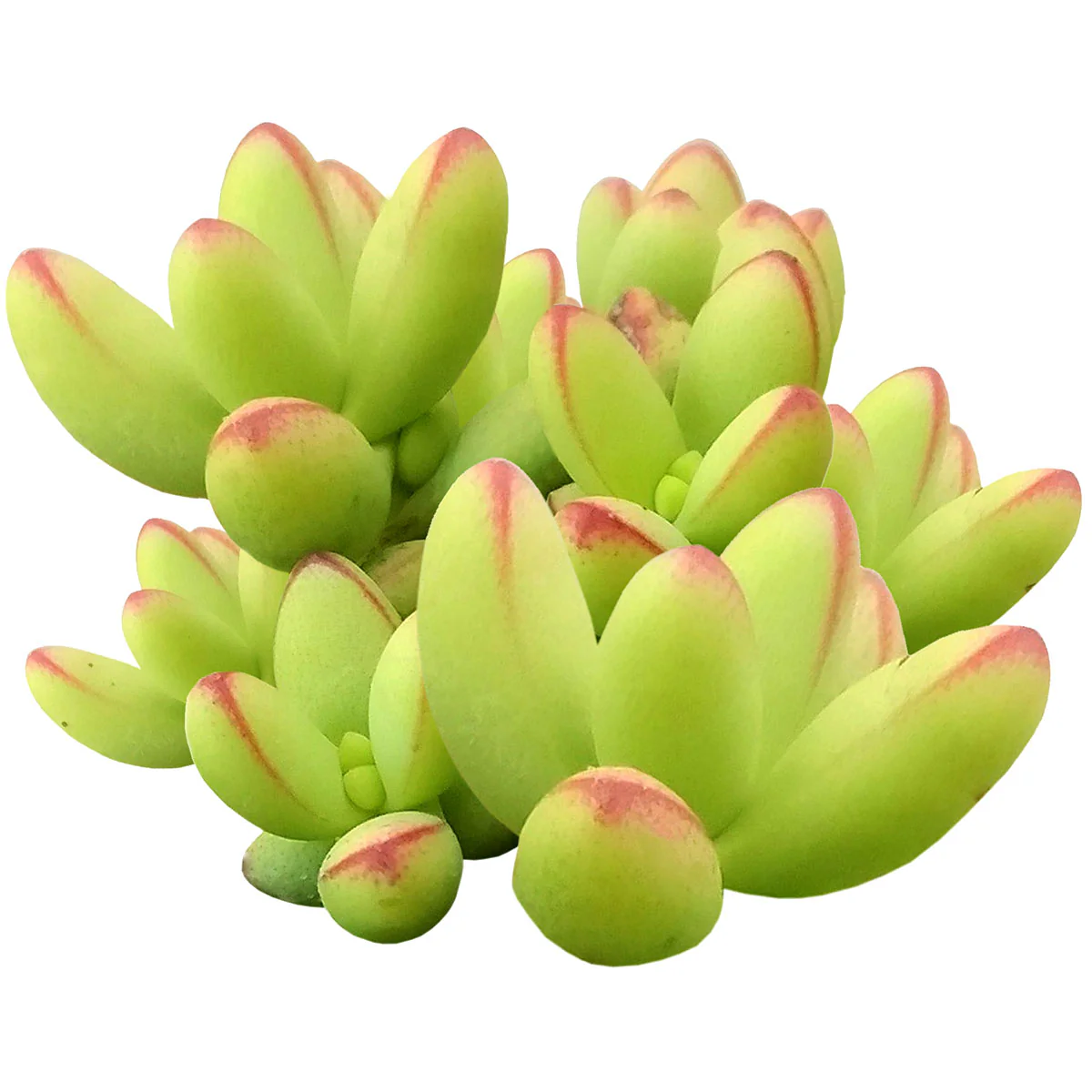
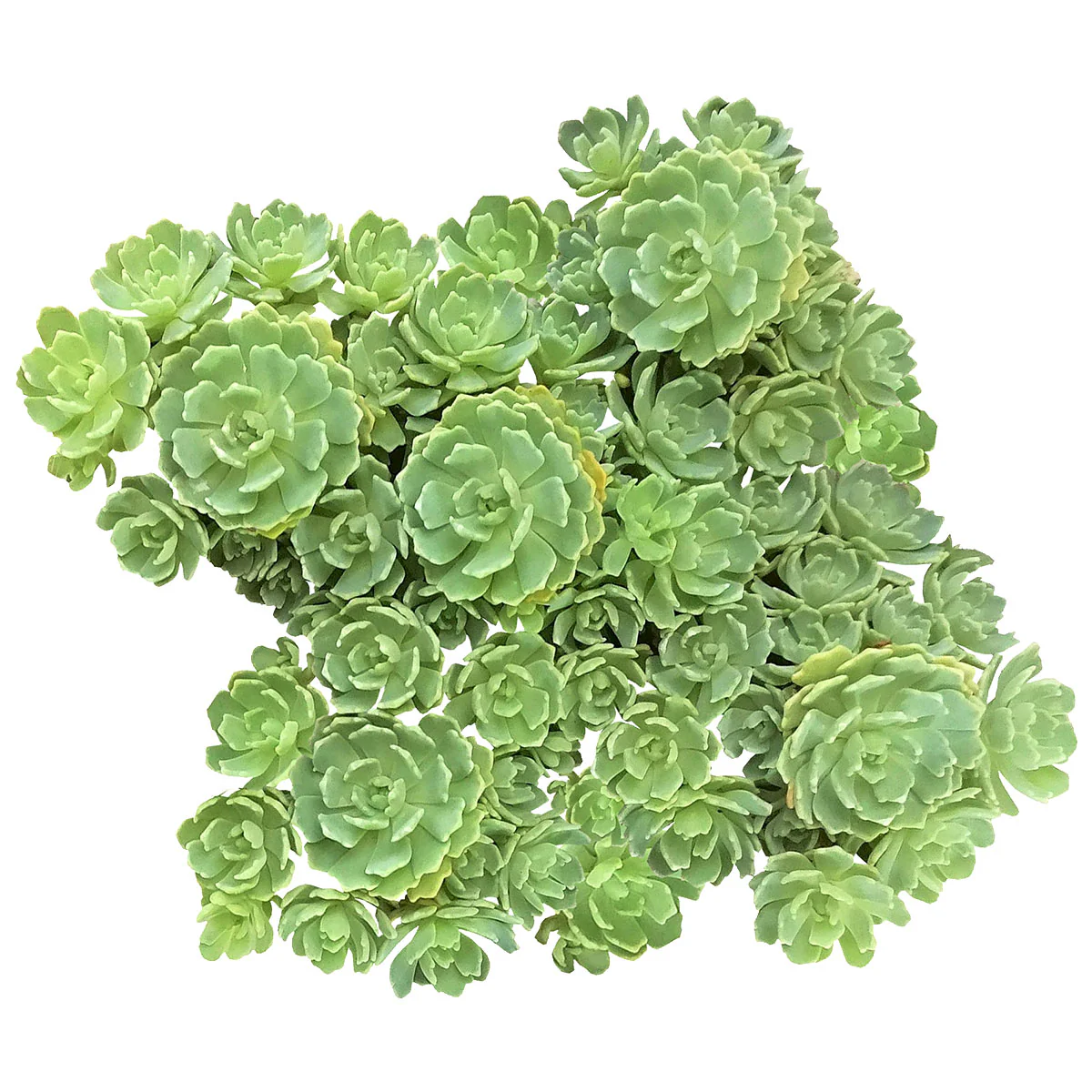
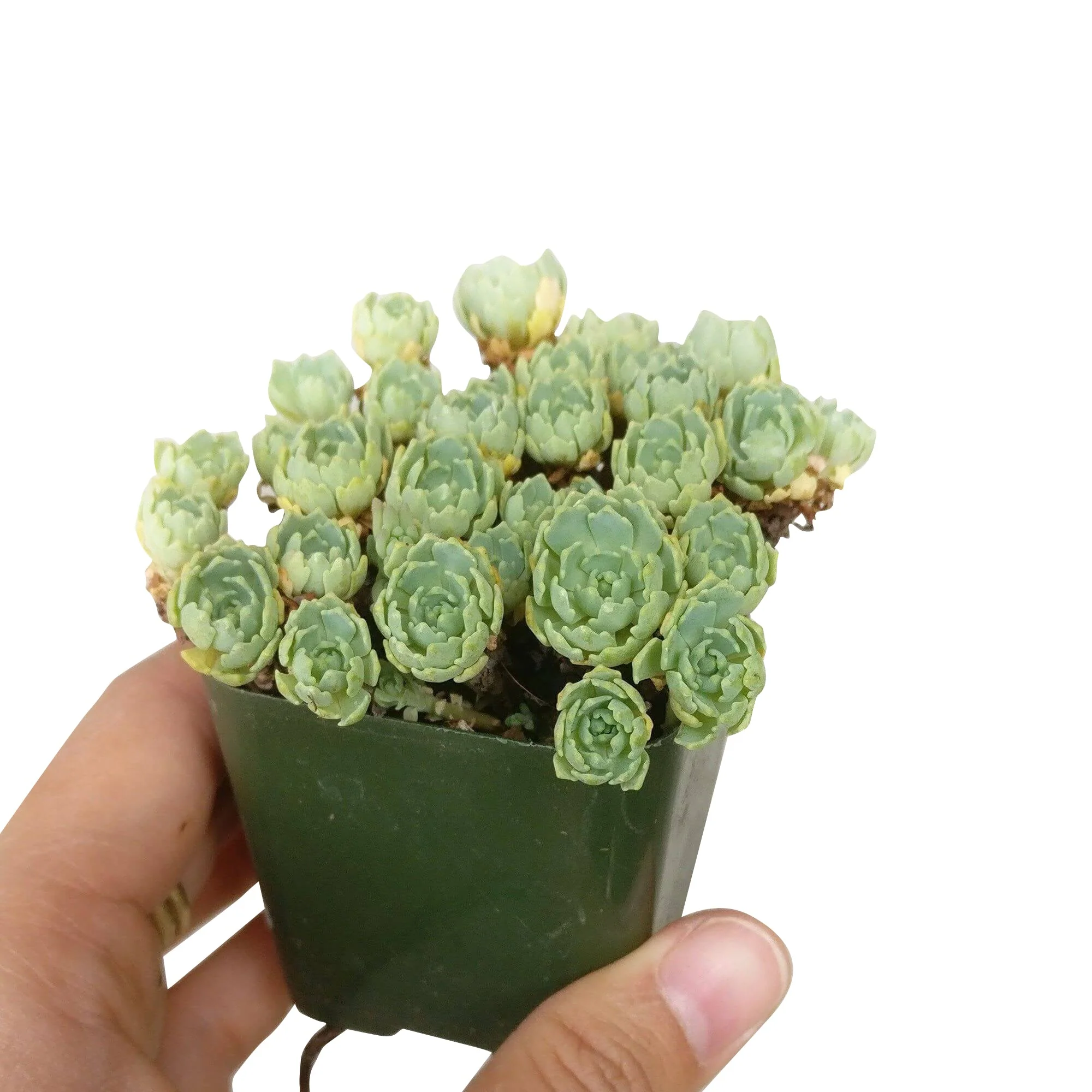
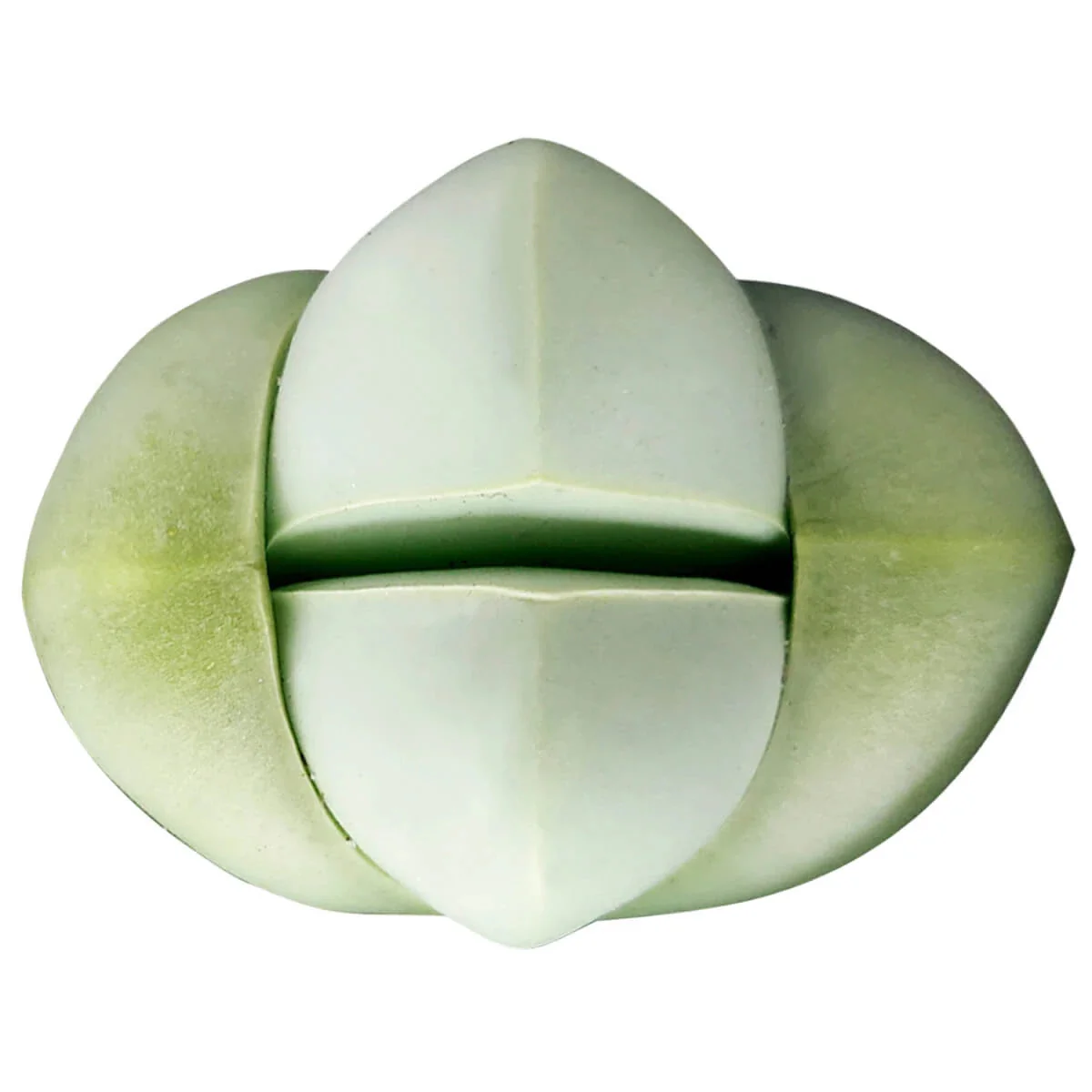
 The Argyroderma Pearsonii Cactus grows in a compact clumping habit, producing pairs of smooth, egg-shaped leaves with a distinctive silvery-green skin that mimics the pebbles around it. That silver skin succulent quality is what sets it apart instantly on any shelf or windowsill. Each body stays tiny, making this a true dwarf succulent plant with outsized visual impact.
 Argyroderma Pearsonii Cactus produces vivid daisy-like flowers that emerge from the fissure between its leaf pairs, typically blooming in autumn in shades of violet-purple to magenta. Blooms appear once annually and are surprisingly large relative to the plant's small body. One confirmed trait worth noting: this rare living stone plant needs a nighttime temperature drop to trigger blooming, so a cooler autumn windowsill really pays off.
 Argyroderma Pearsonii Cactus is beginner-friendly despite its exotic reputation, tolerating dry heated indoor air and surviving up to 10 days without attention during travel. It does appreciate a summer stint outdoors but needs cover from rain to prevent rot. Because it is sensitive to being moved frequently, find it a bright, stable spot and let it settle. This plant is pet friendly, adding extra peace of mind for households with curious cats or dogs.
-
 Argyroderma Pearsonii Cactus thrives in bright indirect light, partial sun, or full sun with at least a few hours of direct sun daily.
 Water Argyroderma Pearsonii Cactus sparingly, roughly every 2-3 weeks in summer and only once a month or less in winter.
 Argyroderma Pearsonii Cactus requires a gritty, fast-draining mix such as cactus soil blended with 50% coarse perlite or pumice.
 Argyroderma Pearsonii Cactus prefers temperatures between 50-80°F (10-27°C) and should be protected from frost below 30°F (-1°C).
![]() Argyroderma Pearsonii Cactus is a slow-growing clumping species that needs little to no fertilizer, at most a diluted cactus feed once in spring.
Argyroderma Pearsonii Cactus is a slow-growing clumping species that needs little to no fertilizer, at most a diluted cactus feed once in spring.
 Argyroderma Pearsonii Cactus is best suited to USDA Hardiness Zones 9-11, tolerating brief dips to around 30°F (-1°C) but not sustained frost. Outdoor growers in California, Arizona, Texas, Florida, Hawaii, Nevada, Louisiana, Georgia, South Carolina, Alabama, and Mississippi will find conditions most favorable for keeping Argyroderma Pearsonii Cactus year-round outside. Gardeners along the Oregon coast and in sheltered parts of New Mexico and coastal North Carolina can also succeed with protection during cooler months.
-
Q: How often should I water Argyroderma Pearsonii Cactus?
A: Water every 2-3 weeks during the growing season and cut back to once a month or less in winter to prevent rot.
Q: Is Argyroderma Pearsonii Cactus pet friendly?
A: Yes, this plant is pet friendly and is considered non-toxic to cats and dogs.
Q: How much light does Argyroderma Pearsonii Cactus need?
A: It thrives in bright indirect to full sun and appreciates a few hours of direct sun each day near a south or east-facing window.
Q: Why is my Argyroderma Pearsonii Cactus not blooming?
A: This rare living stone succulent needs a nighttime temperature drop in autumn to trigger flowering, so moving it to a cooler spot at night often does the trick.
Q: Can I move my Argyroderma Pearsonii Cactus outdoors for summer?
A: Yes, Argyroderma Pearsonii Cactus benefits from outdoor summer placement but must be sheltered from rain to avoid waterlogging and rot.
Q: How big does Argyroderma Pearsonii Cactus get?
A: Argyroderma Pearsonii Cactus is a true dwarf succulent plant, with individual bodies typically staying under 2 inches tall while slowly forming charming clumps over time.


Product Information
Product Information
Shipping & Returns
Shipping & Returns
Description
- Description
- Argyroderma Pearsonii Cactus Care Guide
- FAQ/Common Issues
-
![]() Argyroderma Pearsonii Cactus is a rare living stone succulent native to the quartz fields of South Africa's Little Karoo region, where rainfall is minimal and survival depends on near-perfect camouflage. Belonging to the genus Argyroderma, this dwarf succulent plant has adapted to one of the harshest environments on earth, making it a genuinely extraordinary find for any plant collector.
Argyroderma Pearsonii Cactus is a rare living stone succulent native to the quartz fields of South Africa's Little Karoo region, where rainfall is minimal and survival depends on near-perfect camouflage. Belonging to the genus Argyroderma, this dwarf succulent plant has adapted to one of the harshest environments on earth, making it a genuinely extraordinary find for any plant collector.
The Argyroderma Pearsonii Cactus grows in a compact clumping habit, producing pairs of smooth, egg-shaped leaves with a distinctive silvery-green skin that mimics the pebbles around it. That silver skin succulent quality is what sets it apart instantly on any shelf or windowsill. Each body stays tiny, making this a true dwarf succulent plant with outsized visual impact.
Argyroderma Pearsonii Cactus produces vivid daisy-like flowers that emerge from the fissure between its leaf pairs, typically blooming in autumn in shades of violet-purple to magenta. Blooms appear once annually and are surprisingly large relative to the plant's small body. One confirmed trait worth noting: this rare living stone plant needs a nighttime temperature drop to trigger blooming, so a cooler autumn windowsill really pays off.
Argyroderma Pearsonii Cactus is beginner-friendly despite its exotic reputation, tolerating dry heated indoor air and surviving up to 10 days without attention during travel. It does appreciate a summer stint outdoors but needs cover from rain to prevent rot. Because it is sensitive to being moved frequently, find it a bright, stable spot and let it settle. This plant is pet friendly, adding extra peace of mind for households with curious cats or dogs.
-
Argyroderma Pearsonii Cactus thrives in bright indirect light, partial sun, or full sun with at least a few hours of direct sun daily.
Water Argyroderma Pearsonii Cactus sparingly, roughly every 2-3 weeks in summer and only once a month or less in winter.
Argyroderma Pearsonii Cactus requires a gritty, fast-draining mix such as cactus soil blended with 50% coarse perlite or pumice.
Argyroderma Pearsonii Cactus prefers temperatures between 50-80°F (10-27°C) and should be protected from frost below 30°F (-1°C).
![]() Argyroderma Pearsonii Cactus is a slow-growing clumping species that needs little to no fertilizer, at most a diluted cactus feed once in spring.
Argyroderma Pearsonii Cactus is a slow-growing clumping species that needs little to no fertilizer, at most a diluted cactus feed once in spring.
Argyroderma Pearsonii Cactus is best suited to USDA Hardiness Zones 9-11, tolerating brief dips to around 30°F (-1°C) but not sustained frost. Outdoor growers in California, Arizona, Texas, Florida, Hawaii, Nevada, Louisiana, Georgia, South Carolina, Alabama, and Mississippi will find conditions most favorable for keeping Argyroderma Pearsonii Cactus year-round outside. Gardeners along the Oregon coast and in sheltered parts of New Mexico and coastal North Carolina can also succeed with protection during cooler months.
-
Q: How often should I water Argyroderma Pearsonii Cactus?
A: Water every 2-3 weeks during the growing season and cut back to once a month or less in winter to prevent rot.
Q: Is Argyroderma Pearsonii Cactus pet friendly?
A: Yes, this plant is pet friendly and is considered non-toxic to cats and dogs.
Q: How much light does Argyroderma Pearsonii Cactus need?
A: It thrives in bright indirect to full sun and appreciates a few hours of direct sun each day near a south or east-facing window.
Q: Why is my Argyroderma Pearsonii Cactus not blooming?
A: This rare living stone succulent needs a nighttime temperature drop in autumn to trigger flowering, so moving it to a cooler spot at night often does the trick.
Q: Can I move my Argyroderma Pearsonii Cactus outdoors for summer?
A: Yes, Argyroderma Pearsonii Cactus benefits from outdoor summer placement but must be sheltered from rain to avoid waterlogging and rot.
Q: How big does Argyroderma Pearsonii Cactus get?
A: Argyroderma Pearsonii Cactus is a true dwarf succulent plant, with individual bodies typically staying under 2 inches tall while slowly forming charming clumps over time.