Tiger’s Jaw Crassula - Faucaria candida
- Description
- Tiger's Jaw Crassula - Faucaria candida Care Guide
- FAQ/Common Issues
-
![]() Tiger's Jaw Crassula - Faucaria candida is a rare, toothed leaf succulent belonging to the Aizoaceae family, native to the arid rocky regions of South Africa's Eastern Cape. It earns its dramatic common name from the jagged, fang-like teeth lining each fleshy leaf, a natural adaptation for survival in harsh, dry landscapes. Collectors and succulent enthusiasts prize Tiger's Jaw Crassula - Faucaria candida for its bold personality packed into a compact, easy-care package.
Tiger's Jaw Crassula - Faucaria candida is a rare, toothed leaf succulent belonging to the Aizoaceae family, native to the arid rocky regions of South Africa's Eastern Cape. It earns its dramatic common name from the jagged, fang-like teeth lining each fleshy leaf, a natural adaptation for survival in harsh, dry landscapes. Collectors and succulent enthusiasts prize Tiger's Jaw Crassula - Faucaria candida for its bold personality packed into a compact, easy-care package.
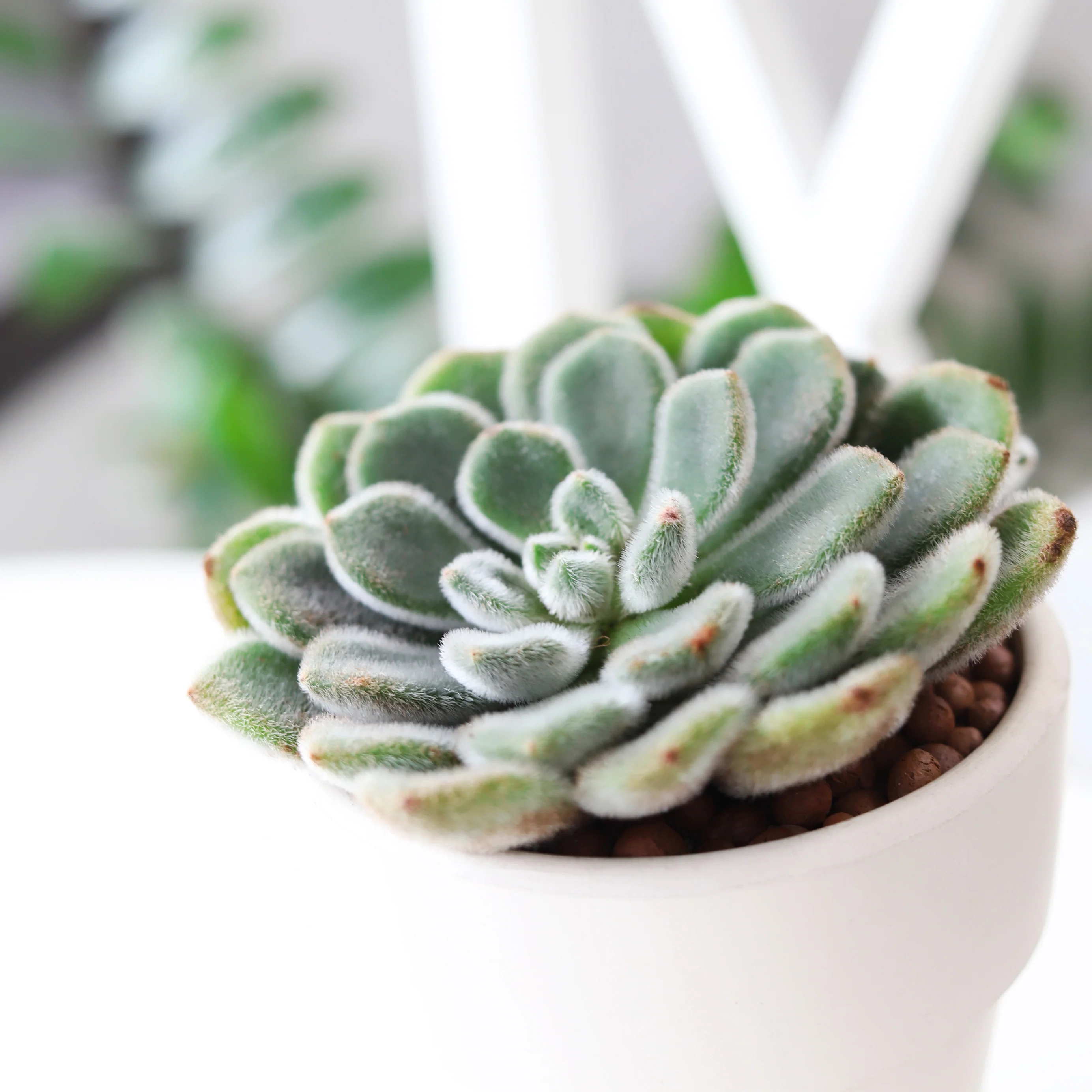
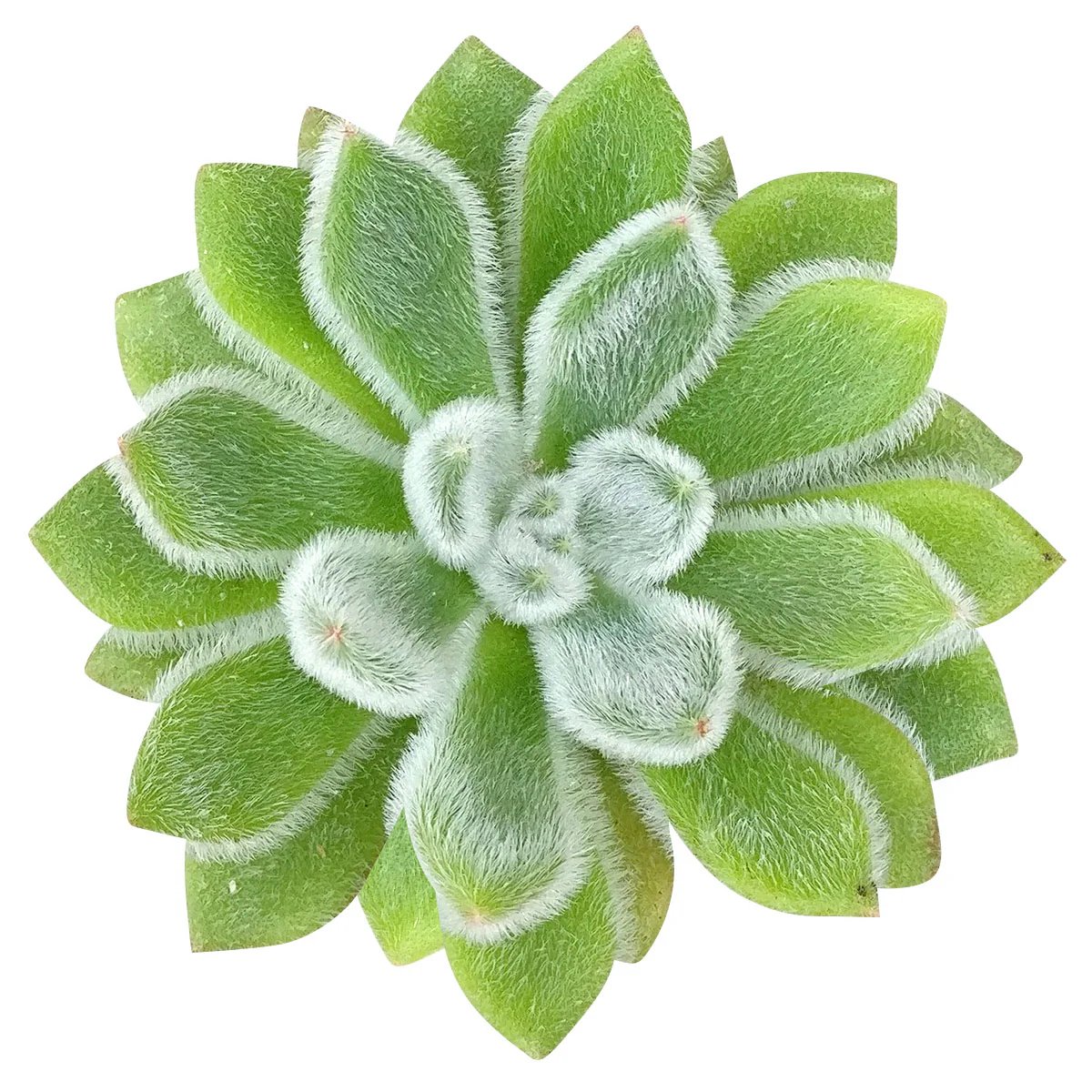
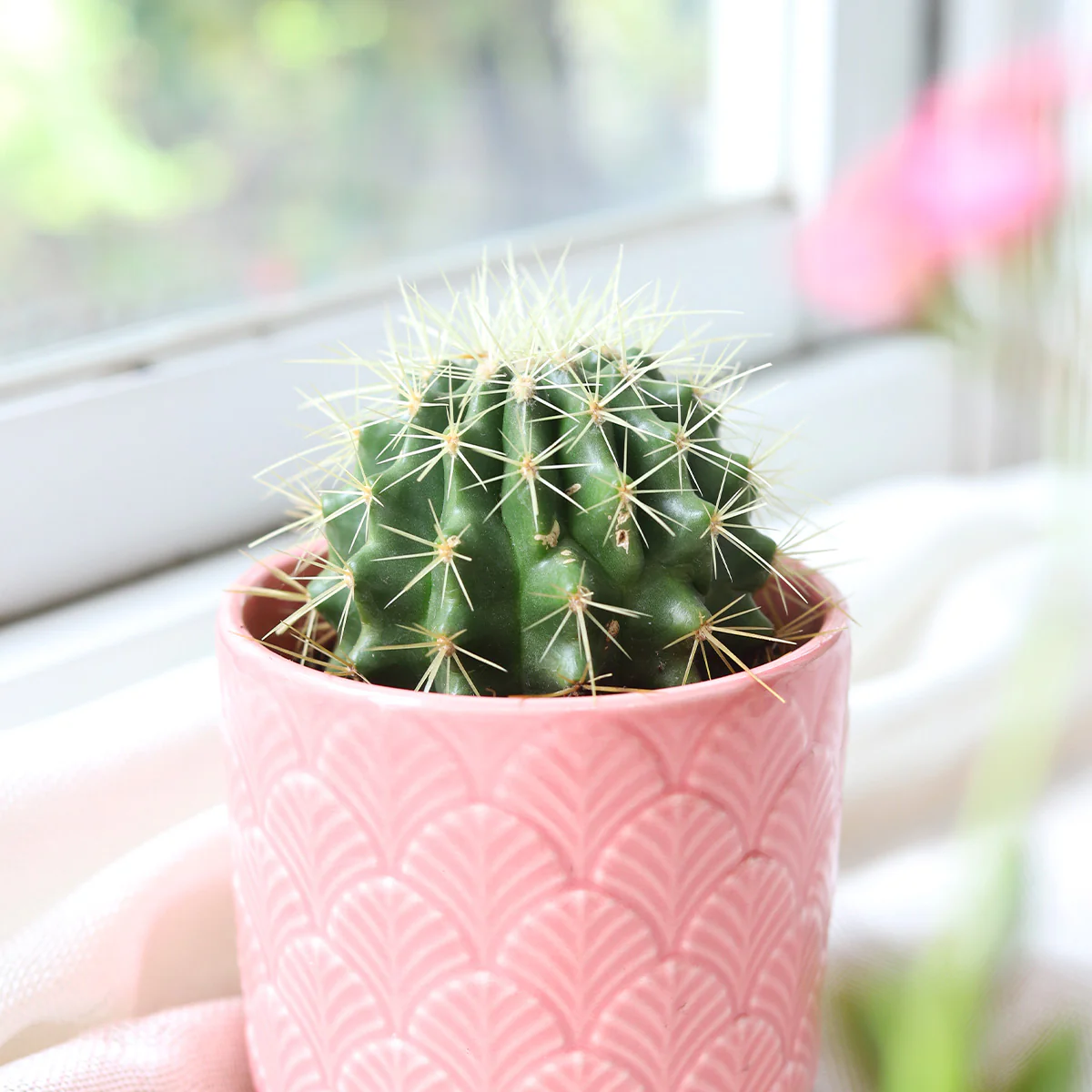
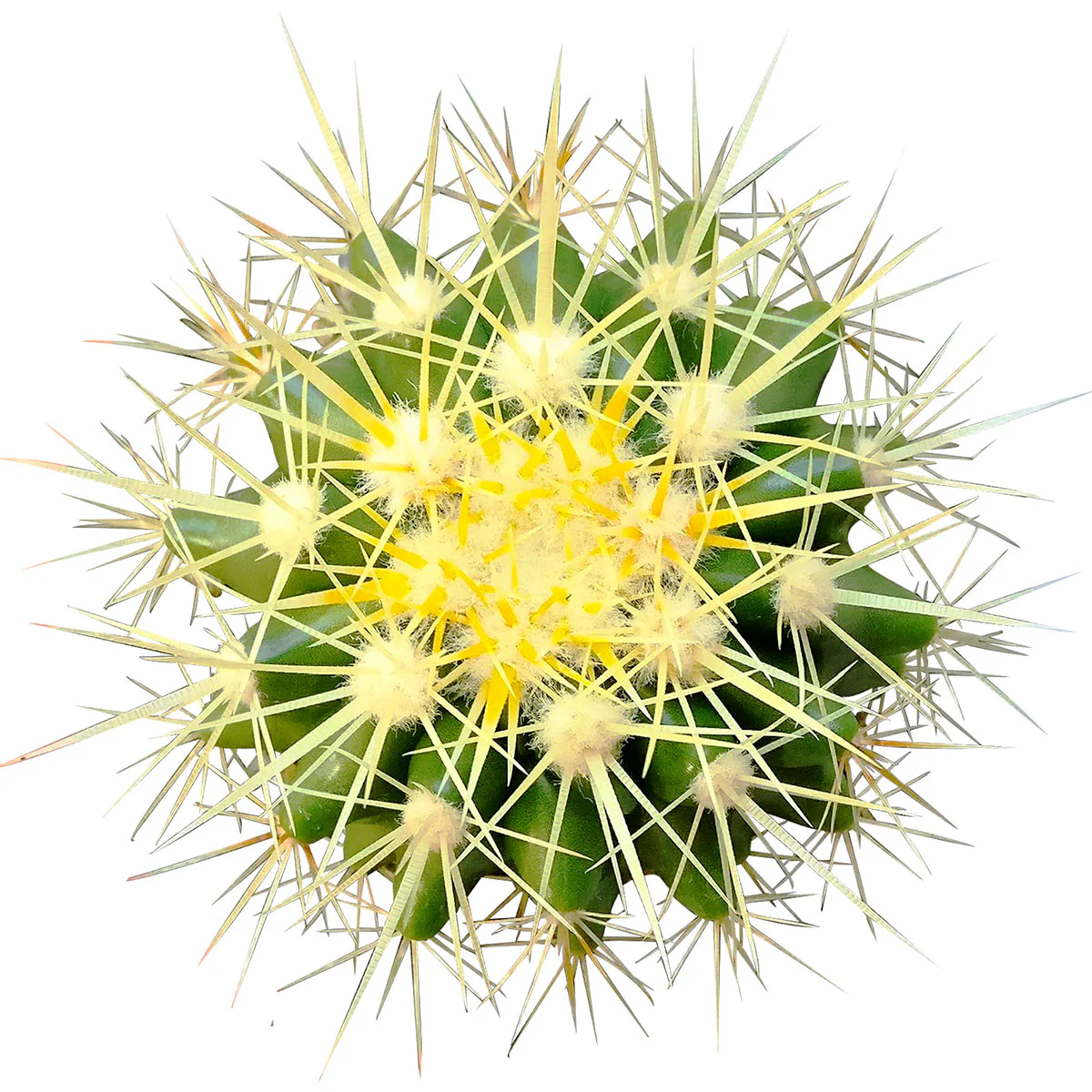
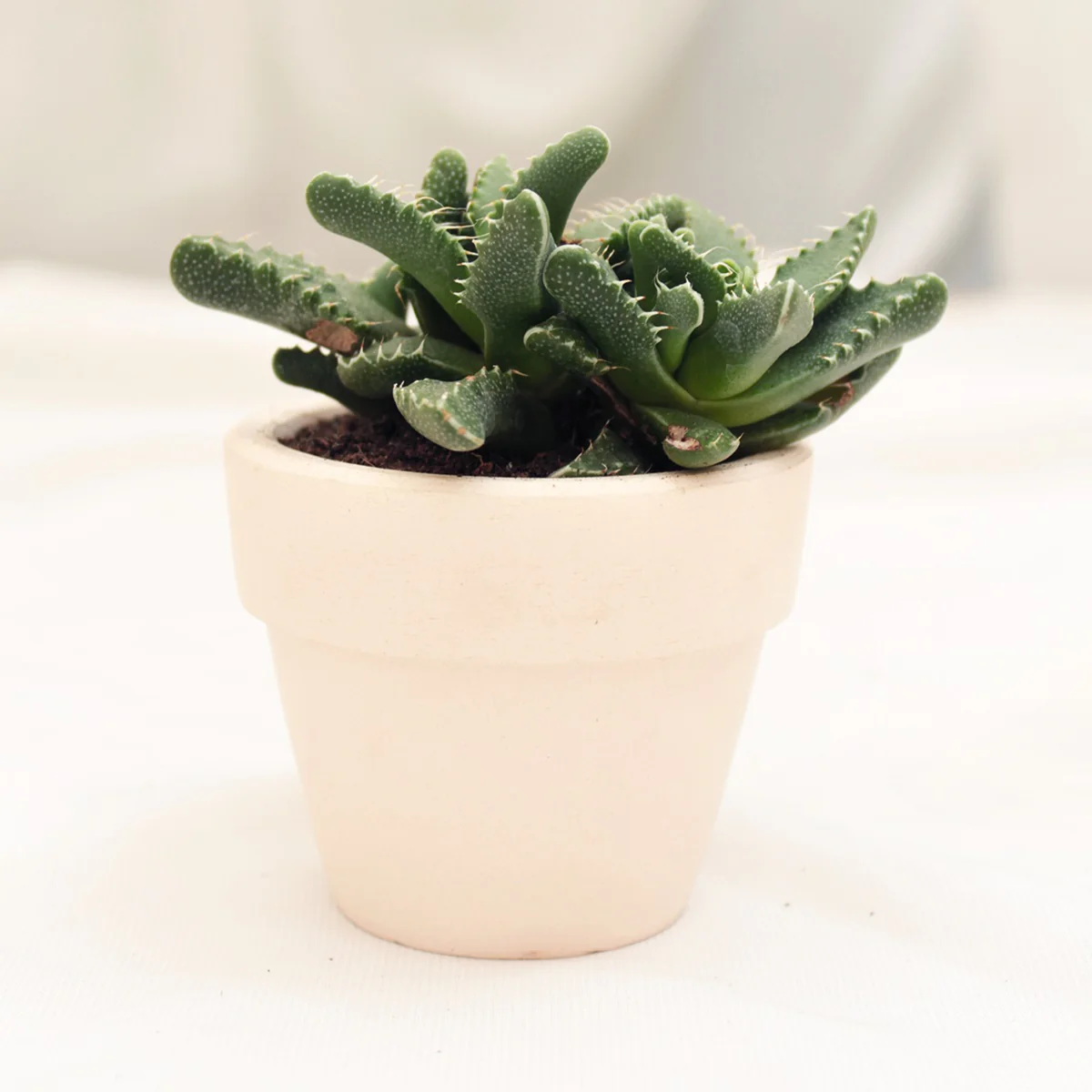
 Tiger's Jaw Crassula - Faucaria candida forms tight, symmetrical rosettes of thick gray-green leaves edged with soft white teeth that look almost predatory up close. The leaves are plump, triangular, and slightly glossy, clustering outward in a low, spreading habit that stays beautifully compact. That distinctive toothed leaf structure makes Tiger's Jaw Crassula - Faucaria candida instantly recognizable and endlessly eye-catching on any shelf or windowsill.
 Tiger's Jaw Crassula - Faucaria candida produces stunning white daisy-like flowers that typically emerge in autumn, rewarding growers with a brilliant seasonal display. Blooms open in the afternoon sunlight and have a subtle, delicate fragrance that adds another layer of charm to this already remarkable white flower succulent. A nighttime temperature drop is key to triggering flowering, so moving Tiger's Jaw Crassula - Faucaria candida to a cooler spot in late summer sets the stage for a great bloom season.
 Tiger's Jaw Crassula - Faucaria candida is an excellent choice for bright windowsills, sunny patios, and outdoor rock gardens during summer months, where it clusters beautifully alongside other succulents. It handles dry heated indoor air with ease, making it one of the more forgiving rare succulents for home environments. This is a genuinely pet-friendly plant, so no worries about curious cats or dogs. Tiger's Jaw Crassula - Faucaria candida can even be left alone for up to ten days without watering, making it perfect for frequent travelers.
-
 Tiger's Jaw Crassula - Faucaria candida thrives in bright indirect light to partial or full sun, though direct south-facing window exposure may scorch leaves in peak summer heat.
 Tiger's Jaw Crassula - Faucaria candida needs watering every 10-14 days in summer, reducing to once a month or less in winter dormancy.
 Tiger's Jaw Crassula - Faucaria candida performs best in a fast-draining cactus and succulent mix blended with perlite or coarse sand for excellent drainage.
 Tiger's Jaw Crassula - Faucaria candida prefers temperatures between 50-80°F (10-27°C) and should be protected from frost below 25°F (-4°C).
![]() Tiger's Jaw Crassula - Faucaria candida is a slow to moderate grower that benefits from a diluted balanced succulent fertilizer once in spring and once in early summer.
Tiger's Jaw Crassula - Faucaria candida is a slow to moderate grower that benefits from a diluted balanced succulent fertilizer once in spring and once in early summer.
 Tiger's Jaw Crassula - Faucaria candida is hardy in USDA Zones 9-11, tolerating brief dips to around 25°F (-4°C) but needing frost protection below that threshold. In the United States, this covers much of California, Arizona, Texas, Florida, Hawaii, Louisiana, Mississippi, Alabama, Georgia, South Carolina, and the coastal areas of Oregon and Washington. Gardeners across Nevada's southern regions and parts of New Mexico can also grow Tiger's Jaw Crassula - Faucaria candida outdoors year-round with minimal protection.
-
Q: How often should I water Tiger's Jaw Crassula - Faucaria candida?
A: Water Tiger's Jaw Crassula - Faucaria candida every 10-14 days during active growth in spring and summer, then cut back to once a month or less in winter. Always let the soil dry out completely between waterings to prevent root rot.
Q: Is Tiger's Jaw Crassula - Faucaria candida pet friendly?
A: Yes, Tiger's Jaw Crassula - Faucaria candida is pet friendly and considered non-toxic to cats and dogs. It is a safe choice for households with curious pets.
Q: How much light does Tiger's Jaw Crassula - Faucaria candida need?
A: Tiger's Jaw Crassula - Faucaria candida grows best in bright indirect light to partial or full sun, making a sunny east or west-facing windowsill ideal. Avoid prolonged direct south-facing summer sun, which can scorch the leaves.
Q: How do I get Tiger's Jaw Crassula - Faucaria candida to bloom?
A: Tiger's Jaw Crassula - Faucaria candida needs a nighttime temperature drop in late summer or early autumn to trigger its beautiful white flowers. Moving it to a slightly cooler spot overnight for several weeks is the most reliable way to encourage blooms.
Q: Can I take Tiger's Jaw Crassula - Faucaria candida outside in summer?
A: Absolutely, Tiger's Jaw Crassula - Faucaria candida loves spending summer outdoors in a bright, sheltered spot. Just make sure to cover it or bring it in during rain to protect the roots from excess moisture.
Q: How do I propagate Tiger's Jaw Crassula - Faucaria candida?
A: Tiger's Jaw Crassula - Faucaria candida propagates easily by gently separating offsets from the mother cluster and potting them in well-draining succulent mix. You can also try leaf cuttings, though offsets tend to root faster and more reliably.


Original: $8.00
-70%$8.00
$2.40Product Information
Product Information
Shipping & Returns
Shipping & Returns
Description
- Description
- Tiger's Jaw Crassula - Faucaria candida Care Guide
- FAQ/Common Issues
-
![]() Tiger's Jaw Crassula - Faucaria candida is a rare, toothed leaf succulent belonging to the Aizoaceae family, native to the arid rocky regions of South Africa's Eastern Cape. It earns its dramatic common name from the jagged, fang-like teeth lining each fleshy leaf, a natural adaptation for survival in harsh, dry landscapes. Collectors and succulent enthusiasts prize Tiger's Jaw Crassula - Faucaria candida for its bold personality packed into a compact, easy-care package.
Tiger's Jaw Crassula - Faucaria candida is a rare, toothed leaf succulent belonging to the Aizoaceae family, native to the arid rocky regions of South Africa's Eastern Cape. It earns its dramatic common name from the jagged, fang-like teeth lining each fleshy leaf, a natural adaptation for survival in harsh, dry landscapes. Collectors and succulent enthusiasts prize Tiger's Jaw Crassula - Faucaria candida for its bold personality packed into a compact, easy-care package.
Tiger's Jaw Crassula - Faucaria candida forms tight, symmetrical rosettes of thick gray-green leaves edged with soft white teeth that look almost predatory up close. The leaves are plump, triangular, and slightly glossy, clustering outward in a low, spreading habit that stays beautifully compact. That distinctive toothed leaf structure makes Tiger's Jaw Crassula - Faucaria candida instantly recognizable and endlessly eye-catching on any shelf or windowsill.
Tiger's Jaw Crassula - Faucaria candida produces stunning white daisy-like flowers that typically emerge in autumn, rewarding growers with a brilliant seasonal display. Blooms open in the afternoon sunlight and have a subtle, delicate fragrance that adds another layer of charm to this already remarkable white flower succulent. A nighttime temperature drop is key to triggering flowering, so moving Tiger's Jaw Crassula - Faucaria candida to a cooler spot in late summer sets the stage for a great bloom season.
Tiger's Jaw Crassula - Faucaria candida is an excellent choice for bright windowsills, sunny patios, and outdoor rock gardens during summer months, where it clusters beautifully alongside other succulents. It handles dry heated indoor air with ease, making it one of the more forgiving rare succulents for home environments. This is a genuinely pet-friendly plant, so no worries about curious cats or dogs. Tiger's Jaw Crassula - Faucaria candida can even be left alone for up to ten days without watering, making it perfect for frequent travelers.
-
Tiger's Jaw Crassula - Faucaria candida thrives in bright indirect light to partial or full sun, though direct south-facing window exposure may scorch leaves in peak summer heat.
Tiger's Jaw Crassula - Faucaria candida needs watering every 10-14 days in summer, reducing to once a month or less in winter dormancy.
Tiger's Jaw Crassula - Faucaria candida performs best in a fast-draining cactus and succulent mix blended with perlite or coarse sand for excellent drainage.
Tiger's Jaw Crassula - Faucaria candida prefers temperatures between 50-80°F (10-27°C) and should be protected from frost below 25°F (-4°C).
![]() Tiger's Jaw Crassula - Faucaria candida is a slow to moderate grower that benefits from a diluted balanced succulent fertilizer once in spring and once in early summer.
Tiger's Jaw Crassula - Faucaria candida is a slow to moderate grower that benefits from a diluted balanced succulent fertilizer once in spring and once in early summer.
Tiger's Jaw Crassula - Faucaria candida is hardy in USDA Zones 9-11, tolerating brief dips to around 25°F (-4°C) but needing frost protection below that threshold. In the United States, this covers much of California, Arizona, Texas, Florida, Hawaii, Louisiana, Mississippi, Alabama, Georgia, South Carolina, and the coastal areas of Oregon and Washington. Gardeners across Nevada's southern regions and parts of New Mexico can also grow Tiger's Jaw Crassula - Faucaria candida outdoors year-round with minimal protection.
-
Q: How often should I water Tiger's Jaw Crassula - Faucaria candida?
A: Water Tiger's Jaw Crassula - Faucaria candida every 10-14 days during active growth in spring and summer, then cut back to once a month or less in winter. Always let the soil dry out completely between waterings to prevent root rot.
Q: Is Tiger's Jaw Crassula - Faucaria candida pet friendly?
A: Yes, Tiger's Jaw Crassula - Faucaria candida is pet friendly and considered non-toxic to cats and dogs. It is a safe choice for households with curious pets.
Q: How much light does Tiger's Jaw Crassula - Faucaria candida need?
A: Tiger's Jaw Crassula - Faucaria candida grows best in bright indirect light to partial or full sun, making a sunny east or west-facing windowsill ideal. Avoid prolonged direct south-facing summer sun, which can scorch the leaves.
Q: How do I get Tiger's Jaw Crassula - Faucaria candida to bloom?
A: Tiger's Jaw Crassula - Faucaria candida needs a nighttime temperature drop in late summer or early autumn to trigger its beautiful white flowers. Moving it to a slightly cooler spot overnight for several weeks is the most reliable way to encourage blooms.
Q: Can I take Tiger's Jaw Crassula - Faucaria candida outside in summer?
A: Absolutely, Tiger's Jaw Crassula - Faucaria candida loves spending summer outdoors in a bright, sheltered spot. Just make sure to cover it or bring it in during rain to protect the roots from excess moisture.
Q: How do I propagate Tiger's Jaw Crassula - Faucaria candida?
A: Tiger's Jaw Crassula - Faucaria candida propagates easily by gently separating offsets from the mother cluster and potting them in well-draining succulent mix. You can also try leaf cuttings, though offsets tend to root faster and more reliably.