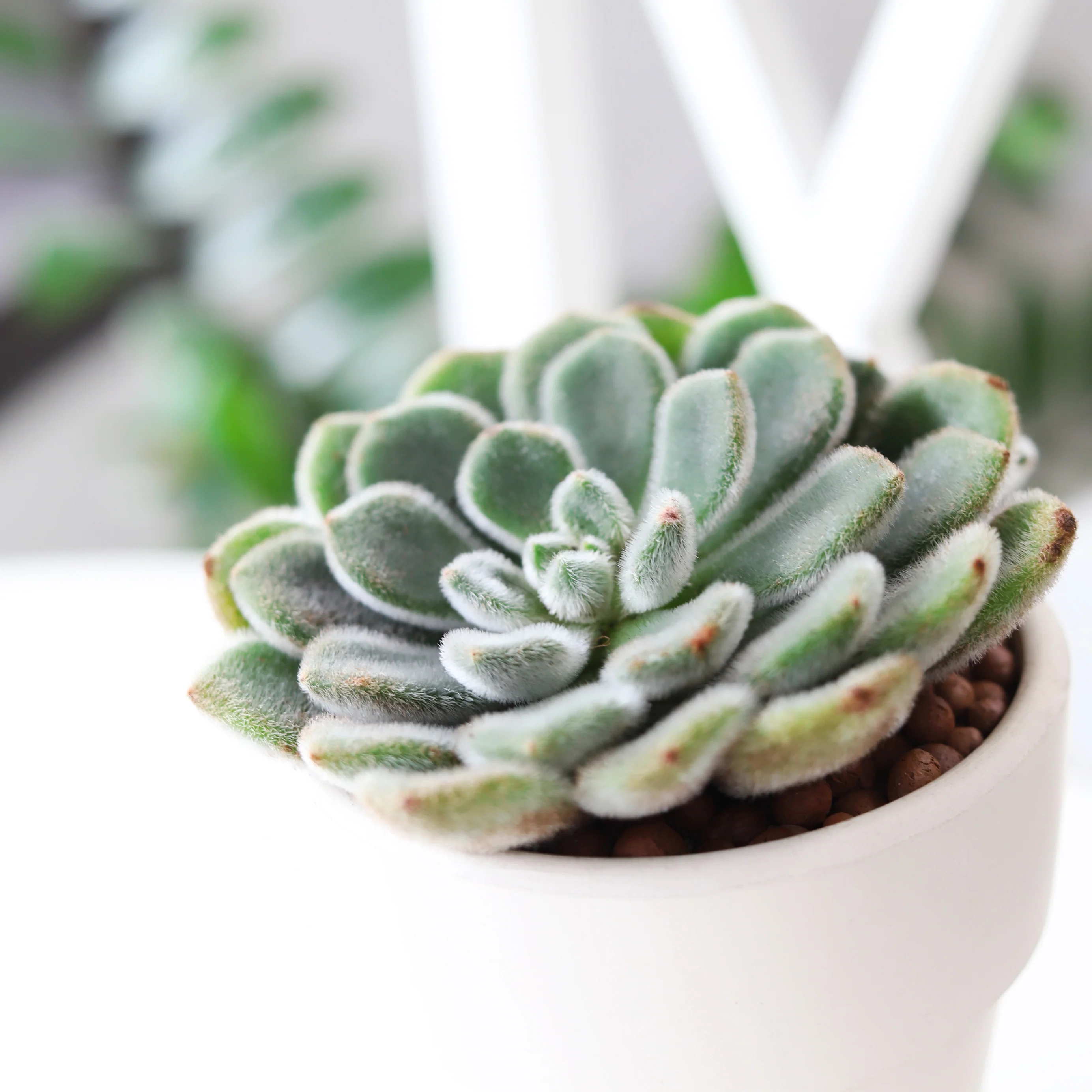
Echeveria Doris Taylor Succulent - Woolly Rose
- Description
- Echeveria Doris Taylor - Woolly Rose Care Guide
- FAQ/Common Issues
-
![]() The Echeveria Doris Taylor Succulent - Woolly Rose is a charming hybrid succulent in the Crassulaceae family, beloved by collectors and beginners alike. It originates from hybridized Echeveria lineages native to the semi-arid highlands of Mexico and Central America. Easy care and drought-tolerant, this woolly rose succulent is one of the most rewarding plants you can grow indoors or out.
The Echeveria Doris Taylor Succulent - Woolly Rose is a charming hybrid succulent in the Crassulaceae family, beloved by collectors and beginners alike. It originates from hybridized Echeveria lineages native to the semi-arid highlands of Mexico and Central America. Easy care and drought-tolerant, this woolly rose succulent is one of the most rewarding plants you can grow indoors or out.
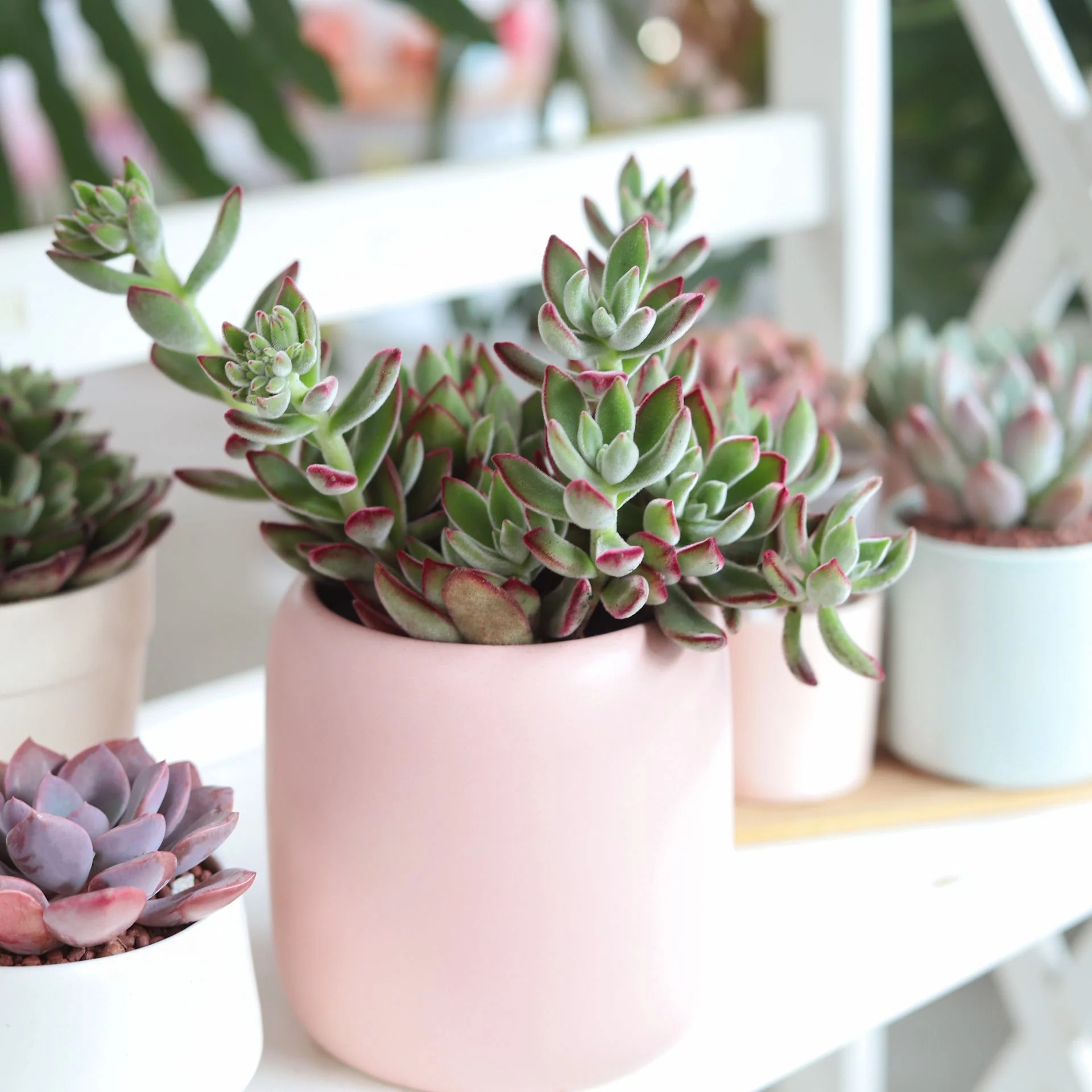
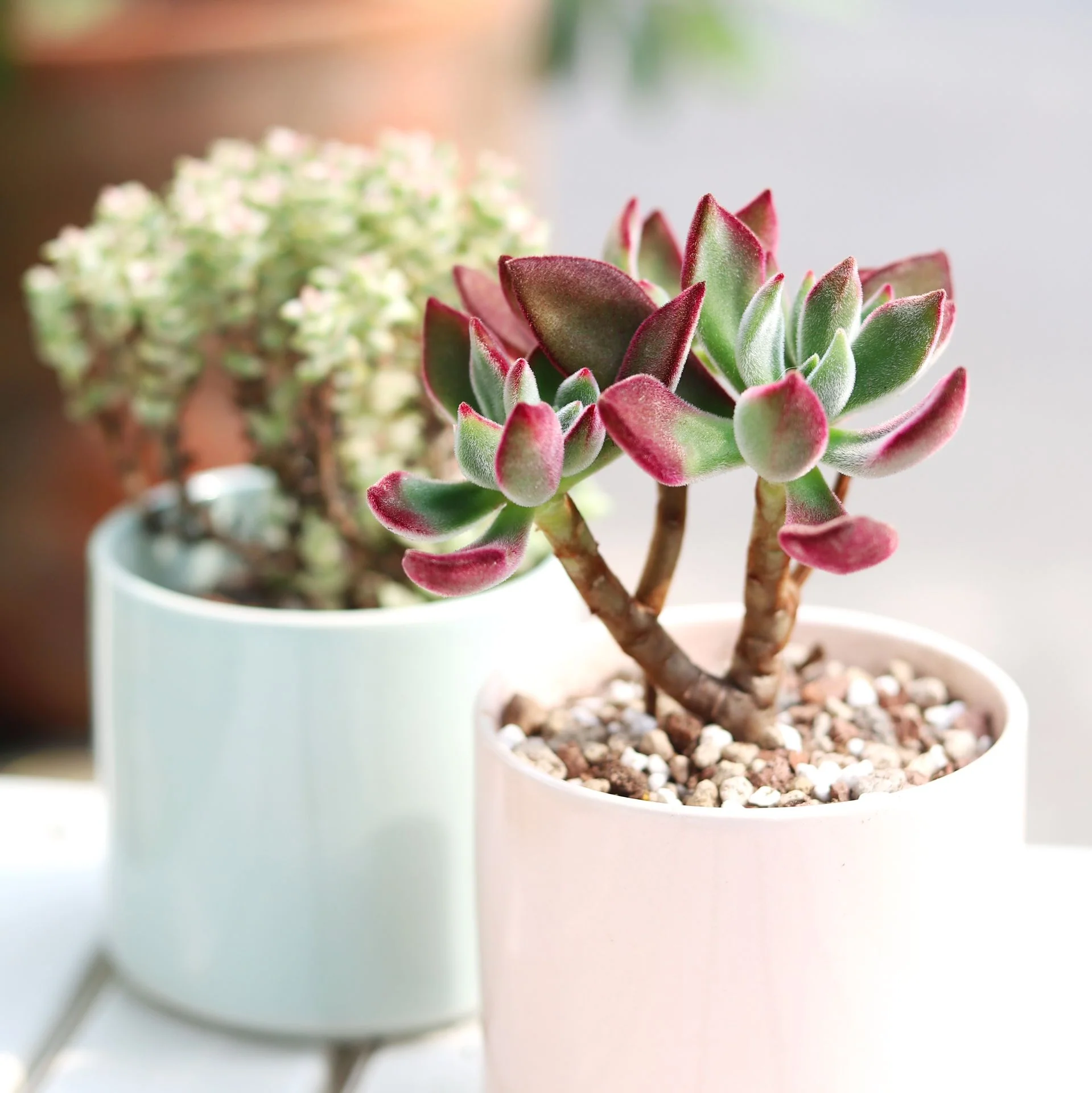
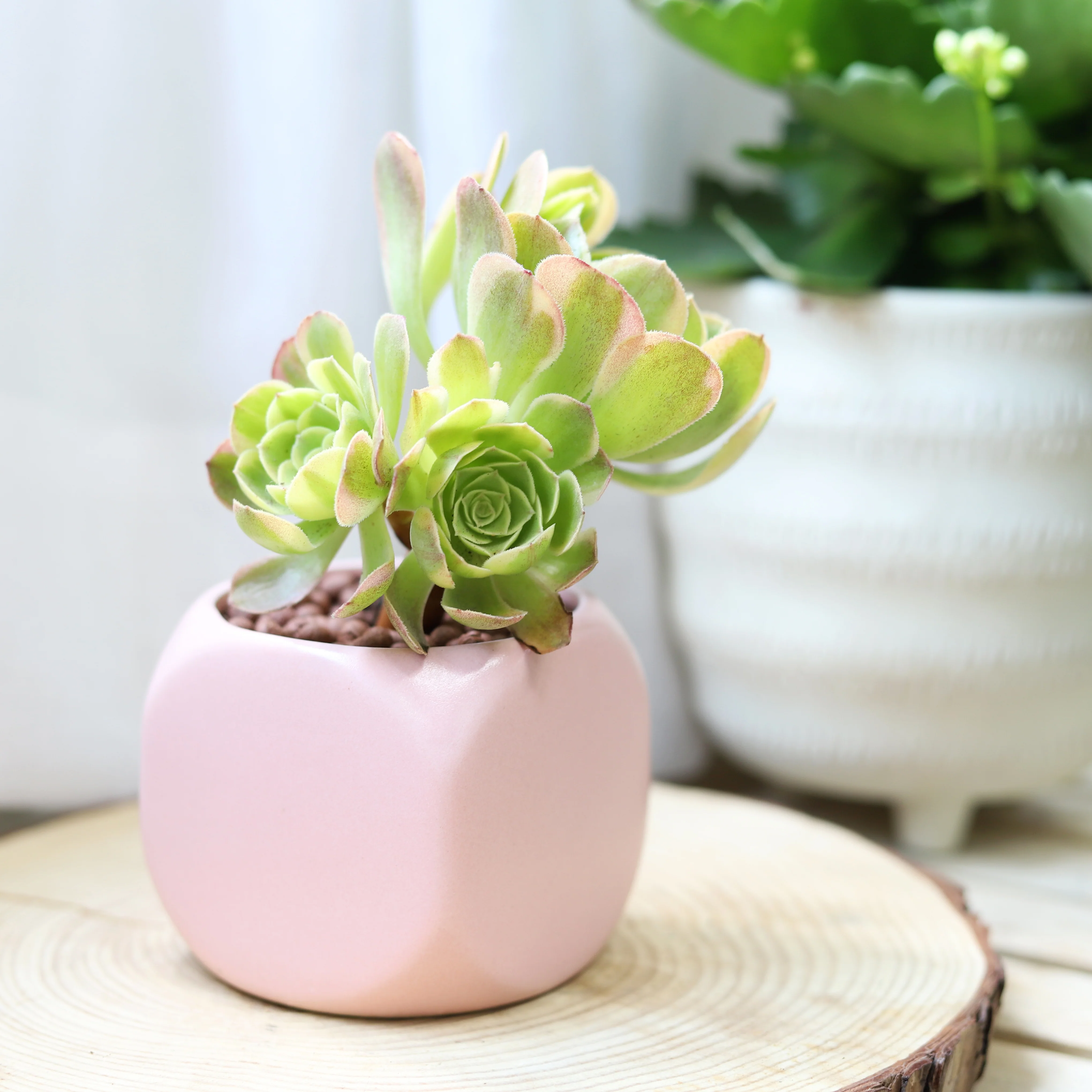
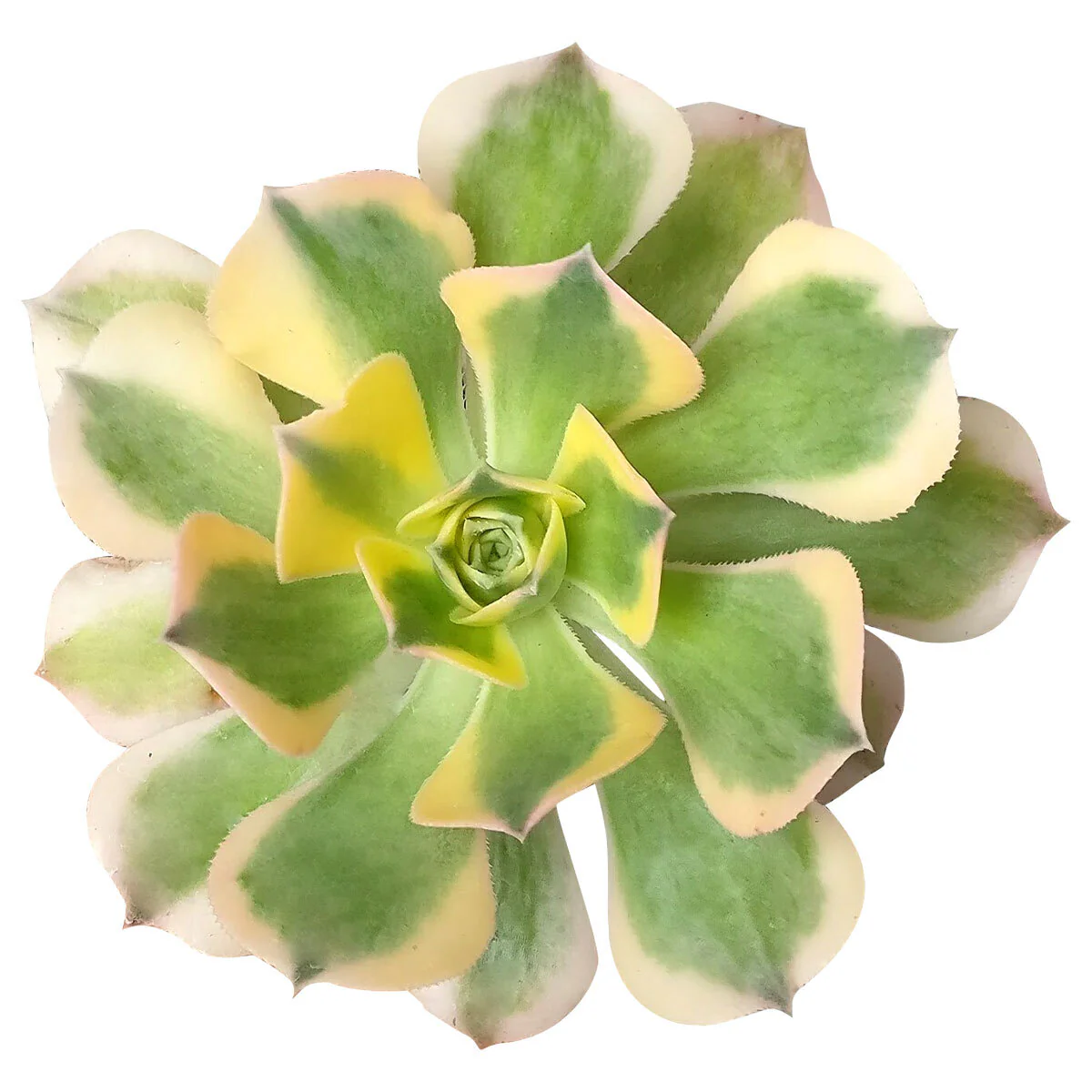
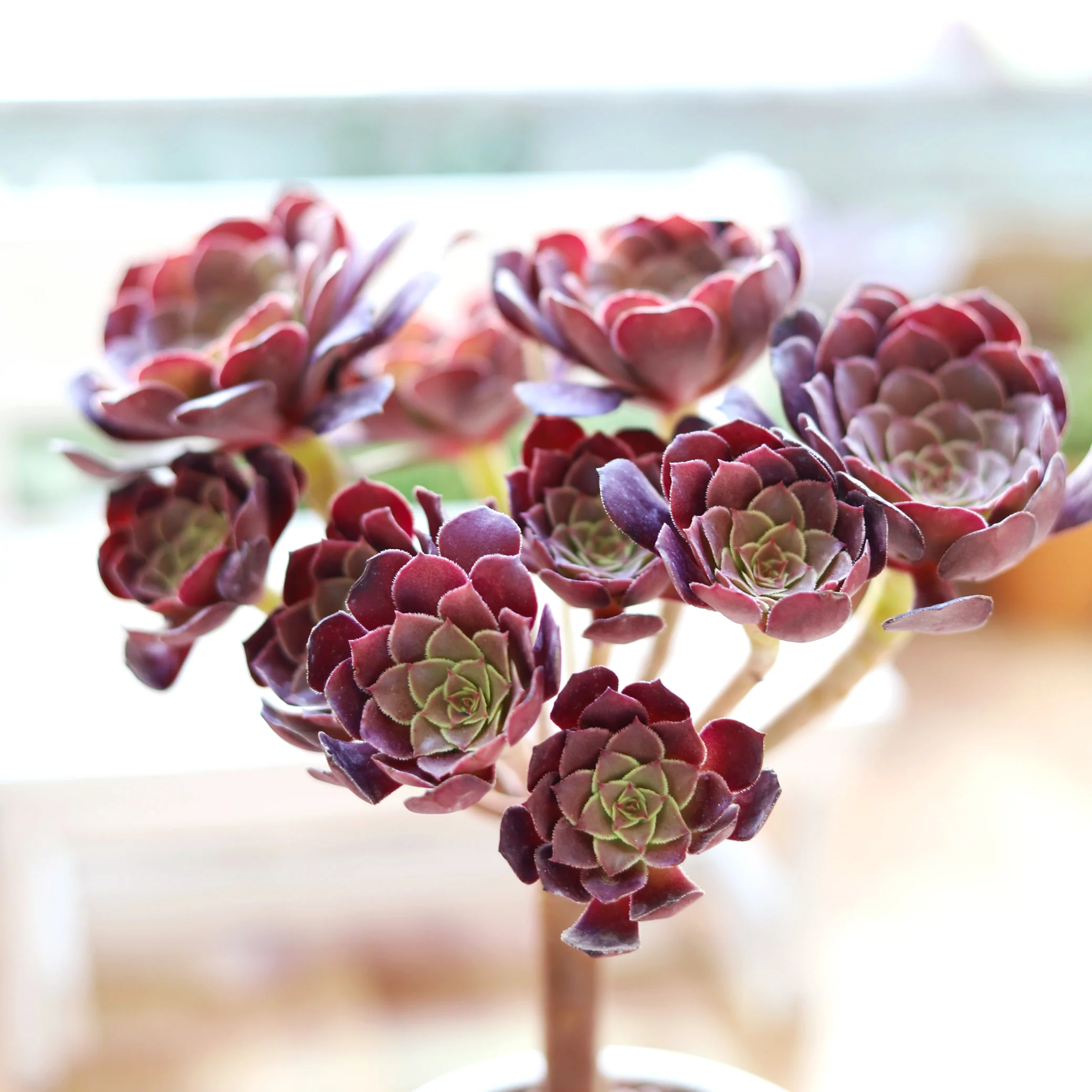
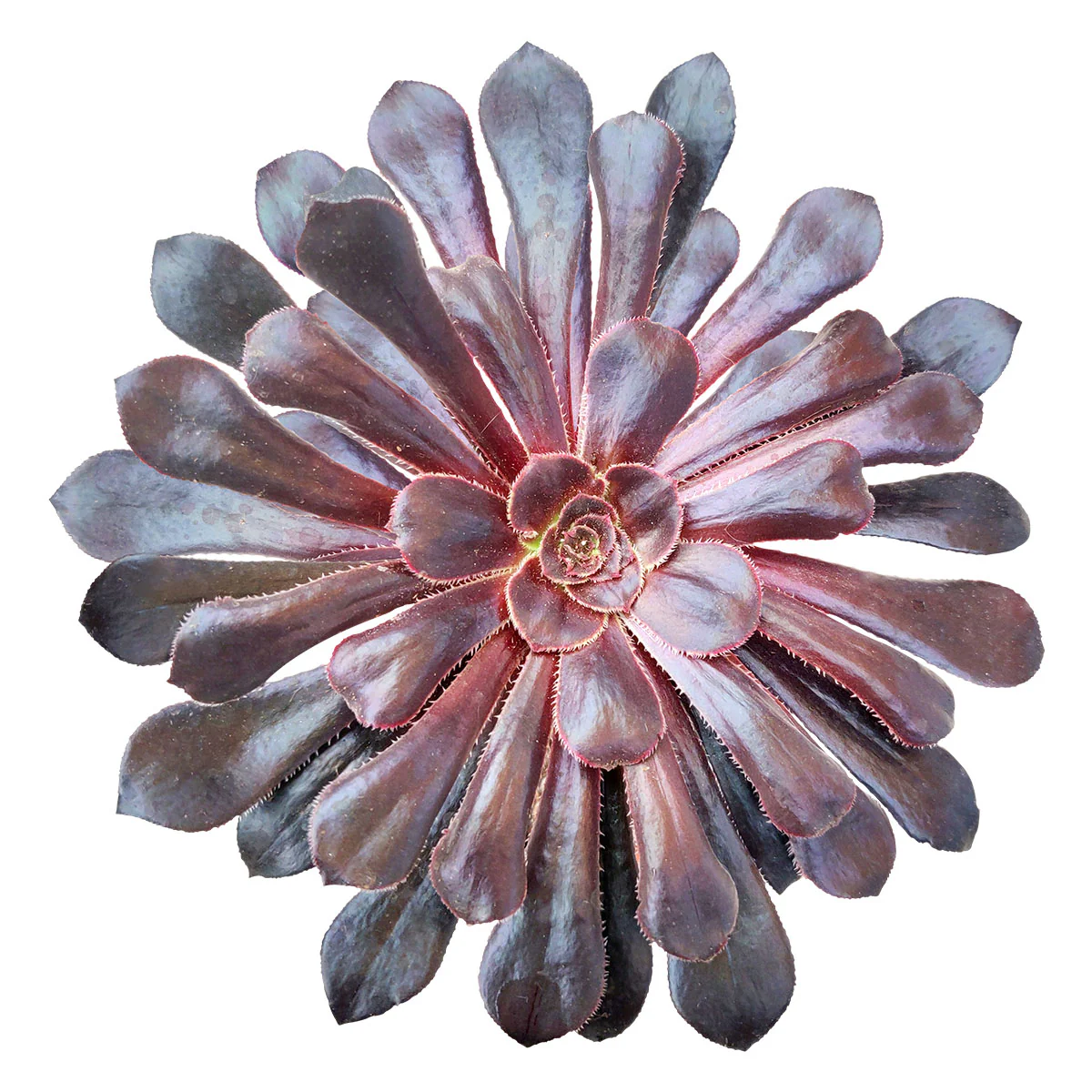
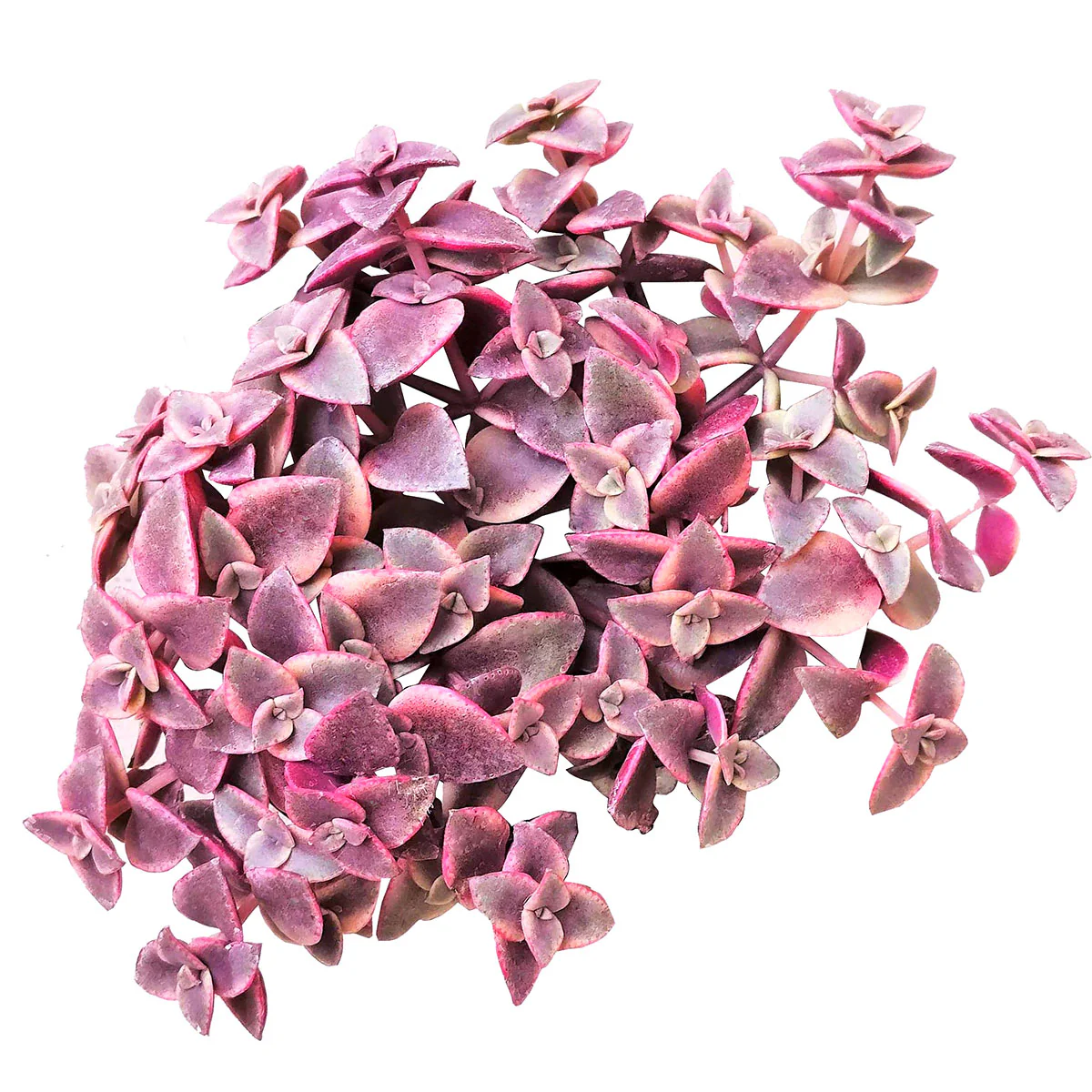
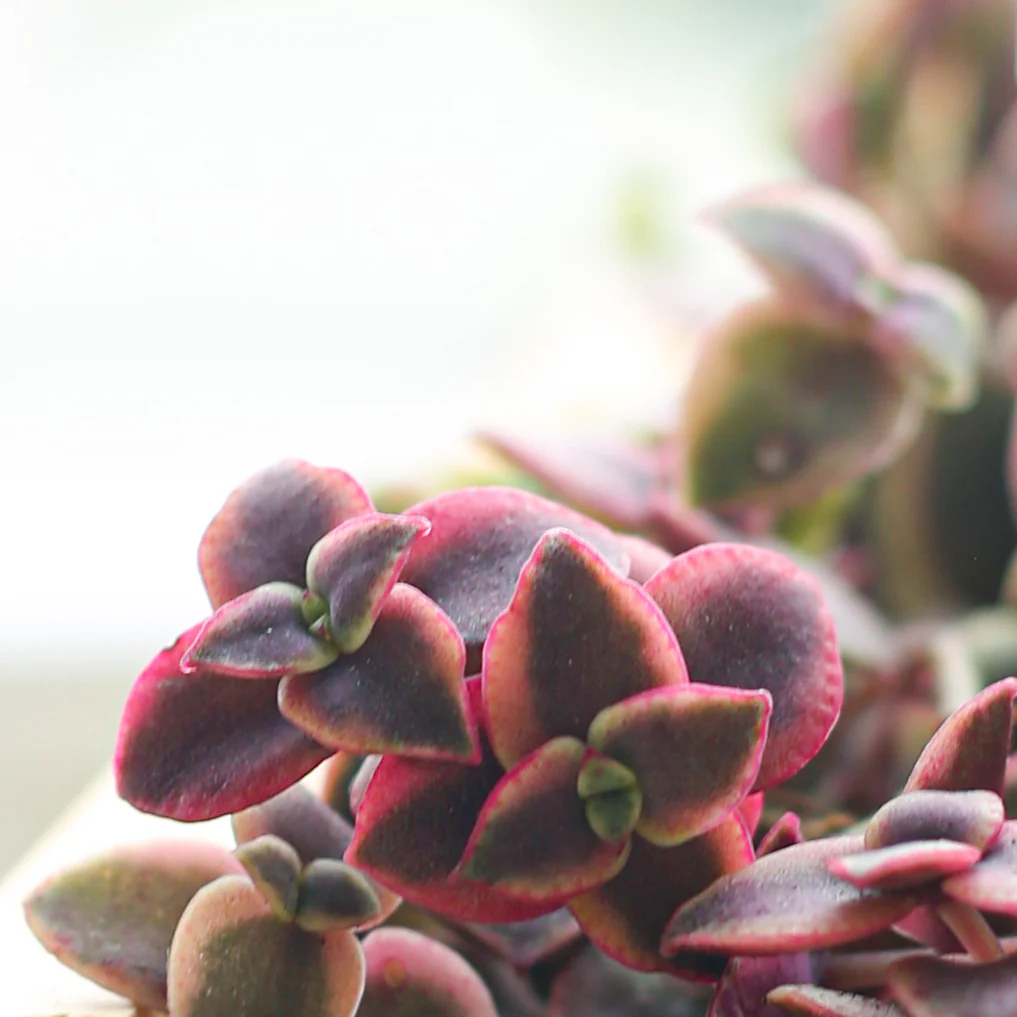
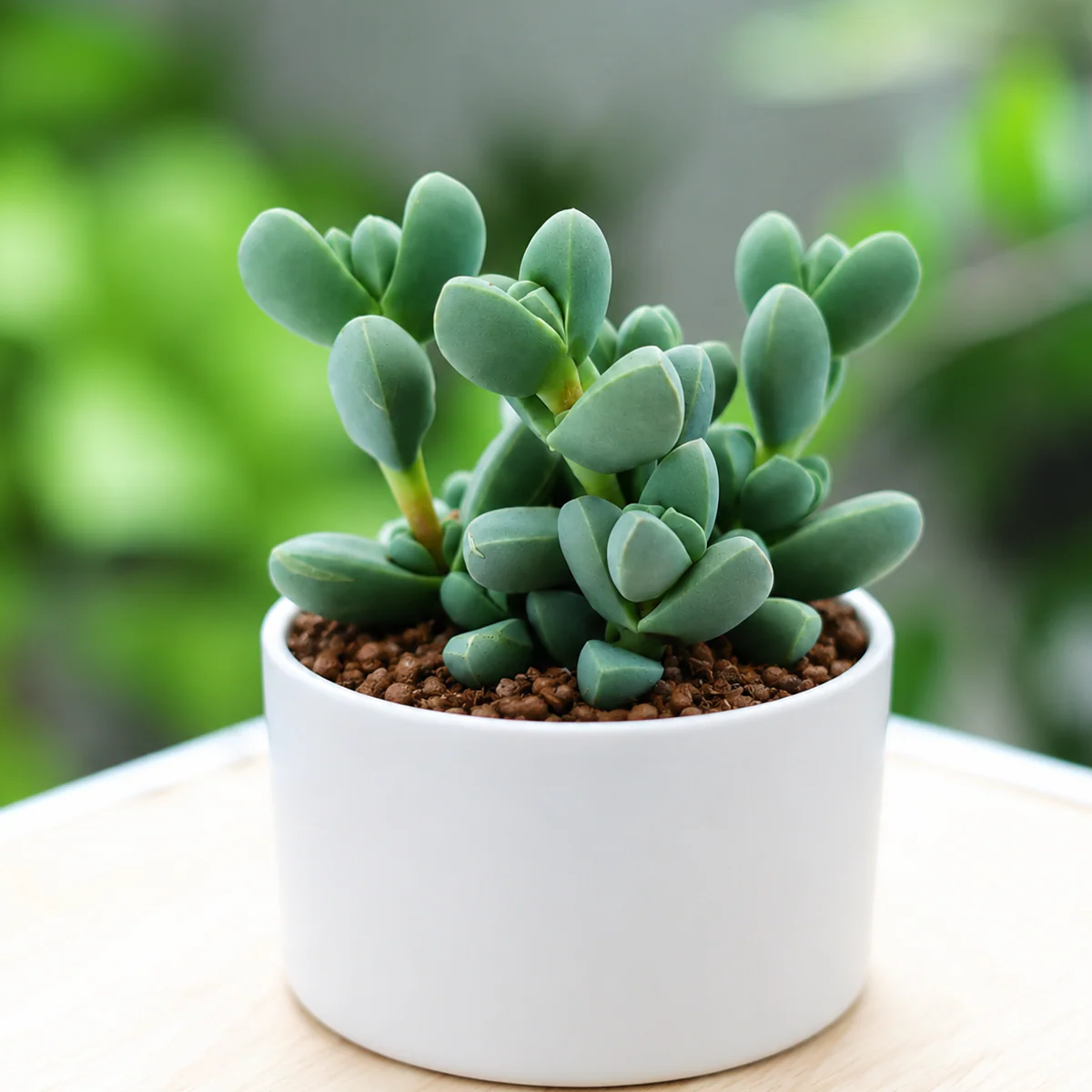
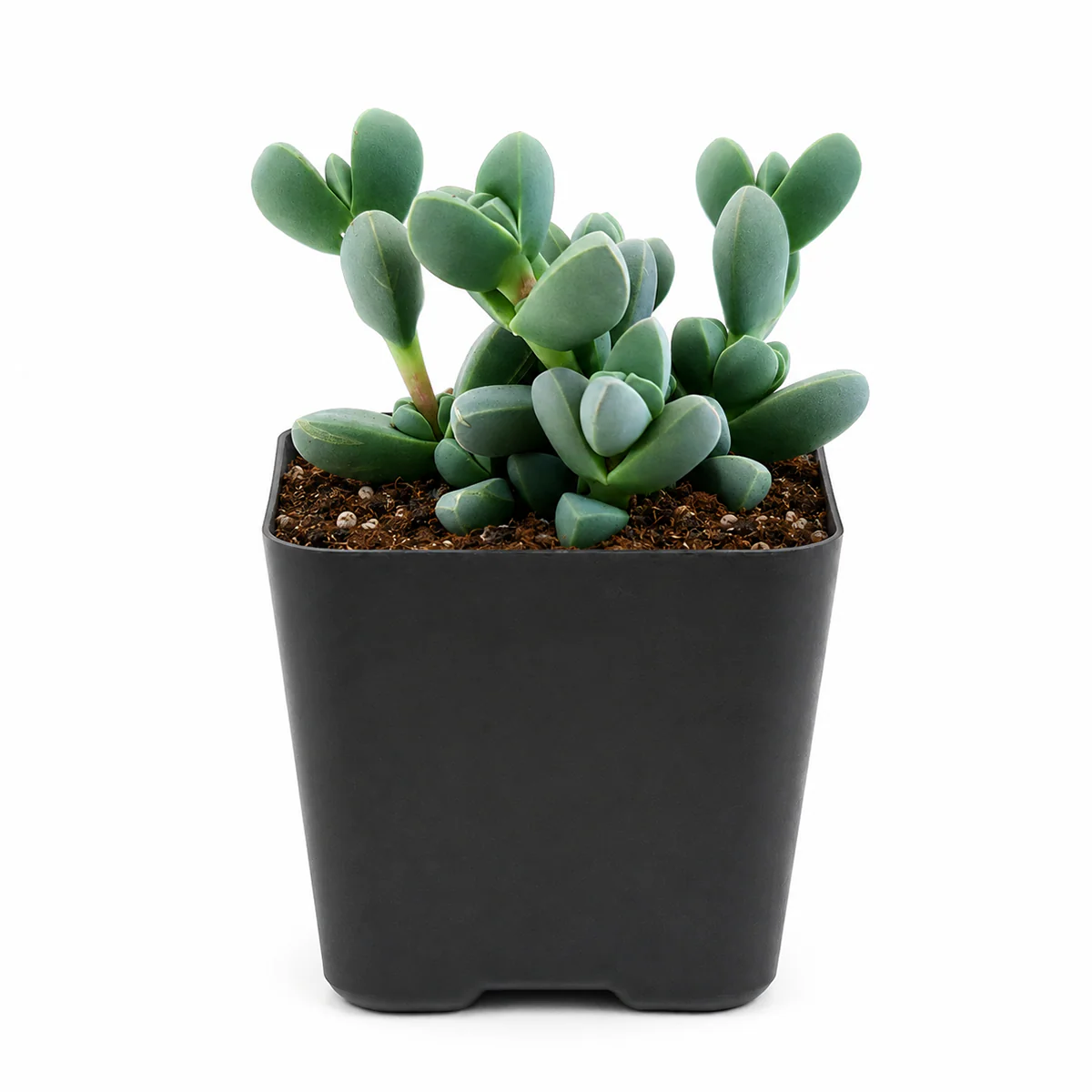
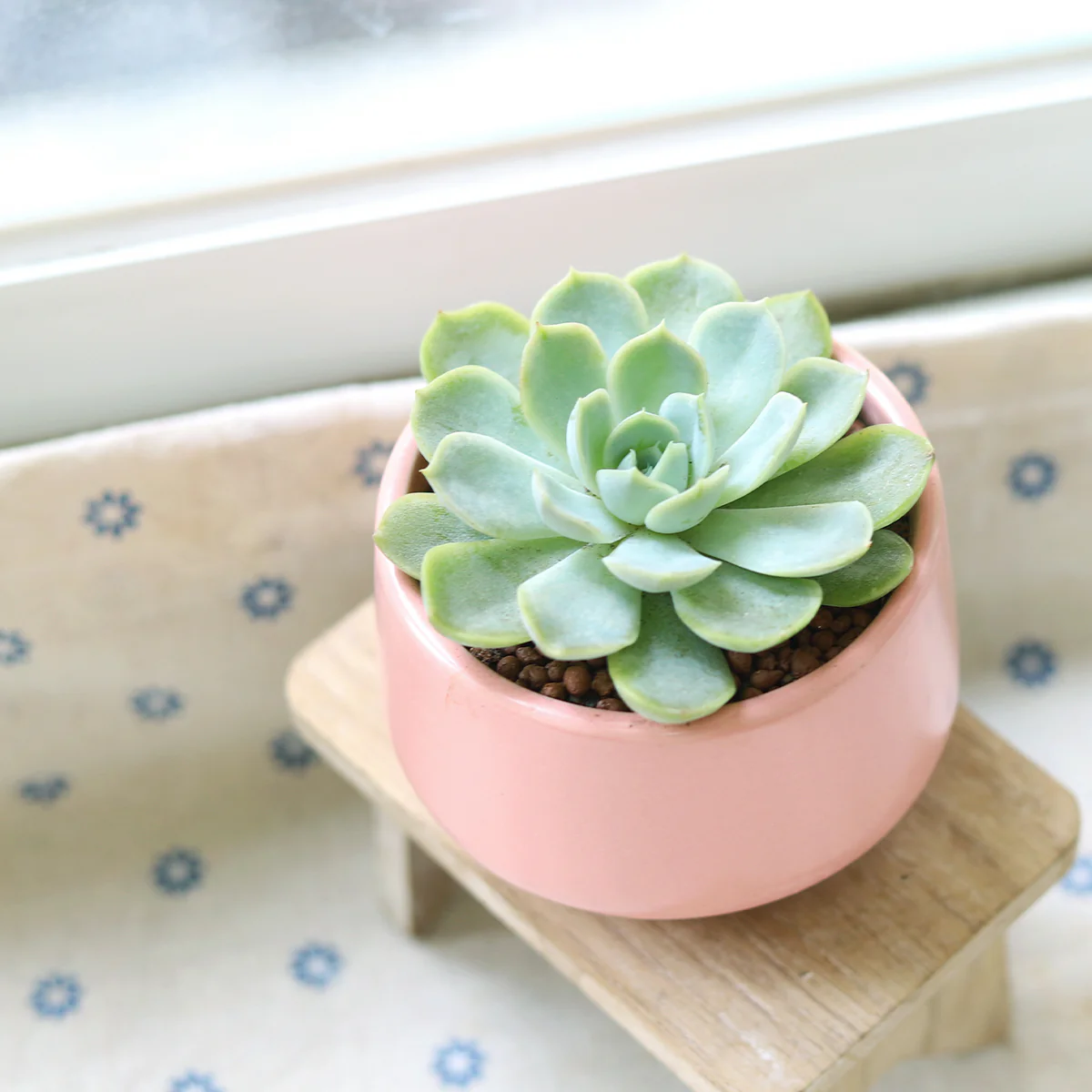
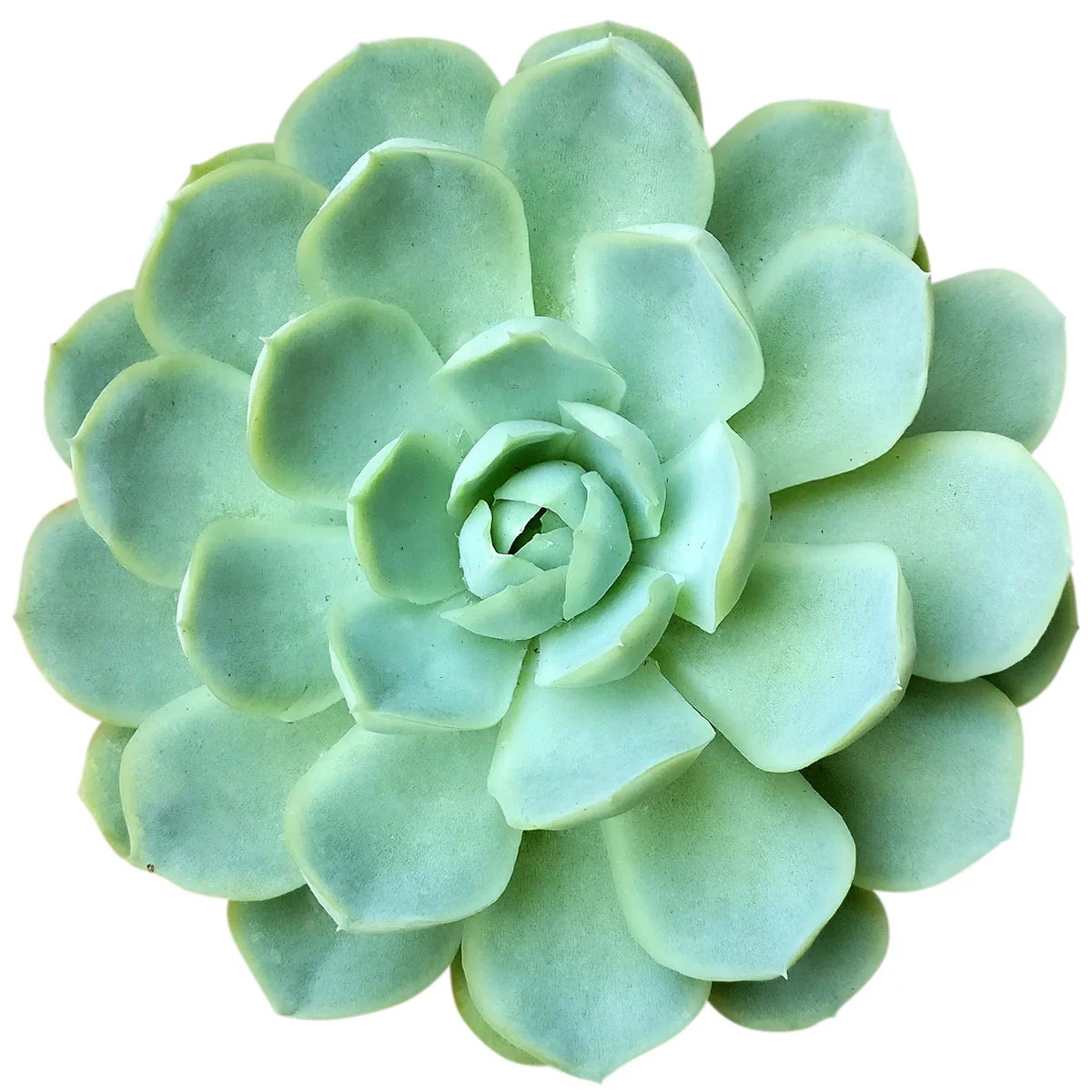
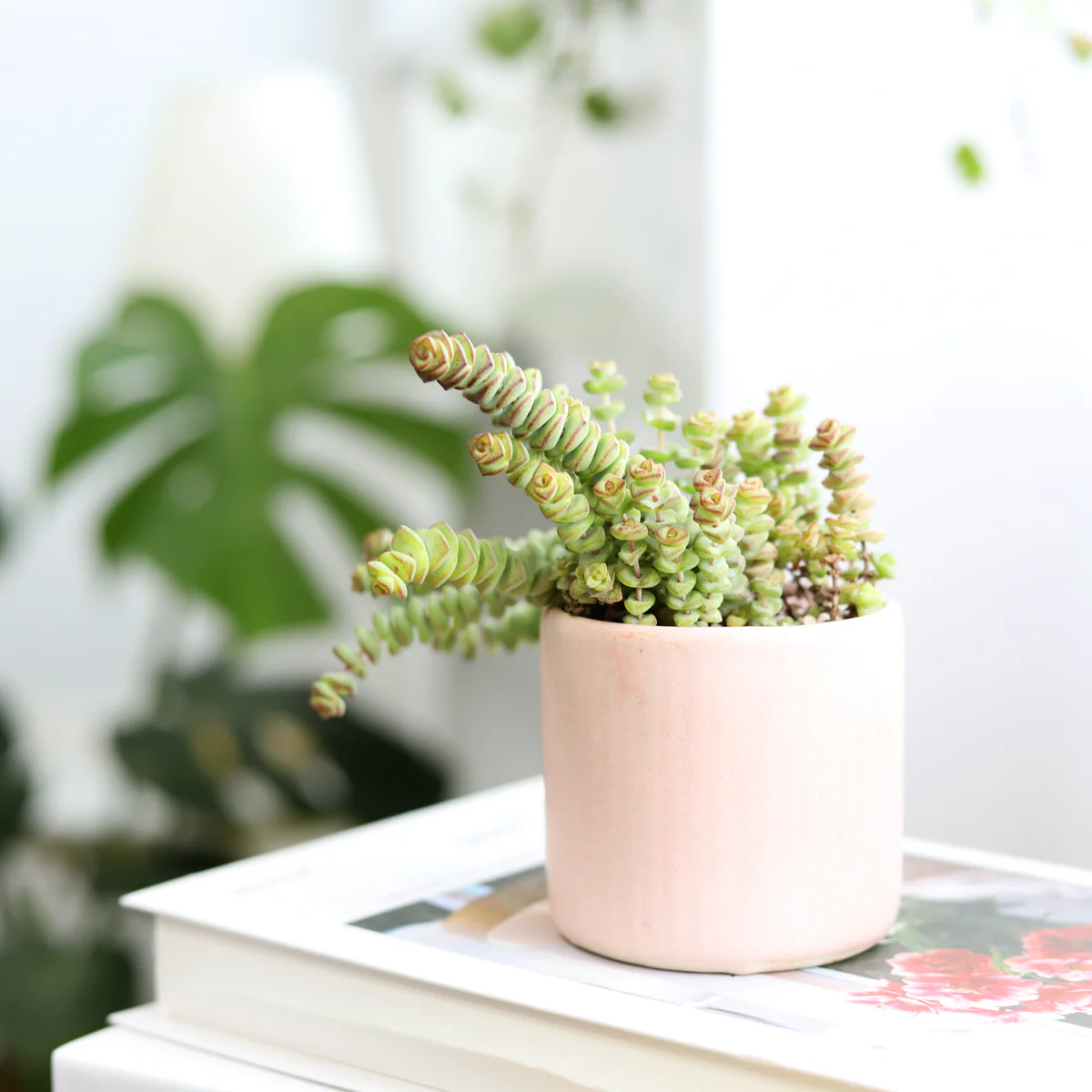
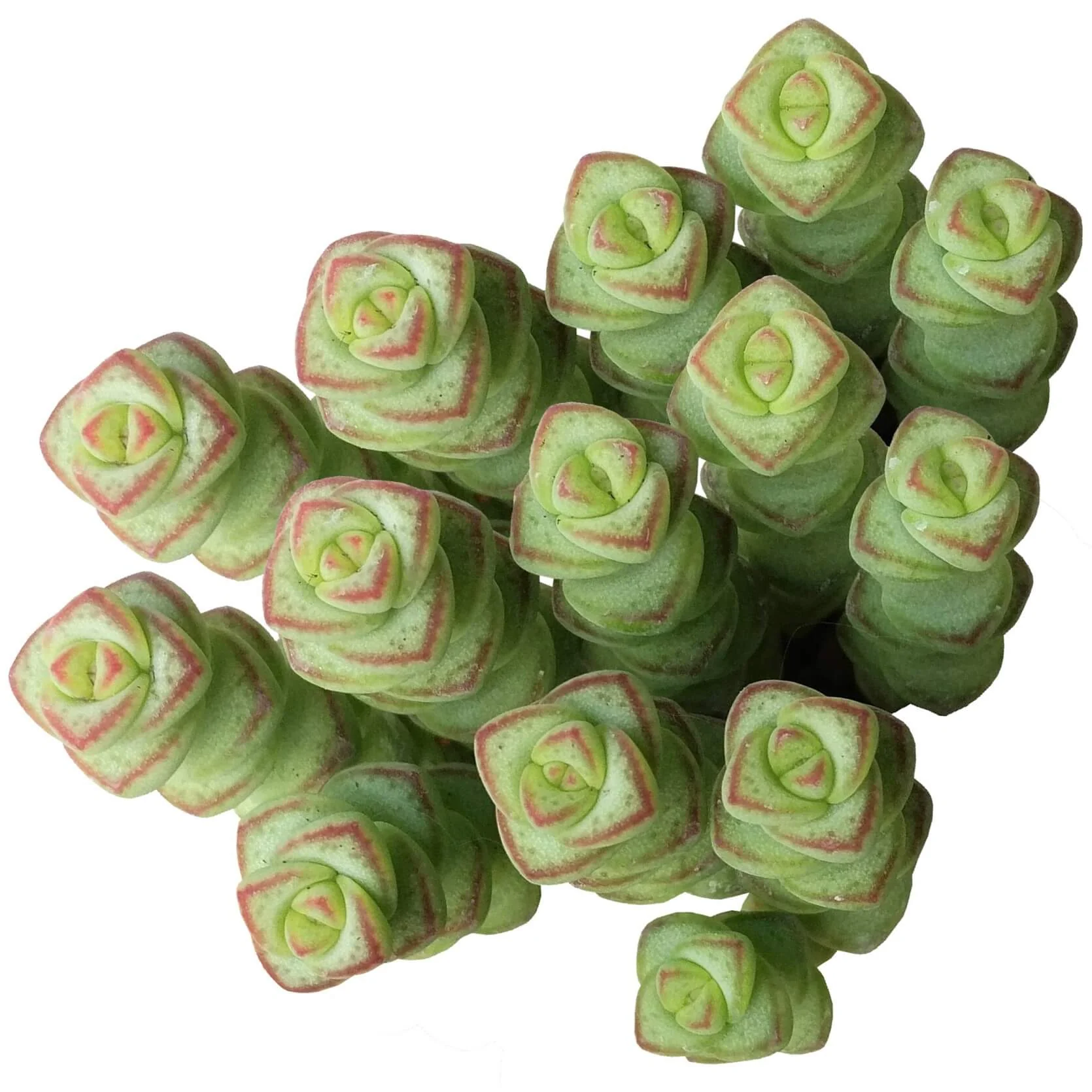
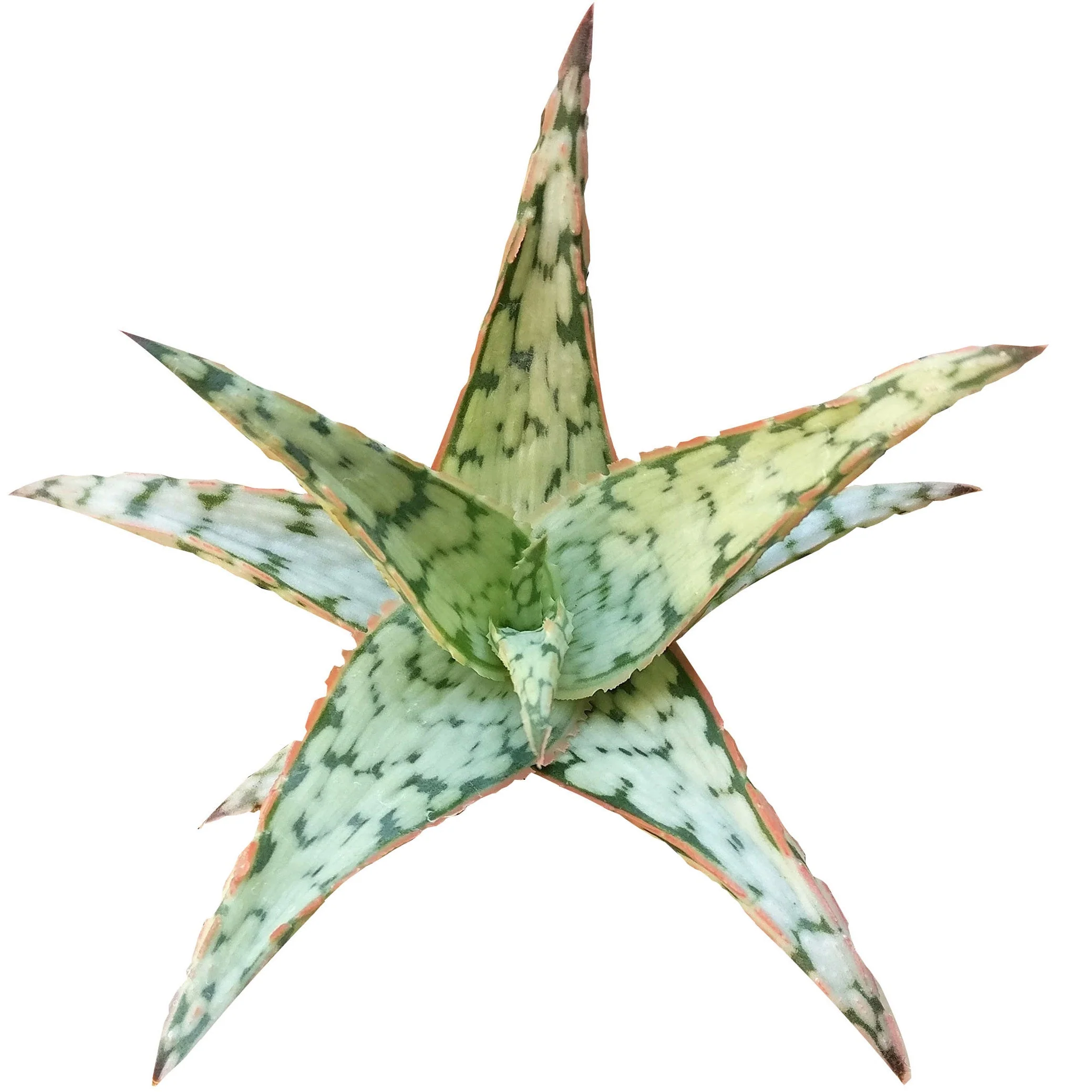
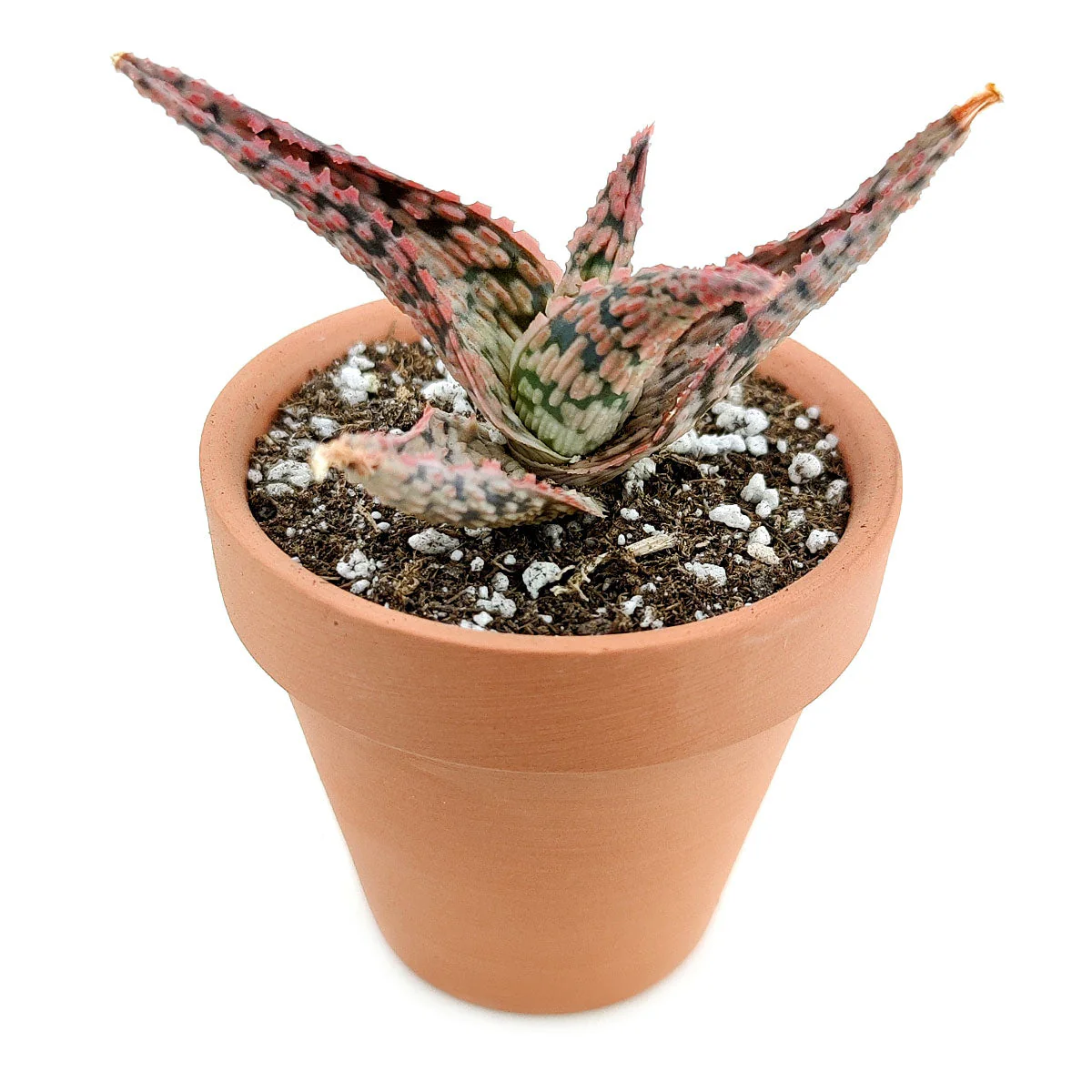
 The Echeveria Doris Taylor Succulent - Woolly Rose forms a compact, plump rosette of soft, spoon-shaped green leaves densely coated in tiny white hairs, giving it that signature fuzzy succulent look. Leaf tips blush rosy-red or orange, especially when the plant gets bright light or experiences a temperature dip. As it matures, this echeveria woolly rose clusters beautifully, producing offsets that fill a pot with cascading rosettes over time.
 When conditions are right, the Echeveria Doris Taylor Succulent - Woolly Rose sends up tall, arching stems tipped with tubular orange-red flowers, typically in late winter to spring. A night temperature drop is key to triggering blooms, so moving it near a cool window in autumn can reward you with a spectacular flower show. The blossoms are a favorite of hummingbirds and add a vivid seasonal pop to any sunny windowsill or patio display.
 The Echeveria Doris Taylor Succulent - Woolly Rose is a genuinely beginner-friendly plant that survives a 10-day trip without a caretaker, making it ideal for busy households or frequent travelers. It thrives on a sunny balcony or patio in summer but needs shelter from heavy rain, since water trapped in the fuzzy leaves can cause rot. This doris taylor succulent is also pet friendly, a rare and welcome bonus for animal-loving plant collectors. Its clustering rosette habit and distinctive woolly texture make it a standout in any succulent arrangement or windowsill collection.
-
 Echeveria Doris Taylor Succulent - Woolly Rose thrives in bright indirect light, partial sun, or full sun with gradual acclimation to avoid leaf scorch.
 Water Echeveria Doris Taylor Succulent - Woolly Rose deeply every 10-14 days in summer, reducing to once every 3-4 weeks in winter.
 Echeveria Doris Taylor Succulent - Woolly Rose performs best in a fast-draining cactus and perlite mix, roughly 50% gritty amendment to 50% potting soil.
 Echeveria Doris Taylor Succulent - Woolly Rose prefers 65-80°F (18-27°C) and should be protected from temperatures below 25°F (-4°C).
![]() Echeveria Doris Taylor Succulent - Woolly Rose is a slow to moderate grower that benefits from a diluted, low-nitrogen succulent fertilizer once monthly in spring and summer.
Echeveria Doris Taylor Succulent - Woolly Rose is a slow to moderate grower that benefits from a diluted, low-nitrogen succulent fertilizer once monthly in spring and summer.
 Echeveria Doris Taylor Succulent - Woolly Rose is hardy in USDA Zones 9-11, tolerating brief dips to around 25°F (-4°C) but needing frost protection below that. Gardeners growing Echeveria Doris Taylor Succulent - Woolly Rose outdoors year-round will find it happiest across California, Arizona, Texas, Florida, Hawaii, Nevada, Louisiana, Georgia, South Carolina, Alabama, Mississippi, and coastal areas of Oregon. Parts of New Mexico, Arkansas, and the warmer pockets of North Carolina also fall within range, making this woolly rose succulent a versatile outdoor plant across much of the Sun Belt.
-
Q: How often should I water Echeveria Doris Taylor Succulent - Woolly Rose?
A: Water deeply every 10-14 days in the growing season and cut back to every 3-4 weeks in winter. Always let the soil dry completely between waterings to prevent root rot.
Q: Is Echeveria Doris Taylor Succulent - Woolly Rose safe for pets?
A: Yes, this plant is pet friendly, making it a great choice for homes with cats or dogs. It is one of the few fuzzy succulents you can display without worry around furry companions.
Q: How much light does Echeveria Doris Taylor Succulent - Woolly Rose need indoors?
A: It does best in a bright south or east-facing window with several hours of direct or bright indirect light daily. Rotate it regularly so all sides of the rosette develop evenly.
Q: How do I get Echeveria Doris Taylor Succulent - Woolly Rose to bloom?
A: Give it a night temperature drop in autumn and winter, around 50-55°F (10-13°C), to trigger flower spikes. Keeping it near a cool window or moving it outside in early autumn is an easy way to encourage blooms.
Q: Can I propagate Echeveria Doris Taylor Succulent - Woolly Rose?
A: Yes, this echeveria woolly rose readily produces offsets that can be gently separated and potted in fresh, well-draining soil. Leaf propagation is also possible, though the woolly hairs mean offset division is faster and more reliable.
Q: Can Echeveria Doris Taylor Succulent - Woolly Rose go outside for summer?
A: Absolutely, moving it outdoors in warm months boosts growth and color, just place it in a spot with bright light and shelter from heavy rain. Bring it back inside before temperatures drop below 40°F (4°C) in autumn.


Original: $8.00
-70%$8.00
$2.40Product Information
Product Information
Shipping & Returns
Shipping & Returns
Description
- Description
- Echeveria Doris Taylor - Woolly Rose Care Guide
- FAQ/Common Issues
-
![]() The Echeveria Doris Taylor Succulent - Woolly Rose is a charming hybrid succulent in the Crassulaceae family, beloved by collectors and beginners alike. It originates from hybridized Echeveria lineages native to the semi-arid highlands of Mexico and Central America. Easy care and drought-tolerant, this woolly rose succulent is one of the most rewarding plants you can grow indoors or out.
The Echeveria Doris Taylor Succulent - Woolly Rose is a charming hybrid succulent in the Crassulaceae family, beloved by collectors and beginners alike. It originates from hybridized Echeveria lineages native to the semi-arid highlands of Mexico and Central America. Easy care and drought-tolerant, this woolly rose succulent is one of the most rewarding plants you can grow indoors or out.
The Echeveria Doris Taylor Succulent - Woolly Rose forms a compact, plump rosette of soft, spoon-shaped green leaves densely coated in tiny white hairs, giving it that signature fuzzy succulent look. Leaf tips blush rosy-red or orange, especially when the plant gets bright light or experiences a temperature dip. As it matures, this echeveria woolly rose clusters beautifully, producing offsets that fill a pot with cascading rosettes over time.
When conditions are right, the Echeveria Doris Taylor Succulent - Woolly Rose sends up tall, arching stems tipped with tubular orange-red flowers, typically in late winter to spring. A night temperature drop is key to triggering blooms, so moving it near a cool window in autumn can reward you with a spectacular flower show. The blossoms are a favorite of hummingbirds and add a vivid seasonal pop to any sunny windowsill or patio display.
The Echeveria Doris Taylor Succulent - Woolly Rose is a genuinely beginner-friendly plant that survives a 10-day trip without a caretaker, making it ideal for busy households or frequent travelers. It thrives on a sunny balcony or patio in summer but needs shelter from heavy rain, since water trapped in the fuzzy leaves can cause rot. This doris taylor succulent is also pet friendly, a rare and welcome bonus for animal-loving plant collectors. Its clustering rosette habit and distinctive woolly texture make it a standout in any succulent arrangement or windowsill collection.
-
Echeveria Doris Taylor Succulent - Woolly Rose thrives in bright indirect light, partial sun, or full sun with gradual acclimation to avoid leaf scorch.
Water Echeveria Doris Taylor Succulent - Woolly Rose deeply every 10-14 days in summer, reducing to once every 3-4 weeks in winter.
Echeveria Doris Taylor Succulent - Woolly Rose performs best in a fast-draining cactus and perlite mix, roughly 50% gritty amendment to 50% potting soil.
Echeveria Doris Taylor Succulent - Woolly Rose prefers 65-80°F (18-27°C) and should be protected from temperatures below 25°F (-4°C).
![]() Echeveria Doris Taylor Succulent - Woolly Rose is a slow to moderate grower that benefits from a diluted, low-nitrogen succulent fertilizer once monthly in spring and summer.
Echeveria Doris Taylor Succulent - Woolly Rose is a slow to moderate grower that benefits from a diluted, low-nitrogen succulent fertilizer once monthly in spring and summer.
Echeveria Doris Taylor Succulent - Woolly Rose is hardy in USDA Zones 9-11, tolerating brief dips to around 25°F (-4°C) but needing frost protection below that. Gardeners growing Echeveria Doris Taylor Succulent - Woolly Rose outdoors year-round will find it happiest across California, Arizona, Texas, Florida, Hawaii, Nevada, Louisiana, Georgia, South Carolina, Alabama, Mississippi, and coastal areas of Oregon. Parts of New Mexico, Arkansas, and the warmer pockets of North Carolina also fall within range, making this woolly rose succulent a versatile outdoor plant across much of the Sun Belt.
-
Q: How often should I water Echeveria Doris Taylor Succulent - Woolly Rose?
A: Water deeply every 10-14 days in the growing season and cut back to every 3-4 weeks in winter. Always let the soil dry completely between waterings to prevent root rot.
Q: Is Echeveria Doris Taylor Succulent - Woolly Rose safe for pets?
A: Yes, this plant is pet friendly, making it a great choice for homes with cats or dogs. It is one of the few fuzzy succulents you can display without worry around furry companions.
Q: How much light does Echeveria Doris Taylor Succulent - Woolly Rose need indoors?
A: It does best in a bright south or east-facing window with several hours of direct or bright indirect light daily. Rotate it regularly so all sides of the rosette develop evenly.
Q: How do I get Echeveria Doris Taylor Succulent - Woolly Rose to bloom?
A: Give it a night temperature drop in autumn and winter, around 50-55°F (10-13°C), to trigger flower spikes. Keeping it near a cool window or moving it outside in early autumn is an easy way to encourage blooms.
Q: Can I propagate Echeveria Doris Taylor Succulent - Woolly Rose?
A: Yes, this echeveria woolly rose readily produces offsets that can be gently separated and potted in fresh, well-draining soil. Leaf propagation is also possible, though the woolly hairs mean offset division is faster and more reliable.
Q: Can Echeveria Doris Taylor Succulent - Woolly Rose go outside for summer?
A: Absolutely, moving it outdoors in warm months boosts growth and color, just place it in a spot with bright light and shelter from heavy rain. Bring it back inside before temperatures drop below 40°F (4°C) in autumn.