Pink Moonstones Pachyphytum Oviferum
- Description
- Pink Moonstones Pachyphytum Oviferum Care Guide
- FAQ/Common Issues
-
![]() Pink Moonstones Pachyphytum Oviferum is a charming succulent in the Crassulaceae family, native to the rocky hillsides of San Luis Potosí, Mexico. This easy-care moonstone succulent has become a favorite among collectors and beginners alike, and it is easy to see why once you spot those dreamy, pebble-like leaves.
Pink Moonstones Pachyphytum Oviferum is a charming succulent in the Crassulaceae family, native to the rocky hillsides of San Luis Potosí, Mexico. This easy-care moonstone succulent has become a favorite among collectors and beginners alike, and it is easy to see why once you spot those dreamy, pebble-like leaves.
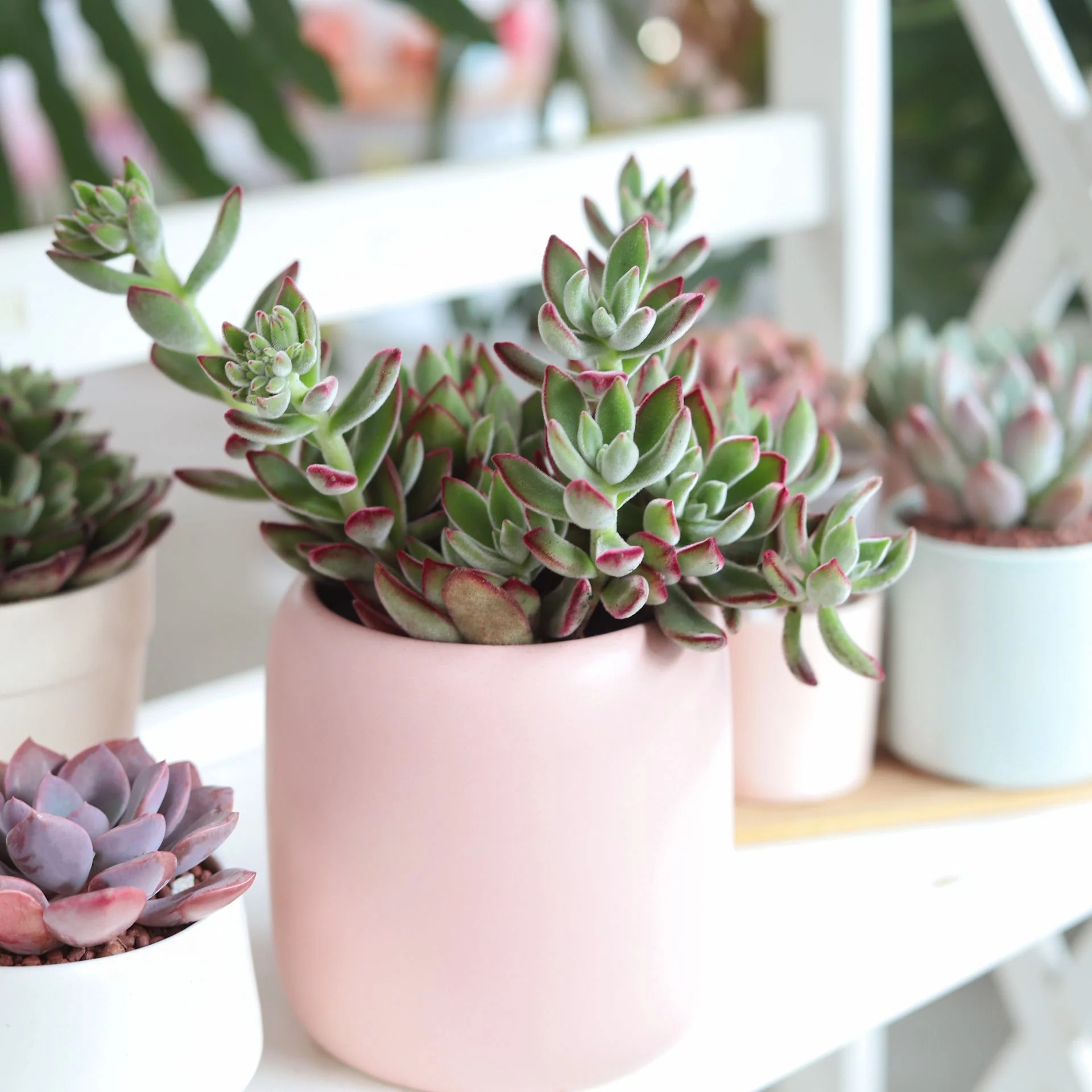
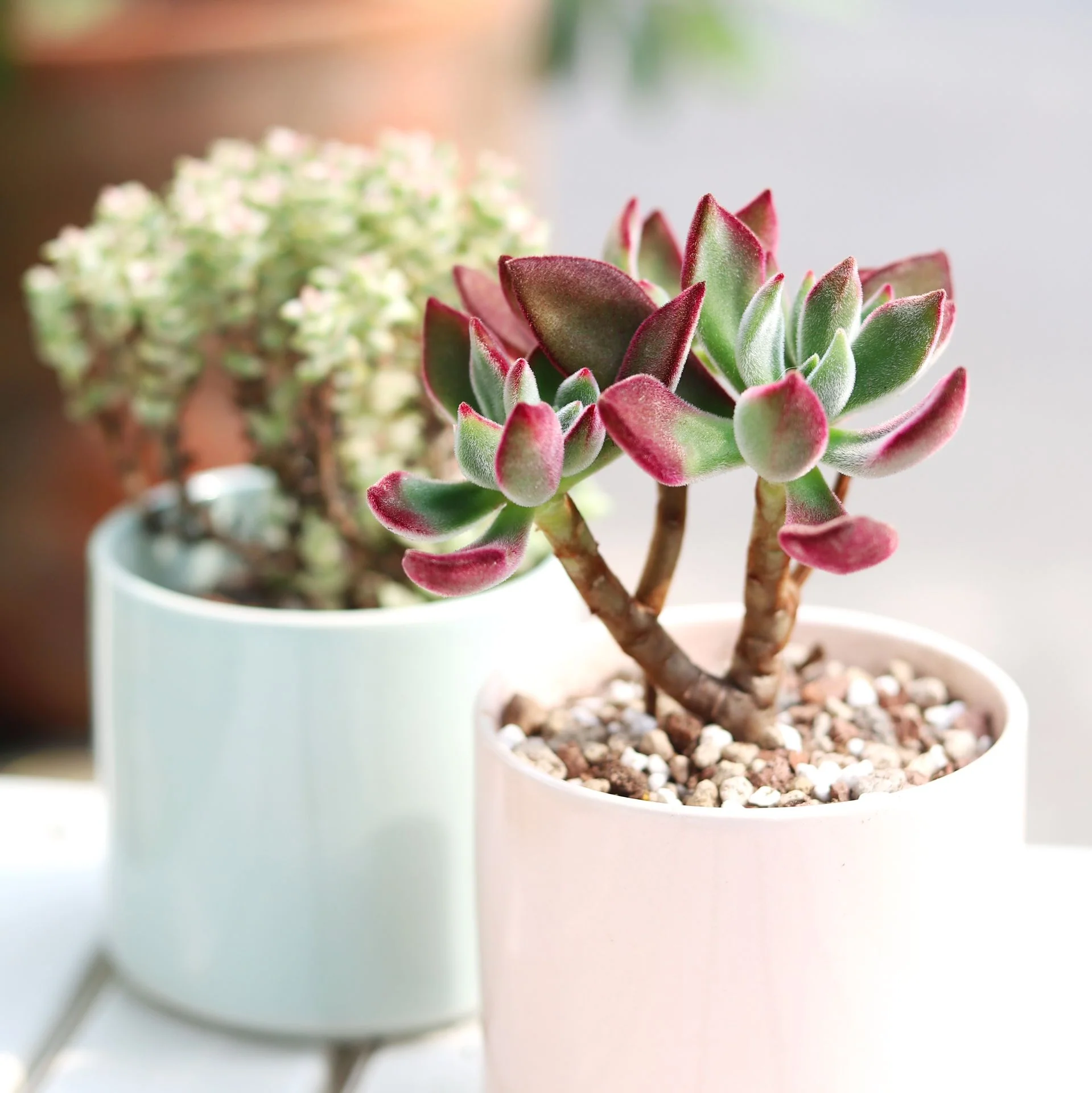
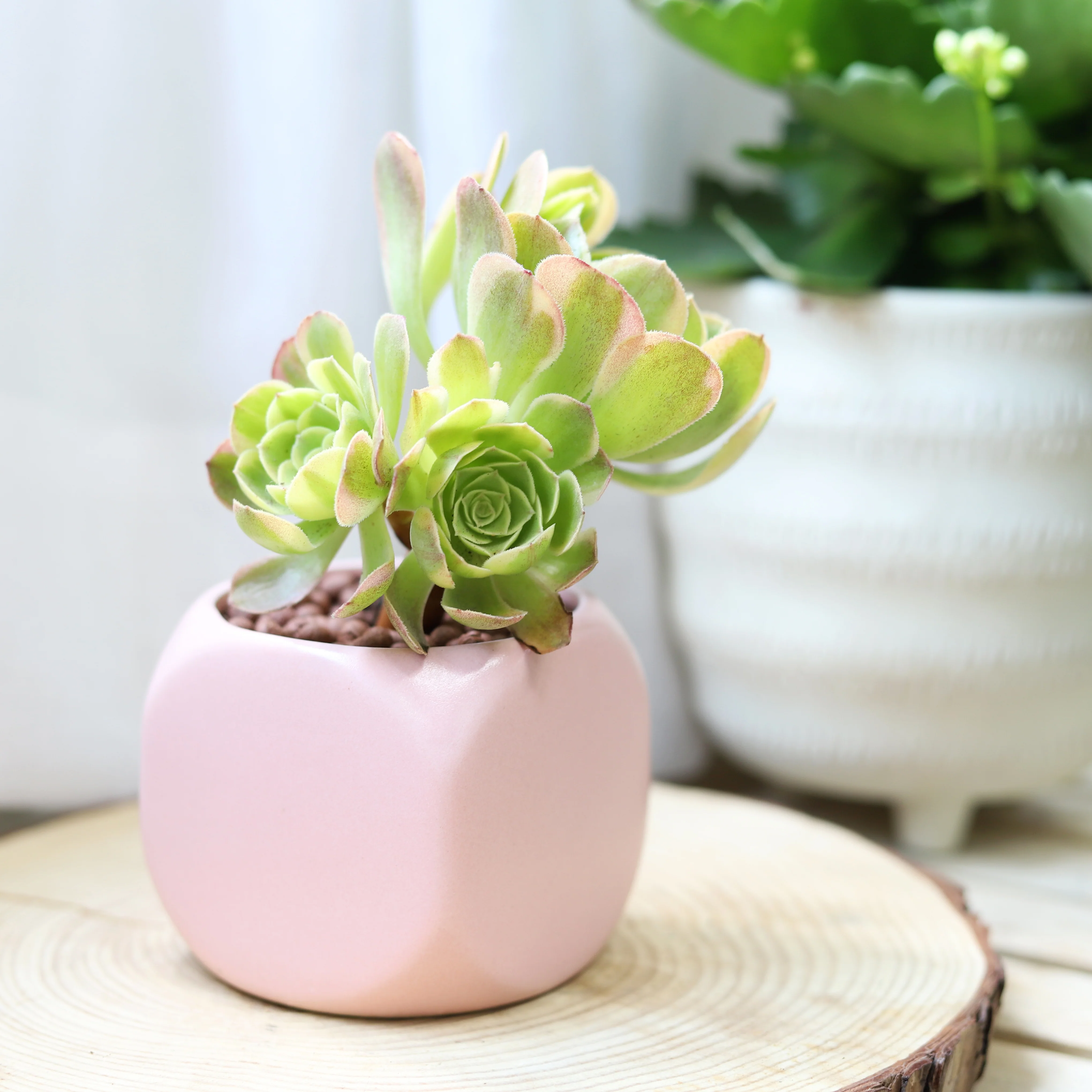
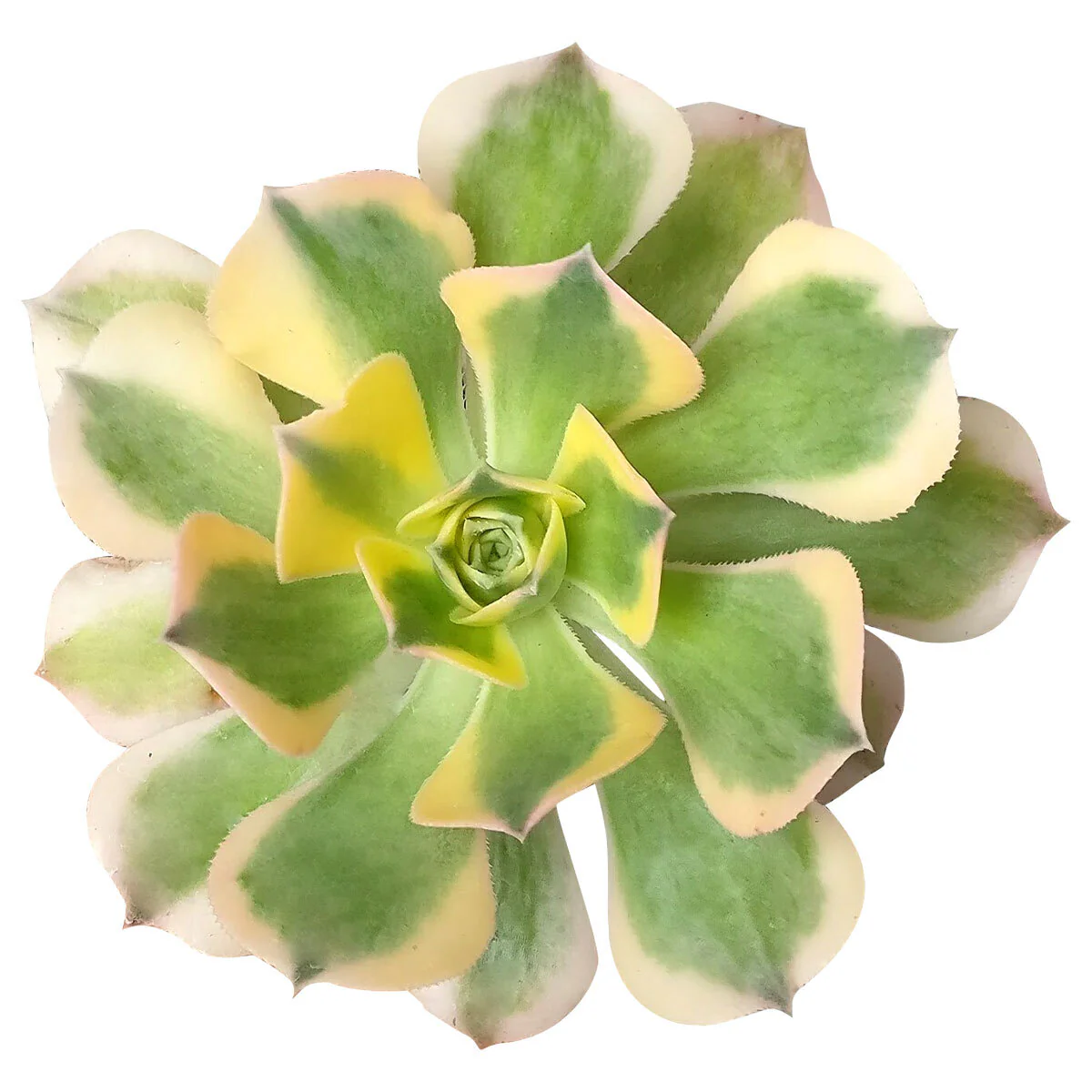
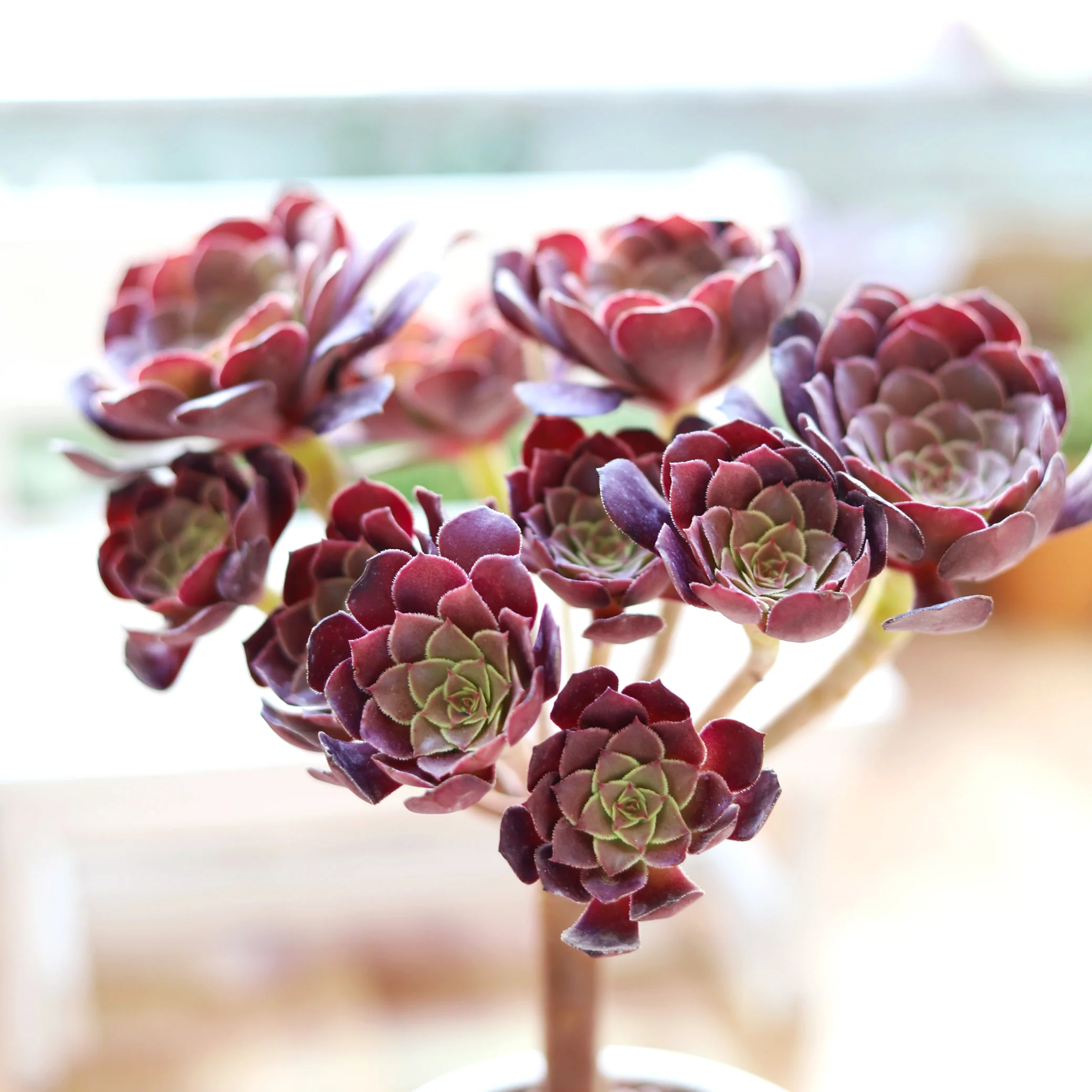
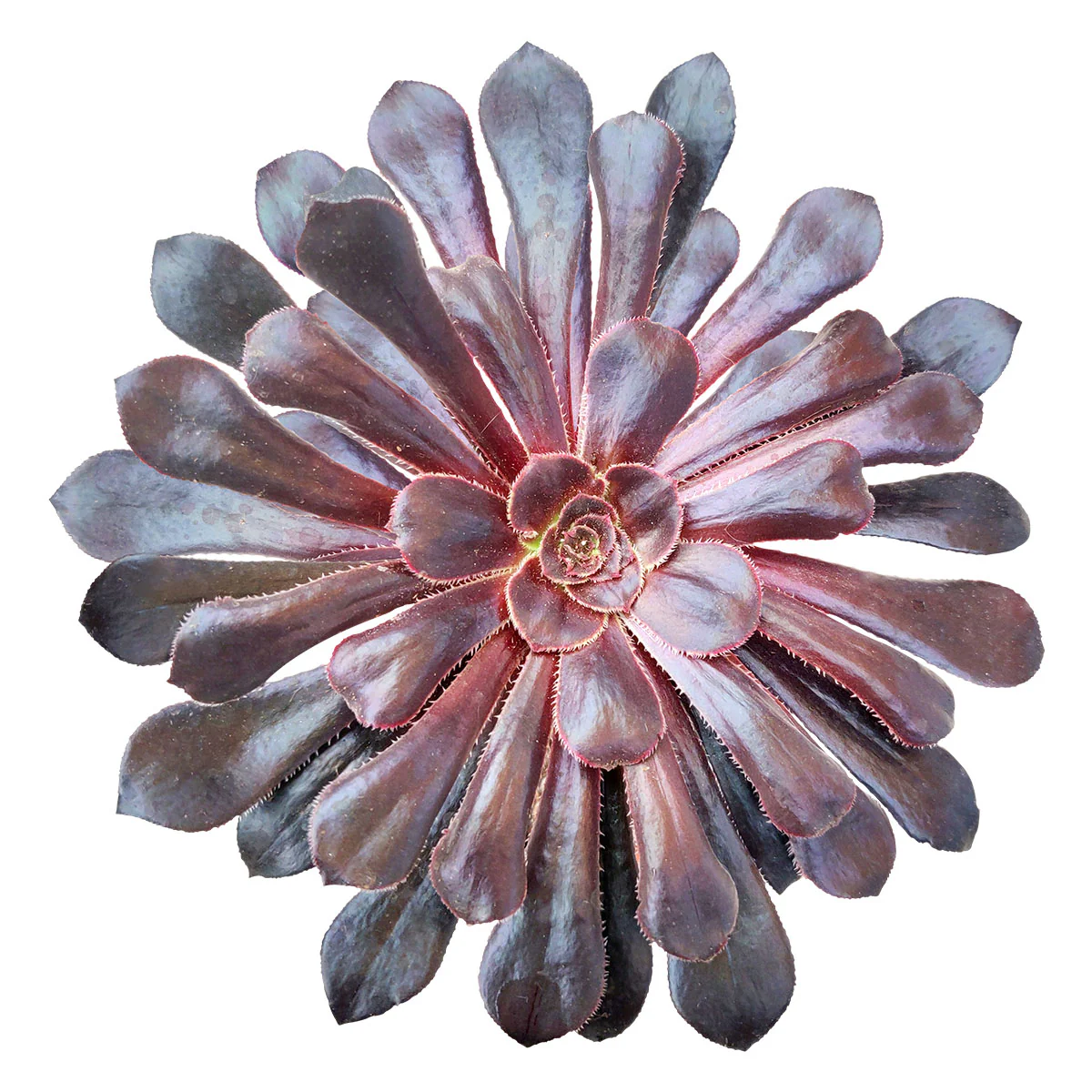
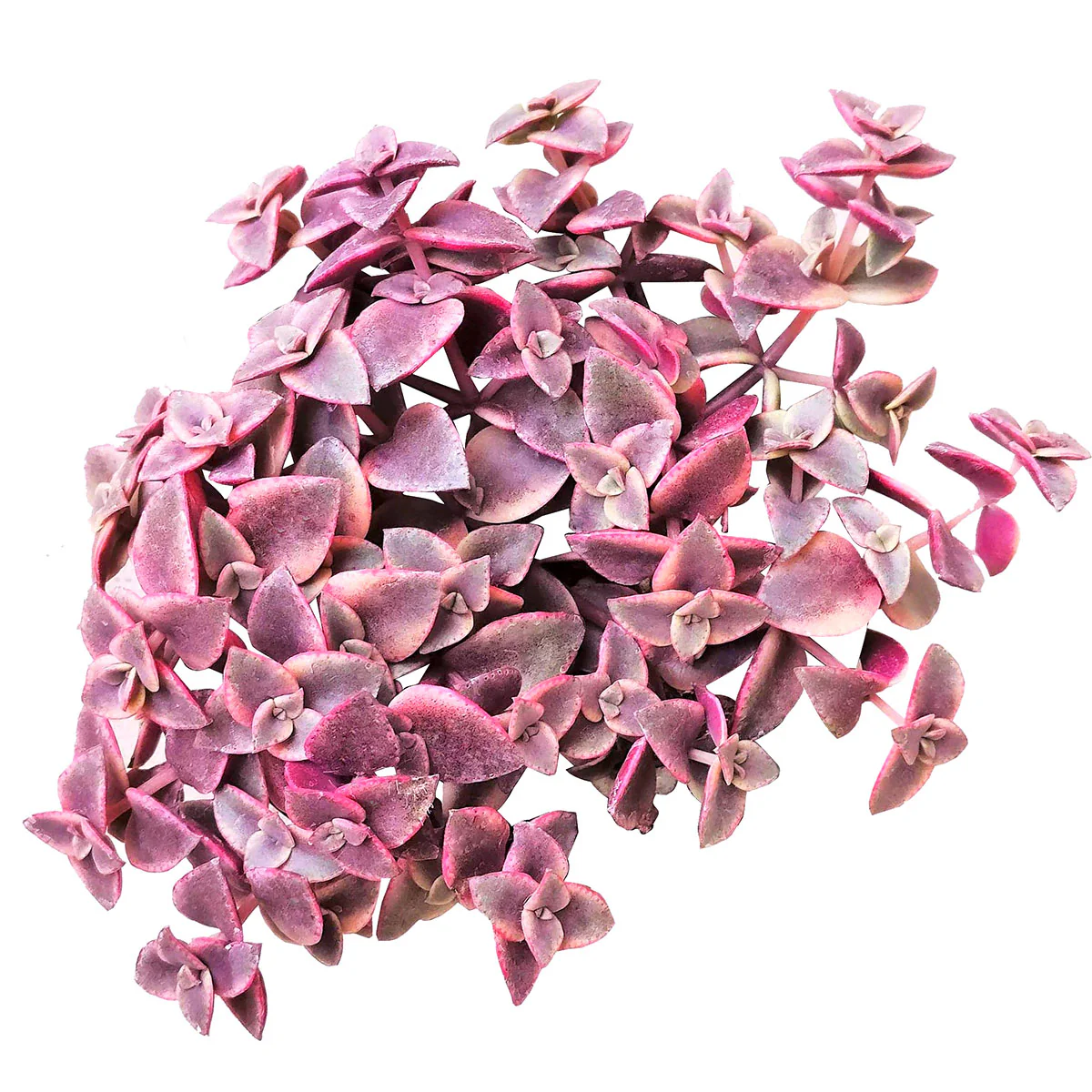
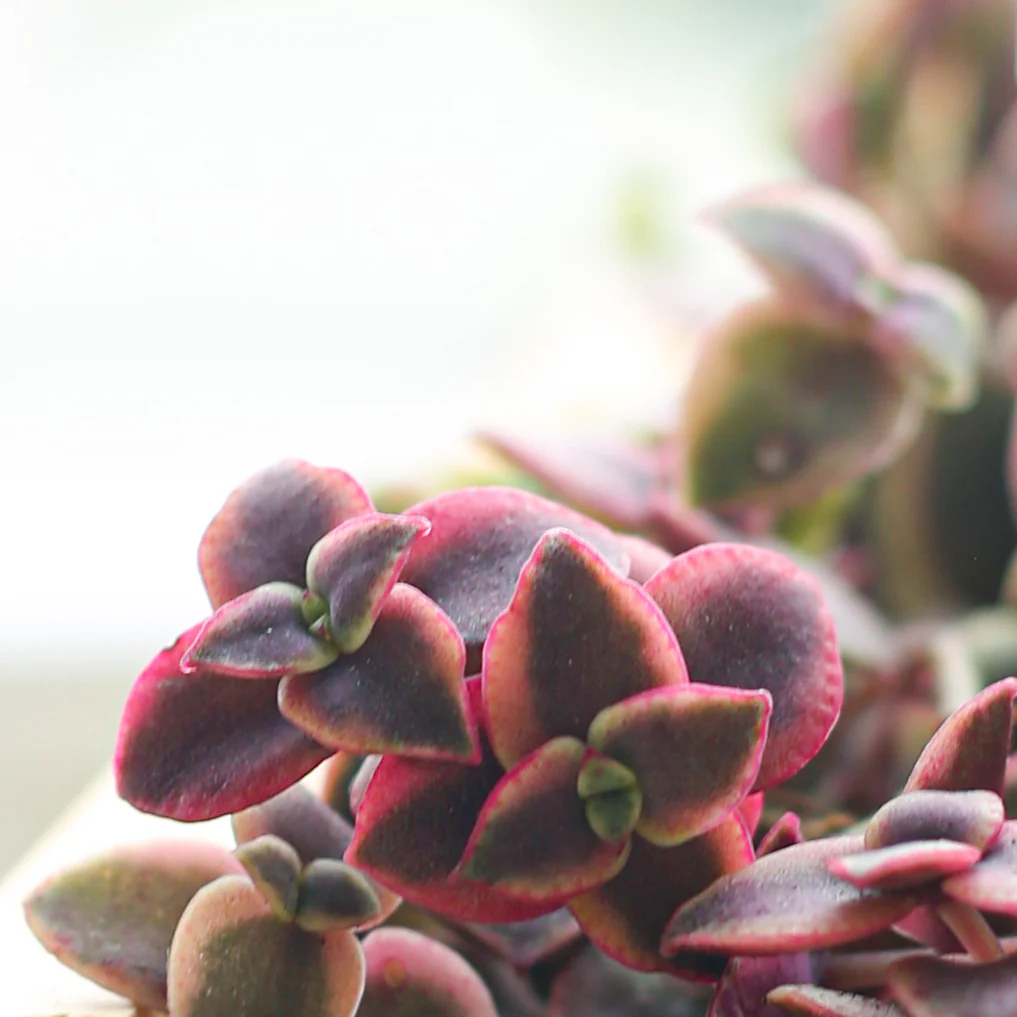
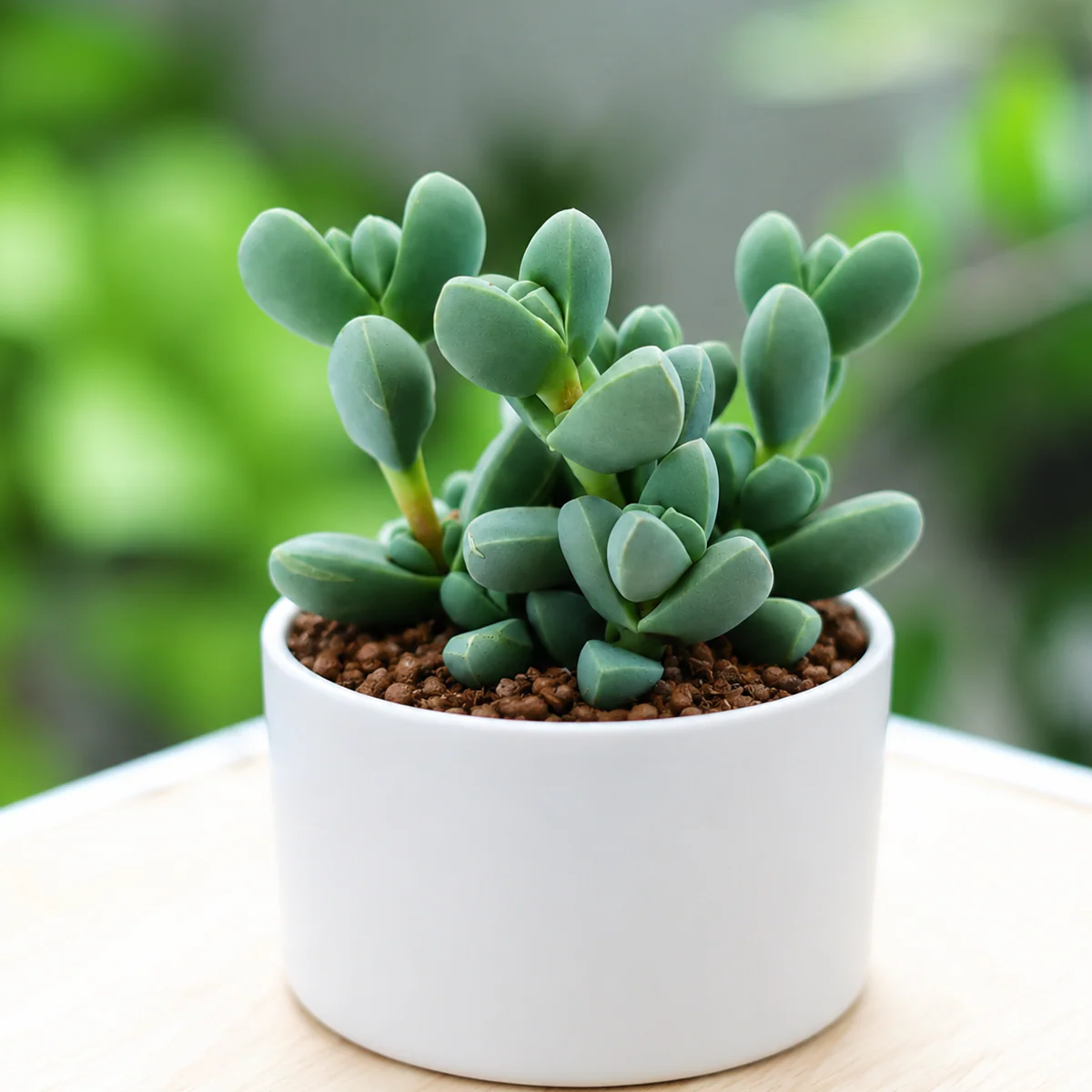
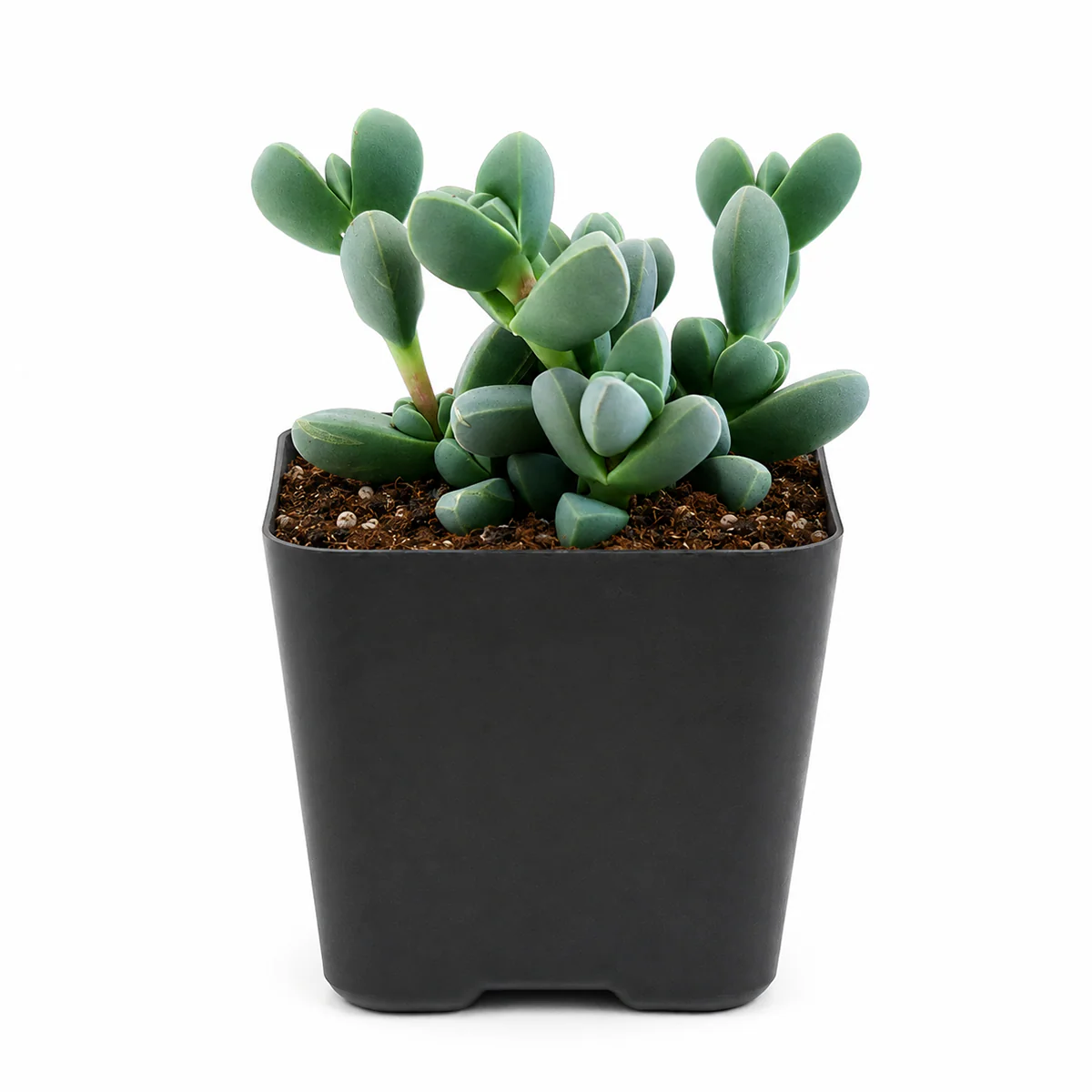
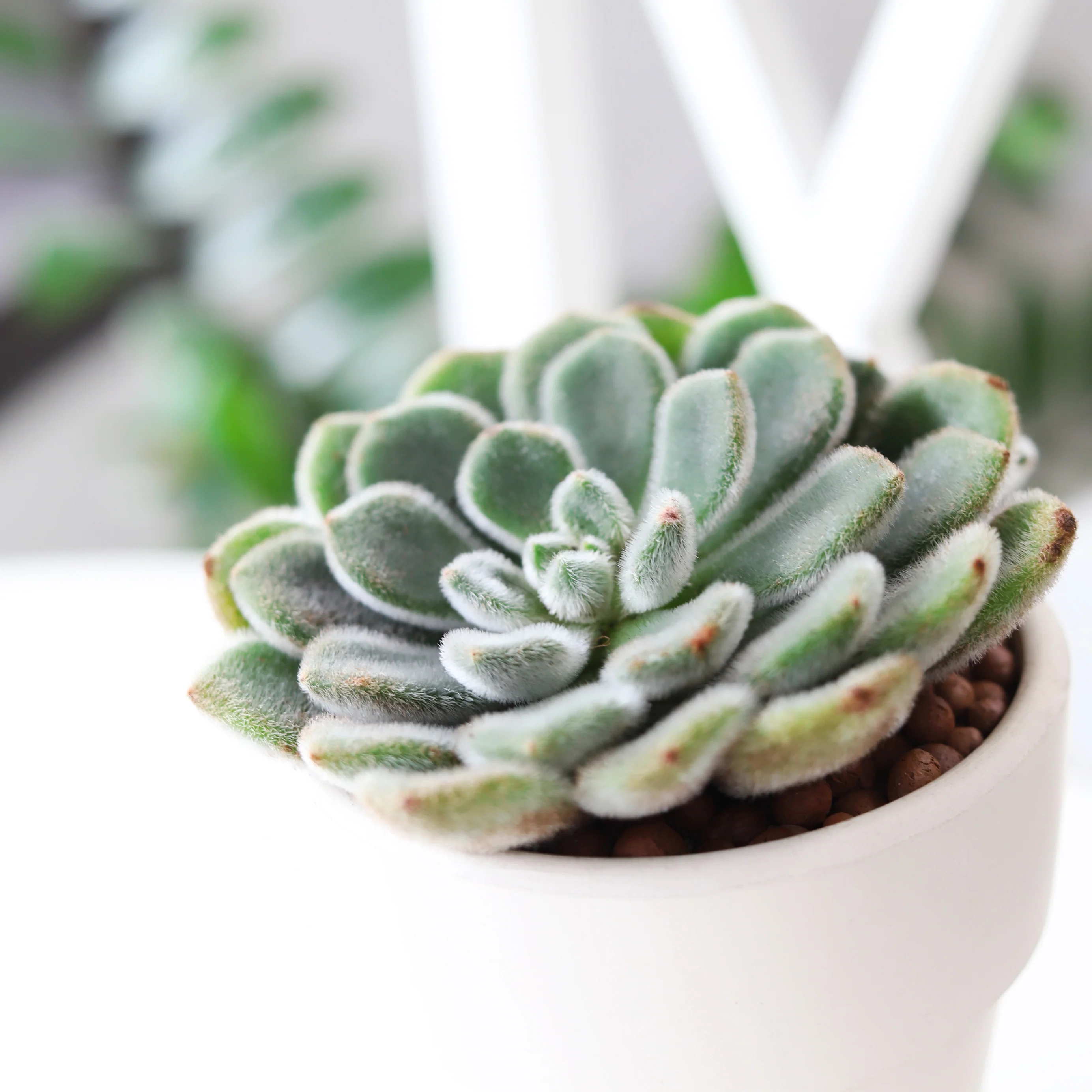
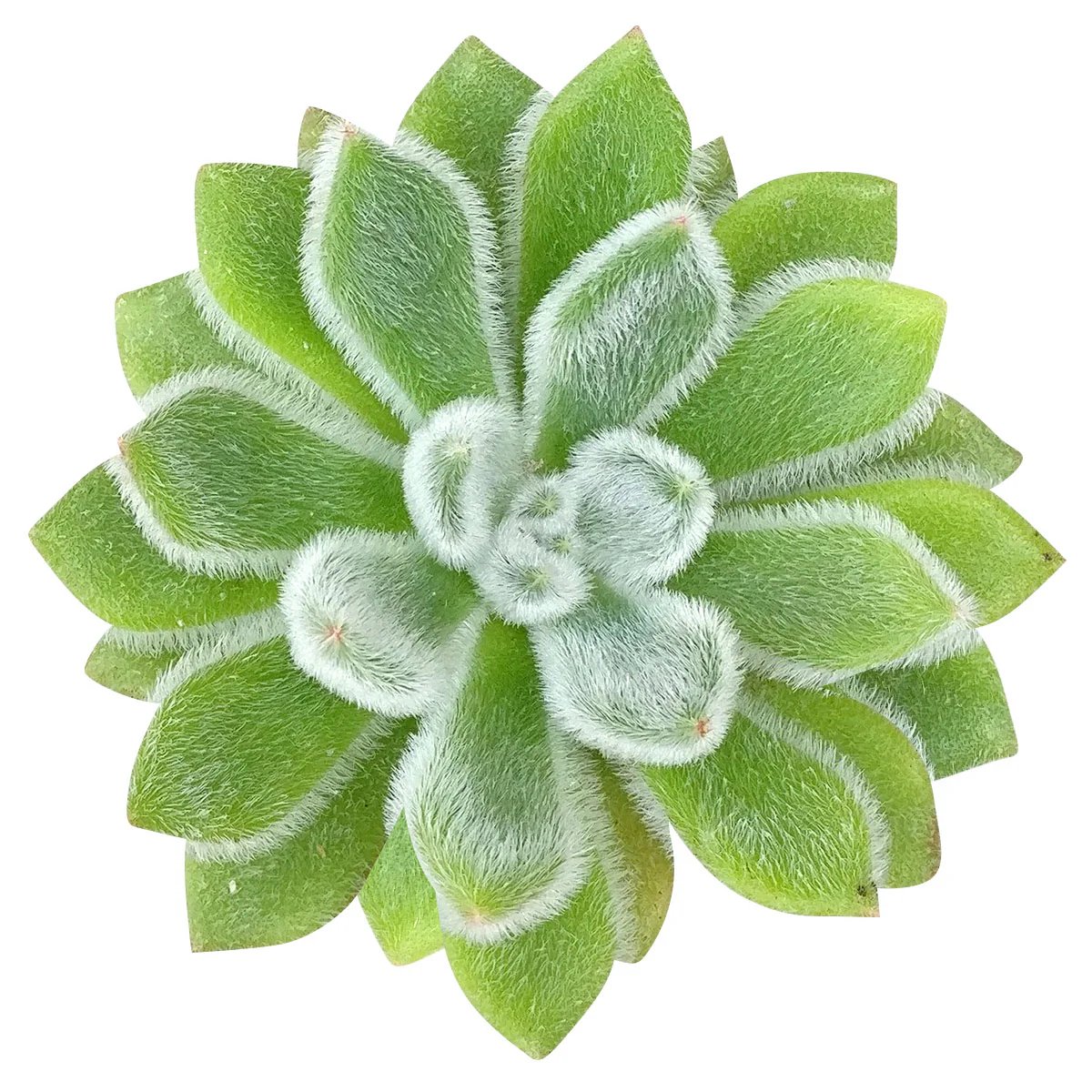
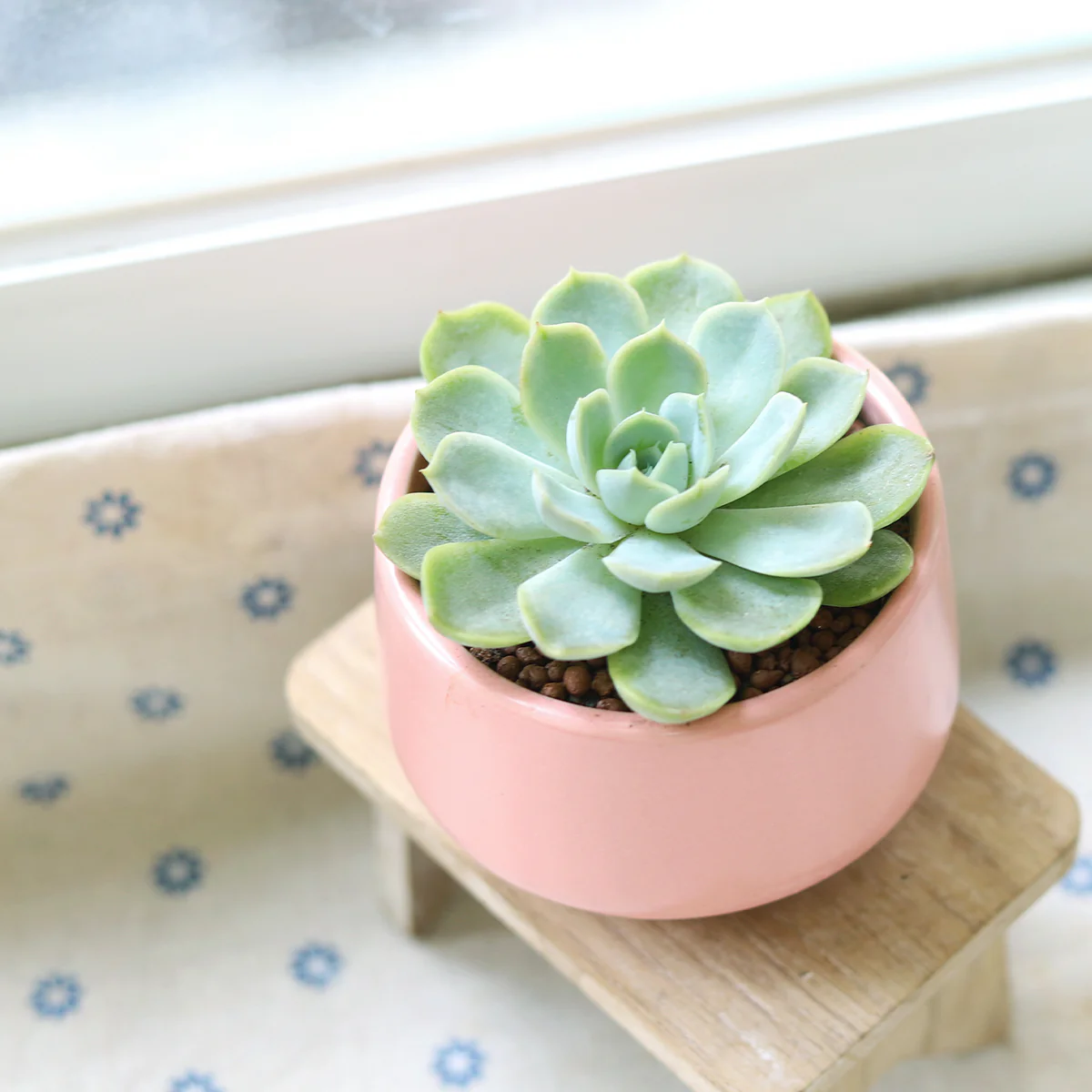
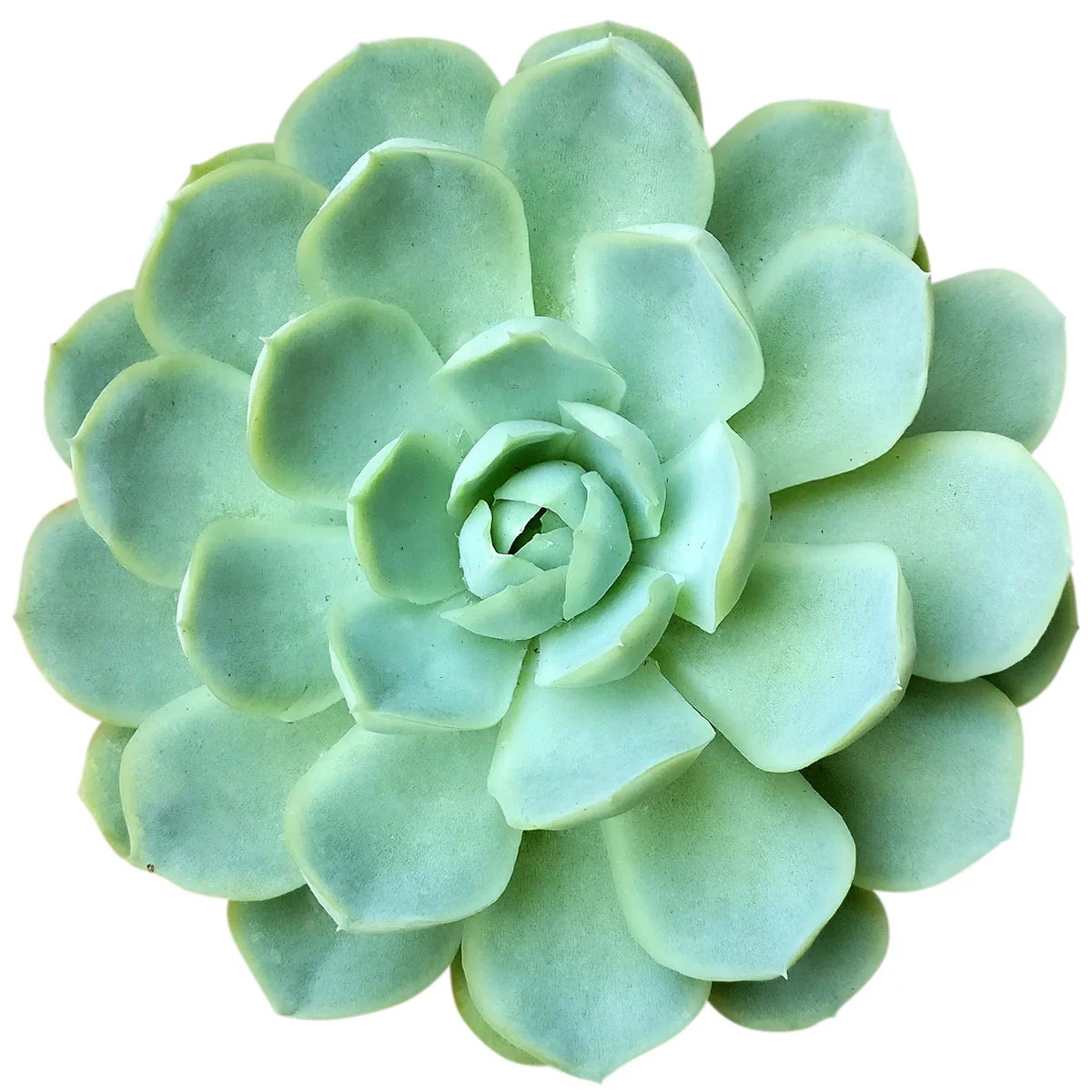
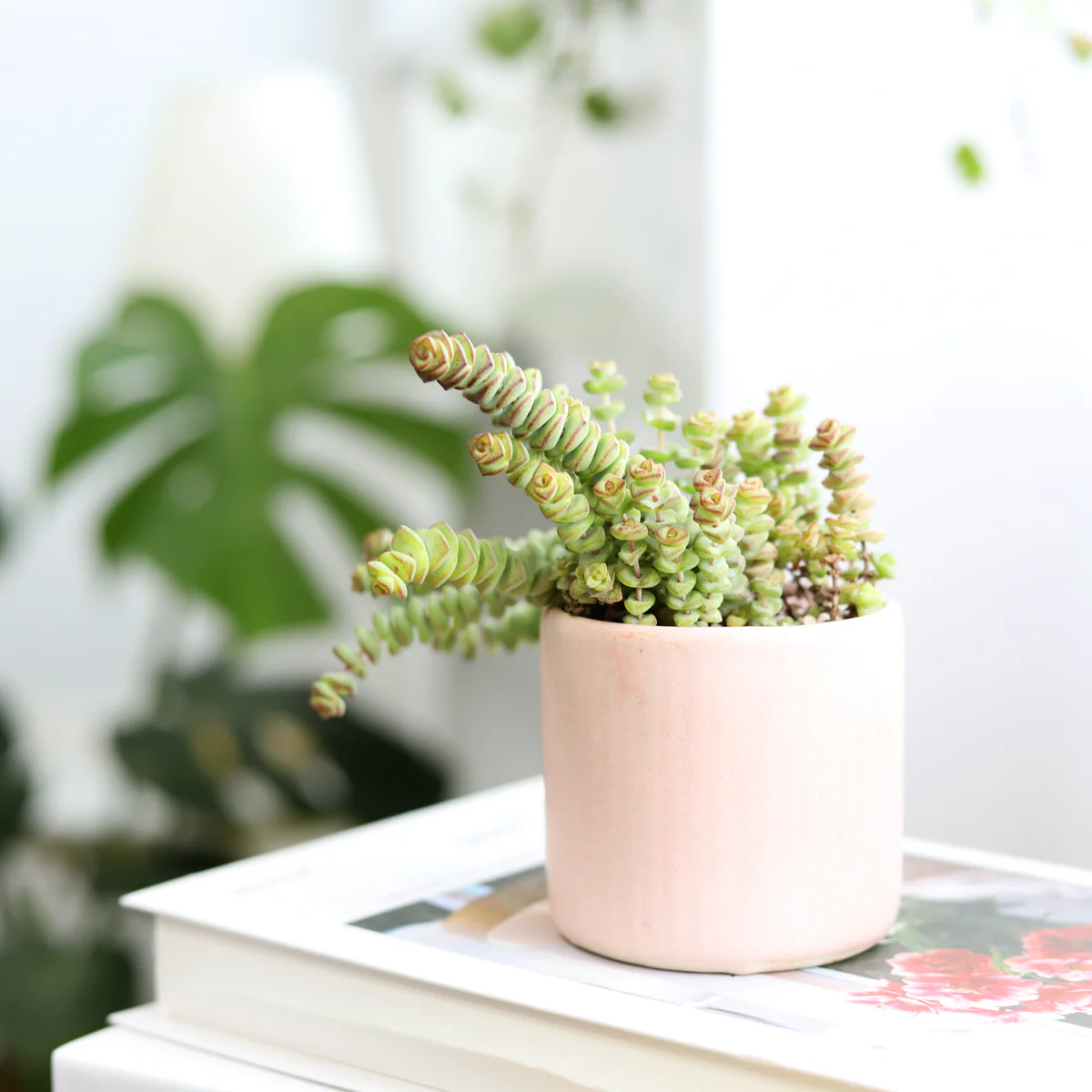
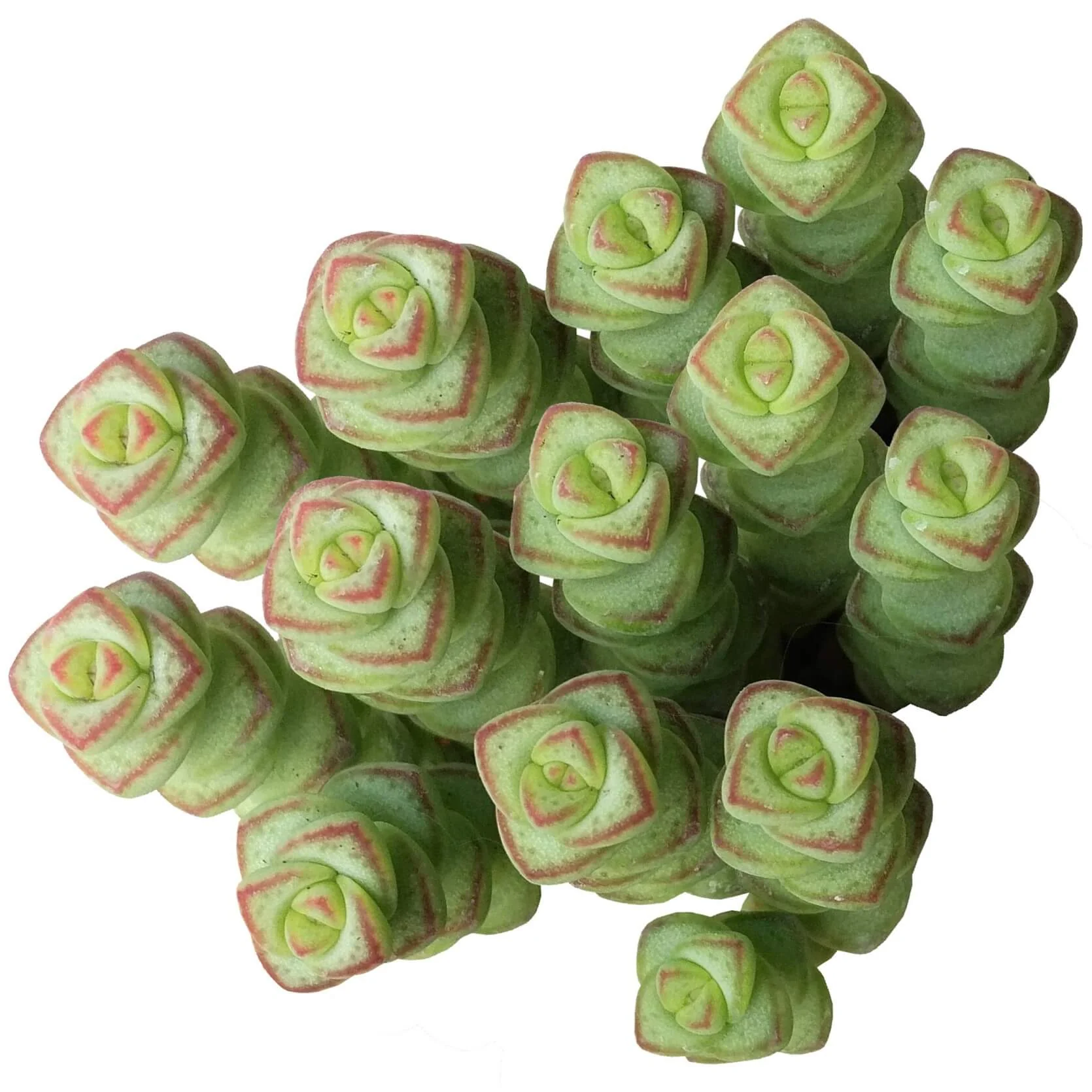
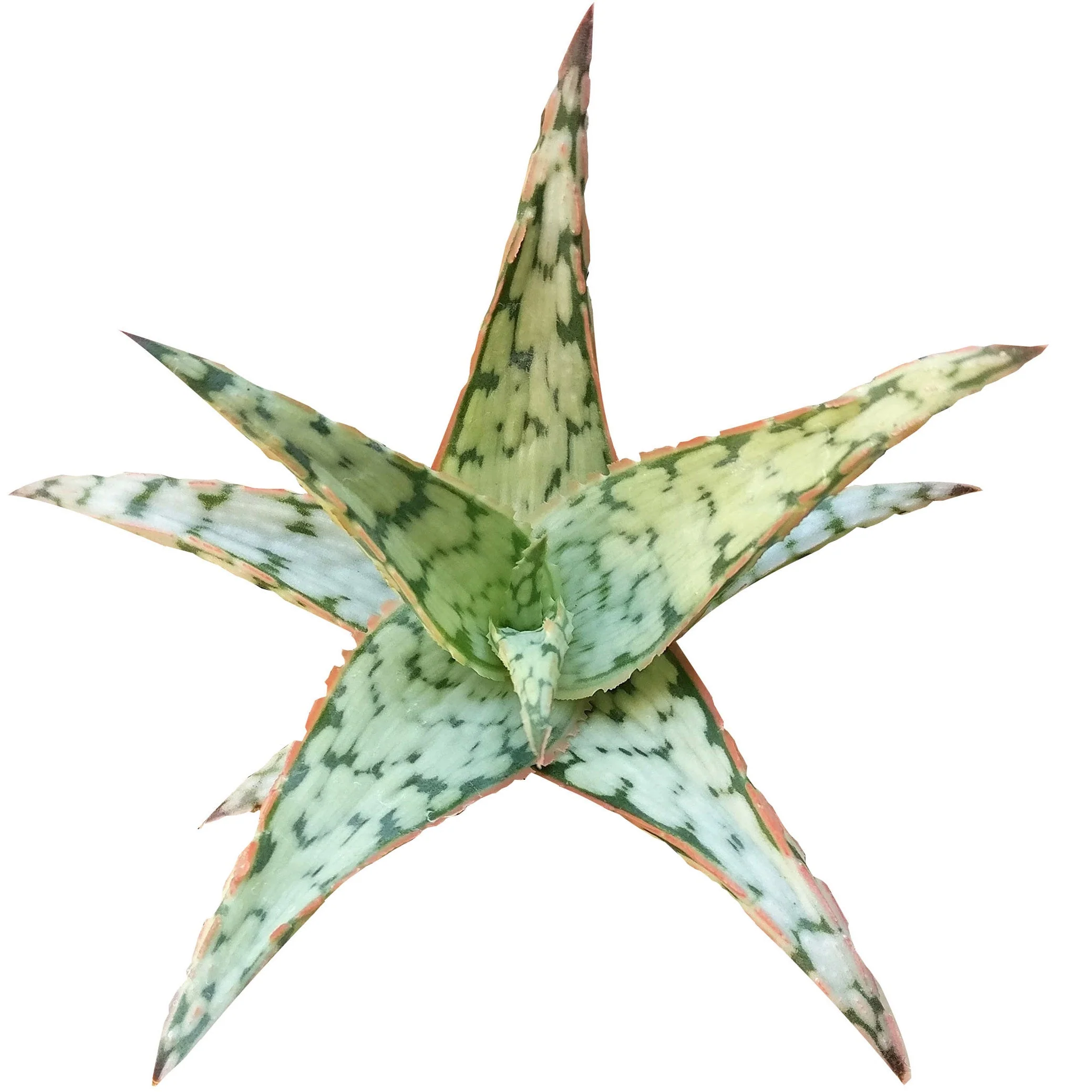
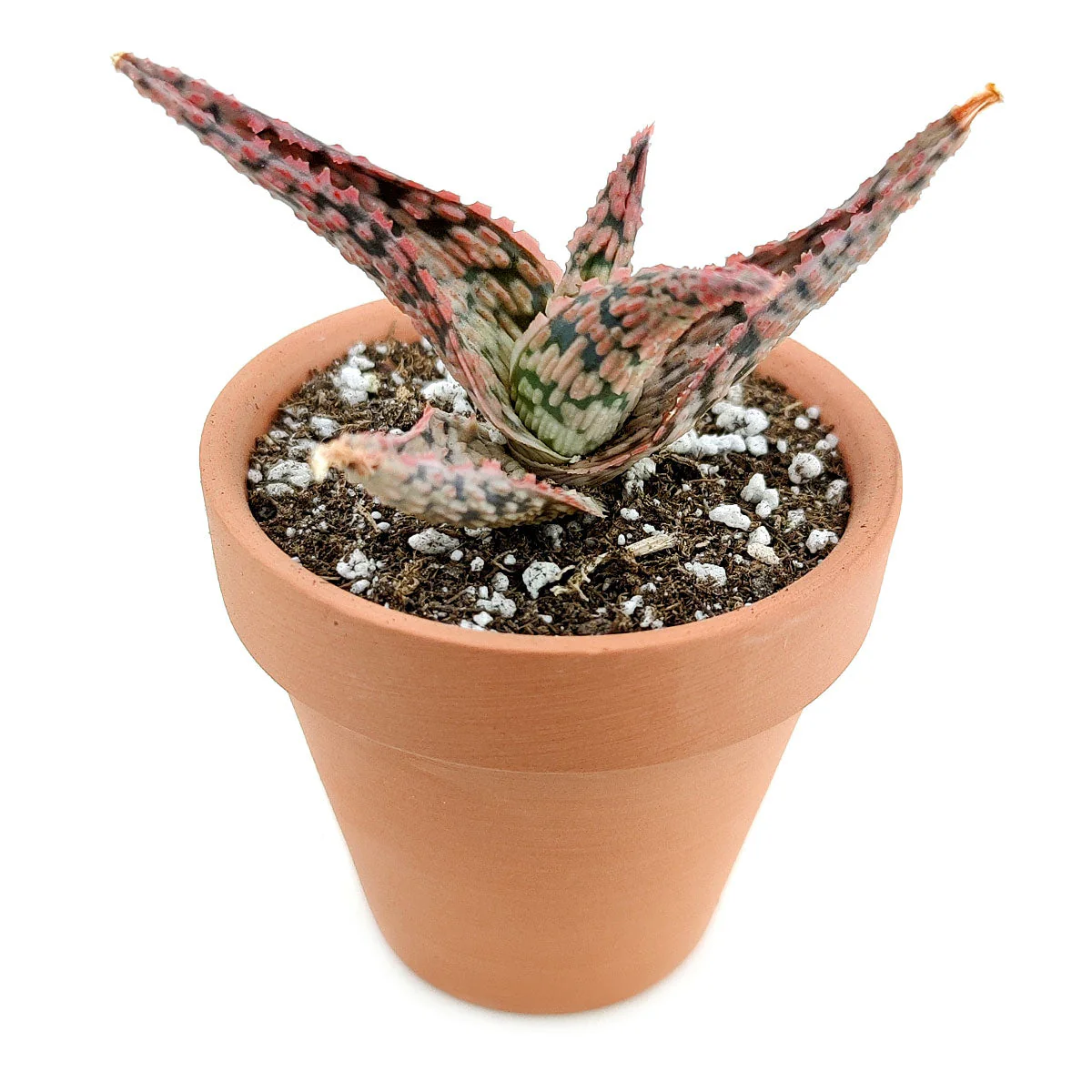
 Pink Moonstones Pachyphytum Oviferum forms tight, clumping rosettes of plump, egg-shaped leaves coated in a powdery farina that gives each leaf its signature pastel pink, lavender, and white glow. The leaves feel almost waxy to the touch, and the soft pearlescent finish makes this sugar almond plant one of the most visually distinctive succulents you can grow indoors or out. Avoid touching the leaves too often, as the farina brushes off easily and takes time to restore.
 Pink Moonstones Pachyphytum Oviferum produces delicate reddish-orange to coral bell-shaped flowers on arching stems, typically blooming in late winter to early spring. A slight drop in nighttime temperatures encourages Pink Moonstones Pachyphytum Oviferum to set buds, so placing it near a cooler window in autumn can reward you with a lovely seasonal display.
 Pink Moonstones Pachyphytum Oviferum is wonderfully beginner-friendly and forgiving, showing you it is thirsty by slightly softening or wilting its leaves before any real damage occurs. It is completely pet friendly, making it a safe and stylish choice for homes with cats or dogs. Move it outdoors for summer to soak up fresh air and brighter light, but always cover it from rain and bring it back in before frost. Just keep it away from AC vents and heater drafts, and rotate the pot periodically so every rosette develops evenly.
-
 Pink Moonstones Pachyphytum Oviferum thrives in bright indirect light to partial or full sun, though it may scorch in intense south-facing windows.
 Water Pink Moonstones Pachyphytum Oviferum every 10-14 days in summer and every 3-4 weeks in winter, always letting the soil dry completely between waterings.
 Pink Moonstones Pachyphytum Oviferum does best in a gritty, well-draining cactus and succulent mix blended with perlite or coarse sand at roughly 50/50.
 Pink Moonstones Pachyphytum Oviferum prefers temperatures between 60-80°F (15-27°C) and should be brought indoors before temps drop below 40°F (4°C).
![]() Pink Moonstones Pachyphytum Oviferum is a slow to moderate grower that benefits from a diluted balanced succulent fertilizer applied once in spring and once in early summer.
Pink Moonstones Pachyphytum Oviferum is a slow to moderate grower that benefits from a diluted balanced succulent fertilizer applied once in spring and once in early summer.
 Pink Moonstones Pachyphytum Oviferum is hardy in USDA Zones 9-11, tolerating brief dips to around 25-30°F (-4 to -1°C) at most before cold damage sets in. Gardeners growing Pink Moonstones Pachyphytum Oviferum outdoors year-round will find ideal conditions across California, Arizona, Texas, Nevada, Hawaii, Florida, Louisiana, Georgia, South Carolina, Alabama, and Mississippi. Parts of Oregon, New Mexico, and coastal areas of the Carolinas and Virginia that sit within Zones 9-11 can also keep Pink Moonstones Pachyphytum Oviferum outside through the cooler months with minimal protection.
-
Q: How often should I water Pink Moonstones Pachyphytum Oviferum?
A: Water Pink Moonstones Pachyphytum Oviferum every 10-14 days in warm months and scale back to every 3-4 weeks in winter. Always let the soil dry out fully before watering again to prevent root rot.
Q: Is Pink Moonstones Pachyphytum Oviferum safe for pets?
A: Yes, Pink Moonstones Pachyphytum Oviferum is pet friendly and considered non-toxic to cats and dogs. It is a great choice for households with curious animals.
Q: How much light does Pink Moonstones Pachyphytum Oviferum need?
A: Pink Moonstones Pachyphytum Oviferum thrives in bright indirect light to partial or full sun and appreciates being rotated regularly for even, balanced growth. Avoid prolonged direct afternoon sun through a south-facing window, which can cause leaf scorch.
Q: How do I propagate Pink Moonstones Pachyphytum Oviferum?
A: Pink Moonstones Pachyphytum Oviferum propagates easily from individual leaves or offsets pulled gently from the base of the rosette. Let cut ends callous for a day or two, then set them on dry succulent mix and mist lightly until roots form.
Q: How big does Pink Moonstones Pachyphytum Oviferum get?
A: Pink Moonstones Pachyphytum Oviferum typically grows to about 4-5 inches tall and spreads wider over time as it clusters and offsets. Growth is slow, so it stays compact and tidy in a 2-inch or 4-inch pot for quite a while.
Q: Can I grow Pink Moonstones Pachyphytum Oviferum outside?
A: Pink Moonstones Pachyphytum Oviferum can move outdoors for summer and even linger outside into autumn in mild climates, but it must be sheltered from rain and brought indoors before frost. It grows happily outside year-round in USDA Zones 9-11.


Product Information
Product Information
Shipping & Returns
Shipping & Returns
Description
- Description
- Pink Moonstones Pachyphytum Oviferum Care Guide
- FAQ/Common Issues
-
![]() Pink Moonstones Pachyphytum Oviferum is a charming succulent in the Crassulaceae family, native to the rocky hillsides of San Luis Potosí, Mexico. This easy-care moonstone succulent has become a favorite among collectors and beginners alike, and it is easy to see why once you spot those dreamy, pebble-like leaves.
Pink Moonstones Pachyphytum Oviferum is a charming succulent in the Crassulaceae family, native to the rocky hillsides of San Luis Potosí, Mexico. This easy-care moonstone succulent has become a favorite among collectors and beginners alike, and it is easy to see why once you spot those dreamy, pebble-like leaves.
Pink Moonstones Pachyphytum Oviferum forms tight, clumping rosettes of plump, egg-shaped leaves coated in a powdery farina that gives each leaf its signature pastel pink, lavender, and white glow. The leaves feel almost waxy to the touch, and the soft pearlescent finish makes this sugar almond plant one of the most visually distinctive succulents you can grow indoors or out. Avoid touching the leaves too often, as the farina brushes off easily and takes time to restore.
Pink Moonstones Pachyphytum Oviferum produces delicate reddish-orange to coral bell-shaped flowers on arching stems, typically blooming in late winter to early spring. A slight drop in nighttime temperatures encourages Pink Moonstones Pachyphytum Oviferum to set buds, so placing it near a cooler window in autumn can reward you with a lovely seasonal display.
Pink Moonstones Pachyphytum Oviferum is wonderfully beginner-friendly and forgiving, showing you it is thirsty by slightly softening or wilting its leaves before any real damage occurs. It is completely pet friendly, making it a safe and stylish choice for homes with cats or dogs. Move it outdoors for summer to soak up fresh air and brighter light, but always cover it from rain and bring it back in before frost. Just keep it away from AC vents and heater drafts, and rotate the pot periodically so every rosette develops evenly.
-
Pink Moonstones Pachyphytum Oviferum thrives in bright indirect light to partial or full sun, though it may scorch in intense south-facing windows.
Water Pink Moonstones Pachyphytum Oviferum every 10-14 days in summer and every 3-4 weeks in winter, always letting the soil dry completely between waterings.
Pink Moonstones Pachyphytum Oviferum does best in a gritty, well-draining cactus and succulent mix blended with perlite or coarse sand at roughly 50/50.
Pink Moonstones Pachyphytum Oviferum prefers temperatures between 60-80°F (15-27°C) and should be brought indoors before temps drop below 40°F (4°C).
![]() Pink Moonstones Pachyphytum Oviferum is a slow to moderate grower that benefits from a diluted balanced succulent fertilizer applied once in spring and once in early summer.
Pink Moonstones Pachyphytum Oviferum is a slow to moderate grower that benefits from a diluted balanced succulent fertilizer applied once in spring and once in early summer.
Pink Moonstones Pachyphytum Oviferum is hardy in USDA Zones 9-11, tolerating brief dips to around 25-30°F (-4 to -1°C) at most before cold damage sets in. Gardeners growing Pink Moonstones Pachyphytum Oviferum outdoors year-round will find ideal conditions across California, Arizona, Texas, Nevada, Hawaii, Florida, Louisiana, Georgia, South Carolina, Alabama, and Mississippi. Parts of Oregon, New Mexico, and coastal areas of the Carolinas and Virginia that sit within Zones 9-11 can also keep Pink Moonstones Pachyphytum Oviferum outside through the cooler months with minimal protection.
-
Q: How often should I water Pink Moonstones Pachyphytum Oviferum?
A: Water Pink Moonstones Pachyphytum Oviferum every 10-14 days in warm months and scale back to every 3-4 weeks in winter. Always let the soil dry out fully before watering again to prevent root rot.
Q: Is Pink Moonstones Pachyphytum Oviferum safe for pets?
A: Yes, Pink Moonstones Pachyphytum Oviferum is pet friendly and considered non-toxic to cats and dogs. It is a great choice for households with curious animals.
Q: How much light does Pink Moonstones Pachyphytum Oviferum need?
A: Pink Moonstones Pachyphytum Oviferum thrives in bright indirect light to partial or full sun and appreciates being rotated regularly for even, balanced growth. Avoid prolonged direct afternoon sun through a south-facing window, which can cause leaf scorch.
Q: How do I propagate Pink Moonstones Pachyphytum Oviferum?
A: Pink Moonstones Pachyphytum Oviferum propagates easily from individual leaves or offsets pulled gently from the base of the rosette. Let cut ends callous for a day or two, then set them on dry succulent mix and mist lightly until roots form.
Q: How big does Pink Moonstones Pachyphytum Oviferum get?
A: Pink Moonstones Pachyphytum Oviferum typically grows to about 4-5 inches tall and spreads wider over time as it clusters and offsets. Growth is slow, so it stays compact and tidy in a 2-inch or 4-inch pot for quite a while.
Q: Can I grow Pink Moonstones Pachyphytum Oviferum outside?
A: Pink Moonstones Pachyphytum Oviferum can move outdoors for summer and even linger outside into autumn in mild climates, but it must be sheltered from rain and brought indoors before frost. It grows happily outside year-round in USDA Zones 9-11.