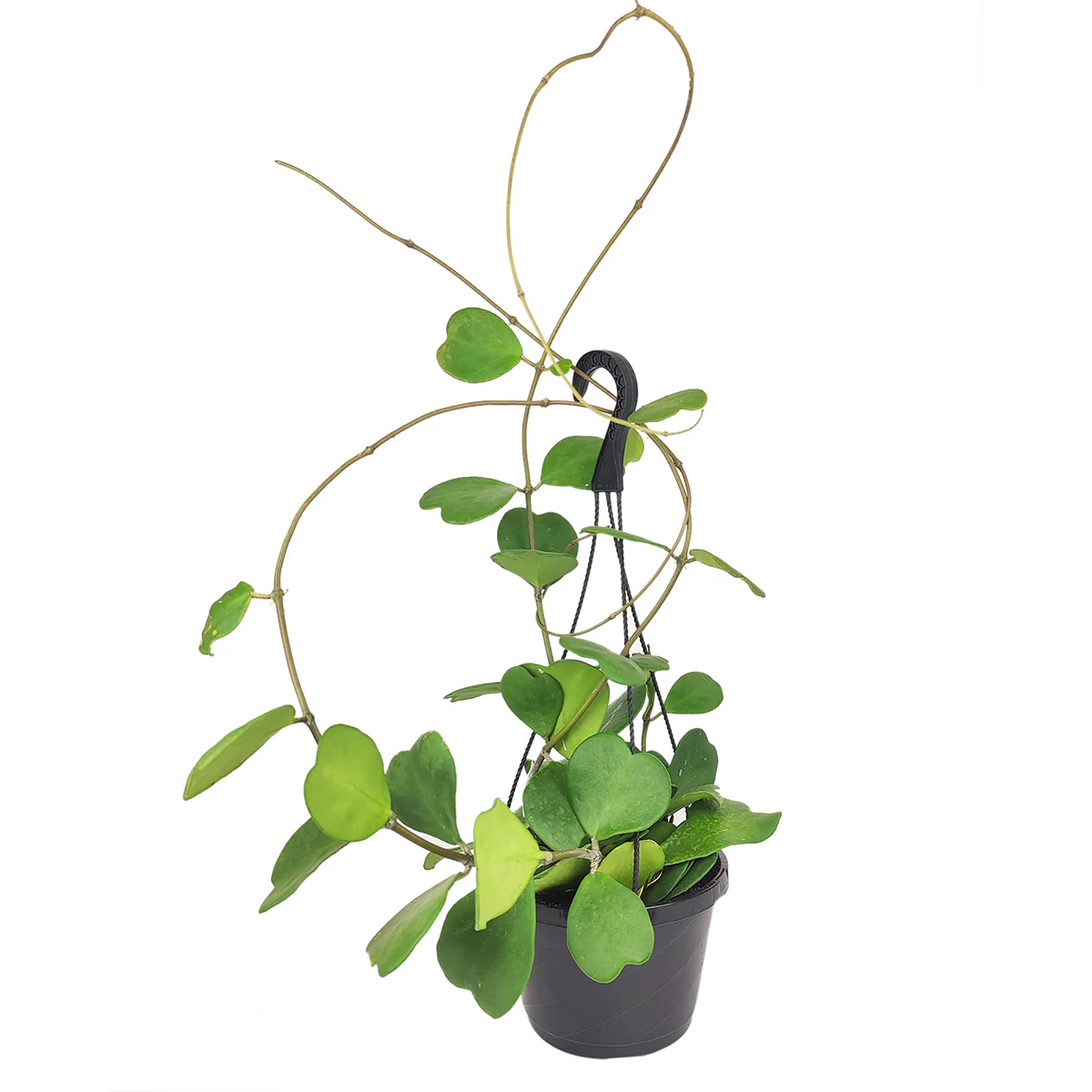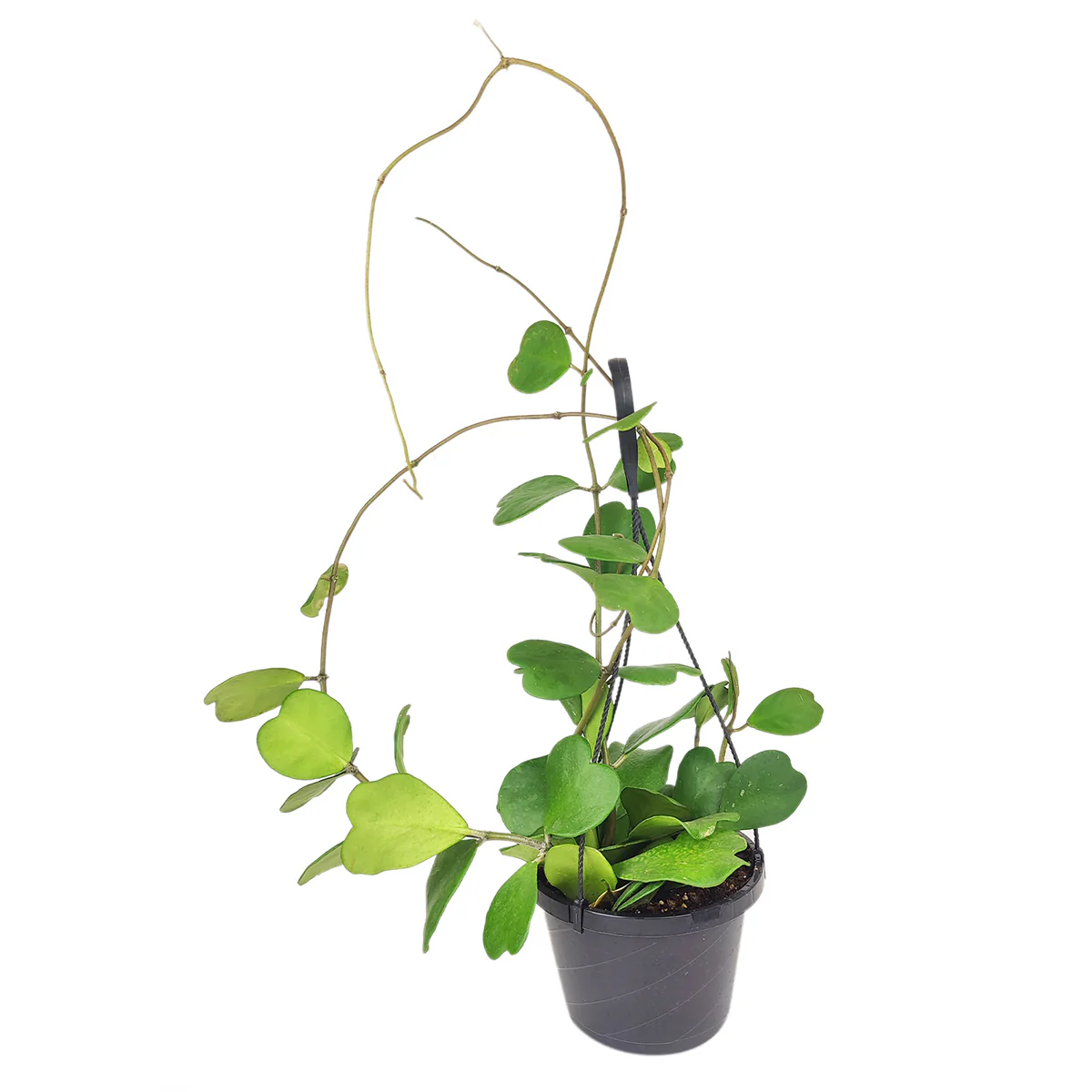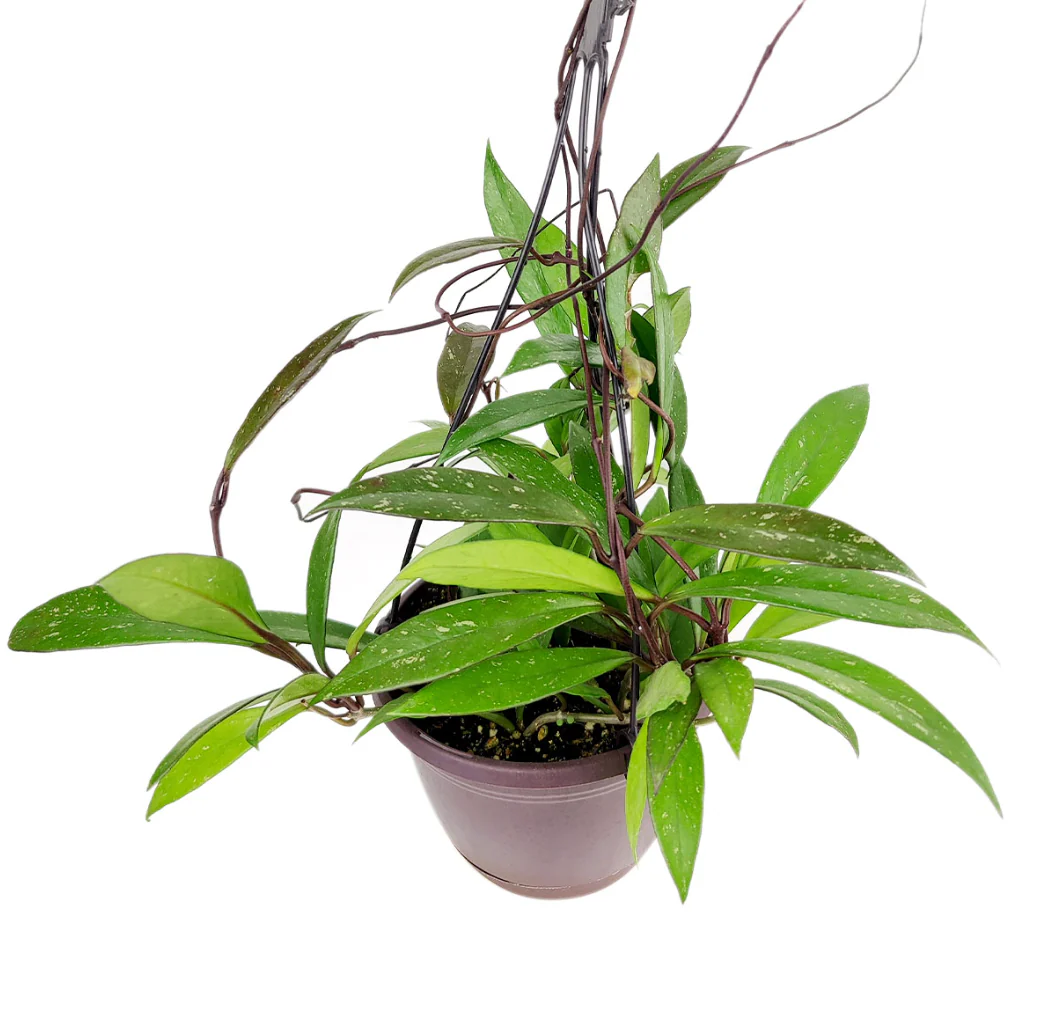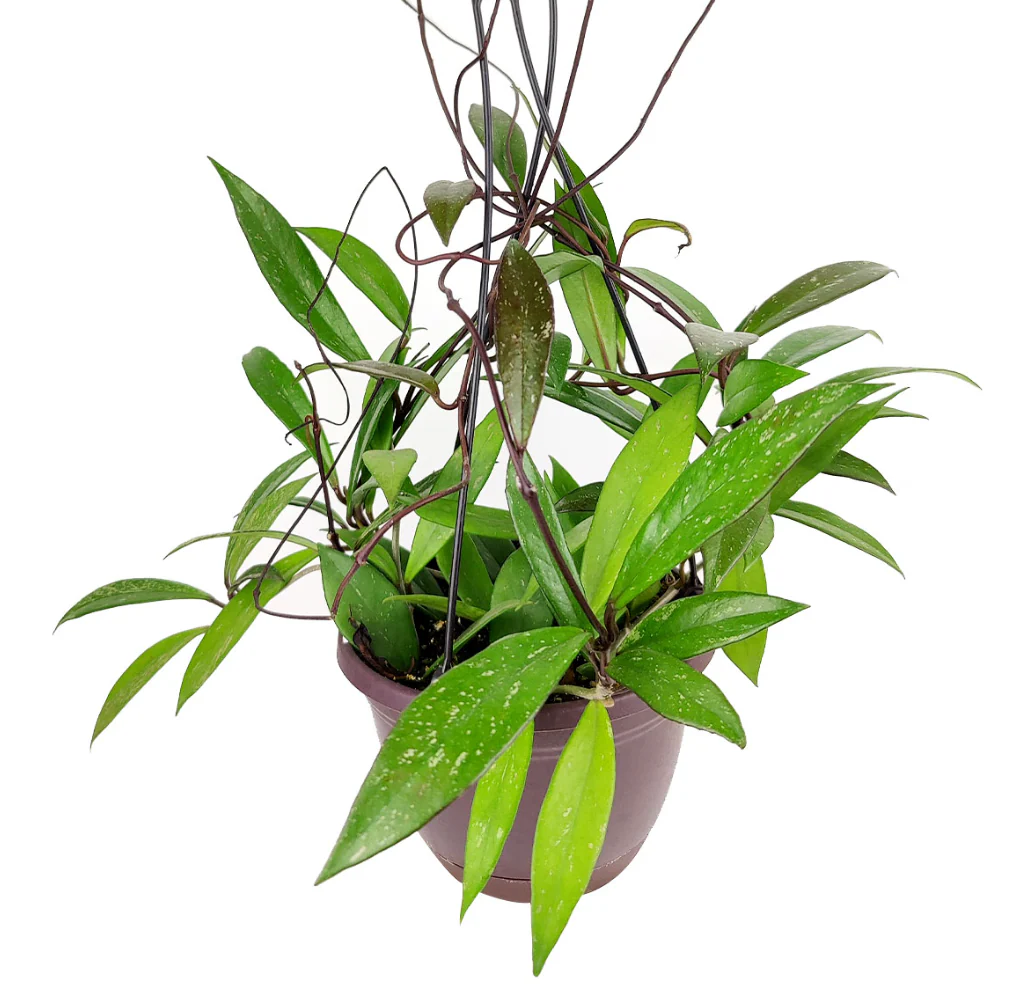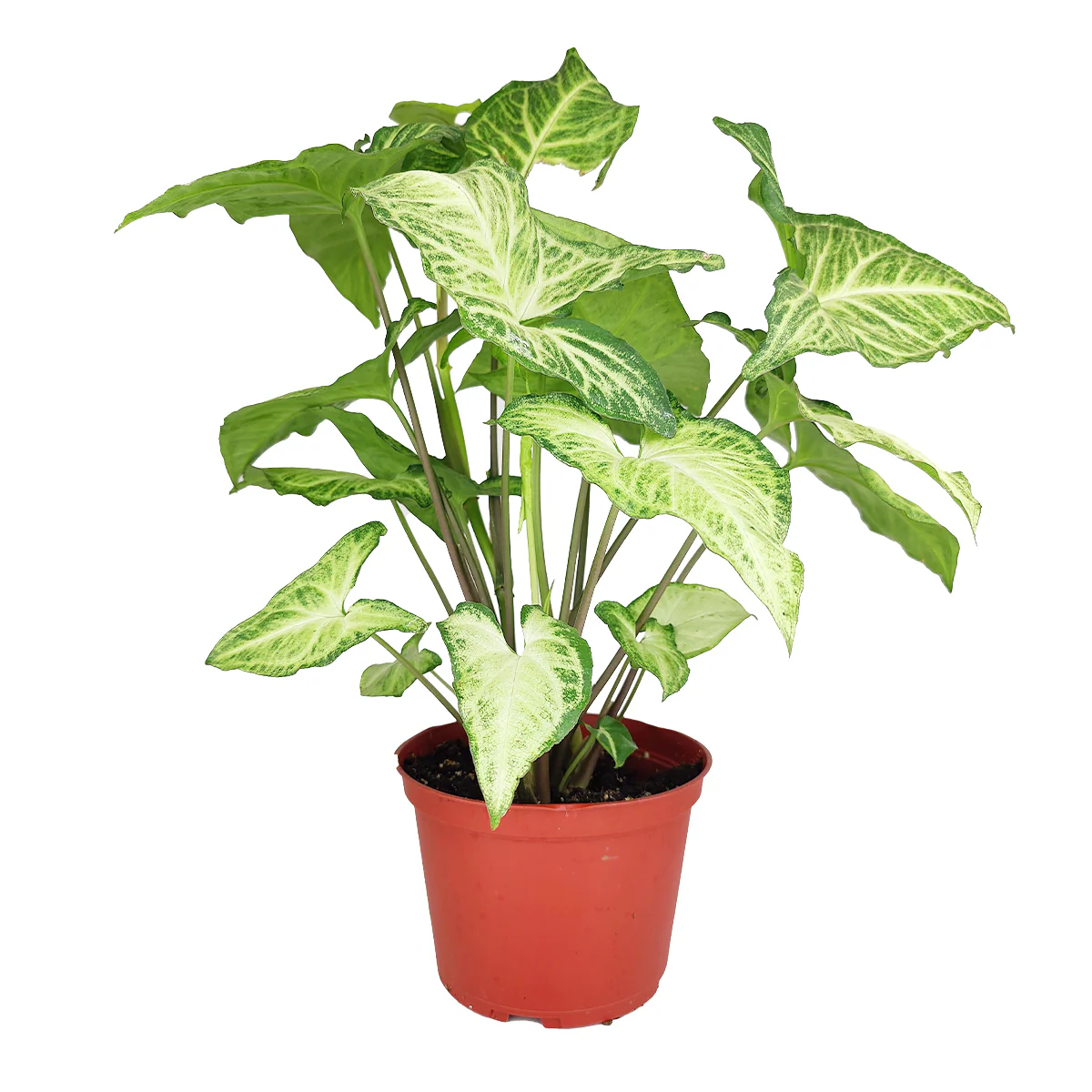
Syngonium White Butterfly
- Description
- Syngonium White Butterfly Care Guide
- FAQ/Common Issues
-
![]() Syngonium White Butterfly is a stunning variegated arrowhead vine in the Araceae family, beloved by beginners and collectors alike as an easy care houseplant. Native to the tropical rainforests of Central and South America, it naturally grows beneath a dense forest canopy where light is filtered and humidity is high. That heritage makes it perfectly suited to indoor living, thriving in the same warm, moist conditions found in most homes.
Syngonium White Butterfly is a stunning variegated arrowhead vine in the Araceae family, beloved by beginners and collectors alike as an easy care houseplant. Native to the tropical rainforests of Central and South America, it naturally grows beneath a dense forest canopy where light is filtered and humidity is high. That heritage makes it perfectly suited to indoor living, thriving in the same warm, moist conditions found in most homes.
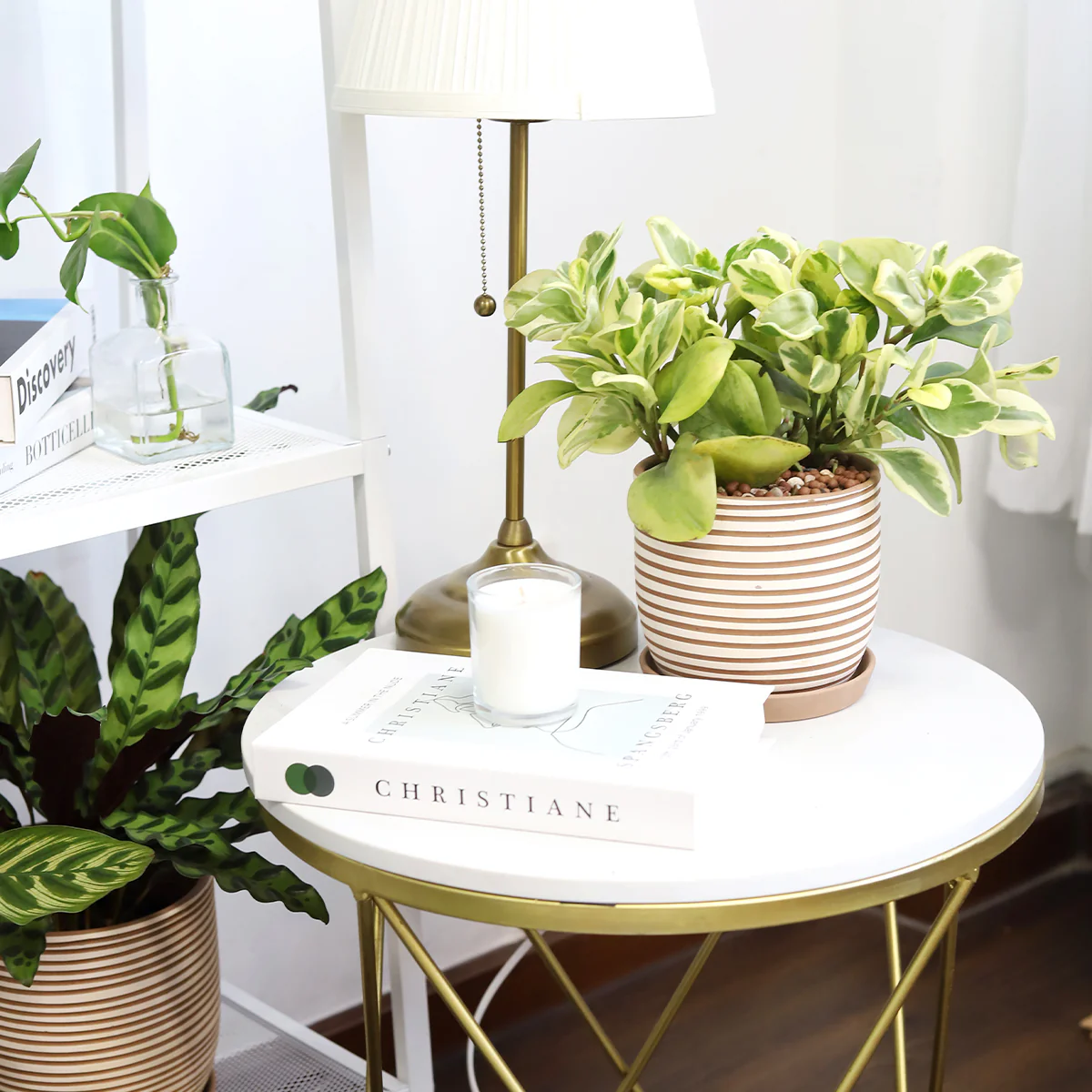
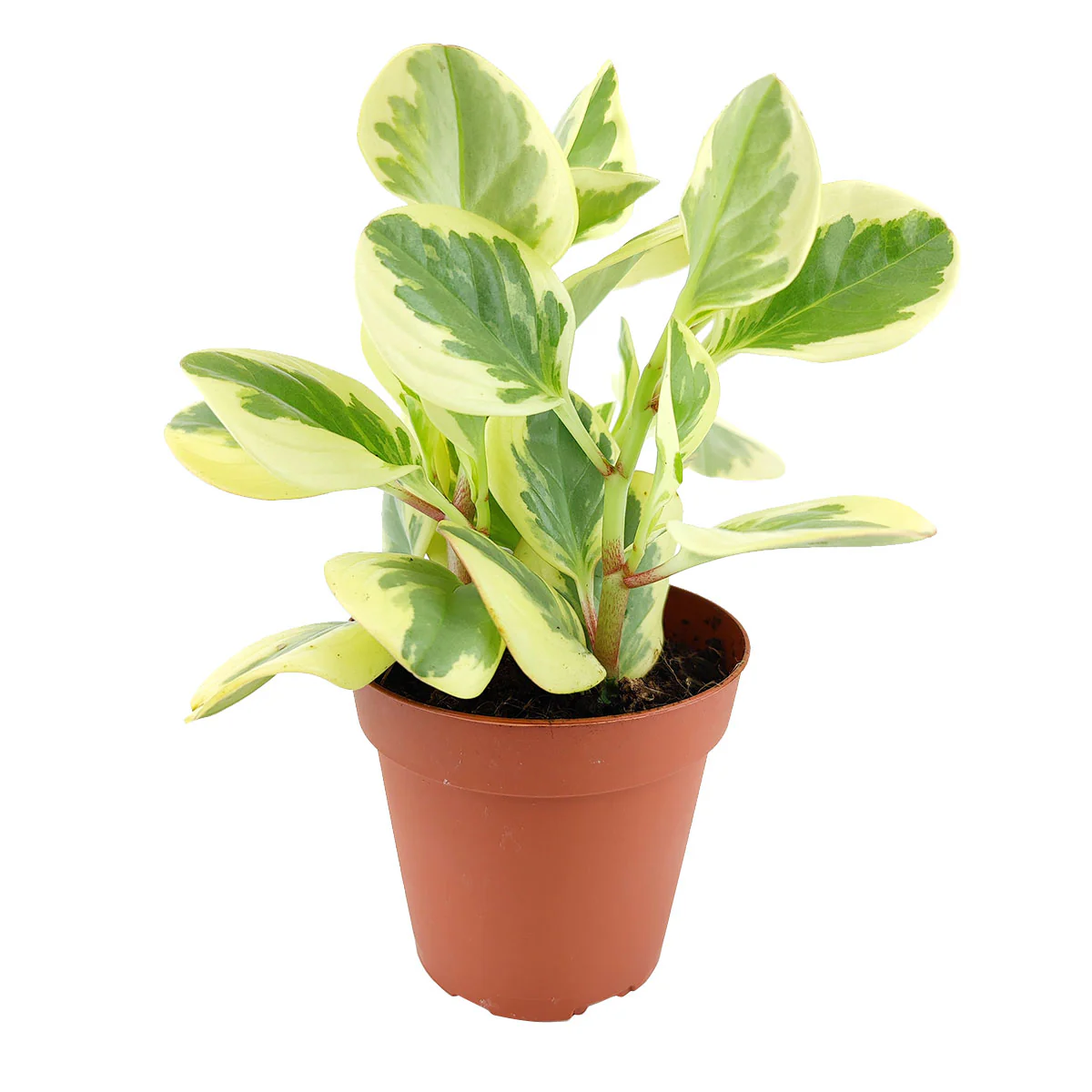
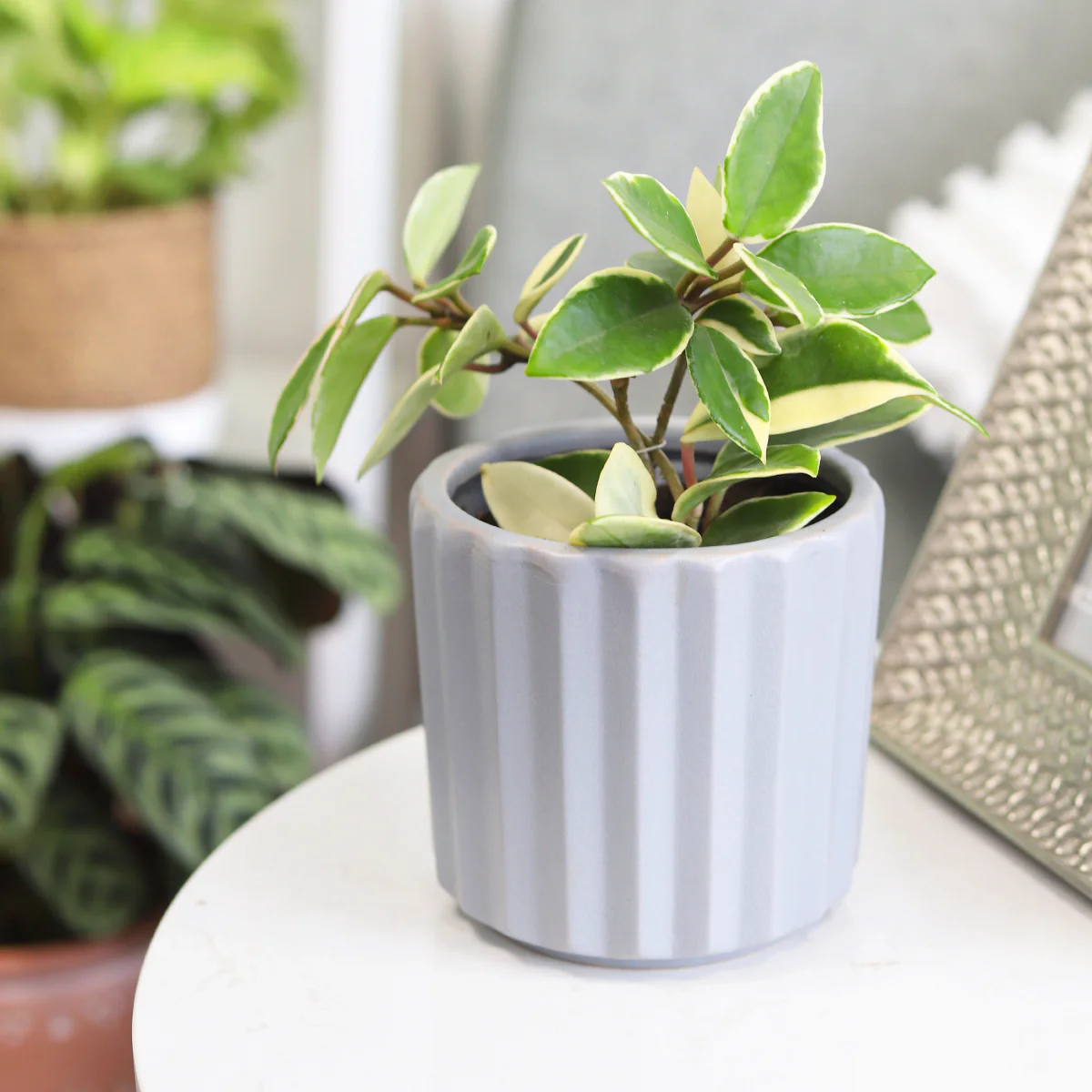
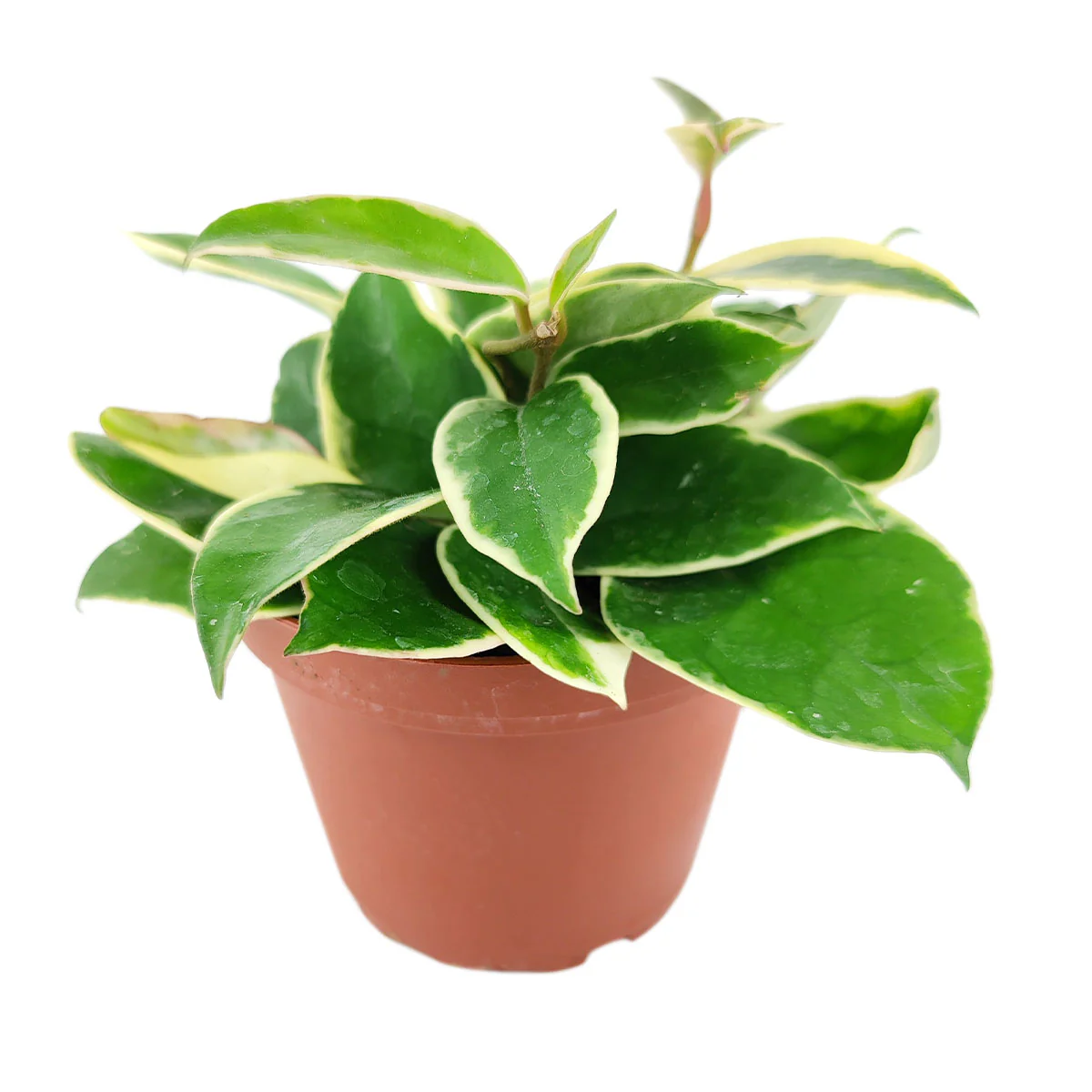
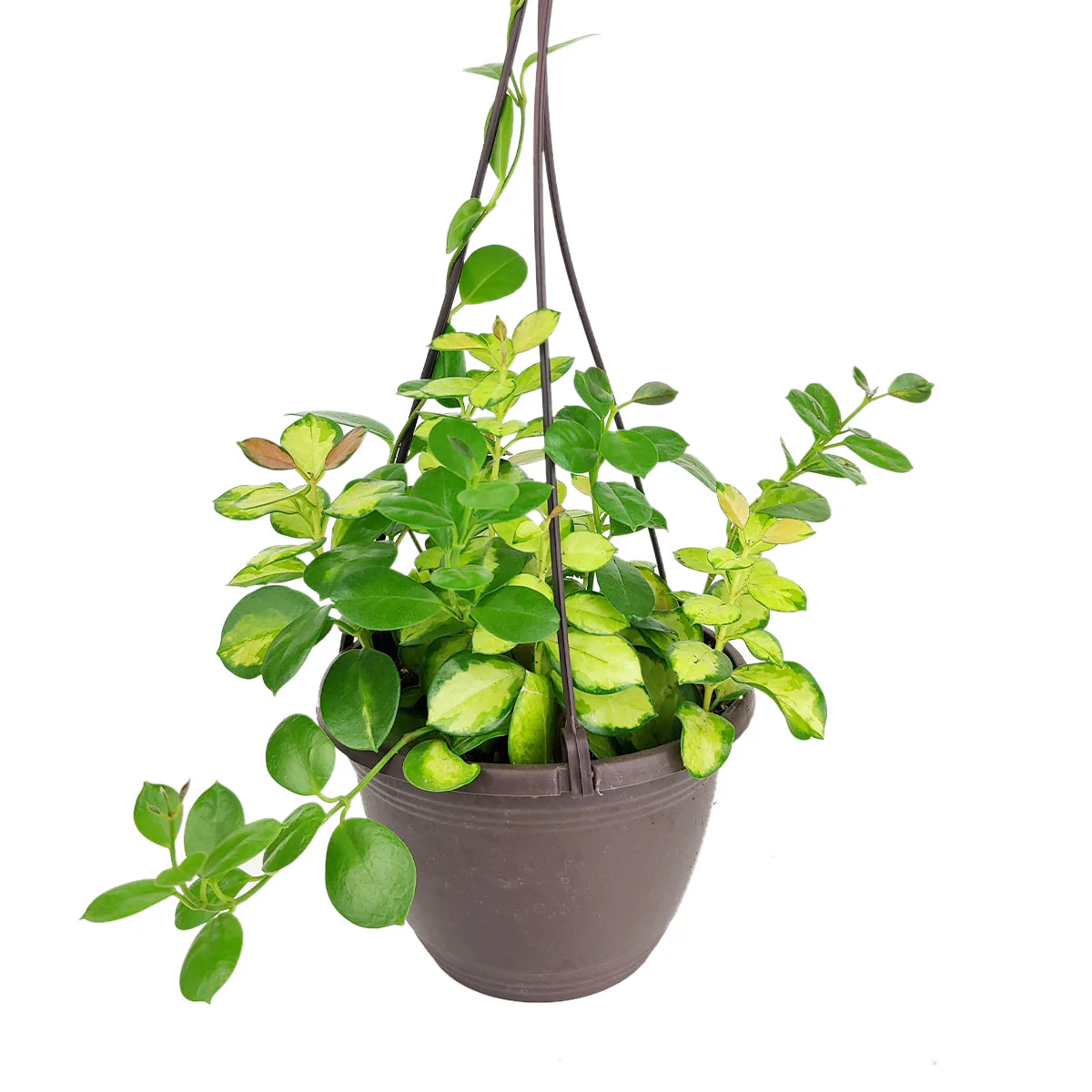
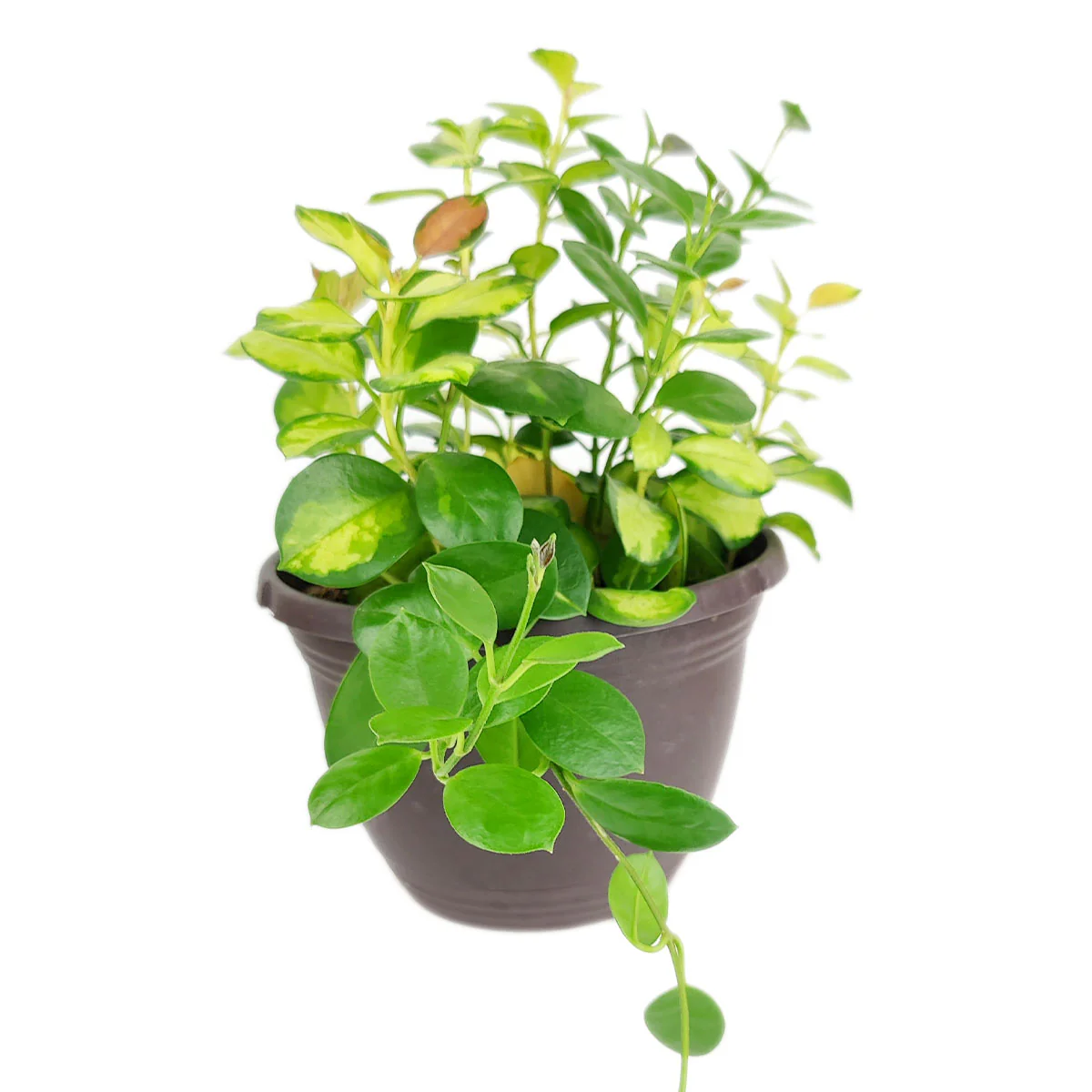
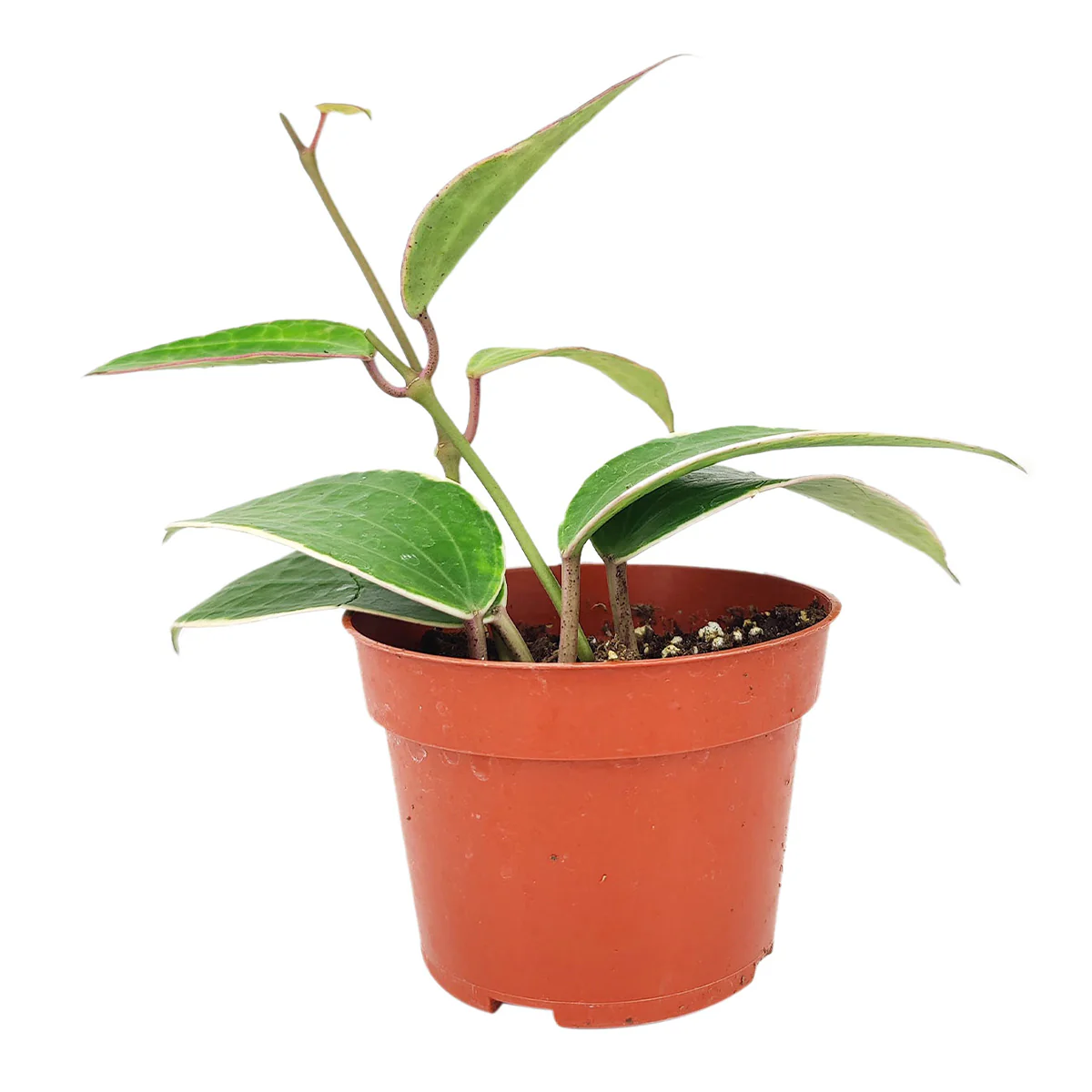
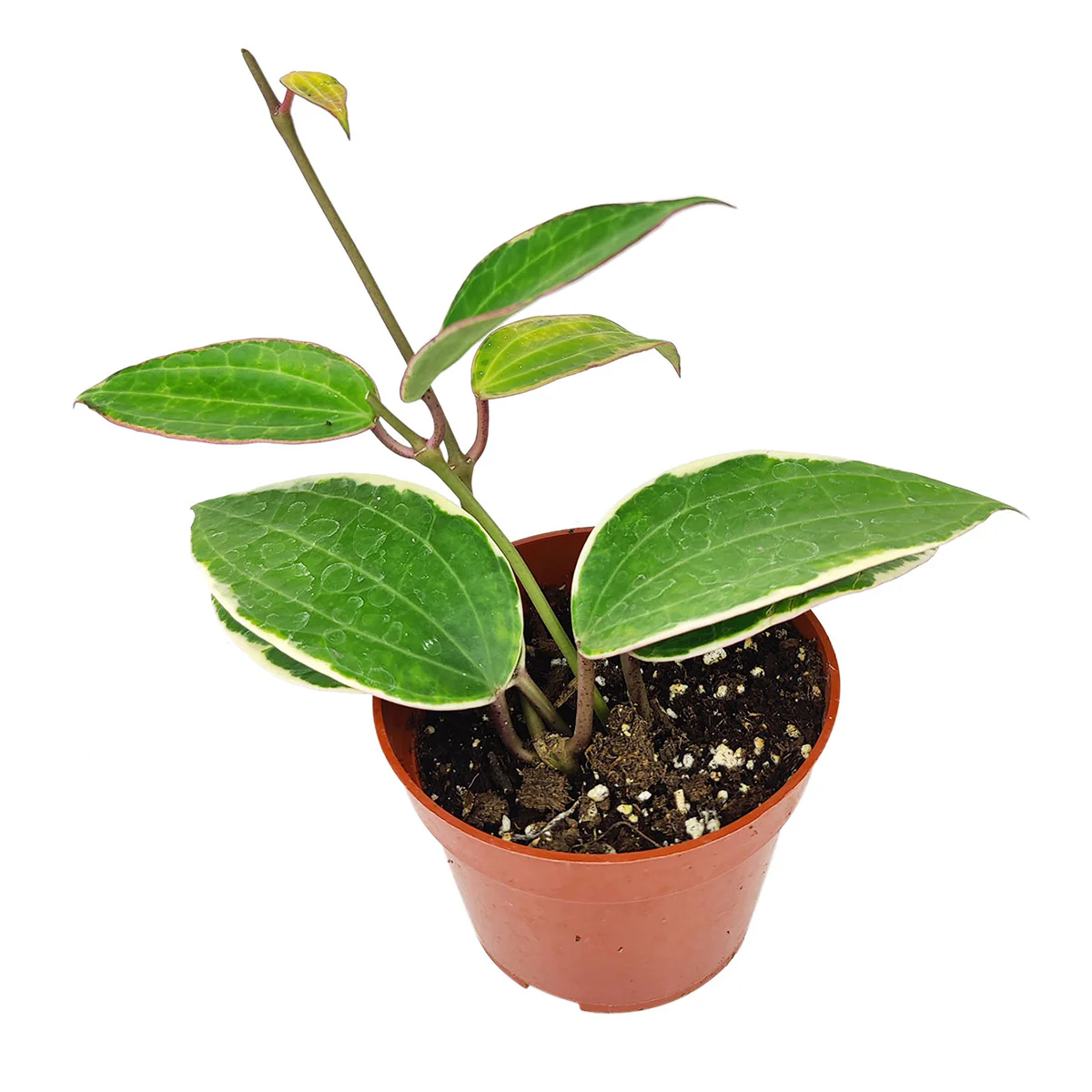
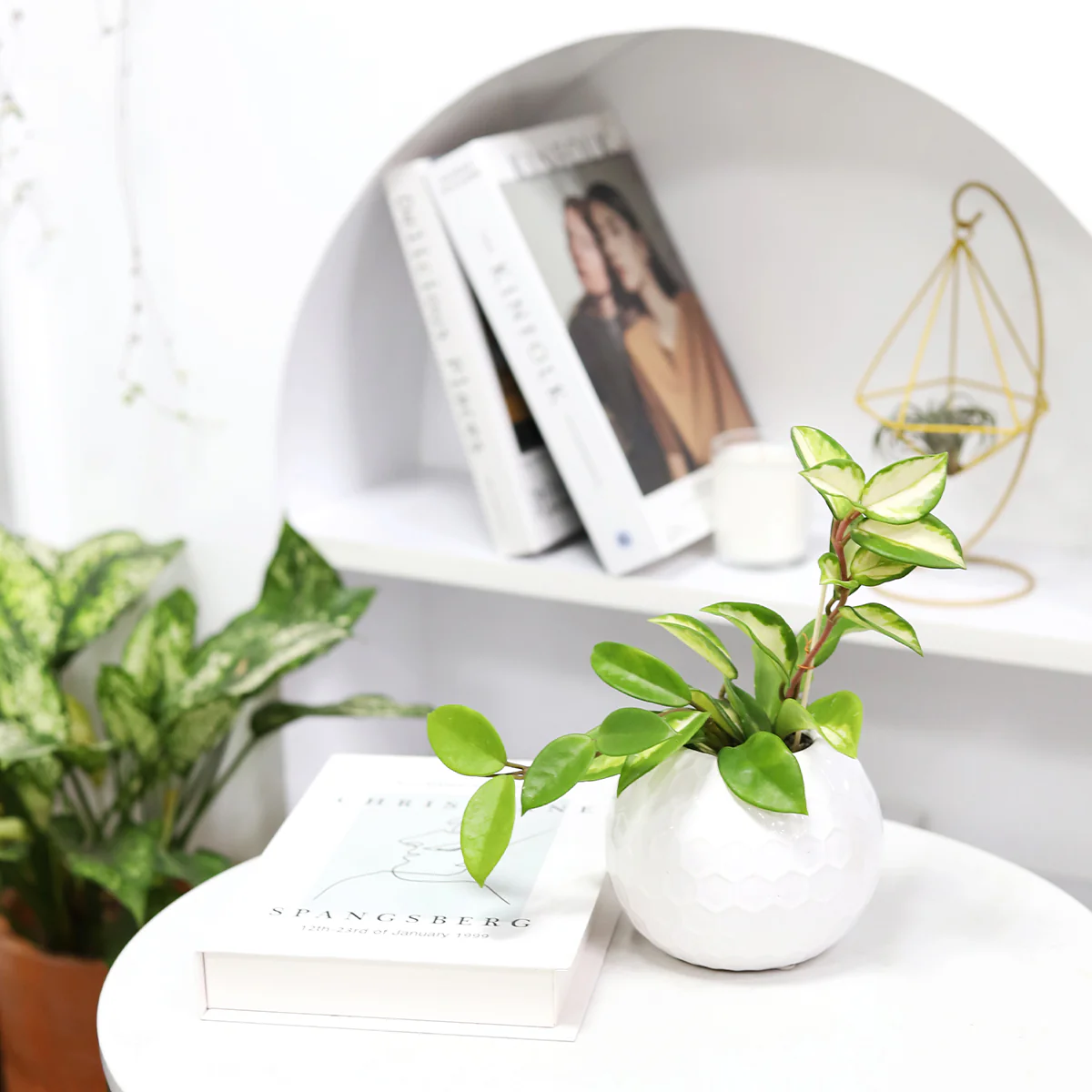
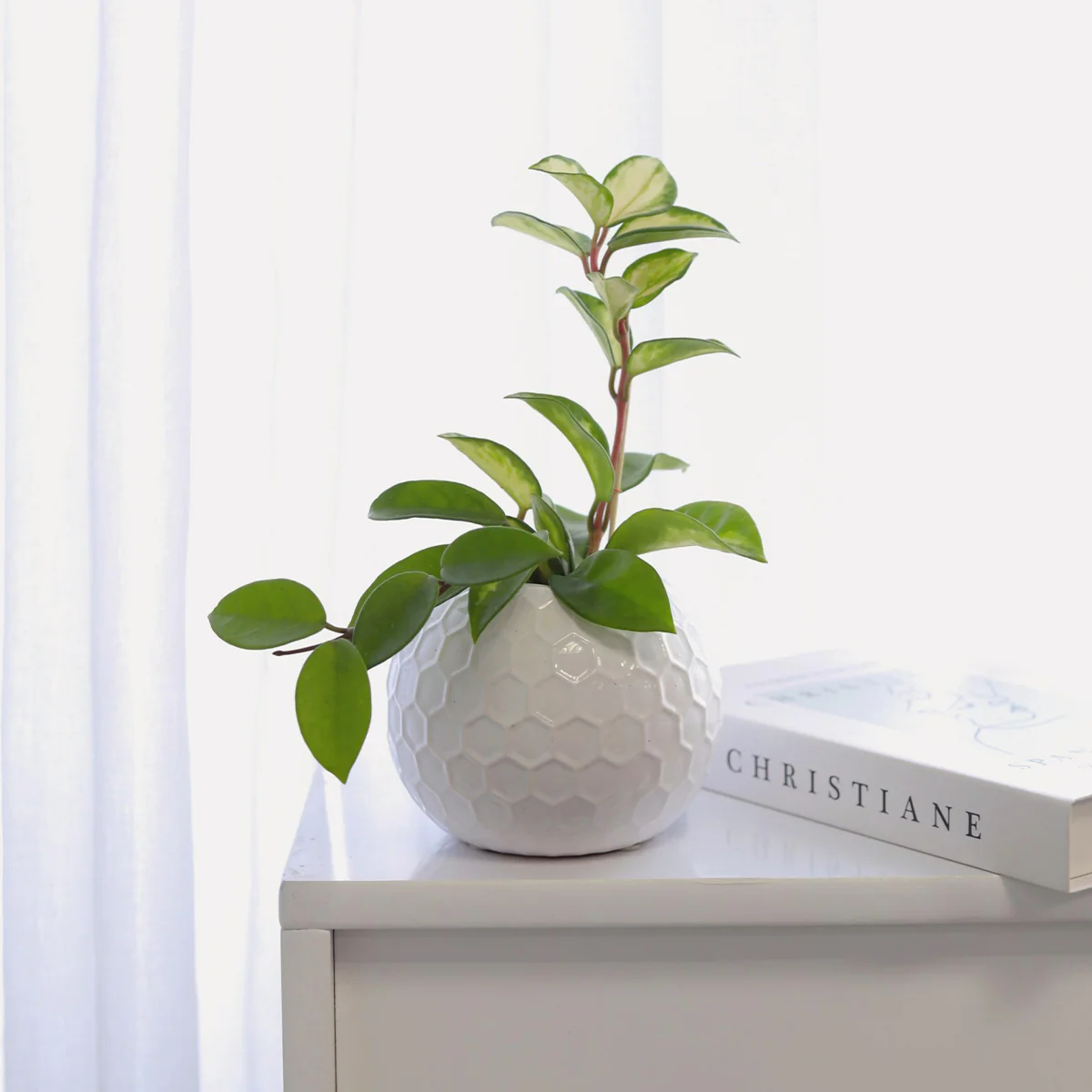
 The leaves of Syngonium White Butterfly are the real showstopper: soft arrowhead-shaped blades splashed with creamy white and forest green in vivid, high-contrast patterns that shift as the plant matures. Young leaves emerge with generous white variegation at the center, gradually developing broader green margins with age. The plant grows in an upright rosette when young, then loosens into a graceful trailing vine, making it equally striking in a hanging basket, on a high shelf, or spilling from a tabletop pot.
 As a foliage-forward plant, Syngonium White Butterfly earns its reputation through its leaves rather than its blooms, which are rarely produced indoors and not the reason most growers fall in love with it. What truly sets it apart is its ability to naturally humidify the air around it and purify indoor air by filtering formaldehyde and other airborne toxins, quietly improving your living space while looking beautiful. These traits make it one of the most rewarding air purifying plants you can keep indoors year-round.
 Syngonium White Butterfly is a versatile white variegated houseplant that suits a bohemian shelf display, a hanging basket with a trailing hook, or even a terrarium where its love of high humidity is effortlessly met. It thrives near kitchen moisture, appreciates a summer move outdoors to a sheltered spot away from direct rain, and responds visibly to thirst by wilting slightly so you always know when to water. Cats, dogs, and small children should be kept away from this plant, as the sap can irritate skin and paws, and it should never be nibbled or eaten. A high shelf or hanging position keeps it safely out of reach while showing off its trailing vines to full effect.
-
 Syngonium White Butterfly thrives in bright indirect light but adapts well to low light and even grows happily under standard office LEDs.
 Water Syngonium White Butterfly thoroughly every 7 to 10 days in summer, reducing to every 14 days in winter when growth slows.
 Syngonium White Butterfly performs best in a well-draining, peat-based or coco coir mix blended with perlite for aeration and moisture balance.
 Syngonium White Butterfly prefers temperatures between 60 and 85°F (15 to 29°C) and should never be exposed to frost or cold drafts from AC or heater vents.
![]() Syngonium White Butterfly can be a fast grower in warm, humid conditions and benefits from light pruning and a balanced liquid fertilizer monthly through spring and summer.
Syngonium White Butterfly can be a fast grower in warm, humid conditions and benefits from light pruning and a balanced liquid fertilizer monthly through spring and summer.
 Syngonium White Butterfly is hardy in USDA Zones 10 to 12, tolerating minimum temperatures around 30 to 35°F (minus 1 to 2°C) only briefly before suffering cold damage, so it is best treated as a tender perennial or houseplant in most regions. Gardeners growing Syngonium White Butterfly outdoors year-round will find the right climate in Hawaii, southern Florida, and frost-free pockets of southern California, coastal Texas, southern Arizona, and Louisiana. Growers in Georgia, Alabama, Mississippi, South Carolina, Nevada, and along the Oregon coast can enjoy it outside through the warmer months but should bring it indoors well before the first autumn frost.
-
Q: How much light does Syngonium White Butterfly need?
A: Syngonium White Butterfly does best in bright indirect light but tolerates low light and office LED conditions well. Avoid south-facing windows where direct sun can scorch the delicate variegated leaves.
Q: How often should I water Syngonium White Butterfly?
A: Water Syngonium White Butterfly every 7 to 10 days during the growing season, allowing the top inch of soil to dry between waterings. The plant will gently wilt to signal when it is thirsty, making it easy to read.
Q: Is Syngonium White Butterfly safe for pets and children?
A: Syngonium White Butterfly should be kept out of reach of cats, dogs, and small children, as the sap can irritate skin and paws and the plant should never be nibbled or eaten. A high shelf or hanging basket is the safest and most stylish placement option.
Q: How do I propagate Syngonium White Butterfly?
A: Syngonium White Butterfly propagates easily from stem cuttings taken just below a node, placed in water or moist perlite until roots develop. Spring and early summer are the best times to propagate for the fastest rooting results.
Q: Why are the leaves on my Syngonium White Butterfly turning yellow?
A: Yellow leaves on Syngonium White Butterfly are most commonly caused by overwatering, low humidity, or exposure to cold drafts from air conditioning or heating vents. Check soil moisture, move the plant away from vents, and consider misting or using a pebble tray to boost humidity.
Q: Can I grow Syngonium White Butterfly in a terrarium or hanging basket?
A: Yes, Syngonium White Butterfly is an excellent choice for both terrariums, where enclosed humidity suits it perfectly, and hanging baskets that show off its trailing vines. Just be sure to rotate it regularly so all sides receive even light and grow evenly.


Original: $18.25
-70%$18.25
$5.47Product Information
Product Information
Shipping & Returns
Shipping & Returns
Description
- Description
- Syngonium White Butterfly Care Guide
- FAQ/Common Issues
-
![]() Syngonium White Butterfly is a stunning variegated arrowhead vine in the Araceae family, beloved by beginners and collectors alike as an easy care houseplant. Native to the tropical rainforests of Central and South America, it naturally grows beneath a dense forest canopy where light is filtered and humidity is high. That heritage makes it perfectly suited to indoor living, thriving in the same warm, moist conditions found in most homes.
Syngonium White Butterfly is a stunning variegated arrowhead vine in the Araceae family, beloved by beginners and collectors alike as an easy care houseplant. Native to the tropical rainforests of Central and South America, it naturally grows beneath a dense forest canopy where light is filtered and humidity is high. That heritage makes it perfectly suited to indoor living, thriving in the same warm, moist conditions found in most homes.
The leaves of Syngonium White Butterfly are the real showstopper: soft arrowhead-shaped blades splashed with creamy white and forest green in vivid, high-contrast patterns that shift as the plant matures. Young leaves emerge with generous white variegation at the center, gradually developing broader green margins with age. The plant grows in an upright rosette when young, then loosens into a graceful trailing vine, making it equally striking in a hanging basket, on a high shelf, or spilling from a tabletop pot.
As a foliage-forward plant, Syngonium White Butterfly earns its reputation through its leaves rather than its blooms, which are rarely produced indoors and not the reason most growers fall in love with it. What truly sets it apart is its ability to naturally humidify the air around it and purify indoor air by filtering formaldehyde and other airborne toxins, quietly improving your living space while looking beautiful. These traits make it one of the most rewarding air purifying plants you can keep indoors year-round.
Syngonium White Butterfly is a versatile white variegated houseplant that suits a bohemian shelf display, a hanging basket with a trailing hook, or even a terrarium where its love of high humidity is effortlessly met. It thrives near kitchen moisture, appreciates a summer move outdoors to a sheltered spot away from direct rain, and responds visibly to thirst by wilting slightly so you always know when to water. Cats, dogs, and small children should be kept away from this plant, as the sap can irritate skin and paws, and it should never be nibbled or eaten. A high shelf or hanging position keeps it safely out of reach while showing off its trailing vines to full effect.
-
Syngonium White Butterfly thrives in bright indirect light but adapts well to low light and even grows happily under standard office LEDs.
Water Syngonium White Butterfly thoroughly every 7 to 10 days in summer, reducing to every 14 days in winter when growth slows.
Syngonium White Butterfly performs best in a well-draining, peat-based or coco coir mix blended with perlite for aeration and moisture balance.
Syngonium White Butterfly prefers temperatures between 60 and 85°F (15 to 29°C) and should never be exposed to frost or cold drafts from AC or heater vents.
![]() Syngonium White Butterfly can be a fast grower in warm, humid conditions and benefits from light pruning and a balanced liquid fertilizer monthly through spring and summer.
Syngonium White Butterfly can be a fast grower in warm, humid conditions and benefits from light pruning and a balanced liquid fertilizer monthly through spring and summer.
Syngonium White Butterfly is hardy in USDA Zones 10 to 12, tolerating minimum temperatures around 30 to 35°F (minus 1 to 2°C) only briefly before suffering cold damage, so it is best treated as a tender perennial or houseplant in most regions. Gardeners growing Syngonium White Butterfly outdoors year-round will find the right climate in Hawaii, southern Florida, and frost-free pockets of southern California, coastal Texas, southern Arizona, and Louisiana. Growers in Georgia, Alabama, Mississippi, South Carolina, Nevada, and along the Oregon coast can enjoy it outside through the warmer months but should bring it indoors well before the first autumn frost.
-
Q: How much light does Syngonium White Butterfly need?
A: Syngonium White Butterfly does best in bright indirect light but tolerates low light and office LED conditions well. Avoid south-facing windows where direct sun can scorch the delicate variegated leaves.
Q: How often should I water Syngonium White Butterfly?
A: Water Syngonium White Butterfly every 7 to 10 days during the growing season, allowing the top inch of soil to dry between waterings. The plant will gently wilt to signal when it is thirsty, making it easy to read.
Q: Is Syngonium White Butterfly safe for pets and children?
A: Syngonium White Butterfly should be kept out of reach of cats, dogs, and small children, as the sap can irritate skin and paws and the plant should never be nibbled or eaten. A high shelf or hanging basket is the safest and most stylish placement option.
Q: How do I propagate Syngonium White Butterfly?
A: Syngonium White Butterfly propagates easily from stem cuttings taken just below a node, placed in water or moist perlite until roots develop. Spring and early summer are the best times to propagate for the fastest rooting results.
Q: Why are the leaves on my Syngonium White Butterfly turning yellow?
A: Yellow leaves on Syngonium White Butterfly are most commonly caused by overwatering, low humidity, or exposure to cold drafts from air conditioning or heating vents. Check soil moisture, move the plant away from vents, and consider misting or using a pebble tray to boost humidity.
Q: Can I grow Syngonium White Butterfly in a terrarium or hanging basket?
A: Yes, Syngonium White Butterfly is an excellent choice for both terrariums, where enclosed humidity suits it perfectly, and hanging baskets that show off its trailing vines. Just be sure to rotate it regularly so all sides receive even light and grow evenly.