RARE Trailing Hoya Kerrii Heart Large Size
- Description
- Hoya Kerrii Heart Trailing Care Guide
- FAQ/Common Issues
-
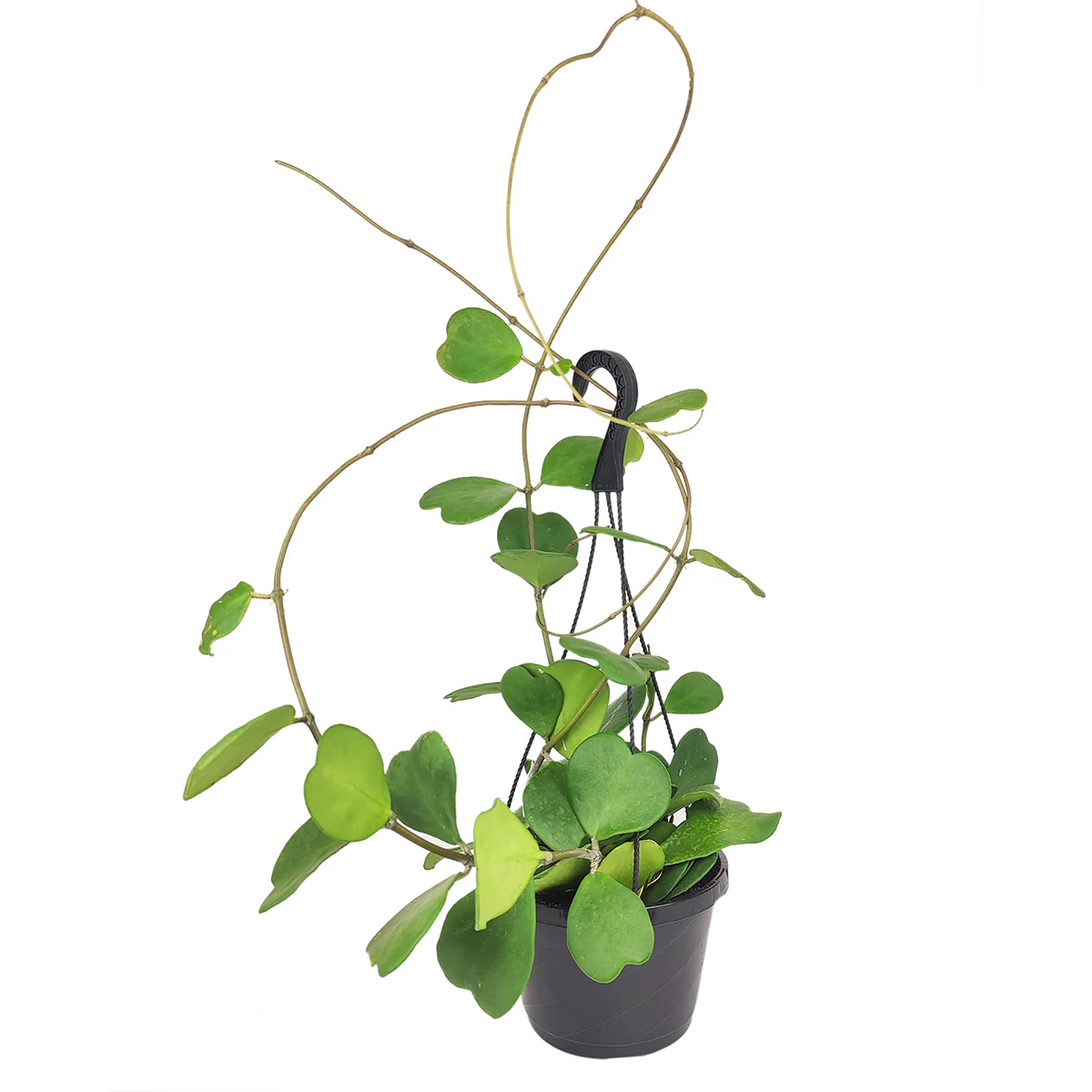
![]() The RARE Trailing Hoya Kerrii Heart Large Size (Hoya kerrii) is a beloved tropical succulent vine from the rainforests of Southeast Asia, native to countries like Thailand, Laos, and Vietnam. Unlike the common single-leaf cutting sold as a novelty, this rare trailing form actually grows and vines, making it a true collector's gem in the sweetheart hoya and wax heart plant world.
The RARE Trailing Hoya Kerrii Heart Large Size (Hoya kerrii) is a beloved tropical succulent vine from the rainforests of Southeast Asia, native to countries like Thailand, Laos, and Vietnam. Unlike the common single-leaf cutting sold as a novelty, this rare trailing form actually grows and vines, making it a true collector's gem in the sweetheart hoya and wax heart plant world.
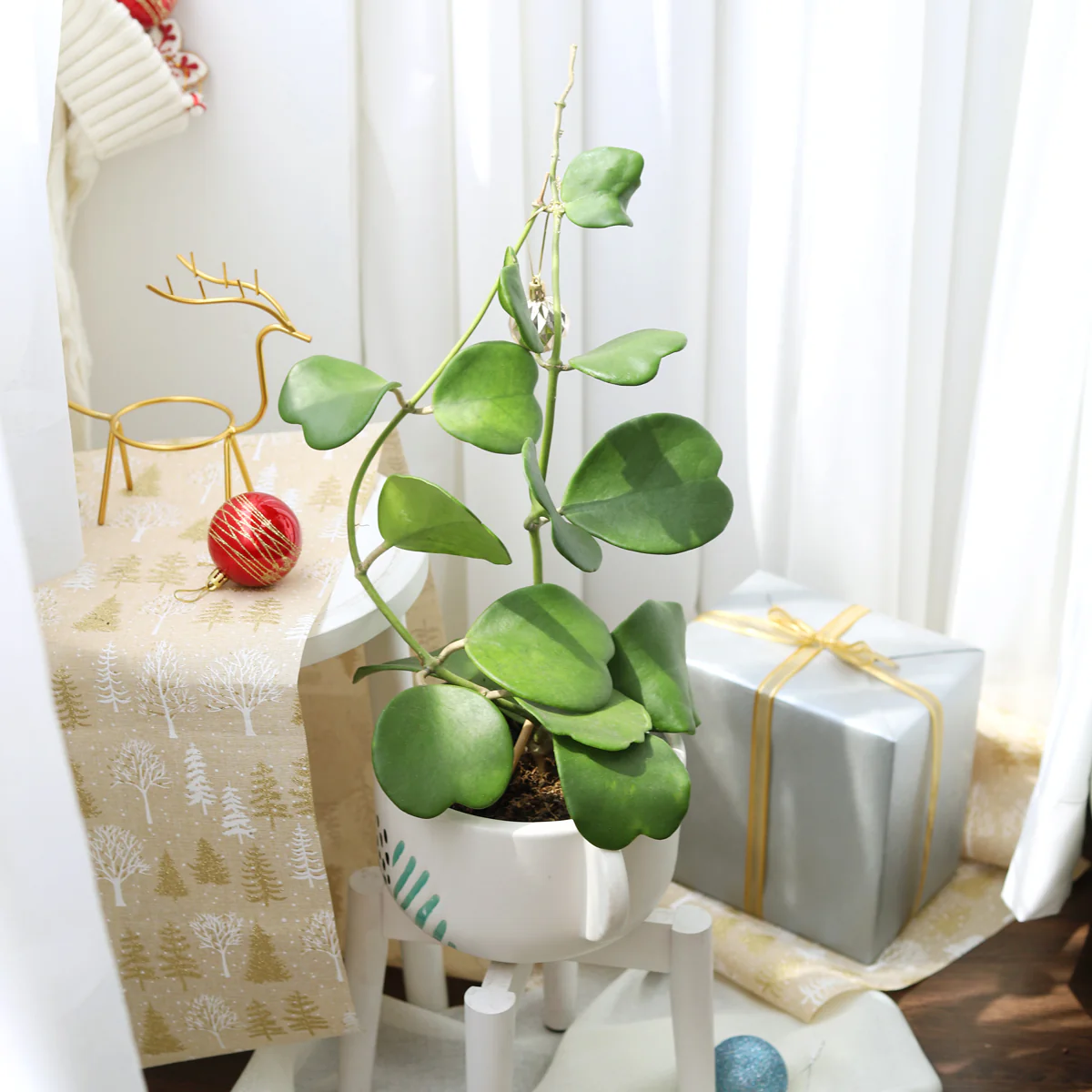
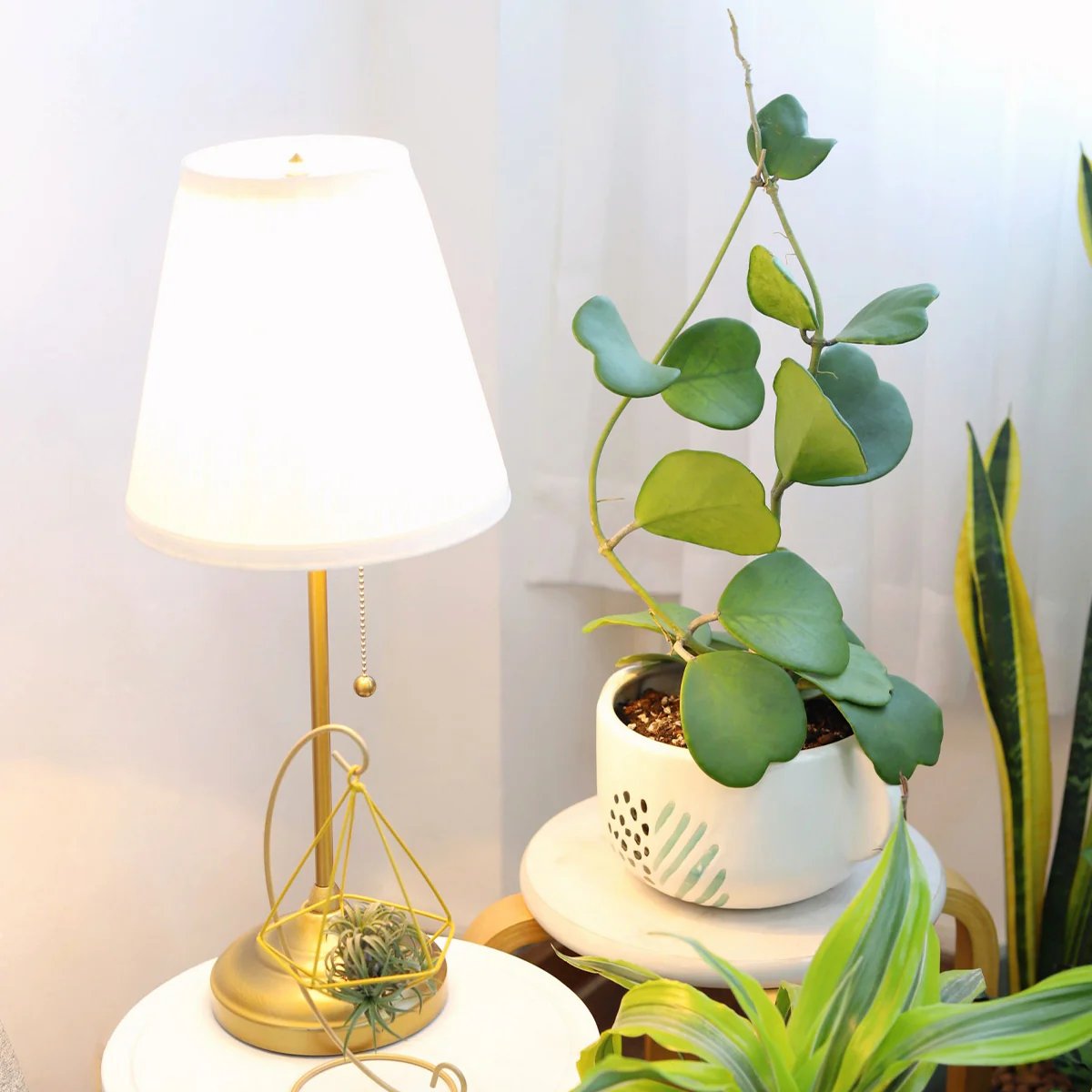
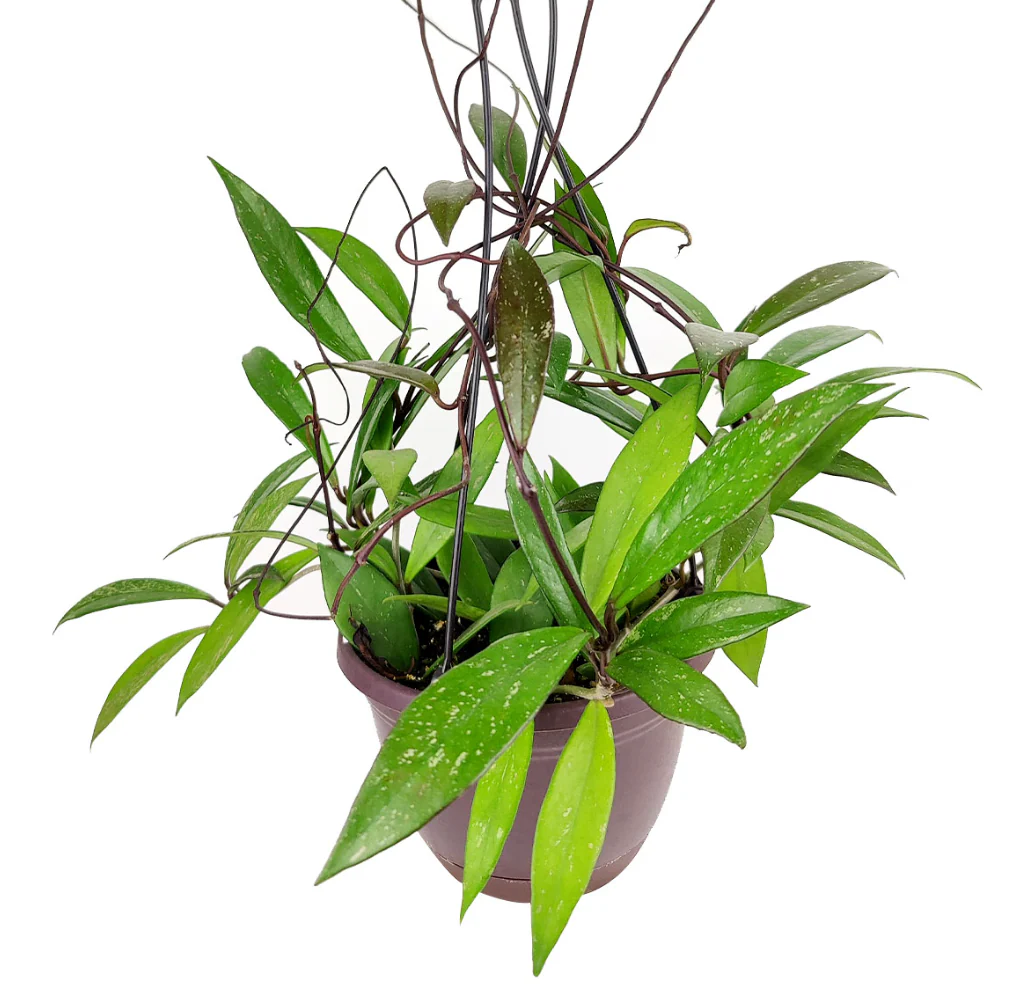
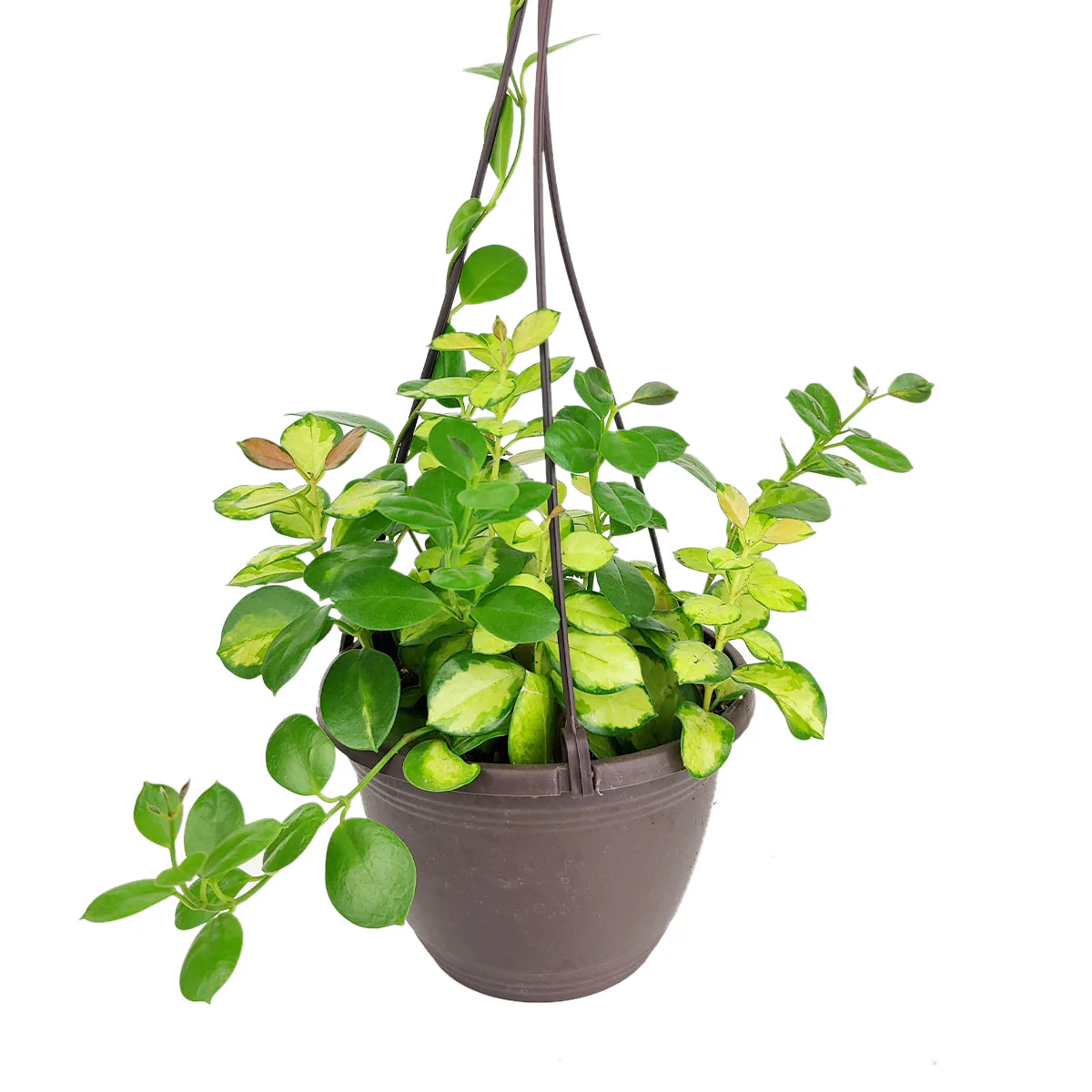
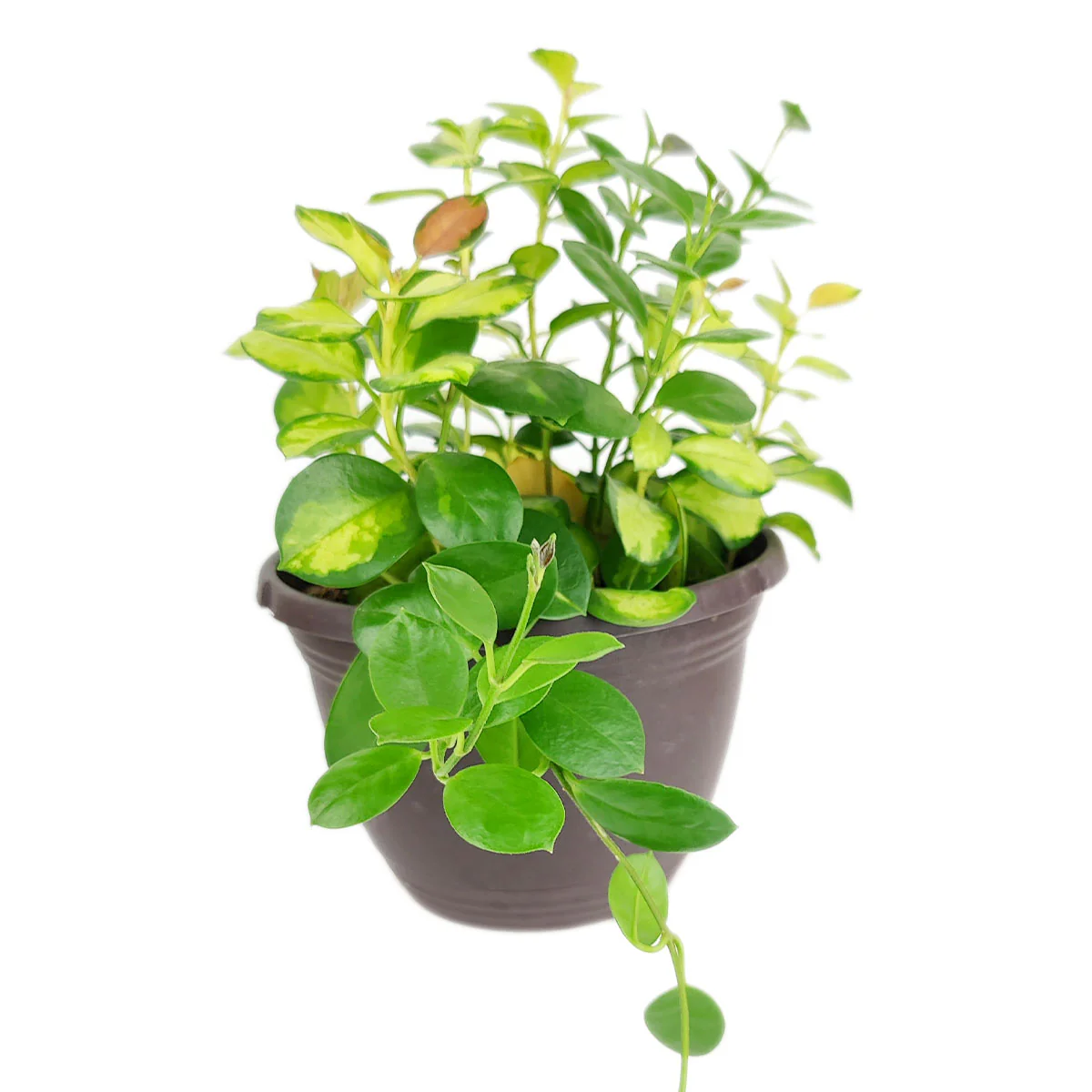
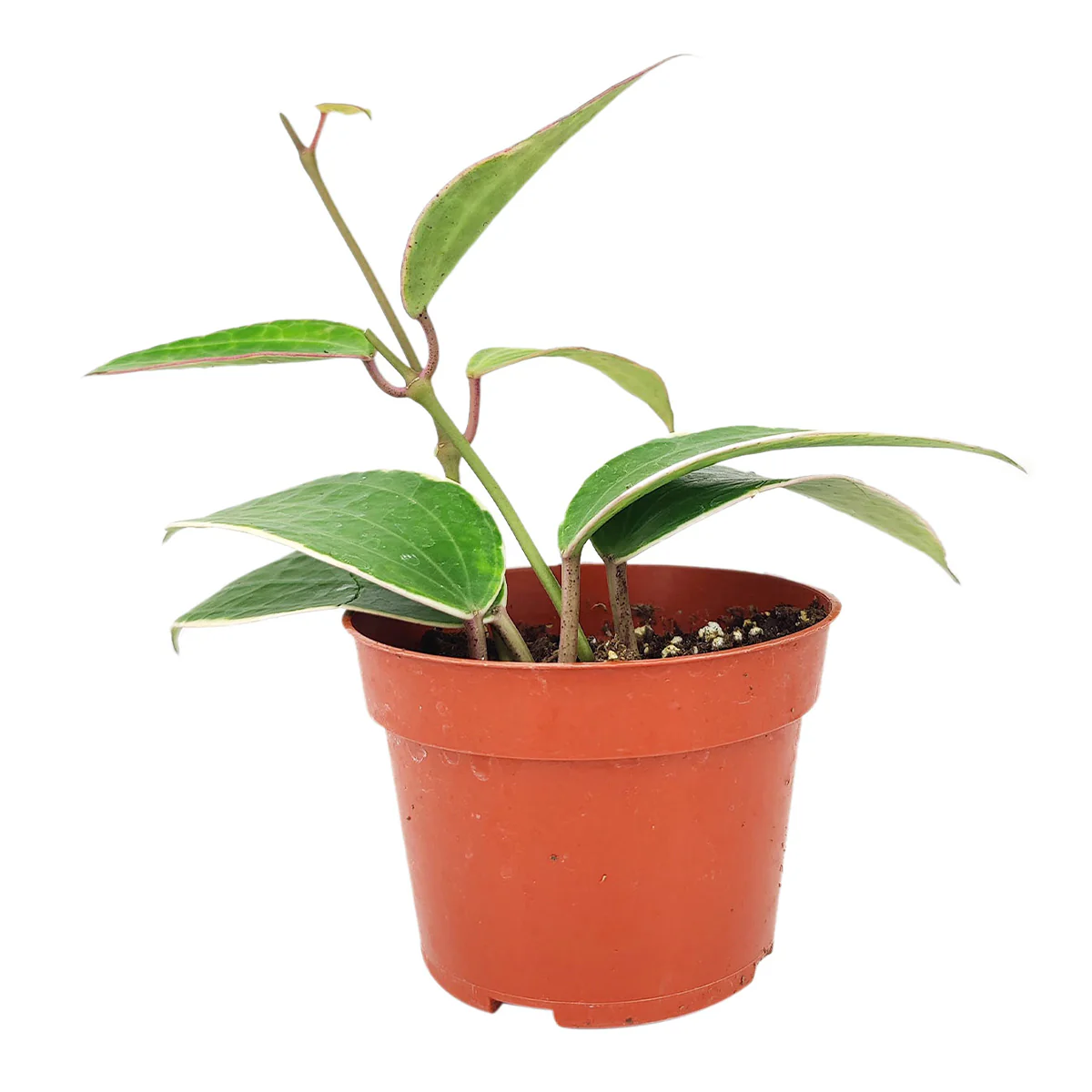
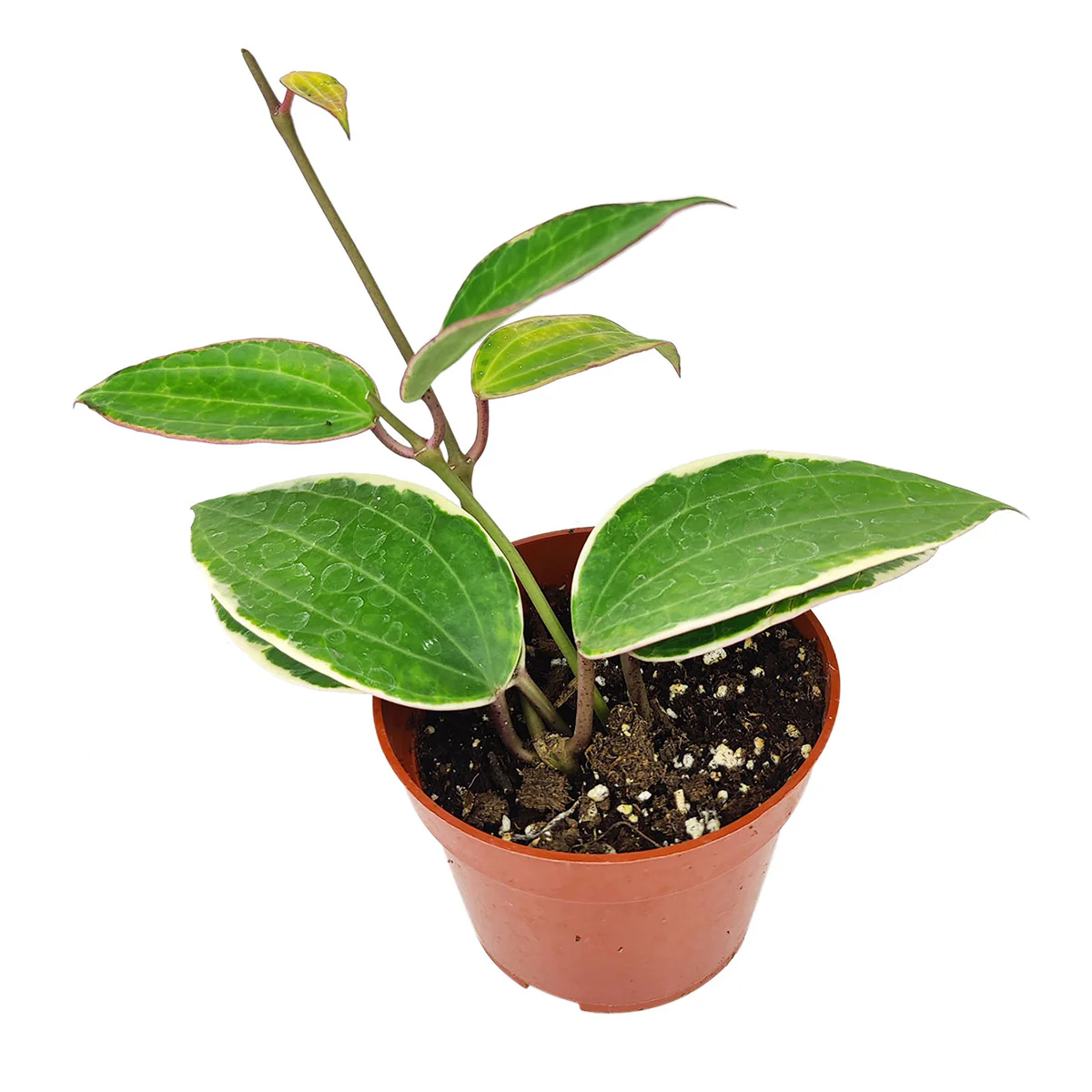
 What sets the RARE Trailing Hoya Kerrii Heart Large Size apart is its string of thick, waxy, heart-shaped green leaves cascading along long trailing stems. Each leaf is charmingly plump with a distinct center notch, giving the lucky heart plant its iconic valentine hoya look. The large size means you get generous, established vines right from the start, not just a rooted stub.
 With the right conditions, the RARE Trailing Hoya Kerrii Heart Large Size can reward patient growers with clusters of small, star-shaped flowers that are sweetly fragrant and often appear in spring or summer. Blooms tend to develop when the plant experiences a slight drop in nighttime temperatures, so cooler evenings can act as a natural trigger. This flowering behavior makes it even more rewarding to grow as a long-term houseplant.
 The RARE Trailing Hoya Kerrii Heart Large Size is a wonderful addition to any indoor plant collection, thriving beautifully when hung in a basket or displayed on a high shelf with a hanging hook so the vines can trail freely. It purifies indoor air and is perfectly at home near a kitchen where ambient moisture gives it a gentle humidity boost. This plant is pet friendly, making it a confident choice for homes with cats or dogs. It is also surprisingly self-sufficient, capable of surviving a 10-day trip without care, which speaks to its easygoing, forgiving nature.
-
 RARE Trailing Hoya Kerrii Heart Large Size thrives in bright indirect light and adapts well under office LEDs, though it scorches in harsh south-facing windows.
 Water RARE Trailing Hoya Kerrii Heart Large Size every 10 to 14 days, allowing the soil to dry out almost completely between waterings.
 RARE Trailing Hoya Kerrii Heart Large Size prefers a well-draining mix of potting soil, perlite, and orchid bark to prevent root rot.
 RARE Trailing Hoya Kerrii Heart Large Size prefers temperatures between 60 and 85°F (15 to 29°C) and should be kept away from AC vents and heaters.
![]() RARE Trailing Hoya Kerrii Heart Large Size is a slow to moderate grower and benefits from a balanced liquid fertilizer applied monthly during the active growing season.
RARE Trailing Hoya Kerrii Heart Large Size is a slow to moderate grower and benefits from a balanced liquid fertilizer applied monthly during the active growing season.
 RARE Trailing Hoya Kerrii Heart Large Size is hardy in USDA Zones 10 to 12, tolerating temperatures down to about 50°F (10°C) before showing cold stress, and is not frost tolerant. Outdoor growing year-round suits warm states like Florida, Hawaii, and southern California, as well as parts of Texas, Arizona, Louisiana, and southern Georgia. Gardeners in South Carolina, Alabama, Mississippi, Nevada, and along the mild Oregon and Washington coasts can enjoy RARE Trailing Hoya Kerrii Heart Large Size outdoors in summer and bring it in before temperatures dip in autumn.
-
Q: Is the RARE Trailing Hoya Kerrii Heart Large Size pet friendly?
A: Yes, this plant is pet friendly and considered non-toxic to cats and dogs, making it a safe and beautiful choice for pet households.
Q: How do I propagate RARE Trailing Hoya Kerrii Heart Large Size?
A: Take a stem cutting with at least one or two nodes, let it callous briefly, then root it in moist sphagnum moss or a well-draining mix in bright indirect light. Patience is key, as hoya cuttings can take several weeks to establish roots.
Q: Why are the leaves on my RARE Trailing Hoya Kerrii Heart Large Size turning yellow?
A: Yellowing leaves are most often caused by overwatering or poor drainage, so always let the soil dry out between waterings. Sudden moves, cold drafts from AC units, or too little light can also trigger leaf discoloration.
Q: How often should I water RARE Trailing Hoya Kerrii Heart Large Size?
A: Water every 10 to 14 days on average, adjusting based on your home's humidity and season. Always check that the top half of the soil is dry before watering again.
Q: Does RARE Trailing Hoya Kerrii Heart Large Size need high humidity?
A: It tolerates the dry heated air common in most homes better than many tropical plants, but it appreciates the gentle ambient moisture found near a kitchen. Placing it near a humidity source will encourage lusher, faster growth.
Q: Can I move RARE Trailing Hoya Kerrii Heart Large Size outdoors in summer?
A: Yes, it can move outside for summer in a sheltered spot with bright indirect light, but be sure to cover it from heavy rain and bring it back indoors before temperatures cool in autumn. This plant is sensitive to being moved frequently, so choose its spot carefully and rotate it in place for even growth rather than relocating it.


Original: $215.00
-70%$215.00
$64.50Product Information
Product Information
Shipping & Returns
Shipping & Returns
Description
- Description
- Hoya Kerrii Heart Trailing Care Guide
- FAQ/Common Issues
-
![]() The RARE Trailing Hoya Kerrii Heart Large Size (Hoya kerrii) is a beloved tropical succulent vine from the rainforests of Southeast Asia, native to countries like Thailand, Laos, and Vietnam. Unlike the common single-leaf cutting sold as a novelty, this rare trailing form actually grows and vines, making it a true collector's gem in the sweetheart hoya and wax heart plant world.
The RARE Trailing Hoya Kerrii Heart Large Size (Hoya kerrii) is a beloved tropical succulent vine from the rainforests of Southeast Asia, native to countries like Thailand, Laos, and Vietnam. Unlike the common single-leaf cutting sold as a novelty, this rare trailing form actually grows and vines, making it a true collector's gem in the sweetheart hoya and wax heart plant world.
What sets the RARE Trailing Hoya Kerrii Heart Large Size apart is its string of thick, waxy, heart-shaped green leaves cascading along long trailing stems. Each leaf is charmingly plump with a distinct center notch, giving the lucky heart plant its iconic valentine hoya look. The large size means you get generous, established vines right from the start, not just a rooted stub.
With the right conditions, the RARE Trailing Hoya Kerrii Heart Large Size can reward patient growers with clusters of small, star-shaped flowers that are sweetly fragrant and often appear in spring or summer. Blooms tend to develop when the plant experiences a slight drop in nighttime temperatures, so cooler evenings can act as a natural trigger. This flowering behavior makes it even more rewarding to grow as a long-term houseplant.
The RARE Trailing Hoya Kerrii Heart Large Size is a wonderful addition to any indoor plant collection, thriving beautifully when hung in a basket or displayed on a high shelf with a hanging hook so the vines can trail freely. It purifies indoor air and is perfectly at home near a kitchen where ambient moisture gives it a gentle humidity boost. This plant is pet friendly, making it a confident choice for homes with cats or dogs. It is also surprisingly self-sufficient, capable of surviving a 10-day trip without care, which speaks to its easygoing, forgiving nature.
-
RARE Trailing Hoya Kerrii Heart Large Size thrives in bright indirect light and adapts well under office LEDs, though it scorches in harsh south-facing windows.
Water RARE Trailing Hoya Kerrii Heart Large Size every 10 to 14 days, allowing the soil to dry out almost completely between waterings.
RARE Trailing Hoya Kerrii Heart Large Size prefers a well-draining mix of potting soil, perlite, and orchid bark to prevent root rot.
RARE Trailing Hoya Kerrii Heart Large Size prefers temperatures between 60 and 85°F (15 to 29°C) and should be kept away from AC vents and heaters.
![]() RARE Trailing Hoya Kerrii Heart Large Size is a slow to moderate grower and benefits from a balanced liquid fertilizer applied monthly during the active growing season.
RARE Trailing Hoya Kerrii Heart Large Size is a slow to moderate grower and benefits from a balanced liquid fertilizer applied monthly during the active growing season.
RARE Trailing Hoya Kerrii Heart Large Size is hardy in USDA Zones 10 to 12, tolerating temperatures down to about 50°F (10°C) before showing cold stress, and is not frost tolerant. Outdoor growing year-round suits warm states like Florida, Hawaii, and southern California, as well as parts of Texas, Arizona, Louisiana, and southern Georgia. Gardeners in South Carolina, Alabama, Mississippi, Nevada, and along the mild Oregon and Washington coasts can enjoy RARE Trailing Hoya Kerrii Heart Large Size outdoors in summer and bring it in before temperatures dip in autumn.
-
Q: Is the RARE Trailing Hoya Kerrii Heart Large Size pet friendly?
A: Yes, this plant is pet friendly and considered non-toxic to cats and dogs, making it a safe and beautiful choice for pet households.
Q: How do I propagate RARE Trailing Hoya Kerrii Heart Large Size?
A: Take a stem cutting with at least one or two nodes, let it callous briefly, then root it in moist sphagnum moss or a well-draining mix in bright indirect light. Patience is key, as hoya cuttings can take several weeks to establish roots.
Q: Why are the leaves on my RARE Trailing Hoya Kerrii Heart Large Size turning yellow?
A: Yellowing leaves are most often caused by overwatering or poor drainage, so always let the soil dry out between waterings. Sudden moves, cold drafts from AC units, or too little light can also trigger leaf discoloration.
Q: How often should I water RARE Trailing Hoya Kerrii Heart Large Size?
A: Water every 10 to 14 days on average, adjusting based on your home's humidity and season. Always check that the top half of the soil is dry before watering again.
Q: Does RARE Trailing Hoya Kerrii Heart Large Size need high humidity?
A: It tolerates the dry heated air common in most homes better than many tropical plants, but it appreciates the gentle ambient moisture found near a kitchen. Placing it near a humidity source will encourage lusher, faster growth.
Q: Can I move RARE Trailing Hoya Kerrii Heart Large Size outdoors in summer?
A: Yes, it can move outside for summer in a sheltered spot with bright indirect light, but be sure to cover it from heavy rain and bring it back indoors before temperatures cool in autumn. This plant is sensitive to being moved frequently, so choose its spot carefully and rotate it in place for even growth rather than relocating it.