Syngonium 'Milk Confetti'
- Description
- Syngonium 'Milk Confetti' Care Guide
- FAQ/Common Issues
-
![]() Syngonium 'Milk Confetti' is a rare variegated aroid in the Araceae family, native to the tropical rainforests of Central and South America where it climbs and trails through humid, dappled light. This milk confetti arrowhead plant has gained serious collector attention for its striking, one-of-a-kind foliage and moderate care needs that reward attentive plant lovers.
Syngonium 'Milk Confetti' is a rare variegated aroid in the Araceae family, native to the tropical rainforests of Central and South America where it climbs and trails through humid, dappled light. This milk confetti arrowhead plant has gained serious collector attention for its striking, one-of-a-kind foliage and moderate care needs that reward attentive plant lovers.
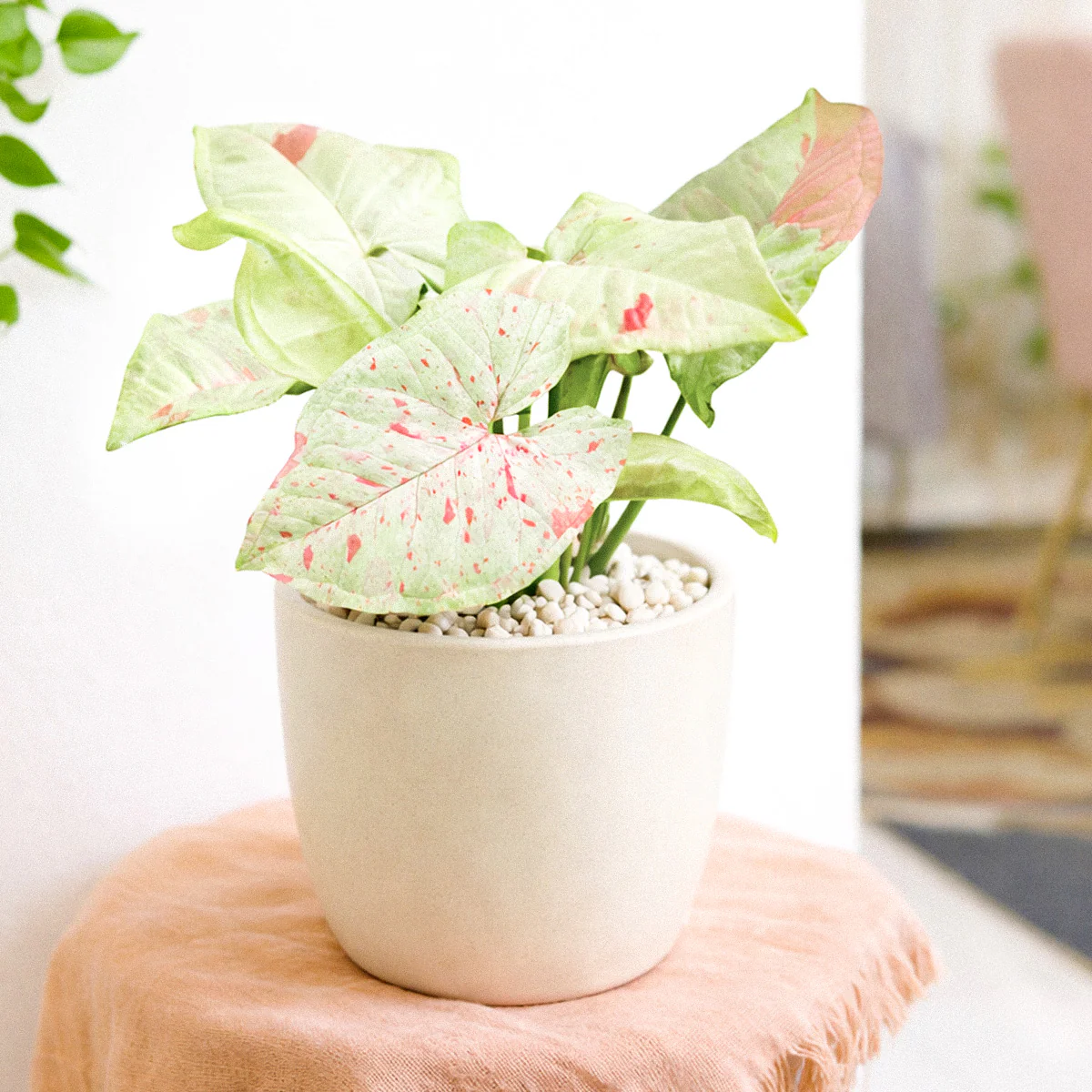
 Syngonium 'Milk Confetti' produces soft arrowhead-shaped leaves generously splashed with creamy white and blush-pink speckles across a mid-green base, creating that signature confetti effect collectors adore. Leaves are smooth with a slightly matte finish, and the plant grows in an upright rosette when young before developing a beautiful trailing, vining habit that makes it ideal for shelves or hanging displays.
 Syngonium 'Milk Confetti' is grown and treasured entirely for its spectacular variegated foliage rather than its flowers, which are insignificant and rarely produced indoors. What really earns this plant its reputation is how each new leaf unfurls with a fresh, unpredictable pattern, making every growth flush genuinely exciting for collectors of rare variegated indoor plants.
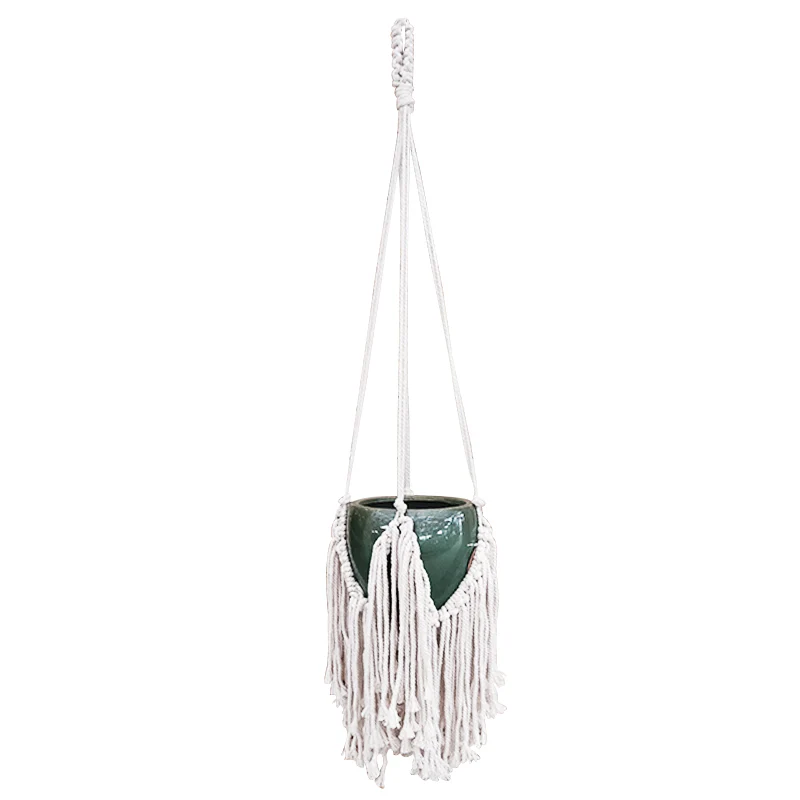
 Syngonium 'Milk Confetti' genuinely thrives near kitchen moisture, making a steamy kitchen windowsill in bright indirect light one of its happiest spots at home. As a rare arrowhead vine with a trailing growth style, it looks stunning in a hanging basket fitted with a sturdy hook, and it performs surprisingly well under office LEDs, making it a flexible choice beyond the living room. Cats, dogs, and small children should be kept well away from this plant, as the sap can cause skin and paw irritation and the plant should not be nibbled or eaten; a high shelf out of reach is the safest placement.
-
 Syngonium 'Milk Confetti' thrives in medium to bright indirect light and scorches quickly in direct south-facing windows.
 Water Syngonium 'Milk Confetti' every 7-10 days, allowing the top inch of soil to dry before watering again.
 Syngonium 'Milk Confetti' prefers a well-draining aroid mix of potting soil, perlite, and orchid bark for healthy roots.
 Syngonium 'Milk Confetti' prefers temperatures of 60-85°F (15-29°C) and should never be exposed to frost or cold drafts.
![]() Syngonium 'Milk Confetti' is a moderate to fast grower; feed monthly with a balanced liquid fertilizer during spring and summer.
Syngonium 'Milk Confetti' is a moderate to fast grower; feed monthly with a balanced liquid fertilizer during spring and summer.
 Syngonium 'Milk Confetti' is hardy in USDA Zones 10-12, where temperatures stay reliably above 35°F (2°C) year-round. Gardeners growing Syngonium 'Milk Confetti' outdoors will find suitable climates across Hawaii, southern Florida, and frost-free pockets of southern California, southern Texas, and southern Arizona. Growers in Louisiana, coastal Georgia, South Carolina, Alabama, Mississippi, and the warmer coastal zones of Oregon and Nevada can enjoy it outside during summer months, bringing it indoors before autumn temperatures drop.
-
Q: How much light does Syngonium 'Milk Confetti' need?
A: Syngonium 'Milk Confetti' does best in medium to bright indirect light and should be rotated regularly for even, balanced growth. Keep it away from direct south-facing sun, which will scorch those beautiful variegated leaves.
Q: Is Syngonium 'Milk Confetti' safe around pets and children?
A: Syngonium 'Milk Confetti' should be kept well out of reach of cats, dogs, and small children, as the sap can cause skin and paw irritation and the plant should not be nibbled or eaten. A high shelf is the safest placement in a busy household.
Q: How do I propagate Syngonium 'Milk Confetti'?
A: Syngonium 'Milk Confetti' propagates easily from stem cuttings placed in water or moist sphagnum moss until roots develop. Take a cutting just below a node and keep it warm and humid for the best results.
Q: Why are the leaves on my Syngonium 'Milk Confetti' wilting?
A: Wilting is Syngonium 'Milk Confetti' telling you it is thirsty, so check the soil and water thoroughly if the top inch feels dry. Avoid placing it near air conditioning or heating vents, as dry blowing air stresses the plant quickly.
Q: How rare is Syngonium 'Milk Confetti'?
A: Syngonium 'Milk Confetti' is considered a genuinely rare variegated aroid and is not commonly found in mainstream garden centers. Its unpredictable pink-speckled patterning makes it a prized addition to any collector's indoor plant collection.
Q: Can Syngonium 'Milk Confetti' go outside in summer?
A: Syngonium 'Milk Confetti' can move outdoors during warm summer months in a sheltered, shaded spot with high humidity. Bring it back inside before temperatures drop in autumn, and always protect it from direct rain and wind exposure.


Product Information
Product Information
Shipping & Returns
Shipping & Returns
Description
- Description
- Syngonium 'Milk Confetti' Care Guide
- FAQ/Common Issues
-
![]() Syngonium 'Milk Confetti' is a rare variegated aroid in the Araceae family, native to the tropical rainforests of Central and South America where it climbs and trails through humid, dappled light. This milk confetti arrowhead plant has gained serious collector attention for its striking, one-of-a-kind foliage and moderate care needs that reward attentive plant lovers.
Syngonium 'Milk Confetti' is a rare variegated aroid in the Araceae family, native to the tropical rainforests of Central and South America where it climbs and trails through humid, dappled light. This milk confetti arrowhead plant has gained serious collector attention for its striking, one-of-a-kind foliage and moderate care needs that reward attentive plant lovers.
Syngonium 'Milk Confetti' produces soft arrowhead-shaped leaves generously splashed with creamy white and blush-pink speckles across a mid-green base, creating that signature confetti effect collectors adore. Leaves are smooth with a slightly matte finish, and the plant grows in an upright rosette when young before developing a beautiful trailing, vining habit that makes it ideal for shelves or hanging displays.
Syngonium 'Milk Confetti' is grown and treasured entirely for its spectacular variegated foliage rather than its flowers, which are insignificant and rarely produced indoors. What really earns this plant its reputation is how each new leaf unfurls with a fresh, unpredictable pattern, making every growth flush genuinely exciting for collectors of rare variegated indoor plants.
Syngonium 'Milk Confetti' genuinely thrives near kitchen moisture, making a steamy kitchen windowsill in bright indirect light one of its happiest spots at home. As a rare arrowhead vine with a trailing growth style, it looks stunning in a hanging basket fitted with a sturdy hook, and it performs surprisingly well under office LEDs, making it a flexible choice beyond the living room. Cats, dogs, and small children should be kept well away from this plant, as the sap can cause skin and paw irritation and the plant should not be nibbled or eaten; a high shelf out of reach is the safest placement.
-
Syngonium 'Milk Confetti' thrives in medium to bright indirect light and scorches quickly in direct south-facing windows.
Water Syngonium 'Milk Confetti' every 7-10 days, allowing the top inch of soil to dry before watering again.
Syngonium 'Milk Confetti' prefers a well-draining aroid mix of potting soil, perlite, and orchid bark for healthy roots.
Syngonium 'Milk Confetti' prefers temperatures of 60-85°F (15-29°C) and should never be exposed to frost or cold drafts.
![]() Syngonium 'Milk Confetti' is a moderate to fast grower; feed monthly with a balanced liquid fertilizer during spring and summer.
Syngonium 'Milk Confetti' is a moderate to fast grower; feed monthly with a balanced liquid fertilizer during spring and summer.
Syngonium 'Milk Confetti' is hardy in USDA Zones 10-12, where temperatures stay reliably above 35°F (2°C) year-round. Gardeners growing Syngonium 'Milk Confetti' outdoors will find suitable climates across Hawaii, southern Florida, and frost-free pockets of southern California, southern Texas, and southern Arizona. Growers in Louisiana, coastal Georgia, South Carolina, Alabama, Mississippi, and the warmer coastal zones of Oregon and Nevada can enjoy it outside during summer months, bringing it indoors before autumn temperatures drop.
-
Q: How much light does Syngonium 'Milk Confetti' need?
A: Syngonium 'Milk Confetti' does best in medium to bright indirect light and should be rotated regularly for even, balanced growth. Keep it away from direct south-facing sun, which will scorch those beautiful variegated leaves.
Q: Is Syngonium 'Milk Confetti' safe around pets and children?
A: Syngonium 'Milk Confetti' should be kept well out of reach of cats, dogs, and small children, as the sap can cause skin and paw irritation and the plant should not be nibbled or eaten. A high shelf is the safest placement in a busy household.
Q: How do I propagate Syngonium 'Milk Confetti'?
A: Syngonium 'Milk Confetti' propagates easily from stem cuttings placed in water or moist sphagnum moss until roots develop. Take a cutting just below a node and keep it warm and humid for the best results.
Q: Why are the leaves on my Syngonium 'Milk Confetti' wilting?
A: Wilting is Syngonium 'Milk Confetti' telling you it is thirsty, so check the soil and water thoroughly if the top inch feels dry. Avoid placing it near air conditioning or heating vents, as dry blowing air stresses the plant quickly.
Q: How rare is Syngonium 'Milk Confetti'?
A: Syngonium 'Milk Confetti' is considered a genuinely rare variegated aroid and is not commonly found in mainstream garden centers. Its unpredictable pink-speckled patterning makes it a prized addition to any collector's indoor plant collection.
Q: Can Syngonium 'Milk Confetti' go outside in summer?
A: Syngonium 'Milk Confetti' can move outdoors during warm summer months in a sheltered, shaded spot with high humidity. Bring it back inside before temperatures drop in autumn, and always protect it from direct rain and wind exposure.