Sempervivum Pink Flamingo
- Description
- Sempervivum Pink Flamingo Care Guide
- FAQ/Common Issues
-
![]() Sempervivum Pink Flamingo is a cold hardy succulent belonging to the Crassulaceae family, bred from mountain-dwelling Sempervivum species native to the rocky highlands of Europe and western Asia. These tough little rosette succulents evolved in harsh, exposed conditions, which is exactly why Sempervivum Pink Flamingo thrives where many other plants simply give up.
Sempervivum Pink Flamingo is a cold hardy succulent belonging to the Crassulaceae family, bred from mountain-dwelling Sempervivum species native to the rocky highlands of Europe and western Asia. These tough little rosette succulents evolved in harsh, exposed conditions, which is exactly why Sempervivum Pink Flamingo thrives where many other plants simply give up.
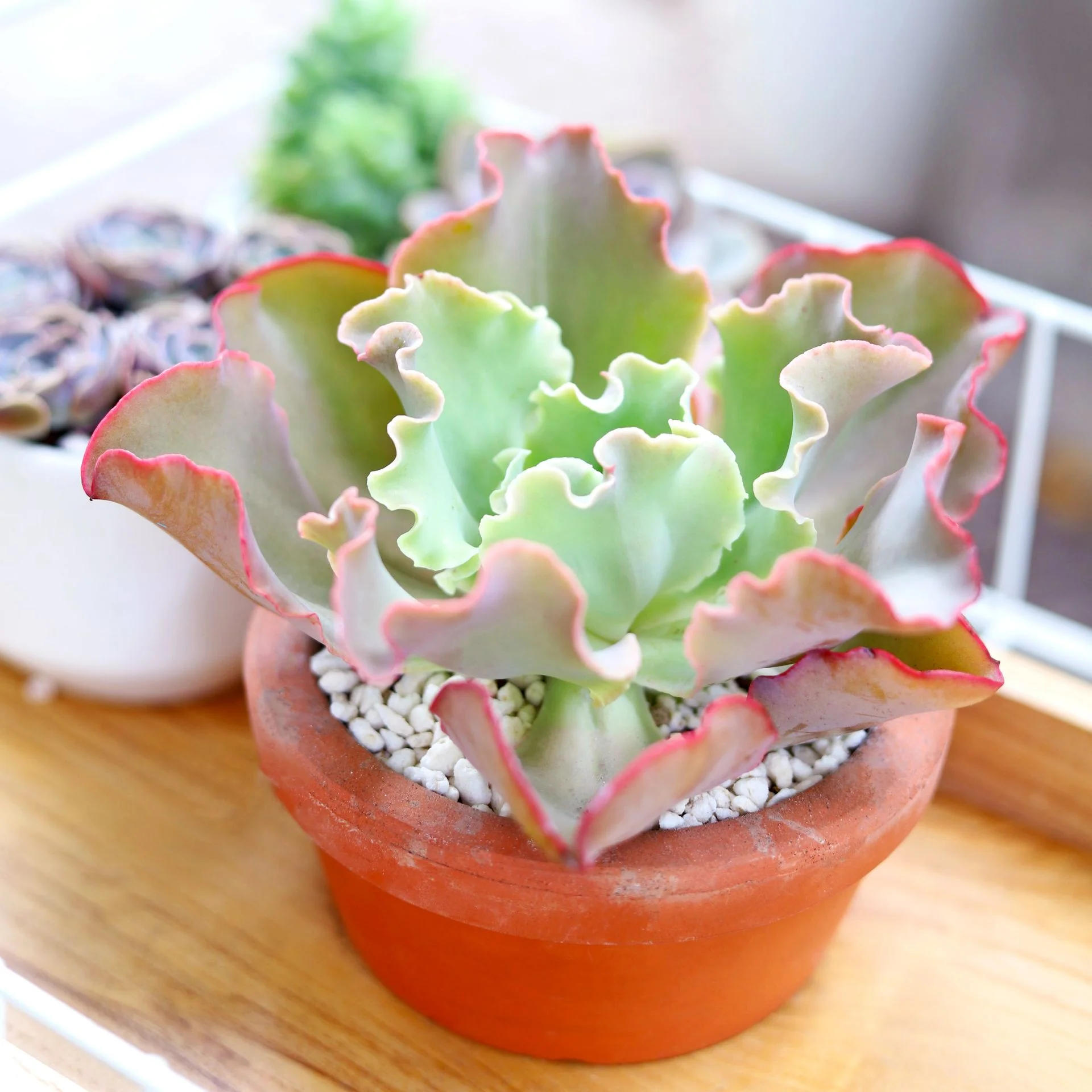
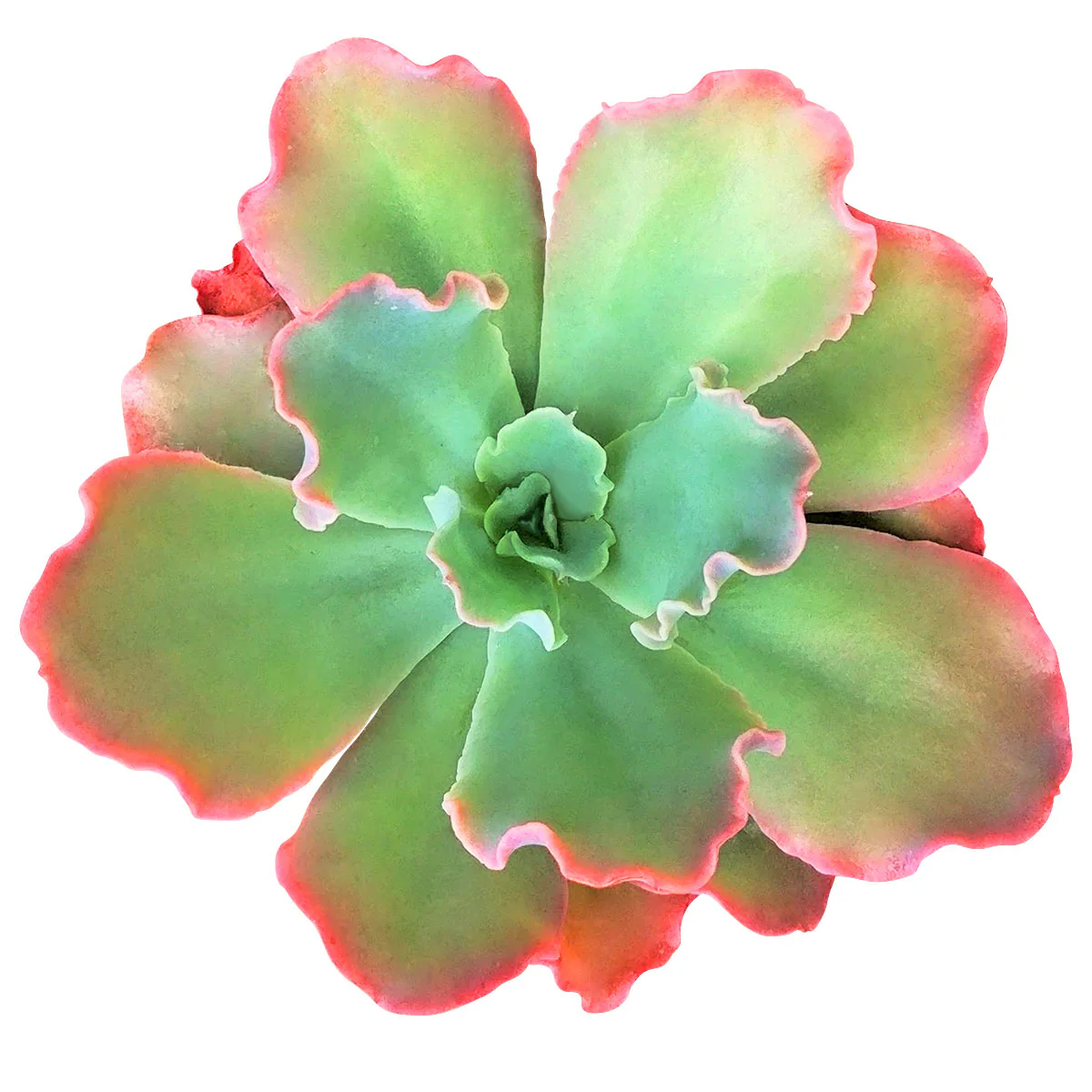
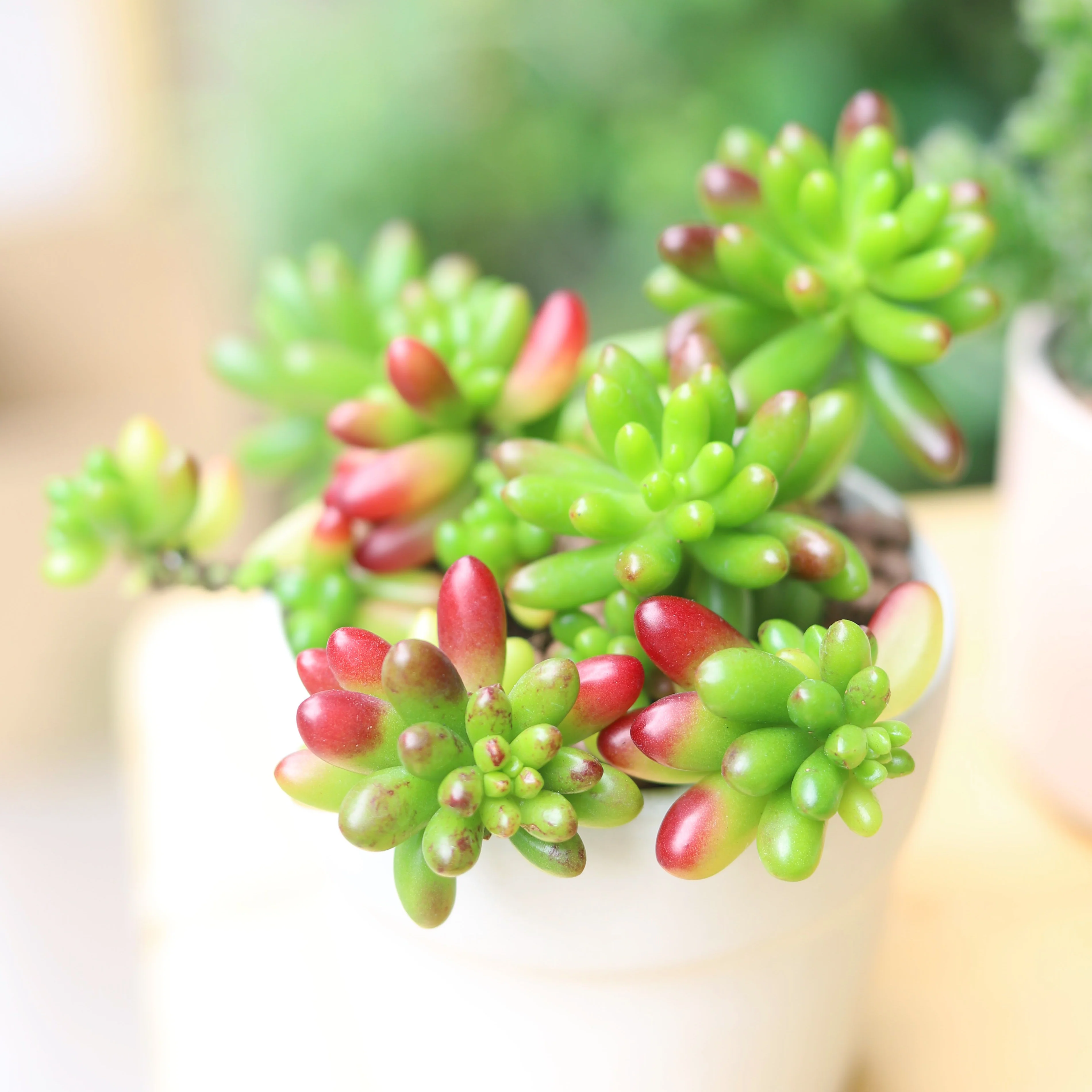
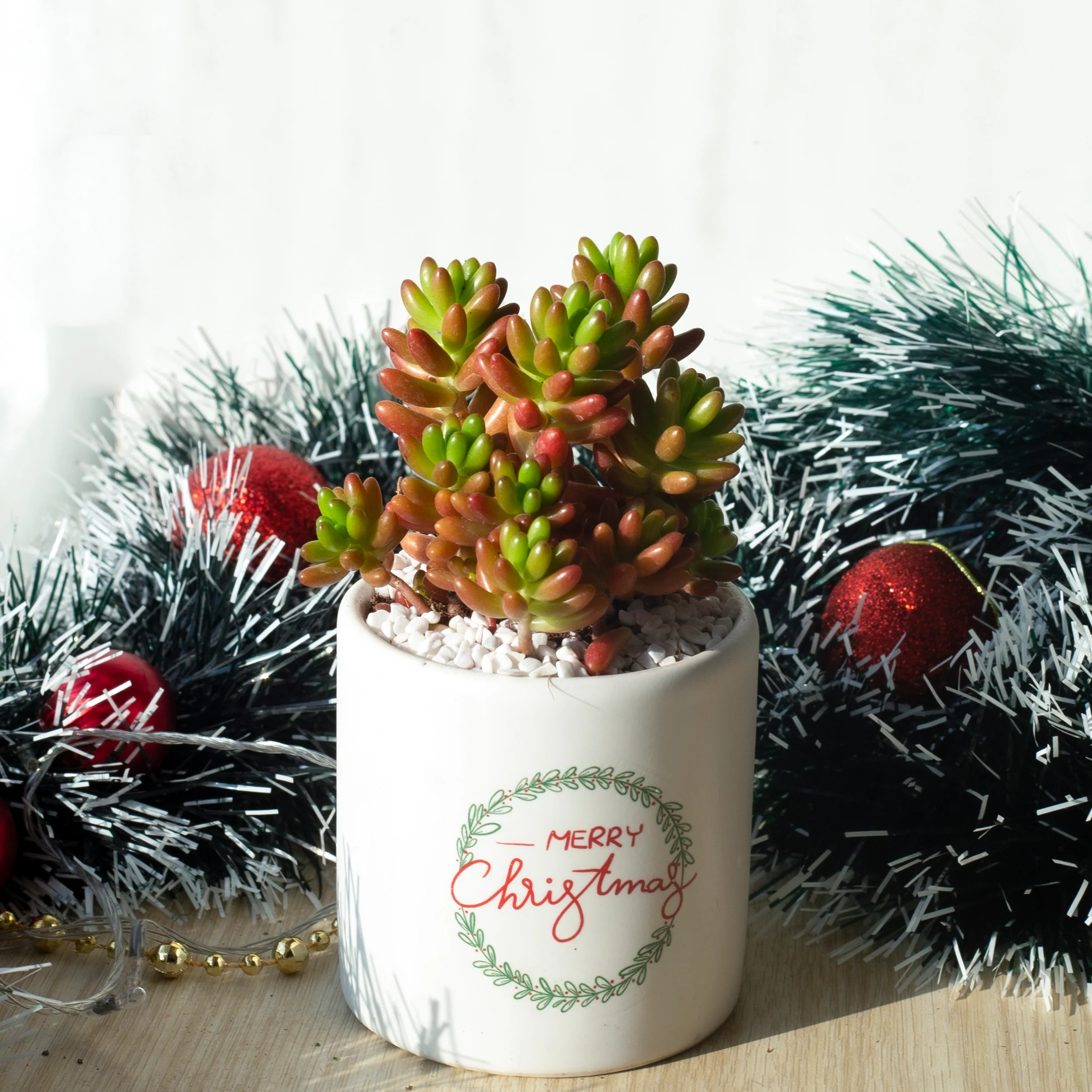
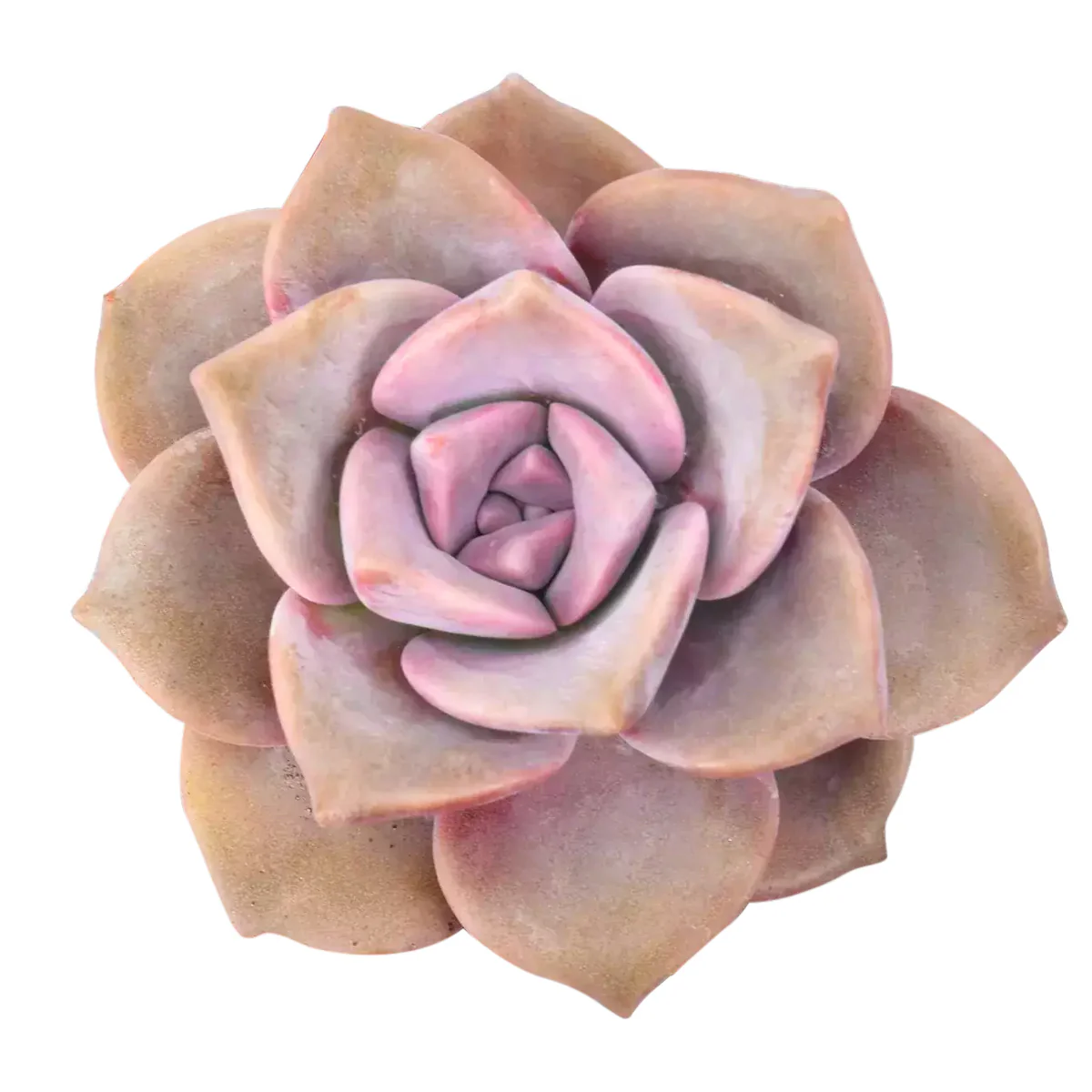
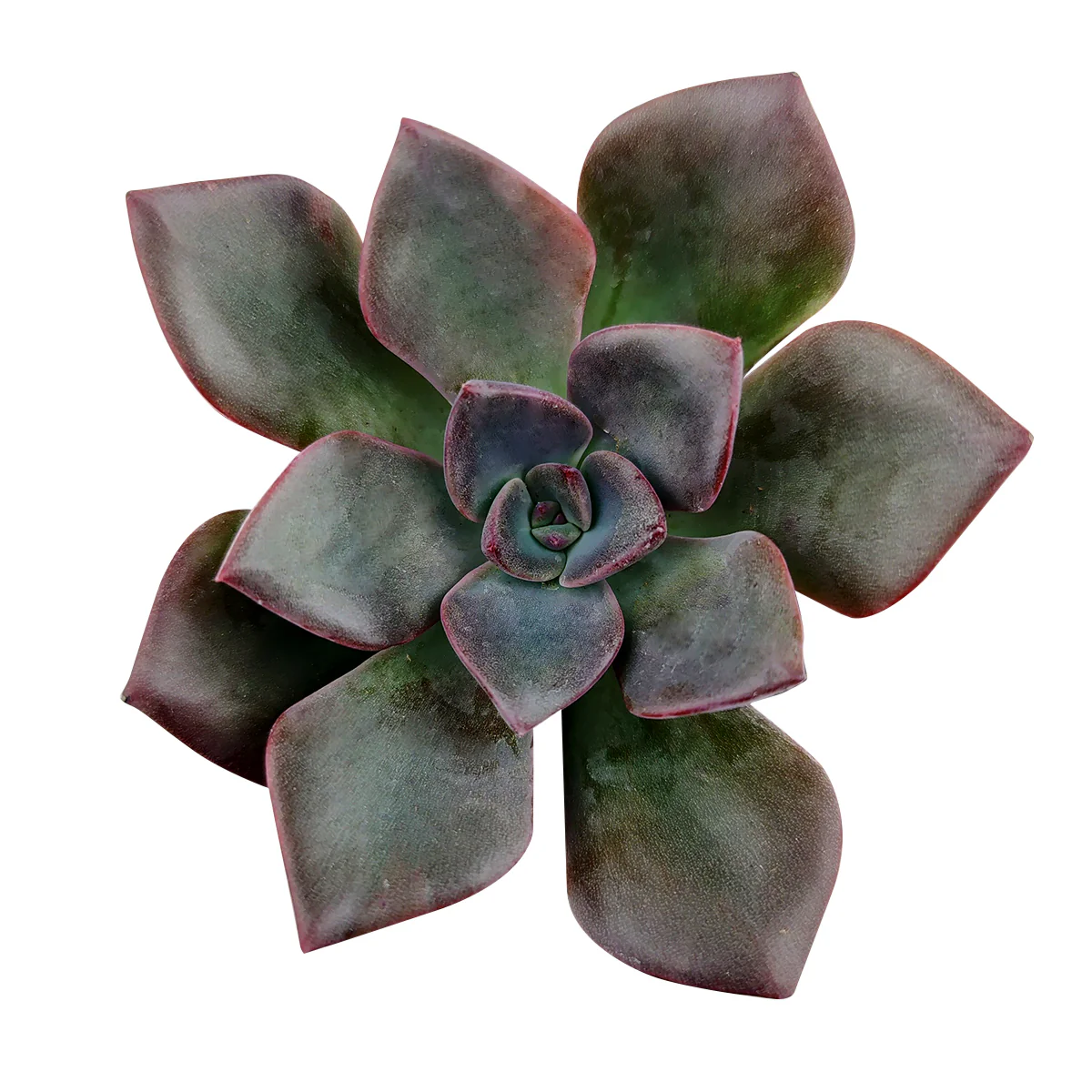
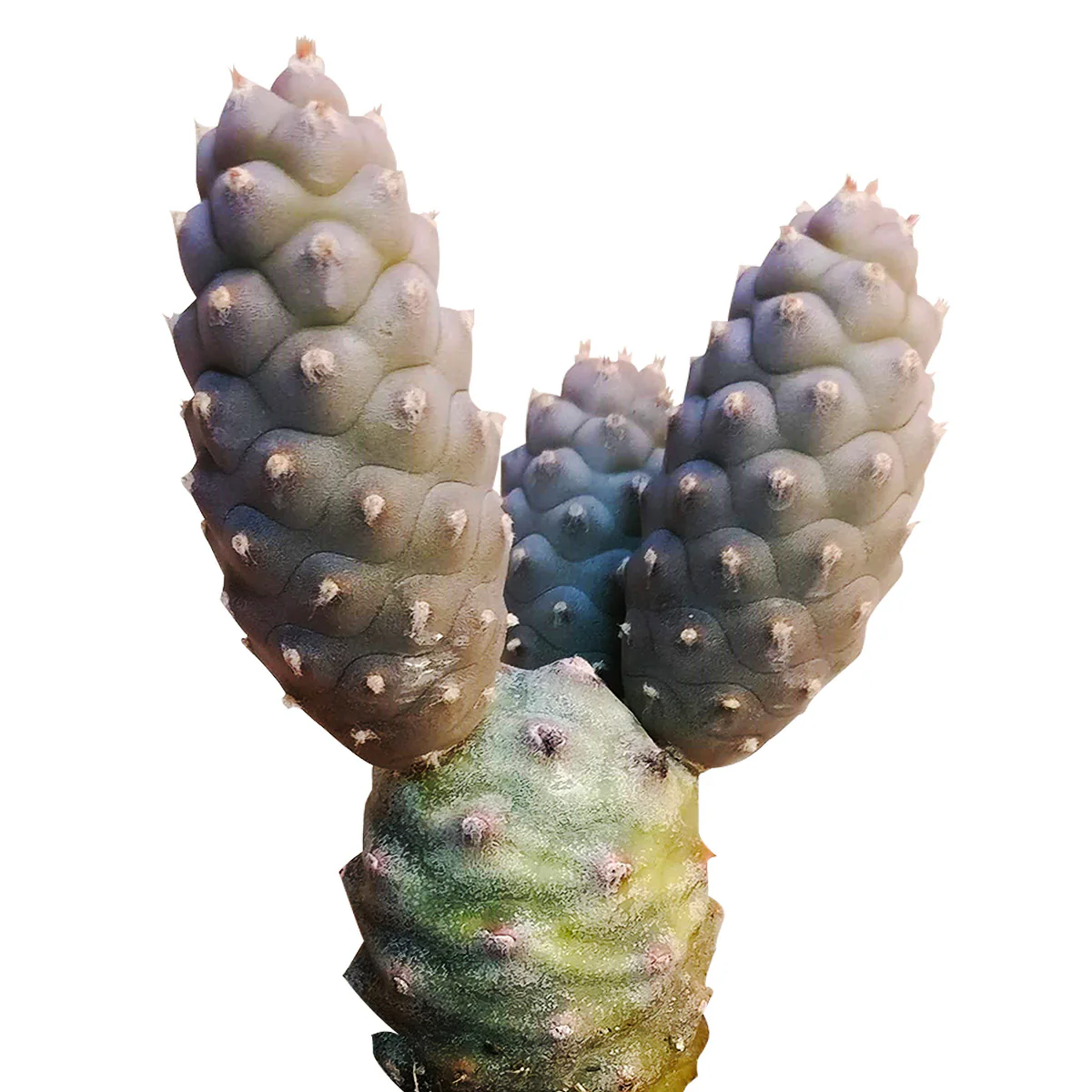
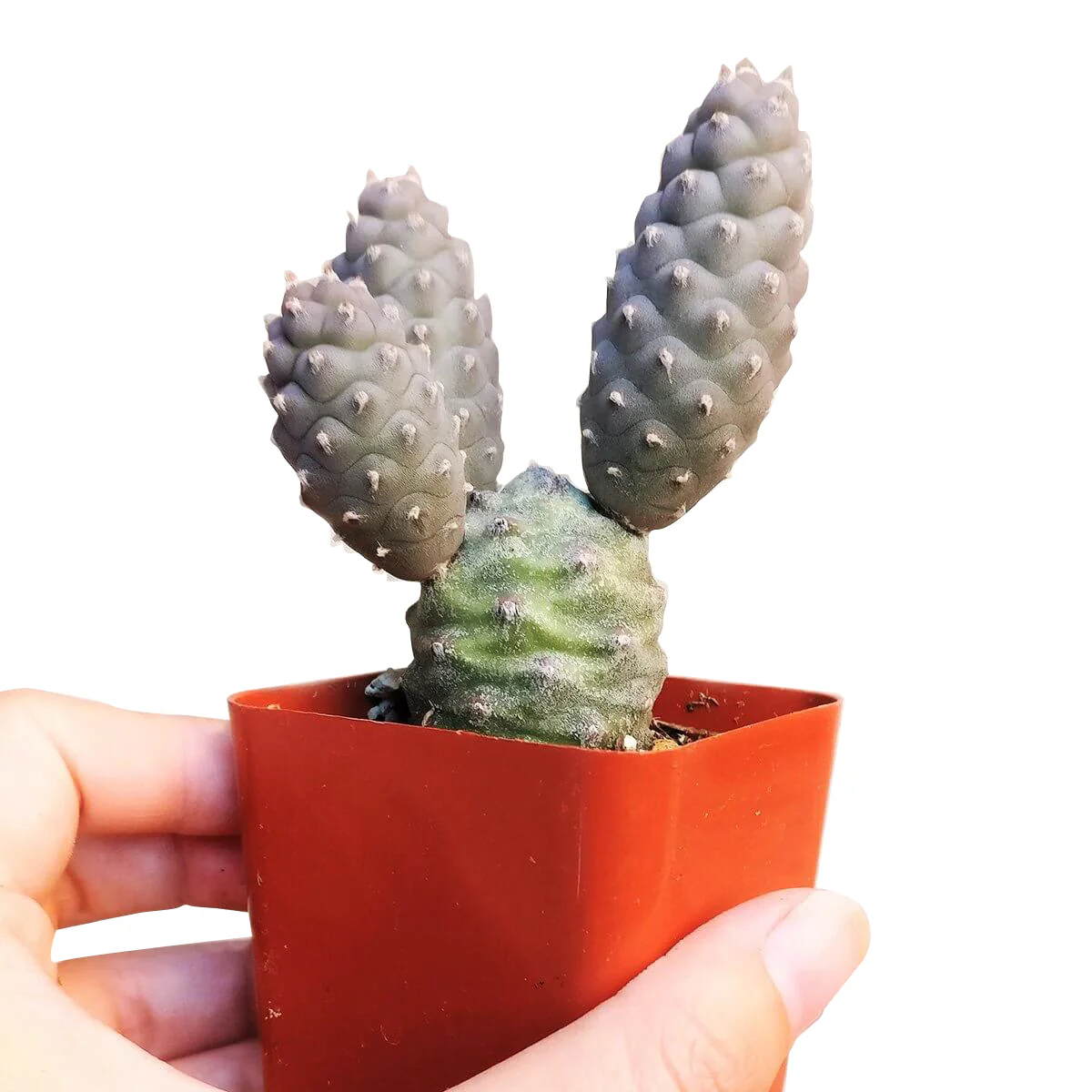
 Sempervivum Pink Flamingo forms tight, symmetrical rosettes with fleshy, pointed leaves that blush in warm shades of pink, rose, and green, intensifying beautifully with more sunlight and cooler temperatures. As a clustering, hens and chicks succulent, it spreads by producing small offsets around the mother rosette, creating a dense, low-growing mat that looks stunning in containers, rock gardens, or ground cover plantings. The seasonal color change alone makes Sempervivum Pink Flamingo a standout full sun succulent worth collecting.
 Sempervivum Pink Flamingo is a monocarpic bloomer, meaning each individual rosette flowers once in summer, sending up a tall stalk with small star-shaped flowers, then naturally dies back while the surrounding offsets carry on. The colony itself lives indefinitely, so this cycle feels more like renewal than loss. It is also worth noting that Sempervivum Pink Flamingo does produce pollen, so those with plant-related allergies may want to keep that in mind during bloom season.
 Sempervivum Pink Flamingo is a genuinely low maintenance succulent that earns its keep indoors and out. It handles drafty spots, tolerates dry heated indoor air, and can move outside for summer before coming back in for winter. Outdoors, it can stay put through autumn without fuss, though it does appreciate some cover from heavy rain to prevent waterlogged roots. This is also a pet friendly succulent, making it a worry-free choice for households with curious cats or dogs.
-
 Sempervivum Pink Flamingo thrives in partial sun to full sun, needing at least four to six hours of direct light daily.
 Water Sempervivum Pink Flamingo deeply but infrequently, allowing soil to dry completely between waterings, roughly every ten to fourteen days indoors.
 Sempervivum Pink Flamingo performs best in a fast-draining cactus or succulent mix blended with extra perlite or coarse grit.
 Sempervivum Pink Flamingo tolerates temperatures from -30°F (-34°C) at its hardiest, making it a genuinely frost tolerant perennial for cold climates.
![]() Sempervivum Pink Flamingo is a slow to moderate grower that rarely needs fertilizer, but a diluted balanced feed once in spring supports healthy clustering.
Sempervivum Pink Flamingo is a slow to moderate grower that rarely needs fertilizer, but a diluted balanced feed once in spring supports healthy clustering.
 Sempervivum Pink Flamingo is reliably hardy in USDA Zones 3 through 8, tolerating frost well into the -30°F (-34°C) range at the colder end. This covers a sweeping range of states, including Minnesota, Wisconsin, Michigan, North Dakota, South Dakota, Montana, Wyoming, Colorado, Iowa, Illinois, Indiana, Ohio, Pennsylvania, New York, Vermont, New Hampshire, Maine, Massachusetts, Connecticut, Rhode Island, New Jersey, Maryland, Delaware, Virginia, West Virginia, North Carolina, Kentucky, Tennessee, Missouri, Kansas, Nebraska, Oregon, Washington, and Idaho. Gardeners growing Sempervivum Pink Flamingo in Utah, Nevada's higher elevations, northern California, northern Georgia, and Arkansas will also find it performs beautifully in those Zone 6 to 8 pockets.
-
Q: Is Sempervivum Pink Flamingo pet friendly?
A: Yes, Sempervivum Pink Flamingo is pet friendly and considered non-toxic to cats and dogs, making it a safe choice for pet-owning households.
Q: How often should I water Sempervivum Pink Flamingo?
A: Water Sempervivum Pink Flamingo every ten to fourteen days indoors, letting the soil dry out completely between waterings. Outdoors in summer, check more frequently during heat waves.
Q: How do I propagate Sempervivum Pink Flamingo?
A: Sempervivum Pink Flamingo propagates easily by separating the small offsets, called chicks, from the base of the mother rosette and replanting them in well-draining soil. They root quickly and rarely need any special treatment.
Q: Is Sempervivum Pink Flamingo frost tolerant?
A: Sempervivum Pink Flamingo is exceptionally frost tolerant, surviving temperatures as low as -30°F (-34°C) and rated hardy in USDA Zones 3 through 8. It is one of the toughest cold hardy succulents available.
Q: Why are the leaves on my Sempervivum Pink Flamingo turning yellow or discolored?
A: Yellow or washed-out leaves on Sempervivum Pink Flamingo usually signal overwatering or soggy soil, so check drainage first. Reduced color intensity can also occur in low light, since this drought tolerant succulent develops its best hues in bright, direct sun.
Q: Can Sempervivum Pink Flamingo survive if I leave it alone for ten days or more?
A: Absolutely. Sempervivum Pink Flamingo stores water in its fleshy leaves and handles a ten-day or longer period without attention with ease, making it ideal for travelers or low-maintenance gardeners.


Original: $7.30
-70%$7.30
$2.19Product Information
Product Information
Shipping & Returns
Shipping & Returns
Description
- Description
- Sempervivum Pink Flamingo Care Guide
- FAQ/Common Issues
-
![]() Sempervivum Pink Flamingo is a cold hardy succulent belonging to the Crassulaceae family, bred from mountain-dwelling Sempervivum species native to the rocky highlands of Europe and western Asia. These tough little rosette succulents evolved in harsh, exposed conditions, which is exactly why Sempervivum Pink Flamingo thrives where many other plants simply give up.
Sempervivum Pink Flamingo is a cold hardy succulent belonging to the Crassulaceae family, bred from mountain-dwelling Sempervivum species native to the rocky highlands of Europe and western Asia. These tough little rosette succulents evolved in harsh, exposed conditions, which is exactly why Sempervivum Pink Flamingo thrives where many other plants simply give up.
Sempervivum Pink Flamingo forms tight, symmetrical rosettes with fleshy, pointed leaves that blush in warm shades of pink, rose, and green, intensifying beautifully with more sunlight and cooler temperatures. As a clustering, hens and chicks succulent, it spreads by producing small offsets around the mother rosette, creating a dense, low-growing mat that looks stunning in containers, rock gardens, or ground cover plantings. The seasonal color change alone makes Sempervivum Pink Flamingo a standout full sun succulent worth collecting.
Sempervivum Pink Flamingo is a monocarpic bloomer, meaning each individual rosette flowers once in summer, sending up a tall stalk with small star-shaped flowers, then naturally dies back while the surrounding offsets carry on. The colony itself lives indefinitely, so this cycle feels more like renewal than loss. It is also worth noting that Sempervivum Pink Flamingo does produce pollen, so those with plant-related allergies may want to keep that in mind during bloom season.
Sempervivum Pink Flamingo is a genuinely low maintenance succulent that earns its keep indoors and out. It handles drafty spots, tolerates dry heated indoor air, and can move outside for summer before coming back in for winter. Outdoors, it can stay put through autumn without fuss, though it does appreciate some cover from heavy rain to prevent waterlogged roots. This is also a pet friendly succulent, making it a worry-free choice for households with curious cats or dogs.
-
Sempervivum Pink Flamingo thrives in partial sun to full sun, needing at least four to six hours of direct light daily.
Water Sempervivum Pink Flamingo deeply but infrequently, allowing soil to dry completely between waterings, roughly every ten to fourteen days indoors.
Sempervivum Pink Flamingo performs best in a fast-draining cactus or succulent mix blended with extra perlite or coarse grit.
Sempervivum Pink Flamingo tolerates temperatures from -30°F (-34°C) at its hardiest, making it a genuinely frost tolerant perennial for cold climates.
![]() Sempervivum Pink Flamingo is a slow to moderate grower that rarely needs fertilizer, but a diluted balanced feed once in spring supports healthy clustering.
Sempervivum Pink Flamingo is a slow to moderate grower that rarely needs fertilizer, but a diluted balanced feed once in spring supports healthy clustering.
Sempervivum Pink Flamingo is reliably hardy in USDA Zones 3 through 8, tolerating frost well into the -30°F (-34°C) range at the colder end. This covers a sweeping range of states, including Minnesota, Wisconsin, Michigan, North Dakota, South Dakota, Montana, Wyoming, Colorado, Iowa, Illinois, Indiana, Ohio, Pennsylvania, New York, Vermont, New Hampshire, Maine, Massachusetts, Connecticut, Rhode Island, New Jersey, Maryland, Delaware, Virginia, West Virginia, North Carolina, Kentucky, Tennessee, Missouri, Kansas, Nebraska, Oregon, Washington, and Idaho. Gardeners growing Sempervivum Pink Flamingo in Utah, Nevada's higher elevations, northern California, northern Georgia, and Arkansas will also find it performs beautifully in those Zone 6 to 8 pockets.
-
Q: Is Sempervivum Pink Flamingo pet friendly?
A: Yes, Sempervivum Pink Flamingo is pet friendly and considered non-toxic to cats and dogs, making it a safe choice for pet-owning households.
Q: How often should I water Sempervivum Pink Flamingo?
A: Water Sempervivum Pink Flamingo every ten to fourteen days indoors, letting the soil dry out completely between waterings. Outdoors in summer, check more frequently during heat waves.
Q: How do I propagate Sempervivum Pink Flamingo?
A: Sempervivum Pink Flamingo propagates easily by separating the small offsets, called chicks, from the base of the mother rosette and replanting them in well-draining soil. They root quickly and rarely need any special treatment.
Q: Is Sempervivum Pink Flamingo frost tolerant?
A: Sempervivum Pink Flamingo is exceptionally frost tolerant, surviving temperatures as low as -30°F (-34°C) and rated hardy in USDA Zones 3 through 8. It is one of the toughest cold hardy succulents available.
Q: Why are the leaves on my Sempervivum Pink Flamingo turning yellow or discolored?
A: Yellow or washed-out leaves on Sempervivum Pink Flamingo usually signal overwatering or soggy soil, so check drainage first. Reduced color intensity can also occur in low light, since this drought tolerant succulent develops its best hues in bright, direct sun.
Q: Can Sempervivum Pink Flamingo survive if I leave it alone for ten days or more?
A: Absolutely. Sempervivum Pink Flamingo stores water in its fleshy leaves and handles a ten-day or longer period without attention with ease, making it ideal for travelers or low-maintenance gardeners.