Sedum Major - Sedum dasyphyllum 'Himalayan Skies'
- Description
- Sedum Major - Sedum dasyphyllum 'Himalayan Skies' Care Guide
- FAQ/Common Issues
-
![]() Sedum Major - Sedum dasyphyllum 'Himalayan Skies' is a charming low maintenance succulent belonging to the Crassulaceae family, native to the rocky Mediterranean hillsides and mountainous regions stretching into parts of Asia. This tough little himalayan skies stonecrop has adapted to survive in thin, gritty soils and exposed elevations, which explains its remarkable resilience as both a garden and container plant.
Sedum Major - Sedum dasyphyllum 'Himalayan Skies' is a charming low maintenance succulent belonging to the Crassulaceae family, native to the rocky Mediterranean hillsides and mountainous regions stretching into parts of Asia. This tough little himalayan skies stonecrop has adapted to survive in thin, gritty soils and exposed elevations, which explains its remarkable resilience as both a garden and container plant.
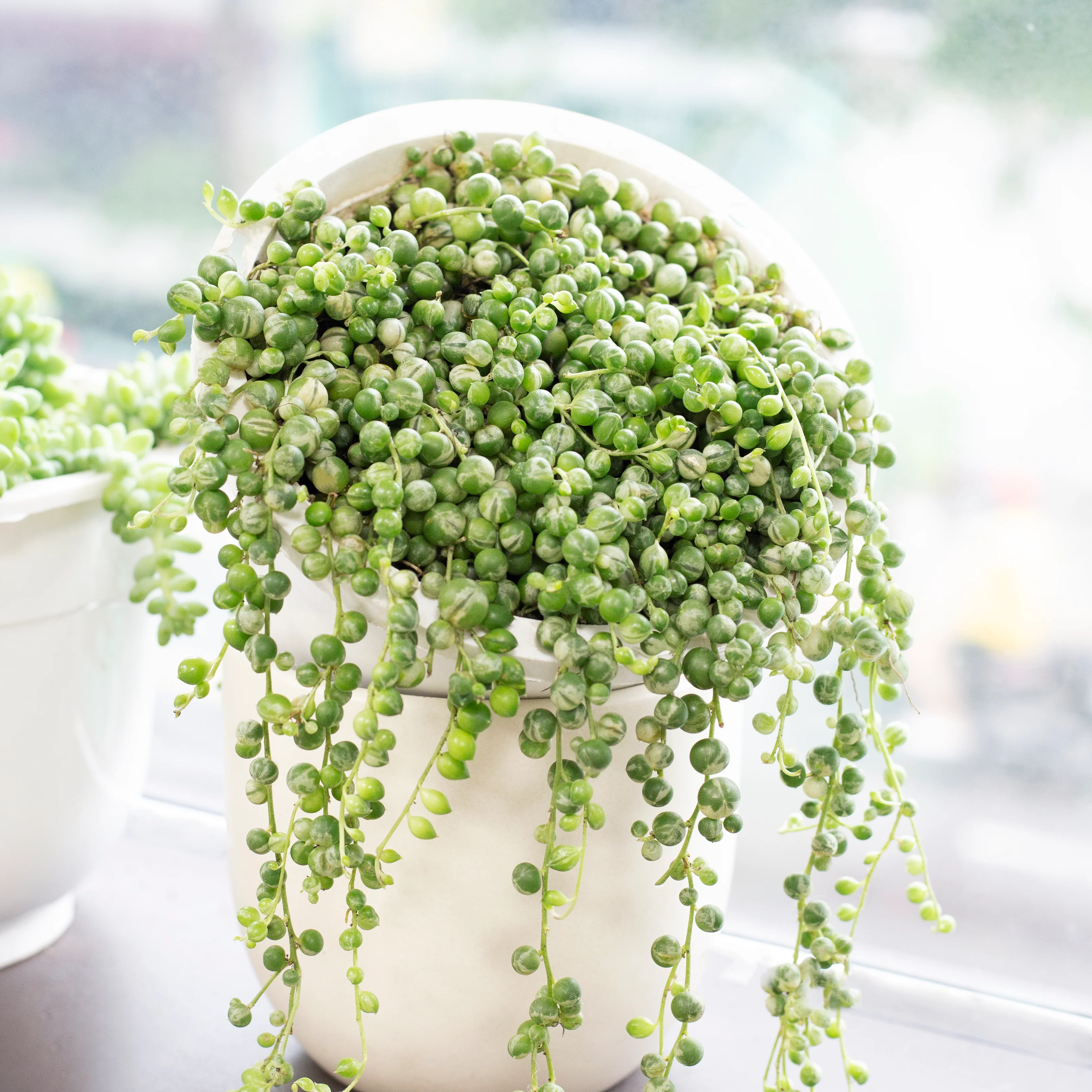
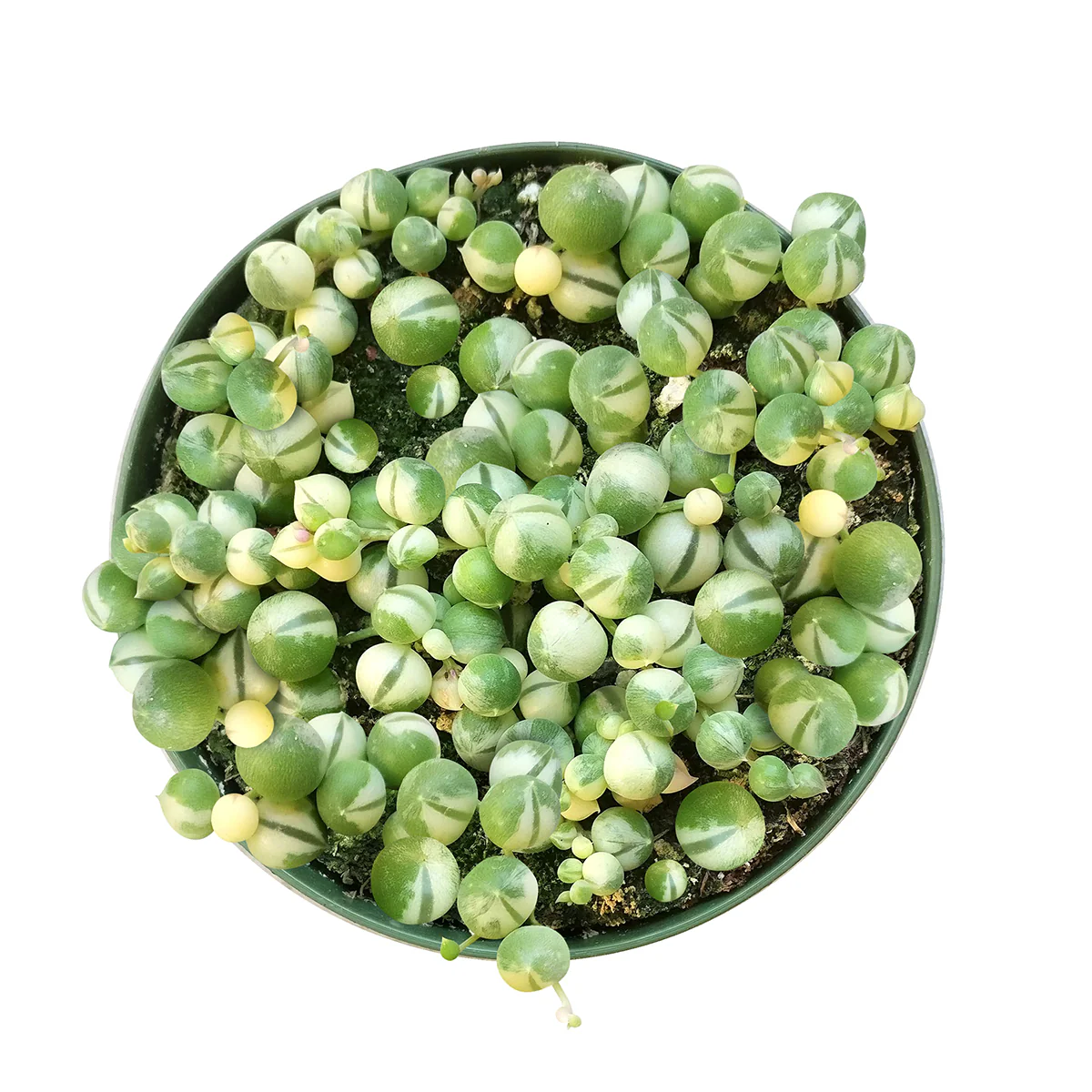
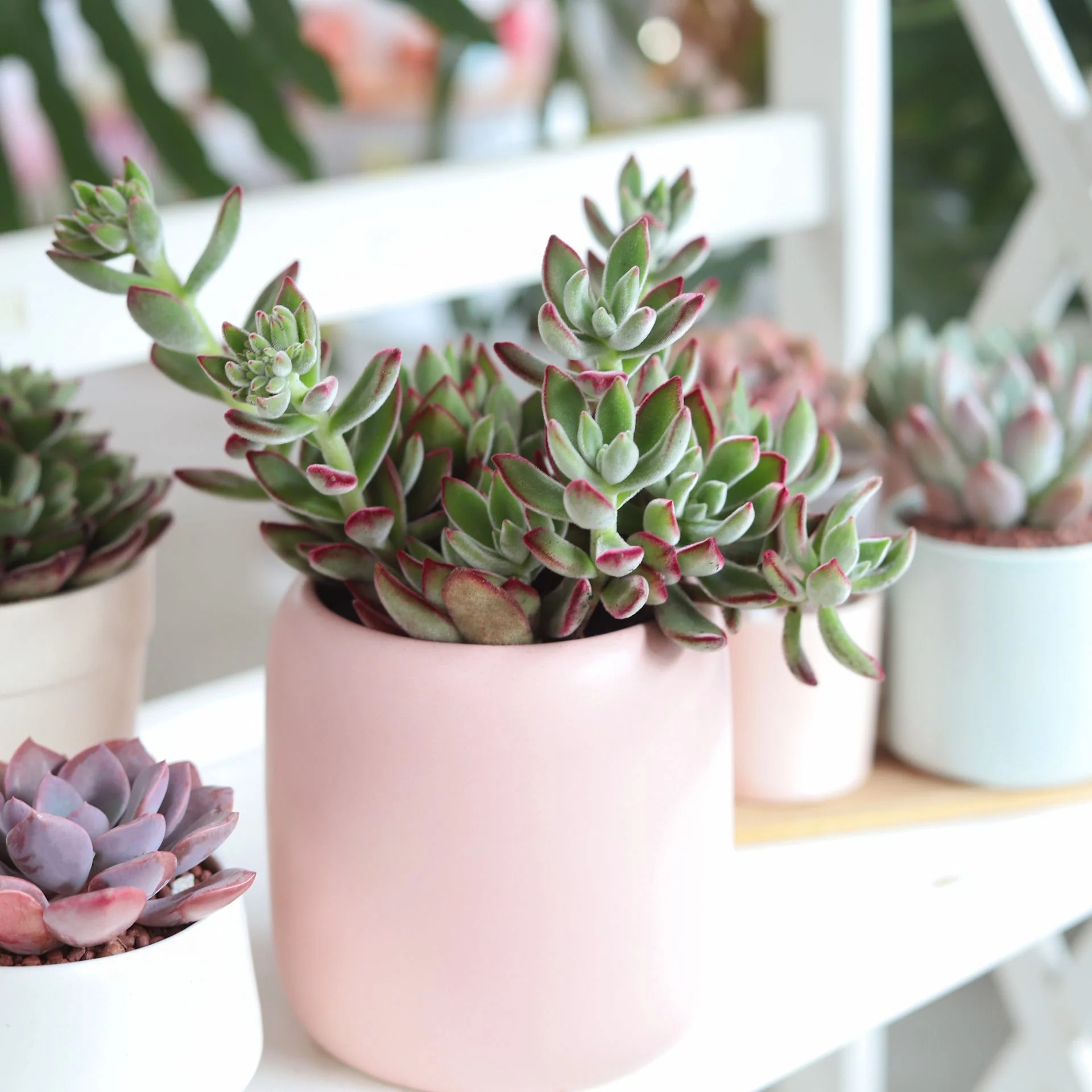
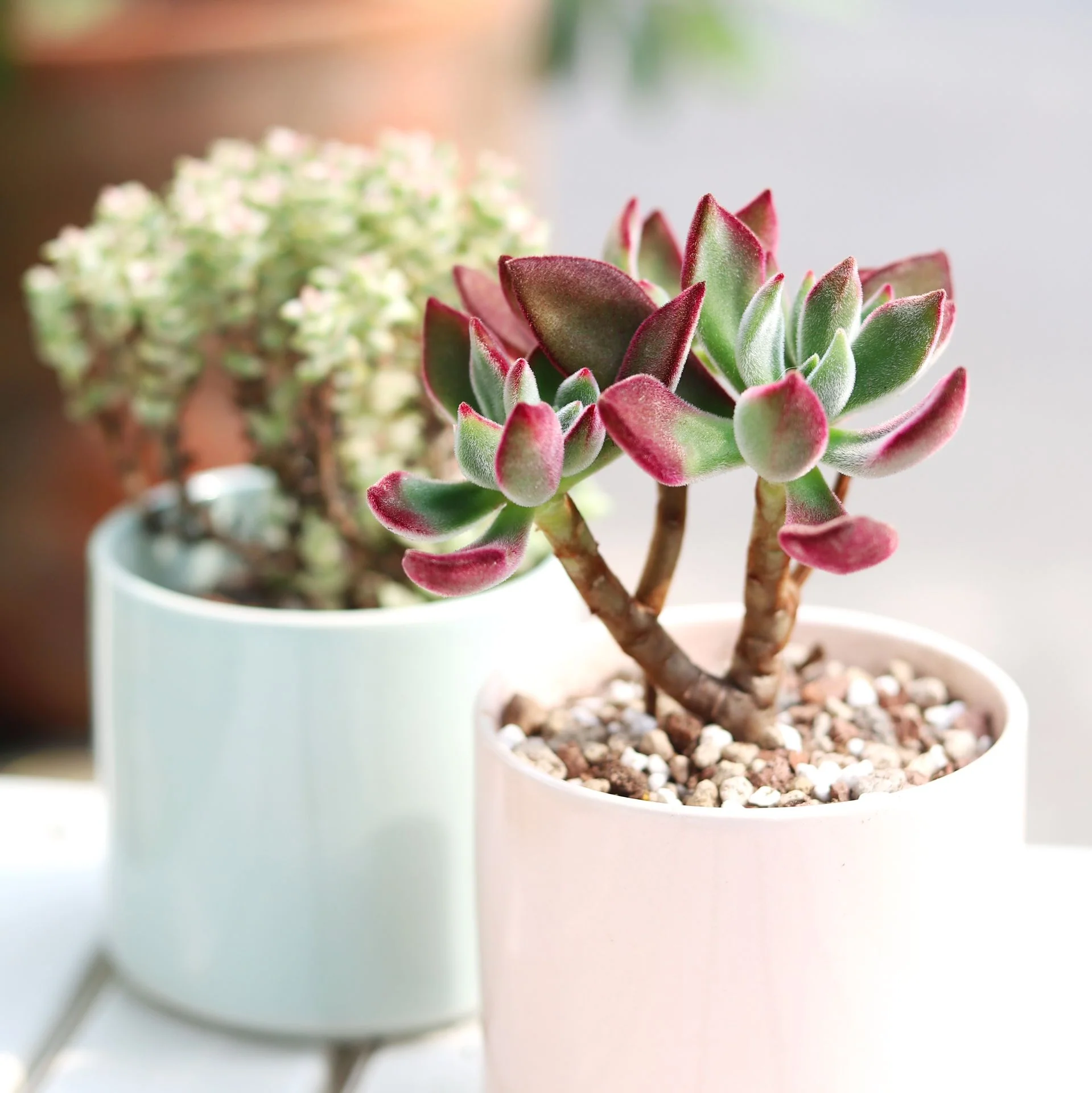
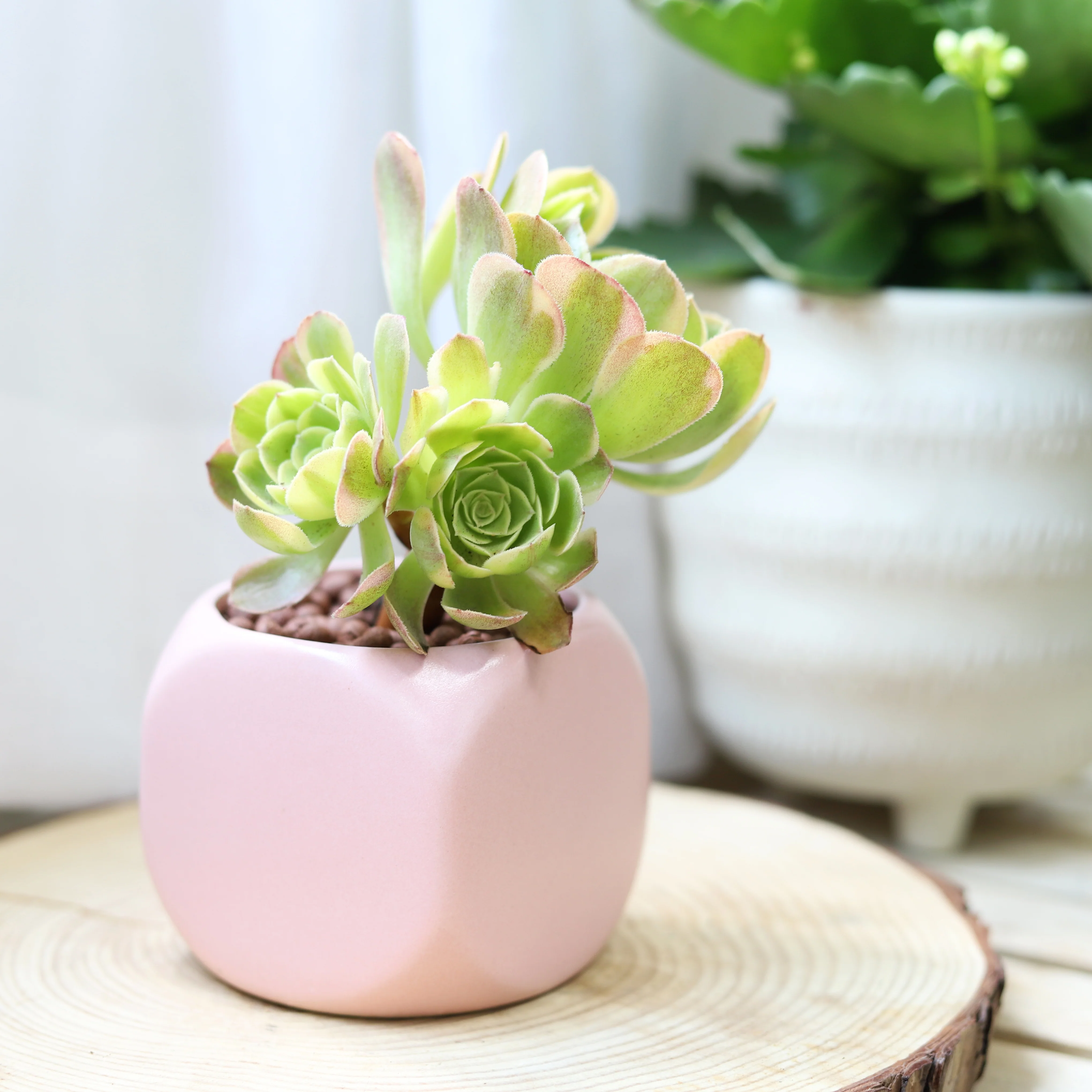
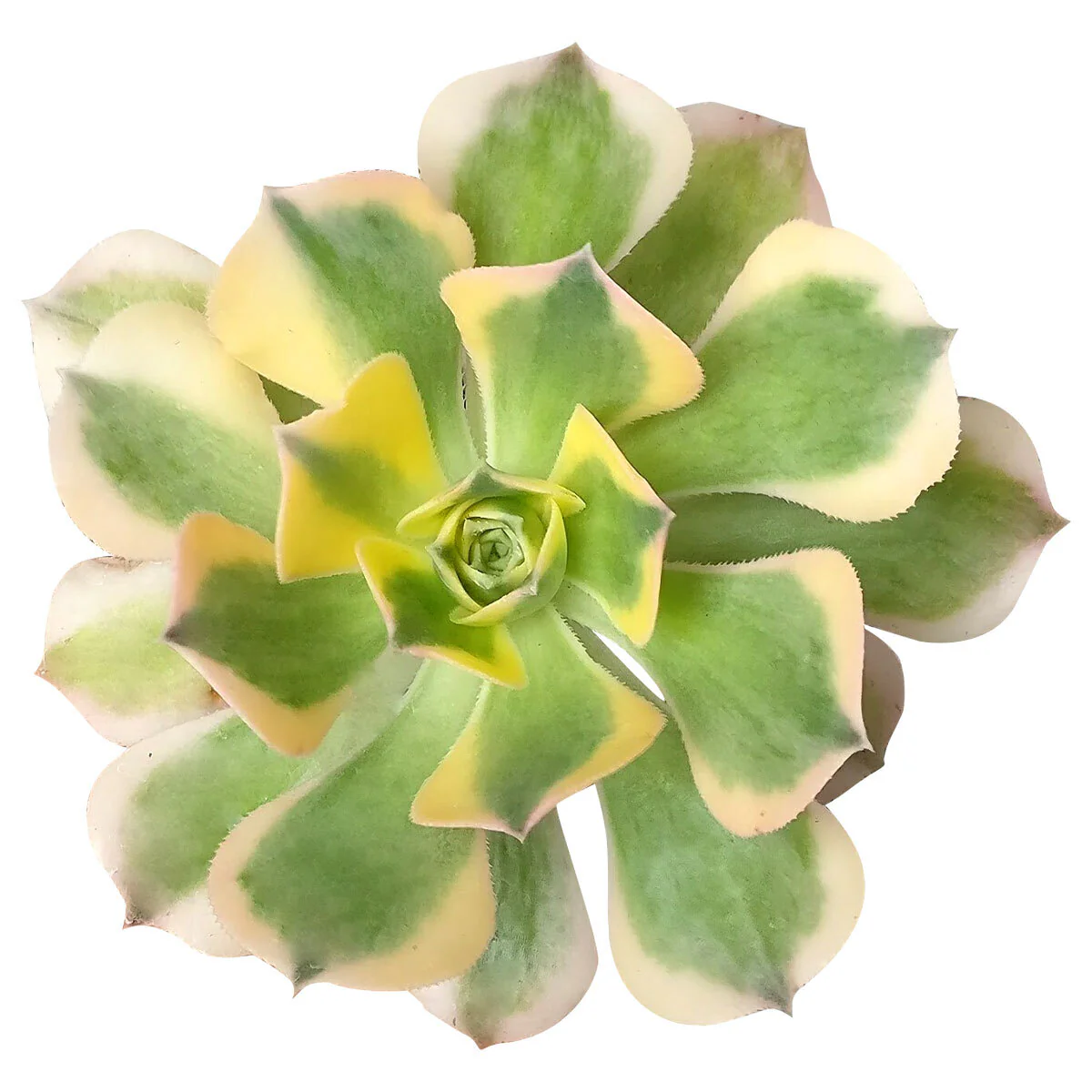
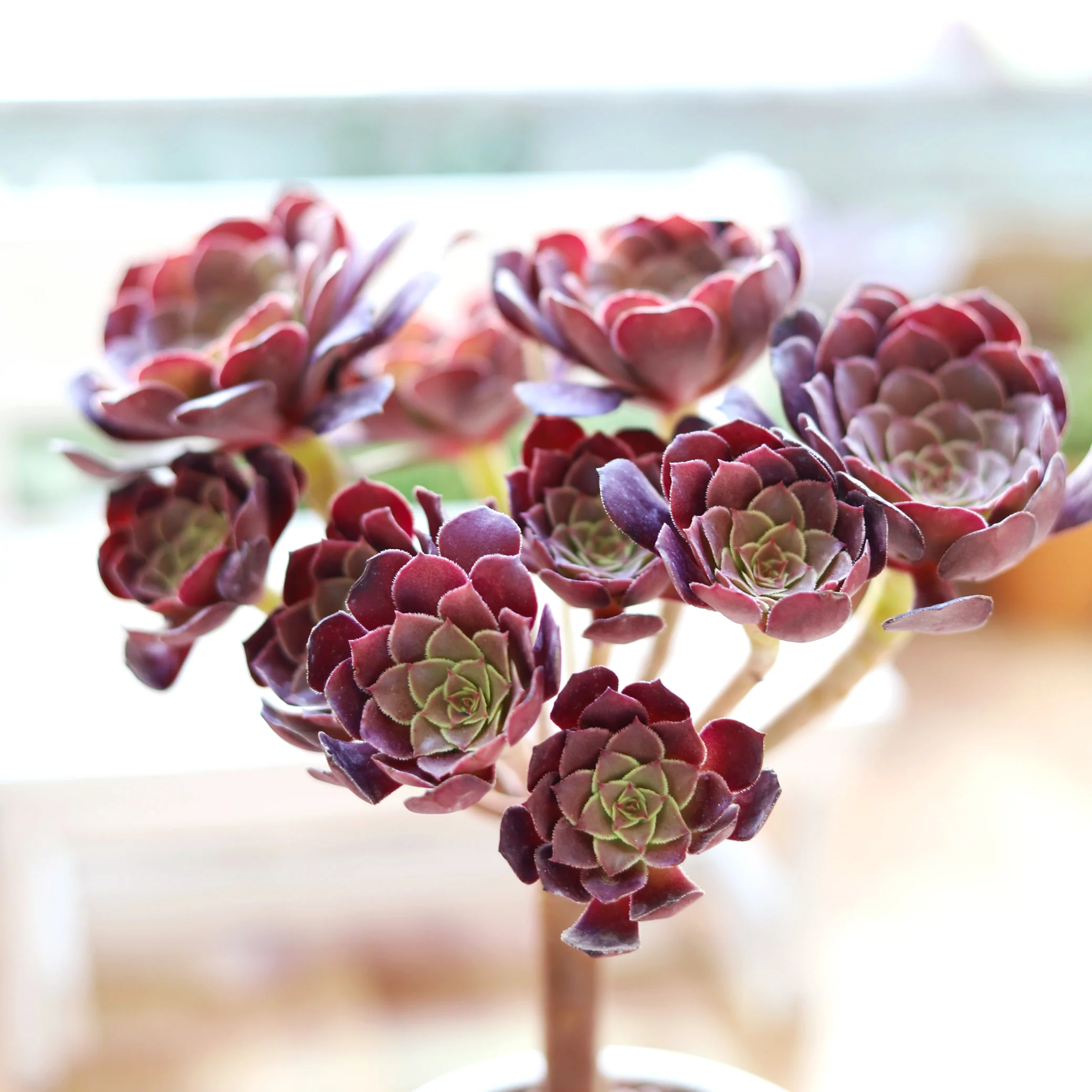
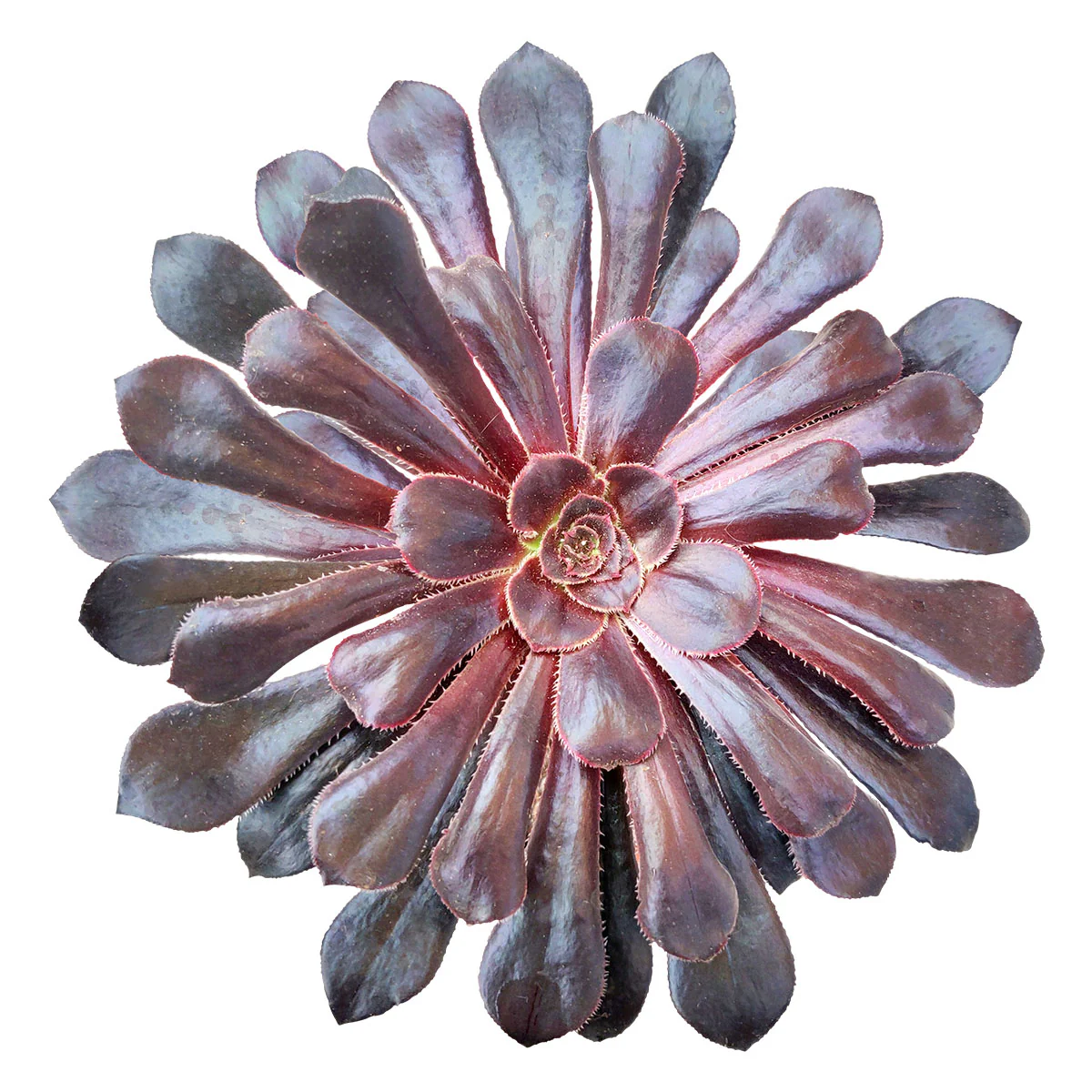
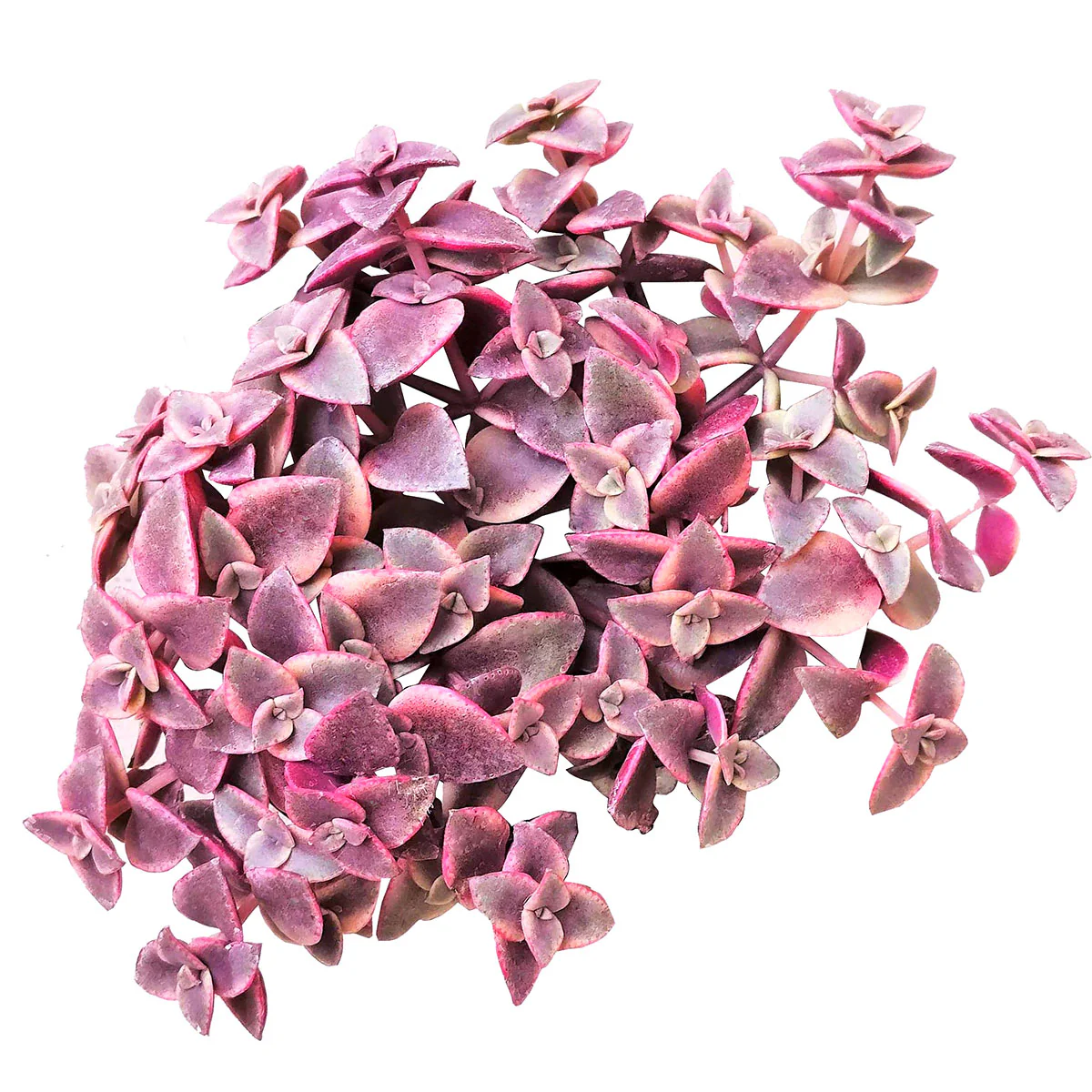
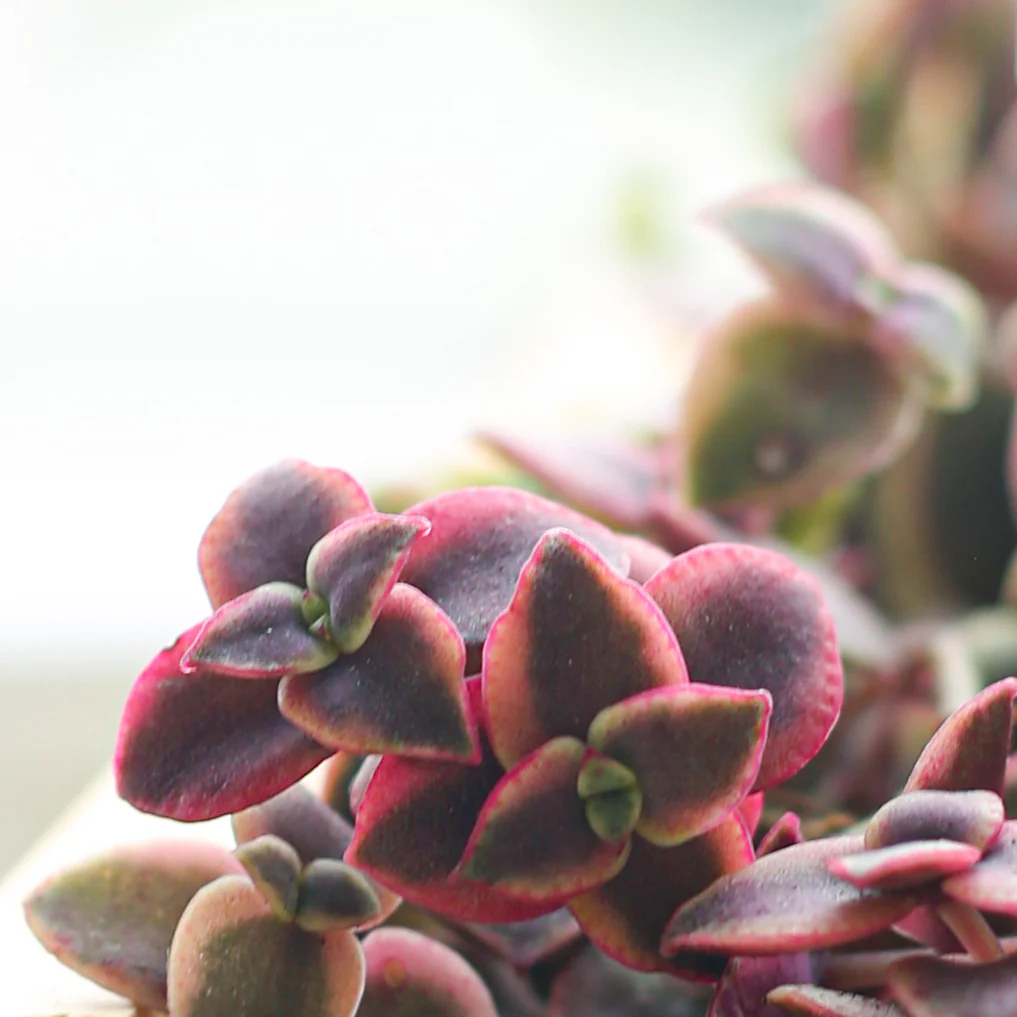
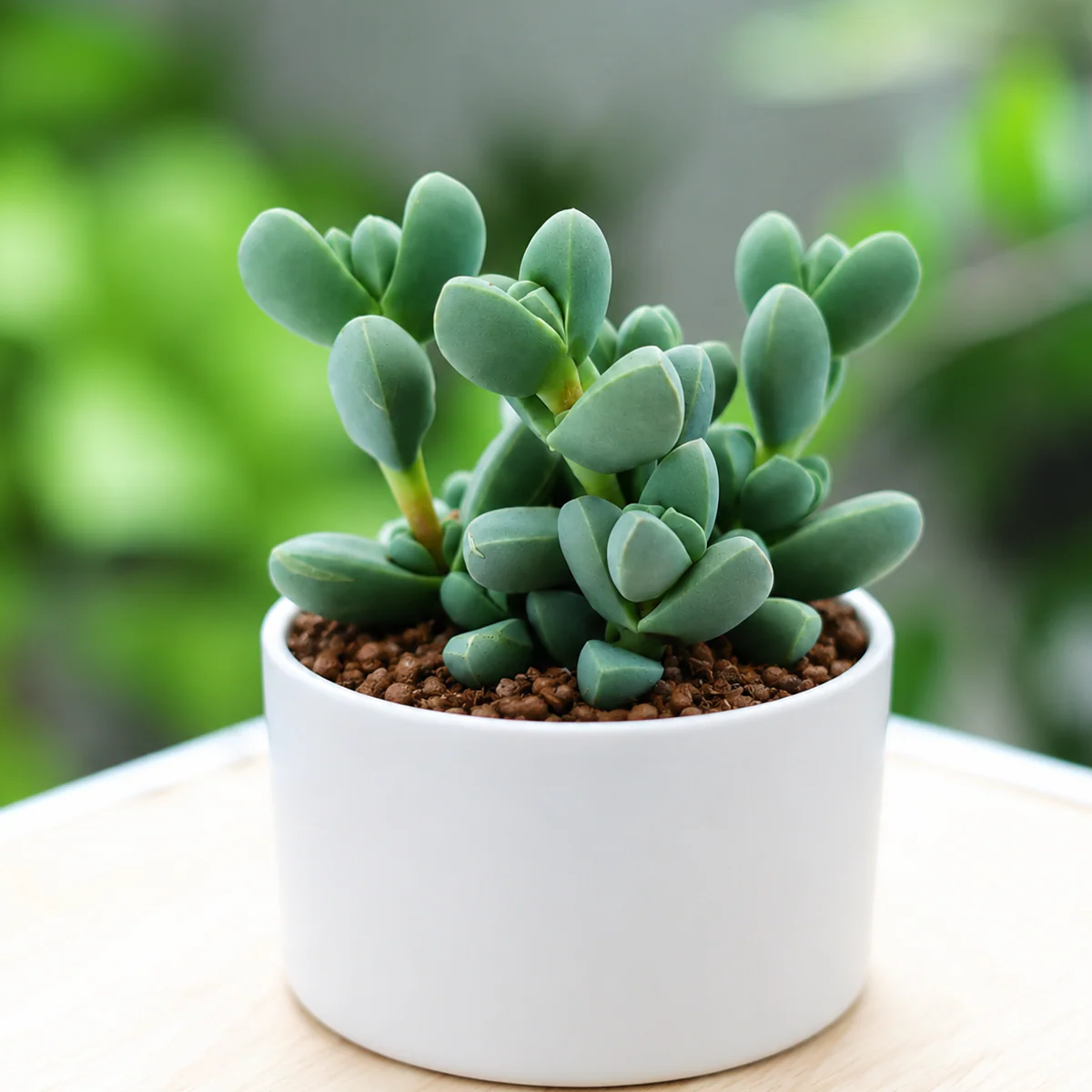
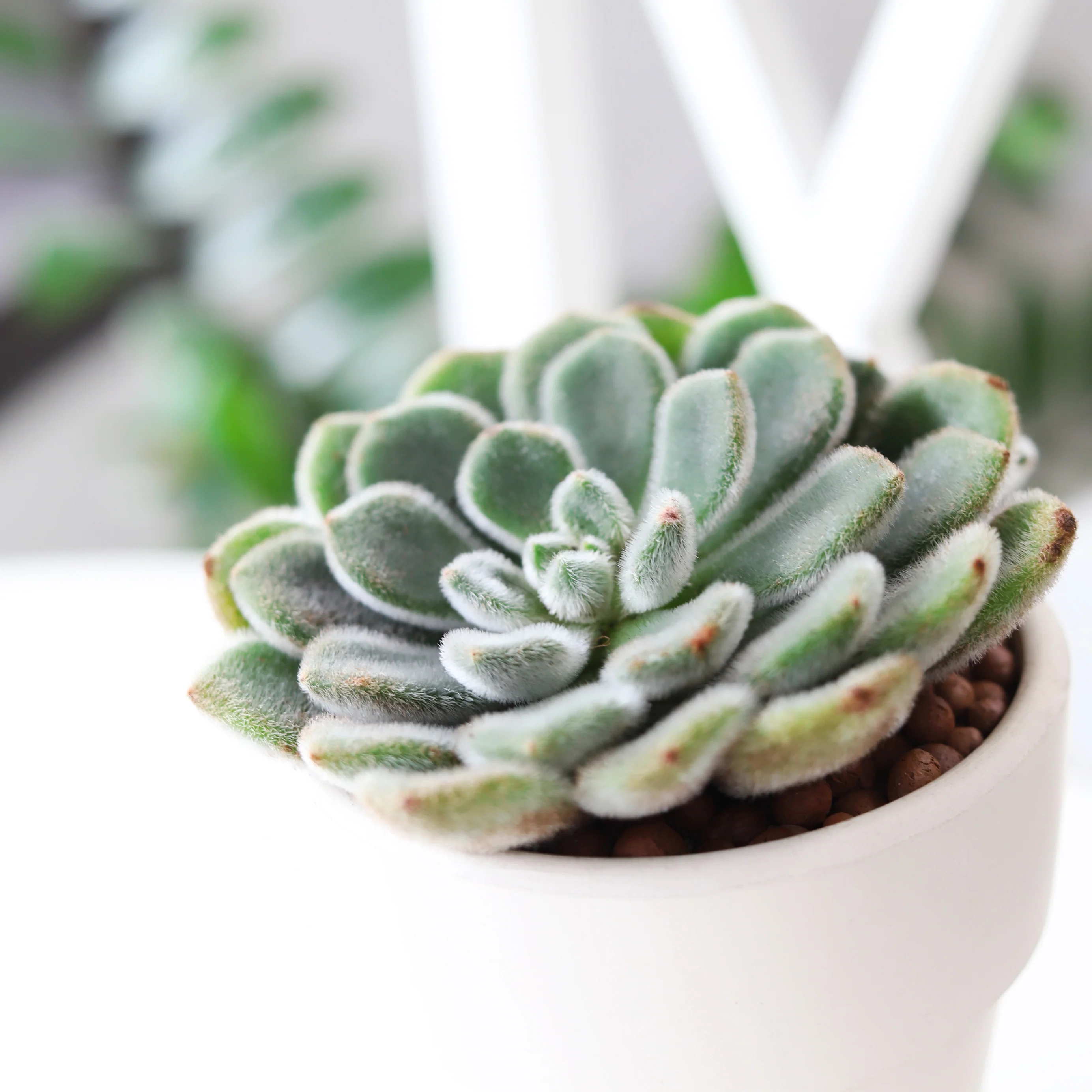
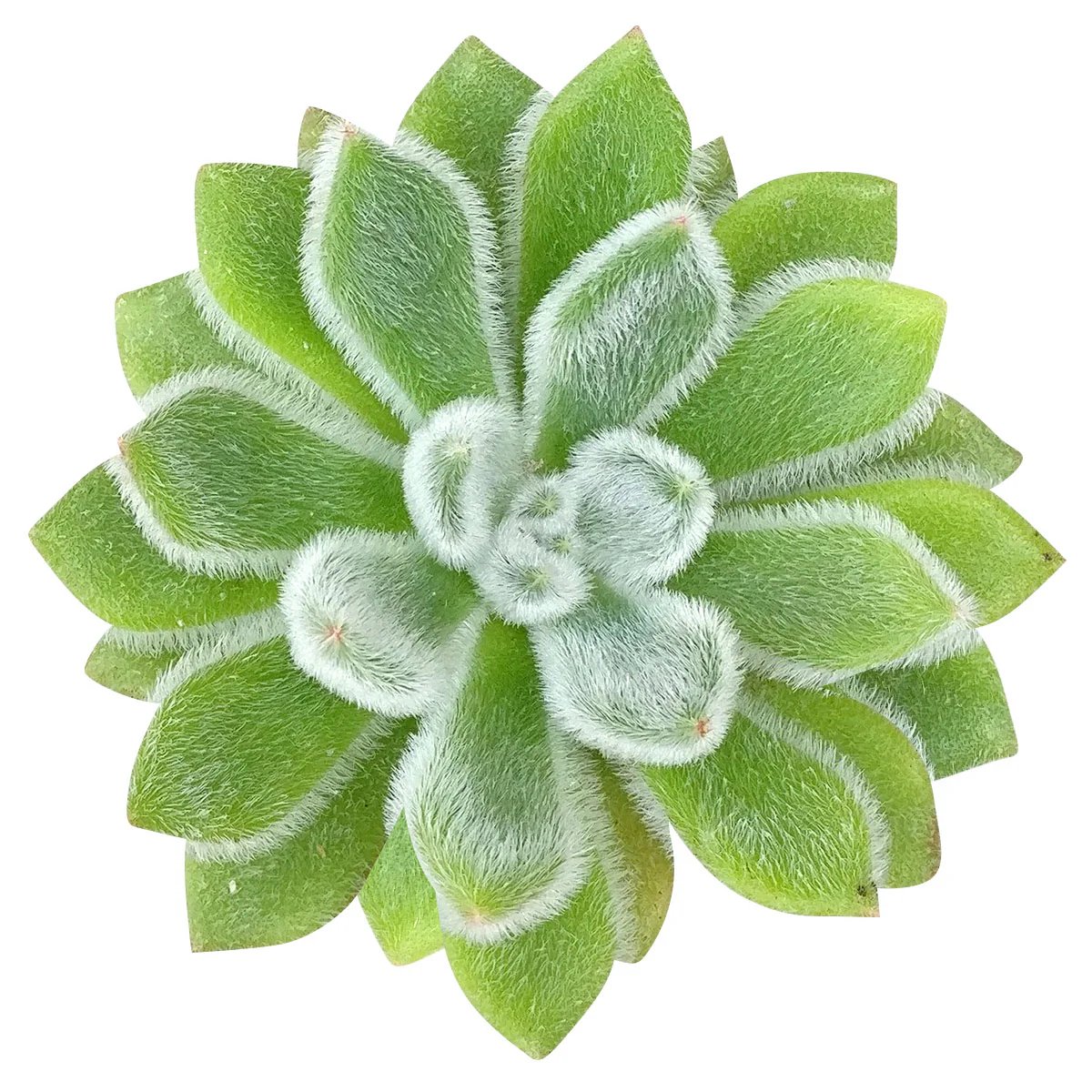
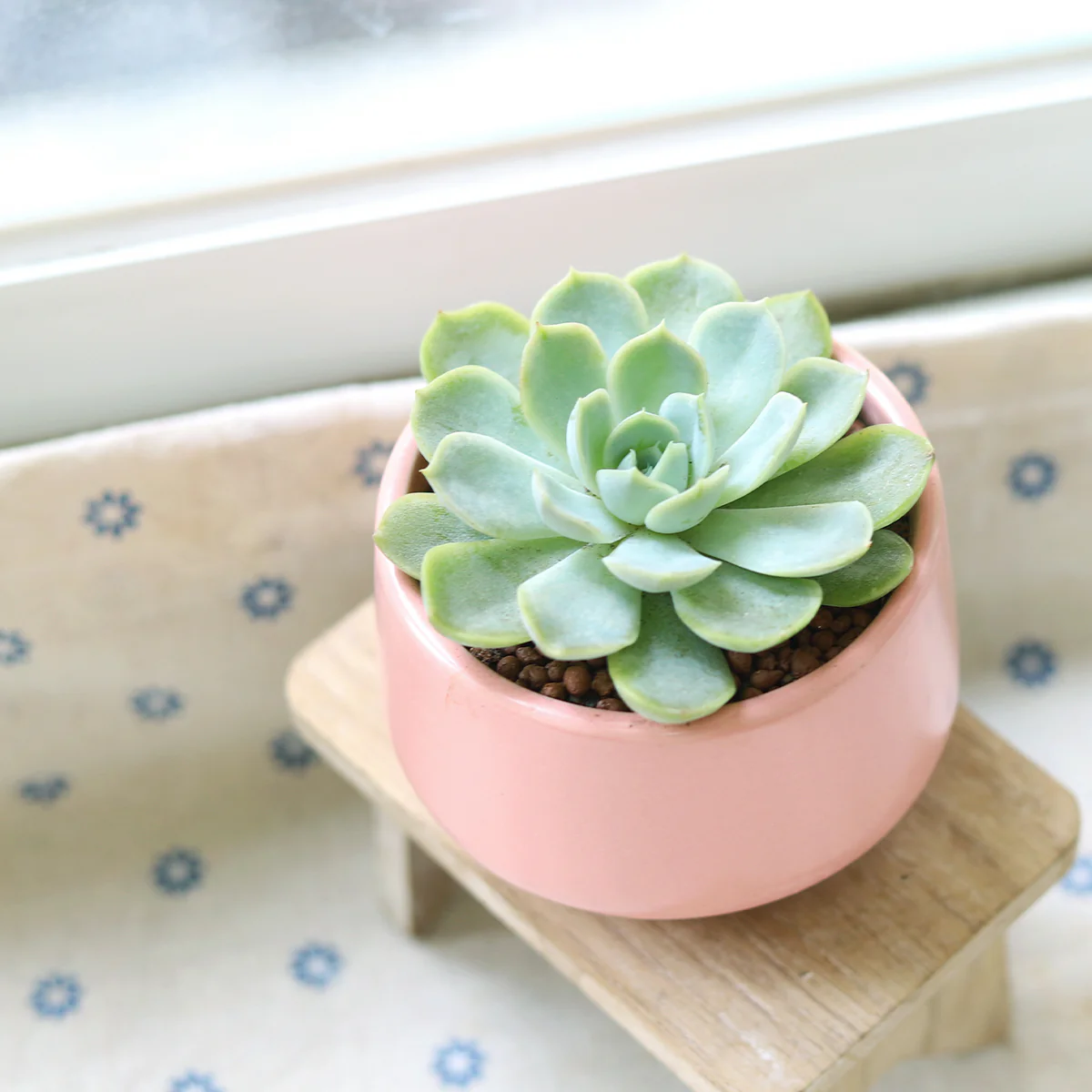
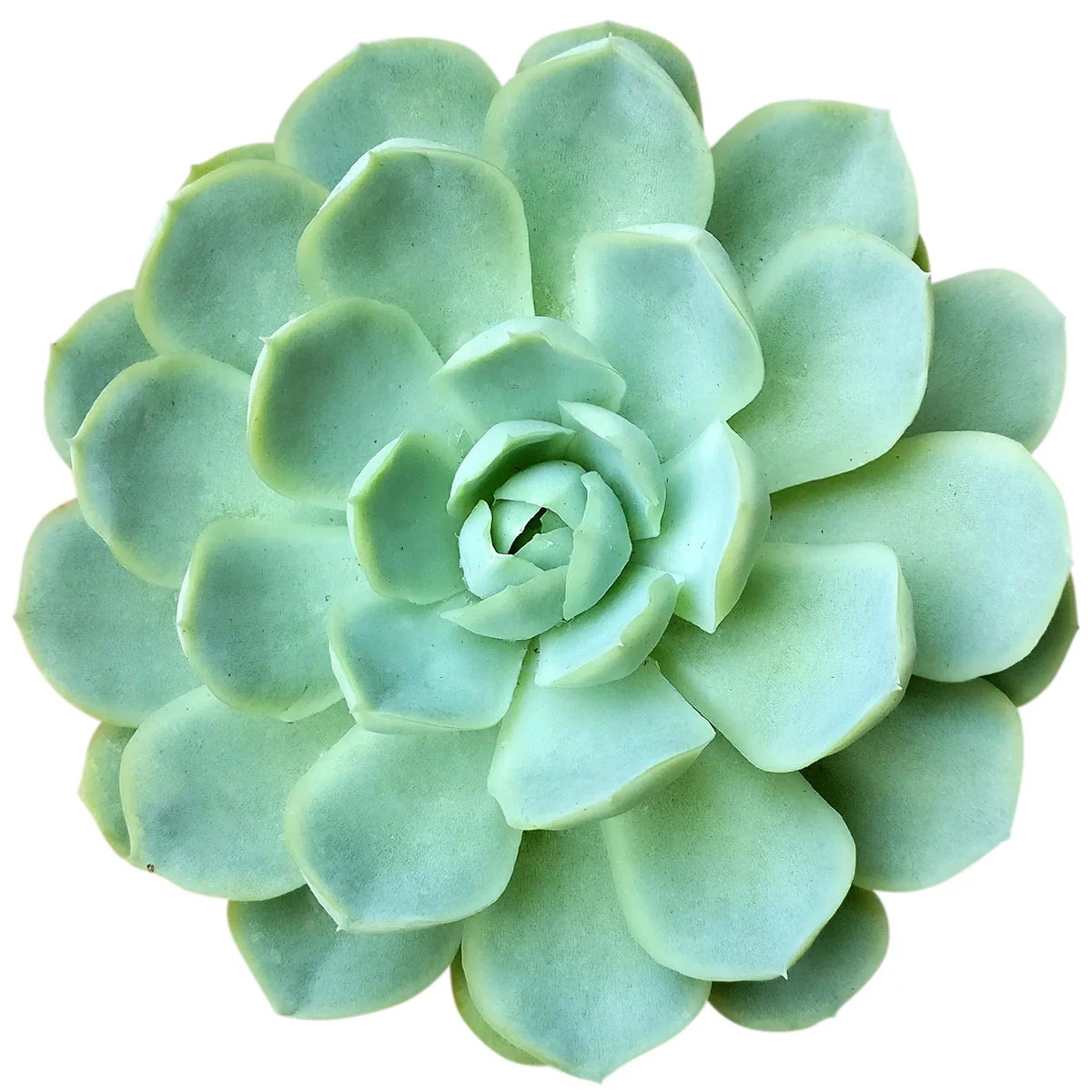
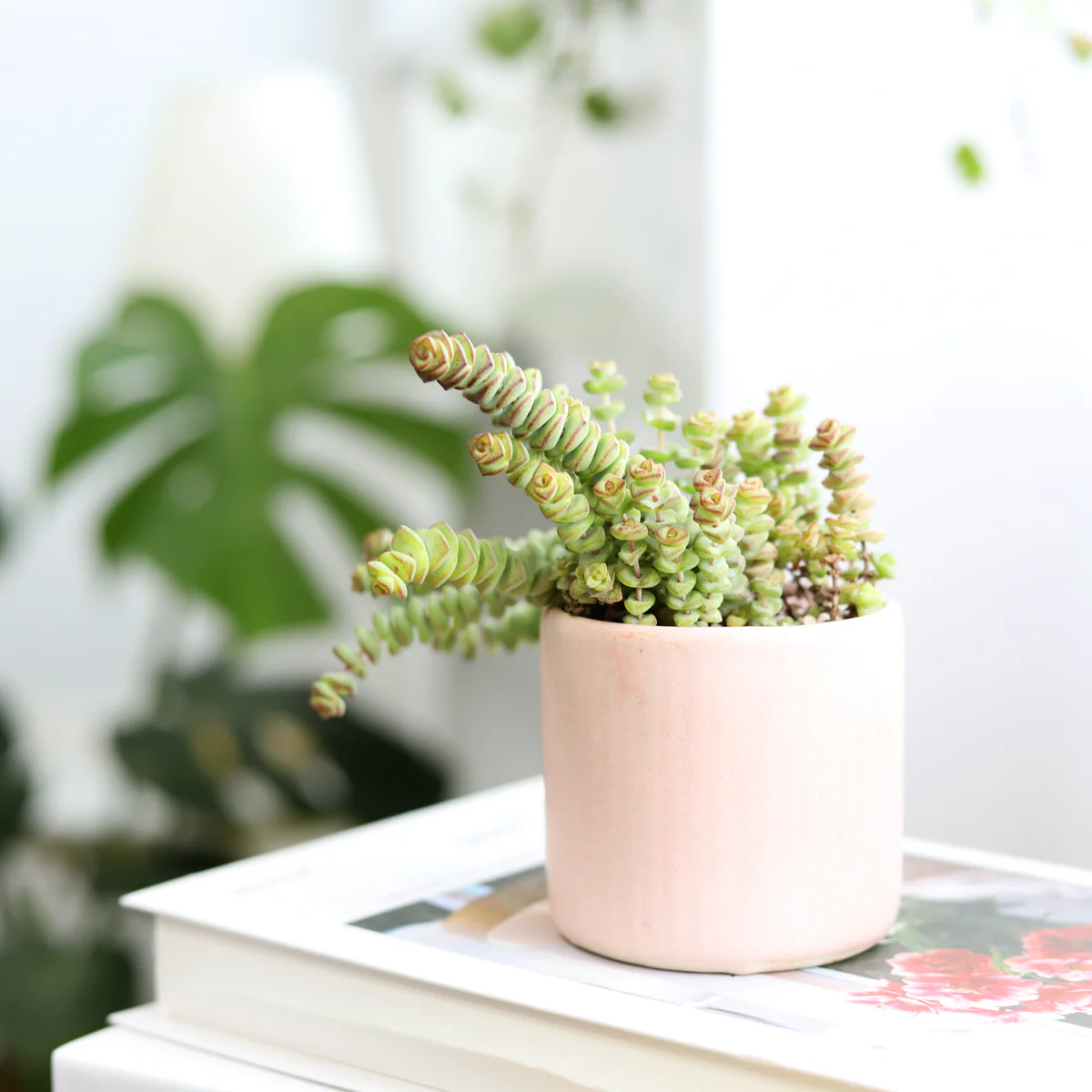
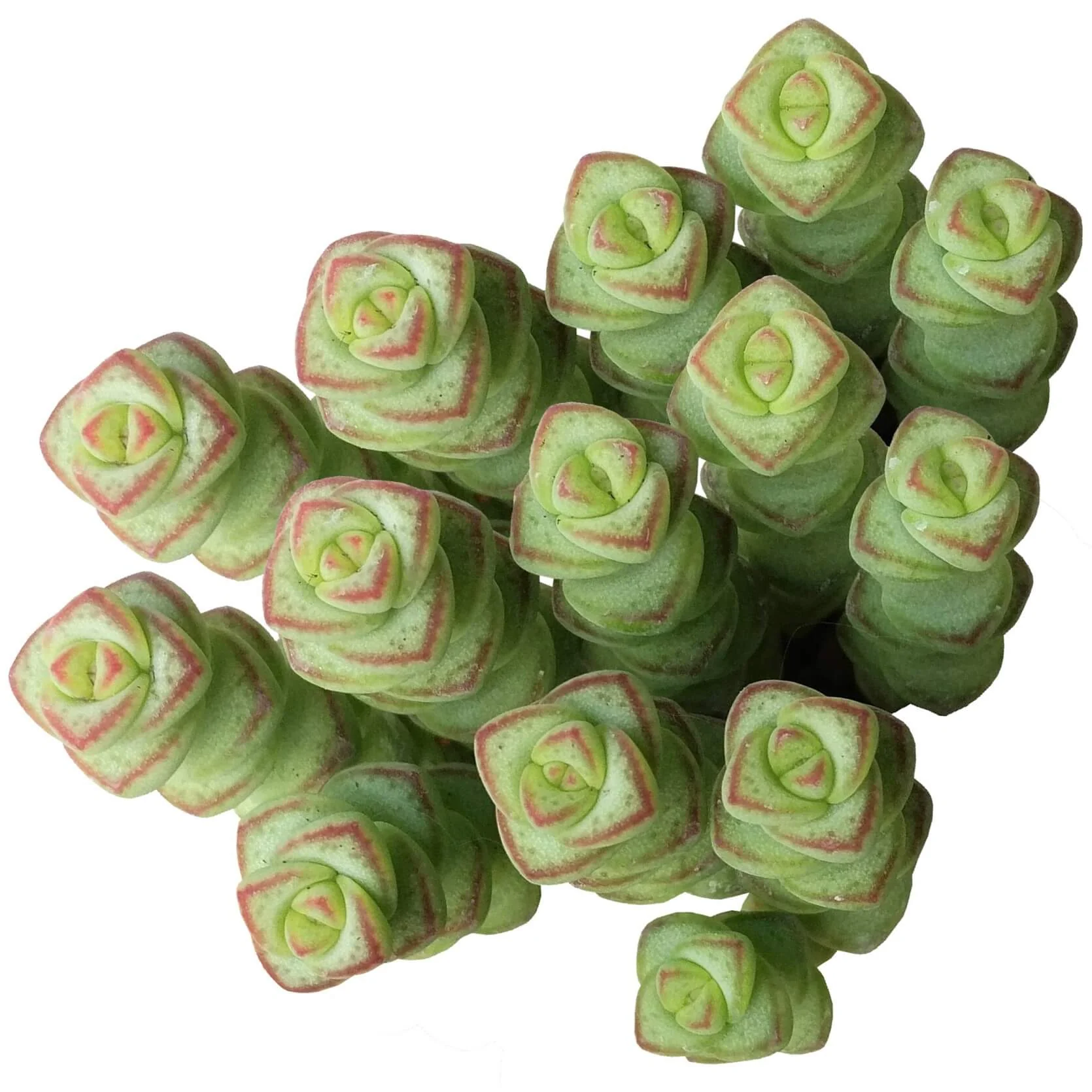
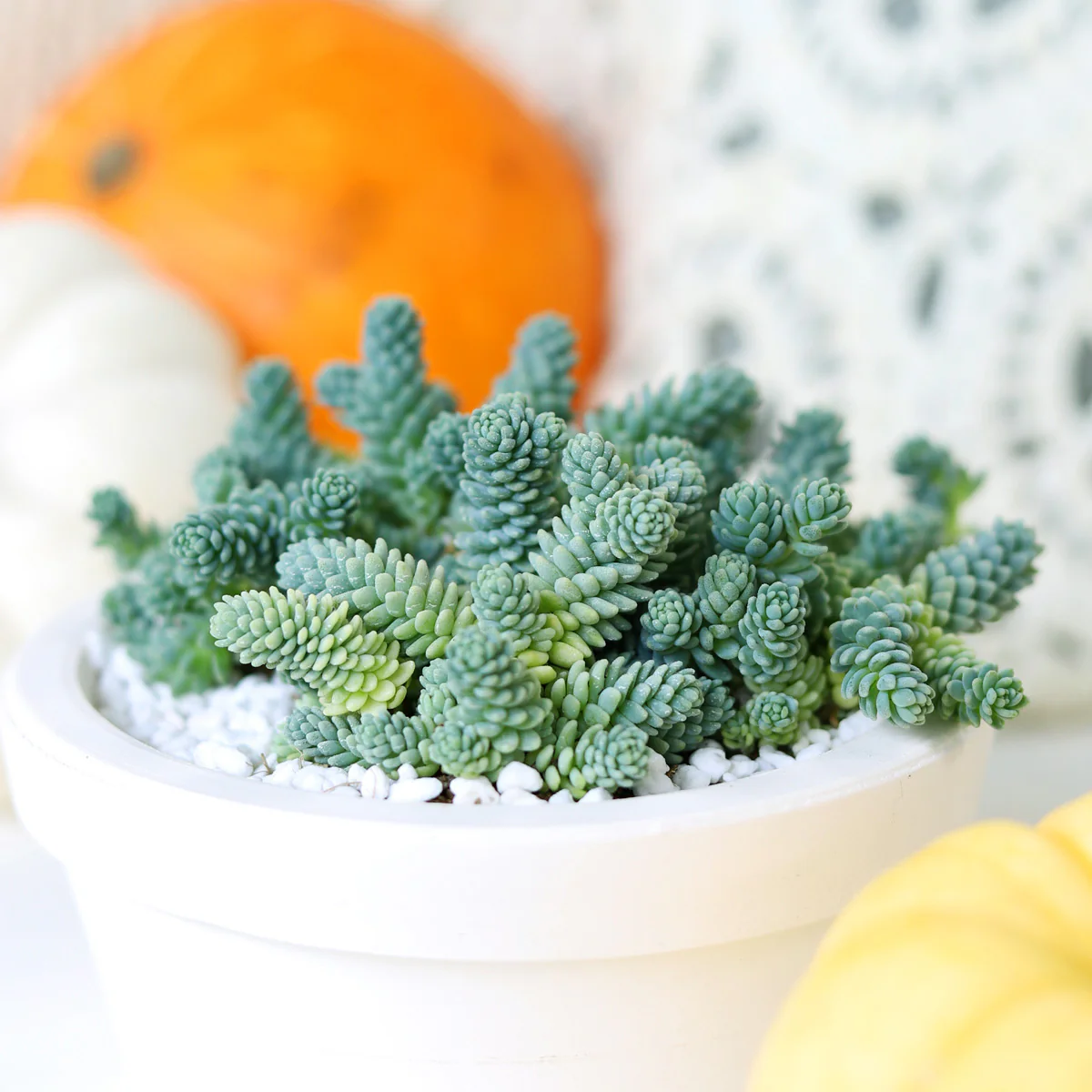
 Sedum Major - Sedum dasyphyllum 'Himalayan Skies' produces tiny, plump, bead-like leaves packed into tight rosettes that cluster and trail beautifully over the edges of pots and planters. The foliage is a striking powdery blue-grey with soft lavender and pink undertones, giving this corsican stonecrop succulent an almost frosted, jewel-like appearance. Its trailing, clumping growth habit makes it one of the most visually distinctive sedums in the low maintenance succulent category.
 Sedum Major - Sedum dasyphyllum 'Himalayan Skies' produces delicate star-shaped white to pale pink flowers on slender stems, typically in late spring to early summer, adding a soft, airy charm above its blue foliage. A cool night temperature drop in spring encourages the best blooming display. The flowers attract small pollinators and may produce light pollen, worth noting for allergy-sensitive households.
 Sedum Major - Sedum dasyphyllum 'Himalayan Skies' is a fantastic choice for rock gardens, green roofs, hanging baskets, and container arrangements where its trailing habit can spill freely. This blue tears sedum is frost hardy and handles balcony wind and rain without complaint, making it a reliable outdoor performer well into autumn. It is genuinely pet-friendly, survives a 10-day trip alone without water, and its easy care nature makes it a favourite among both beginner collectors and seasoned succulent enthusiasts.
-
 Sedum Major - Sedum dasyphyllum 'Himalayan Skies' thrives in bright indirect light, partial sun, or full sun, though intense south-facing window exposure can scorch its delicate blue foliage.
 Water Sedum Major - Sedum dasyphyllum 'Himalayan Skies' every 10-14 days in summer and reduce to once a month in winter, allowing soil to dry completely between waterings.
 Sedum Major - Sedum dasyphyllum 'Himalayan Skies' prefers a fast-draining cactus and succulent mix blended with extra perlite or coarse grit for best results.
 Sedum Major - Sedum dasyphyllum 'Himalayan Skies' tolerates a wide range from 25°F (-4°C) up to 85°F (29°C), with notable frost tolerance that sets it apart from tender succulents.
![]() Sedum Major - Sedum dasyphyllum 'Himalayan Skies' is a slow to moderate grower that needs only a light balanced fertilizer once in spring to support healthy seasonal growth.
Sedum Major - Sedum dasyphyllum 'Himalayan Skies' is a slow to moderate grower that needs only a light balanced fertilizer once in spring to support healthy seasonal growth.
 Sedum Major - Sedum dasyphyllum 'Himalayan Skies' is hardy in USDA Zones 5 through 7, tolerating winter temperatures as low as -20°F (-29°C), making it one of the most frost hardy sedums available. This covers a sweeping stretch of the United States, including Minnesota, Wisconsin, Michigan, New York, Pennsylvania, Ohio, Indiana, Illinois, Iowa, Missouri, Kansas, Nebraska, South Dakota, North Dakota, Wyoming, Montana, Idaho, Colorado, Utah, Connecticut, Massachusetts, Vermont, New Hampshire, Maine, Rhode Island, New Jersey, Delaware, Maryland, Virginia, West Virginia, Kentucky, Tennessee, North Carolina, Arkansas, and Oregon inland regions. Whether you are growing Sedum Major - Sedum dasyphyllum 'Himalayan Skies' in the Upper Midwest, the Mid-Atlantic, New England, or the Mountain West, this resilient stonecrop handles the winters with ease.
-
Q: Is Sedum Major - Sedum dasyphyllum 'Himalayan Skies' pet-friendly?
A: Yes, Sedum Major - Sedum dasyphyllum 'Himalayan Skies' is pet friendly and considered non-toxic to cats and dogs.
Q: How often should I water Sedum Major - Sedum dasyphyllum 'Himalayan Skies'?
A: Water every 10-14 days during active growth and cut back to once a month in winter, always letting the soil dry out completely first.
Q: How frost hardy is Sedum Major - Sedum dasyphyllum 'Himalayan Skies'?
A: Sedum Major - Sedum dasyphyllum 'Himalayan Skies' is frost hardy to around 25°F (-4°C) and rated for USDA Zones 5-7, making it a reliable year-round outdoor plant in many regions.
Q: Can Sedum Major - Sedum dasyphyllum 'Himalayan Skies' grow outside on a balcony?
A: Absolutely, Sedum Major - Sedum dasyphyllum 'Himalayan Skies' handles balcony wind and rain well and can stay outdoors comfortably through autumn.
Q: How do I propagate Sedum Major - Sedum dasyphyllum 'Himalayan Skies'?
A: Sedum Major - Sedum dasyphyllum 'Himalayan Skies' propagates easily from stem cuttings or by gently separating its natural clusters and replanting them in fresh, gritty succulent mix.
Q: What size pot does Sedum Major - Sedum dasyphyllum 'Himalayan Skies' come in?
A: Sedum Major - Sedum dasyphyllum 'Himalayan Skies' is commonly available in 2" and 4" pot sizes, perfect for starting a container arrangement or adding to a rock garden display.


Original: $8.00
-70%$8.00
$2.40Product Information
Product Information
Shipping & Returns
Shipping & Returns
Description
- Description
- Sedum Major - Sedum dasyphyllum 'Himalayan Skies' Care Guide
- FAQ/Common Issues
-
![]() Sedum Major - Sedum dasyphyllum 'Himalayan Skies' is a charming low maintenance succulent belonging to the Crassulaceae family, native to the rocky Mediterranean hillsides and mountainous regions stretching into parts of Asia. This tough little himalayan skies stonecrop has adapted to survive in thin, gritty soils and exposed elevations, which explains its remarkable resilience as both a garden and container plant.
Sedum Major - Sedum dasyphyllum 'Himalayan Skies' is a charming low maintenance succulent belonging to the Crassulaceae family, native to the rocky Mediterranean hillsides and mountainous regions stretching into parts of Asia. This tough little himalayan skies stonecrop has adapted to survive in thin, gritty soils and exposed elevations, which explains its remarkable resilience as both a garden and container plant.
Sedum Major - Sedum dasyphyllum 'Himalayan Skies' produces tiny, plump, bead-like leaves packed into tight rosettes that cluster and trail beautifully over the edges of pots and planters. The foliage is a striking powdery blue-grey with soft lavender and pink undertones, giving this corsican stonecrop succulent an almost frosted, jewel-like appearance. Its trailing, clumping growth habit makes it one of the most visually distinctive sedums in the low maintenance succulent category.
Sedum Major - Sedum dasyphyllum 'Himalayan Skies' produces delicate star-shaped white to pale pink flowers on slender stems, typically in late spring to early summer, adding a soft, airy charm above its blue foliage. A cool night temperature drop in spring encourages the best blooming display. The flowers attract small pollinators and may produce light pollen, worth noting for allergy-sensitive households.
Sedum Major - Sedum dasyphyllum 'Himalayan Skies' is a fantastic choice for rock gardens, green roofs, hanging baskets, and container arrangements where its trailing habit can spill freely. This blue tears sedum is frost hardy and handles balcony wind and rain without complaint, making it a reliable outdoor performer well into autumn. It is genuinely pet-friendly, survives a 10-day trip alone without water, and its easy care nature makes it a favourite among both beginner collectors and seasoned succulent enthusiasts.
-
Sedum Major - Sedum dasyphyllum 'Himalayan Skies' thrives in bright indirect light, partial sun, or full sun, though intense south-facing window exposure can scorch its delicate blue foliage.
Water Sedum Major - Sedum dasyphyllum 'Himalayan Skies' every 10-14 days in summer and reduce to once a month in winter, allowing soil to dry completely between waterings.
Sedum Major - Sedum dasyphyllum 'Himalayan Skies' prefers a fast-draining cactus and succulent mix blended with extra perlite or coarse grit for best results.
Sedum Major - Sedum dasyphyllum 'Himalayan Skies' tolerates a wide range from 25°F (-4°C) up to 85°F (29°C), with notable frost tolerance that sets it apart from tender succulents.
![]() Sedum Major - Sedum dasyphyllum 'Himalayan Skies' is a slow to moderate grower that needs only a light balanced fertilizer once in spring to support healthy seasonal growth.
Sedum Major - Sedum dasyphyllum 'Himalayan Skies' is a slow to moderate grower that needs only a light balanced fertilizer once in spring to support healthy seasonal growth.
Sedum Major - Sedum dasyphyllum 'Himalayan Skies' is hardy in USDA Zones 5 through 7, tolerating winter temperatures as low as -20°F (-29°C), making it one of the most frost hardy sedums available. This covers a sweeping stretch of the United States, including Minnesota, Wisconsin, Michigan, New York, Pennsylvania, Ohio, Indiana, Illinois, Iowa, Missouri, Kansas, Nebraska, South Dakota, North Dakota, Wyoming, Montana, Idaho, Colorado, Utah, Connecticut, Massachusetts, Vermont, New Hampshire, Maine, Rhode Island, New Jersey, Delaware, Maryland, Virginia, West Virginia, Kentucky, Tennessee, North Carolina, Arkansas, and Oregon inland regions. Whether you are growing Sedum Major - Sedum dasyphyllum 'Himalayan Skies' in the Upper Midwest, the Mid-Atlantic, New England, or the Mountain West, this resilient stonecrop handles the winters with ease.
-
Q: Is Sedum Major - Sedum dasyphyllum 'Himalayan Skies' pet-friendly?
A: Yes, Sedum Major - Sedum dasyphyllum 'Himalayan Skies' is pet friendly and considered non-toxic to cats and dogs.
Q: How often should I water Sedum Major - Sedum dasyphyllum 'Himalayan Skies'?
A: Water every 10-14 days during active growth and cut back to once a month in winter, always letting the soil dry out completely first.
Q: How frost hardy is Sedum Major - Sedum dasyphyllum 'Himalayan Skies'?
A: Sedum Major - Sedum dasyphyllum 'Himalayan Skies' is frost hardy to around 25°F (-4°C) and rated for USDA Zones 5-7, making it a reliable year-round outdoor plant in many regions.
Q: Can Sedum Major - Sedum dasyphyllum 'Himalayan Skies' grow outside on a balcony?
A: Absolutely, Sedum Major - Sedum dasyphyllum 'Himalayan Skies' handles balcony wind and rain well and can stay outdoors comfortably through autumn.
Q: How do I propagate Sedum Major - Sedum dasyphyllum 'Himalayan Skies'?
A: Sedum Major - Sedum dasyphyllum 'Himalayan Skies' propagates easily from stem cuttings or by gently separating its natural clusters and replanting them in fresh, gritty succulent mix.
Q: What size pot does Sedum Major - Sedum dasyphyllum 'Himalayan Skies' come in?
A: Sedum Major - Sedum dasyphyllum 'Himalayan Skies' is commonly available in 2" and 4" pot sizes, perfect for starting a container arrangement or adding to a rock garden display.