Rare Purple Prickly Pear Cactus
- Description
- Rare Purple Prickly Pear Cactus Care Guide
- FAQ/Common Issues
-
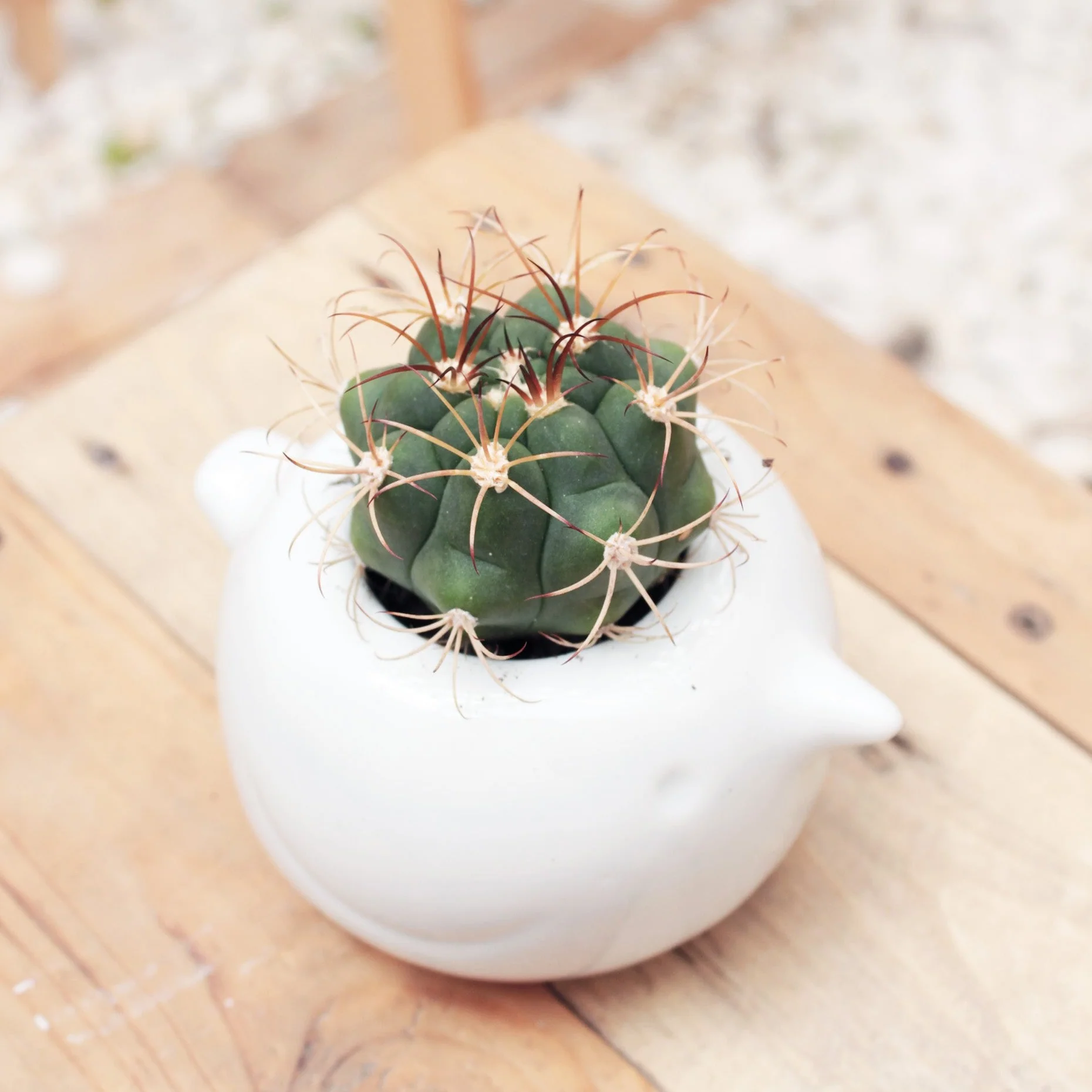
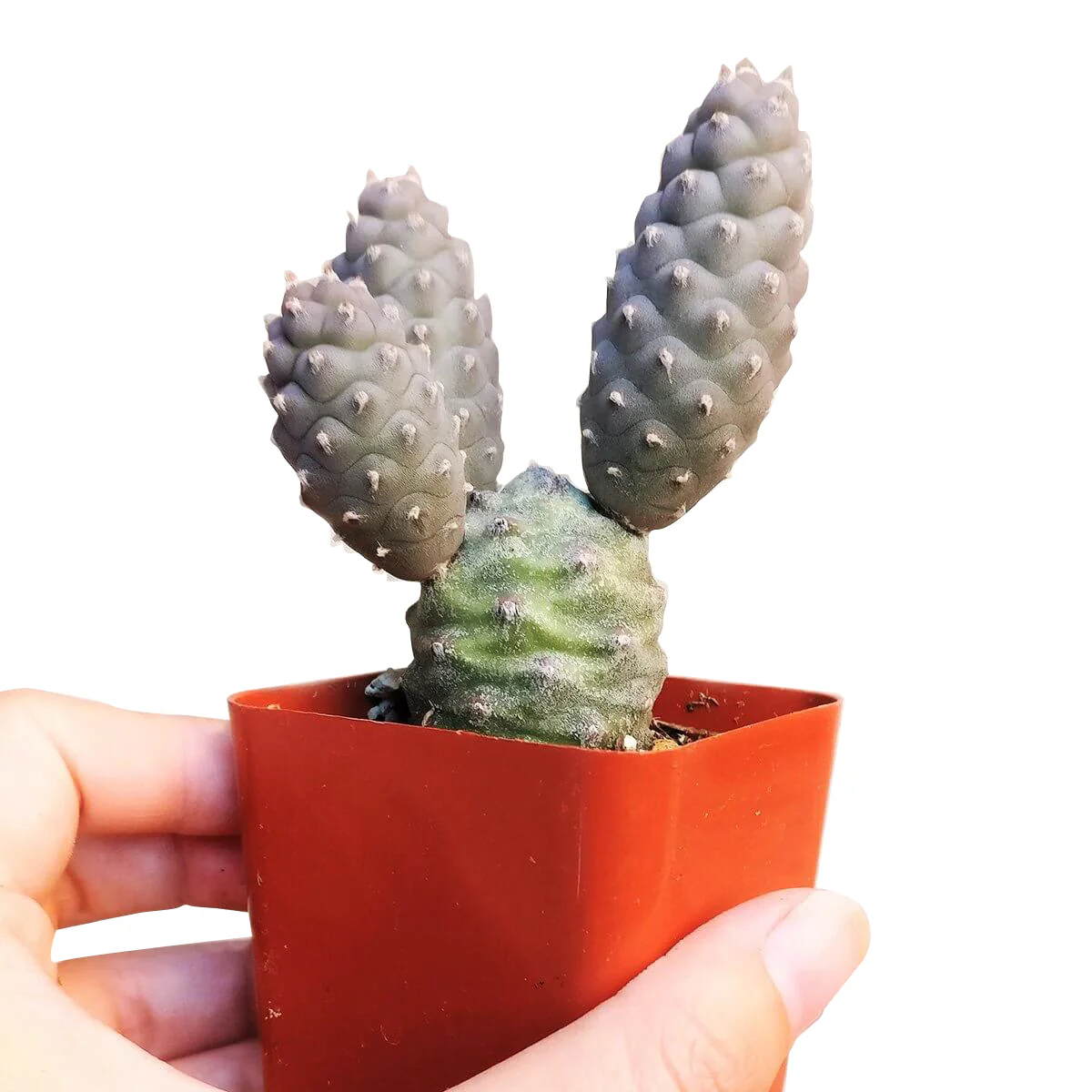
![]() The Rare Purple Prickly Pear Cactus is a striking member of the Opuntia genus, a group of pad cacti native to the arid deserts and grasslands of the Americas. This particular plant is genuinely rare, making it a prized find for cactus collectors and desert plant enthusiasts. Easy to grow and surprisingly beginner-friendly, the Rare Purple Prickly Pear Cactus brings a touch of the wild Southwest into any home or garden.
The Rare Purple Prickly Pear Cactus is a striking member of the Opuntia genus, a group of pad cacti native to the arid deserts and grasslands of the Americas. This particular plant is genuinely rare, making it a prized find for cactus collectors and desert plant enthusiasts. Easy to grow and surprisingly beginner-friendly, the Rare Purple Prickly Pear Cactus brings a touch of the wild Southwest into any home or garden.
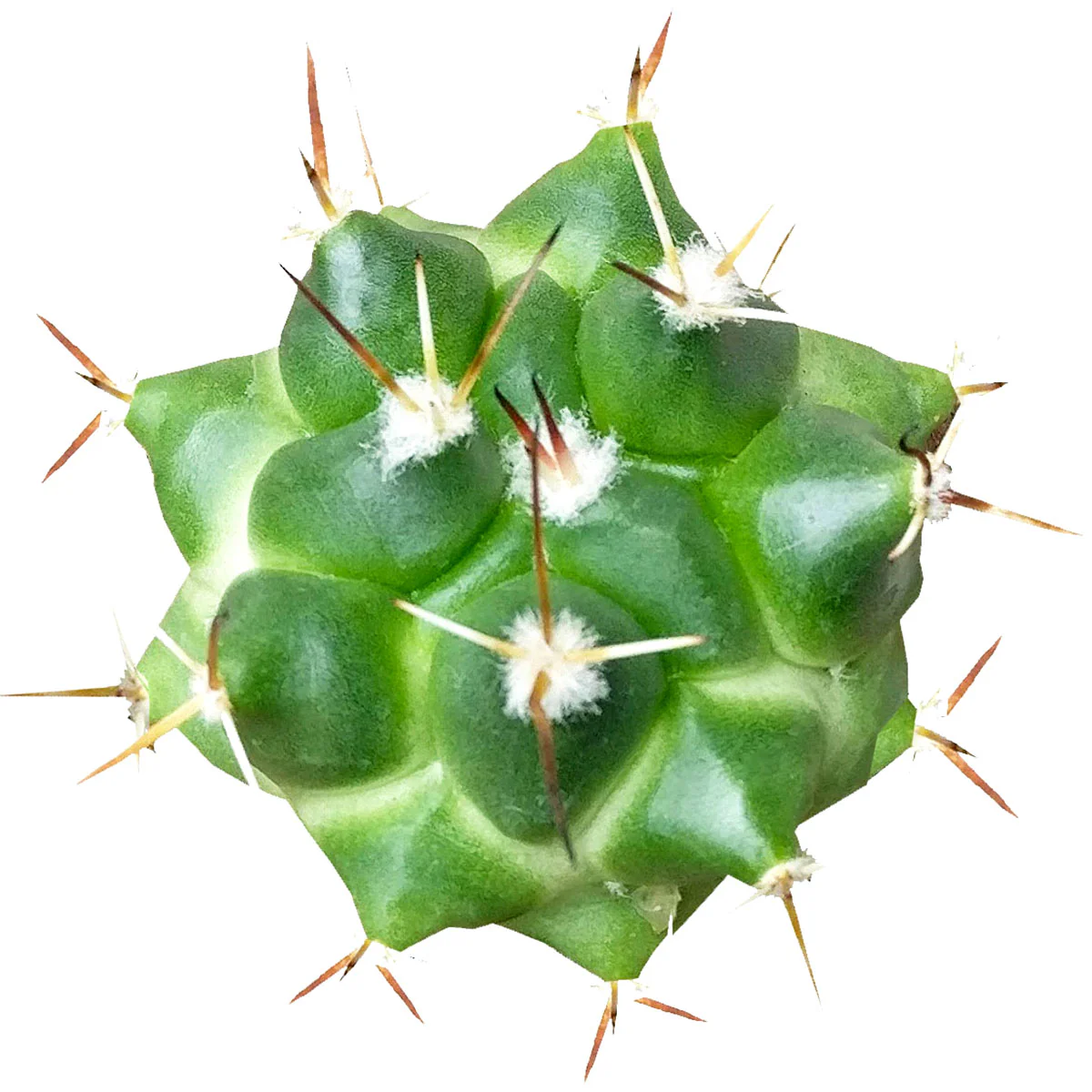
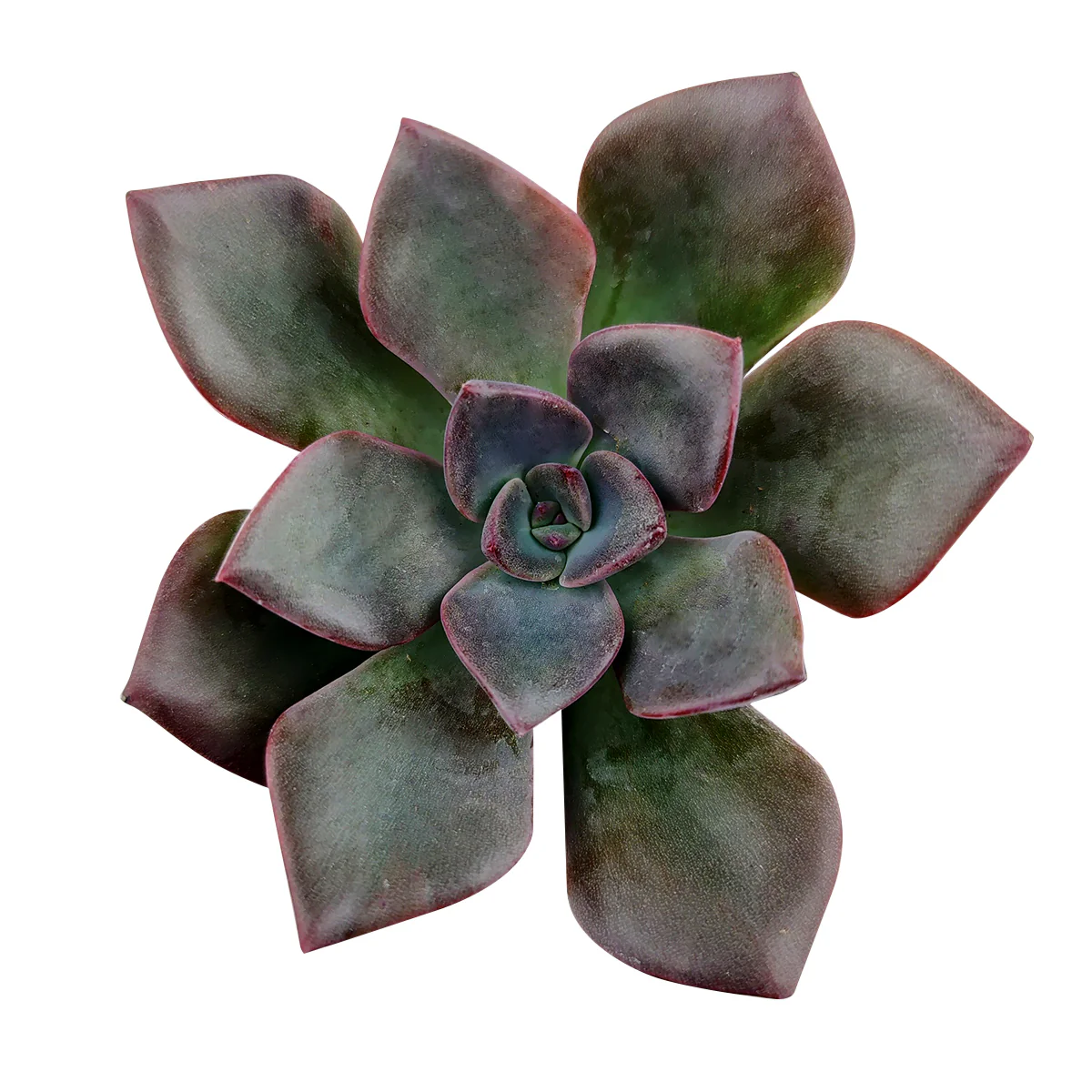
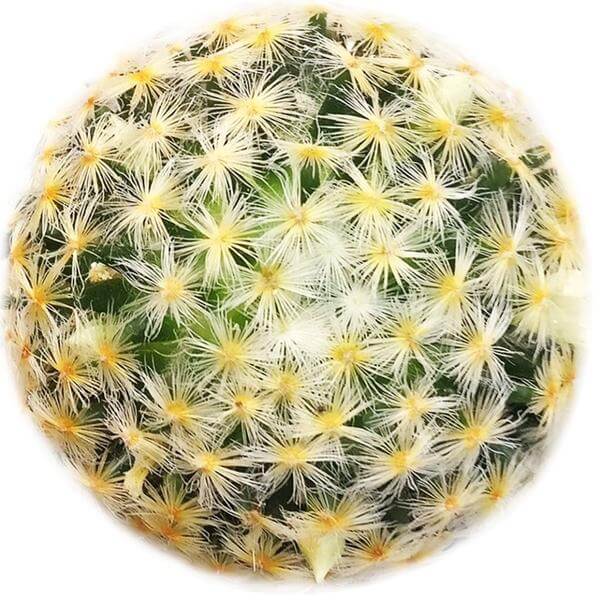
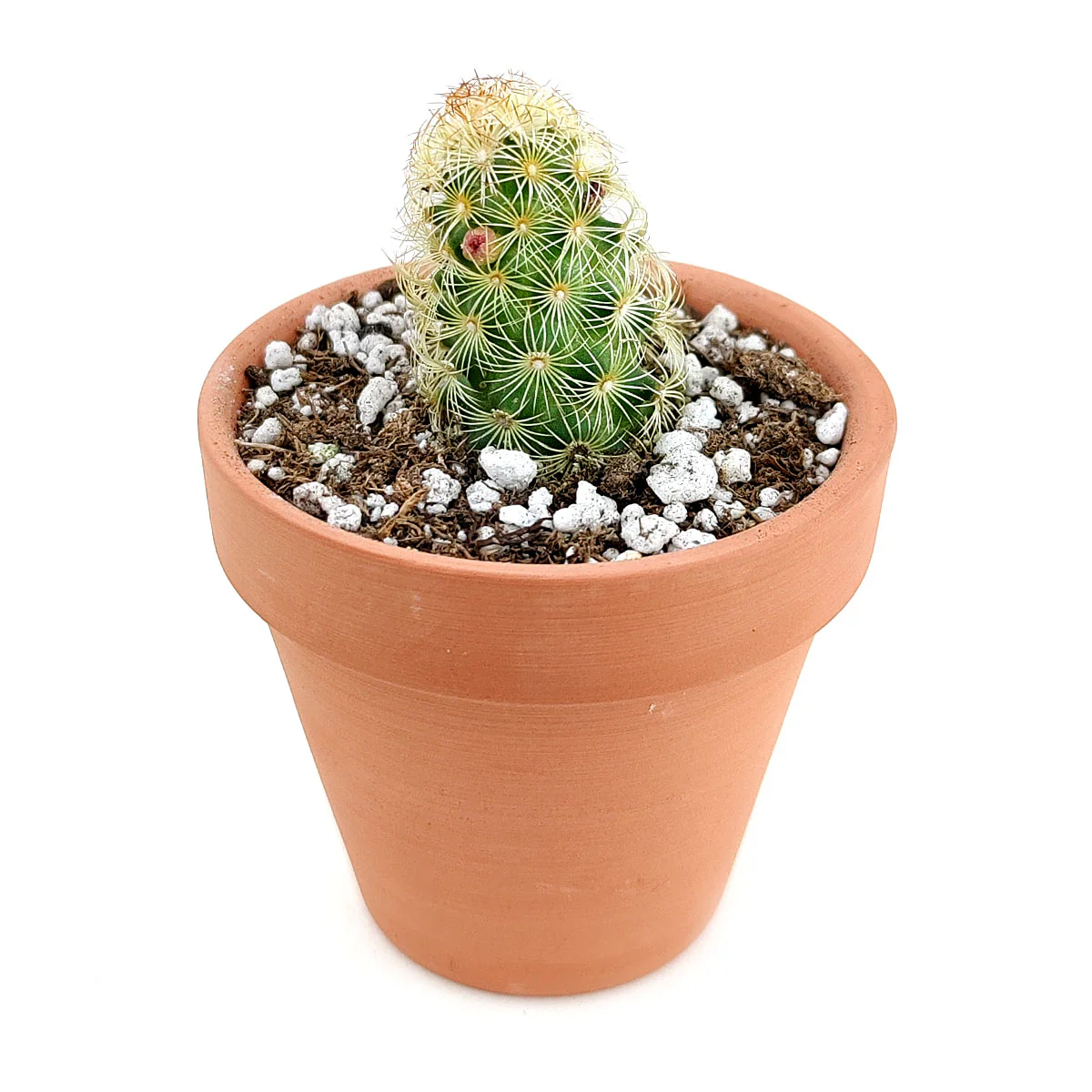
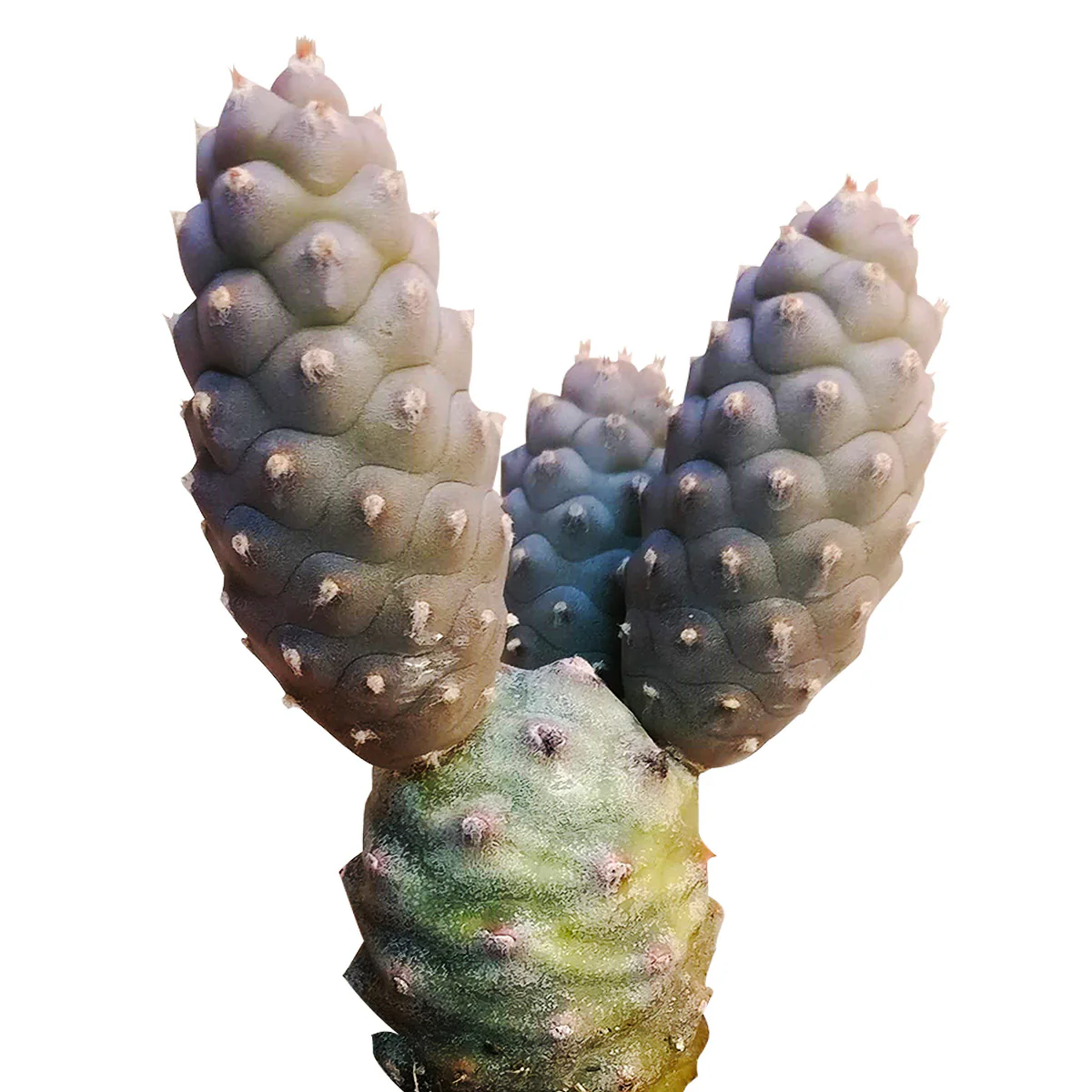
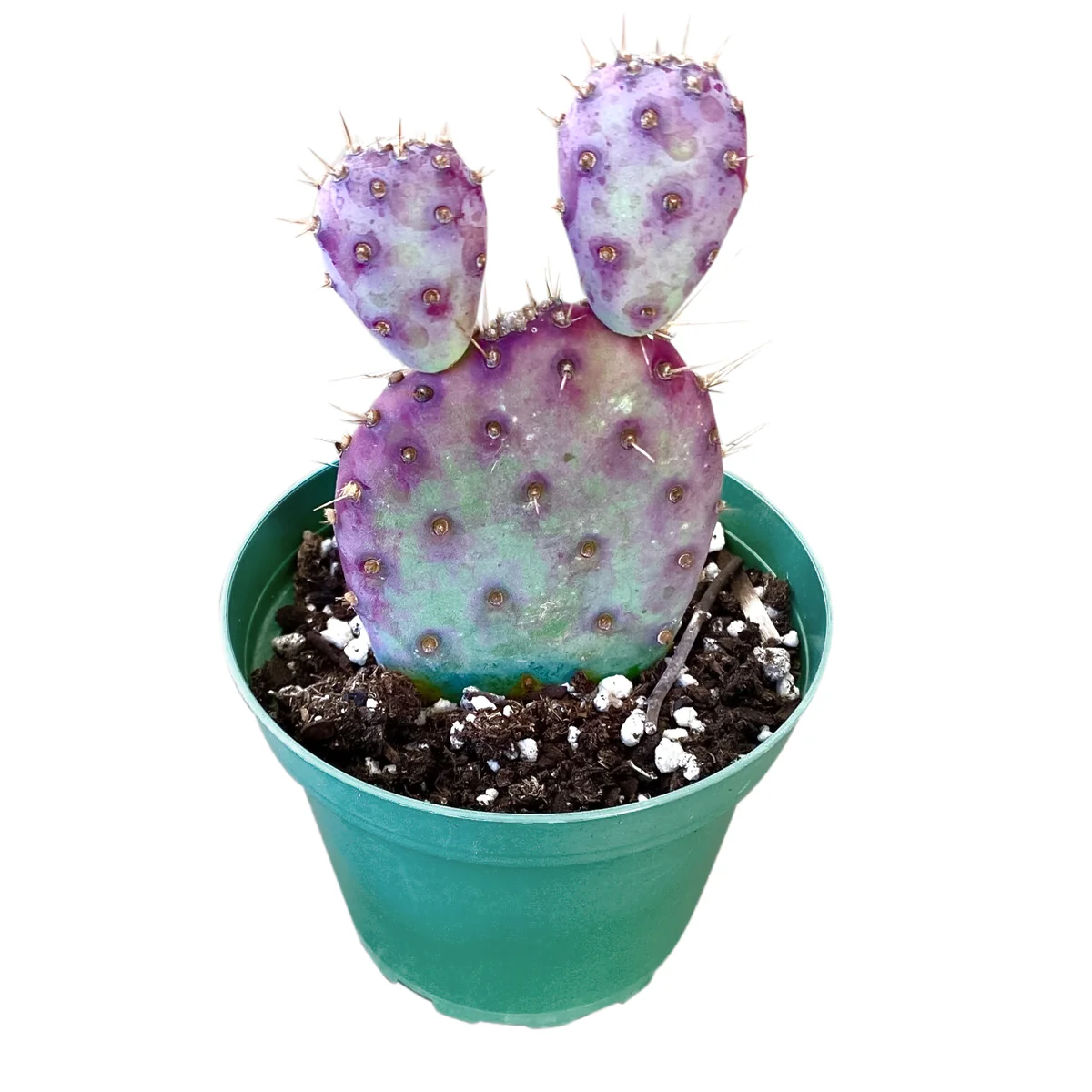
 What sets the Rare Purple Prickly Pear Cactus apart is its vivid, color-shifting pads, which deepen from silvery green to rich violet and purple as the plant experiences sun stress and cooler temperatures. The flattened pads are fleshy and armed with clusters of spines and tiny glochids, giving the Rare Purple Prickly Pear Cactus its unmistakable desert texture. It grows in an upright, clustering habit, gradually forming a bold, sculptural mass that looks stunning in containers or landscape beds.
 When conditions are right, including a noticeable nighttime temperature drop, the Rare Purple Prickly Pear Cactus rewards growers with cheerful blooms in warm shades of yellow, orange, or pink, typically in late spring to early summer. Flowers are followed by edible fruit with a long history of culinary and medicinal use across indigenous and traditional cultures. The combination of vivid pads and seasonal color makes the Rare Purple Prickly Pear Cactus one of the most visually dynamic drought tolerant cacti you can grow.
 The Rare Purple Prickly Pear Cactus thrives outdoors during summer and can remain outside well into autumn in mild climates, though it appreciates cover from heavy rain to prevent pad rot. It tolerates dry heated indoor air well, but keep it away from direct AC or heater vents and rotate it occasionally for even, balanced growth. Because the sap can cause skin and paw irritation, this low maintenance cactus is best placed on a high shelf and away from small children. As a rare succulent for sale, it makes a genuinely memorable desert cactus gift for collectors and plant lovers alike.
-
 Rare Purple Prickly Pear Cactus thrives in full, direct sun for at least six hours daily, though south-facing windows may scorch pads in intense summer heat.
 Water Rare Purple Prickly Pear Cactus deeply every two to three weeks in summer, reducing to once a month or less in winter.
 Rare Purple Prickly Pear Cactus performs best in a gritty, fast-draining cactus mix blended with coarse sand or perlite at a 50/50 ratio.
 Rare Purple Prickly Pear Cactus prefers temperatures between 50-95°F (10-35°C) and shows strong frost tolerance, surviving brief dips near 10°F (-12°C).
![]() Rare Purple Prickly Pear Cactus is a slow to moderate grower that needs only a diluted balanced fertilizer once or twice each spring and summer.
Rare Purple Prickly Pear Cactus is a slow to moderate grower that needs only a diluted balanced fertilizer once or twice each spring and summer.
 Rare Purple Prickly Pear Cactus is hardy in USDA Zones 6-11, tolerating frost down to around 10°F (-12°C), which makes it remarkably cold-resilient for an Opuntia. Growers across a wide stretch of the country can enjoy it outdoors year-round, including those in Texas, Arizona, California, Nevada, New Mexico, Florida, Georgia, South Carolina, Alabama, Mississippi, Louisiana, Hawaii, Oregon, and Arkansas. It also survives winters in Zone 6 states such as Kansas, Missouri, Virginia, North Carolina, Tennessee, Oklahoma, and Kentucky with minimal protection, making the Rare Purple Prickly Pear Cactus one of the most widely adaptable outdoor cactus plants available.
-
Q: How often should I water Rare Purple Prickly Pear Cactus indoors?
A: Water every two to three weeks during the growing season, allowing the soil to dry out completely between waterings. In winter, once a month or even less is usually sufficient.
Q: Is Rare Purple Prickly Pear Cactus safe around pets?
A: The sap and glochids of the Rare Purple Prickly Pear Cactus can cause skin and paw irritation on contact, so it is best kept on a high shelf out of reach of curious pets. It is not considered toxic if accidentally ingested in small amounts, but physical contact is the main concern.
Q: How do I get my Rare Purple Prickly Pear Cactus to turn more purple?
A: The intense purple color deepens with more direct sun exposure and cooler nighttime temperatures, both of which trigger natural stress pigmentation. Moving your Rare Purple Prickly Pear Cactus outdoors in summer and allowing it to experience cool autumn nights is the most effective way to maximize the vivid color shift.
Q: Can Rare Purple Prickly Pear Cactus survive outdoors year-round?
A: Yes, Rare Purple Prickly Pear Cactus is frost tolerant down to around 10°F (-12°C), making it suitable for outdoor growing year-round in USDA Zones 6-11. In colder zones it can be kept in containers and brought indoors before hard freezes.
Q: How do I propagate Rare Purple Prickly Pear Cactus?
A: Propagation is simple: allow a healthy pad to callous for several days after detaching, then press the cut end lightly into dry cactus mix. The Rare Purple Prickly Pear Cactus typically roots within a few weeks with minimal watering.
Q: Is Rare Purple Prickly Pear Cactus edible?
A: Yes, both the pads (nopales) and fruit of the Rare Purple Prickly Pear Cactus have a well-documented history of edible and medicinal use. Always remove spines and glochids carefully before handling or preparing any part of the plant.


Original: $19.99
-70%$19.99
$6.00Product Information
Product Information
Shipping & Returns
Shipping & Returns
Description
- Description
- Rare Purple Prickly Pear Cactus Care Guide
- FAQ/Common Issues
-
![]() The Rare Purple Prickly Pear Cactus is a striking member of the Opuntia genus, a group of pad cacti native to the arid deserts and grasslands of the Americas. This particular plant is genuinely rare, making it a prized find for cactus collectors and desert plant enthusiasts. Easy to grow and surprisingly beginner-friendly, the Rare Purple Prickly Pear Cactus brings a touch of the wild Southwest into any home or garden.
The Rare Purple Prickly Pear Cactus is a striking member of the Opuntia genus, a group of pad cacti native to the arid deserts and grasslands of the Americas. This particular plant is genuinely rare, making it a prized find for cactus collectors and desert plant enthusiasts. Easy to grow and surprisingly beginner-friendly, the Rare Purple Prickly Pear Cactus brings a touch of the wild Southwest into any home or garden.
What sets the Rare Purple Prickly Pear Cactus apart is its vivid, color-shifting pads, which deepen from silvery green to rich violet and purple as the plant experiences sun stress and cooler temperatures. The flattened pads are fleshy and armed with clusters of spines and tiny glochids, giving the Rare Purple Prickly Pear Cactus its unmistakable desert texture. It grows in an upright, clustering habit, gradually forming a bold, sculptural mass that looks stunning in containers or landscape beds.
When conditions are right, including a noticeable nighttime temperature drop, the Rare Purple Prickly Pear Cactus rewards growers with cheerful blooms in warm shades of yellow, orange, or pink, typically in late spring to early summer. Flowers are followed by edible fruit with a long history of culinary and medicinal use across indigenous and traditional cultures. The combination of vivid pads and seasonal color makes the Rare Purple Prickly Pear Cactus one of the most visually dynamic drought tolerant cacti you can grow.
The Rare Purple Prickly Pear Cactus thrives outdoors during summer and can remain outside well into autumn in mild climates, though it appreciates cover from heavy rain to prevent pad rot. It tolerates dry heated indoor air well, but keep it away from direct AC or heater vents and rotate it occasionally for even, balanced growth. Because the sap can cause skin and paw irritation, this low maintenance cactus is best placed on a high shelf and away from small children. As a rare succulent for sale, it makes a genuinely memorable desert cactus gift for collectors and plant lovers alike.
-
Rare Purple Prickly Pear Cactus thrives in full, direct sun for at least six hours daily, though south-facing windows may scorch pads in intense summer heat.
Water Rare Purple Prickly Pear Cactus deeply every two to three weeks in summer, reducing to once a month or less in winter.
Rare Purple Prickly Pear Cactus performs best in a gritty, fast-draining cactus mix blended with coarse sand or perlite at a 50/50 ratio.
Rare Purple Prickly Pear Cactus prefers temperatures between 50-95°F (10-35°C) and shows strong frost tolerance, surviving brief dips near 10°F (-12°C).
![]() Rare Purple Prickly Pear Cactus is a slow to moderate grower that needs only a diluted balanced fertilizer once or twice each spring and summer.
Rare Purple Prickly Pear Cactus is a slow to moderate grower that needs only a diluted balanced fertilizer once or twice each spring and summer.
Rare Purple Prickly Pear Cactus is hardy in USDA Zones 6-11, tolerating frost down to around 10°F (-12°C), which makes it remarkably cold-resilient for an Opuntia. Growers across a wide stretch of the country can enjoy it outdoors year-round, including those in Texas, Arizona, California, Nevada, New Mexico, Florida, Georgia, South Carolina, Alabama, Mississippi, Louisiana, Hawaii, Oregon, and Arkansas. It also survives winters in Zone 6 states such as Kansas, Missouri, Virginia, North Carolina, Tennessee, Oklahoma, and Kentucky with minimal protection, making the Rare Purple Prickly Pear Cactus one of the most widely adaptable outdoor cactus plants available.
-
Q: How often should I water Rare Purple Prickly Pear Cactus indoors?
A: Water every two to three weeks during the growing season, allowing the soil to dry out completely between waterings. In winter, once a month or even less is usually sufficient.
Q: Is Rare Purple Prickly Pear Cactus safe around pets?
A: The sap and glochids of the Rare Purple Prickly Pear Cactus can cause skin and paw irritation on contact, so it is best kept on a high shelf out of reach of curious pets. It is not considered toxic if accidentally ingested in small amounts, but physical contact is the main concern.
Q: How do I get my Rare Purple Prickly Pear Cactus to turn more purple?
A: The intense purple color deepens with more direct sun exposure and cooler nighttime temperatures, both of which trigger natural stress pigmentation. Moving your Rare Purple Prickly Pear Cactus outdoors in summer and allowing it to experience cool autumn nights is the most effective way to maximize the vivid color shift.
Q: Can Rare Purple Prickly Pear Cactus survive outdoors year-round?
A: Yes, Rare Purple Prickly Pear Cactus is frost tolerant down to around 10°F (-12°C), making it suitable for outdoor growing year-round in USDA Zones 6-11. In colder zones it can be kept in containers and brought indoors before hard freezes.
Q: How do I propagate Rare Purple Prickly Pear Cactus?
A: Propagation is simple: allow a healthy pad to callous for several days after detaching, then press the cut end lightly into dry cactus mix. The Rare Purple Prickly Pear Cactus typically roots within a few weeks with minimal watering.
Q: Is Rare Purple Prickly Pear Cactus edible?
A: Yes, both the pads (nopales) and fruit of the Rare Purple Prickly Pear Cactus have a well-documented history of edible and medicinal use. Always remove spines and glochids carefully before handling or preparing any part of the plant.