Kalanchoe Panamensis - Kalanchoe marnieriana
- Description
- Kalanchoe marnieriana - Marnier's Kalanchoe Care Guide
- FAQ/Common Issues
-
![]() Kalanchoe marnieriana - Marnier's Kalanchoe is a stunning succulent in the Crassulaceae family, native to the rocky, semi-arid landscapes of Madagascar. This rare succulent has earned a devoted following among collectors worldwide for its sculptural beauty and genuinely easy care. If you've been searching for a low maintenance succulent that delivers serious visual impact, this is it.
Kalanchoe marnieriana - Marnier's Kalanchoe is a stunning succulent in the Crassulaceae family, native to the rocky, semi-arid landscapes of Madagascar. This rare succulent has earned a devoted following among collectors worldwide for its sculptural beauty and genuinely easy care. If you've been searching for a low maintenance succulent that delivers serious visual impact, this is it.
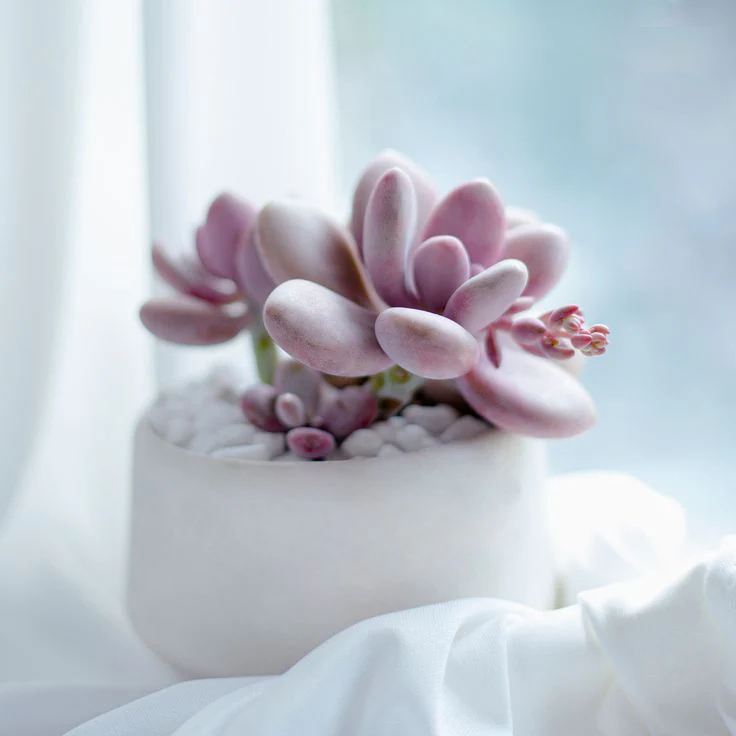
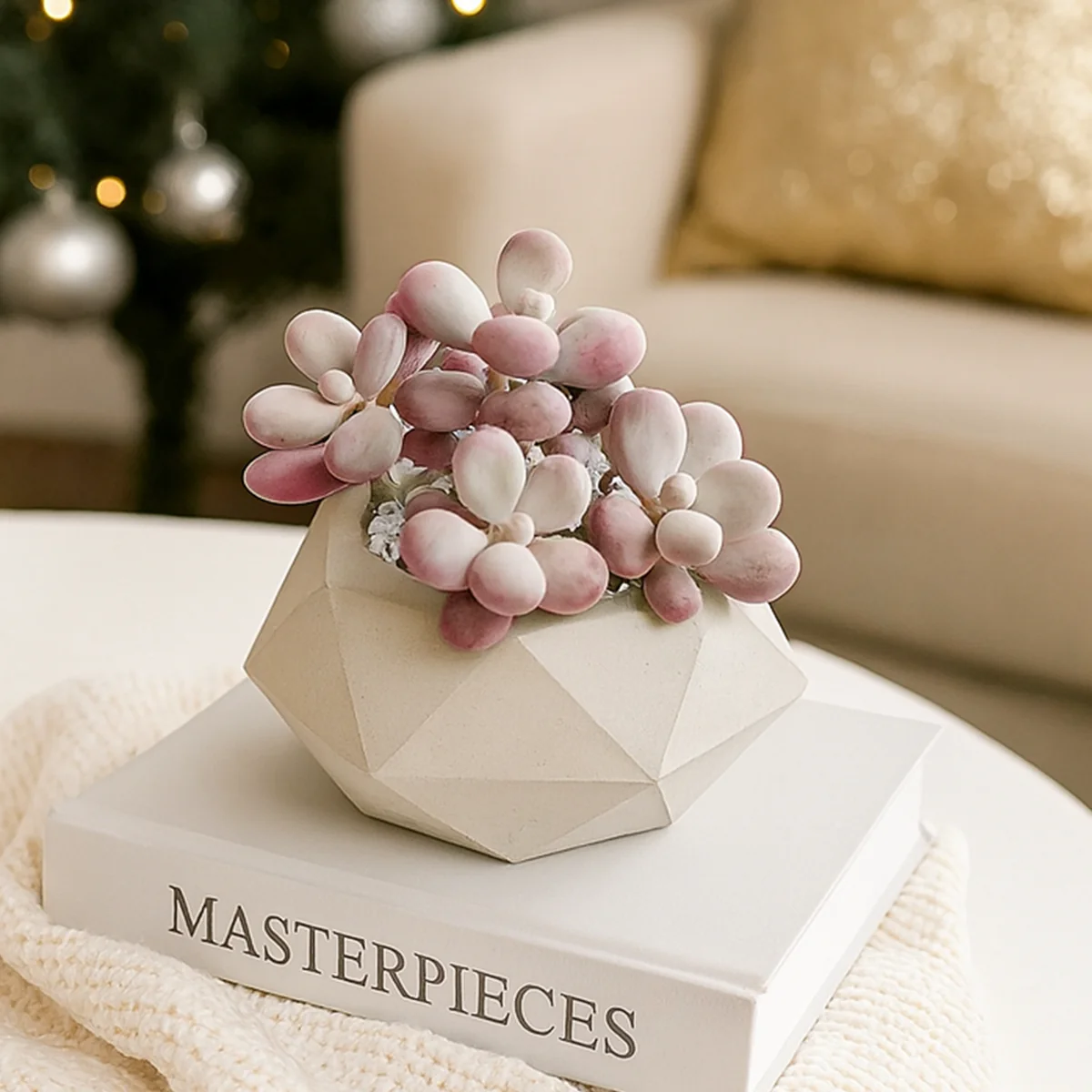
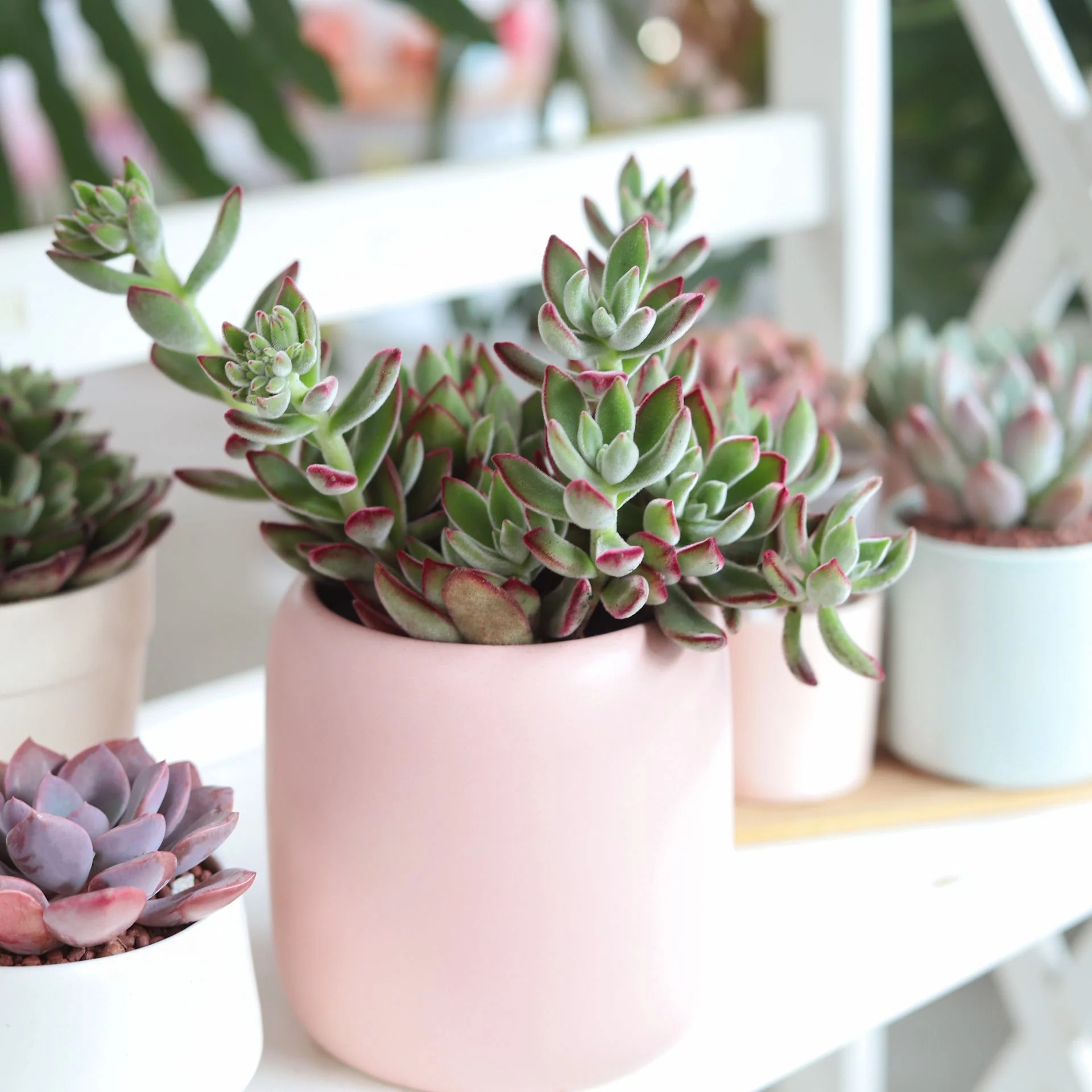
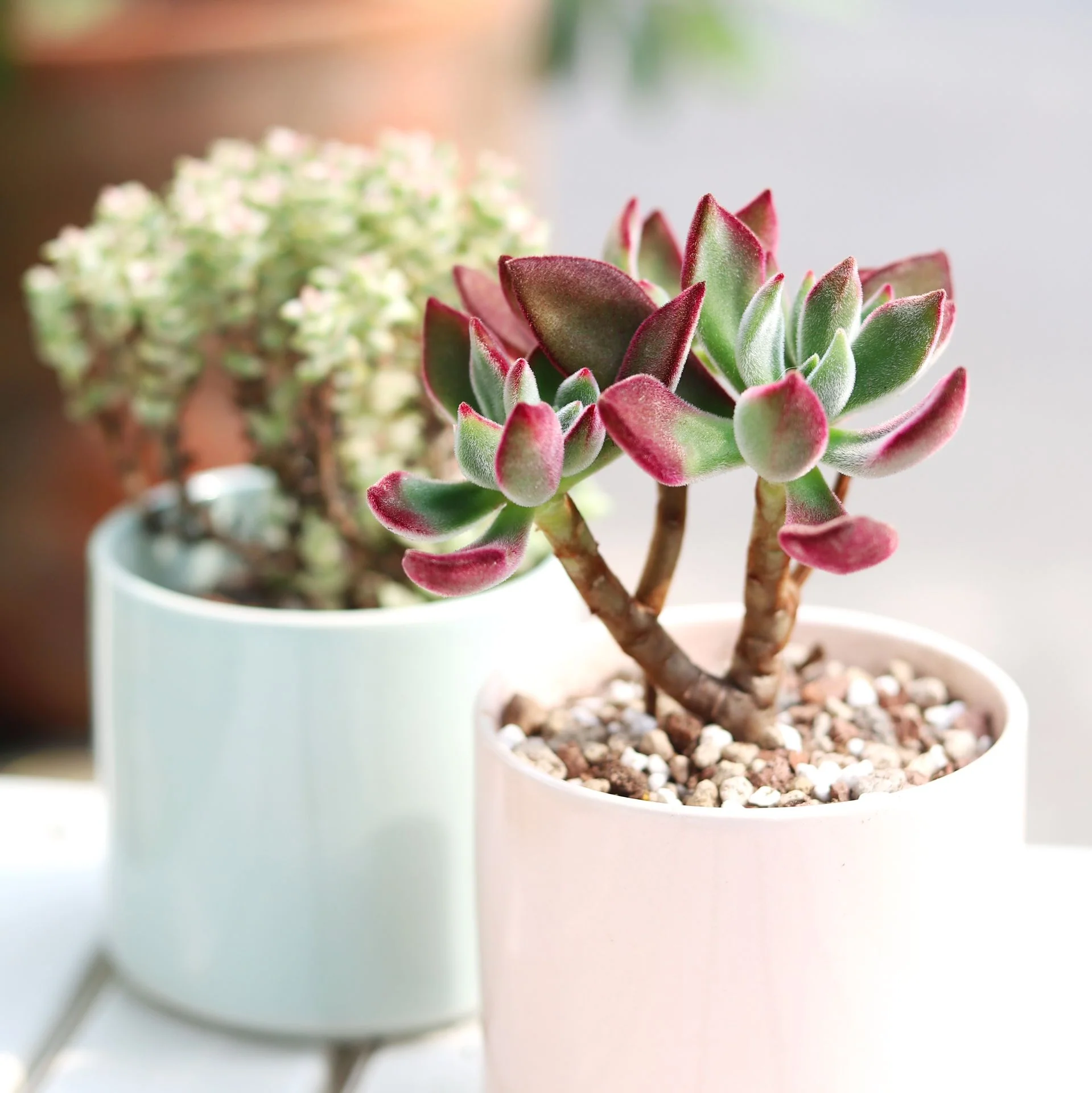
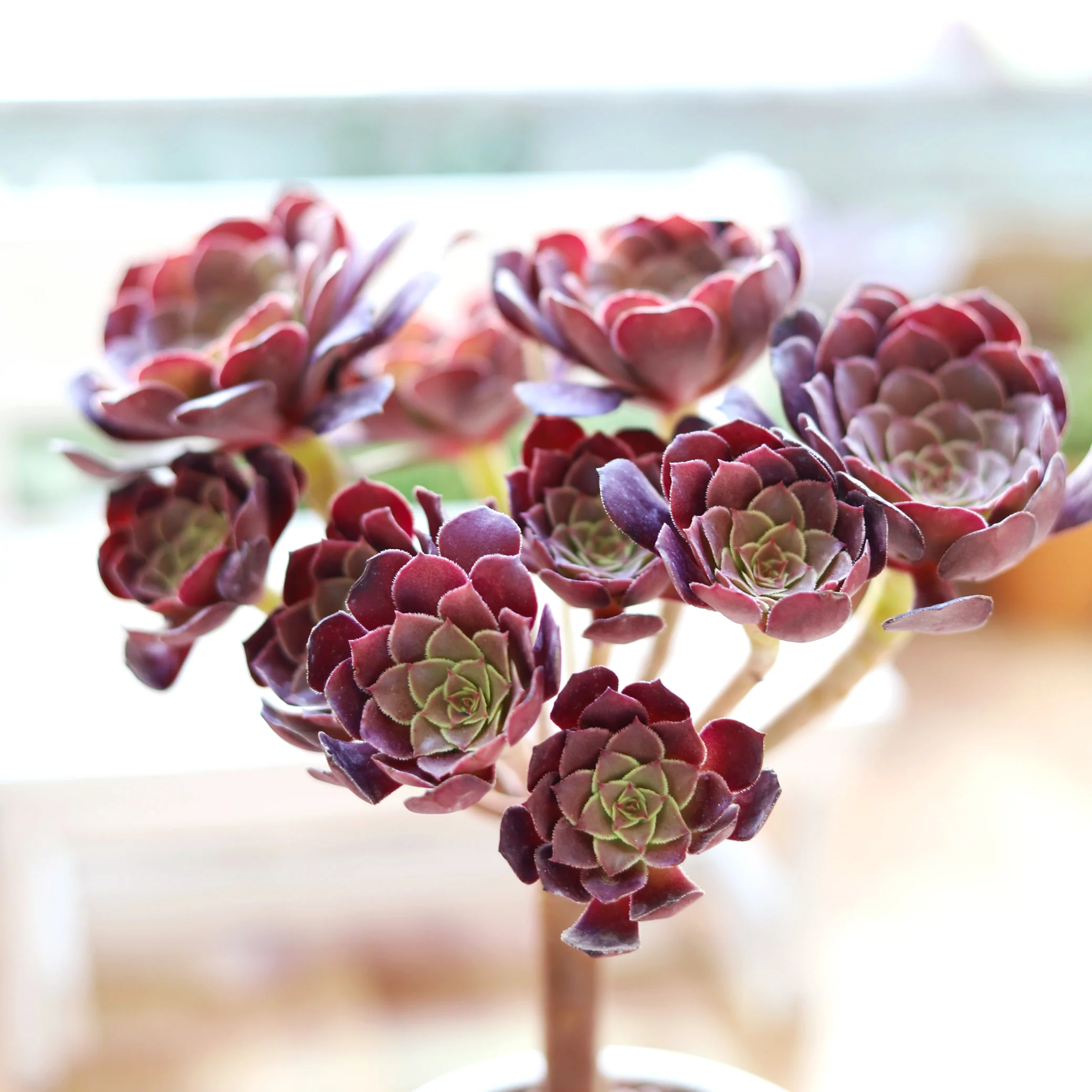
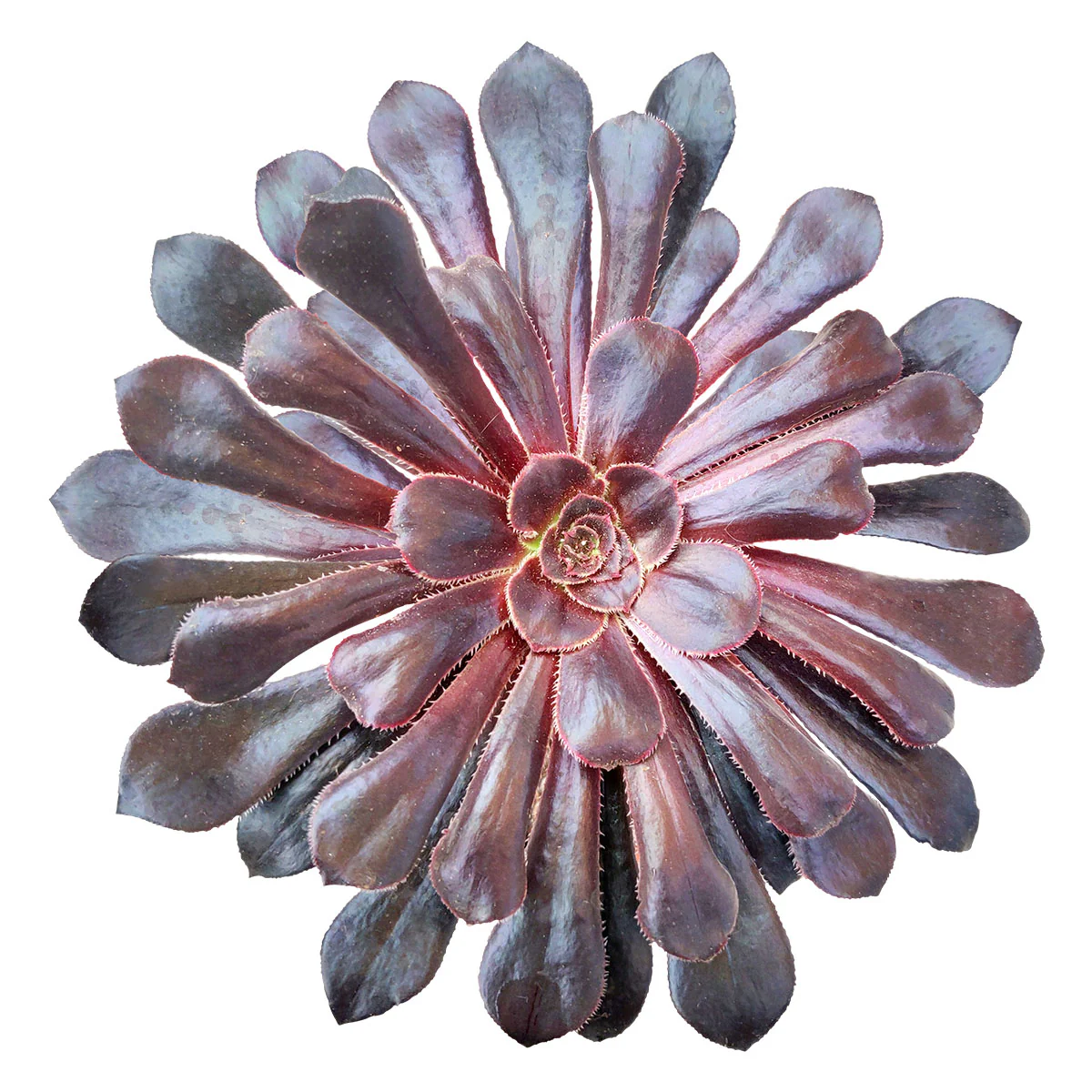
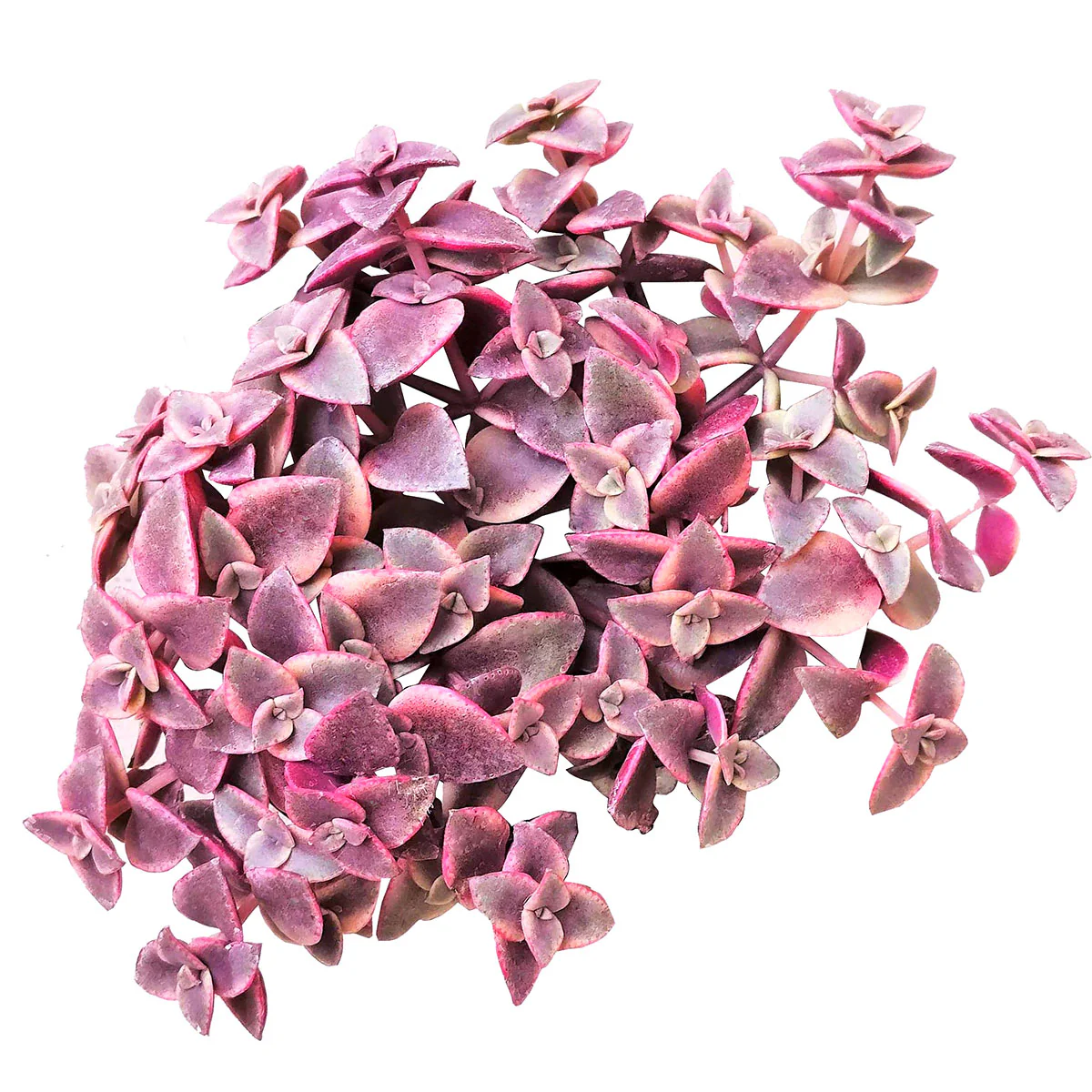
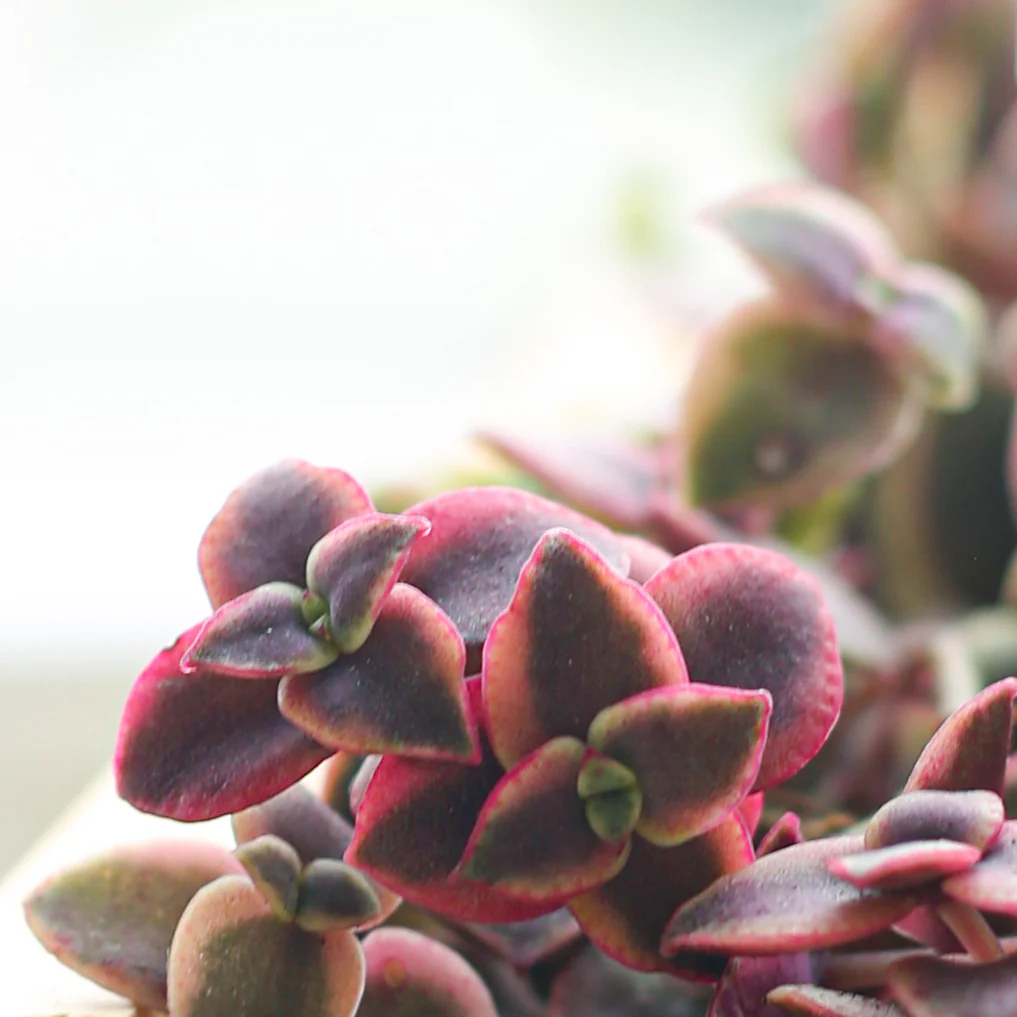
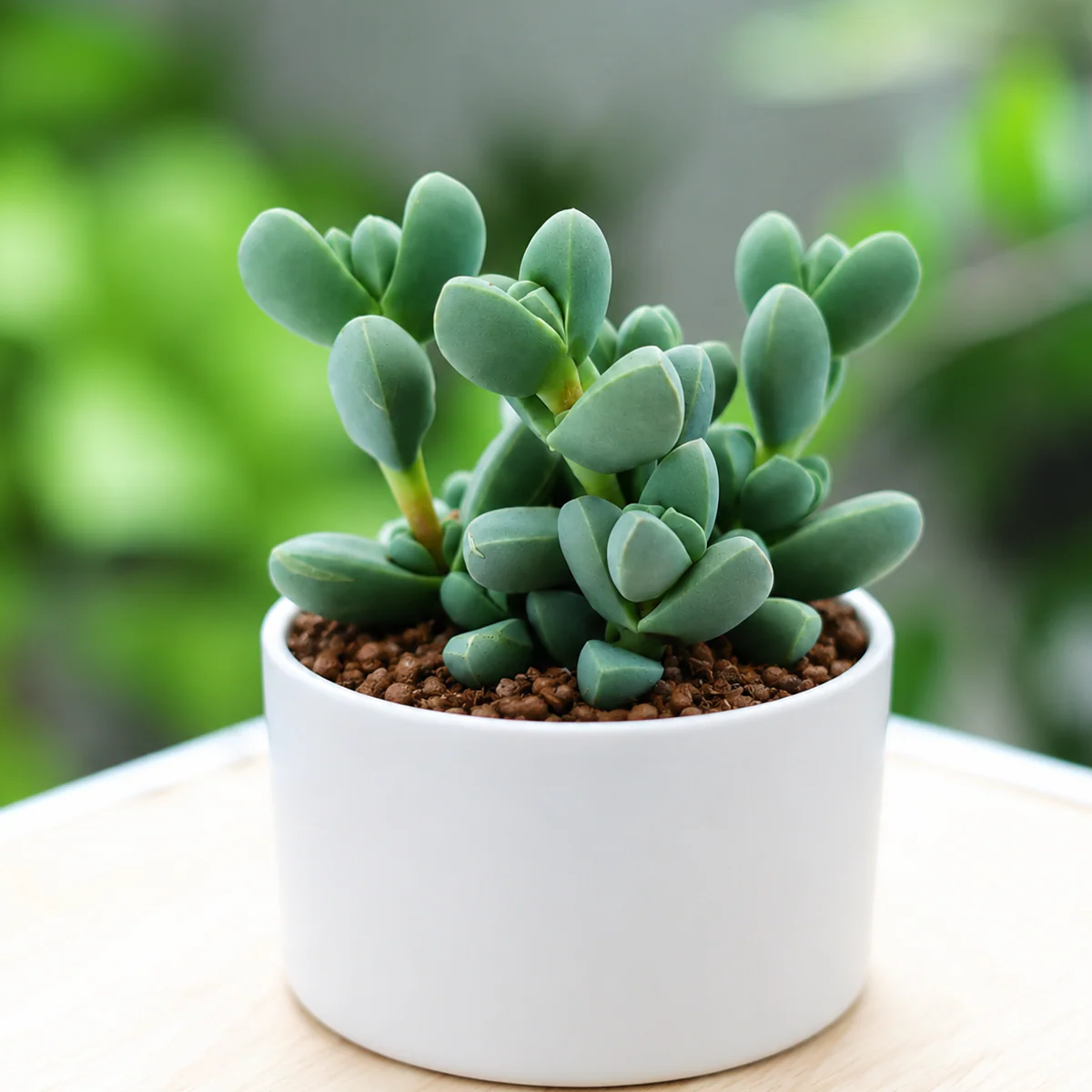
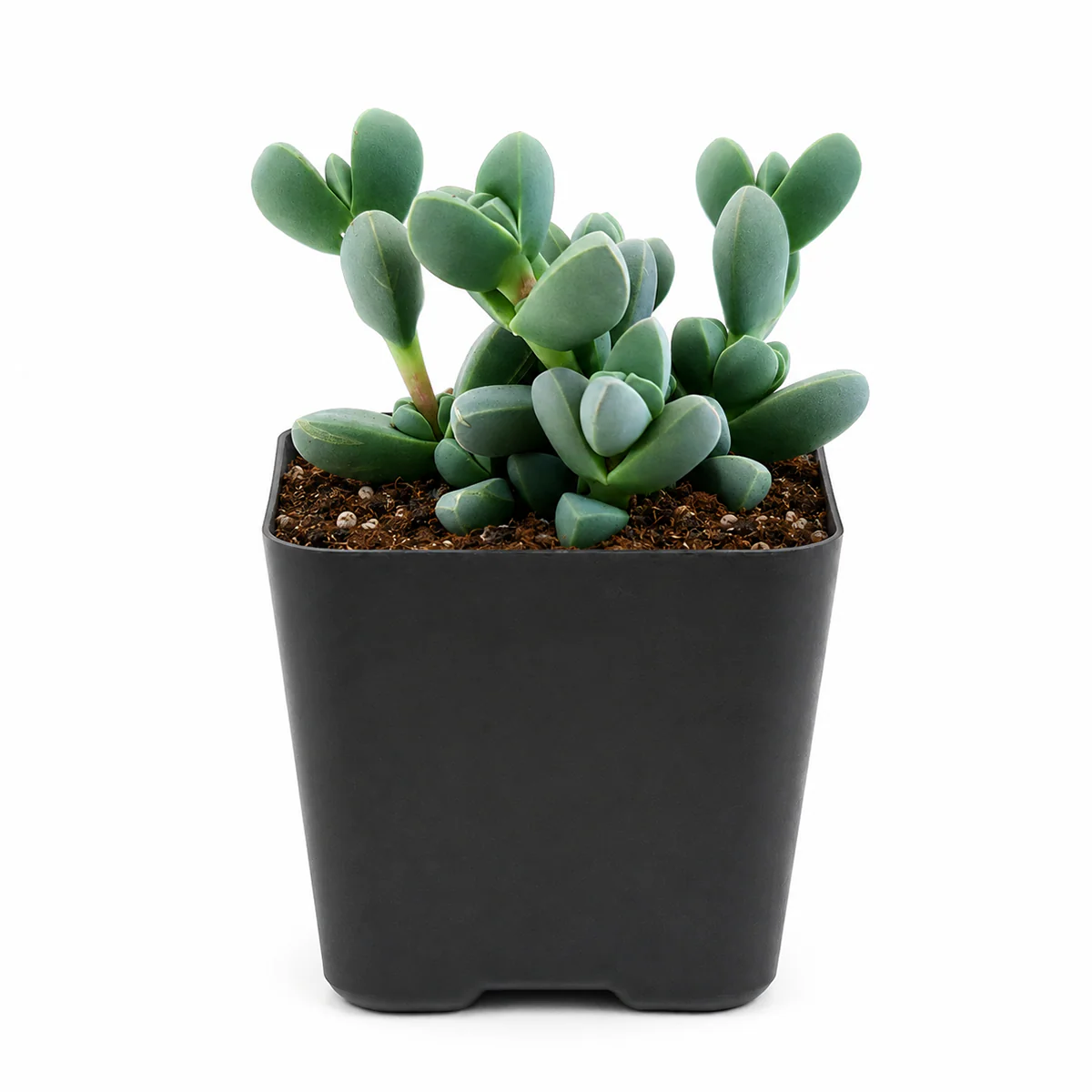
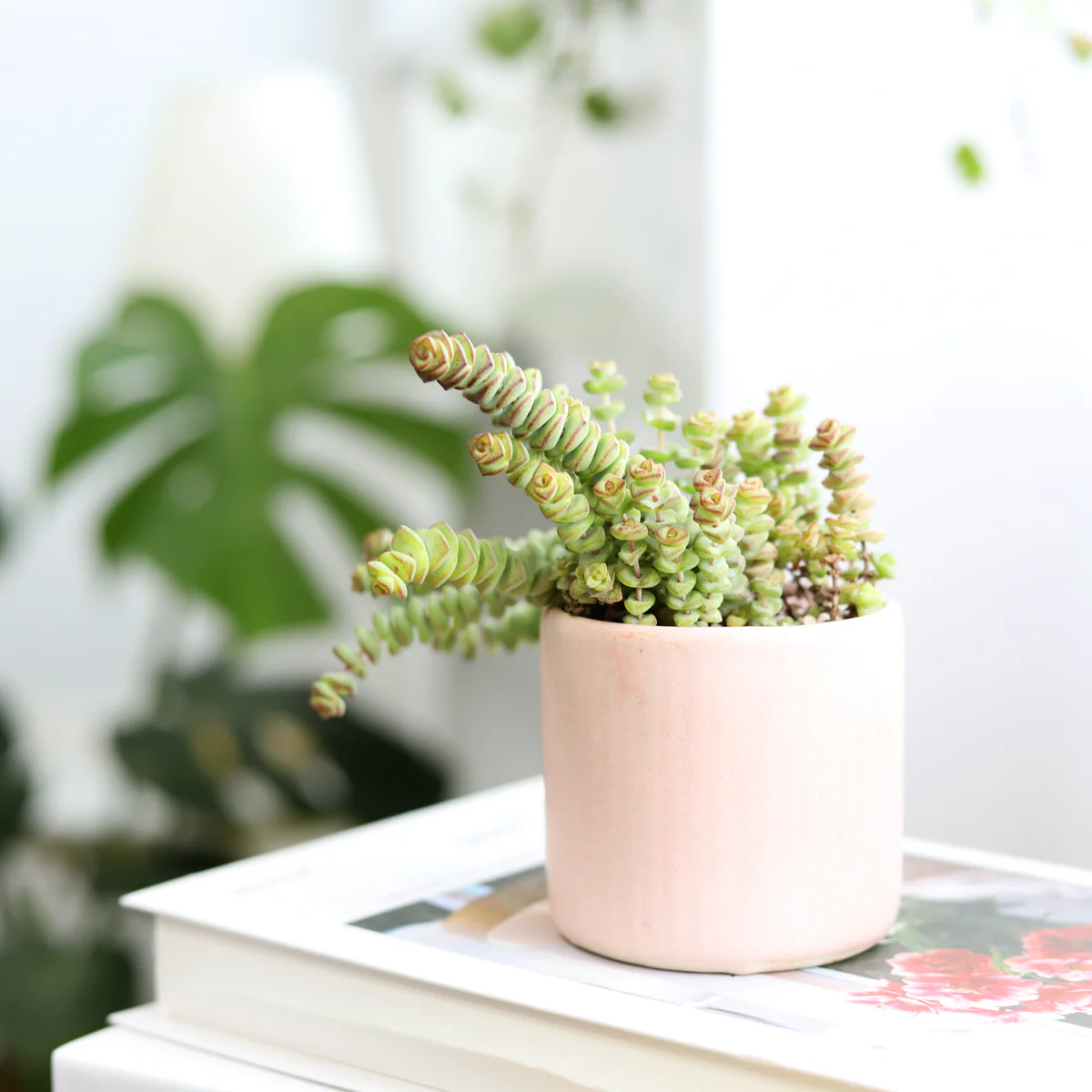
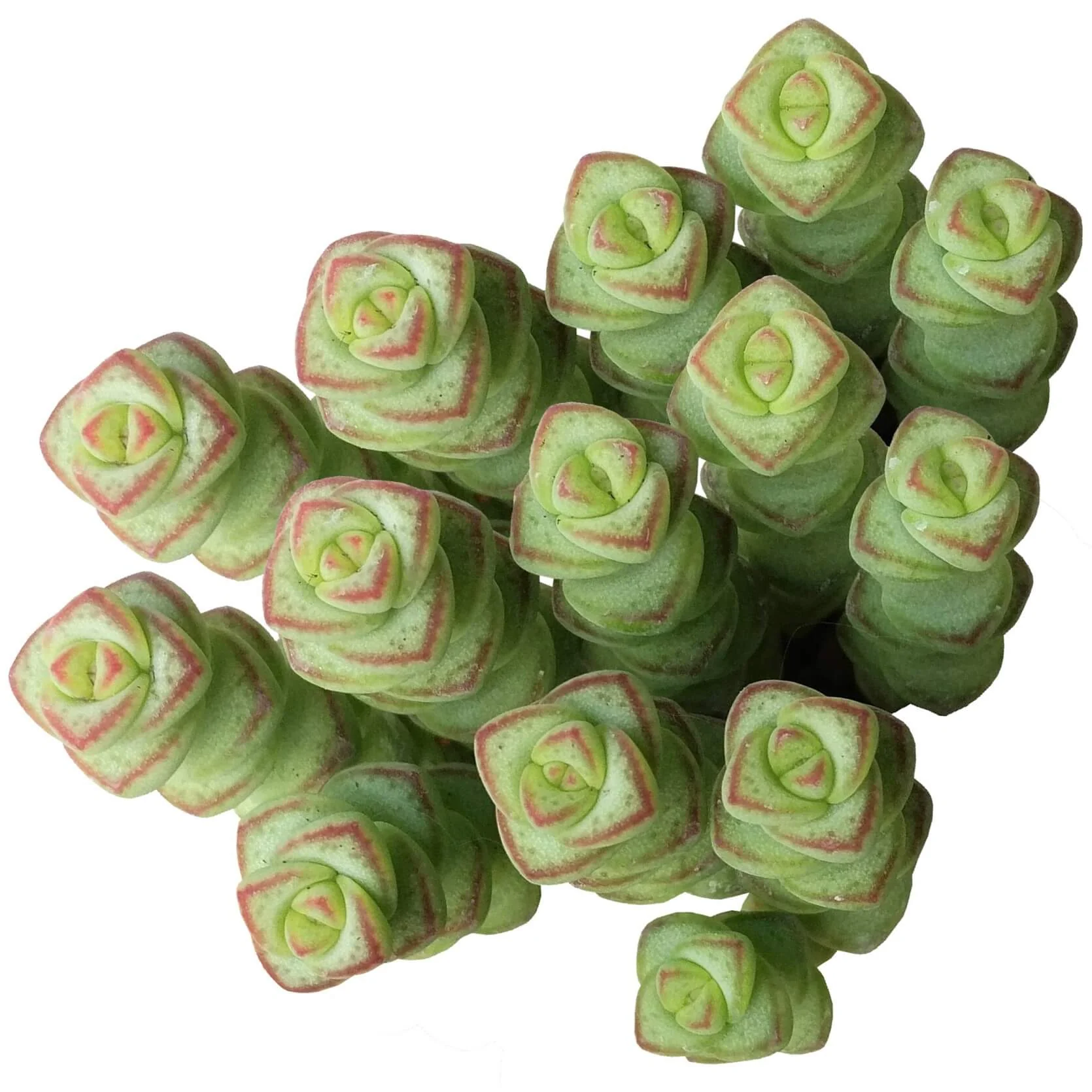
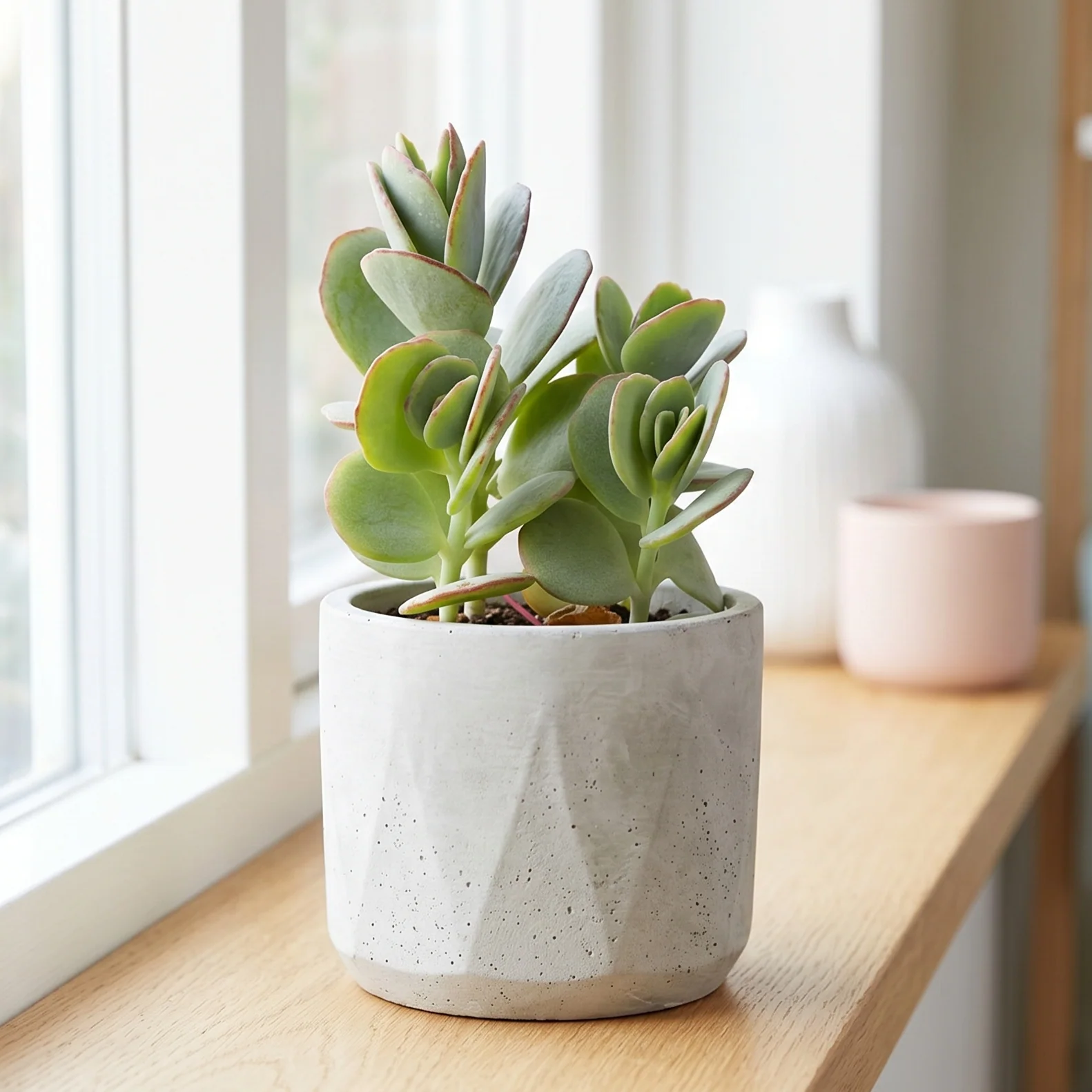
 Kalanchoe marnieriana - Marnier's Kalanchoe grows in an upright, clustering habit, producing graceful arching stems lined with stacked, rounded blue-green paddle-shaped leaves. Each leaf has a slightly powdery coating and develops gorgeous rosy-pink to reddish margins, especially when given bright light. That distinctive paddle leaf kalanchoe silhouette makes it instantly recognizable and endlessly photogenic on any shelf or windowsill.
 Kalanchoe marnieriana - Marnier's Kalanchoe is a true winter blooming succulent, producing cheerful clusters of small, pendulous coral to orange-pink tubular flowers from late winter into spring. Like most kalanchoes, it needs a drop in nighttime temperatures to trigger blooming, so placing it near a cool window in autumn helps set the stage for that floral show. No strong fragrance, but the delicate cascading blooms more than compensate.
 As a drought tolerant succulent with real staying power, Kalanchoe marnieriana - Marnier's Kalanchoe can survive a 10-day trip without a sitter, making it ideal for busy plant lovers or frequent travelers. It releases oxygen at night, a lovely bonus for a bedroom display. Move it outdoors for summer to boost growth, but bring it under cover away from heavy rain, and keep it on a high shelf well out of reach of pets and small children since cats, dogs, and toddlers shouldn't be left to nibble or eat the plant.
-
 Kalanchoe marnieriana - Marnier's Kalanchoe thrives in bright indirect light or partial sun, though direct south-window sun can scorch its leaves.
 Water Kalanchoe marnieriana - Marnier's Kalanchoe deeply every 10-14 days in summer, reducing to once every 3-4 weeks in winter.
 Kalanchoe marnieriana - Marnier's Kalanchoe prefers a fast-draining cactus and perlite mix to prevent root rot.
 Kalanchoe marnieriana - Marnier's Kalanchoe prefers 60-85°F (15-29°C) and should be protected from frost below 50°F (10°C).
![]() Kalanchoe marnieriana - Marnier's Kalanchoe is a slow to moderate grower that benefits from a balanced liquid fertilizer applied monthly during spring and summer only.
Kalanchoe marnieriana - Marnier's Kalanchoe is a slow to moderate grower that benefits from a balanced liquid fertilizer applied monthly during spring and summer only.
 Kalanchoe marnieriana - Marnier's Kalanchoe is rated for USDA Hardiness Zones 9-11, tolerating temperatures down to around 25-30°F (-3 to -1°C) only briefly and with protection. Gardeners growing Kalanchoe marnieriana - Marnier's Kalanchoe outdoors year-round will find it perfectly at home across Florida, Hawaii, Southern California, coastal Oregon, Texas, Arizona, Nevada, Louisiana, Georgia, South Carolina, Alabama, and Mississippi. Parts of New Mexico, North Carolina, and the milder pockets of the Pacific Northwest can also support this easy care succulent with a little seasonal shelter.
-
Q: How often should I water Kalanchoe marnieriana - Marnier's Kalanchoe?
A: Water deeply every 10-14 days in the growing season, then pull back to every 3-4 weeks in winter. Always let the soil dry out fully between waterings.
Q: Is Kalanchoe marnieriana - Marnier's Kalanchoe safe for pets?
A: Cats and dogs shouldn't be left to nibble or eat Kalanchoe marnieriana - Marnier's Kalanchoe, so keep it on a high shelf well out of their reach.
Q: How do I get Kalanchoe marnieriana - Marnier's Kalanchoe to bloom?
A: Give Kalanchoe marnieriana - Marnier's Kalanchoe a drop in nighttime temperatures (around 55-60°F / 13-15°C) in autumn for 4-6 weeks to trigger flowering. Reducing watering slightly during this period also helps.
Q: Can I grow Kalanchoe marnieriana - Marnier's Kalanchoe under office lighting?
A: Yes, Kalanchoe marnieriana - Marnier's Kalanchoe can adapt to bright LED office lighting, though growth will be slower and blooming less reliable. Rotating the pot regularly ensures even, upright growth.
Q: How do I propagate Kalanchoe marnieriana - Marnier's Kalanchoe?
A: Stem cuttings are the easiest method; allow the cut end to callous for a day or two, then place it in dry succulent mix. Roots typically establish within 2-4 weeks.
Q: Is Kalanchoe marnieriana - Marnier's Kalanchoe rare?
A: Yes, Kalanchoe marnieriana - Marnier's Kalanchoe is considered a rare succulent compared to more common kalanchoe varieties, making it a prized addition to any collector's shelf.


Original: $8.00
-70%$8.00
$2.40Product Information
Product Information
Shipping & Returns
Shipping & Returns
Description
- Description
- Kalanchoe marnieriana - Marnier's Kalanchoe Care Guide
- FAQ/Common Issues
-
![]() Kalanchoe marnieriana - Marnier's Kalanchoe is a stunning succulent in the Crassulaceae family, native to the rocky, semi-arid landscapes of Madagascar. This rare succulent has earned a devoted following among collectors worldwide for its sculptural beauty and genuinely easy care. If you've been searching for a low maintenance succulent that delivers serious visual impact, this is it.
Kalanchoe marnieriana - Marnier's Kalanchoe is a stunning succulent in the Crassulaceae family, native to the rocky, semi-arid landscapes of Madagascar. This rare succulent has earned a devoted following among collectors worldwide for its sculptural beauty and genuinely easy care. If you've been searching for a low maintenance succulent that delivers serious visual impact, this is it.
Kalanchoe marnieriana - Marnier's Kalanchoe grows in an upright, clustering habit, producing graceful arching stems lined with stacked, rounded blue-green paddle-shaped leaves. Each leaf has a slightly powdery coating and develops gorgeous rosy-pink to reddish margins, especially when given bright light. That distinctive paddle leaf kalanchoe silhouette makes it instantly recognizable and endlessly photogenic on any shelf or windowsill.
Kalanchoe marnieriana - Marnier's Kalanchoe is a true winter blooming succulent, producing cheerful clusters of small, pendulous coral to orange-pink tubular flowers from late winter into spring. Like most kalanchoes, it needs a drop in nighttime temperatures to trigger blooming, so placing it near a cool window in autumn helps set the stage for that floral show. No strong fragrance, but the delicate cascading blooms more than compensate.
As a drought tolerant succulent with real staying power, Kalanchoe marnieriana - Marnier's Kalanchoe can survive a 10-day trip without a sitter, making it ideal for busy plant lovers or frequent travelers. It releases oxygen at night, a lovely bonus for a bedroom display. Move it outdoors for summer to boost growth, but bring it under cover away from heavy rain, and keep it on a high shelf well out of reach of pets and small children since cats, dogs, and toddlers shouldn't be left to nibble or eat the plant.
-
Kalanchoe marnieriana - Marnier's Kalanchoe thrives in bright indirect light or partial sun, though direct south-window sun can scorch its leaves.
Water Kalanchoe marnieriana - Marnier's Kalanchoe deeply every 10-14 days in summer, reducing to once every 3-4 weeks in winter.
Kalanchoe marnieriana - Marnier's Kalanchoe prefers a fast-draining cactus and perlite mix to prevent root rot.
Kalanchoe marnieriana - Marnier's Kalanchoe prefers 60-85°F (15-29°C) and should be protected from frost below 50°F (10°C).
![]() Kalanchoe marnieriana - Marnier's Kalanchoe is a slow to moderate grower that benefits from a balanced liquid fertilizer applied monthly during spring and summer only.
Kalanchoe marnieriana - Marnier's Kalanchoe is a slow to moderate grower that benefits from a balanced liquid fertilizer applied monthly during spring and summer only.
Kalanchoe marnieriana - Marnier's Kalanchoe is rated for USDA Hardiness Zones 9-11, tolerating temperatures down to around 25-30°F (-3 to -1°C) only briefly and with protection. Gardeners growing Kalanchoe marnieriana - Marnier's Kalanchoe outdoors year-round will find it perfectly at home across Florida, Hawaii, Southern California, coastal Oregon, Texas, Arizona, Nevada, Louisiana, Georgia, South Carolina, Alabama, and Mississippi. Parts of New Mexico, North Carolina, and the milder pockets of the Pacific Northwest can also support this easy care succulent with a little seasonal shelter.
-
Q: How often should I water Kalanchoe marnieriana - Marnier's Kalanchoe?
A: Water deeply every 10-14 days in the growing season, then pull back to every 3-4 weeks in winter. Always let the soil dry out fully between waterings.
Q: Is Kalanchoe marnieriana - Marnier's Kalanchoe safe for pets?
A: Cats and dogs shouldn't be left to nibble or eat Kalanchoe marnieriana - Marnier's Kalanchoe, so keep it on a high shelf well out of their reach.
Q: How do I get Kalanchoe marnieriana - Marnier's Kalanchoe to bloom?
A: Give Kalanchoe marnieriana - Marnier's Kalanchoe a drop in nighttime temperatures (around 55-60°F / 13-15°C) in autumn for 4-6 weeks to trigger flowering. Reducing watering slightly during this period also helps.
Q: Can I grow Kalanchoe marnieriana - Marnier's Kalanchoe under office lighting?
A: Yes, Kalanchoe marnieriana - Marnier's Kalanchoe can adapt to bright LED office lighting, though growth will be slower and blooming less reliable. Rotating the pot regularly ensures even, upright growth.
Q: How do I propagate Kalanchoe marnieriana - Marnier's Kalanchoe?
A: Stem cuttings are the easiest method; allow the cut end to callous for a day or two, then place it in dry succulent mix. Roots typically establish within 2-4 weeks.
Q: Is Kalanchoe marnieriana - Marnier's Kalanchoe rare?
A: Yes, Kalanchoe marnieriana - Marnier's Kalanchoe is considered a rare succulent compared to more common kalanchoe varieties, making it a prized addition to any collector's shelf.