Haworthia emelyae var. Major
- Description
- Haworthia emelyae var. Major Care Guide
- FAQ/Common Issues
-
![]() Haworthia emelyae var. Major is a rare haworthia succulent native to the Eastern Cape of South Africa, where it grows in rocky, semi-arid habitats with sharp drainage and dappled shade. As a member of the Asphodelaceae family, this drought tolerant succulent has adapted to survive on minimal water, making it a remarkable find for collectors and beginners alike.
Haworthia emelyae var. Major is a rare haworthia succulent native to the Eastern Cape of South Africa, where it grows in rocky, semi-arid habitats with sharp drainage and dappled shade. As a member of the Asphodelaceae family, this drought tolerant succulent has adapted to survive on minimal water, making it a remarkable find for collectors and beginners alike.
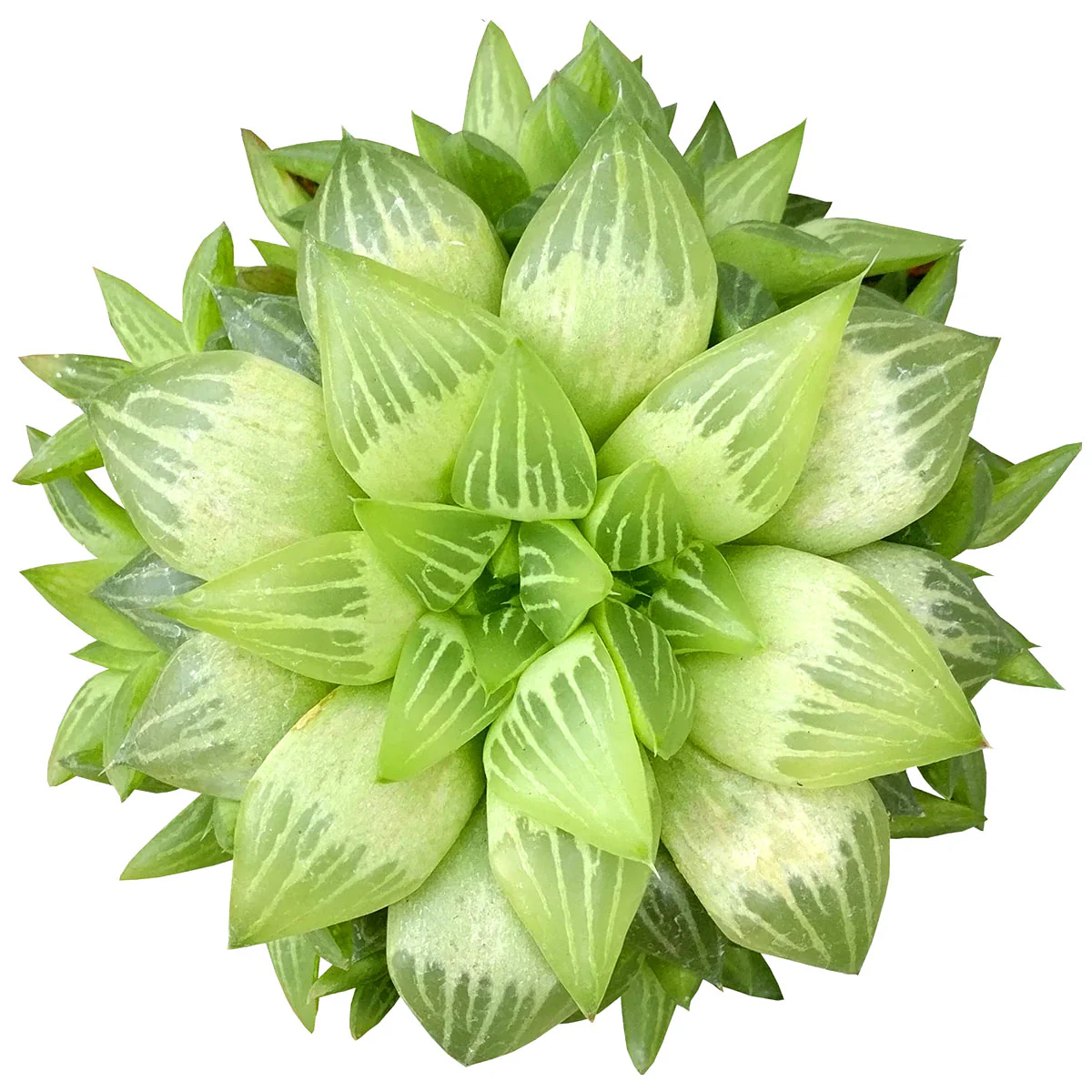
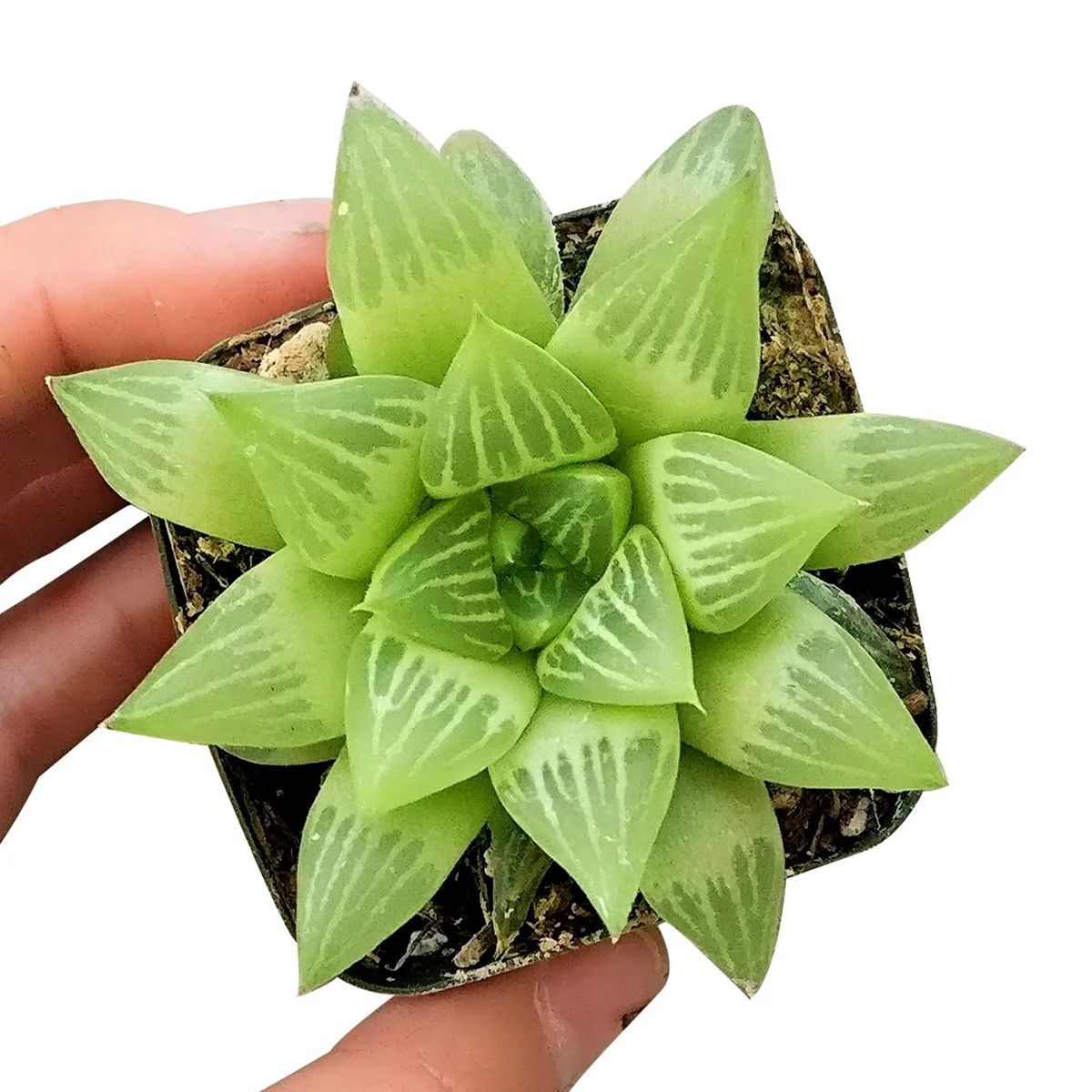
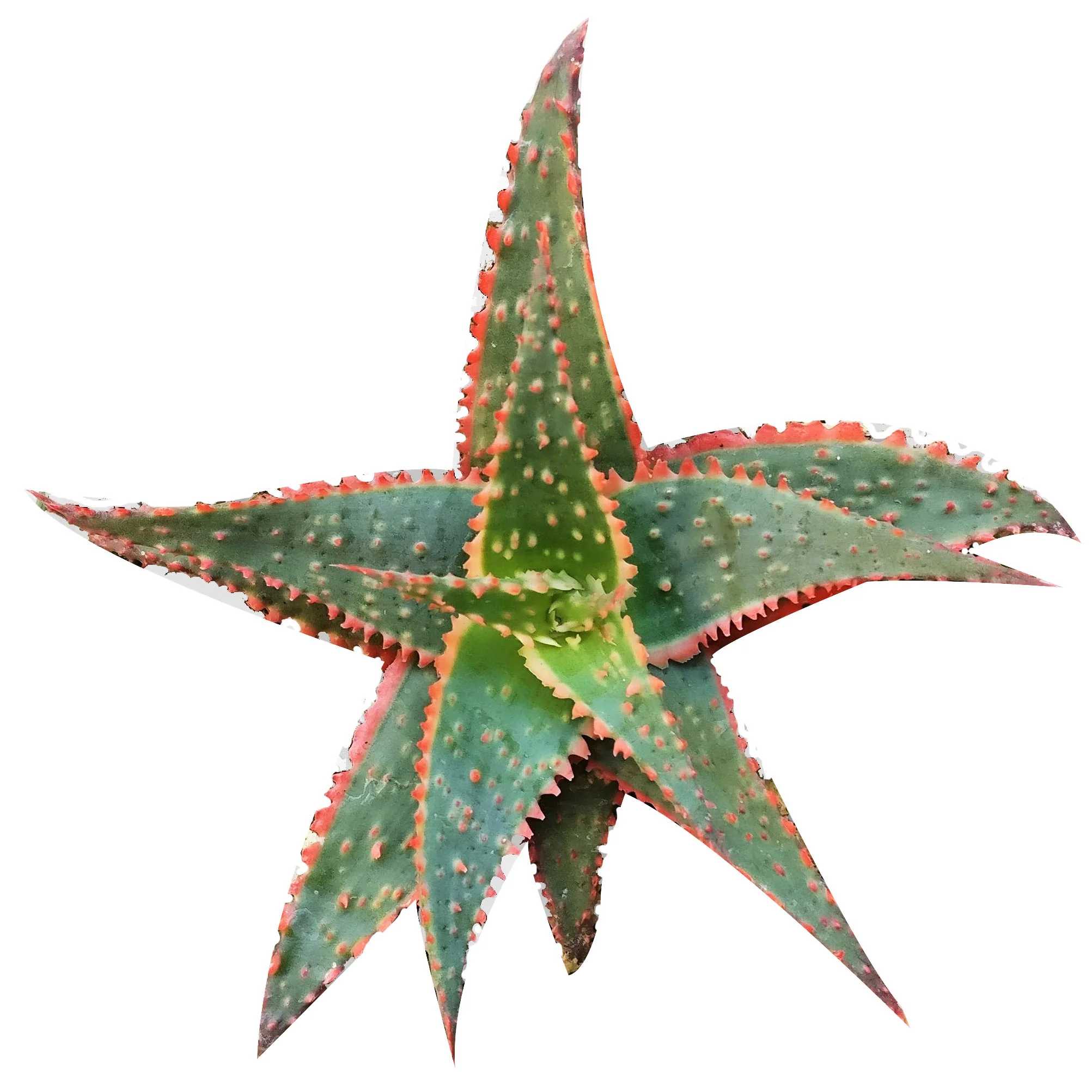
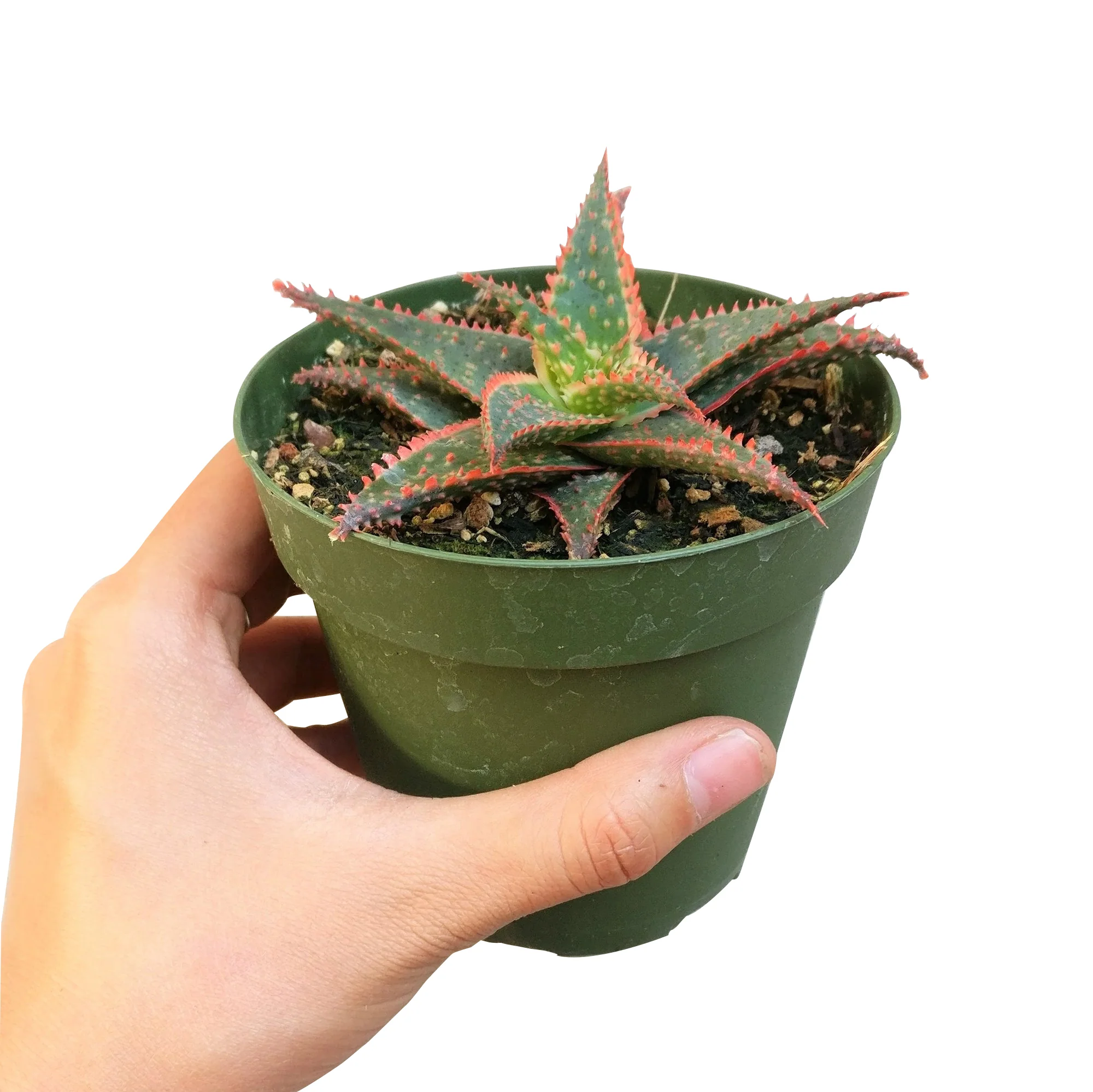
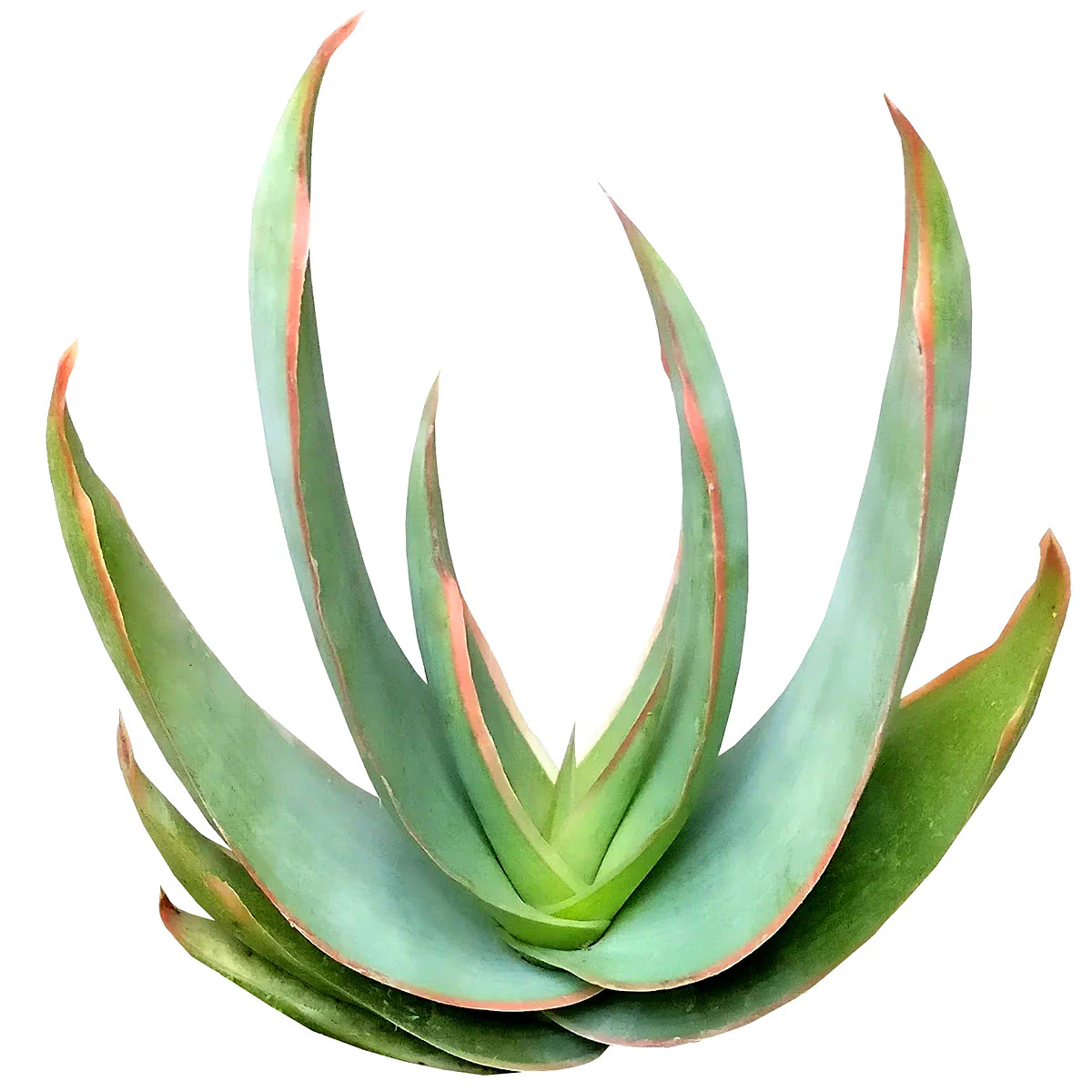
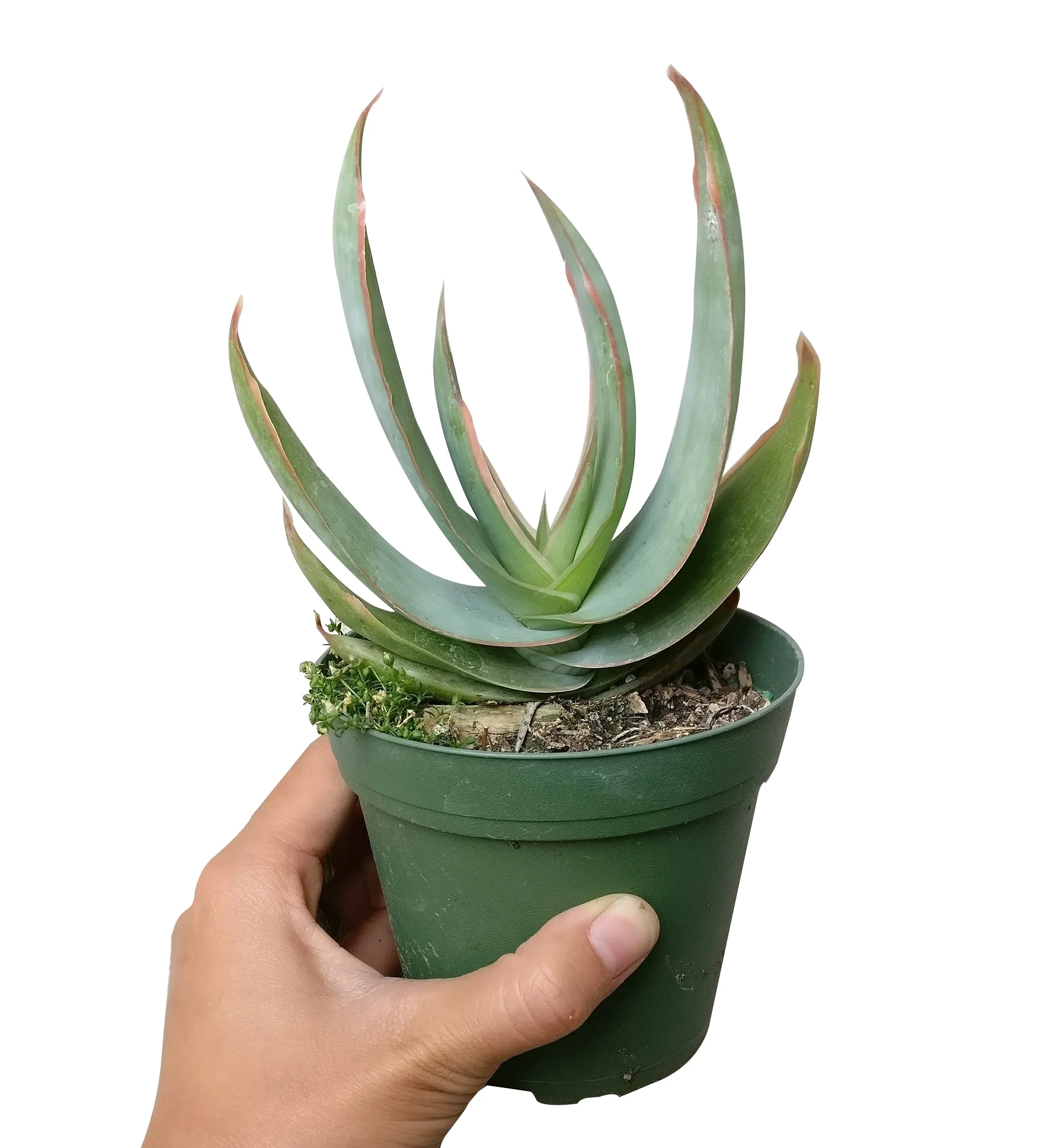
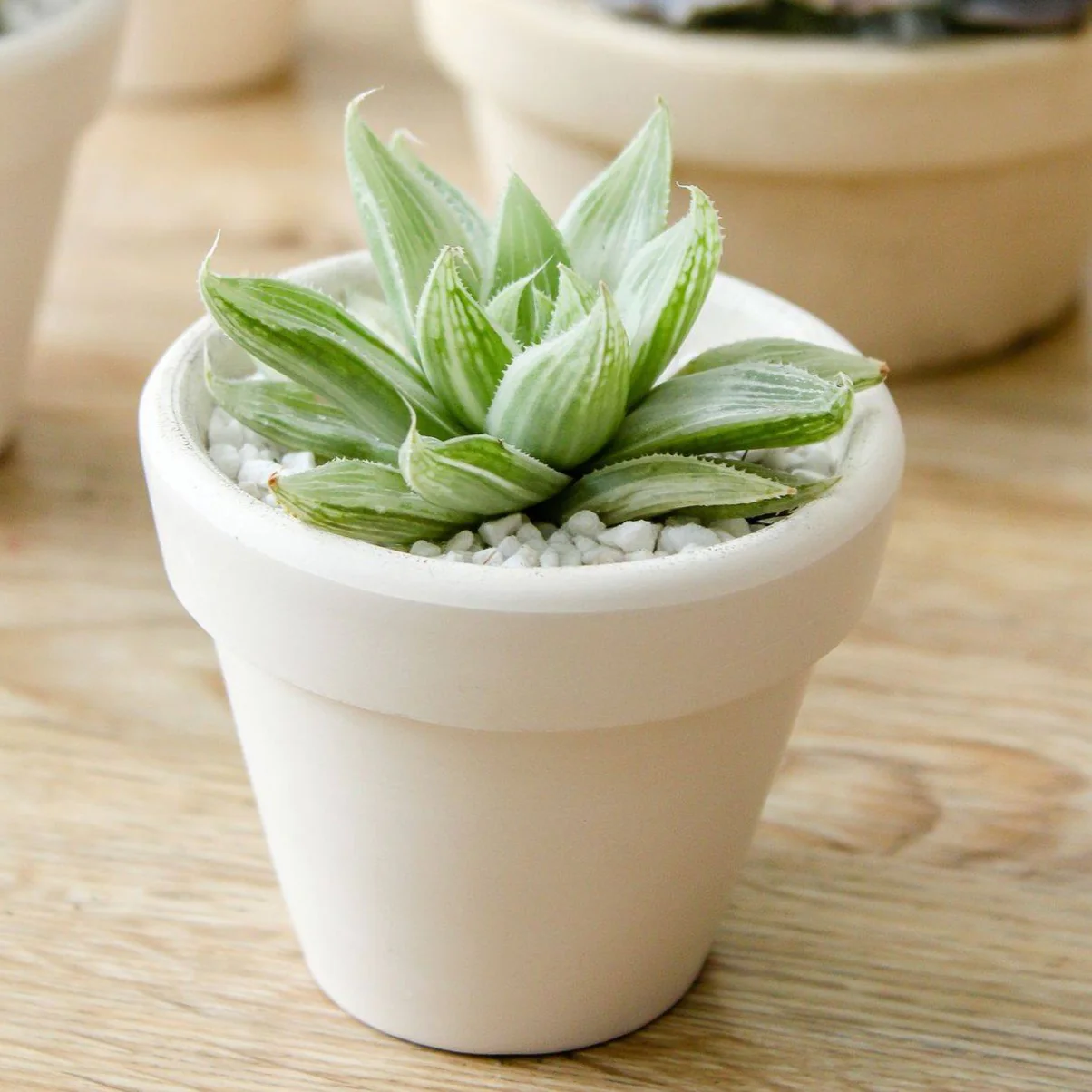
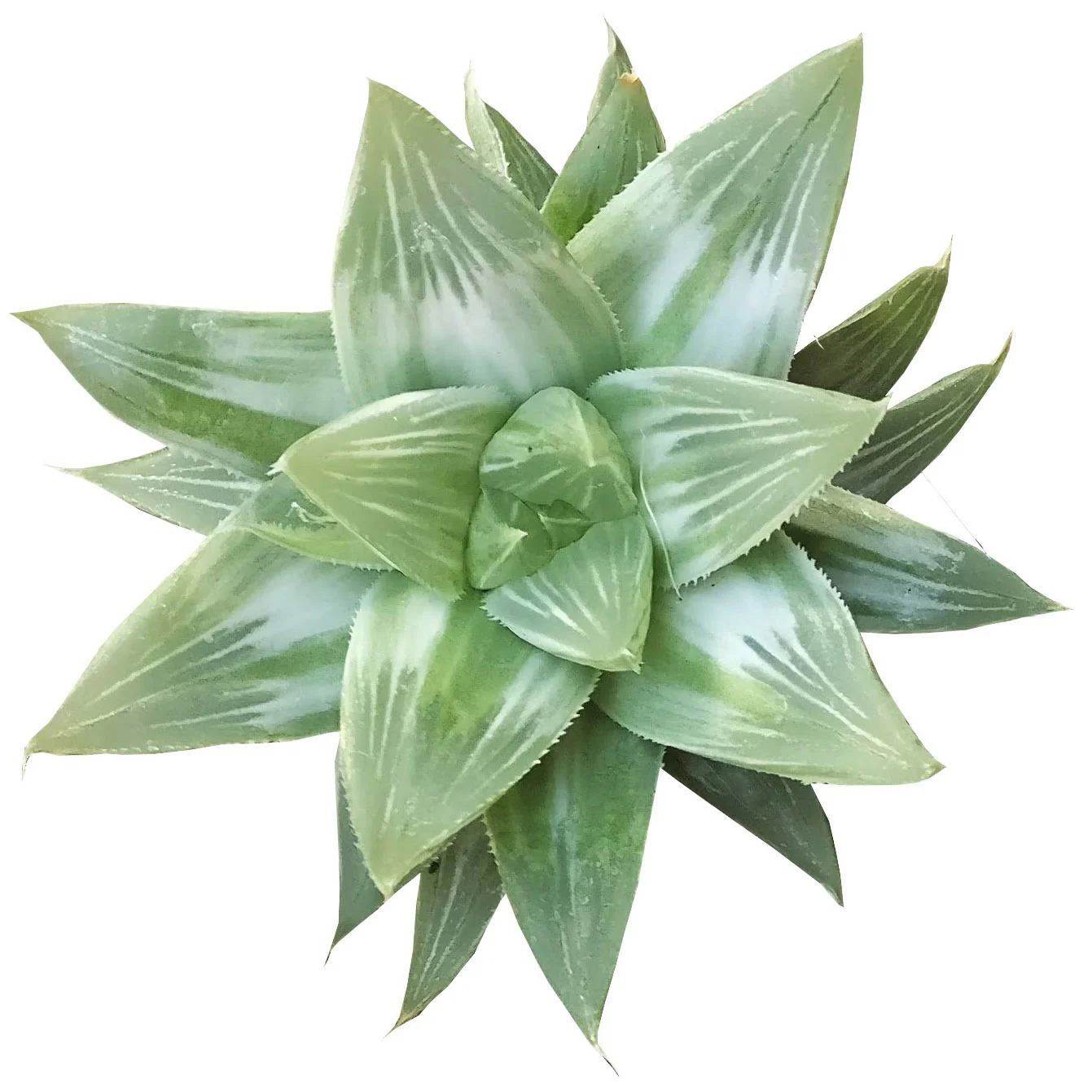
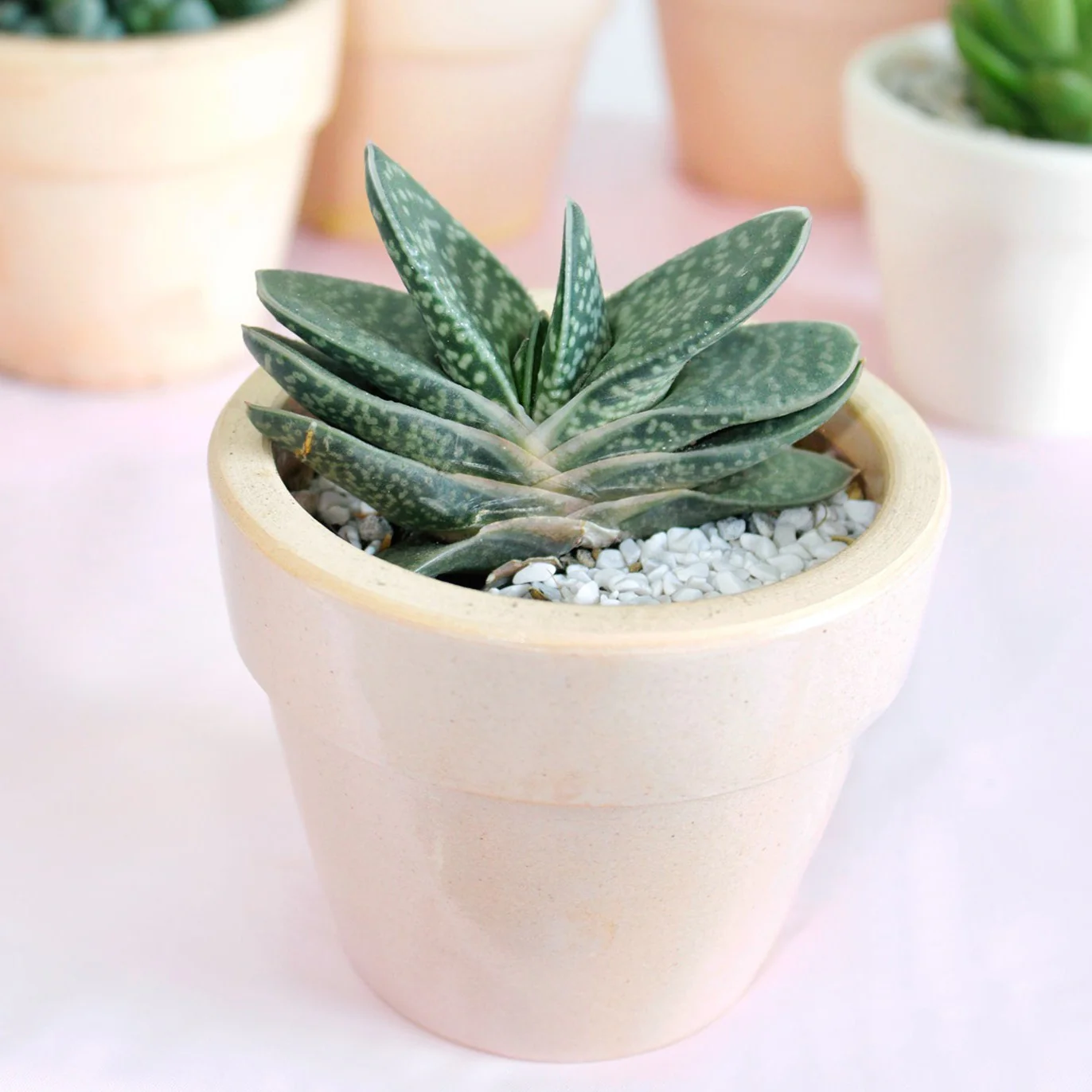
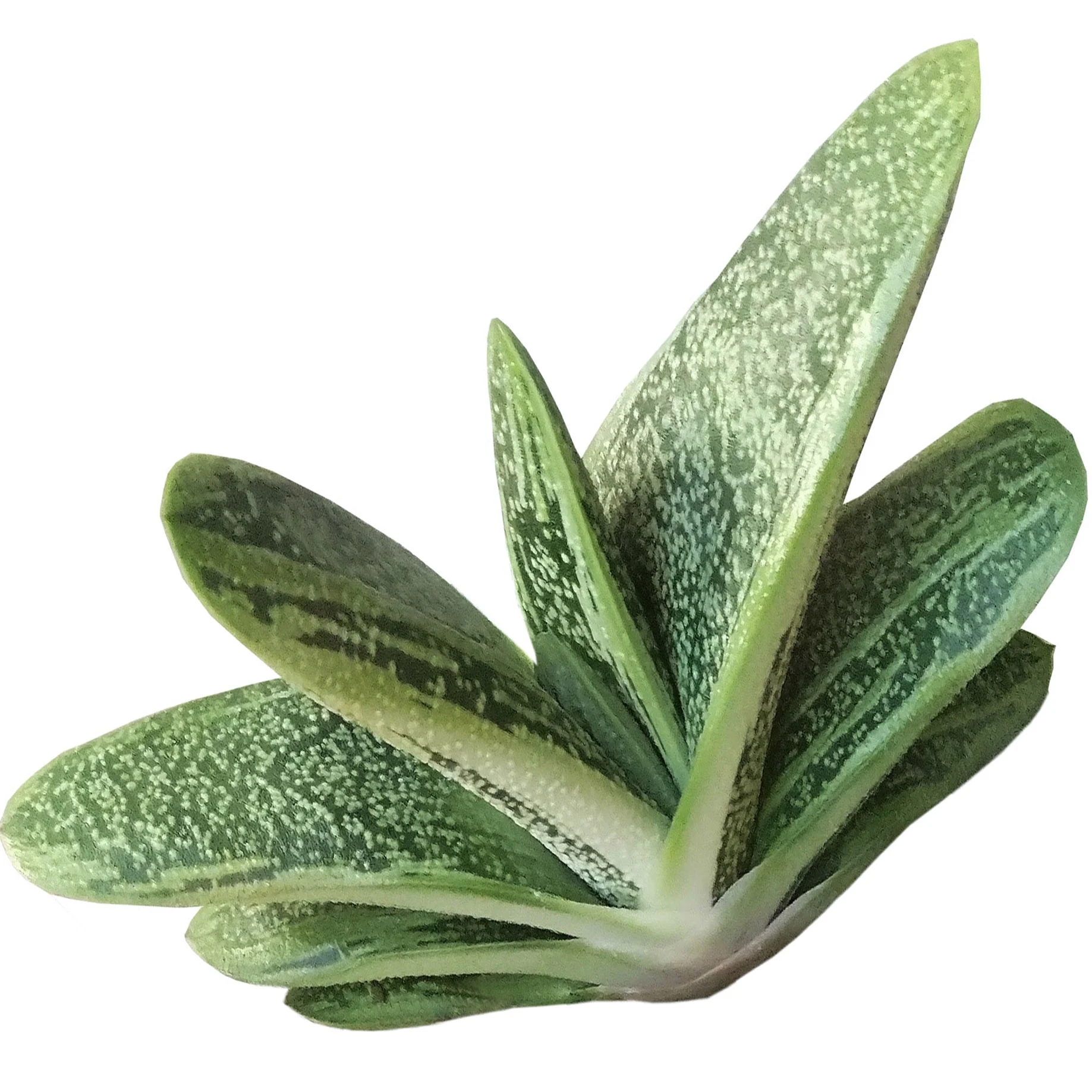
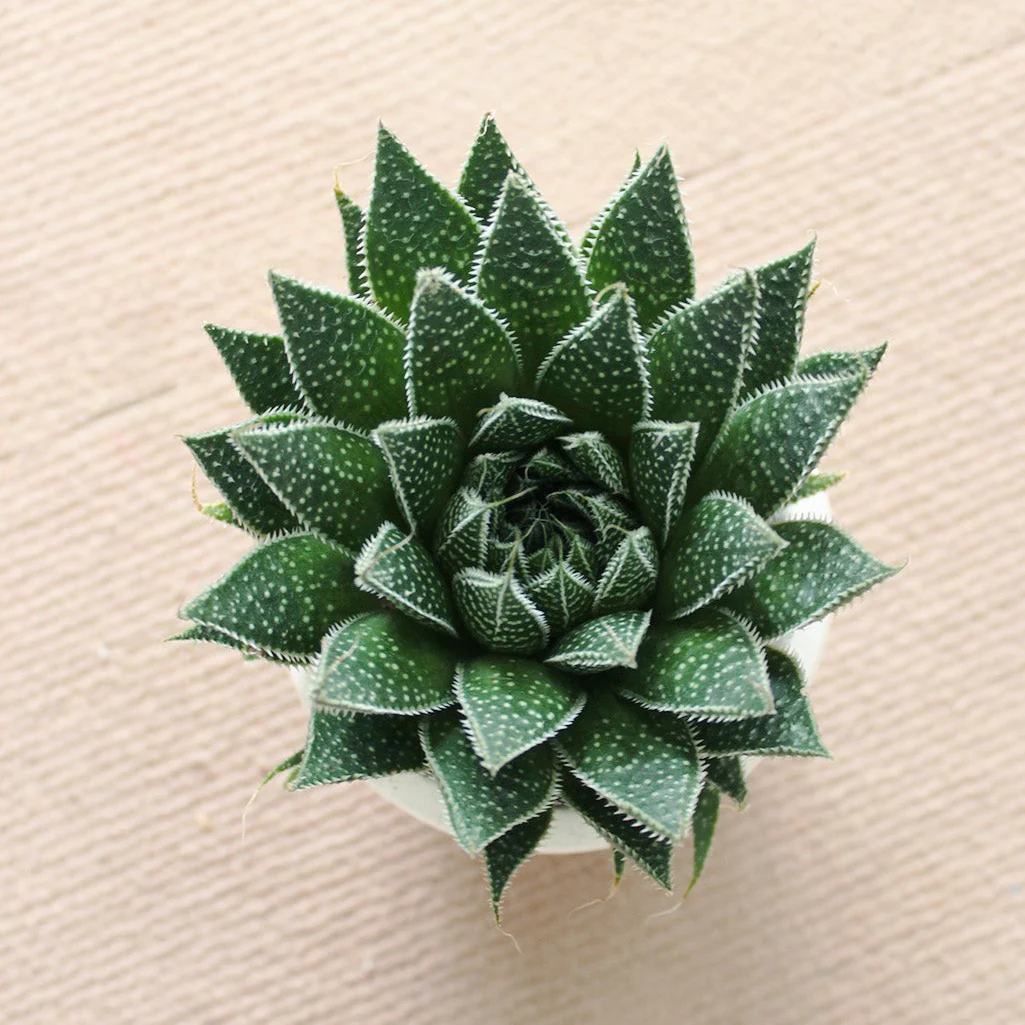
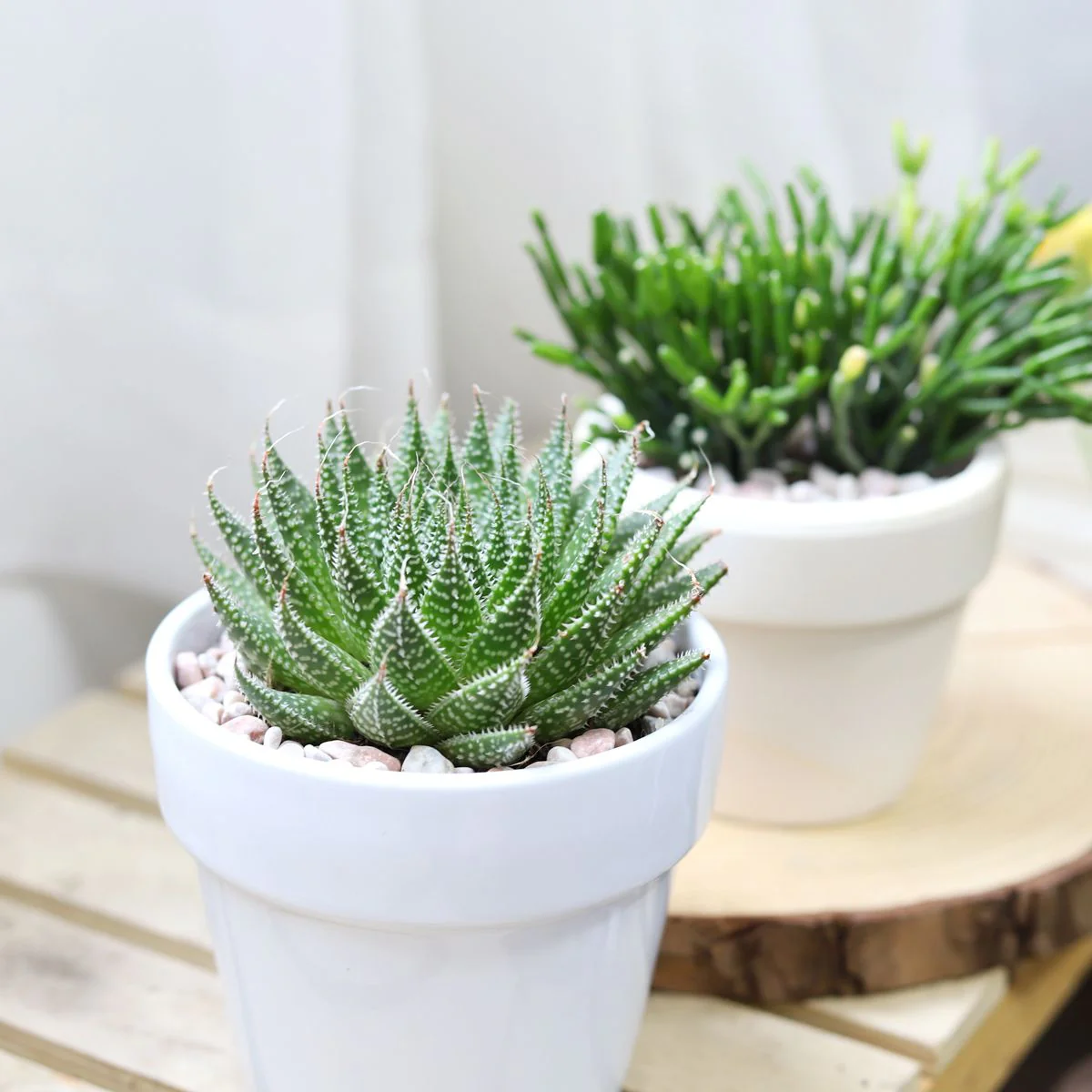
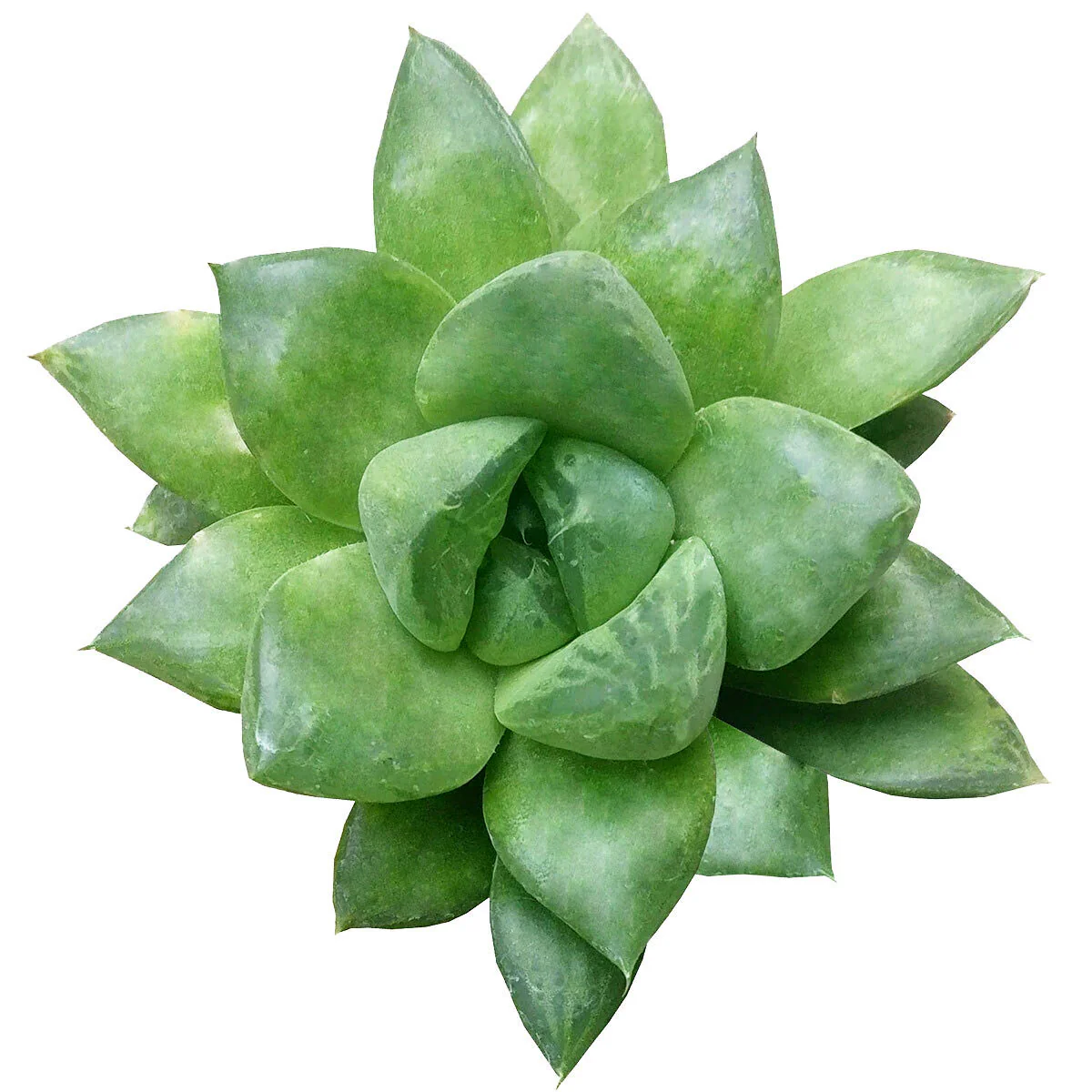
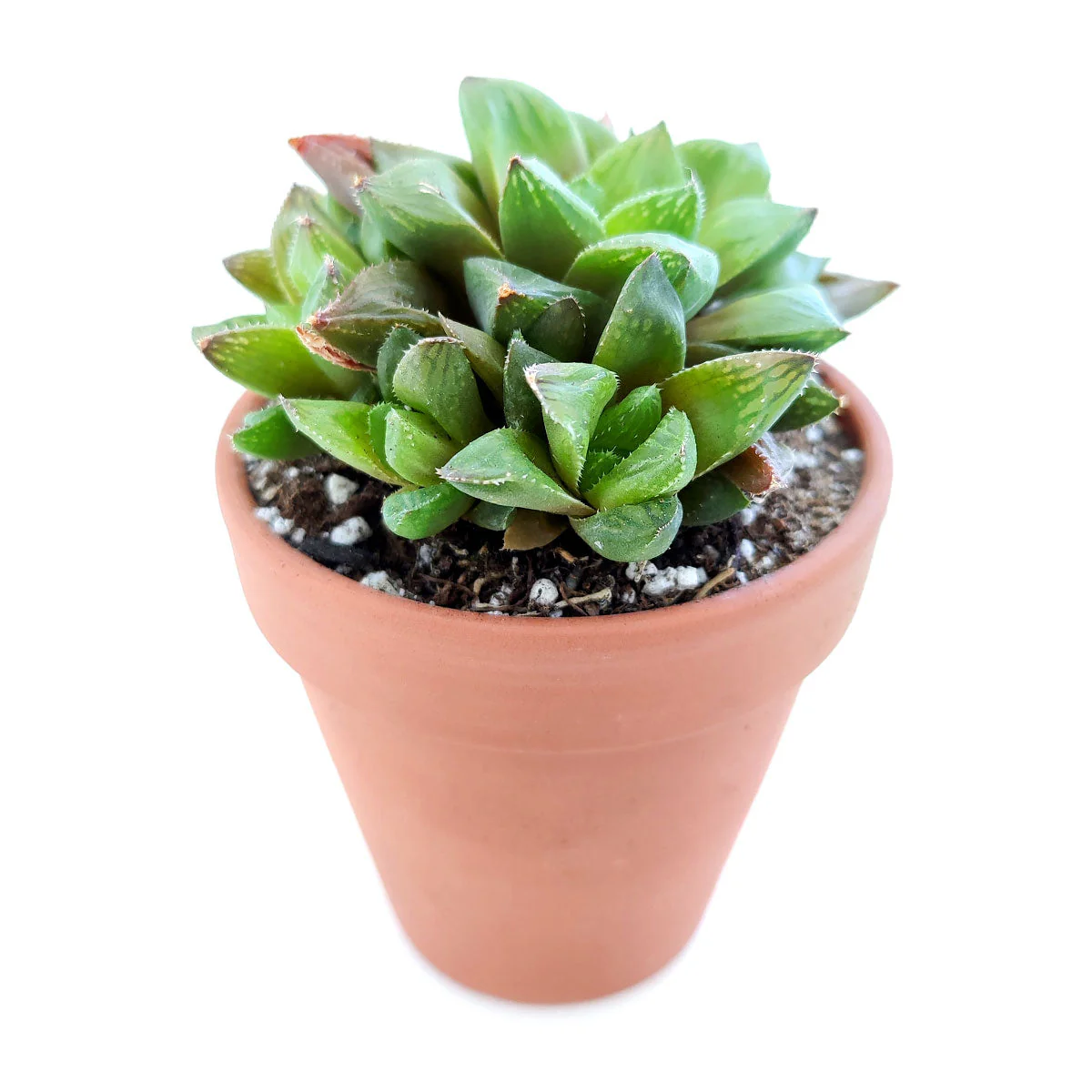
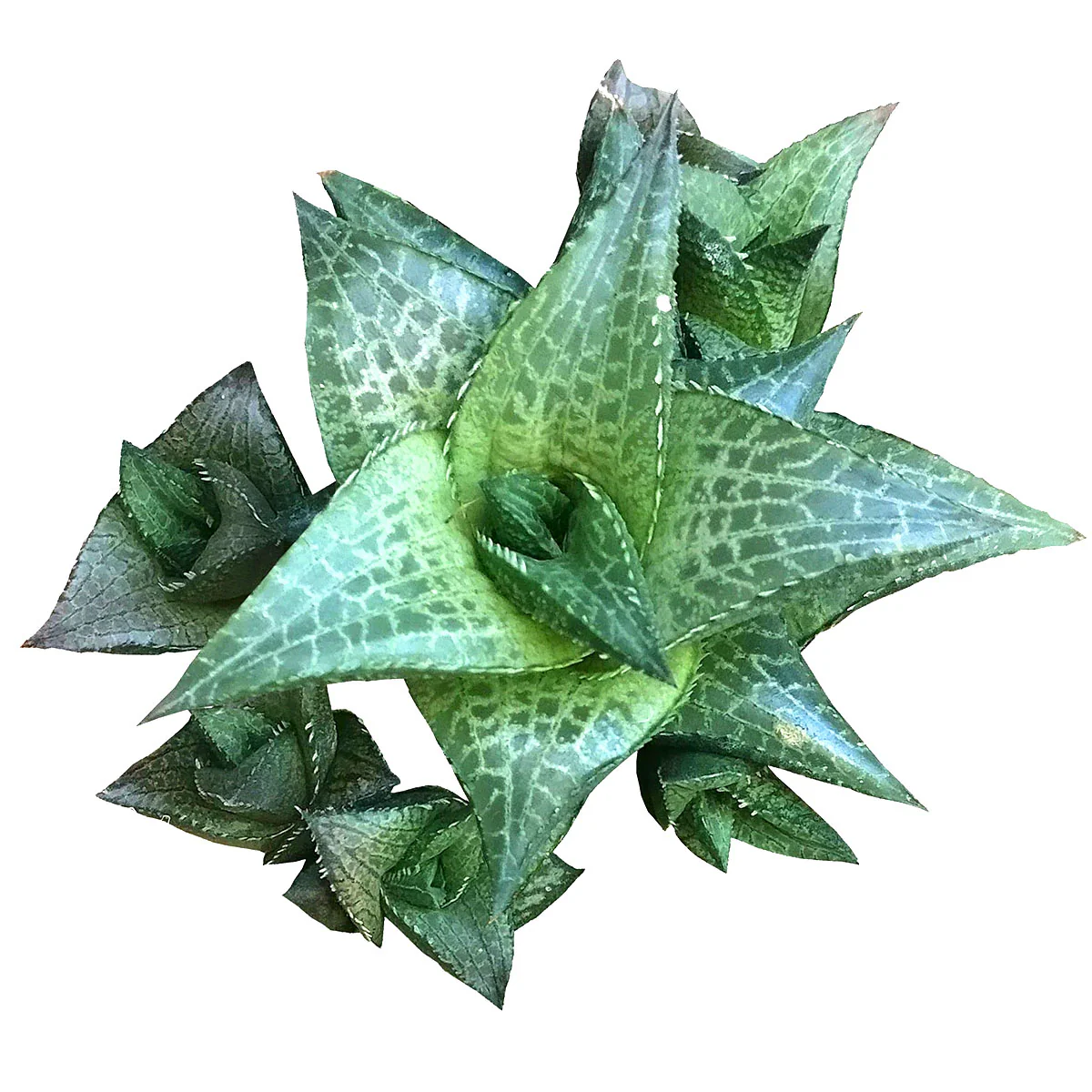
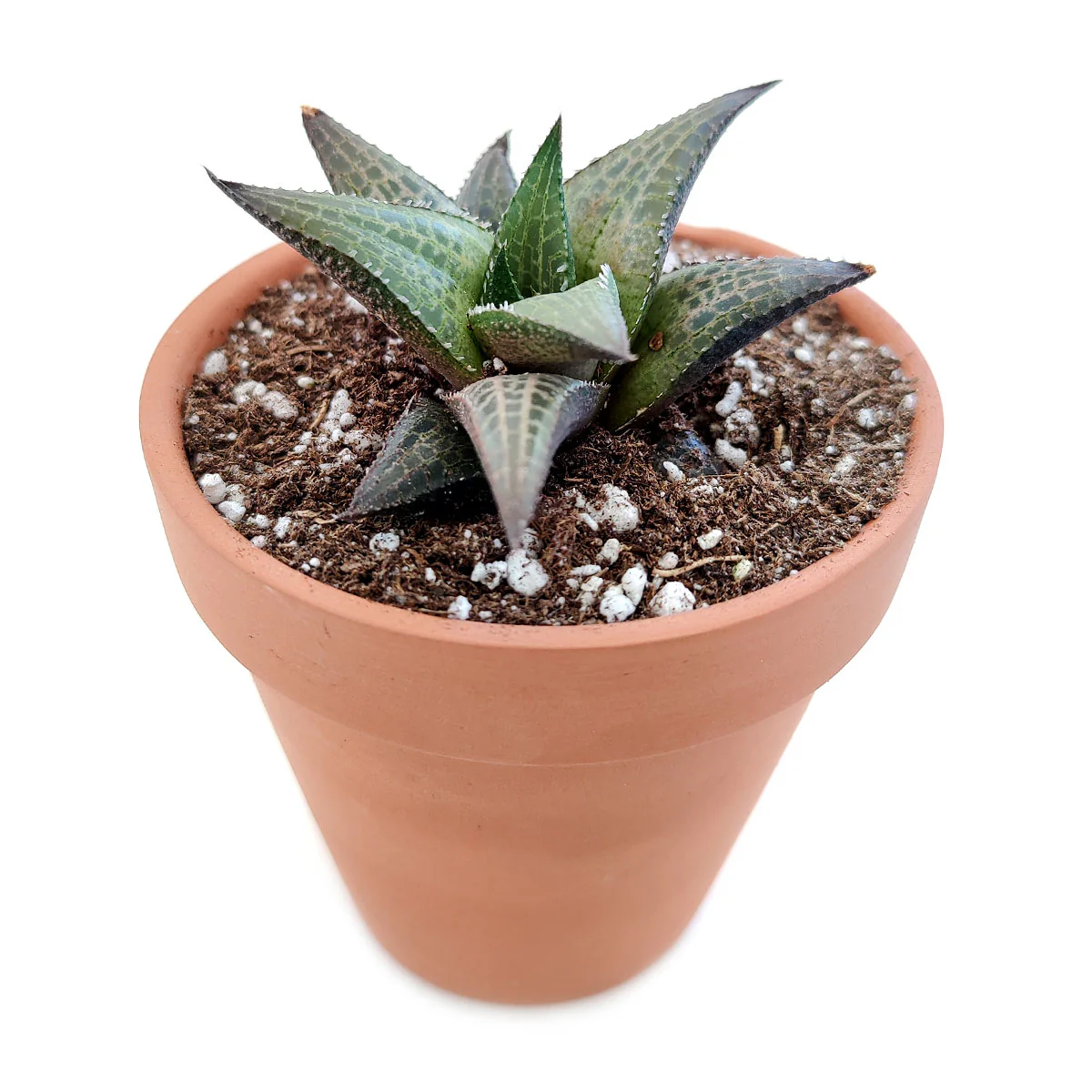
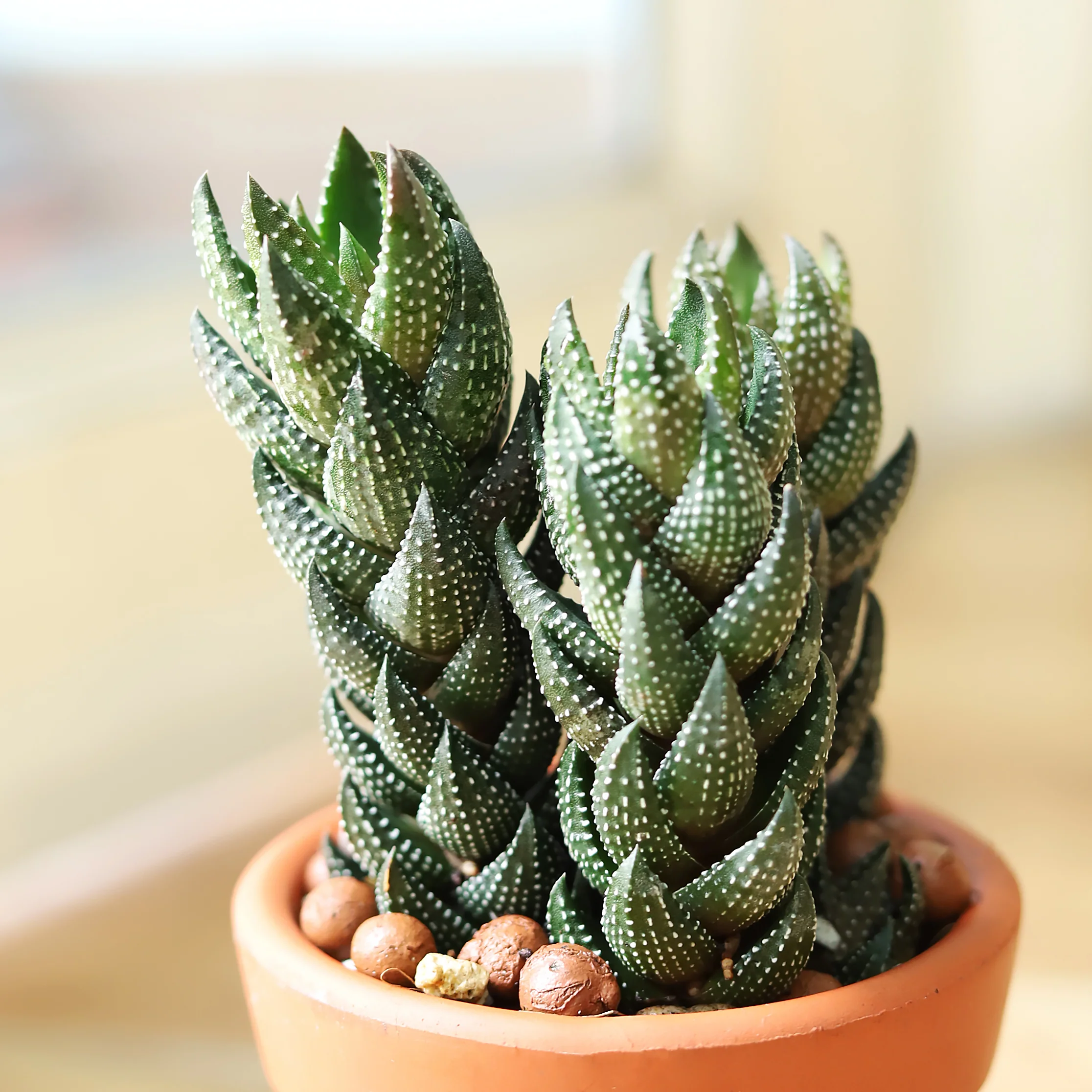
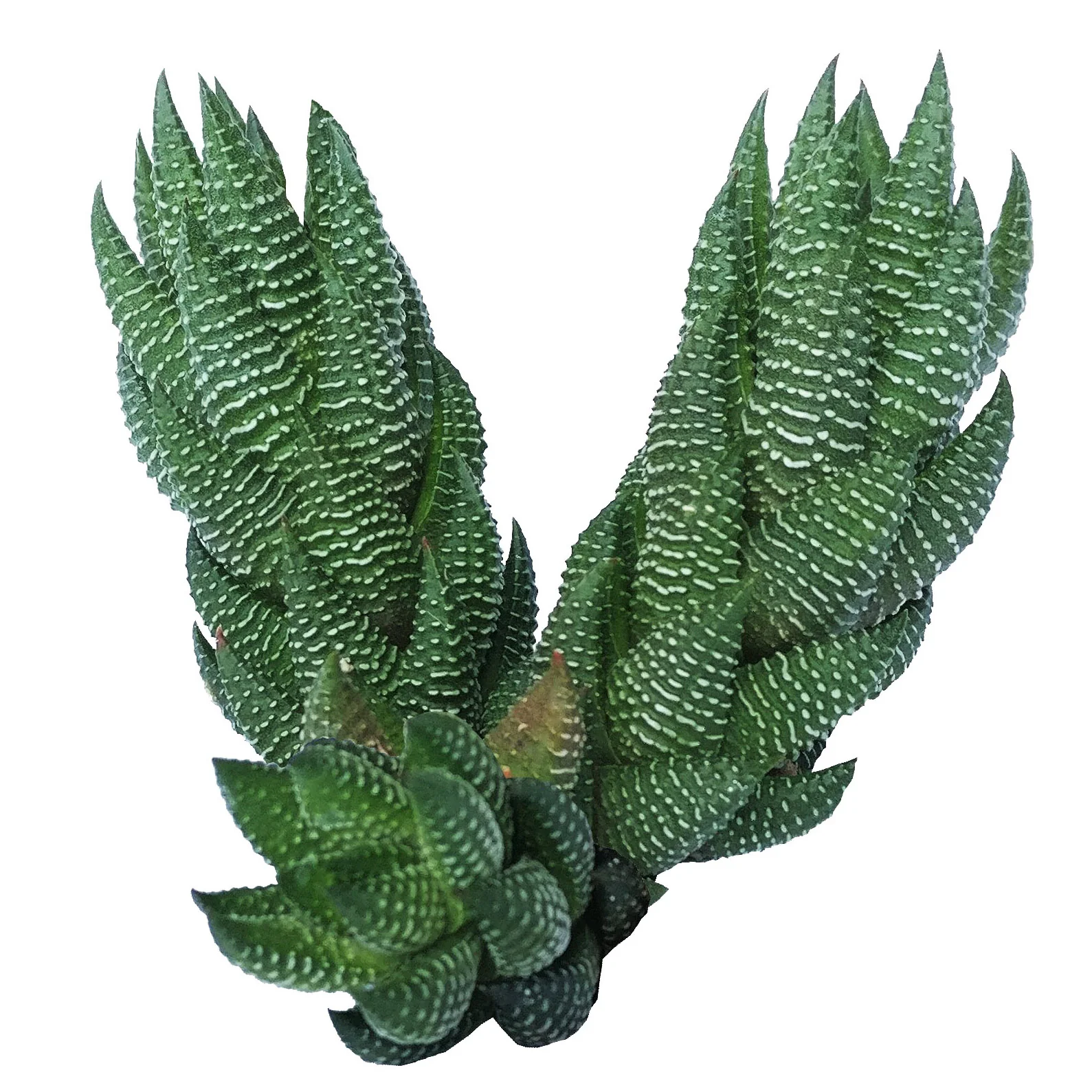
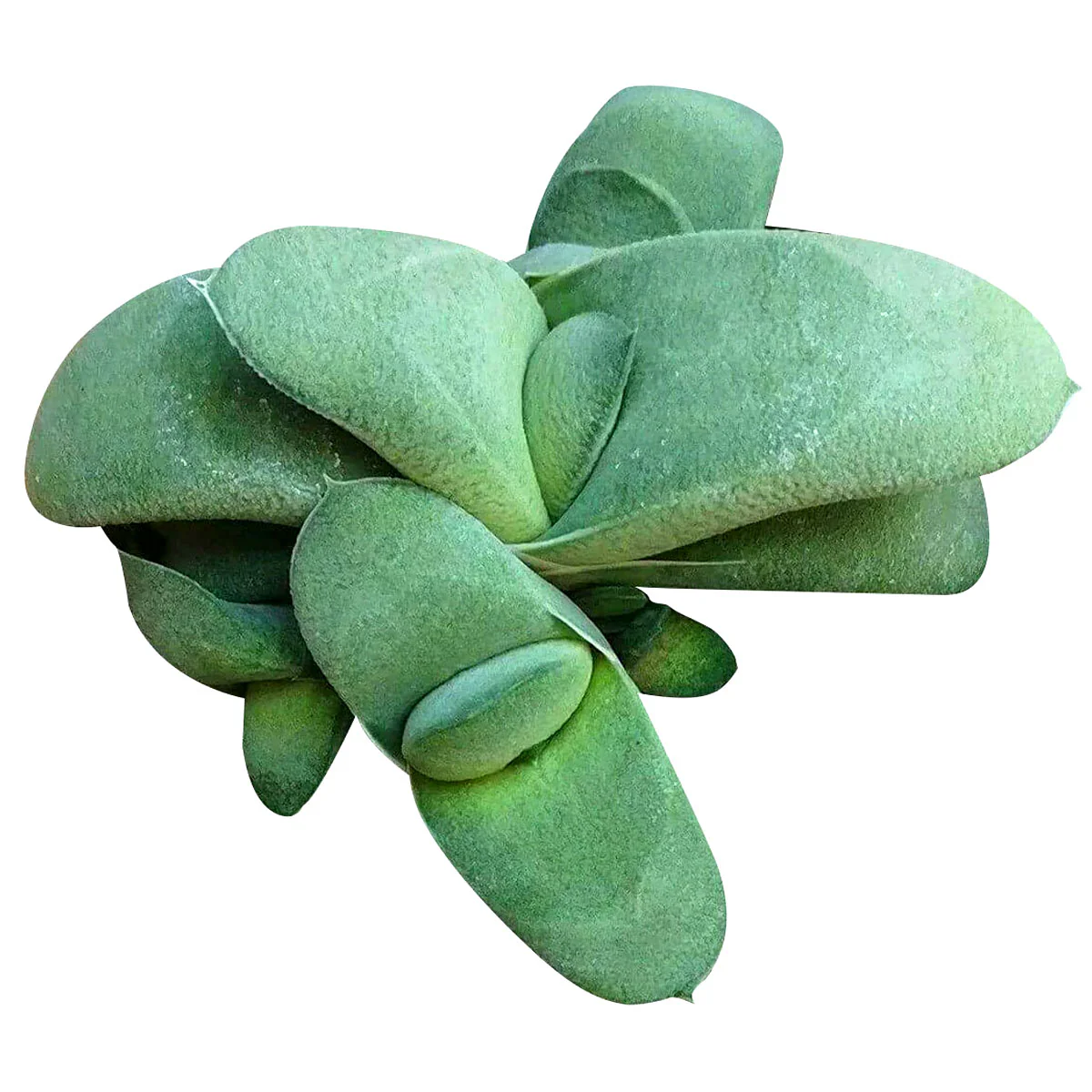
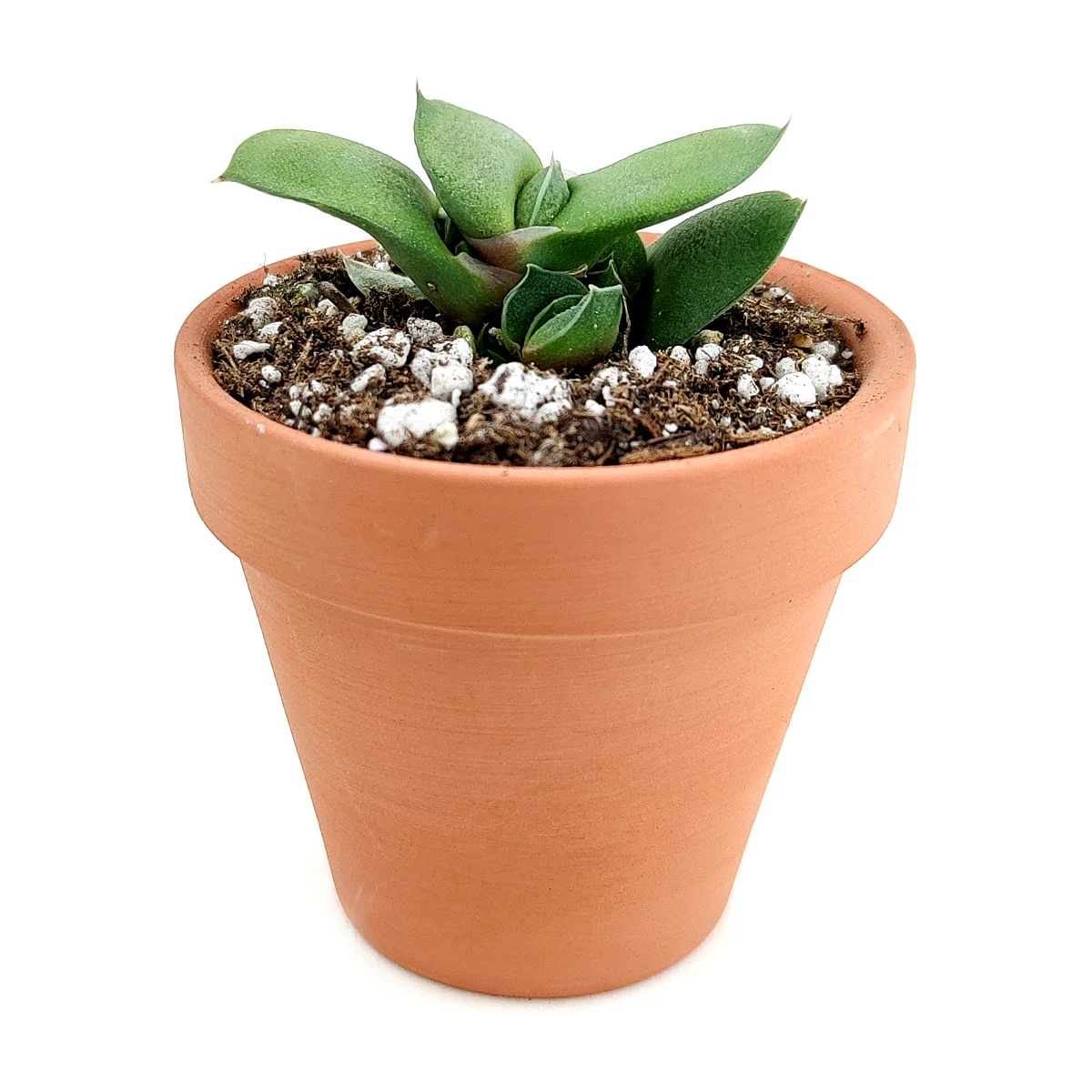
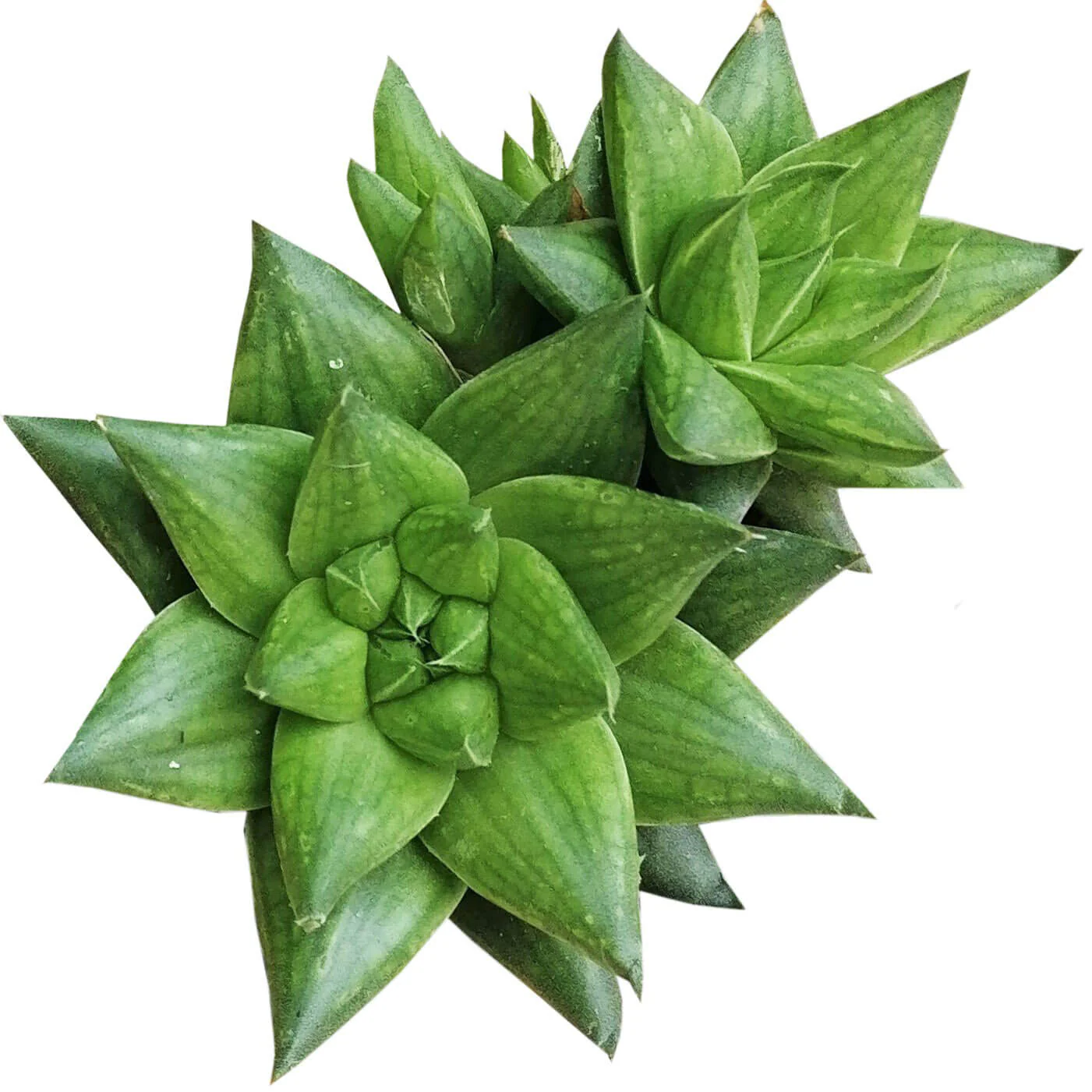
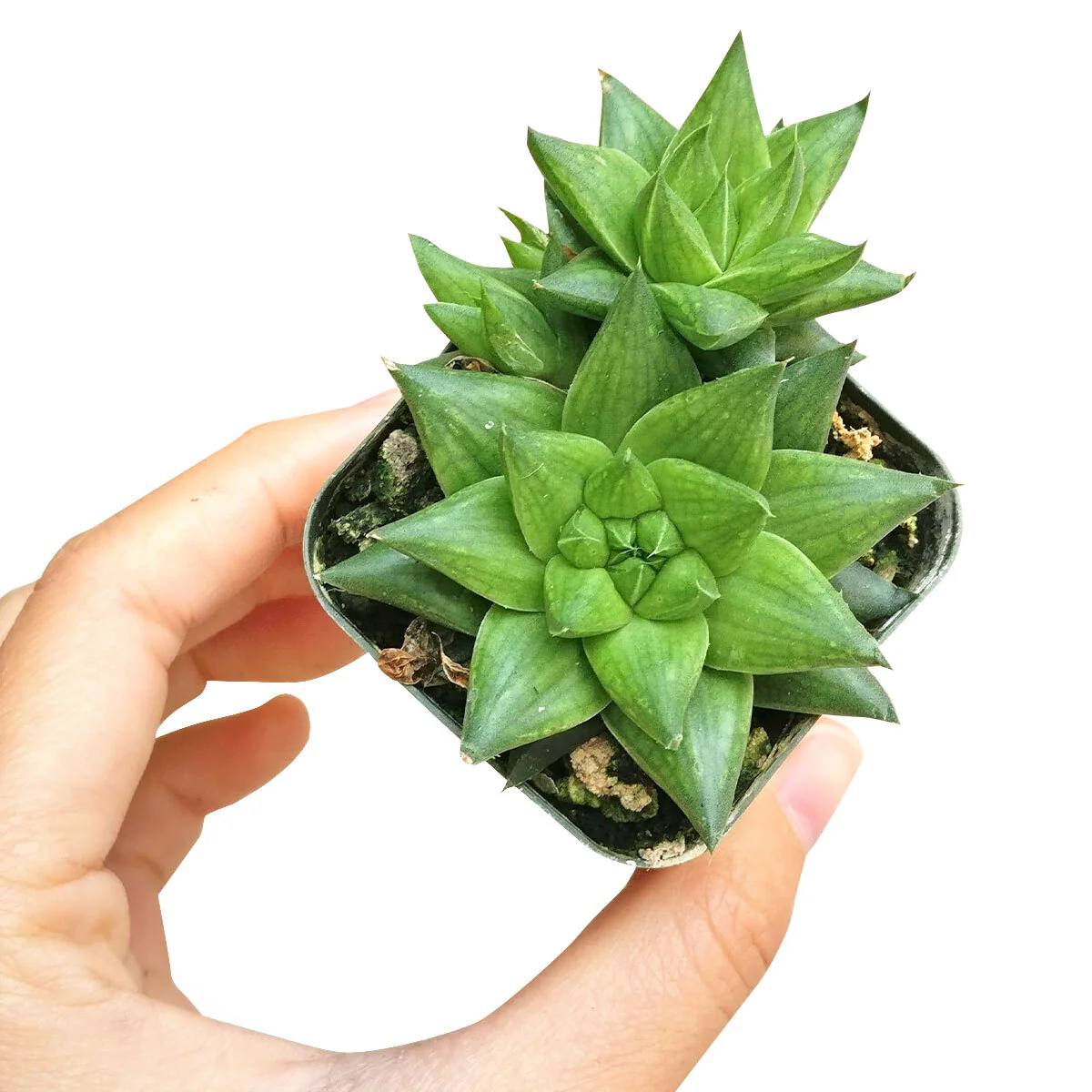
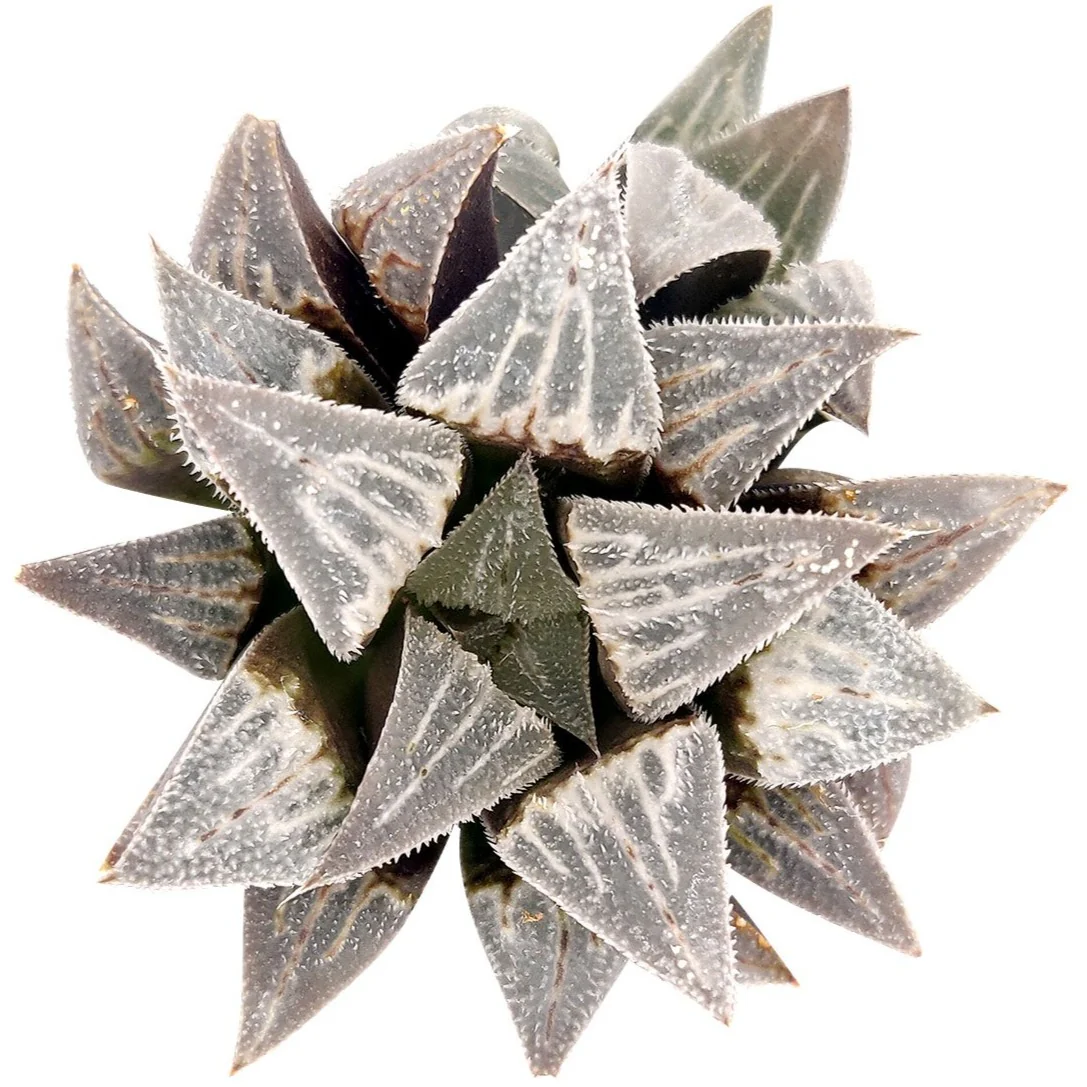
 Haworthia emelyae var. Major forms a bold, symmetrical rosette of thick, triangular leaves marked with intricate white windowed patches and fine reticulated patterning across their surfaces. Larger than typical emelyae forms, this variety has a commanding presence and gradually develops into a clumping habit, producing offsets that expand the display over time. The translucent leaf windows are what set this windowed leaf succulent apart, glowing beautifully in bright indirect light.
 Haworthia emelyae var. Major produces slender, tubular flowers on tall, wiry stalks, typically appearing in late spring to summer, with pale pinkish-white blooms that attract pollinators and release pollen. Keep in mind that Haworthia emelyae var. Major may need a slight nighttime temperature drop to trigger blooming, so placing it near a cooler window in autumn can encourage flowering.
 Haworthia emelyae var. Major is genuinely rare in cultivation, making it a prized addition to any succulent or Haworthia collection. Its deep root system means it appreciates a heavy pot with good depth to anchor it properly, and keeping it sheltered from rain prevents rot in those fleshy leaves. A delightful bonus: this plant releases oxygen at night, is fully pet friendly, and can even survive a 10-day trip without a caretaker, making it one of the most low maintenance succulents you can own.
-
 Haworthia emelyae var. Major thrives in medium to bright indirect light and partial sun, but scorches in harsh south-facing windows.
 Haworthia emelyae var. Major needs watering every 2-3 weeks in summer and only once a month or less in winter.
 Haworthia emelyae var. Major prefers a gritty, well-draining mix such as cactus soil blended with perlite or coarse pumice at a 50/50 ratio.
 Haworthia emelyae var. Major grows best between 65-85°F (18-29°C) and should be protected from temperatures below 40°F (4°C).
![]() Haworthia emelyae var. Major is a slow grower that benefits from a diluted balanced fertilizer applied once or twice during the active growing season.
Haworthia emelyae var. Major is a slow grower that benefits from a diluted balanced fertilizer applied once or twice during the active growing season.
 Haworthia emelyae var. Major is rated for USDA Hardiness Zones 10-11, tolerating minimum temperatures around 30-35°F (-1 to 2°C) only briefly and faring best in frost-free climates. Gardeners growing Haworthia emelyae var. Major outdoors year-round will find ideal conditions across southern Florida, coastal and southern California, Hawaii, southern Texas, and southern Arizona. Parts of Louisiana, Mississippi, Alabama, Georgia, and South Carolina along the Gulf and Atlantic coasts also fall within these zones, offering warm, suitable growing environments for this rare succulent.
-
Q: How often should I water Haworthia emelyae var. Major?
A: Water Haworthia emelyae var. Major every 2-3 weeks in the growing season and reduce to once a month or less in winter. Always let the soil dry out fully between waterings to prevent root rot.
Q: Is Haworthia emelyae var. Major pet friendly?
A: Yes, Haworthia emelyae var. Major is pet friendly and is not toxic to cats or dogs. It is a safe choice for households with curious pets.
Q: What light does Haworthia emelyae var. Major need?
A: Haworthia emelyae var. Major does best in bright indirect light or partial sun and can even grow under office LED lighting. Avoid direct south-facing sun exposure, which will scorch the leaves.
Q: How big does Haworthia emelyae var. Major get?
A: Haworthia emelyae var. Major is larger than most emelyae forms, with rosettes that can reach 4-6 inches across at maturity. It slowly clumps outward by producing offsets over several years.
Q: How do I propagate Haworthia emelyae var. Major?
A: The easiest way to propagate Haworthia emelyae var. Major is by dividing the offsets that form around the base of the mother plant. Allow the offset to callous for a day or two before potting it into a well-draining gritty mix.
Q: Is Haworthia emelyae var. Major a rare plant?
A: Yes, Haworthia emelyae var. Major is considered a rare haworthia succulent that is not commonly found in garden centers. Its striking windowed leaves and bold rosette size make it especially sought after by collectors.


Original: $15.00
-70%$15.00
$4.50Product Information
Product Information
Shipping & Returns
Shipping & Returns
Description
- Description
- Haworthia emelyae var. Major Care Guide
- FAQ/Common Issues
-
![]() Haworthia emelyae var. Major is a rare haworthia succulent native to the Eastern Cape of South Africa, where it grows in rocky, semi-arid habitats with sharp drainage and dappled shade. As a member of the Asphodelaceae family, this drought tolerant succulent has adapted to survive on minimal water, making it a remarkable find for collectors and beginners alike.
Haworthia emelyae var. Major is a rare haworthia succulent native to the Eastern Cape of South Africa, where it grows in rocky, semi-arid habitats with sharp drainage and dappled shade. As a member of the Asphodelaceae family, this drought tolerant succulent has adapted to survive on minimal water, making it a remarkable find for collectors and beginners alike.
Haworthia emelyae var. Major forms a bold, symmetrical rosette of thick, triangular leaves marked with intricate white windowed patches and fine reticulated patterning across their surfaces. Larger than typical emelyae forms, this variety has a commanding presence and gradually develops into a clumping habit, producing offsets that expand the display over time. The translucent leaf windows are what set this windowed leaf succulent apart, glowing beautifully in bright indirect light.
Haworthia emelyae var. Major produces slender, tubular flowers on tall, wiry stalks, typically appearing in late spring to summer, with pale pinkish-white blooms that attract pollinators and release pollen. Keep in mind that Haworthia emelyae var. Major may need a slight nighttime temperature drop to trigger blooming, so placing it near a cooler window in autumn can encourage flowering.
Haworthia emelyae var. Major is genuinely rare in cultivation, making it a prized addition to any succulent or Haworthia collection. Its deep root system means it appreciates a heavy pot with good depth to anchor it properly, and keeping it sheltered from rain prevents rot in those fleshy leaves. A delightful bonus: this plant releases oxygen at night, is fully pet friendly, and can even survive a 10-day trip without a caretaker, making it one of the most low maintenance succulents you can own.
-
Haworthia emelyae var. Major thrives in medium to bright indirect light and partial sun, but scorches in harsh south-facing windows.
Haworthia emelyae var. Major needs watering every 2-3 weeks in summer and only once a month or less in winter.
Haworthia emelyae var. Major prefers a gritty, well-draining mix such as cactus soil blended with perlite or coarse pumice at a 50/50 ratio.
Haworthia emelyae var. Major grows best between 65-85°F (18-29°C) and should be protected from temperatures below 40°F (4°C).
![]() Haworthia emelyae var. Major is a slow grower that benefits from a diluted balanced fertilizer applied once or twice during the active growing season.
Haworthia emelyae var. Major is a slow grower that benefits from a diluted balanced fertilizer applied once or twice during the active growing season.
Haworthia emelyae var. Major is rated for USDA Hardiness Zones 10-11, tolerating minimum temperatures around 30-35°F (-1 to 2°C) only briefly and faring best in frost-free climates. Gardeners growing Haworthia emelyae var. Major outdoors year-round will find ideal conditions across southern Florida, coastal and southern California, Hawaii, southern Texas, and southern Arizona. Parts of Louisiana, Mississippi, Alabama, Georgia, and South Carolina along the Gulf and Atlantic coasts also fall within these zones, offering warm, suitable growing environments for this rare succulent.
-
Q: How often should I water Haworthia emelyae var. Major?
A: Water Haworthia emelyae var. Major every 2-3 weeks in the growing season and reduce to once a month or less in winter. Always let the soil dry out fully between waterings to prevent root rot.
Q: Is Haworthia emelyae var. Major pet friendly?
A: Yes, Haworthia emelyae var. Major is pet friendly and is not toxic to cats or dogs. It is a safe choice for households with curious pets.
Q: What light does Haworthia emelyae var. Major need?
A: Haworthia emelyae var. Major does best in bright indirect light or partial sun and can even grow under office LED lighting. Avoid direct south-facing sun exposure, which will scorch the leaves.
Q: How big does Haworthia emelyae var. Major get?
A: Haworthia emelyae var. Major is larger than most emelyae forms, with rosettes that can reach 4-6 inches across at maturity. It slowly clumps outward by producing offsets over several years.
Q: How do I propagate Haworthia emelyae var. Major?
A: The easiest way to propagate Haworthia emelyae var. Major is by dividing the offsets that form around the base of the mother plant. Allow the offset to callous for a day or two before potting it into a well-draining gritty mix.
Q: Is Haworthia emelyae var. Major a rare plant?
A: Yes, Haworthia emelyae var. Major is considered a rare haworthia succulent that is not commonly found in garden centers. Its striking windowed leaves and bold rosette size make it especially sought after by collectors.