Variegated Aloe Plant
- Description
- Variegated Aloe Plant Care Guide
- FAQ/Common Issues
-
![]() The Variegated Aloe Plant is a striking succulent in the Aloe genus, native to the arid and semi-arid regions of southern Africa where it thrives in rocky, well-draining soils with plenty of sun. It has been celebrated for centuries for both its ornamental beauty and its practical, medicinal uses, making it a timeless favorite among plant lovers worldwide.
The Variegated Aloe Plant is a striking succulent in the Aloe genus, native to the arid and semi-arid regions of southern Africa where it thrives in rocky, well-draining soils with plenty of sun. It has been celebrated for centuries for both its ornamental beauty and its practical, medicinal uses, making it a timeless favorite among plant lovers worldwide.
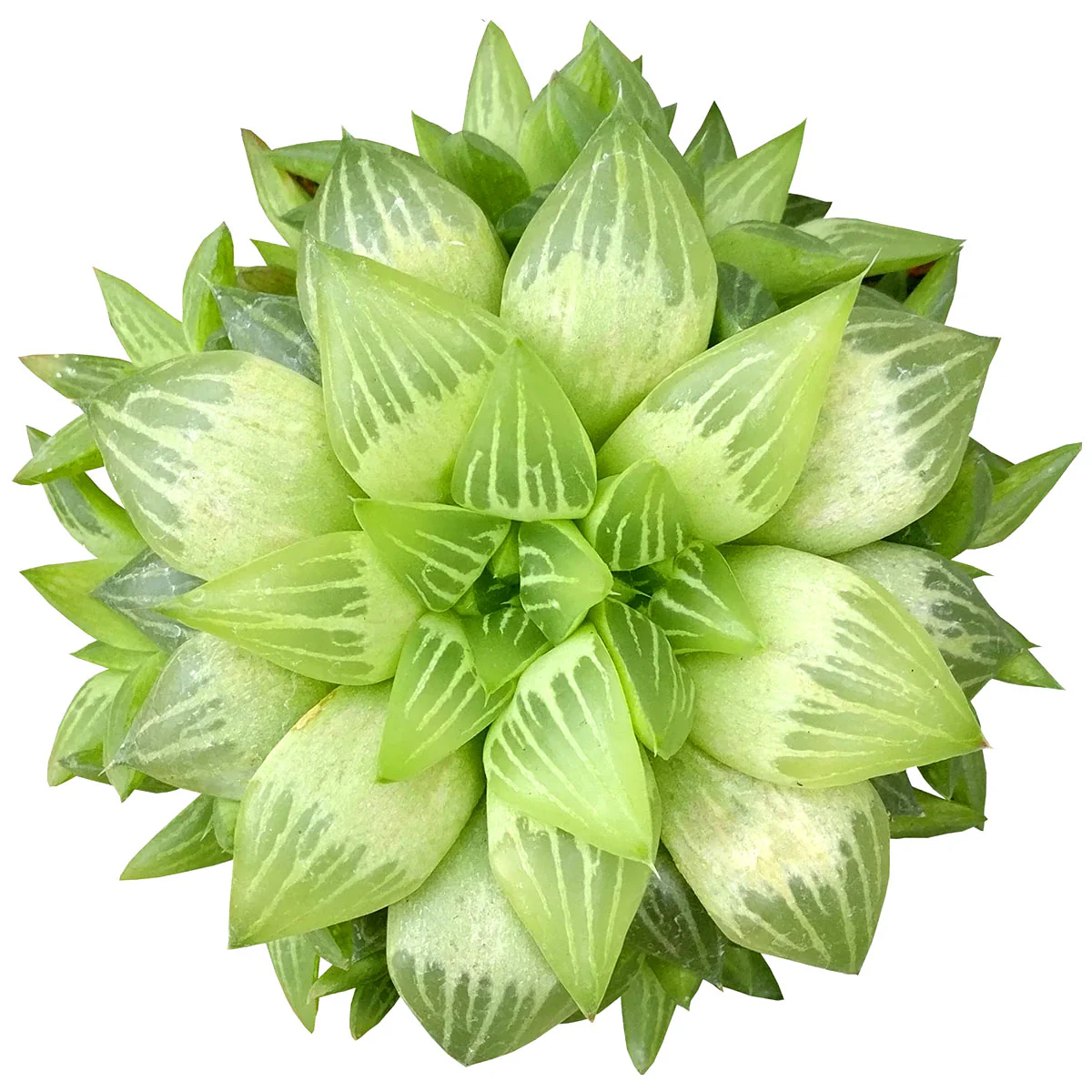
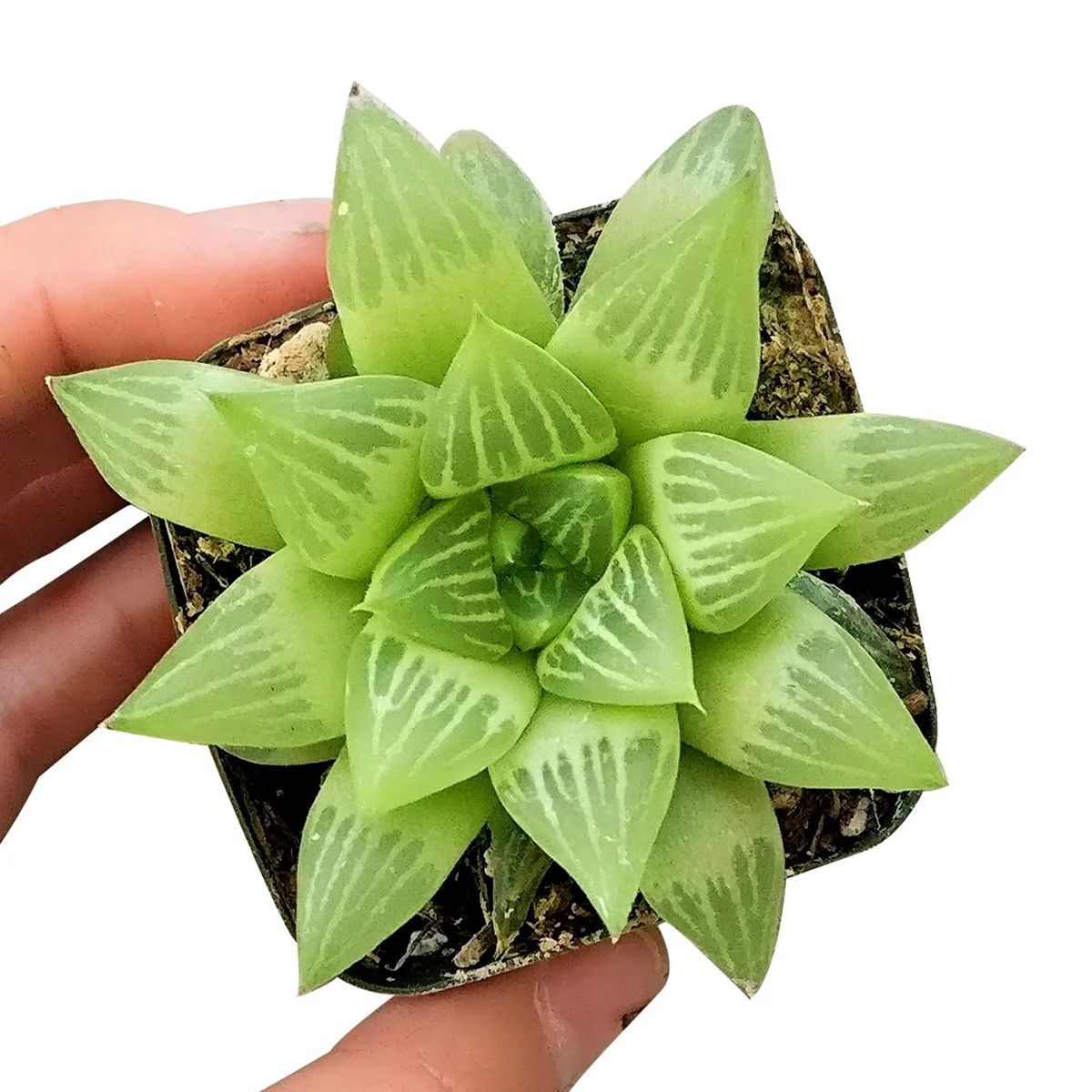
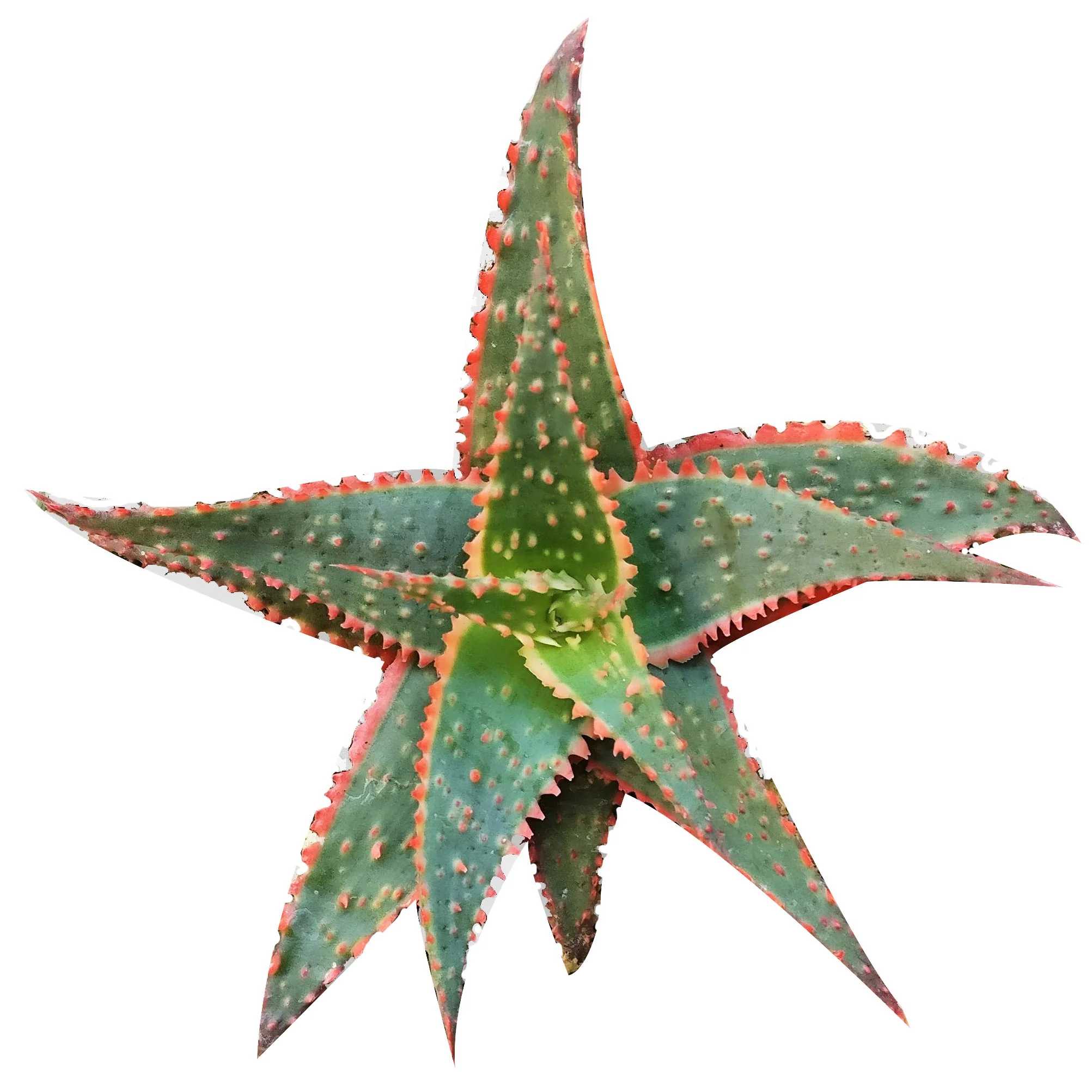
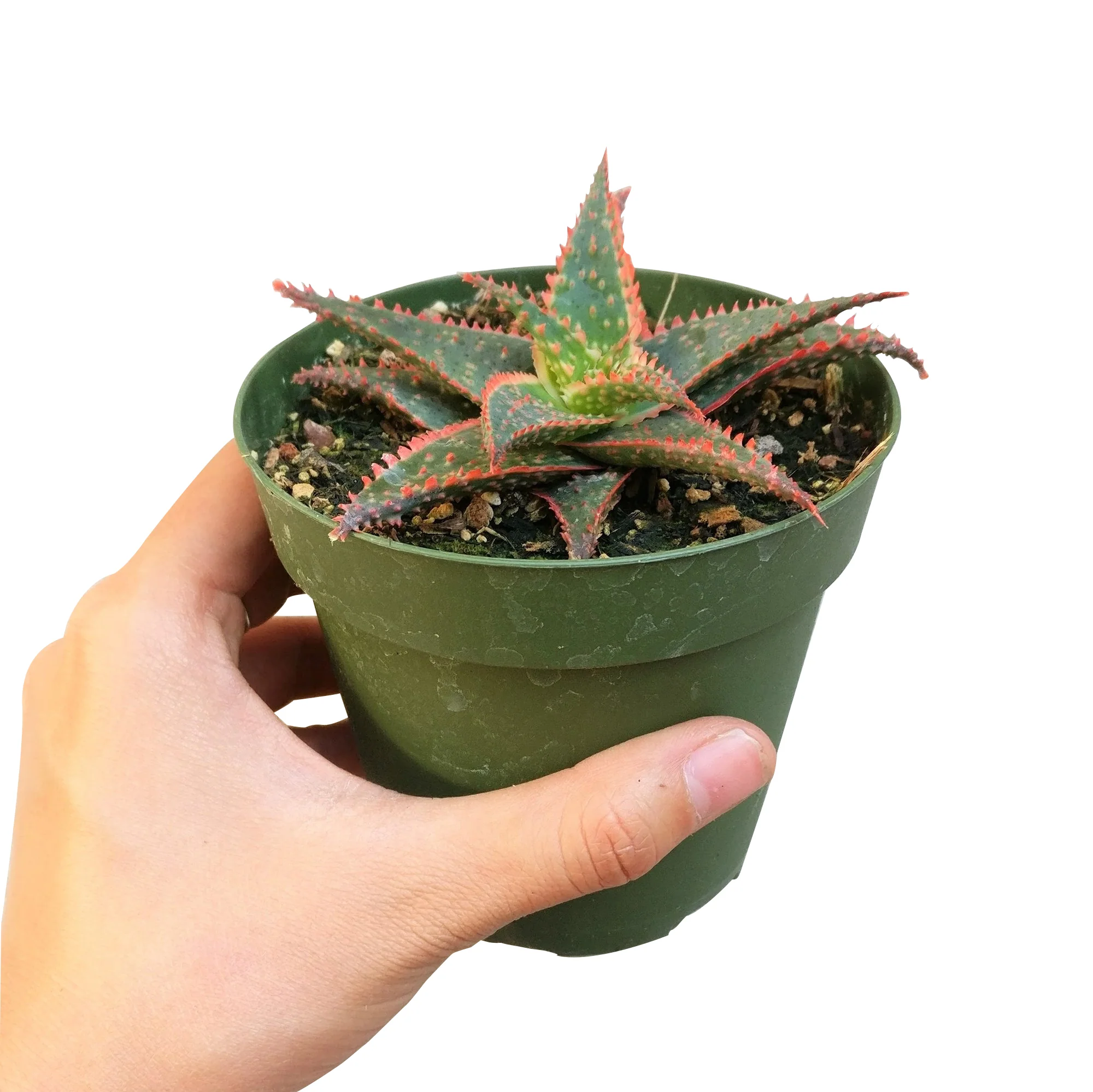
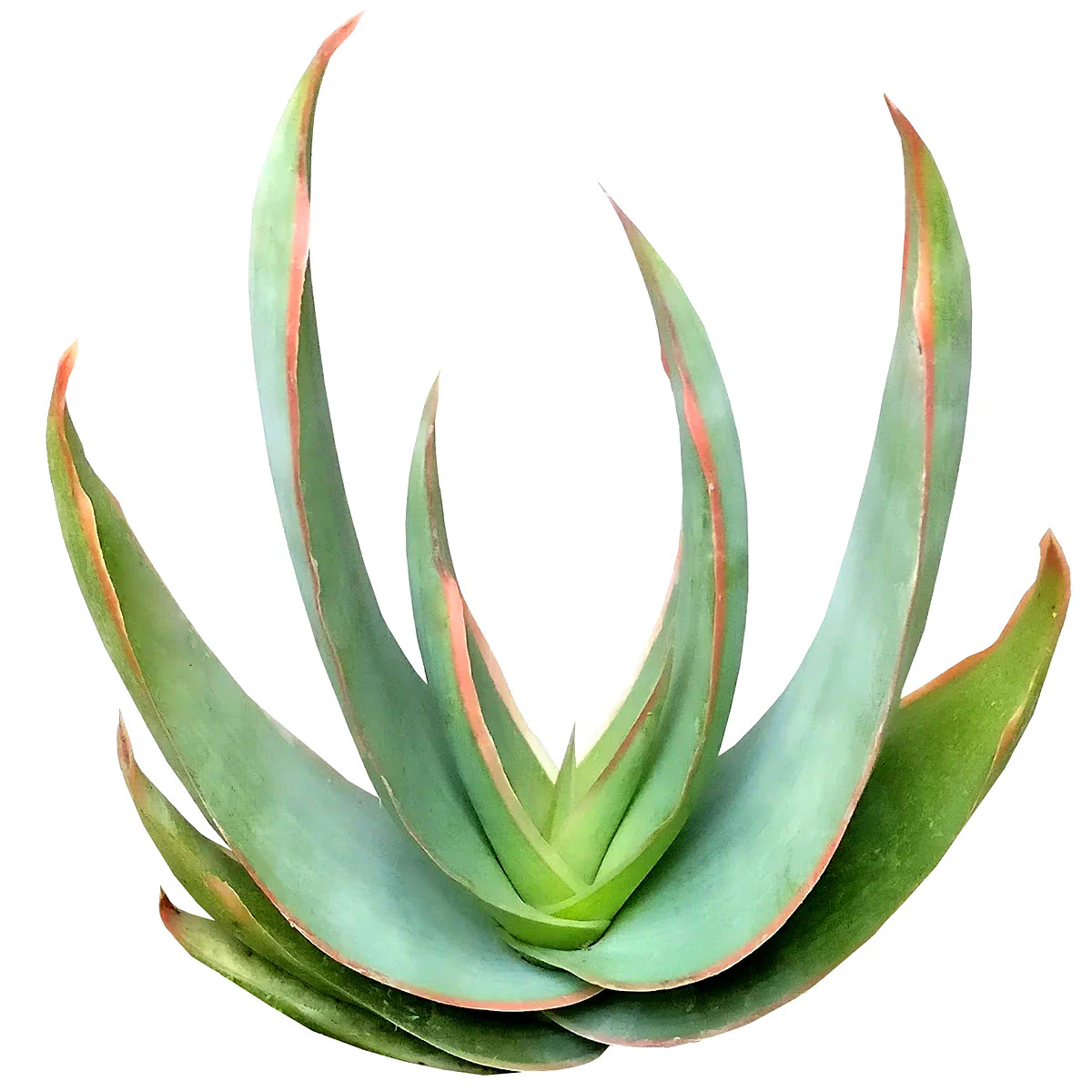
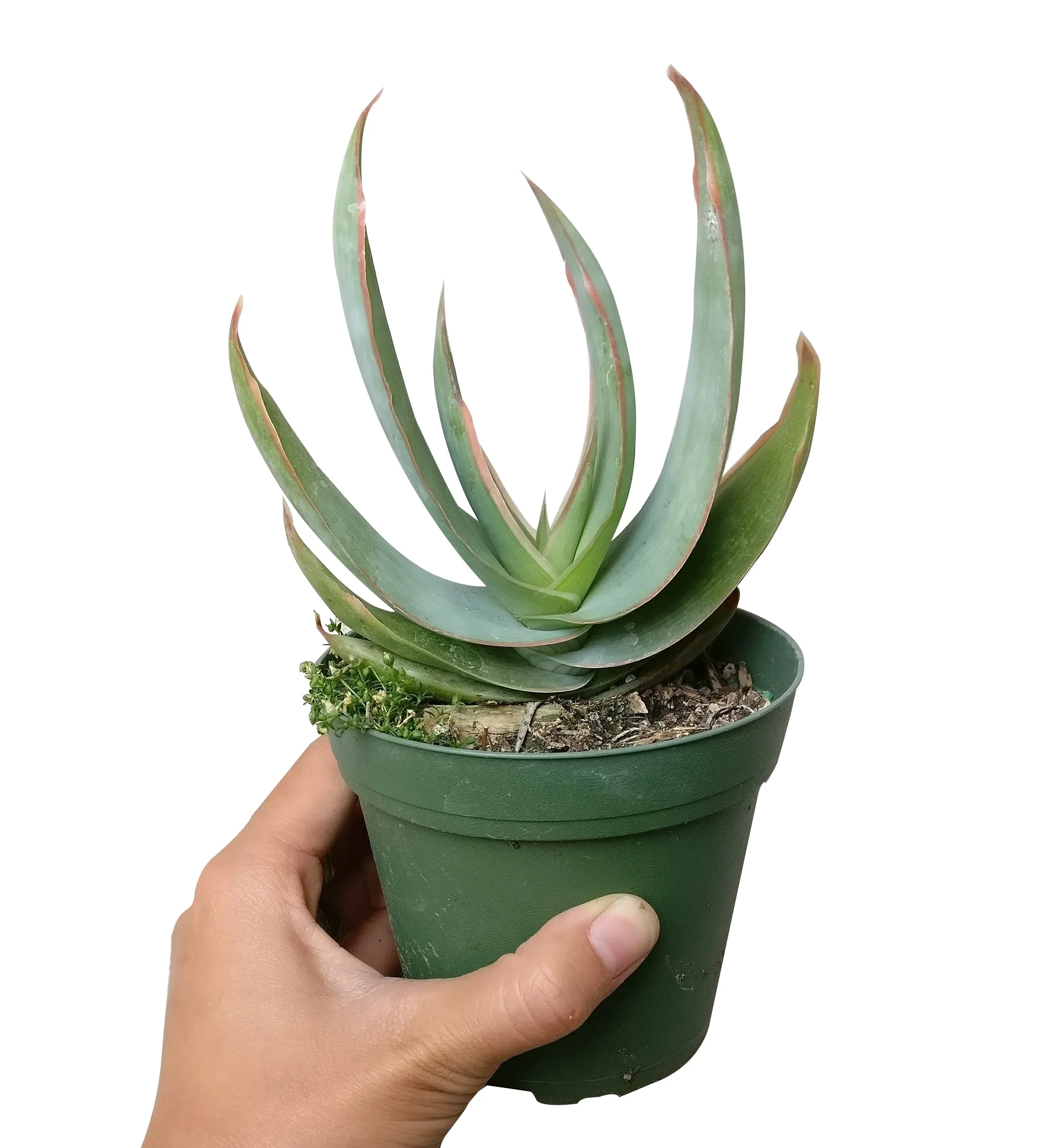
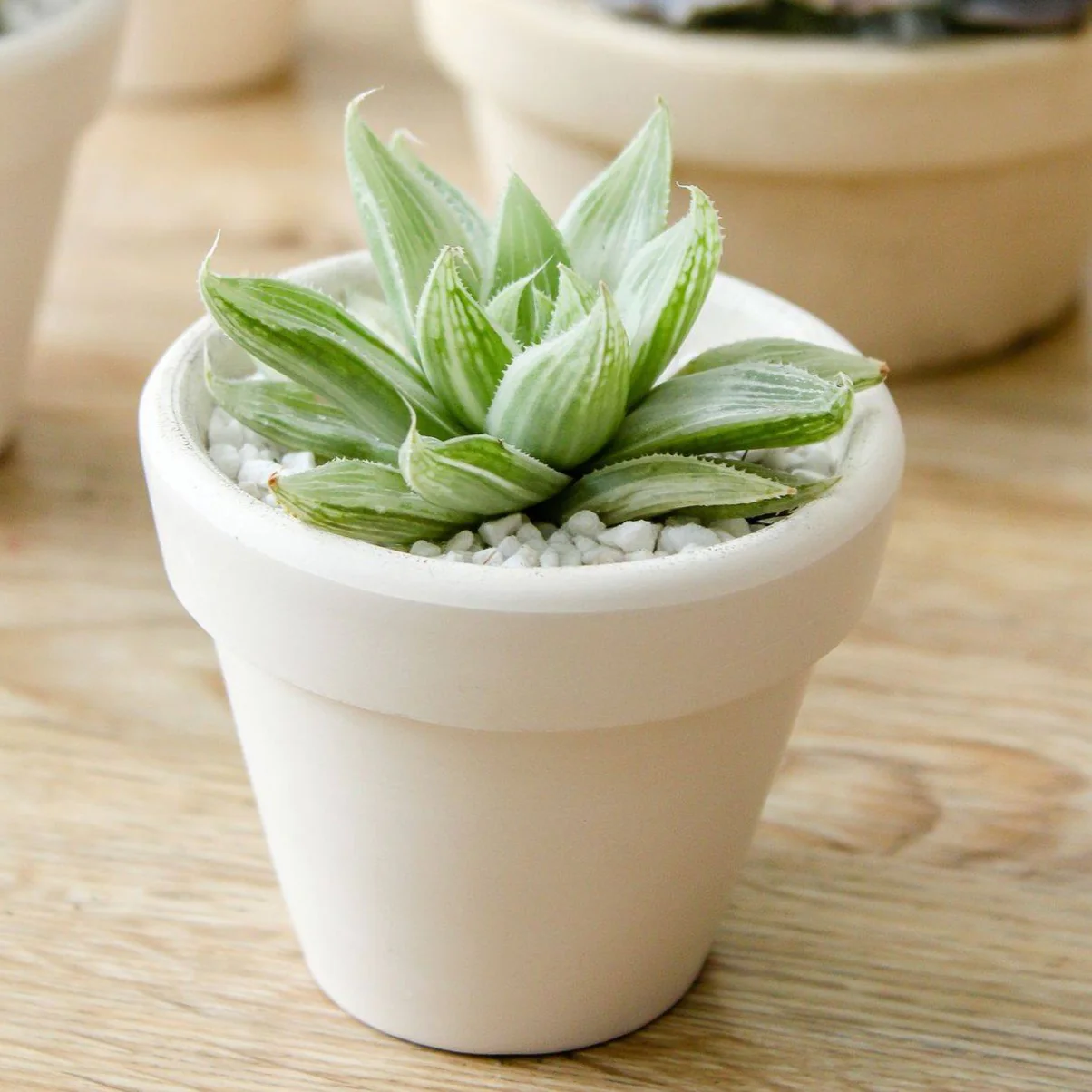
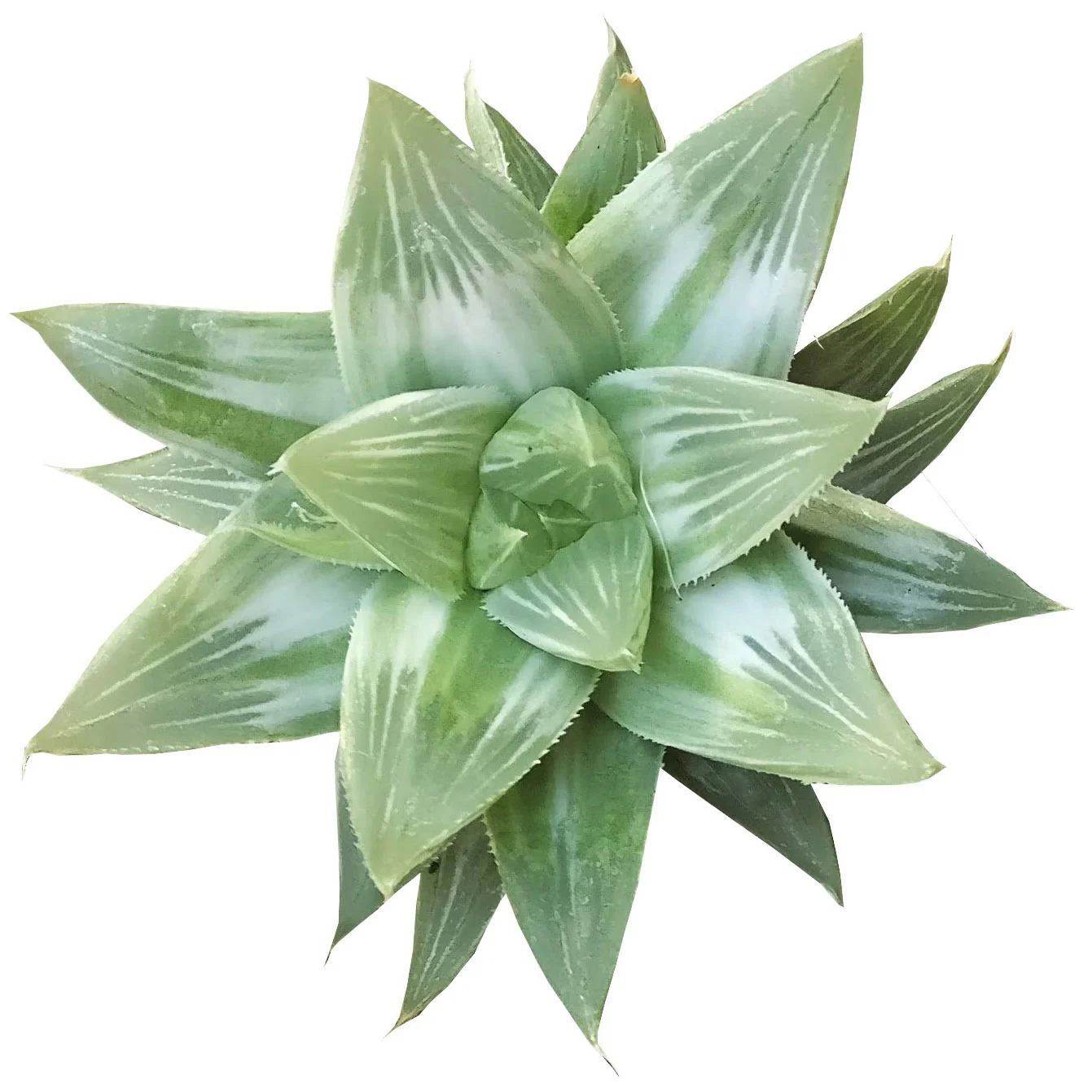
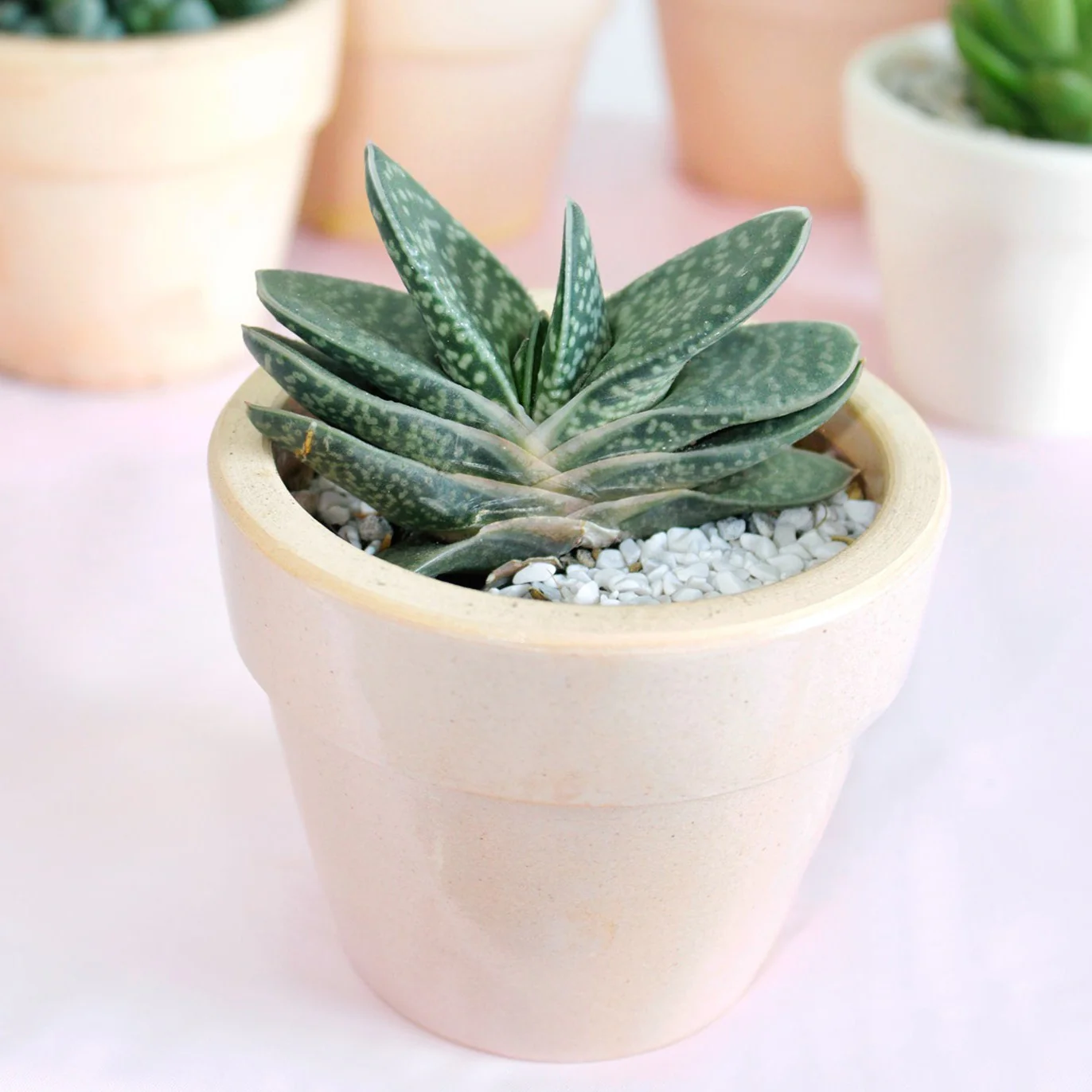
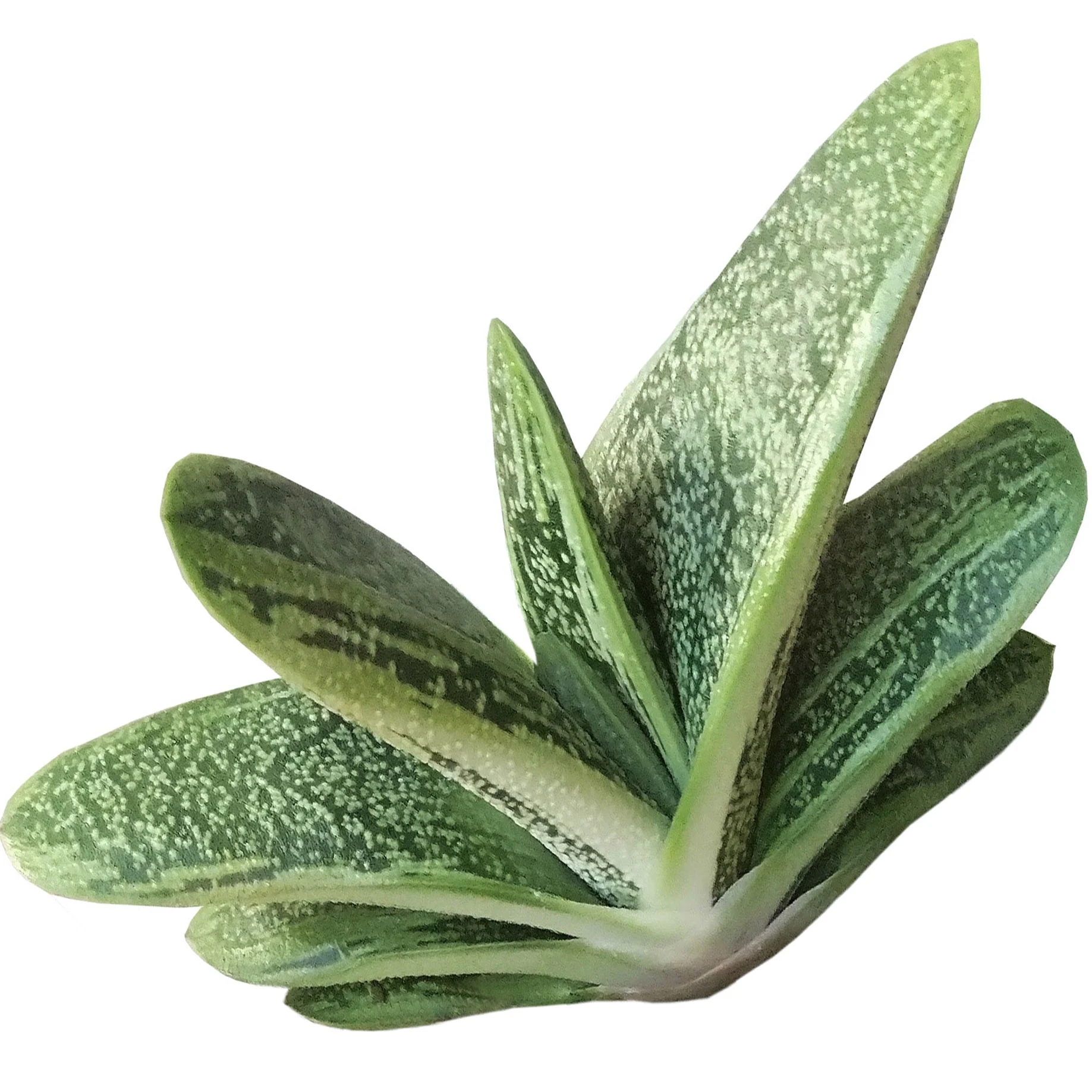
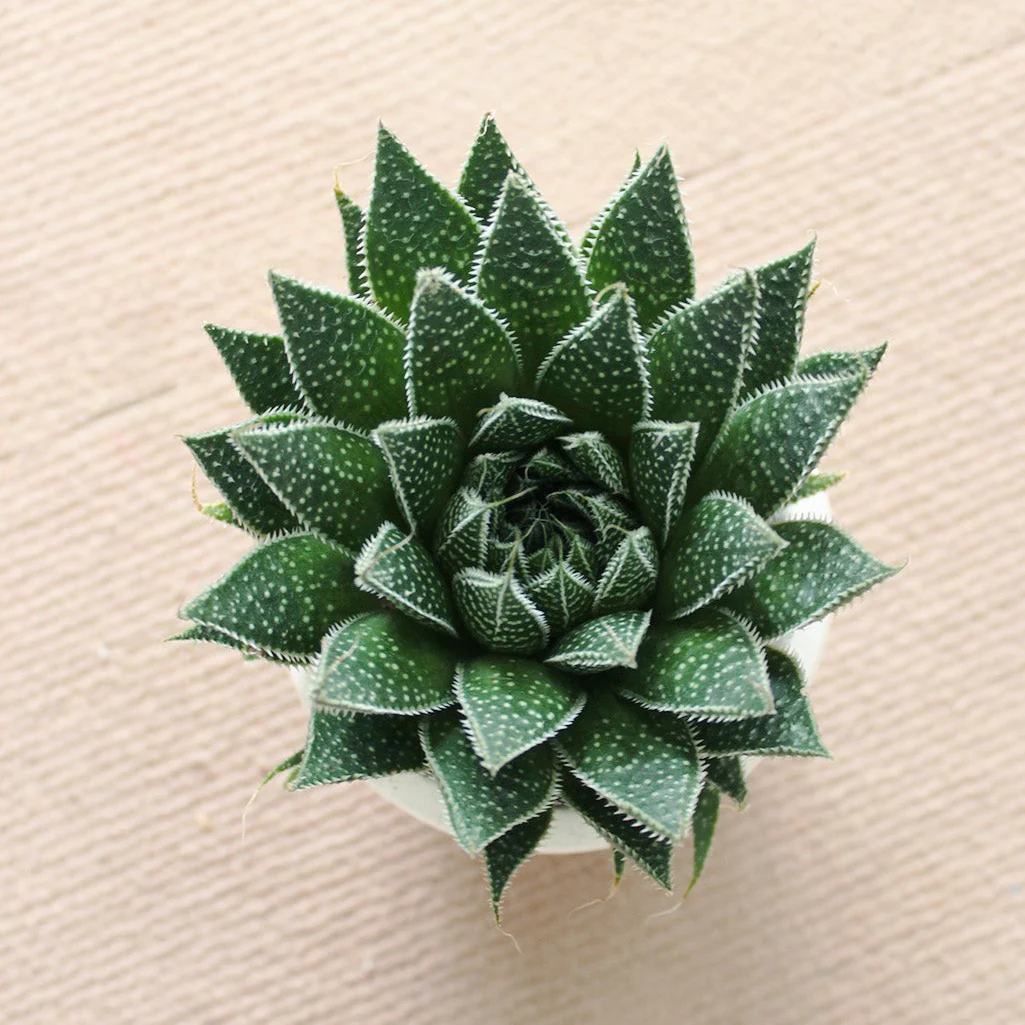
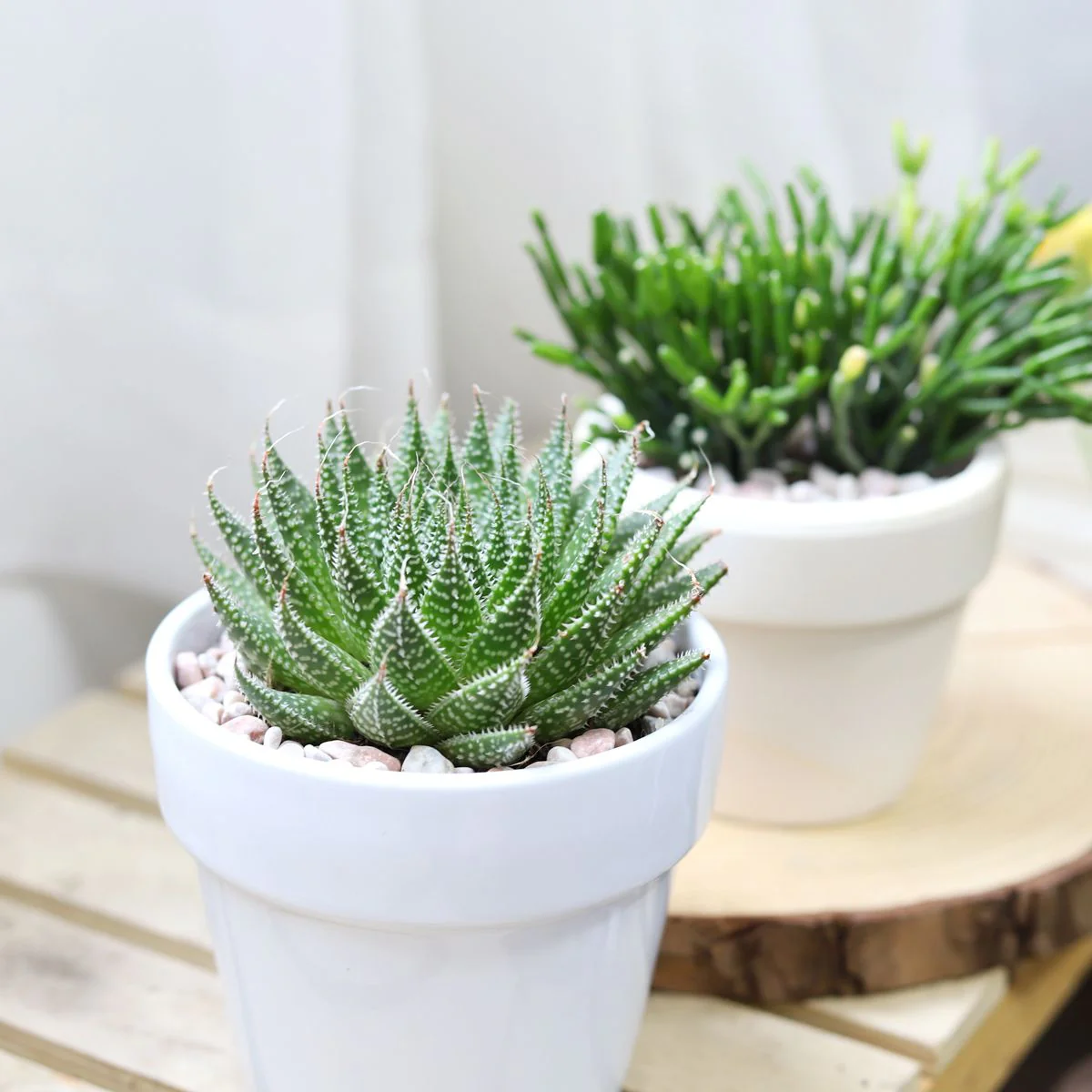
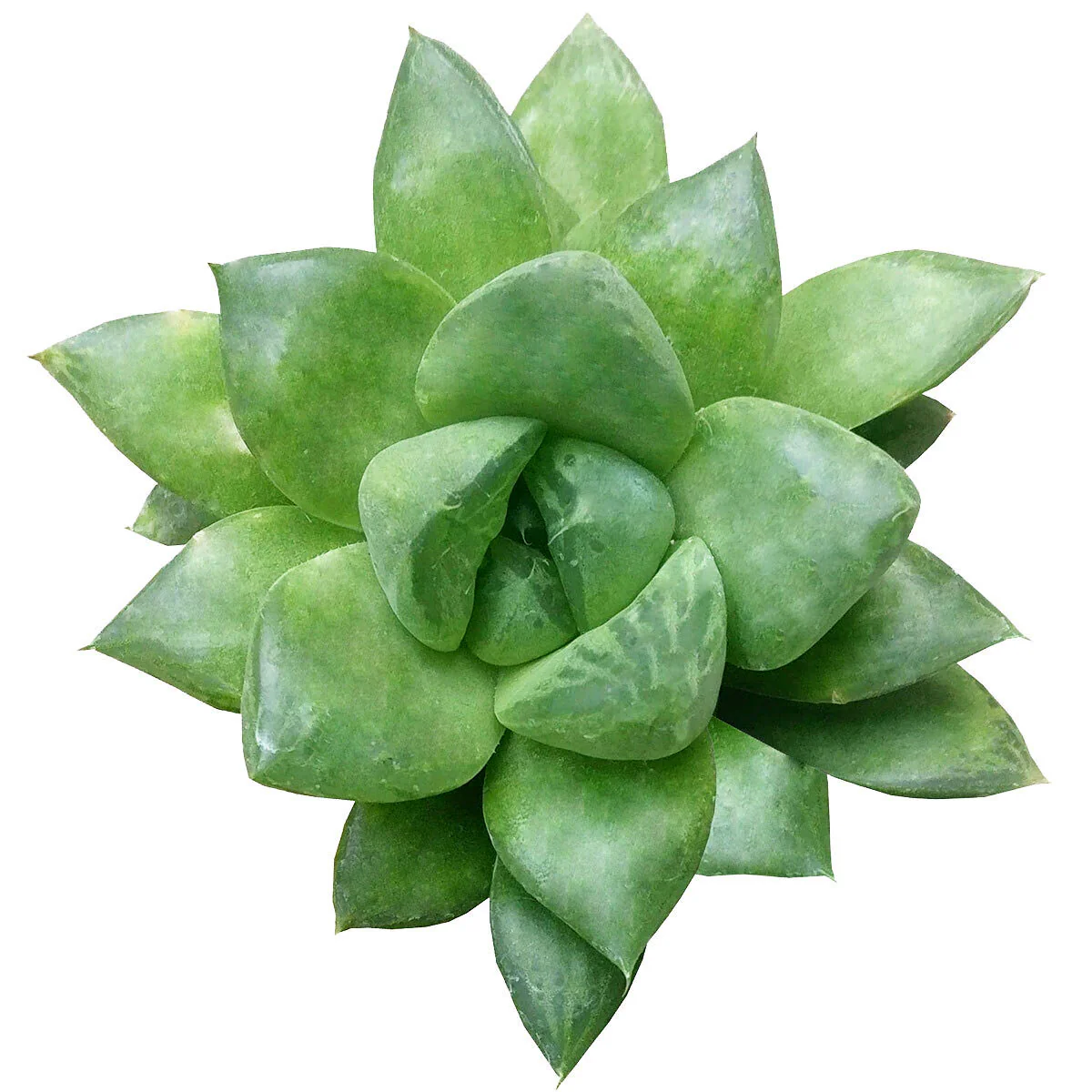
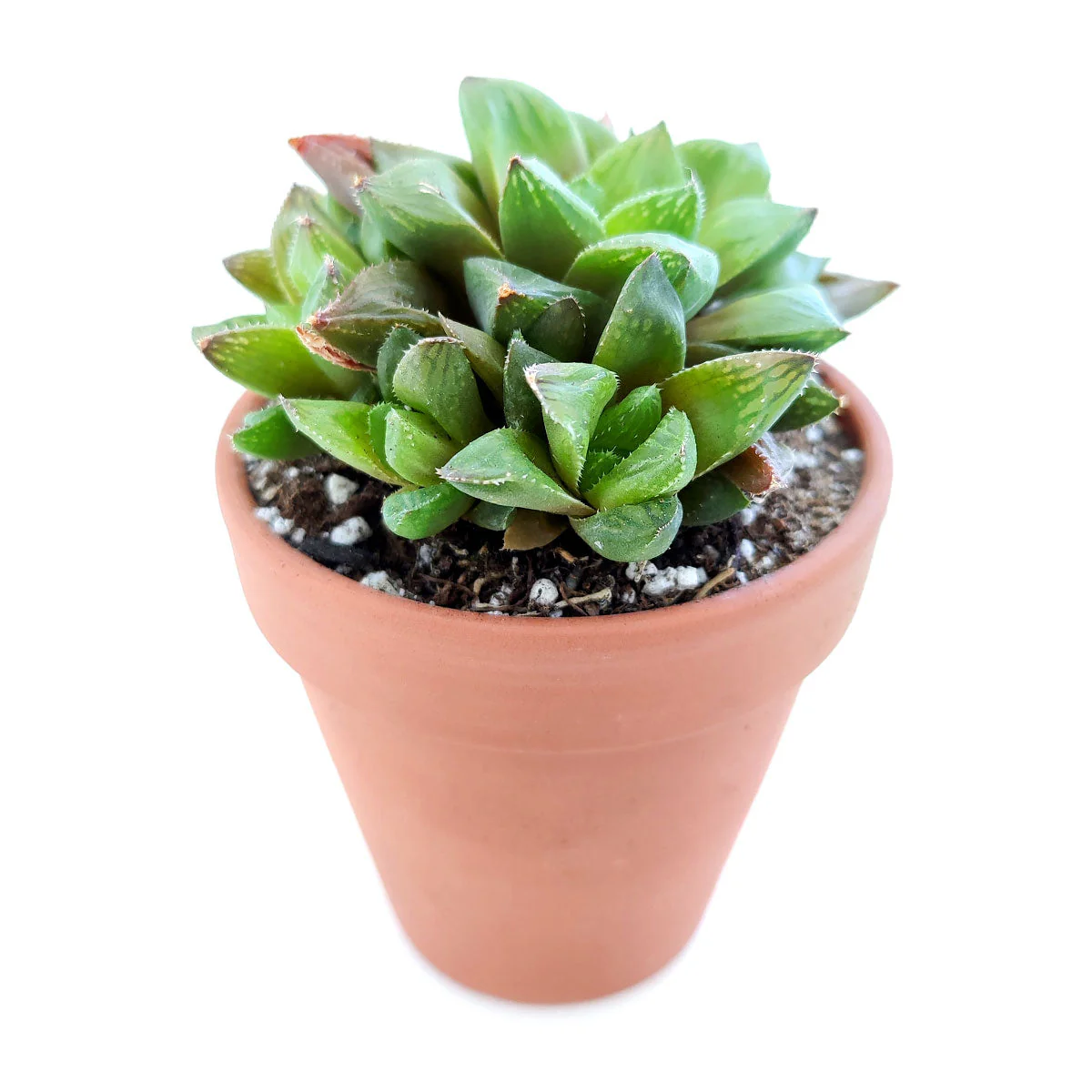
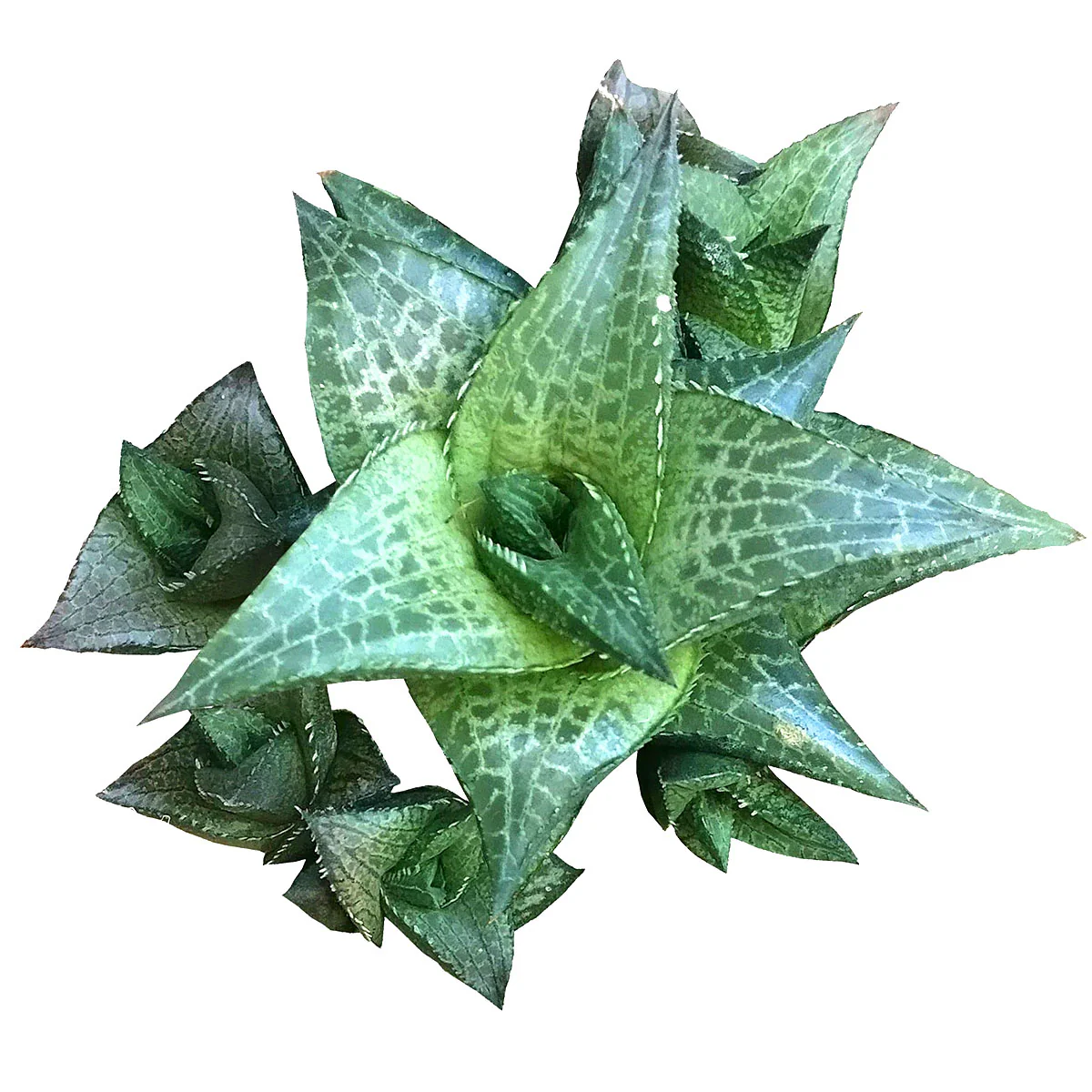
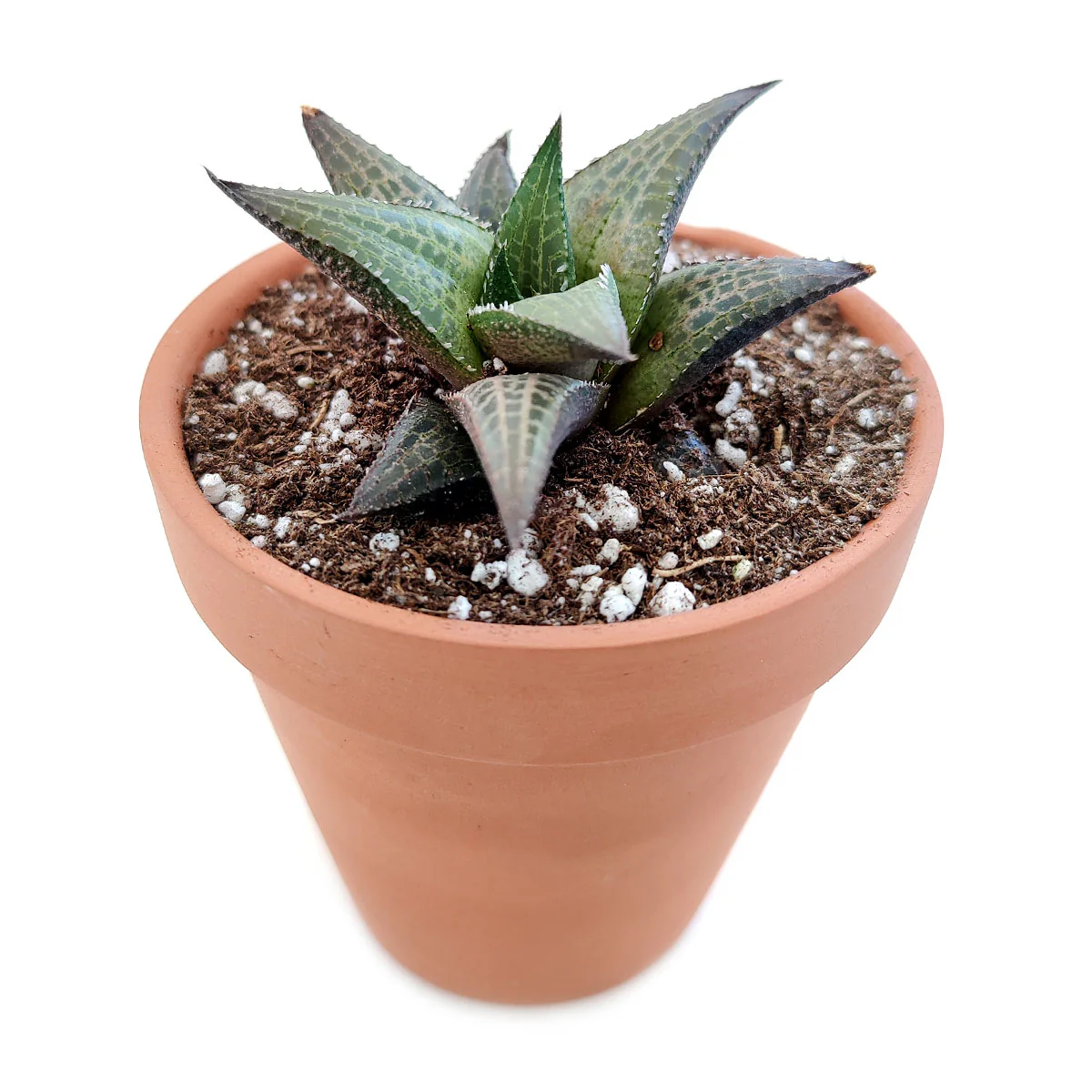
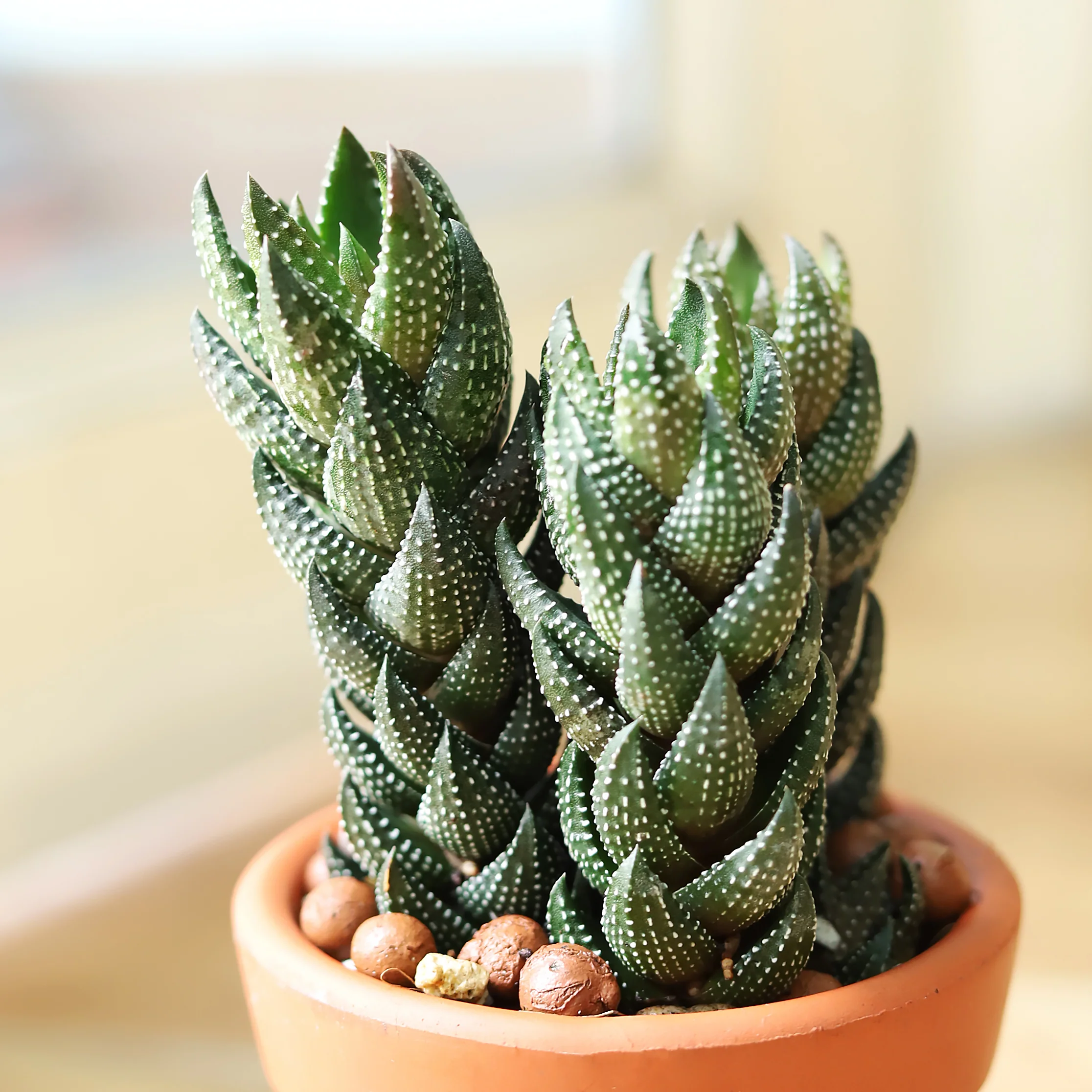
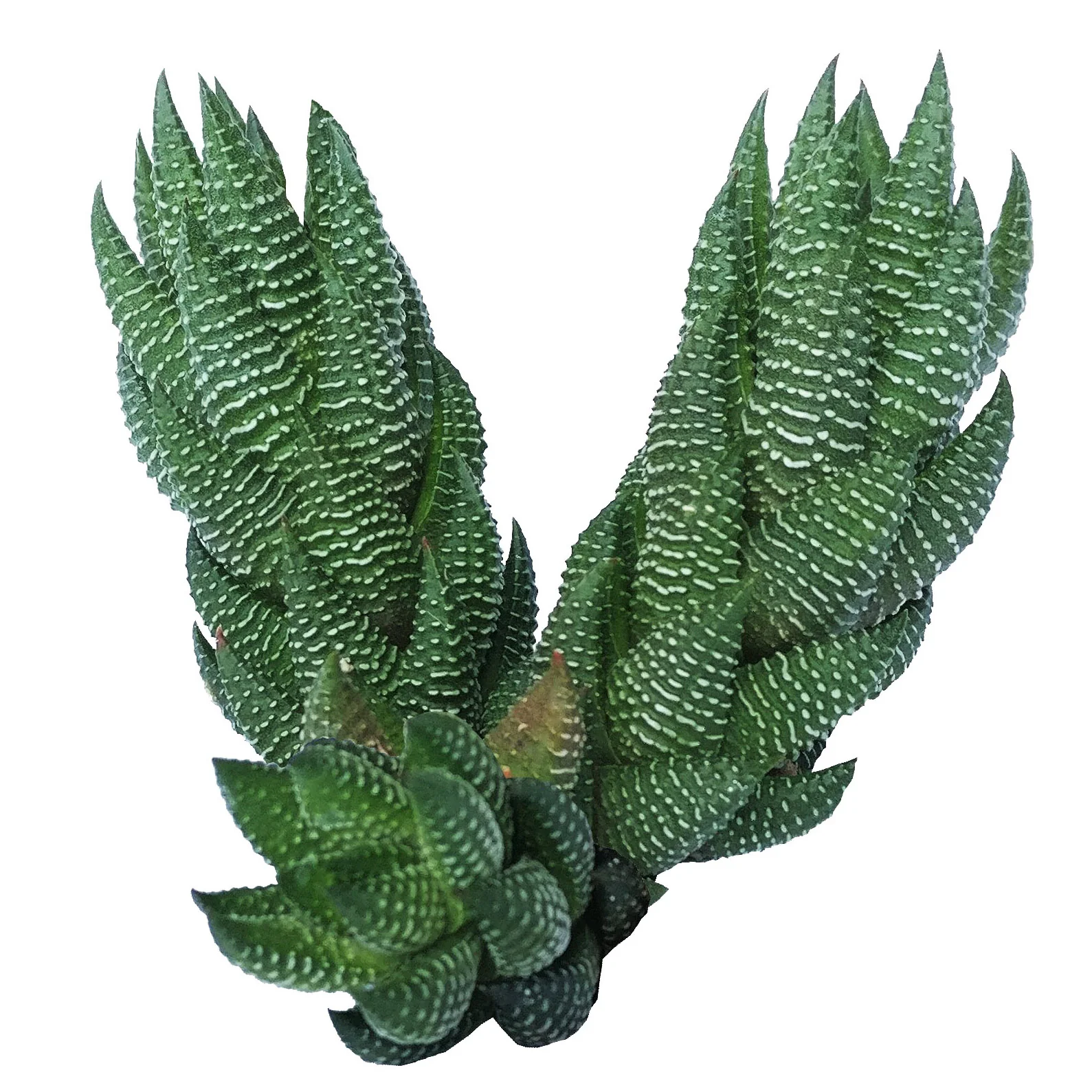
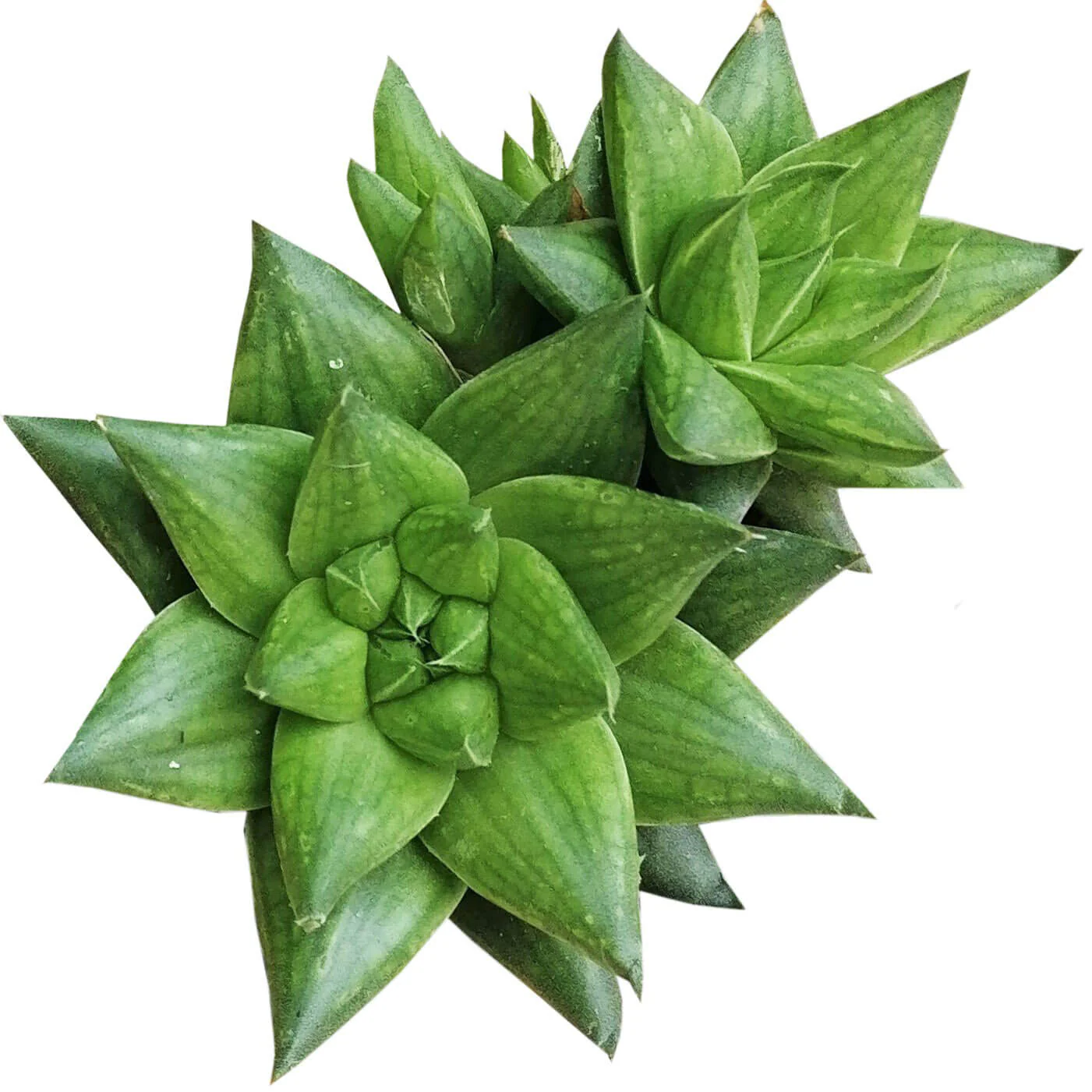
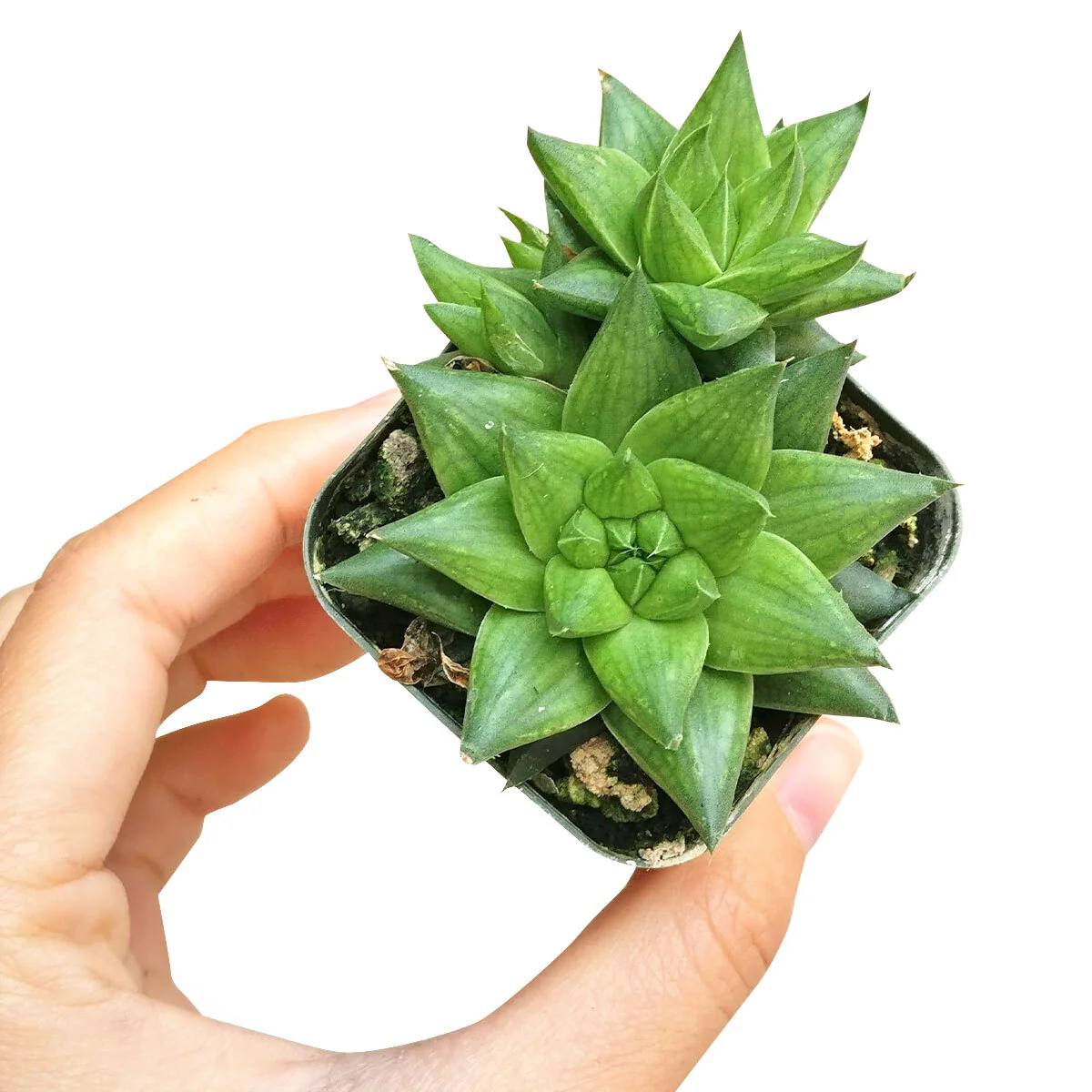
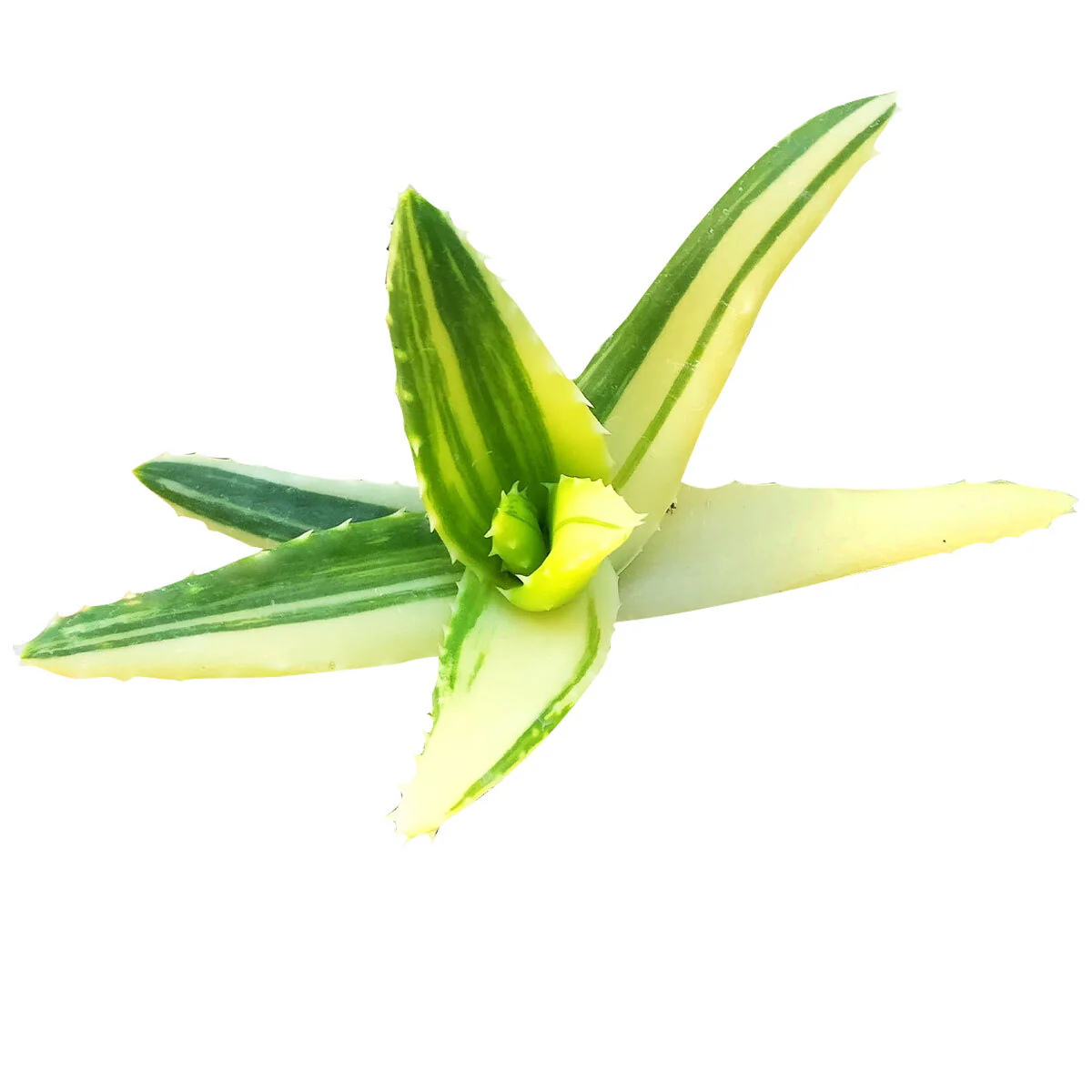
 The Variegated Aloe Plant forms a compact, clumping rosette of thick, fleshy leaves banded with creamy white or pale yellow markings against a rich green base, giving it that unmistakable variegated aloe look. The leaf edges are lined with soft, spine-like teeth, and the firm, upright form stays tidy and architectural without any pruning. It is this bold patterning and sculptural shape that set the variegated aloe apart on any windowsill or shelf.
 While the Variegated Aloe Plant is best known for its stunning foliage, it can produce tall flower spikes with tubular blooms in shades of orange, red, or coral when given a seasonal night temperature drop, rewarding patient growers with a show-stopping display. The plant also earns its keep year-round as an air purifier, helping to filter indoor air and releasing oxygen, making it as functional as it is beautiful.
 The Variegated Aloe Plant is a genuinely beginner-friendly, drought tolerant easy care succulent that survives up to ten days without watering, making it perfect for travelers or busy households. It thrives indoors on a bright shelf and can move outside for the summer months, though it needs cover from rain to prevent root issues. Keep it on a high shelf away from pets and small children, as the sap can cause skin and paw irritation and cats and dogs shouldn't be left to nibble or eat the plant. Its edible and medicinal sap has a long history of use, and its collector appeal, from its variegated aloe coloring to its clumping growth habit, makes it a must-have for succulent enthusiasts.
-
 Variegated Aloe Plant thrives in bright indirect light, partial sun, or direct sun, but may scorch in intense south-facing windows during peak summer.
 Water your Variegated Aloe Plant deeply every 2-3 weeks in summer and reduce to once a month or less in winter, allowing soil to dry completely between waterings.
 Variegated Aloe Plant performs best in a fast-draining cactus and succulent mix blended with extra perlite or coarse sand to prevent soggy roots.
 Variegated Aloe Plant prefers temperatures between 55-80°F (13-27°C) and should be brought indoors before temps drop near freezing, as it is frost sensitive.
![]() Variegated Aloe Plant grows at a slow to moderate pace and needs only a light, diluted succulent fertilizer once or twice during the active spring and summer season.
Variegated Aloe Plant grows at a slow to moderate pace and needs only a light, diluted succulent fertilizer once or twice during the active spring and summer season.
 Variegated Aloe Plant is best suited to USDA Hardiness Zones 9-11, tolerating minimum temperatures down to around 25-30°F (-4 to -1°C) with some protection, though it performs most reliably in frost-free conditions. Outdoor growers will find the Variegated Aloe Plant well at home across much of Florida, Southern California, coastal and inland Texas, Arizona, Hawaii, Louisiana, southern Georgia, South Carolina, southern Nevada, Alabama, and Mississippi. It also thrives along the mild coastal stretches of Oregon and in sheltered spots throughout New Mexico and parts of the Gulf Coast states where winters stay relatively mild.
-
Q: How often should I water my Variegated Aloe Plant?
A: Water your Variegated Aloe Plant every 2-3 weeks in warmer months and cut back to once a month in winter, always letting the soil dry out fully between waterings.
Q: Is the Variegated Aloe Plant safe for pets?
A: Cats and dogs shouldn't be left to nibble or eat the Variegated Aloe Plant, and the sap can cause skin and paw irritation, so it is best kept on a high shelf out of reach of pets and small children.
Q: How much light does a Variegated Aloe Plant need?
A: The Variegated Aloe Plant does beautifully in bright indirect light or partial sun and can handle direct sun, though a south-facing window with intense afternoon sun may cause leaf scorch.
Q: How fast does the Variegated Aloe Plant grow?
A: The Variegated Aloe Plant is a slow to moderate grower that spreads over time by producing offsets or "pups" at the base, gradually forming an attractive clumping rosette.
Q: Can I propagate my Variegated Aloe Plant?
A: Yes, the easiest way to propagate the Variegated Aloe Plant is by separating the offsets that grow at the base and potting them individually in well-draining succulent mix.
Q: Can the Variegated Aloe Plant go outside in summer?
A: Absolutely, the Variegated Aloe Plant loves spending summer outdoors in a bright, sheltered spot, but always bring it in before cool nights arrive and make sure it is protected from heavy rain to avoid root rot.


Original: $9.65
-70%$9.65
$2.90Product Information
Product Information
Shipping & Returns
Shipping & Returns
Description
- Description
- Variegated Aloe Plant Care Guide
- FAQ/Common Issues
-
![]() The Variegated Aloe Plant is a striking succulent in the Aloe genus, native to the arid and semi-arid regions of southern Africa where it thrives in rocky, well-draining soils with plenty of sun. It has been celebrated for centuries for both its ornamental beauty and its practical, medicinal uses, making it a timeless favorite among plant lovers worldwide.
The Variegated Aloe Plant is a striking succulent in the Aloe genus, native to the arid and semi-arid regions of southern Africa where it thrives in rocky, well-draining soils with plenty of sun. It has been celebrated for centuries for both its ornamental beauty and its practical, medicinal uses, making it a timeless favorite among plant lovers worldwide.
The Variegated Aloe Plant forms a compact, clumping rosette of thick, fleshy leaves banded with creamy white or pale yellow markings against a rich green base, giving it that unmistakable variegated aloe look. The leaf edges are lined with soft, spine-like teeth, and the firm, upright form stays tidy and architectural without any pruning. It is this bold patterning and sculptural shape that set the variegated aloe apart on any windowsill or shelf.
While the Variegated Aloe Plant is best known for its stunning foliage, it can produce tall flower spikes with tubular blooms in shades of orange, red, or coral when given a seasonal night temperature drop, rewarding patient growers with a show-stopping display. The plant also earns its keep year-round as an air purifier, helping to filter indoor air and releasing oxygen, making it as functional as it is beautiful.
The Variegated Aloe Plant is a genuinely beginner-friendly, drought tolerant easy care succulent that survives up to ten days without watering, making it perfect for travelers or busy households. It thrives indoors on a bright shelf and can move outside for the summer months, though it needs cover from rain to prevent root issues. Keep it on a high shelf away from pets and small children, as the sap can cause skin and paw irritation and cats and dogs shouldn't be left to nibble or eat the plant. Its edible and medicinal sap has a long history of use, and its collector appeal, from its variegated aloe coloring to its clumping growth habit, makes it a must-have for succulent enthusiasts.
-
Variegated Aloe Plant thrives in bright indirect light, partial sun, or direct sun, but may scorch in intense south-facing windows during peak summer.
Water your Variegated Aloe Plant deeply every 2-3 weeks in summer and reduce to once a month or less in winter, allowing soil to dry completely between waterings.
Variegated Aloe Plant performs best in a fast-draining cactus and succulent mix blended with extra perlite or coarse sand to prevent soggy roots.
Variegated Aloe Plant prefers temperatures between 55-80°F (13-27°C) and should be brought indoors before temps drop near freezing, as it is frost sensitive.
![]() Variegated Aloe Plant grows at a slow to moderate pace and needs only a light, diluted succulent fertilizer once or twice during the active spring and summer season.
Variegated Aloe Plant grows at a slow to moderate pace and needs only a light, diluted succulent fertilizer once or twice during the active spring and summer season.
Variegated Aloe Plant is best suited to USDA Hardiness Zones 9-11, tolerating minimum temperatures down to around 25-30°F (-4 to -1°C) with some protection, though it performs most reliably in frost-free conditions. Outdoor growers will find the Variegated Aloe Plant well at home across much of Florida, Southern California, coastal and inland Texas, Arizona, Hawaii, Louisiana, southern Georgia, South Carolina, southern Nevada, Alabama, and Mississippi. It also thrives along the mild coastal stretches of Oregon and in sheltered spots throughout New Mexico and parts of the Gulf Coast states where winters stay relatively mild.
-
Q: How often should I water my Variegated Aloe Plant?
A: Water your Variegated Aloe Plant every 2-3 weeks in warmer months and cut back to once a month in winter, always letting the soil dry out fully between waterings.
Q: Is the Variegated Aloe Plant safe for pets?
A: Cats and dogs shouldn't be left to nibble or eat the Variegated Aloe Plant, and the sap can cause skin and paw irritation, so it is best kept on a high shelf out of reach of pets and small children.
Q: How much light does a Variegated Aloe Plant need?
A: The Variegated Aloe Plant does beautifully in bright indirect light or partial sun and can handle direct sun, though a south-facing window with intense afternoon sun may cause leaf scorch.
Q: How fast does the Variegated Aloe Plant grow?
A: The Variegated Aloe Plant is a slow to moderate grower that spreads over time by producing offsets or "pups" at the base, gradually forming an attractive clumping rosette.
Q: Can I propagate my Variegated Aloe Plant?
A: Yes, the easiest way to propagate the Variegated Aloe Plant is by separating the offsets that grow at the base and potting them individually in well-draining succulent mix.
Q: Can the Variegated Aloe Plant go outside in summer?
A: Absolutely, the Variegated Aloe Plant loves spending summer outdoors in a bright, sheltered spot, but always bring it in before cool nights arrive and make sure it is protected from heavy rain to avoid root rot.