Haworthia Venosa Succulent
- Description
- Haworthia Venosa Succulent Care Guide
- FAQ/Common Issues
-
![]() The Haworthia Venosa Succulent is a compact, rosette-forming succulent in the Asphodelaceae family, native to the rocky, semi-arid regions of South Africa. It thrives naturally in sheltered spots beneath shrubs and rock outcroppings, which explains its preference for filtered rather than direct light. Easy care and beginner-friendly, this resilient little plant has earned devoted fans well beyond its native habitat.
The Haworthia Venosa Succulent is a compact, rosette-forming succulent in the Asphodelaceae family, native to the rocky, semi-arid regions of South Africa. It thrives naturally in sheltered spots beneath shrubs and rock outcroppings, which explains its preference for filtered rather than direct light. Easy care and beginner-friendly, this resilient little plant has earned devoted fans well beyond its native habitat.
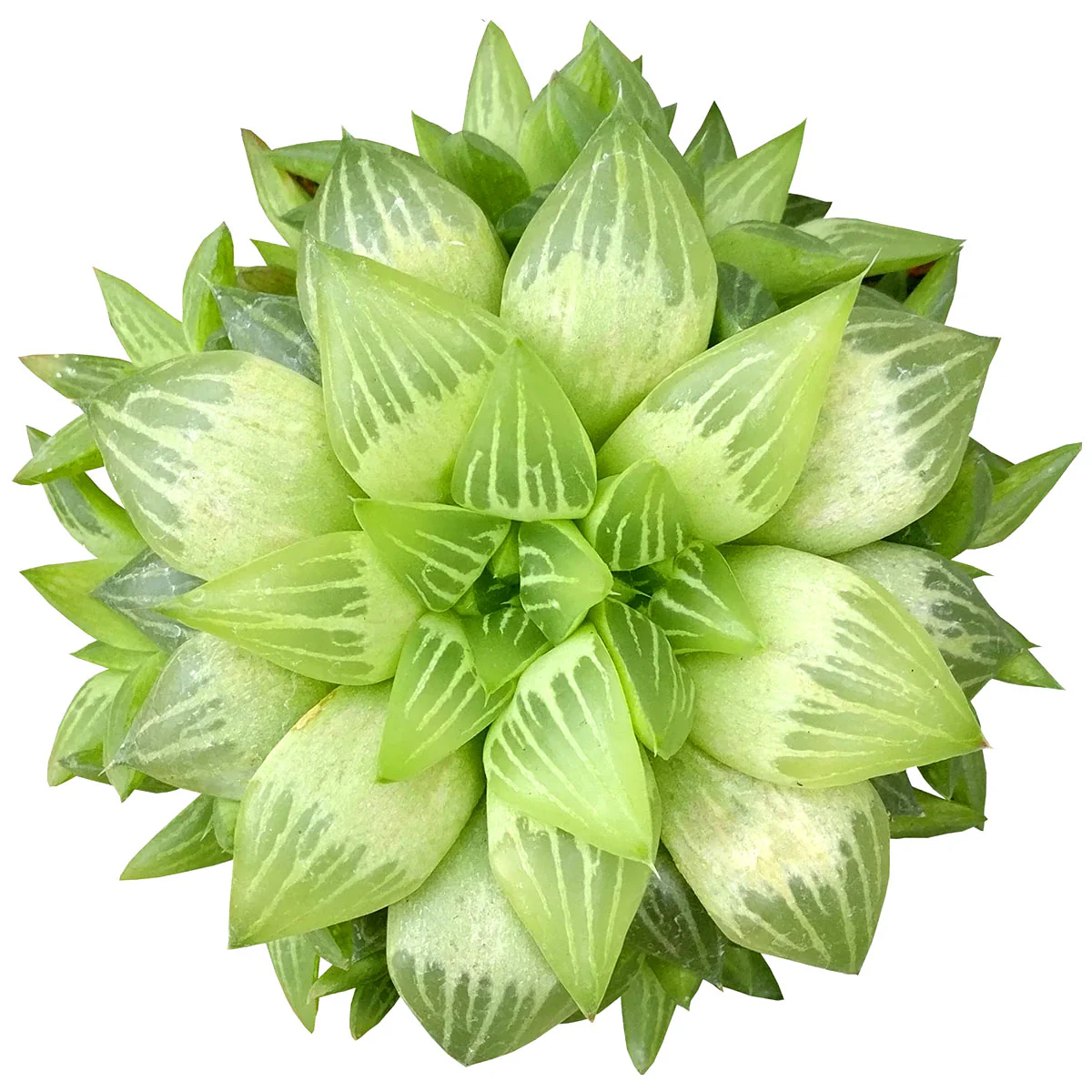
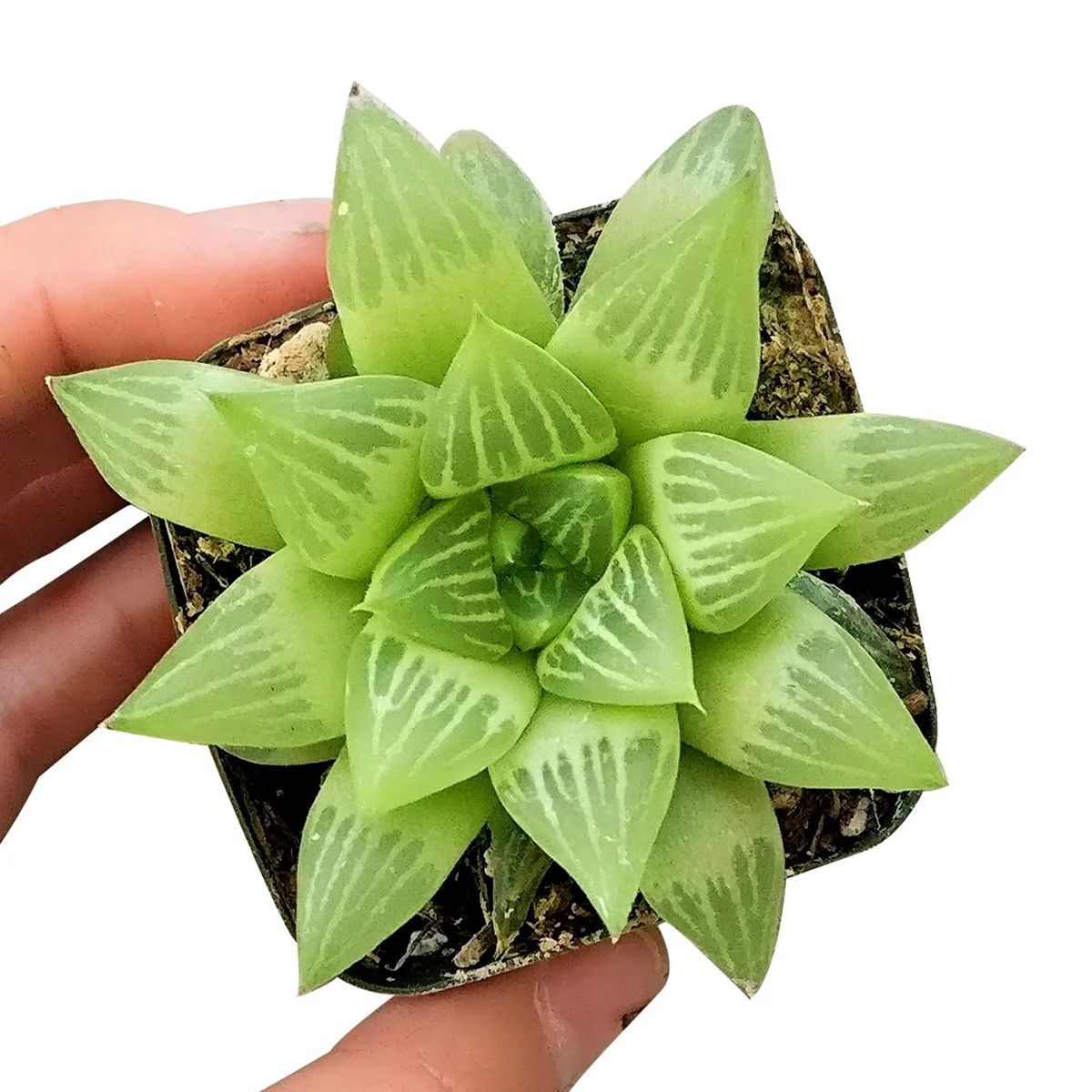
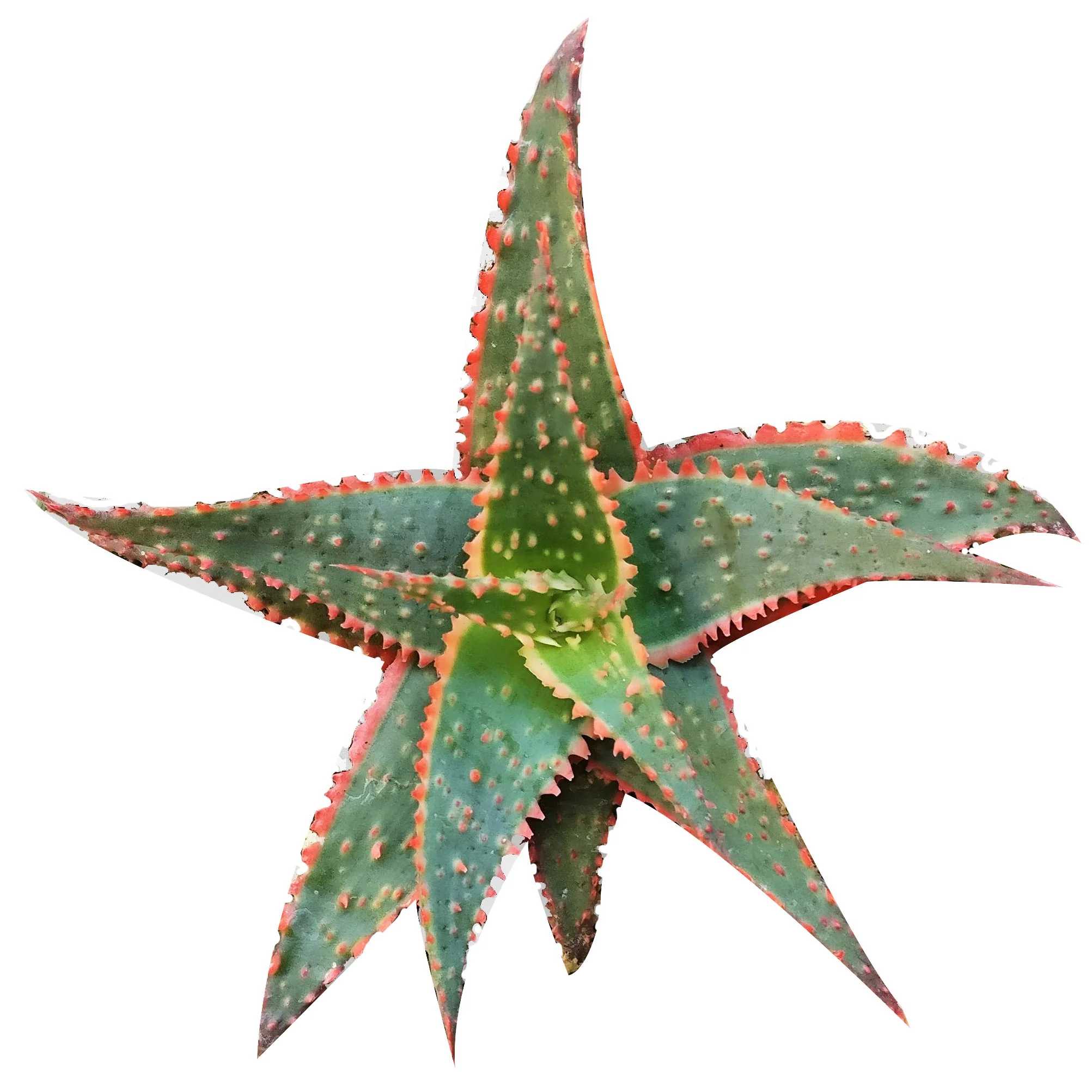
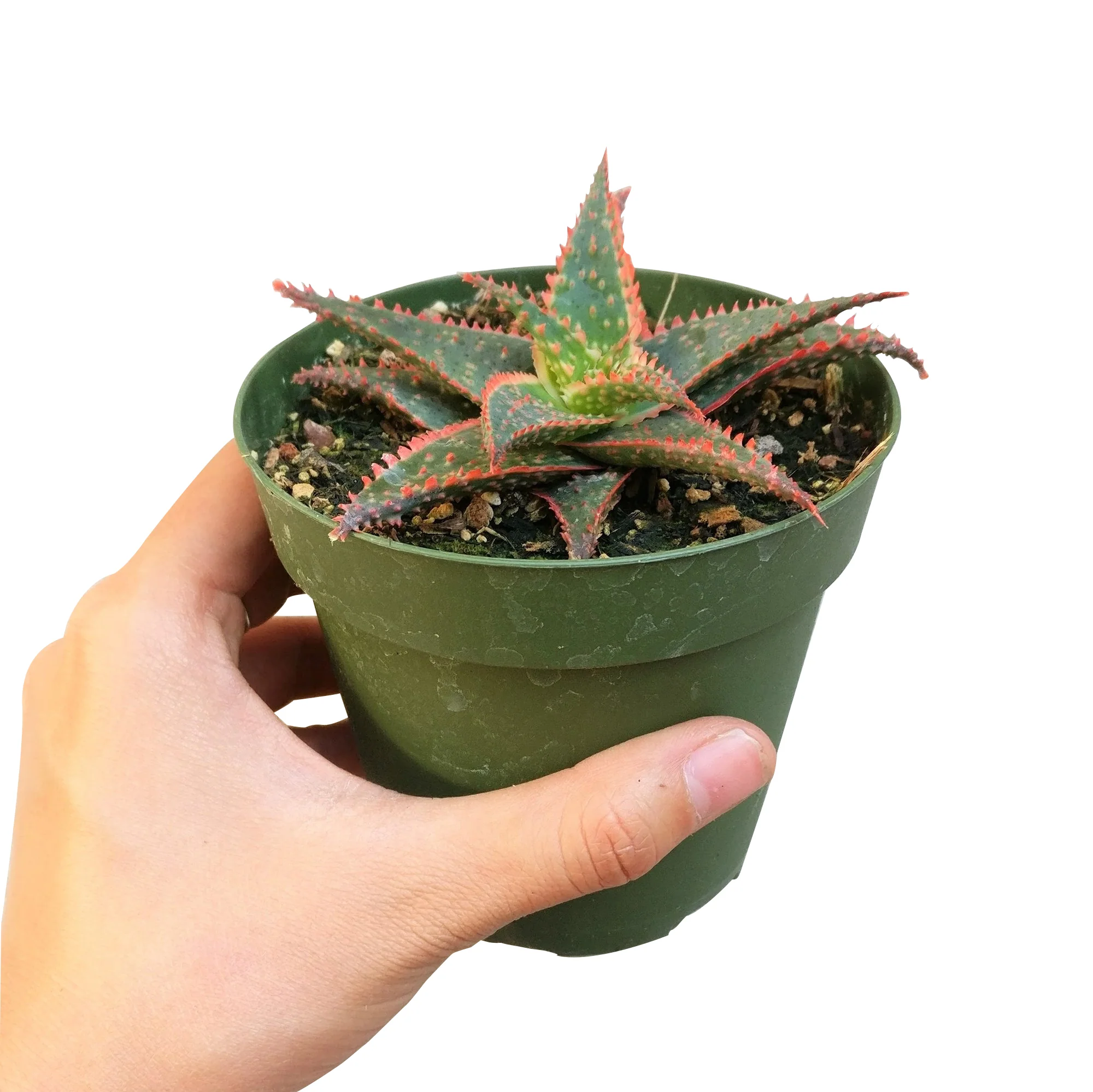
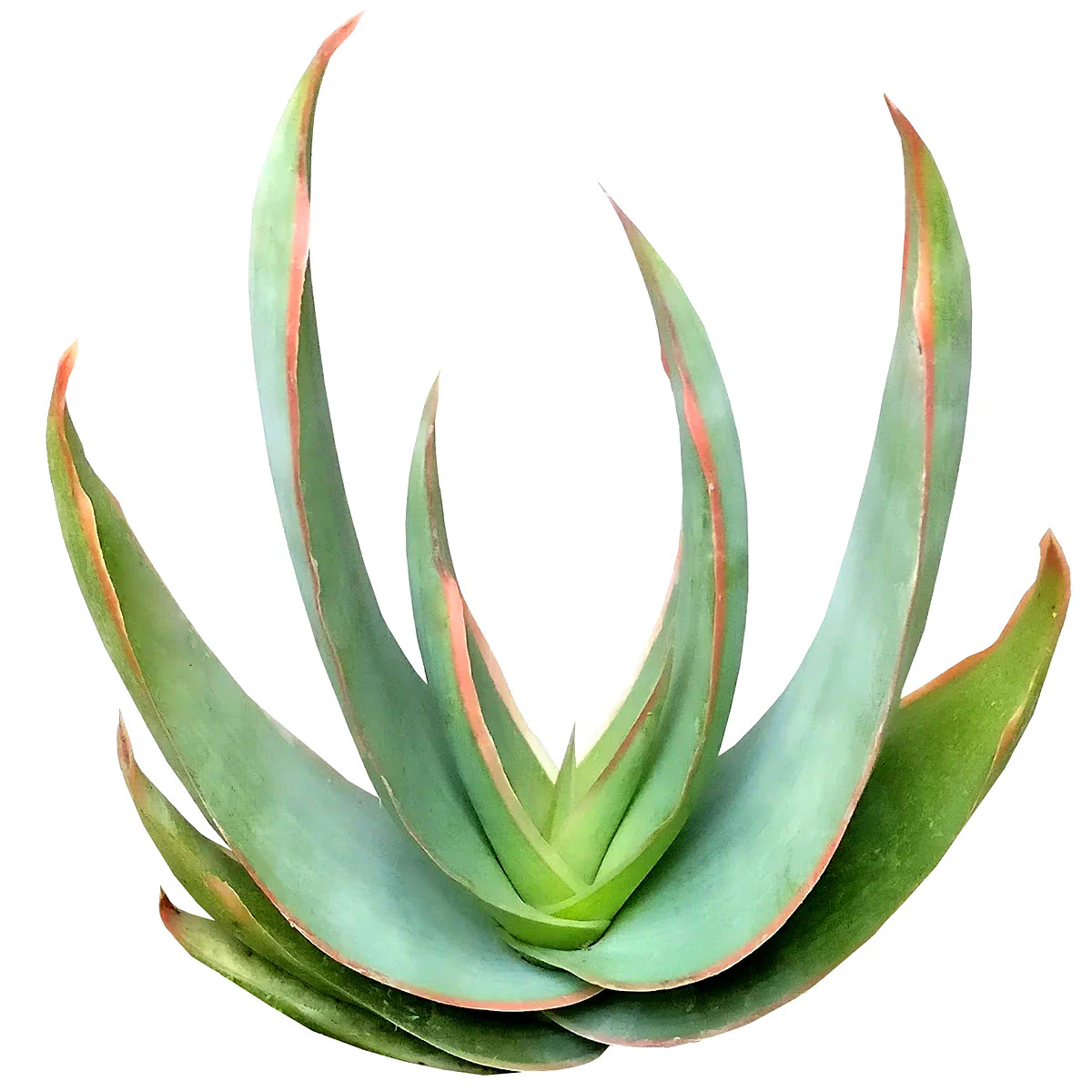
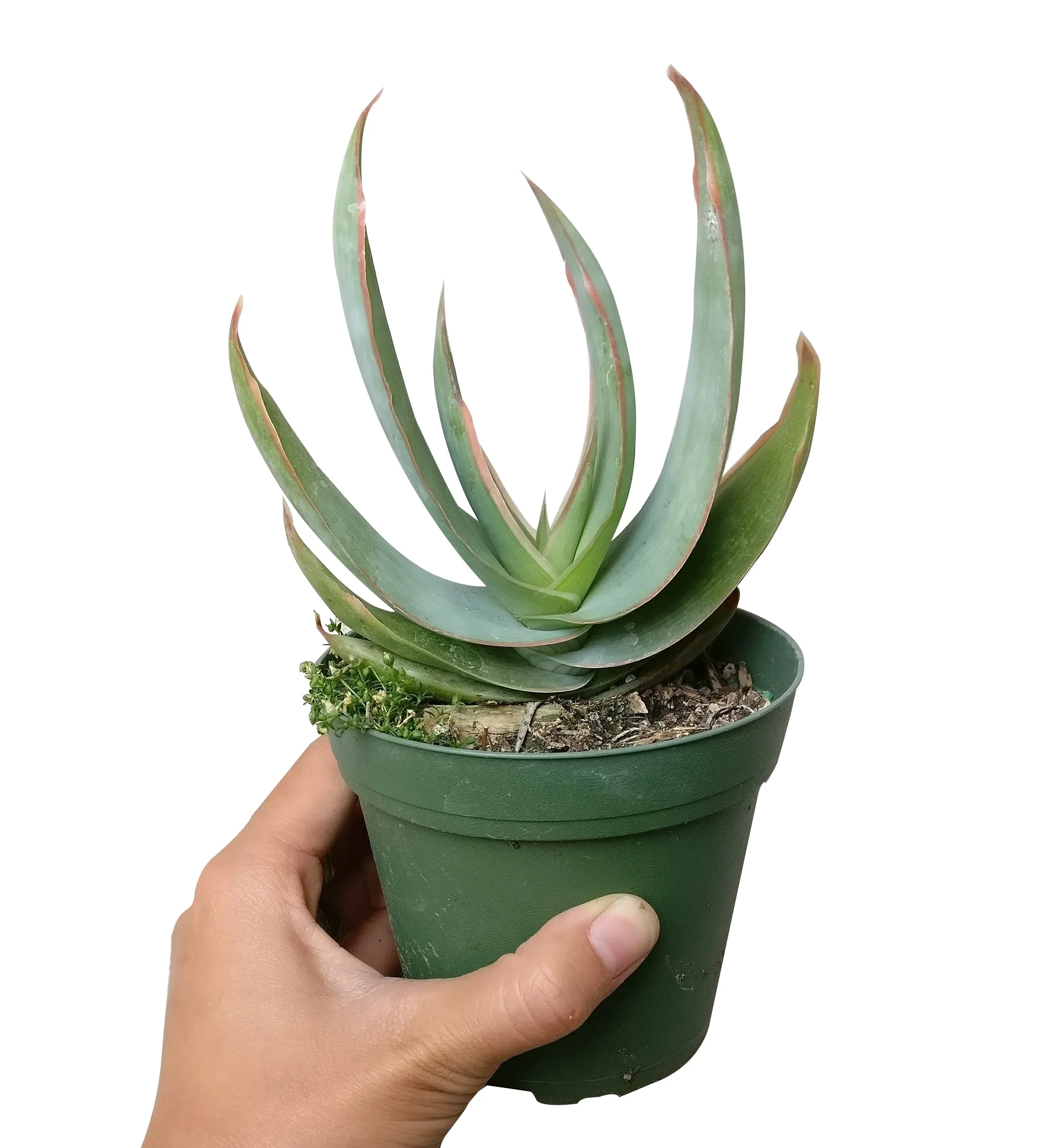
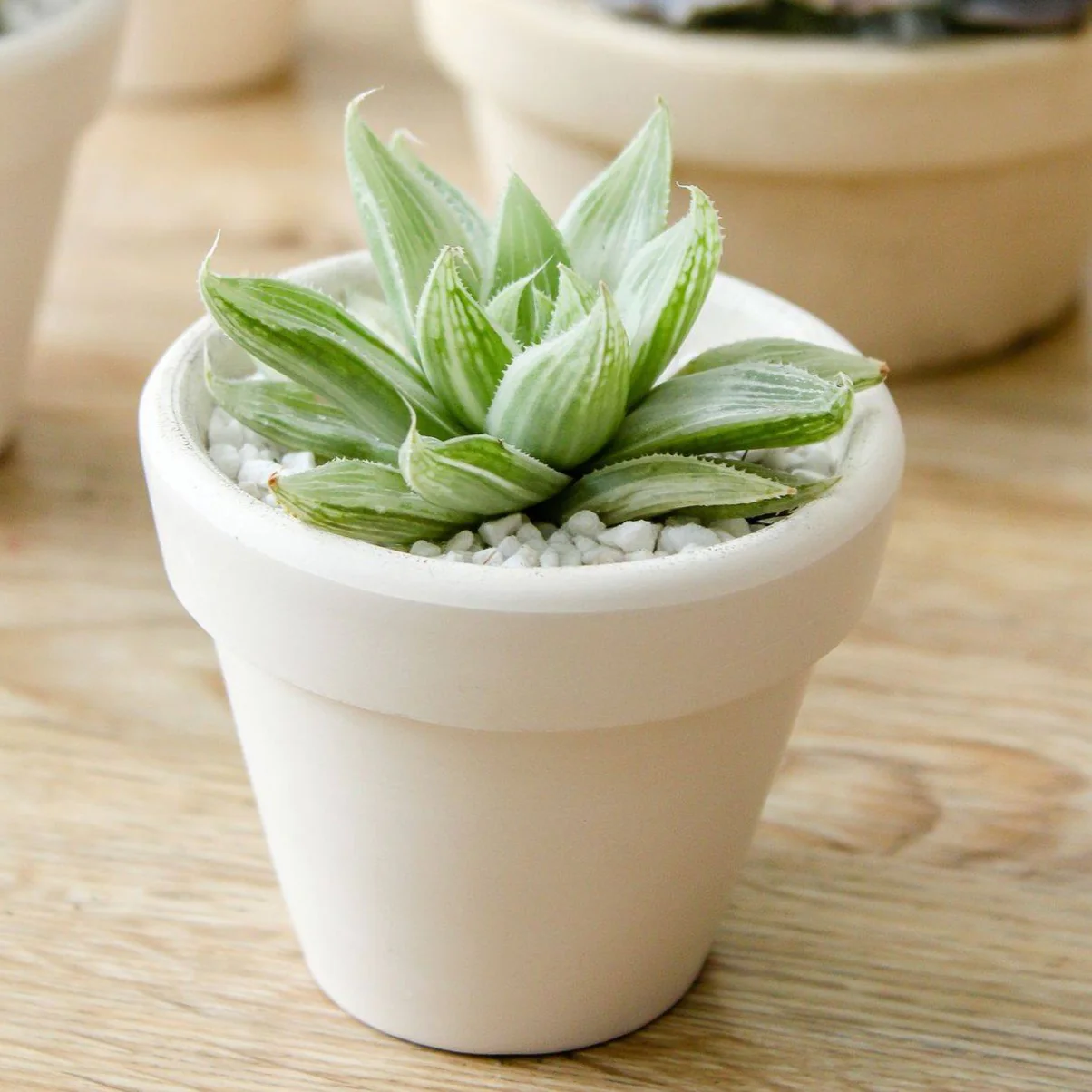
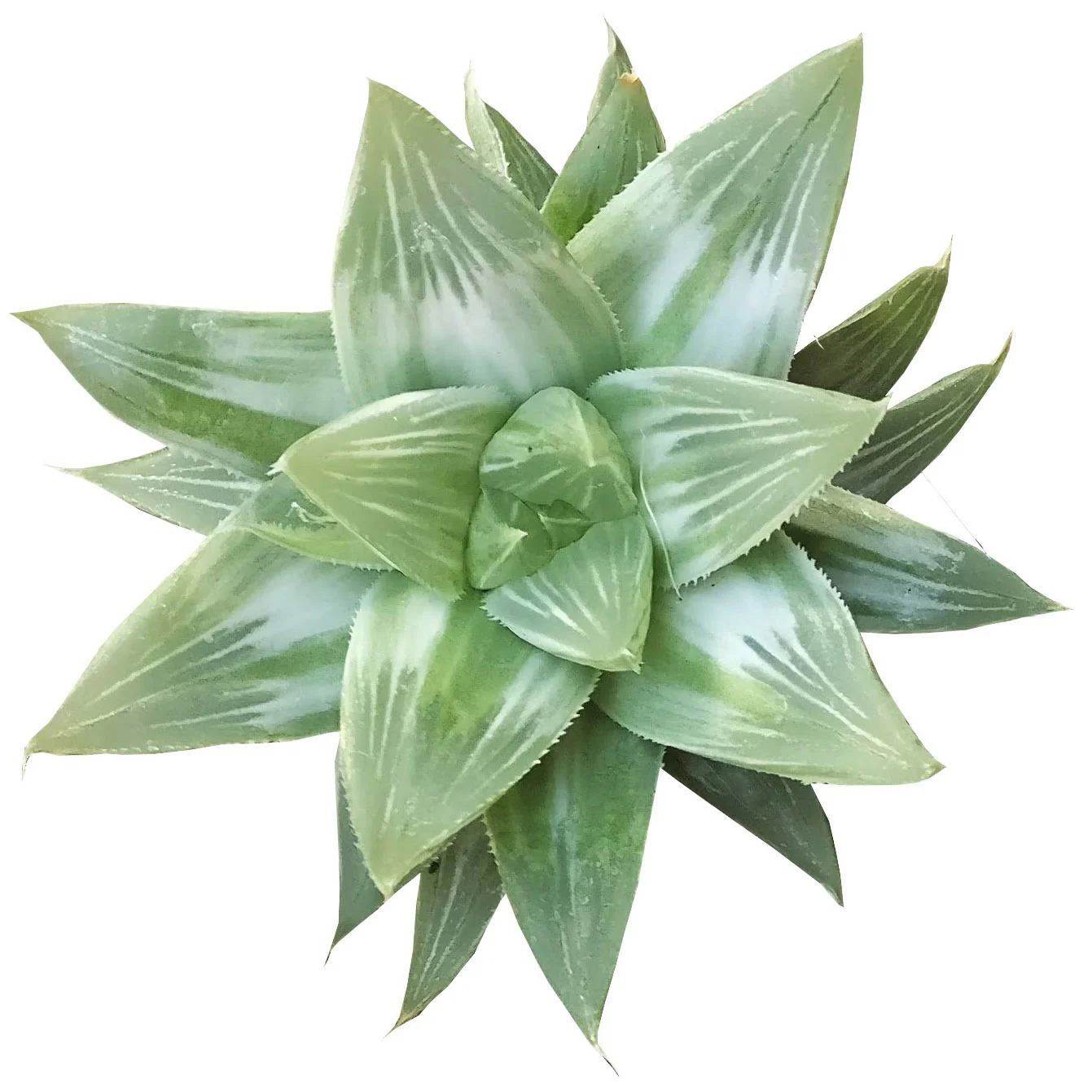
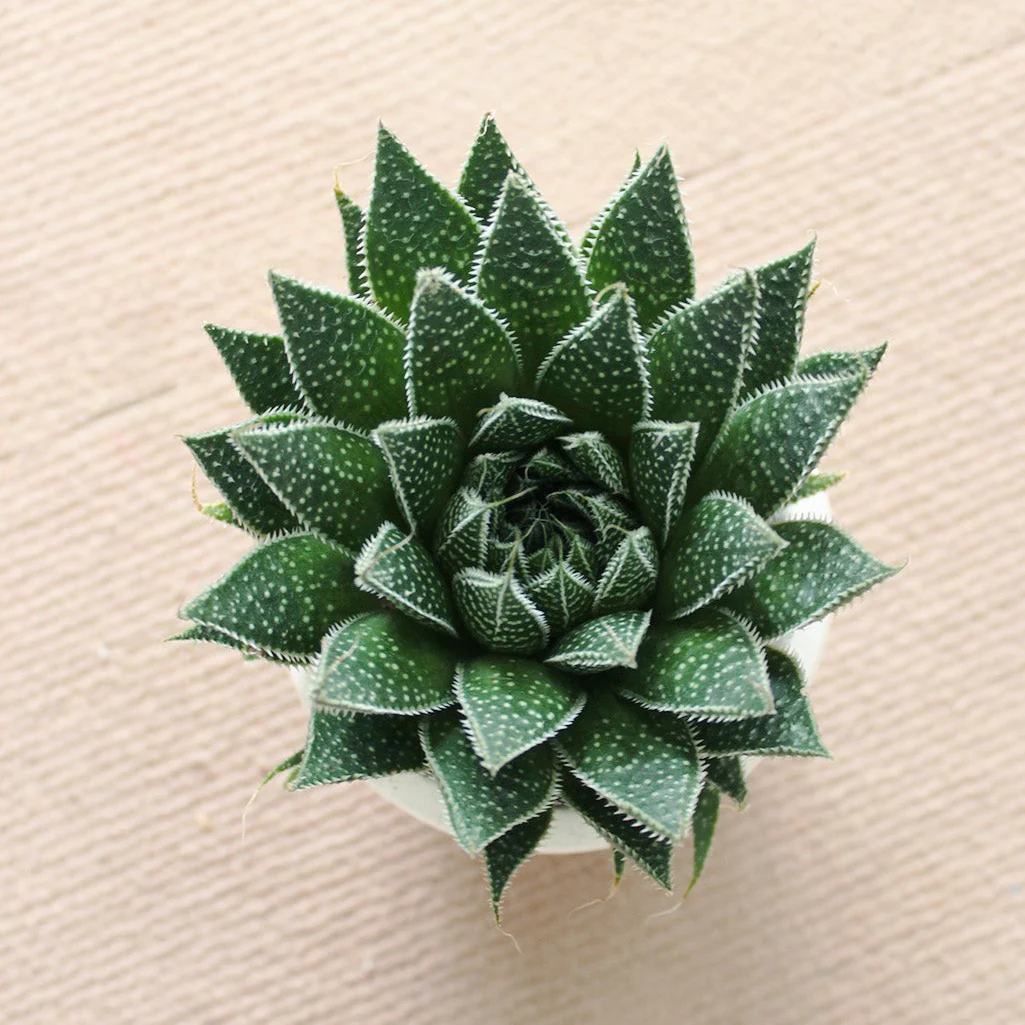
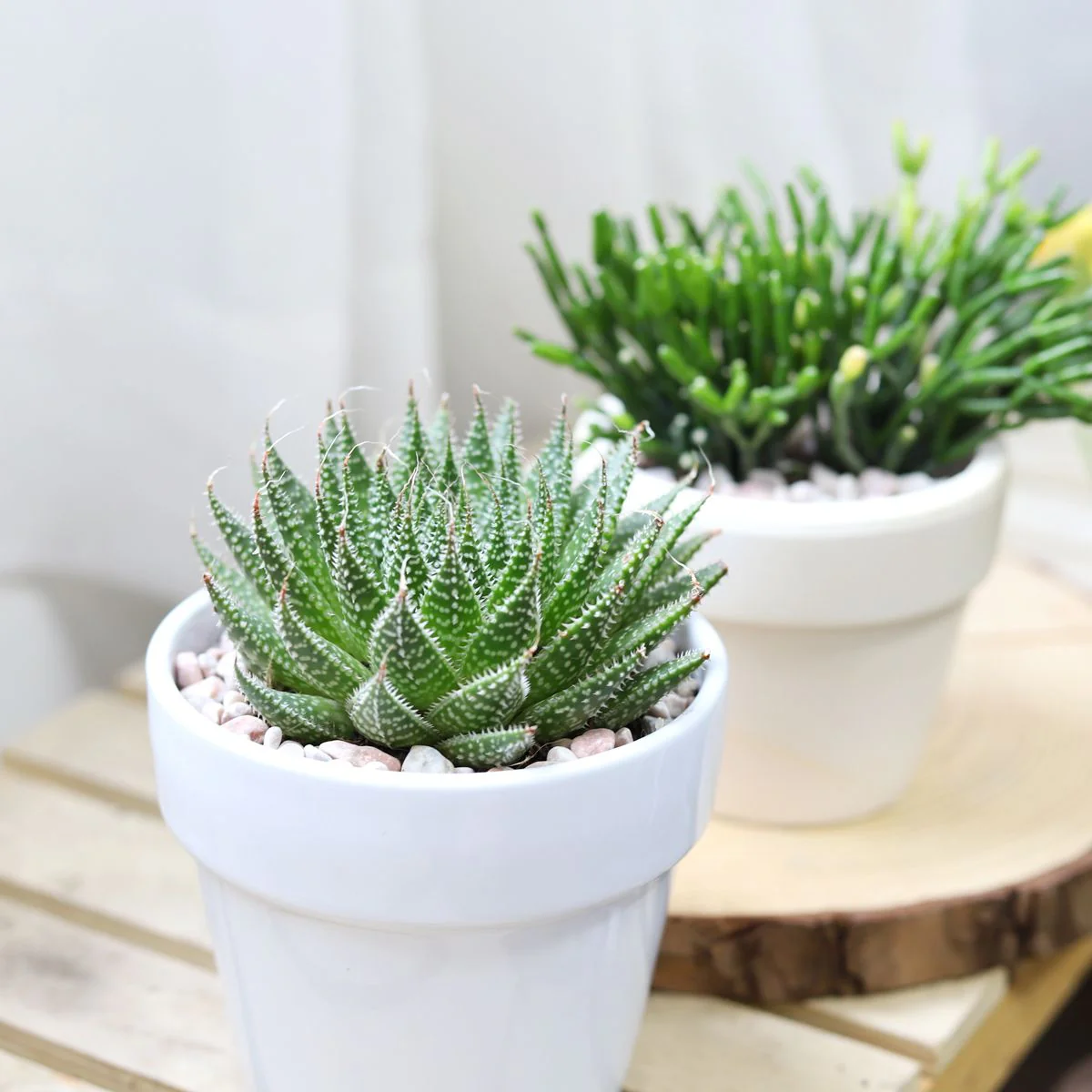
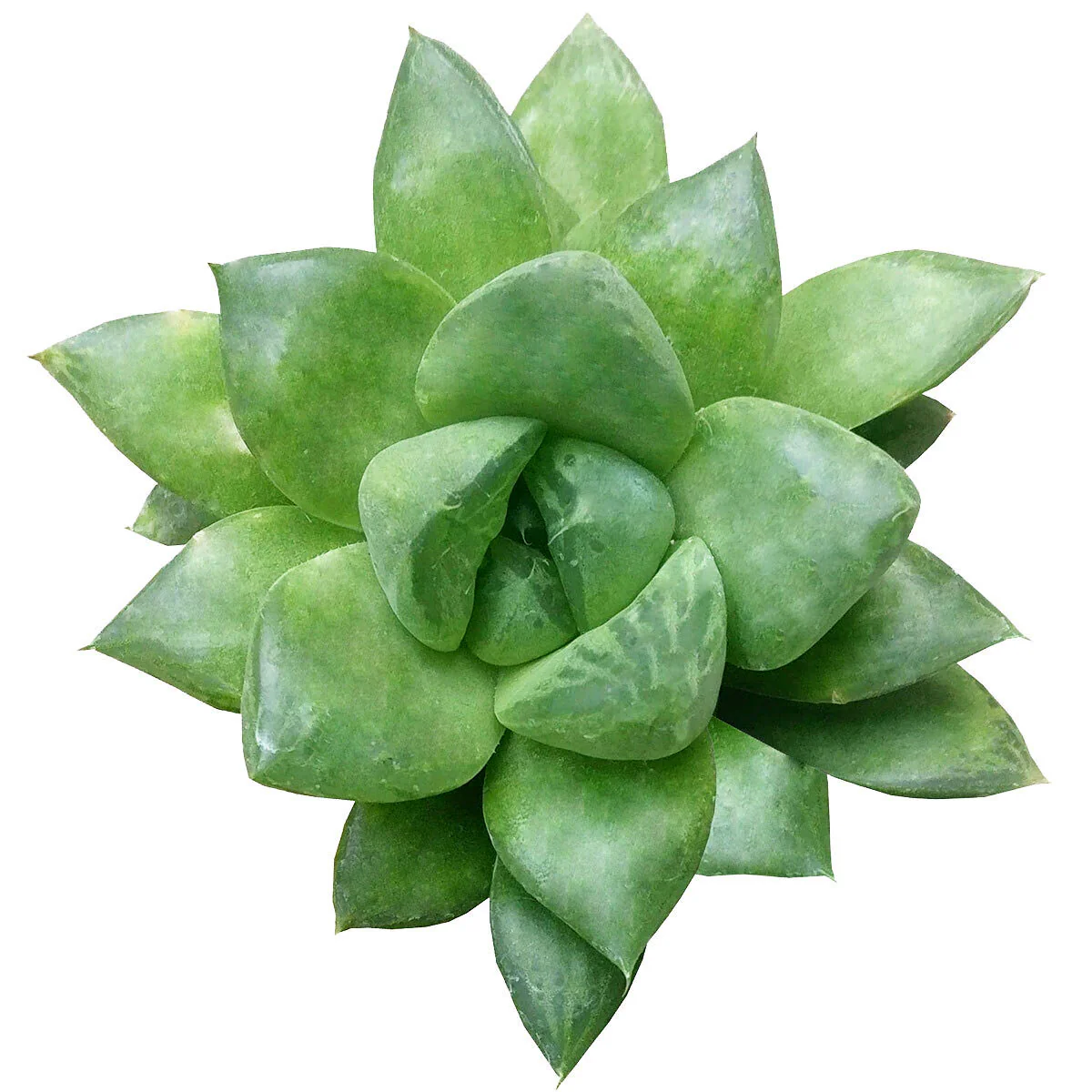
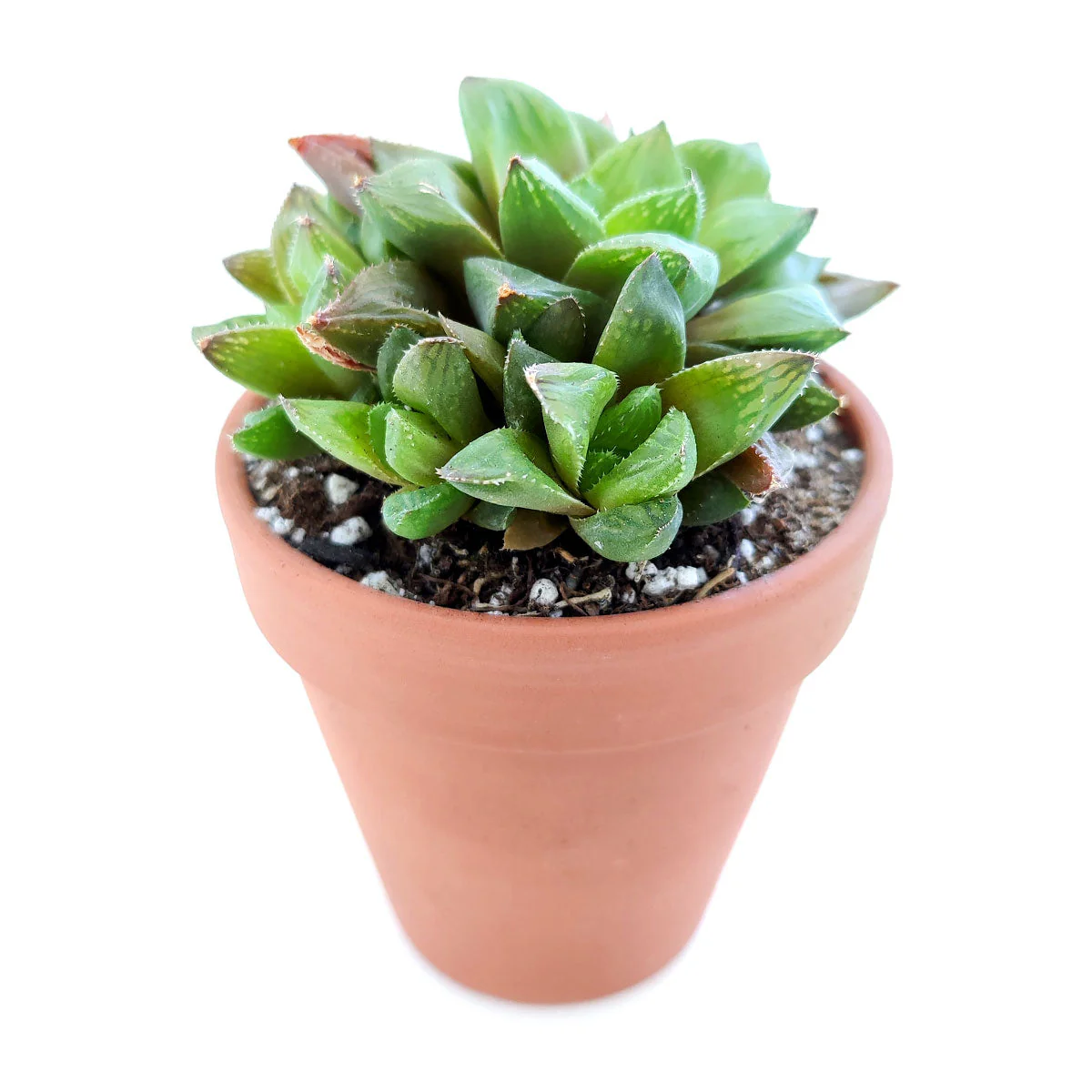
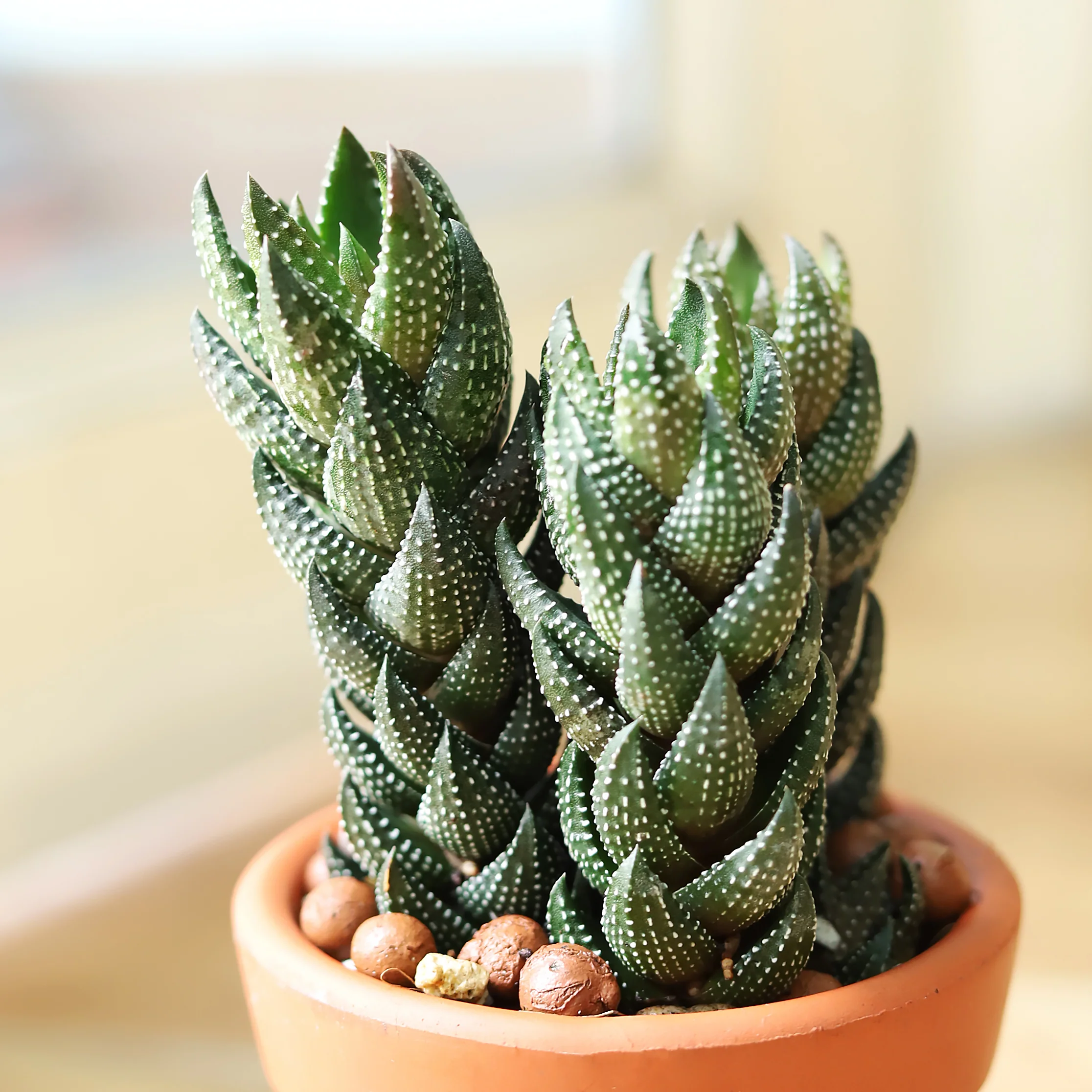
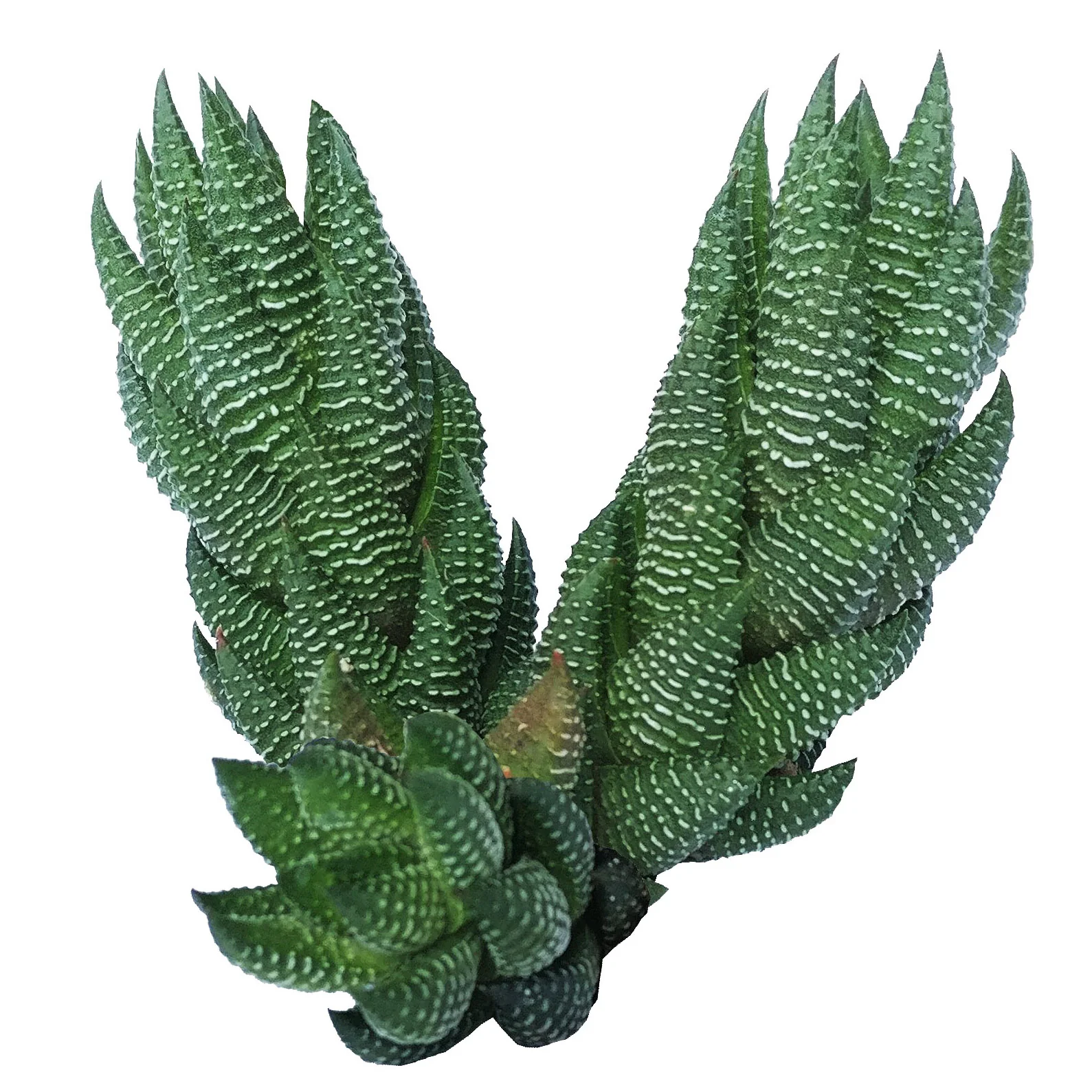
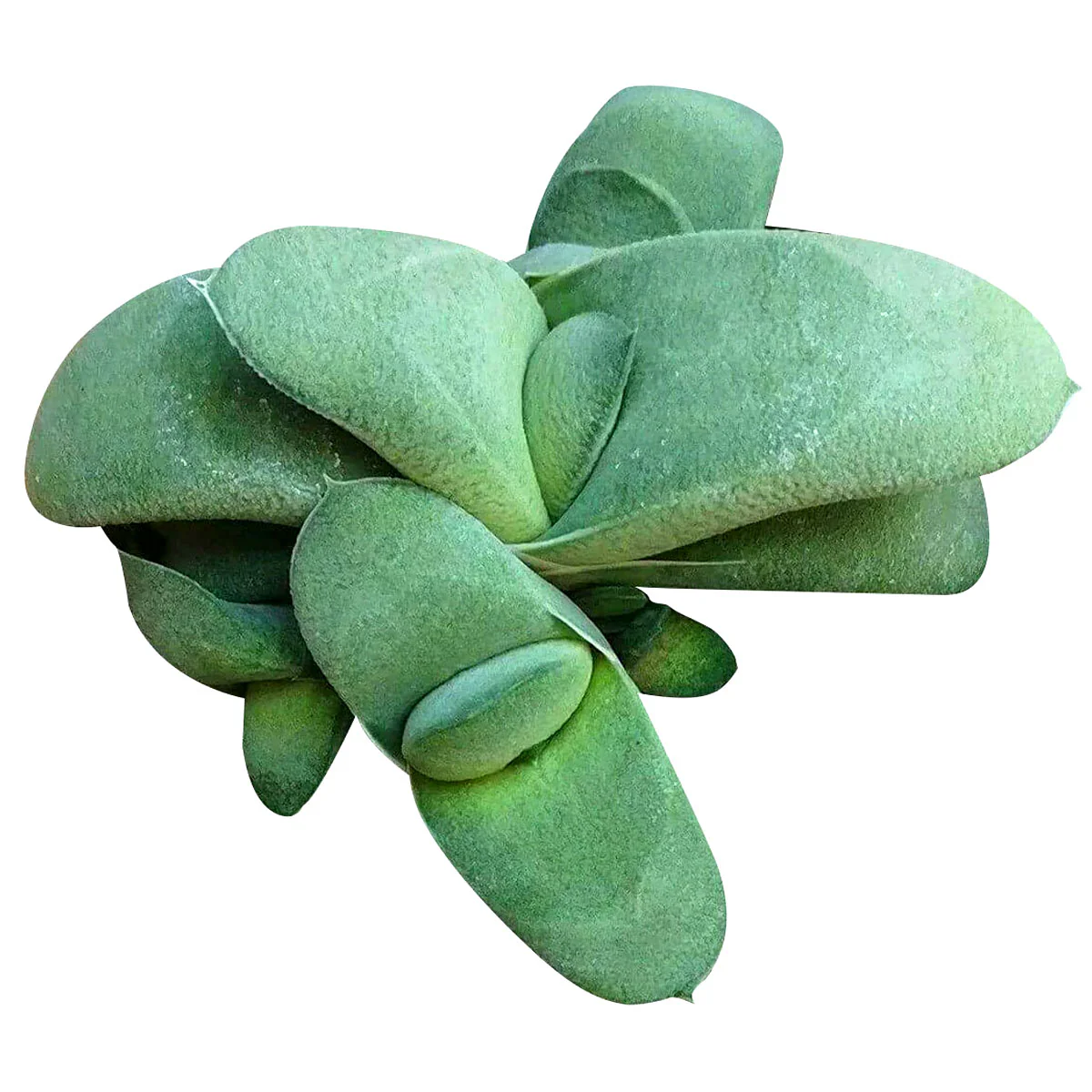
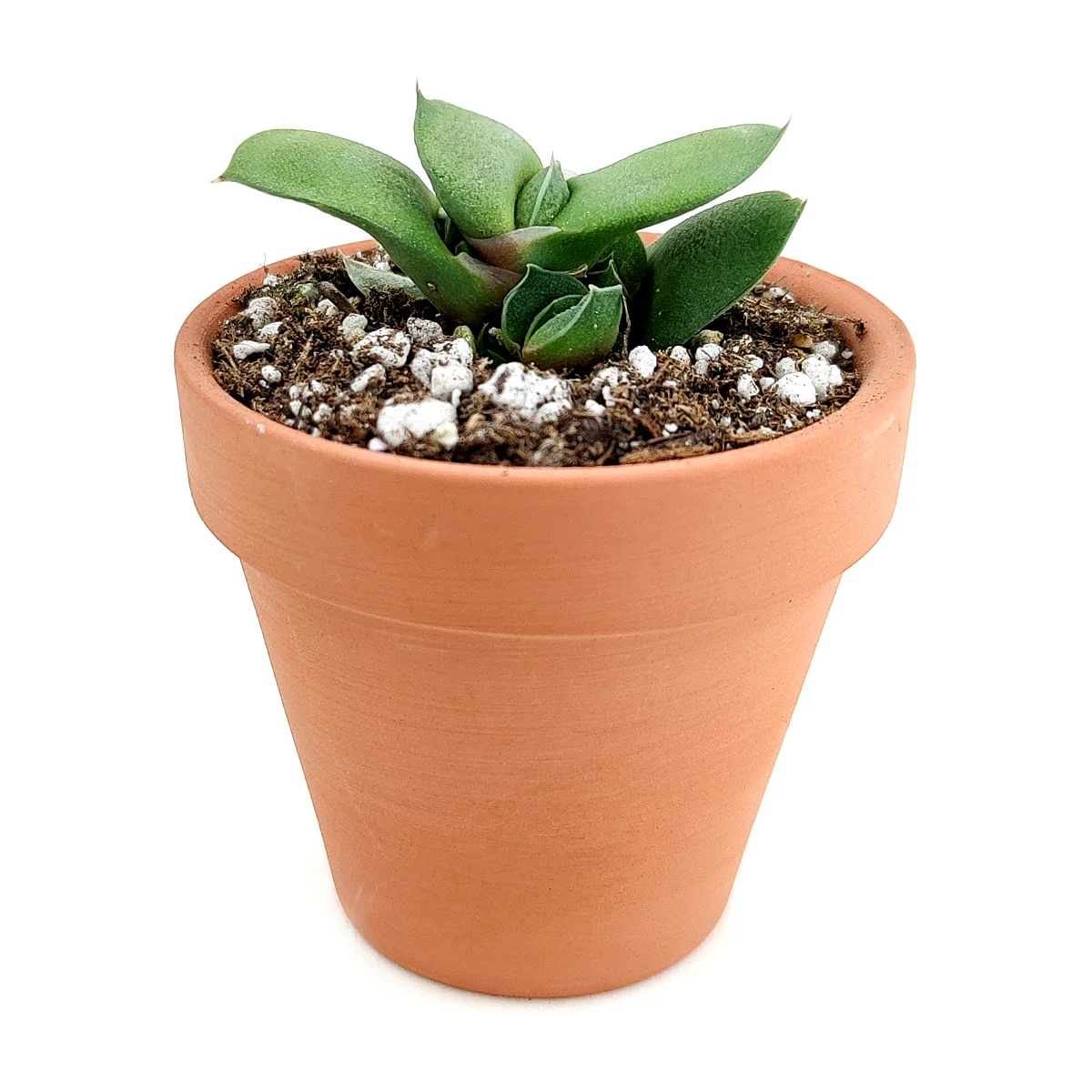
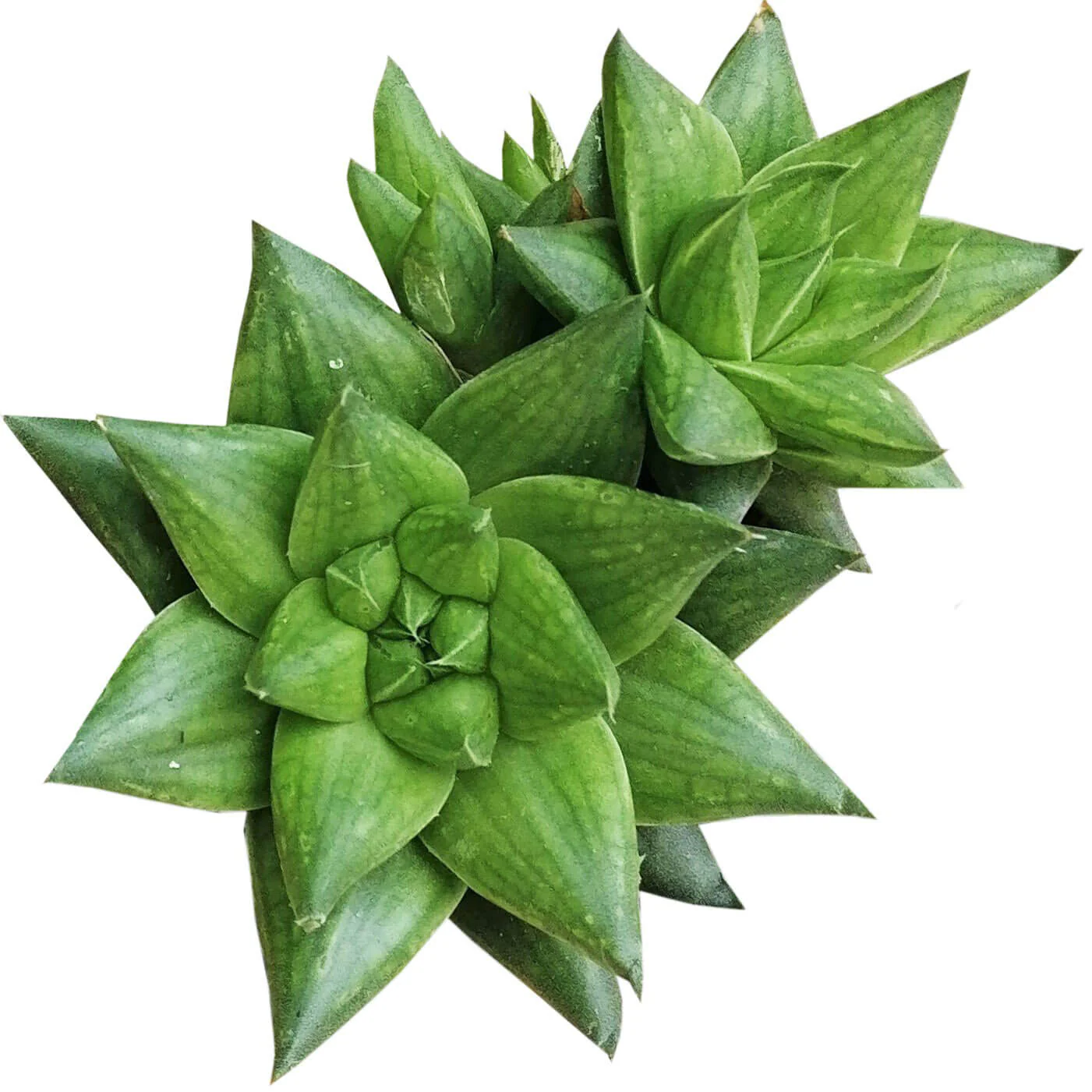
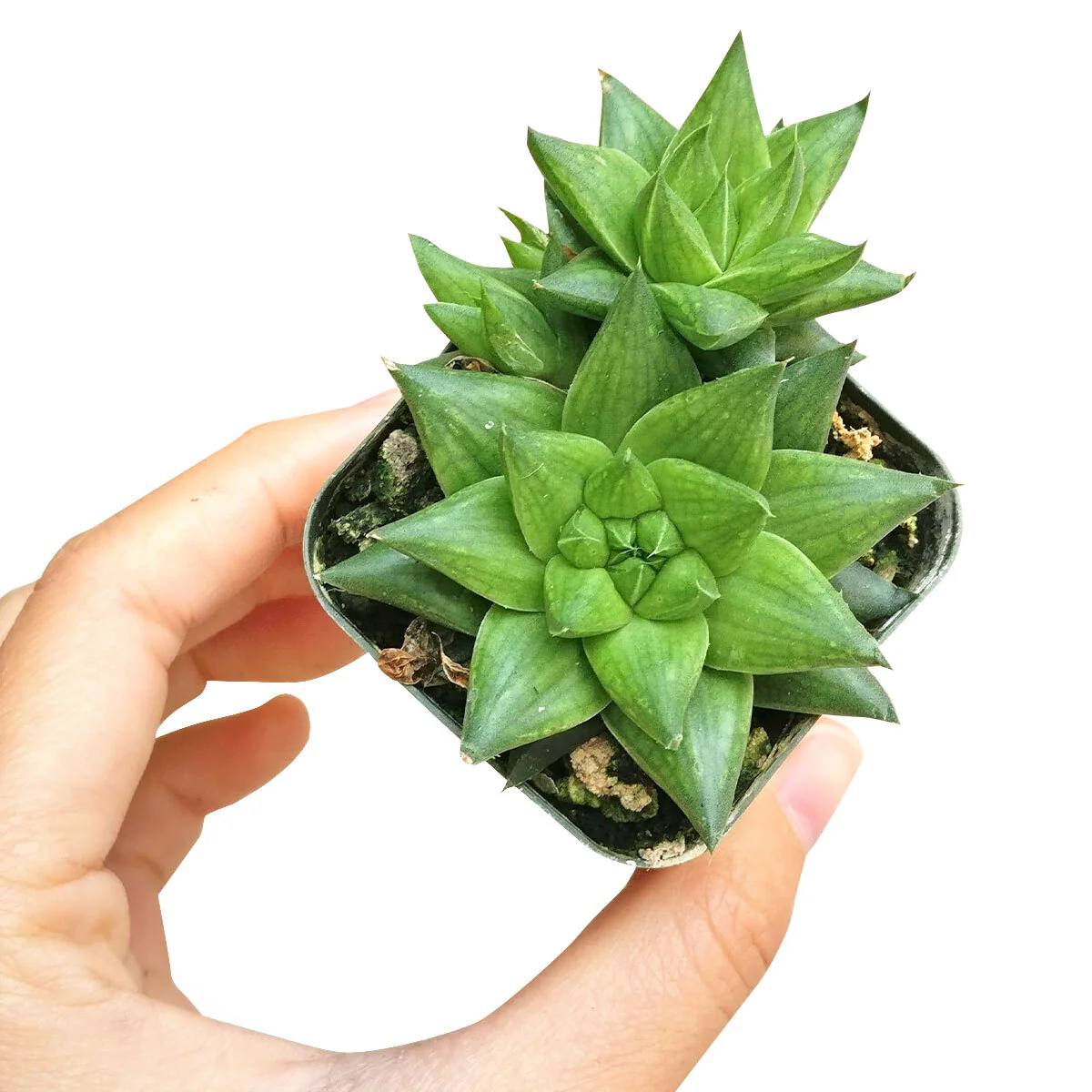
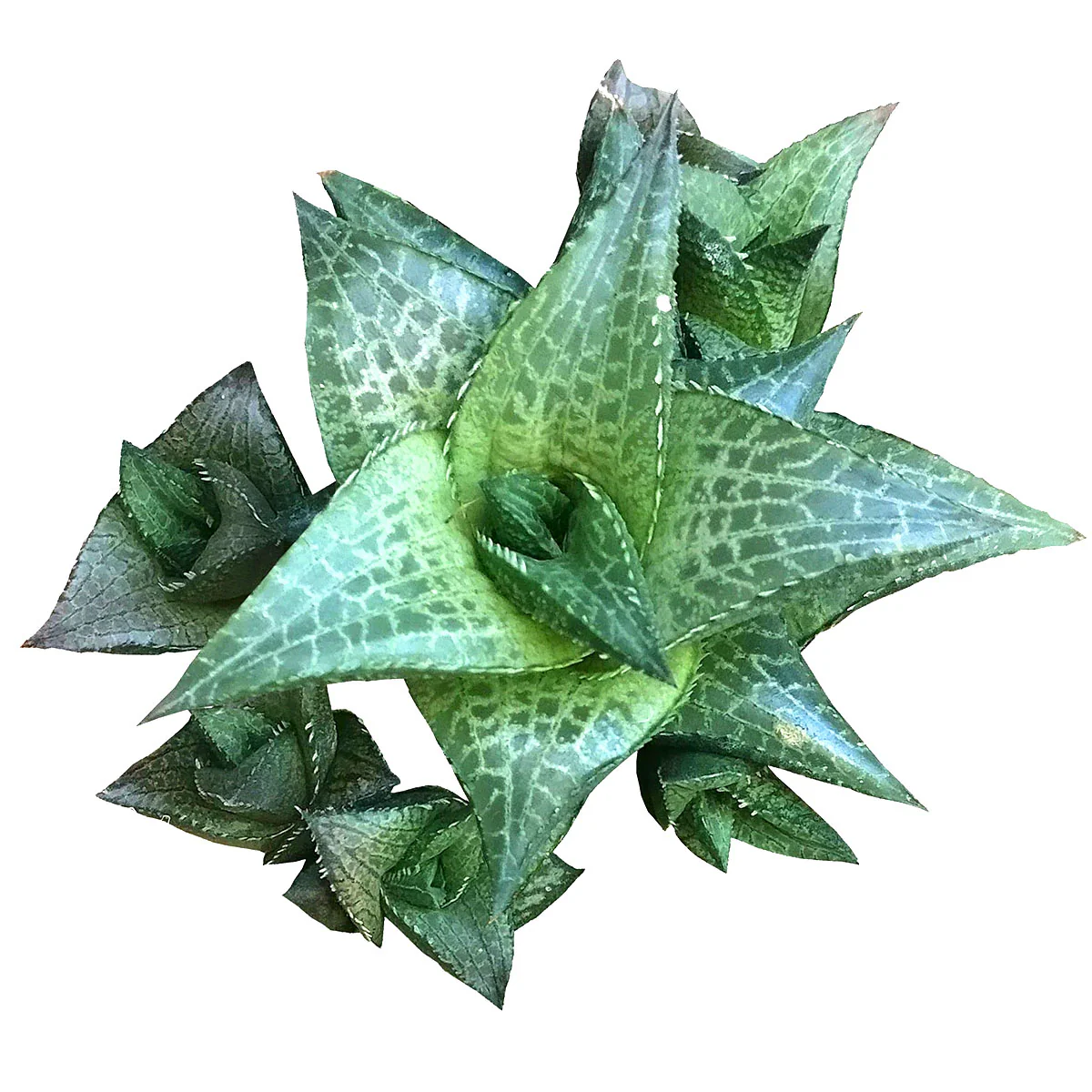
 The Haworthia Venosa Succulent forms tight, clustering rosettes of thick, triangular leaves marked with translucent veining and a subtle gray-green coloration that gives it an almost geometric, architectural look. Those raised venous lines catch the light beautifully, making each rosette feel like a tiny piece of living sculpture. The compact size and clustering growth habit mean one pot gradually becomes a full, textured display.
 The Haworthia Venosa Succulent may produce slender flower stalks with small, tubular blooms, typically in spring or summer, and a nighttime temperature drop can encourage more reliable blooming. Worth noting: this plant releases oxygen at night, making it a genuinely smart choice for a bedroom. It also produces pollen, so those with sensitivities may want to keep that in mind during bloom season.
 The Haworthia Venosa Succulent is wonderfully versatile indoors, thriving under office LEDs, sitting happily on desks and shelves away from south-facing windows, and rotating easily for even, balanced growth. Move it outside for summer in a sheltered spot, just keep it covered from rain and away from harsh AC or heater vents indoors. This plant is pet friendly, making it a worry-free pick for homes with cats or dogs. Its drought tolerance means it can survive a 10-day trip without a caretaker, which collectors and frequent travelers genuinely appreciate.
-
 Haworthia Venosa Succulent thrives in medium to bright indirect light and adapts well to low light.
 Water Haworthia Venosa Succulent every 2-3 weeks, allowing soil to dry completely between waterings.
 Haworthia Venosa Succulent does best in a well-draining cactus and succulent mix blended with perlite.
 Haworthia Venosa Succulent prefers temperatures between 65-80°F (18-27°C) and should be protected from frost.
![]() Haworthia Venosa Succulent is a slow grower needing light feeding with a diluted succulent fertilizer once in spring.
Haworthia Venosa Succulent is a slow grower needing light feeding with a diluted succulent fertilizer once in spring.
 Haworthia Venosa Succulent is rated for USDA Hardiness Zones 9 through 11, tolerating minimum temperatures down to around 25-30°F (-4 to -1°C) with protection. Gardeners growing Haworthia Venosa Succulent outdoors year-round will find ideal conditions across Florida, California, Texas, Arizona, Hawaii, Louisiana, Georgia, South Carolina, Alabama, Mississippi, and Nevada. Along the Oregon coast and in sheltered microclimates of New Mexico and Arkansas, gardeners in the warmer pockets of Zone 9 can also enjoy this plant outside through much of the year.
-
Q: Is Haworthia Venosa Succulent safe for cats and dogs?
A: Yes, this plant is pet friendly and is not considered toxic to cats or dogs. It is a worry-free choice for pet households.
Q: How often should I water Haworthia Venosa Succulent?
A: Water Haworthia Venosa Succulent every 2-3 weeks and always let the soil dry out completely before watering again. Overwatering is the most common mistake with this plant.
Q: Can Haworthia Venosa Succulent grow in low light or under office LEDs?
A: Yes, Haworthia Venosa Succulent adapts well to low light and grows reliably under standard office LED lighting. Avoid direct south-facing window sun, which can scorch the leaves.
Q: How big does Haworthia Venosa Succulent get?
A: Haworthia Venosa Succulent stays compact, typically reaching 3-5 inches in diameter per rosette, and spreads gradually through clustering offsets. It is perfectly sized for desks, shelves, and small containers.
Q: Can I propagate Haworthia Venosa Succulent?
A: Haworthia Venosa Succulent is easily propagated by separating the offsets that cluster around the mother plant. Allow the offset to callous for a day before placing it in fresh, well-draining succulent mix.
Q: Can Haworthia Venosa Succulent go outside in summer?
A: Yes, Haworthia Venosa Succulent enjoys spending summer outdoors in a bright, sheltered spot with indirect light. Bring it back inside before temperatures drop in autumn and always protect it from heavy rain.


Original: $8.00
-70%$8.00
$2.40Product Information
Product Information
Shipping & Returns
Shipping & Returns
Description
- Description
- Haworthia Venosa Succulent Care Guide
- FAQ/Common Issues
-
![]() The Haworthia Venosa Succulent is a compact, rosette-forming succulent in the Asphodelaceae family, native to the rocky, semi-arid regions of South Africa. It thrives naturally in sheltered spots beneath shrubs and rock outcroppings, which explains its preference for filtered rather than direct light. Easy care and beginner-friendly, this resilient little plant has earned devoted fans well beyond its native habitat.
The Haworthia Venosa Succulent is a compact, rosette-forming succulent in the Asphodelaceae family, native to the rocky, semi-arid regions of South Africa. It thrives naturally in sheltered spots beneath shrubs and rock outcroppings, which explains its preference for filtered rather than direct light. Easy care and beginner-friendly, this resilient little plant has earned devoted fans well beyond its native habitat.
The Haworthia Venosa Succulent forms tight, clustering rosettes of thick, triangular leaves marked with translucent veining and a subtle gray-green coloration that gives it an almost geometric, architectural look. Those raised venous lines catch the light beautifully, making each rosette feel like a tiny piece of living sculpture. The compact size and clustering growth habit mean one pot gradually becomes a full, textured display.
The Haworthia Venosa Succulent may produce slender flower stalks with small, tubular blooms, typically in spring or summer, and a nighttime temperature drop can encourage more reliable blooming. Worth noting: this plant releases oxygen at night, making it a genuinely smart choice for a bedroom. It also produces pollen, so those with sensitivities may want to keep that in mind during bloom season.
The Haworthia Venosa Succulent is wonderfully versatile indoors, thriving under office LEDs, sitting happily on desks and shelves away from south-facing windows, and rotating easily for even, balanced growth. Move it outside for summer in a sheltered spot, just keep it covered from rain and away from harsh AC or heater vents indoors. This plant is pet friendly, making it a worry-free pick for homes with cats or dogs. Its drought tolerance means it can survive a 10-day trip without a caretaker, which collectors and frequent travelers genuinely appreciate.
-
Haworthia Venosa Succulent thrives in medium to bright indirect light and adapts well to low light.
Water Haworthia Venosa Succulent every 2-3 weeks, allowing soil to dry completely between waterings.
Haworthia Venosa Succulent does best in a well-draining cactus and succulent mix blended with perlite.
Haworthia Venosa Succulent prefers temperatures between 65-80°F (18-27°C) and should be protected from frost.
![]() Haworthia Venosa Succulent is a slow grower needing light feeding with a diluted succulent fertilizer once in spring.
Haworthia Venosa Succulent is a slow grower needing light feeding with a diluted succulent fertilizer once in spring.
Haworthia Venosa Succulent is rated for USDA Hardiness Zones 9 through 11, tolerating minimum temperatures down to around 25-30°F (-4 to -1°C) with protection. Gardeners growing Haworthia Venosa Succulent outdoors year-round will find ideal conditions across Florida, California, Texas, Arizona, Hawaii, Louisiana, Georgia, South Carolina, Alabama, Mississippi, and Nevada. Along the Oregon coast and in sheltered microclimates of New Mexico and Arkansas, gardeners in the warmer pockets of Zone 9 can also enjoy this plant outside through much of the year.
-
Q: Is Haworthia Venosa Succulent safe for cats and dogs?
A: Yes, this plant is pet friendly and is not considered toxic to cats or dogs. It is a worry-free choice for pet households.
Q: How often should I water Haworthia Venosa Succulent?
A: Water Haworthia Venosa Succulent every 2-3 weeks and always let the soil dry out completely before watering again. Overwatering is the most common mistake with this plant.
Q: Can Haworthia Venosa Succulent grow in low light or under office LEDs?
A: Yes, Haworthia Venosa Succulent adapts well to low light and grows reliably under standard office LED lighting. Avoid direct south-facing window sun, which can scorch the leaves.
Q: How big does Haworthia Venosa Succulent get?
A: Haworthia Venosa Succulent stays compact, typically reaching 3-5 inches in diameter per rosette, and spreads gradually through clustering offsets. It is perfectly sized for desks, shelves, and small containers.
Q: Can I propagate Haworthia Venosa Succulent?
A: Haworthia Venosa Succulent is easily propagated by separating the offsets that cluster around the mother plant. Allow the offset to callous for a day before placing it in fresh, well-draining succulent mix.
Q: Can Haworthia Venosa Succulent go outside in summer?
A: Yes, Haworthia Venosa Succulent enjoys spending summer outdoors in a bright, sheltered spot with indirect light. Bring it back inside before temperatures drop in autumn and always protect it from heavy rain.