Haworthia Cymbiformis Var. Obtusa
- Description
- Haworthia Cymbiformis Var. Obtusa Care Guide
- FAQ/Common Issues
-
![]() Haworthia Cymbiformis Var. Obtusa is a compact, easy care succulent in the Asphodelaceae family, native to the Eastern Cape of South Africa. In the wild, it shelters under shrubs and rocky outcrops, which is exactly why it thrives in the low to medium light conditions of most homes and offices. If you have been searching for a true beginner-friendly mini aloe succulent, this is the one.
Haworthia Cymbiformis Var. Obtusa is a compact, easy care succulent in the Asphodelaceae family, native to the Eastern Cape of South Africa. In the wild, it shelters under shrubs and rocky outcrops, which is exactly why it thrives in the low to medium light conditions of most homes and offices. If you have been searching for a true beginner-friendly mini aloe succulent, this is the one.
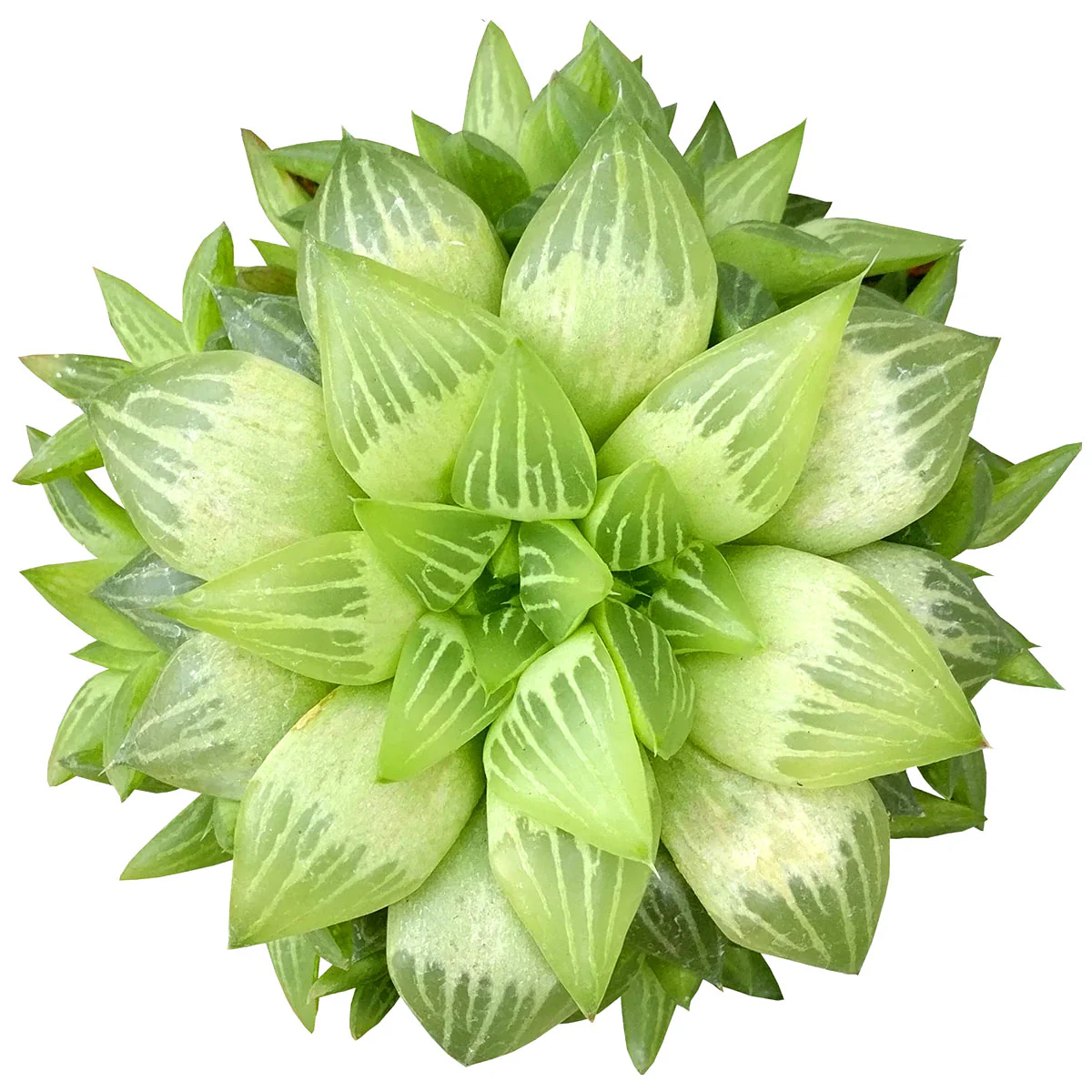
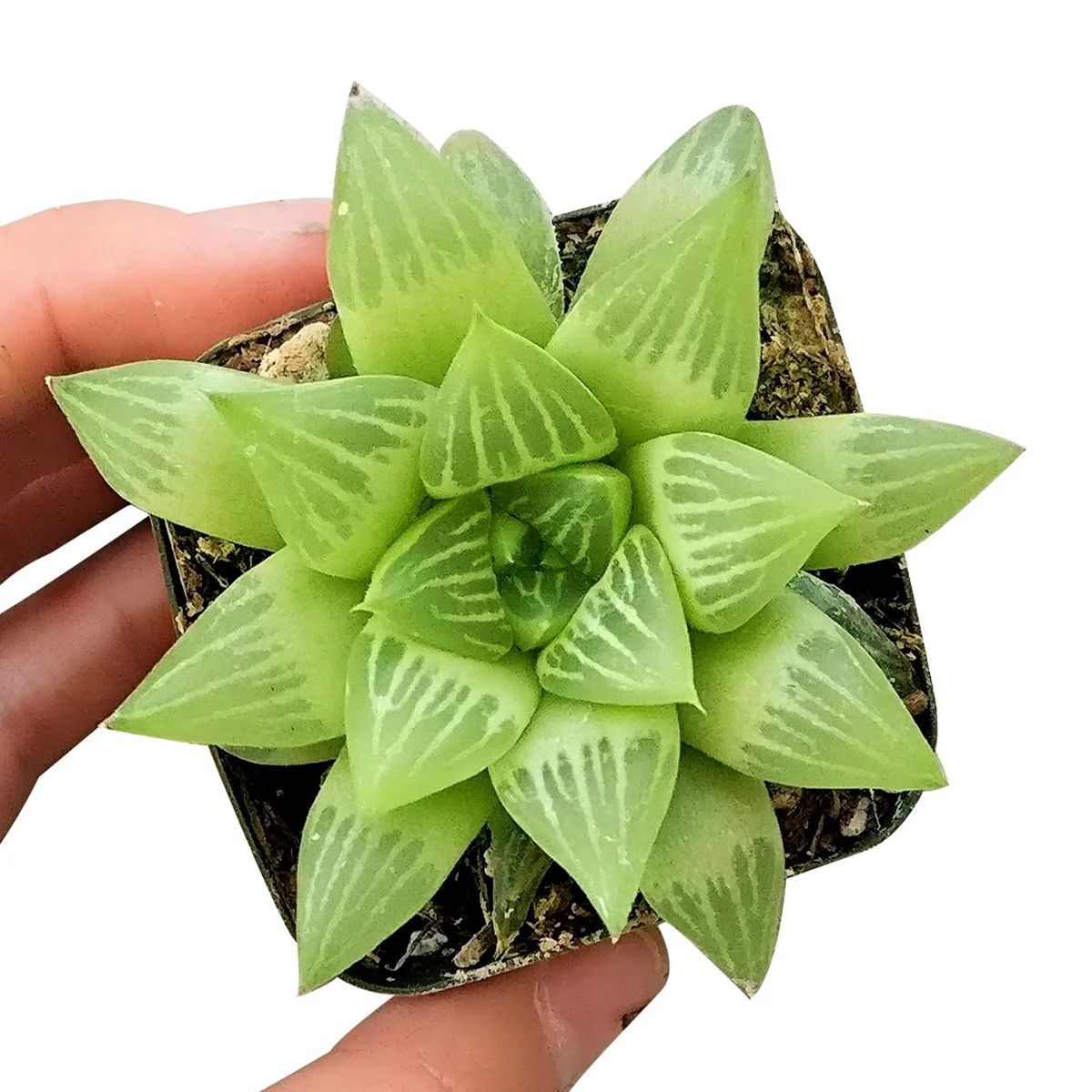
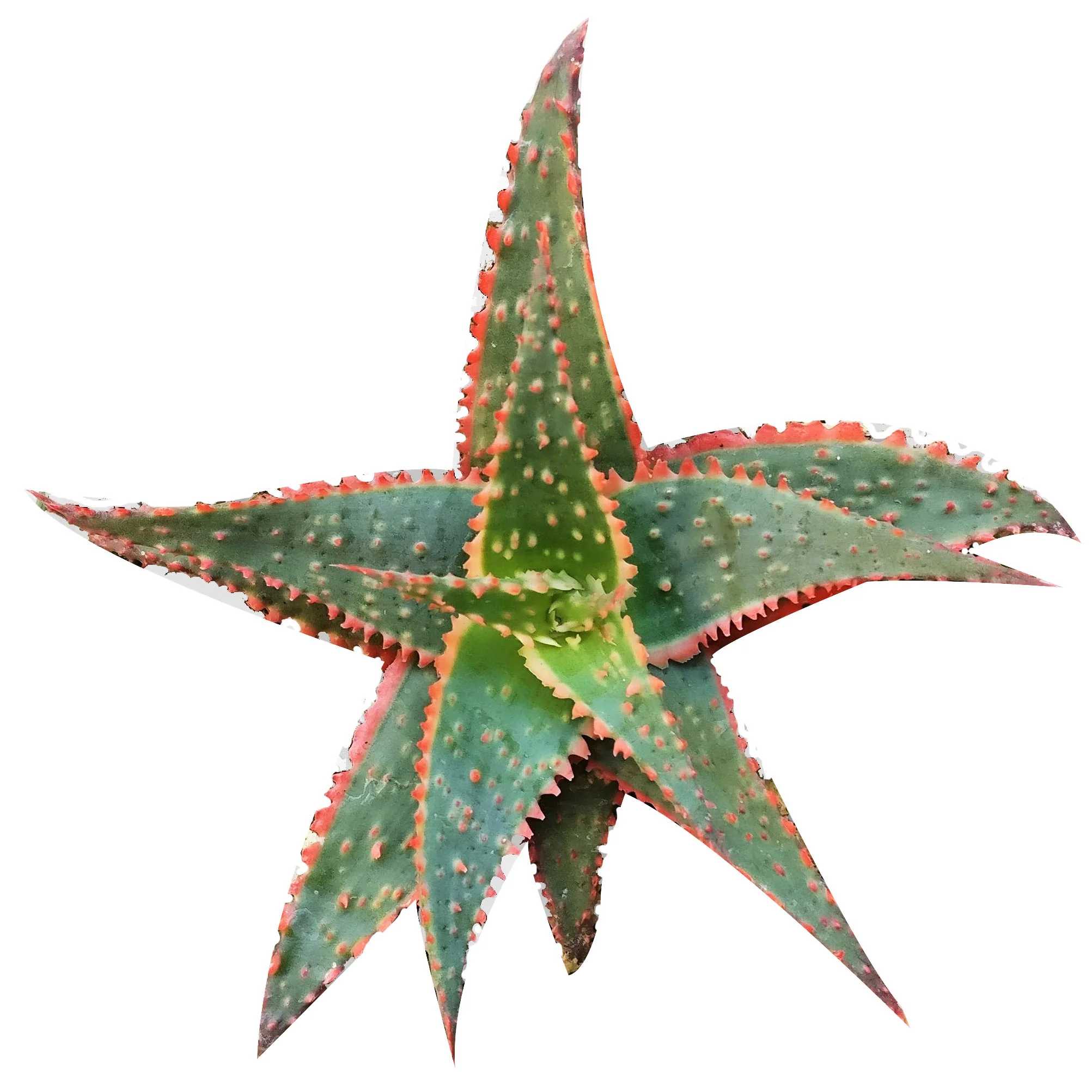
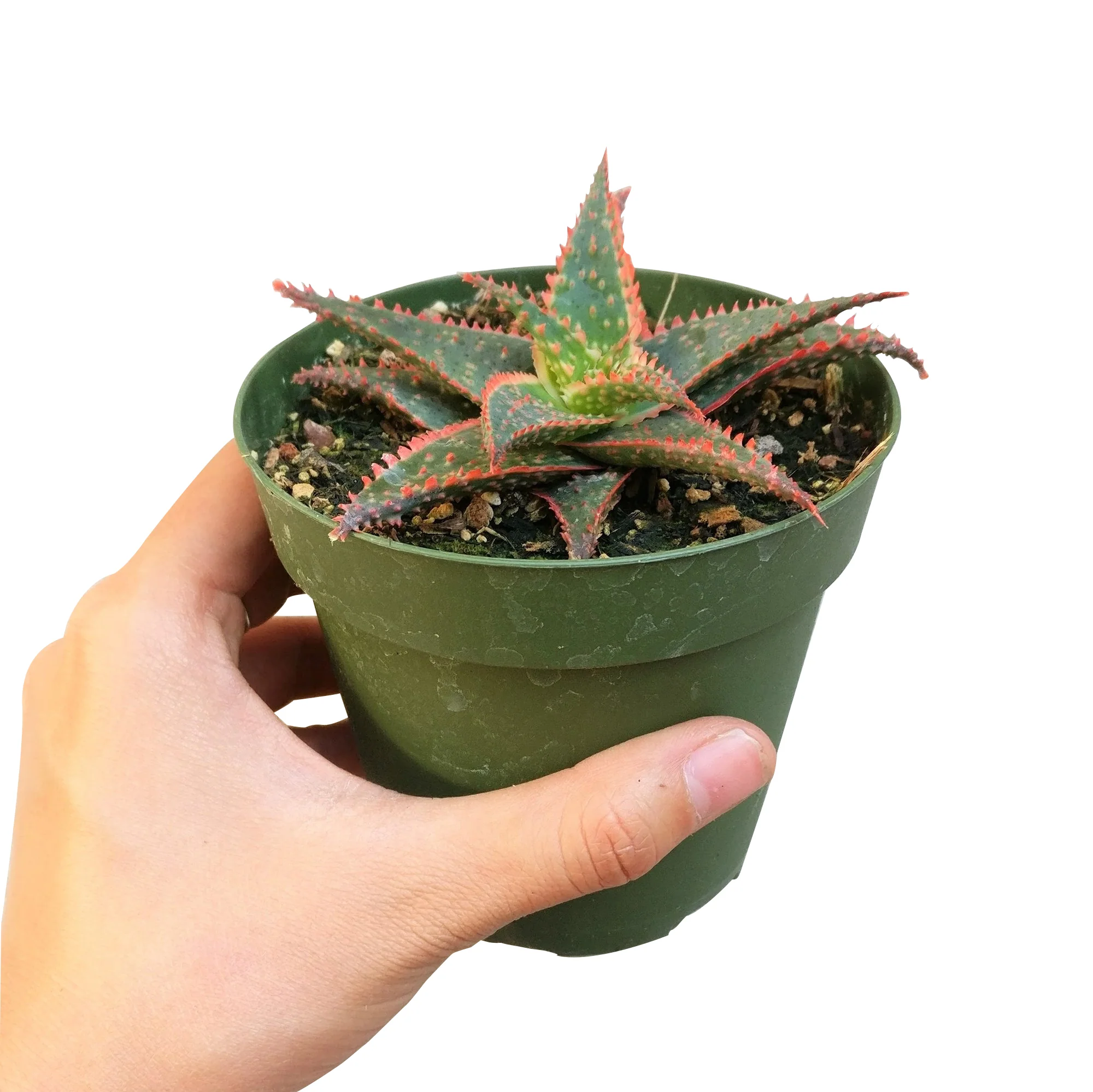
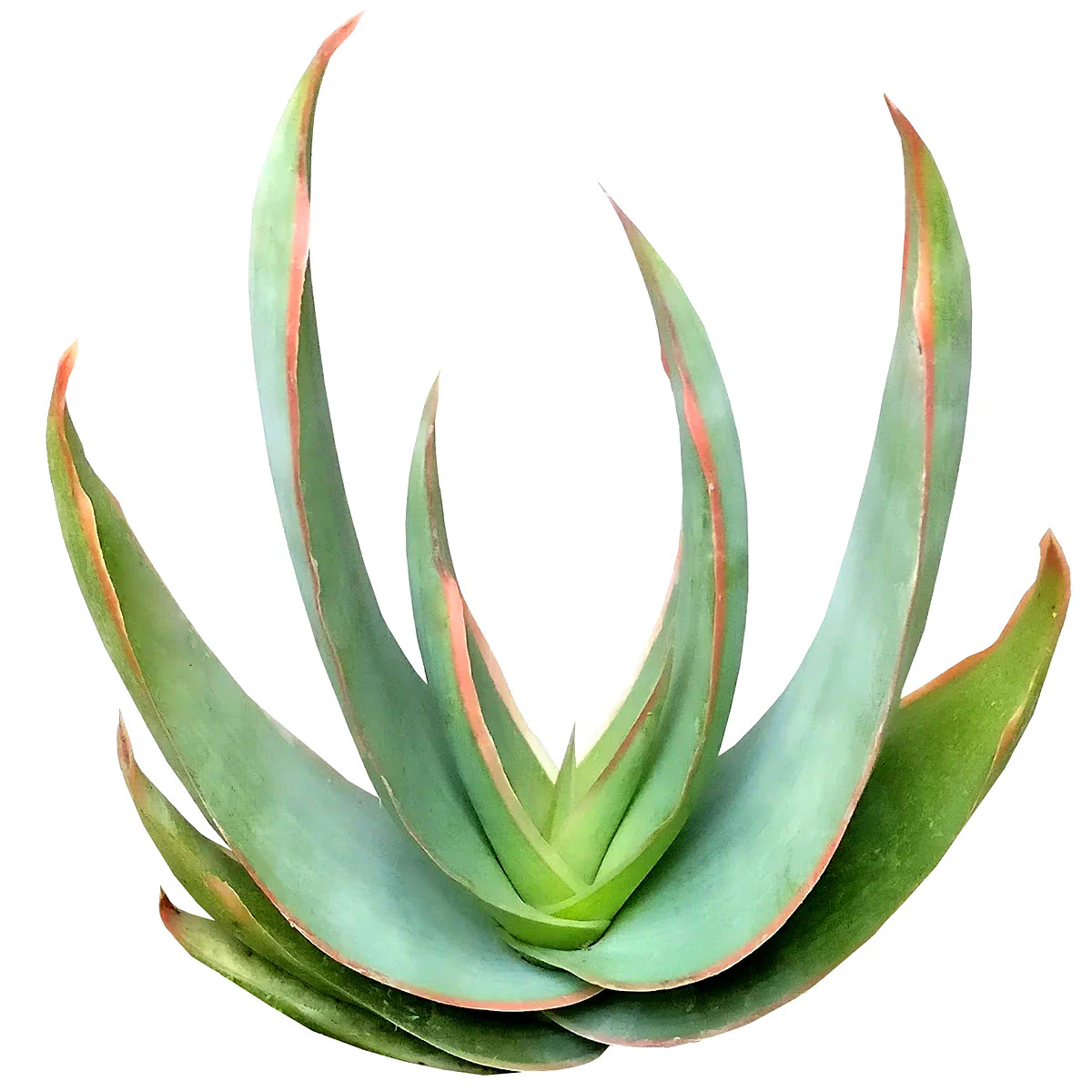
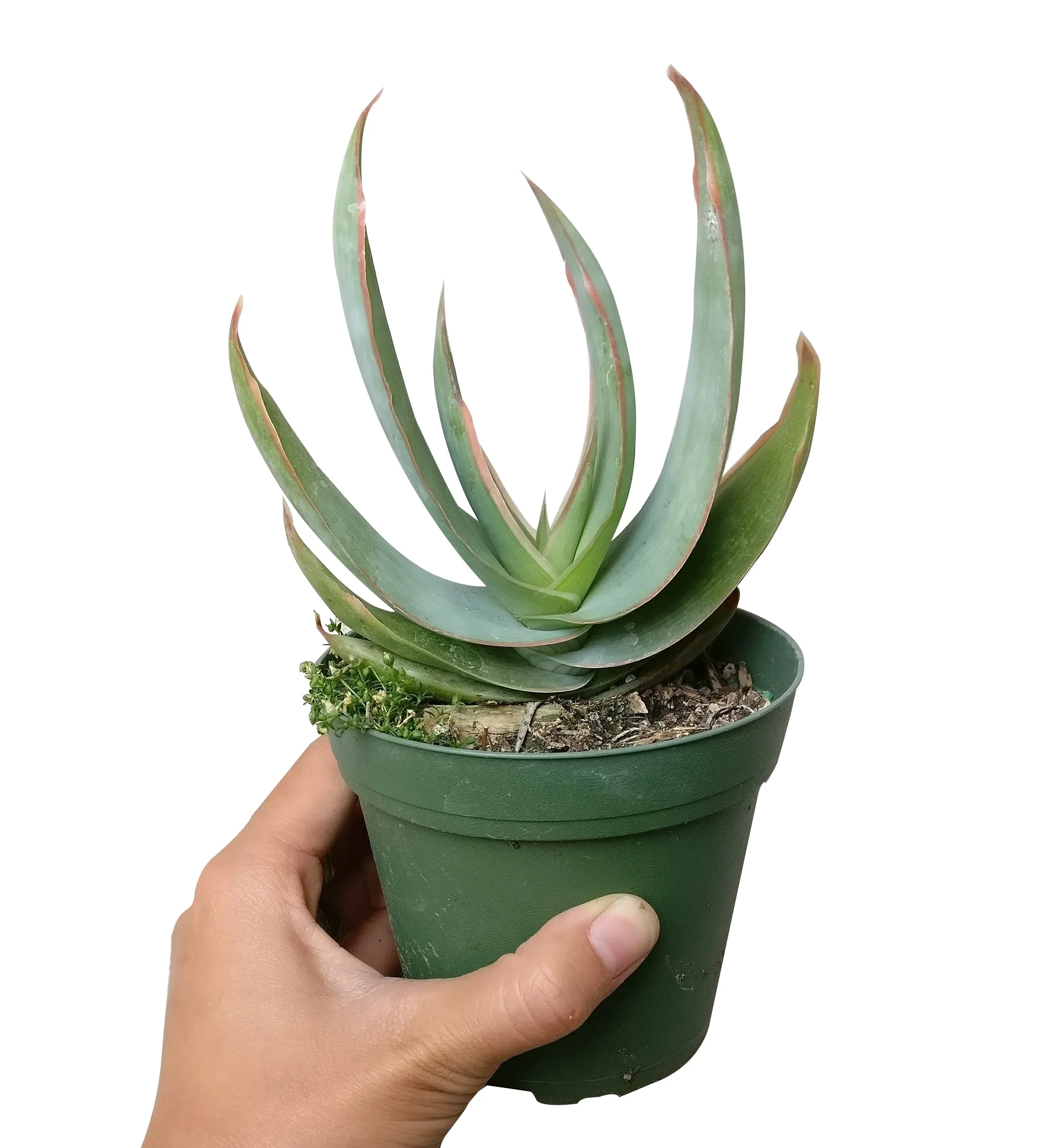
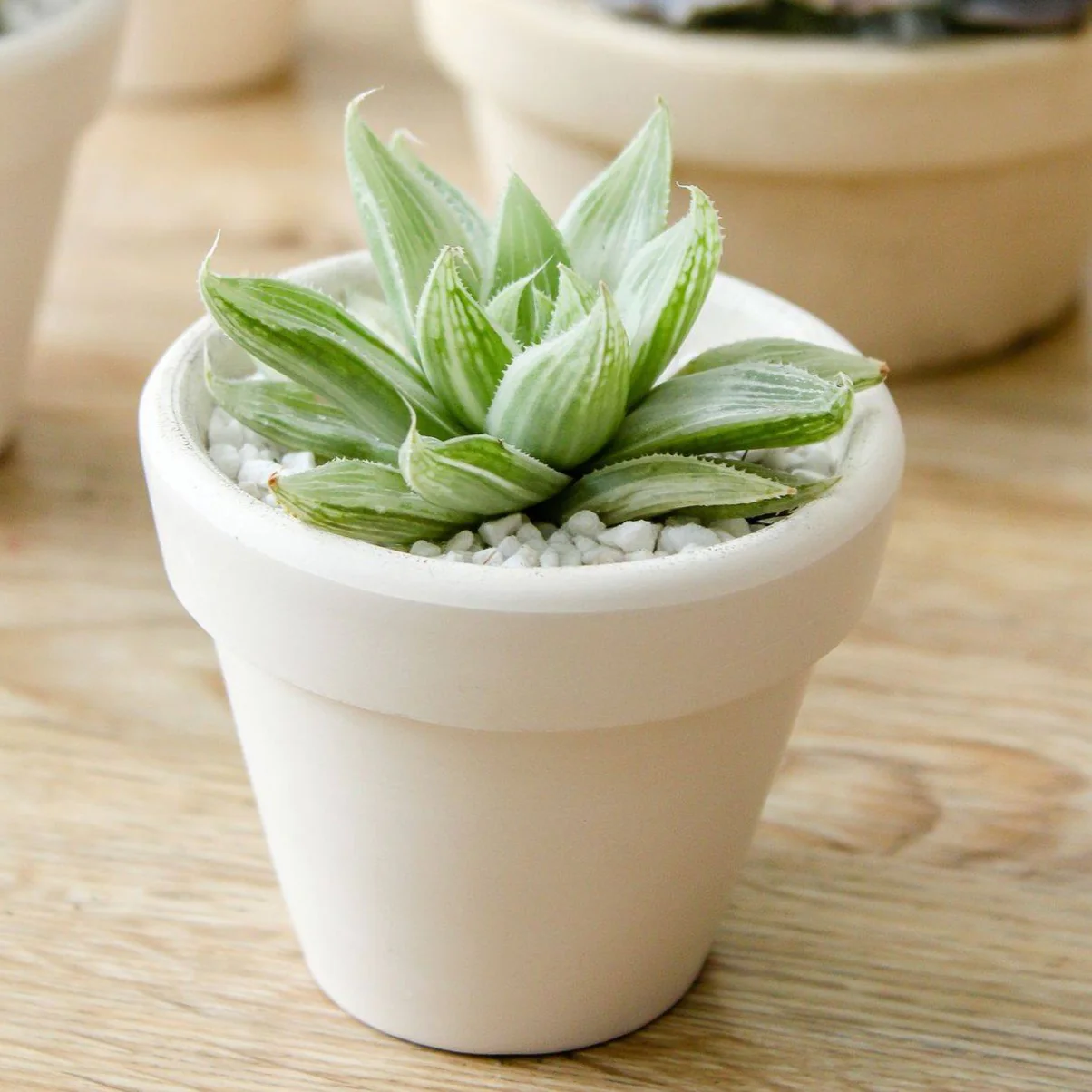
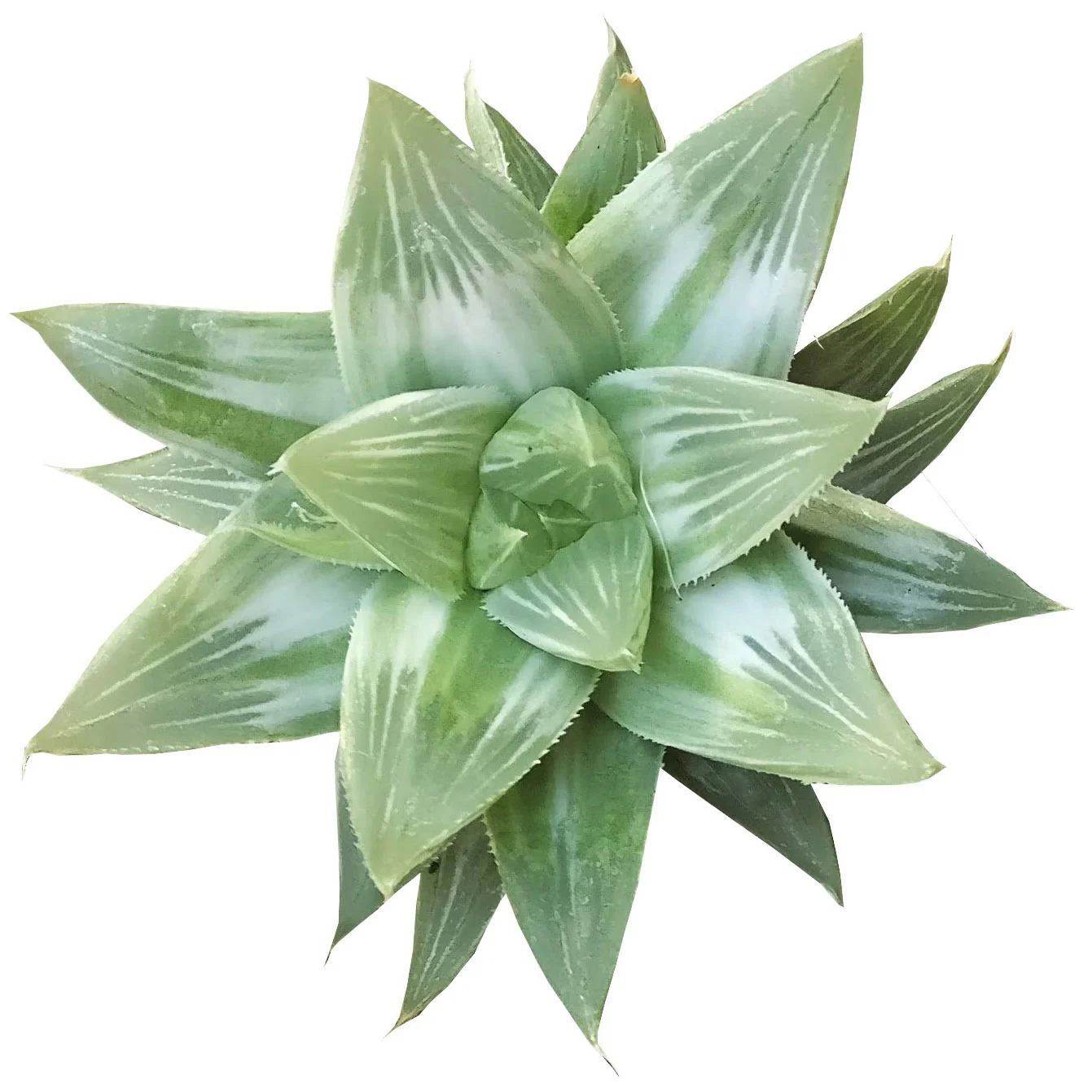
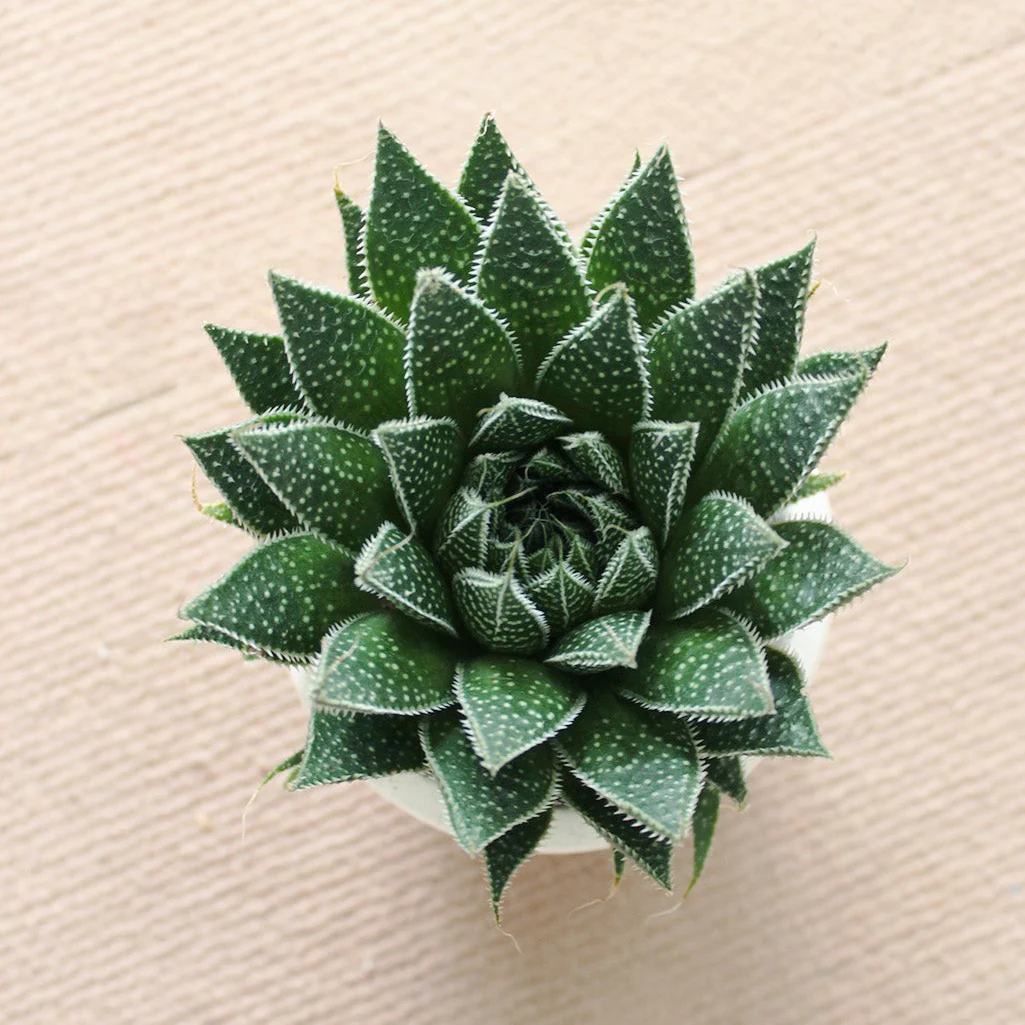
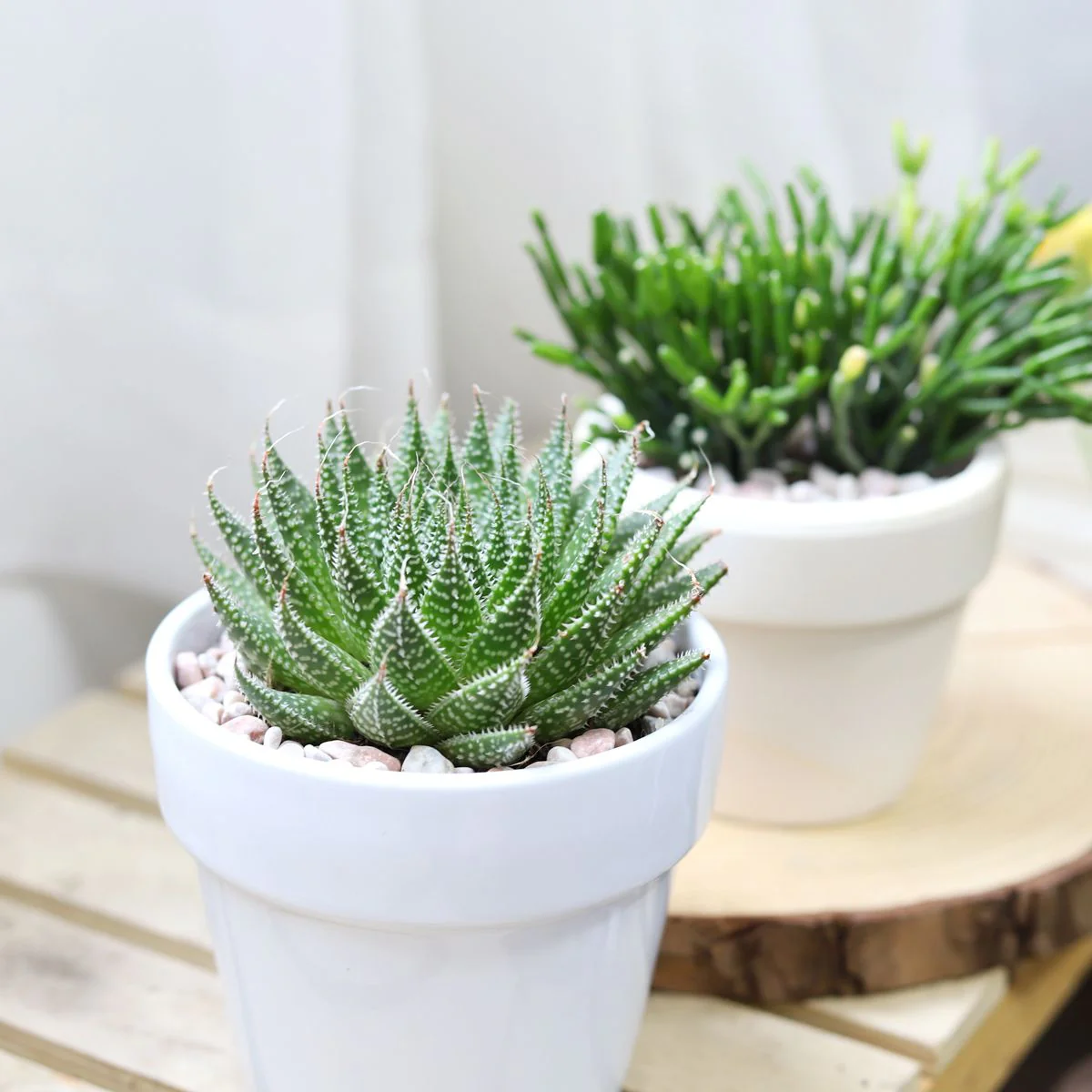
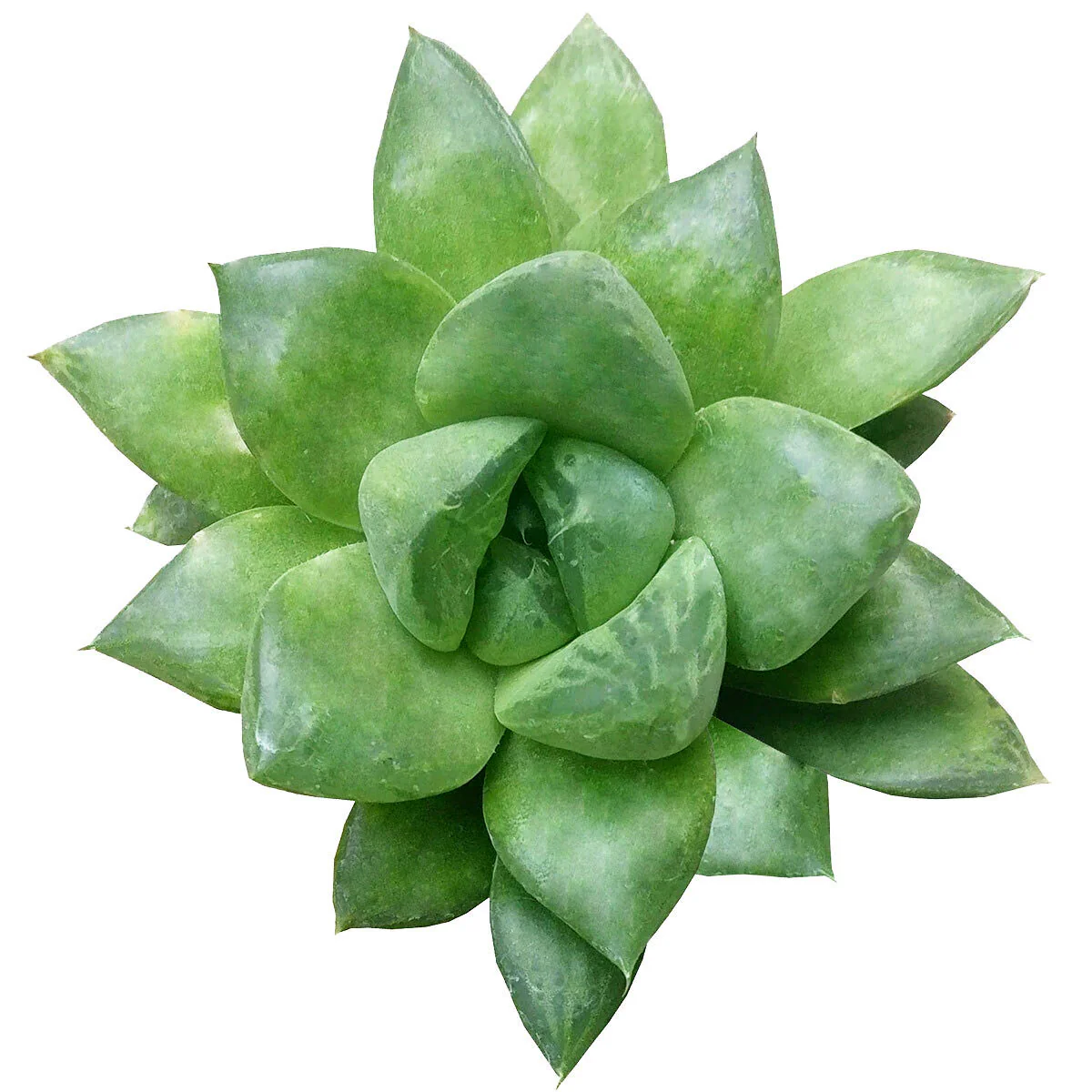
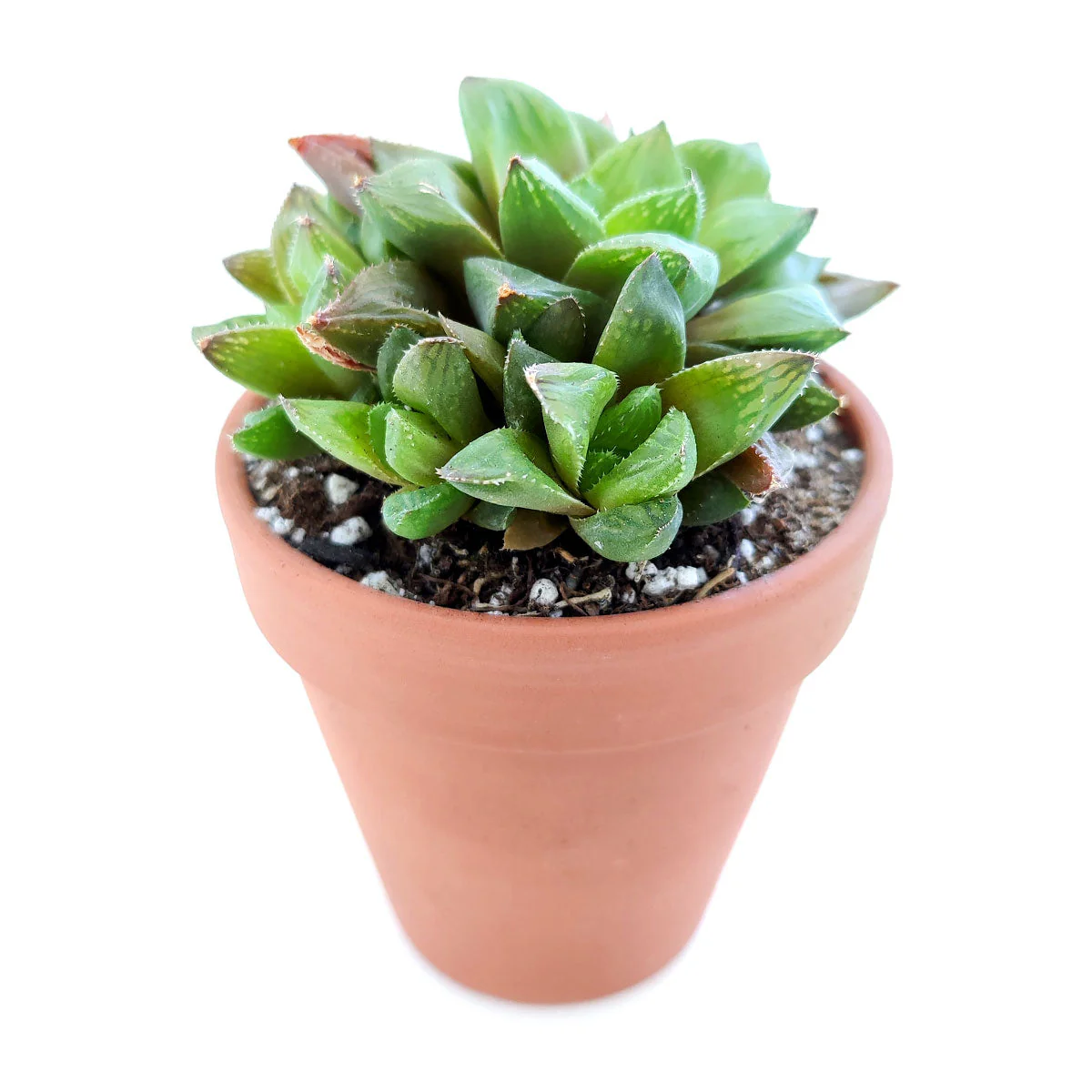
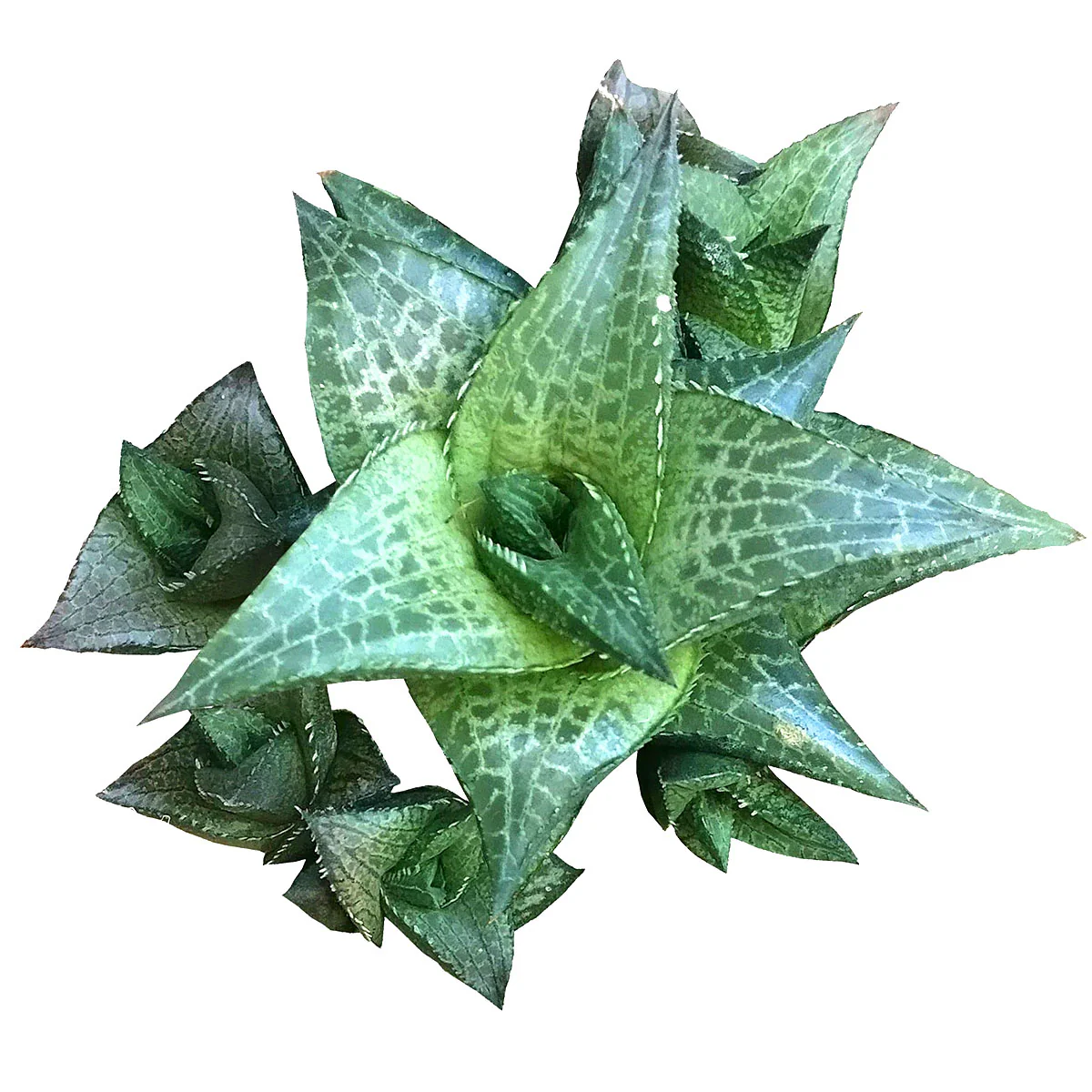
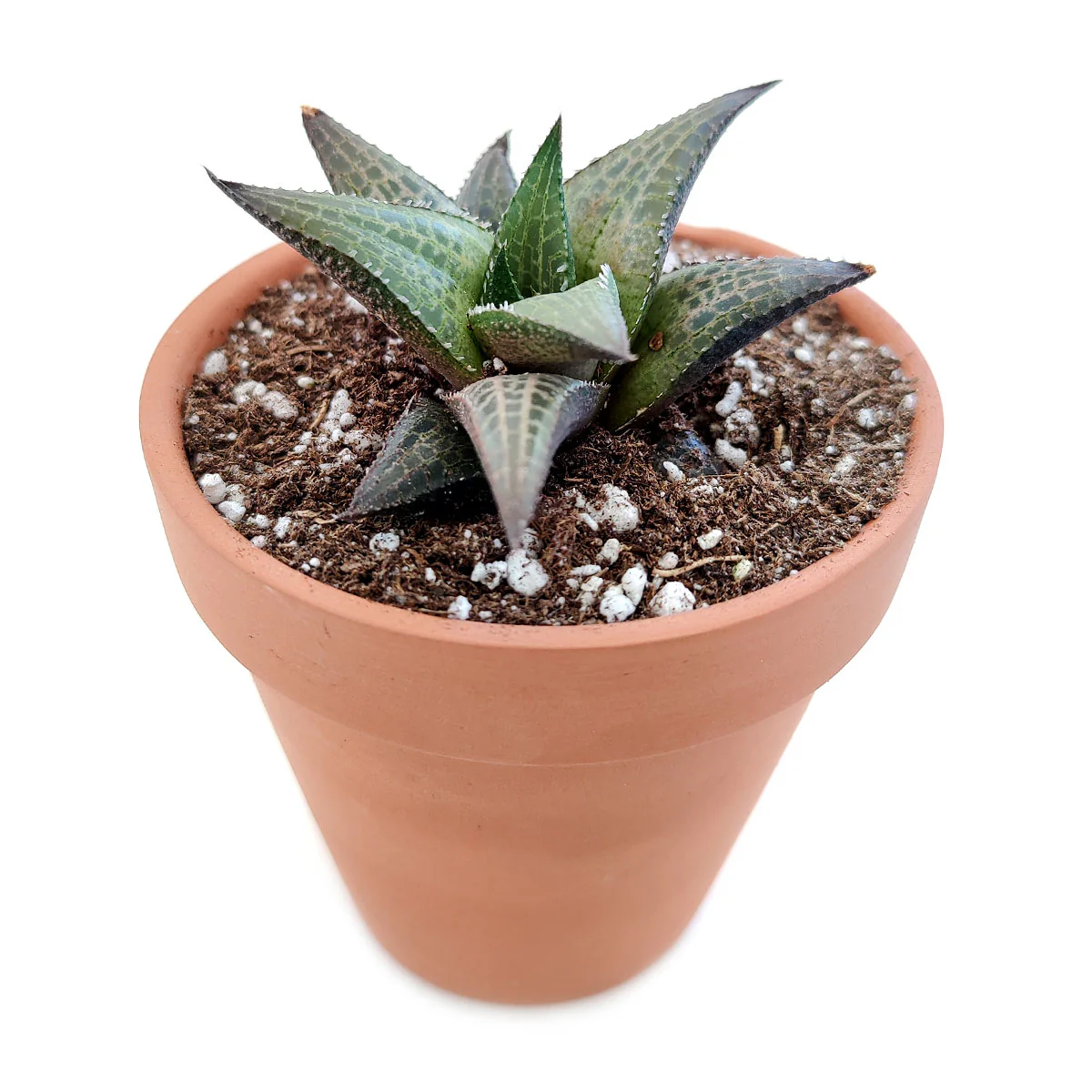
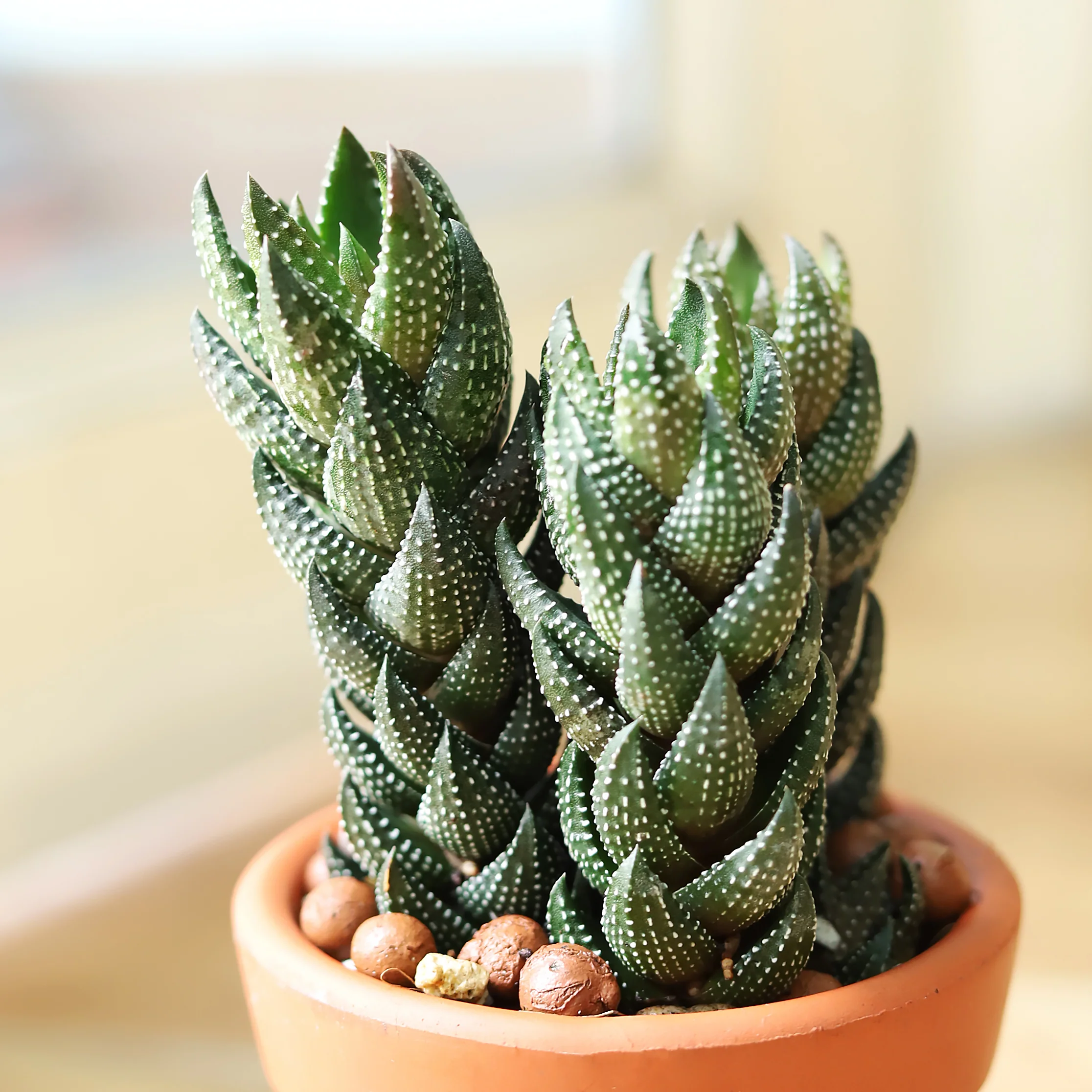
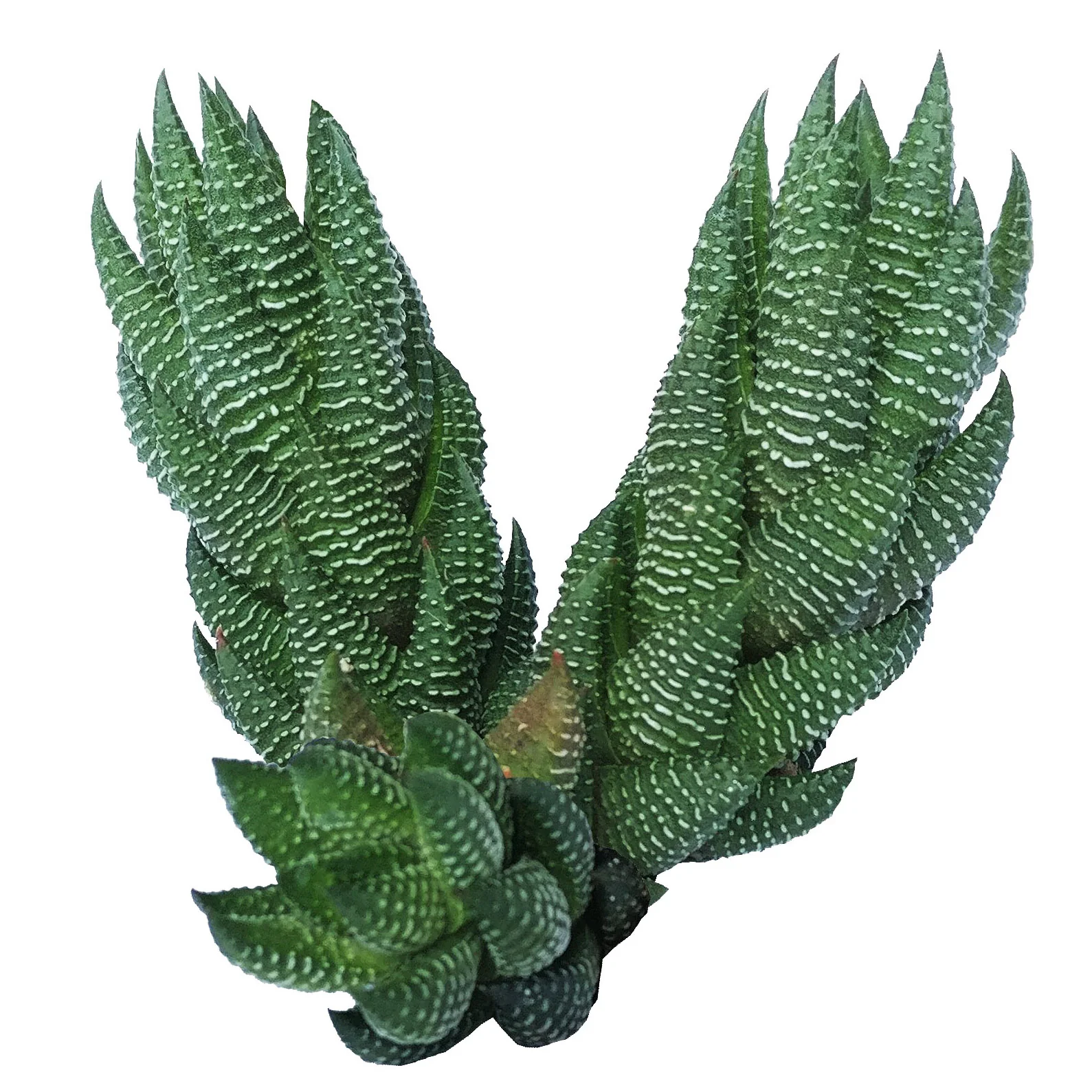
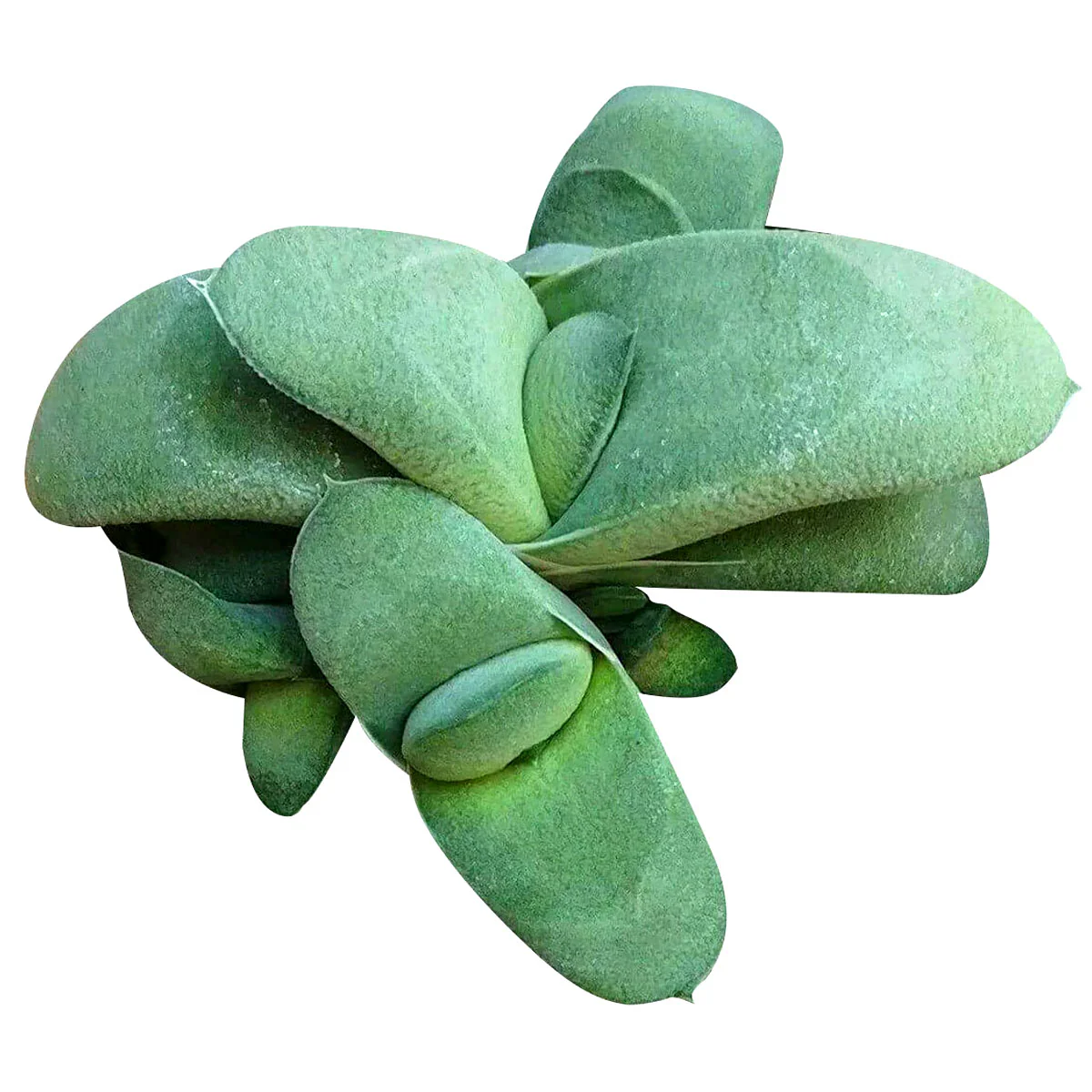
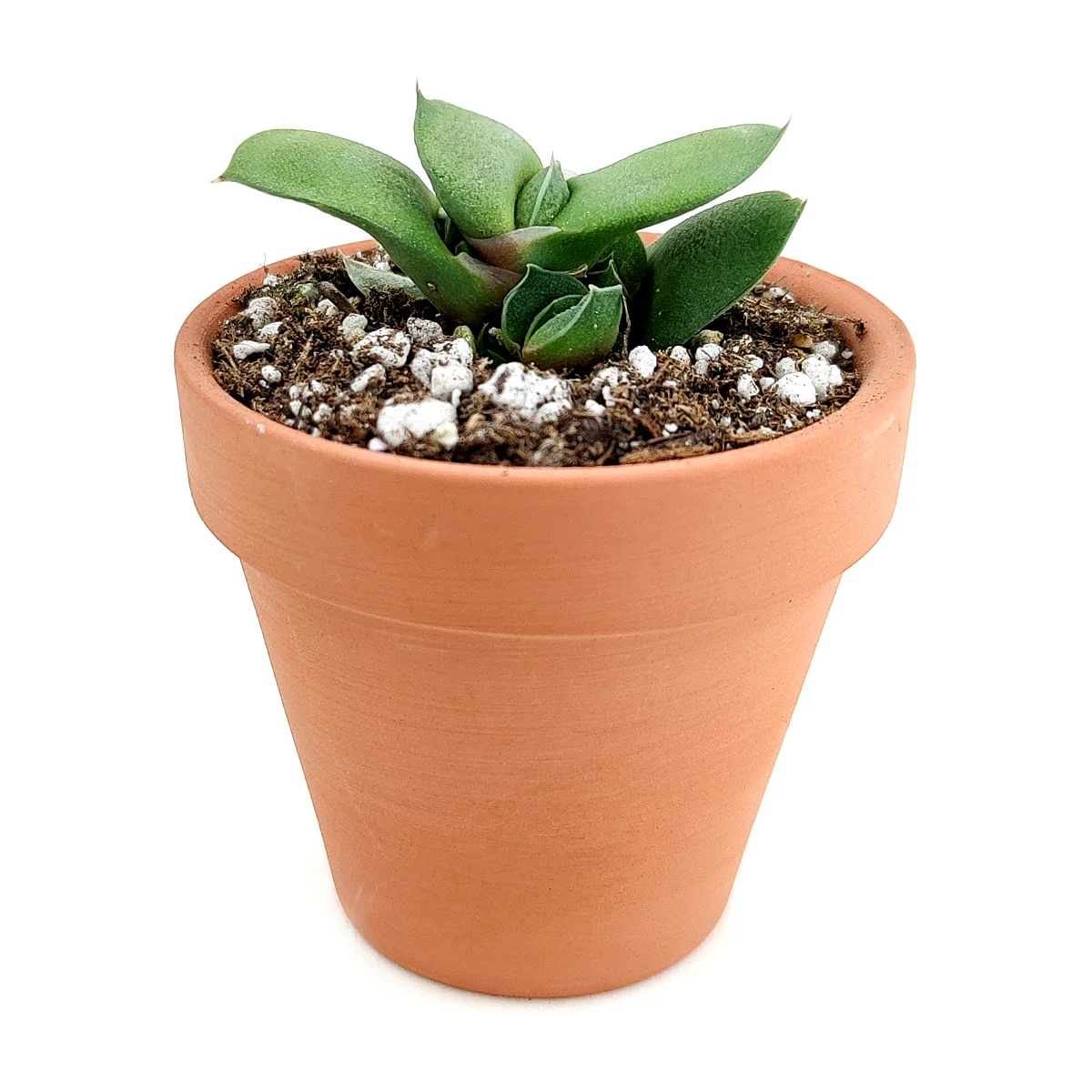
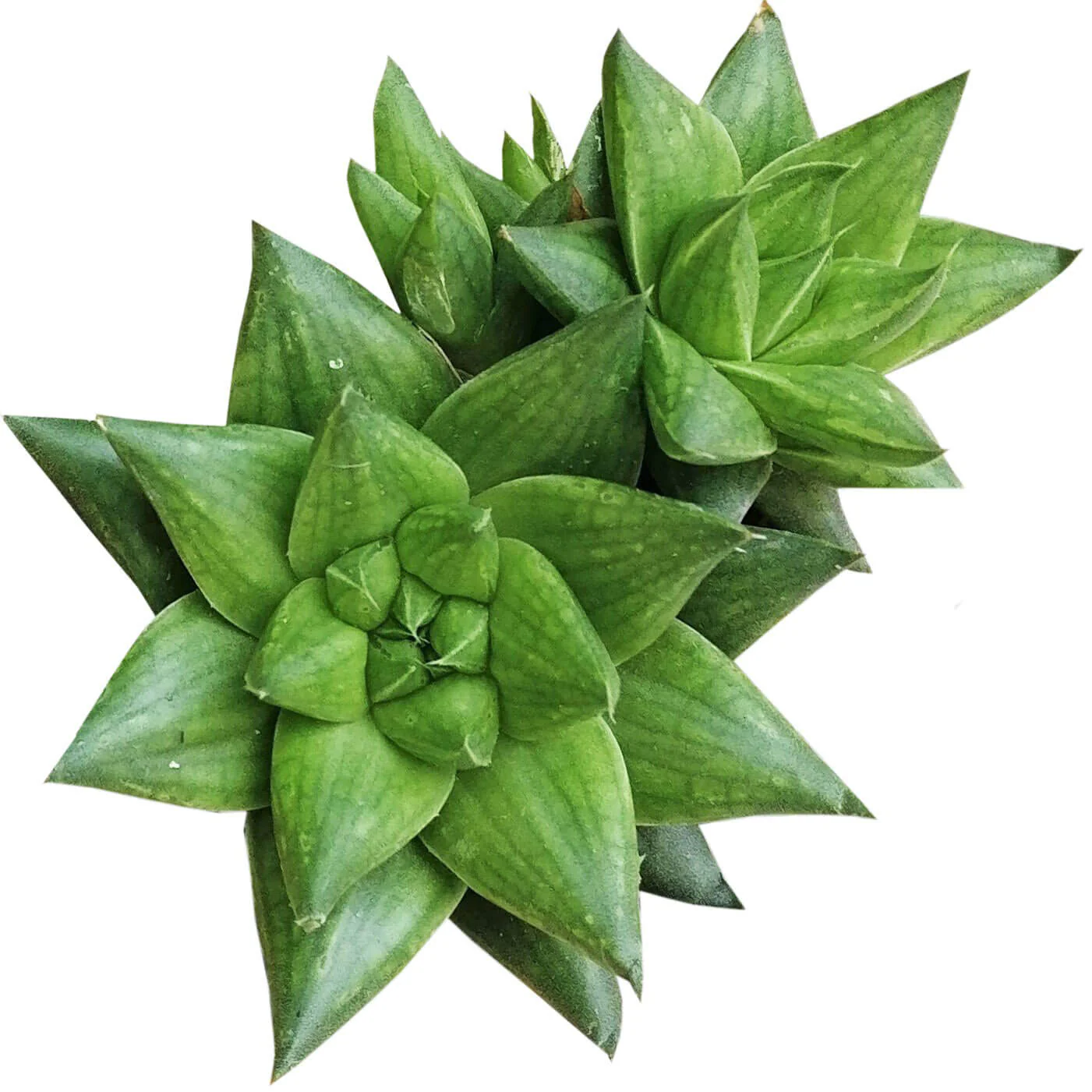
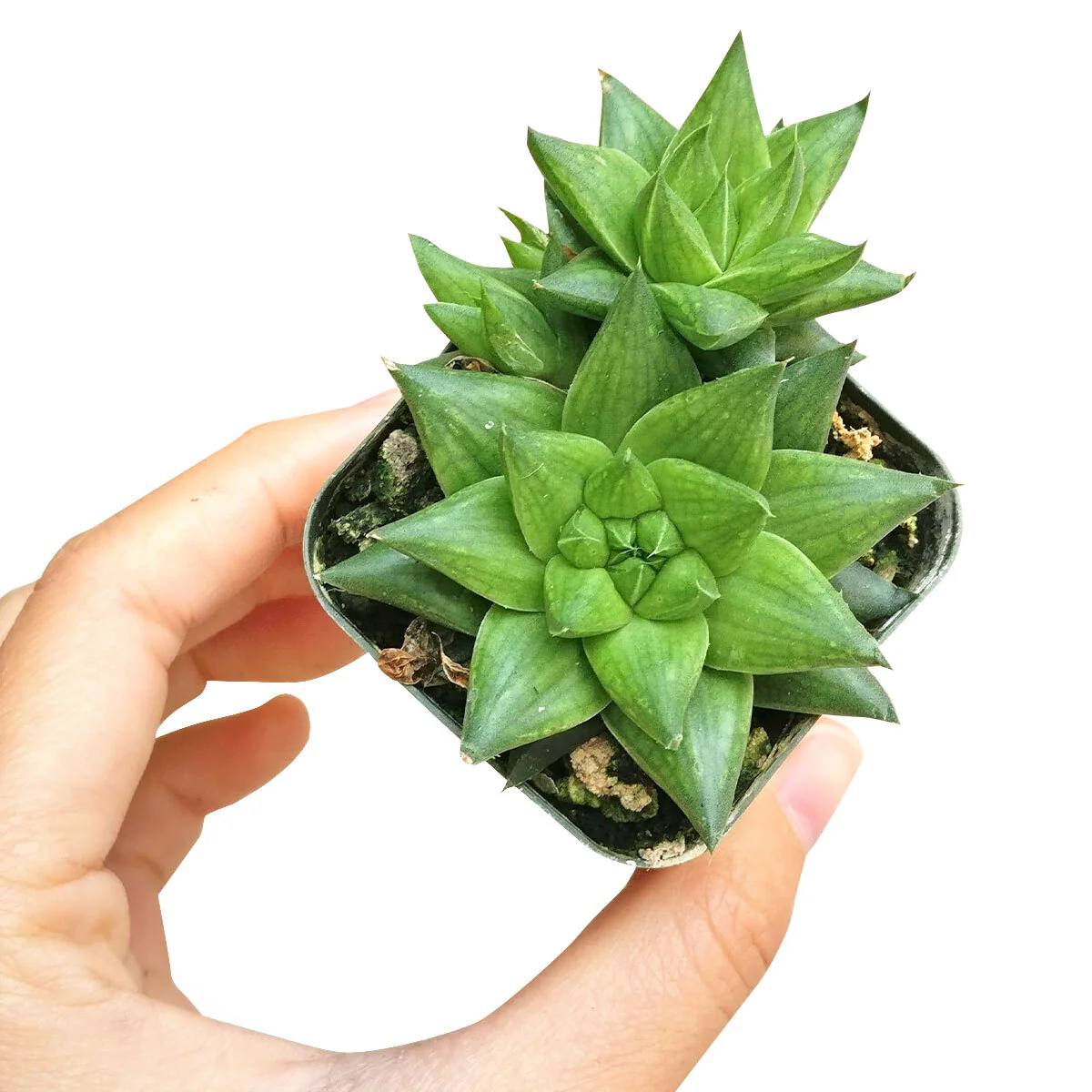
 Haworthia Cymbiformis Var. Obtusa forms tight, clumping rosettes of plump, boat-shaped leaves in a soft, translucent green, making it one of the most recognizable window haworthia types on the market. The leaf tips are noticeably rounded and blunted compared to other varieties, giving it that distinctively cushion-like, almost jewel-toned appearance. Each rosette stays compact, typically reaching 2 to 4 inches across, and slowly multiplies into a satisfying clump over time.
 Haworthia Cymbiformis Var. Obtusa can produce slender flower stalks with small, tubular white to pale pink blooms, typically appearing in late spring or summer. A slight drop in nighttime temperatures can encourage blooming. The flowers are delicate and modest rather than showy, but they add a lovely seasonal detail to this already-charming succulent.
 Haworthia Cymbiformis Var. Obtusa is a fantastic choice for terrariums, desk setups, and windowsill collections thanks to its compact clumping habit and easygoing nature. It survives comfortably under office LEDs, handles dry heated indoor air, and can even be moved outside for summer as long as you cover it from rain and shield it from harsh sun. This plant is pet friendly, which makes it an especially smart pick for households with curious cats or dogs. Collectors love it as a gateway into the broader Haworthia genus.
-
 Haworthia Cymbiformis Var. Obtusa thrives in low to bright indirect light but scorches in direct south-facing windows.
 Haworthia Cymbiformis Var. Obtusa needs watering every 2 to 3 weeks, allowing soil to dry fully between waterings.
 Haworthia Cymbiformis Var. Obtusa prefers a well-draining succulent or cactus mix blended with perlite for added drainage.
 Haworthia Cymbiformis Var. Obtusa prefers 65 to 80°F (18 to 27°C) and should be protected from frost below 40°F (4°C).
![]() Haworthia Cymbiformis Var. Obtusa is a slow to moderate grower that benefits from a light, balanced fertilizer once in spring and summer.
Haworthia Cymbiformis Var. Obtusa is a slow to moderate grower that benefits from a light, balanced fertilizer once in spring and summer.
 Haworthia Cymbiformis Var. Obtusa is rated for USDA Hardiness Zones 10 and 11, where temperatures rarely dip below 30 to 40°F (around 0 to 4°C). Outdoor growers in southern Florida, coastal and southern California, Hawaii, southern Texas, southern Arizona, and parts of Nevada and Louisiana will find Haworthia Cymbiformis Var. Obtusa well suited to their climate. Gardeners in Georgia, South Carolina, Alabama, Mississippi, and Oregon's mild coastal regions may also succeed outdoors in sheltered spots during warmer months, though bringing it inside for winter is always the safest move.
-
Q: Is Haworthia Cymbiformis Var. Obtusa pet friendly?
A: Yes, this plant is pet friendly and is considered non-toxic to cats and dogs, making it a worry-free choice for pet households.
Q: How much light does Haworthia Cymbiformis Var. Obtusa need?
A: Haworthia Cymbiformis Var. Obtusa does well in low to bright indirect light and even grows happily under standard office LEDs. Avoid direct south-facing sun, which can scorch its leaves.
Q: How often should I water Haworthia Cymbiformis Var. Obtusa?
A: Water Haworthia Cymbiformis Var. Obtusa every 2 to 3 weeks, letting the soil dry out completely between waterings. It will show mild wilting when truly thirsty, so it gives you a helpful cue.
Q: How big does Haworthia Cymbiformis Var. Obtusa get?
A: Haworthia Cymbiformis Var. Obtusa typically stays small, with individual rosettes reaching about 2 to 4 inches across. It slowly produces offsets and builds into a tidy clump over time.
Q: Can Haworthia Cymbiformis Var. Obtusa go outside in summer?
A: Yes, Haworthia Cymbiformis Var. Obtusa enjoys being moved outdoors during warm months in a shaded or bright indirect spot. Always protect it from rain and direct intense sun to prevent rot and leaf scorch.
Q: How do I propagate Haworthia Cymbiformis Var. Obtusa?
A: The easiest way to propagate Haworthia Cymbiformis Var. Obtusa is by dividing the offsets, or pups, that form around the base of the mother rosette. Gently separate them with roots attached and pot into a well-draining succulent mix.


Original: $8.00
-70%$8.00
$2.40Product Information
Product Information
Shipping & Returns
Shipping & Returns
Description
- Description
- Haworthia Cymbiformis Var. Obtusa Care Guide
- FAQ/Common Issues
-
![]() Haworthia Cymbiformis Var. Obtusa is a compact, easy care succulent in the Asphodelaceae family, native to the Eastern Cape of South Africa. In the wild, it shelters under shrubs and rocky outcrops, which is exactly why it thrives in the low to medium light conditions of most homes and offices. If you have been searching for a true beginner-friendly mini aloe succulent, this is the one.
Haworthia Cymbiformis Var. Obtusa is a compact, easy care succulent in the Asphodelaceae family, native to the Eastern Cape of South Africa. In the wild, it shelters under shrubs and rocky outcrops, which is exactly why it thrives in the low to medium light conditions of most homes and offices. If you have been searching for a true beginner-friendly mini aloe succulent, this is the one.
Haworthia Cymbiformis Var. Obtusa forms tight, clumping rosettes of plump, boat-shaped leaves in a soft, translucent green, making it one of the most recognizable window haworthia types on the market. The leaf tips are noticeably rounded and blunted compared to other varieties, giving it that distinctively cushion-like, almost jewel-toned appearance. Each rosette stays compact, typically reaching 2 to 4 inches across, and slowly multiplies into a satisfying clump over time.
Haworthia Cymbiformis Var. Obtusa can produce slender flower stalks with small, tubular white to pale pink blooms, typically appearing in late spring or summer. A slight drop in nighttime temperatures can encourage blooming. The flowers are delicate and modest rather than showy, but they add a lovely seasonal detail to this already-charming succulent.
Haworthia Cymbiformis Var. Obtusa is a fantastic choice for terrariums, desk setups, and windowsill collections thanks to its compact clumping habit and easygoing nature. It survives comfortably under office LEDs, handles dry heated indoor air, and can even be moved outside for summer as long as you cover it from rain and shield it from harsh sun. This plant is pet friendly, which makes it an especially smart pick for households with curious cats or dogs. Collectors love it as a gateway into the broader Haworthia genus.
-
Haworthia Cymbiformis Var. Obtusa thrives in low to bright indirect light but scorches in direct south-facing windows.
Haworthia Cymbiformis Var. Obtusa needs watering every 2 to 3 weeks, allowing soil to dry fully between waterings.
Haworthia Cymbiformis Var. Obtusa prefers a well-draining succulent or cactus mix blended with perlite for added drainage.
Haworthia Cymbiformis Var. Obtusa prefers 65 to 80°F (18 to 27°C) and should be protected from frost below 40°F (4°C).
![]() Haworthia Cymbiformis Var. Obtusa is a slow to moderate grower that benefits from a light, balanced fertilizer once in spring and summer.
Haworthia Cymbiformis Var. Obtusa is a slow to moderate grower that benefits from a light, balanced fertilizer once in spring and summer.
Haworthia Cymbiformis Var. Obtusa is rated for USDA Hardiness Zones 10 and 11, where temperatures rarely dip below 30 to 40°F (around 0 to 4°C). Outdoor growers in southern Florida, coastal and southern California, Hawaii, southern Texas, southern Arizona, and parts of Nevada and Louisiana will find Haworthia Cymbiformis Var. Obtusa well suited to their climate. Gardeners in Georgia, South Carolina, Alabama, Mississippi, and Oregon's mild coastal regions may also succeed outdoors in sheltered spots during warmer months, though bringing it inside for winter is always the safest move.
-
Q: Is Haworthia Cymbiformis Var. Obtusa pet friendly?
A: Yes, this plant is pet friendly and is considered non-toxic to cats and dogs, making it a worry-free choice for pet households.
Q: How much light does Haworthia Cymbiformis Var. Obtusa need?
A: Haworthia Cymbiformis Var. Obtusa does well in low to bright indirect light and even grows happily under standard office LEDs. Avoid direct south-facing sun, which can scorch its leaves.
Q: How often should I water Haworthia Cymbiformis Var. Obtusa?
A: Water Haworthia Cymbiformis Var. Obtusa every 2 to 3 weeks, letting the soil dry out completely between waterings. It will show mild wilting when truly thirsty, so it gives you a helpful cue.
Q: How big does Haworthia Cymbiformis Var. Obtusa get?
A: Haworthia Cymbiformis Var. Obtusa typically stays small, with individual rosettes reaching about 2 to 4 inches across. It slowly produces offsets and builds into a tidy clump over time.
Q: Can Haworthia Cymbiformis Var. Obtusa go outside in summer?
A: Yes, Haworthia Cymbiformis Var. Obtusa enjoys being moved outdoors during warm months in a shaded or bright indirect spot. Always protect it from rain and direct intense sun to prevent rot and leaf scorch.
Q: How do I propagate Haworthia Cymbiformis Var. Obtusa?
A: The easiest way to propagate Haworthia Cymbiformis Var. Obtusa is by dividing the offsets, or pups, that form around the base of the mother rosette. Gently separate them with roots attached and pot into a well-draining succulent mix.