Haworthia cooperi var. truncata ‘Alien Eggs’
- Description
- Haworthia cooperi var. truncata 'Alien Eggs' Care Guide
- FAQ/Common Issues
-
![]() Haworthia cooperi var. truncata 'Alien Eggs' is a rare haworthia cultivar from the Eastern Cape of South Africa, where it grows tucked into rocky, shaded soil. This translucent succulent belongs to the Asphodelaceae family and has become a prized find among collectors worldwide.
Haworthia cooperi var. truncata 'Alien Eggs' is a rare haworthia cultivar from the Eastern Cape of South Africa, where it grows tucked into rocky, shaded soil. This translucent succulent belongs to the Asphodelaceae family and has become a prized find among collectors worldwide.
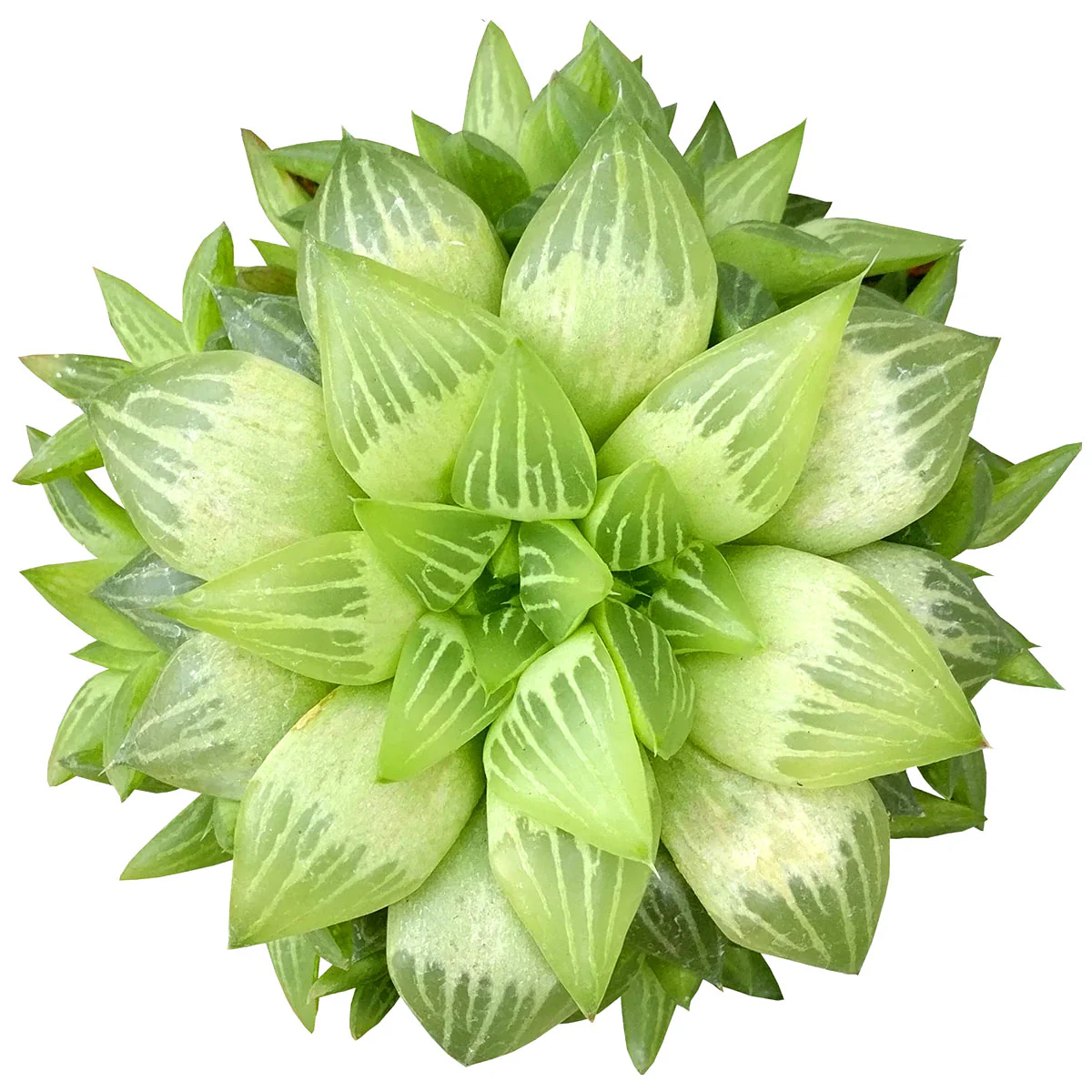
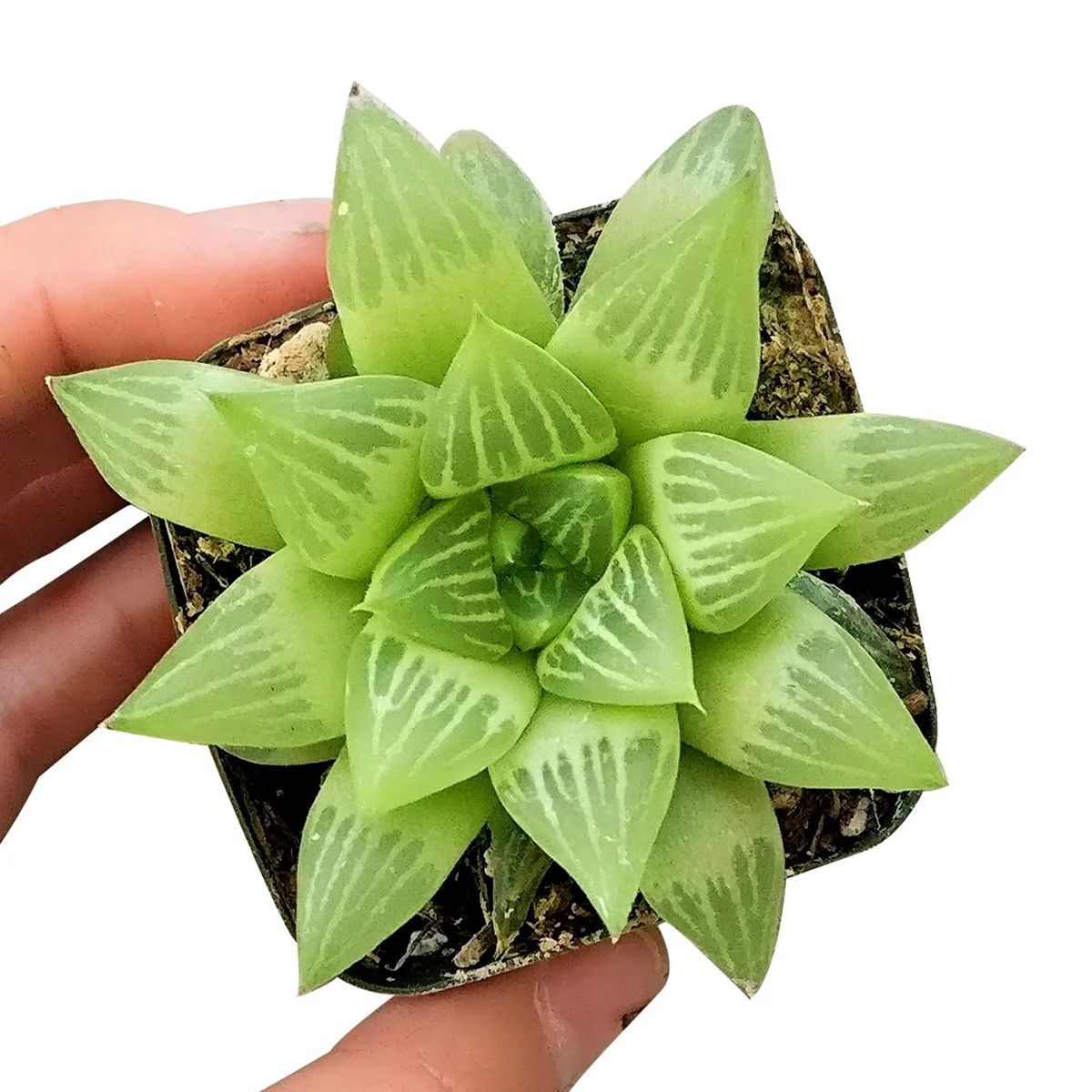
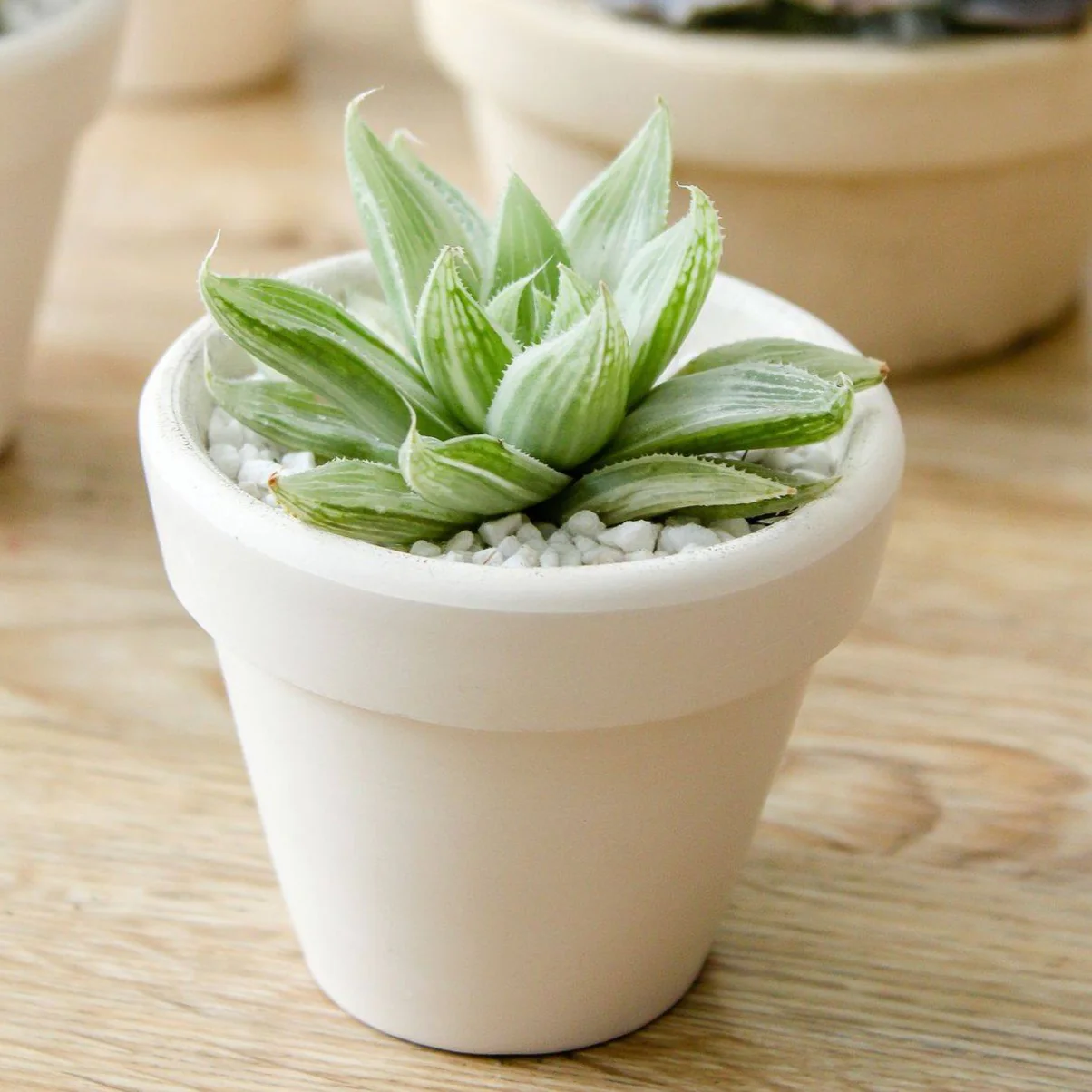
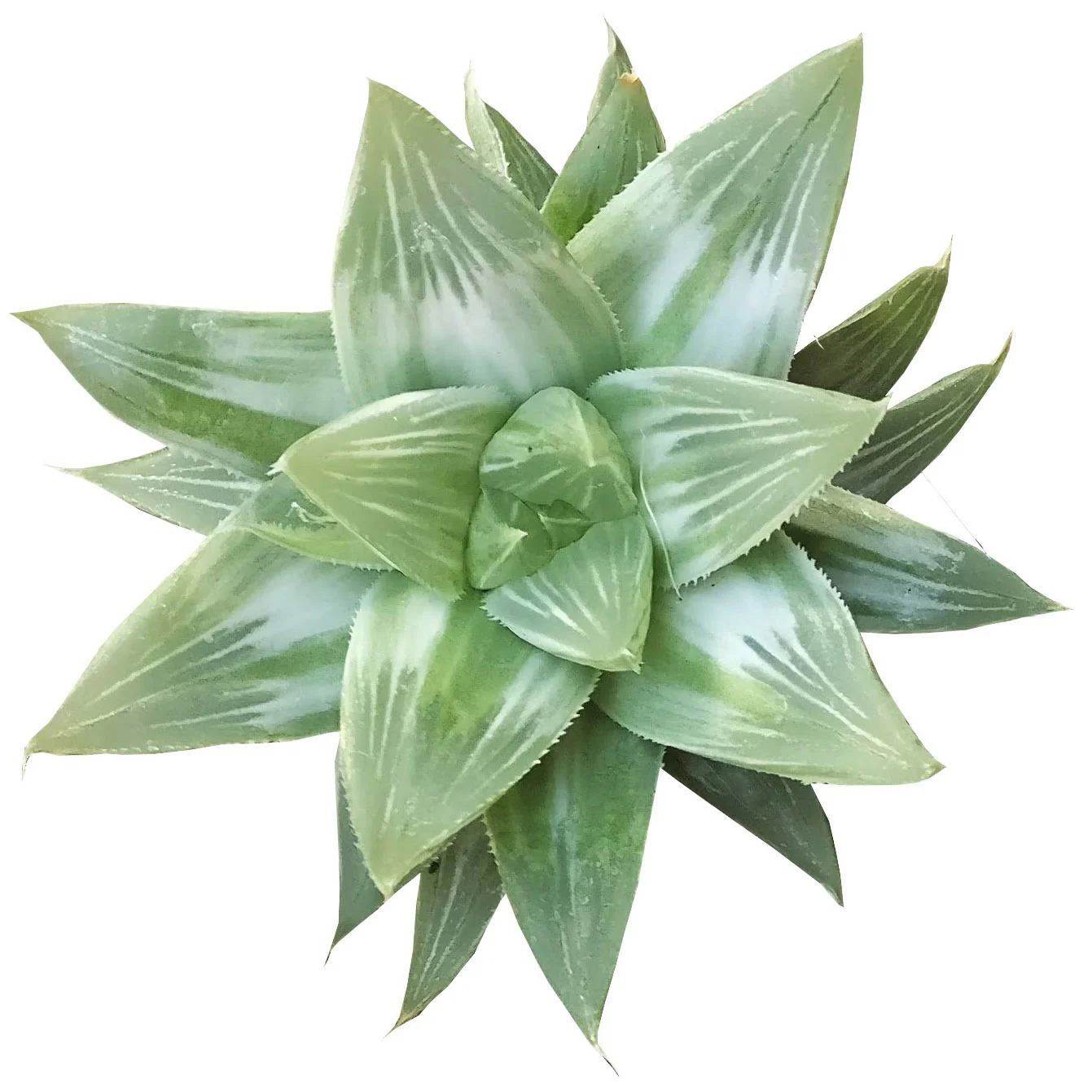
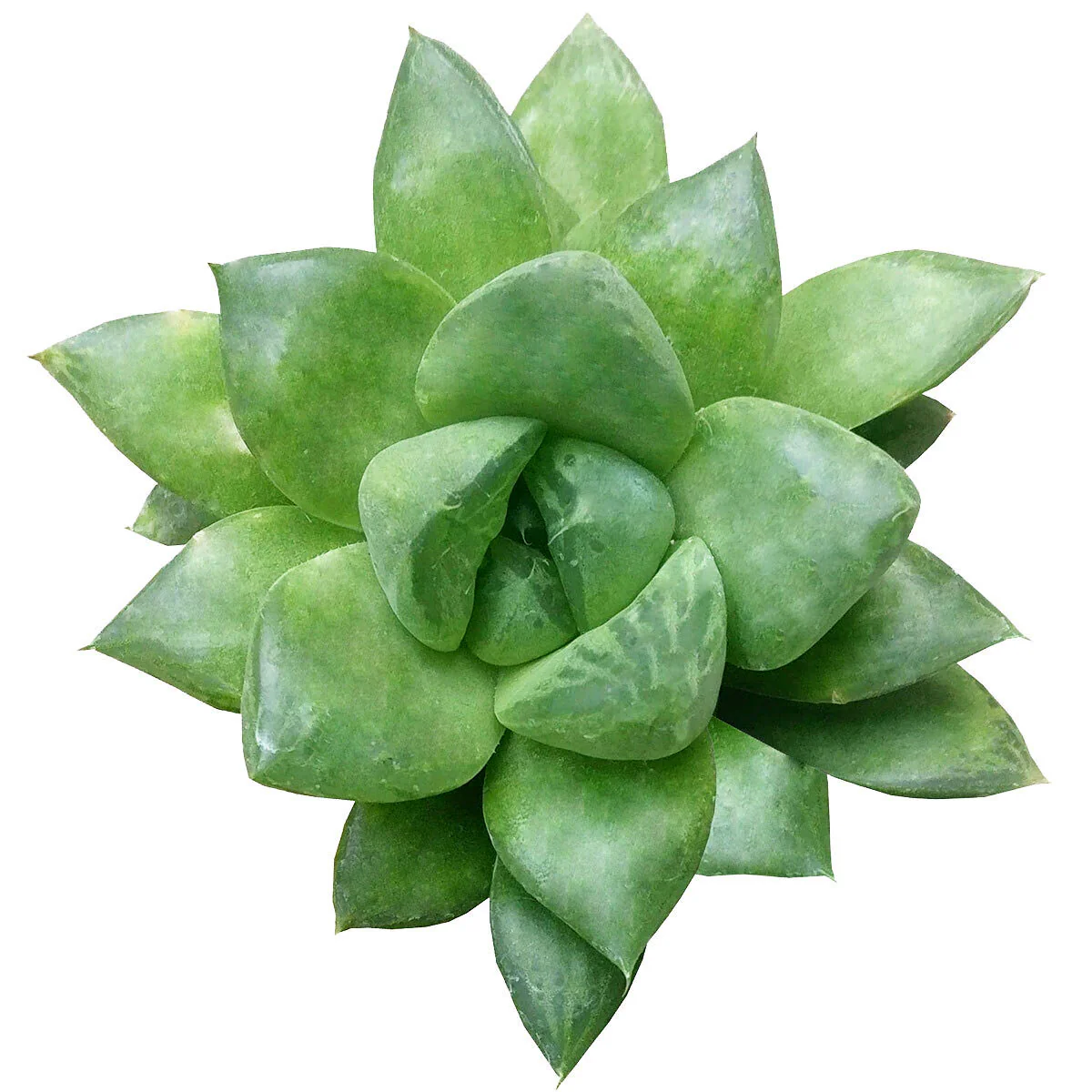
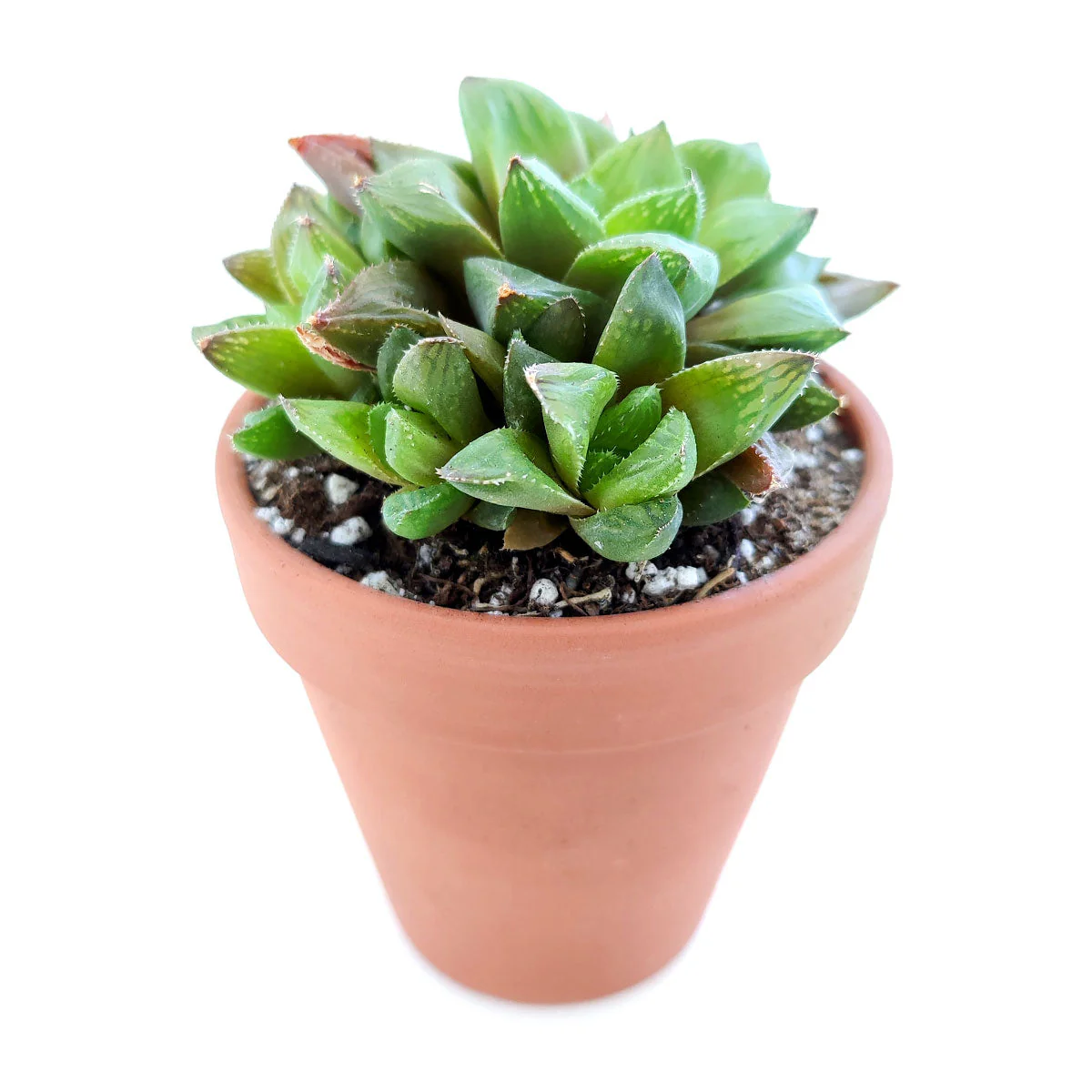
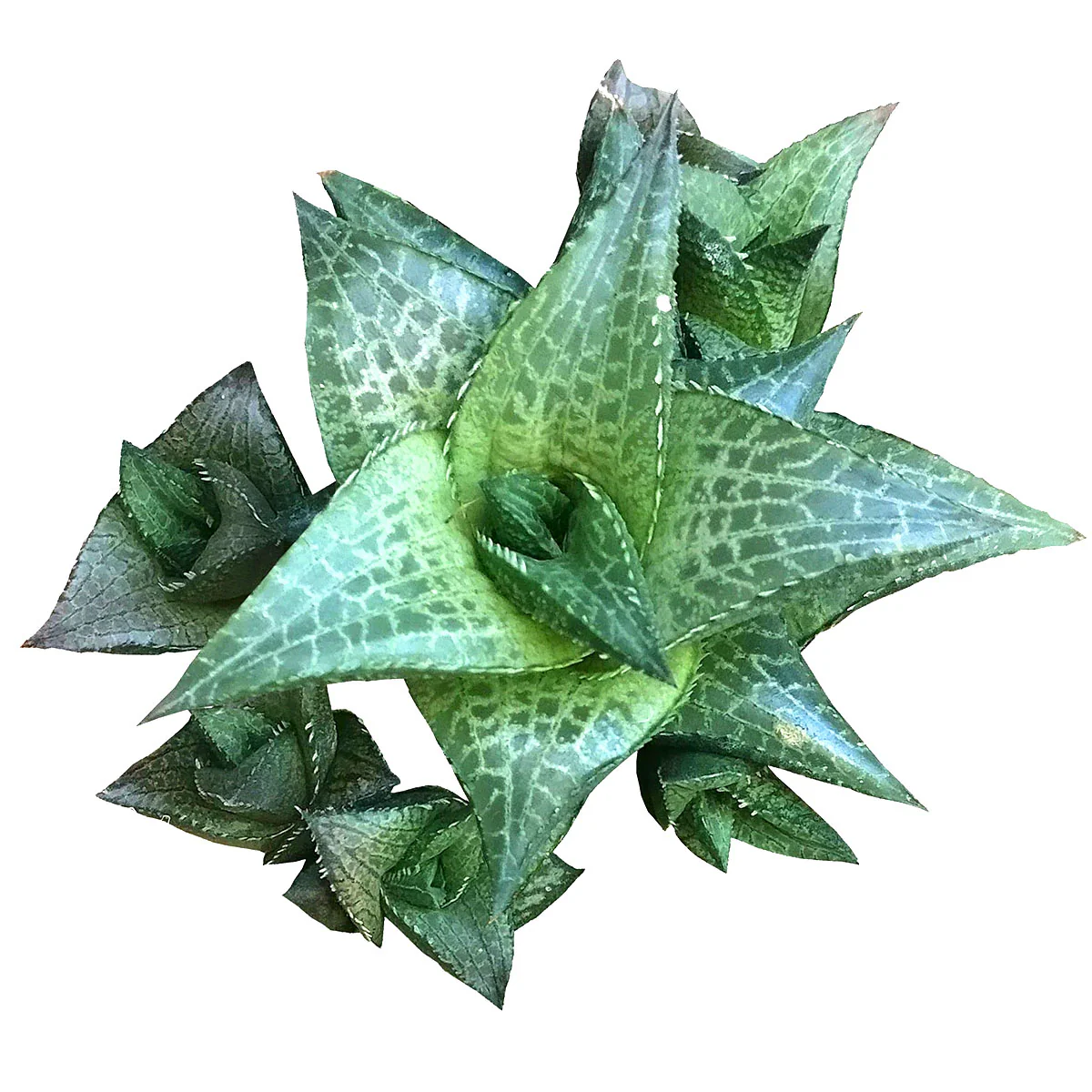
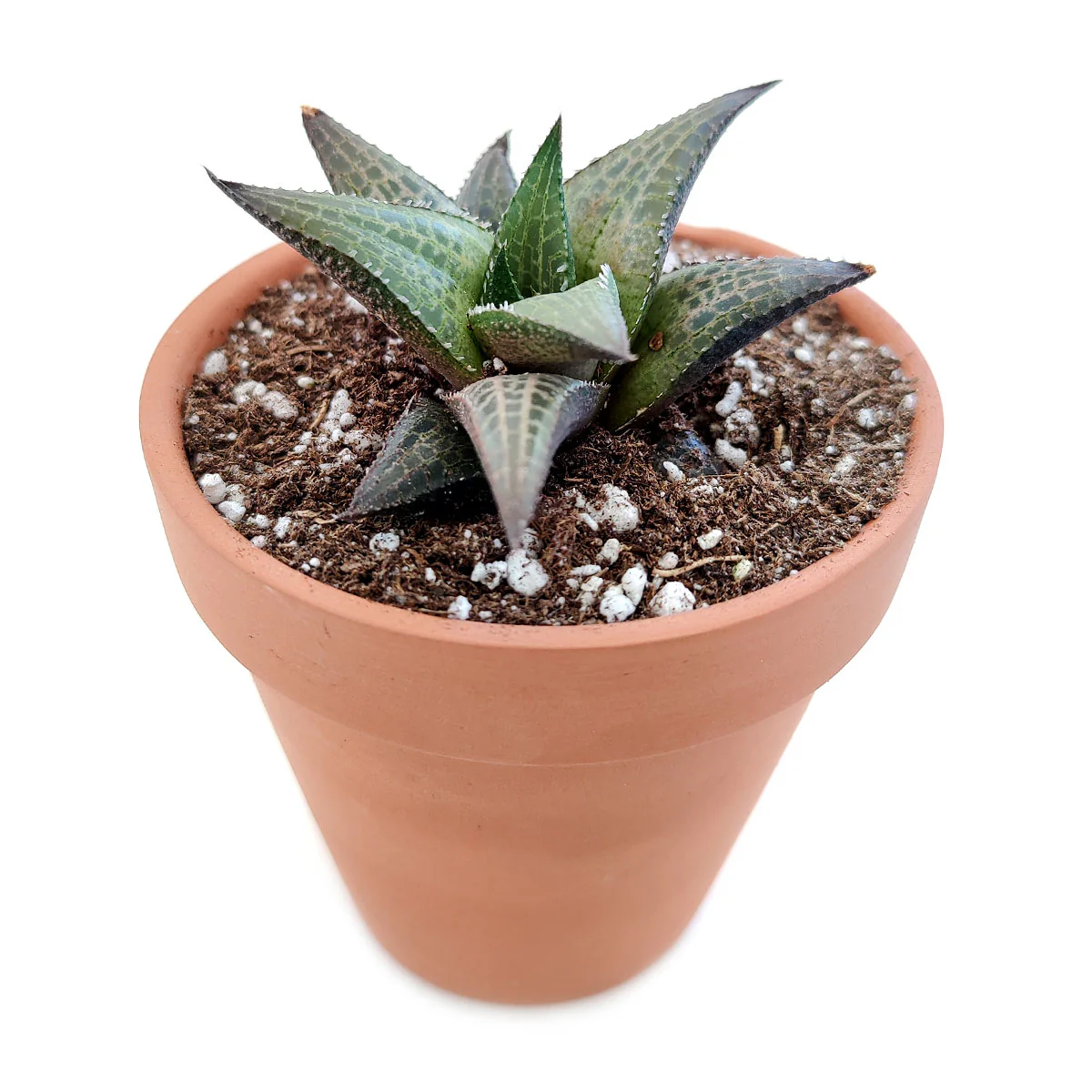
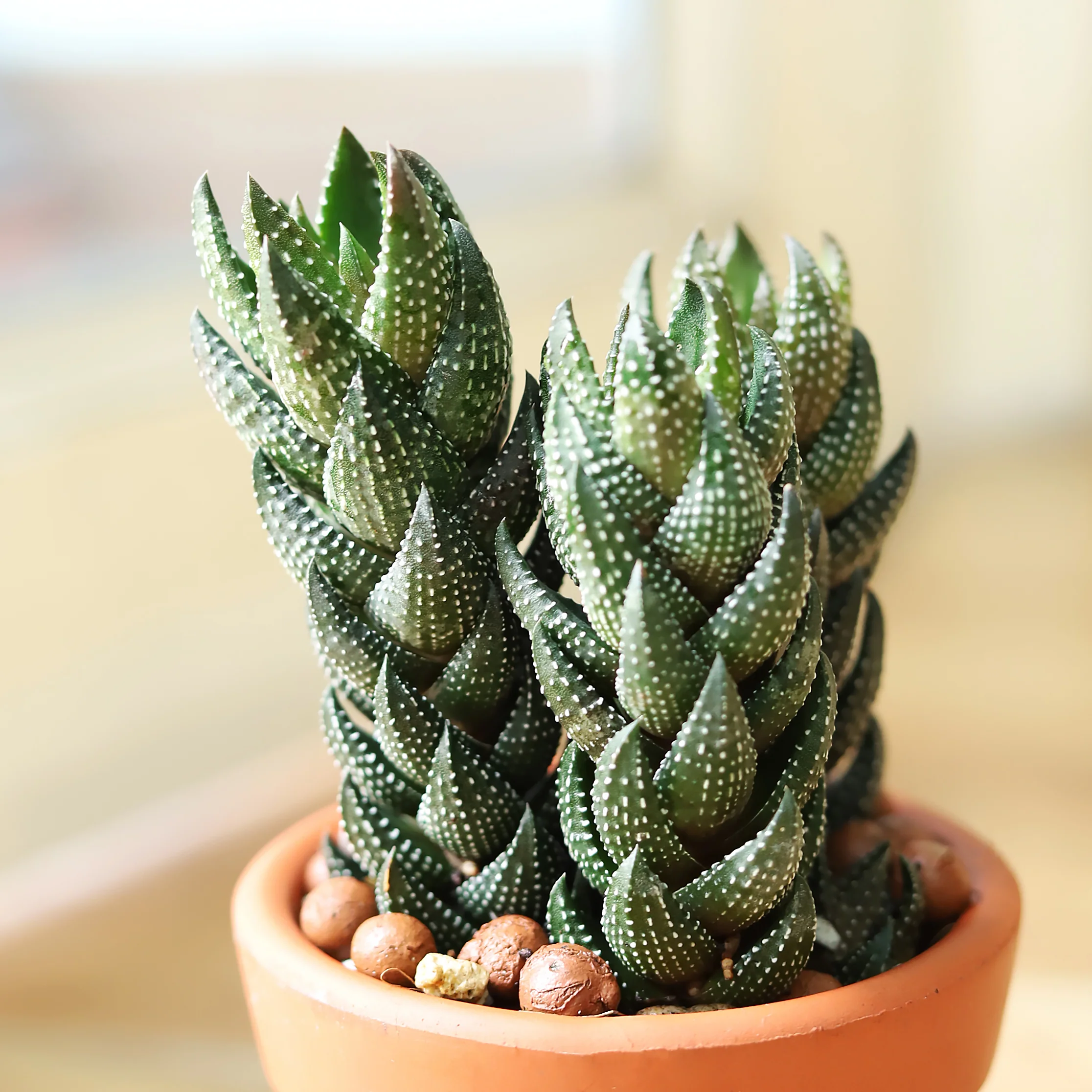
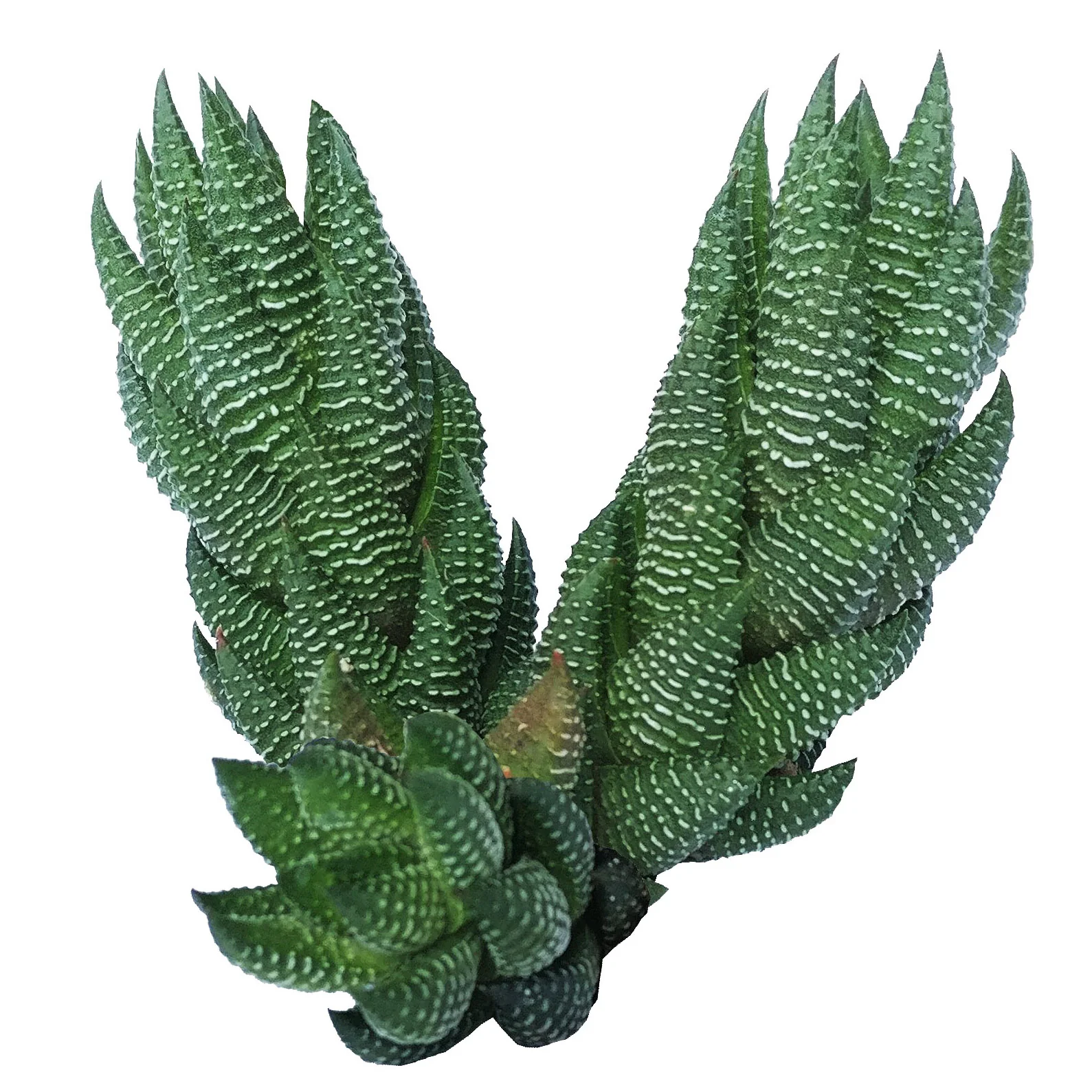
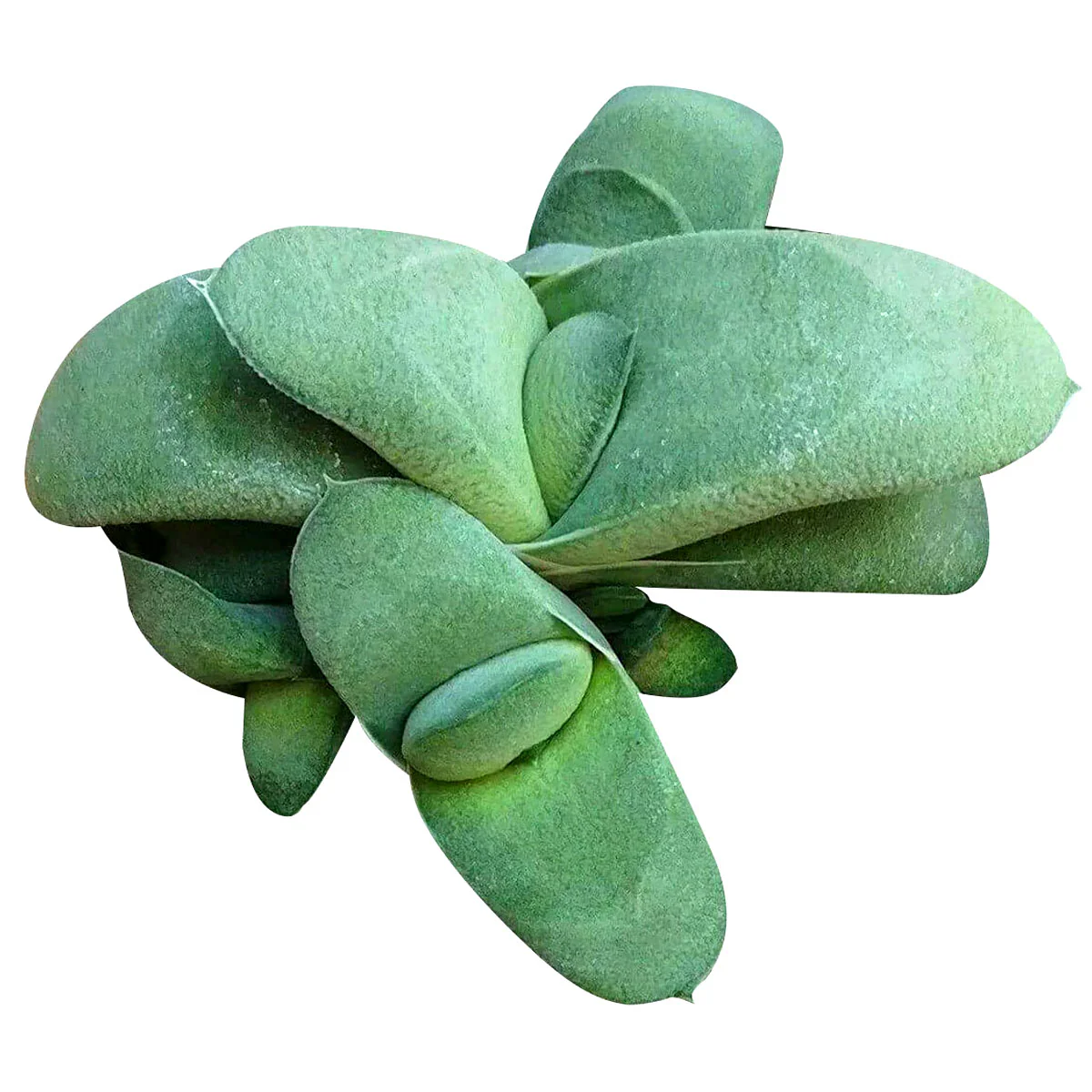
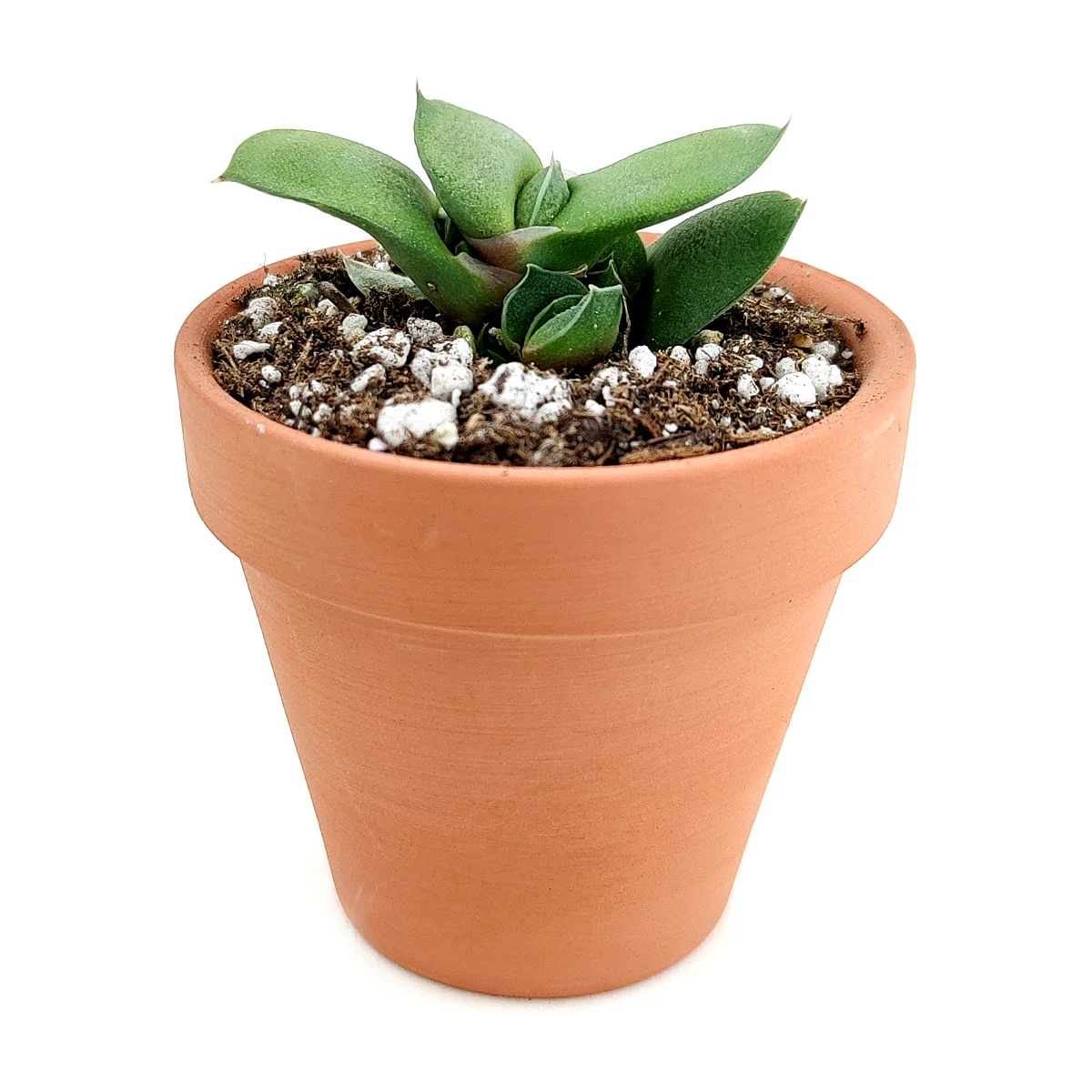
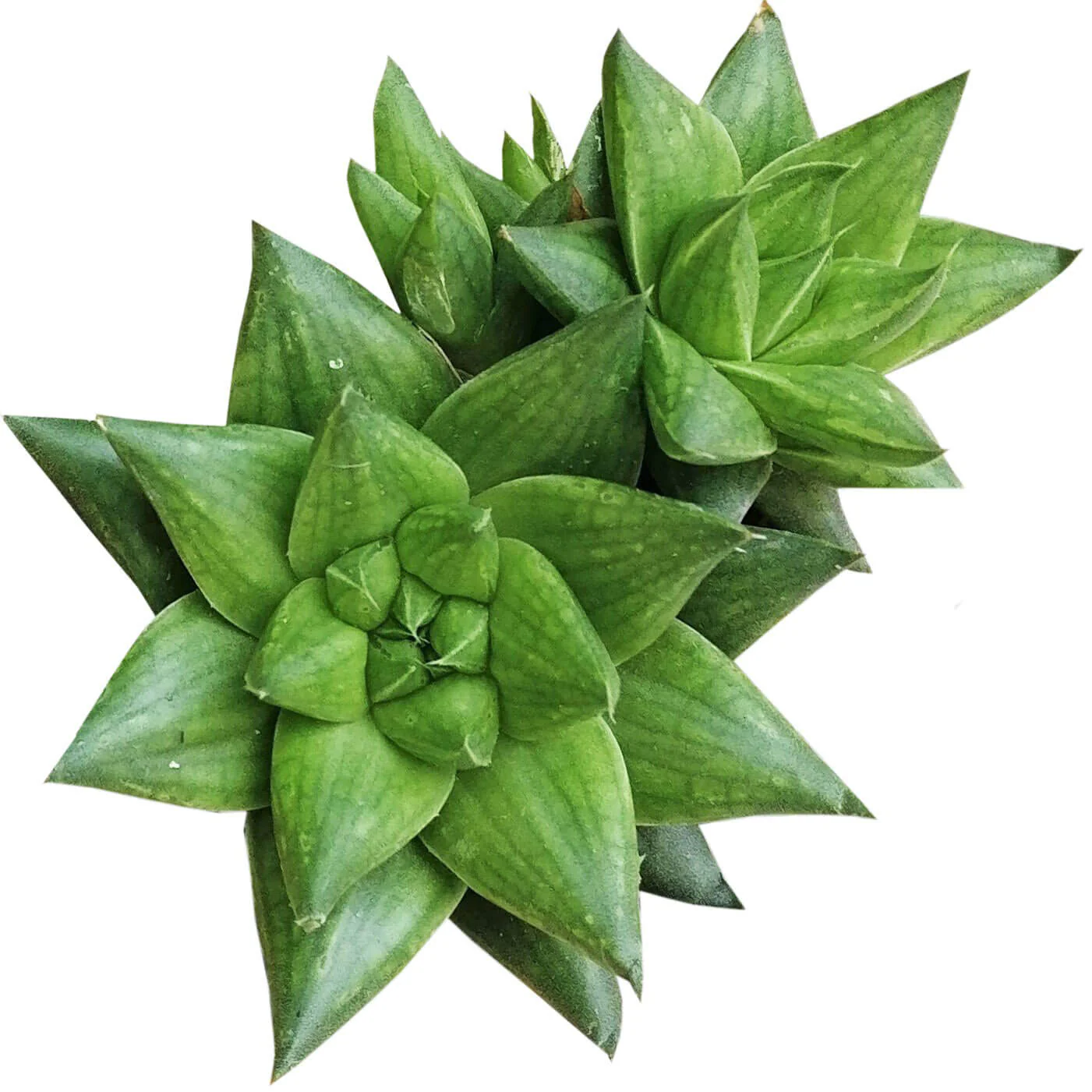
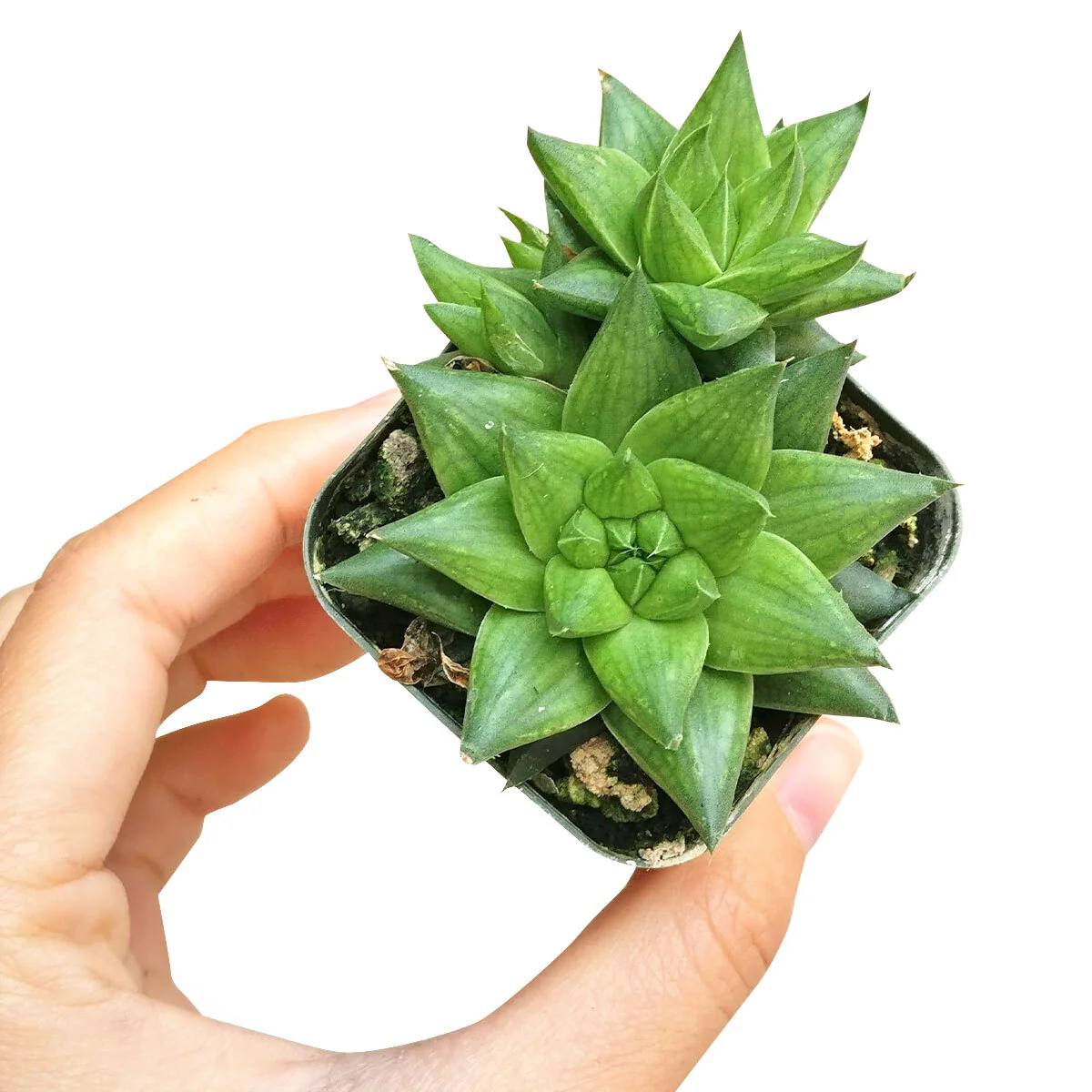
 The leaves of Haworthia cooperi var. truncata 'Alien Eggs' are compact, plump, and nearly flat-topped, with glassy green window tips that glow when backlit. Each rosette clusters tightly with offsets over time, building into a lush cushion of alien egg-like domes that give this alien egg plant its unforgettable name. The translucent windows allow light to filter into the leaf tissue, a stunning adaptation that makes it one of the most visually distinctive window haworthia types available.
 Haworthia cooperi var. truncata 'Alien Eggs' is known for releasing oxygen at night, making it a genuinely useful bedroom companion beyond its looks. It also purifies indoor air by filtering toxins including formaldehyde, quietly working while you sleep. A slight drop in nighttime temperature can encourage blooming, typically producing slender white flowers on tall stalks in spring or summer.
 Haworthia cooperi var. truncata 'Alien Eggs' is a beginner-friendly succulent that thrives on benign neglect, survives a 10-day trip without a sitter, and adapts well to office LEDs or a kitchen windowsill where gentle ambient moisture helps. It works beautifully in terrariums, shallow dish gardens, or as a windowsill specimen, and can move outside for summer in warm climates as long as it stays covered from rain. This pet-safe, rare haworthia cultivar is a genuine conversation piece that rewards collectors with slow, satisfying growth.
-
 Haworthia cooperi var. truncata 'Alien Eggs' thrives in low, medium, or bright indirect light, avoiding direct sun that scorches its translucent leaf tips.
 Water Haworthia cooperi var. truncata 'Alien Eggs' every 2-3 weeks in summer and once a month or less in winter, allowing soil to dry fully between waterings.
 Haworthia cooperi var. truncata 'Alien Eggs' prefers a fast-draining mix of cactus soil blended with perlite or coarse grit at roughly 50/50.
 Haworthia cooperi var. truncata 'Alien Eggs' prefers temperatures between 65-85°F (18-29°C) and should be kept above 40°F (4°C), as it is frost tender.
![]() Haworthia cooperi var. truncata 'Alien Eggs' is a slow-growing clumping rosette that needs only a light balanced fertilizer once in spring and once in summer.
Haworthia cooperi var. truncata 'Alien Eggs' is a slow-growing clumping rosette that needs only a light balanced fertilizer once in spring and once in summer.
 Haworthia cooperi var. truncata 'Alien Eggs' is rated for USDA Hardiness Zones 9-11, tolerating brief dips no lower than 25-30°F (-4 to -1°C) with protection. Gardeners growing Haworthia cooperi var. truncata 'Alien Eggs' outdoors year-round will find ideal conditions across Florida, Hawaii, California, Arizona, Texas, Louisiana, Mississippi, Alabama, Georgia, South Carolina, and coastal Oregon. Nevada's warmer southern valleys, the Gulf Coast regions of the Florida Panhandle, and sheltered microclimates throughout the Southwest also fall within these zones, giving a wide range of American growers the chance to enjoy this rare succulent outside.
-
Q: Is Haworthia cooperi var. truncata 'Alien Eggs' pet friendly?
A: Yes, this plant is pet friendly and is considered non-toxic to cats and dogs. It is a safe choice for homes with curious pets.
Q: How much light does Haworthia cooperi var. truncata 'Alien Eggs' need?
A: Haworthia cooperi var. truncata 'Alien Eggs' grows well in low to bright indirect light, including under standard office LEDs. Avoid south-facing windows with intense direct sun, which can scorch the delicate leaf tips.
Q: How often should I water Haworthia cooperi var. truncata 'Alien Eggs'?
A: Water every 2-3 weeks during the growing season and reduce to once a month or less in winter. The plant will show slight leaf softening when it is thirsty, so let that guide you.
Q: How big does Haworthia cooperi var. truncata 'Alien Eggs' get?
A: Haworthia cooperi var. truncata 'Alien Eggs' stays small, typically reaching 2-3 inches tall per rosette, slowly clumping outward over time. Its compact size makes it perfect for terrariums, desks, and windowsills.
Q: How do I propagate Haworthia cooperi var. truncata 'Alien Eggs'?
A: The easiest method is dividing the offsets that form around the base of the mother rosette. Gently separate them with clean hands or a sterile tool and pot them into a well-draining mix to establish.
Q: Is Haworthia cooperi var. truncata 'Alien Eggs' rare?
A: Yes, Haworthia cooperi var. truncata 'Alien Eggs' is a rare haworthia cultivar that is not commonly found in garden centers. Its translucent alien egg-like appearance makes it a highly sought-after collector piece.


Product Information
Product Information
Shipping & Returns
Shipping & Returns
Description
- Description
- Haworthia cooperi var. truncata 'Alien Eggs' Care Guide
- FAQ/Common Issues
-
![]() Haworthia cooperi var. truncata 'Alien Eggs' is a rare haworthia cultivar from the Eastern Cape of South Africa, where it grows tucked into rocky, shaded soil. This translucent succulent belongs to the Asphodelaceae family and has become a prized find among collectors worldwide.
Haworthia cooperi var. truncata 'Alien Eggs' is a rare haworthia cultivar from the Eastern Cape of South Africa, where it grows tucked into rocky, shaded soil. This translucent succulent belongs to the Asphodelaceae family and has become a prized find among collectors worldwide.
The leaves of Haworthia cooperi var. truncata 'Alien Eggs' are compact, plump, and nearly flat-topped, with glassy green window tips that glow when backlit. Each rosette clusters tightly with offsets over time, building into a lush cushion of alien egg-like domes that give this alien egg plant its unforgettable name. The translucent windows allow light to filter into the leaf tissue, a stunning adaptation that makes it one of the most visually distinctive window haworthia types available.
Haworthia cooperi var. truncata 'Alien Eggs' is known for releasing oxygen at night, making it a genuinely useful bedroom companion beyond its looks. It also purifies indoor air by filtering toxins including formaldehyde, quietly working while you sleep. A slight drop in nighttime temperature can encourage blooming, typically producing slender white flowers on tall stalks in spring or summer.
Haworthia cooperi var. truncata 'Alien Eggs' is a beginner-friendly succulent that thrives on benign neglect, survives a 10-day trip without a sitter, and adapts well to office LEDs or a kitchen windowsill where gentle ambient moisture helps. It works beautifully in terrariums, shallow dish gardens, or as a windowsill specimen, and can move outside for summer in warm climates as long as it stays covered from rain. This pet-safe, rare haworthia cultivar is a genuine conversation piece that rewards collectors with slow, satisfying growth.
-
Haworthia cooperi var. truncata 'Alien Eggs' thrives in low, medium, or bright indirect light, avoiding direct sun that scorches its translucent leaf tips.
Water Haworthia cooperi var. truncata 'Alien Eggs' every 2-3 weeks in summer and once a month or less in winter, allowing soil to dry fully between waterings.
Haworthia cooperi var. truncata 'Alien Eggs' prefers a fast-draining mix of cactus soil blended with perlite or coarse grit at roughly 50/50.
Haworthia cooperi var. truncata 'Alien Eggs' prefers temperatures between 65-85°F (18-29°C) and should be kept above 40°F (4°C), as it is frost tender.
![]() Haworthia cooperi var. truncata 'Alien Eggs' is a slow-growing clumping rosette that needs only a light balanced fertilizer once in spring and once in summer.
Haworthia cooperi var. truncata 'Alien Eggs' is a slow-growing clumping rosette that needs only a light balanced fertilizer once in spring and once in summer.
Haworthia cooperi var. truncata 'Alien Eggs' is rated for USDA Hardiness Zones 9-11, tolerating brief dips no lower than 25-30°F (-4 to -1°C) with protection. Gardeners growing Haworthia cooperi var. truncata 'Alien Eggs' outdoors year-round will find ideal conditions across Florida, Hawaii, California, Arizona, Texas, Louisiana, Mississippi, Alabama, Georgia, South Carolina, and coastal Oregon. Nevada's warmer southern valleys, the Gulf Coast regions of the Florida Panhandle, and sheltered microclimates throughout the Southwest also fall within these zones, giving a wide range of American growers the chance to enjoy this rare succulent outside.
-
Q: Is Haworthia cooperi var. truncata 'Alien Eggs' pet friendly?
A: Yes, this plant is pet friendly and is considered non-toxic to cats and dogs. It is a safe choice for homes with curious pets.
Q: How much light does Haworthia cooperi var. truncata 'Alien Eggs' need?
A: Haworthia cooperi var. truncata 'Alien Eggs' grows well in low to bright indirect light, including under standard office LEDs. Avoid south-facing windows with intense direct sun, which can scorch the delicate leaf tips.
Q: How often should I water Haworthia cooperi var. truncata 'Alien Eggs'?
A: Water every 2-3 weeks during the growing season and reduce to once a month or less in winter. The plant will show slight leaf softening when it is thirsty, so let that guide you.
Q: How big does Haworthia cooperi var. truncata 'Alien Eggs' get?
A: Haworthia cooperi var. truncata 'Alien Eggs' stays small, typically reaching 2-3 inches tall per rosette, slowly clumping outward over time. Its compact size makes it perfect for terrariums, desks, and windowsills.
Q: How do I propagate Haworthia cooperi var. truncata 'Alien Eggs'?
A: The easiest method is dividing the offsets that form around the base of the mother rosette. Gently separate them with clean hands or a sterile tool and pot them into a well-draining mix to establish.
Q: Is Haworthia cooperi var. truncata 'Alien Eggs' rare?
A: Yes, Haworthia cooperi var. truncata 'Alien Eggs' is a rare haworthia cultivar that is not commonly found in garden centers. Its translucent alien egg-like appearance makes it a highly sought-after collector piece.