Echeveria Subalpina var. Perote
- Description
- Echeveria Subalpina var. Perote Care Guide
- FAQ/Common Issues
-
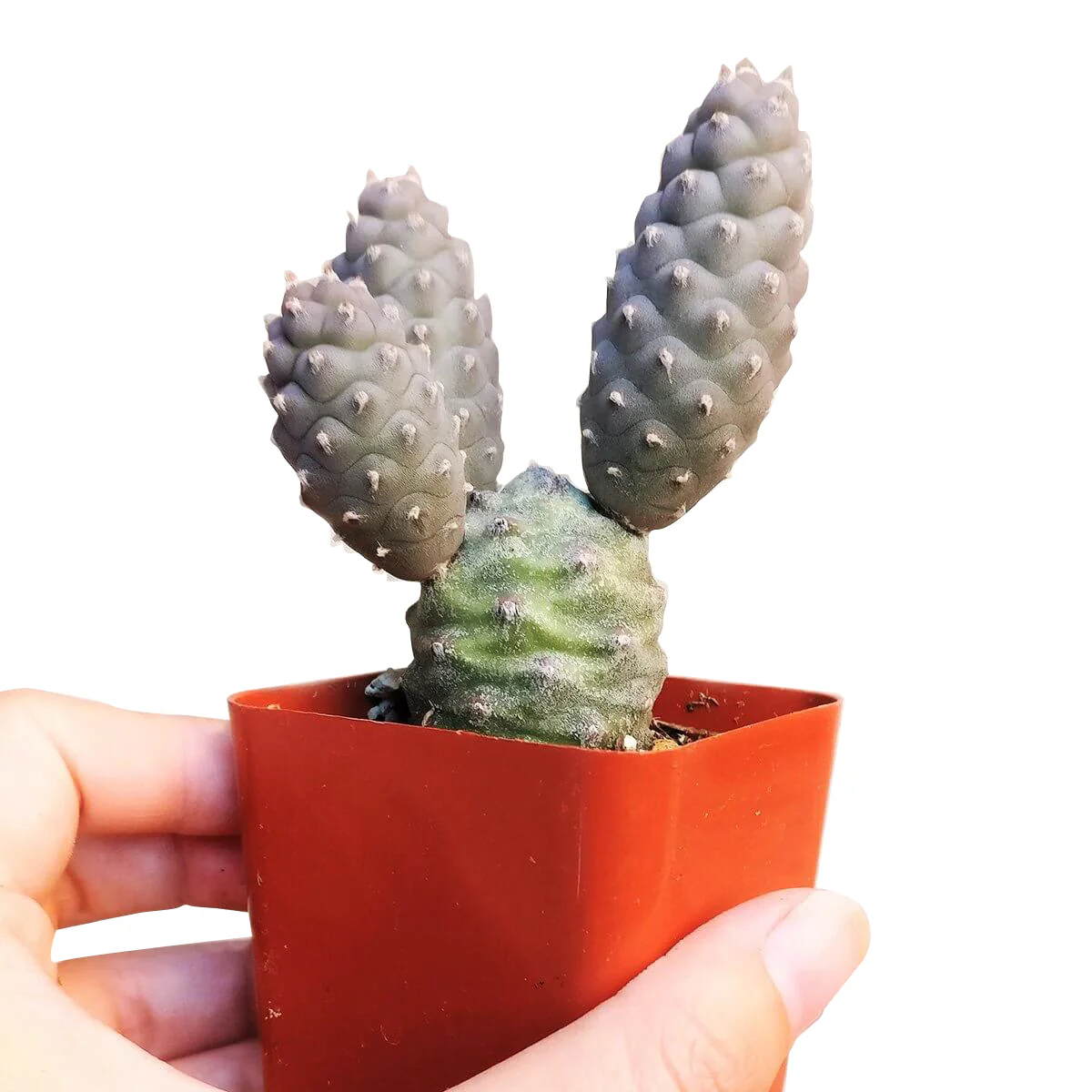
![]() Echeveria Subalpina var. Perote is a rare blue rosette succulent in the Crassulaceae family, native to the high-altitude regions of Mexico. This coveted echeveria subalpina perote grows naturally in rocky, well-draining terrain where cool nights and bright sun shape its striking compact form. It is a genuinely rare find, making it a prized addition for any serious succulent collector.
Echeveria Subalpina var. Perote is a rare blue rosette succulent in the Crassulaceae family, native to the high-altitude regions of Mexico. This coveted echeveria subalpina perote grows naturally in rocky, well-draining terrain where cool nights and bright sun shape its striking compact form. It is a genuinely rare find, making it a prized addition for any serious succulent collector.
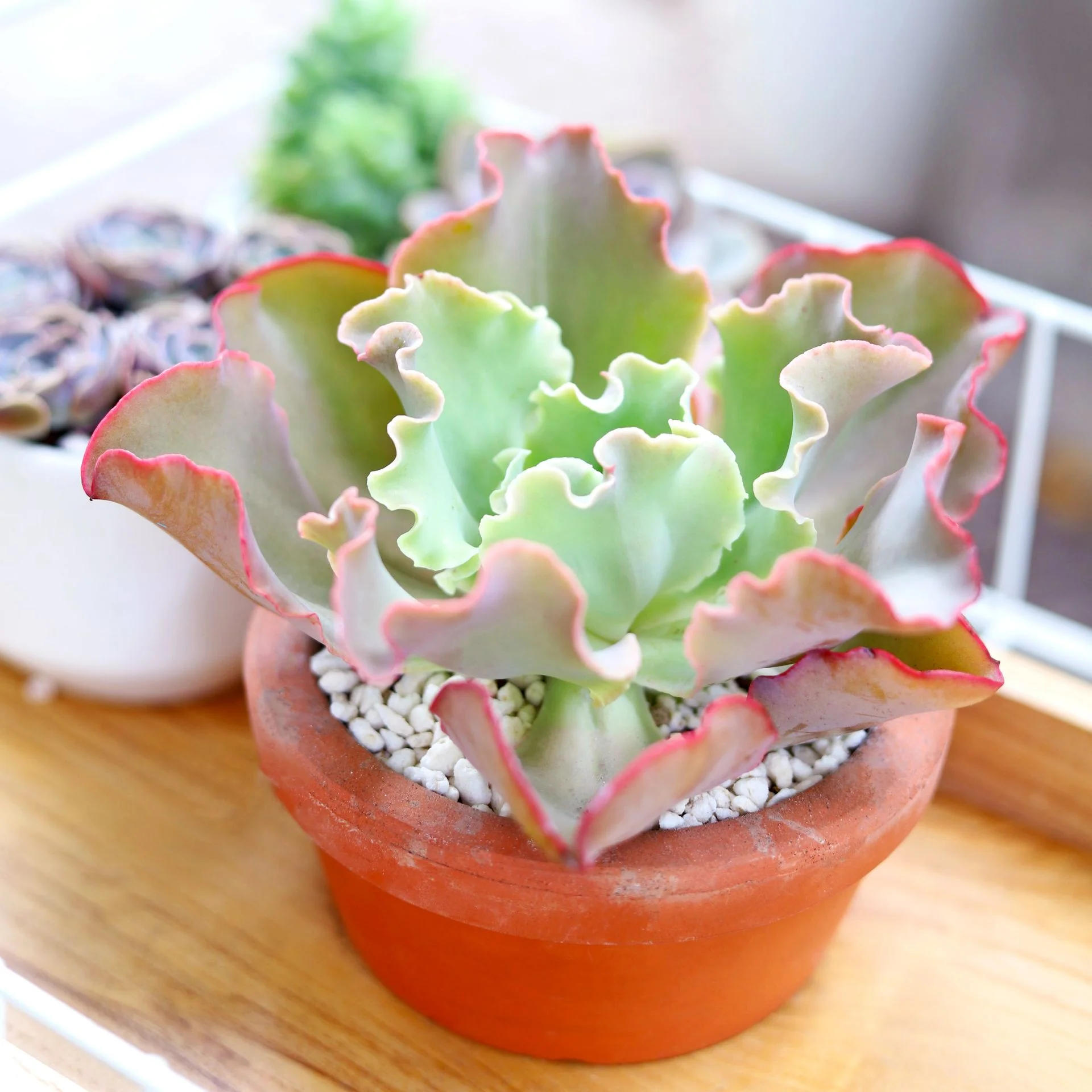
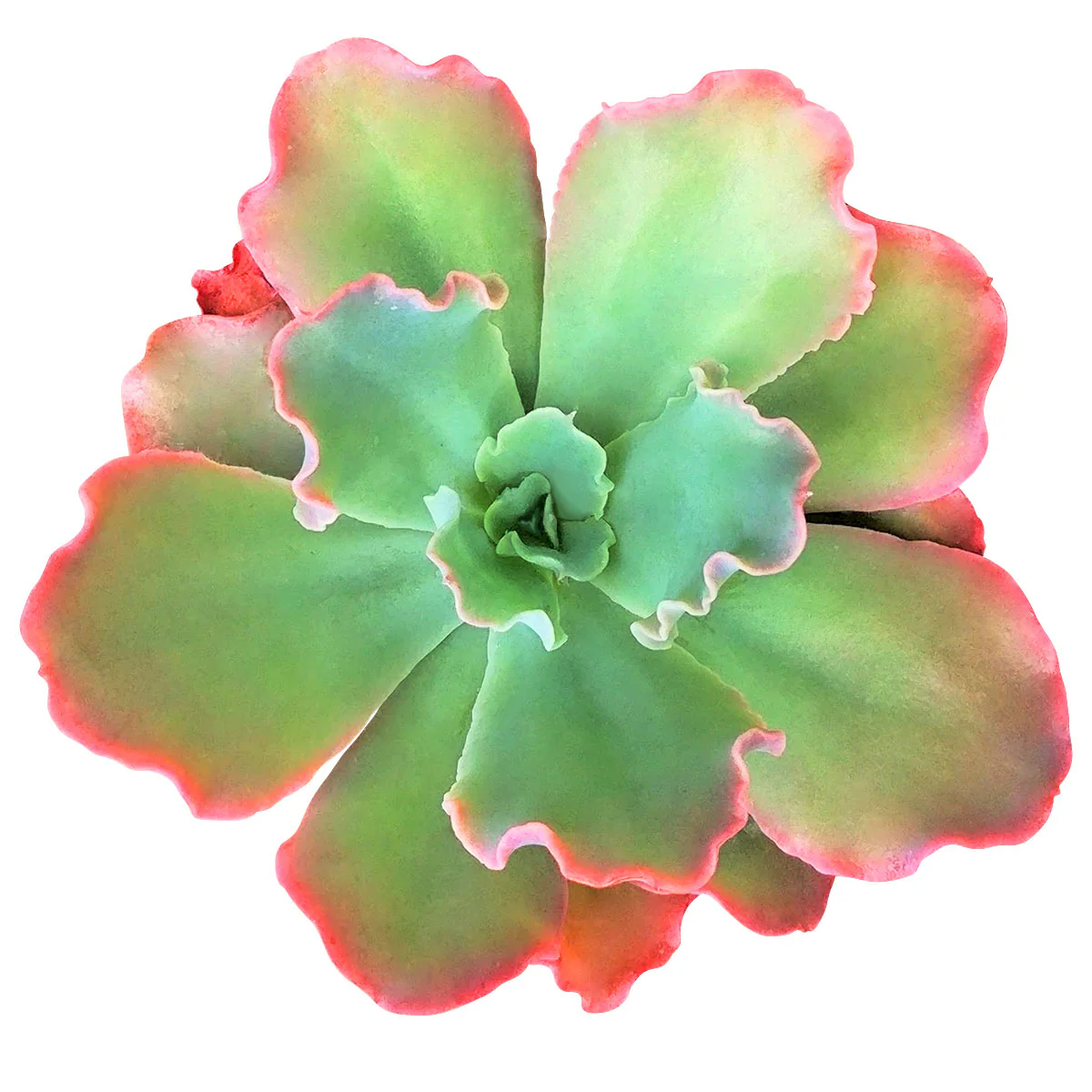
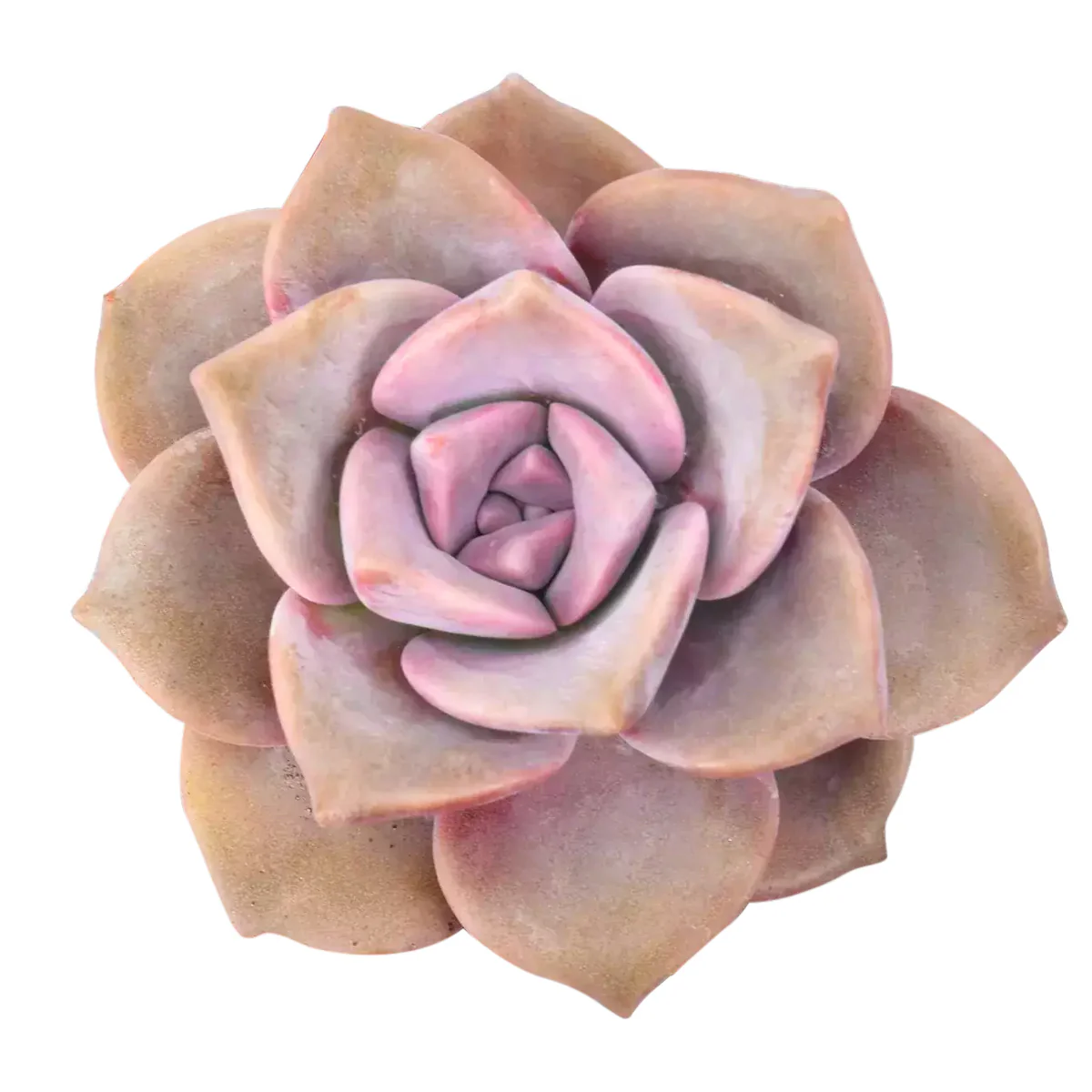
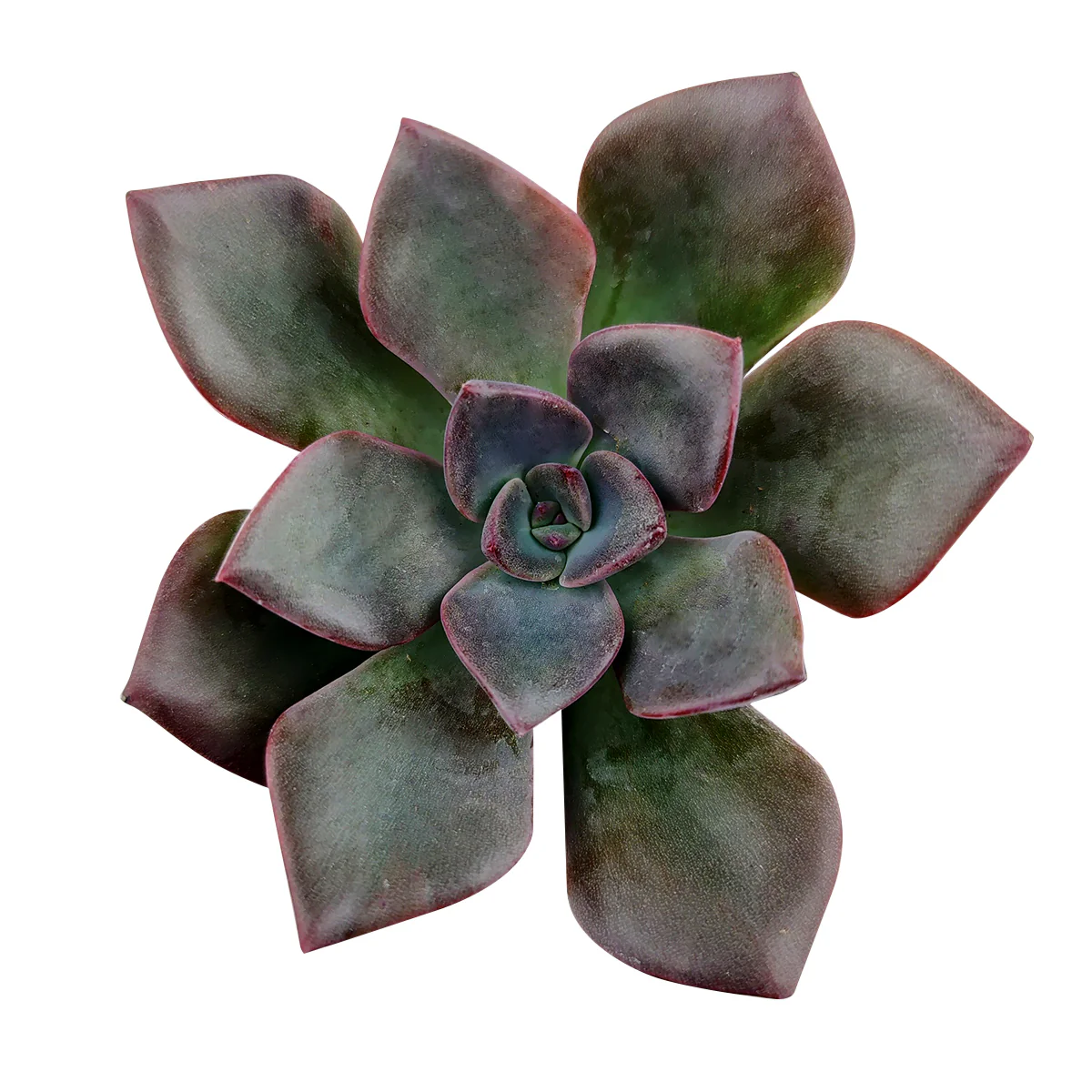
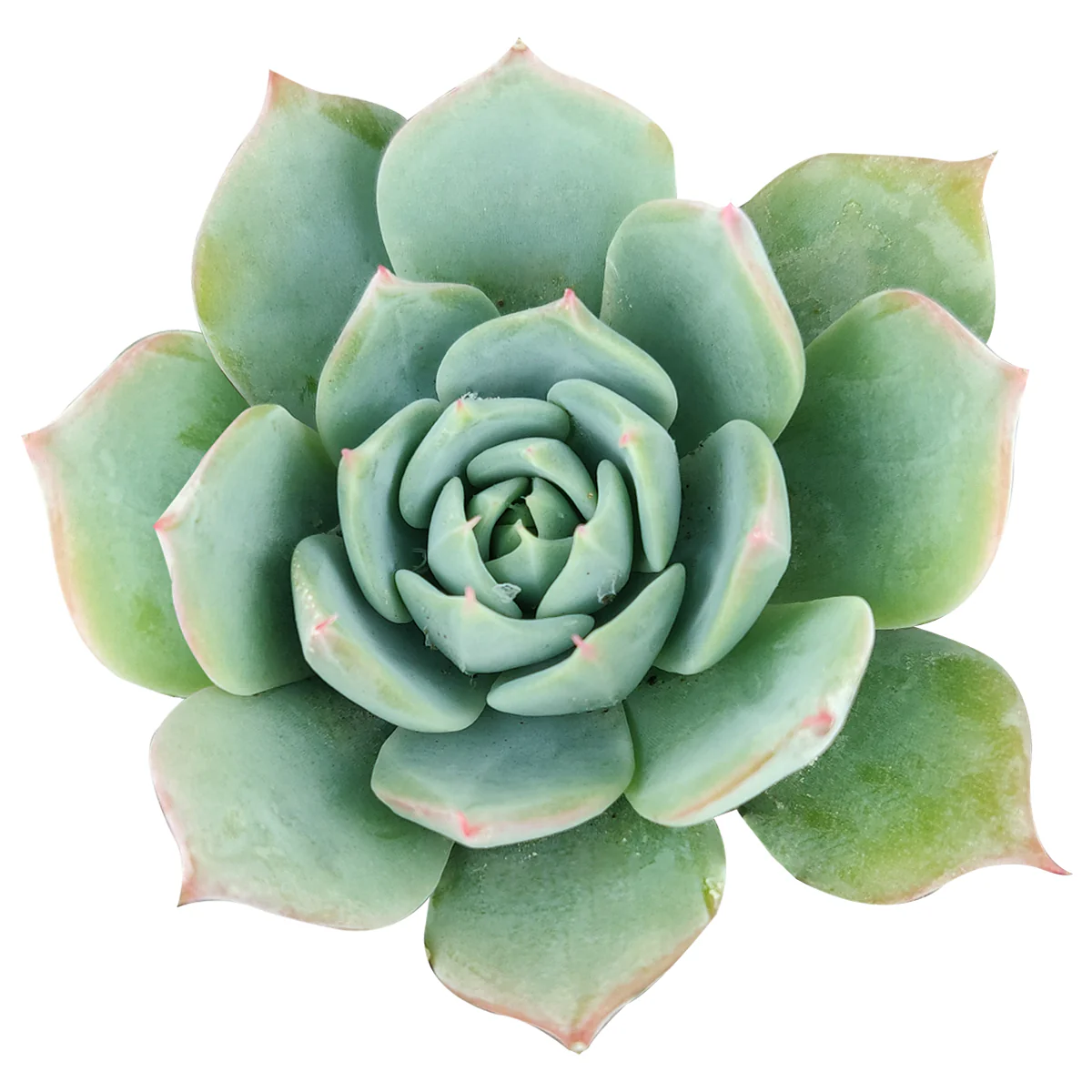
 Echeveria Subalpina var. Perote forms a tight, upright rosette of thick, frosty blue-green leaves edged with soft pink to rosy tips that deepen with sun stress. The leaves carry a powdery, chalky coating called farina that gives this drought tolerant succulent its signature silvery-blue glow. Leaf tips taper to a gentle point, and the overall rosette has a sculptural, jewel-like quality that photographs beautifully.
 Echeveria Subalpina var. Perote typically needs a nighttime temperature drop to trigger blooming, so moving it to a cooler spot in late winter encourages flower spikes to emerge in spring. When it does bloom, expect warm coral to orange-pink bell-shaped flowers arching gracefully above the rosette on slender stalks. No significant fragrance has been noted, but the color contrast against those frosty blue leaves is genuinely stunning.
 This low maintenance succulent is a dream for beginners and collectors alike, thriving on neglect and surviving comfortably for up to ten days without watering, which makes it ideal for frequent travelers. Echeveria Subalpina var. Perote loves spending summer outdoors on a patio or balcony in bright light, but always bring it under cover when rain is expected, since water pooling in the rosette invites rot. Best of all, this plant is pet friendly, so you can display it freely on shelves, coffee tables, or mixed succulent arrangements without worry.
-
 Echeveria Subalpina var. Perote thrives in bright indirect light to full direct sun, with at least four to six hours of daily sun for best color.
 Echeveria Subalpina var. Perote prefers a deep watering every ten to fourteen days in summer, reduced to once every three to four weeks in winter.
 Echeveria Subalpina var. Perote needs a fast-draining cactus and succulent mix blended with thirty percent perlite or coarse grit to prevent root rot.
 Echeveria Subalpina var. Perote prefers temperatures between 50 and 80°F (10 to 27°C) and should be protected from frost below 32°F (0°C).
![]() Echeveria Subalpina var. Perote is a slow to moderate grower that benefits from a diluted balanced succulent fertilizer applied once monthly during the active growing season.
Echeveria Subalpina var. Perote is a slow to moderate grower that benefits from a diluted balanced succulent fertilizer applied once monthly during the active growing season.
 Echeveria Subalpina var. Perote is hardy in USDA Zones 9 through 11, tolerating brief dips to around 25°F (-4°C) but performing best above freezing. Gardeners growing Echeveria Subalpina var. Perote outdoors year-round will find ideal conditions across California, Arizona, Texas, Florida, Hawaii, Nevada, Louisiana, Georgia, South Carolina, Alabama, Mississippi, and coastal Oregon. Growers in New Mexico, coastal North Carolina, and parts of Arkansas and Tennessee can also succeed with light frost protection during cold snaps.
-
Q: How often should I water Echeveria Subalpina var. Perote?
A: Water Echeveria Subalpina var. Perote every ten to fourteen days in the growing season, letting the soil dry out completely between waterings. In winter, cut back to once every three to four weeks.
Q: Is Echeveria Subalpina var. Perote safe for cats and dogs?
A: Yes, Echeveria Subalpina var. Perote is pet friendly and non-toxic to cats and dogs. You can display it anywhere in your home without concern.
Q: How much light does Echeveria Subalpina var. Perote need indoors?
A: Echeveria Subalpina var. Perote does best in a bright south or east-facing window with several hours of direct sun daily. Rotate the pot every week or two so the rosette grows evenly rather than leaning toward the light.
Q: Is Echeveria Subalpina var. Perote a rare plant?
A: Yes, Echeveria Subalpina var. Perote is considered a rare collector echeveria that is not commonly found in garden centers. Its frosty blue rosette and compact form make it especially sought after by enthusiasts.
Q: Can I propagate Echeveria Subalpina var. Perote from leaves?
A: Echeveria Subalpina var. Perote can be propagated from healthy leaf pulls or offsets that form at the base of a mature rosette. Allow cut ends to callous for a day or two before placing on dry, well-draining succulent mix.
Q: What size does Echeveria Subalpina var. Perote reach at maturity?
A: Echeveria Subalpina var. Perote is a compact rosette succulent that typically reaches two to four inches in diameter at maturity, making it perfect for small pots, 2" starter containers, and mixed succulent arrangements.


Original: $7.30
-70%$7.30
$2.19Product Information
Product Information
Shipping & Returns
Shipping & Returns
Description
- Description
- Echeveria Subalpina var. Perote Care Guide
- FAQ/Common Issues
-
![]() Echeveria Subalpina var. Perote is a rare blue rosette succulent in the Crassulaceae family, native to the high-altitude regions of Mexico. This coveted echeveria subalpina perote grows naturally in rocky, well-draining terrain where cool nights and bright sun shape its striking compact form. It is a genuinely rare find, making it a prized addition for any serious succulent collector.
Echeveria Subalpina var. Perote is a rare blue rosette succulent in the Crassulaceae family, native to the high-altitude regions of Mexico. This coveted echeveria subalpina perote grows naturally in rocky, well-draining terrain where cool nights and bright sun shape its striking compact form. It is a genuinely rare find, making it a prized addition for any serious succulent collector.
Echeveria Subalpina var. Perote forms a tight, upright rosette of thick, frosty blue-green leaves edged with soft pink to rosy tips that deepen with sun stress. The leaves carry a powdery, chalky coating called farina that gives this drought tolerant succulent its signature silvery-blue glow. Leaf tips taper to a gentle point, and the overall rosette has a sculptural, jewel-like quality that photographs beautifully.
Echeveria Subalpina var. Perote typically needs a nighttime temperature drop to trigger blooming, so moving it to a cooler spot in late winter encourages flower spikes to emerge in spring. When it does bloom, expect warm coral to orange-pink bell-shaped flowers arching gracefully above the rosette on slender stalks. No significant fragrance has been noted, but the color contrast against those frosty blue leaves is genuinely stunning.
This low maintenance succulent is a dream for beginners and collectors alike, thriving on neglect and surviving comfortably for up to ten days without watering, which makes it ideal for frequent travelers. Echeveria Subalpina var. Perote loves spending summer outdoors on a patio or balcony in bright light, but always bring it under cover when rain is expected, since water pooling in the rosette invites rot. Best of all, this plant is pet friendly, so you can display it freely on shelves, coffee tables, or mixed succulent arrangements without worry.
-
Echeveria Subalpina var. Perote thrives in bright indirect light to full direct sun, with at least four to six hours of daily sun for best color.
Echeveria Subalpina var. Perote prefers a deep watering every ten to fourteen days in summer, reduced to once every three to four weeks in winter.
Echeveria Subalpina var. Perote needs a fast-draining cactus and succulent mix blended with thirty percent perlite or coarse grit to prevent root rot.
Echeveria Subalpina var. Perote prefers temperatures between 50 and 80°F (10 to 27°C) and should be protected from frost below 32°F (0°C).
![]() Echeveria Subalpina var. Perote is a slow to moderate grower that benefits from a diluted balanced succulent fertilizer applied once monthly during the active growing season.
Echeveria Subalpina var. Perote is a slow to moderate grower that benefits from a diluted balanced succulent fertilizer applied once monthly during the active growing season.
Echeveria Subalpina var. Perote is hardy in USDA Zones 9 through 11, tolerating brief dips to around 25°F (-4°C) but performing best above freezing. Gardeners growing Echeveria Subalpina var. Perote outdoors year-round will find ideal conditions across California, Arizona, Texas, Florida, Hawaii, Nevada, Louisiana, Georgia, South Carolina, Alabama, Mississippi, and coastal Oregon. Growers in New Mexico, coastal North Carolina, and parts of Arkansas and Tennessee can also succeed with light frost protection during cold snaps.
-
Q: How often should I water Echeveria Subalpina var. Perote?
A: Water Echeveria Subalpina var. Perote every ten to fourteen days in the growing season, letting the soil dry out completely between waterings. In winter, cut back to once every three to four weeks.
Q: Is Echeveria Subalpina var. Perote safe for cats and dogs?
A: Yes, Echeveria Subalpina var. Perote is pet friendly and non-toxic to cats and dogs. You can display it anywhere in your home without concern.
Q: How much light does Echeveria Subalpina var. Perote need indoors?
A: Echeveria Subalpina var. Perote does best in a bright south or east-facing window with several hours of direct sun daily. Rotate the pot every week or two so the rosette grows evenly rather than leaning toward the light.
Q: Is Echeveria Subalpina var. Perote a rare plant?
A: Yes, Echeveria Subalpina var. Perote is considered a rare collector echeveria that is not commonly found in garden centers. Its frosty blue rosette and compact form make it especially sought after by enthusiasts.
Q: Can I propagate Echeveria Subalpina var. Perote from leaves?
A: Echeveria Subalpina var. Perote can be propagated from healthy leaf pulls or offsets that form at the base of a mature rosette. Allow cut ends to callous for a day or two before placing on dry, well-draining succulent mix.
Q: What size does Echeveria Subalpina var. Perote reach at maturity?
A: Echeveria Subalpina var. Perote is a compact rosette succulent that typically reaches two to four inches in diameter at maturity, making it perfect for small pots, 2" starter containers, and mixed succulent arrangements.