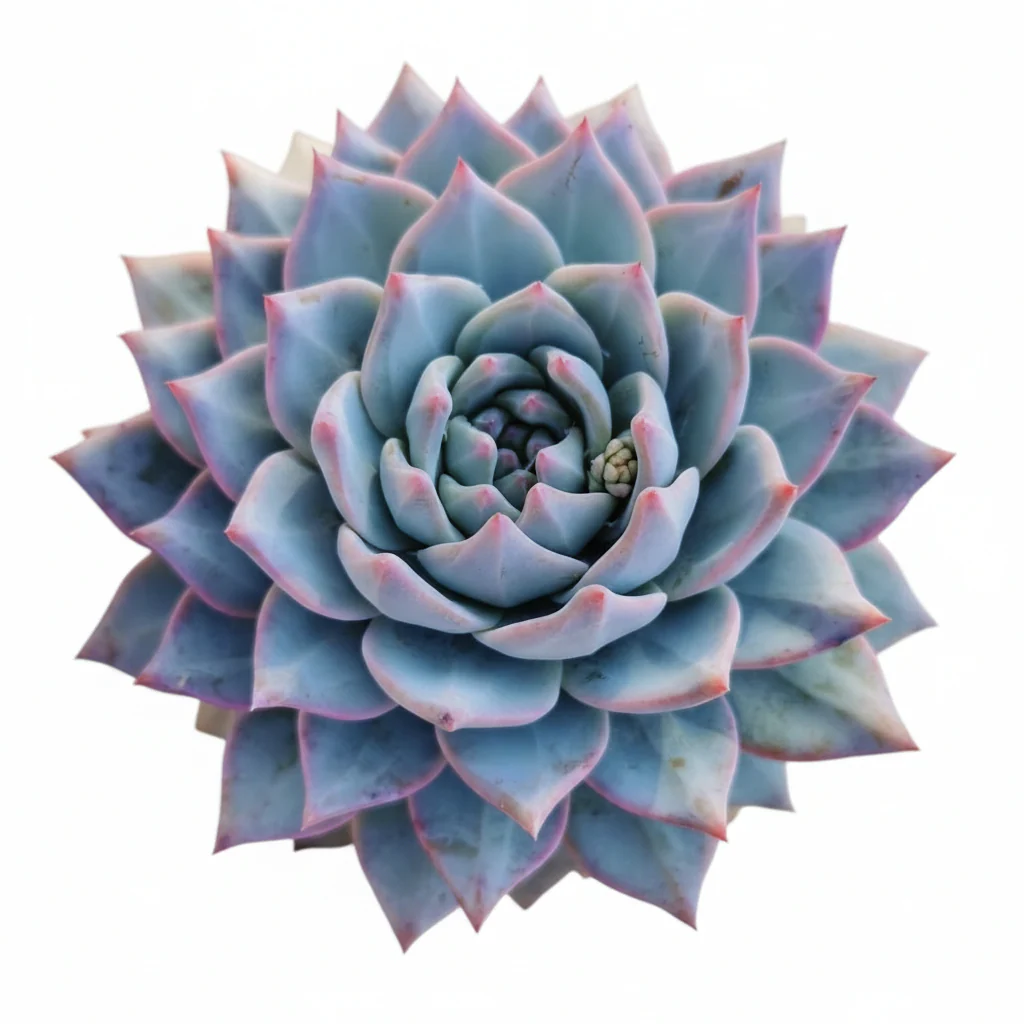
Echeveria Blue Bird
- Description
- Echeveria Blue Bird Care Guide
- FAQ/Common Issues
-
![]() Echeveria Blue Bird is a stunning drought tolerant succulent in the Crassulaceae family, beloved by beginners and collectors alike for its easy care and sculptural beauty. Like all echeverias, it originates from the semi-arid highlands of Mexico and Central America, where it evolved to thrive in bright light and fast-draining soils. This low maintenance succulent has earned its place as one of the most sought-after indoor succulent plants on the market.
Echeveria Blue Bird is a stunning drought tolerant succulent in the Crassulaceae family, beloved by beginners and collectors alike for its easy care and sculptural beauty. Like all echeverias, it originates from the semi-arid highlands of Mexico and Central America, where it evolved to thrive in bright light and fast-draining soils. This low maintenance succulent has earned its place as one of the most sought-after indoor succulent plants on the market.
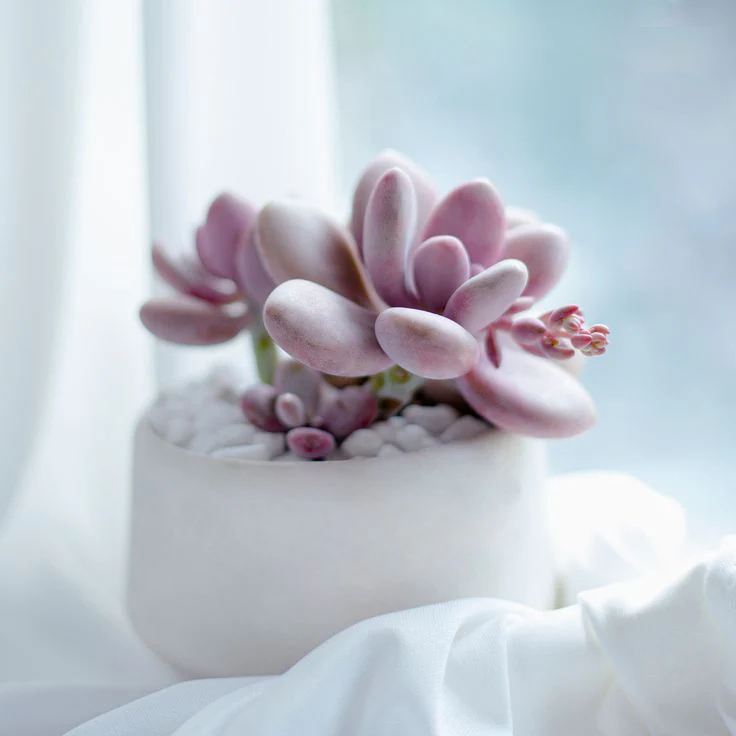
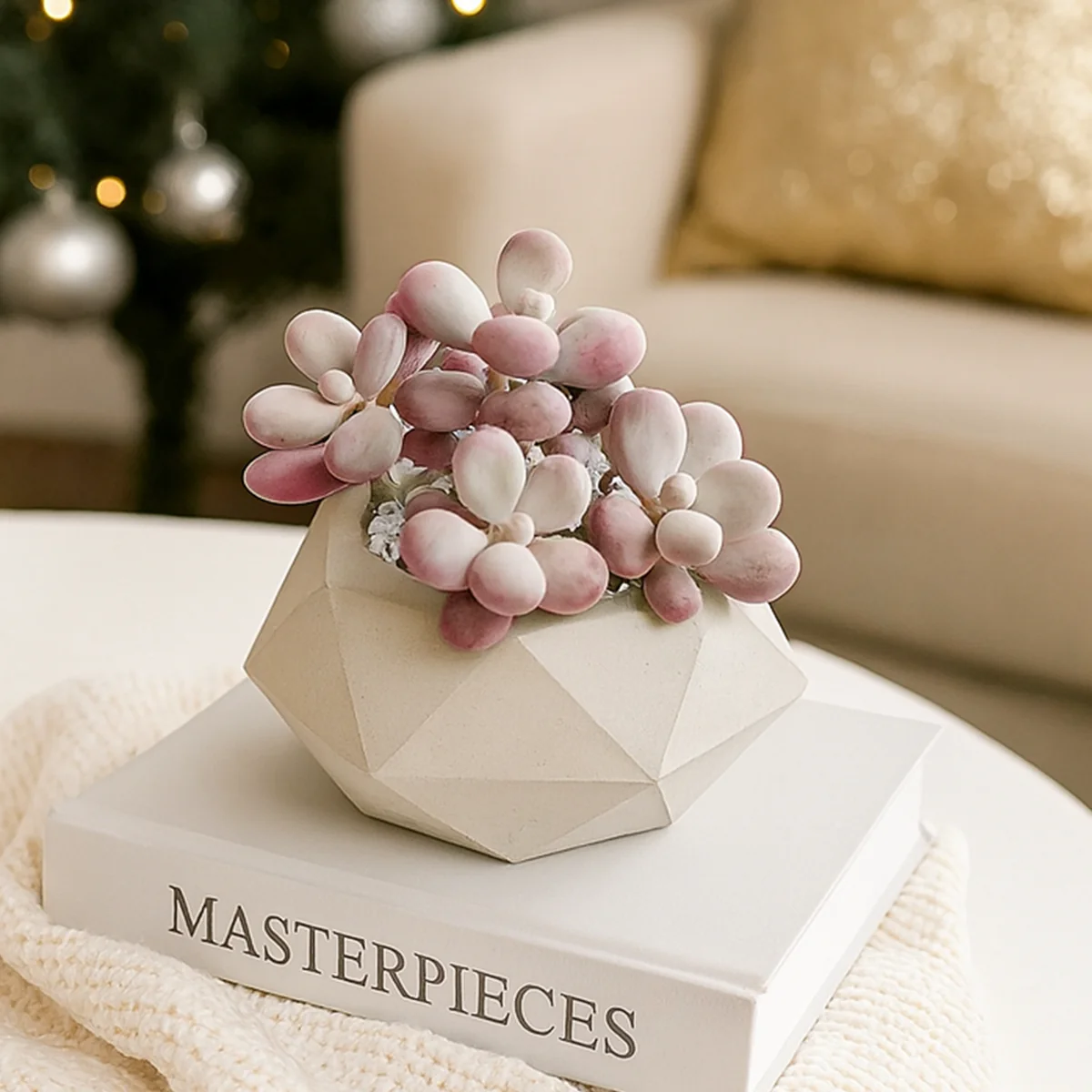
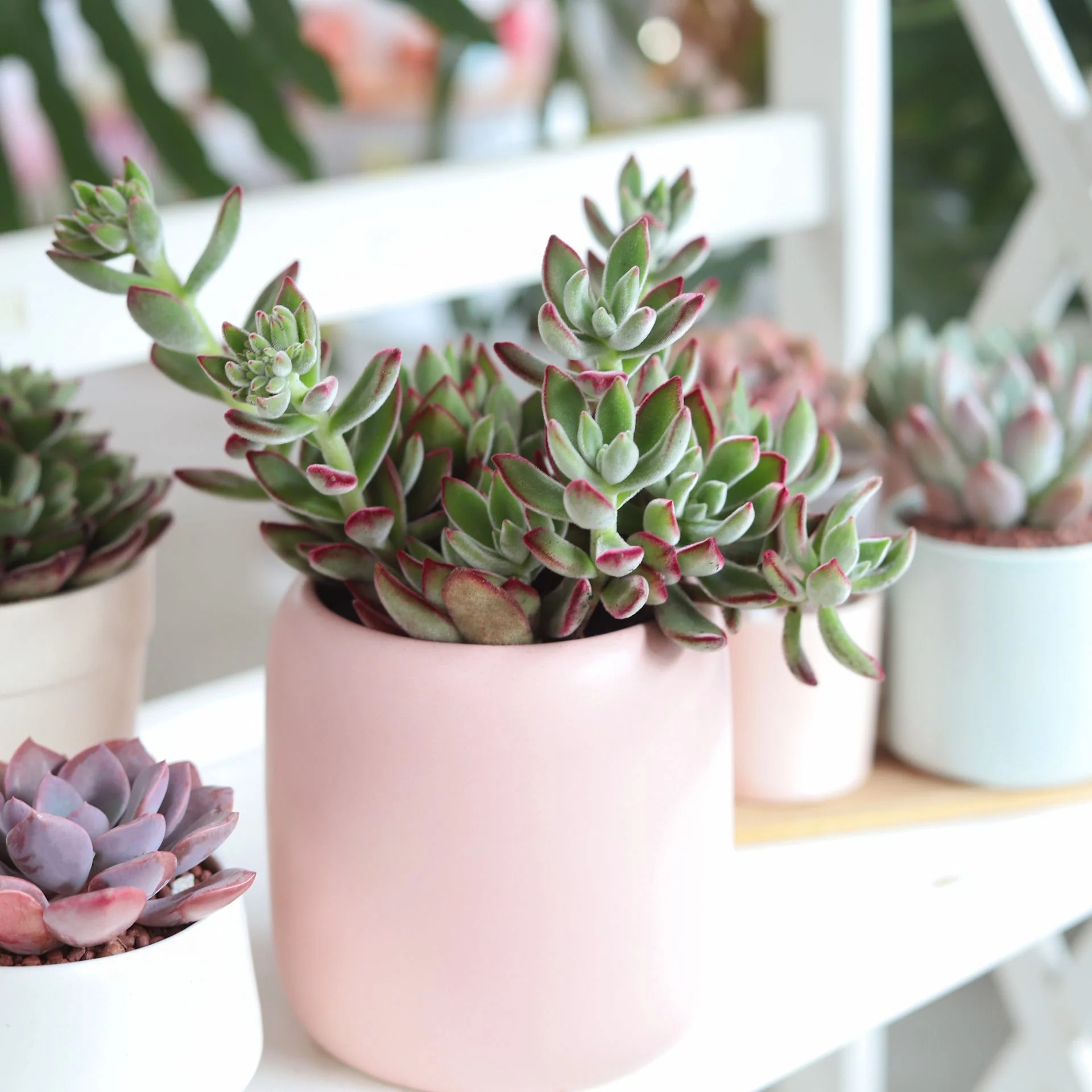
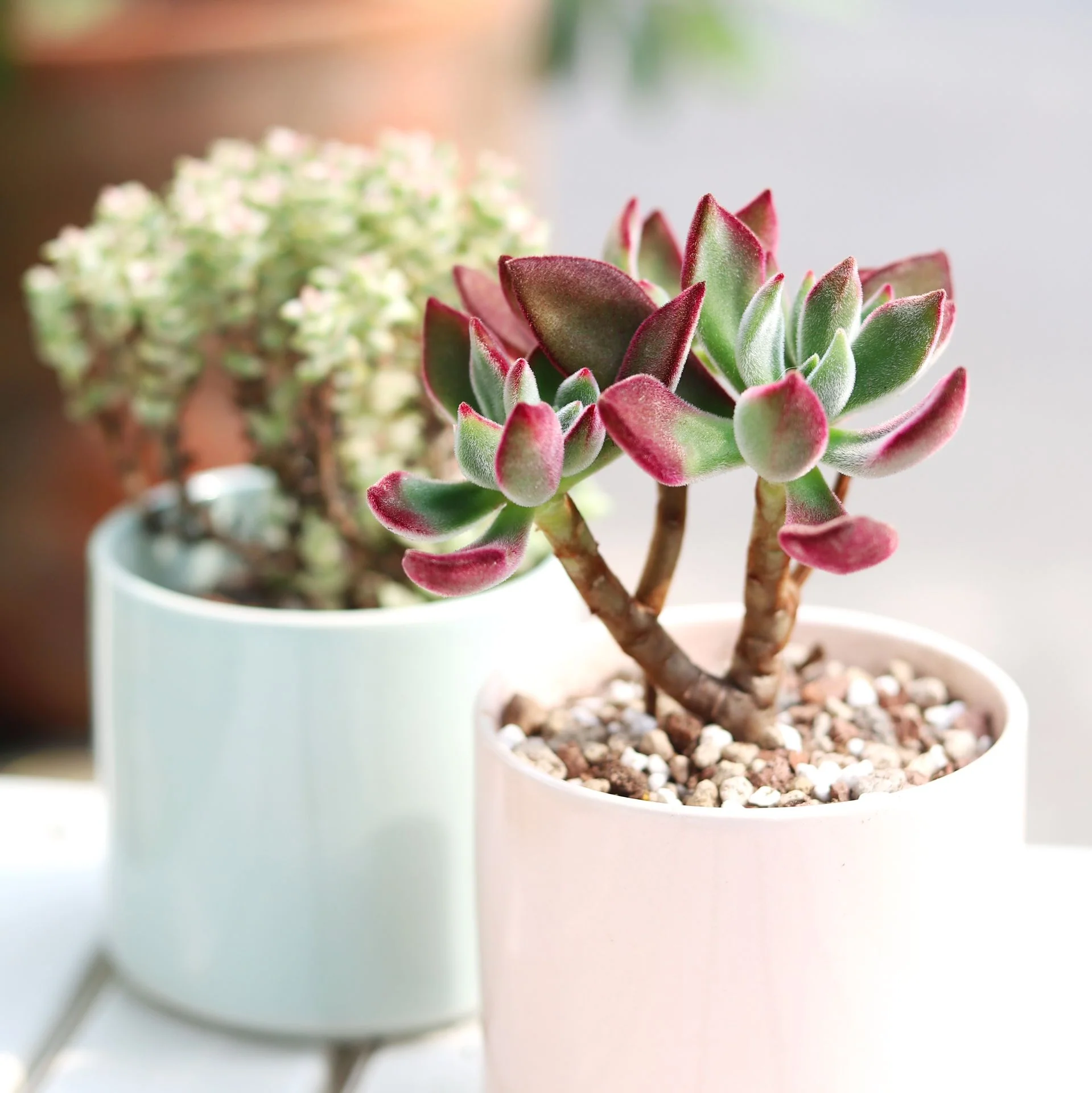
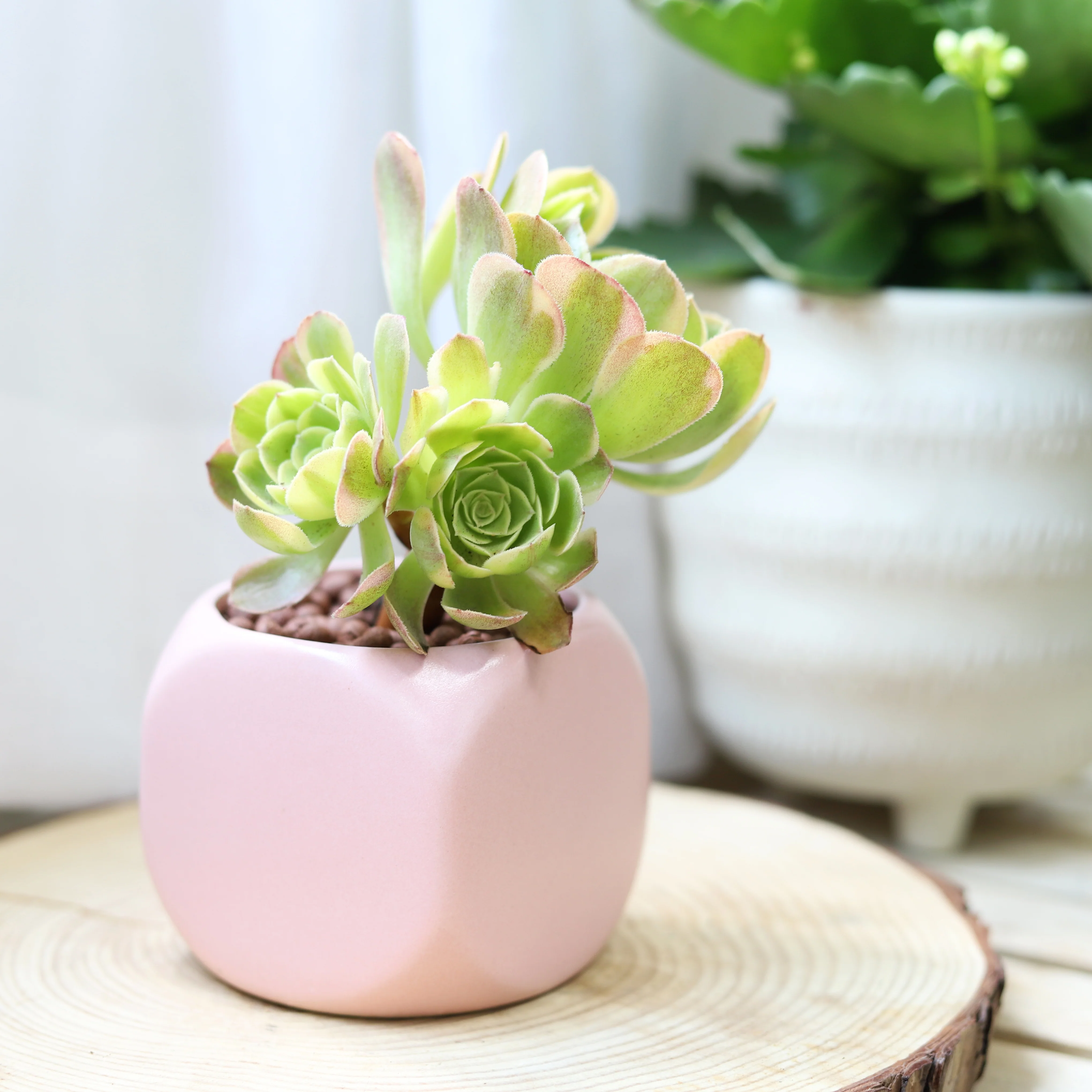
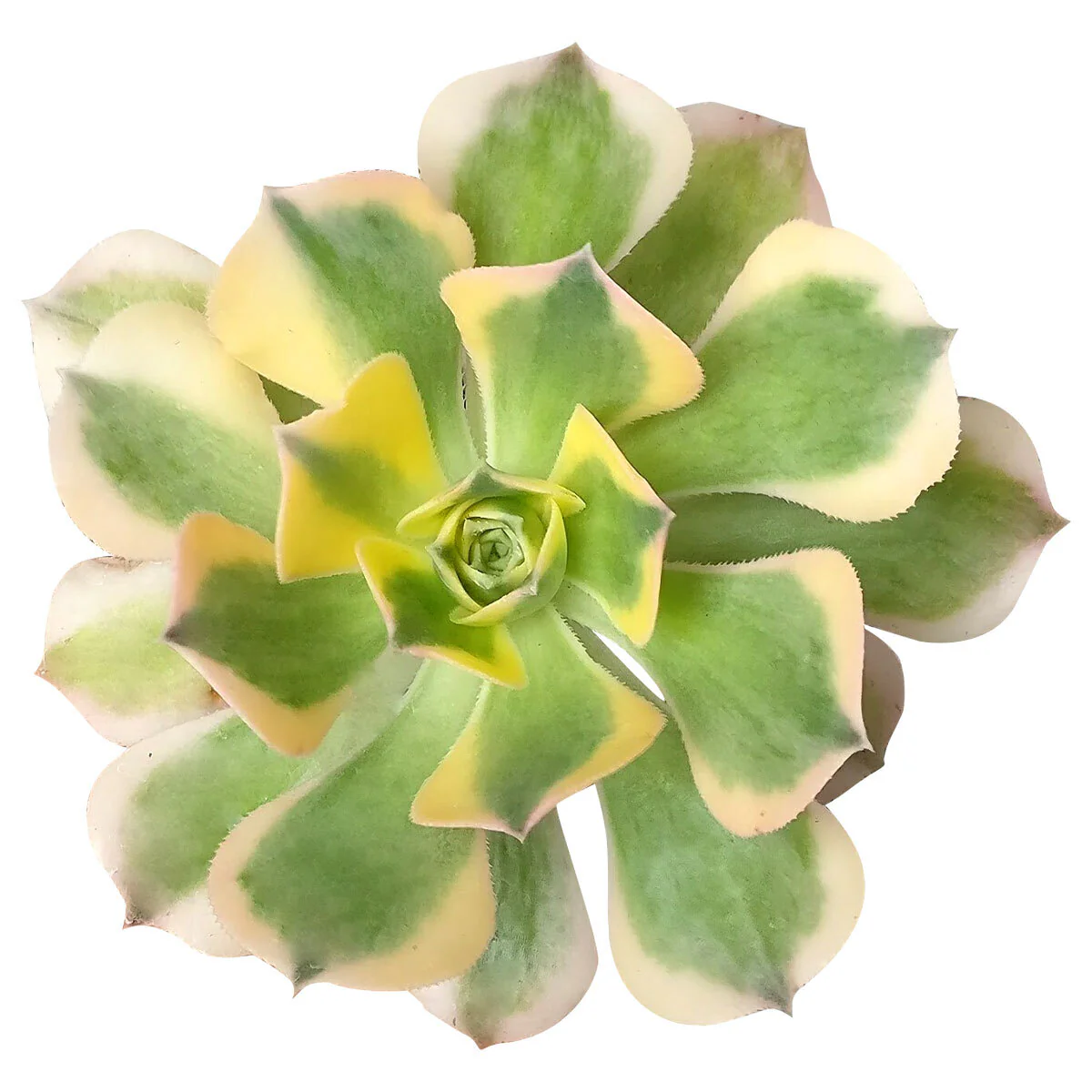
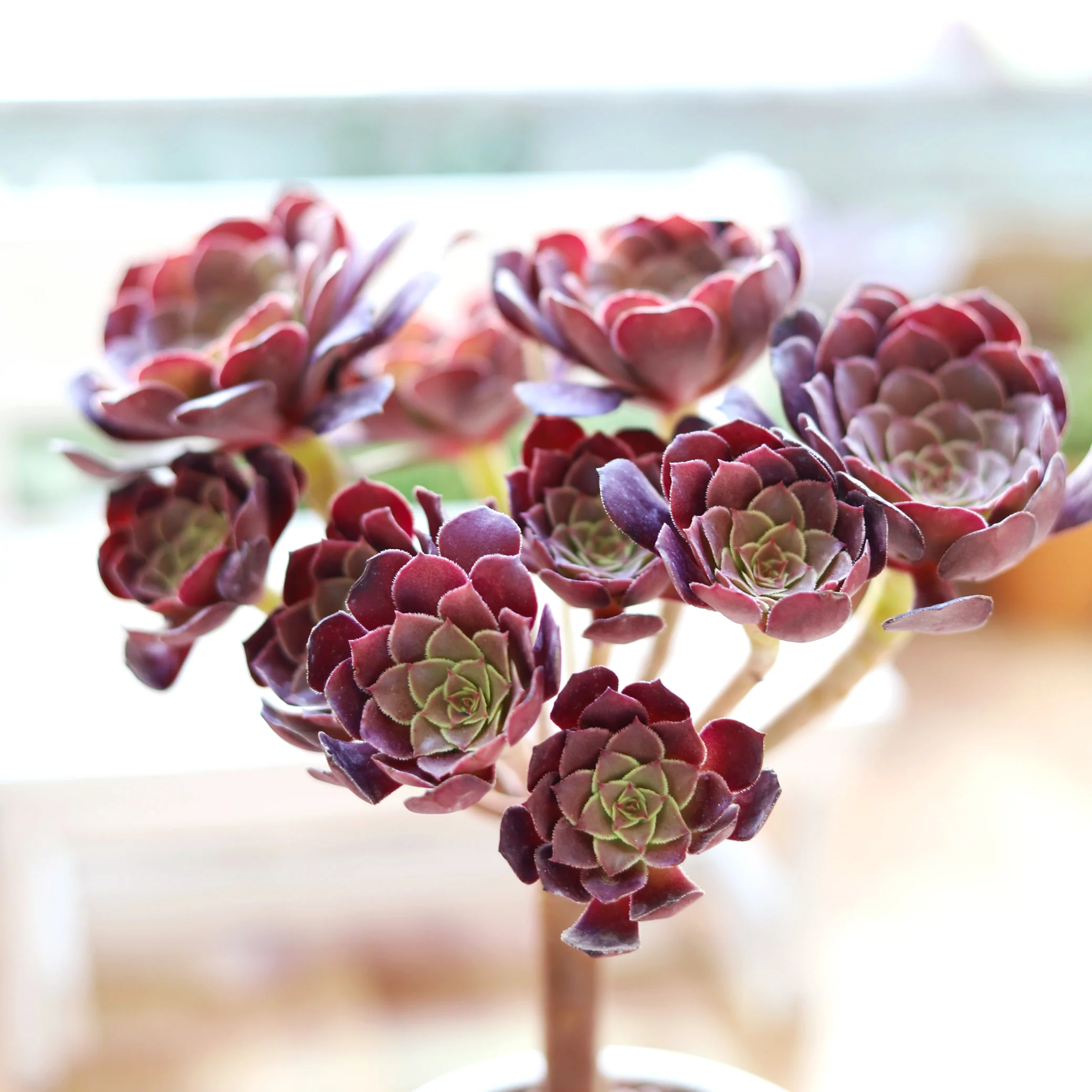
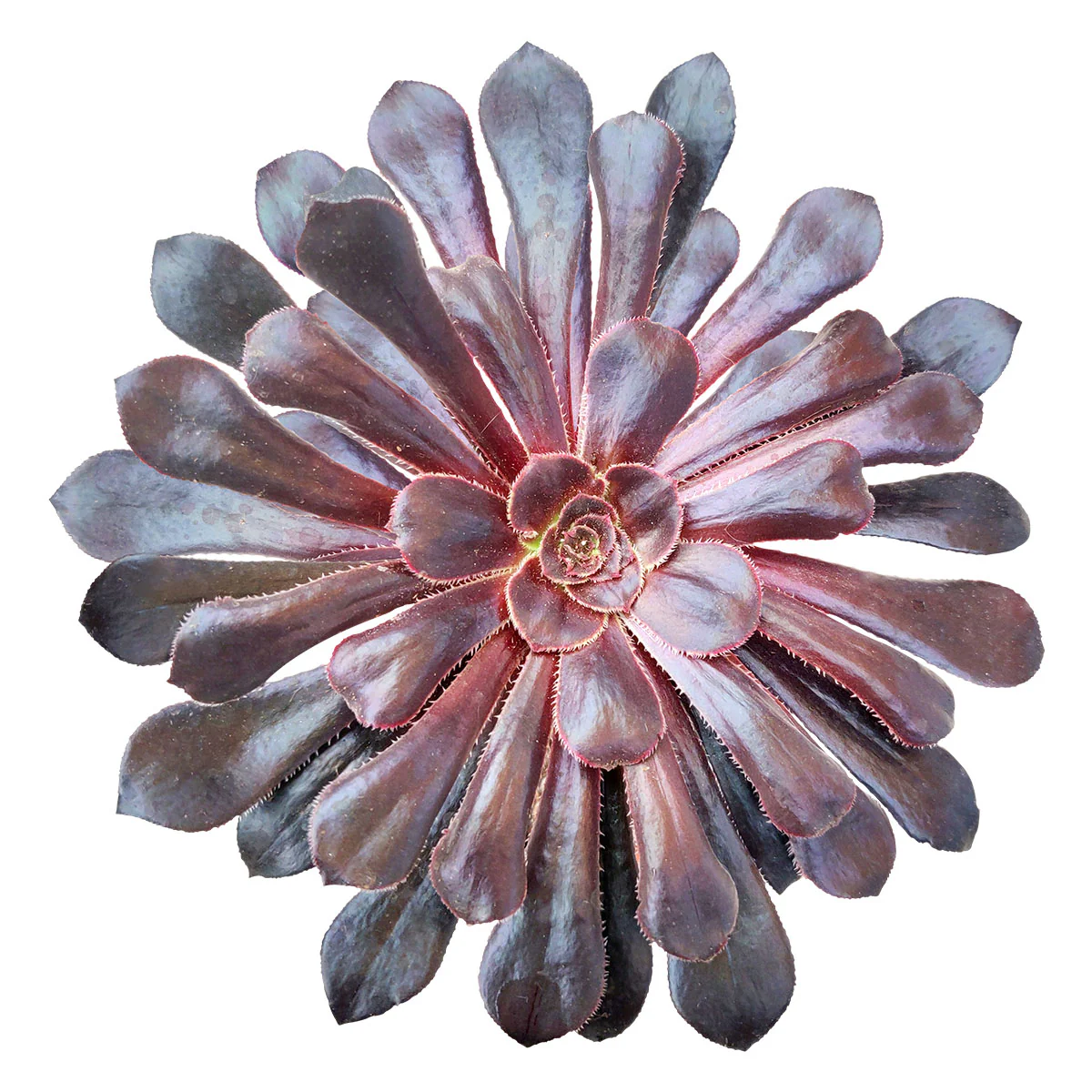
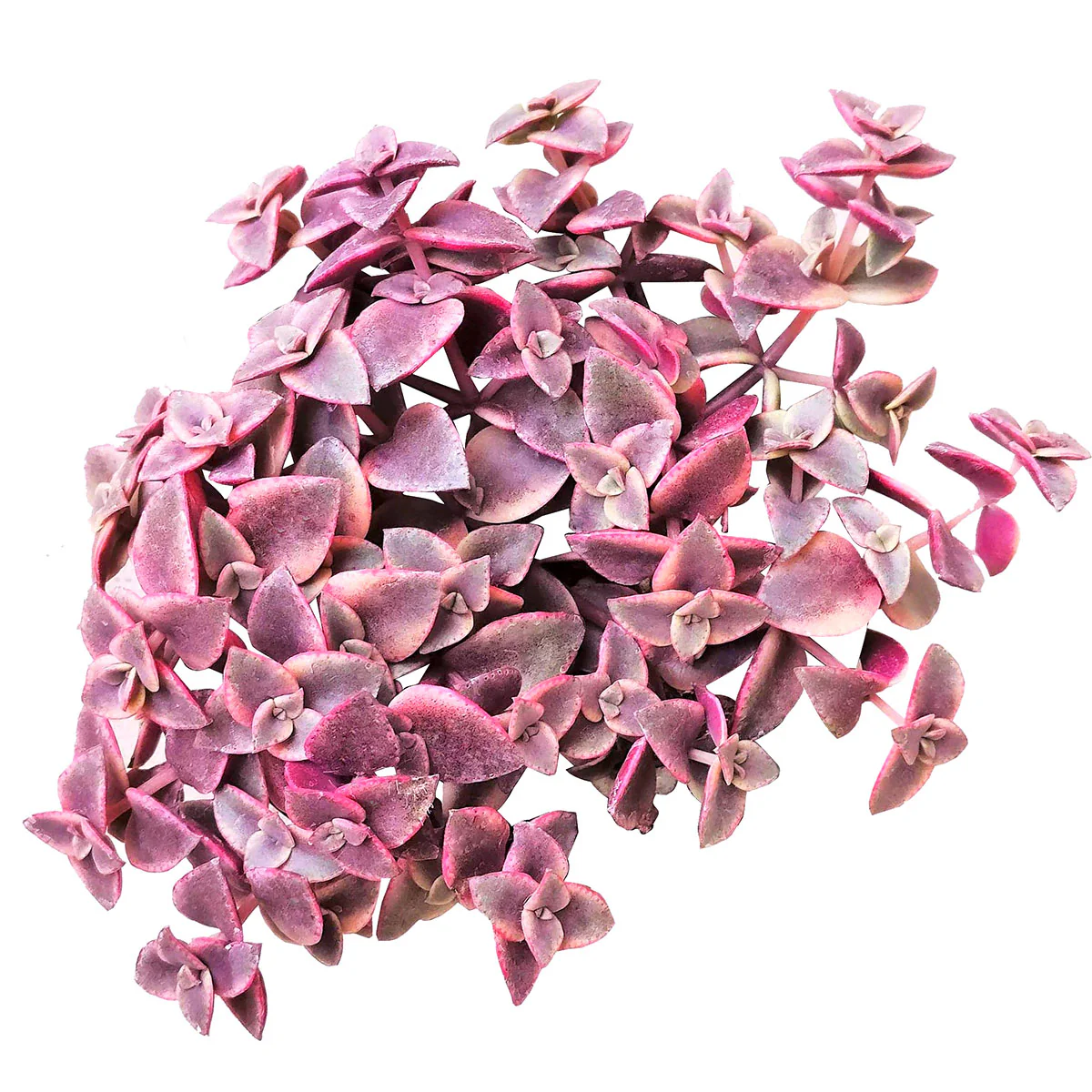
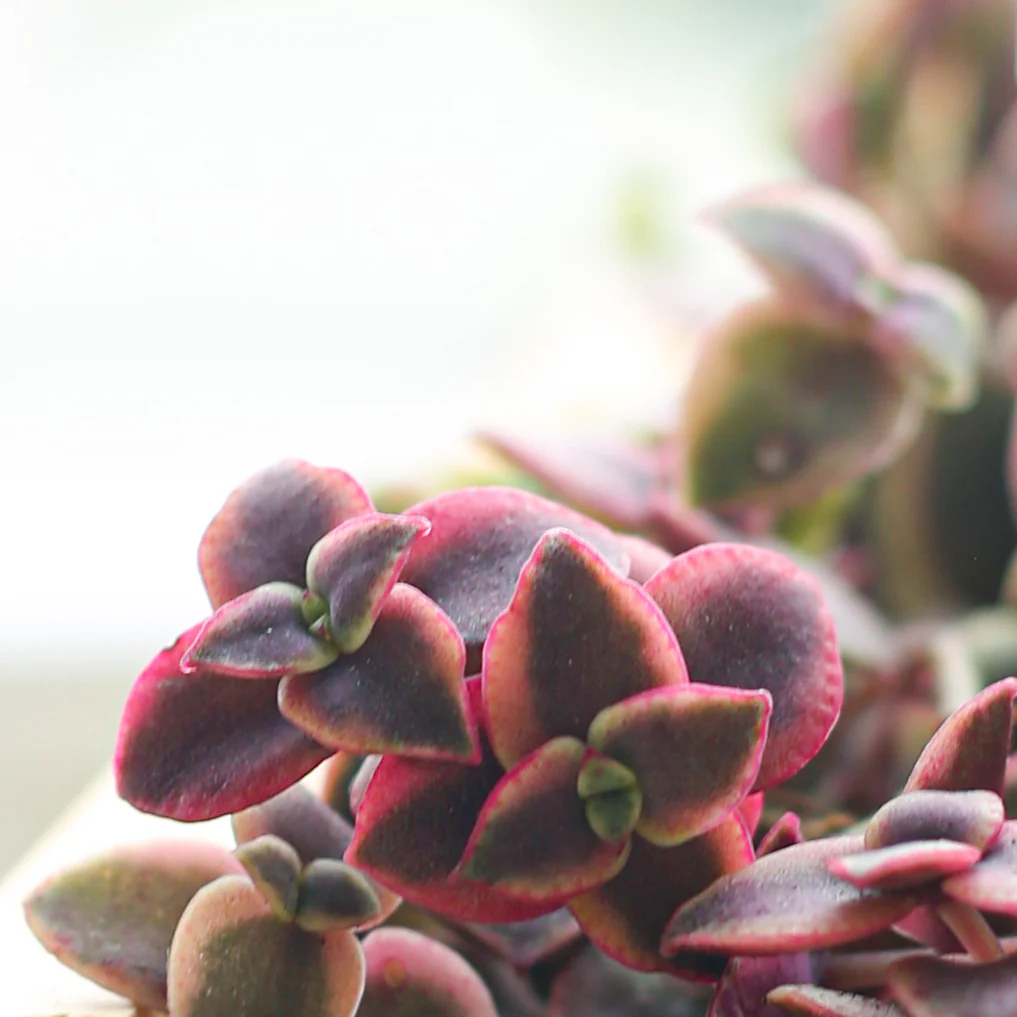
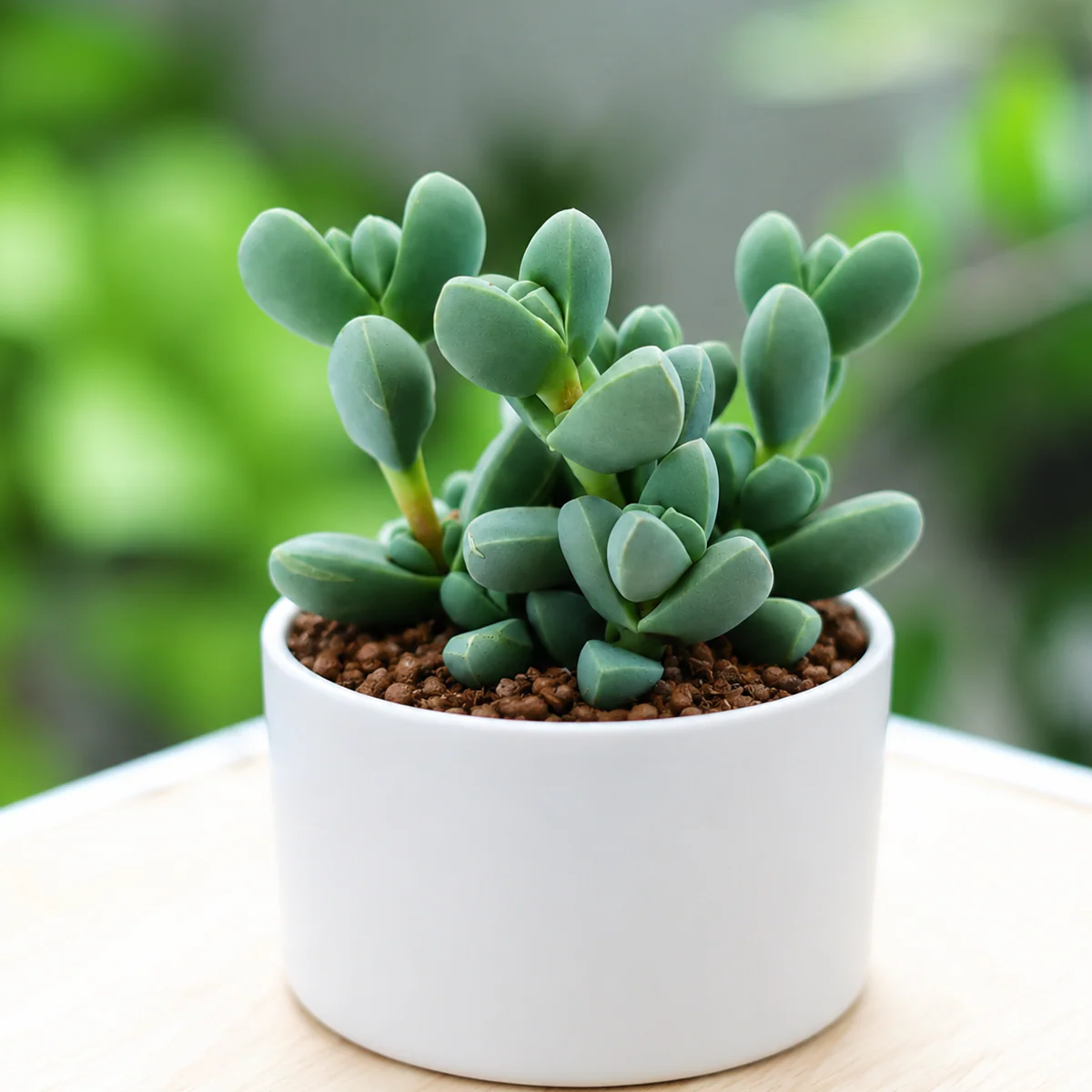
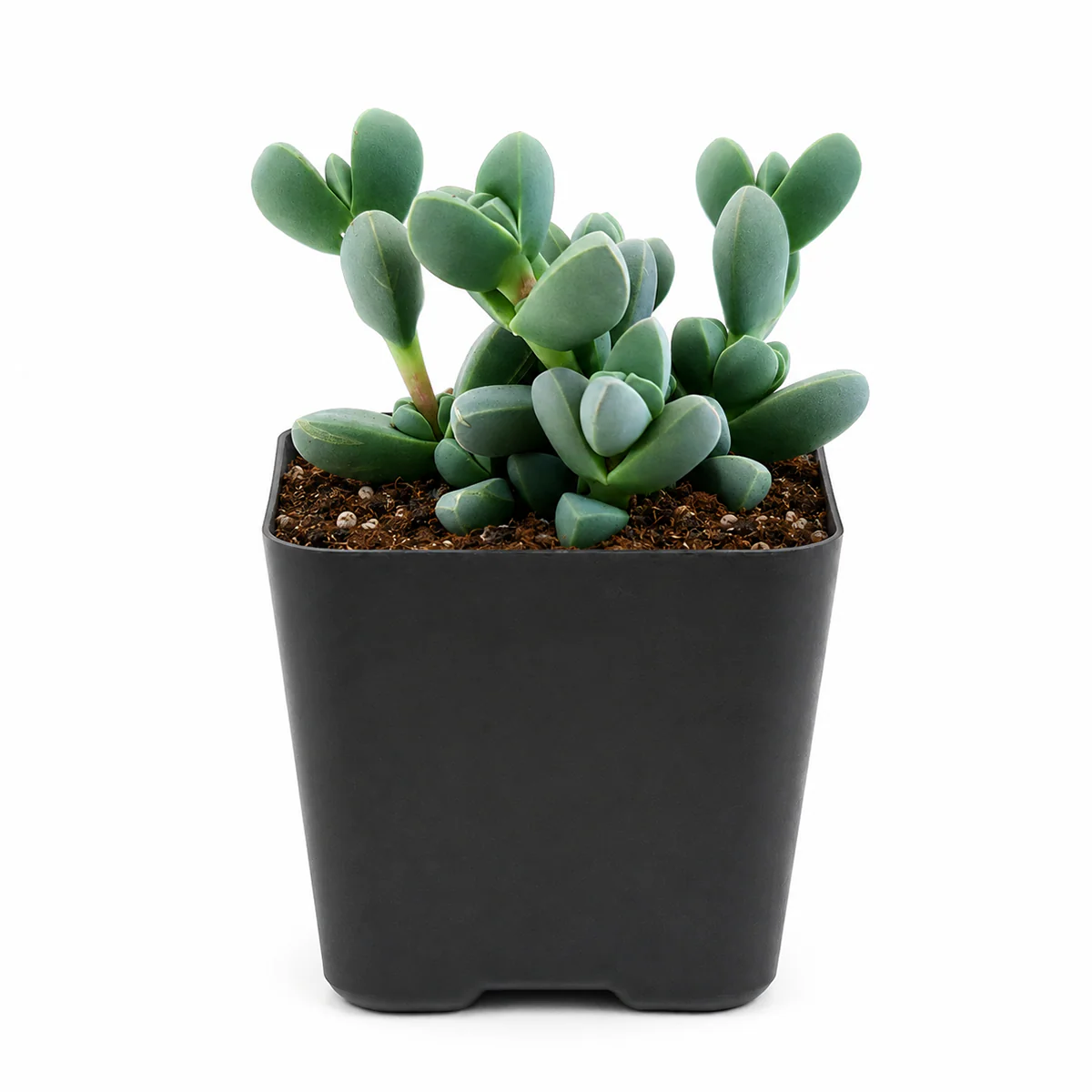
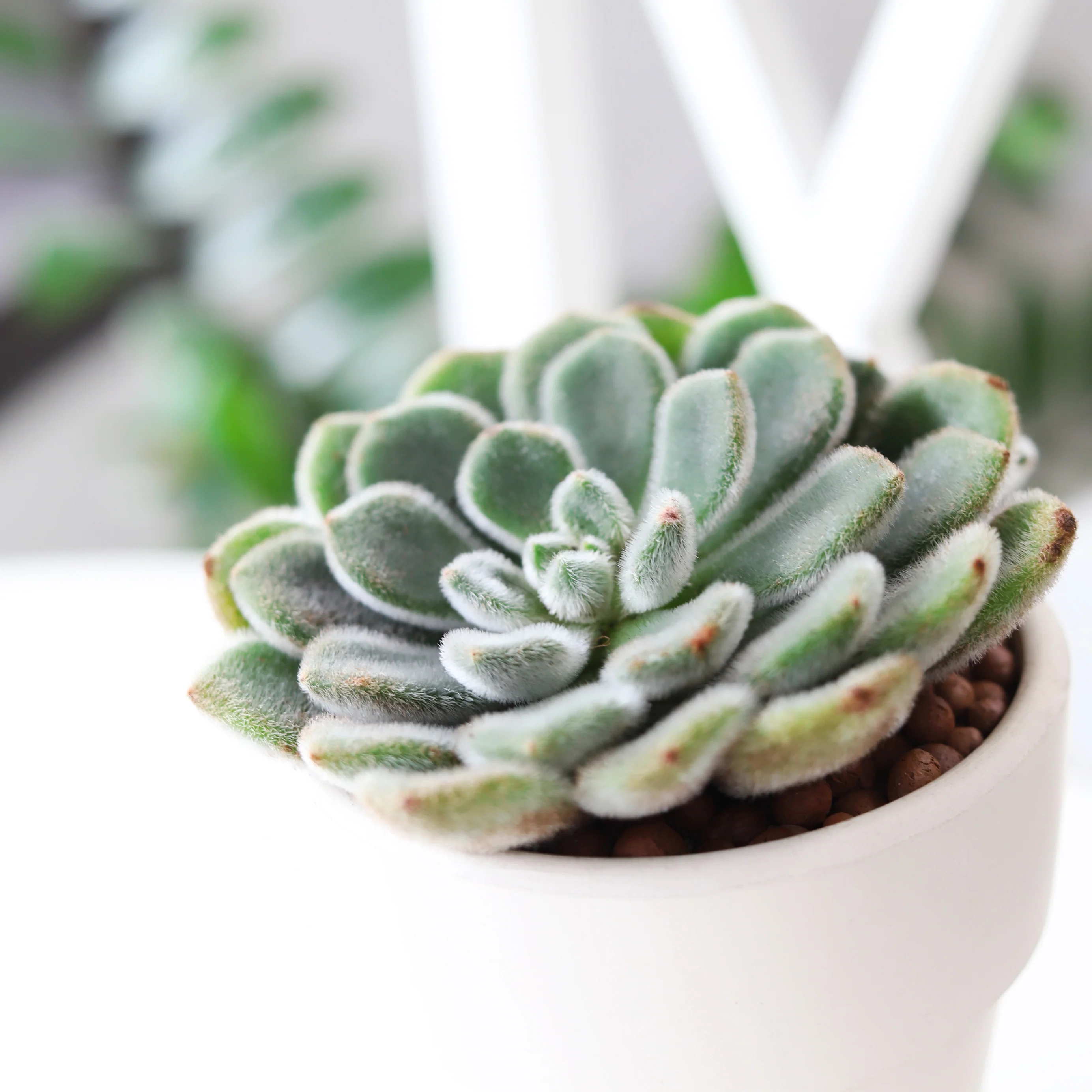
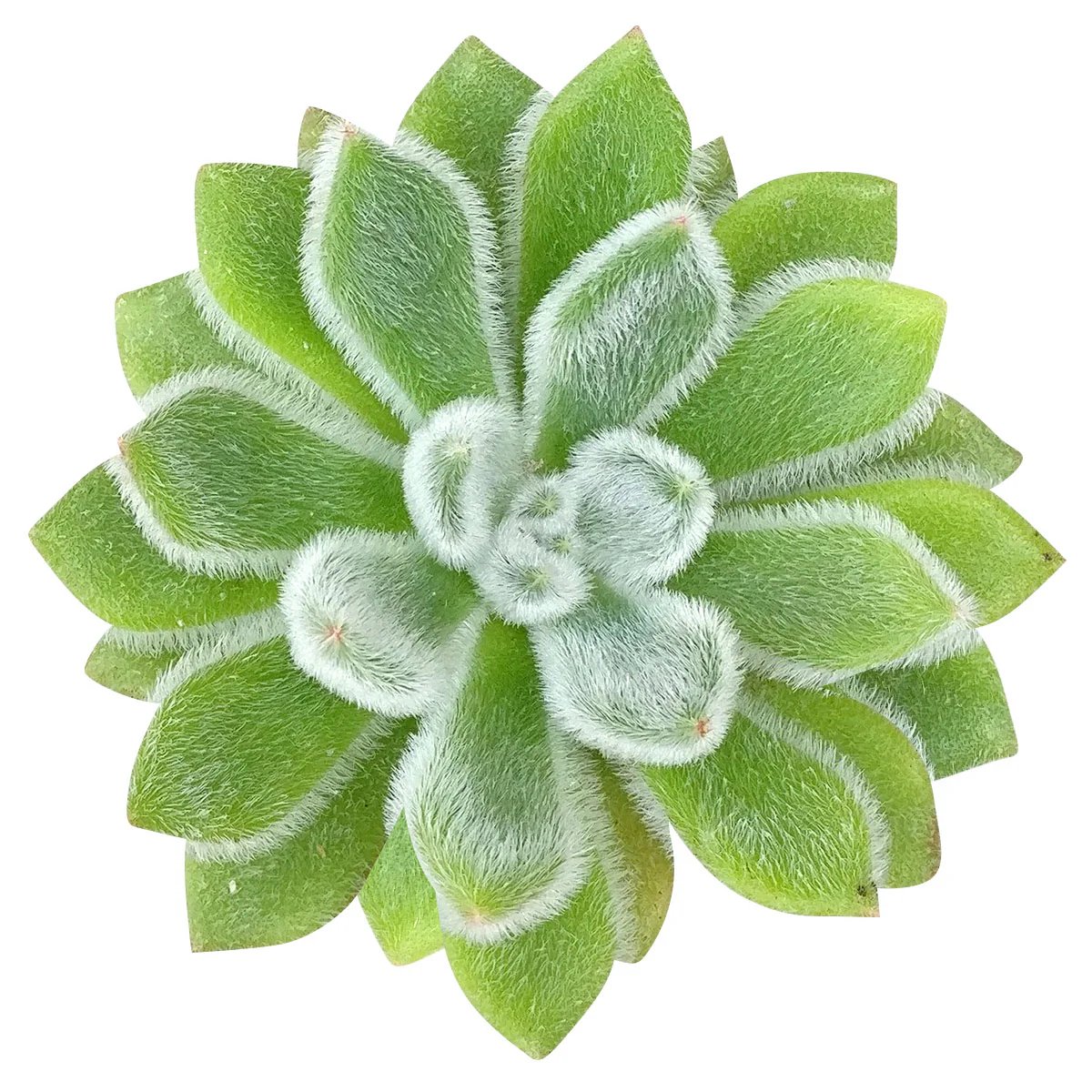
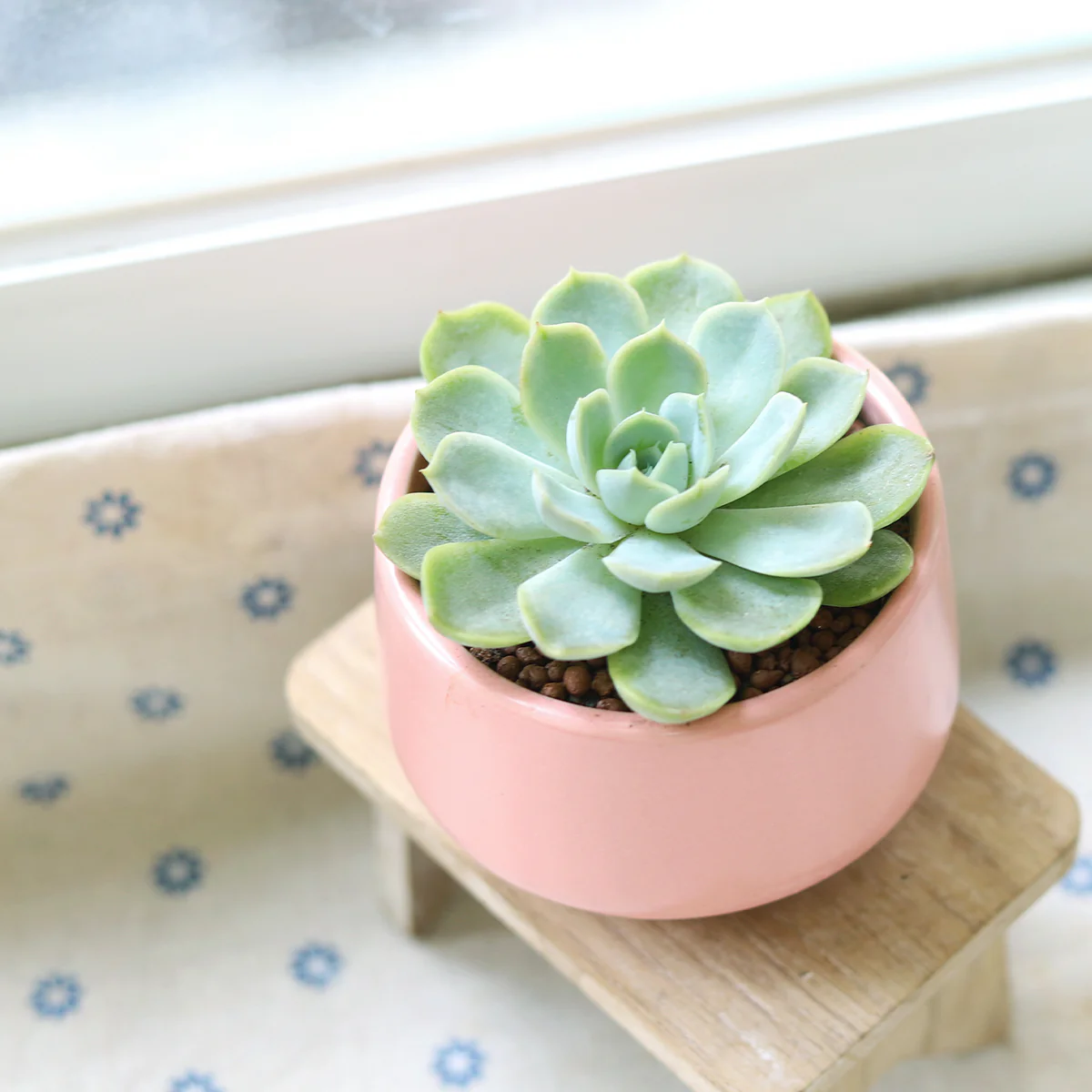
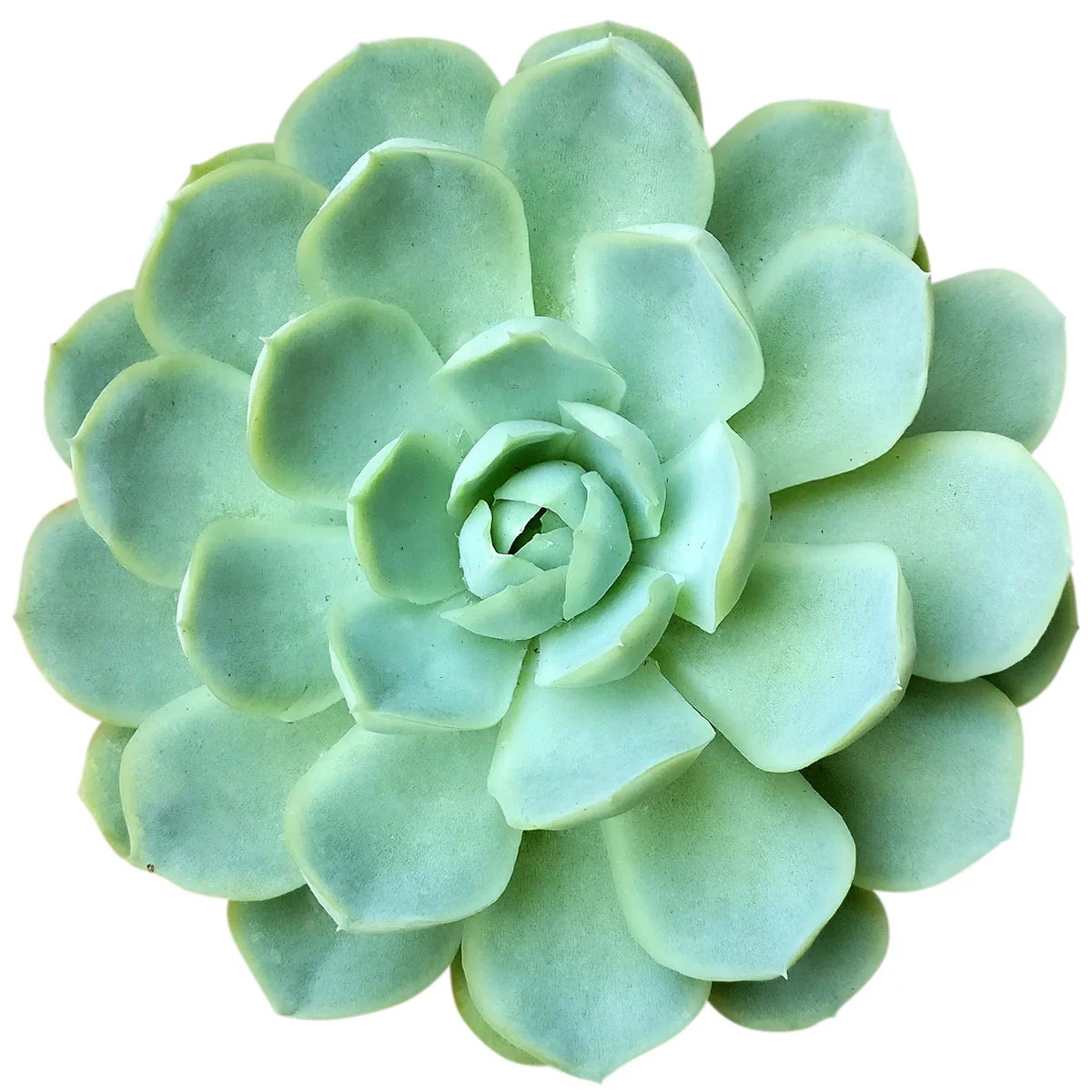
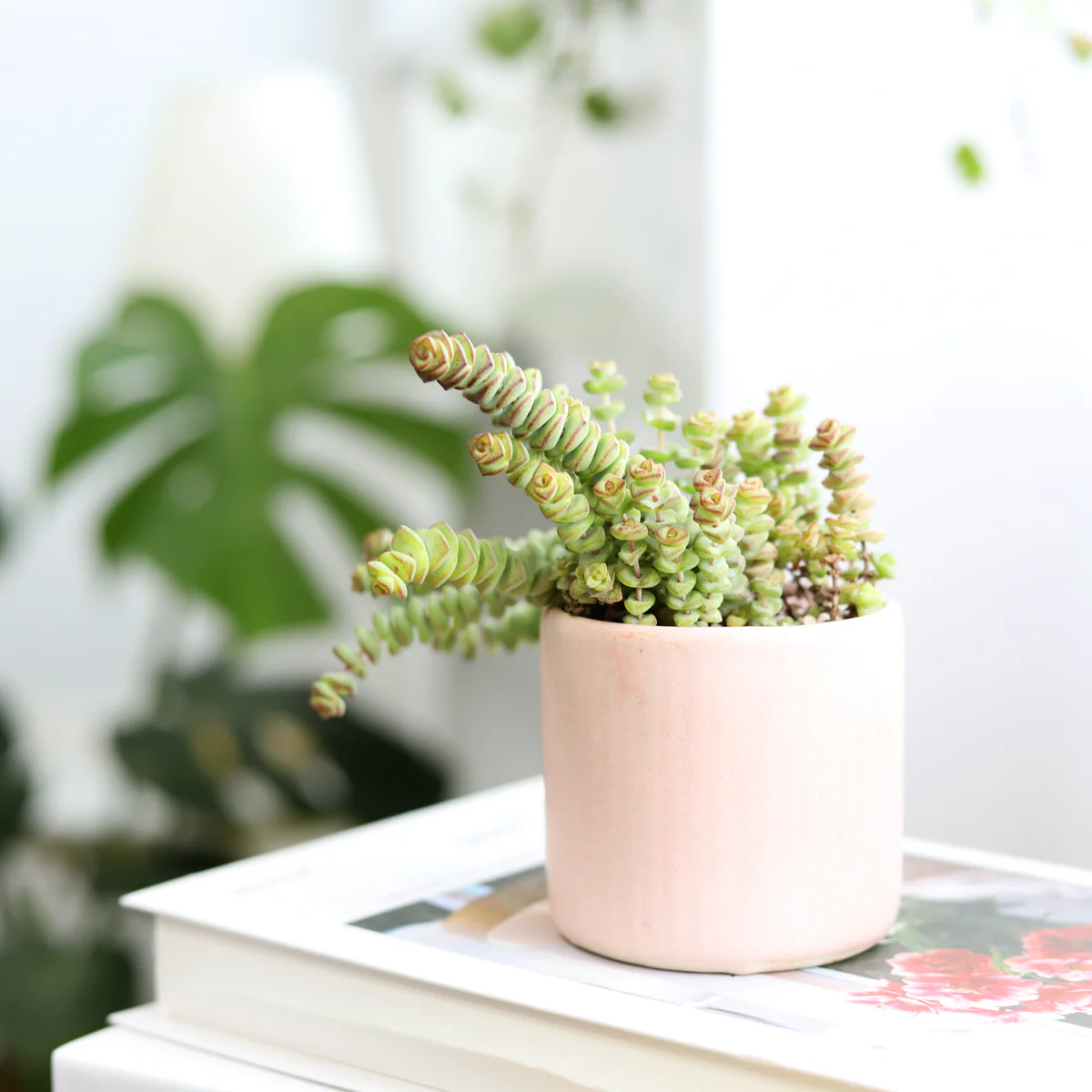
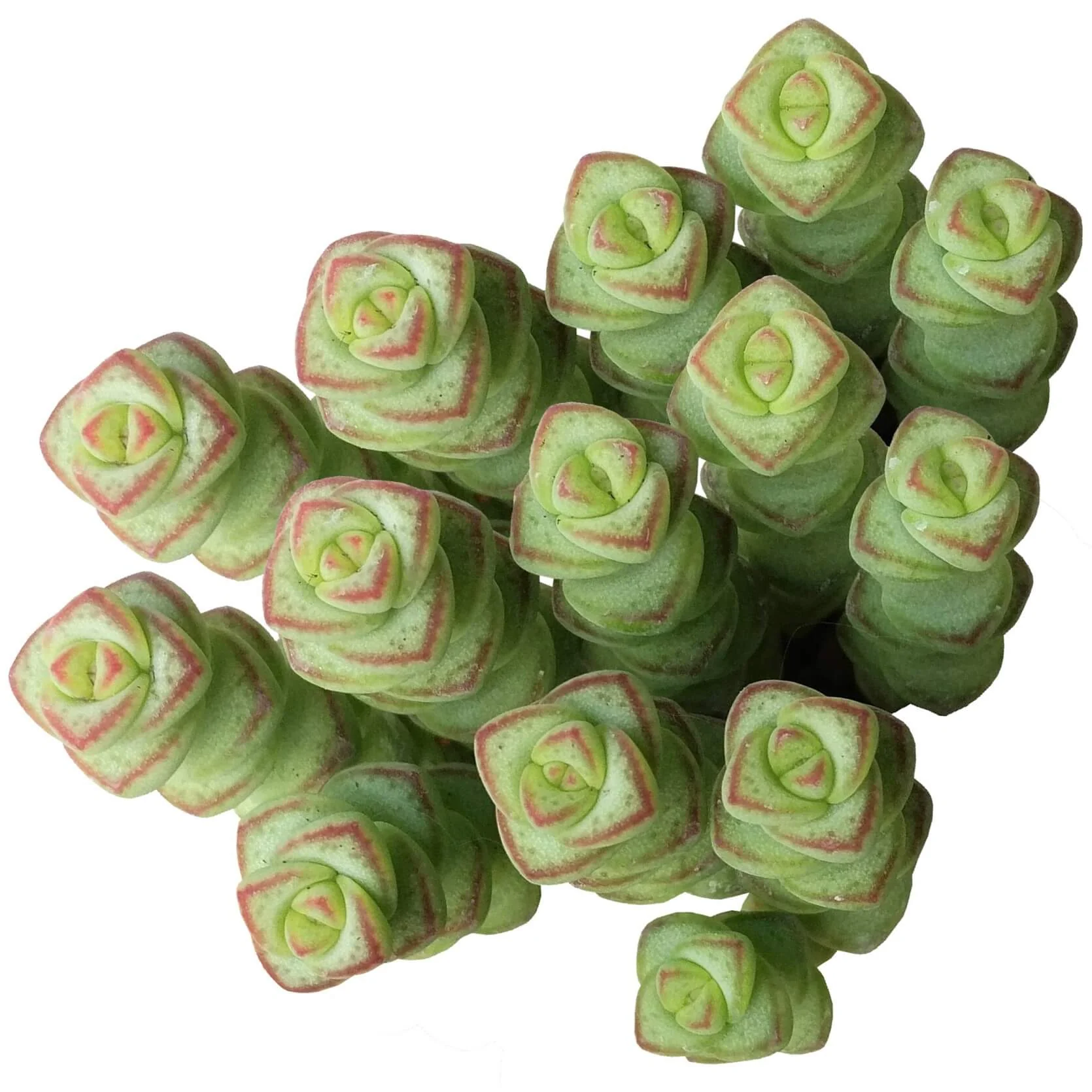
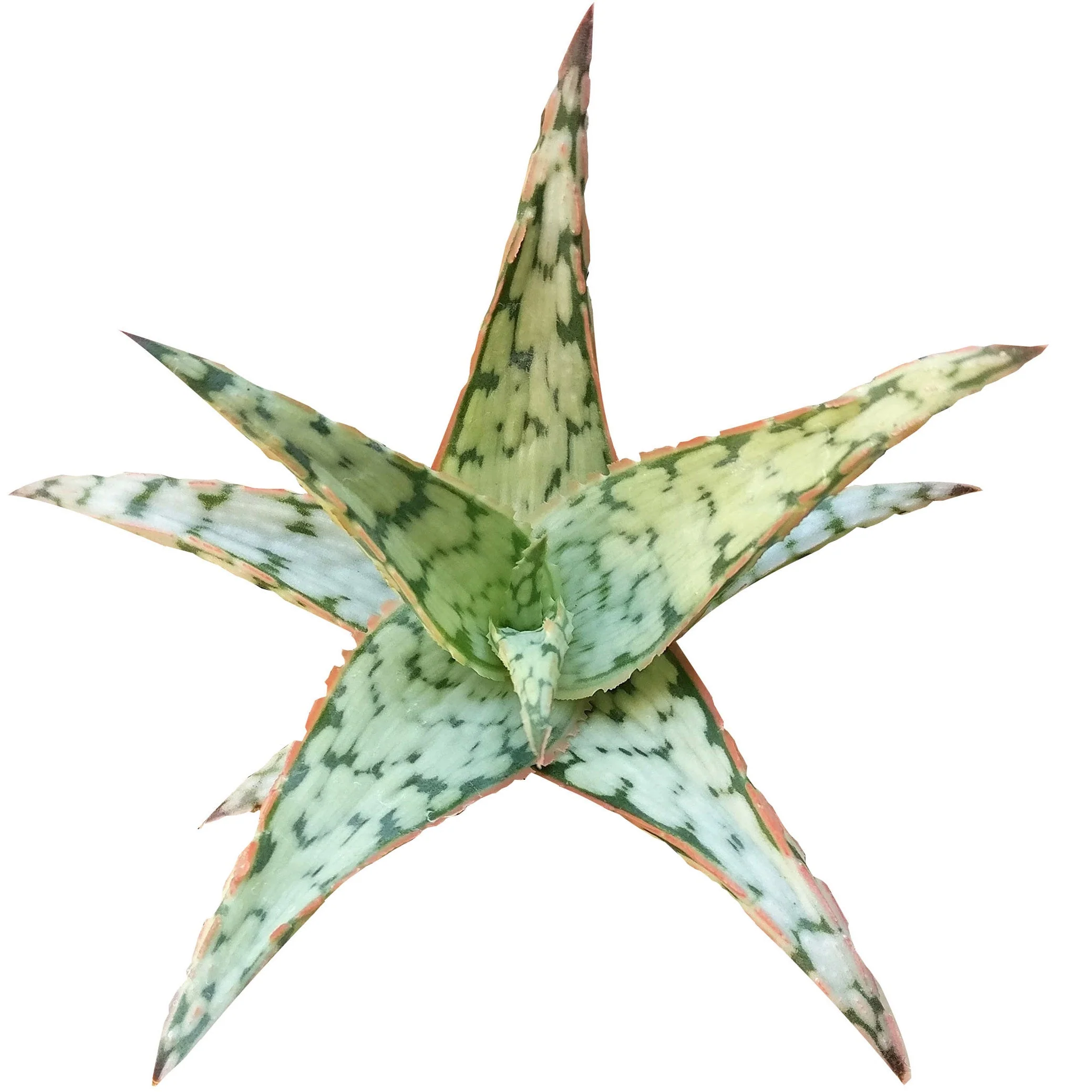
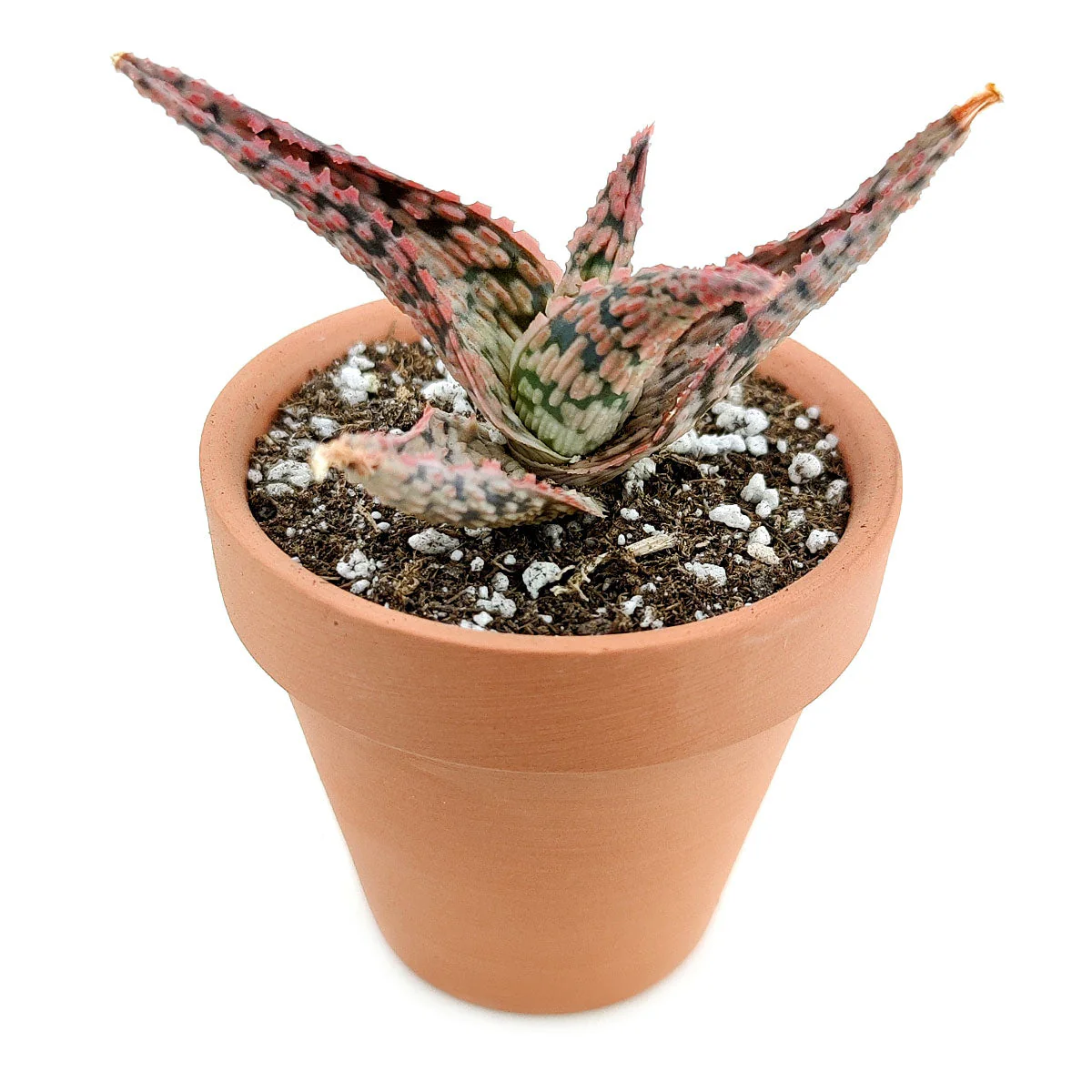
 Echeveria Blue Bird forms a tight, symmetrical rosette of broad, spoon-shaped leaves coated in a soft powdery farina that gives them their signature silvery blue color. The farina is more than just beautiful, it acts as a natural sunscreen and moisture barrier, so avoid touching the leaves to keep that gorgeous bloom intact. Over time, Echeveria Blue Bird produces offsets and clusters, gradually filling a pot with a colony of layered rosettes that look almost architectural.
 Echeveria Blue Bird can produce tall, arching flower stalks topped with coral or pinkish-orange bell-shaped blooms, typically appearing in spring or summer. A cool nighttime temperature drop encourages the plant to set buds, so moving Echeveria Blue Bird outdoors in late spring or placing it near a cooler window in autumn can reward you with a beautiful bloom. No fragrance is notable, but the contrast of warm-toned flowers against those cool silvery blue rosettes is genuinely showstopping.
 Echeveria Blue Bird is a fantastic choice for sunny windowsills, patio containers, and outdoor summer displays, and it can move outside once temperatures are reliably warm. Bring it back indoors before the first frost, and give it cover from rain since sitting water on the rosette or in soggy soil can cause rot. This plant is pet friendly, making it a worry-free choice for households with cats or dogs. Echeveria Blue Bird can also survive a 10-day trip alone without watering, making it perfect for travelers and busy plant lovers.
-
 Echeveria Blue Bird thrives in bright indirect light to full sun, ideally near a south or west-facing window, though it may scorch in an intense south window with no acclimation.
 Water Echeveria Blue Bird thoroughly every 10 to 14 days in summer and cut back to once every 3 to 4 weeks in winter, always letting the soil dry completely between waterings.
 Echeveria Blue Bird needs a gritty, fast-draining mix such as cactus and succulent soil blended with perlite or coarse sand at a roughly 50/50 ratio.
 Echeveria Blue Bird does best between 60 and 80 degrees Fahrenheit (15 to 27 degrees Celsius) and should be protected from frost and freezing temperatures.
![]() Echeveria Blue Bird is a slow to moderate grower that benefits from a diluted balanced fertilizer applied once or twice during the active spring and summer growing season.
Echeveria Blue Bird is a slow to moderate grower that benefits from a diluted balanced fertilizer applied once or twice during the active spring and summer growing season.
 Echeveria Blue Bird is hardy in USDA Zones 9 through 11, tolerating brief dips to around 25 to 30 degrees Fahrenheit (minus 4 to minus 1 degrees Celsius) but performing best without any frost exposure. Gardeners growing Echeveria Blue Bird outdoors year-round will find ideal conditions across much of California, Arizona, Texas, Florida, Hawaii, Louisiana, and Nevada, as well as parts of Georgia, South Carolina, Alabama, Mississippi, and the mild coastal stretches of Oregon. Residents in other states including New Mexico, Arkansas, and parts of Washington state along the coast can also enjoy Echeveria Blue Bird outdoors through the warmer months before bringing it inside for winter.
-
Q: How often should I water Echeveria Blue Bird?
A: Water Echeveria Blue Bird every 10 to 14 days in spring and summer, and reduce to every 3 to 4 weeks in winter. Always let the soil dry out completely before watering again.
Q: Is Echeveria Blue Bird pet friendly?
A: Yes, Echeveria Blue Bird is pet friendly and considered non-toxic to cats and dogs. It is a safe choice for homes with curious pets.
Q: How much light does Echeveria Blue Bird need?
A: Echeveria Blue Bird thrives in bright indirect light to full sun and does best near a sunny south or west-facing window. Rotate the pot regularly so the rosette grows evenly on all sides.
Q: How big does Echeveria Blue Bird get?
A: Echeveria Blue Bird typically forms rosettes of around 4 to 6 inches across and clusters wider over time as it produces offsets. Growth is slow to moderate, so it stays tidy and compact for years.
Q: Can Echeveria Blue Bird be grown outdoors?
A: Echeveria Blue Bird loves spending summer outdoors in a bright, sheltered spot, but it needs cover from heavy rain to protect the rosette and roots from rot. Bring it indoors before temperatures drop near freezing.
Q: How do I propagate Echeveria Blue Bird?
A: Echeveria Blue Bird is easy to propagate from the offsets it naturally produces at the base of the mother rosette. Simply separate a healthy offset with a clean tool, let it callous for a day or two, then pot it in gritty succulent soil.


Original: $8.00
-70%$8.00
$2.40Product Information
Product Information
Shipping & Returns
Shipping & Returns
Description
- Description
- Echeveria Blue Bird Care Guide
- FAQ/Common Issues
-
![]() Echeveria Blue Bird is a stunning drought tolerant succulent in the Crassulaceae family, beloved by beginners and collectors alike for its easy care and sculptural beauty. Like all echeverias, it originates from the semi-arid highlands of Mexico and Central America, where it evolved to thrive in bright light and fast-draining soils. This low maintenance succulent has earned its place as one of the most sought-after indoor succulent plants on the market.
Echeveria Blue Bird is a stunning drought tolerant succulent in the Crassulaceae family, beloved by beginners and collectors alike for its easy care and sculptural beauty. Like all echeverias, it originates from the semi-arid highlands of Mexico and Central America, where it evolved to thrive in bright light and fast-draining soils. This low maintenance succulent has earned its place as one of the most sought-after indoor succulent plants on the market.
Echeveria Blue Bird forms a tight, symmetrical rosette of broad, spoon-shaped leaves coated in a soft powdery farina that gives them their signature silvery blue color. The farina is more than just beautiful, it acts as a natural sunscreen and moisture barrier, so avoid touching the leaves to keep that gorgeous bloom intact. Over time, Echeveria Blue Bird produces offsets and clusters, gradually filling a pot with a colony of layered rosettes that look almost architectural.
Echeveria Blue Bird can produce tall, arching flower stalks topped with coral or pinkish-orange bell-shaped blooms, typically appearing in spring or summer. A cool nighttime temperature drop encourages the plant to set buds, so moving Echeveria Blue Bird outdoors in late spring or placing it near a cooler window in autumn can reward you with a beautiful bloom. No fragrance is notable, but the contrast of warm-toned flowers against those cool silvery blue rosettes is genuinely showstopping.
Echeveria Blue Bird is a fantastic choice for sunny windowsills, patio containers, and outdoor summer displays, and it can move outside once temperatures are reliably warm. Bring it back indoors before the first frost, and give it cover from rain since sitting water on the rosette or in soggy soil can cause rot. This plant is pet friendly, making it a worry-free choice for households with cats or dogs. Echeveria Blue Bird can also survive a 10-day trip alone without watering, making it perfect for travelers and busy plant lovers.
-
Echeveria Blue Bird thrives in bright indirect light to full sun, ideally near a south or west-facing window, though it may scorch in an intense south window with no acclimation.
Water Echeveria Blue Bird thoroughly every 10 to 14 days in summer and cut back to once every 3 to 4 weeks in winter, always letting the soil dry completely between waterings.
Echeveria Blue Bird needs a gritty, fast-draining mix such as cactus and succulent soil blended with perlite or coarse sand at a roughly 50/50 ratio.
Echeveria Blue Bird does best between 60 and 80 degrees Fahrenheit (15 to 27 degrees Celsius) and should be protected from frost and freezing temperatures.
![]() Echeveria Blue Bird is a slow to moderate grower that benefits from a diluted balanced fertilizer applied once or twice during the active spring and summer growing season.
Echeveria Blue Bird is a slow to moderate grower that benefits from a diluted balanced fertilizer applied once or twice during the active spring and summer growing season.
Echeveria Blue Bird is hardy in USDA Zones 9 through 11, tolerating brief dips to around 25 to 30 degrees Fahrenheit (minus 4 to minus 1 degrees Celsius) but performing best without any frost exposure. Gardeners growing Echeveria Blue Bird outdoors year-round will find ideal conditions across much of California, Arizona, Texas, Florida, Hawaii, Louisiana, and Nevada, as well as parts of Georgia, South Carolina, Alabama, Mississippi, and the mild coastal stretches of Oregon. Residents in other states including New Mexico, Arkansas, and parts of Washington state along the coast can also enjoy Echeveria Blue Bird outdoors through the warmer months before bringing it inside for winter.
-
Q: How often should I water Echeveria Blue Bird?
A: Water Echeveria Blue Bird every 10 to 14 days in spring and summer, and reduce to every 3 to 4 weeks in winter. Always let the soil dry out completely before watering again.
Q: Is Echeveria Blue Bird pet friendly?
A: Yes, Echeveria Blue Bird is pet friendly and considered non-toxic to cats and dogs. It is a safe choice for homes with curious pets.
Q: How much light does Echeveria Blue Bird need?
A: Echeveria Blue Bird thrives in bright indirect light to full sun and does best near a sunny south or west-facing window. Rotate the pot regularly so the rosette grows evenly on all sides.
Q: How big does Echeveria Blue Bird get?
A: Echeveria Blue Bird typically forms rosettes of around 4 to 6 inches across and clusters wider over time as it produces offsets. Growth is slow to moderate, so it stays tidy and compact for years.
Q: Can Echeveria Blue Bird be grown outdoors?
A: Echeveria Blue Bird loves spending summer outdoors in a bright, sheltered spot, but it needs cover from heavy rain to protect the rosette and roots from rot. Bring it indoors before temperatures drop near freezing.
Q: How do I propagate Echeveria Blue Bird?
A: Echeveria Blue Bird is easy to propagate from the offsets it naturally produces at the base of the mother rosette. Simply separate a healthy offset with a clean tool, let it callous for a day or two, then pot it in gritty succulent soil.