Crassula Watch Chain - Crassula muscosa
- Description
- Crassula Watch Chain - Crassula muscosa Care Guide
- FAQ/Common Issues
-
![]() Crassula Watch Chain - Crassula muscosa is a charming succulent in the Crassulaceae family, native to South Africa and Namibia where it grows in rocky, arid terrain. This easy-care plant has earned devoted fans worldwide for its sculptural look and incredible drought tolerance, making it a standout among watch chain succulents and collector favorites alike.
Crassula Watch Chain - Crassula muscosa is a charming succulent in the Crassulaceae family, native to South Africa and Namibia where it grows in rocky, arid terrain. This easy-care plant has earned devoted fans worldwide for its sculptural look and incredible drought tolerance, making it a standout among watch chain succulents and collector favorites alike.
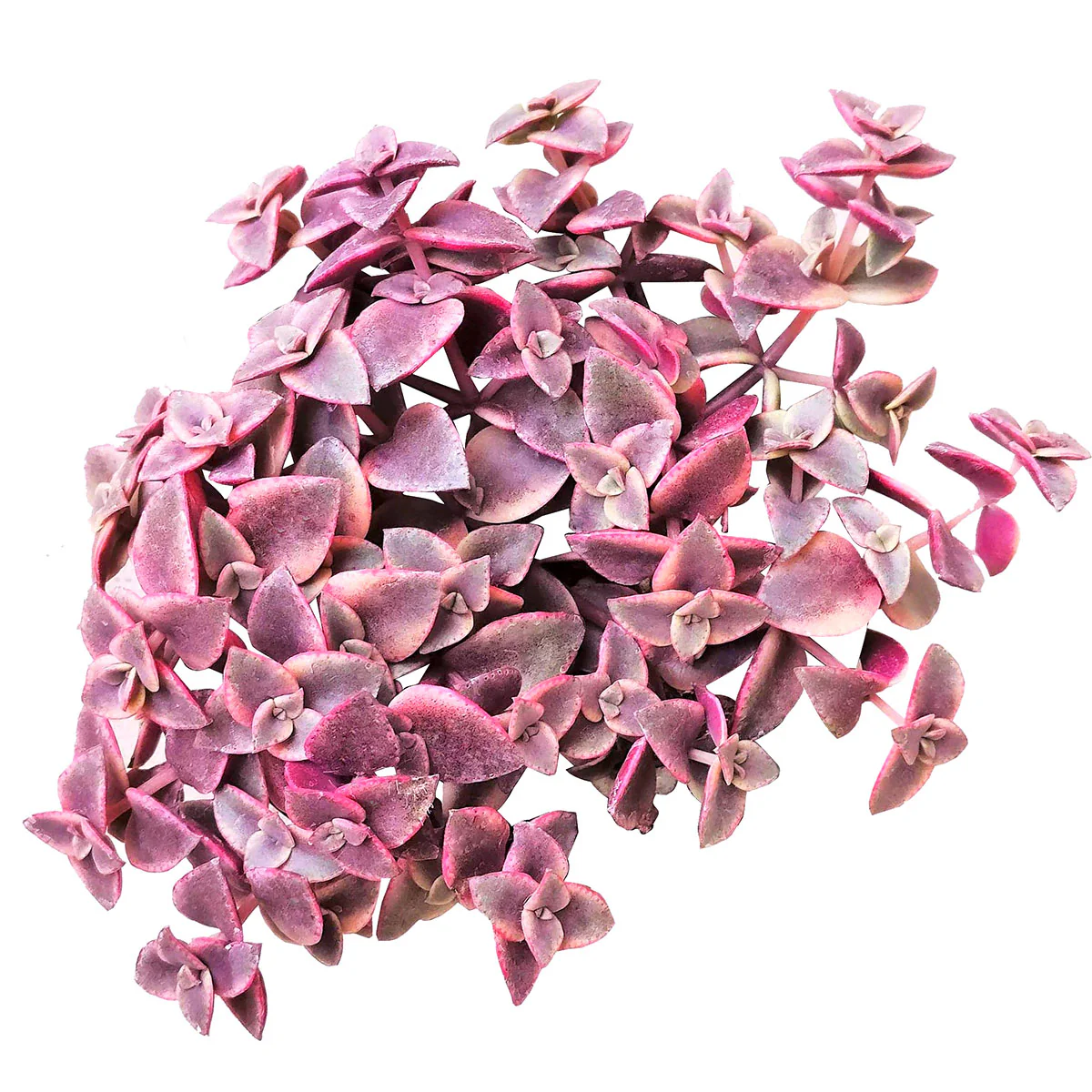
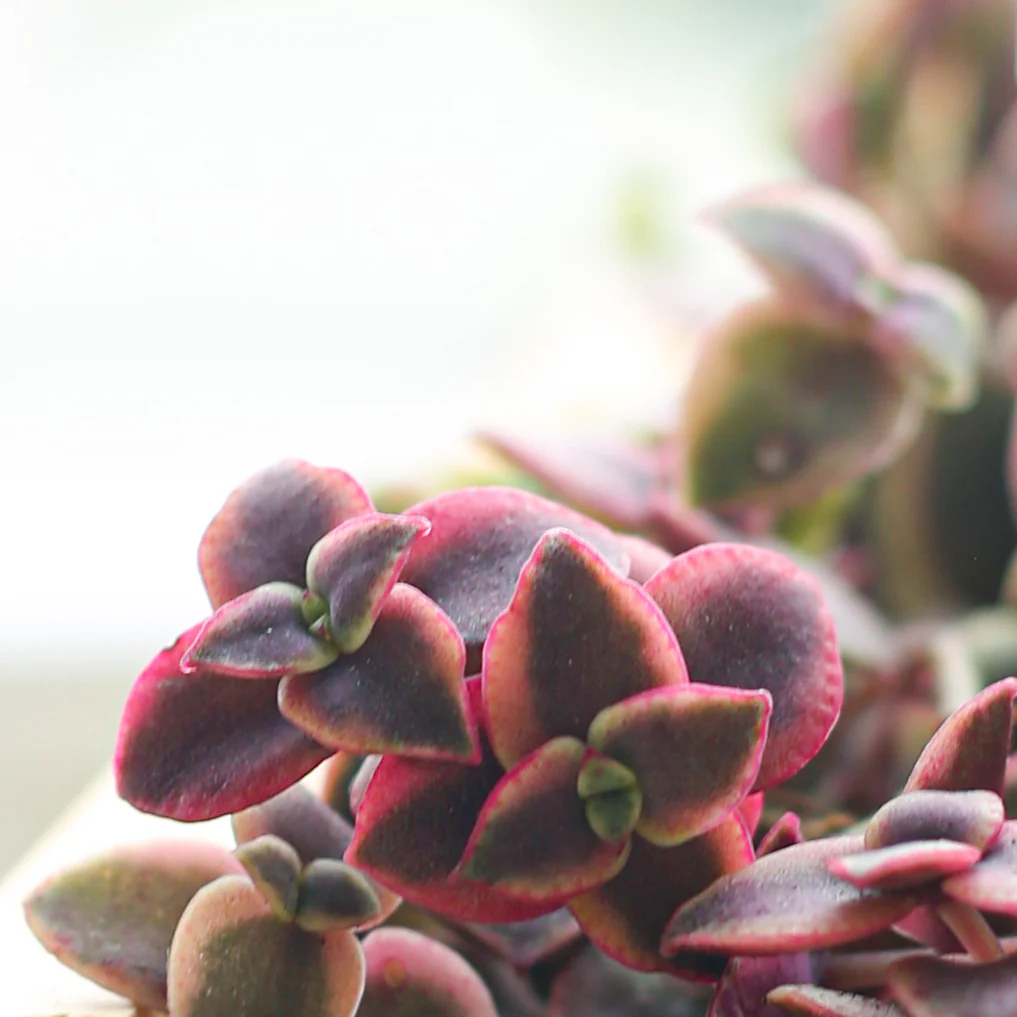
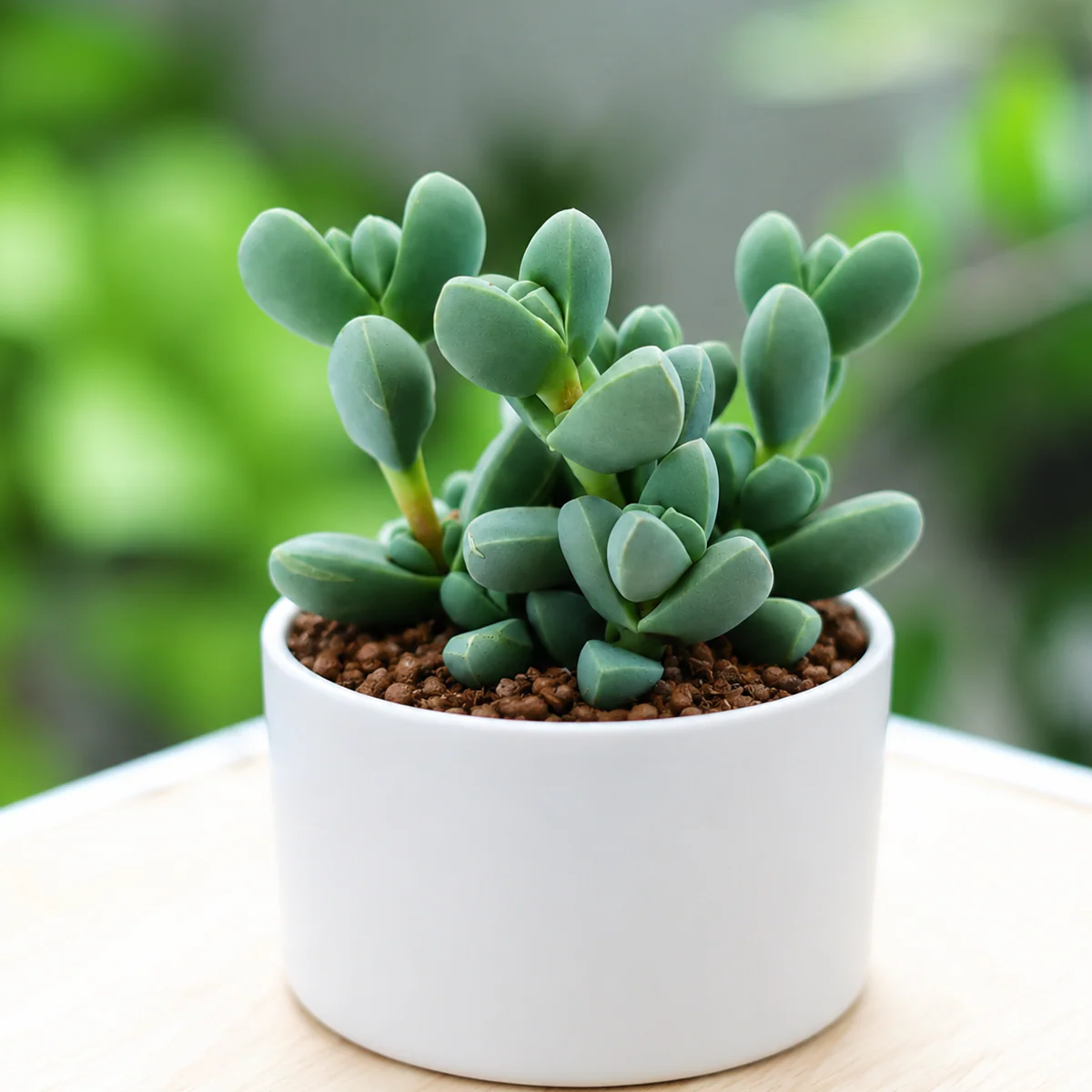
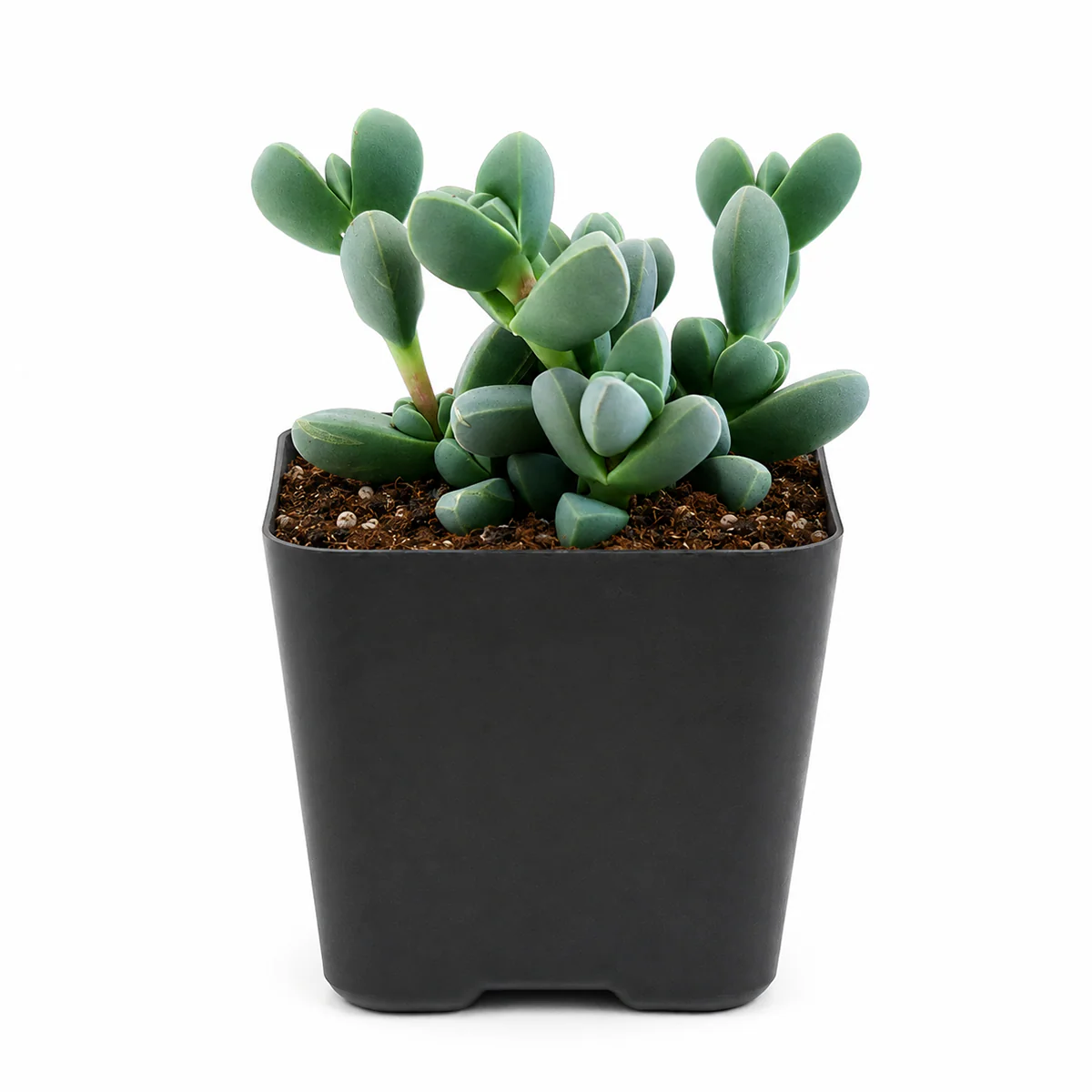
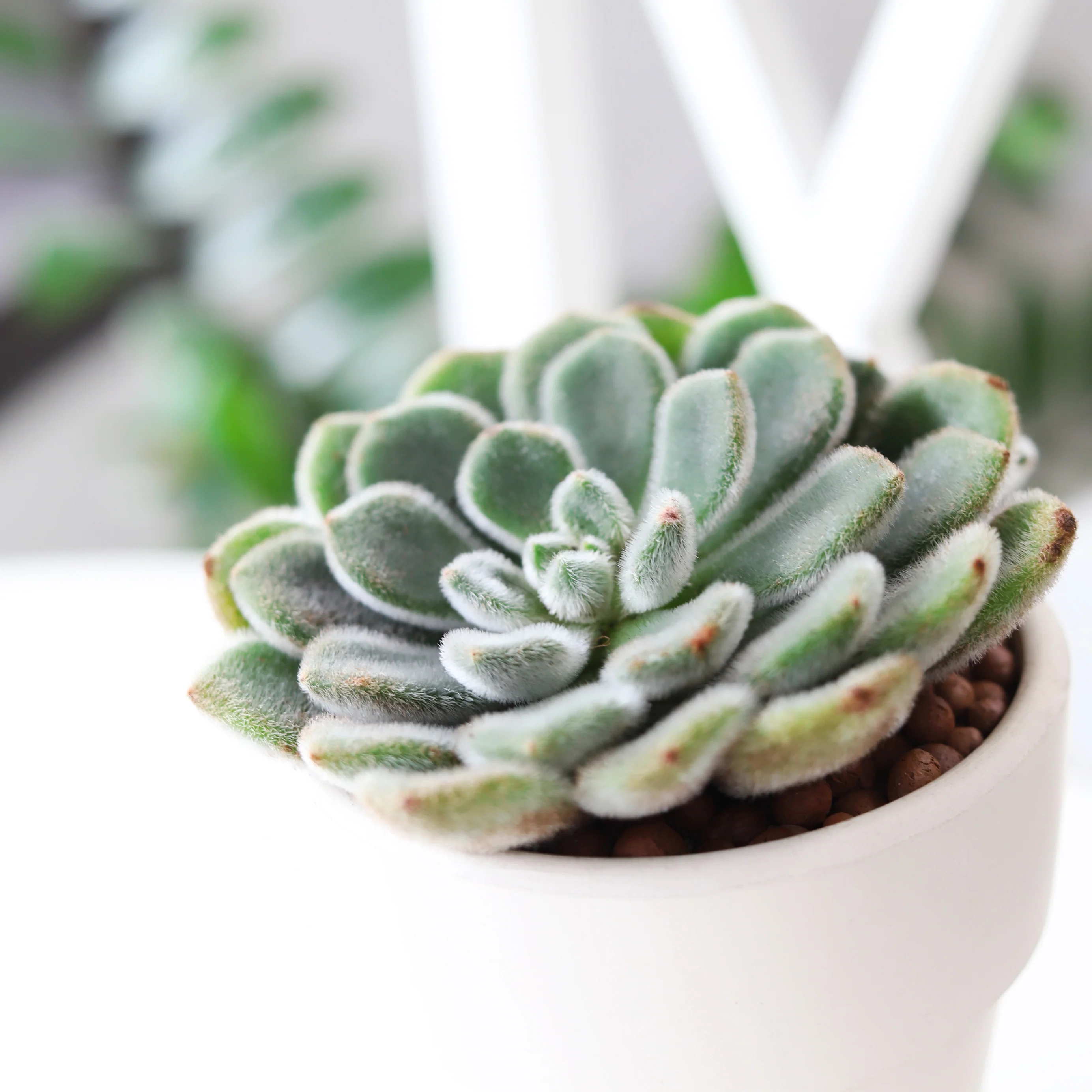
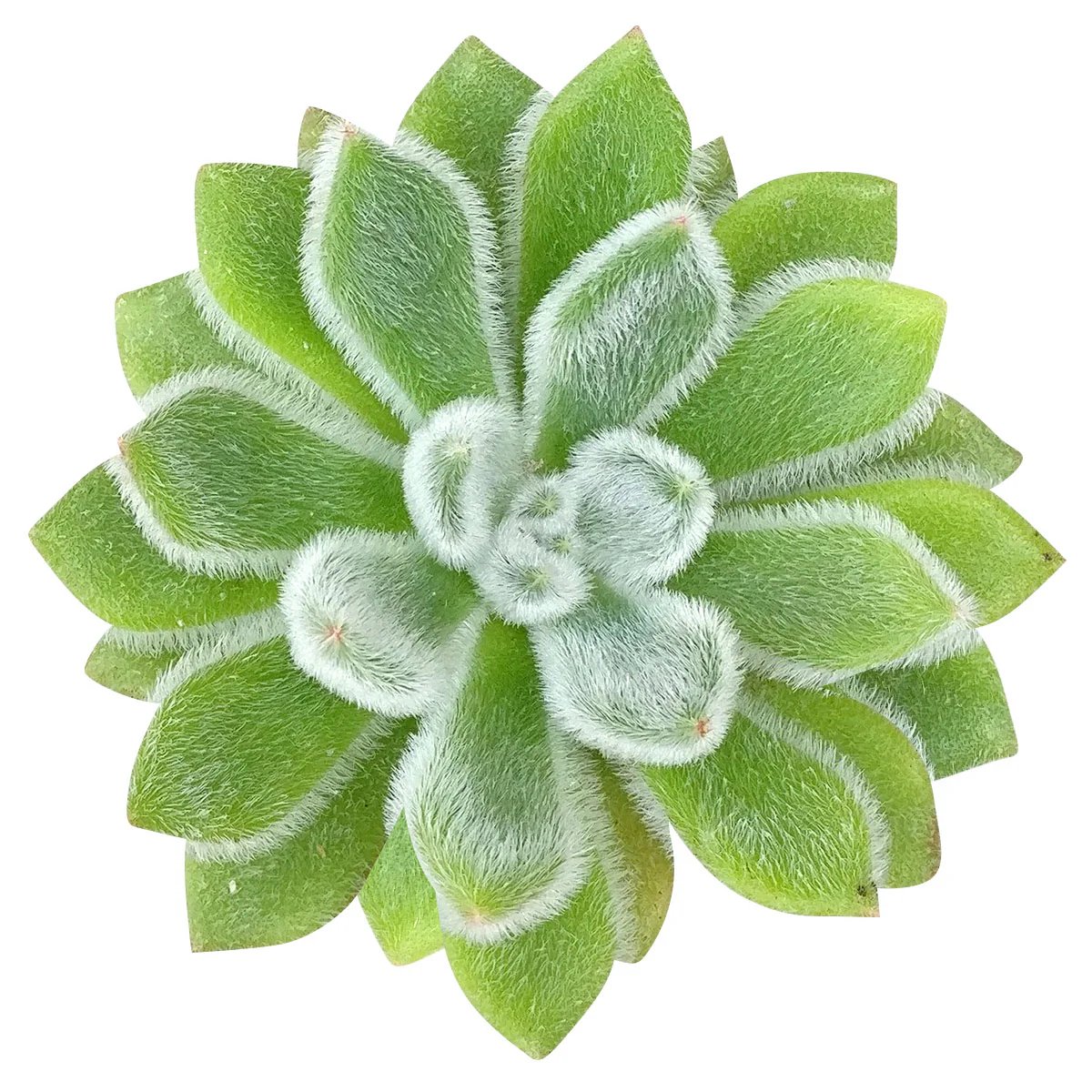
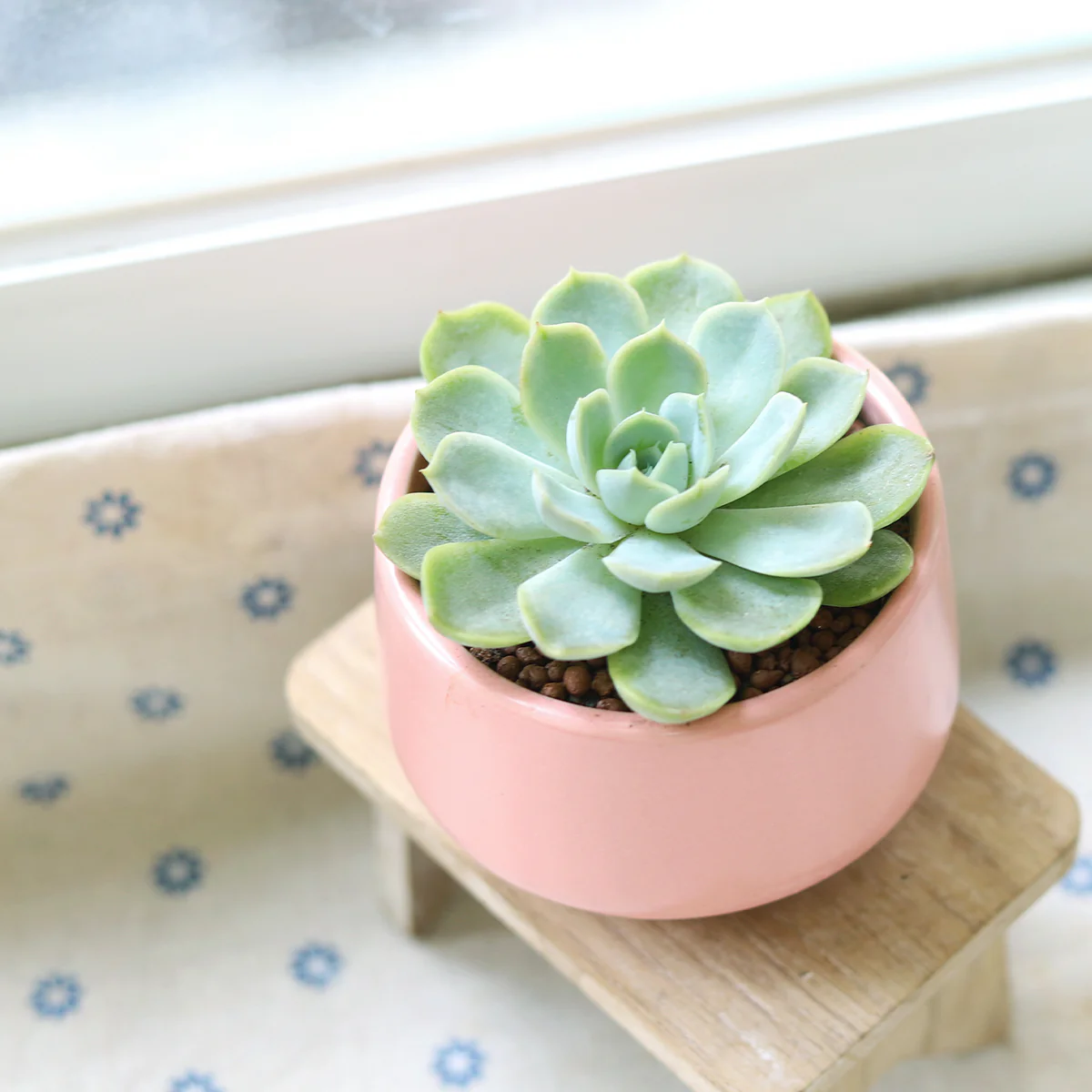
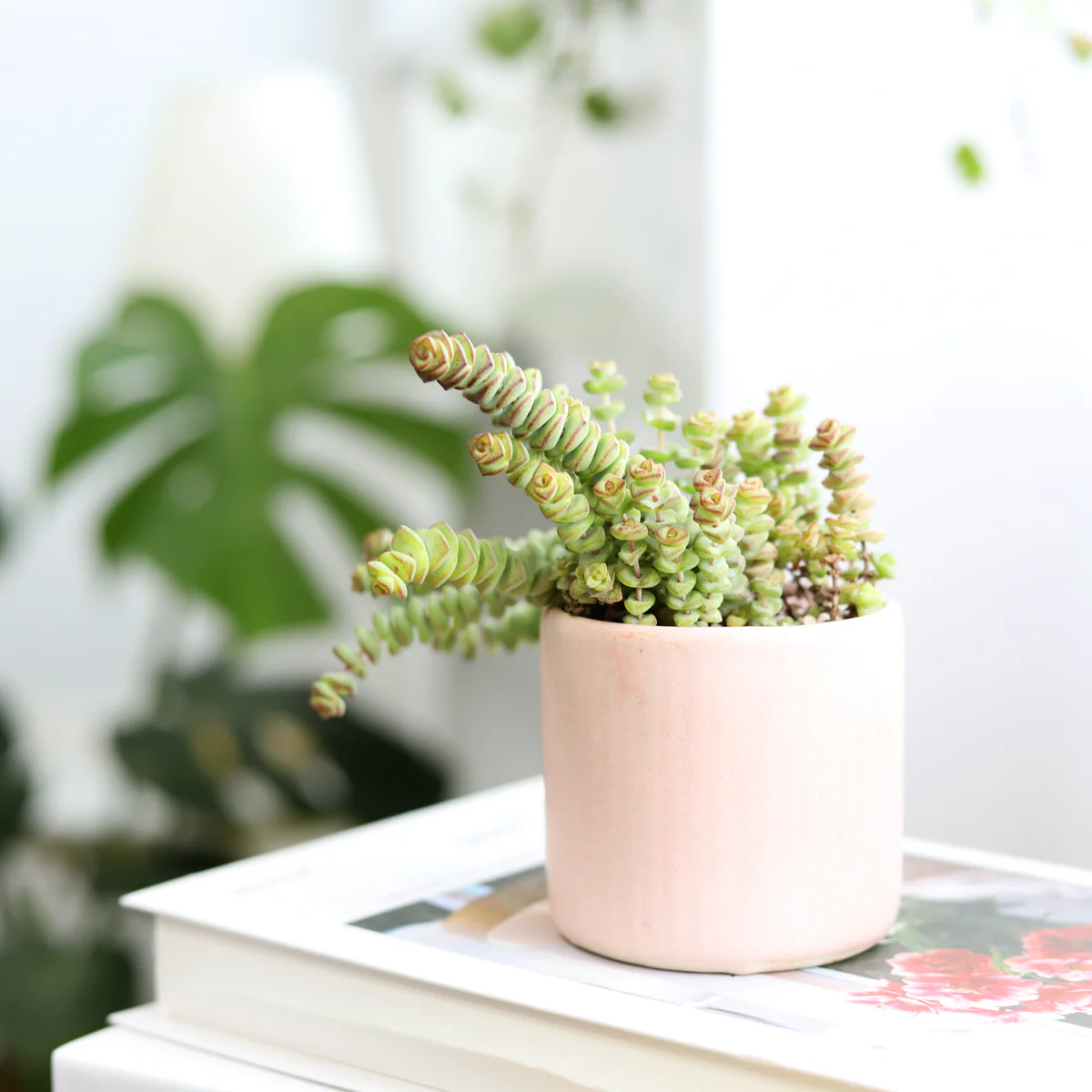
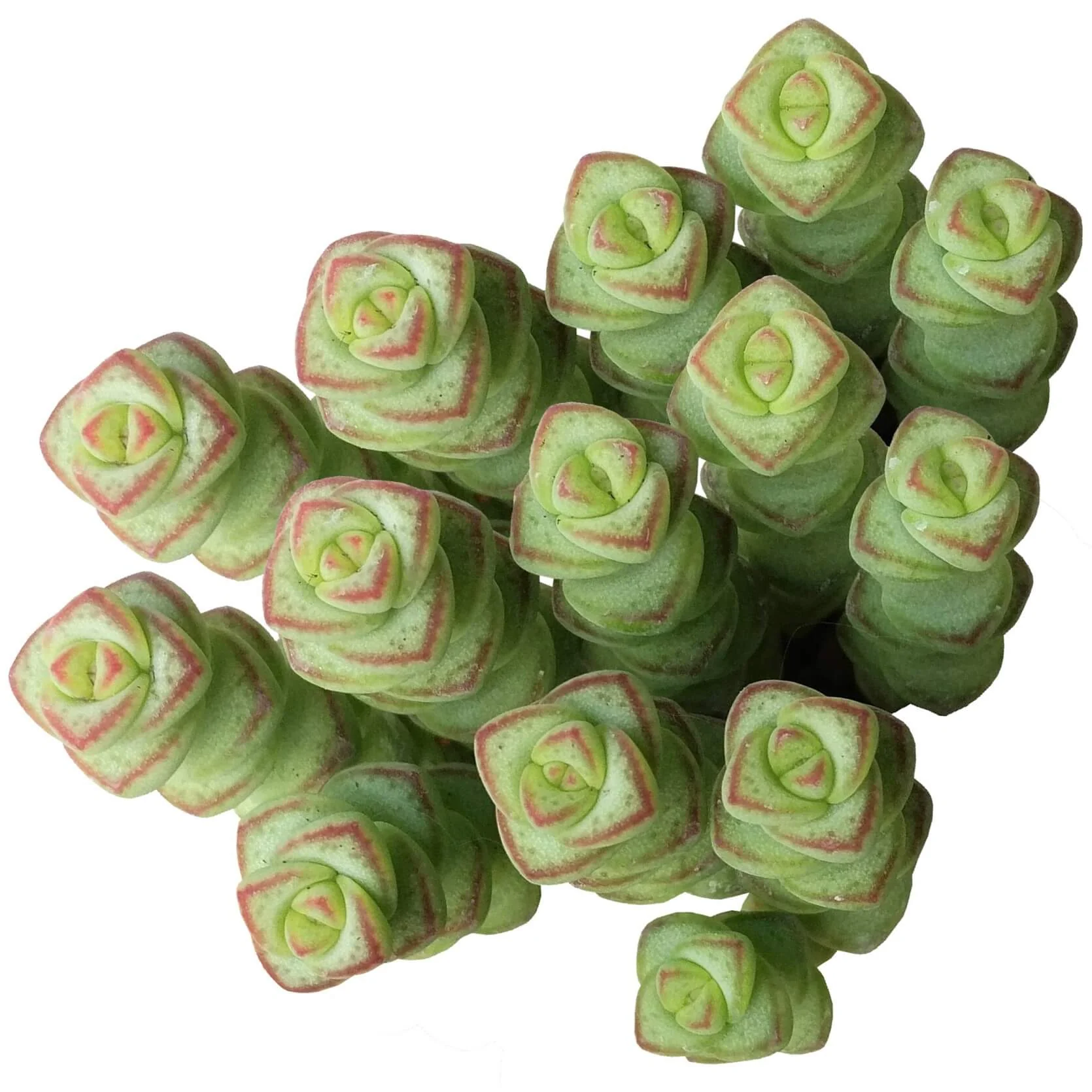
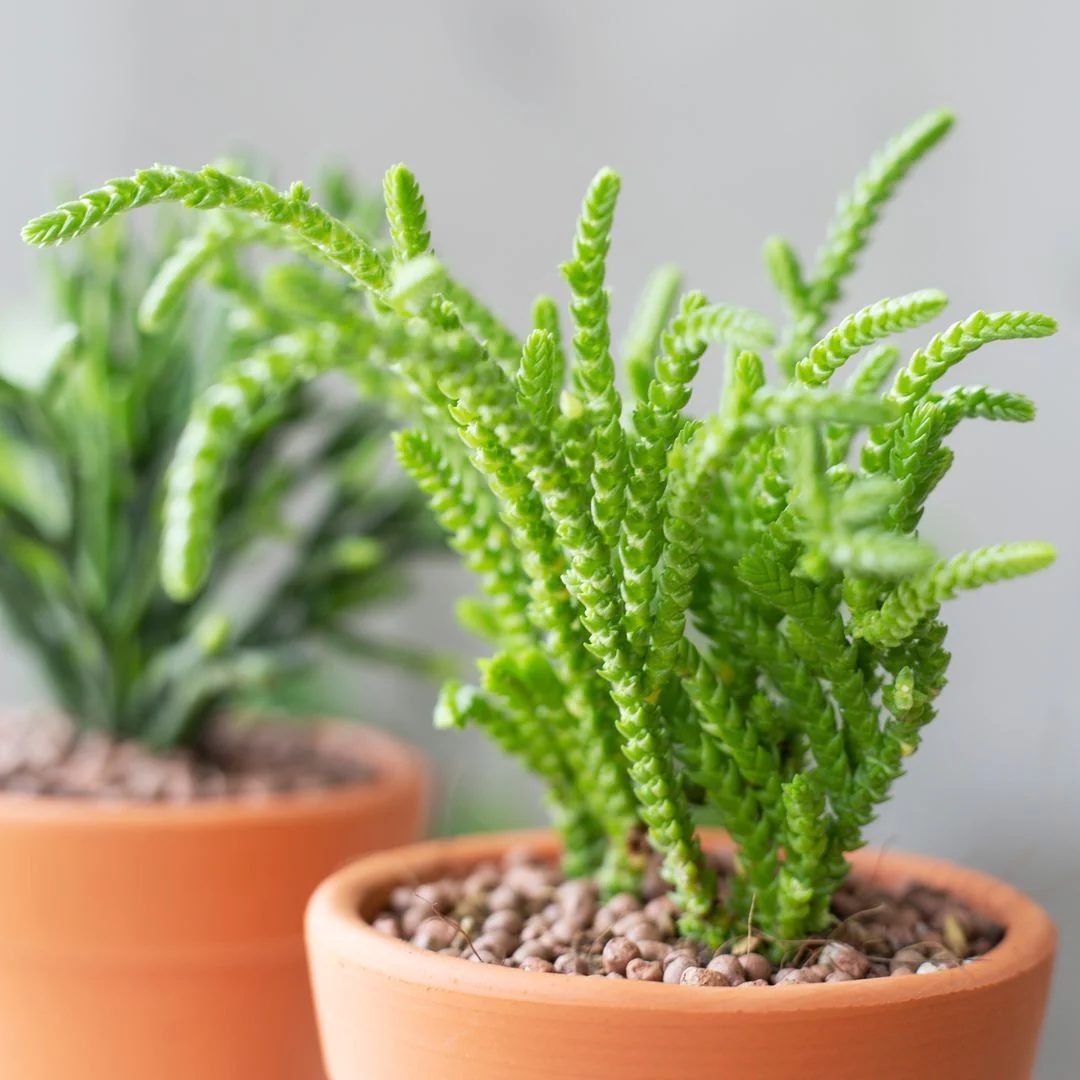
 The defining feature of Crassula Watch Chain - Crassula muscosa is its tightly packed, scale-like leaves that wrap around slender stems in a precise geometric spiral, creating a texture that looks remarkably like a braided chain or zipper. Stems grow upright before arching and trailing gracefully, and as the plant clusters and spreads, the effect is a dense, textured mound of bright green that catches the eye from across a room. This zipper plant succulent is instantly recognizable and endlessly fascinating up close.
 Crassula Watch Chain - Crassula muscosa produces tiny, pale yellow-green flowers tucked along the stems, typically appearing in spring and carrying a faint, slightly musky fragrance that you have to lean in to catch. Blooming is most reliable when the plant experiences a cooler night temperature drop, so moving it somewhere that gets a seasonal chill can reward you with a surprisingly cheerful floral display. The flowers are modest but add a sweet seasonal detail to an already distinctive plant.
 Crassula Watch Chain - Crassula muscosa is a wonderful choice for tabletops, shelves, and mixed succulent arrangements, and its trailing habit makes it a natural candidate for a hanging hook or a cascading display over a pot edge. It thrives under bright office LEDs when a window is not available, though it can scorch in an intense south-facing window, so a spot with bright indirect light or filtered sun is ideal. Keep it well out of reach of cats, dogs, and small children, and note that the sap can cause skin or paw irritation on contact, so handling with care is always a good idea.
-
 Crassula Watch Chain - Crassula muscosa thrives in bright indirect light to partial sun, and benefits from regular rotating for even, balanced growth.
 Water Crassula Watch Chain - Crassula muscosa every 10-14 days in the growing season, allowing soil to dry completely between waterings.
 Crassula Watch Chain - Crassula muscosa performs best in a fast-draining cactus and succulent mix blended with coarse perlite or pumice.
 Crassula Watch Chain - Crassula muscosa prefers temperatures between 65-80°F (18-27°C) and should be protected from frost below 30°F (-1°C).
![]() Crassula Watch Chain - Crassula muscosa is a slow to moderate grower that benefits from a diluted balanced succulent fertilizer once in spring and once in summer.
Crassula Watch Chain - Crassula muscosa is a slow to moderate grower that benefits from a diluted balanced succulent fertilizer once in spring and once in summer.
 Crassula Watch Chain - Crassula muscosa is rated for USDA Hardiness Zones 9-11, handling brief dips to around 25-30°F (-4 to -1°C) before needing frost protection. Gardeners growing Crassula Watch Chain - Crassula muscosa outdoors year-round will find it well suited to California, Texas, Arizona, Florida, Hawaii, Nevada, New Mexico, Louisiana, Mississippi, Alabama, Georgia, South Carolina, and the milder coastal stretches of Oregon and Washington. In cooler states it thrives as a container plant that moves outside for summer and comes back indoors before the first frost.
-
Q: How often should I water Crassula Watch Chain - Crassula muscosa?
A: Water every 10-14 days during the growing season, letting the soil dry out completely between waterings. In winter, cut back to once every three to four weeks.
Q: Is Crassula Watch Chain - Crassula muscosa safe around pets and children?
A: Cats and dogs shouldn't be left to nibble or eat Crassula Watch Chain - Crassula muscosa, and the sap can cause skin or paw irritation, so keep it on a high shelf out of reach. It is also best placed away from small children who might handle or mouth the plant.
Q: How much light does Crassula Watch Chain - Crassula muscosa need?
A: Crassula Watch Chain - Crassula muscosa does best in bright indirect light or partial sun and can adapt to bright office LED lighting. Avoid intense direct south-facing sun exposure, which can scorch the delicate leaves.
Q: Can I grow Crassula Watch Chain - Crassula muscosa outdoors?
A: Yes, Crassula Watch Chain - Crassula muscosa loves spending summer outdoors in a sheltered spot, but it needs cover from rain to prevent root rot. Bring it back inside before temperatures drop near frost.
Q: How do I propagate Crassula Watch Chain - Crassula muscosa?
A: Stem cuttings are the easiest method: snip a healthy stem, let the cut end callous for a day or two, then press it into dry succulent mix. Roots typically develop within two to four weeks.
Q: Will Crassula Watch Chain - Crassula muscosa survive if I go on a long trip?
A: Crassula Watch Chain - Crassula muscosa handles a 10-day trip with no watering just fine, thanks to its excellent drought tolerance. Make sure it has good light before you leave and the soil is not already wet.


Original: $8.00
-70%$8.00
$2.40Product Information
Product Information
Shipping & Returns
Shipping & Returns
Description
- Description
- Crassula Watch Chain - Crassula muscosa Care Guide
- FAQ/Common Issues
-
![]() Crassula Watch Chain - Crassula muscosa is a charming succulent in the Crassulaceae family, native to South Africa and Namibia where it grows in rocky, arid terrain. This easy-care plant has earned devoted fans worldwide for its sculptural look and incredible drought tolerance, making it a standout among watch chain succulents and collector favorites alike.
Crassula Watch Chain - Crassula muscosa is a charming succulent in the Crassulaceae family, native to South Africa and Namibia where it grows in rocky, arid terrain. This easy-care plant has earned devoted fans worldwide for its sculptural look and incredible drought tolerance, making it a standout among watch chain succulents and collector favorites alike.
The defining feature of Crassula Watch Chain - Crassula muscosa is its tightly packed, scale-like leaves that wrap around slender stems in a precise geometric spiral, creating a texture that looks remarkably like a braided chain or zipper. Stems grow upright before arching and trailing gracefully, and as the plant clusters and spreads, the effect is a dense, textured mound of bright green that catches the eye from across a room. This zipper plant succulent is instantly recognizable and endlessly fascinating up close.
Crassula Watch Chain - Crassula muscosa produces tiny, pale yellow-green flowers tucked along the stems, typically appearing in spring and carrying a faint, slightly musky fragrance that you have to lean in to catch. Blooming is most reliable when the plant experiences a cooler night temperature drop, so moving it somewhere that gets a seasonal chill can reward you with a surprisingly cheerful floral display. The flowers are modest but add a sweet seasonal detail to an already distinctive plant.
Crassula Watch Chain - Crassula muscosa is a wonderful choice for tabletops, shelves, and mixed succulent arrangements, and its trailing habit makes it a natural candidate for a hanging hook or a cascading display over a pot edge. It thrives under bright office LEDs when a window is not available, though it can scorch in an intense south-facing window, so a spot with bright indirect light or filtered sun is ideal. Keep it well out of reach of cats, dogs, and small children, and note that the sap can cause skin or paw irritation on contact, so handling with care is always a good idea.
-
Crassula Watch Chain - Crassula muscosa thrives in bright indirect light to partial sun, and benefits from regular rotating for even, balanced growth.
Water Crassula Watch Chain - Crassula muscosa every 10-14 days in the growing season, allowing soil to dry completely between waterings.
Crassula Watch Chain - Crassula muscosa performs best in a fast-draining cactus and succulent mix blended with coarse perlite or pumice.
Crassula Watch Chain - Crassula muscosa prefers temperatures between 65-80°F (18-27°C) and should be protected from frost below 30°F (-1°C).
![]() Crassula Watch Chain - Crassula muscosa is a slow to moderate grower that benefits from a diluted balanced succulent fertilizer once in spring and once in summer.
Crassula Watch Chain - Crassula muscosa is a slow to moderate grower that benefits from a diluted balanced succulent fertilizer once in spring and once in summer.
Crassula Watch Chain - Crassula muscosa is rated for USDA Hardiness Zones 9-11, handling brief dips to around 25-30°F (-4 to -1°C) before needing frost protection. Gardeners growing Crassula Watch Chain - Crassula muscosa outdoors year-round will find it well suited to California, Texas, Arizona, Florida, Hawaii, Nevada, New Mexico, Louisiana, Mississippi, Alabama, Georgia, South Carolina, and the milder coastal stretches of Oregon and Washington. In cooler states it thrives as a container plant that moves outside for summer and comes back indoors before the first frost.
-
Q: How often should I water Crassula Watch Chain - Crassula muscosa?
A: Water every 10-14 days during the growing season, letting the soil dry out completely between waterings. In winter, cut back to once every three to four weeks.
Q: Is Crassula Watch Chain - Crassula muscosa safe around pets and children?
A: Cats and dogs shouldn't be left to nibble or eat Crassula Watch Chain - Crassula muscosa, and the sap can cause skin or paw irritation, so keep it on a high shelf out of reach. It is also best placed away from small children who might handle or mouth the plant.
Q: How much light does Crassula Watch Chain - Crassula muscosa need?
A: Crassula Watch Chain - Crassula muscosa does best in bright indirect light or partial sun and can adapt to bright office LED lighting. Avoid intense direct south-facing sun exposure, which can scorch the delicate leaves.
Q: Can I grow Crassula Watch Chain - Crassula muscosa outdoors?
A: Yes, Crassula Watch Chain - Crassula muscosa loves spending summer outdoors in a sheltered spot, but it needs cover from rain to prevent root rot. Bring it back inside before temperatures drop near frost.
Q: How do I propagate Crassula Watch Chain - Crassula muscosa?
A: Stem cuttings are the easiest method: snip a healthy stem, let the cut end callous for a day or two, then press it into dry succulent mix. Roots typically develop within two to four weeks.
Q: Will Crassula Watch Chain - Crassula muscosa survive if I go on a long trip?
A: Crassula Watch Chain - Crassula muscosa handles a 10-day trip with no watering just fine, thanks to its excellent drought tolerance. Make sure it has good light before you leave and the soil is not already wet.