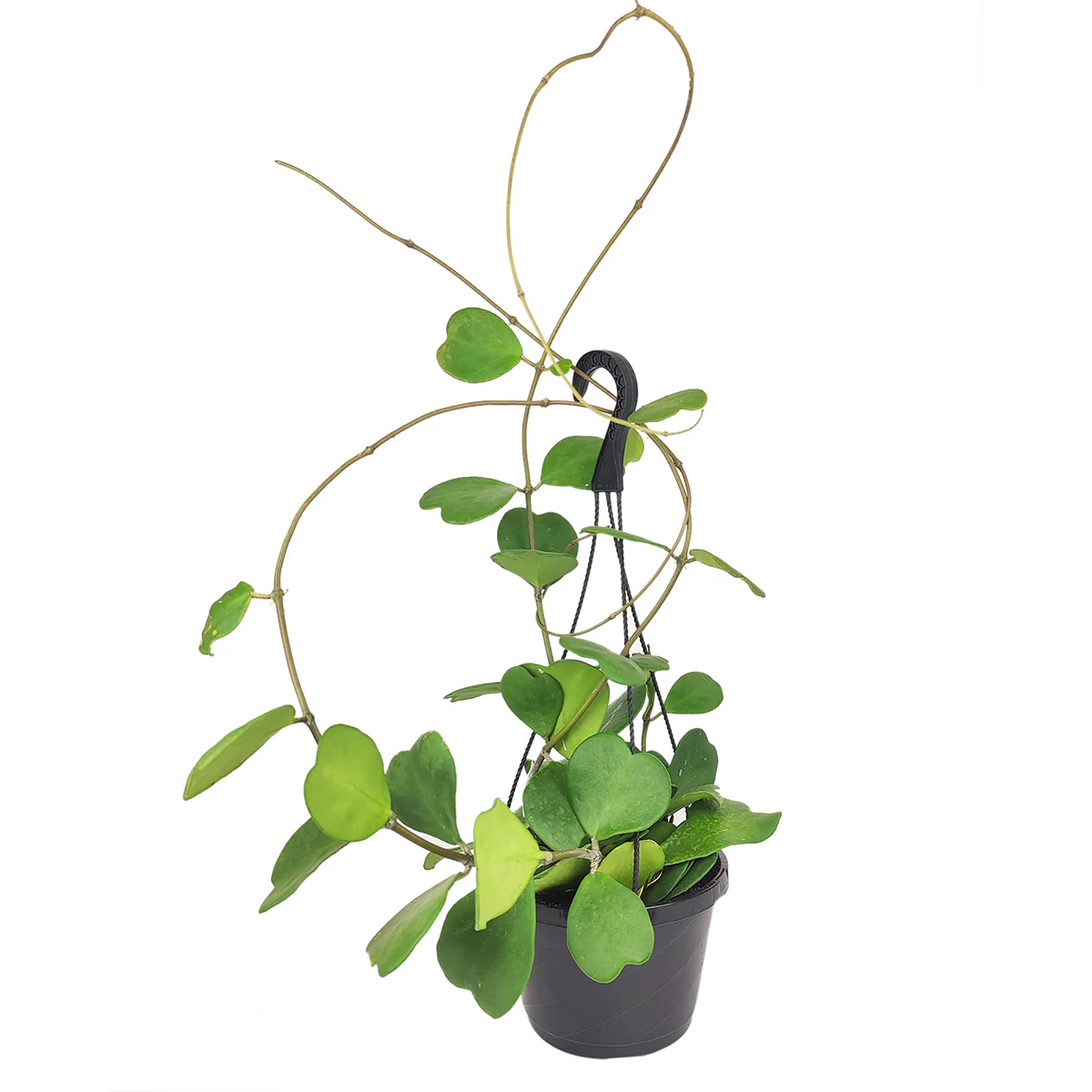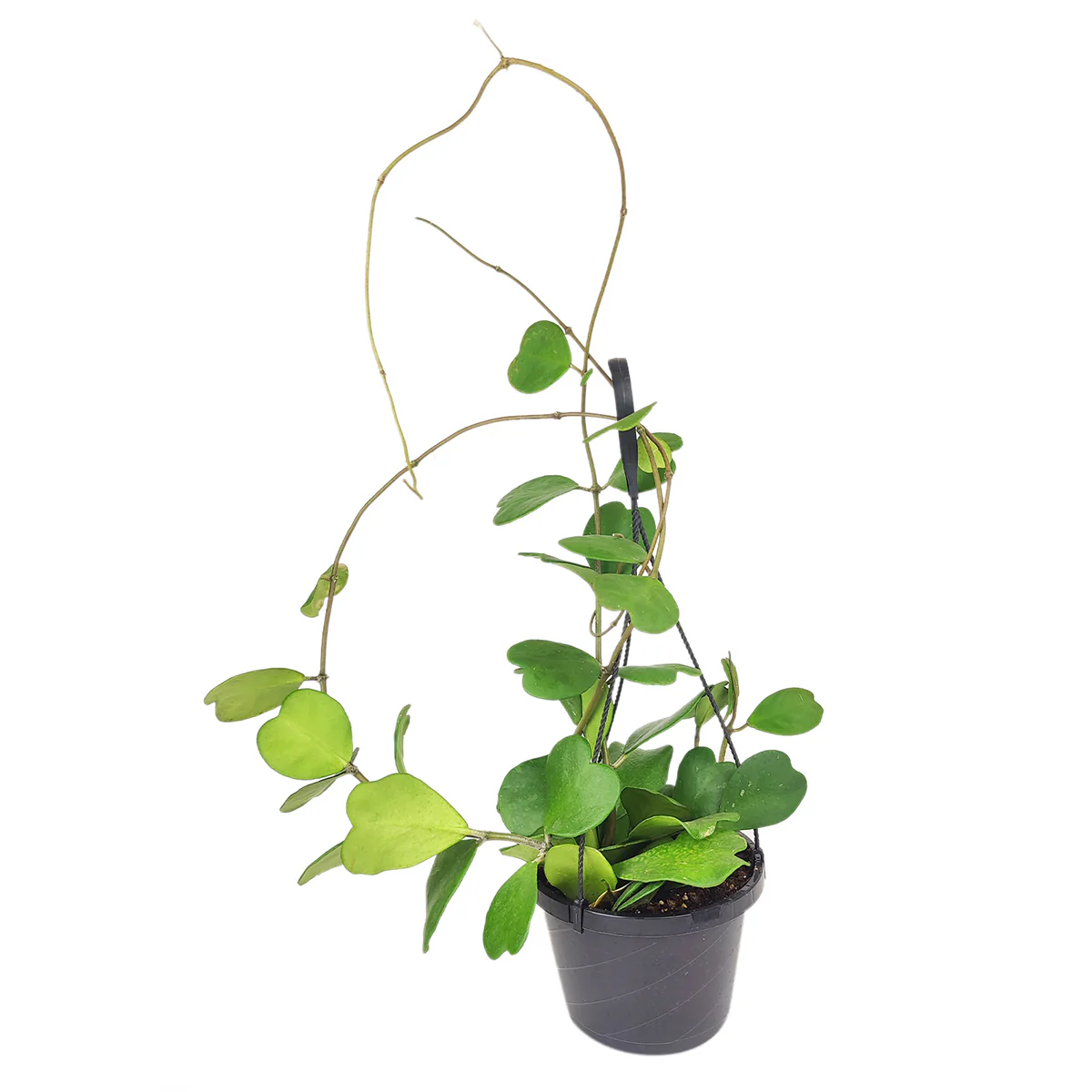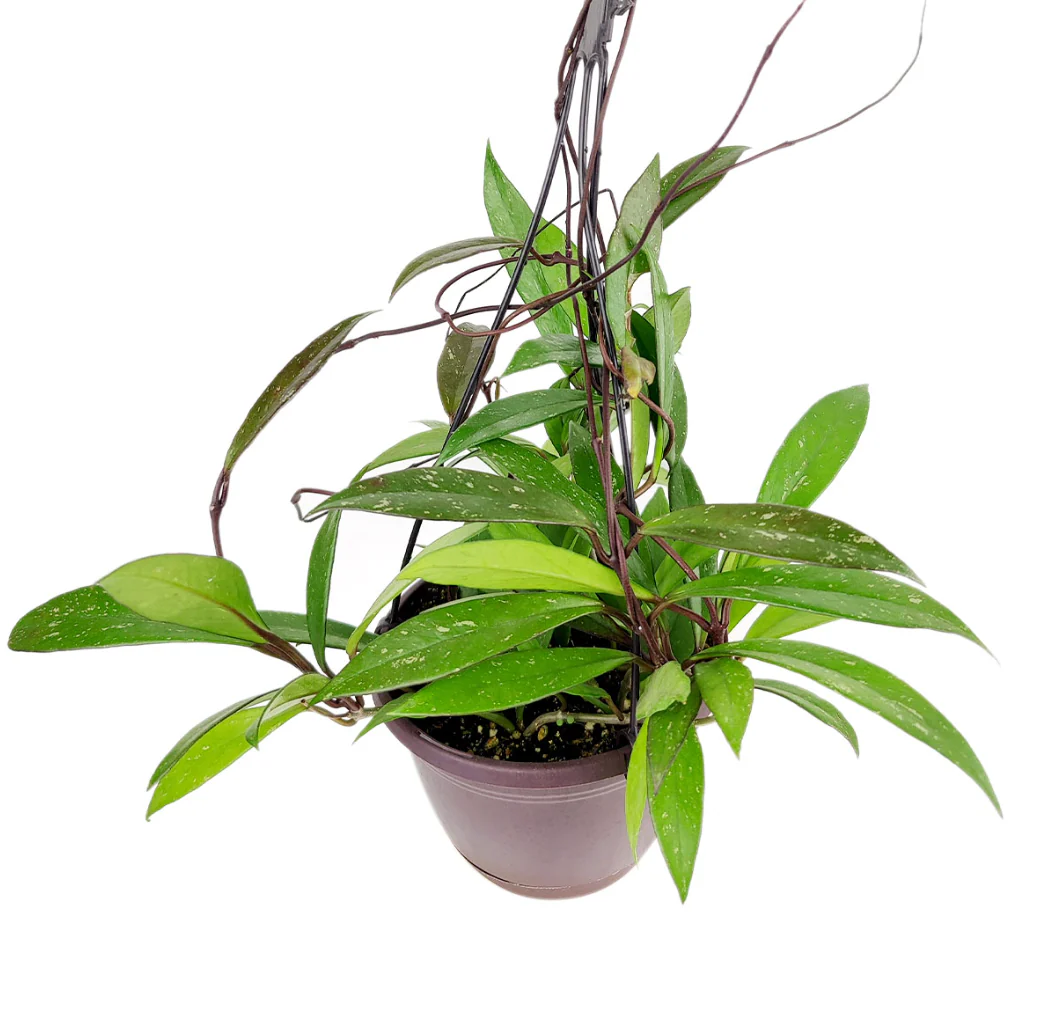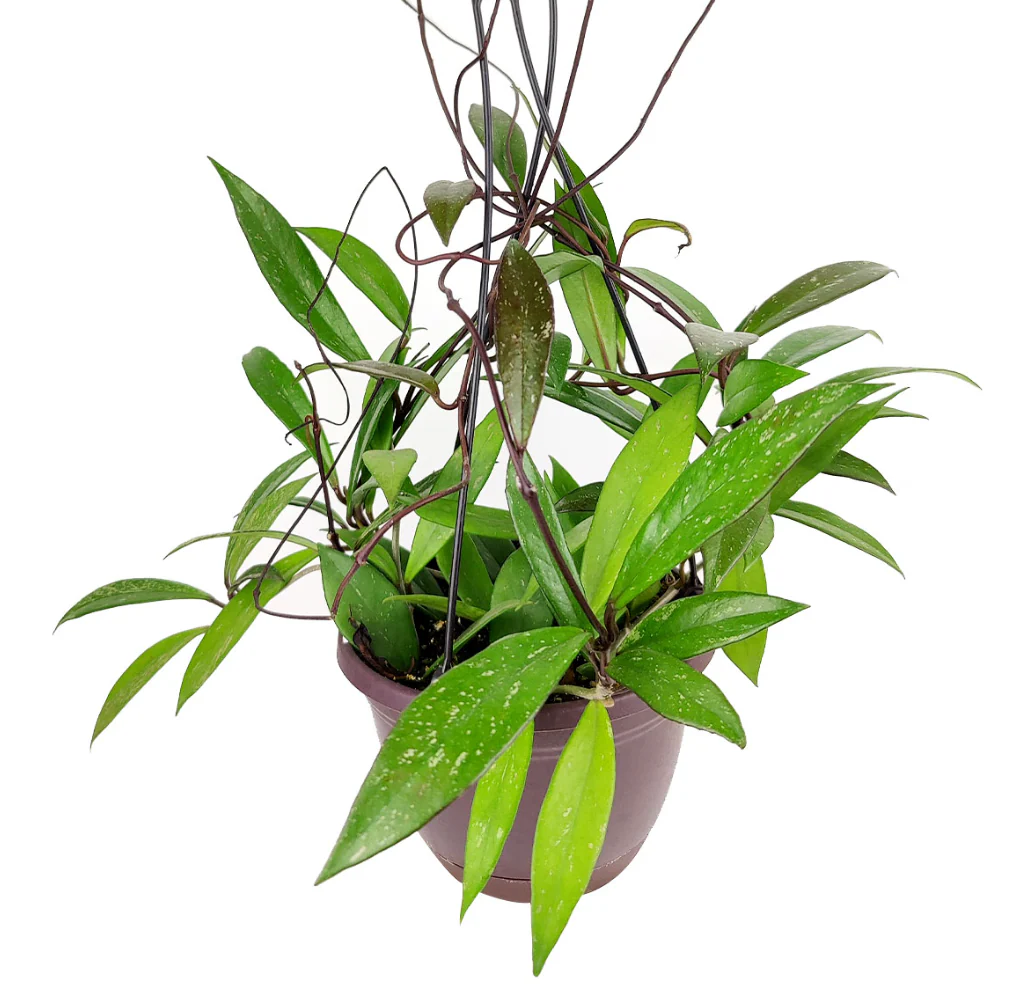
Christmas Cactus Thanksgiving Cactus
- Description
- Christmas Cactus Thanksgiving Cactus Care Guide
- FAQ/Common Issues
-
![]() The Christmas Cactus (Thanksgiving Cactus) is a beloved holiday houseplant in the Cactaceae family, native to the cloud forests of southeastern Brazil. Unlike desert cacti, it evolved as an epiphyte in humid, shaded forest canopies, which shapes everything about how you care for it today.
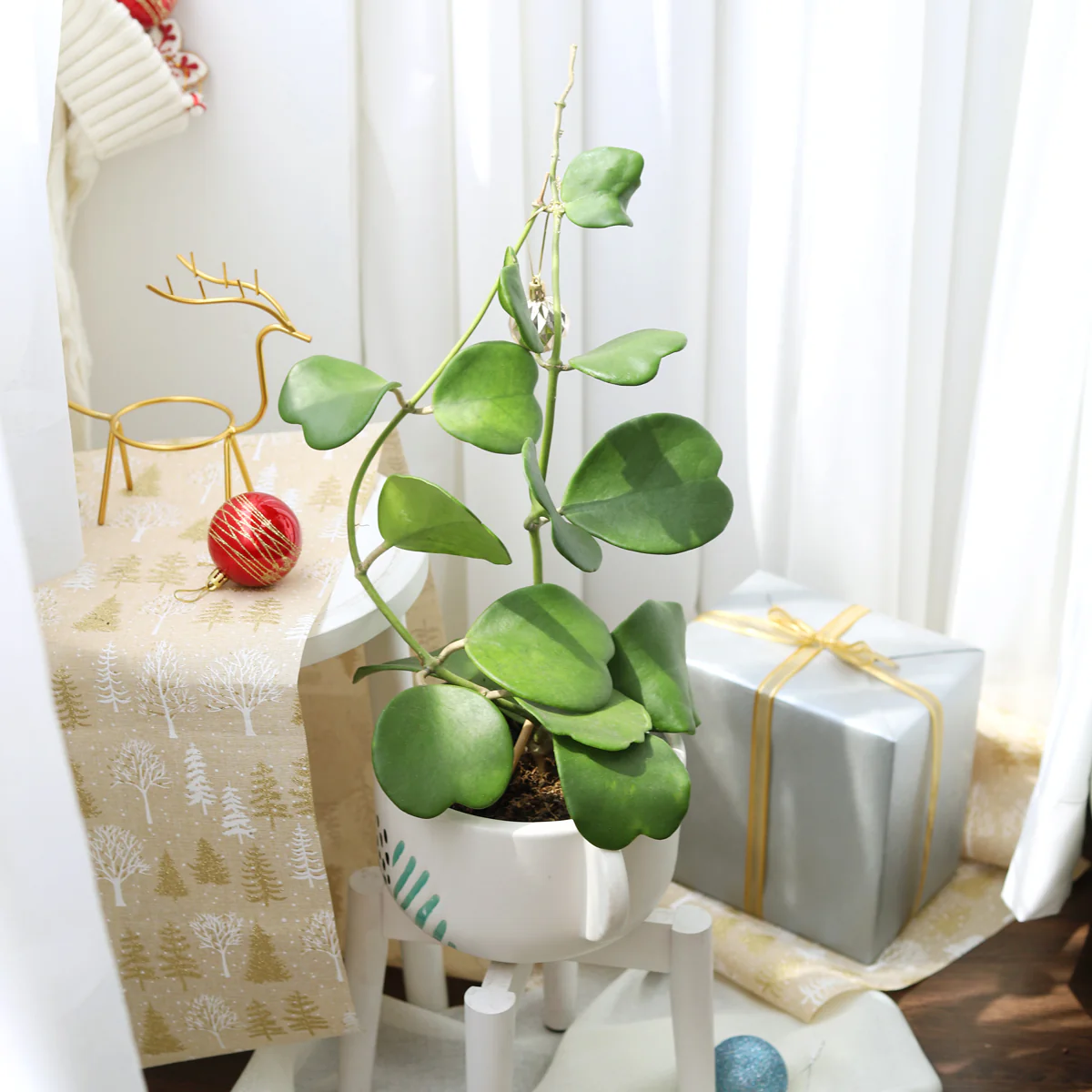
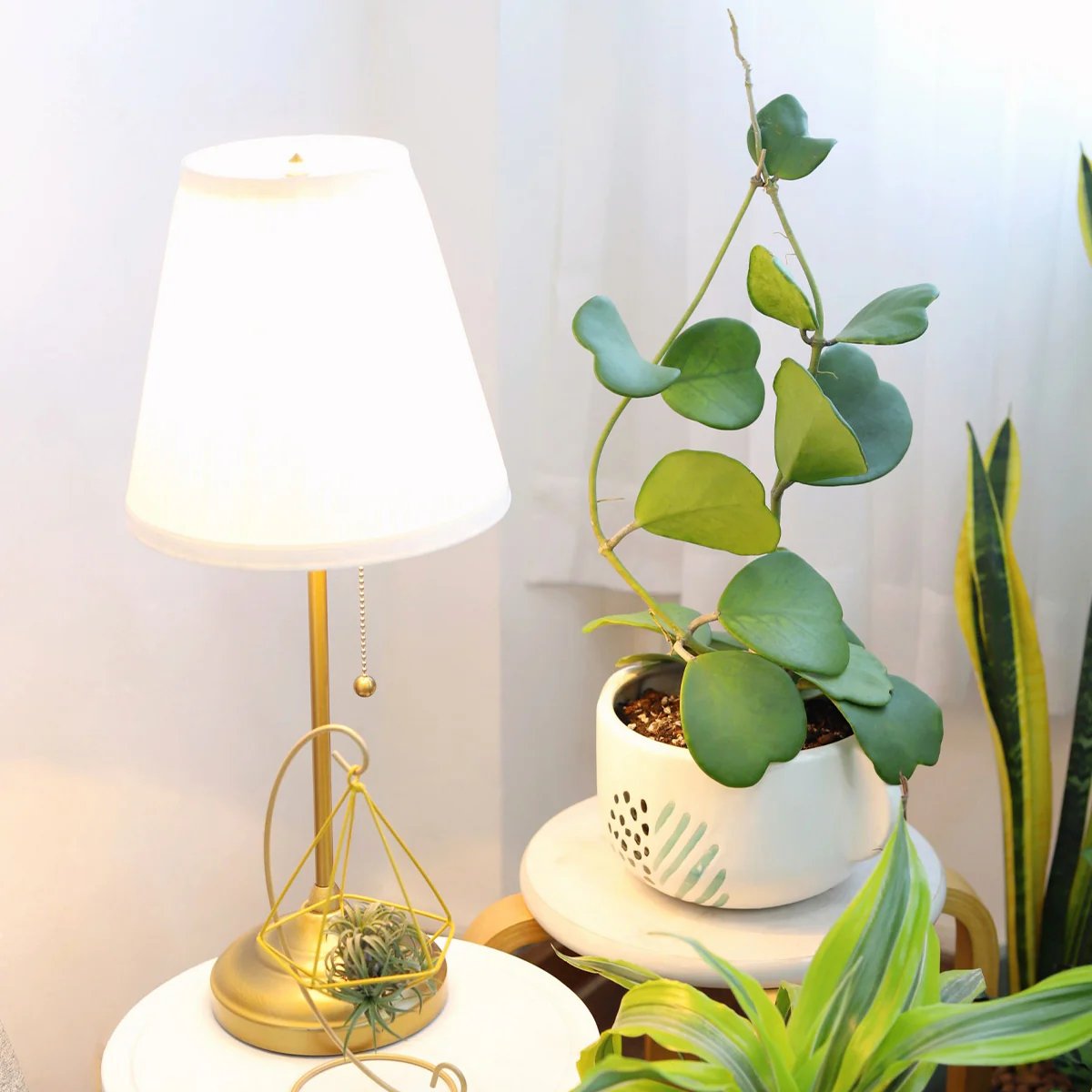
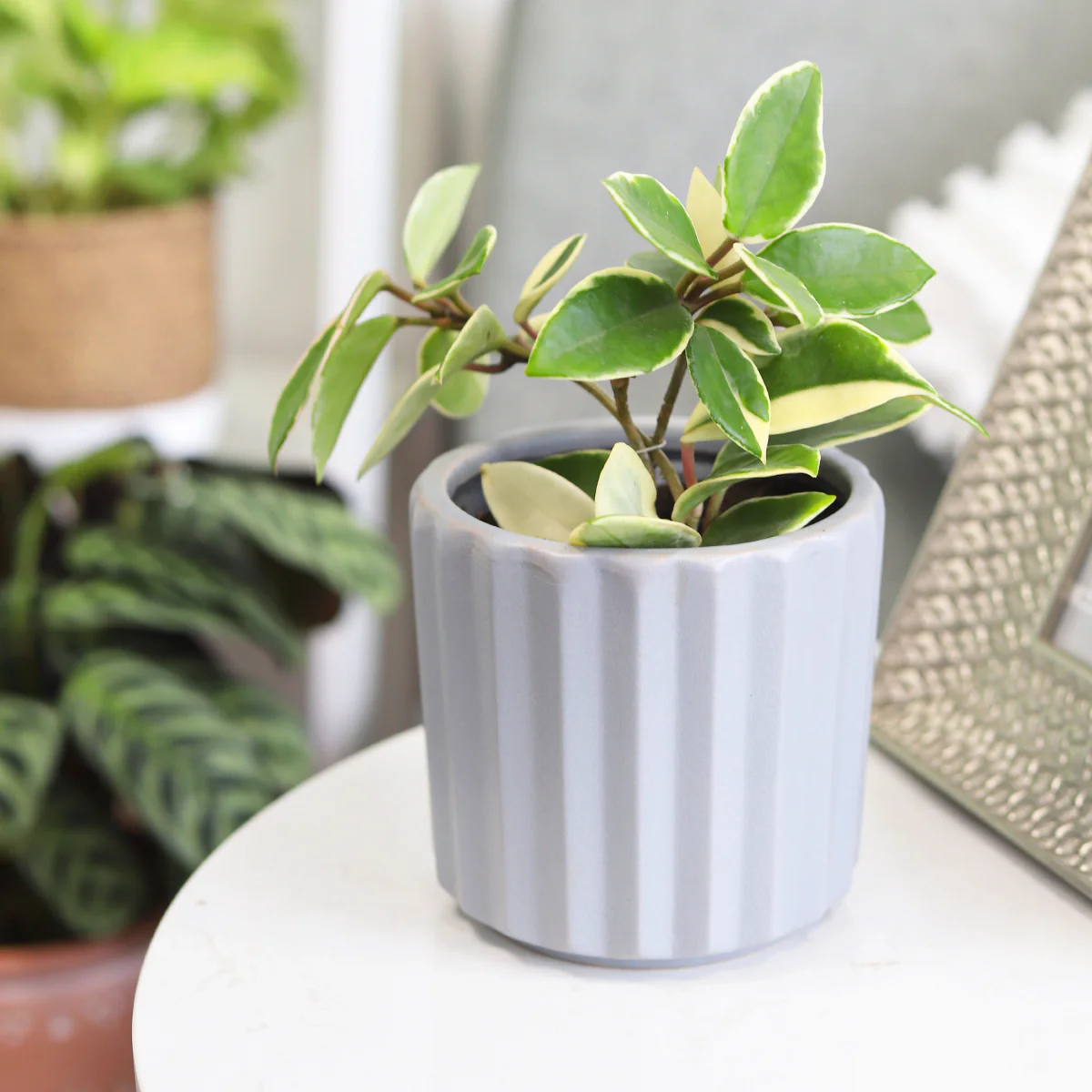
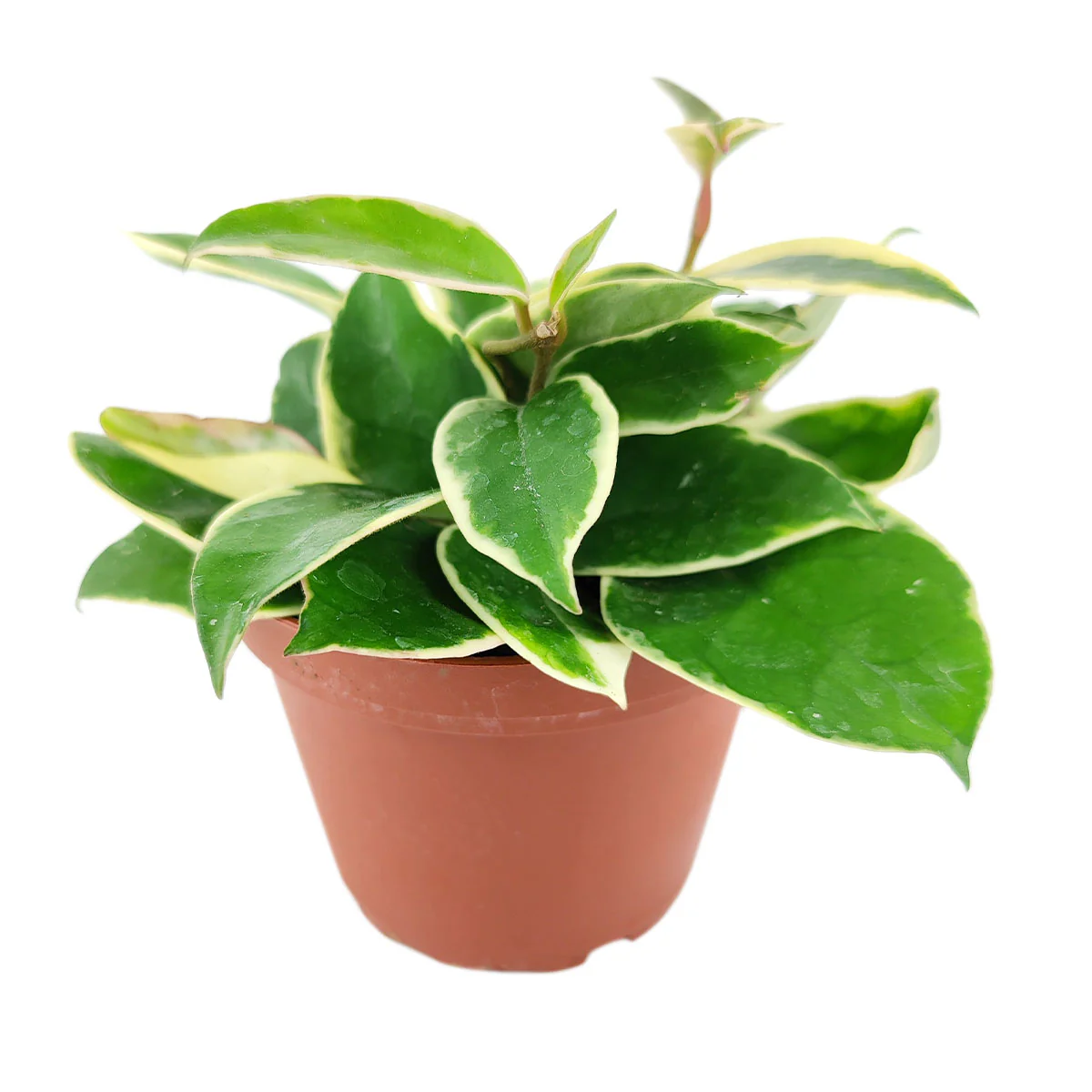
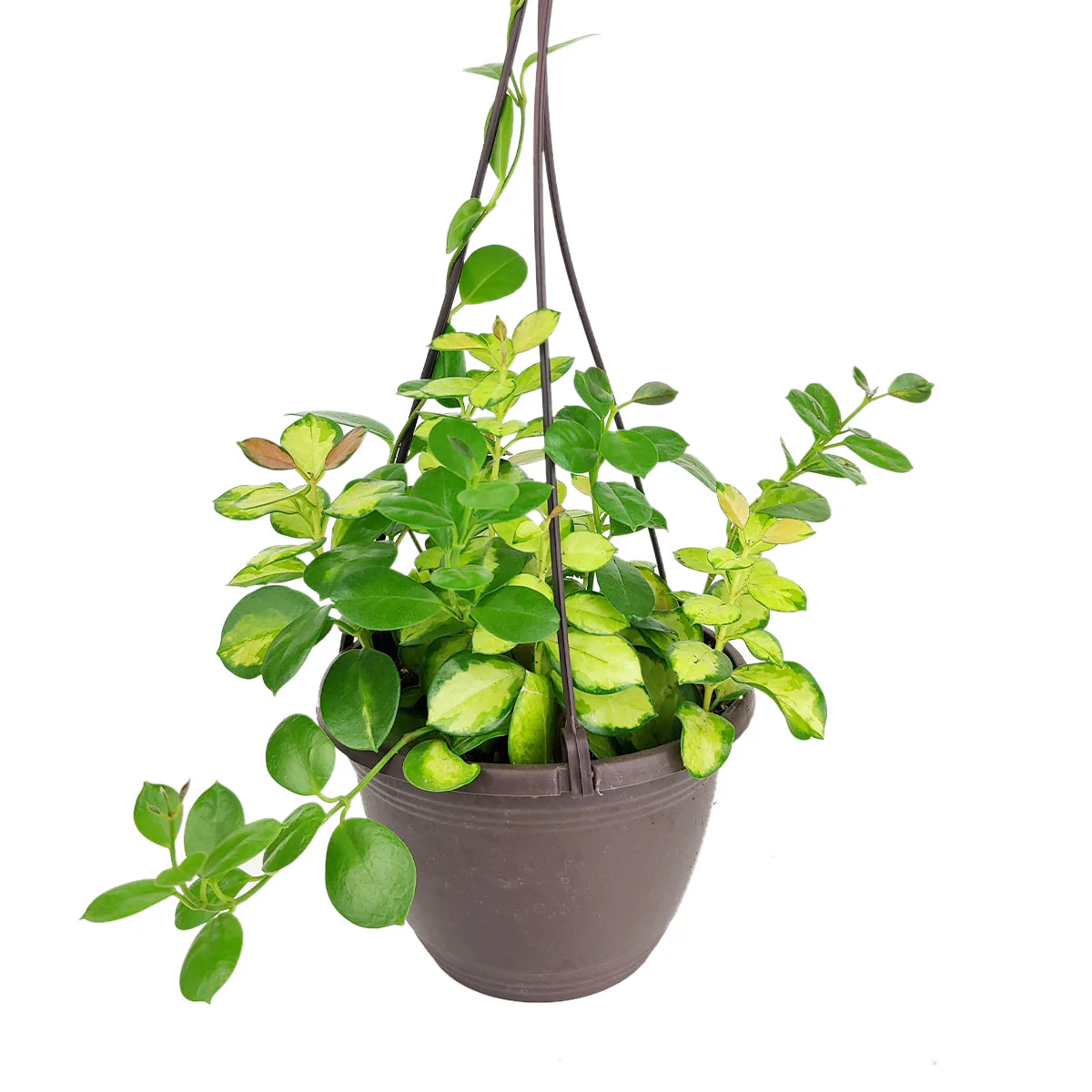
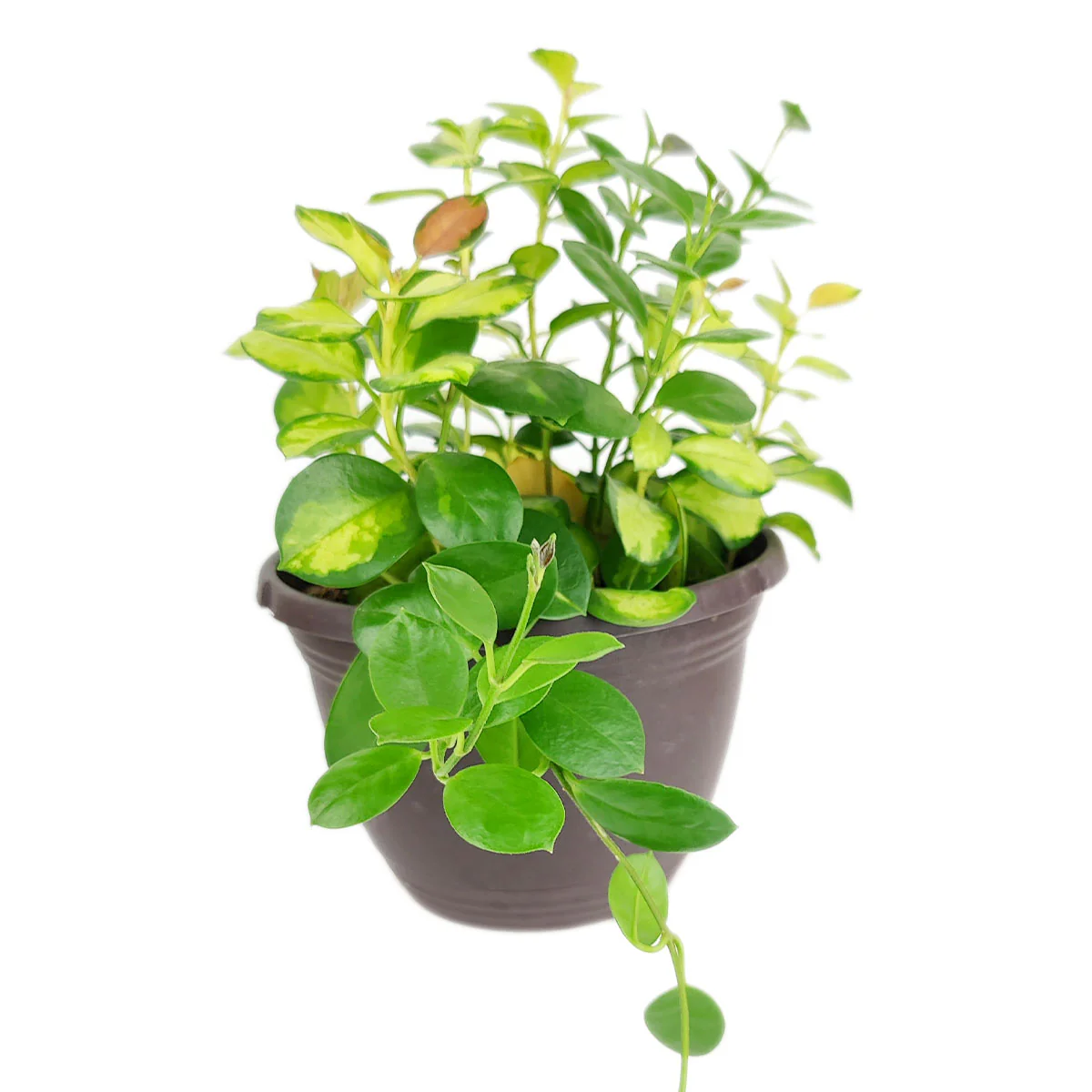
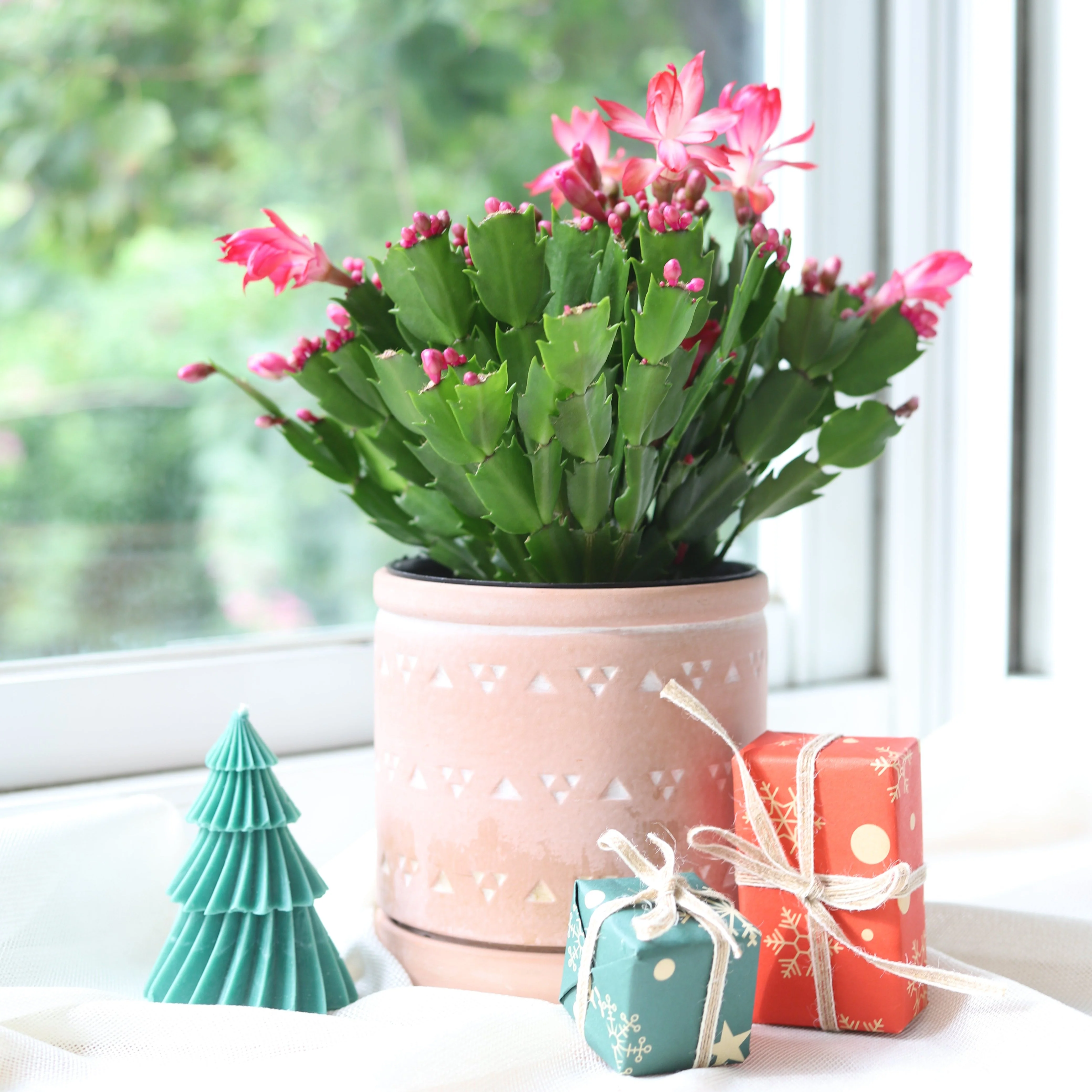
The Christmas Cactus (Thanksgiving Cactus) is a beloved holiday houseplant in the Cactaceae family, native to the cloud forests of southeastern Brazil. Unlike desert cacti, it evolved as an epiphyte in humid, shaded forest canopies, which shapes everything about how you care for it today. This plant features flattened, segmented stems with slightly serrated, tooth-like edges that cascade gracefully as the plant matures. Its rich green segments are glossy and smooth, creating a lush, full appearance that makes it equally stunning in a hanging basket or displayed on a shelf where its trailing stems can drape freely.
  These festive holiday cacti bloom in late autumn through winter, producing tubular flowers in shades of pink, red, white, and purple at the tips of its trailing stems. Blooms are triggered by cooler night temperatures and longer dark periods, so a slight seasonal temperature drop is your secret weapon for a spectacular holiday flower show.
 This charming succulent is genuinely beginner-friendly and a wonderful choice for kitchens and bathrooms, where ambient moisture keeps it happy. It is pet friendly, so no need to worry about curious cats or dogs. It also releases oxygen at night, making it a thoughtful addition to a bedroom or living space. Collectors love that it rewards minimal effort with maximum seasonal drama year after year.
-
 Thrives in bright indirect light and scorches in south-facing windows with intense direct sun
 Water your plant thoroughly when the top inch of soil feels dry, roughly every 10 to 14 days.
 Prefers a well-draining mix of regular potting soil combined with perlite or orchid bark for good aeration.
 Grows best between 60 and 70°F (15 to 21°C) and needs a night temperature drop to around 50 to 55°F (10 to 13°C) to trigger blooming.
 ![]() Benefits from a balanced liquid fertilizer applied monthly during spring and summer as it is a moderate grower.
Benefits from a balanced liquid fertilizer applied monthly during spring and summer as it is a moderate grower. Christmas Cactus is hardy in USDA Zones 9 through 11, tolerating temperatures down to about 30°F (-1°C) before frost damage becomes a risk. In the United States, these zones cover warm-climate states including Florida, California, Texas, Arizona, Hawaii, Louisiana, Georgia, South Carolina, Alabama, Mississippi, Nevada, and the Oregon coast. Gardeners in cooler states like New York, Illinois, Ohio, Michigan, Pennsylvania, Virginia, North Carolina, Tennessee, Missouri, Colorado, Washington, and beyond grow the Christmas Cactus Thanksgiving Cactus successfully indoors year-round and can even move it outside during summer.
-
Q: How often should I water my Christmas Cactus?
A: Water your plant when the top inch of soil feels dry, typically every 10 to 14 days. It will show you when it is thirsty by slightly wilting at the stem tips.
Q: Is this plant safe for pets?
A: Yes, this plant is pet friendly, making the cactus plant a great choice for homes with cats and dogs.
Q: How do I get my Christmas Cactus plant to bloom?
A: Expose the cactus to cooler nights around 50 to 55°F (10 to 13°C) and longer periods of darkness for several weeks in autumn. This temperature drop is the key trigger for its signature holiday blooms.
Q: How do I propagate my Christmas Cactus Thanksgiving Cactus?
A: Snap off a segment of two to three stem sections and let the cut end callous for a day, then place it just below the surface of moist potting mix. Your plant cutting typically roots within three to four weeks.
Q: Why are the leaves turning yellow?
A: Yellowing is most often caused by overwatering, low humidity, or exposure to dry air from an air conditioner or heater vent. Move it away from vents, reduce watering, and mist occasionally to help it recover.
Q: Can I move it outside in summer?
A: Absolutely, the cactus loves spending summer outdoors in a shaded or dappled-light spot where it gets extra humidity and fresh air. Just bring it back inside before nighttime temperatures dip below 50°F (10°C) in autumn.


Original: $2.00
-70%$2.00
$0.60Product Information
Product Information
Shipping & Returns
Shipping & Returns
Description
- Description
- Christmas Cactus Thanksgiving Cactus Care Guide
- FAQ/Common Issues
-
![]() The Christmas Cactus (Thanksgiving Cactus) is a beloved holiday houseplant in the Cactaceae family, native to the cloud forests of southeastern Brazil. Unlike desert cacti, it evolved as an epiphyte in humid, shaded forest canopies, which shapes everything about how you care for it today. This plant features flattened, segmented stems with slightly serrated, tooth-like edges that cascade gracefully as the plant matures. Its rich green segments are glossy and smooth, creating a lush, full appearance that makes it equally stunning in a hanging basket or displayed on a shelf where its trailing stems can drape freely. These festive holiday cacti bloom in late autumn through winter, producing tubular flowers in shades of pink, red, white, and purple at the tips of its trailing stems. Blooms are triggered by cooler night temperatures and longer dark periods, so a slight seasonal temperature drop is your secret weapon for a spectacular holiday flower show. This charming succulent is genuinely beginner-friendly and a wonderful choice for kitchens and bathrooms, where ambient moisture keeps it happy. It is pet friendly, so no need to worry about curious cats or dogs. It also releases oxygen at night, making it a thoughtful addition to a bedroom or living space. Collectors love that it rewards minimal effort with maximum seasonal drama year after year.
The Christmas Cactus (Thanksgiving Cactus) is a beloved holiday houseplant in the Cactaceae family, native to the cloud forests of southeastern Brazil. Unlike desert cacti, it evolved as an epiphyte in humid, shaded forest canopies, which shapes everything about how you care for it today. This plant features flattened, segmented stems with slightly serrated, tooth-like edges that cascade gracefully as the plant matures. Its rich green segments are glossy and smooth, creating a lush, full appearance that makes it equally stunning in a hanging basket or displayed on a shelf where its trailing stems can drape freely. These festive holiday cacti bloom in late autumn through winter, producing tubular flowers in shades of pink, red, white, and purple at the tips of its trailing stems. Blooms are triggered by cooler night temperatures and longer dark periods, so a slight seasonal temperature drop is your secret weapon for a spectacular holiday flower show. This charming succulent is genuinely beginner-friendly and a wonderful choice for kitchens and bathrooms, where ambient moisture keeps it happy. It is pet friendly, so no need to worry about curious cats or dogs. It also releases oxygen at night, making it a thoughtful addition to a bedroom or living space. Collectors love that it rewards minimal effort with maximum seasonal drama year after year.
-
Thrives in bright indirect light and scorches in south-facing windows with intense direct sun Water your plant thoroughly when the top inch of soil feels dry, roughly every 10 to 14 days. Prefers a well-draining mix of regular potting soil combined with perlite or orchid bark for good aeration. Grows best between 60 and 70°F (15 to 21°C) and needs a night temperature drop to around 50 to 55°F (10 to 13°C) to trigger blooming.
![]() Benefits from a balanced liquid fertilizer applied monthly during spring and summer as it is a moderate grower. Christmas Cactus is hardy in USDA Zones 9 through 11, tolerating temperatures down to about 30°F (-1°C) before frost damage becomes a risk. In the United States, these zones cover warm-climate states including Florida, California, Texas, Arizona, Hawaii, Louisiana, Georgia, South Carolina, Alabama, Mississippi, Nevada, and the Oregon coast. Gardeners in cooler states like New York, Illinois, Ohio, Michigan, Pennsylvania, Virginia, North Carolina, Tennessee, Missouri, Colorado, Washington, and beyond grow the Christmas Cactus Thanksgiving Cactus successfully indoors year-round and can even move it outside during summer.
Benefits from a balanced liquid fertilizer applied monthly during spring and summer as it is a moderate grower. Christmas Cactus is hardy in USDA Zones 9 through 11, tolerating temperatures down to about 30°F (-1°C) before frost damage becomes a risk. In the United States, these zones cover warm-climate states including Florida, California, Texas, Arizona, Hawaii, Louisiana, Georgia, South Carolina, Alabama, Mississippi, Nevada, and the Oregon coast. Gardeners in cooler states like New York, Illinois, Ohio, Michigan, Pennsylvania, Virginia, North Carolina, Tennessee, Missouri, Colorado, Washington, and beyond grow the Christmas Cactus Thanksgiving Cactus successfully indoors year-round and can even move it outside during summer.
-
Q: How often should I water my Christmas Cactus?
A: Water your plant when the top inch of soil feels dry, typically every 10 to 14 days. It will show you when it is thirsty by slightly wilting at the stem tips.
Q: Is this plant safe for pets?
A: Yes, this plant is pet friendly, making the cactus plant a great choice for homes with cats and dogs.
Q: How do I get my Christmas Cactus plant to bloom?
A: Expose the cactus to cooler nights around 50 to 55°F (10 to 13°C) and longer periods of darkness for several weeks in autumn. This temperature drop is the key trigger for its signature holiday blooms.
Q: How do I propagate my Christmas Cactus Thanksgiving Cactus?
A: Snap off a segment of two to three stem sections and let the cut end callous for a day, then place it just below the surface of moist potting mix. Your plant cutting typically roots within three to four weeks.
Q: Why are the leaves turning yellow?
A: Yellowing is most often caused by overwatering, low humidity, or exposure to dry air from an air conditioner or heater vent. Move it away from vents, reduce watering, and mist occasionally to help it recover.
Q: Can I move it outside in summer?
A: Absolutely, the cactus loves spending summer outdoors in a shaded or dappled-light spot where it gets extra humidity and fresh air. Just bring it back inside before nighttime temperatures dip below 50°F (10°C) in autumn.