Boobie Cactus
- Description
- Boobie Cactus 'Fukurokuryuzinboku' Care Guide
- FAQ/Common Issues
-
![]() The Boobie Cactus is a rare, sculptural succulent native to central Mexico, where it grows in warm, semi-arid highlands. Known botanically as Myrtillocactus geometrizans fukurokuryuzinboku, this collector cactus has earned a devoted following among rare plant enthusiasts worldwide for its unmistakable silhouette and easy-going nature.
The Boobie Cactus is a rare, sculptural succulent native to central Mexico, where it grows in warm, semi-arid highlands. Known botanically as Myrtillocactus geometrizans fukurokuryuzinboku, this collector cactus has earned a devoted following among rare plant enthusiasts worldwide for its unmistakable silhouette and easy-going nature.
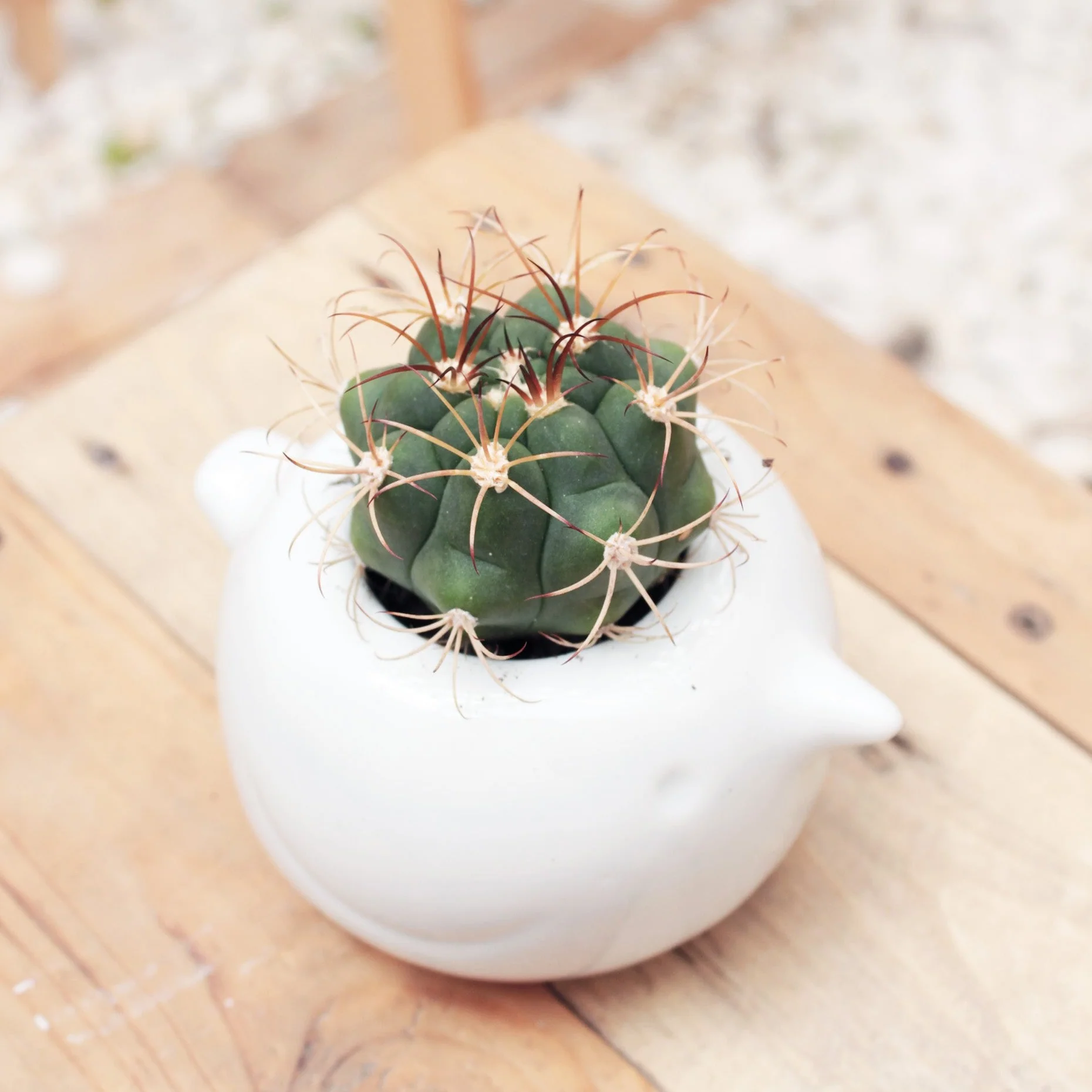
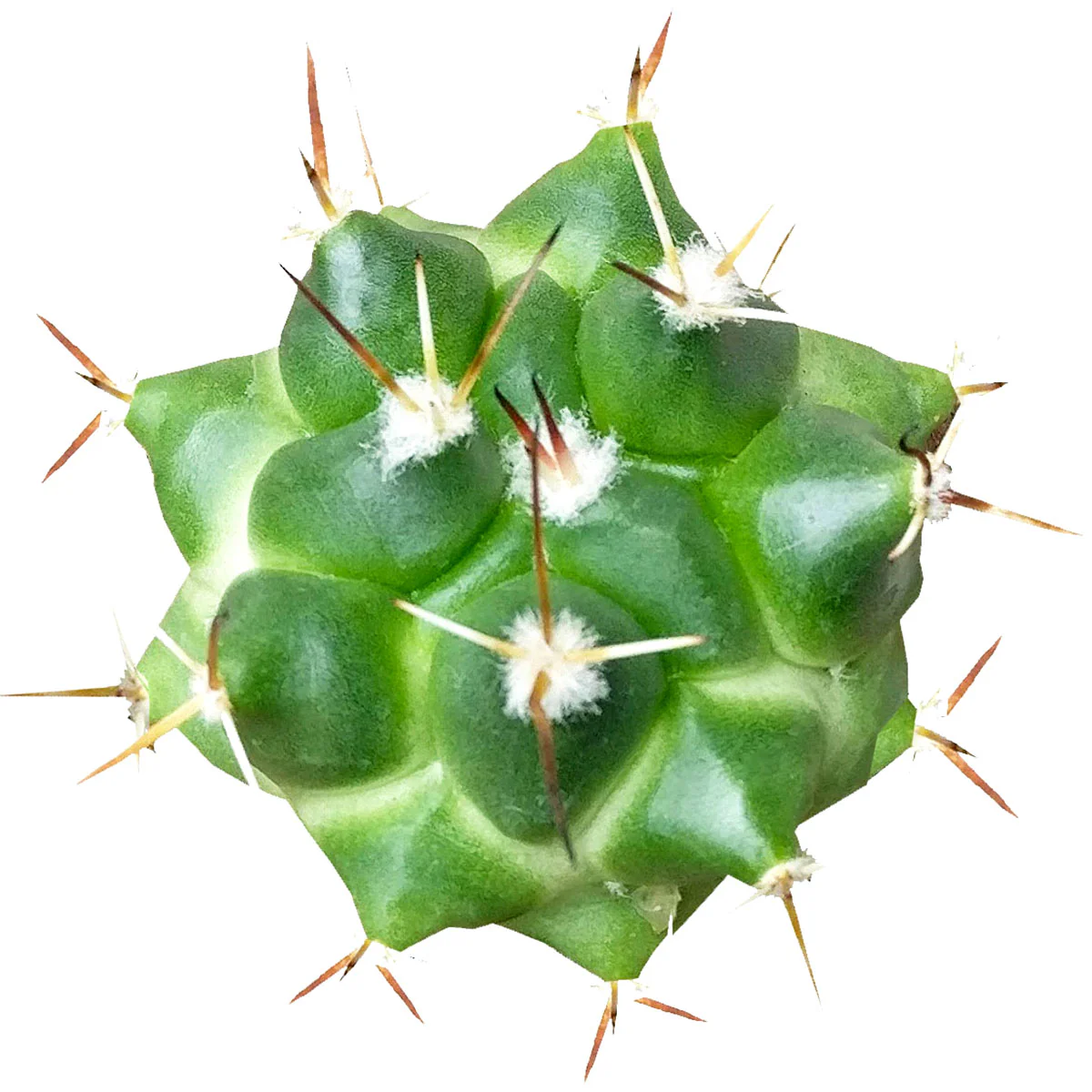
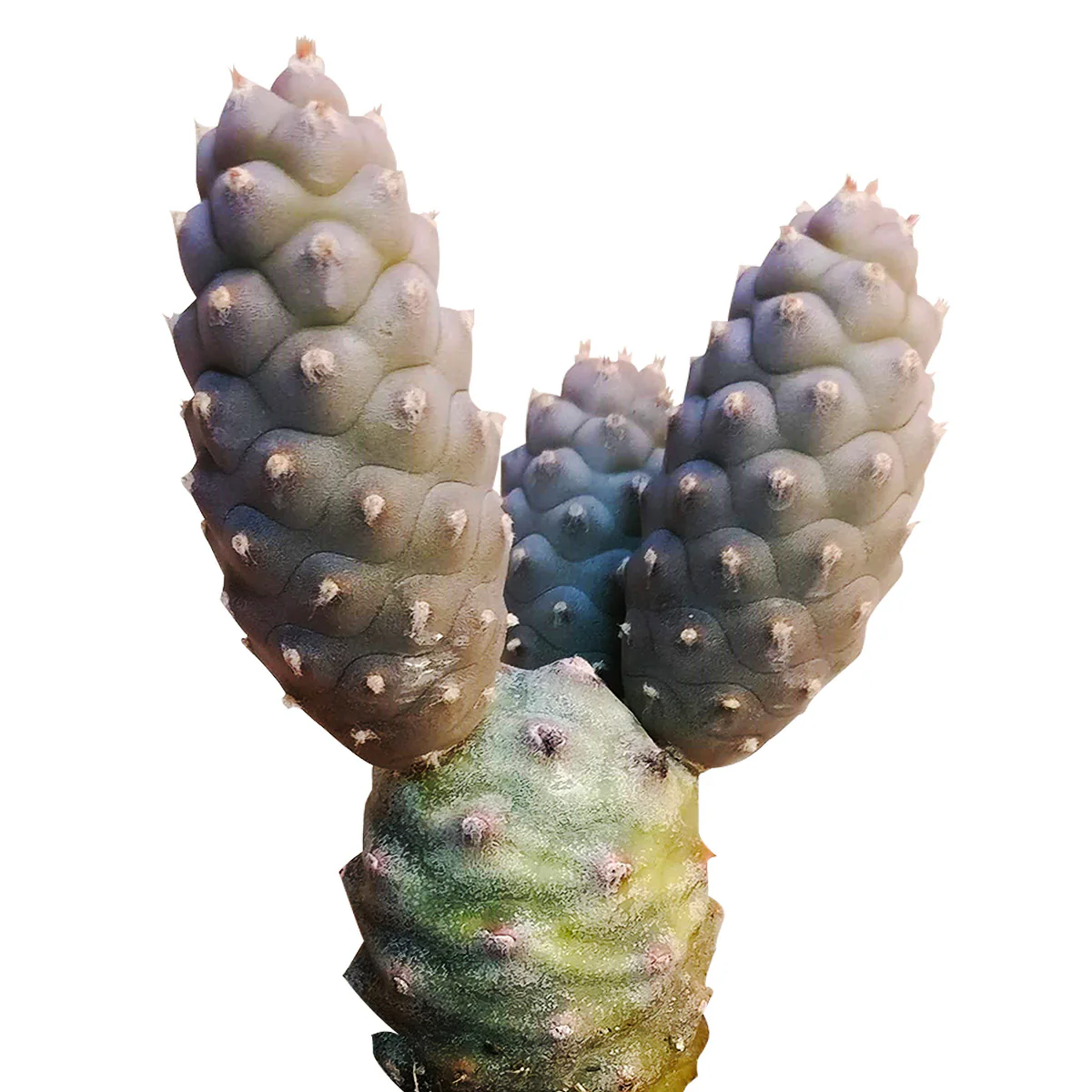
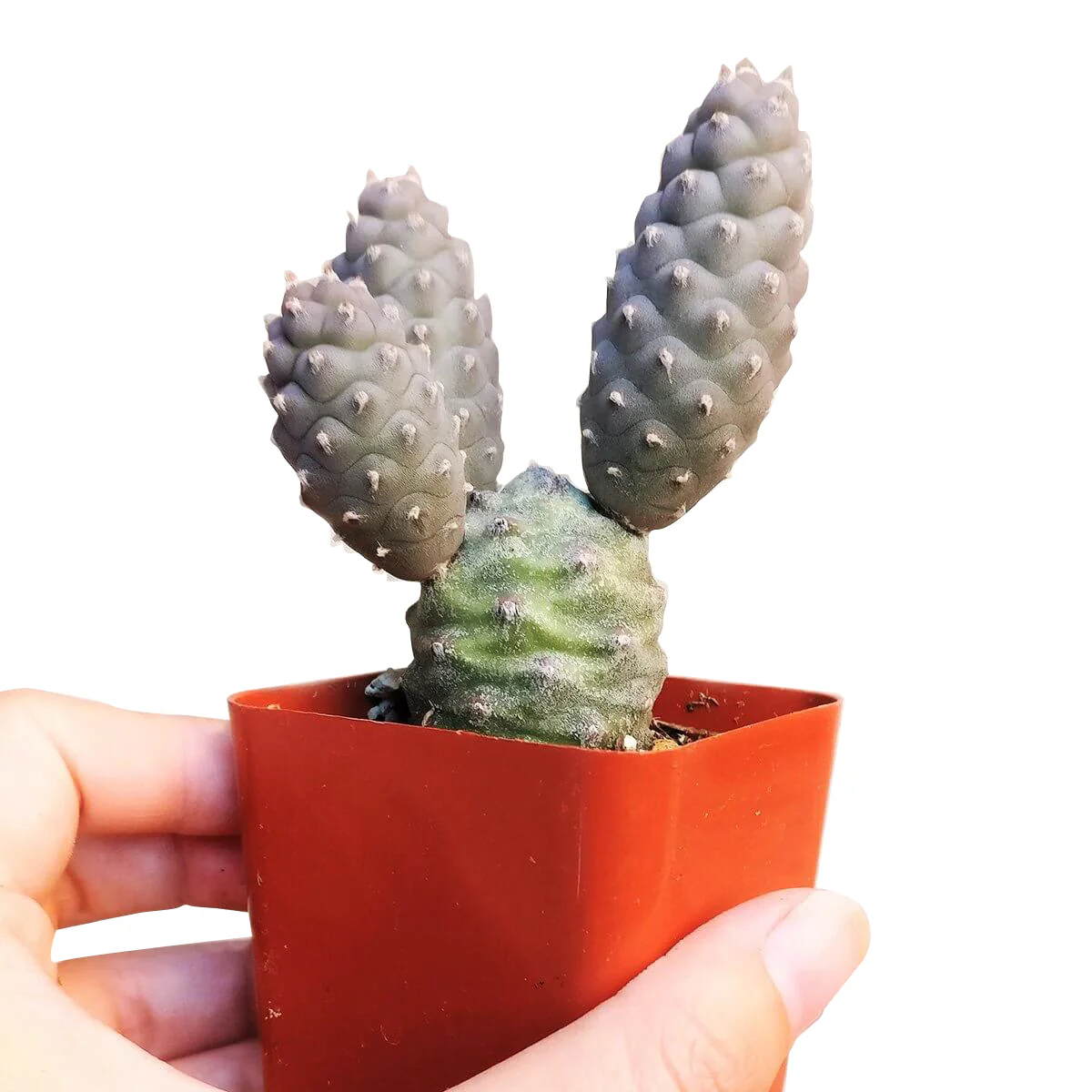
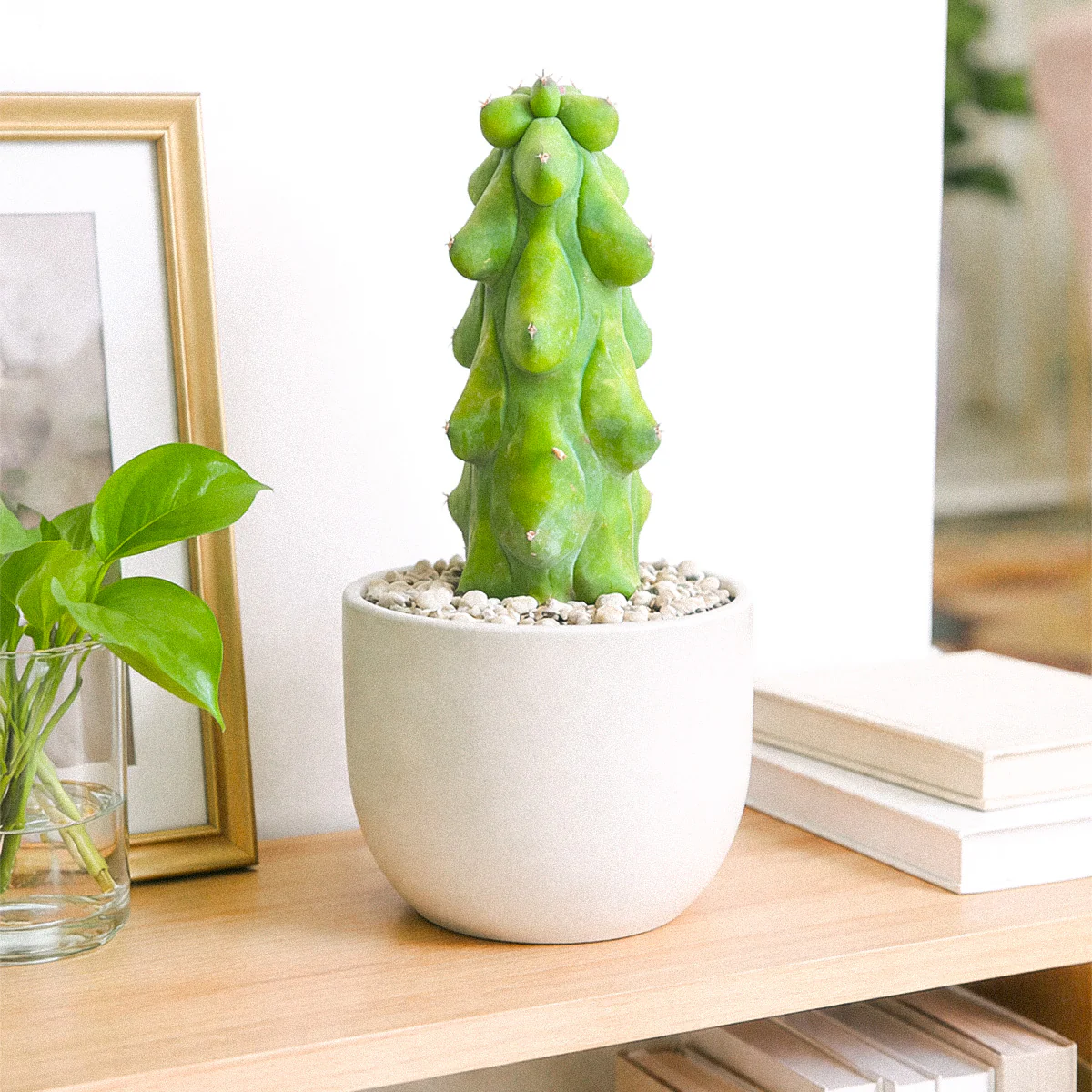
 The Boobie Cactus earns its name from its distinctly rounded, breast-shaped protrusions that emerge along each blue-green columnar stem, creating a striking, one-of-a-kind sculptural form. It grows upright with a waxy, blue-green surface and a compact, architectural presence that makes it an instant conversation piece on any shelf or windowsill.
 Beyond its shape, the Boobie Cactus is celebrated for being a genuinely low maintenance cactus that thrives with minimal fuss. Its drought tolerant nature and slow, steady growth mean it rewards patient growers with a long-lived, ever-evolving living sculpture. Like many rare cacti, it may produce small blooms when given a night temperature drop and the right seasonal conditions, though flowering is infrequent indoors.
 The Boobie Cactus is a dream addition to any rare cactus collection, a windowsill display, or a sunny patio in summer, where it soaks up warm air beautifully. It can move outside for the warmer months but needs cover from rain to prevent rot, and it should be brought back inside before autumn temperatures dip too low. Because the sap can cause skin and paw irritation, it is best placed on a high shelf out of reach of pets and away from small children. As a genuinely rare cactus for sale in limited quantities, adding one to your collection is always a smart move.
-
 Boobie Cactus thrives in bright indirect light and scorches easily in direct south-facing sun.
 Water Boobie Cactus deeply every 2-3 weeks in summer, and reduce to once a month or less in winter.
 Boobie Cactus does best in a fast-draining cactus mix blended with extra perlite or coarse grit.
 Boobie Cactus prefers temperatures between 60-90°F (15-32°C) and should be protected from frost at all times.
![]() Boobie Cactus is a slow grower that benefits from a balanced cactus fertilizer once monthly during the active growing season.
Boobie Cactus is a slow grower that benefits from a balanced cactus fertilizer once monthly during the active growing season.
 Boobie Cactus is best suited to USDA Hardiness Zones 9-11, where temperatures rarely drop below 25-30°F (-4 to -1°C), and it should be grown as a houseplant in cooler regions. Gardeners in Florida, California, Texas, Arizona, Hawaii, Louisiana, southern Georgia, South Carolina, Alabama, Mississippi, and coastal Nevada can grow Boobie Cactus outdoors or on a sheltered patio for much of the year. Those in warmer pockets of Oregon, New Mexico, and coastal areas of the Southeast will also find success keeping Boobie Cactus outside through the frost-free months.
-
Q: How often should I water my Boobie Cactus?
A: Water Boobie Cactus every 2-3 weeks in spring and summer, and cut back to once a month or less in fall and winter. It will show you when it is thirsty by slightly wilting or softening at the base.
Q: Is Boobie Cactus safe for pets?
A: Boobie Cactus sap can cause skin and paw irritation and may be harmful if ingested by pets. Keep it on a high shelf well out of reach of cats, dogs, and small children.
Q: How do I propagate Boobie Cactus?
A: Boobie Cactus can be propagated by carefully removing an offset or cutting, letting it callous for several days, and then planting it in dry cactus mix. Roots typically develop within a few weeks in warm conditions.
Q: How fast does Boobie Cactus grow?
A: Boobie Cactus is a slow grower, so do not expect dramatic size changes quickly. This makes it an ideal low maintenance cactus for collectors who appreciate a plant that stays manageable for years.
Q: Can Boobie Cactus go outside in summer?
A: Yes, Boobie Cactus loves spending summer outdoors in a warm, sheltered spot with bright indirect light. Just be sure to protect it from heavy rain and bring it back inside before temperatures drop in autumn.
Q: Why are the stems on my Boobie Cactus turning yellow?
A: Yellowing on Boobie Cactus is most often caused by overwatering, poor drainage, or exposure to cold drafts from air conditioning or heating vents. Let the soil dry out fully between waterings and move it away from any direct airflow to help it recover.


Original: $67.00
-70%$67.00
$20.10Product Information
Product Information
Shipping & Returns
Shipping & Returns
Description
- Description
- Boobie Cactus 'Fukurokuryuzinboku' Care Guide
- FAQ/Common Issues
-
![]() The Boobie Cactus is a rare, sculptural succulent native to central Mexico, where it grows in warm, semi-arid highlands. Known botanically as Myrtillocactus geometrizans fukurokuryuzinboku, this collector cactus has earned a devoted following among rare plant enthusiasts worldwide for its unmistakable silhouette and easy-going nature.
The Boobie Cactus is a rare, sculptural succulent native to central Mexico, where it grows in warm, semi-arid highlands. Known botanically as Myrtillocactus geometrizans fukurokuryuzinboku, this collector cactus has earned a devoted following among rare plant enthusiasts worldwide for its unmistakable silhouette and easy-going nature.
The Boobie Cactus earns its name from its distinctly rounded, breast-shaped protrusions that emerge along each blue-green columnar stem, creating a striking, one-of-a-kind sculptural form. It grows upright with a waxy, blue-green surface and a compact, architectural presence that makes it an instant conversation piece on any shelf or windowsill.
Beyond its shape, the Boobie Cactus is celebrated for being a genuinely low maintenance cactus that thrives with minimal fuss. Its drought tolerant nature and slow, steady growth mean it rewards patient growers with a long-lived, ever-evolving living sculpture. Like many rare cacti, it may produce small blooms when given a night temperature drop and the right seasonal conditions, though flowering is infrequent indoors.
The Boobie Cactus is a dream addition to any rare cactus collection, a windowsill display, or a sunny patio in summer, where it soaks up warm air beautifully. It can move outside for the warmer months but needs cover from rain to prevent rot, and it should be brought back inside before autumn temperatures dip too low. Because the sap can cause skin and paw irritation, it is best placed on a high shelf out of reach of pets and away from small children. As a genuinely rare cactus for sale in limited quantities, adding one to your collection is always a smart move.
-
Boobie Cactus thrives in bright indirect light and scorches easily in direct south-facing sun.
Water Boobie Cactus deeply every 2-3 weeks in summer, and reduce to once a month or less in winter.
Boobie Cactus does best in a fast-draining cactus mix blended with extra perlite or coarse grit.
Boobie Cactus prefers temperatures between 60-90°F (15-32°C) and should be protected from frost at all times.
![]() Boobie Cactus is a slow grower that benefits from a balanced cactus fertilizer once monthly during the active growing season.
Boobie Cactus is a slow grower that benefits from a balanced cactus fertilizer once monthly during the active growing season.
Boobie Cactus is best suited to USDA Hardiness Zones 9-11, where temperatures rarely drop below 25-30°F (-4 to -1°C), and it should be grown as a houseplant in cooler regions. Gardeners in Florida, California, Texas, Arizona, Hawaii, Louisiana, southern Georgia, South Carolina, Alabama, Mississippi, and coastal Nevada can grow Boobie Cactus outdoors or on a sheltered patio for much of the year. Those in warmer pockets of Oregon, New Mexico, and coastal areas of the Southeast will also find success keeping Boobie Cactus outside through the frost-free months.
-
Q: How often should I water my Boobie Cactus?
A: Water Boobie Cactus every 2-3 weeks in spring and summer, and cut back to once a month or less in fall and winter. It will show you when it is thirsty by slightly wilting or softening at the base.
Q: Is Boobie Cactus safe for pets?
A: Boobie Cactus sap can cause skin and paw irritation and may be harmful if ingested by pets. Keep it on a high shelf well out of reach of cats, dogs, and small children.
Q: How do I propagate Boobie Cactus?
A: Boobie Cactus can be propagated by carefully removing an offset or cutting, letting it callous for several days, and then planting it in dry cactus mix. Roots typically develop within a few weeks in warm conditions.
Q: How fast does Boobie Cactus grow?
A: Boobie Cactus is a slow grower, so do not expect dramatic size changes quickly. This makes it an ideal low maintenance cactus for collectors who appreciate a plant that stays manageable for years.
Q: Can Boobie Cactus go outside in summer?
A: Yes, Boobie Cactus loves spending summer outdoors in a warm, sheltered spot with bright indirect light. Just be sure to protect it from heavy rain and bring it back inside before temperatures drop in autumn.
Q: Why are the stems on my Boobie Cactus turning yellow?
A: Yellowing on Boobie Cactus is most often caused by overwatering, poor drainage, or exposure to cold drafts from air conditioning or heating vents. Let the soil dry out fully between waterings and move it away from any direct airflow to help it recover.