Aloe Vera
- Description
- Aloe Vera Care Guide
- FAQ/Common Issues
-
![]() Aloe Vera is a succulent houseplant in the Asphodelaceae family, celebrated for centuries as a medicinal aloe and healing plant. Native to the Arabian Peninsula, it has naturalized across Africa, the Mediterranean, and tropical regions worldwide, thriving in warm, arid climates with well-drained soils.
Aloe Vera is a succulent houseplant in the Asphodelaceae family, celebrated for centuries as a medicinal aloe and healing plant. Native to the Arabian Peninsula, it has naturalized across Africa, the Mediterranean, and tropical regions worldwide, thriving in warm, arid climates with well-drained soils.
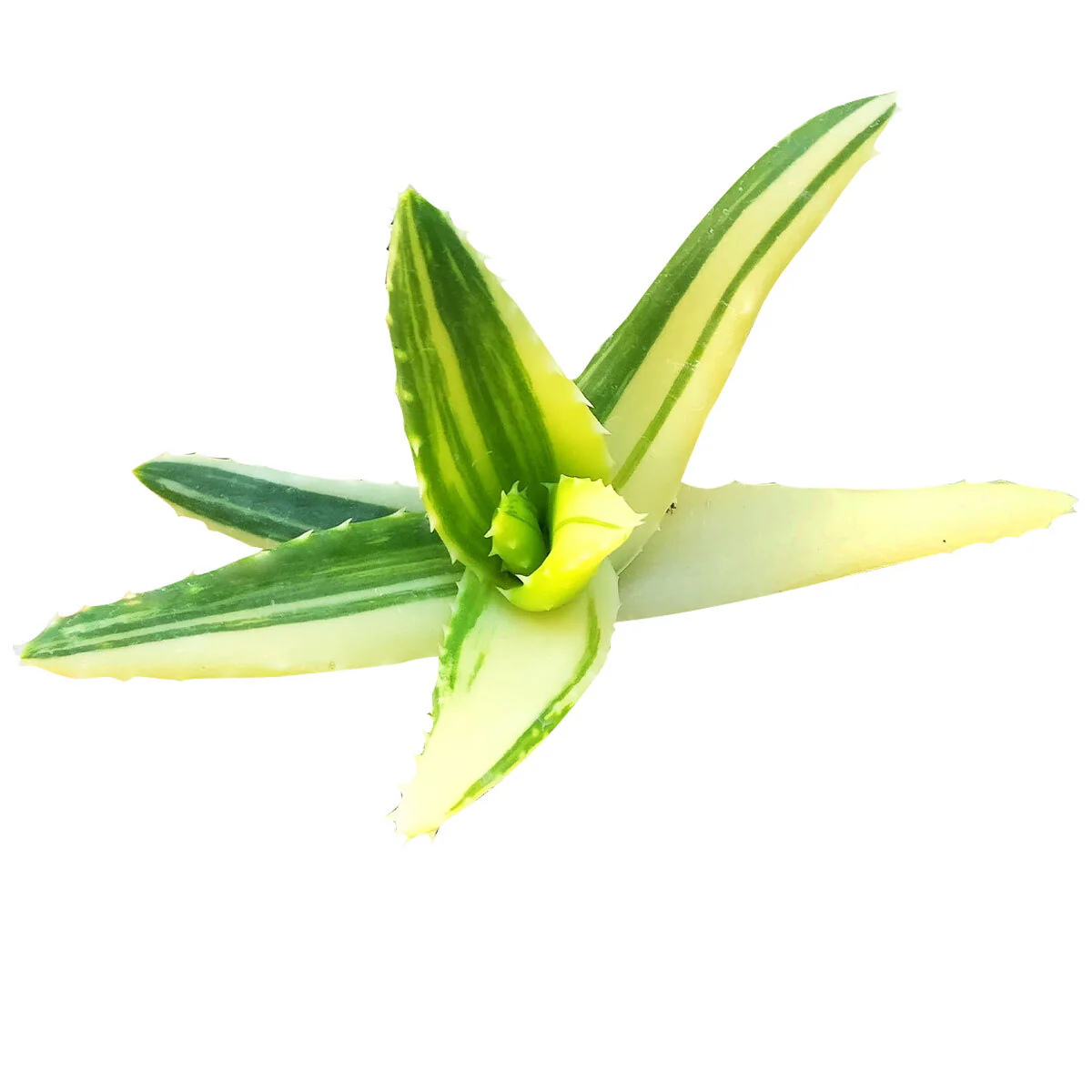
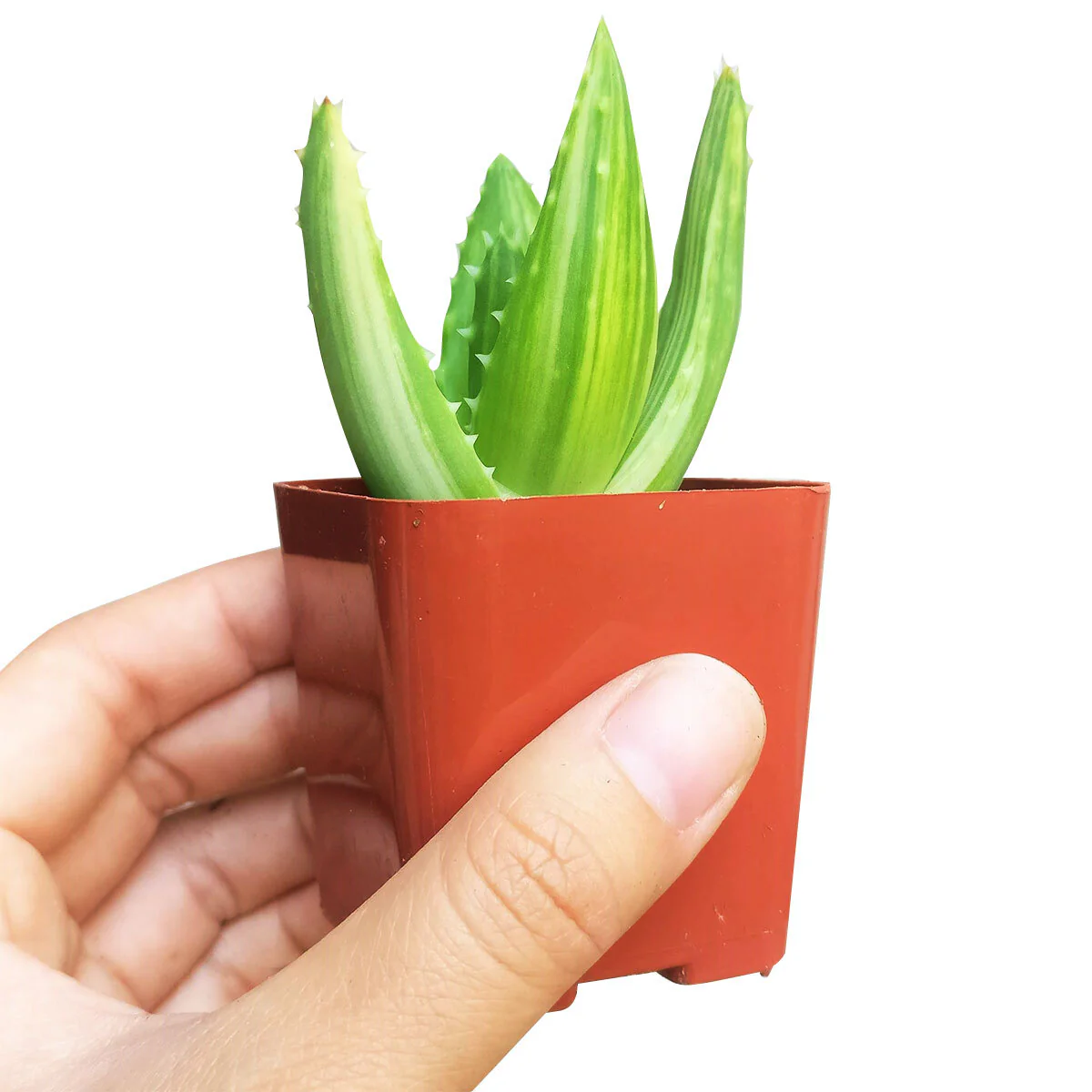
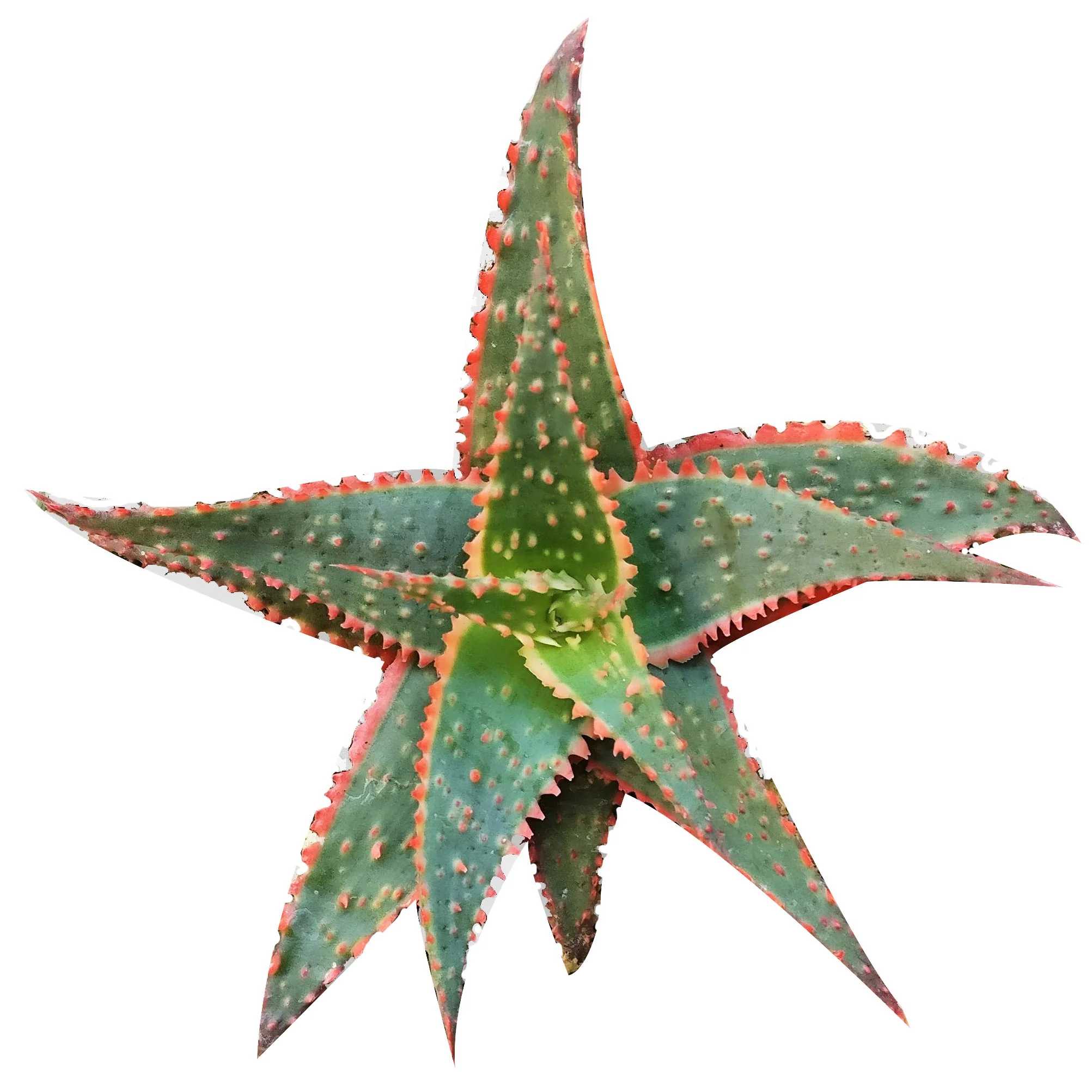
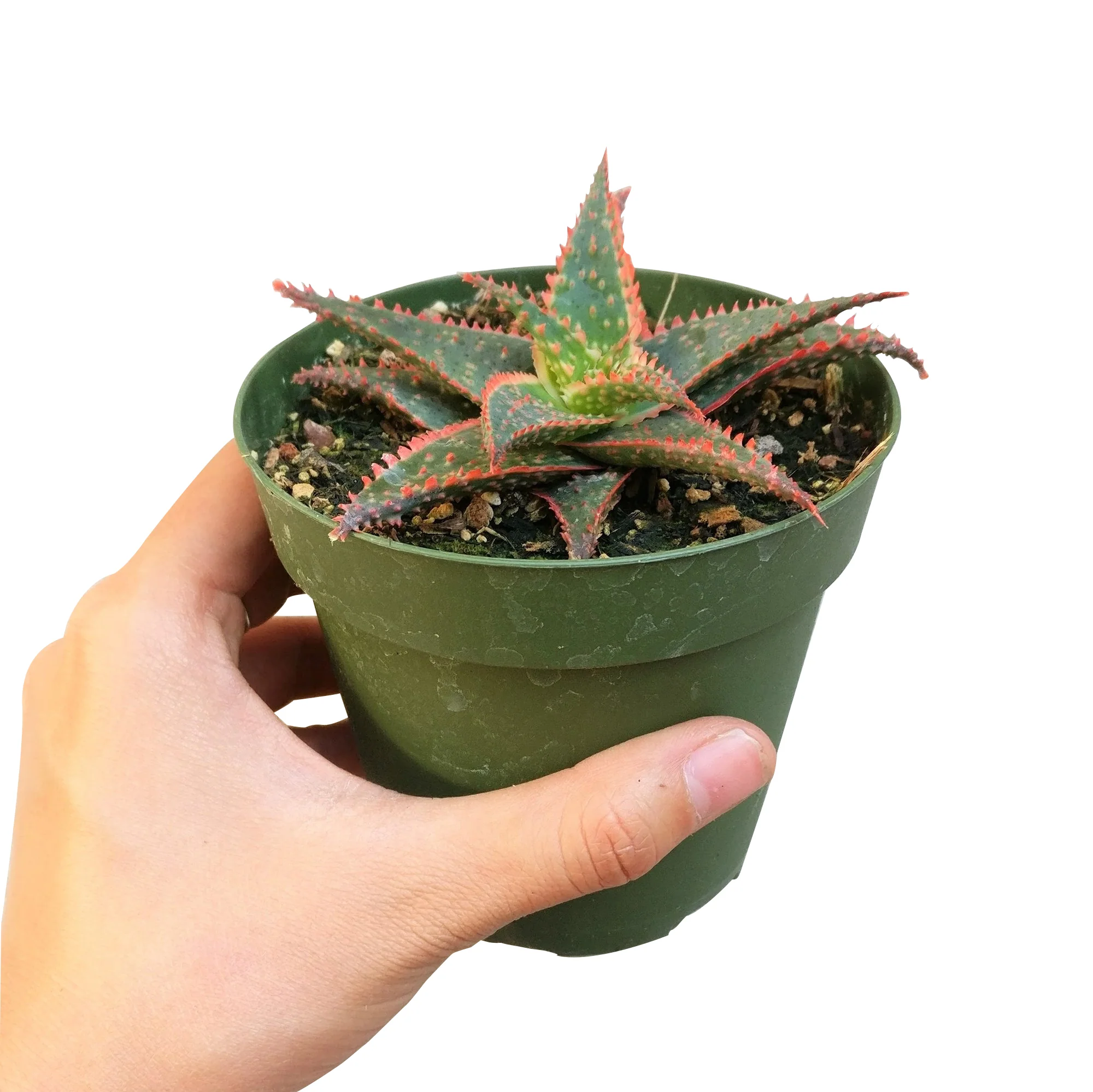
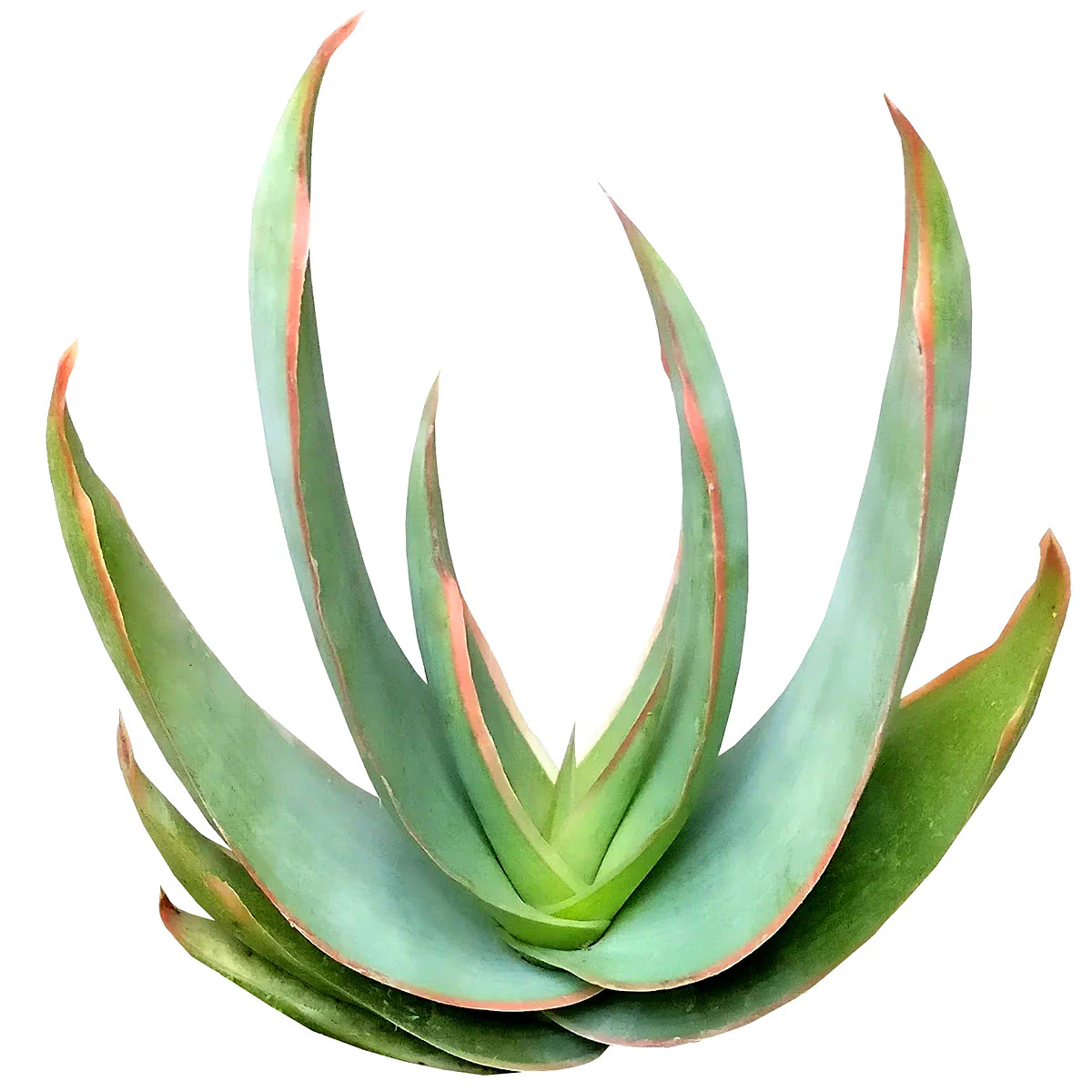
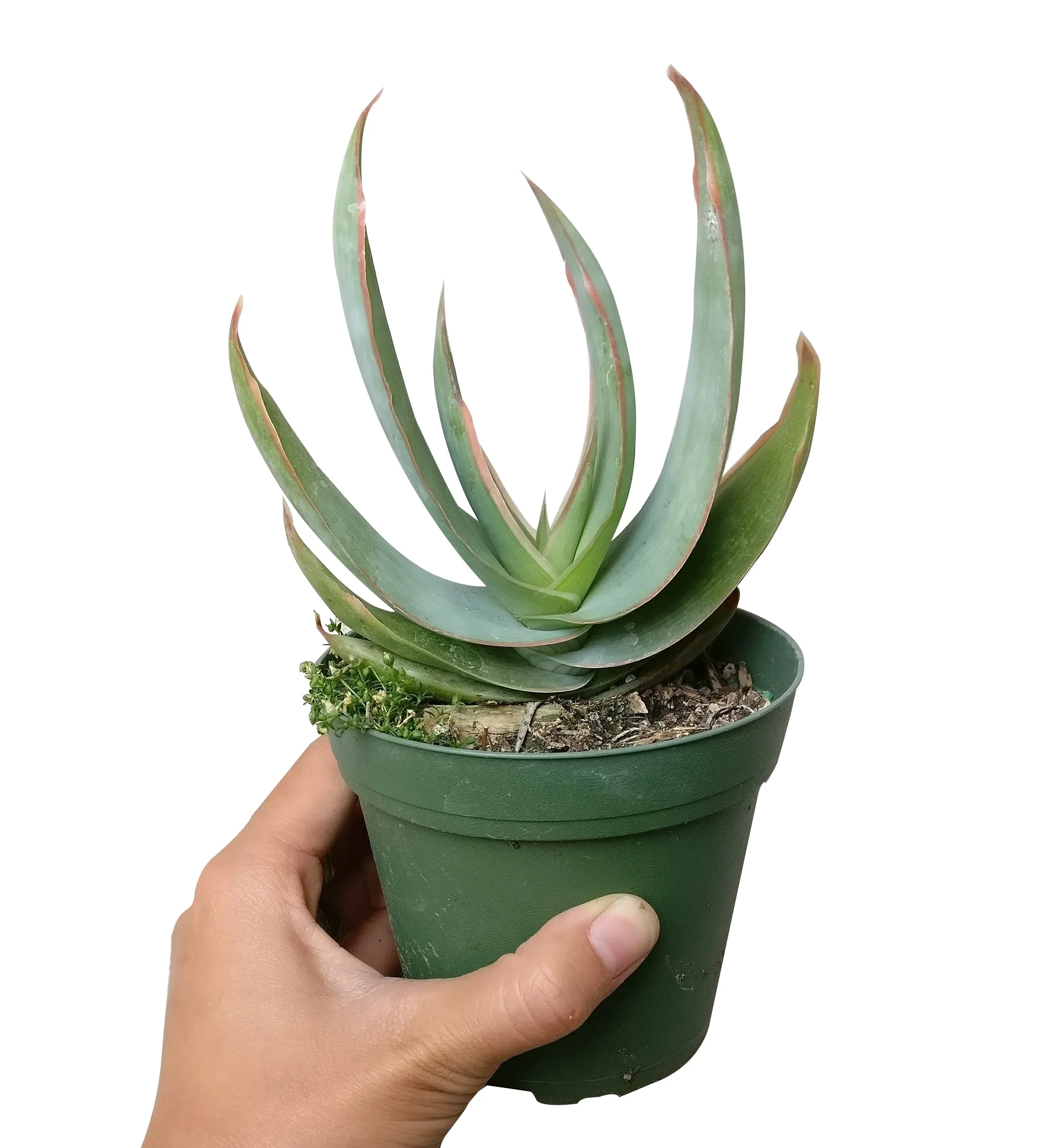
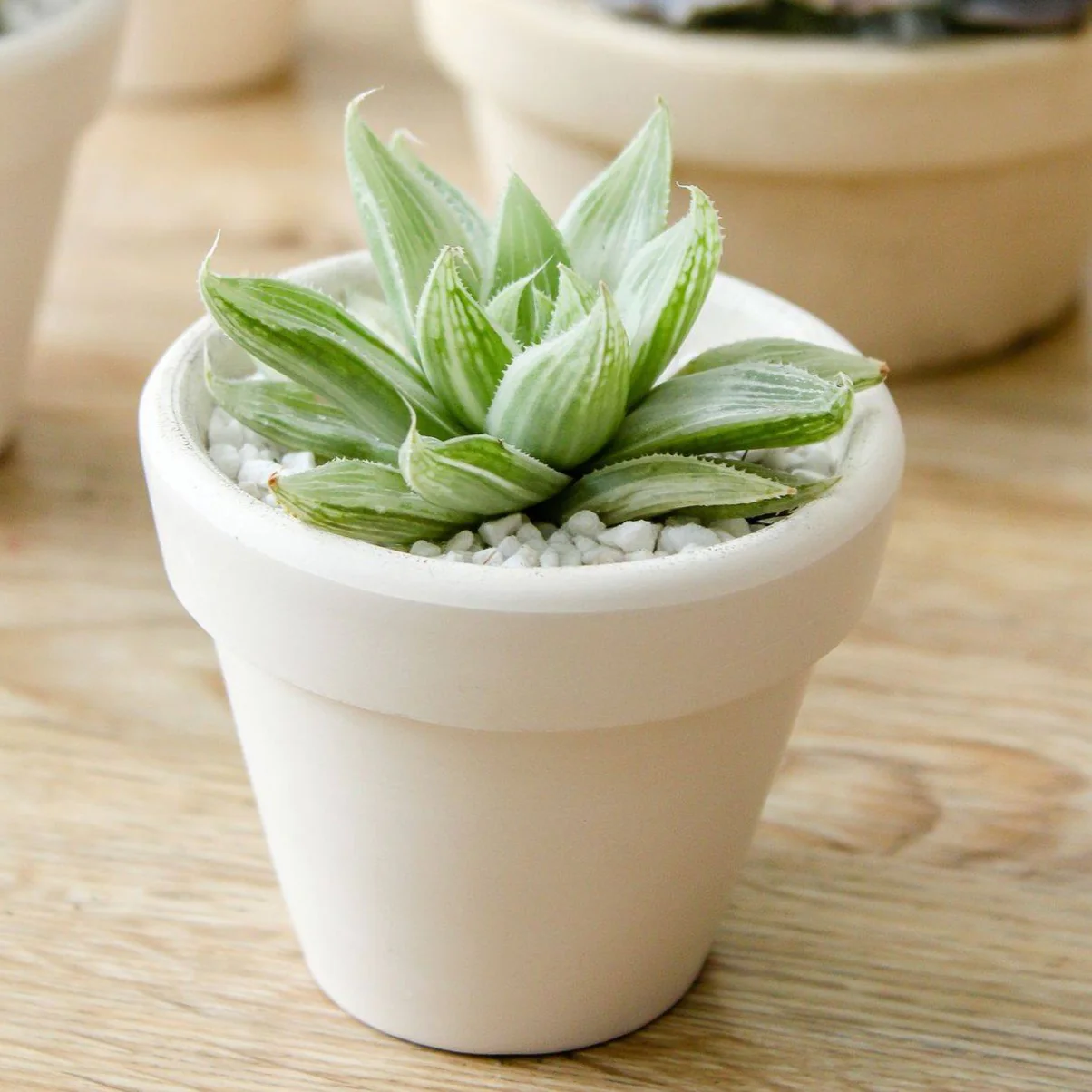
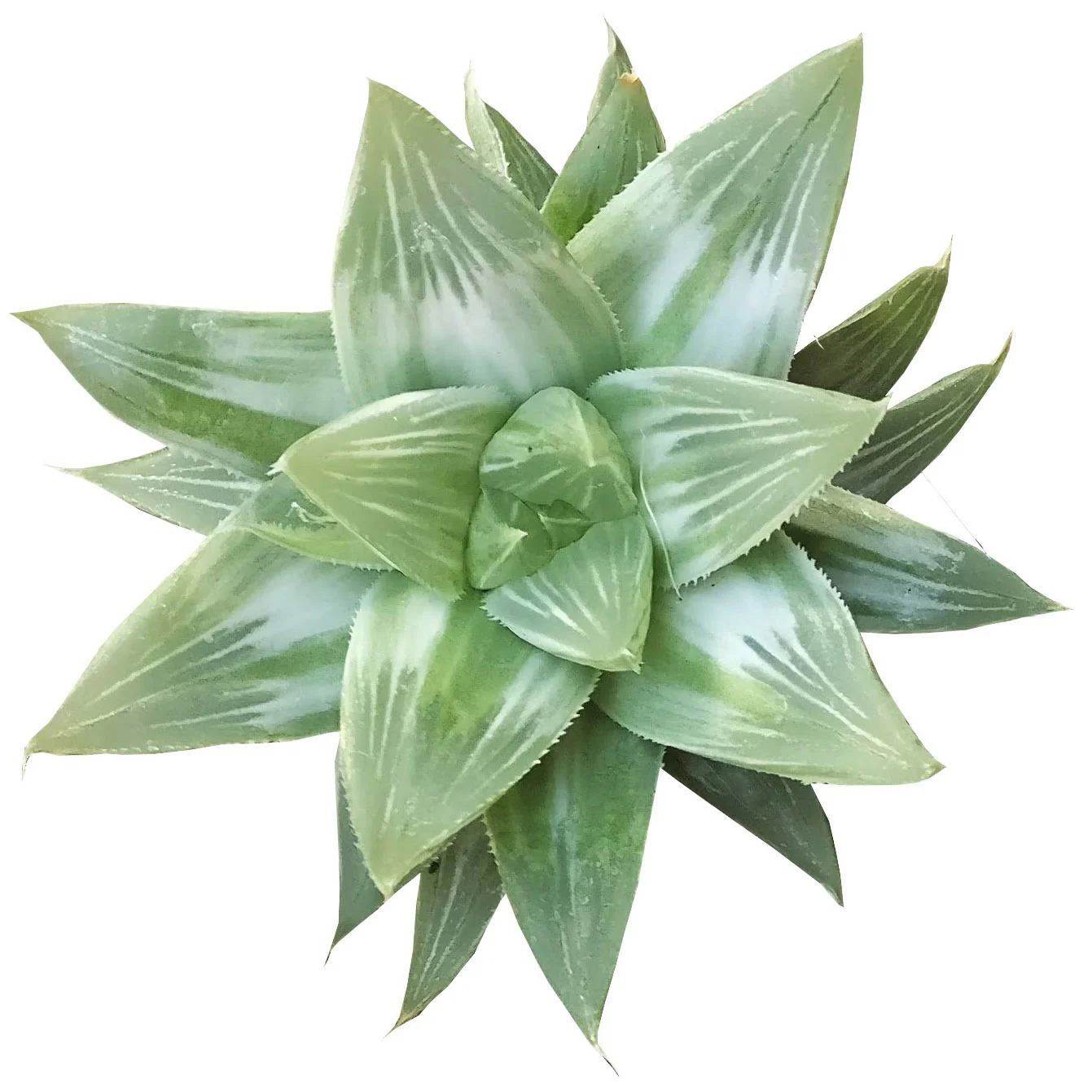
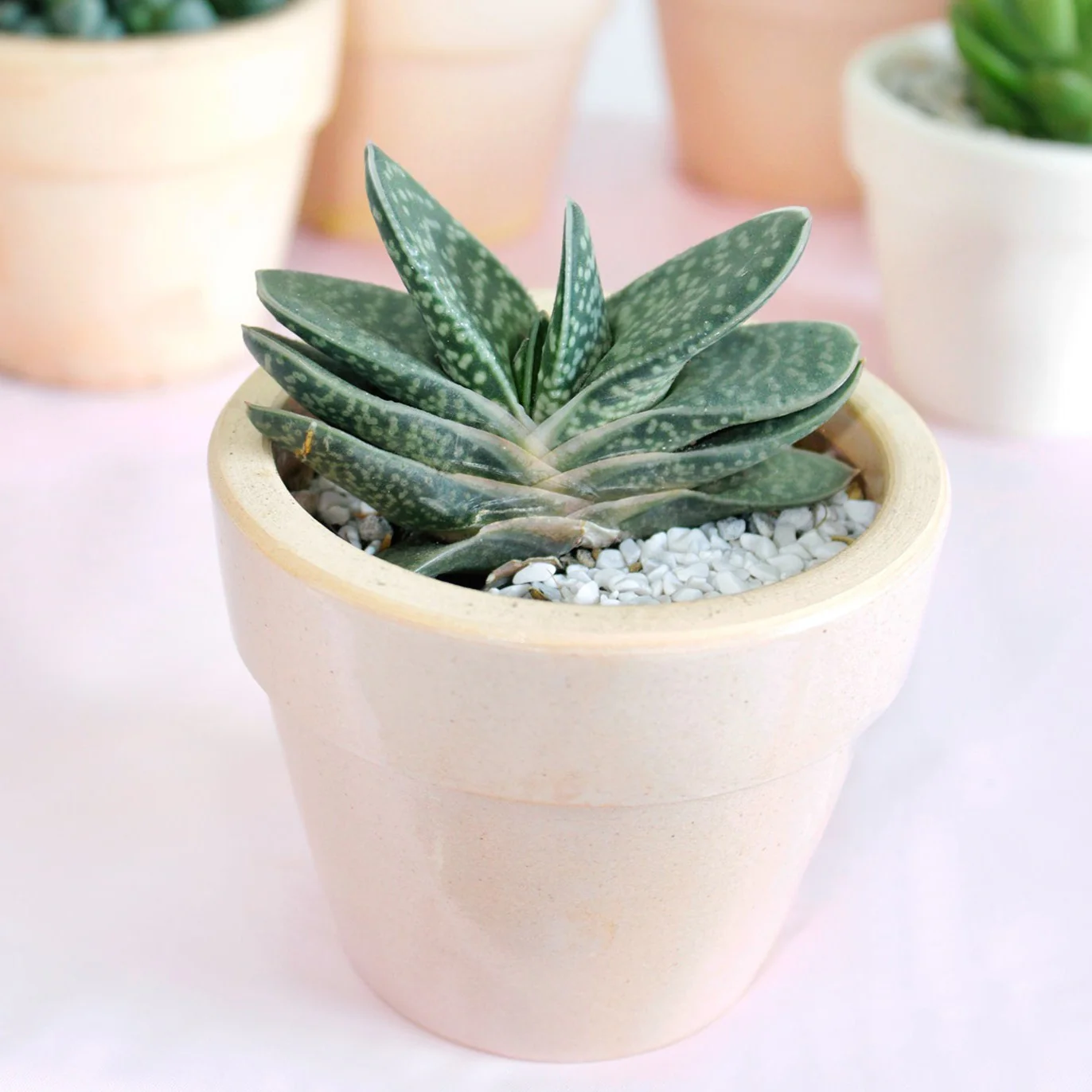
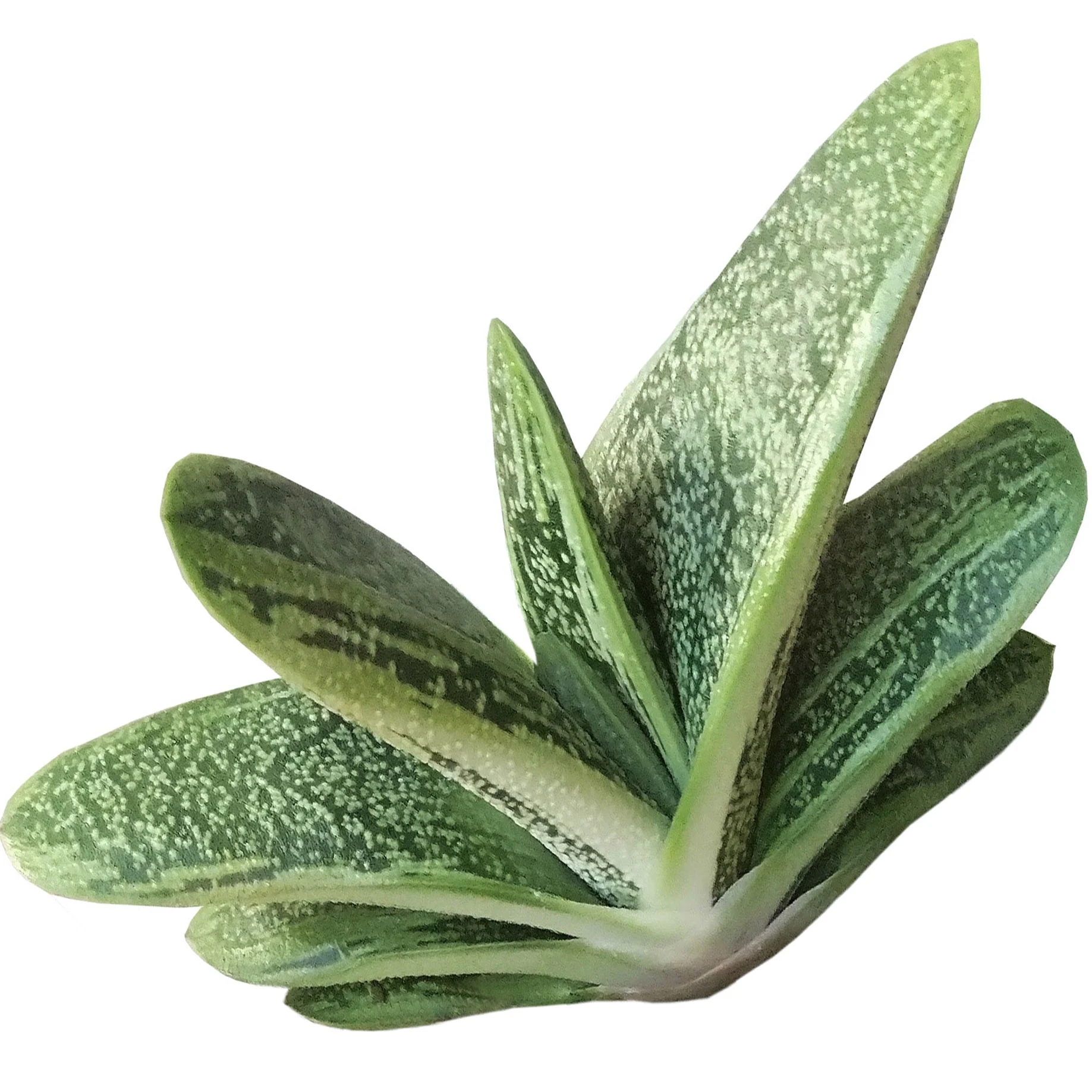
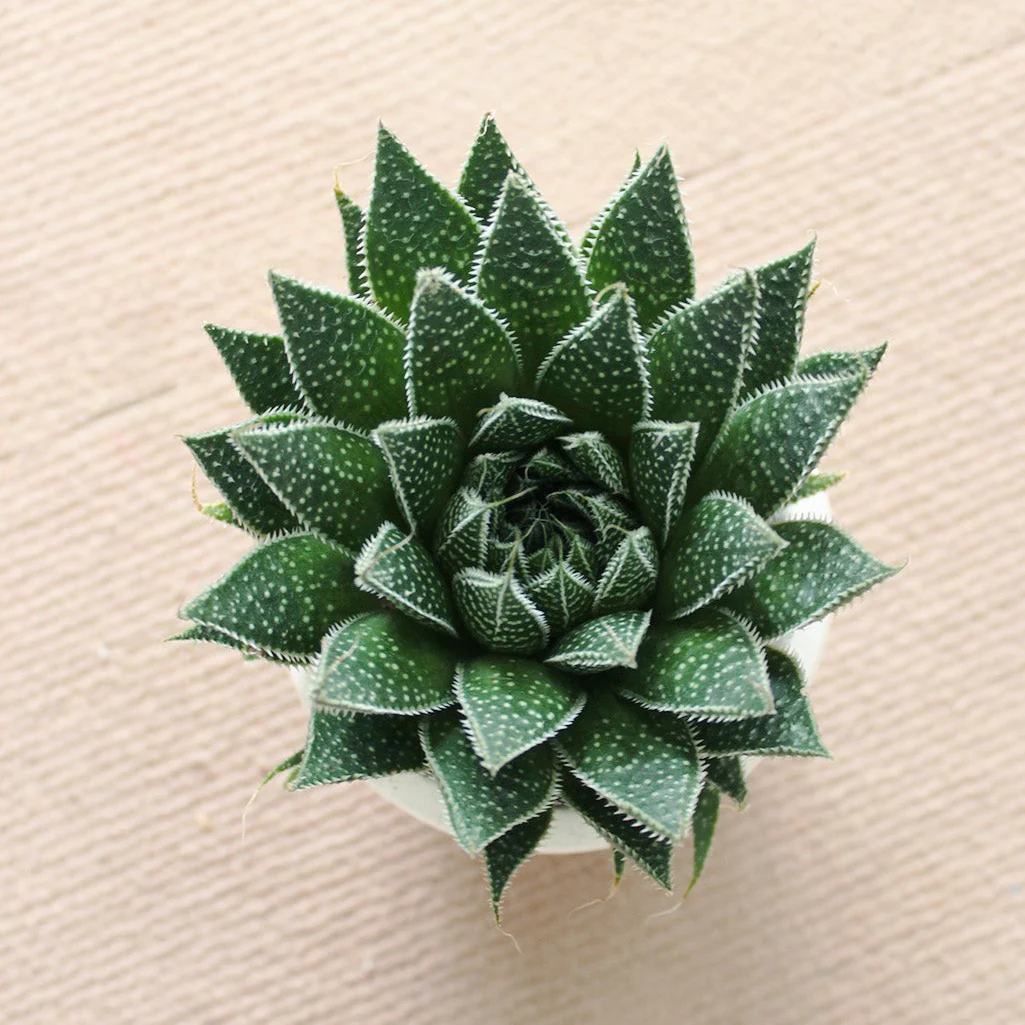
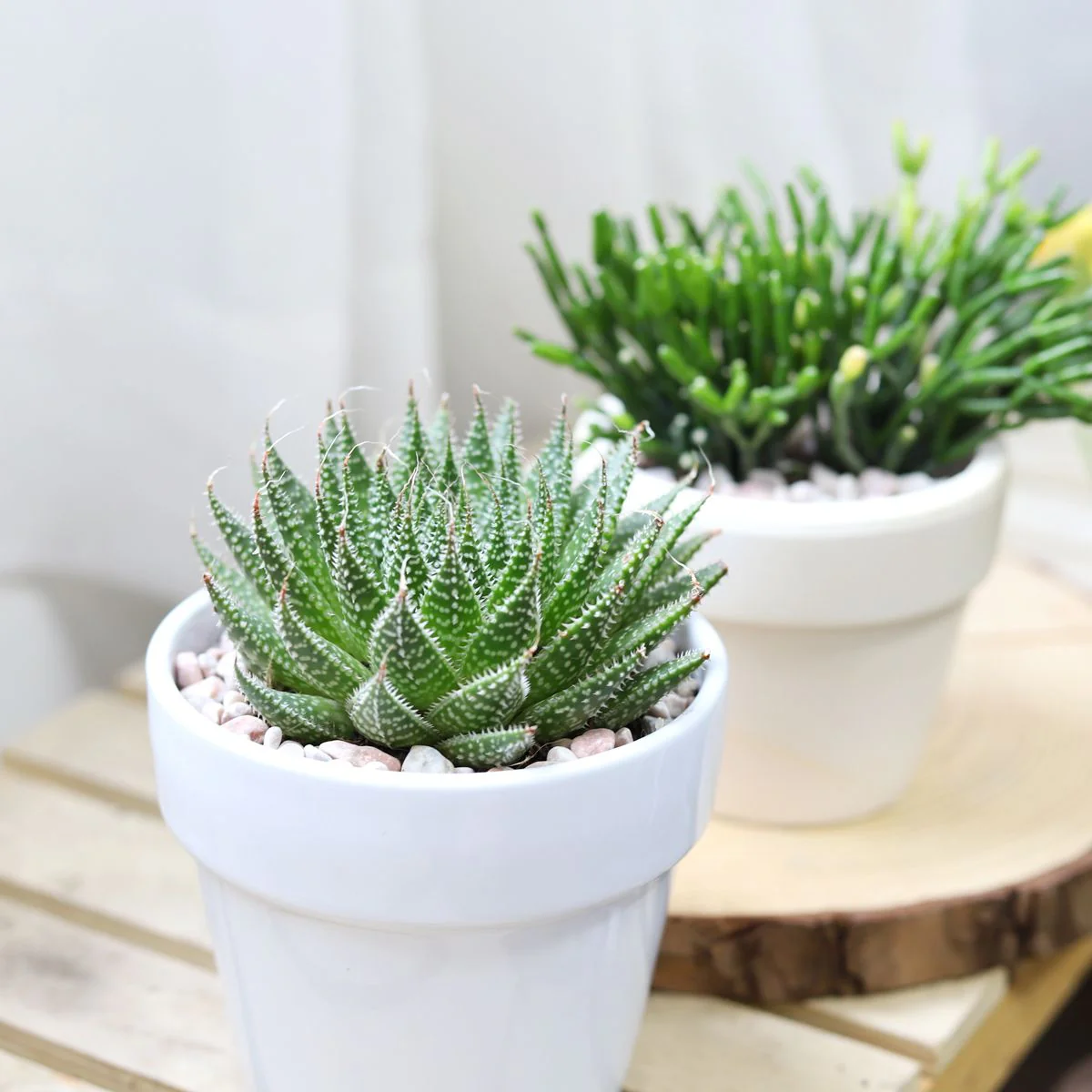
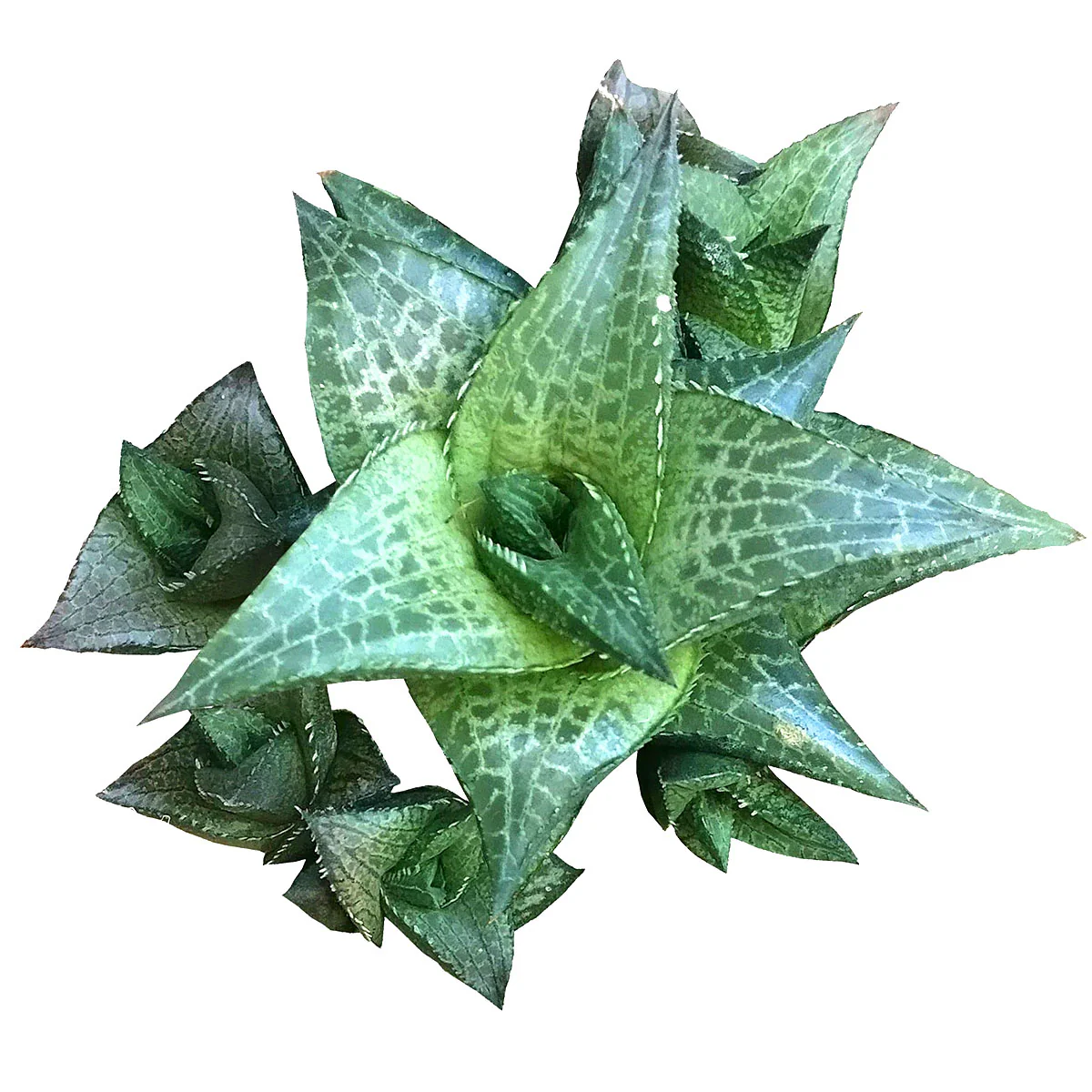
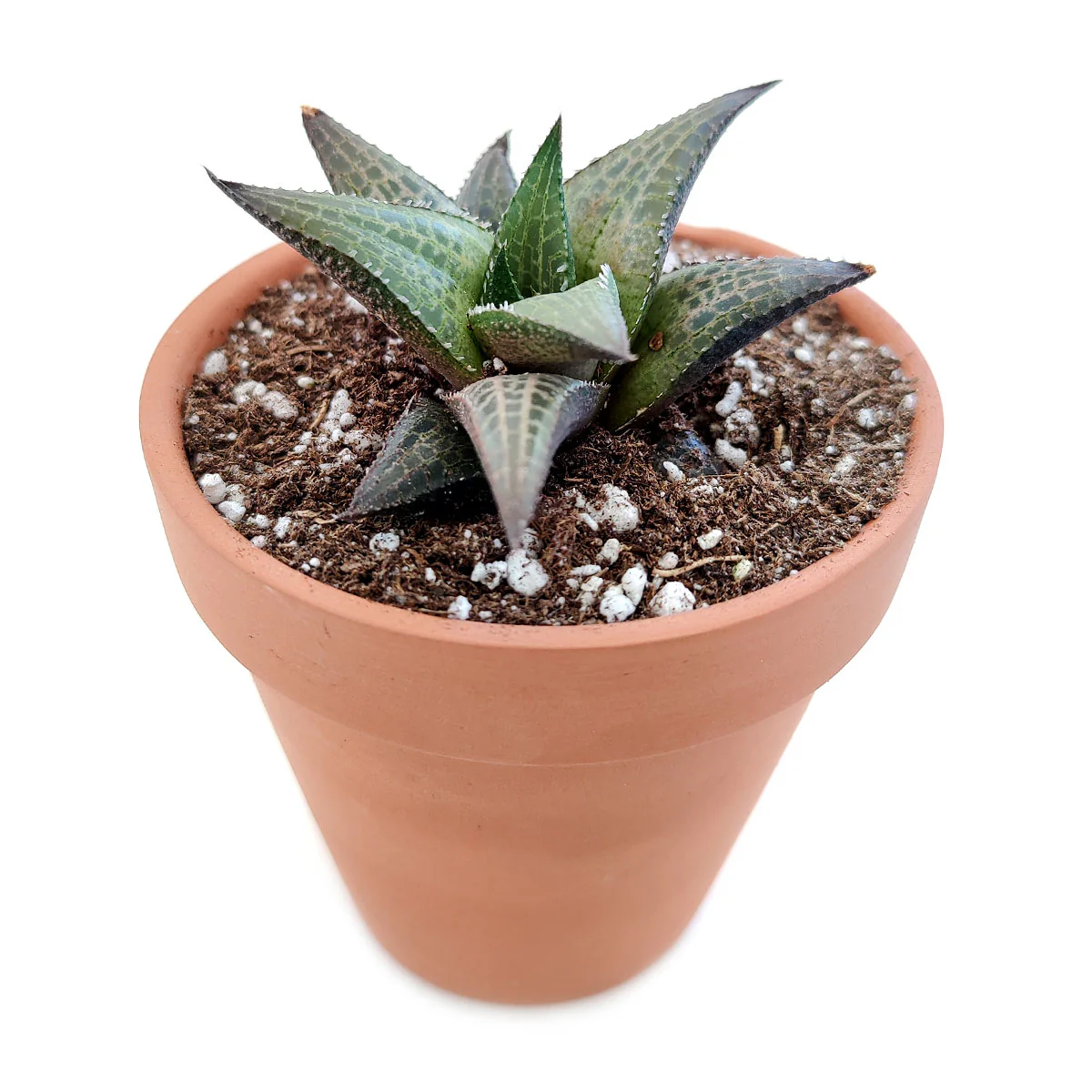
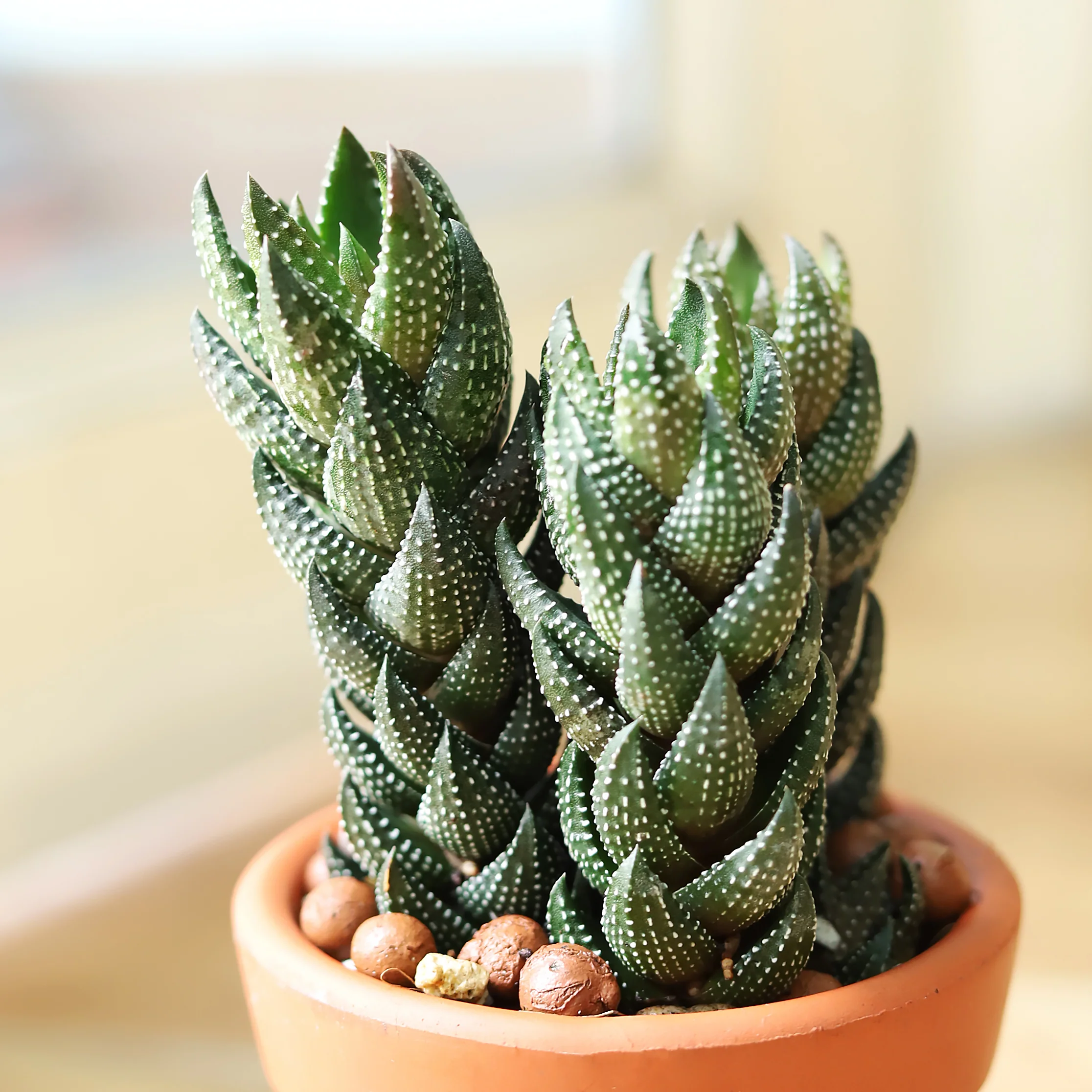
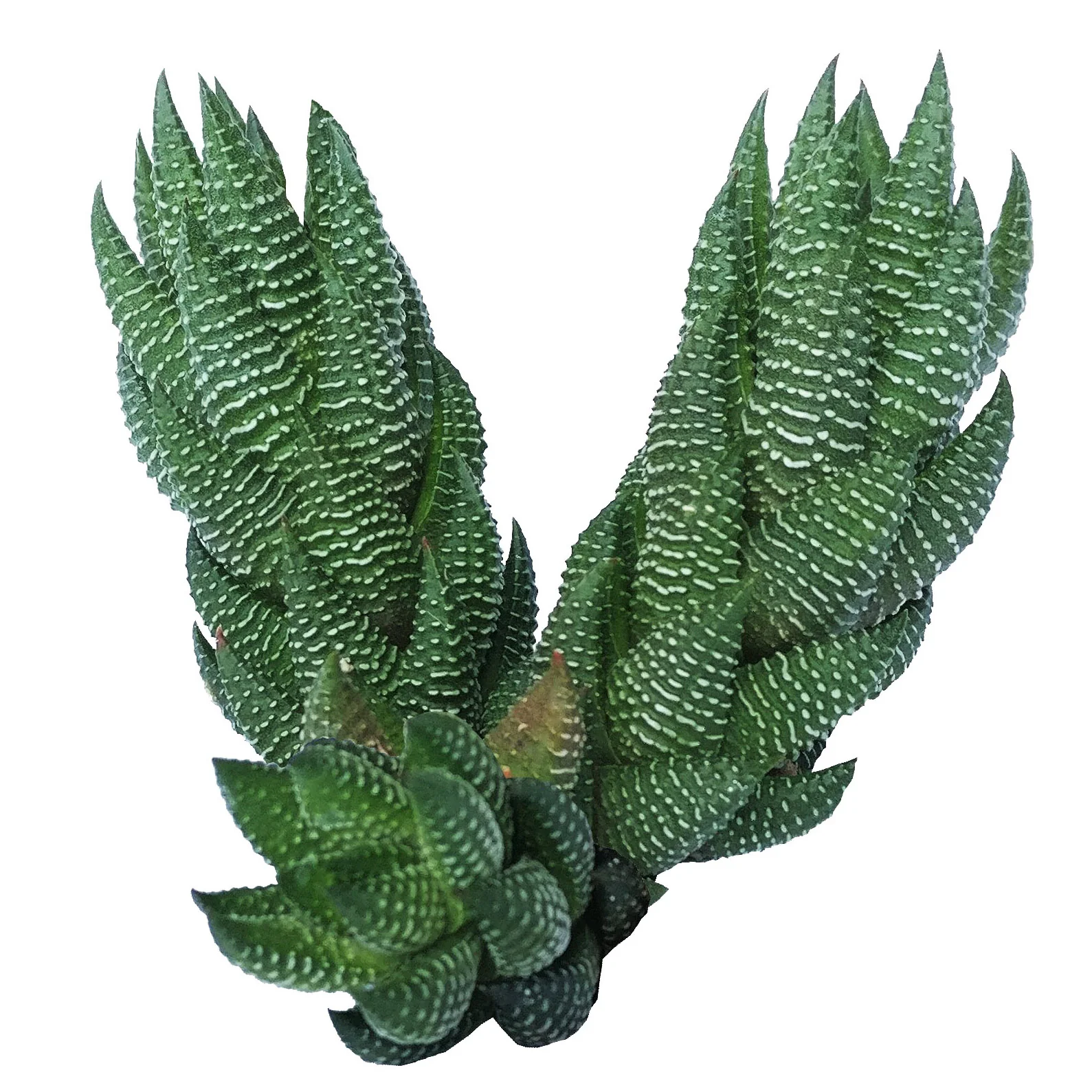
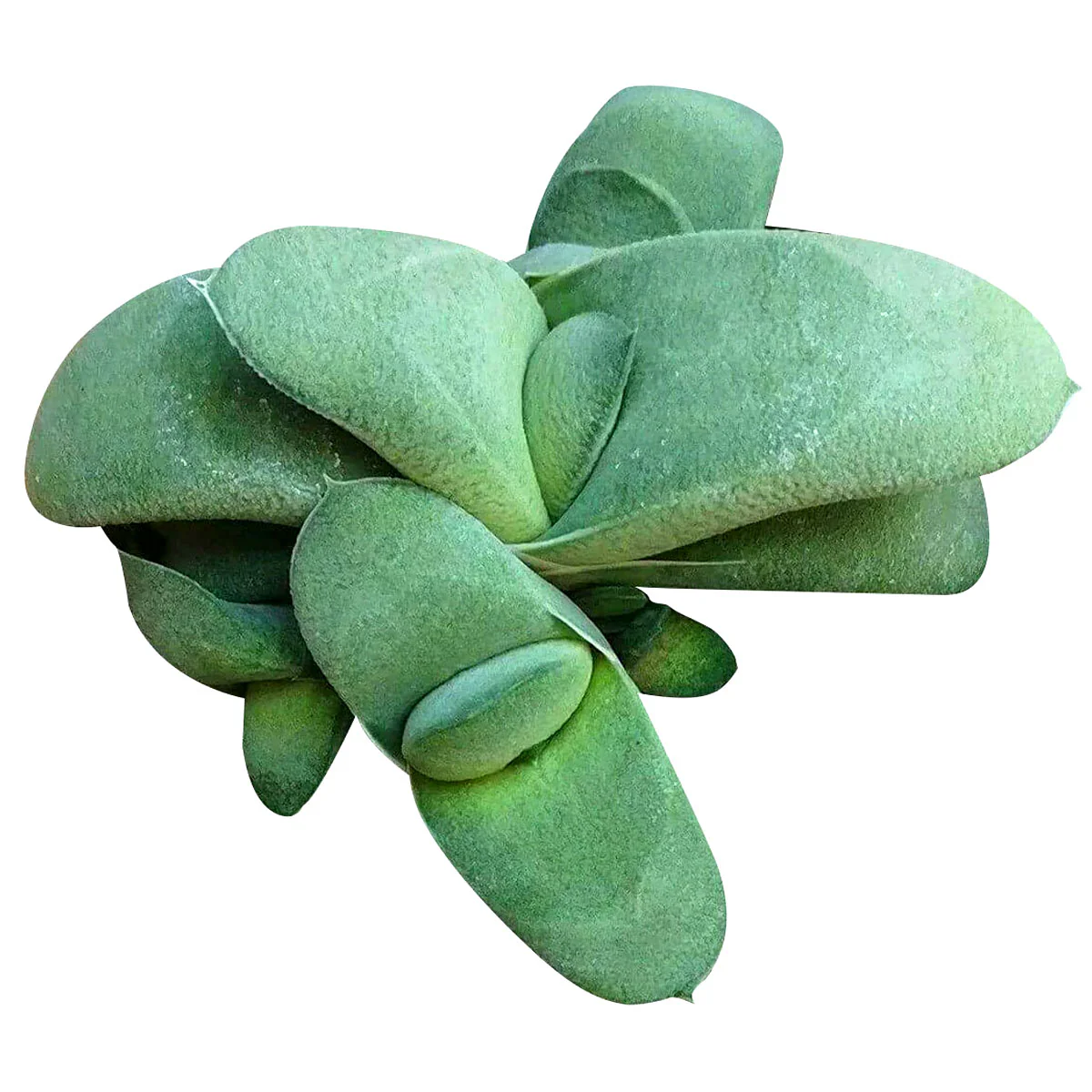
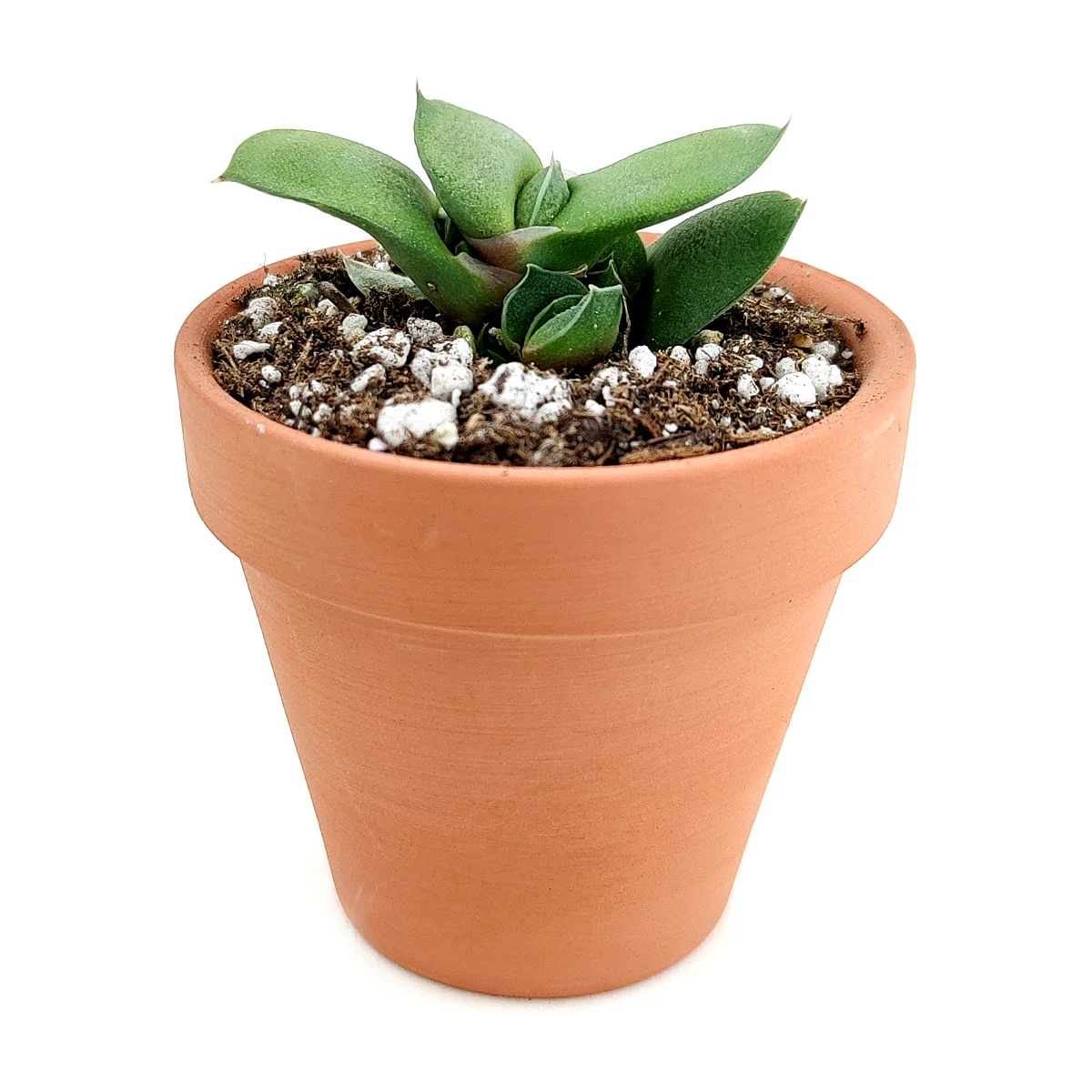
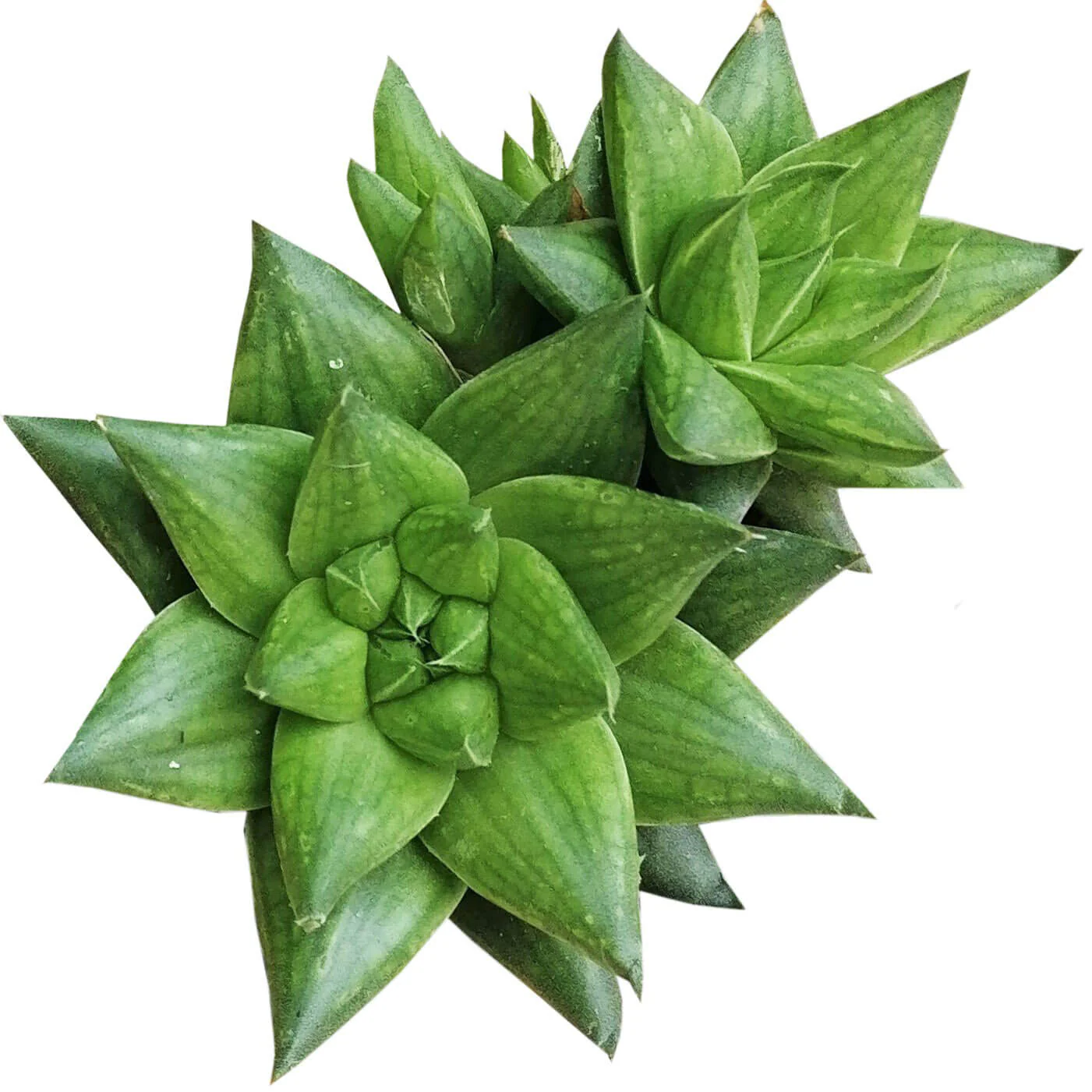
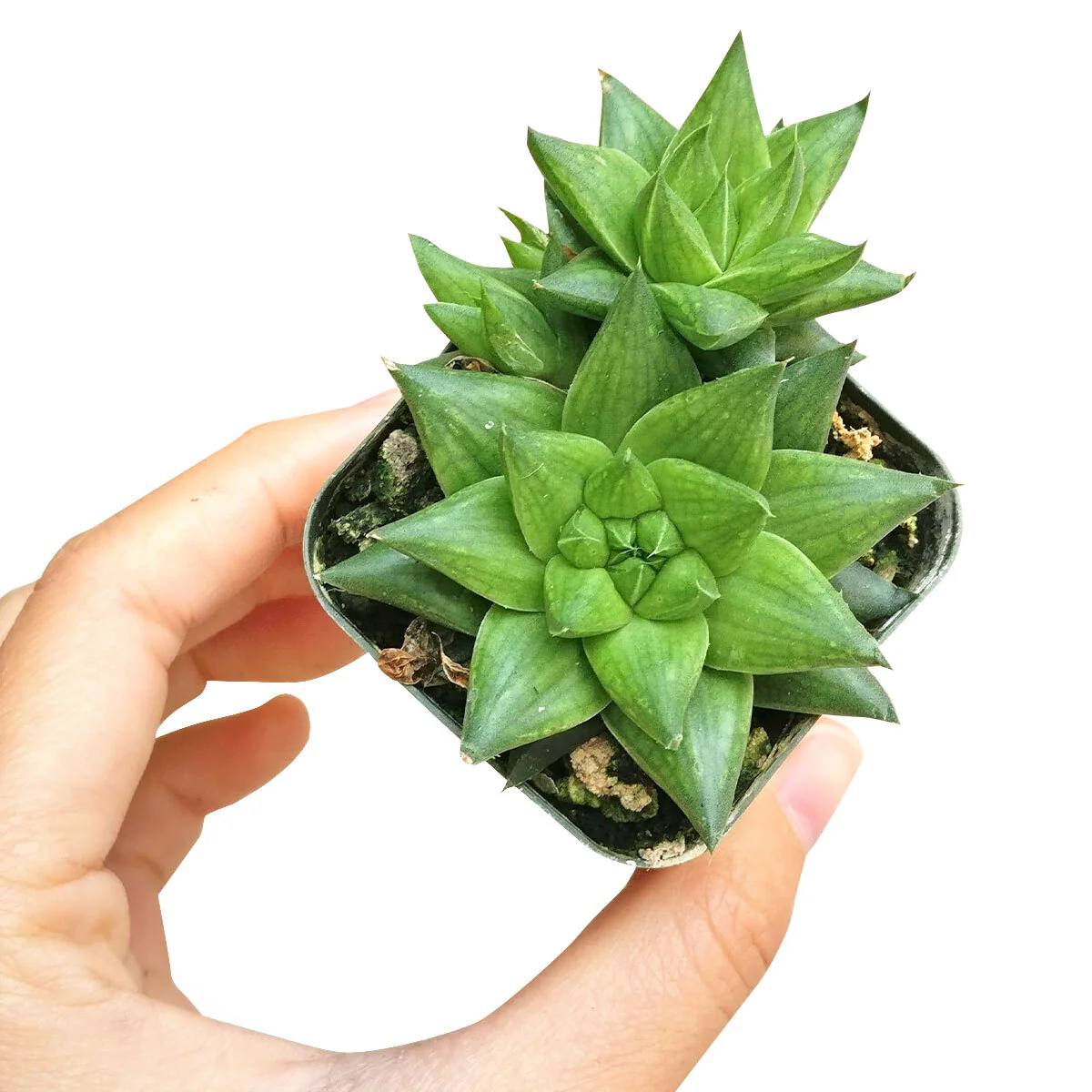
 Aloe Vera grows in a striking upright rosette habit, producing thick, fleshy, lance-shaped leaves that fan outward in a clumping arrangement. The leaves are pale to blue-green, often with subtle white spots or serrated edges lined with small teeth, and they store a clear, gel-filled sap that is the source of this plant's legendary reputation.
 Given the right conditions, Aloe Vera produces tall flower spikes rising from the center of the rosette, typically bearing tubular yellow to orange blooms. Flowering is most likely in winter or early spring and is triggered by a drop in nighttime temperatures, so seasonal temperature swings genuinely help coax a bloom out of a mature plant.
 Aloe Vera is one of the most beginner-friendly, low maintenance plants you can own, equally at home on a sunny windowsill, a kitchen counter, or a summer patio. It purifies indoor air by filtering formaldehyde and other toxins, and it releases oxygen at night, making it a genuinely hardworking easy care succulent. Cats and dogs shouldn't be left to nibble or eat the plant, and it is best placed away from small children, so a high shelf works perfectly and keeps everyone safe.
-
 Aloe Vera thrives in bright indirect light to full sun, though it can scorch in intense south-facing windows during peak summer.
 Water Aloe Vera deeply every 2-3 weeks in spring and summer, reducing to once a month or less in winter.
 Aloe Vera performs best in a fast-draining cactus and succulent mix amended with extra perlite or coarse sand.
 Aloe Vera prefers temperatures between 55-80°F (13-27°C) and should be brought indoors before temperatures approach 32°F (0°C).
![]() Aloe Vera is a slow to moderate grower that needs feeding only once in spring with a balanced, diluted succulent fertilizer.
Aloe Vera is a slow to moderate grower that needs feeding only once in spring with a balanced, diluted succulent fertilizer.
 Aloe Vera is hardy in USDA Zones 9-11, tolerating brief dips to around 25-30°F (-4 to -1°C) but performing best where frosts are rare or absent. In the US, Aloe Vera grows outdoors year-round across Florida, Hawaii, southern California, Arizona, Texas, Louisiana, Mississippi, Alabama, Georgia, South Carolina, and along the Oregon and California coasts. Gardeners in Nevada, coastal areas of North Carolina, and sheltered microclimates in New Mexico can also grow Aloe Vera outside with some winter protection.
-
Q: How often should I water my Aloe Vera plant?
A: Water Aloe Vera every 2-3 weeks in the growing season, letting the soil dry out completely between waterings. In winter, reduce watering to once a month or even less.
Q: What kind of light does Aloe Vera need indoors?
A: Aloe Vera does best in bright indirect light or partial sun near a well-lit window. It can handle some direct sun but may scorch in an intense, unobstructed south-facing window during summer.
Q: Is Aloe Vera safe around pets?
A: Cats and dogs shouldn't be left to nibble or eat Aloe Vera, and the sap can cause skin and paw irritation on contact. Keeping it on a high shelf out of reach is the easiest and most practical solution.
Q: Can I move my Aloe Vera plant outside in summer?
A: Yes, Aloe Vera loves spending summer outdoors in a warm, sunny spot. Just make sure to cover it or move it under shelter during heavy rain, as excess moisture can cause root rot.
Q: How big does Aloe Vera get, and how fast does it grow?
A: Aloe Vera typically reaches 1-2 feet tall and wide at maturity, growing at a slow to moderate pace. It also produces offshoots, called pups, that you can separate and repot to grow new plants.
Q: Can Aloe Vera survive while I travel?
A: Aloe Vera is a drought tolerant succulent that can comfortably go 10 days or more without water, making it ideal for frequent travelers. Its thick leaves store water and it will show you it is thirsty through slight wilting before any serious damage occurs.


Original: $13.25
-70%$13.25
$3.97Product Information
Product Information
Shipping & Returns
Shipping & Returns
Description
- Description
- Aloe Vera Care Guide
- FAQ/Common Issues
-
![]() Aloe Vera is a succulent houseplant in the Asphodelaceae family, celebrated for centuries as a medicinal aloe and healing plant. Native to the Arabian Peninsula, it has naturalized across Africa, the Mediterranean, and tropical regions worldwide, thriving in warm, arid climates with well-drained soils.
Aloe Vera is a succulent houseplant in the Asphodelaceae family, celebrated for centuries as a medicinal aloe and healing plant. Native to the Arabian Peninsula, it has naturalized across Africa, the Mediterranean, and tropical regions worldwide, thriving in warm, arid climates with well-drained soils.
Aloe Vera grows in a striking upright rosette habit, producing thick, fleshy, lance-shaped leaves that fan outward in a clumping arrangement. The leaves are pale to blue-green, often with subtle white spots or serrated edges lined with small teeth, and they store a clear, gel-filled sap that is the source of this plant's legendary reputation.
Given the right conditions, Aloe Vera produces tall flower spikes rising from the center of the rosette, typically bearing tubular yellow to orange blooms. Flowering is most likely in winter or early spring and is triggered by a drop in nighttime temperatures, so seasonal temperature swings genuinely help coax a bloom out of a mature plant.
Aloe Vera is one of the most beginner-friendly, low maintenance plants you can own, equally at home on a sunny windowsill, a kitchen counter, or a summer patio. It purifies indoor air by filtering formaldehyde and other toxins, and it releases oxygen at night, making it a genuinely hardworking easy care succulent. Cats and dogs shouldn't be left to nibble or eat the plant, and it is best placed away from small children, so a high shelf works perfectly and keeps everyone safe.
-
Aloe Vera thrives in bright indirect light to full sun, though it can scorch in intense south-facing windows during peak summer.
Water Aloe Vera deeply every 2-3 weeks in spring and summer, reducing to once a month or less in winter.
Aloe Vera performs best in a fast-draining cactus and succulent mix amended with extra perlite or coarse sand.
Aloe Vera prefers temperatures between 55-80°F (13-27°C) and should be brought indoors before temperatures approach 32°F (0°C).
![]() Aloe Vera is a slow to moderate grower that needs feeding only once in spring with a balanced, diluted succulent fertilizer.
Aloe Vera is a slow to moderate grower that needs feeding only once in spring with a balanced, diluted succulent fertilizer.
Aloe Vera is hardy in USDA Zones 9-11, tolerating brief dips to around 25-30°F (-4 to -1°C) but performing best where frosts are rare or absent. In the US, Aloe Vera grows outdoors year-round across Florida, Hawaii, southern California, Arizona, Texas, Louisiana, Mississippi, Alabama, Georgia, South Carolina, and along the Oregon and California coasts. Gardeners in Nevada, coastal areas of North Carolina, and sheltered microclimates in New Mexico can also grow Aloe Vera outside with some winter protection.
-
Q: How often should I water my Aloe Vera plant?
A: Water Aloe Vera every 2-3 weeks in the growing season, letting the soil dry out completely between waterings. In winter, reduce watering to once a month or even less.
Q: What kind of light does Aloe Vera need indoors?
A: Aloe Vera does best in bright indirect light or partial sun near a well-lit window. It can handle some direct sun but may scorch in an intense, unobstructed south-facing window during summer.
Q: Is Aloe Vera safe around pets?
A: Cats and dogs shouldn't be left to nibble or eat Aloe Vera, and the sap can cause skin and paw irritation on contact. Keeping it on a high shelf out of reach is the easiest and most practical solution.
Q: Can I move my Aloe Vera plant outside in summer?
A: Yes, Aloe Vera loves spending summer outdoors in a warm, sunny spot. Just make sure to cover it or move it under shelter during heavy rain, as excess moisture can cause root rot.
Q: How big does Aloe Vera get, and how fast does it grow?
A: Aloe Vera typically reaches 1-2 feet tall and wide at maturity, growing at a slow to moderate pace. It also produces offshoots, called pups, that you can separate and repot to grow new plants.
Q: Can Aloe Vera survive while I travel?
A: Aloe Vera is a drought tolerant succulent that can comfortably go 10 days or more without water, making it ideal for frequent travelers. Its thick leaves store water and it will show you it is thirsty through slight wilting before any serious damage occurs.