Aloe Peglerae
- Description
- Aloe Peglerae Care Guide
- FAQ/Common Issues
-
![]() Aloe Peglerae is a rare, endangered South African aloe native to the rocky quartzite hillsides of the Magaliesberg mountain range in the North West Province. This drought tolerant succulent belongs to the Asphodelaceae family and grows in harsh, well-drained slopes where rainfall is low and soils are lean. Sought after by collectors worldwide, Aloe Peglerae is a slow growing aloe with serious appeal for anyone passionate about rare plants.
Aloe Peglerae is a rare, endangered South African aloe native to the rocky quartzite hillsides of the Magaliesberg mountain range in the North West Province. This drought tolerant succulent belongs to the Asphodelaceae family and grows in harsh, well-drained slopes where rainfall is low and soils are lean. Sought after by collectors worldwide, Aloe Peglerae is a slow growing aloe with serious appeal for anyone passionate about rare plants.
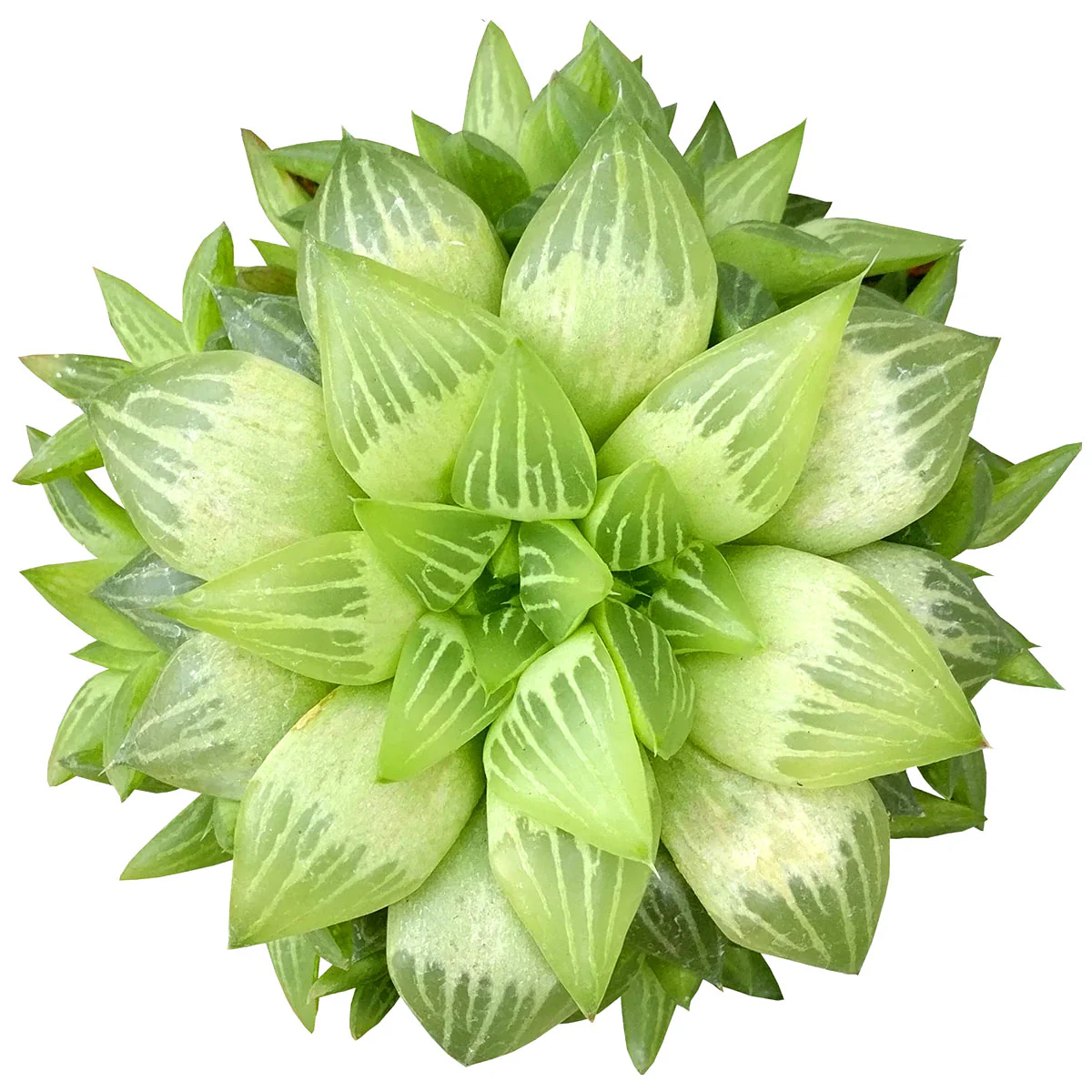
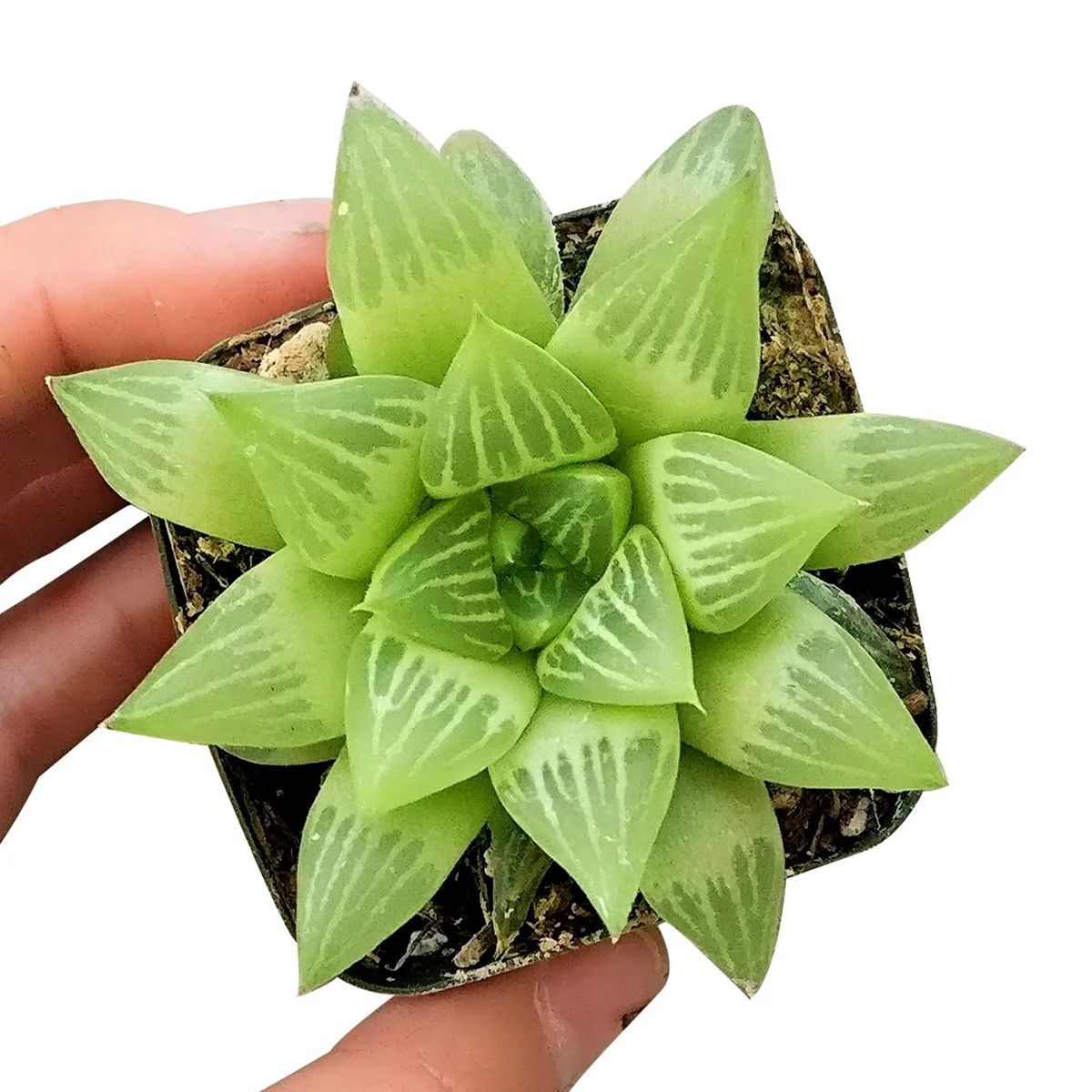
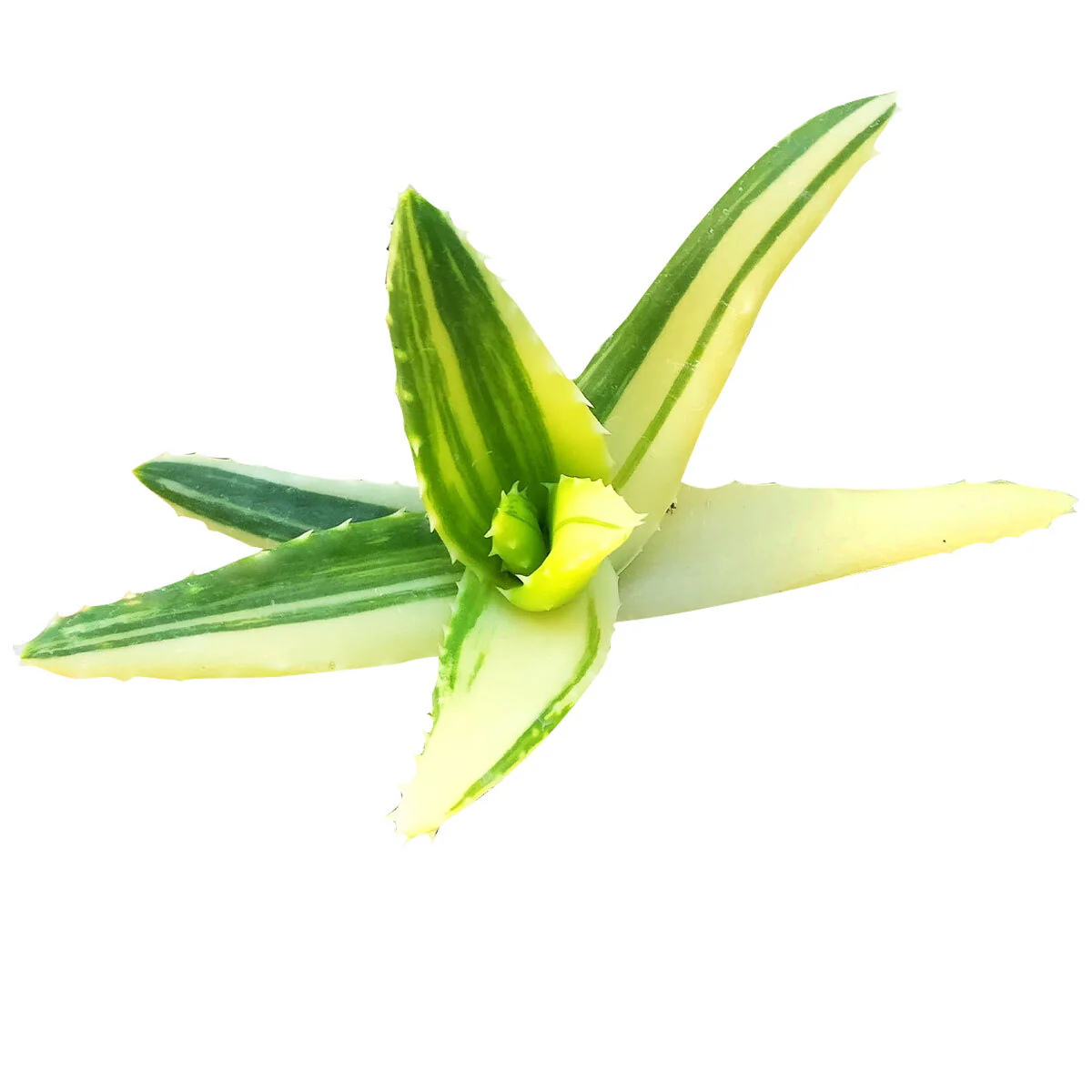
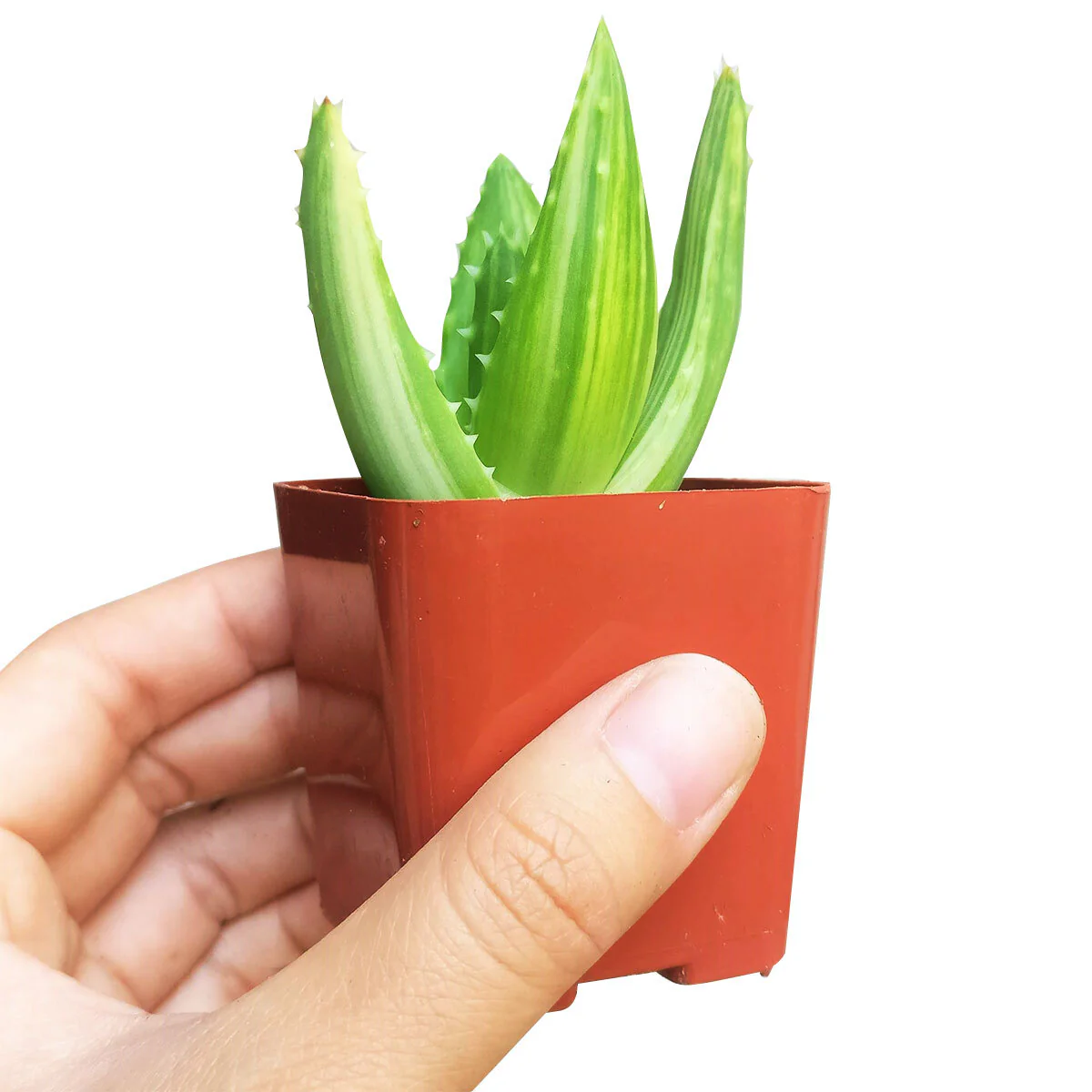
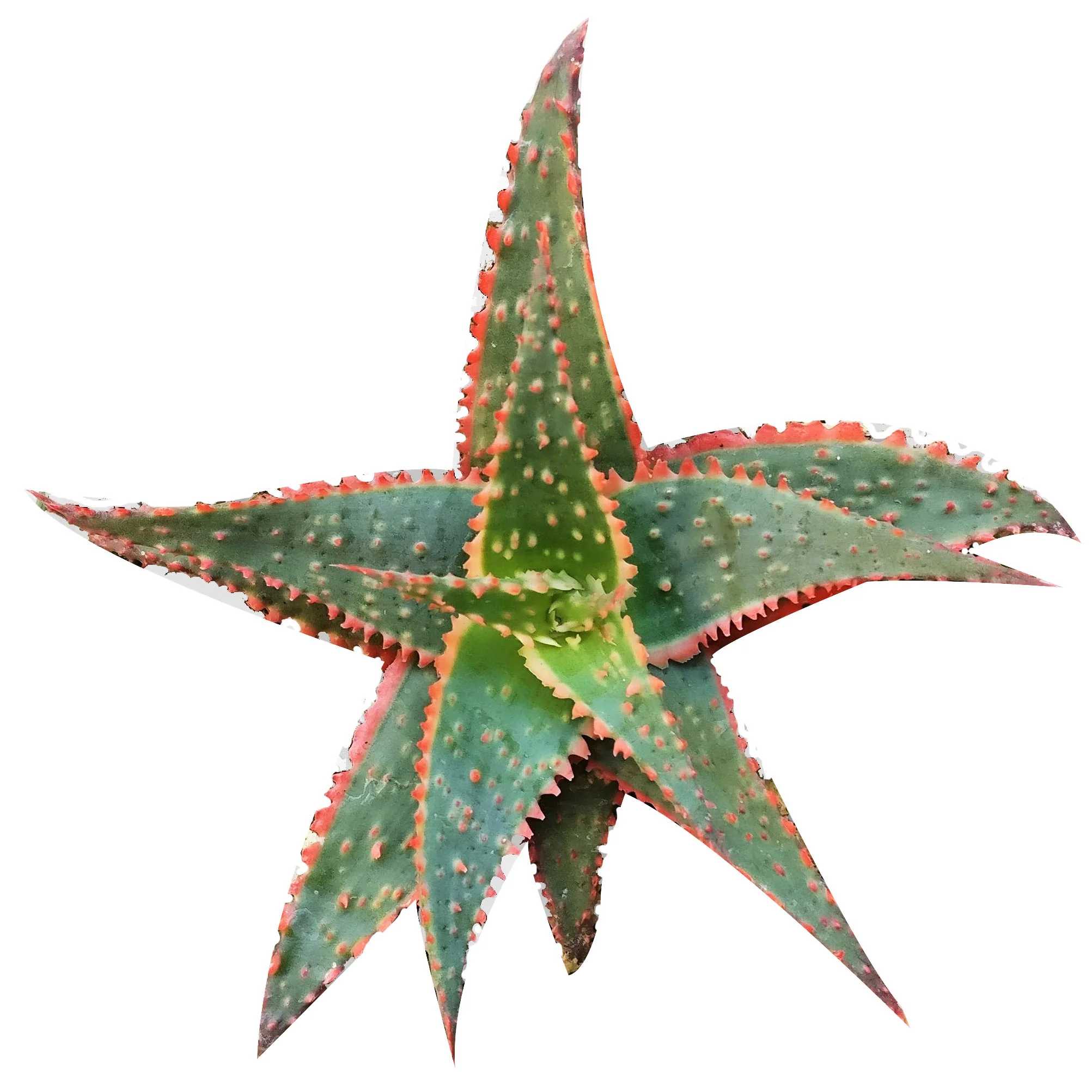
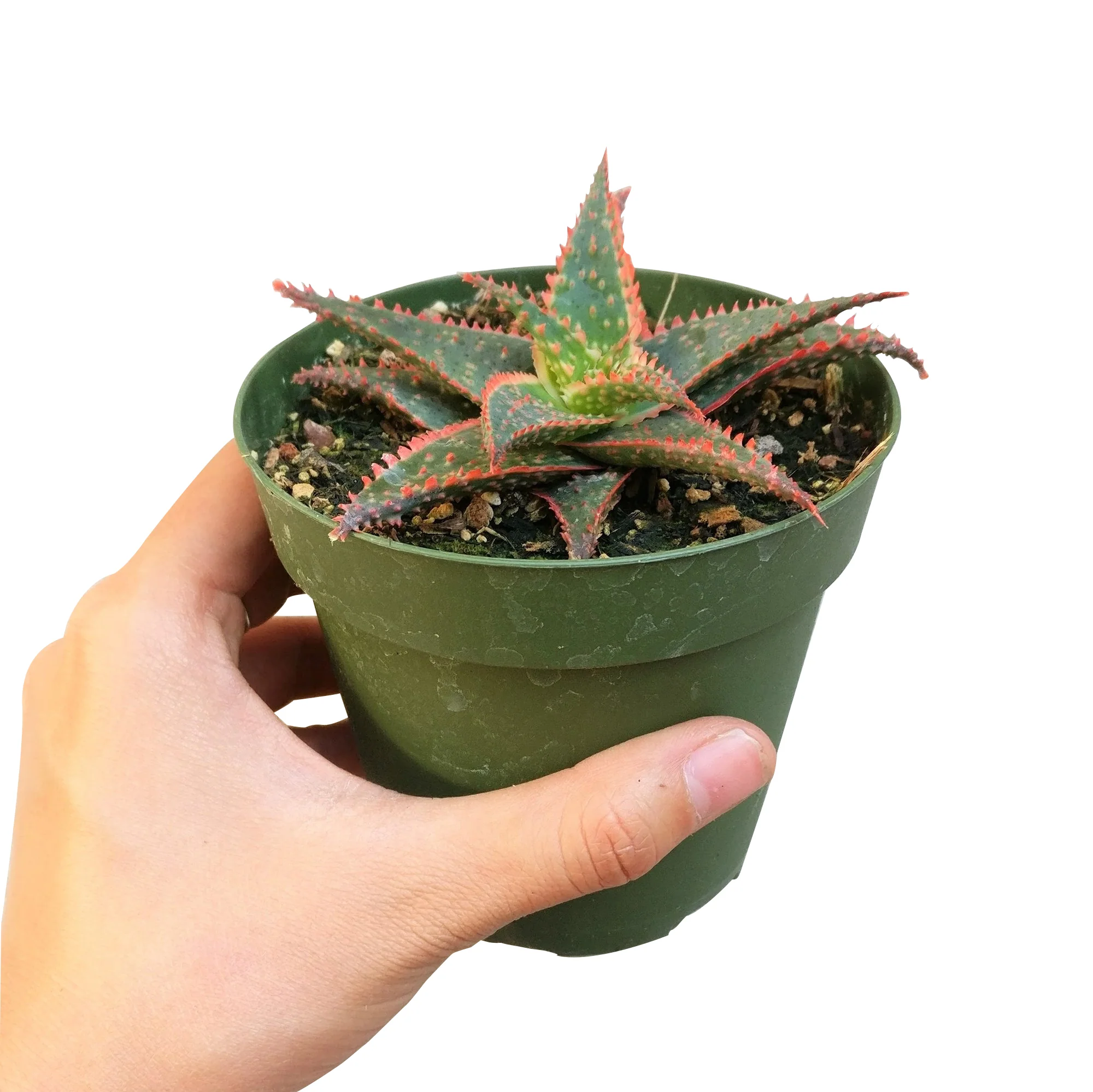
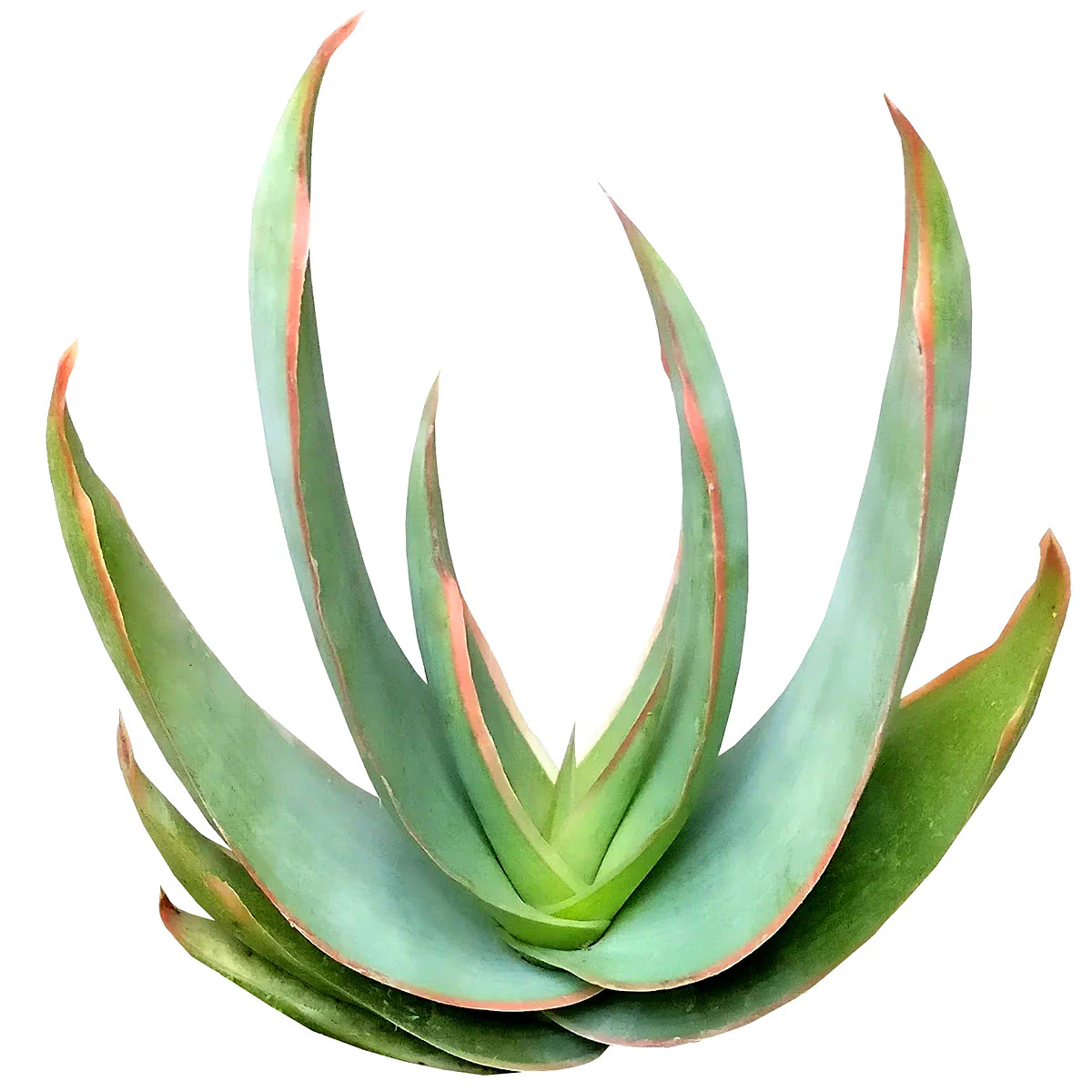
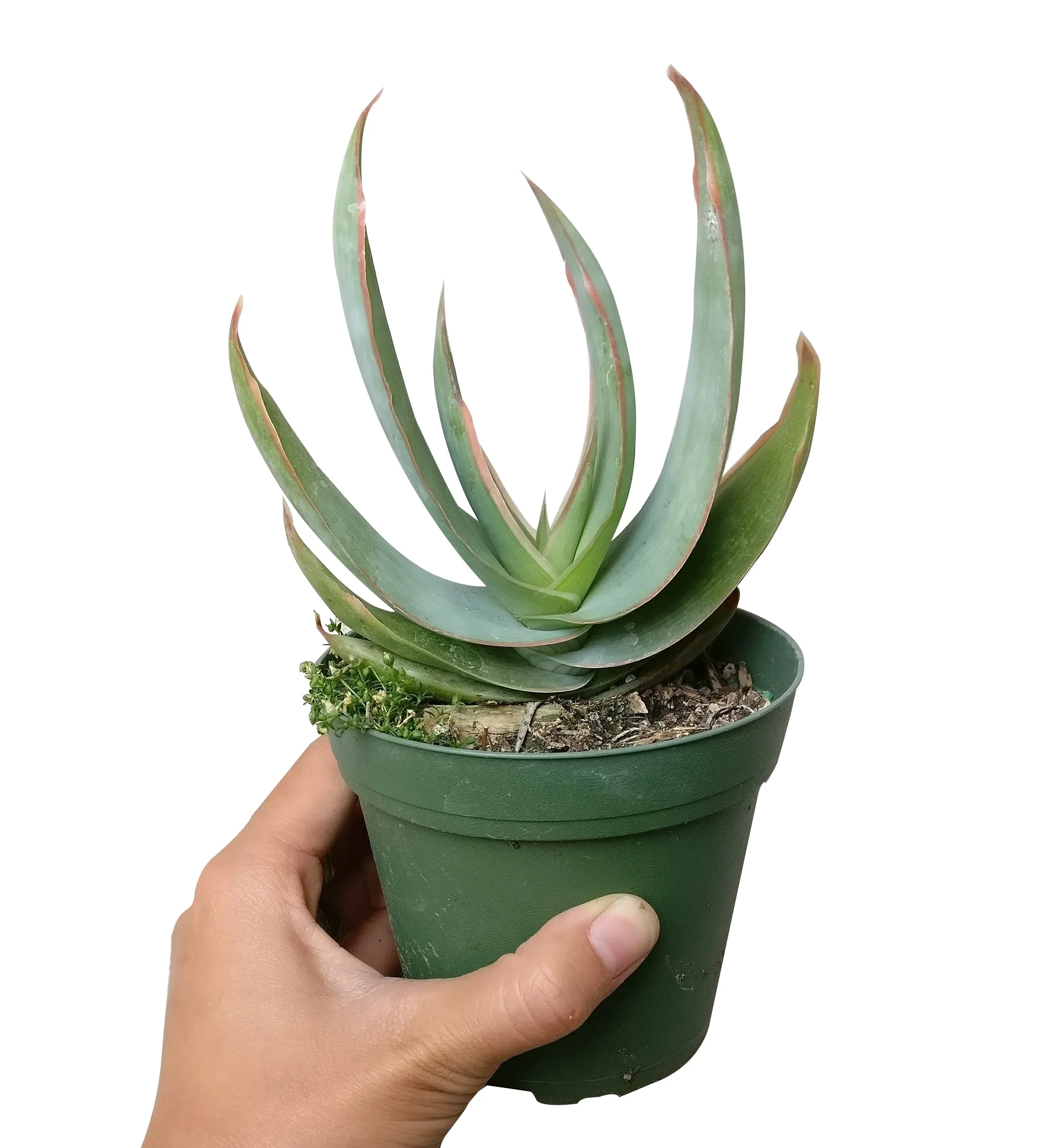
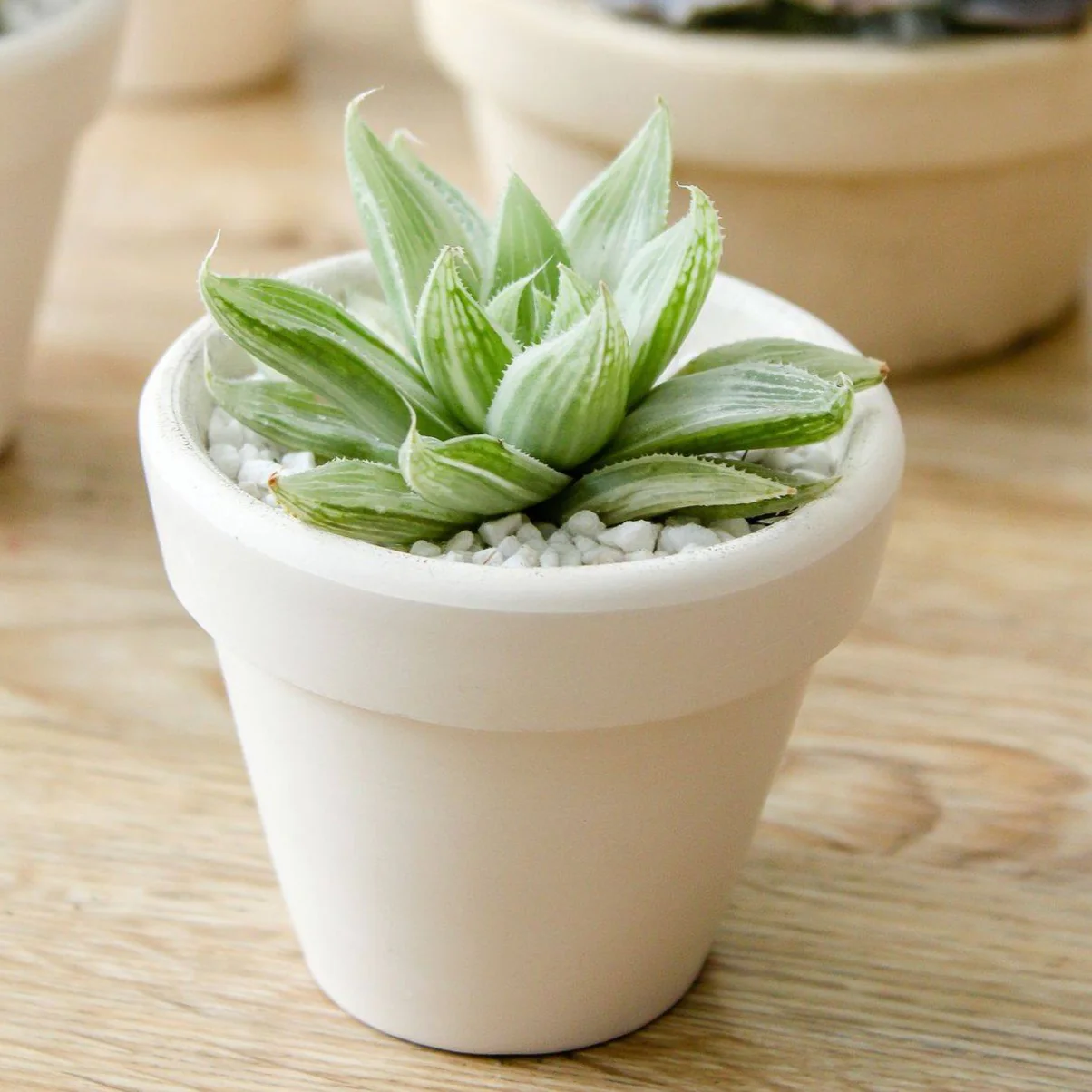
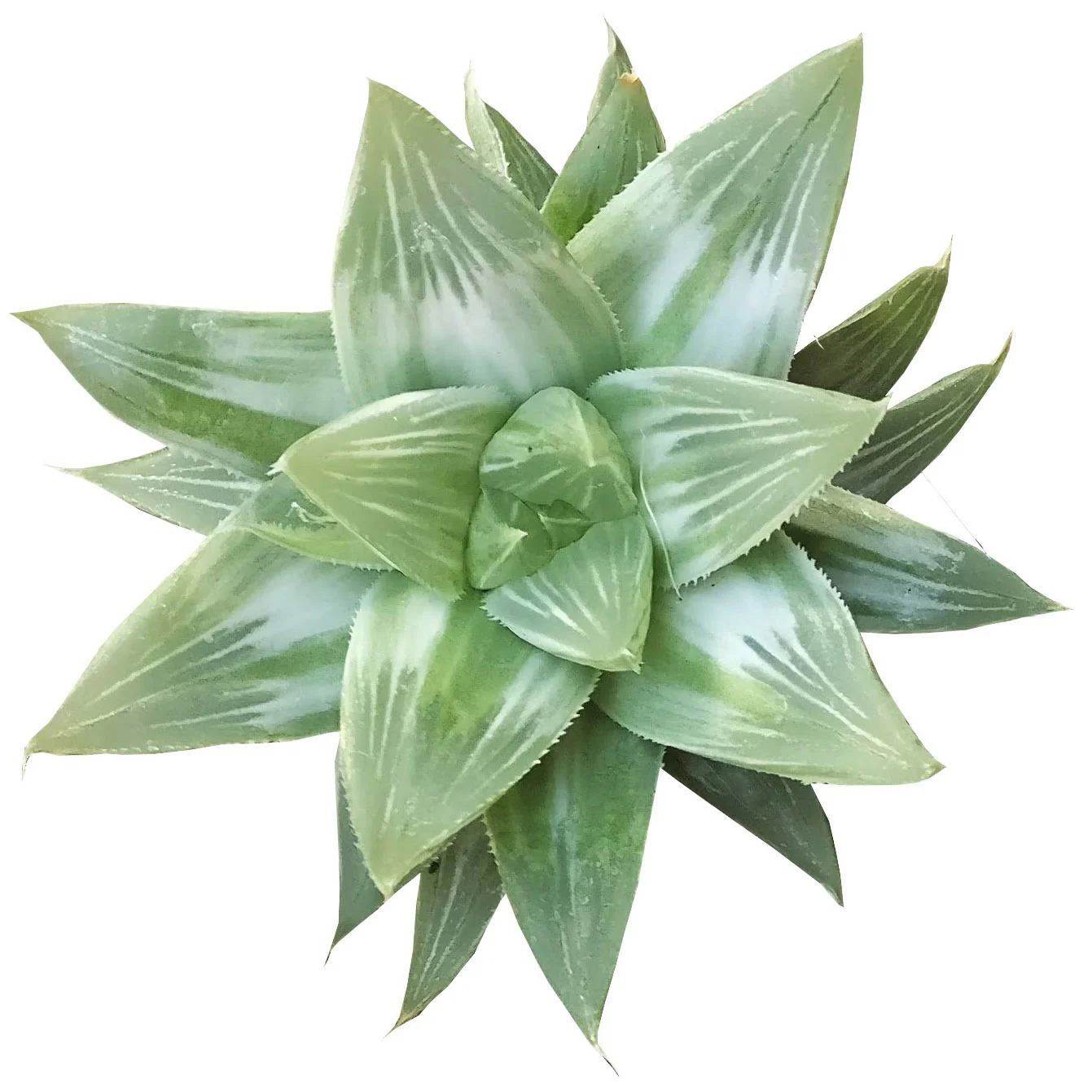
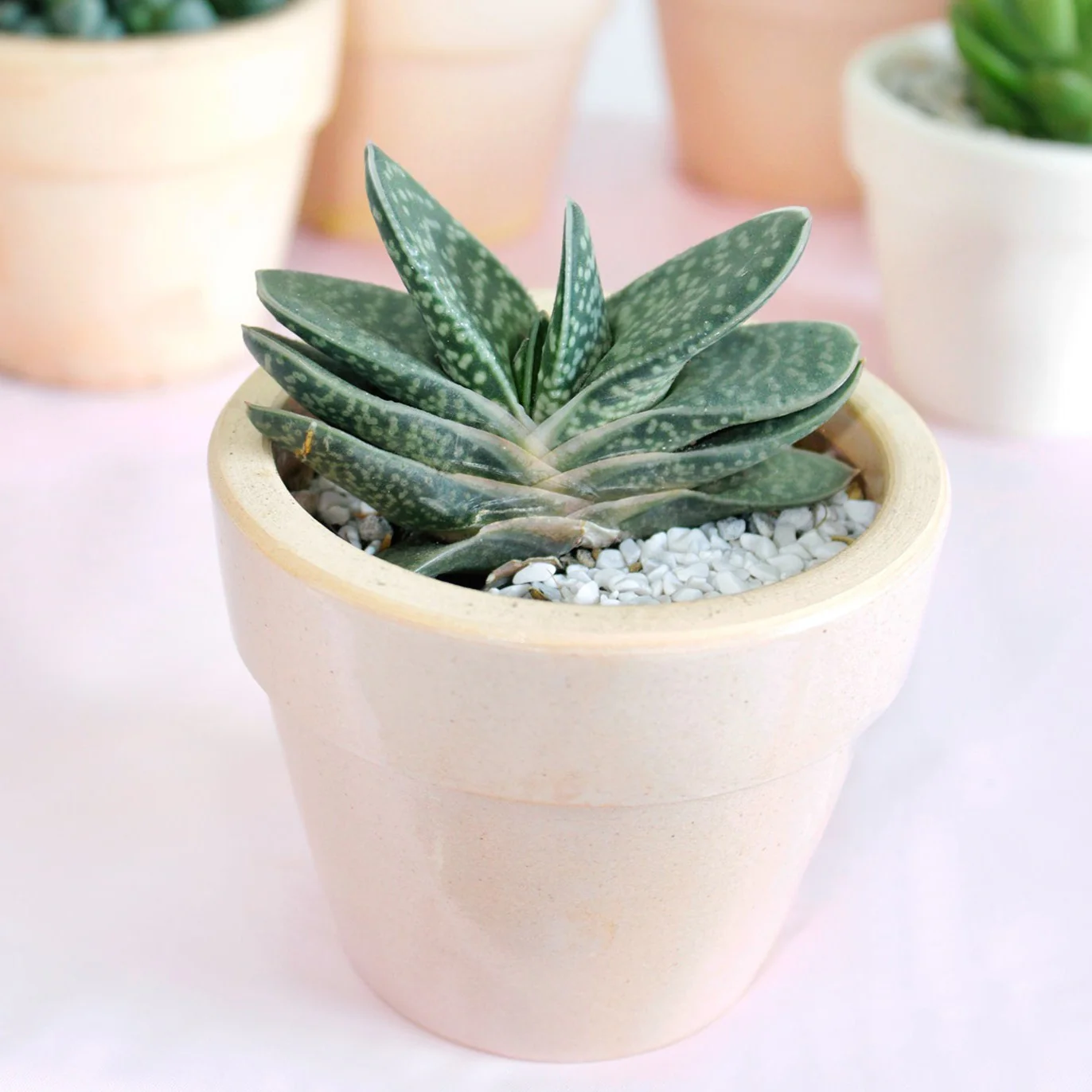
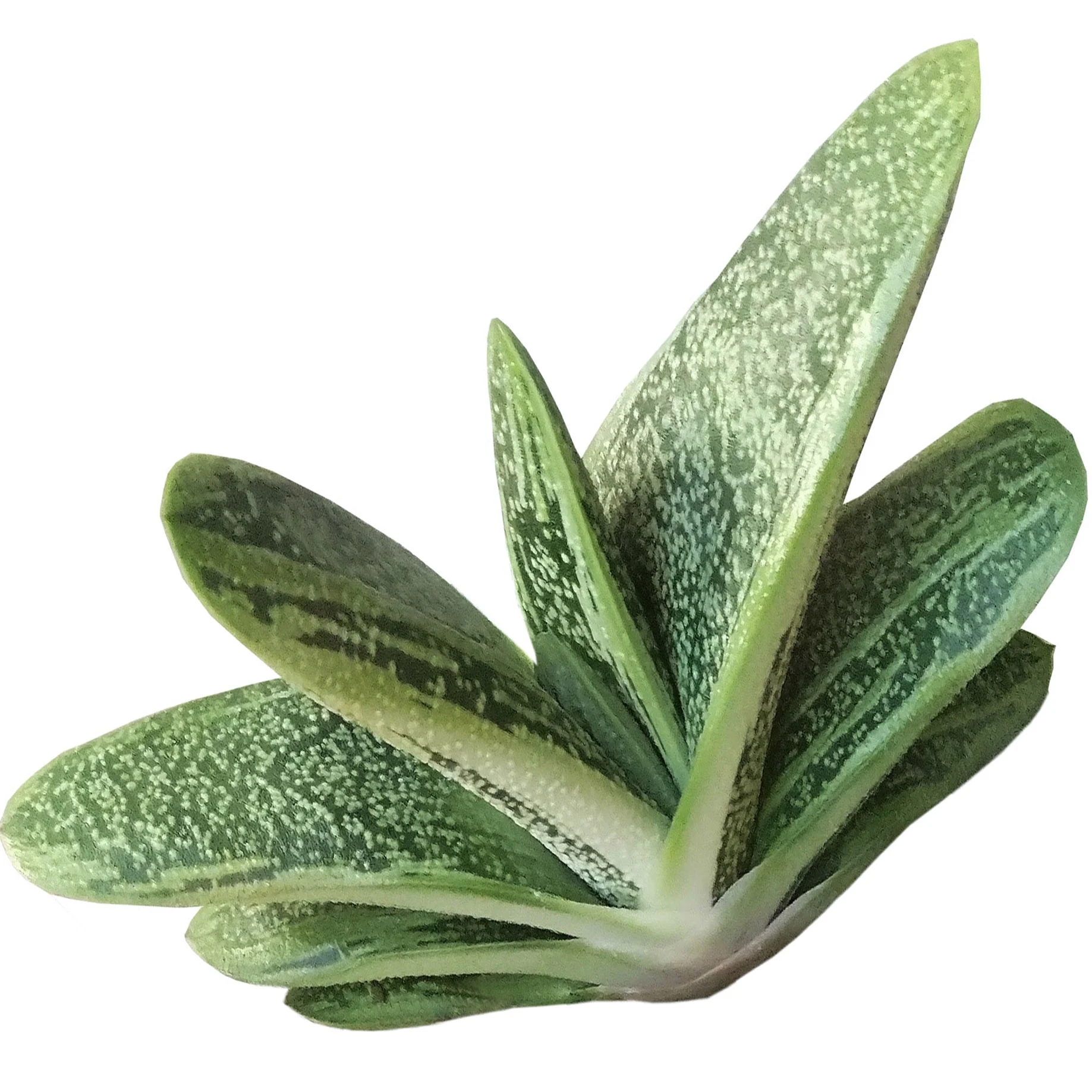
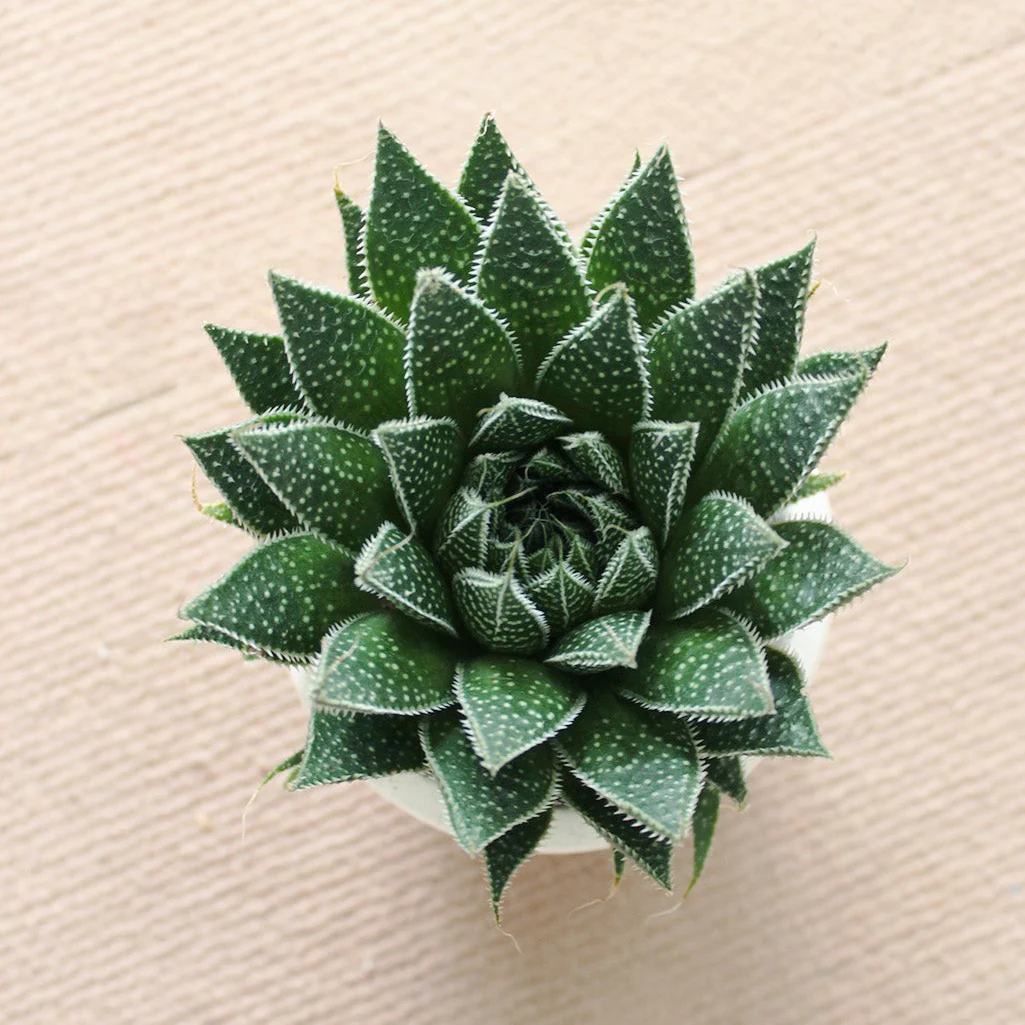
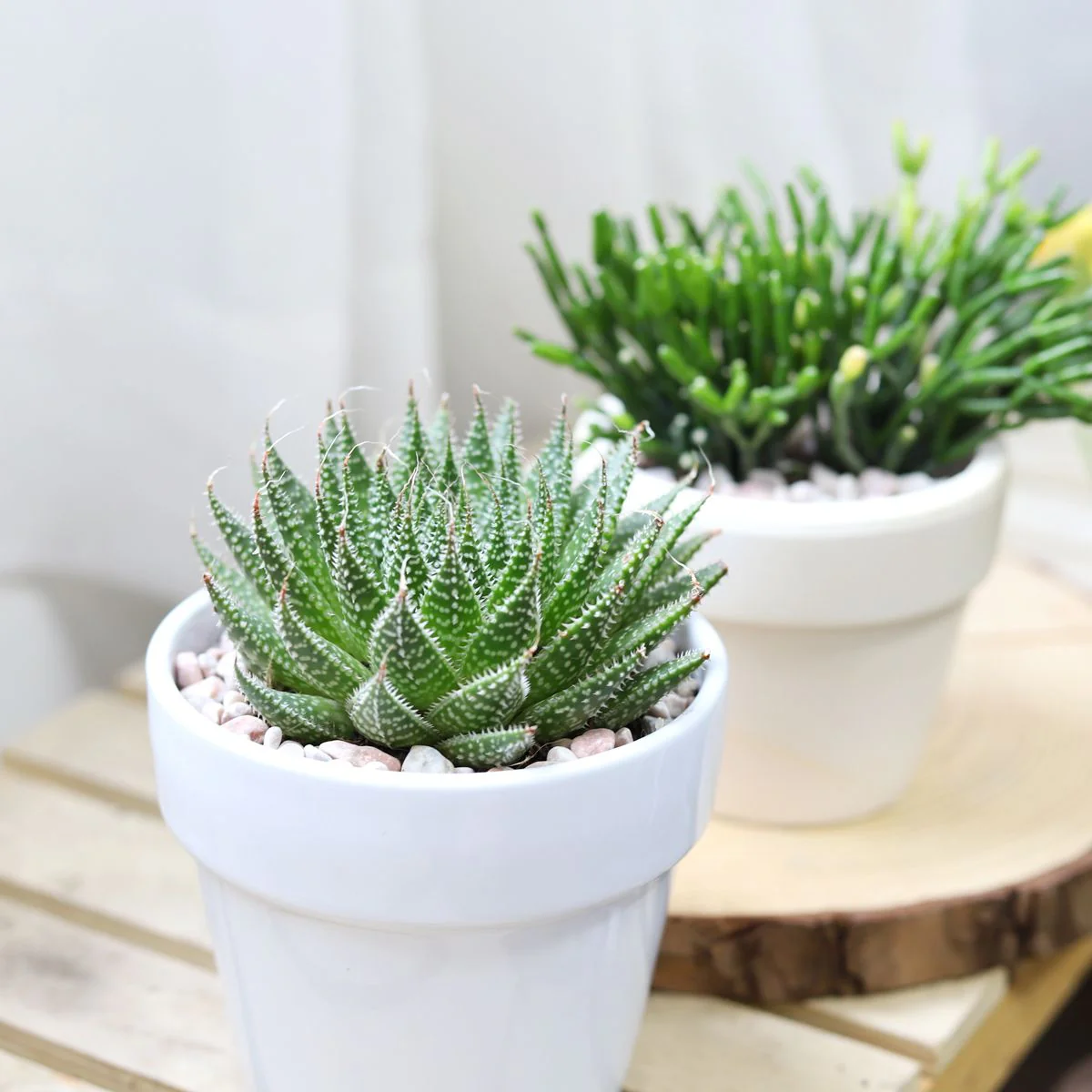
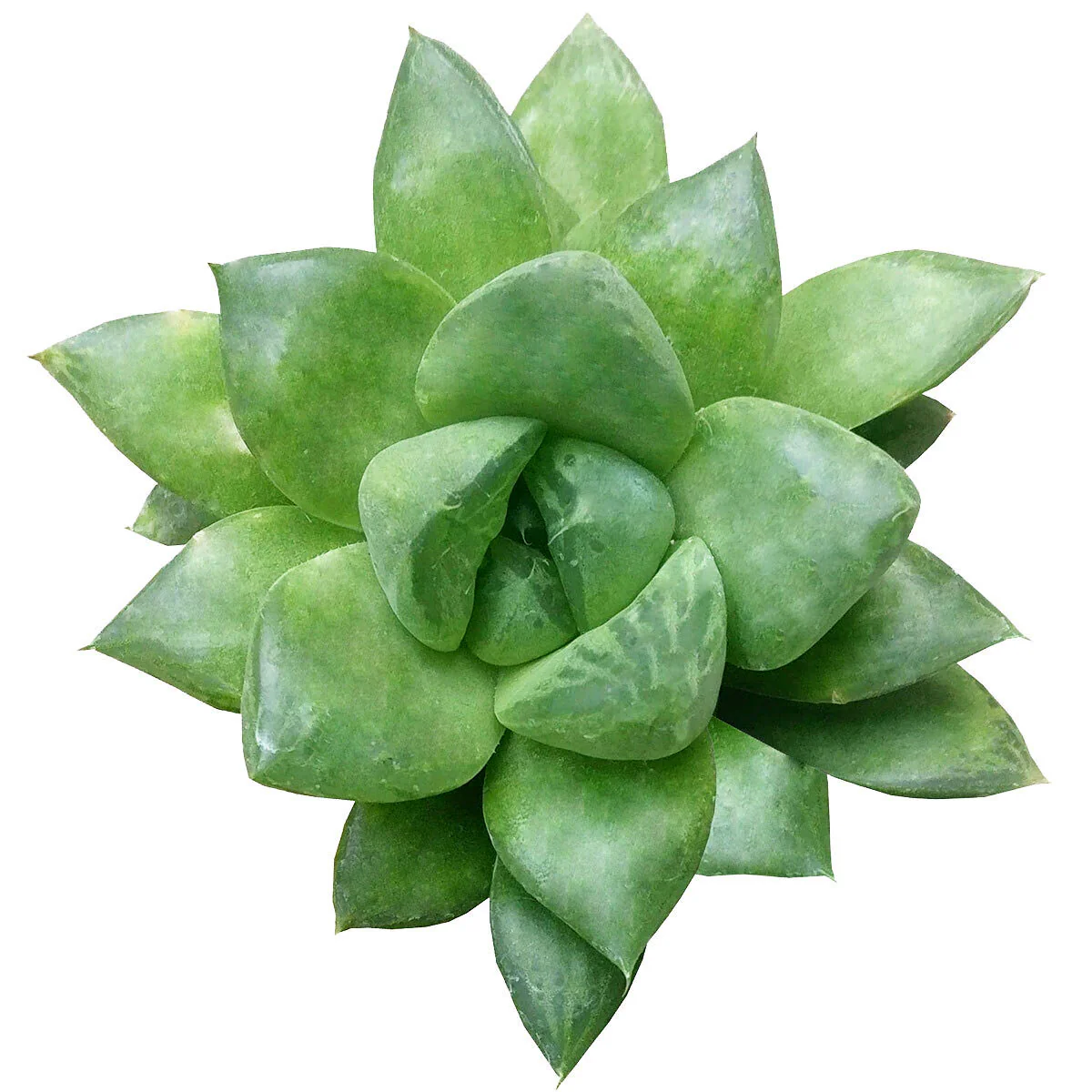
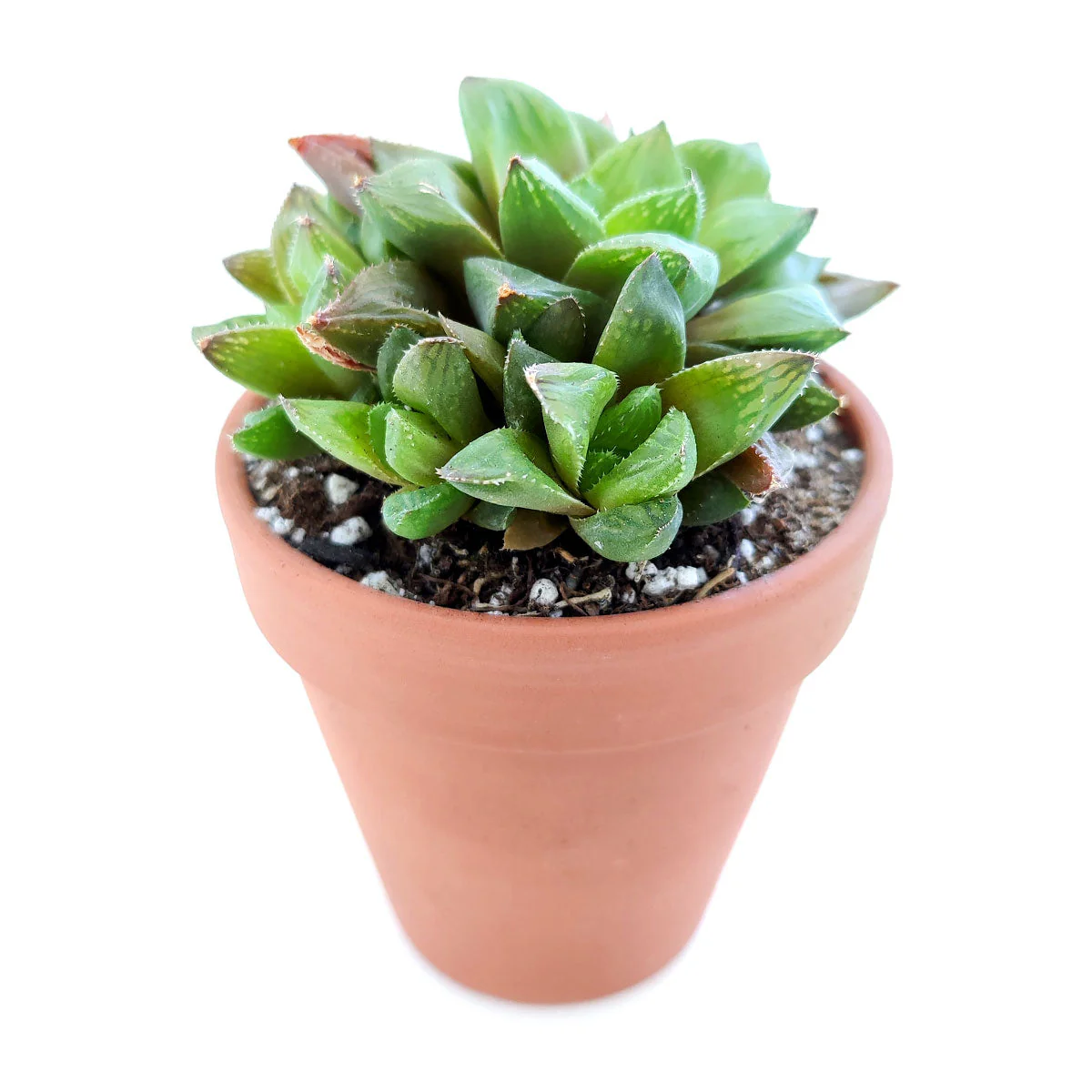
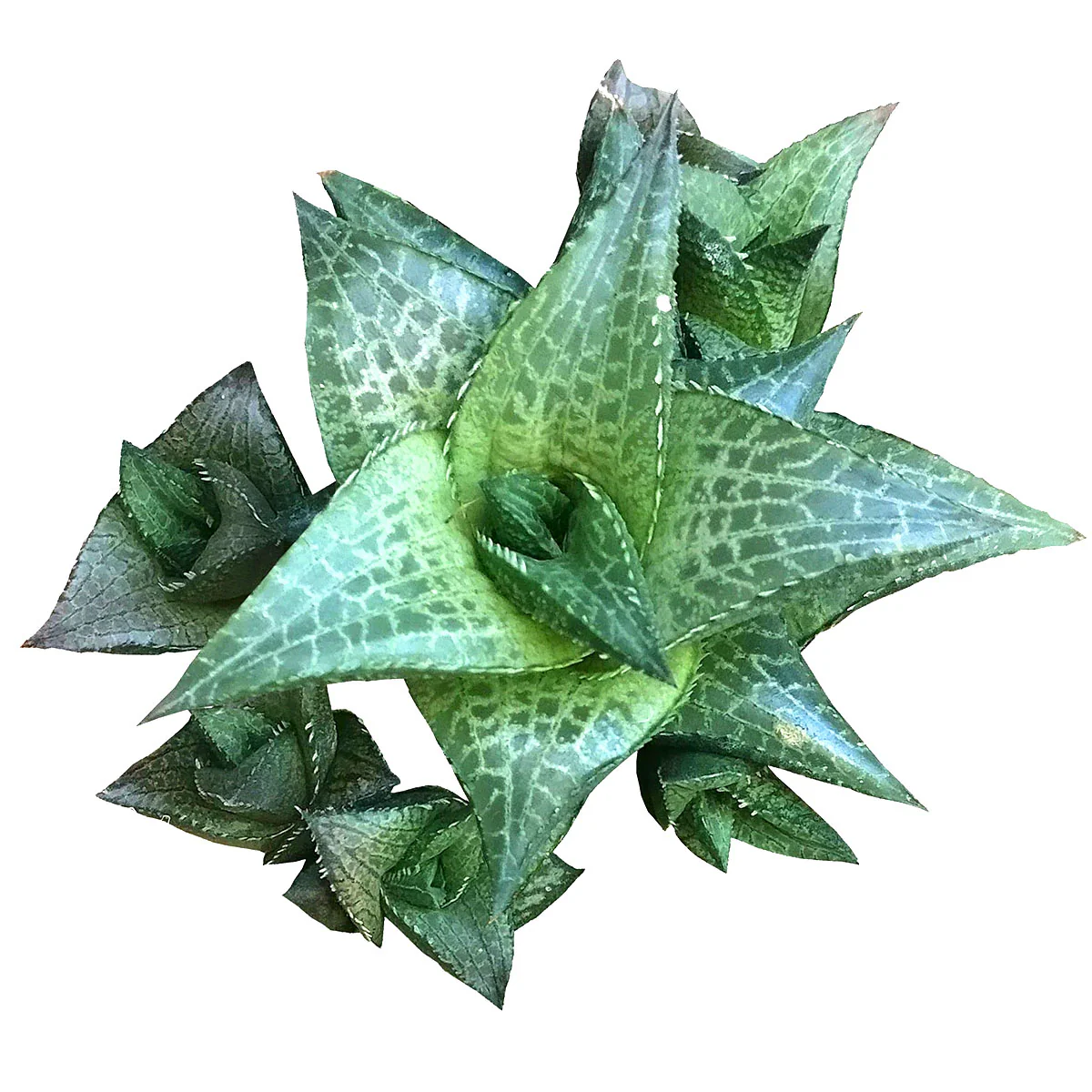
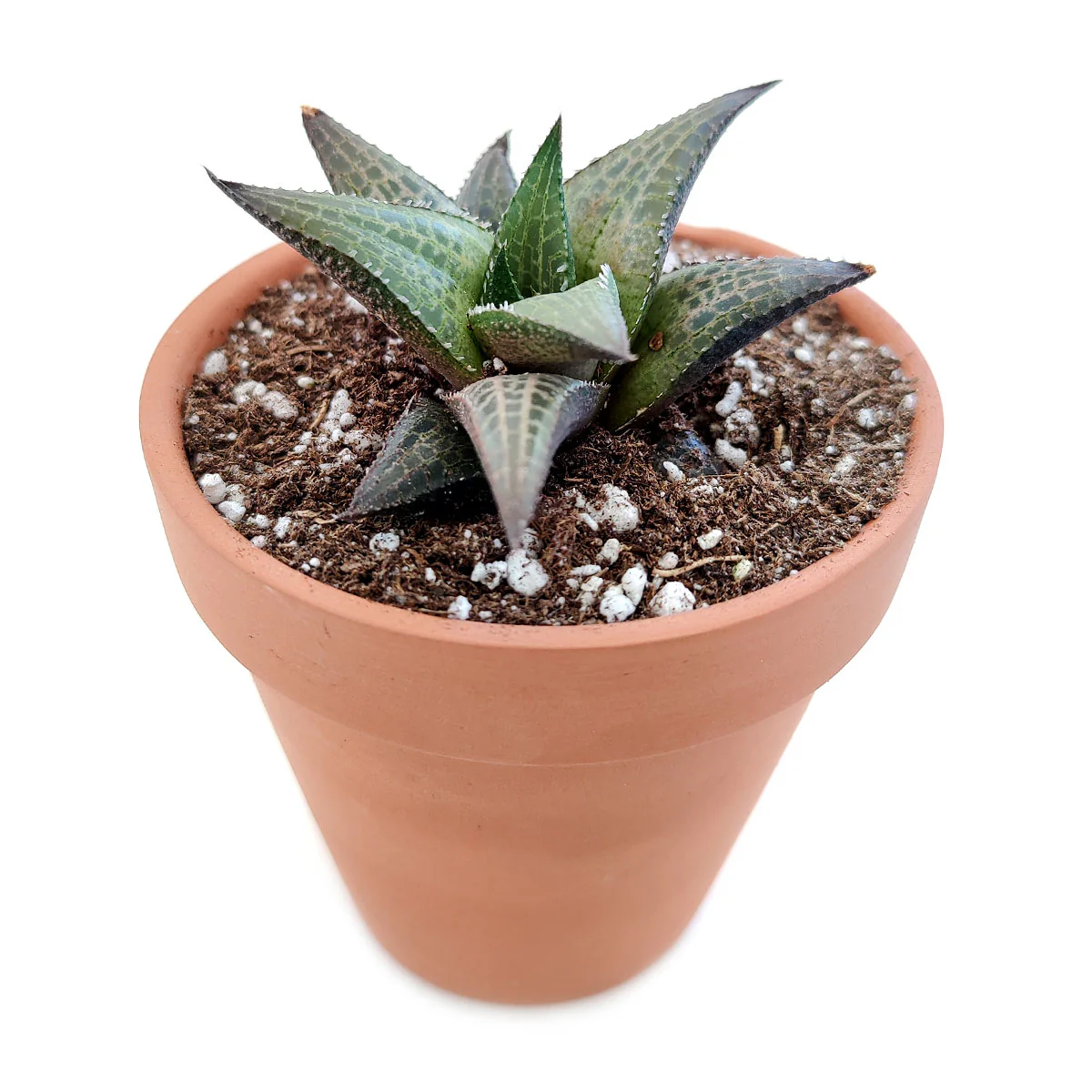
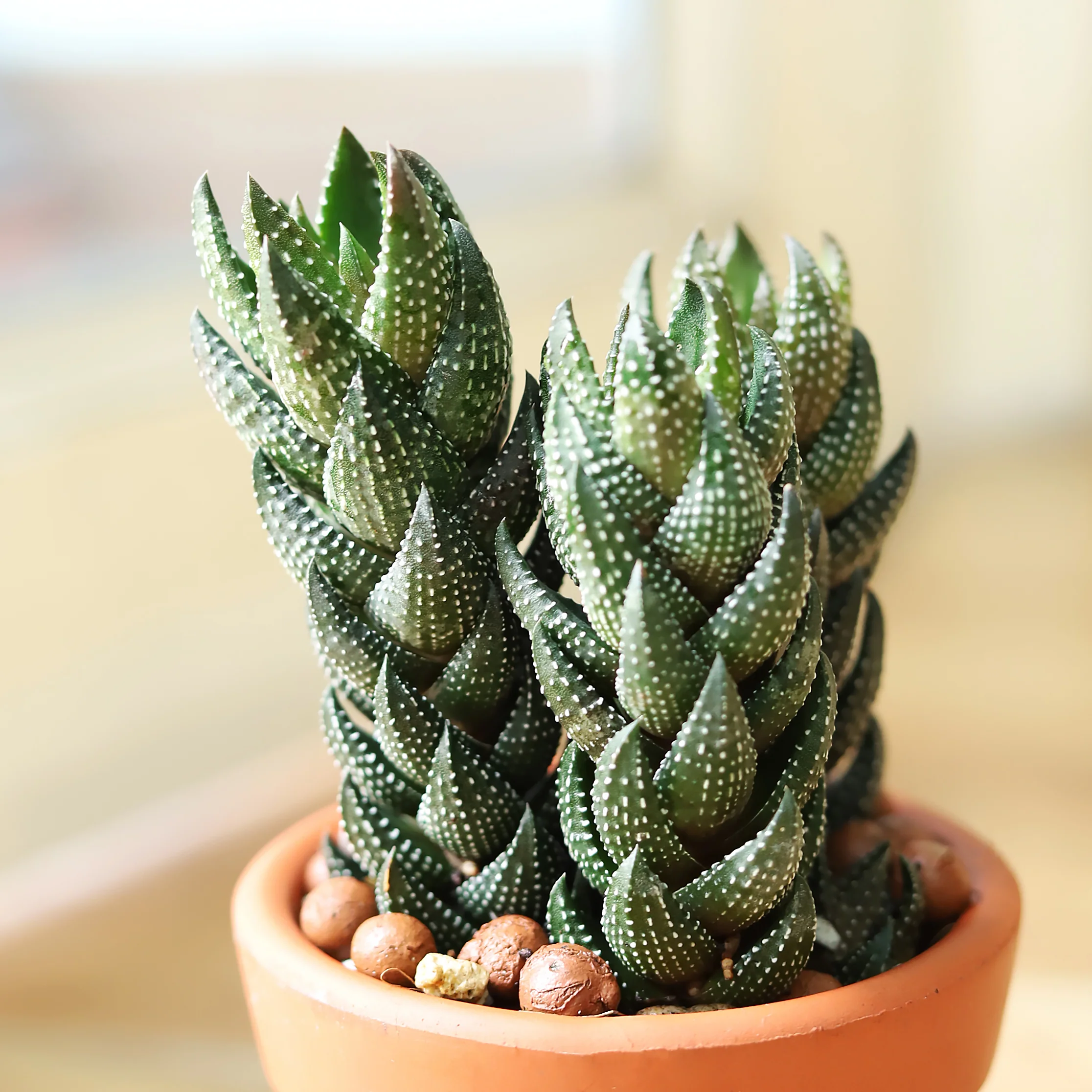
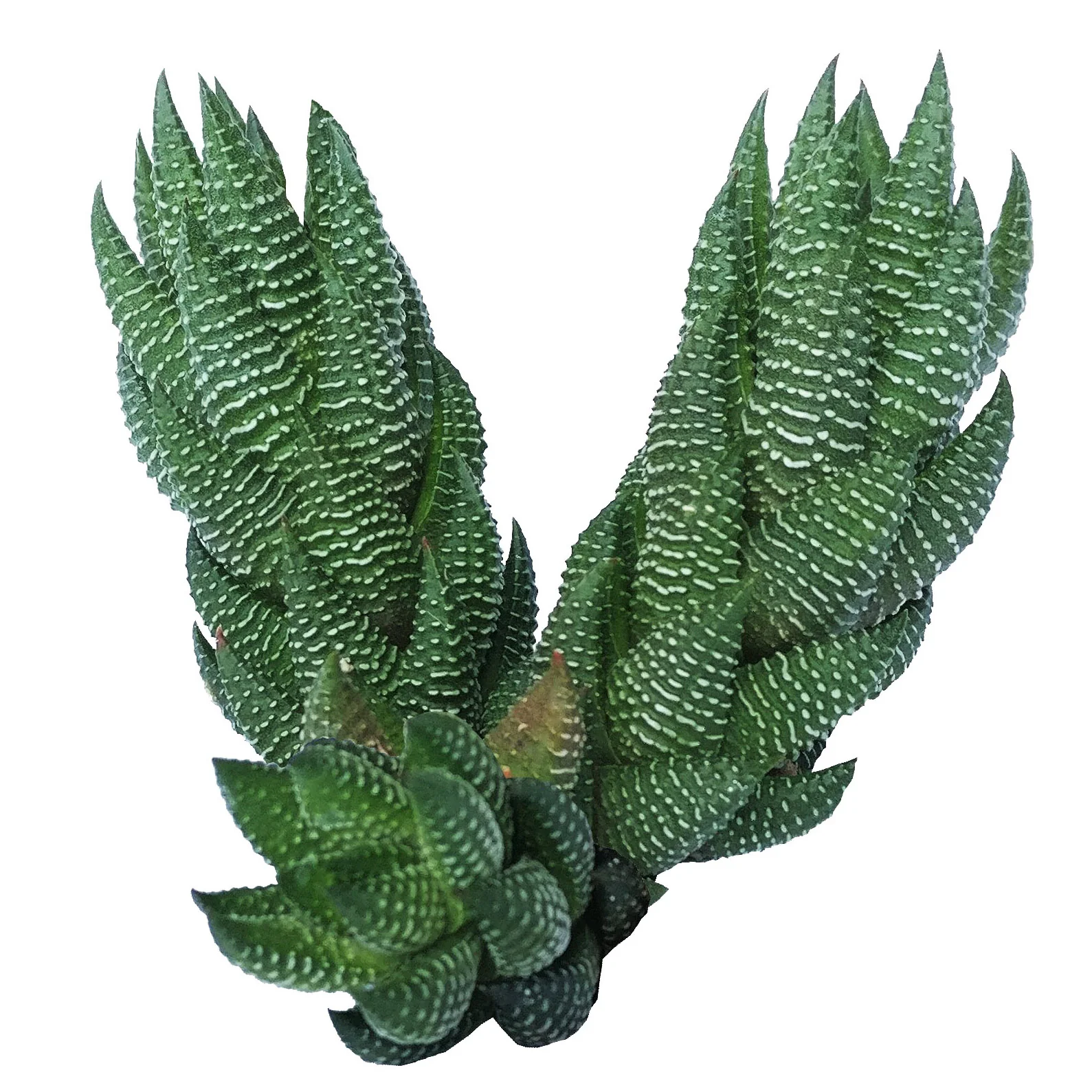
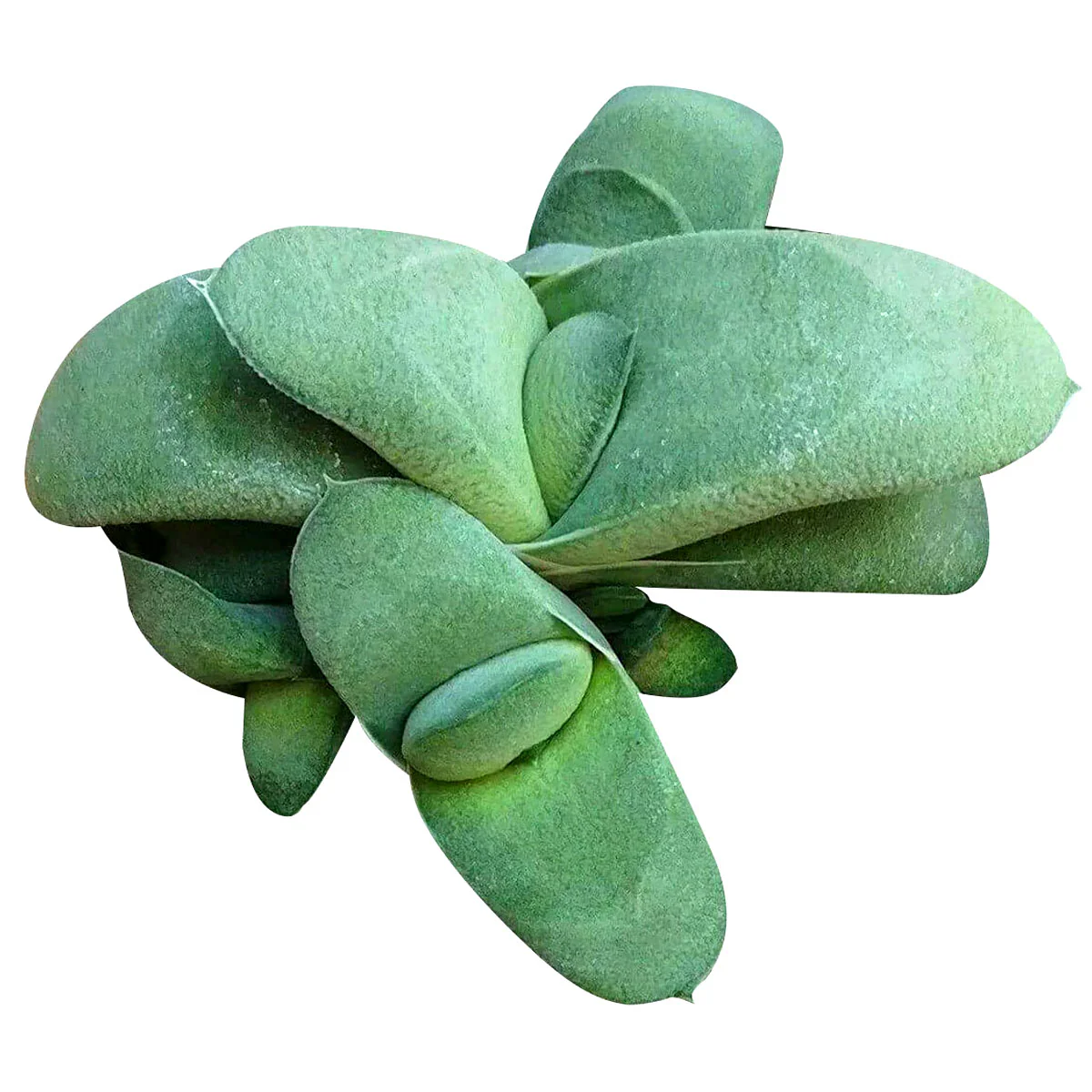
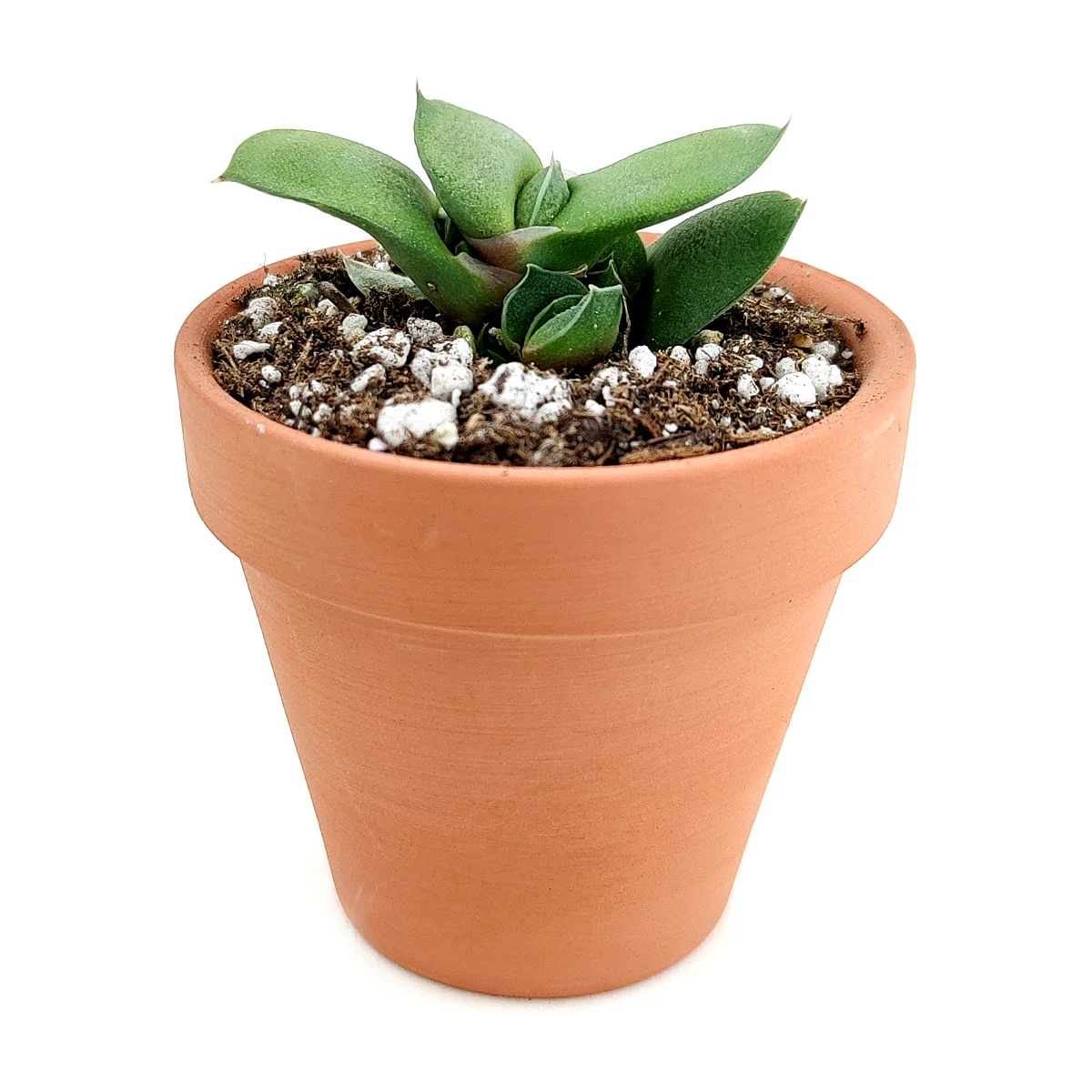
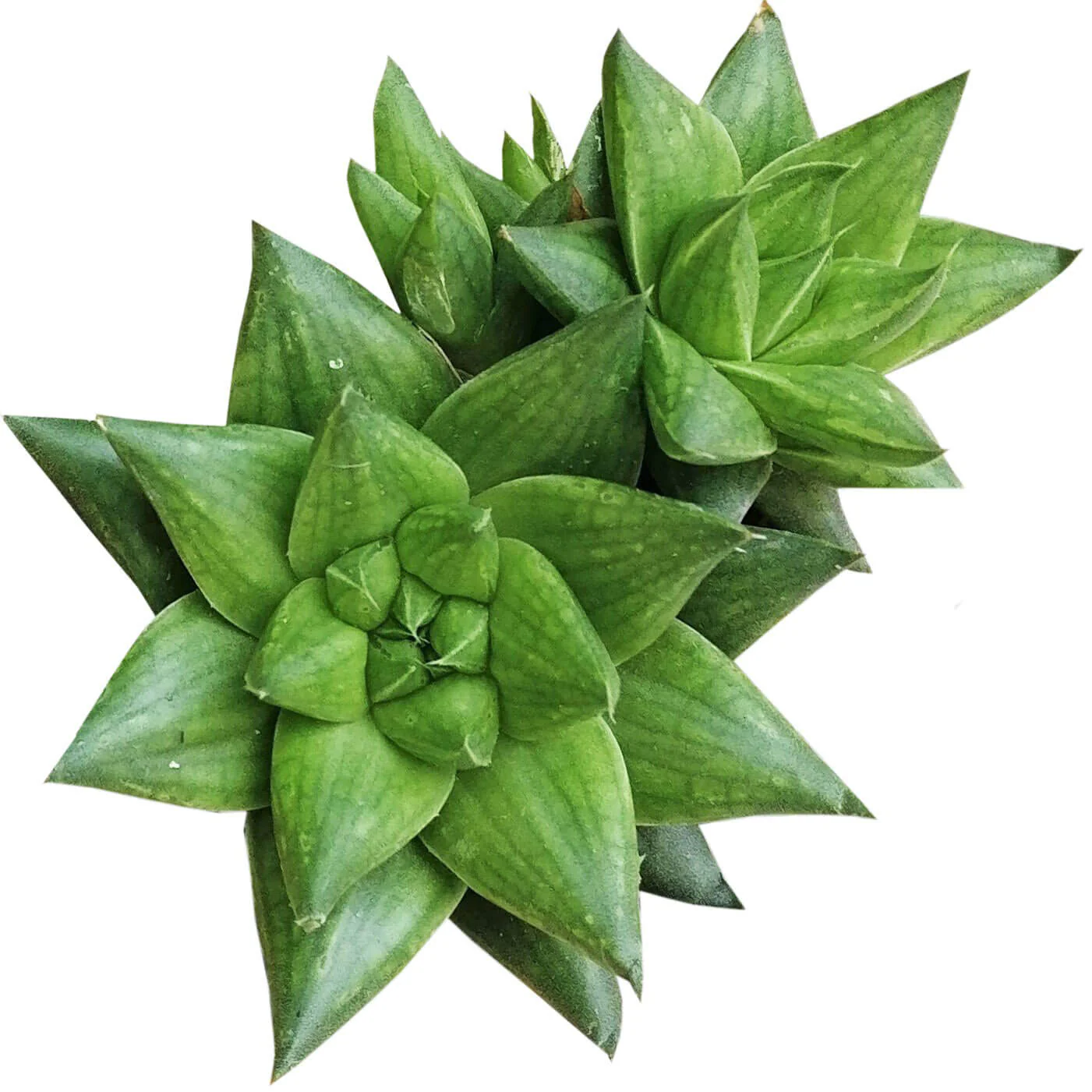
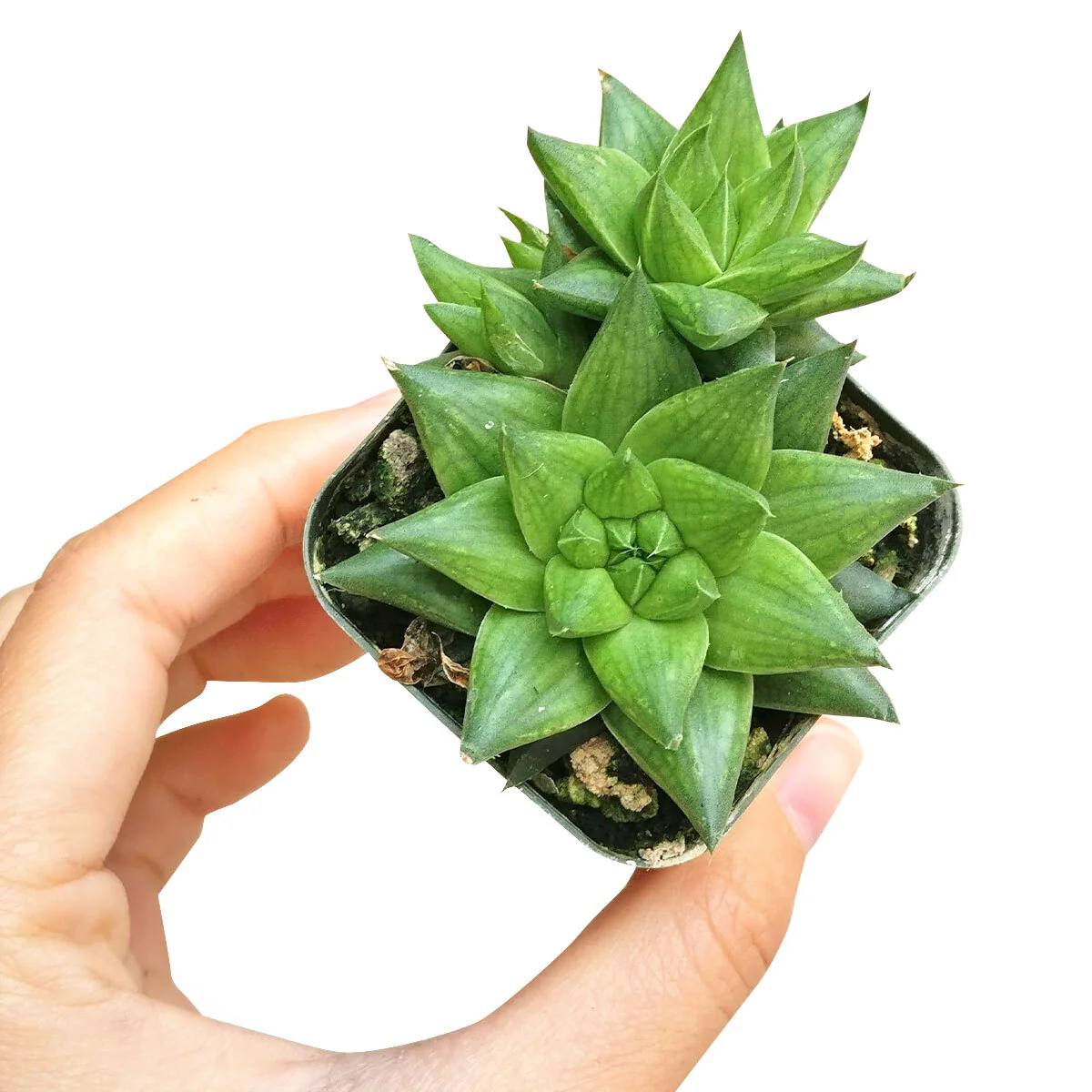
 Aloe Peglerae forms a stunning compact rosette of blue-grey leaves that curve inward at the tips, giving it the distinctive rounded, almost globe-like silhouette that earns it the nickname turk's cap aloe or fez aloe. The thick, fleshy leaves have reddish-brown marginal teeth and a powdery glaucous coating that deepens in color under bright light. This blue grey rosette succulent stays relatively small and tight, making it one of the most architecturally beautiful compact indoor succulents available to collectors.
 Aloe Peglerae produces a tall flower spike topped with tubular, coral-to-red blooms that attract sunbirds in its native habitat, typically flowering in winter to early spring. Like many aloes, it needs a cooler night temperature drop to trigger blooming indoors, so moving it to a cooler spot in autumn can encourage that show-stopping flower spike. The blooms produce pollen and may be a consideration for allergy-sensitive households.
 As a rare collector plant and genuinely endangered South African aloe, Aloe Peglerae is a standout addition to any succulent collection, rock garden, or sunny windowsill display. It can move outside for summer to soak up natural light, but needs cover from rain since soggy conditions cause rot. Rotate it regularly for an even, symmetrical rosette, keep it away from air conditioning or heater vents, and place it on a high shelf out of reach since cats, dogs, and small children should not be left to nibble or handle the plant, as the sap can cause skin and paw irritation.
-
 Aloe Peglerae thrives in bright indirect light to partial or full sun, with some protection from harsh south-facing window scorch.
 Water Aloe Peglerae deeply but infrequently, allowing the soil to dry completely between waterings, roughly every 2-3 weeks indoors.
 Aloe Peglerae performs best in a gritty, fast-draining cactus and succulent mix blended with extra perlite or coarse sand.
 Aloe Peglerae prefers temperatures between 50-85°F (10-29°C) and should be protected from frost, as it is not cold hardy below 30°F (-1°C).
![]() Aloe Peglerae is a slow growing aloe that needs only light feeding once in spring with a diluted, low-nitrogen succulent fertilizer.
Aloe Peglerae is a slow growing aloe that needs only light feeding once in spring with a diluted, low-nitrogen succulent fertilizer.
 Aloe Peglerae is best suited to USDA Hardiness Zones 9-11, where temperatures rarely dip below 20-25°F (-6 to -4°C) for extended periods. Gardeners growing Aloe Peglerae outdoors year-round will find ideal conditions across much of California, Arizona, Texas, Nevada, Florida, Hawaii, Louisiana, Mississippi, Alabama, Georgia, and South Carolina. Coastal areas of Oregon and sheltered microclimates in New Mexico and North Carolina's warmest zones can also support Aloe Peglerae with minimal winter protection.
-
Q: How often should I water Aloe Peglerae?
A: Water Aloe Peglerae every 2-3 weeks indoors, letting the soil dry out completely between waterings. In winter, reduce watering to once a month or less.
Q: Is Aloe Peglerae safe for pets?
A: Cats and dogs should not be left to nibble or eat Aloe Peglerae, as the sap can cause skin and paw irritation. Keep it on a high shelf well out of reach of pets and small children.
Q: Why are the leaves on my Aloe Peglerae turning yellow?
A: Yellow leaves on Aloe Peglerae are most commonly caused by overwatering or poor drainage, so check that the soil is fully dry before watering again. Too little light can also trigger yellowing over time.
Q: How do I propagate Aloe Peglerae?
A: Aloe Peglerae propagates through offsets, or pups, that form at the base of a mature plant. Gently separate a pup with its roots intact and pot it into dry, gritty succulent mix, waiting a few days before first watering.
Q: How big does Aloe Peglerae get?
A: Aloe Peglerae is a compact, slow growing aloe that typically reaches 8-12 inches (20-30 cm) in diameter at maturity. Its clumping habit means it may eventually produce a small cluster of rosettes over many years.
Q: Is Aloe Peglerae a good plant for beginners?
A: Yes, Aloe Peglerae is a beginner-friendly succulent despite being a rare collector plant, needing only bright light, infrequent watering, and fast-draining soil to thrive. It even signals when it needs water by showing slight wilting or leaf softening, making it easy to read and care for.


Original: $18.40
-70%$18.40
$5.52Product Information
Product Information
Shipping & Returns
Shipping & Returns
Description
- Description
- Aloe Peglerae Care Guide
- FAQ/Common Issues
-
![]() Aloe Peglerae is a rare, endangered South African aloe native to the rocky quartzite hillsides of the Magaliesberg mountain range in the North West Province. This drought tolerant succulent belongs to the Asphodelaceae family and grows in harsh, well-drained slopes where rainfall is low and soils are lean. Sought after by collectors worldwide, Aloe Peglerae is a slow growing aloe with serious appeal for anyone passionate about rare plants.
Aloe Peglerae is a rare, endangered South African aloe native to the rocky quartzite hillsides of the Magaliesberg mountain range in the North West Province. This drought tolerant succulent belongs to the Asphodelaceae family and grows in harsh, well-drained slopes where rainfall is low and soils are lean. Sought after by collectors worldwide, Aloe Peglerae is a slow growing aloe with serious appeal for anyone passionate about rare plants.
Aloe Peglerae forms a stunning compact rosette of blue-grey leaves that curve inward at the tips, giving it the distinctive rounded, almost globe-like silhouette that earns it the nickname turk's cap aloe or fez aloe. The thick, fleshy leaves have reddish-brown marginal teeth and a powdery glaucous coating that deepens in color under bright light. This blue grey rosette succulent stays relatively small and tight, making it one of the most architecturally beautiful compact indoor succulents available to collectors.
Aloe Peglerae produces a tall flower spike topped with tubular, coral-to-red blooms that attract sunbirds in its native habitat, typically flowering in winter to early spring. Like many aloes, it needs a cooler night temperature drop to trigger blooming indoors, so moving it to a cooler spot in autumn can encourage that show-stopping flower spike. The blooms produce pollen and may be a consideration for allergy-sensitive households.
As a rare collector plant and genuinely endangered South African aloe, Aloe Peglerae is a standout addition to any succulent collection, rock garden, or sunny windowsill display. It can move outside for summer to soak up natural light, but needs cover from rain since soggy conditions cause rot. Rotate it regularly for an even, symmetrical rosette, keep it away from air conditioning or heater vents, and place it on a high shelf out of reach since cats, dogs, and small children should not be left to nibble or handle the plant, as the sap can cause skin and paw irritation.
-
Aloe Peglerae thrives in bright indirect light to partial or full sun, with some protection from harsh south-facing window scorch.
Water Aloe Peglerae deeply but infrequently, allowing the soil to dry completely between waterings, roughly every 2-3 weeks indoors.
Aloe Peglerae performs best in a gritty, fast-draining cactus and succulent mix blended with extra perlite or coarse sand.
Aloe Peglerae prefers temperatures between 50-85°F (10-29°C) and should be protected from frost, as it is not cold hardy below 30°F (-1°C).
![]() Aloe Peglerae is a slow growing aloe that needs only light feeding once in spring with a diluted, low-nitrogen succulent fertilizer.
Aloe Peglerae is a slow growing aloe that needs only light feeding once in spring with a diluted, low-nitrogen succulent fertilizer.
Aloe Peglerae is best suited to USDA Hardiness Zones 9-11, where temperatures rarely dip below 20-25°F (-6 to -4°C) for extended periods. Gardeners growing Aloe Peglerae outdoors year-round will find ideal conditions across much of California, Arizona, Texas, Nevada, Florida, Hawaii, Louisiana, Mississippi, Alabama, Georgia, and South Carolina. Coastal areas of Oregon and sheltered microclimates in New Mexico and North Carolina's warmest zones can also support Aloe Peglerae with minimal winter protection.
-
Q: How often should I water Aloe Peglerae?
A: Water Aloe Peglerae every 2-3 weeks indoors, letting the soil dry out completely between waterings. In winter, reduce watering to once a month or less.
Q: Is Aloe Peglerae safe for pets?
A: Cats and dogs should not be left to nibble or eat Aloe Peglerae, as the sap can cause skin and paw irritation. Keep it on a high shelf well out of reach of pets and small children.
Q: Why are the leaves on my Aloe Peglerae turning yellow?
A: Yellow leaves on Aloe Peglerae are most commonly caused by overwatering or poor drainage, so check that the soil is fully dry before watering again. Too little light can also trigger yellowing over time.
Q: How do I propagate Aloe Peglerae?
A: Aloe Peglerae propagates through offsets, or pups, that form at the base of a mature plant. Gently separate a pup with its roots intact and pot it into dry, gritty succulent mix, waiting a few days before first watering.
Q: How big does Aloe Peglerae get?
A: Aloe Peglerae is a compact, slow growing aloe that typically reaches 8-12 inches (20-30 cm) in diameter at maturity. Its clumping habit means it may eventually produce a small cluster of rosettes over many years.
Q: Is Aloe Peglerae a good plant for beginners?
A: Yes, Aloe Peglerae is a beginner-friendly succulent despite being a rare collector plant, needing only bright light, infrequent watering, and fast-draining soil to thrive. It even signals when it needs water by showing slight wilting or leaf softening, making it easy to read and care for.